
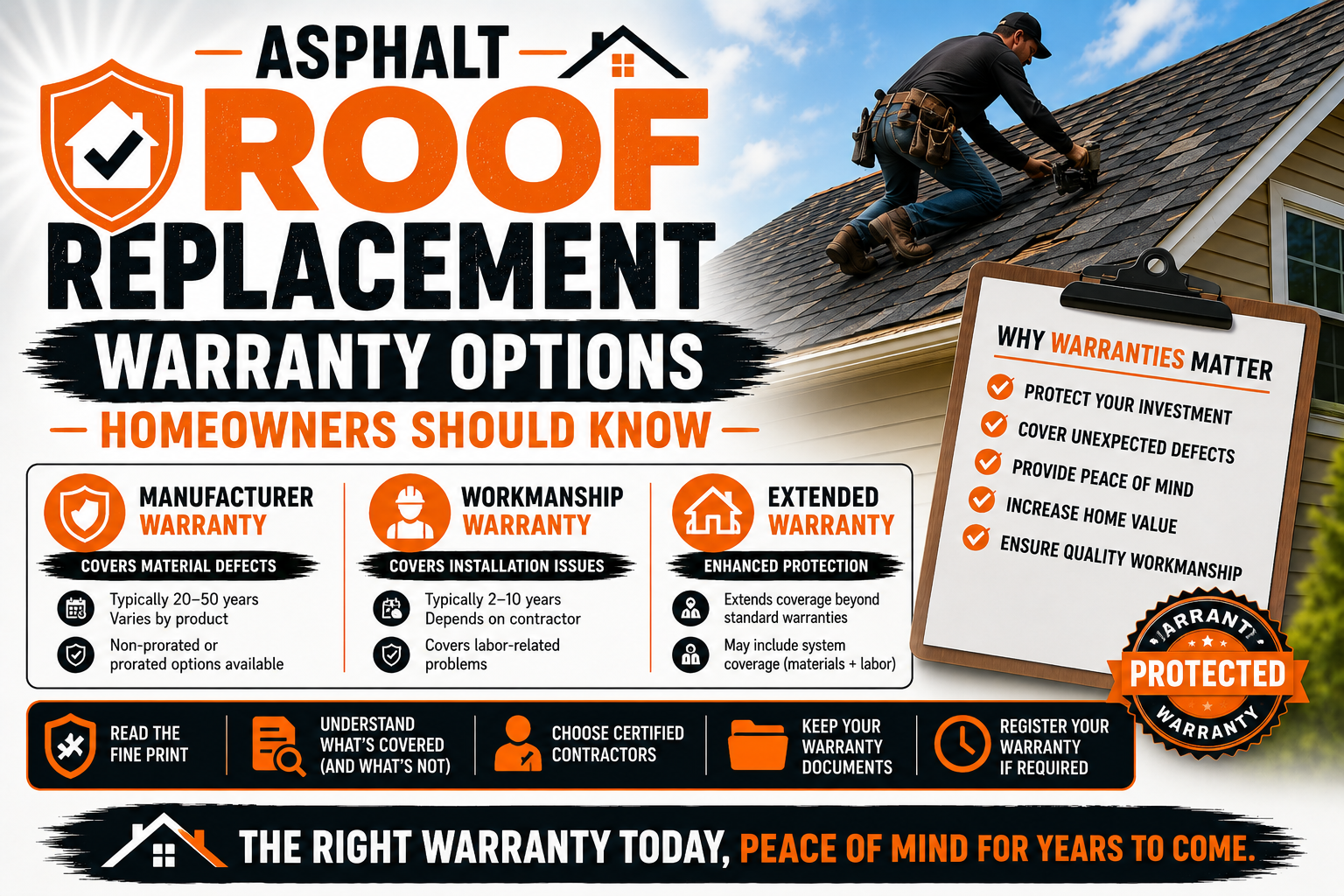
Asphalt Roof Replacement Warranty Options Homeowners Should Know
Introduction
Replacing an asphalt roof is one of the most significant investments a homeowner will make. While many people focus on selecting quality shingles, finding an experienced contractor, and comparing installation costs, the warranty often receives far less attention than it deserves. A comprehensive warranty can protect your investment for years and provide valuable financial security if problems develop after installation.
Unfortunately, many homeowners assume every roofing warranty offers the same level of protection. In reality, warranties vary considerably depending on the manufacturer, roofing contractor, materials used, and installation methods. Some warranties only cover manufacturing defects, while others provide extensive protection that includes labor, workmanship, and even replacement costs.
Understanding these warranty options before signing a roofing contract helps homeowners avoid costly misunderstandings in the future. Knowing what is covered, what is excluded, and what responsibilities remain with the homeowner makes it easier to compare roofing proposals and select the best long-term value rather than simply choosing the lowest price.
This guide explains the different asphalt roof replacement warranty options available today. It also explores the important terms homeowners should recognize before making a roofing decision, helping you protect both your home and your financial investment.
Why Roof Replacement Warranties Matter More Than Most Homeowners Realize
A new asphalt roof is expected to last for decades, but even high-quality roofing systems can experience unexpected issues. Manufacturing defects, installation errors, improper ventilation, or material failures may not become visible until months or even years after the replacement is complete. A strong warranty helps reduce the financial burden if these problems occur.
Many homeowners mistakenly believe their homeowner’s insurance policy will cover every roofing problem. Insurance generally focuses on sudden events such as storms, hail, or fire damage rather than defects in materials or installation. Roofing warranties fill this important gap by addressing issues that insurance policies typically exclude.
A warranty also demonstrates confidence in the roofing products and installation quality. Manufacturers that produce premium shingles often back them with stronger warranties because they trust their products to perform as expected under normal conditions. Likewise, experienced roofing contractors frequently provide workmanship guarantees because they stand behind the quality of their installation.
Beyond financial protection, warranties offer peace of mind. Knowing that repairs or replacements may be covered allows homeowners to enjoy their investment without constantly worrying about unexpected roofing expenses during the early years of ownership.
Understanding the Different Types of Asphalt Roof Warranties
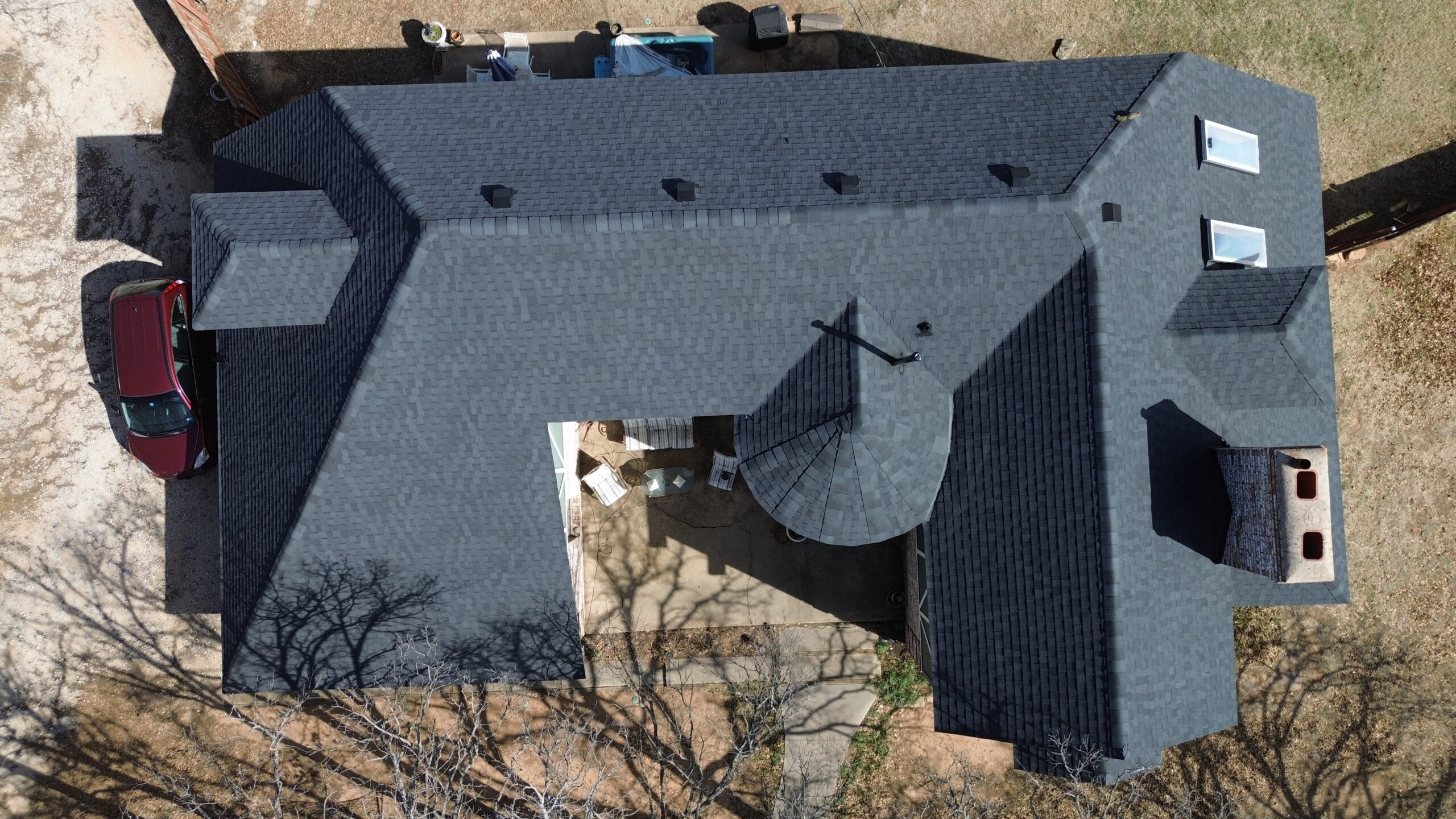
Roof replacement warranties are not a single document that covers every possible issue. Instead, they often consist of multiple forms of protection that work together to safeguard different parts of the roofing system. Understanding these categories helps homeowners compare roofing proposals more accurately.
Most asphalt roof replacement projects involve at least two primary warranties. One comes from the roofing material manufacturer, while the other comes from the contractor responsible for installing the roof. In some cases, homeowners may also qualify for enhanced warranty programs that combine additional benefits into a more comprehensive package.
Each warranty has its own terms, conditions, coverage periods, and limitations. Reading these documents carefully before approving a roofing contract prevents confusion if warranty service is needed later.
The main categories include manufacturer warranties, workmanship warranties, and enhanced warranty programs. Each serves a different purpose, making it important to understand where one ends and another begins.
Manufacturer Warranty Explained
A manufacturer warranty protects homeowners against defects that occur because the roofing materials themselves fail to meet expected quality standards. If shingles contain manufacturing defects that cause premature cracking, excessive granule loss, blistering, or similar issues, the manufacturer may provide replacement materials according to the warranty terms.
This type of warranty generally focuses on the shingles and certain roofing accessories produced by the same manufacturer. Depending on the product line, coverage periods may range from twenty years to limited lifetime protection. Premium architectural shingles often receive longer warranty periods than basic three-tab shingles.
Many manufacturers also structure their warranties differently over time. Some offer full replacement coverage during the initial years, followed by prorated coverage that gradually decreases as the roof ages. Understanding this distinction is important because the value of warranty protection may change significantly throughout the roof’s lifespan.
It is equally important to remember that manufacturer warranties usually focus on product defects rather than installation mistakes. If a roof leaks because shingles were installed incorrectly, the manufacturer may deny coverage even if the shingles themselves remain under warranty.
Workmanship Warranty from Roofing Contractors
A workmanship warranty covers installation quality rather than roofing materials. Since even premium shingles can fail when installed incorrectly, this warranty plays an essential role in protecting homeowners after roof replacement.
Roof installation involves many technical details that affect long-term performance. Proper nailing patterns, flashing installation, underlayment placement, ventilation design, and sealing methods all influence how well the roof withstands weather over the coming decades. Errors in any of these areas may result in leaks or premature roof failure despite using excellent materials.
Contractor workmanship warranties vary much more than manufacturer warranties. Some roofing companies provide one-year workmanship protection, while others confidently offer warranties lasting ten years, twenty years, or even longer. The length often reflects both company policies and confidence in installation standards.
Homeowners should carefully review exactly what workmanship coverage includes. Some warranties only repair installation errors, while others also cover labor costs, replacement materials, and related repairs if installation defects cause damage to the roofing system.
The value of a workmanship warranty depends heavily on the roofing contractor’s reputation and long-term stability. A lengthy warranty provides little benefit if the company closes its business before warranty service becomes necessary. Choosing an established contractor with a strong local reputation often increases the likelihood that workmanship coverage will remain available for many years.
Extended and Enhanced Warranty Programs
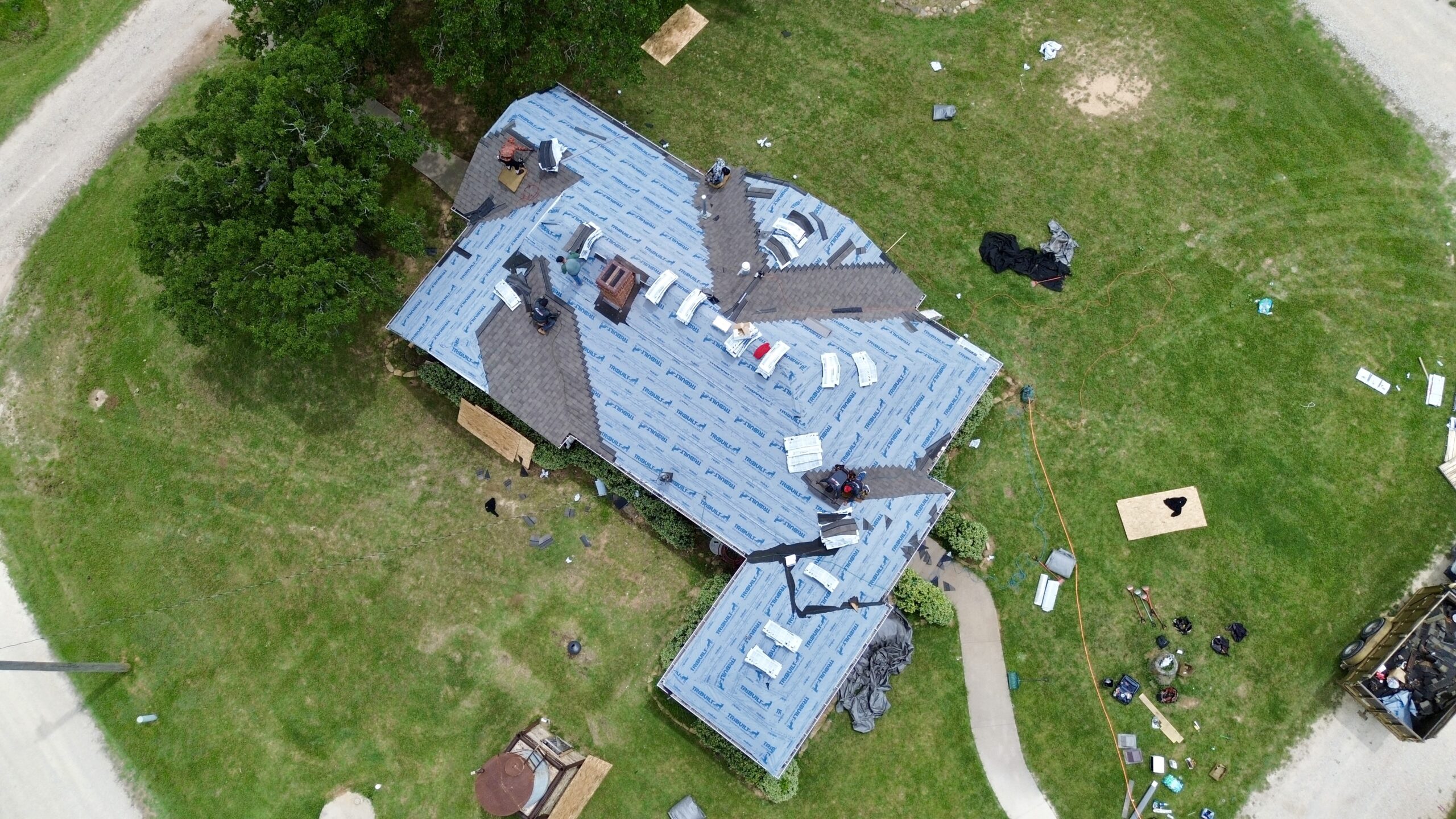
Many roofing manufacturers partner with certified contractors to offer enhanced warranty programs that go beyond standard material protection. These programs combine expanded manufacturer coverage with additional workmanship protection, creating more comprehensive security for homeowners.
Enhanced warranties usually require installation by contractors who have completed manufacturer training and certification programs. These contractors follow specific installation guidelines designed to maximize roof performance and reduce the risk of premature failure.
Some enhanced warranties provide coverage for roofing accessories beyond the shingles themselves. Components such as ridge vents, starter shingles, underlayment, hip and ridge products, and specialized flashing materials may also receive warranty protection when installed as part of a complete roofing system from the same manufacturer.
Another advantage involves labor coverage. Standard manufacturer warranties often replace defective materials but may not fully reimburse installation costs. Enhanced warranty programs sometimes include labor expenses for approved repairs or complete replacement if covered defects occur during the warranty period.
Although enhanced warranties usually increase the initial roofing cost, many homeowners consider them worthwhile because they reduce future financial uncertainty. For homeowners planning to remain in their homes for many years, stronger warranty protection may provide significant long-term value.
Common Terms Every Homeowner Should Understand Before Signing
Roofing warranties often contain technical language that can be confusing during the excitement of planning a roof replacement. Understanding several common terms helps homeowners evaluate warranty documents with greater confidence.
A limited warranty means coverage applies only under certain conditions rather than protecting against every possible roofing problem. Most asphalt roof warranties fall into this category because they contain exclusions and homeowner responsibilities.
The term prorated coverage indicates that warranty benefits gradually decrease as the roof becomes older. Instead of receiving complete replacement value throughout the warranty period, homeowners may receive only a percentage of material costs after several years have passed.
A non-prorated warranty generally provides full coverage during the specified protection period, offering greater financial value if a covered defect appears early in the roof’s life.
The phrase transferable warranty refers to warranties that can move from the original homeowner to a future buyer when the property is sold. Transferability may increase resale value because prospective buyers appreciate knowing that warranty protection continues after ownership changes.
Another important term is system warranty. Rather than covering only shingles, a system warranty protects multiple roofing components that are designed to work together as a complete roofing assembly. These warranties often provide broader coverage than warranties limited to individual products.
Homeowners should also understand the meaning of registration requirements. Some manufacturers require warranty registration shortly after installation. Missing this step could reduce available coverage or eliminate certain warranty benefits altogether.
Comparing Warranty Types at a Glance
| Warranty Type | Primary Coverage | Typical Provider | Main Benefit | Common Limitation |
|---|---|---|---|---|
| Manufacturer Warranty | Material defects | Roofing manufacturer | Protects against defective shingles and roofing products | Usually excludes installation mistakes |
| Workmanship Warranty | Installation quality | Roofing contractor | Covers errors made during installation | Coverage depends on contractor policies |
| Enhanced Warranty | Materials and installation | Manufacturer with certified contractor | Broader protection with additional labor coverage | Often requires certified installers and complete roofing systems |
| System Warranty | Entire roofing system | Roofing manufacturer | Covers multiple compatible roofing components | May require approved accessories throughout the roof |
Choosing between these warranty types requires looking beyond the warranty length alone. The scope of coverage, exclusions, labor protection, contractor reputation, and manufacturer support all influence the real value homeowners receive from their roofing investment.
A careful comparison before signing a roofing contract can prevent expensive surprises later. Understanding how these warranties differ creates a strong foundation for evaluating the coverage details, exclusions, maintenance requirements, and homeowner responsibilities discussed in the next part of this guide.
What Is Covered Under Most Asphalt Roof Replacement Warranties
Understanding what a roofing warranty actually covers is just as important as knowing how long it lasts. Many homeowners assume that any problem involving their new roof will automatically qualify for warranty service, but coverage depends on the source of the issue and the terms of the warranty agreement.
Most manufacturer warranties primarily protect against defects in roofing materials. If asphalt shingles fail because of problems during manufacturing rather than normal aging or external damage, the manufacturer may provide replacement materials. The specific coverage depends on the warranty level, the roofing products installed, and whether the roof was installed according to the manufacturer’s requirements.
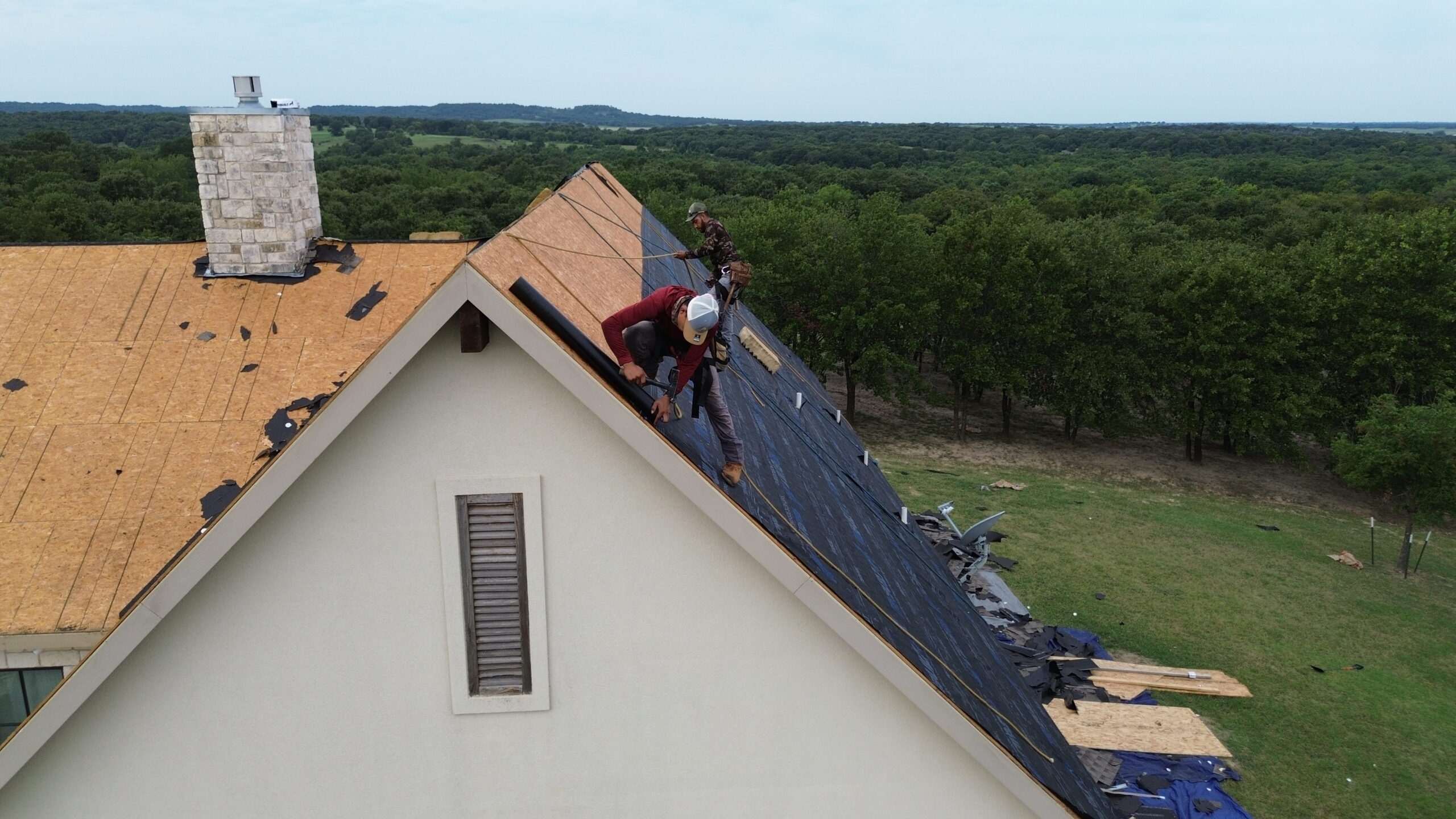
Workmanship warranties, on the other hand, address installation-related problems. If flashing was improperly installed, shingles were nailed incorrectly, or roof penetrations were not sealed according to professional standards, the roofing contractor may be responsible for correcting the issue under the workmanship warranty.
Enhanced warranty programs often combine these protections into one comprehensive package. These warranties may cover both material defects and labor costs, reducing the homeowner’s financial responsibility if a covered problem develops during the warranty period.
Some premium warranty programs also include coverage for roofing accessories that work together as part of the complete roofing system. This can include starter shingles, ridge cap shingles, underlayment, ventilation products, and other approved components installed during the roof replacement.
Although coverage varies among manufacturers, homeowners commonly find protection for several important situations.
- Manufacturing defects in asphalt shingles
- Premature cracking or splitting caused by product defects
- Excessive granule loss beyond normal aging
- Certain installation errors covered by workmanship warranties
- Replacement roofing materials under qualifying warranty terms
- Labor costs under selected premium warranty programs
Reading the complete warranty document remains essential because every manufacturer defines covered conditions differently. Small differences in wording may significantly affect whether a future repair qualifies for warranty service.
What Is Usually Excluded from Warranty Protection
While warranties provide valuable protection, they are never designed to cover every possible roofing issue. Understanding common exclusions helps homeowners develop realistic expectations and avoid disappointment if problems occur.
One of the most common exclusions involves damage caused by severe weather. High winds beyond warranty ratings, hail, hurricanes, tornadoes, earthquakes, flooding, and falling trees are generally considered insurance matters rather than warranty issues. The warranty focuses on product or installation performance rather than unpredictable natural disasters.
Improper maintenance can also eliminate warranty protection. Roofs require periodic inspections, debris removal, gutter cleaning, and prompt attention to minor issues before they become major problems. Ignoring obvious damage may lead to warranty denial because the homeowner failed to protect the roofing system.
Unauthorized repairs represent another common exclusion. If another contractor modifies the roof without following manufacturer requirements, warranty coverage may become limited or completely void depending on the circumstances.
Many warranties also exclude cosmetic issues that do not affect roof performance. Slight color variations, minor weathering, algae staining in non-protected products, or normal aging often fall outside warranty coverage because they do not reduce the roof’s ability to protect the home.
Structural problems beneath the roofing system frequently remain outside warranty protection as well. If roof decking deteriorates due to previous water damage or structural movement causes roofing issues, those repairs generally become the homeowner’s responsibility rather than the manufacturer’s.
Understanding these exclusions allows homeowners to combine warranty protection with proper maintenance and adequate homeowner’s insurance for more complete financial security.
How Weather Events and Natural Disasters Affect Coverage
Weather plays a major role in roof performance throughout its lifespan. However, many homeowners misunderstand how weather-related damage interacts with roofing warranties.
Manufacturers design asphalt shingles to withstand certain environmental conditions based on laboratory testing and industry standards. Premium shingles often carry higher wind resistance ratings than standard products, but these ratings should not be interpreted as guarantees against every storm.
For example, if a covered manufacturing defect causes shingles to loosen during moderate winds, warranty protection may apply because defective materials contributed to the failure. Conversely, if a powerful hurricane exceeds the product’s tested performance limits, resulting damage will likely fall under homeowner’s insurance rather than warranty coverage.
The same principle applies to hail damage. Large hailstones can physically damage even properly manufactured shingles. Since the materials did not fail because of a manufacturing defect, warranty protection usually does not apply despite the roof requiring repairs.
Snow and ice create additional considerations in colder climates. Ice dams often result from ventilation or insulation problems inside the home rather than defective roofing materials. Manufacturers may deny warranty claims if poor attic ventilation contributes to roof deterioration over time.
Homeowners should therefore view warranties and insurance as complementary forms of protection rather than substitutes for one another. Each addresses different risks associated with owning a roofing system.
The Importance of Proper Roof Installation for Warranty Validity
Even the highest quality asphalt shingles cannot perform as intended if installation standards are ignored. Proper installation affects not only roof performance but also whether warranty protection remains valid throughout the coverage period.
Manufacturers publish detailed installation instructions covering every stage of the roofing process. These guidelines specify acceptable nail placement, fastening patterns, ventilation requirements, flashing methods, underlayment installation, slope limitations, and acceptable weather conditions during installation.
Certified roofing contractors receive specialized training that helps ensure these requirements are consistently followed. By selecting experienced installers familiar with manufacturer specifications, homeowners greatly reduce the risk of warranty disputes later.
Improper installation can create problems that may not become visible immediately. Roof leaks caused by misplaced flashing, inadequate ventilation, incorrect shingle alignment, or poor fastening techniques sometimes appear years after installation. Determining whether these issues resulted from defective materials or installation mistakes becomes much easier when professional documentation exists.
Many manufacturers require approved roofing accessories to maintain enhanced warranty eligibility. Mixing products from different manufacturers may reduce available warranty coverage because the complete roofing system no longer matches tested installation standards.
Documentation also plays an important role in warranty validation. Homeowners should retain contracts, invoices, photographs, warranty registration documents, inspection reports, and proof that approved materials were installed according to manufacturer specifications.
Maintenance Requirements That Protect Your Warranty
Roof warranties protect homeowners against qualifying defects, but they also expect homeowners to care for the roof throughout its service life. Routine maintenance demonstrates responsible ownership and helps prevent minor concerns from developing into expensive repairs.
Many manufacturers recommend annual roof inspections, particularly after severe weather. These inspections allow small problems such as loose flashing, damaged sealant, clogged valleys, or missing shingles to be identified before they create larger structural issues.
Keeping gutters clean contributes directly to roof health. Blocked gutters can force water beneath shingles, increase moisture exposure, and accelerate deterioration along roof edges. Regular cleaning supports proper drainage and reduces unnecessary stress on roofing materials.
Tree branches that extend over the roof should also receive periodic trimming. Overhanging limbs may scrape shingles during windy conditions, trap moisture, and increase the likelihood of impact damage during storms.
Attic ventilation deserves equal attention because excessive heat and moisture can shorten the life of roofing materials. Balanced intake and exhaust ventilation help maintain stable temperatures beneath the roof while reducing condensation that may damage decking and insulation.
Simple maintenance tasks performed consistently often provide greater long-term value than expensive repairs delayed for several years. Preventive care protects both the roof itself and the warranty associated with the installation.
Questions Every Homeowner Should Ask Before Accepting a Warranty
Before signing a roofing contract, homeowners should carefully review the warranty details instead of focusing only on the advertised coverage period. Asking the right questions allows meaningful comparisons between contractors and manufacturers.
- Who provides the warranty, the manufacturer, the contractor, or both?
- Does the warranty include labor costs as well as replacement materials?
- Is the coverage non-prorated, prorated, or a combination of both?
- What homeowner maintenance responsibilities must be followed?
- Are roofing accessories covered together with the shingles?
- Is warranty registration required after installation?
- Can the warranty be transferred if the home is sold?
- Which situations specifically void the warranty?
- What documentation should be kept for future claims?
- How is the warranty claim process handled if a problem develops?
Receiving clear answers before installation begins helps homeowners avoid misunderstandings after the roof has already been completed. A reputable contractor should willingly explain every aspect of the warranty rather than simply handing over lengthy paperwork.
Mistakes That Commonly Void Roofing Warranties
Many warranty claims are denied not because the roof lacks coverage, but because certain actions unintentionally violate warranty conditions. Understanding these mistakes allows homeowners to protect their investment throughout the roof’s lifespan.
- Failing to register the warranty when registration is required.
- Hiring unapproved contractors for unauthorized roof modifications.
- Ignoring routine maintenance and allowing preventable damage to worsen.
- Installing incompatible roofing products from different manufacturers.
- Making structural changes that affect roof performance without proper evaluation.
- Delaying repairs after visible damage appears.
- Failing to maintain adequate attic ventilation.
- Not keeping installation records, invoices, and warranty documents.
Avoiding these mistakes requires only a modest amount of organization and regular maintenance. Keeping warranty documents in a secure location and scheduling periodic roof inspections greatly improves the likelihood that warranty protection will remain available whenever it is truly needed.
Understanding coverage, exclusions, installation requirements, and maintenance responsibilities provides homeowners with a much clearer picture of how roofing warranties function in real-world situations. The final part of this guide explores how to compare warranty options, choose the most appropriate level of protection, transfer warranties during home sales, file successful warranty claims, and maximize the long-term value of your asphalt roof replacement investment.
Choosing the Best Warranty Based on Your Home and Budget
Selecting the right warranty is not simply about choosing the longest coverage period. A warranty should match the home’s location, the quality of the roofing system, the homeowner’s long-term plans, and the overall project budget. Looking beyond the headline number helps homeowners make a more informed decision that provides lasting value.
For homeowners planning to stay in their homes for many years, investing in stronger warranty protection often makes financial sense. Even if an enhanced warranty increases the initial project cost, the additional labor coverage and broader protection may prevent significant repair expenses in the future. Long-term homeowners generally benefit the most from comprehensive warranties because they are more likely to experience the full duration of the coverage.
On the other hand, homeowners who expect to sell their property within a few years may focus on warranties that offer easy transferability. A transferable warranty can become an attractive selling feature because prospective buyers appreciate knowing that the roof still has remaining protection. This additional confidence may even make the property more competitive in the housing market.
Climate should also influence the warranty decision. Homes located in areas with frequent storms, heavy rainfall, intense sunlight, or strong seasonal temperature changes place greater demands on roofing materials. Choosing premium shingles backed by enhanced warranty coverage can provide additional confidence that the roofing system is designed to perform under challenging environmental conditions.
Budget remains an important consideration, but it should not become the only deciding factor. Saving a small amount during installation may seem attractive initially, yet weaker warranty protection could result in much higher repair costs later. Evaluating both the immediate price and the long-term protection creates a more balanced decision.
Homeowners should also consider the reputation of both the roofing manufacturer and the contractor. A generous warranty carries greater value when it is supported by companies known for honoring claims, providing responsive customer service, and maintaining strong business stability. Researching reviews, certifications, and years of experience can provide valuable insight before making a final selection.
Comparing Standard and Premium Warranty Options
Many roofing manufacturers offer several warranty levels for different product lines. Understanding the differences between standard and premium warranties helps homeowners determine whether upgrading provides meaningful benefits for their particular situation.
Standard warranties typically cover manufacturing defects in shingles for a specified period. These warranties generally provide replacement materials if qualifying defects occur, but labor costs may be limited or excluded after the initial coverage period. While standard warranties still offer valuable protection, homeowners should understand exactly what expenses may remain their responsibility.
Premium warranties often expand protection in several ways. They may include longer periods of non-prorated coverage, reimbursement for labor costs, protection for additional roofing components, and stronger workmanship guarantees when certified contractors perform the installation. These improvements create a more comprehensive safety net throughout the roof’s service life.
Another important distinction involves system coverage. Premium warranties frequently require the use of matching roofing accessories from the same manufacturer. Because every component has been tested to work together, manufacturers are often willing to provide broader protection for the complete roofing assembly rather than individual products alone.
Homeowners should carefully compare what each warranty level includes rather than assuming the higher-priced option automatically represents the best value. Sometimes the additional cost provides substantial long-term benefits, while in other situations the standard warranty may adequately meet the homeowner’s needs.
The following comparison highlights several common differences.
| Feature | Standard Warranty | Premium Warranty |
|---|---|---|
| Material Defect Coverage | Included | Included |
| Labor Coverage | Limited or short-term | Often extended |
| Workmanship Protection | Depends on contractor | Frequently enhanced |
| Roofing Accessories | Limited | Broader system coverage |
| Non-Prorated Period | Shorter | Longer |
| Transfer Benefits | May be limited | Often more flexible |
| Certified Installer Requirement | Usually not required | Commonly required |
This comparison demonstrates that warranty value extends far beyond the number of years listed on the certificate. Understanding each benefit allows homeowners to determine whether additional coverage aligns with their long-term priorities.
Understanding Warranty Transfer When Selling Your Home
One of the most overlooked features of a roofing warranty is its transferability. While many homeowners purchase a new roof expecting to enjoy it for decades, life circumstances can change unexpectedly. A transferable warranty ensures that the remaining protection may continue even after ownership changes.
Transferable warranties often increase buyer confidence during the home-selling process. Purchasing a property with a relatively new roof already provides reassurance, but knowing that warranty protection remains active creates an additional level of trust. Buyers recognize that they may receive financial protection if qualifying roofing problems develop after closing.
However, transferability is rarely automatic. Many manufacturers establish specific procedures that must be completed within a designated period after the property changes ownership. Missing these deadlines can permanently eliminate the transfer option even though the original warranty remains valid for the first homeowner.
Some manufacturers allow only one transfer during the warranty period, while others offer more flexible policies. Homeowners should review these conditions long before listing their property for sale so they understand the necessary paperwork and deadlines.
Documentation becomes especially important during a home sale. Buyers may request copies of installation contracts, warranty certificates, proof of registration, maintenance records, and inspection reports. Organized records demonstrate responsible ownership and simplify the transfer process.
Contractors may also assist with documenting the original installation details if warranty verification becomes necessary during a property transaction. Maintaining these records from the beginning helps avoid unnecessary delays later.
How to File a Roofing Warranty Claim Successfully
Even the strongest warranty provides little value if homeowners do not understand how to submit a claim correctly. Acting promptly and following the required procedures improves the likelihood of a smooth resolution.
The first step involves identifying the source of the problem. If shingles appear defective, the manufacturer may become involved. If the issue appears related to installation quality, the roofing contractor should generally be contacted first. Determining the nature of the problem helps direct the claim to the appropriate party.
Homeowners should avoid making assumptions before professional evaluation. Roof leaks, for example, can result from flashing issues, damaged shingles, clogged drainage systems, structural movement, or unrelated building components. A qualified inspection helps identify the actual cause before warranty decisions are made.
Photographs provide valuable evidence throughout the claims process. Clear images showing damaged areas, interior water stains, loose shingles, or visible deterioration help document the condition before temporary repairs are performed.
Maintaining complete project records also simplifies warranty claims. Important documents may include the installation contract, paid invoices, warranty registration confirmation, inspection reports, maintenance records, and any previous repair documentation. Organized records demonstrate compliance with warranty requirements.
Manufacturers or contractors may request an on-site inspection before approving repairs or replacement. During this evaluation, representatives examine the roofing system to determine whether the issue falls within warranty coverage or resulted from excluded conditions.
If temporary repairs become necessary to prevent additional property damage, homeowners should document everything carefully before work begins. Many warranties require homeowners to take reasonable steps to minimize further damage while preserving evidence for the inspection.
Patience is also important during the review process. Complex claims may require laboratory analysis of roofing materials, consultation between manufacturers and contractors, or additional inspections before final decisions are made. Following communication instructions and responding promptly to requests for information helps keep the process moving efficiently.
Tips for Maximizing the Value of Your Roof Warranty
A roofing warranty represents an important asset, but homeowners play an active role in preserving its value. Consistent maintenance, accurate documentation, and informed decision-making all contribute to stronger long-term protection.
Schedule professional roof inspections at regular intervals, especially after major storms. Early detection allows small concerns to be corrected before they develop into larger issues that may complicate future warranty claims. Professional inspections also create maintenance records demonstrating responsible ownership.
Keep gutters, valleys, and roof surfaces free from debris whenever possible. Leaves, branches, and accumulated dirt can trap moisture against roofing materials, increasing wear over time. Simple cleaning routines help maintain proper drainage and reduce unnecessary stress on the roofing system.
Trim nearby trees before branches begin contacting the roof surface. Constant rubbing can gradually wear away protective granules, while falling limbs may create avoidable damage during storms. Preventive trimming reduces these risks without requiring significant expense.
Avoid allowing other contractors to perform roof modifications without first understanding the warranty requirements. Installing satellite equipment, solar panels, skylights, or additional roof penetrations may affect warranty coverage if completed improperly. Always verify that planned modifications comply with manufacturer guidelines.
Maintain attic ventilation according to professional recommendations. Proper airflow regulates temperature and moisture beneath the roof, supporting longer material life while reducing conditions that may contribute to premature deterioration.
Store all roofing documents together in a secure location. Digital copies provide additional protection if paper records become damaged or misplaced. Easy access to contracts, invoices, registration confirmations, inspection reports, and warranty certificates can significantly simplify future claims.
Finally, establish a relationship with the contractor who completed the installation. Returning to the original installer for inspections and warranty-related questions often results in faster service because they already understand the roofing system and possess the original project records.
Signs It May Be Time to Review Your Warranty
Many homeowners place their warranty documents in a filing cabinet after installation and rarely think about them again. However, reviewing the warranty periodically ensures that homeowners remain familiar with their coverage and responsibilities.
A roof inspection after severe weather provides an excellent opportunity to revisit the warranty terms. Confirming what remains covered helps homeowners respond appropriately if damage is discovered during the inspection.
Home improvement projects involving the roof should also trigger a warranty review. Installing skylights, solar panels, new ventilation equipment, or chimney modifications may affect coverage if the work changes the roofing system. Understanding these conditions beforehand helps avoid accidental violations.
Selling the home represents another important time to examine the warranty. Reviewing transfer procedures early provides sufficient time to gather documents and complete any required paperwork before closing.
Even without major events, reading the warranty every few years refreshes homeowners’ understanding of maintenance responsibilities, claim procedures, and remaining coverage periods. This simple habit ensures that valuable protections are not overlooked when they are needed most.
Final Thoughts on Protecting Your Roofing Investment
An asphalt roof replacement represents far more than a construction project. It is a long-term investment that protects the home’s structure, improves energy efficiency, enhances curb appeal, and contributes to property value. The warranty attached to that investment deserves the same careful attention as the roofing materials themselves.
Understanding the differences between manufacturer warranties, workmanship guarantees, and enhanced coverage programs allows homeowners to make decisions based on value rather than marketing language alone. Looking beyond warranty length and examining coverage details, exclusions, labor protection, and contractor qualifications creates a much clearer picture of the protection being offered.
Responsible homeowners recognize that warranties and maintenance work together rather than replacing one another. Regular inspections, prompt repairs, proper documentation, and adherence to manufacturer recommendations help preserve both the roof and the warranty throughout its lifespan.
Choosing experienced contractors, premium materials, and appropriate warranty protection may require a greater initial investment, but these decisions often reduce unexpected expenses and provide greater confidence for decades to come.
Conclusion
An asphalt roof replacement warranty is much more than a document included with a roofing project. It is a valuable agreement that defines how manufacturers and contractors will support homeowners if qualifying problems arise after installation. Understanding the different warranty options before signing a contract allows homeowners to compare proposals more accurately and avoid costly misunderstandings later.
The strongest warranty is not always the one with the longest advertised coverage period. Real value comes from understanding what is covered, what is excluded, whether labor costs are included, how workmanship is protected, and what responsibilities homeowners must fulfill to keep the warranty valid. Careful attention to these details leads to better decisions and stronger long-term protection.
Maintaining the roof through regular inspections, proper cleaning, and timely repairs further strengthens the value of the warranty. Keeping organized records, following manufacturer recommendations, and working with reputable roofing professionals also improve the likelihood that future claims will be handled smoothly.
Ultimately, a quality asphalt roofing system combined with the right warranty provides lasting peace of mind. By investing time in understanding warranty options before a roof replacement project begins, homeowners can protect both their homes and their financial investment for many years while enjoying the confidence that comes from knowing their roofing system is backed by meaningful long-term protection.