Seasonal Clues That Your Roof Should Be Replaced
Introduction
Your roof protects your home every day, but each season places different demands on its ability to withstand the elements. Rain, heat, wind, snow, humidity, and changing temperatures gradually wear down roofing materials over time. While this process happens naturally, seasonal weather often reveals hidden problems that remain unnoticed during calmer conditions.
Many homeowners only think about their roof when a leak appears inside the house. However, waiting until water damage becomes visible can allow structural problems to develop beneath the roofing materials. Paying attention to seasonal warning signs makes it possible to recognize declining roof performance before expensive repairs become necessary.
Every season exposes roofing systems to unique challenges. Spring rains highlight drainage issues, summer heat accelerates material aging, autumn debris creates moisture problems, and winter conditions place additional stress on structural components. Observing how your roof responds throughout the year provides valuable insight into its overall condition.
Some seasonal damage is minor and can be corrected through routine maintenance or localized repairs. Other issues signal that the roof has reached the end of its practical lifespan and can no longer provide dependable protection. Distinguishing between these situations helps homeowners make informed decisions about maintenance and replacement.
Understanding seasonal clues also supports better financial planning. Instead of facing unexpected emergency repairs during severe weather, homeowners can prepare for roof replacement before small issues grow into major structural concerns. Planning ahead often results in better contractor availability, improved material selection, and more manageable project scheduling.
In this guide, we will explore how each season affects roofing systems, identify the warning signs that suggest replacement may be necessary, and explain why monitoring your roof throughout the year is one of the best ways to protect your home and your investment.
Why Seasonal Changes Reveal Hidden Roof Problems
A roof experiences constant exposure to changing environmental conditions, making seasonal weather one of the most effective tests of its overall condition. While roofing materials may appear perfectly acceptable during mild weather, seasonal extremes often expose weaknesses that have been developing beneath the surface for years.
Temperature changes play a major role in roof deterioration. Roofing materials expand during hot weather and contract when temperatures drop. Repeating this cycle thousands of times throughout the roof’s lifespan gradually weakens shingles, flashing, sealants, and fasteners, reducing the roof’s ability to resist moisture and wind.
Rainfall provides another important test of roof performance. Even small weaknesses in roofing materials become apparent when heavy rain places continuous pressure on the roofing system. Minor leaks that remain hidden during dry weather often reveal themselves during prolonged periods of rainfall.
Wind also exposes vulnerabilities that may otherwise remain unnoticed. Loose shingles, weakened flashing, and aging fasteners become much more likely to fail when subjected to repeated wind pressure. Roofs nearing the end of their lifespan often lose materials during storms that newer roofs easily withstand.
Seasonal moisture contributes to gradual structural deterioration as well. Damp conditions encourage mold growth, wood rot, and deterioration of underlayment beneath roofing materials. These hidden problems frequently progress for months before becoming visible inside the home.
Changing seasons also affect roof drainage. Gutters filled with leaves, debris, or ice prevent water from leaving the roof efficiently, increasing the likelihood of moisture intrusion. Poor drainage places additional stress on roofing materials while accelerating wear in vulnerable areas.
Because every season challenges the roof differently, observing its performance throughout the year provides a much more complete understanding of its condition than relying on a single inspection. Patterns that emerge over multiple seasons often indicate whether repairs remain sufficient or replacement should be considered.
How Different Seasons Affect Roof Performance
Although roofs are designed to withstand changing weather, each season contributes to gradual aging in different ways. Understanding these seasonal effects helps homeowners recognize why roofs deteriorate at different rates depending on climate, maintenance, and environmental exposure.
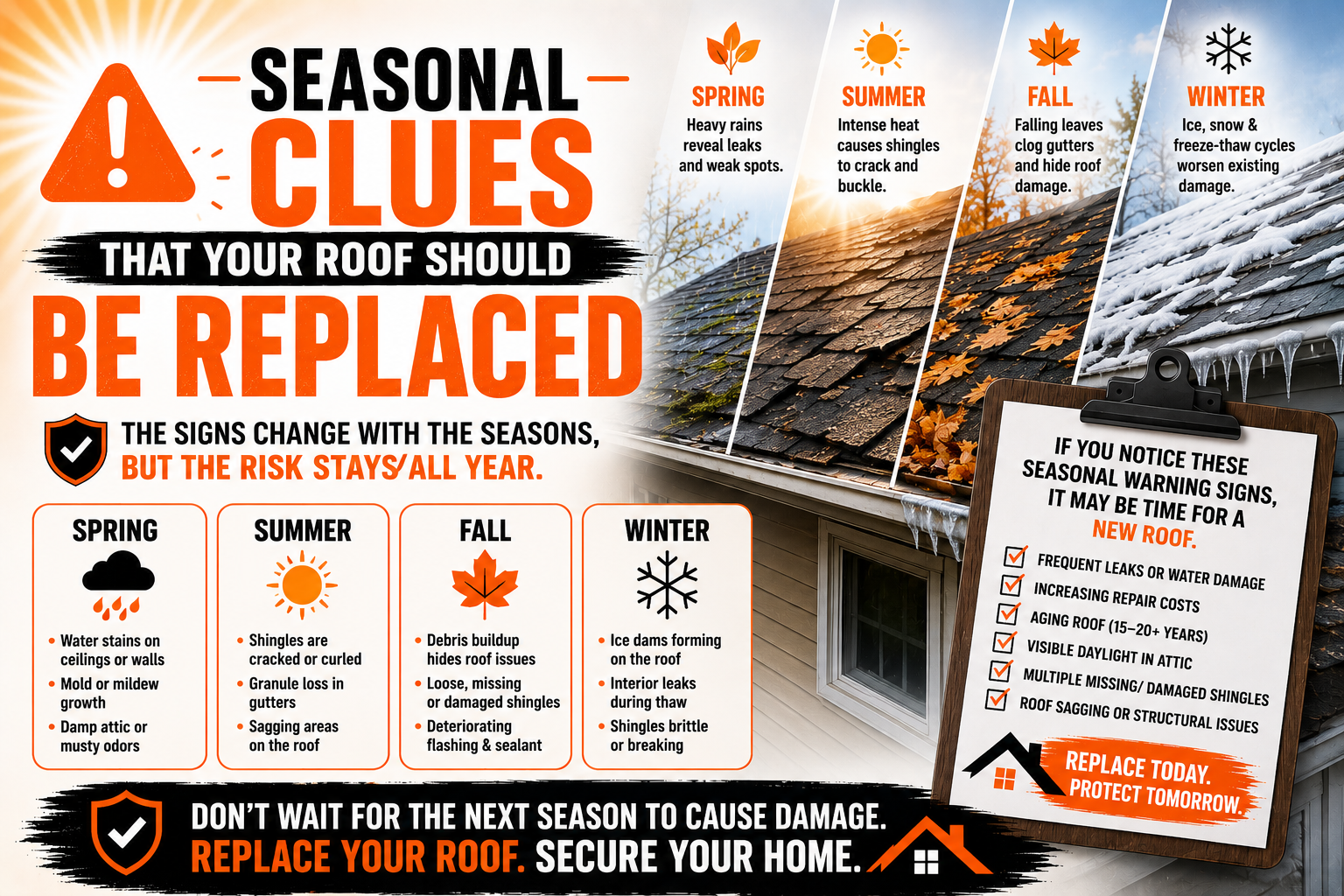
Spring introduces frequent rainfall, fluctuating temperatures, and occasional storms. These conditions test the roof’s waterproofing ability after months of winter weather. Small cracks, loose flashing, and worn shingles often begin allowing moisture to enter once spring rains become consistent.
Summer exposes roofing materials to prolonged sunlight and intense heat. Ultraviolet radiation gradually breaks down protective coatings while high temperatures reduce shingle flexibility. Continuous heat also accelerates the aging of sealants, adhesives, and other roofing components.
Autumn brings falling leaves, pine needles, and debris that collect in valleys and gutters. If drainage becomes restricted, water remains on the roof longer after rainfall. This additional moisture encourages mold growth while increasing stress on roofing materials.
Winter presents some of the most demanding conditions a roof will experience throughout the year. Snow accumulation adds considerable weight, while freezing temperatures create repeated expansion and contraction within roofing materials. Ice formation near roof edges can also interfere with proper drainage.
Humidity influences roof performance during every season. Moisture trapped beneath roofing materials or inside poorly ventilated attics encourages condensation, wood rot, and mold development. Even in regions without heavy snowfall, year round humidity contributes significantly to roof aging.
Wind affects roofs regardless of the season. Strong gusts gradually loosen shingles, flashing, and fasteners over time. Older roofs become increasingly vulnerable because aging materials lose the flexibility needed to withstand repeated wind pressure.
Understanding how each season affects the roof helps homeowners recognize that deterioration rarely results from a single weather event. Instead, years of seasonal exposure gradually reduce the roof’s ability to provide dependable protection.
Spring Warning Signs That Suggest Roof Replacement
Spring is one of the best times to evaluate a roof because winter weather often leaves behind damage that becomes visible as temperatures rise. Homeowners should carefully inspect both the exterior and interior of the home for signs that the roofing system may require more than routine repairs.
One of the first warning signs is missing or damaged shingles. Winter storms, heavy winds, and freeze thaw cycles frequently loosen roofing materials that were already weakened by age. Finding numerous missing shingles after spring storms often indicates widespread deterioration rather than isolated damage.
Spring rain also reveals roof leaks that remained hidden during colder months. Water stains on ceilings, peeling paint, damp attic insulation, or musty odors all suggest moisture is entering the roofing system. Multiple leaks appearing in different areas often indicate that the roof has reached the end of its useful service life.
Gutters should also be inspected carefully during spring maintenance. Large amounts of asphalt granules washing into gutters suggest that shingles are losing their protective outer layer. Once granule loss becomes widespread, shingles deteriorate much more rapidly under continued sun exposure.
Roof flashing deserves equal attention after winter weather. Flashing around chimneys, skylights, roof vents, and valleys expands and contracts throughout freezing temperatures. Damaged or separated flashing creates vulnerable entry points for spring rainfall.
Exterior inspections may also reveal sagging roof sections or uneven roof lines that become easier to notice after snow has melted. Structural movement often indicates prolonged moisture damage beneath the roofing materials. Sagging should always receive immediate professional evaluation because it may involve weakened decking or framing.
Inside the attic, homeowners should look for sunlight entering through roof boards, damp insulation, mold growth, or water stains on structural framing. These warning signs frequently appear before major interior leaks develop and often indicate that replacement deserves serious consideration.
Spring inspections provide an excellent opportunity to identify roofing problems before summer heat accelerates further deterioration. Addressing issues early helps homeowners plan replacement projects under more favorable weather conditions.
Summer Heat Damage That Accelerates Roof Aging
Summer creates some of the harshest environmental conditions for roofing materials. Although roofs are built to withstand high temperatures, years of continuous heat gradually reduce their strength, flexibility, and weather resistance. Understanding how summer affects aging roofs helps homeowners recognize when replacement may become necessary.
Ultraviolet radiation is one of the primary causes of roof aging during summer. Constant exposure to sunlight slowly breaks down asphalt shingles by drying out protective oils within the material. As shingles lose flexibility, they become increasingly susceptible to cracking, curling, and wind damage.
Extreme roof temperatures also affect adhesives and sealants. Roofing materials rely on properly functioning sealants to prevent moisture from entering beneath shingles and flashing. Continuous heat accelerates sealant deterioration, increasing the likelihood of leaks during future storms.
Thermal expansion creates additional stress throughout the roofing system. Roofing materials expand during hot afternoons and contract again after temperatures cool overnight. Repeating this cycle every day throughout the summer gradually weakens fasteners, flashing connections, and roofing joints.
Older roofs often become noticeably more brittle during hot weather. Walking on aging shingles during summer may even cause additional cracking because the materials have lost much of their original flexibility. This brittleness makes storm damage more likely during late summer wind events.
Attic temperatures also increase significantly if ventilation is inadequate. Excessive heat trapped beneath the roof accelerates deterioration from below while reducing insulation effectiveness. Poor ventilation shortens roof lifespan regardless of the quality of the roofing material.
High temperatures may also reveal previous repair weaknesses. Areas that have been patched repeatedly often expand differently than surrounding roofing materials, creating new openings where moisture can later enter. Multiple repaired sections becoming visible during summer inspections may indicate that the roof is approaching replacement.
Homeowners should not assume that a dry summer means the roof is performing well. Heat related deterioration often develops silently before becoming obvious during the next rainy season. Regular inspections throughout the summer help identify these hidden issues before they progress further.
Early Seasonal Indicators Homeowners Should Never Ignore
Certain warning signs appear consistently regardless of the season and often indicate that a roof is nearing the end of its service life. Recognizing these indicators early allows homeowners to plan replacement before extensive structural damage develops.
Recurring leaks represent one of the strongest warning signs. A roof that develops new leaks after every seasonal weather change is often experiencing widespread deterioration rather than isolated damage. Continuing repairs may temporarily solve one problem while leaving others unresolved.
Curling, cracked, or missing shingles should also be monitored carefully. While replacing a few damaged shingles remains practical on a healthy roof, widespread deterioration across multiple sections usually suggests aging materials can no longer provide dependable weather protection.
Granule accumulation inside gutters deserves attention throughout the year. Asphalt shingles rely on these protective granules to resist ultraviolet radiation and moisture. As more granules are lost each season, the roof becomes increasingly vulnerable to weather related damage.
Repeated moisture problems inside the attic provide another important clue. Damp insulation, mold growth, wood discoloration, and musty odors all indicate that seasonal weather is exposing weaknesses within the roofing system. These hidden conditions often develop long before visible ceiling leaks appear.
Increasing repair frequency should never be overlooked. A roof requiring attention every season instead of every several years is usually approaching the point where replacement becomes more economical than continued maintenance. Repair history often provides one of the clearest indicators that the roof has reached the end of its practical lifespan.
Homeowners should also watch for changes in roof appearance from season to season. Areas that become visibly uneven, discolored, or warped often indicate structural deterioration beneath the surface. Professional evaluation helps determine whether these changes remain repairable or require complete replacement.
Recognizing these early seasonal indicators gives homeowners valuable time to prepare for future roofing decisions. Rather than waiting for severe weather to expose major failures, they can plan proactively while protecting both their home and their long term investment.
Fall Signs That Your Roof Is Reaching the End of Its Life
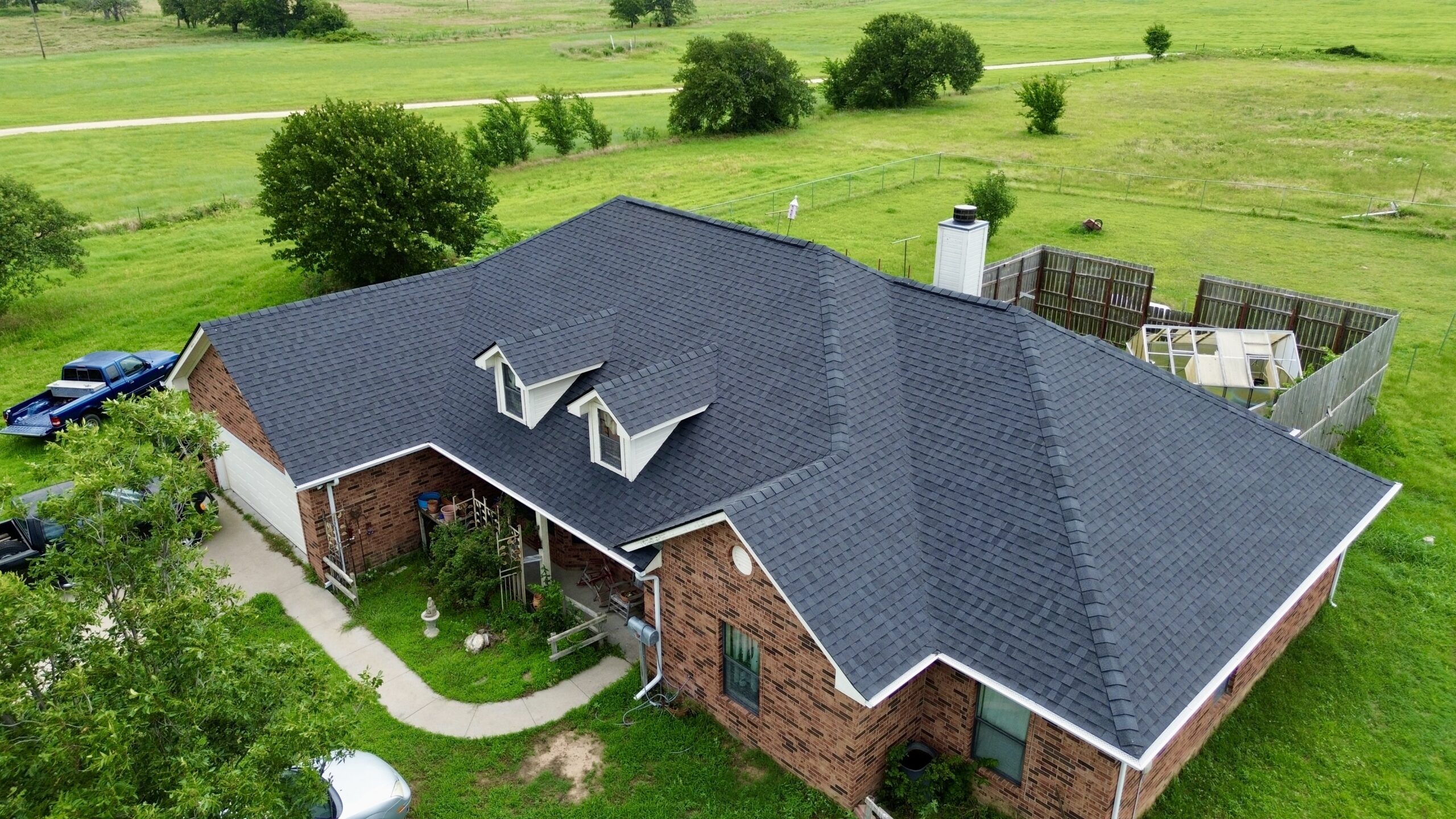
Fall is an important season for evaluating roof condition because it bridges the transition between the heat of summer and the harsher conditions of winter. Damage that developed during warmer months often becomes more noticeable as leaves begin falling, temperatures cool, and seasonal storms become more frequent. A careful inspection during autumn helps homeowners determine whether the roof is prepared for another winter or approaching the point where replacement is necessary.
One of the first warning signs is excessive debris collecting on the roof. Leaves, pine needles, and small branches accumulate in roof valleys and around flashing, preventing water from draining properly. While occasional debris is normal, persistent moisture trapped beneath organic material accelerates the deterioration of aging roofing systems.
Clogged gutters become especially common during fall. When gutters overflow because of leaves and debris, rainwater backs up along roof edges instead of flowing safely away from the home. Continuous moisture exposure weakens fascia boards, roof decking, and underlayment while increasing the risk of leaks.
Cooler temperatures may also reveal shingles that were weakened during the summer. Materials that expanded repeatedly in the heat often begin curling, cracking, or lifting as temperatures decline. These changes reduce the roof’s ability to resist wind driven rain and prepare the way for winter damage.
Fall storms provide another opportunity to observe roof performance. If moderate rainfall produces interior leaks or visible water stains after months of dry weather, the roofing system may no longer be providing reliable protection. Repeated seasonal leaks often indicate widespread aging rather than isolated damage.
Homeowners should also inspect flashing during the fall. Flashing around chimneys, skylights, vents, and roof valleys experiences months of thermal expansion during summer before contracting as temperatures cool. Loose or deteriorated flashing becomes a common entry point for moisture during autumn rainstorms.
Another important clue involves roof appearance after leaves have been removed. Uneven surfaces, sagging areas, or depressions that were previously hidden beneath debris become much easier to identify. Structural irregularities should always receive professional evaluation before winter weather increases roof loads.
Preparing the roof for winter begins with recognizing these fall warning signs. Addressing major problems before freezing temperatures arrive helps prevent additional structural deterioration during the coldest months of the year.
Winter Damage That Often Leads to Full Roof Replacement
Winter places tremendous stress on every roofing system regardless of its age. Freezing temperatures, snow, ice, wind, and repeated freeze thaw cycles challenge both roofing materials and the structural framework supporting them. Older roofs often reveal their greatest weaknesses during this demanding season.
Snow accumulation adds significant weight across the roof surface. A healthy roofing system is designed to support expected seasonal loads, but aging structural components weakened by moisture or previous damage may struggle under prolonged snow accumulation. Structural sagging that appears during winter often signals more serious underlying deterioration.
Ice dams represent another major winter concern. These formations develop when melting snow refreezes near roof edges, preventing proper drainage. Water trapped behind the ice gradually backs up beneath shingles, allowing moisture to enter the roof even when roofing materials appear intact.
Repeated freezing and thawing also accelerates roof aging. Small cracks in shingles, flashing, or sealants expand as trapped moisture freezes and contracts when temperatures rise. Over multiple winter seasons, these cycles enlarge existing weaknesses and create new pathways for water intrusion.
Winter winds place additional stress on roofing materials that have already become brittle with age. Loose shingles, weakened flashing, and deteriorated fasteners are much more likely to fail during cold weather because older materials have lost much of their original flexibility.
Interior warning signs frequently become more noticeable during winter as well. Ice dam related leaks often appear as ceiling stains, damp insulation, or peeling paint. These issues may seem isolated initially, but they often indicate that moisture has already been affecting the roofing system for an extended period.
Attic inspections remain valuable throughout winter whenever conditions allow safe access. Frost accumulation on roof decking, damp insulation, mold growth, or visible water staining all suggest that the roofing system is struggling to manage seasonal moisture effectively.
Repeated winter damage should never be viewed as an unavoidable part of homeownership. If the roof develops serious problems every cold season despite previous repairs, replacement may provide far greater long term value than continuing temporary maintenance.
Comparing Seasonal Roof Wear with Normal Aging
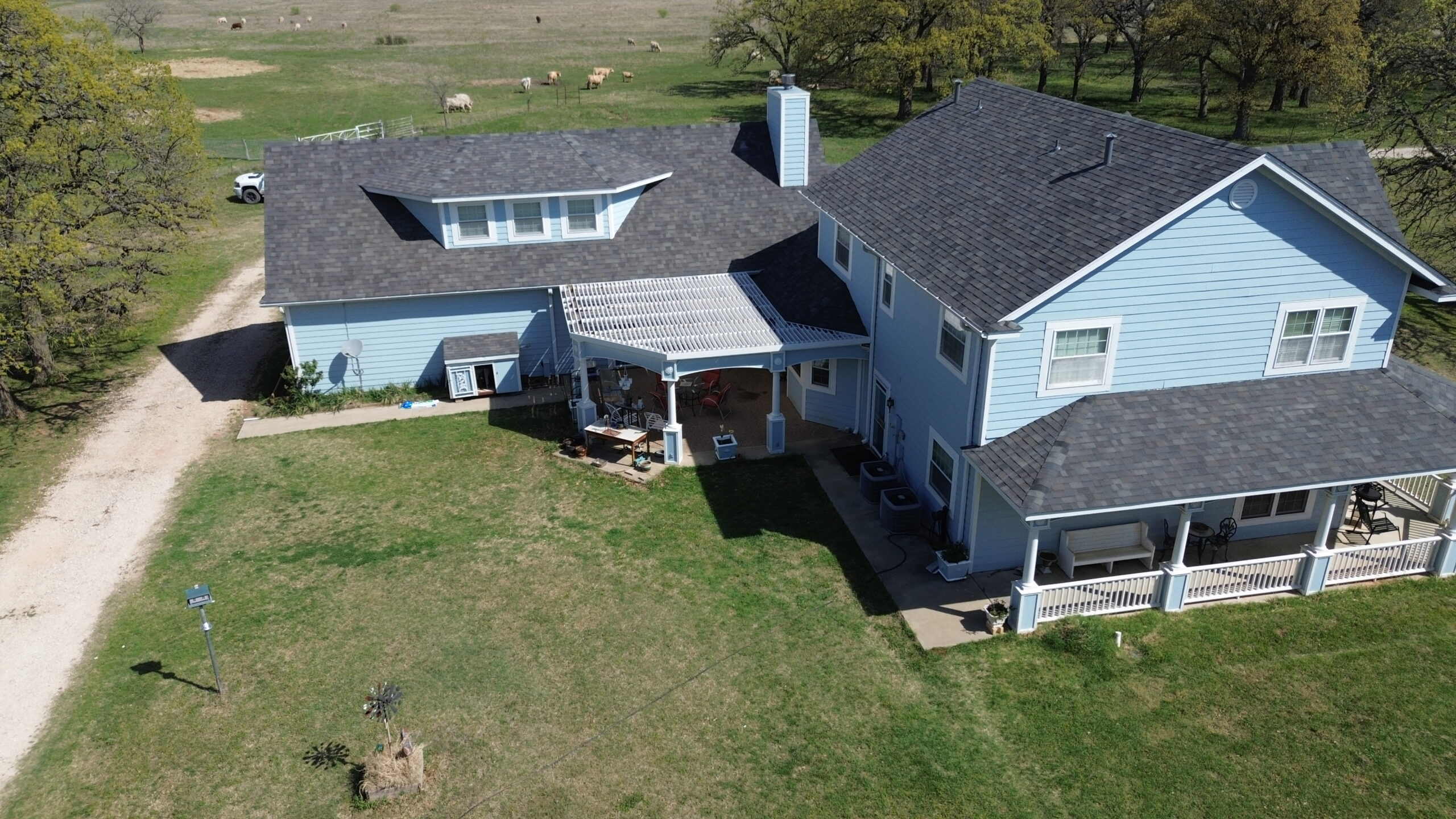
Every roof experiences gradual wear as it ages, but seasonal weather sometimes accelerates deterioration beyond what would normally be expected. Understanding the difference between natural aging and weather related damage helps homeowners determine whether routine maintenance remains sufficient or replacement should be considered.
The following comparison highlights key differences between normal aging and seasonal damage that may signal replacement.
| Condition | Normal Roof Aging | Seasonal Damage Suggesting Replacement |
|---|---|---|
| Shingle Condition | Gradual fading and minor wear over many years | Widespread cracking, curling, or missing shingles after seasonal weather |
| Leak Frequency | Occasional isolated leak | Multiple recurring leaks after different seasons |
| Roof Shape | Maintains overall structural alignment | Visible sagging or uneven roof sections developing after seasonal weather |
| Flashing | Minor sealant maintenance occasionally required | Repeated flashing failures at multiple roof penetrations |
| Moisture Issues | Limited isolated moisture concerns | Persistent attic moisture, mold, or wood rot after seasonal changes |
| Repair History | Infrequent maintenance | Repairs required after nearly every major seasonal weather event |
| Overall Performance | Continues protecting the home effectively | Declining weather resistance despite repeated repairs |
This comparison demonstrates that aging alone does not always require replacement. Many roofs continue performing well beyond their average lifespan when maintenance has been consistent and environmental conditions have been favorable.
Seasonal weather becomes more concerning when it repeatedly exposes new weaknesses throughout the roofing system. A roof that struggles every season often indicates that materials and structural components have reached the limits of their practical service life.
Evaluating seasonal performance alongside roof age provides homeowners with a more accurate understanding of when replacement becomes the better long term investment.
How Seasonal Weather Exposes Existing Roof Weaknesses
Seasonal weather rarely creates every roofing problem from the beginning. More often, changing conditions expose weaknesses that have been developing gradually beneath the surface over many years. Understanding this relationship helps homeowners recognize why recurring seasonal damage deserves careful attention.
Rain is particularly effective at identifying vulnerable areas within the roofing system. Even tiny openings around flashing, roof vents, or aging shingles become apparent during prolonged rainfall. Water follows the path of least resistance, revealing weaknesses that remain hidden during dry periods.
Strong winds provide another important test. Roofing materials that remain securely attached under normal conditions may begin lifting when exposed to repeated gusts. If shingles detach during relatively moderate storms, the roof may already be experiencing widespread material deterioration.
Temperature changes also reveal aging materials. As roofing components expand and contract, weakened sealants, brittle shingles, and aging flashing become more likely to separate or crack. Seasonal movement often highlights problems that are not immediately visible through casual inspection.
Snow and ice expose structural weaknesses by increasing the weight carried by the roof. Sections weakened by moisture damage or aging framing may begin sagging only after significant snow accumulation. Once structural movement appears, professional evaluation becomes essential.
Humidity affects roof performance throughout the year by encouraging condensation within poorly ventilated attic spaces. Moisture trapped beneath roofing materials accelerates wood deterioration while reducing insulation effectiveness. Seasonal humidity changes often reveal ventilation deficiencies contributing to roof aging.
Seasonal debris also identifies drainage problems. Leaves, branches, and pine needles quickly accumulate in areas where water already drains poorly. These collections trap additional moisture, creating conditions that accelerate deterioration in roofing systems already nearing the end of their lifespan.
Each season challenges different aspects of roof performance, making year round observation one of the most reliable ways to evaluate overall condition. Consistent seasonal issues often indicate that replacement deserves serious consideration rather than continued short term repairs.
Professional Inspections After Seasonal Weather Events
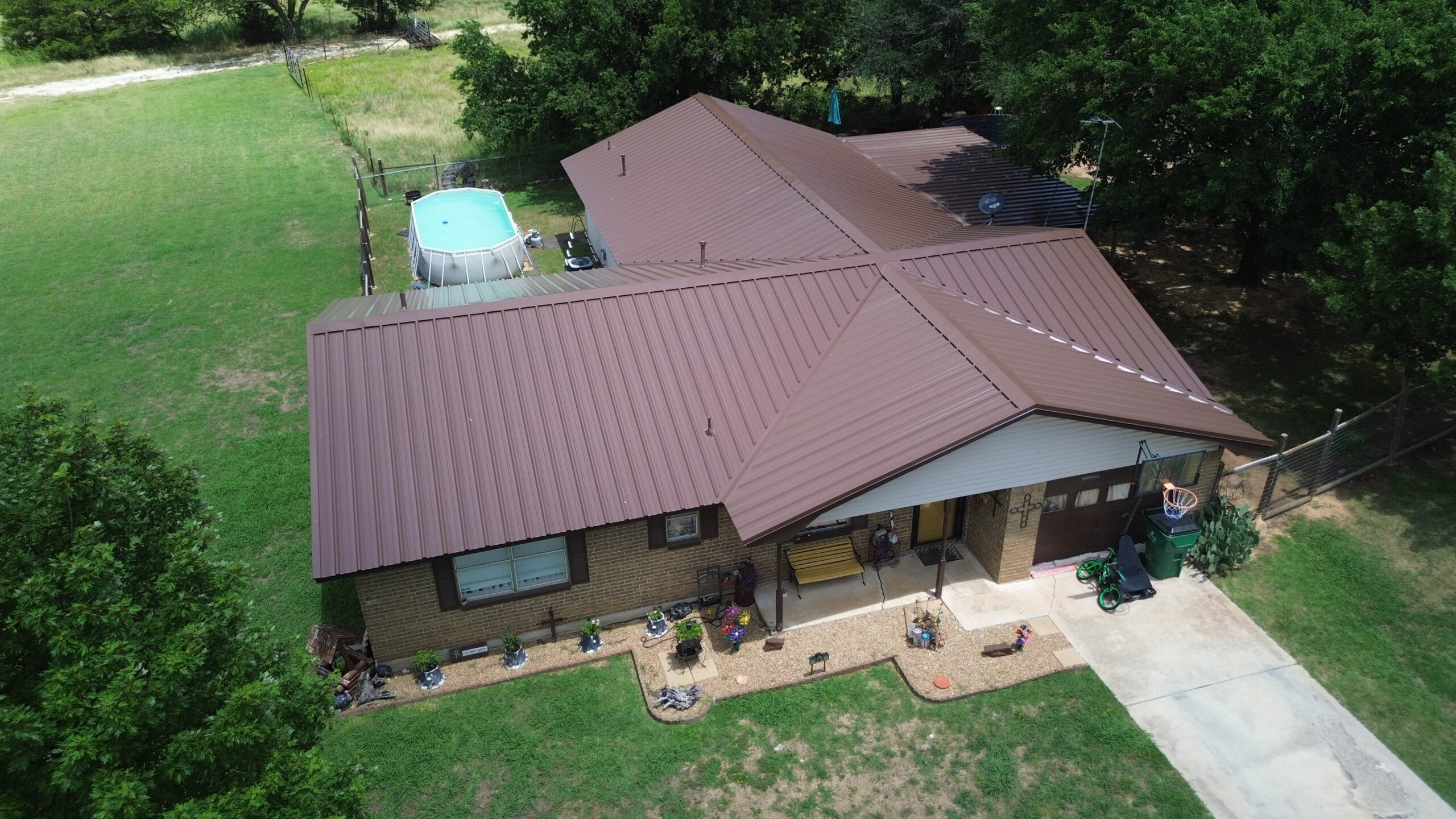
Seasonal inspections provide valuable opportunities to identify roof damage before it develops into more serious structural problems. While homeowners can recognize many visible warning signs, professional evaluations reveal hidden issues that often remain undetected until significant deterioration has already occurred.
Roofing professionals begin by examining the roof’s exterior for storm damage, missing shingles, cracked flashing, damaged vents, and drainage problems. They evaluate the overall pattern of wear rather than focusing only on isolated issues. This broader assessment helps determine whether seasonal weather has caused localized damage or exposed widespread deterioration.
Inspectors also examine gutters, downspouts, and roof valleys where seasonal debris frequently accumulates. Blocked drainage systems often contribute to standing water that accelerates roof aging. Identifying these problems early helps prevent moisture from reaching structural components.
Attic inspections provide equally valuable information following seasonal weather events. Contractors look for damp insulation, mold growth, water stains, sunlight entering through roof boards, and signs of structural movement. These hidden conditions often reveal moisture intrusion long before ceiling leaks become obvious.
Moisture detection equipment allows inspectors to locate water trapped beneath roofing materials after storms or prolonged rainfall. Hidden moisture continues weakening roof decking and framing even when surface materials appear undamaged. Early detection helps homeowners avoid much larger structural repairs later.
Professional evaluations also consider repair history alongside seasonal performance. A roof requiring attention after every major weather event may no longer provide dependable protection despite repeated maintenance. Inspection reports help homeowners understand whether continued repairs remain worthwhile or whether replacement offers better long term value.
Scheduling inspections after severe seasonal weather gives homeowners reliable information before making important maintenance decisions. Objective professional assessments reduce uncertainty while helping prioritize repairs or plan future roof replacement more effectively.
Questions Homeowners Should Ask After Every Season
Seasonal changes provide valuable opportunities to evaluate roof performance before problems become severe. Asking the right questions after each season helps homeowners recognize patterns that may indicate the roof is approaching replacement.
Consider these questions after seasonal weather has passed:
- Did the roof develop any new leaks during the season?
- Are shingles, flashing, or gutters showing more damage than in previous years?
- Has a professional inspection identified hidden moisture or structural concerns?
- Are repairs becoming necessary after nearly every seasonal weather change?
- Is the roof continuing to perform as expected for its age and roofing material?
- Would planning a replacement before the next severe season provide better long term protection?
Answering these questions honestly allows homeowners to evaluate roof performance over time instead of reacting only to isolated problems. Patterns that develop across multiple seasons often provide stronger evidence than any single weather event.
Making informed decisions before another challenging season arrives helps protect the home’s structure while reducing the likelihood of emergency repairs. In the final part of this guide, we will explore how homeowners can minimize seasonal roof damage, discuss common maintenance mistakes between seasons, explain the best time of year for roof replacement, examine the long term benefits of replacing a weather worn roof, and conclude with practical guidance for maintaining year round roofing performance.
Preventing Seasonal Roof Damage Before Replacement Is Needed
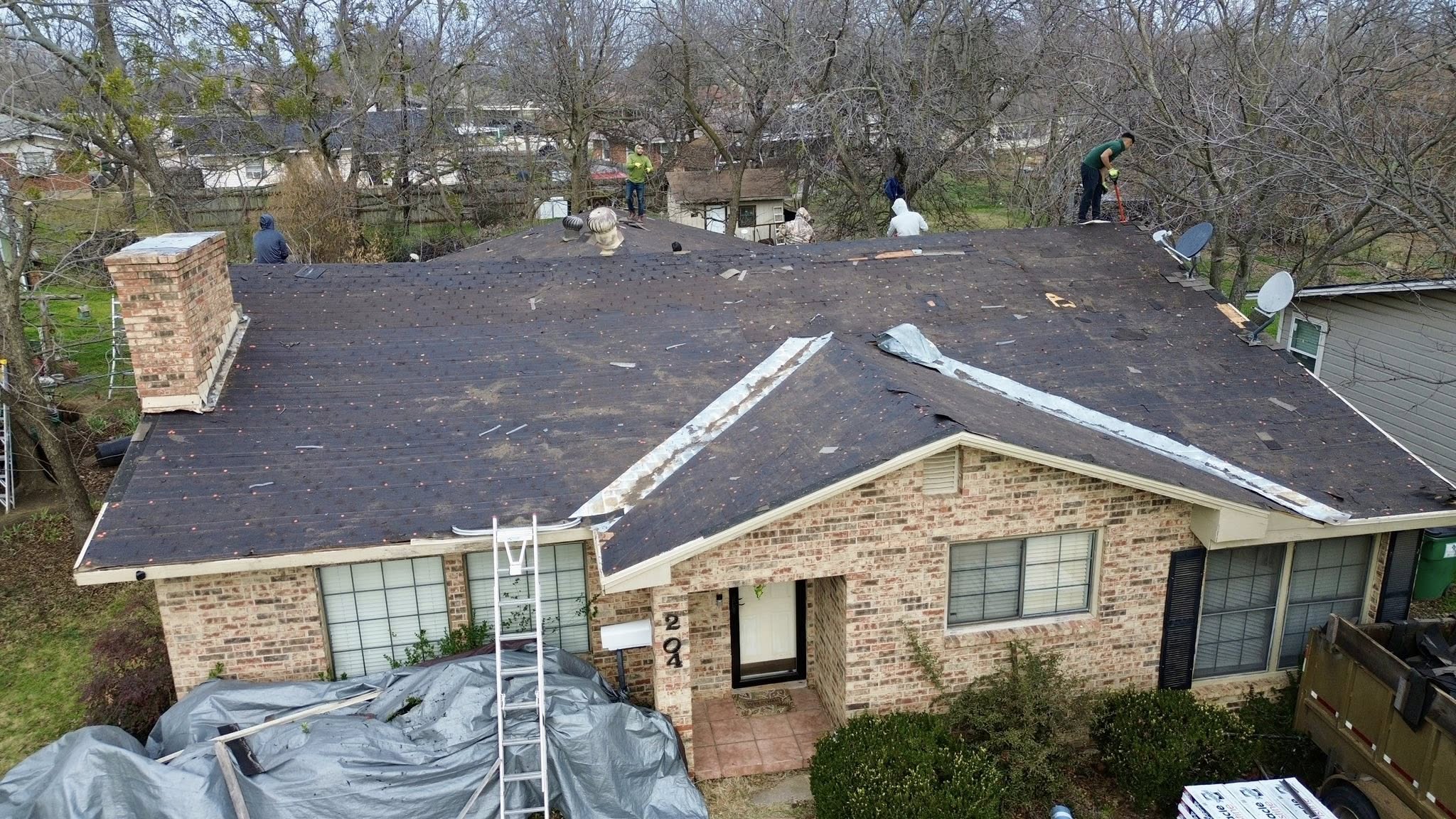
Although every roof eventually reaches the end of its lifespan, consistent maintenance can reduce the impact of seasonal weather and delay premature deterioration. Preventive care helps roofing materials perform more effectively while allowing homeowners to identify problems before they become serious structural concerns. A proactive approach also reduces the likelihood of costly emergency repairs during severe weather.
One of the most effective maintenance practices is inspecting the roof at the beginning and end of each major season. These inspections help identify missing shingles, damaged flashing, clogged gutters, and early signs of moisture intrusion. Addressing minor concerns promptly prevents them from developing into larger problems during the next season.
Keeping gutters and downspouts clear throughout the year is equally important. Proper drainage allows rainwater and melting snow to leave the roof efficiently, reducing the risk of standing water and moisture penetration. Clean gutters also protect fascia boards and roof edges from unnecessary water exposure.
Tree maintenance plays a significant role in seasonal roof protection. Trimming overhanging branches reduces the risk of falling limbs during storms while limiting the accumulation of leaves and debris. Better airflow around the roof also helps roofing materials dry more quickly after rainfall.
Attic ventilation should be checked regularly because proper airflow reduces heat buildup during summer and moisture accumulation during colder months. Balanced ventilation helps preserve roofing materials while minimizing condensation that can damage roof decking and structural framing.
Small repairs should never be postponed between seasons. Replacing a few damaged shingles, resealing flashing, or repairing isolated storm damage immediately prevents seasonal weather from worsening existing problems. Timely maintenance often extends roof lifespan while reducing long term repair costs.
Even with excellent maintenance, aging roofs eventually become less capable of handling seasonal weather. Preventive care helps maximize service life, but it should not delay replacement once widespread deterioration begins affecting the roofing system.
Common Mistakes Homeowners Make Between Seasons
Many roofing problems become much more serious because important maintenance tasks are overlooked during seasonal transitions. Avoiding common mistakes helps homeowners preserve roof performance while reducing the likelihood of expensive structural damage.
The following mistakes are among the most common.
- Ignoring small roof problems until the next season arrives.
- Allowing leaves and debris to remain in gutters and roof valleys for extended periods.
- Assuming the roof is in good condition simply because no interior leaks are visible.
- Skipping professional inspections after severe seasonal storms.
- Delaying replacement even though repairs become necessary every season.
- Neglecting attic ventilation and insulation maintenance throughout the year.
These mistakes often allow minor issues to develop into widespread roofing problems. Seasonal weather repeatedly exposes existing weaknesses, making delayed maintenance far more expensive over time.
Establishing consistent inspection and maintenance habits between seasons helps homeowners detect problems earlier and make informed decisions before severe weather creates additional damage.
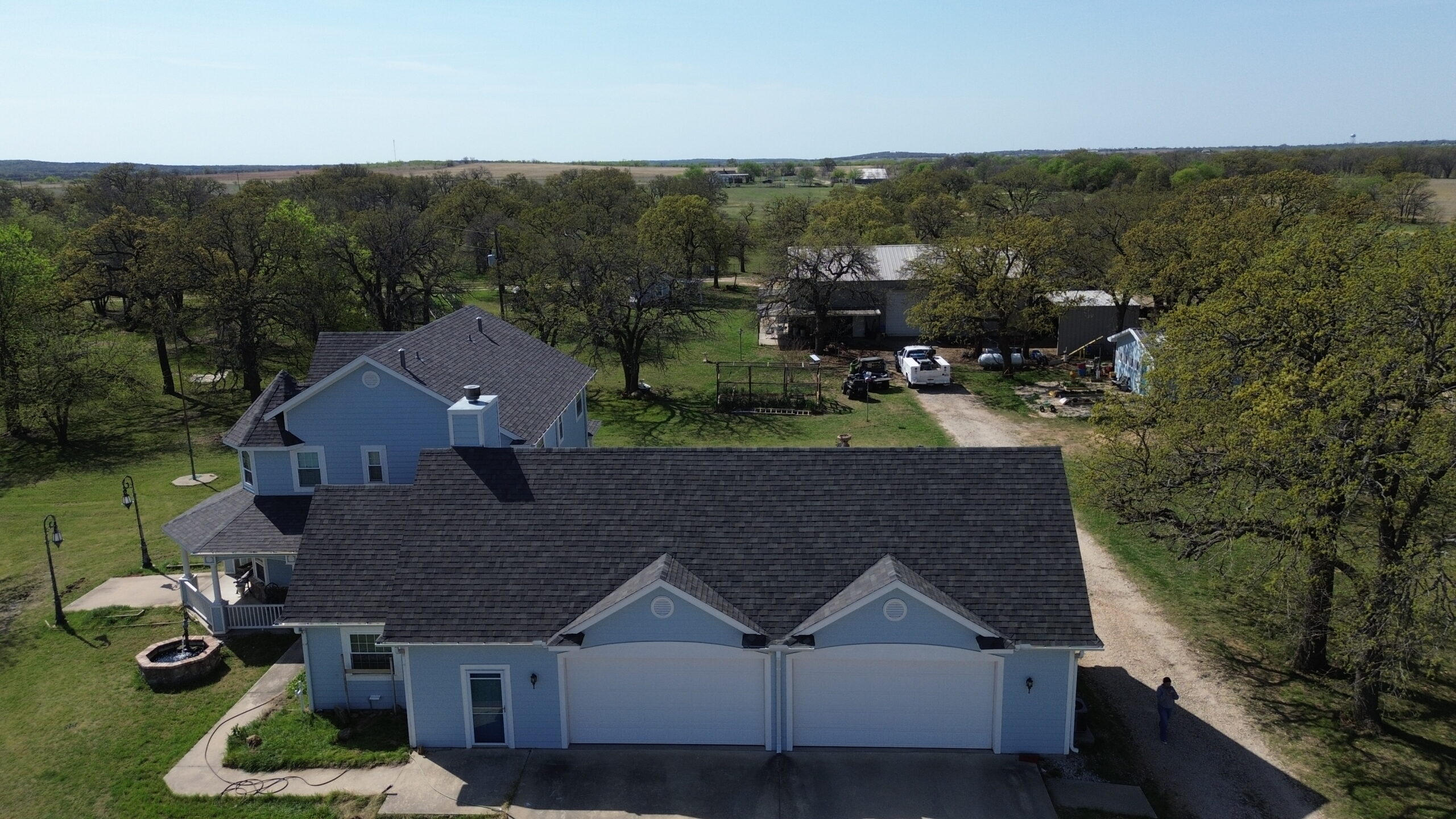
Choosing the Best Season for Roof Replacement
Timing can significantly influence the success and convenience of a roof replacement project. While experienced roofing contractors perform installations throughout much of the year, certain seasons generally provide more favorable conditions for both installation quality and project scheduling.
Spring is often considered an excellent time for roof replacement because weather conditions are usually moderate. Temperatures allow roofing materials to install properly while reducing the likelihood of weather related delays. Replacing the roof during spring also prepares the home for summer heat and seasonal storms.
Summer offers long daylight hours that may allow projects to progress efficiently. Early summer is often preferable because extreme heat later in the season can make working conditions more challenging. High temperatures may also affect the handling of certain roofing materials during installation.
Fall is widely regarded as one of the best seasons for roof replacement in many regions. Mild temperatures create favorable installation conditions, and homeowners can prepare their homes before winter weather arrives. Replacing an aging roof during autumn reduces the likelihood of cold weather leaks and structural concerns.
Winter roof replacement remains possible in many climates, although weather conditions may influence scheduling and installation methods. Experienced contractors adapt their techniques to colder temperatures when necessary, but projects may require additional planning depending on local weather patterns.
Homeowners should avoid waiting until emergency conditions develop before scheduling replacement. Planning the project during favorable weather provides greater flexibility when selecting contractors, comparing material options, and organizing household schedules. Emergency replacements often limit these choices because immediate action becomes necessary.
The best season ultimately depends on local climate, contractor availability, and the roof’s current condition. If structural damage or serious leaks are already present, delaying replacement solely to wait for an ideal season may result in more extensive and expensive repairs.
Long Term Benefits of Replacing a Weather Worn Roof
Replacing a roof that has been heavily affected by years of seasonal weather provides lasting advantages beyond simply solving current roofing problems. A new roofing system restores dependable protection while improving the home’s overall performance, efficiency, and long term value.
One of the greatest benefits is improved resistance to future seasonal weather. Modern roofing materials are designed to withstand stronger winds, heavier rainfall, greater temperature fluctuations, and prolonged ultraviolet exposure more effectively than many older roofing products. This enhanced durability reduces the likelihood of recurring seasonal damage.
Energy efficiency often improves after replacement because modern roofing systems include better moisture barriers, improved ventilation, and more advanced insulation support. Better temperature regulation helps heating and cooling systems operate more efficiently throughout the year while increasing indoor comfort.
Maintenance requirements generally decrease significantly after installing a new roof. Instead of arranging repeated repairs after every severe season, homeowners usually focus on preventive inspections and routine upkeep. Lower maintenance demands save both time and money over the life of the roofing system.
Property value may also increase with a recently installed roof. Buyers often view a new roof as a valuable improvement because it eliminates one of the home’s largest anticipated maintenance expenses. Improved curb appeal further enhances the property’s appearance and marketability.
Weather related peace of mind represents another important benefit. Homeowners gain confidence knowing their roof is better prepared to withstand changing seasons without developing leaks, structural movement, or repeated storm damage. This confidence becomes especially valuable during periods of severe weather.
Replacing a weather worn roof also provides an opportunity to upgrade roofing materials that better match local climate conditions. Selecting products designed for regional weather patterns often improves long term performance while extending the roof’s overall lifespan.
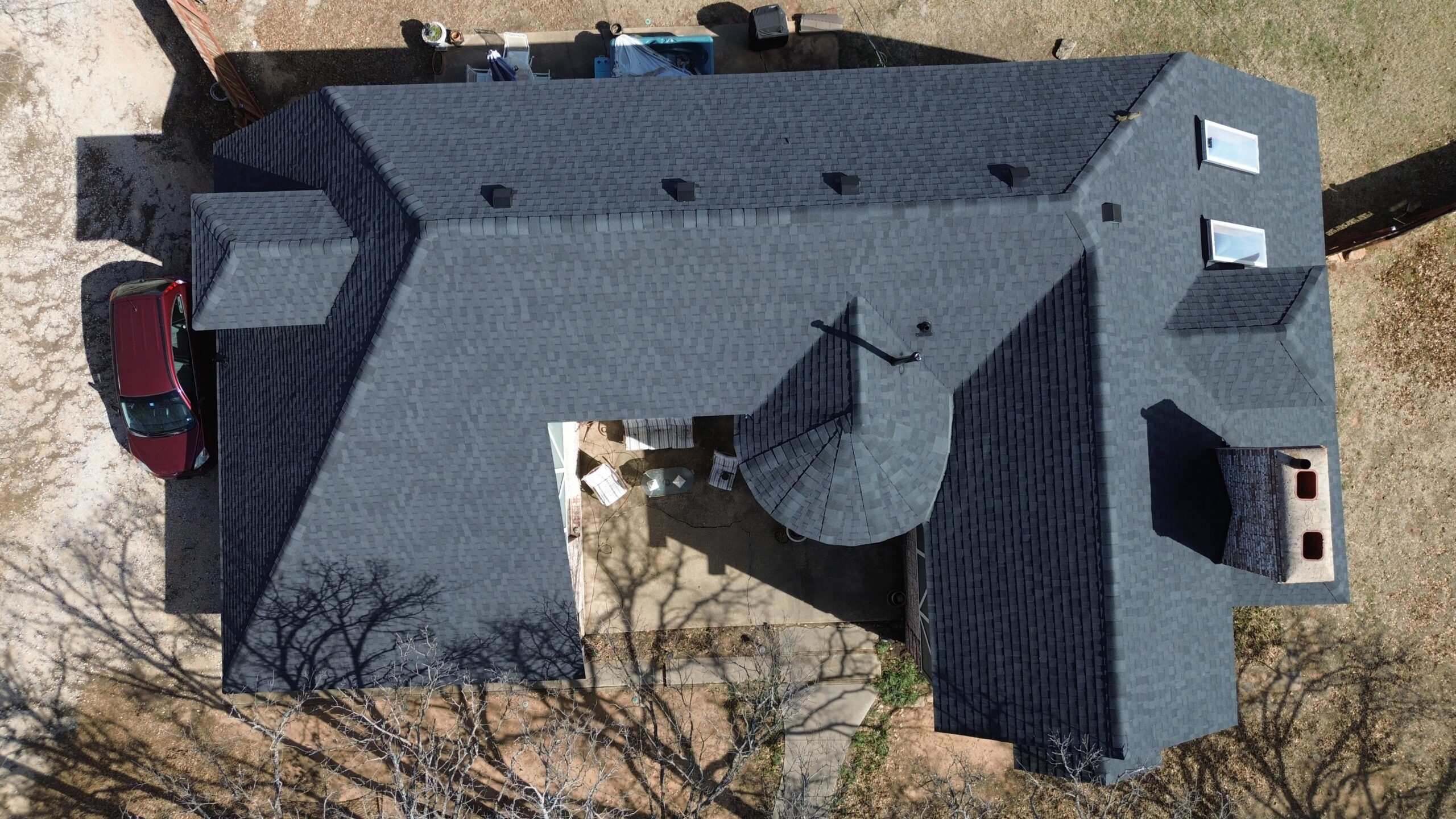
Creating a Year Round Roof Maintenance Plan
A roof performs best when maintenance continues throughout the year instead of only after problems become visible. Developing a year round maintenance plan allows homeowners to identify seasonal concerns early while protecting the roofing system from unnecessary deterioration. Consistent care also makes future replacement planning more predictable.
The first step involves scheduling regular visual inspections during every season. Looking for damaged shingles, clogged gutters, deteriorating flashing, or visible structural changes helps identify developing problems before they require major repairs. Seasonal inspections create a clear record of how the roof performs throughout the year.
Professional inspections should also become part of the maintenance routine. Annual evaluations and inspections following major storms provide a more detailed understanding of the roof’s condition than visual observations alone. Roofing professionals can detect hidden moisture, structural weaknesses, and early signs of material failure before they become serious.
Maintaining gutters and drainage systems year round remains essential for protecting the roof from moisture related damage. Clearing leaves, branches, and debris ensures water drains efficiently after rainfall and snowmelt. Proper drainage reduces stress on roofing materials while helping preserve roof decking and fascia boards.
Attic inspections deserve equal attention because many roofing problems begin beneath the surface. Homeowners should monitor insulation, ventilation, and structural framing for signs of moisture, mold, or water staining. Healthy attic conditions support the long term performance of the entire roofing system.
Keeping detailed maintenance records is another valuable practice. Inspection reports, repair invoices, warranty information, and photographs help track the roof’s condition over time. These records simplify future replacement planning while providing useful documentation for insurance claims or home sales.
A year round maintenance plan does not eliminate the need for eventual replacement, but it helps homeowners maximize the value of their existing roof while avoiding unnecessary emergencies. Consistent attention allows roofing decisions to be based on careful planning rather than unexpected failures.
Conclusion
Seasonal weather provides valuable clues about the true condition of a roof because each time of year tests the roofing system in different ways. Spring rains reveal hidden leaks, summer heat accelerates material aging, autumn debris challenges drainage systems, and winter snow and ice expose structural weaknesses. Paying attention to how the roof performs throughout these changing conditions helps homeowners recognize when routine maintenance is no longer enough.
Throughout this guide, we have explored the unique effects each season has on roofing materials, the warning signs that indicate declining performance, and the importance of professional inspections after significant weather events. We also examined how seasonal damage differs from normal aging and why recurring problems often suggest that the roof is approaching the end of its practical lifespan.
Replacing a weather worn roof at the appropriate time provides lasting benefits that extend well beyond stopping leaks. A new roofing system improves weather resistance, enhances energy efficiency, reduces maintenance costs, increases property value, and offers greater confidence during every season. Rather than repeatedly repairing an aging roof, homeowners gain long term protection that supports the safety and comfort of the entire home.
The key to successful roof management is consistent observation and timely action. Monitoring seasonal changes, completing routine maintenance, addressing small issues promptly, and seeking professional guidance when warning signs appear all contribute to better roofing decisions. Planning replacement before severe failure occurs also allows homeowners to choose materials, contractors, and installation schedules without the pressure of an emergency.
Every roof eventually reaches the point where seasonal weather begins revealing more problems than routine repairs can reasonably solve. By recognizing these seasonal clues early and responding proactively, homeowners can protect their investment, preserve the structural integrity of their property, and enjoy reliable roofing performance through every season for many years to come.