Heat Retention Problems Linked to Roof Damage
Introduction
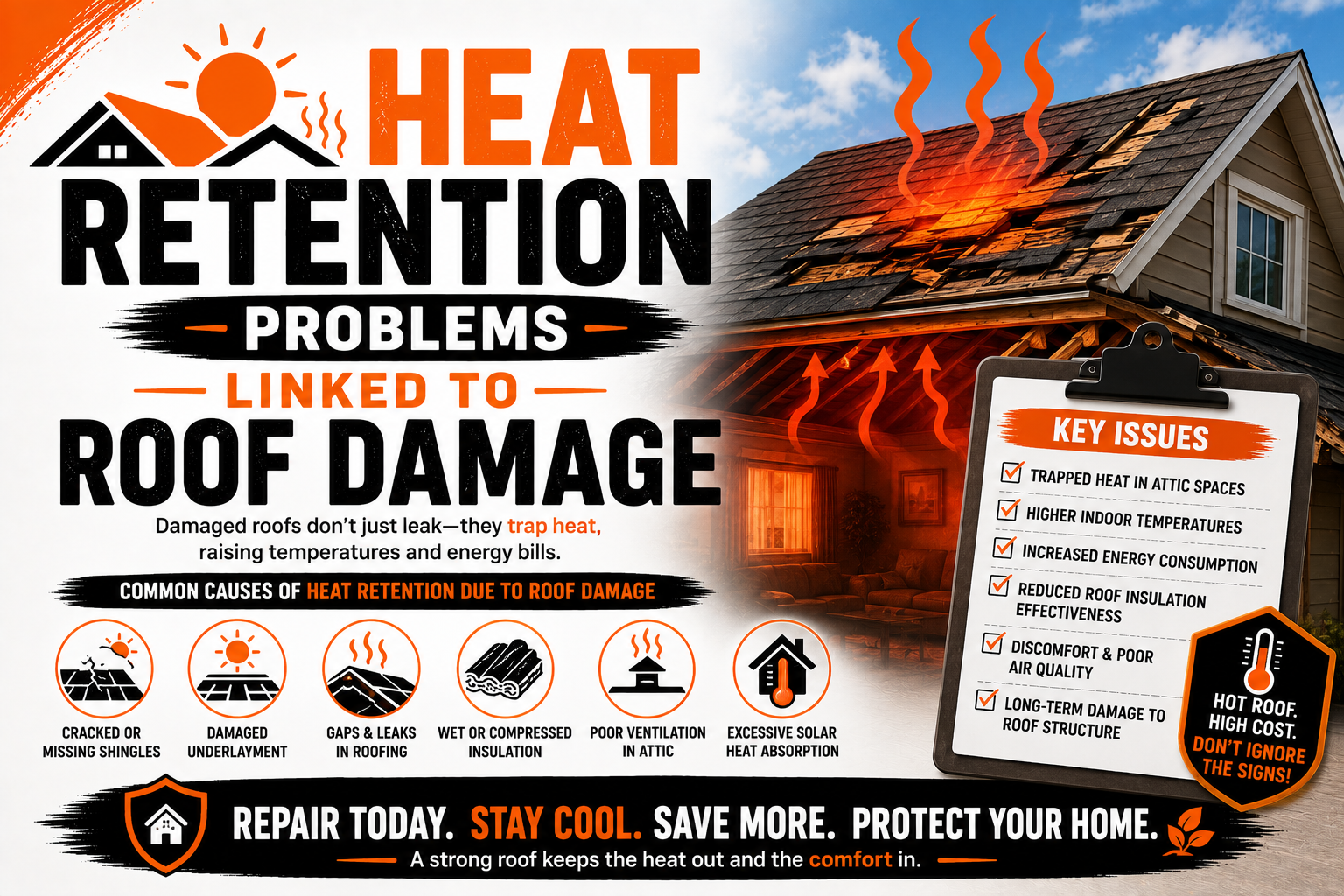
A comfortable indoor environment depends on more than an efficient heating and cooling system. The condition of the roof plays a major role in regulating indoor temperatures throughout the year. When a roof becomes damaged, it often allows heat to build up instead of releasing it properly, creating ongoing comfort and energy efficiency issues.
Many property owners associate roof damage with leaks, missing shingles, or visible structural concerns. However, one of the most overlooked consequences is excessive heat retention. Damaged roofing materials, poor ventilation, deteriorated insulation, and structural weaknesses can trap heat inside a building, making indoor spaces warmer and increasing cooling costs.
Heat retention caused by roof damage affects residential homes, commercial buildings, warehouses, and industrial facilities alike. During warmer months, the problem becomes even more noticeable as indoor temperatures continue rising despite continuous air conditioning. In colder seasons, damaged roofing systems can also create uneven temperature distribution, reducing overall energy efficiency.
Understanding the connection between roof damage and heat retention helps property owners recognize warning signs before they become expensive repairs. By identifying the causes early, it becomes possible to improve comfort, lower energy bills, extend roof lifespan, and protect the entire structure from additional damage.
This article explores how roof damage contributes to heat retention, the types of roofing problems that commonly lead to excessive indoor temperatures, and the importance of addressing these issues before they escalate into larger structural concerns.
Understanding Heat Retention in Buildings
Heat retention refers to a building’s tendency to hold onto thermal energy instead of releasing it efficiently. While some heat retention is beneficial during colder weather, excessive heat trapped inside a building creates uncomfortable indoor conditions and increases the workload on cooling systems.
A properly functioning roofing system helps regulate the movement of heat between the exterior environment and indoor living spaces. It reflects a portion of the sun’s radiation, allows ventilation to remove excess heat, and works together with insulation to maintain stable indoor temperatures.
When any part of this roofing system becomes damaged, the balance between heat gain and heat release begins to fail. Instead of allowing heat to escape naturally, the roof traps warm air within attic spaces and building cavities. This accumulated heat gradually transfers into occupied rooms below.
Heat naturally moves from warmer areas toward cooler ones. During sunny days, roofing materials absorb solar energy, causing roof surfaces to become significantly hotter than the surrounding air. If ventilation pathways are blocked or insulation has deteriorated, that stored heat continues moving downward into the building long after sunset.
The result is a structure that remains warmer throughout the evening, forcing cooling equipment to operate longer than necessary. Over time, this constant strain increases utility expenses while reducing the lifespan of HVAC systems.
Many homeowners mistakenly believe their air conditioner is malfunctioning when indoor temperatures continue rising. In reality, the roof may be the hidden source of the problem, steadily feeding additional heat into the building.
Modern roofing systems are designed to work as complete temperature management systems rather than simple weather barriers. Every layer contributes to controlling heat movement, including roofing materials, underlayment, insulation, ventilation channels, flashing, and structural framing.
When even one component begins to fail, the overall efficiency of the roof declines. Small defects can gradually lead to widespread heat retention that affects the comfort and performance of the entire building.
The Relationship Between Roof Damage and Indoor Heat
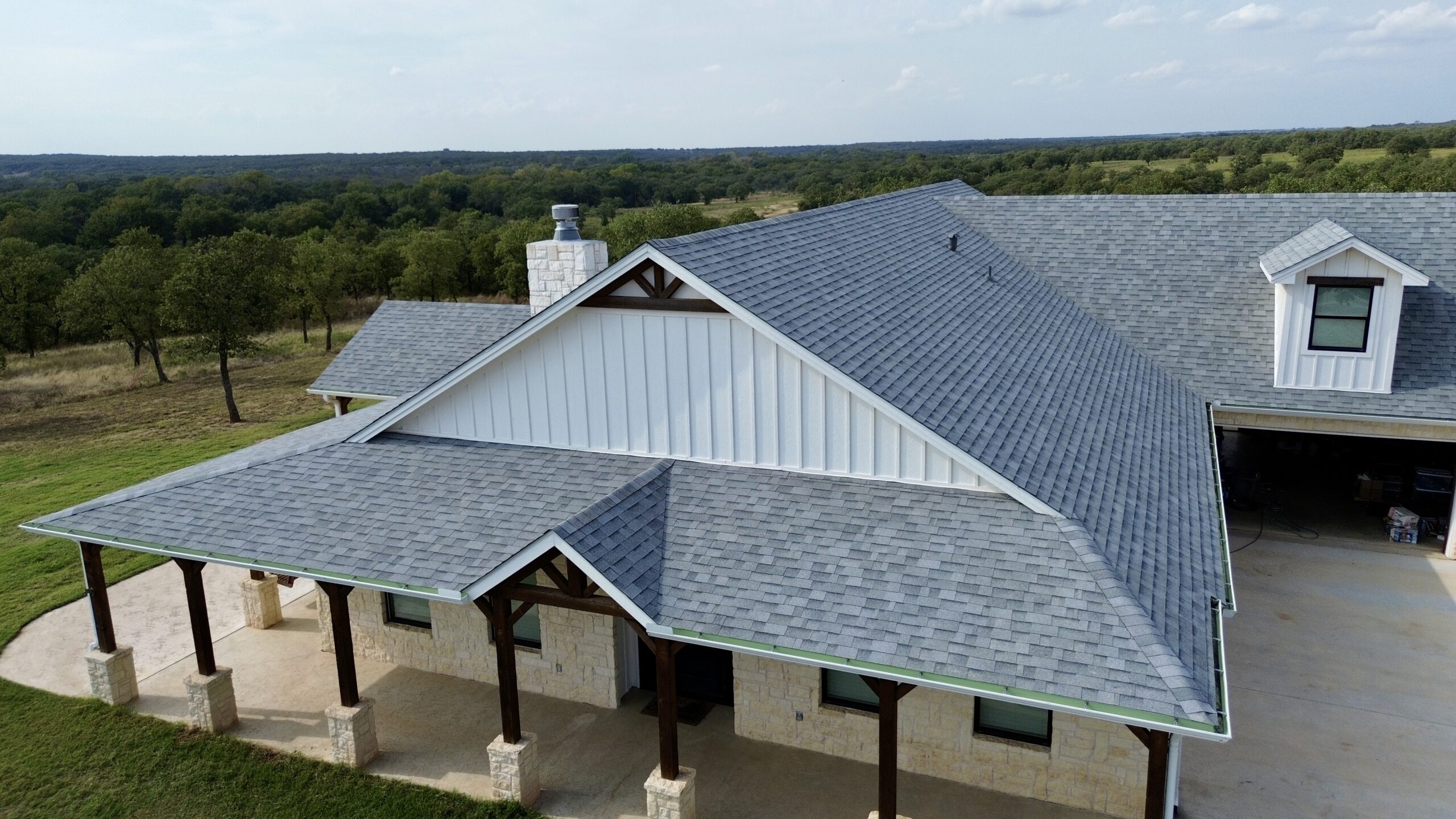
Roof damage directly influences the way heat moves through a building. Even relatively minor deterioration can change airflow patterns, reduce insulation performance, and increase solar heat absorption.
One of the most significant factors is the condition of the roof surface itself. Cracked shingles, worn coatings, damaged membranes, and aging roofing materials often absorb more solar radiation than newer, properly maintained surfaces. This extra absorbed heat transfers deeper into the roofing assembly throughout the day.
Roof damage also creates gaps where moisture enters the structure. Wet insulation loses much of its thermal resistance, allowing heat to travel more freely into living areas. As insulation becomes compressed or deteriorates, its ability to slow heat transfer decreases substantially.
Structural movement caused by damaged decking or framing can create additional air leaks. Warm outdoor air enters attic spaces through these openings, increasing the temperature inside the roof cavity. Without adequate ventilation, this heat remains trapped for extended periods.
Ventilation systems are another critical factor. Ridge vents, soffit vents, roof vents, and attic exhaust systems all work together to remove accumulated hot air. Damage that blocks or limits airflow prevents this natural cooling process from functioning effectively.
The roofing system essentially becomes a large heat reservoir. Throughout the day it absorbs solar energy, stores it within roofing materials, and slowly releases that heat into the building during the evening and overnight hours.
Commercial buildings often experience this issue on a larger scale because of expansive roof surfaces. Flat roofs exposed to direct sunlight absorb enormous amounts of heat, making proper insulation and ventilation especially important.
Residential homes are not immune either. Even a few damaged shingles or compromised flashing sections can contribute to noticeable indoor temperature increases, especially during prolonged periods of hot weather.
Over time, excessive heat affects more than comfort. Higher attic temperatures accelerate aging of roofing materials, electrical wiring, stored belongings, and HVAC components located in attic spaces. The roof damage therefore creates a cycle where trapped heat contributes to even faster deterioration.
Understanding this relationship helps explain why repairing roof damage often improves indoor comfort as much as upgrading heating and cooling equipment. Addressing the source of heat retention can reduce unnecessary energy consumption while protecting the overall structure.
Common Types of Roof Damage That Trap Heat
Not every roofing problem contributes equally to heat retention. Some forms of damage have a much greater impact on temperature regulation because they directly interfere with insulation, ventilation, or solar reflectivity.
Missing or damaged shingles are among the most common issues. When shingles crack, curl, or detach, the underlying roofing layers become exposed to direct sunlight. These exposed sections often absorb more heat than intended, raising overall roof temperatures.
Aging roofing materials gradually lose their reflective properties. As protective granules wear away from asphalt shingles, the darker exposed surfaces absorb additional solar energy. This increase in heat absorption affects both the roof itself and the building below.
Damaged roof decking creates another significant concern. Moisture infiltration weakens wooden decking, allowing sections to warp or separate. These structural changes can create air leaks that disturb proper airflow within the roofing system.
Roof flashing often receives less attention than shingles, yet damaged flashing can contribute to heat retention. Gaps around chimneys, skylights, vents, and roof intersections allow unwanted air movement while increasing moisture intrusion that damages surrounding insulation.
Flat roofs frequently develop membrane deterioration. Small punctures, blistering, or seam separation reduce the roof’s ability to reflect sunlight while allowing water infiltration beneath the roofing surface. Moisture trapped beneath membranes further reduces insulation performance.
Clogged or damaged ventilation openings also contribute significantly to heat buildup. Leaves, debris, bird nests, and deteriorated vent covers restrict airflow, preventing accumulated attic heat from escaping efficiently.
Storm damage introduces another set of challenges. High winds may loosen roofing materials without completely removing them, while hail can fracture protective coatings and reduce the roof’s ability to resist solar heating.
Water damage often produces hidden problems that remain unnoticed for months. Saturated insulation gradually compresses under its own weight, leaving gaps where heat moves more freely between the attic and occupied spaces.
Improper previous repairs can also create unexpected heat retention issues. Roofing patches that use incompatible materials may absorb heat differently from the surrounding roof, creating uneven surface temperatures that affect overall thermal performance.
Many of these problems begin as relatively minor maintenance concerns. Left unaddressed, they gradually combine to create widespread heat retention that affects comfort, energy efficiency, and the long-term durability of the building.
How Roofing Materials Influence Heat Retention
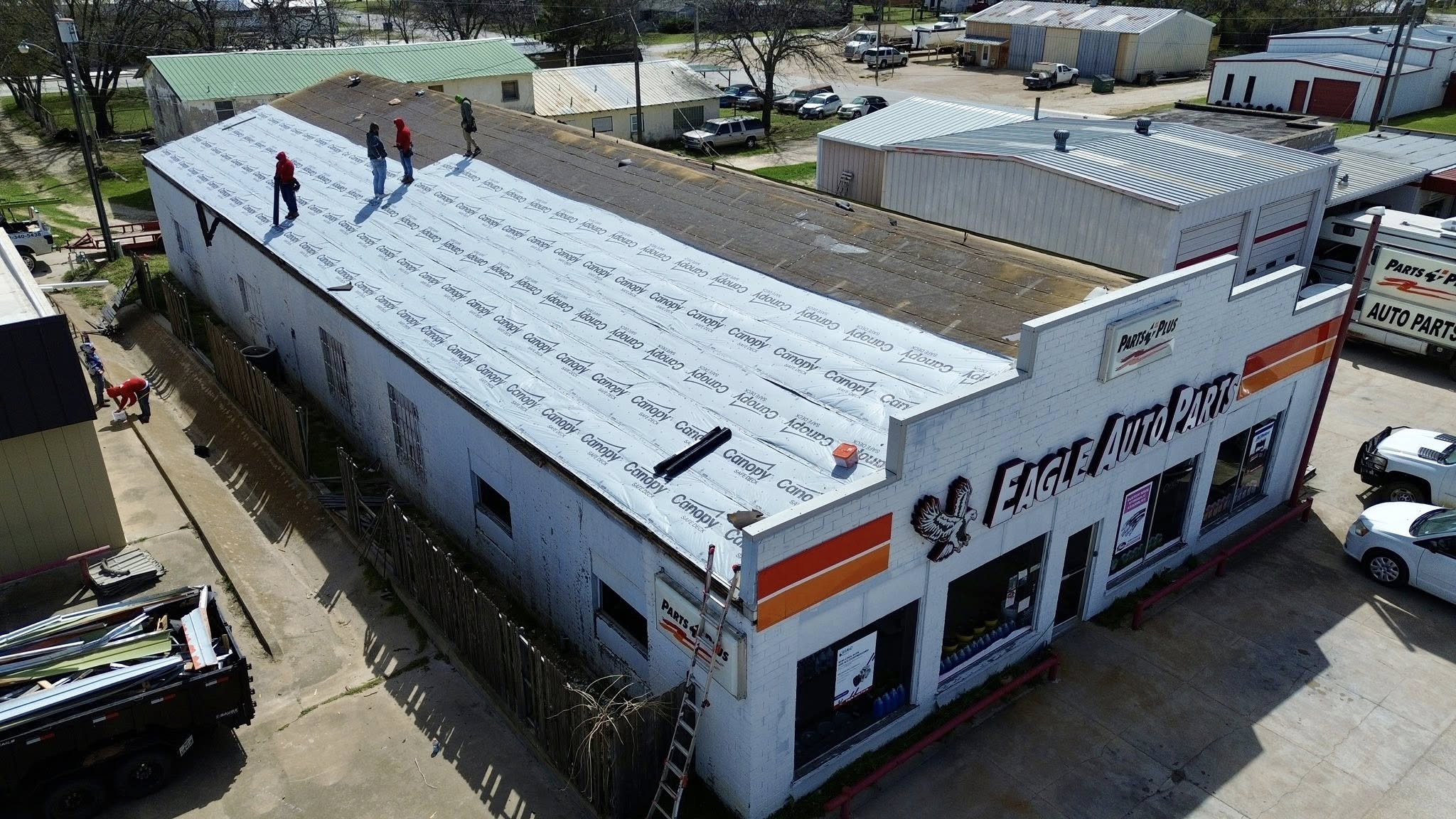
Different roofing materials respond to sunlight in very different ways. The type of roofing installed on a building has a significant influence on how much heat is absorbed, reflected, and transferred indoors.
Asphalt shingles remain one of the most widely used roofing materials because of their affordability and durability. Their performance depends heavily on color, age, and condition. Lighter-colored shingles generally reflect more sunlight, while darker shingles absorb greater amounts of solar energy.
Metal roofing behaves differently by reflecting a larger percentage of incoming solar radiation, particularly when finished with reflective coatings. However, damaged coatings reduce this benefit, allowing the metal surface to absorb considerably more heat than originally intended.
Tile roofs provide natural thermal advantages because air spaces beneath individual tiles slow heat transfer. Even so, cracked or displaced tiles interrupt this insulating effect and allow additional heat to penetrate the roofing system.
Slate roofing offers impressive durability while resisting many forms of heat-related deterioration. Although slate absorbs some heat during the day, its density allows gradual heat release, helping moderate indoor temperature fluctuations when properly installed.
Flat roofing systems commonly use membranes designed to reflect sunlight. White or reflective membranes significantly reduce roof surface temperatures compared with darker materials. Damage to these reflective surfaces decreases their effectiveness and increases heat absorption.
Wood shake roofs naturally provide insulation because of their thickness and texture. As they age, however, warping, splitting, and moisture damage reduce their ability to regulate heat movement effectively.
Roof coatings also play an important role in thermal performance. Reflective coatings help reduce heat gain by sending more solar radiation back into the atmosphere instead of allowing it to enter the building.
The condition of roofing materials is often just as important as the material itself. Even high-quality roofing products lose efficiency when they become cracked, weathered, or improperly maintained.
Climate should also influence material selection. Roofing systems that perform well in cooler regions may contribute to excessive heat retention in warmer climates if they lack appropriate reflective properties or ventilation support.
Because roofing materials work together with insulation and ventilation, replacing damaged sections with compatible products helps maintain consistent thermal performance across the entire roof. Mismatched repairs can create localized hot spots that reduce overall efficiency.
Choosing durable materials and maintaining them properly allows the roof to continue regulating indoor temperatures effectively while reducing long-term energy consumption and repair costs.
Early Warning Signs That Your Roof Is Causing Heat Problems
Heat retention caused by roof damage rarely appears overnight. Most buildings develop noticeable warning signs gradually, giving property owners an opportunity to identify problems before they become severe.
One of the earliest indicators is an increase in indoor temperatures despite normal weather conditions. Certain rooms may remain noticeably warmer than others, particularly upper-floor spaces located directly beneath the roof.
Higher cooling costs often accompany these temperature changes. Air conditioning systems run longer and cycle more frequently while struggling to maintain the desired thermostat setting. Monthly utility bills increase even though household energy usage has not changed significantly.
Attic spaces may become excessively hot during the day. While attics naturally experience higher temperatures, unusually intense heat often suggests inadequate ventilation, damaged insulation, or roofing defects that prevent proper heat release.
Uneven ceiling temperatures provide another useful clue. Some areas may feel noticeably warmer when touched, indicating localized heat transfer from the roof above. These warm spots often correspond with damaged insulation or deteriorated roofing materials.
Persistent humidity indoors may also signal roof-related problems. Moisture entering through damaged roofing components reduces insulation effectiveness while making indoor air feel warmer and less comfortable.
Another warning sign involves the HVAC system itself. If the air conditioner appears to run continuously without reaching the desired temperature, excessive roof heat may be overwhelming its cooling capacity rather than indicating equipment failure.
Roof surfaces that appear faded, cracked, curled, or blistered deserve careful attention. Visible deterioration often reflects underlying thermal damage that reduces the roof’s ability to regulate temperature efficiently.
Homeowners should also watch for signs of moisture in attic insulation. Damp insulation not only increases the risk of mold growth but also loses much of its ability to resist heat transfer, allowing indoor temperatures to rise more quickly.
Certain odors may appear during periods of intense heat. Warm attic spaces sometimes produce musty smells or odors from overheated building materials, indicating that excessive temperatures are affecting the roofing system.
Seasonal patterns offer another important clue. Buildings that become unusually hot every summer despite functioning air conditioning often suffer from roof-related heat retention rather than problems with cooling equipment alone.
Recognizing these early warning signs allows property owners to investigate roofing issues before they lead to higher repair costs, increased energy consumption, or long-term structural damage. Timely inspections and maintenance can restore proper thermal performance while improving comfort throughout the building.
Hidden Structural Issues That Increase Heat Retention
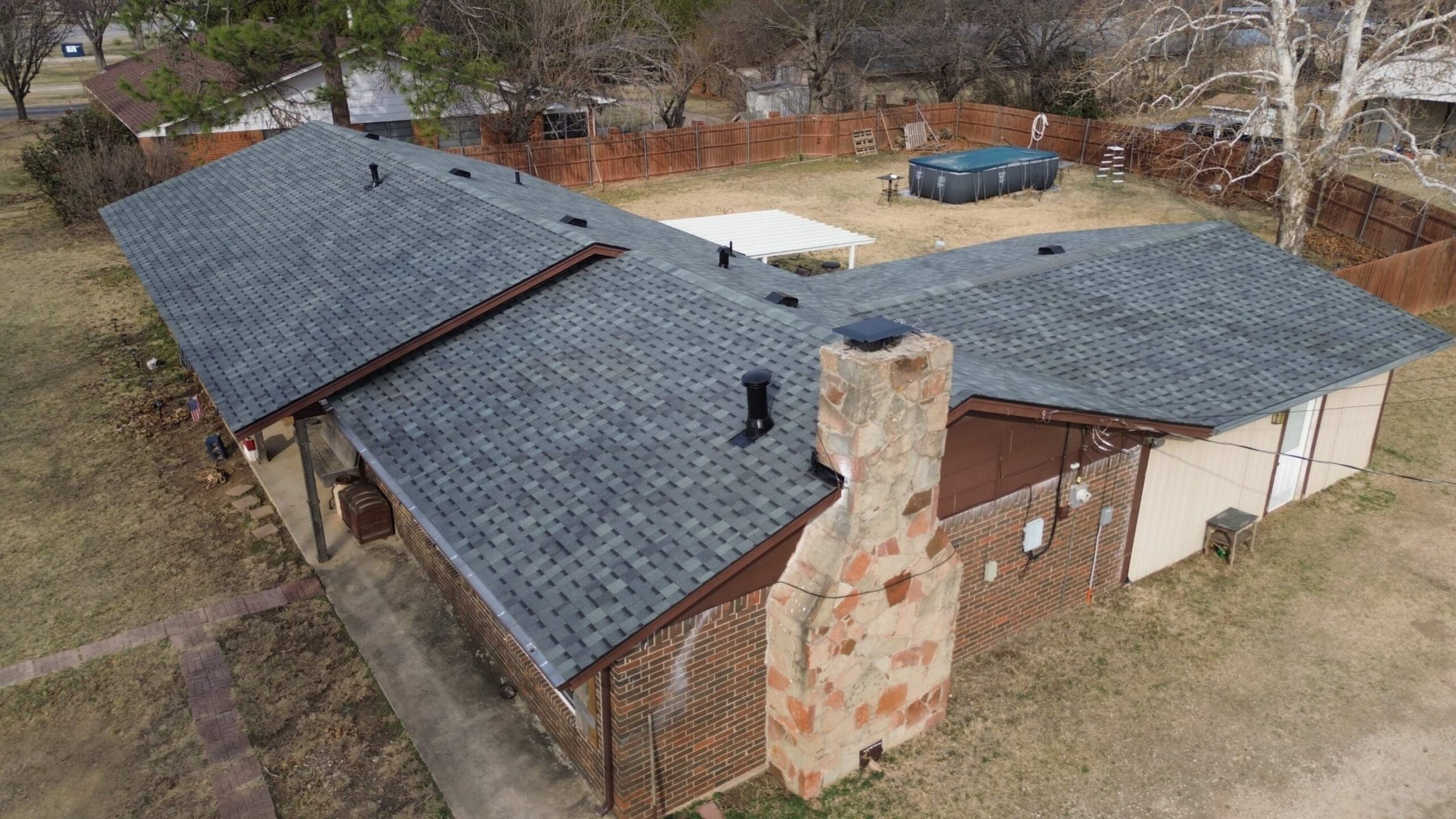
Not every roofing problem is visible from the ground. In many cases, the most serious causes of heat retention develop beneath the roofing surface, where moisture, aging materials, and structural deterioration gradually reduce the roof’s ability to regulate temperature. These hidden issues often remain undetected until homeowners begin noticing rising indoor temperatures or increasing energy bills.
Roof decking is one of the first structural components affected by long-term wear and moisture exposure. When decking absorbs water, it can swell, warp, or weaken over time. These changes create uneven surfaces that interfere with proper airflow beneath the roofing materials, allowing heat to accumulate more easily.
Small structural gaps may also form as roofing materials expand and contract through repeated heating and cooling cycles. Although these openings appear minor, they allow warm outdoor air to enter attic spaces while reducing the roof’s overall thermal performance. Over several seasons, the combined effect of these gaps can become significant.
Moisture trapped within structural components presents another challenge. Damp wood retains heat differently than dry wood, and prolonged moisture exposure encourages deterioration that weakens the roofing assembly. As structural materials degrade, the roof becomes less capable of maintaining stable indoor temperatures.
Hidden framing damage can further increase heat retention. Rafters and trusses that shift because of moisture, settlement, or storm damage may slightly alter the roof’s shape. Even small structural changes can affect ventilation pathways and reduce the effectiveness of insulation.
Older homes are particularly susceptible because many roofing systems were designed before modern energy efficiency standards became common. While these roofs may continue protecting against rain, they often struggle to manage heat effectively compared to updated systems.
Fasteners also play an important role in roof performance. Loose nails, deteriorated screws, and weakened connectors allow roofing materials to shift over time. These movements create small openings where air and moisture enter the roofing system, gradually reducing its ability to control heat transfer.
Structural damage often develops slowly enough that occupants adjust to changing indoor conditions without immediately recognizing the problem. What begins as a slight increase in attic temperature can eventually affect the comfort of every room beneath the roof.
Professional inspections frequently reveal hidden structural issues that cannot be identified through visual observation alone. Thermal imaging, moisture detection equipment, and detailed attic inspections help identify areas where hidden damage contributes to excessive heat retention.
Addressing these concealed problems early prevents additional deterioration while restoring the roof’s ability to regulate indoor temperatures more effectively. Repairs made before extensive structural damage develops are often less expensive and less disruptive than major reconstruction projects.
The Role of Roof Ventilation in Temperature Control
Ventilation is one of the most important yet least appreciated components of an efficient roofing system. While insulation slows the movement of heat, ventilation removes accumulated warm air before it has an opportunity to spread throughout the building.
A properly ventilated roof functions much like a continuous airflow system. Cooler outdoor air enters through intake vents located near the roof’s lower edges, while warmer air naturally rises and exits through exhaust vents positioned near the roof peak. This constant air movement prevents excessive heat buildup within attic spaces.
When roof damage interferes with this airflow, temperatures begin rising quickly. Blocked soffit vents, damaged ridge vents, crushed ventilation channels, or improperly installed insulation can all restrict the movement of air through the attic.
Without adequate ventilation, solar heat absorbed by the roof remains trapped beneath the roofing materials. During sunny afternoons, attic temperatures can climb far above outdoor air temperatures, creating an environment where heat continuously transfers into occupied living spaces.
Poor ventilation also increases the temperature of roofing materials themselves. As shingles, metal panels, or roofing membranes remain hotter for longer periods, they experience greater thermal stress. This repeated expansion and contraction accelerates aging and shortens the roof’s expected service life.
Moisture management is another important benefit of proper ventilation. Warm indoor air naturally carries moisture upward into attic spaces. Without sufficient airflow, humidity accumulates and dampens insulation, reducing its ability to resist heat transfer.
Many property owners mistakenly assume adding more insulation alone will solve heat retention problems. While insulation is important, it cannot replace proper ventilation. A poorly ventilated attic with thick insulation may still experience excessive temperatures because trapped heat has no effective escape path.
Balanced ventilation systems are especially important. Adding large exhaust vents without sufficient intake airflow can actually reduce overall efficiency by creating negative pressure within the attic. Effective ventilation requires both air entry and air exit to function properly.
Ventilation performance should also account for seasonal weather changes. During summer, it removes accumulated solar heat. During winter, it helps prevent moisture buildup that can eventually damage insulation and structural components, reducing long-term thermal performance.
Routine maintenance keeps ventilation systems functioning efficiently. Removing debris, inspecting vent covers, and ensuring insulation does not block intake openings all contribute to consistent airflow and improved temperature regulation.
Because ventilation works continuously throughout the year, maintaining this system provides lasting benefits beyond immediate comfort. Improved airflow supports healthier roofing materials, lower cooling costs, and more consistent indoor temperatures across every season.
How Damaged Insulation Makes Heat Retention Worse
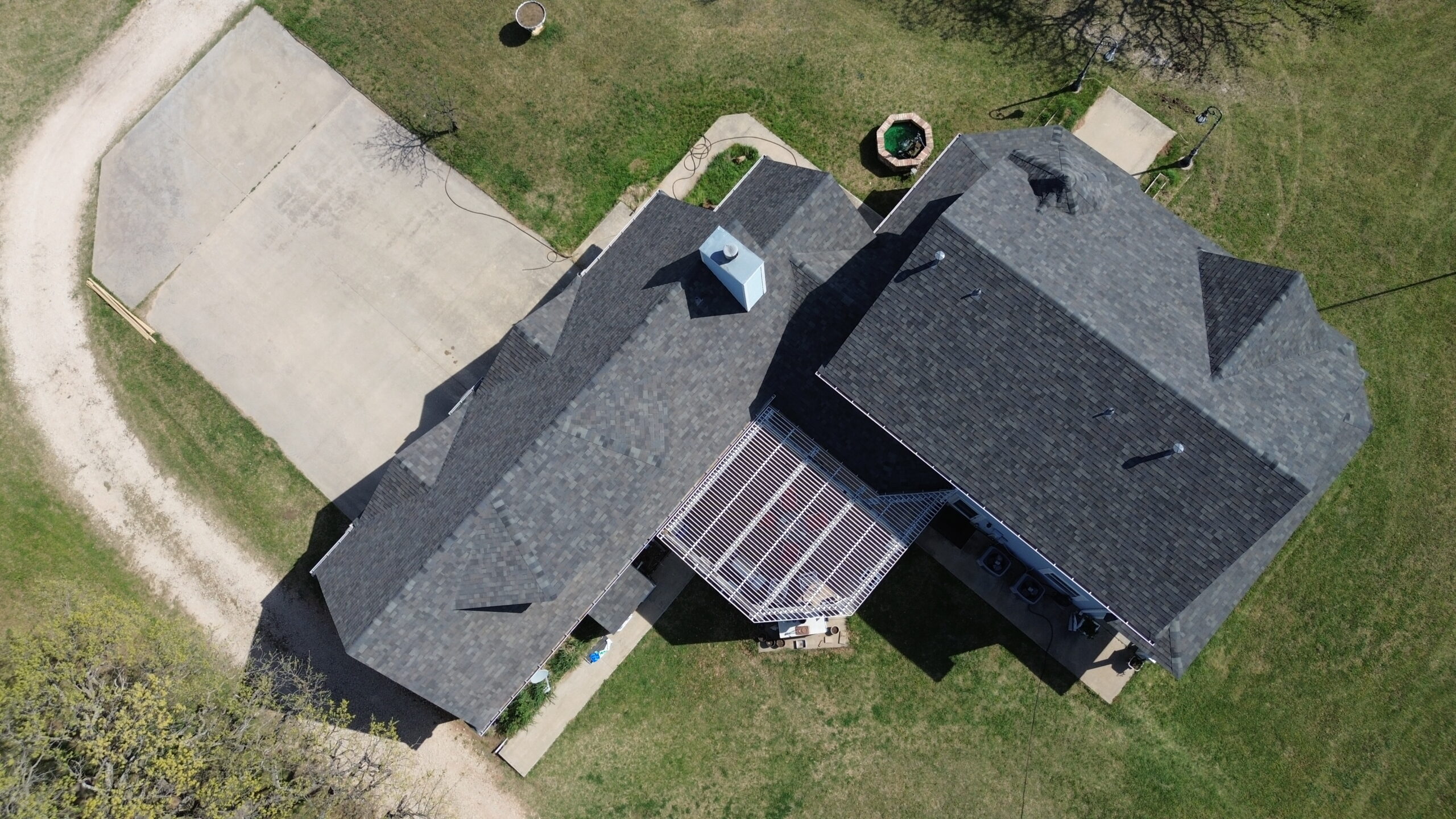
Insulation serves as the primary barrier that slows heat movement between the roof and interior living spaces. When insulation remains dry, evenly distributed, and in good condition, it helps maintain comfortable indoor temperatures regardless of outdoor weather conditions. Roof damage, however, often reduces insulation performance long before visible problems appear inside the building.
Water intrusion is among the most common causes of insulation failure. Even a relatively small roof leak can saturate insulation over time, causing it to lose much of its thermal resistance. Wet insulation conducts heat far more readily than dry insulation, allowing attic heat to move directly into occupied rooms.
Compression presents another significant issue. Moisture, stored items, or improper installation can flatten insulation materials, reducing the air pockets responsible for their insulating performance. Once compressed, insulation becomes less effective at slowing heat transfer.
Insulation gaps also contribute to uneven indoor temperatures. Damaged roofing systems may allow insulation to shift, leaving exposed sections of ceiling where heat travels more easily. These uncovered areas often create noticeable hot spots within the home.
Animal activity introduces another hidden concern. Birds, rodents, and insects sometimes enter through damaged roofing sections and disturb attic insulation while creating nests. Their movement displaces insulation, reducing coverage and increasing heat transfer.
Older insulation naturally loses efficiency over time as materials settle and degrade. When combined with roof damage, this gradual decline becomes even more pronounced. Buildings that once maintained comfortable temperatures may begin experiencing persistent overheating despite unchanged weather conditions.
Different insulation materials respond differently to moisture and aging. Fiberglass insulation tends to lose effectiveness when wet, while cellulose insulation may compact significantly after prolonged moisture exposure. Spray foam generally resists moisture better but can still be compromised if surrounding roofing materials deteriorate.
Poor insulation performance places additional strain on cooling systems. Air conditioners must remove not only heat entering through windows and walls but also the constant flow of warmth descending from the attic. This increased workload contributes to higher energy consumption and more frequent equipment wear.
Repairing roof damage without evaluating insulation often leaves part of the problem unresolved. While stopping water intrusion is essential, replacing damaged insulation restores the roof’s complete thermal barrier and improves overall energy performance.
Modern insulation upgrades frequently provide noticeable improvements in indoor comfort. Combined with roof repairs and proper ventilation, high-quality insulation helps stabilize indoor temperatures throughout changing seasons while reducing long-term utility expenses.
Seasonal Effects of Heat Retention from Roof Damage
Roof damage affects buildings differently throughout the year, but every season reveals its own set of challenges. Understanding these seasonal patterns helps property owners recognize that excessive heat retention is not limited to the hottest months.
Summer typically produces the most noticeable effects. Intense sunlight heats roofing materials for hours each day, and damaged roofs absorb even more solar energy than properly maintained ones. Without efficient ventilation and insulation, this heat accumulates rapidly inside attic spaces before spreading into the rooms below.
Many homeowners notice that upper floors become uncomfortable during late afternoon and evening hours. Even after outdoor temperatures begin falling, the roof continues releasing stored heat into the building, delaying indoor cooling and increasing air conditioning demand.
Spring often introduces fluctuating weather conditions that expose developing roofing problems. Warm afternoons followed by cooler evenings create repeated expansion and contraction within roofing materials. Existing cracks and weak points gradually worsen, allowing additional heat and moisture to affect the roof system.
Autumn provides an opportunity to identify heat retention issues before winter arrives. Leaves and debris frequently block roof vents during this season, restricting airflow just as buildings prepare for cooler weather. Reduced ventilation allows both heat and moisture to remain trapped within attic spaces.
Winter may seem unrelated to heat retention, but damaged roofs continue affecting temperature regulation. Warm indoor air escaping into poorly ventilated attics increases moisture levels, which gradually damage insulation. Although heating systems compensate during colder months, insulation performance often declines before summer returns.
Seasonal storms also contribute to ongoing roof deterioration. Heavy rain, hail, strong winds, and temperature fluctuations create additional opportunities for damage that weakens the roof’s ability to regulate heat efficiently.
Climate differences further influence seasonal performance. Buildings located in regions with prolonged hot weather experience greater cumulative heat exposure than those in milder climates. Coastal environments introduce moisture concerns, while dry climates often accelerate material aging through intense solar radiation.
Repeated seasonal cycles gradually amplify existing roofing problems. A small ventilation issue during one summer may become a significant insulation problem after several winters of trapped moisture. The cumulative nature of roof deterioration makes regular inspections increasingly valuable.
Property owners who understand these seasonal effects are better prepared to schedule maintenance at appropriate times. Addressing roofing concerns before peak summer temperatures arrive helps maximize comfort while reducing unnecessary stress on cooling systems.
Energy Efficiency and Financial Costs of an Overheated Roof
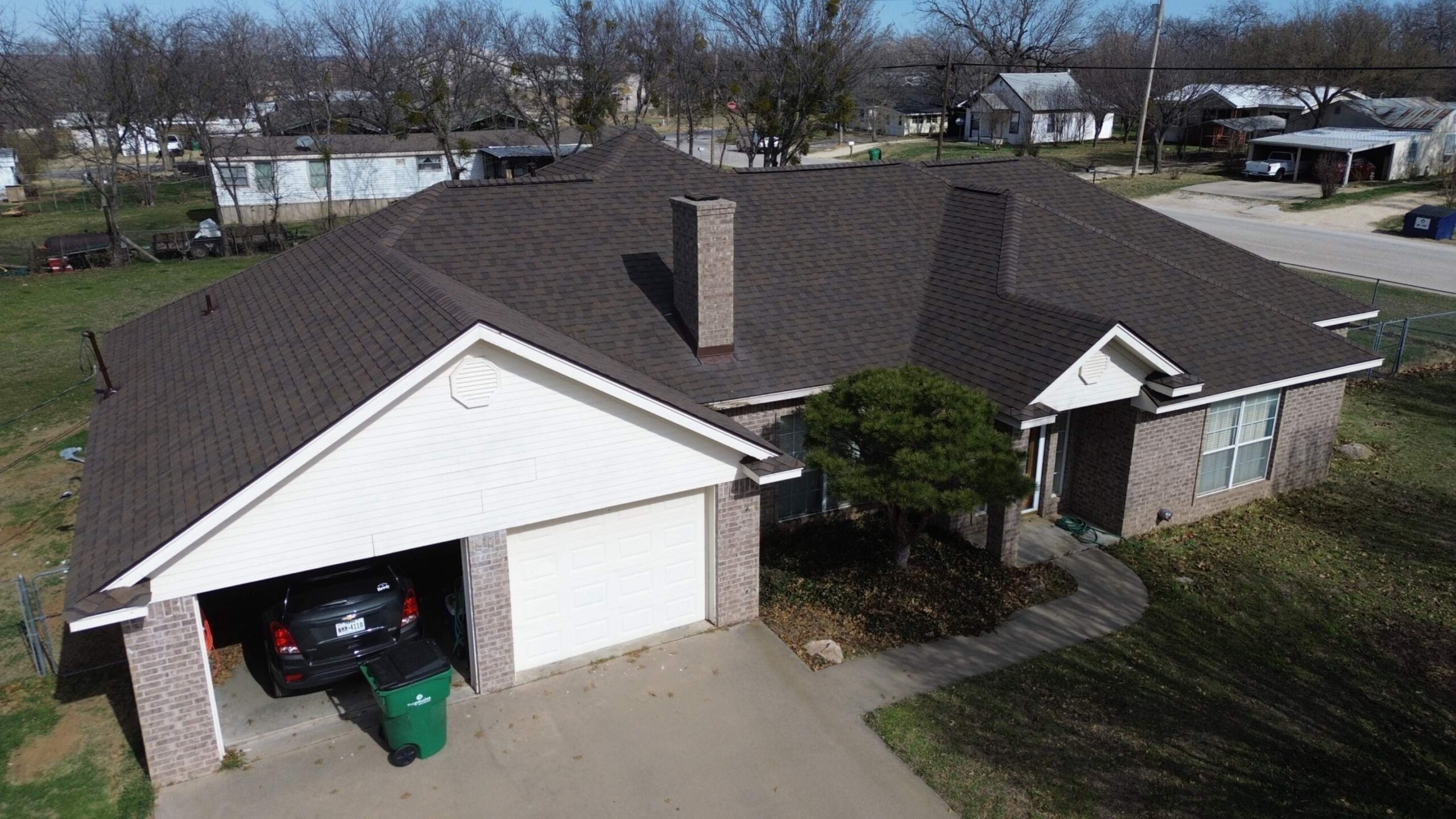
Heat retention affects far more than indoor comfort. Every degree of unnecessary heat entering a building increases energy demand, operating costs, and long-term maintenance expenses. While these costs may appear gradually, they often become substantial over the lifespan of a roofing system.
Air conditioning systems represent the first area affected. As indoor temperatures rise because of excessive roof heat, cooling equipment operates for longer periods to maintain thermostat settings. Longer operating cycles increase electricity consumption while accelerating wear on compressors, fans, and other mechanical components.
Higher utility bills are usually the earliest financial indicator of roof-related heat retention. Homeowners may initially attribute rising costs to seasonal weather, yet persistent increases often indicate declining roof performance rather than changing outdoor temperatures alone.
Commercial buildings frequently experience even greater financial impacts because of their larger roof surfaces. Warehouses, retail stores, offices, and manufacturing facilities require significant cooling capacity, making roof efficiency an important factor in overall operating expenses.
Heat also affects building materials inside the structure. Elevated attic temperatures accelerate the aging of electrical wiring, stored belongings, ductwork, and mechanical equipment. These secondary effects increase maintenance requirements while shortening the lifespan of valuable building systems.
Business operations may also suffer when indoor environments become consistently uncomfortable. Employees working in overheated conditions often experience reduced productivity, while customers may spend less time inside commercial spaces that feel excessively warm.
Insurance considerations can also influence long-term costs. Although policies vary, neglected roof maintenance may contribute to larger claims after storms or water damage. Keeping roofing systems in good condition helps reduce the likelihood of extensive damage that could complicate future insurance situations.
Energy efficiency improvements typically provide ongoing financial benefits. Roof repairs that restore insulation performance, improve ventilation, and eliminate moisture intrusion reduce cooling demand year after year. These savings continue accumulating throughout the remaining life of the roof.
Property value may also benefit from improved roof performance. Buyers increasingly recognize the importance of energy-efficient buildings, making well-maintained roofing systems an attractive feature during property transactions.
Rather than viewing roof repairs as isolated maintenance expenses, many property owners begin seeing them as long-term investments. Improvements that reduce heat retention often generate ongoing savings through lower energy bills, reduced equipment wear, and improved building durability.
Comparing Healthy Roof Systems with Damaged Roof Systems
The differences between a properly functioning roof and a damaged one extend well beyond appearance. Heat management, energy efficiency, indoor comfort, and structural protection all depend on how effectively the roofing system performs as a whole.
| Feature | Healthy Roof System | Damaged Roof System |
|---|---|---|
| Heat Reflection | Reflects a significant portion of solar energy | Absorbs excessive heat due to worn materials |
| Ventilation | Maintains continuous airflow through attic | Restricted airflow traps hot air |
| Insulation Performance | Dry, complete, and effective | Wet, compressed, or displaced insulation |
| Indoor Comfort | Stable temperatures throughout the building | Uneven temperatures and overheated rooms |
| HVAC Workload | Normal operating cycles | Extended cooling cycles and increased wear |
| Energy Costs | Lower monthly utility expenses | Higher cooling costs throughout warm seasons |
| Moisture Control | Limits condensation and humidity | Increased moisture damages insulation and structure |
| Roof Lifespan | Materials age at expected rates | Accelerated deterioration from excessive heat |
This comparison highlights how multiple roofing components work together to regulate temperature. A single damaged area can affect the performance of the entire roofing system, making prompt maintenance an important part of preserving energy efficiency and indoor comfort.
The effects of roof damage rarely remain isolated. As heat retention increases, other building systems compensate for declining roof performance, creating additional costs and maintenance needs that extend far beyond the roof itself.
How Roof Inspections Identify Heat Retention Problems
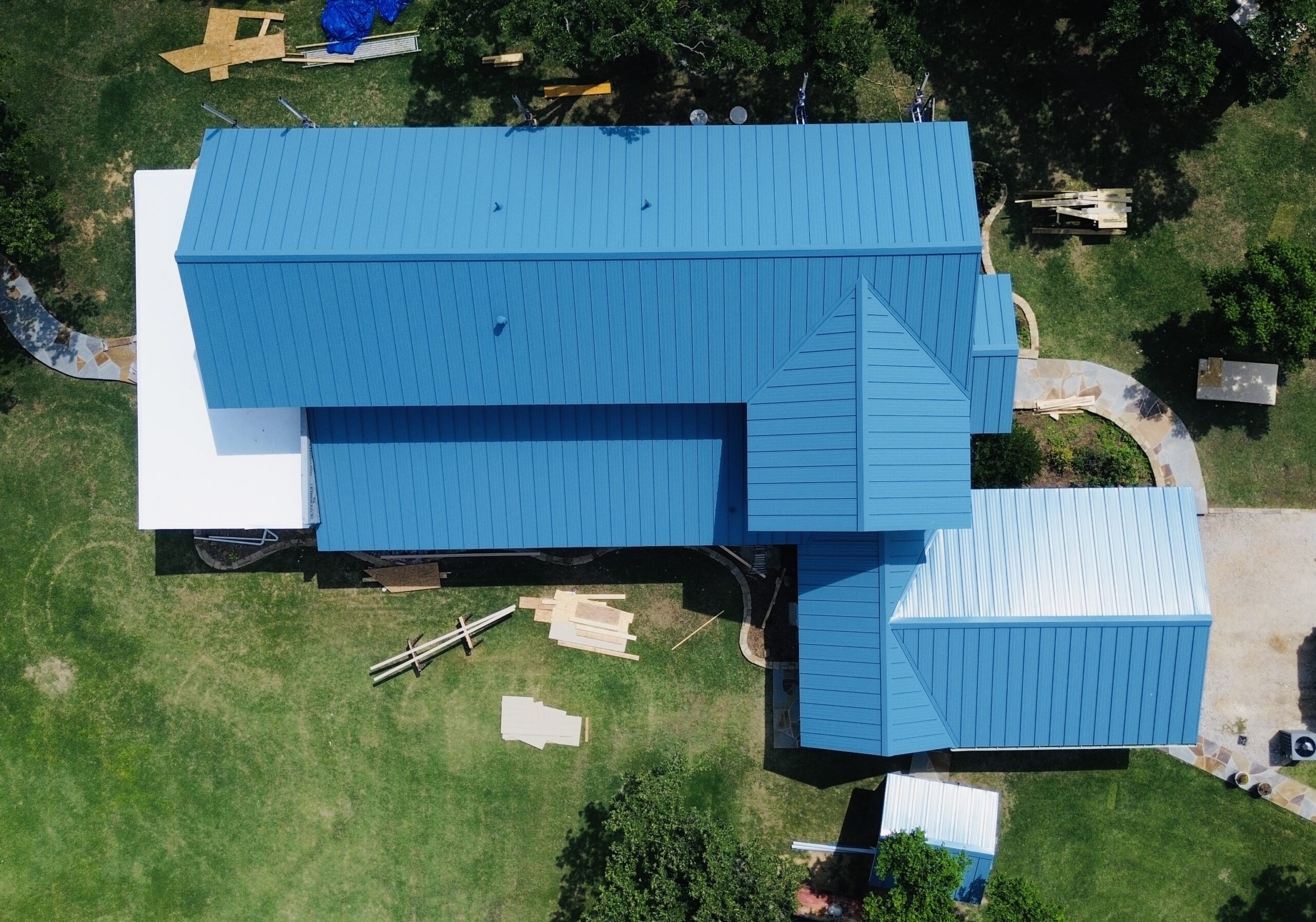
A professional roof inspection is one of the most effective ways to determine whether roof damage is contributing to excessive heat retention. While some issues are visible from the exterior, many of the most significant problems remain hidden beneath roofing materials or inside attic spaces. A thorough inspection helps identify these concealed defects before they develop into more expensive repairs.
Inspectors begin by evaluating the overall condition of the roof covering. Missing shingles, cracked tiles, deteriorated flashing, damaged membranes, and worn protective coatings all provide valuable clues about how efficiently the roof manages heat. Even minor surface damage can reduce solar reflectivity and increase heat absorption.
The attic receives equal attention during a comprehensive inspection. Inspectors assess insulation depth, check for moisture damage, and evaluate whether insulation remains evenly distributed across the attic floor. Areas where insulation has shifted or compressed often correspond with sections of the home that experience excessive indoor heat.
Ventilation systems are carefully examined as well. Ridge vents, soffit vents, roof vents, and exhaust systems must all remain open and unobstructed for proper airflow. Blockages caused by debris, damaged vent covers, or improper insulation placement frequently contribute to heat buildup.
Moisture detection is another important part of the inspection process. Water stains, damp insulation, mold growth, and elevated moisture levels indicate that roof damage may already be reducing insulation performance. Because wet insulation transfers heat more easily, identifying moisture problems helps explain unusual temperature increases.
Many roofing professionals also use thermal imaging technology. Infrared cameras reveal temperature differences across the roof and inside attic spaces, allowing inspectors to locate hidden hot spots that are not visible during a standard visual inspection. These images help pinpoint areas where heat escapes or accumulates because of damaged roofing components.
Structural elements such as roof decking, rafters, and trusses are also evaluated for signs of deterioration. Warping, rot, or movement can alter ventilation pathways and reduce the roof’s ability to regulate indoor temperatures. Identifying these issues early helps prevent more extensive structural repairs later.
A detailed inspection report provides property owners with a clear understanding of the roof’s condition. Rather than focusing only on visible damage, the report explains how each issue affects energy efficiency, ventilation, insulation, and overall building performance.
Routine inspections offer long-term benefits because they identify small problems before they develop into widespread heat retention. Regular evaluations also help homeowners plan maintenance more effectively, reducing the likelihood of emergency repairs during periods of extreme weather.
Investing in periodic roof inspections is often far less expensive than dealing with years of increased energy costs and avoidable structural deterioration. Early detection remains one of the most valuable tools for maintaining a comfortable and energy-efficient building.
Effective Roof Repair Solutions for Reducing Heat Build Up
Once the source of heat retention has been identified, appropriate repairs can significantly improve indoor comfort and restore the roof’s energy performance. The most effective solution depends on the type, age, and severity of the roof damage.
Replacing damaged roofing materials is often the first priority. Missing shingles, cracked tiles, deteriorated metal panels, or damaged membranes should be repaired promptly to restore the roof’s protective barrier. Matching replacement materials with the existing roofing system helps maintain consistent thermal performance.
Roof coatings provide another valuable solution, particularly for metal and flat roofing systems. Reflective coatings reduce solar heat absorption by directing more sunlight away from the roof surface. These coatings can noticeably lower roof temperatures while extending the lifespan of roofing materials.
Improving attic ventilation frequently delivers immediate benefits. Installing additional ridge vents, repairing damaged soffit vents, or clearing blocked ventilation pathways allows accumulated heat to escape more efficiently. Better airflow reduces attic temperatures and limits heat transfer into living spaces.
Insulation upgrades often accompany roof repairs. Replacing moisture-damaged insulation or adding insulation to underperforming areas strengthens the building’s thermal barrier. Modern insulation materials provide improved resistance to both heat transfer and moisture intrusion.
Sealing air leaks is another important step. Small openings around roof penetrations, flashing, chimneys, skylights, and vents allow unwanted airflow that reduces energy efficiency. Proper sealing restores the integrity of the roofing system while improving indoor temperature stability.
Repairing flashing deserves special attention because these components protect some of the roof’s most vulnerable areas. Properly installed flashing prevents moisture intrusion while reducing the risk of insulation damage that contributes to heat retention.
In some situations, repairs also include replacing damaged roof decking. Structural repairs restore a solid foundation for roofing materials while eliminating hidden air gaps that interfere with ventilation and insulation performance.
Property owners should avoid temporary fixes whenever possible. Quick patches may stop immediate leaks but often fail to address the underlying issues responsible for excessive heat buildup. Comprehensive repairs provide more reliable long-term results and reduce the need for repeated maintenance.
Combining multiple repair strategies usually produces the greatest improvement. When roofing materials, insulation, ventilation, and structural components all function together, the building becomes noticeably more comfortable while operating more efficiently throughout the year.
Preventive Maintenance to Avoid Future Heat Retention Issues
Preventive maintenance is one of the most cost-effective ways to reduce the risk of roof-related heat retention. Rather than waiting for visible damage to appear, routine maintenance keeps roofing systems operating efficiently and extends their service life.
Regular visual inspections help identify small problems before they become major repairs. Homeowners should look for damaged shingles, loose flashing, blocked vents, and signs of water intrusion, especially after severe weather events. Addressing these concerns early prevents gradual deterioration that can eventually affect indoor temperatures.
Keeping the roof clean also supports better thermal performance. Leaves, branches, dirt, and debris trap moisture while restricting airflow around ventilation openings. Removing this buildup allows the roof to shed heat and moisture more effectively.
Gutters deserve regular attention because they help direct water away from the roof structure. Clogged gutters increase the risk of standing water, which may eventually damage roofing materials, insulation, and structural components. Proper drainage protects both the roof and the building below.
Tree maintenance is another important preventive measure. Overhanging branches create shade in some areas but may also scrape roofing materials during windy conditions. Falling branches can cause immediate roof damage that reduces energy efficiency and creates new pathways for moisture intrusion.
Attic inspections should become part of routine home maintenance. Checking insulation, ventilation, and moisture levels helps identify developing problems before they significantly affect indoor comfort. Early intervention usually requires less extensive repairs than correcting long-term deterioration.
Professional maintenance programs provide additional peace of mind. Roofing specialists can identify subtle signs of wear that homeowners may overlook while recommending repairs before they become expensive structural issues.
Seasonal maintenance offers particular value because roofing systems experience different challenges throughout the year. Preparing the roof before summer helps improve cooling efficiency, while autumn maintenance reduces the risk of moisture accumulation during colder months.
Property owners should also maintain accurate records of inspections and repairs. Documentation helps monitor the roof’s condition over time while making it easier to identify recurring issues that may require more comprehensive solutions.
Preventive maintenance is not simply about preserving appearance. It protects energy efficiency, extends roof lifespan, lowers utility costs, and helps maintain a consistently comfortable indoor environment throughout every season.
When Roof Replacement Is the Better Long Term Solution
Repairs solve many roofing problems, but there are situations where replacing the entire roof provides greater long-term value. Understanding when repairs are no longer sufficient helps property owners make informed decisions that balance cost, performance, and durability.
Age is one of the most important considerations. Roofing materials naturally deteriorate over time, even with regular maintenance. Once a roof approaches the end of its expected service life, repeated repairs often become less practical than investing in a complete replacement.
Extensive structural damage is another deciding factor. If roof decking, framing, or multiple roofing layers have deteriorated significantly, replacing isolated sections may not restore the roof’s overall performance. A new roofing system addresses both visible and hidden problems at the same time.
Repeated water intrusion also indicates that replacement may be the better option. Multiple leaks often suggest widespread deterioration rather than isolated damage. Continuing to repair individual leaks may only postpone more extensive work while allowing insulation and structural materials to decline further.
Energy efficiency goals frequently influence replacement decisions as well. Modern roofing systems include improved insulation options, advanced ventilation designs, and highly reflective materials that perform better than many older roofs. Replacing an outdated roof can substantially reduce heat retention and improve year-round comfort.
Home renovation projects provide another opportunity to evaluate roof replacement. Installing solar panels, expanding living space, or upgrading insulation often becomes easier when completed alongside a new roofing system.
Although roof replacement requires a larger initial investment, the long-term financial benefits can outweigh the upfront cost. Lower energy bills, fewer repairs, improved durability, and increased property value all contribute to the overall return on investment.
Choosing the right replacement materials is equally important. Climate conditions, building design, maintenance expectations, and energy efficiency objectives should all influence material selection. Working with experienced roofing professionals helps ensure the new roof meets both current needs and future performance goals.
Property owners should also consider manufacturer warranties and workmanship guarantees. Quality installation is just as important as selecting premium materials because improper installation can reduce the performance of even the best roofing products.
Replacing a roof is a significant decision, but when extensive damage and persistent heat retention affect building performance, a modern roofing system often delivers the most reliable and cost-effective long-term solution.
Practical Tips for Homeowners to Keep Roof Temperatures Lower
Many homeowners can improve roof performance through simple maintenance practices and informed decision making. While major repairs require professional expertise, everyday habits also contribute to reducing heat buildup and improving energy efficiency.
The following steps help maintain a cooler and healthier roofing system.
- Schedule professional roof inspections at least once each year.
- Clean gutters and roof surfaces regularly to prevent moisture accumulation.
- Keep attic ventilation openings free from insulation and debris.
- Replace damaged roofing materials as soon as problems are identified.
- Upgrade deteriorated insulation to improve thermal resistance.
- Consider reflective roof coatings or energy-efficient roofing materials during future renovations.
- Trim nearby tree branches that may damage roofing materials during storms.
- Monitor monthly energy bills for unexpected increases that may indicate declining roof performance.
Following these practices consistently helps reduce unnecessary heat retention while extending the lifespan of the roofing system. Small maintenance efforts performed regularly often prevent much larger repair expenses in the future.
Frequently Asked Questions
Can roof damage really make a house feel hotter?
Yes. Damaged roofing materials, poor insulation, and inadequate ventilation allow more heat to enter and remain inside the building. As a result, indoor temperatures rise and cooling systems must work harder to maintain comfort.
Why does my upstairs feel much warmer than the downstairs?
Warm air naturally rises, and attic spaces are located directly beneath the roof. If the roof retains excessive heat because of damage or poor ventilation, upper floors usually experience the highest indoor temperatures.
Will adding insulation alone solve heat retention problems?
Not always. Insulation is only one part of the roofing system. If ventilation problems, structural damage, or roofing defects remain unresolved, additional insulation alone may not eliminate excessive heat buildup.
How often should a roof be inspected?
Most roofing professionals recommend a complete inspection at least once a year and after major storms. Regular inspections help identify developing issues before they affect energy efficiency or structural integrity.
Are reflective roofing materials worth the investment?
In many climates, reflective roofing materials reduce solar heat absorption and lower roof surface temperatures. They can improve indoor comfort while reducing cooling costs over the long term.
Can heat retention shorten the lifespan of my roof?
Yes. Excessive heat accelerates the aging of roofing materials by increasing thermal expansion and contraction. Over time, this repeated stress contributes to cracking, warping, and faster material deterioration.
Quick Maintenance Checklist
Before each season changes, review these maintenance tasks to help keep your roof performing efficiently.
- Inspect the roof for visible signs of damage.
- Remove leaves, branches, and accumulated debris.
- Check gutters and downspouts for proper drainage.
- Ensure roof vents remain open and unobstructed.
- Look for moisture or mold inside the attic.
- Examine insulation for compression or water damage.
- Schedule professional inspections when concerns arise.
- Address minor repairs before they become major problems.
Conclusion
Heat retention problems linked to roof damage often develop gradually, making them easy to overlook until indoor comfort begins to decline and energy bills start increasing. While many homeowners focus on heating and cooling equipment, the roof itself serves as one of the building’s most important temperature control systems.
Throughout this article, we have explored how damaged roofing materials, hidden structural issues, poor ventilation, deteriorated insulation, and seasonal weather all contribute to excessive heat buildup. These factors rarely work independently, and together they can significantly reduce energy efficiency while placing additional stress on the entire building.
Recognizing early warning signs allows property owners to act before small maintenance concerns become major structural problems. Routine inspections, timely repairs, effective ventilation, and quality insulation all work together to restore the roof’s ability to regulate indoor temperatures efficiently.
Preventive maintenance remains one of the smartest long-term investments for any property owner. Simple actions such as cleaning gutters, maintaining ventilation, replacing damaged roofing materials, and scheduling regular inspections help preserve both comfort and energy performance while extending the lifespan of the roofing system.
When roof damage becomes widespread or repeated repairs no longer provide lasting results, replacing the roof with modern, energy-efficient materials may offer the greatest long-term value. A well-designed roofing system not only protects against weather but also supports lower energy costs, improved indoor comfort, and greater structural durability for many years.
Ultimately, understanding the connection between roof damage and heat retention empowers homeowners and property managers to make informed maintenance decisions. By treating the roof as an essential part of the building’s energy system rather than simply a protective covering, it becomes possible to create a more comfortable, efficient, and resilient property in every season.