
How Professional Roof Inspections Detect Hidden Damage
Introduction
Your roof protects every part of your home from rain, wind, heat, snow, and changing weather conditions. While most homeowners notice obvious issues like missing shingles or visible leaks, many roofing problems develop beneath the surface long before they become easy to see. Hidden damage often progresses quietly, allowing moisture and structural deterioration to spread without attracting immediate attention.
Professional roof inspections are designed to uncover these concealed issues before they develop into major repair projects. Experienced inspectors understand how roofing systems function as a whole rather than focusing only on the visible exterior. Their knowledge, combined with specialized inspection techniques, helps identify damage that could otherwise remain unnoticed for months or even years.
Many roof failures begin with small problems that appear insignificant during casual observation. A slightly lifted shingle, tiny flashing gap, or minor attic moisture stain may indicate a much larger issue affecting insulation, decking, ventilation, or structural framing. Detecting these warning signs early gives homeowners the opportunity to address repairs before they become expensive emergencies.
Understanding how professional roof inspections detect hidden damage helps property owners appreciate the value of routine evaluations. Whether a roof is new or decades old, regular inspections play an important role in extending its lifespan, protecting the home’s structure, and reducing unexpected repair costs. This guide explains the inspection process, the warning signs professionals recognize, the tools they use, and how thorough evaluations help uncover problems that remain invisible to the untrained eye.
Understanding Hidden Roof Damage
Hidden roof damage refers to problems that develop beneath roofing materials or inside the structural components of the roof. These issues may not create immediate leaks or visible exterior changes, making them difficult for homeowners to recognize without a detailed inspection. Even when a roof appears to be in good condition from the ground, deterioration may already be affecting its overall performance.
Many roofing systems contain several interconnected layers that work together to keep water out and maintain structural stability. Beneath the shingles or other surface materials are underlayment, decking, flashing, insulation, ventilation systems, and framing components. Damage occurring within any of these layers can spread gradually without producing obvious symptoms until significant deterioration has already occurred.
Environmental exposure is one of the leading causes of concealed roof damage. Daily temperature fluctuations cause roofing materials to expand during warm weather and contract as temperatures fall. This constant movement slowly weakens seals, fasteners, and protective barriers, allowing moisture to penetrate areas that remain hidden from normal view.
Heavy rainfall also contributes to hidden deterioration by exploiting the smallest weaknesses in the roofing system. Water often travels beneath shingles, around flashing, or through tiny openings before reaching interior structures. Because moisture follows the path of least resistance, the location where water finally appears inside the home is often far from the original point of entry.
Strong winds create another source of concealed damage by loosening shingles without completely removing them. Even slight lifting can allow rainwater to enter beneath roofing materials during future storms. Since the shingles may settle back into place afterward, homeowners frequently remain unaware that their roof’s protective barrier has already been compromised.
Older roofs naturally become more vulnerable as materials age and lose flexibility. Asphalt shingles gradually become brittle, sealants dry out, flashing begins to corrode, and protective coatings wear away over time. These age related changes often develop slowly, making routine professional inspections increasingly important as roofing systems mature.
Poor installation practices may also leave hidden weaknesses that remain unnoticed for years. Improper flashing placement, inadequate ventilation, incorrectly installed underlayment, or poorly secured fasteners may function temporarily before eventually contributing to water intrusion or structural deterioration. Professional inspectors understand where these installation defects commonly occur and know how to identify them before serious failures develop.
Ignoring hidden roof damage rarely allows the problem to resolve itself. Instead, moisture continues spreading through wooden components, insulation loses effectiveness, mold begins developing, and structural materials gradually weaken. What begins as a relatively minor repair can eventually require extensive restoration involving multiple areas of the home.
Early detection significantly changes the outcome of these situations. Finding hidden issues while they remain localized often reduces repair costs, shortens project timelines, and minimizes disruption for homeowners. Professional inspections provide the opportunity to identify developing concerns before they affect the entire roofing system.
Why Visual Inspections From the Ground Are Not Enough
Many homeowners believe they can evaluate the condition of their roof simply by walking around the property and looking upward. While this type of observation may reveal major damage such as fallen tree limbs or missing shingles, it rarely identifies the subtle warning signs associated with hidden deterioration. Roofing systems are far more complex than their exterior appearance suggests.
Viewing a roof from ground level creates significant limitations. The viewing angle prevents close examination of flashing, valleys, vents, ridge caps, fasteners, and surface irregularities. Even high quality binoculars cannot reveal many of the small defects that experienced inspectors recognize during a detailed evaluation.
Some damage develops underneath roofing materials where it remains completely invisible from outside. Water may already be saturating roof decking, insulation, or framing while the exterior continues to appear intact. By the time visible symptoms finally emerge, the underlying problem has often existed for an extended period.
Homeowners also tend to focus on shingles because they are the most visible roofing component. Professional inspectors evaluate the entire roofing system, recognizing that problems often originate in areas such as flashing connections, ventilation openings, skylights, chimneys, gutters, and structural joints. These locations frequently become the starting point for concealed moisture intrusion.
Weather conditions can further disguise developing roof damage. Dry days may temporarily hide moisture related issues that only become noticeable after prolonged rainfall or seasonal humidity changes. Inspectors understand how environmental conditions influence roof performance and consider these factors during their evaluations.
Another challenge involves distinguishing between cosmetic wear and structural deterioration. A roof may display harmless discoloration while concealing serious moisture damage beneath the surface. Conversely, weathered shingles may appear concerning even though the underlying roofing system remains structurally sound. Professional training allows inspectors to accurately interpret these visual clues.
Safety is another important consideration that often discourages homeowners from performing close inspections. Walking on steep or aging roofs presents serious fall hazards, particularly when surfaces are wet or covered with debris. Professional inspectors use appropriate safety procedures and equipment while conducting thorough examinations that minimize unnecessary risk.
The following situations often indicate that a professional inspection is more appropriate than relying on a simple visual check.
- The roof is more than ten years old and has not received a recent inspection.
- A severe storm has recently affected the property.
- Water stains appear on ceilings or attic surfaces.
- Energy bills increase without another clear explanation.
- The property is being purchased or prepared for sale.
- Previous repairs have been completed in multiple areas of the roof.
Professional inspections provide a systematic evaluation rather than relying on obvious visual clues alone. Inspectors examine every accessible section of the roofing system according to a structured process that reduces the chance of overlooking developing problems. This detailed approach forms the foundation for accurate assessments and informed repair recommendations.
Professional Roof Inspection Process Explained
A professional roof inspection follows a carefully planned sequence designed to evaluate every major component of the roofing system. Rather than searching only for obvious defects, inspectors collect information from multiple areas to understand how the roof performs as an integrated structure. Each stage provides valuable evidence that contributes to an accurate overall assessment.
Before climbing onto the roof, inspectors typically perform an initial assessment from the ground. They examine the property’s surroundings, identify potential safety concerns, observe drainage patterns, and look for visible signs of uneven roof surfaces or storm damage. This preliminary evaluation helps determine which areas require closer examination during the inspection.
The exterior roof inspection focuses on the condition of surface materials and protective components. Inspectors carefully evaluate shingles, tiles, panels, flashing, ridge caps, valleys, vents, skylights, chimneys, and roof penetrations. They search for loose materials, deterioration, improper installation, sealant failures, corrosion, and evidence of moisture infiltration.
Attention then shifts to the roof’s drainage system. Gutters and downspouts reveal valuable information about roof performance because they collect debris carried away by weather and water flow. Excessive granules, broken roofing materials, standing water, or improper drainage patterns may indicate developing issues that require further investigation.
Interior inspections are equally important because many hidden roofing problems become visible inside the attic before affecting living spaces. Inspectors examine insulation, roof decking, framing members, ventilation pathways, and signs of condensation or moisture accumulation. These observations often confirm whether exterior findings have already begun affecting structural components.
Ventilation assessment plays a major role during professional inspections. Proper airflow helps regulate attic temperatures and reduces moisture buildup that can damage roofing materials from within. Inspectors evaluate intake and exhaust ventilation to determine whether the roof receives adequate air circulation throughout the year.
Structural evaluation involves examining framing members for movement, sagging, cracking, or signs of excessive loading. Although structural problems may not always originate within the roof itself, inspectors consider how the roofing system interacts with the home’s overall framework. Small structural changes sometimes reveal larger issues developing beneath the surface.
The inspection process generally follows these major stages.
- Review the property’s roofing history and visible concerns.
- Perform a complete ground level assessment.
- Inspect exterior roofing materials and protective components.
- Evaluate drainage systems and water flow patterns.
- Examine attic spaces and interior structural elements.
- Document findings with photographs and detailed observations.
- Prepare recommendations based on the overall condition of the roof.
Professional inspectors avoid making assumptions based on a single observation. Instead, they compare evidence gathered from multiple areas before determining the likely cause of any hidden damage. This method reduces unnecessary repairs while helping homeowners understand which issues deserve immediate attention and which can be monitored over time.
Early Warning Signs Professionals Look For
Experienced roof inspectors recognize that major roofing failures rarely occur without early warning signs. Most serious problems begin as small changes that gradually become more significant if left untreated. Identifying these subtle indicators allows professionals to recommend repairs before widespread damage develops.
Moisture stains inside the attic are among the earliest signs inspectors evaluate. Even faint discoloration on wooden decking or framing may indicate intermittent water intrusion that has not yet reached interior ceilings. These stains often provide important clues about the movement of moisture through the roofing system.
Shingle condition also receives close attention during inspections. Inspectors look for curling edges, cracked surfaces, missing granules, blistering, or slight lifting caused by wind exposure. Although each issue may appear minor individually, together they often reveal the beginning stages of roof deterioration.
Flashing serves as one of the roof’s primary defenses against water intrusion. Professionals inspect flashing around chimneys, skylights, vents, and roof intersections because these areas experience frequent expansion and contraction during changing temperatures. Small gaps or deteriorating sealants can allow water to enter long before leaks become noticeable indoors.
Ventilation problems frequently contribute to hidden damage that develops from the inside out. Excess heat trapped within the attic accelerates roofing material aging, while excessive humidity encourages condensation and wood deterioration. Inspectors evaluate airflow patterns to determine whether ventilation deficiencies are placing unnecessary stress on the roofing system.
Inspectors also watch for subtle structural changes such as uneven roof lines or slight depressions in roof decking. These irregularities may indicate underlying wood deterioration or long term moisture exposure that requires further evaluation. Although the changes may appear insignificant initially, they often represent the early stages of larger structural concerns.
In many cases, hidden damage becomes apparent through the combination of several small warning signs rather than one obvious defect. Professional inspections focus on recognizing these patterns, allowing experts to identify developing problems long before they become visible to the average homeowner. This careful attention to detail helps preserve the roof’s performance while reducing the likelihood of costly future repairs.
Advanced Tools Used to Detect Hidden Roof Damage
Professional roof inspections have advanced far beyond simple visual examinations. Modern inspectors rely on specialized equipment that allows them to identify problems hidden beneath roofing materials without causing unnecessary damage. These technologies improve accuracy while helping homeowners make informed decisions about repairs and maintenance.
Each inspection tool serves a different purpose because hidden roof damage can develop in many forms. Moisture may become trapped beneath shingles, insulation can retain water without obvious signs, and structural components may weaken internally before visible symptoms appear. Using several diagnostic methods together creates a much more complete understanding of the roof’s overall condition.
Technology also helps inspectors document findings with greater precision. Digital images, measurements, and thermal scans provide evidence that supports repair recommendations and allows homeowners to see issues they might otherwise never notice. This documentation becomes especially valuable when comparing roof conditions over several years.
Moisture Meters
Moisture meters are among the most valuable tools during professional roof inspections because water damage is often invisible at first. These devices measure the moisture content inside wood, drywall, insulation, and other building materials without relying solely on visible stains.
An area that appears completely dry may still contain elevated moisture levels capable of supporting mold growth or wood decay. Inspectors compare readings from different sections of the roof structure to determine whether hidden moisture is spreading beyond the visible signs of damage.
High moisture readings do not always indicate an active roof leak. Sometimes condensation caused by poor attic ventilation creates similar conditions, making professional interpretation just as important as the measurement itself.
Infrared Thermal Imaging
Thermal imaging cameras detect temperature differences across roofing surfaces. Areas containing trapped moisture often retain heat differently than surrounding materials, allowing inspectors to locate hidden water intrusion that cannot be seen with the naked eye.
Infrared inspections are particularly useful after rainfall because wet materials cool and warm at different rates compared to dry sections. These temperature variations create thermal patterns that help inspectors narrow down areas requiring closer examination.
Thermal imaging does not replace traditional inspection methods. Instead, it serves as another diagnostic tool that guides inspectors toward concealed problems while reducing unnecessary invasive testing.
Drone Roof Inspections
Drone technology has become increasingly valuable for inspecting roofs that are difficult or unsafe to access. High resolution cameras capture detailed images of steep slopes, fragile roofing materials, and elevated structures without placing inspectors at unnecessary risk.
Aerial photography provides perspectives that cannot always be achieved during conventional inspections. Inspectors can review valleys, ridge lines, flashing details, and storm damage from multiple angles while documenting conditions for future comparisons.
Drone inspections work especially well for large residential properties and commercial buildings. Although they cannot completely replace physical inspections, they provide excellent visual documentation and help identify areas needing closer evaluation.
Roof Core Sampling
In some situations, inspectors may recommend roof core sampling, particularly for commercial flat roofs. A small section of roofing material is carefully removed to evaluate the condition of underlying insulation, decking, and waterproofing layers.
This technique is generally reserved for situations where hidden deterioration cannot be confirmed through non destructive testing alone. Because only a small sample is removed, the process minimizes disruption while providing valuable information about the roof’s internal condition.
Core sampling helps determine whether damage remains localized or has spread throughout larger sections of the roofing system. This information often influences repair strategies and replacement planning.
Digital Inspection Documentation
Modern inspection software allows professionals to organize photographs, measurements, notes, and repair recommendations into comprehensive reports. Digital documentation creates a permanent record that homeowners can reference when scheduling maintenance or filing insurance claims.
Comparing reports from previous inspections also helps identify gradual changes that may not be obvious during a single visit. Small areas of deterioration become easier to monitor over time, allowing repairs to be planned before major failures occur.
Hidden Moisture Problems and Water Intrusion
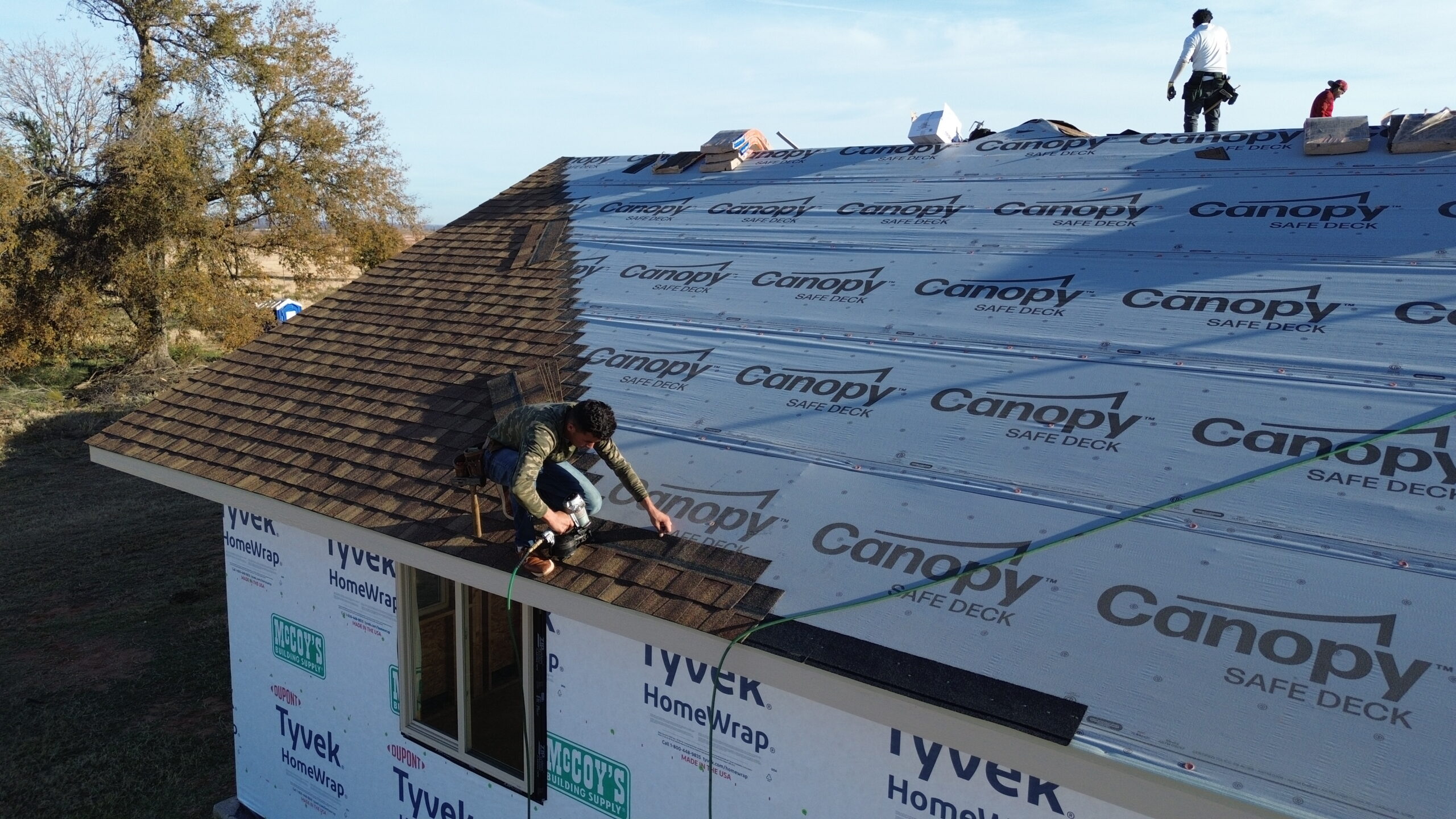
Water is responsible for many of the most expensive roofing repairs because it rarely travels in a straight line. After entering the roofing system, moisture often follows beams, insulation, fasteners, or roof decking before finally becoming visible inside the home. This indirect movement makes locating the original source surprisingly difficult.
Many homeowners assume that a ceiling stain marks the exact location of the roof leak. In reality, water may have entered several feet away before traveling through structural components until it found the easiest exit point. Professional inspectors understand these moisture pathways and investigate the entire surrounding area rather than focusing only on the visible leak.
Small leaks can remain active for months without producing obvious interior symptoms. Insulation absorbs moisture, wooden decking slowly weakens, and framing members remain damp for extended periods before visible stains finally develop. By the time interior damage appears, hidden deterioration may already be extensive.
Moisture trapped beneath roofing materials also accelerates the aging process. Constant dampness weakens adhesives, promotes corrosion around fasteners, and reduces the effectiveness of protective underlayment. Over time, these conditions compromise the roof’s ability to resist future storms.
Poor attic ventilation often makes moisture problems worse. Warm indoor air naturally rises into the attic, carrying humidity with it. Without adequate ventilation, condensation forms on cooler roof surfaces and creates conditions similar to those caused by roof leaks.
Another concern involves mold and mildew development. Organic building materials combined with moisture create an environment where microbial growth can begin within a relatively short period. While mold may remain hidden inside insulation or behind structural components, it continues spreading as long as moisture remains present.
Wood rot presents another serious consequence of prolonged water exposure. Roof decking, rafters, and trusses gradually lose strength as moisture breaks down wood fibers. Because this process develops slowly, homeowners may not recognize structural weakening until noticeable sagging or movement occurs.
Professional inspectors evaluate several moisture related indicators during every inspection.
| Hidden Moisture Issue | Common Cause | Possible Long Term Effect |
|---|---|---|
| Damp insulation | Roof leak or condensation | Reduced energy efficiency |
| Wet roof decking | Flashing failure or damaged shingles | Wood rot and structural weakening |
| Condensation in attic | Poor ventilation | Mold growth and moisture damage |
| Water around fasteners | Seal deterioration | Corrosion and roof movement |
| Moist framing | Long term hidden leak | Structural instability |
Understanding how moisture behaves inside roofing systems allows inspectors to identify the actual source of problems rather than simply treating visible symptoms. Addressing the origin of water intrusion prevents recurring leaks and protects the home’s structural integrity.
Structural Damage Professionals Evaluate
The roof’s structural framework supports not only roofing materials but also snow loads, wind forces, and daily environmental stress. Hidden structural damage often develops gradually, making professional inspections essential for detecting early signs of weakening before major failures occur.
Roof decking serves as the foundation beneath shingles and underlayment. Continuous exposure to moisture can cause decking to soften, separate, or lose its ability to securely hold fasteners. Inspectors carefully examine these surfaces for subtle indications of deterioration that may not yet affect the roof’s appearance.
Trusses and rafters receive close attention because they distribute the roof’s weight throughout the home. Cracks, shifting joints, moisture damage, or insect activity can reduce their structural capacity over time. Even minor movement may indicate changing load conditions that deserve further investigation.
Inspectors also evaluate roof sagging from multiple viewing angles. Slight depressions along ridge lines or roof planes may suggest weakened framing, deteriorated decking, or prolonged water exposure beneath the roofing materials. Early detection allows repairs before structural movement becomes more severe.
Fasteners play an equally important role in maintaining roof stability. Nails and screws gradually loosen as roofing materials expand and contract during seasonal temperature changes. Corrosion or improper installation further reduces their holding strength, increasing the risk of wind damage.
Storm events often create structural problems that remain hidden after visible debris has been removed. Strong wind uplift may loosen framing connections, while hail impacts can weaken roofing components without immediately exposing underlying damage. Professional inspections help determine whether the roof continues performing as intended after severe weather.
Inspectors consider structural damage within the context of the entire roofing system. Rather than evaluating individual components in isolation, they examine how framing, decking, ventilation, insulation, and roofing materials interact to support the home’s long term stability.
Roof Materials and Their Hidden Vulnerabilities
Every roofing material responds differently to weather, aging, and environmental conditions. Professional inspectors adjust their inspection methods according to the specific roofing system because hidden damage develops differently across various materials.
Asphalt Shingle Roofs
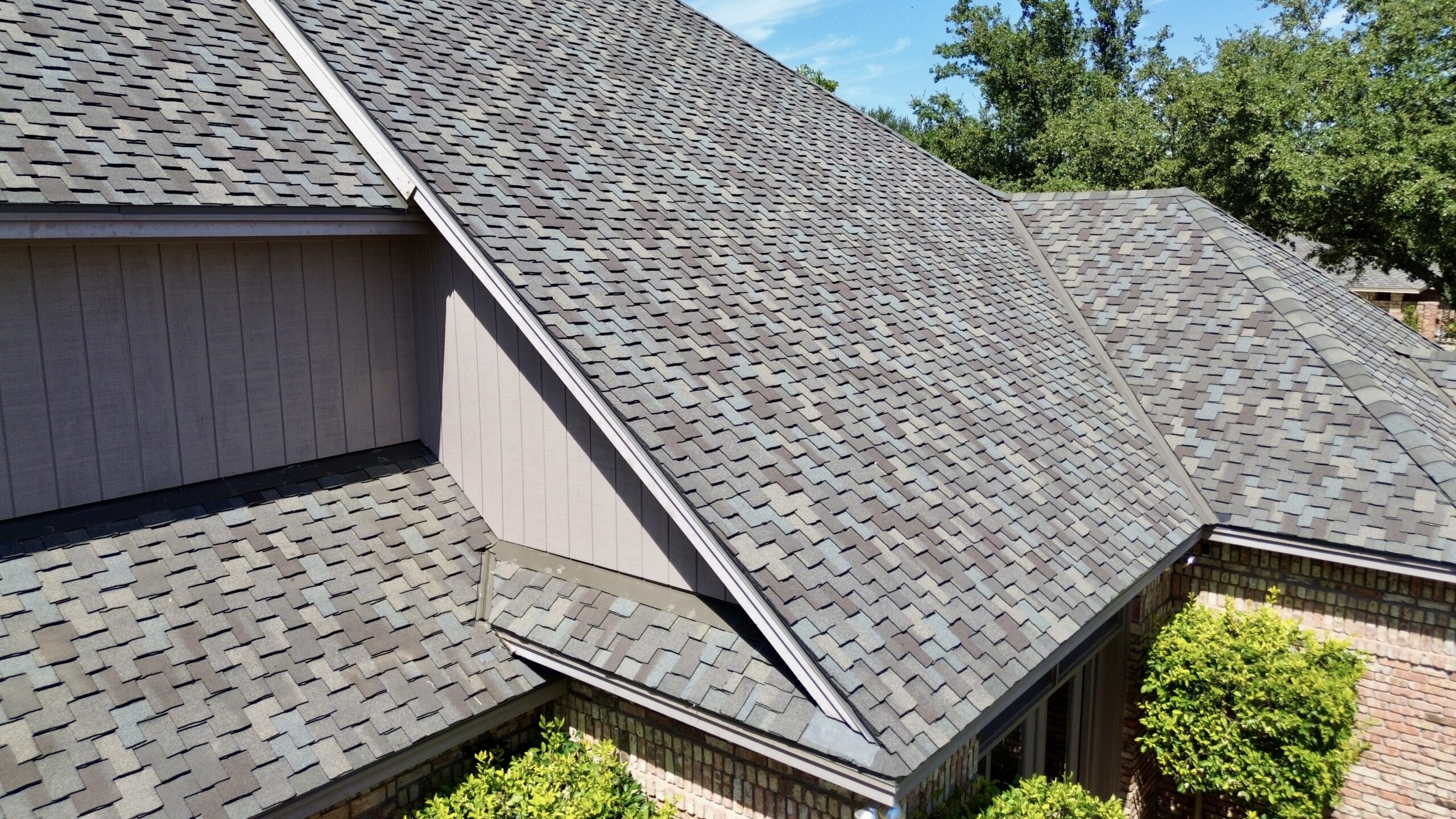
Asphalt shingles remain the most common residential roofing material, but they experience gradual deterioration as protective granules wear away. Wind may loosen shingles without removing them completely, allowing moisture to penetrate beneath the surface during future storms.
Inspectors also look for brittle shingles, failed seal strips, and subtle cracking that may not yet be visible from the ground. These early warning signs often indicate that the roof’s weather resistance is beginning to decline.
Metal Roofs
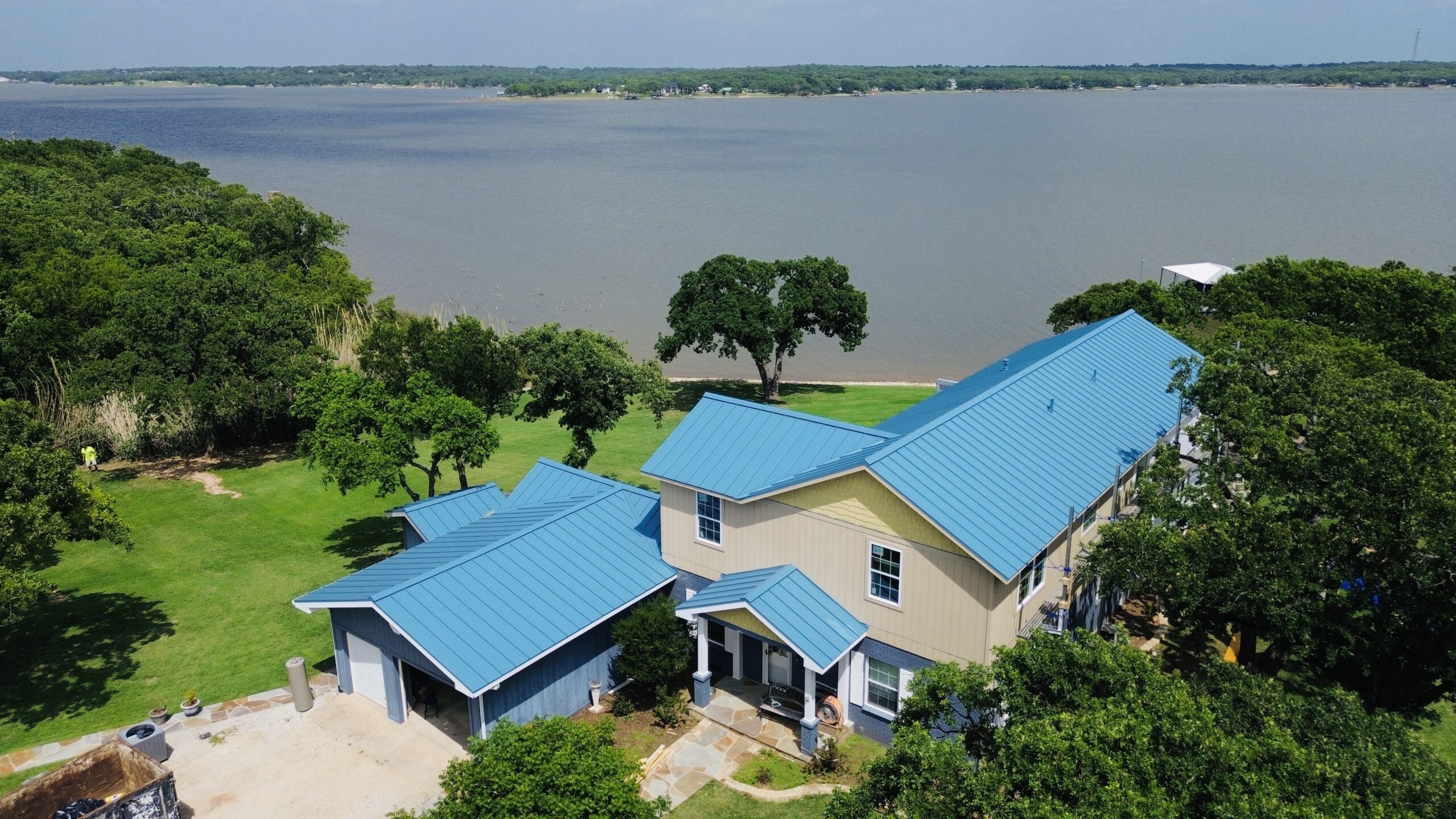
Metal roofing systems generally offer excellent durability, but they still require regular inspections. Hidden problems often develop around fasteners, seams, flashing connections, and expansion joints where repeated thermal movement places stress on protective seals.
Corrosion beneath coatings or inside concealed fastening systems can progress for extended periods before becoming visible. Inspectors pay particular attention to areas where moisture may remain trapped after rainfall.
Tile Roofs
Concrete and clay tiles are highly durable, yet hidden damage frequently develops beneath the tiles rather than within the tiles themselves. Broken underlayment, displaced flashing, or deteriorated decking may remain concealed while the visible roof surface appears undamaged.
Walking on tile roofs without proper techniques can also cause accidental cracking. Professional inspectors understand how to safely access these roofing systems while minimizing unnecessary damage.
Slate Roofs
Slate roofs can last for many decades, but aging fasteners and supporting structures may weaken long before the slate itself reaches the end of its service life. Inspectors examine attachment systems, flashing, and structural supports carefully because replacing damaged slate often requires specialized expertise.
Minor movement in individual slate pieces sometimes indicates hidden fastening problems rather than surface deterioration. Identifying these issues early helps preserve the roof’s historic appearance and structural reliability.
Flat Roofing Systems
Flat roofs present unique inspection challenges because standing water, membrane separation, and hidden insulation damage often develop beneath the waterproof surface. Moisture may spread horizontally across insulation layers before any interior leak becomes noticeable.
Inspectors carefully evaluate drainage performance, membrane seams, flashing transitions, and surface depressions that encourage water accumulation. Even shallow ponding can shorten the lifespan of flat roofing systems if left uncorrected.
Different roofing materials require different inspection strategies, but the objective remains the same. Professional inspectors work to identify concealed weaknesses before they compromise the performance of the entire roofing system, ensuring that repairs address the root cause rather than only the visible symptoms.
Seasonal Factors That Reveal Hidden Roof Damage
Hidden roof damage does not develop at the same rate throughout the year. Each season exposes the roofing system to different environmental conditions that can either create new problems or make existing damage easier to detect. Professional inspectors understand these seasonal patterns and often recommend inspections after periods of severe weather or significant temperature changes.
Spring inspections frequently uncover damage caused by winter conditions. Snow, ice, and repeated freeze thaw cycles can weaken flashing, loosen shingles, and create small openings where water enters the roofing system. As temperatures rise and spring rain becomes more frequent, these weakened areas often begin showing signs of moisture intrusion.
Summer brings intense sunlight and prolonged heat that place additional stress on roofing materials. High temperatures cause shingles, metal panels, and sealants to expand throughout the day before contracting again during cooler evenings. This constant movement accelerates material aging and may reveal hidden weaknesses that developed during previous seasons.
Autumn is an ideal time to identify developing issues before winter weather arrives. Falling leaves often clog gutters and downspouts, reducing proper drainage and allowing water to remain on the roof longer than intended. Inspectors also verify that flashing, ventilation systems, and roof penetrations remain ready for colder temperatures.
Winter creates unique challenges because freezing temperatures can worsen even small roofing defects. Moisture trapped inside roofing materials expands when frozen, gradually widening cracks and weakening protective barriers. Ice accumulation around roof edges may also force water beneath shingles if drainage becomes restricted.
Storm seasons deserve special attention regardless of the time of year. High winds, hail, heavy rain, and falling branches may cause damage that remains hidden beneath otherwise intact roofing materials. Even when the roof appears undamaged from the ground, professional inspections often identify subtle issues requiring preventive repairs.
Scheduling inspections according to seasonal conditions helps homeowners discover hidden damage before it develops into more serious structural problems. Routine evaluations also provide an opportunity to verify that previous repairs continue performing as expected.
Understanding Professional Roof Inspection Reports
A thorough roof inspection provides more than verbal observations. Professional inspectors prepare detailed reports that document the roof’s condition, explain existing concerns, and recommend appropriate maintenance or repair actions. These reports become valuable references for homeowners planning future maintenance or evaluating changes over time.
Inspection reports typically begin with general information about the roofing system, including its approximate age, roofing material, visible condition, and environmental factors that may influence performance. This overview helps place individual findings into the proper context.
Photographs form an important part of every professional report. High quality images allow homeowners to clearly see damaged areas that may otherwise be difficult to access or understand. Comparing photographs from different inspections also helps determine whether problems are progressing or remaining stable.
Rather than simply identifying defects, inspectors usually explain the likely cause of each issue. Understanding why damage occurred helps homeowners address underlying problems instead of repeatedly repairing visible symptoms. This approach supports more effective long term maintenance planning.
Repair recommendations are generally organized according to priority. Some issues require immediate attention because they threaten structural integrity or increase the risk of water intrusion. Others can safely be monitored and scheduled during future maintenance projects.
A complete inspection report often includes the following information.
- Overall roof condition and estimated remaining service life.
- Areas showing active or developing damage.
- Photographic documentation of important findings.
- Recommended repairs and maintenance priorities.
- Observations regarding ventilation and drainage performance.
- Suggestions for future inspection intervals.
Professional reports also help during insurance claims or property transactions. Detailed documentation demonstrates the roof’s condition at a specific point in time and provides evidence supporting repair decisions if damage occurs later.
How Regular Inspections Save Money
Many homeowners delay roof inspections because the roof appears to be functioning normally. Unfortunately, waiting until visible leaks develop often results in significantly higher repair costs than addressing small problems during their early stages. Preventive inspections help identify developing issues before they expand into major restoration projects.
Small repairs generally involve limited labor and fewer replacement materials. Replacing damaged flashing or resealing a roof penetration is considerably less expensive than repairing widespread water damage affecting insulation, decking, ceilings, and interior finishes. Early intervention reduces both repair complexity and overall project costs.
Routine inspections also help extend the lifespan of roofing materials. Minor maintenance performed at appropriate intervals reduces unnecessary stress on shingles, flashing, sealants, and structural components. As a result, homeowners may postpone complete roof replacement for several additional years.
Energy efficiency represents another financial benefit. Hidden moisture damages insulation and reduces its ability to regulate indoor temperatures effectively. Properly functioning insulation lowers heating and cooling costs while maintaining more consistent indoor comfort throughout the year.
Unexpected emergency repairs often carry higher expenses because they require immediate scheduling and may occur during severe weather. Planned maintenance allows homeowners to compare repair options, schedule work during favorable conditions, and avoid emergency service charges whenever possible.
Regular inspections also protect the home’s resale value. Prospective buyers appreciate documented maintenance records demonstrating that the roofing system has received consistent professional care. Inspection reports increase buyer confidence and may simplify negotiations during property sales.
The financial advantages of regular inspections become even clearer when comparing preventive maintenance with emergency restoration.
| Maintenance Approach | Typical Result | Long Term Financial Impact |
|---|---|---|
| Routine inspections | Early problem detection | Lower repair costs |
| Preventive maintenance | Extended roof lifespan | Delayed replacement expenses |
| Immediate minor repairs | Limited damage spread | Reduced structural repairs |
| Delayed inspections | Hidden deterioration grows | Higher restoration costs |
| Emergency repairs | Reactive maintenance | Greater overall expense |
Investing in periodic inspections should be viewed as protecting the entire home rather than only maintaining the roof. Because roofing systems shield structural components, insulation, electrical systems, and interior finishes, preventing hidden damage benefits every part of the property.
Choosing the Right Roof Inspection Professional
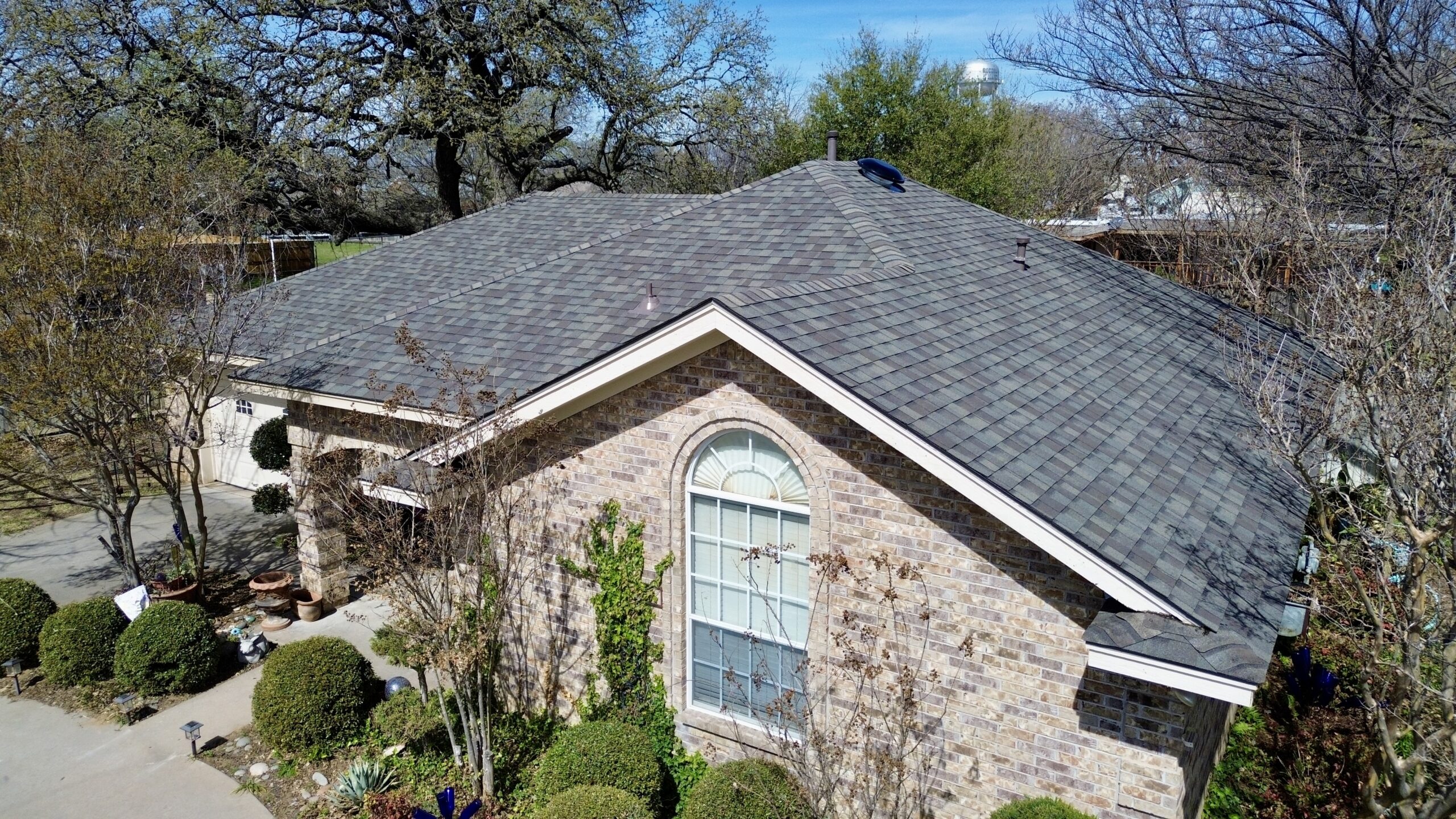
The quality of a roof inspection depends heavily on the knowledge and experience of the person performing it. Selecting a qualified inspector increases the likelihood that hidden problems will be identified accurately and supported by clear recommendations.
Experience with different roofing materials is especially valuable. Asphalt shingles, metal roofing, tile, slate, and flat roofing systems each require specialized inspection methods. Professionals familiar with multiple roofing systems are better prepared to recognize subtle warning signs that less experienced inspectors might overlook.
A thorough inspector follows a systematic process rather than relying on quick visual observations. Exterior materials, attic spaces, structural components, ventilation systems, drainage features, and flashing details should all receive careful evaluation during the inspection.
Clear communication is another important quality. Professional inspectors explain findings in understandable language without relying on unnecessary technical terminology. Homeowners should leave the inspection with a clear understanding of the roof’s condition and the reasons behind any recommended repairs.
Documentation also distinguishes experienced professionals from less thorough providers. Detailed reports, organized photographs, and practical maintenance recommendations demonstrate that the inspection was conducted carefully and methodically.
Before hiring an inspector, homeowners should consider several important questions.
- How much experience do you have inspecting this type of roofing system?
- Will the inspection include both exterior and attic evaluations?
- Do you provide a detailed written report with photographs?
- What tools do you use to detect hidden moisture or structural issues?
- Can you explain the urgency of each recommended repair?
- How often should this roof be professionally inspected in the future?
Homeowners should also remain cautious of inspections that seem unusually brief or provide recommendations without supporting evidence. Reliable professionals explain their findings clearly and support repair suggestions with documented observations rather than relying solely on assumptions.
Choosing a qualified inspector establishes a long term relationship focused on preventive maintenance rather than emergency repairs. Consistent evaluations from the same professional also make it easier to track gradual changes in the roofing system over time.
Conclusion
Hidden roof damage rarely develops overnight. Most serious roofing problems begin as small defects that remain unnoticed beneath shingles, flashing, insulation, or structural components until significant deterioration has already occurred. Professional roof inspections are designed to uncover these concealed issues early, allowing homeowners to address them before they threaten the safety, efficiency, and longevity of the entire roofing system.
Throughout the inspection process, experienced professionals evaluate far more than the visible roof surface. They examine drainage systems, ventilation, attic conditions, structural framing, flashing connections, moisture patterns, and roofing materials using specialized knowledge and advanced diagnostic tools. This comprehensive approach provides a complete understanding of the roof’s condition rather than focusing only on obvious defects.
Regular inspections also support smarter maintenance decisions by identifying problems while they remain manageable. Timely repairs help preserve roofing materials, reduce long term ownership costs, improve energy efficiency, and protect valuable structural components from moisture related deterioration. Preventive maintenance consistently proves more cost effective than responding to major roof failures after damage has already spread.
Every roof faces continuous exposure to changing weather, seasonal temperature fluctuations, and natural aging. Even well constructed roofing systems benefit from periodic professional evaluations that verify their ongoing performance and identify developing concerns before they become expensive repairs. By making roof inspections part of a long term property maintenance plan, homeowners can extend the life of their roof, safeguard their investment, and enjoy greater confidence that hidden damage will be detected before it becomes a much larger problem.