
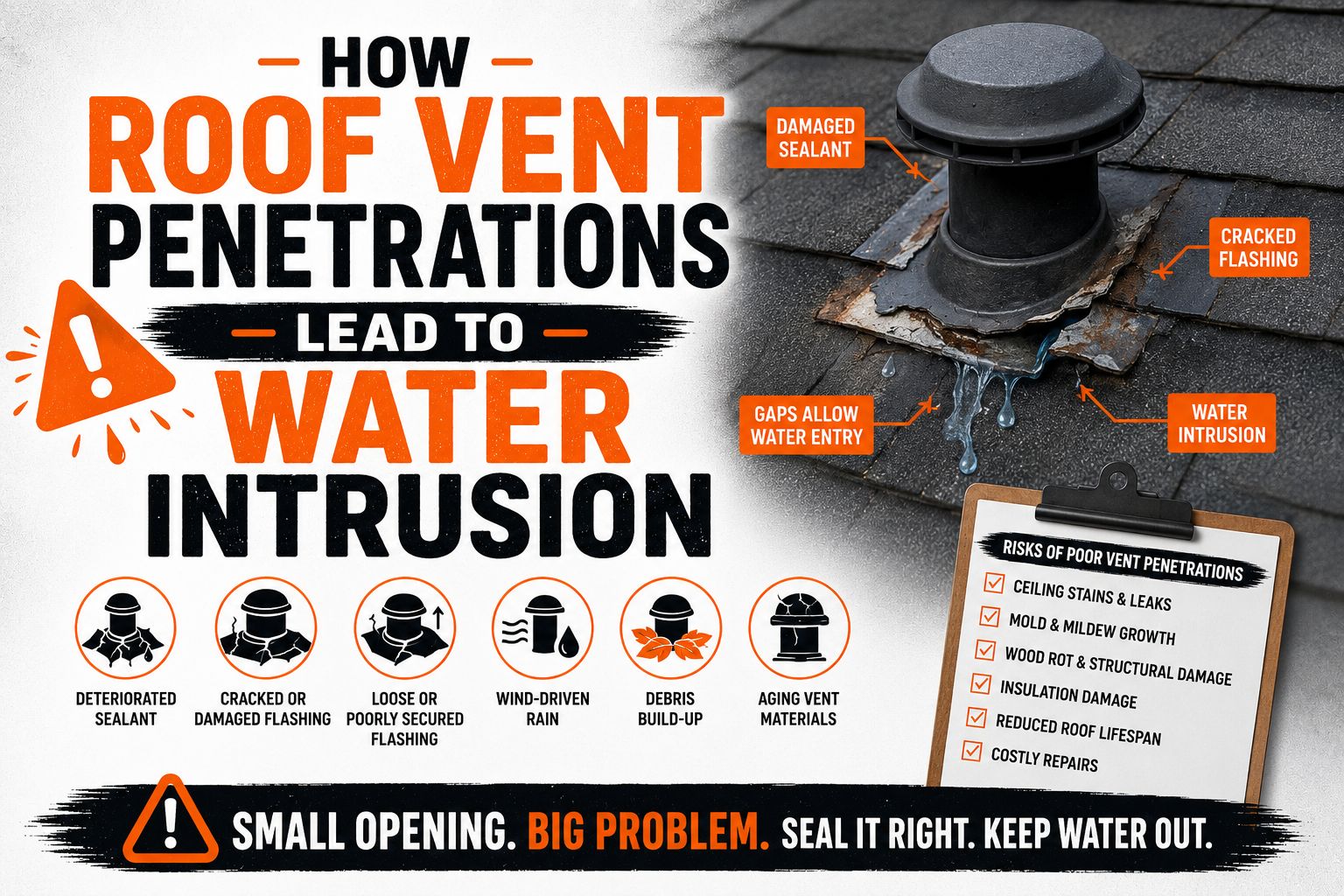
How Roof Vent Penetrations Lead to Water Intrusion
Introduction
A roof is designed to protect a home from rain, snow, wind, and changing weather conditions, but it also contains several openings that allow essential building systems to function properly. Among the most important of these openings are roof vent penetrations, which provide ventilation for plumbing systems, attic spaces, bathrooms, kitchens, and mechanical equipment. While these vents play a critical role in maintaining indoor air quality and preventing moisture buildup inside the home, they also create areas where water can potentially enter if they are not properly installed or maintained.
Many homeowners assume that roof leaks develop because shingles become damaged or because severe storms tear away roofing materials. Although those issues certainly contribute to water intrusion, roof vent penetrations are one of the most common sources of hidden leaks. Since these components interrupt the continuous surface of the roof, they rely on flashing, sealants, and proper installation techniques to keep moisture outside where it belongs.
Water rarely enters a home through large openings in the roof. Instead, it usually takes advantage of tiny gaps that slowly develop around vent penetrations as roofing materials age, expand, contract, and experience years of exposure to sunlight, wind, rain, and freezing temperatures. These small weaknesses may appear harmless at first, but they can gradually allow enough moisture to penetrate the roofing system and damage insulation, wood framing, drywall, and interior finishes.
One of the challenges with roof vent leaks is that the source of the problem is often difficult to identify. Water can travel along roof decking, rafters, or insulation before finally appearing inside the home. As a result, the visible water stain on a ceiling may be several feet away from the actual leak, making diagnosis more complicated than many homeowners expect.
Understanding how roof vent penetrations work and why they become vulnerable to leaks is an important step toward preventing expensive repairs. Knowing what warning signs to watch for, how these components are constructed, and what factors contribute to water intrusion helps property owners make informed maintenance decisions before small problems develop into significant structural damage.
This guide explores the relationship between roof vent penetrations and water intrusion in detail. From understanding the purpose of different roof vents to learning why certain installation mistakes create long-term leak risks, each section explains how moisture enters roofing systems and what homeowners should know to protect their investment.
Understanding Roof Vent Penetrations and Their Purpose
Roof vent penetrations are openings that pass through the roofing system to serve important functions within the building. Rather than weakening the roof by design, these penetrations are carefully engineered to support plumbing ventilation, attic airflow, exhaust systems, and other building components while maintaining protection against water intrusion. Their effectiveness depends on proper installation and ongoing maintenance throughout the life of the roof.
Every modern home includes multiple roof penetrations because various systems require direct access through the roof. Plumbing vent pipes equalize pressure within drainage systems, allowing wastewater to flow efficiently without creating suction inside household pipes. Bathroom and kitchen exhaust vents remove humid air from living spaces, reducing condensation and improving indoor comfort.
Attic ventilation systems also depend on roof vents to regulate temperature and moisture levels beneath the roof deck. During warmer months, proper ventilation allows trapped heat to escape, reducing stress on roofing materials and helping lower cooling costs. During colder seasons, adequate airflow minimizes condensation that could otherwise accumulate inside the attic and contribute to mold growth or wood deterioration.
Mechanical equipment sometimes requires specialized roof penetrations as well. Furnace exhaust pipes, water heater vents, and ventilation ducts must extend safely above the roofline to discharge gases or moist air outside the building. Each of these penetrations requires flashing systems specifically designed for its size, material, and intended purpose.
Although these components differ in appearance and function, they all share one common characteristic. They interrupt the continuous waterproof surface of the roof, making them natural points where moisture protection must be reinforced through carefully installed flashing and weather-resistant sealing materials.
When installed correctly, roof vent penetrations perform reliably for many years without causing leaks. However, every additional opening in the roofing system increases the importance of precision during installation. Even minor alignment issues or improperly secured flashing can eventually create pathways for water to enter beneath roofing materials.
Why Roof Vent Areas Are More Vulnerable Than Other Roofing Components
Large sections of a roof are covered by overlapping shingles or other roofing materials that naturally direct rainwater downhill toward the gutters. This layered design helps prevent water from reaching the roof deck because gravity continuously moves moisture away from the structure. Roof vent penetrations interrupt this smooth drainage path, creating areas where additional waterproofing measures become necessary.
Whenever water encounters an obstacle on a roof, it changes direction and may briefly collect around the base of the penetration before continuing downward. If flashing is installed correctly, the water simply flows around the vent without entering the roofing system. If flashing becomes loose, damaged, or improperly integrated with surrounding shingles, water gains opportunities to move beneath the roof covering.
Roof vent penetrations also experience greater movement than many other roofing components. Pipes, metal vents, and flashing materials expand during hot weather and contract when temperatures fall. Roofing materials surrounding these penetrations undergo similar movement, but often at different rates because they consist of different materials with unique thermal expansion properties.
This repeated cycle of expansion and contraction places constant stress on sealants, flashing joints, and fastening points. Over time, materials that initially formed a watertight barrier may begin separating slightly, creating openings that allow moisture to penetrate during heavy rainfall.
Wind further increases vulnerability around roof vents. Air moving across the roof creates pressure differences that can force rain beneath shingles and around flashing edges, especially during severe storms. Wind driven rain often reaches locations that would remain dry during ordinary rainfall, exposing weaknesses that might otherwise go unnoticed.
Roof vent penetrations are also frequently exposed to ultraviolet radiation throughout the year. Continuous sunlight gradually degrades rubber boots, sealants, and certain flashing materials, reducing their flexibility and making them more susceptible to cracking. Once protective materials lose their elasticity, maintaining a reliable watertight seal becomes much more difficult.
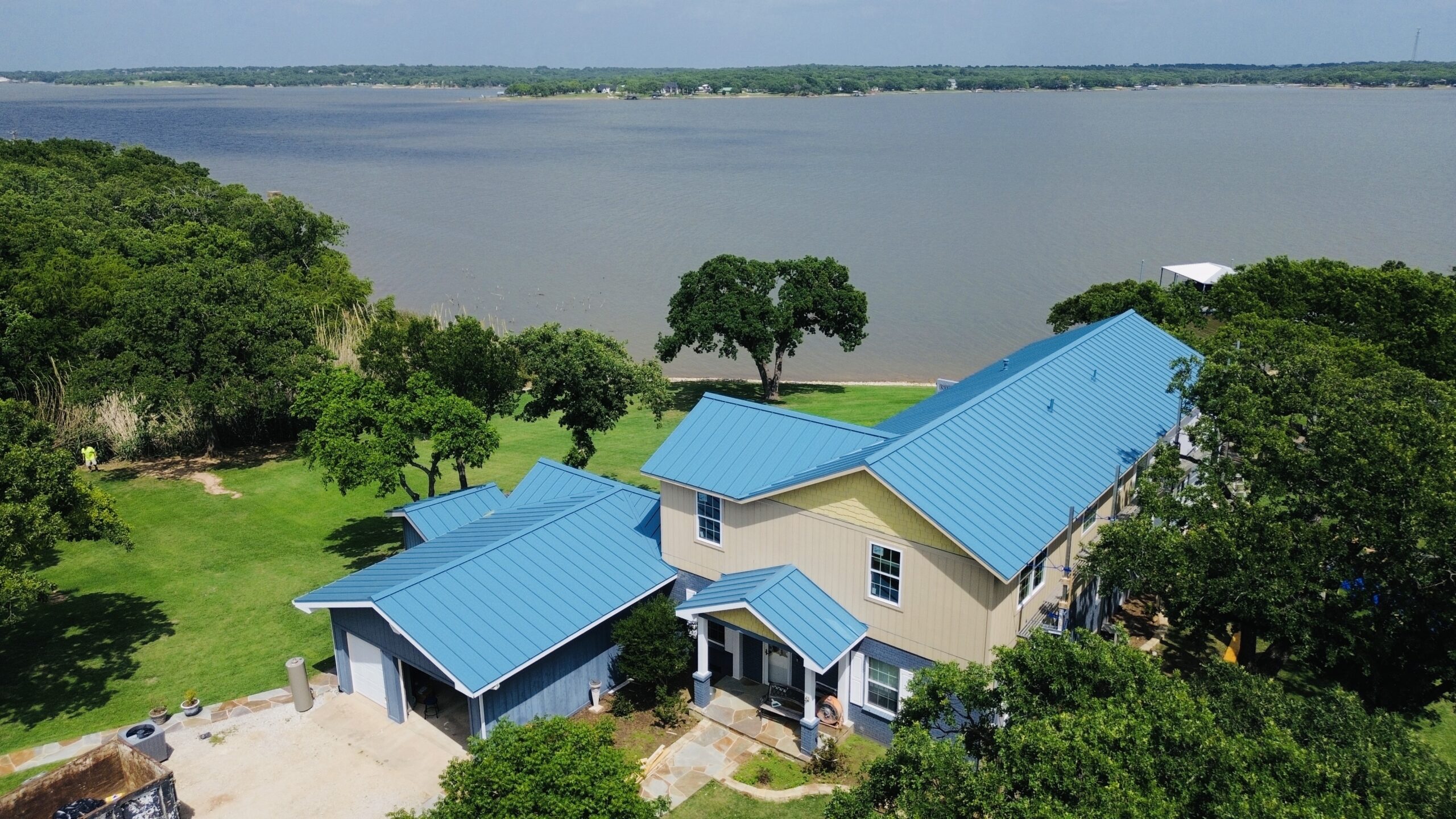
How Water Finds Entry Points Around Roof Vents
Water intrusion is rarely the result of a single dramatic failure. In most cases, moisture enters through small openings that gradually enlarge as weather conditions and normal roof movement place additional stress on vulnerable areas. Understanding how water behaves on a roof helps explain why even tiny gaps around vent penetrations can eventually produce significant interior damage.
Rainwater naturally follows the path of least resistance. As it flows down the roof, it encounters flashing, shingles, fasteners, and vent bases that are designed to redirect moisture away from exposed joints. If every component remains properly positioned and sealed, the water continues safely toward gutters without reaching the underlying roof deck.
Problems begin when flashing shifts slightly, sealants deteriorate, or roofing materials become worn. Water can then seep beneath overlapping layers through narrow openings that may be nearly impossible to notice during a casual visual inspection. Once moisture passes below the surface, it often spreads laterally across the roof deck before dripping into insulation or ceiling cavities.
Capillary action also contributes to water intrusion around roof penetrations. Instead of simply flowing downward, water can travel through extremely narrow spaces between roofing materials when surface tension pulls moisture into tiny gaps. This phenomenon allows water to move in unexpected directions, increasing the difficulty of locating the true source of a leak.
Heavy rainfall is not always necessary for water intrusion to occur. Light but prolonged rain can gradually saturate vulnerable areas, allowing moisture enough time to penetrate compromised flashing systems. Likewise, melting snow may expose weaknesses that remain unnoticed throughout warmer months because water remains in contact with roof penetrations for extended periods.
Another important factor is repeated wetting and drying. Moisture entering small openings may not produce immediate interior leaks, but over time repeated exposure weakens wooden roof decking, softens insulation, and creates favorable conditions for mold growth. By the time visible ceiling stains appear, hidden damage may already be widespread beneath the roofing surface.
Common Types of Roof Vent Penetrations
Not all roof vent penetrations serve the same purpose, and each type presents its own maintenance requirements and leak risks. Understanding the most common categories helps homeowners recognize why different flashing designs and installation methods are necessary for long-term performance.
- Plumbing vent pipes: These pipes extend above the roof to regulate air pressure within household plumbing systems. They typically use rubber or metal flashing boots that create a watertight seal around the pipe.
- Bathroom exhaust vents: These vents remove humid air generated by showers and baths, reducing indoor moisture levels and minimizing condensation problems.
- Kitchen exhaust vents: Kitchen ventilation systems discharge heat, smoke, grease, and cooking odors outside through roof or wall terminations, depending on the home’s design.
- Attic roof vents: Static vents, ridge vents, and turbine vents promote continuous airflow through attic spaces, helping regulate temperature and moisture.
- Mechanical exhaust vents: Furnaces, water heaters, and other equipment often require dedicated roof penetrations for safe ventilation of gases or warm air.
Each vent type uses flashing systems specifically designed for its shape and operating conditions. Some rely on flexible rubber collars that seal tightly around pipes, while others incorporate metal flashing assemblies integrated beneath surrounding shingles. The effectiveness of these systems depends not only on the quality of materials but also on proper installation techniques that account for roof slope, drainage patterns, and weather exposure.
Because different penetrations experience different amounts of heat, moisture, and movement, maintenance schedules may vary as well. For example, plumbing vent boots made from rubber often deteriorate faster under prolonged ultraviolet exposure than metal flashing components, making regular inspections particularly important.
The Anatomy of a Properly Installed Roof Vent
A properly installed roof vent consists of several components working together to create a durable barrier against water intrusion. While homeowners often notice only the visible portion extending above the roof, much of the protection comes from the concealed flashing system beneath surrounding roofing materials.
The vent itself passes through a carefully cut opening in the roof deck that is appropriately sized to support the penetration without leaving unnecessary gaps. Around this opening sits the flashing assembly, which directs water away from vulnerable joints while allowing the vent to remain securely positioned.
Most flashing systems include a wide metal base positioned beneath the upper shingles and over the lower shingles. This layered arrangement follows the natural direction of water flow, encouraging rainwater to continue downhill instead of entering beneath the roofing materials. Correct overlap is essential because even high quality flashing cannot perform properly if installed in the wrong sequence.
Many plumbing vent penetrations also include flexible collars or rubber boots that wrap tightly around the pipe itself. These collars prevent rainwater from entering the space between the vent pipe and flashing while still allowing limited movement caused by changing temperatures. High quality materials remain flexible for many years, although all components eventually experience wear from weather exposure.
Fasteners must also be carefully placed to minimize potential leak points. Nails driven through exposed flashing in the wrong locations may create direct pathways for moisture if they are not adequately protected. Experienced roofing professionals understand where fasteners should be positioned to maintain both structural stability and water resistance.
When every component is installed according to manufacturer specifications, the roof vent becomes an integrated part of the roofing system rather than a weak point. Proper installation significantly reduces the likelihood of future water intrusion while extending the service life of both the vent and surrounding roofing materials.
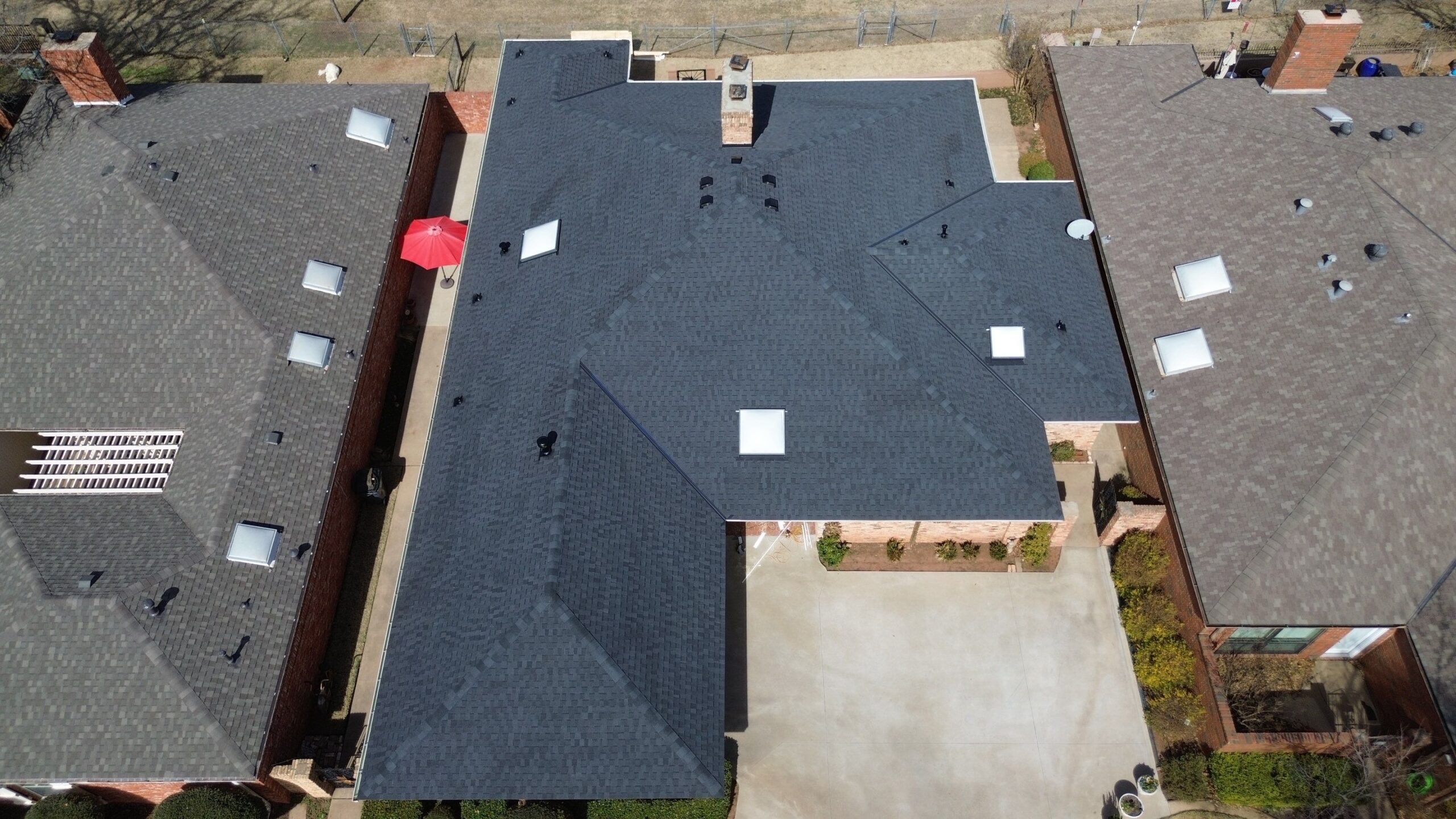
Early Warning Signs of Water Intrusion Around Roof Vents
Roof vent leaks often develop gradually, providing subtle warning signs long before major structural damage occurs. Recognizing these early indicators allows homeowners to schedule inspections and repairs while problems remain relatively small and less expensive to correct.
One of the most common warning signs is a faint water stain appearing on ceilings near bathrooms, hallways, or attic access points. These stains may expand slowly after heavy rainfall or snowmelt, indicating that moisture is entering somewhere above the visible discoloration. Since water frequently travels along framing members before dripping downward, the actual roof vent leak may not be located directly above the stain.
Another common indicator is peeling paint, bubbling drywall, or sagging ceiling textures. These conditions suggest that moisture has been present for an extended period, allowing building materials to absorb water and gradually lose their structural integrity. Ignoring these symptoms often results in more extensive repairs involving drywall replacement, insulation removal, and wood restoration.
Musty odors inside attic spaces or upper floors may also signal hidden roof vent leaks. Persistent moisture creates an ideal environment for mold and mildew growth, especially when insulation remains damp for prolonged periods. Even when visible mold is absent, unpleasant odors often indicate that moisture is trapped somewhere within the roofing system.
Exterior warning signs should not be overlooked either. Cracked vent boots, lifted flashing edges, missing sealant, rust, loose fasteners, and damaged shingles surrounding roof penetrations all suggest that the waterproof barrier may be weakening. Regular visual inspections from the ground or by qualified roofing professionals can identify many of these issues before interior leaks become noticeable.
Prompt attention to early warning signs helps prevent relatively minor maintenance concerns from developing into extensive roof repairs. Addressing vulnerable vent penetrations before significant water intrusion occurs protects not only the roof itself but also the insulation, framing, ceilings, and interior finishes beneath it. In the next part, we will examine the most common causes of roof vent water leaks, including flashing failures, deteriorating sealants, installation mistakes, aging roofing materials, and the impact of severe weather on vent performance.
Common Causes of Roof Vent Water Leaks
Roof vent penetrations are designed to withstand years of exposure to changing weather, but no roofing component lasts forever without maintenance. Over time, environmental conditions, material aging, and installation defects can compromise the watertight seal that protects the roof deck. Once these protective barriers begin to fail, water can find its way beneath the roofing system and gradually damage the structure below.
Many roof leaks attributed to aging shingles actually originate around vent penetrations because these areas experience constant movement and weather exposure. A small crack in a vent boot or a slight separation in flashing may allow moisture to enter long before the surrounding shingles show obvious signs of deterioration. Since these leaks often develop slowly, they can remain unnoticed until water stains appear inside the home.
Several factors often work together rather than acting independently. For example, an aging rubber boot may still perform adequately under normal conditions, but when combined with improperly installed flashing and heavy wind driven rain, the risk of water intrusion increases significantly. Understanding these contributing factors helps homeowners recognize why routine roof inspections are so valuable.
Seasonal weather changes also accelerate wear around roof penetrations. Repeated cycles of heating, cooling, freezing, and thawing place continuous stress on roofing materials, eventually weakening joints and seals that once formed a reliable waterproof barrier.
Flashing Failures That Allow Moisture Inside
Flashing is one of the most important components protecting roof vent penetrations from water intrusion. Its primary purpose is to redirect rainwater around roof openings instead of allowing it to flow beneath shingles and into the roof deck. When flashing performs as intended, it becomes nearly invisible because water simply follows the designed drainage path without entering the structure.
Problems arise when flashing becomes damaged, loose, improperly installed, or displaced over time. Even a slight gap between the flashing and surrounding roofing materials can allow water to penetrate during heavy rain. Since flashing is installed beneath overlapping shingles, failures are not always visible from ground level, making periodic roof inspections especially important.
Metal flashing may eventually bend, warp, or separate due to years of thermal expansion and contraction. Although metal itself is highly durable, repeated movement can gradually weaken joints or loosen fasteners that secure the flashing to the roof deck. Once these small changes occur, moisture can begin entering beneath the roofing materials.
Corrosion is another issue affecting certain flashing materials. While modern flashing products are generally resistant to rust, older galvanized metal components may deteriorate after decades of exposure to moisture and airborne contaminants. As corrosion progresses, holes or weakened sections can develop, reducing the flashing’s ability to divert water effectively.
Improper overlap during installation is another common source of flashing failure. Roofing systems depend on correctly layered materials so that water always flows over each component rather than underneath it. If flashing is installed above shingles where it should be below them, or if overlap distances are insufficient, rainwater may bypass the protective barrier entirely.
Fastener placement also influences flashing performance. Nails driven through exposed portions of flashing instead of concealed fastening areas create unnecessary entry points for moisture. Even when sealants are applied, these penetrations often become vulnerable as materials age and protective coatings deteriorate.
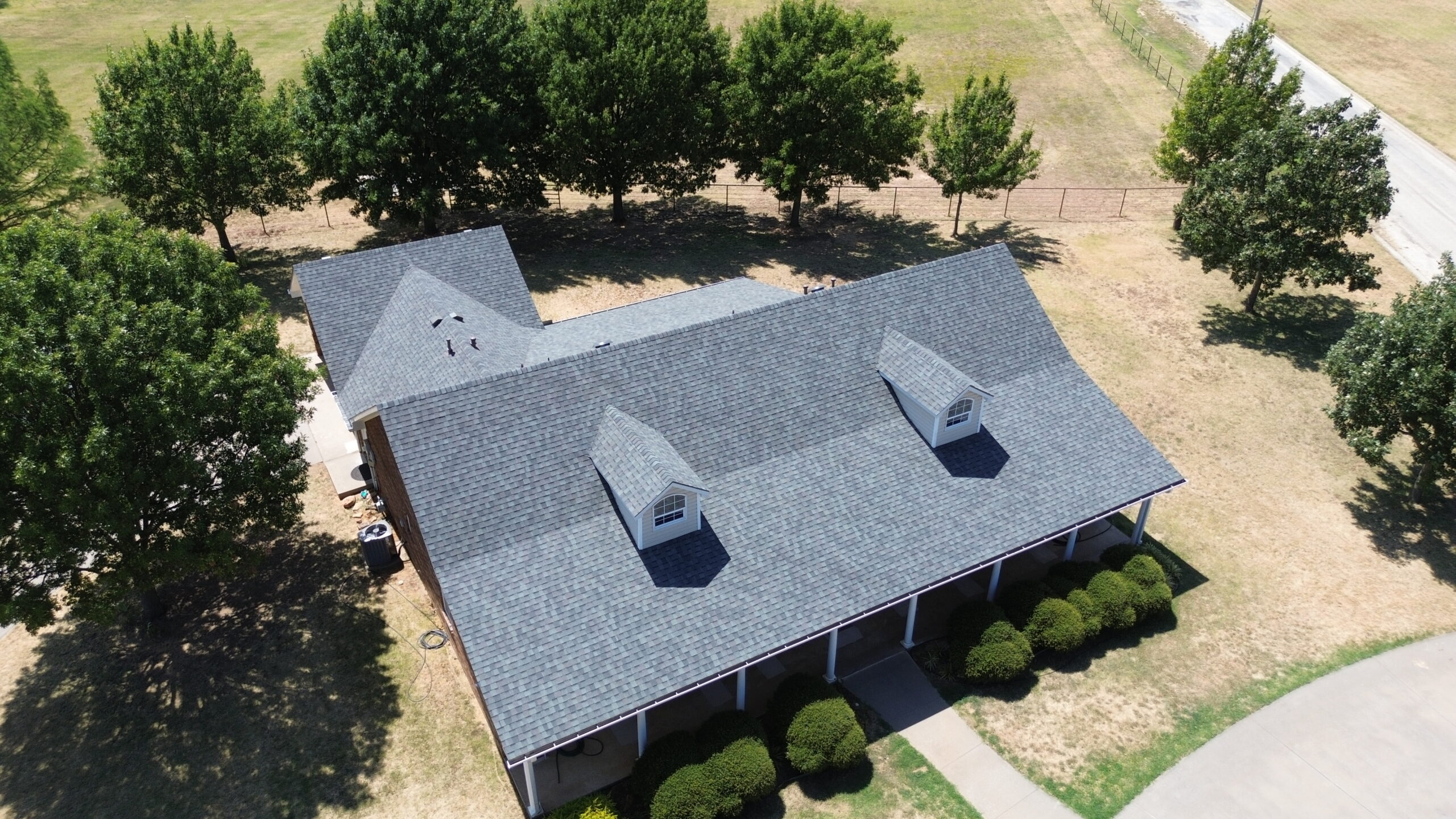
Sealant Deterioration and Weather Exposure
Roof sealants provide an additional layer of protection around many vent penetrations by filling small gaps and reinforcing flashing assemblies. Although these products are highly effective when first installed, they gradually lose flexibility as they age. Continuous exposure to sunlight, temperature changes, and moisture eventually causes sealants to shrink, crack, or separate from surrounding materials.
Ultraviolet radiation is one of the leading causes of sealant deterioration. Day after day, sunlight breaks down the chemical structure of many roofing compounds, reducing their elasticity and making them increasingly brittle. Once cracking begins, water can infiltrate even very small openings created by the deteriorating sealant.
Temperature fluctuations accelerate this process because roofing materials rarely remain at a constant temperature. During hot afternoons, roof surfaces may become extremely warm, causing expansion of flashing, vent pipes, and shingles. At night, cooling temperatures cause those same materials to contract. This constant movement gradually stresses sealant joints until they lose their ability to maintain a watertight connection.
Rainwater itself contributes to long-term sealant wear by repeatedly saturating exposed surfaces. While quality roofing sealants are designed to resist moisture, years of repeated wetting and drying slowly reduce their effectiveness. Freeze thaw cycles in colder climates create additional pressure as trapped moisture expands within tiny surface cracks.
Another issue occurs when incompatible sealants are used during roof repairs. Not every roofing material reacts the same way to every type of sealant. Using products that are not recommended for specific flashing materials or roofing systems can shorten the service life of repairs and create new leak risks much sooner than expected.
Because sealant deterioration often occurs gradually, homeowners may not notice problems until interior damage becomes visible. Routine inspections help identify cracked or separating sealants before they allow significant water intrusion into the roofing system.
Installation Mistakes That Increase Leak Risks
Even high quality roofing materials cannot perform properly if roof vent penetrations are installed incorrectly. Many leaks traced to vent areas originate from workmanship issues rather than material defects. While these mistakes may remain hidden for years, changing weather conditions eventually expose weaknesses that allow moisture to enter.
One common installation error involves cutting roof openings that are either too large or improperly positioned. Oversized openings leave unnecessary gaps around vent pipes, requiring flashing and sealants to bridge wider spaces than they were designed to protect. These larger gaps become increasingly difficult to keep watertight as materials expand and contract.
Another frequent mistake is improper flashing integration with surrounding shingles. Roofing systems rely on overlapping layers that work together to direct water downward. If flashing is placed above the wrong shingle courses or installed out of sequence, water may travel beneath roofing materials instead of flowing harmlessly across the surface.
Inadequate fastening can also create long-term problems. Too few fasteners may allow flashing to shift during high winds, while excessive fastening can restrict natural movement caused by thermal expansion. Both situations increase stress on surrounding materials and raise the likelihood of future leaks.
Roof pitch must also be considered during installation. Flashing products are often designed for specific roof slopes, and using the wrong flashing style can reduce drainage efficiency. Water may collect around the vent base longer than intended, increasing opportunities for moisture to penetrate vulnerable joints.
Improperly installed vent boots present another concern. Rubber collars should fit snugly around vent pipes without excessive stretching or loose gaps. If the boot is damaged during installation or forced over an oversized pipe, its protective seal may fail prematurely under normal weather conditions.
Many installation mistakes remain hidden beneath shingles, making them difficult for homeowners to identify visually. This is why experienced roofing professionals follow manufacturer guidelines carefully and inspect completed work thoroughly before considering an installation finished.
The Role of Wind Driven Rain and Ice Dams
Not every roof leak occurs because materials have failed completely. Certain weather conditions place extraordinary stress on roofing systems, exposing weaknesses that remain hidden during ordinary rainfall. Wind driven rain and ice dams are two of the most common weather related factors affecting roof vent penetrations.
Wind driven rain behaves differently from rainfall that falls straight downward. Strong winds push water horizontally across the roof surface, forcing moisture beneath shingles and against flashing edges with much greater pressure than normal precipitation. Even well maintained roofing systems may experience increased moisture exposure during severe storms.
If flashing has minor gaps or sealants have begun to deteriorate, wind driven rain can exploit these weaknesses more effectively than ordinary rainfall. Homeowners may notice leaks only during storms with specific wind directions, making the source appear inconsistent and more difficult to diagnose.
Ice dams create another unique challenge in colder climates. They form when heat escaping from the attic melts snow on the upper portions of the roof. As the water flows downward toward colder roof edges, it refreezes and forms a ridge of ice that prevents proper drainage.
Once drainage is blocked, additional meltwater begins pooling behind the ice dam instead of flowing into gutters. This standing water remains in prolonged contact with shingles, flashing, and roof vent penetrations. Small defects that normally would not leak under flowing water may allow moisture inside when exposed to standing water for extended periods.
Proper attic insulation and ventilation reduce the likelihood of ice dam formation by maintaining more consistent roof temperatures. Although these measures cannot eliminate every winter roofing problem, they significantly reduce the conditions that contribute to water backing up around roof penetrations.
Comparing Different Roof Vent Types and Their Leak Risks
Different roof vent designs offer unique advantages depending on the ventilation system they support, but they also present different maintenance requirements and potential leak risks. Understanding these differences helps homeowners appreciate why inspection methods vary between vent types and why certain components may require replacement sooner than others.
| Roof Vent Type | Primary Purpose | Common Leak Risk | Typical Maintenance Need |
|---|---|---|---|
| Plumbing Vent Pipe | Balances plumbing air pressure | Cracked rubber boot or damaged flashing | Inspect vent boot and flashing regularly |
| Bathroom Exhaust Vent | Removes humid indoor air | Loose flashing or deteriorated sealant | Check vent cover and flashing condition |
| Kitchen Exhaust Vent | Exhausts cooking heat and moisture | Sealant failure around vent housing | Inspect housing and weather seals |
| Static Roof Vent | Provides passive attic ventilation | Flashing displacement during storms | Inspect flashing after severe weather |
| Turbine Vent | Improves attic airflow using wind | Bearing wear or flashing deterioration | Check moving parts and flashing annually |
| Ridge Vent | Continuous attic ventilation | Improper installation or damaged end caps | Inspect ridge line and ventilation openings |
No roof vent is inherently prone to leaking when installed and maintained correctly. The greatest determining factor is not the vent type itself but the quality of installation, the condition of surrounding roofing materials, and the consistency of ongoing maintenance. Regular inspections allow small defects to be corrected before they develop into costly water intrusion problems.
In the final part of this guide, we will examine how homeowners and roofing professionals inspect roof vent penetrations for hidden damage, discuss practical steps to reduce future water intrusion, review professional repair options, outline preventive maintenance practices, explain when repairs are no longer sufficient, answer frequently asked questions, and conclude with key takeaways for protecting your roof over the long term.
Inspecting Roof Vent Penetrations for Hidden Damage
Regular inspections are one of the most effective ways to prevent roof vent leaks from becoming expensive structural problems. Since many forms of water intrusion develop gradually, identifying early signs of wear allows repairs to be completed before moisture reaches insulation, roof decking, or interior finishes. Whether inspections are performed by homeowners or roofing professionals, the goal is to detect small issues before they become major failures.
Exterior inspections should begin with a careful visual examination of the vent itself and the surrounding roofing materials. Cracked vent boots, lifted flashing, rust, loose fasteners, missing shingles, and deteriorated sealants all indicate that the waterproof barrier may no longer be functioning properly. Even if there are no visible leaks inside the home, these conditions deserve attention because they often represent the earliest stages of water intrusion.
The attic also provides valuable clues about roof vent performance. Water stains on the underside of the roof deck, damp insulation, mold growth, or discoloration around vent pipes may indicate that moisture has been entering the roof system for some time. Inspecting the attic after a heavy rain can sometimes reveal active leaks before they spread to finished living spaces.
Professional roof inspections often include moisture detection equipment that helps identify hidden water beneath roofing materials. Infrared technology, moisture meters, and detailed roof evaluations allow contractors to locate areas where water has accumulated even when damage is not visible on the surface. These tools improve the accuracy of repairs and reduce the likelihood of overlooking concealed problems.
Homeowners should also remember that water does not always travel straight downward. Moisture can move along rafters, underlayment, or roof decking before finally dripping into the attic or ceiling. For this reason, identifying the visible water stain alone is rarely enough to determine the actual source of a roof vent leak.
Steps Homeowners Can Take to Reduce Water Intrusion
Although some roof repairs require professional expertise, homeowners can take several practical steps to reduce the likelihood of water intrusion around roof vent penetrations. Preventive maintenance helps extend the life of roofing materials while minimizing the risk of unexpected leaks during severe weather.
- Schedule routine roof inspections. Inspect the roof at least once or twice each year and after major storms to identify damaged flashing, cracked vent boots, or missing shingles before leaks develop.
- Keep gutters clean. Proper drainage prevents water from backing up onto the roof, reducing prolonged moisture exposure around vent penetrations.
- Trim overhanging tree branches. Branches rubbing against the roof can damage shingles and flashing while also allowing leaves to accumulate around roof vents.
- Watch for interior warning signs. Ceiling stains, peeling paint, musty odors, and damp attic insulation should always be investigated promptly rather than ignored.
- Address small repairs quickly. Replacing a damaged vent boot or resealing flashing early is usually much less expensive than repairing water damaged framing, drywall, and insulation later.
These maintenance practices require relatively little time but can significantly reduce long-term roofing costs. Consistent attention to minor issues often prevents the extensive repairs associated with prolonged water intrusion.
Professional Repair Solutions for Roof Vent Leaks
Once water intrusion has been confirmed around a roof vent penetration, the most effective repair depends on the underlying cause of the leak. Simply applying additional roofing cement or sealant over the affected area may temporarily reduce water entry, but it rarely addresses the actual source of the problem. Lasting repairs focus on restoring the roof’s original waterproof design rather than covering visible symptoms.
One of the most common repairs involves replacing damaged vent boots. Rubber collars naturally deteriorate after years of ultraviolet exposure, eventually cracking around the vent pipe. Installing a new boot restores the watertight seal and often eliminates leaks when the surrounding flashing remains in good condition.
If flashing has become bent, corroded, or improperly installed, replacement may be necessary. Professional roofers carefully remove surrounding shingles, install new flashing according to manufacturer guidelines, and reinstall roofing materials in the correct overlapping sequence. This process ensures that water once again flows safely around the roof penetration.
In cases where surrounding shingles have also deteriorated, replacing only the flashing may not provide a complete solution. Roofing professionals frequently recommend replacing damaged shingles and underlayment at the same time to restore the integrity of the entire roofing system. Addressing all affected materials together helps prevent recurring leaks.
When moisture has already reached the roof deck, repairs may extend beyond the roofing surface. Softened wood decking, saturated insulation, or mold affected materials often require replacement before new roofing components can be installed. Completing structural repairs first ensures that replacement flashing and shingles are supported by a stable foundation.
Professional repairs also include a thorough inspection of nearby roof penetrations because similar aging conditions may exist elsewhere on the roof. Identifying additional vulnerable areas during one repair visit can help homeowners avoid future leaks and reduce long-term maintenance expenses.
Preventive Maintenance Practices That Extend Roof Life
Preventive maintenance remains the most cost effective strategy for protecting roof vent penetrations against water intrusion. Rather than waiting until leaks appear inside the home, regular maintenance preserves roofing materials, improves drainage, and reduces weather related wear throughout the life of the roof.
Homeowners who follow a consistent maintenance schedule often discover developing issues before structural damage occurs. Small repairs completed at the right time generally require fewer materials, less labor, and significantly lower costs than extensive restoration projects following years of unnoticed moisture exposure.
- Inspect roof vent flashing after severe storms.
- Replace cracked or deteriorated vent boots before they begin leaking.
- Remove leaves and debris that collect around roof penetrations.
- Maintain clean gutters and downspouts to improve roof drainage.
- Check attic insulation for dampness or unusual discoloration.
- Schedule professional roof inspections every few years, even if no leaks are visible.
Preventive maintenance also supports the performance of the entire roofing system. Healthy shingles, effective attic ventilation, clean drainage systems, and properly functioning flashing all work together to reduce stress on individual roof components, including vent penetrations.
When Roof Vent Repairs Are Not Enough
While many roof vent leaks can be corrected through targeted repairs, there are situations where replacing individual components no longer provides a practical long-term solution. The overall condition of the roof must always be considered when deciding between repair and replacement.
If a roof has reached the end of its expected service life, repeated repairs around vent penetrations may only provide temporary relief. Aging shingles, deteriorated underlayment, weakened decking, and multiple failing flashing systems often indicate that the roofing system as a whole has reached a point where replacement offers greater long-term value.
Extensive water damage beneath the roofing materials is another factor that may justify a more comprehensive approach. If moisture has compromised large sections of roof decking, insulation, or framing, replacing isolated vent components without addressing surrounding damage leaves the underlying structural problems unresolved.
Repeated leaks occurring around different roof penetrations can also suggest widespread installation deficiencies. In these cases, repairing one vent at a time may become less economical than replacing the affected roofing system using modern installation methods and updated flashing materials.
A qualified roofing contractor can evaluate the condition of the roof, estimate remaining service life, and recommend the most appropriate solution based on inspection findings. Making repair decisions based on the overall health of the roofing system helps homeowners invest wisely while reducing the likelihood of recurring water intrusion.
Frequently Asked Questions
Can a roof vent leak even if the shingles appear to be in good condition?
Yes. Roof vent penetrations rely on flashing, vent boots, and sealants that can deteriorate independently of the shingles. A roof may appear to be in good overall condition while still allowing water to enter through damaged vent components.
How often should roof vent penetrations be inspected?
Most roofing professionals recommend inspecting roof vent penetrations at least once or twice each year, as well as after severe storms. Regular inspections help identify minor issues before they develop into interior water damage.
Is it safe to apply roof sealant over a leaking vent?
Applying sealant may temporarily reduce water intrusion, but it usually does not correct the underlying cause of the leak. Proper repairs should identify whether the problem involves flashing, vent boots, surrounding shingles, or installation defects.
Do all roof vents require flashing?
Yes. Every roof penetration requires an appropriate flashing system that directs water away from the opening and integrates correctly with surrounding roofing materials. Flashing is one of the primary defenses against roof leaks.
Can clogged gutters contribute to roof vent leaks?
Yes. Poor drainage caused by clogged gutters allows water to remain on the roof longer than intended. Prolonged moisture exposure increases stress on flashing systems and may contribute to water intrusion around roof penetrations.
Should a damaged vent boot always be replaced?
In most cases, yes. Cracked, split, or severely weathered vent boots cannot reliably maintain a watertight seal. Replacing the damaged component is generally more effective than attempting repeated temporary repairs.
Conclusion
Roof vent penetrations are essential components of modern roofing systems, providing critical ventilation for plumbing, attic spaces, bathrooms, kitchens, and mechanical equipment. Although these openings are carefully designed to resist water intrusion, they remain among the most vulnerable areas of any roof because they interrupt the otherwise continuous waterproof surface. Their long-term performance depends on properly installed flashing, durable vent boots, quality sealants, and regular maintenance.
Water intrusion around roof vents rarely begins with a dramatic failure. More often, it develops gradually as roofing materials age, flashing shifts, sealants deteriorate, or installation defects become exposed through years of weather. Small openings that initially seem insignificant can eventually allow enough moisture to damage roof decking, insulation, framing, ceilings, and interior finishes if left unaddressed.
Routine inspections, prompt repairs, and preventive maintenance provide the most effective protection against roof vent leaks. Identifying cracked vent boots, loose flashing, deteriorated sealants, or drainage problems early allows homeowners to resolve issues before extensive structural damage occurs. Working with qualified roofing professionals further ensures that repairs address the true source of water intrusion rather than simply masking visible symptoms.
Understanding how roof vent penetrations function and recognizing the conditions that increase leak risks empowers homeowners to make informed decisions about roof maintenance. By protecting these critical areas through proper inspection, timely repairs, and ongoing care, property owners can extend the life of their roofing system while reducing the likelihood of costly water damage for many years to come.