
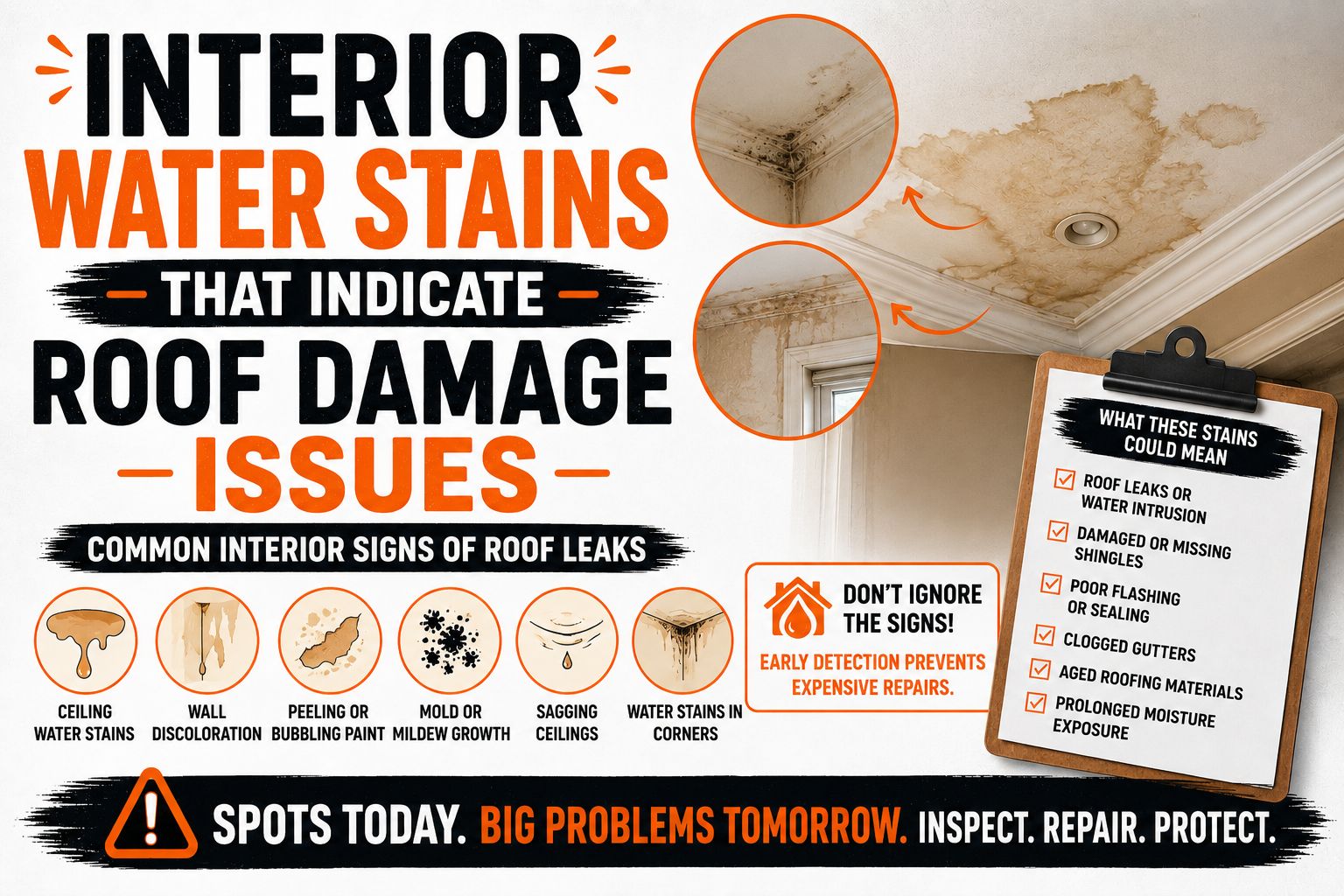
Interior Water Stains That Indicate Roof Damage Issues
Introduction
Water stains on your ceiling or walls are more than just cosmetic problems. They often serve as one of the earliest warnings that something is wrong with your roofing system. While some homeowners choose to repaint over the stain and hope it never returns, doing so only hides the symptom instead of solving the underlying issue. In many cases, that small stain is the first visible sign that water has been entering the home for weeks or even months.
Roof leaks rarely become noticeable immediately after damage occurs. Rainwater can travel through shingles, underlayment, roof decking, insulation, and wooden framing before it finally appears inside your living space. Because of this, the location of an interior stain is not always directly beneath the damaged section of the roof. This often makes it difficult for homeowners to determine where the problem actually started.
Interior water stains should never be ignored, even if they appear small or seem to dry out between rainstorms. Moisture trapped inside your home’s structure can weaken building materials, reduce insulation performance, encourage mold growth, and eventually lead to expensive structural repairs. Acting early gives you the best chance of correcting the issue before the damage spreads throughout the property.
Understanding what different water stains look like, where they commonly appear, and what they may indicate can help you recognize roofing problems much sooner. While not every stain points directly to roof damage, many provide valuable clues that allow roofing professionals to diagnose problems before they become serious.
In this guide, we’ll explain the most common interior water stains associated with roof damage, why they develop, and the warning signs that suggest your roof needs professional attention. Learning to identify these symptoms can help protect both your home and your investment.
Why Interior Water Stains Often Point to Roof Problems
Your roof is designed to keep rainwater outside while safely directing it into the gutter system. When every roofing component is functioning correctly, moisture never reaches the interior structure of your home. However, once part of the roofing system begins to fail, water looks for the easiest path inside.
Unlike plumbing leaks, roof leaks usually develop slowly. Small openings caused by damaged shingles, worn flashing, deteriorated sealants, or storm damage may only allow limited amounts of water inside during each rainfall. Because the leak is gradual, homeowners often do not notice the problem until visible stains begin forming on ceilings or walls.
One reason roof leaks are difficult to identify is that water rarely travels straight downward. After entering the roof, moisture often follows wooden framing members, insulation, roof decking, or drywall before eventually appearing somewhere inside the house. A stain on your living room ceiling may actually originate several feet away on the roof.
Water stains become visible because moisture changes the appearance of building materials. Drywall absorbs water like a sponge, carrying minerals and dirt along with it. As the water evaporates, it leaves behind yellow, brown, or tan discoloration that continues growing each time additional moisture enters the area.
Although interior stains do not automatically confirm roof damage, they should always be investigated promptly. Waiting until active dripping begins often allows much more damage to occur behind ceilings and walls where it remains hidden from view.
What Causes Water Stains to Appear Inside a Home
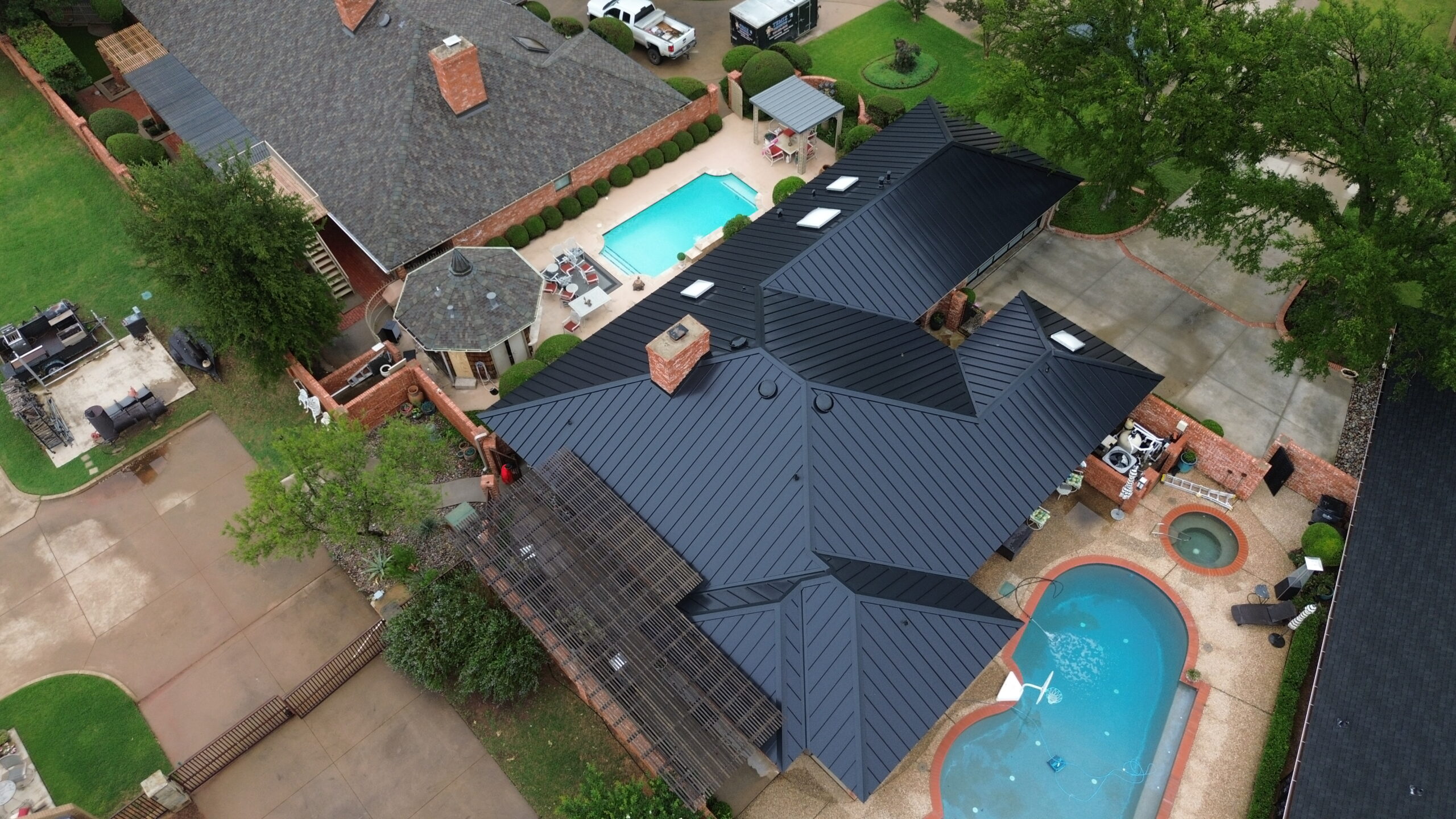
Interior water stains develop whenever moisture repeatedly reaches finished surfaces such as drywall, plaster, or painted ceilings. While roof damage is one of the most common causes, several different roofing issues can produce similar symptoms. Understanding these possibilities makes it easier to recognize when professional roof inspection is necessary.
Damaged or missing shingles are frequent sources of roof leaks. Once shingles become cracked, curled, or blown away during severe weather, rainwater can penetrate the roofing system and begin soaking the materials beneath. The leak may remain hidden until enough moisture accumulates to stain the ceiling below.
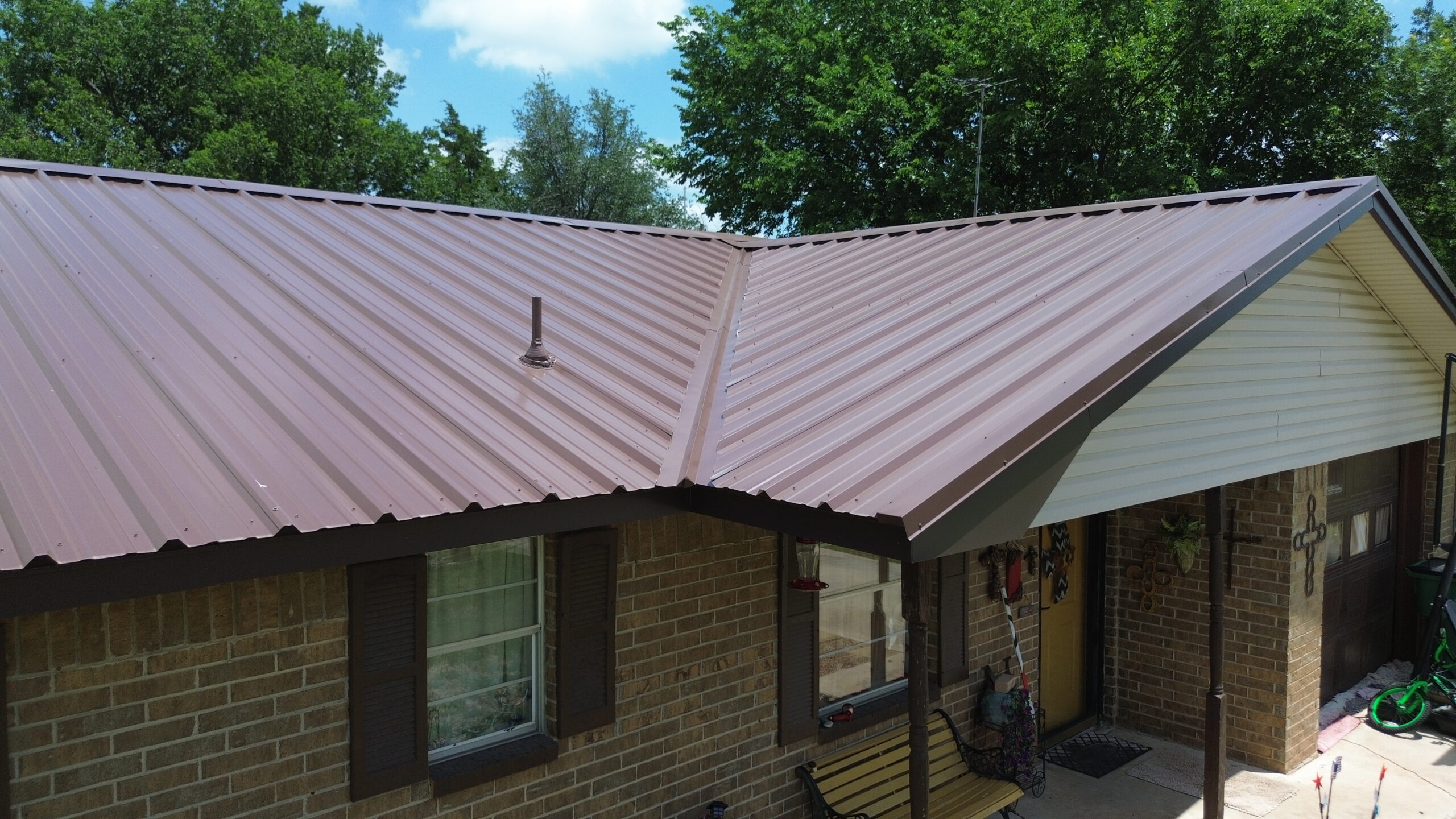
Flashing failure is another leading cause of interior water stains. Flashing protects vulnerable roof areas around chimneys, skylights, roof valleys, and plumbing vents. When flashing becomes loose, rusted, or improperly sealed, water can enter through these openings even if the surrounding shingles remain in good condition.
Roof valleys also experience heavy water flow during rainfall. If debris blocks these valleys or the flashing becomes damaged, water may back up beneath the roofing materials instead of flowing safely toward the gutters. This creates ideal conditions for interior leaks to develop.
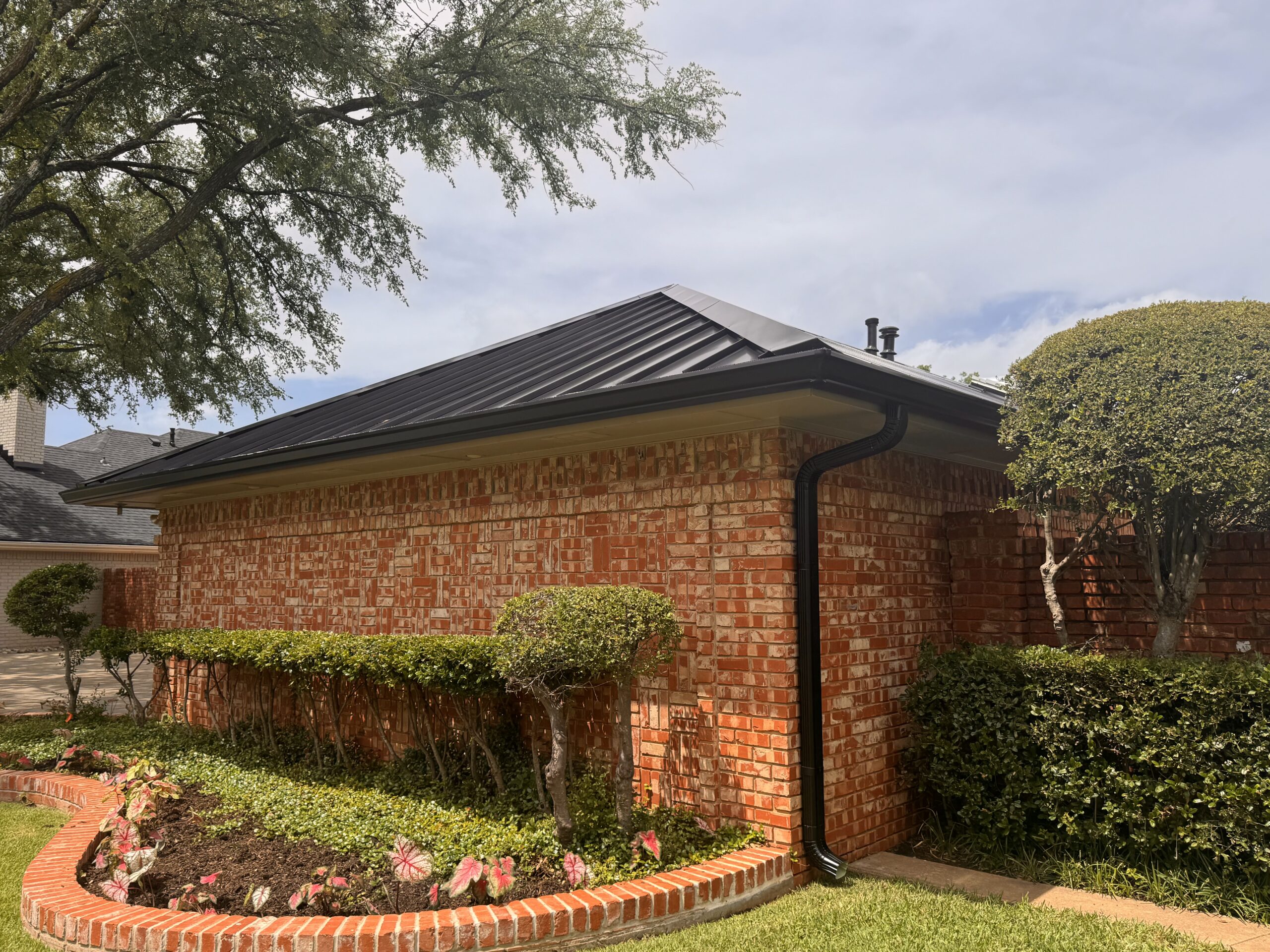
Other causes include aging roofing materials, deteriorated sealants, damaged vent boots, clogged gutters, and storm-related damage. Although these issues differ in appearance, they all share one common result. They allow water to reach areas of the home that should always remain dry.
The Appearance of Roof-Related Water Stains
Not every water stain looks exactly the same. The appearance of the stain often depends on how long the leak has been active, the amount of water entering the home, and the type of building materials affected. Paying close attention to these characteristics may provide helpful clues about the severity of the problem.
Fresh water stains are often light yellow or pale brown. They usually have soft edges and may appear slightly damp following rainfall. At this stage, the leak may still be relatively small, making it an ideal time to schedule repairs before additional damage occurs.
Older stains typically become darker over time. Repeated moisture exposure allows dirt, roofing particles, and minerals carried by rainwater to accumulate within the drywall. As additional rain enters the roof, the stain gradually expands outward and becomes more noticeable.
Some stains develop circular or irregular shapes depending on how water spreads through the ceiling. Others may appear as long streaks if moisture follows framing members before reaching the finished surface. These patterns can help roofing professionals trace the leak back toward its original source.
If bubbling paint, peeling finishes, or sagging drywall accompanies the stain, the leak has likely progressed beyond the early stages. Moisture has remained inside the ceiling long enough to weaken the building materials, increasing the likelihood that repairs will involve more than simply fixing the roof.
Common Ceiling Stains That Should Never Be Ignored
The ceiling is usually the first place homeowners notice evidence of roof damage. Since warm air naturally rises, attic spaces are often located directly above finished ceilings, making them the first interior surfaces affected by roof leaks.
One of the most recognizable warning signs is a yellow or brown ring that gradually grows larger after each rainfall. These stains often appear harmless at first, but they indicate that moisture is repeatedly entering the ceiling cavity. Ignoring them allows water to continue damaging insulation and structural framing hidden above the drywall.
Another common sign is discoloration around recessed lighting fixtures or ceiling fans. Openings cut into the ceiling create natural exit points where trapped water can become visible. Although homeowners sometimes suspect electrical problems, roof leaks are frequently responsible for moisture appearing around these fixtures.
Ceilings that begin to sag require immediate attention. When drywall absorbs excessive amounts of water, it becomes heavier and weaker. Continued moisture exposure can eventually cause sections of the ceiling to collapse, creating both safety hazards and costly interior repairs.
Even if a stain appears to stop growing during dry weather, it should not be considered resolved. Roof leaks often remain inactive between rainstorms before becoming visible again when the next storm arrives. This cycle creates the false impression that the problem has disappeared when it has actually continued developing inside the roof structure.
Wall Stains That May Be Connected to Roof Damage
Although ceiling stains are the most common sign of a roof leak, water damage can also appear on interior walls. This usually happens when moisture enters the roof near the edge of the home or around a roof-to-wall intersection. Instead of dripping straight down, the water travels inside the wall cavity before soaking into the drywall or plaster.
Wall stains often begin near the top of the wall where it meets the ceiling. Over time, gravity pulls the moisture downward, causing the stained area to expand. Homeowners sometimes mistake these stains for plumbing leaks, but if they become worse after rainfall, the roof should be inspected.
Bubbling paint is another common symptom. As moisture builds behind painted surfaces, it weakens the bond between the paint and the drywall. Eventually, the paint begins to blister, crack, or peel away from the wall.
If wallpaper starts separating from the wall without an obvious explanation, moisture may be trapped behind it. This often indicates an ongoing leak that has remained hidden for an extended period. Even if the visible damage appears minor, the materials inside the wall may already be saturated.
Water Stains Around Windows and Doors
Water stains surrounding upper-floor windows or exterior doors can sometimes indicate roofing issues rather than faulty windows. When flashing around roof-to-wall intersections or dormers begins to fail, rainwater may travel behind the siding before reaching the window or door frame below.
Because these leaks occur inside the wall assembly, homeowners often replace window caulking without solving the real problem. The stain may temporarily appear to improve, only to return after the next heavy rain.
Discoloration around window trim, soft drywall beneath the window, or peeling paint near the upper corners should all be investigated carefully. These symptoms frequently indicate that water is entering somewhere higher on the building.
If multiple windows along the same side of the house begin showing similar moisture damage, the issue is even more likely to originate from the roof or flashing rather than the windows themselves.
Attic Warning Signs That Often Appear Before Interior Stains
Many roof leaks can be discovered in the attic long before they become visible inside finished living spaces. Homeowners who occasionally inspect their attic after heavy rain may identify roofing problems early enough to prevent extensive interior damage.
One of the clearest warning signs is dark staining on the underside of the roof decking. These stains often indicate that water has been entering the roof repeatedly, even if no active dripping is visible during the inspection.
Damp or compressed insulation is another common indicator. Once insulation absorbs water, it loses much of its ability to regulate indoor temperatures. Wet insulation also takes a long time to dry, allowing moisture to remain trapped against nearby wood framing.
Mold or mildew growing on rafters, trusses, or roof decking should never be ignored. Although poor attic ventilation can contribute to mold growth, roof leaks are often responsible when moisture is concentrated near chimneys, vents, skylights, or roof valleys.
During daylight hours, small openings in the roof may even allow sunlight to enter the attic. While not every visible light source indicates a leak, gaps around flashing or damaged roofing materials deserve professional evaluation.
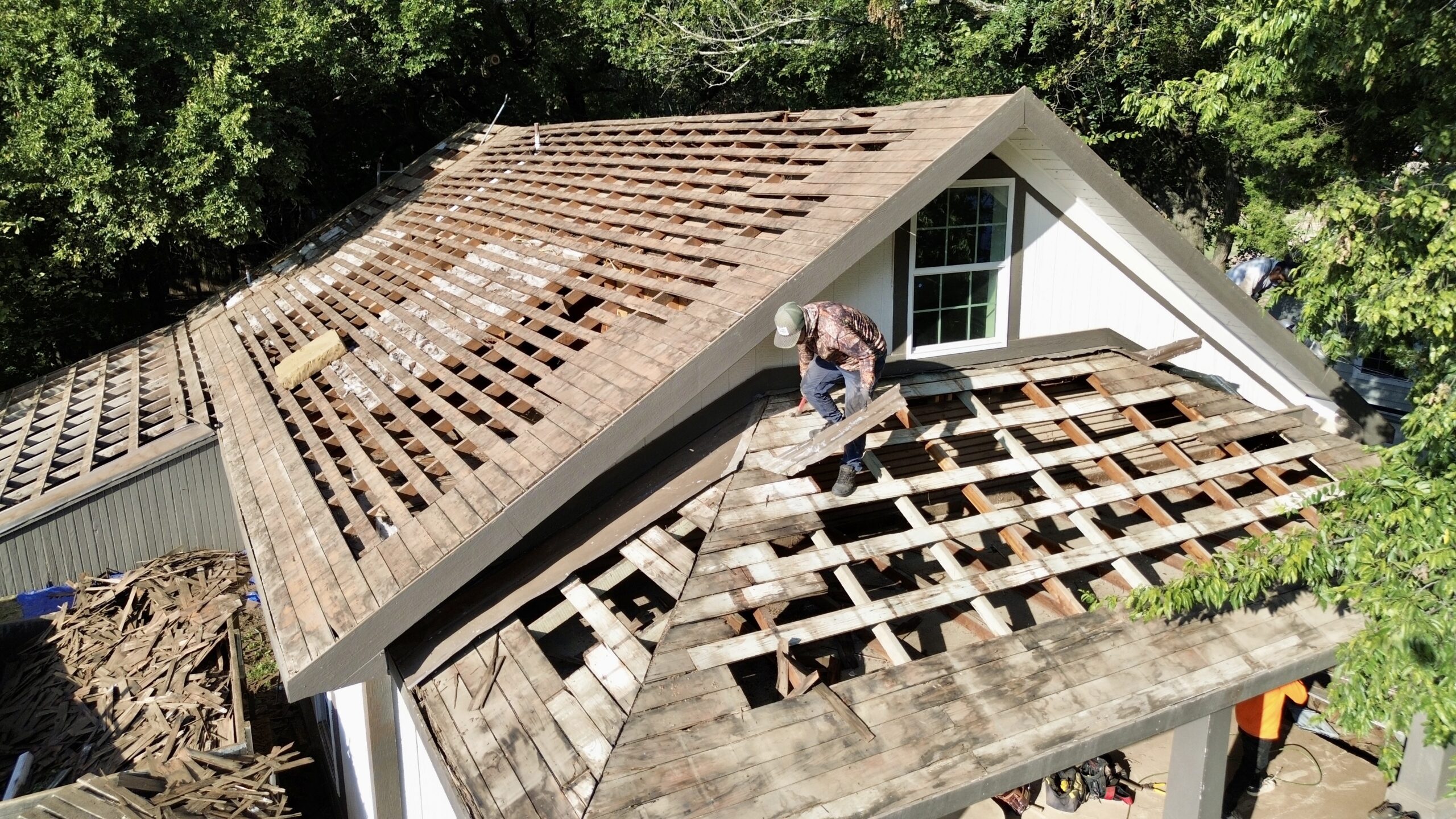
How to Tell if the Stain Is Getting Worse
Some homeowners assume that once a ceiling dries, the leak has stopped. Unfortunately, roof leaks often follow the weather, becoming active during rain and appearing dormant during dry periods. Monitoring the stain over time provides valuable information about whether the problem is progressing.
Take clear photographs of the stain whenever you notice it. Comparing photos after each rainstorm makes it easier to determine whether the stain is expanding, darkening, or developing new areas of discoloration.
Watch for changes in texture as well as color. A stain that becomes soft, swollen, or begins forming bubbles usually indicates continued moisture exposure. These changes suggest the drywall itself is starting to deteriorate.
If you notice water dripping instead of simple discoloration, the leak has likely become much more serious. At this point, immediate action is necessary to minimize structural damage and protect the home’s interior.
When Interior Water Stains Require Immediate Attention
Not every stain represents an emergency, but some warning signs should never be ignored. Large amounts of water entering the home can weaken ceilings, damage electrical systems, and create conditions for rapid mold growth.
- Water actively dripping from the ceiling during rainfall.
- Ceiling drywall that is sagging or bulging.
- Large stains that continue growing after each storm.
- Persistent musty odors in the attic or upper floors.
- Visible mold around ceiling corners or wall surfaces.
- Multiple new stains appearing in different rooms.
If any of these symptoms are present, delaying repairs can significantly increase restoration costs. A prompt roof inspection allows the source of the leak to be identified before additional structural damage occurs.
Why Professional Roof Inspections Matter
Interior water stains provide valuable clues, but they rarely reveal the exact source of a roof leak. Because water often travels through hidden parts of the roof structure, professional inspections are the most reliable way to determine where moisture is entering.
Roofing professionals examine shingles, flashing, roof valleys, vents, skylights, chimneys, and other vulnerable areas while also inspecting the attic for moisture trails. This comprehensive approach helps locate the true cause instead of simply treating the visible symptoms.
Addressing roof damage early is almost always less expensive than repairing widespread structural deterioration later. Even a relatively small flashing repair or shingle replacement can prevent thousands of dollars in damage to insulation, drywall, flooring, and wood framing.
Understanding what interior water stains are trying to tell you is the first step toward protecting your home. Rather than covering stains with fresh paint, identifying and repairing the underlying roofing problem helps ensure your home remains dry, safe, and structurally sound for years to come.
Different Roof Problems That Can Create Interior Water Stains
Once you notice a water stain inside your home, the next step is identifying what part of the roof is allowing moisture to enter. While every roof leak eventually results in water damage, the underlying cause can vary significantly. Understanding these common roofing problems helps homeowners recognize why professional diagnosis is so important.
One of the leading causes of interior water stains is damaged shingles. High winds, hail, prolonged sun exposure, and natural aging can cause shingles to crack, curl, or fall off the roof entirely. Once the protective layer is compromised, rainwater begins working its way beneath the roofing materials and into the structure below.
Flashing failure is another common culprit. Flashing protects vulnerable areas such as chimneys, skylights, roof valleys, plumbing vents, and roof-to-wall intersections. If flashing becomes loose, rusted, or improperly sealed, water can enter even when the rest of the roof appears to be in good condition.
Roof valleys experience particularly heavy water flow during storms. Because two roof slopes direct water into these channels, damaged valley flashing or accumulated debris can quickly create leaks. Interior stains that repeatedly appear after heavy rain often originate from these high-volume drainage areas.
Other roofing issues that contribute to water stains include deteriorated vent boots, damaged underlayment, clogged gutters, ice dams in colder climates, and storm damage that may not be immediately visible from the ground. Although the symptoms inside the home may look similar, each problem requires a different repair approach.
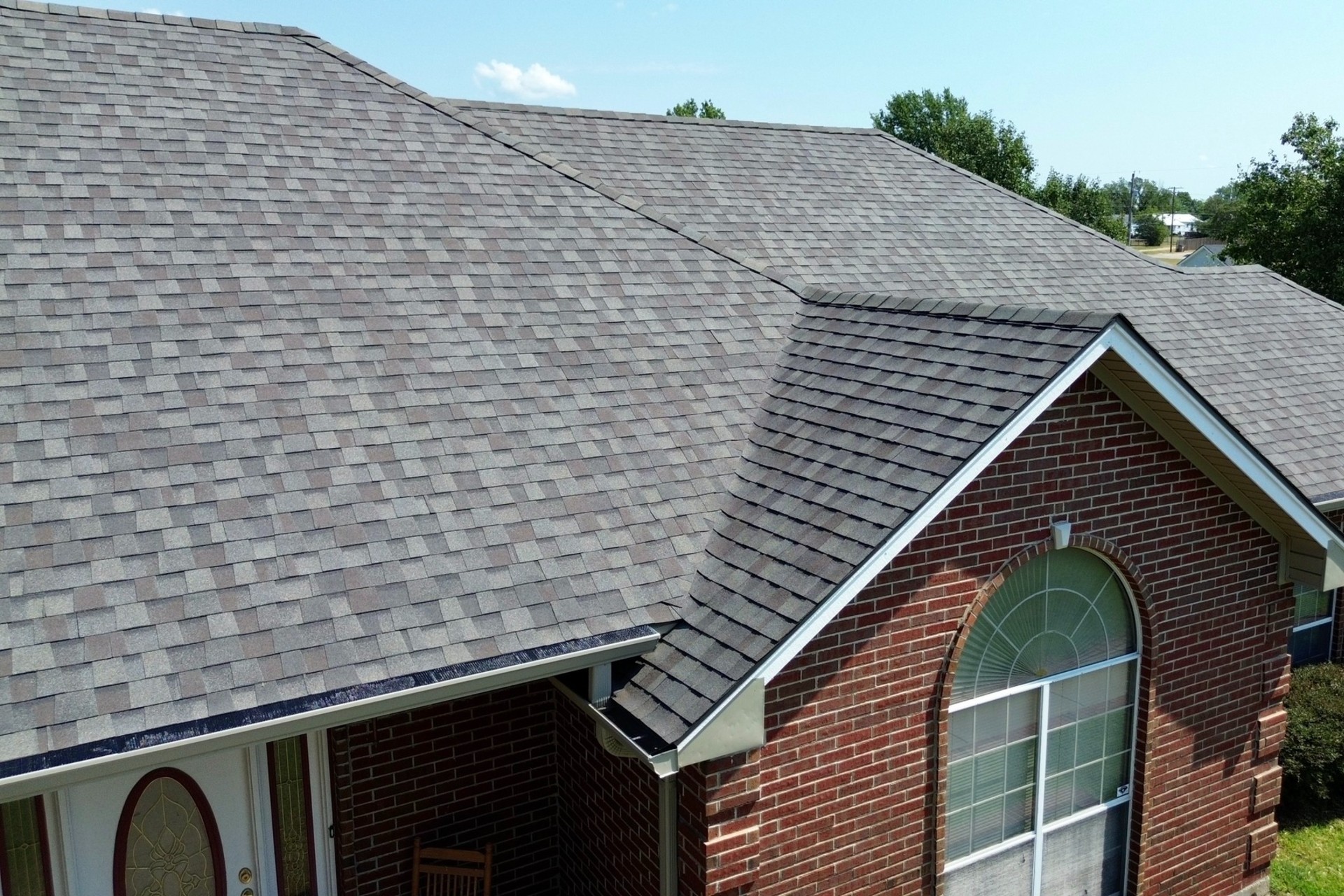
How Weather Conditions Make Roof Leaks Worse
Weather plays a major role in both causing roof damage and revealing existing weaknesses. A roof that appears perfectly fine during dry conditions may begin leaking once it is exposed to heavy rainfall, strong winds, or rapid temperature changes.
Heavy rain places every roofing component under pressure. If shingles have shifted or flashing has separated from the roof surface, large volumes of water can quickly find their way inside. Small defects that remain unnoticed during light showers often become obvious during prolonged storms.
Wind-driven rain creates another challenge. Instead of falling straight down, strong winds push water beneath loose shingles and flashing edges. This explains why some homeowners only notice interior water stains after storms that include both heavy rain and high winds.
Hail can also contribute to hidden roof damage. Although dents and impact marks may appear minor, hail can crack shingles, loosen flashing, and damage protective coatings. These issues often remain unnoticed until the next rainfall exposes the weakened area.
Seasonal temperature changes gradually affect roofing materials as well. Continuous expansion during warm weather and contraction during cooler temperatures place stress on sealants, flashing, and fasteners. Over time, this natural movement creates openings where moisture can enter the roof system.
Interior Signs That Usually Accompany Water Stains
Water stains are rarely the only indication of a roof leak. As moisture continues entering the home, additional warning signs often begin appearing throughout the affected area. Recognizing these symptoms helps homeowners understand that the problem extends beyond simple discoloration.
Peeling paint is one of the earliest secondary signs. Moisture trapped beneath painted surfaces weakens adhesion, causing paint to blister, crack, or separate from the drywall. This damage usually becomes worse after repeated rainfall.
Soft drywall is another indicator that the leak has progressed. When drywall absorbs water over an extended period, it loses strength and becomes easier to dent or puncture. Left untreated, sections of the ceiling or wall may eventually collapse.
Musty odors frequently develop when moisture remains trapped inside ceilings or walls. Mold and mildew thrive in damp environments, making persistent odors a warning sign that hidden moisture has been present for some time.
Some homeowners also notice warped trim, swollen baseboards, or flooring damage near affected areas. Although these symptoms may seem unrelated to the roof, water traveling through wall cavities often reaches lower sections of the home before becoming visible.

Exterior Warning Signs That Support Interior Water Stains
Once interior water stains appear, it is helpful to inspect the exterior of the home for additional clues. While homeowners should avoid climbing onto the roof without proper safety equipment, many warning signs can be observed from the ground.
Missing or damaged shingles are among the most obvious indicators of potential roof leaks. Bare roof sections expose the underlying materials to rain and significantly increase the risk of moisture entering the home.
Pay close attention to flashing around chimneys, skylights, and plumbing vents. Lifted metal, visible rust, cracked sealant, or bent flashing may indicate that water is entering around these roof penetrations.
Gutters overflowing with leaves and debris should also be addressed promptly. When gutters cannot drain properly, water backs up beneath the roof edge and increases the likelihood of leaks that eventually appear as interior stains.
Dark streaks on shingles, moss growth, or sagging roof sections may also indicate roofing problems that require professional evaluation. Although these conditions do not always cause immediate leaks, they often signal that parts of the roof are deteriorating.
Roof Damage That Homeowners Often Overlook
Some roof problems develop gradually, making them easy to overlook during routine maintenance. Because these issues do not always create immediate leaks, homeowners may not realize anything is wrong until interior water stains begin appearing.
Small cracks in flashing are a good example. They may allow only a tiny amount of water inside during each storm, but months of repeated moisture exposure eventually produce noticeable ceiling stains.
Deteriorating roofing sealant is another commonly overlooked issue. Sealants naturally dry out and crack with age, reducing their ability to prevent water intrusion around roof penetrations. Although the flashing itself may remain intact, failed sealant can still create significant leaks.
Loose nails, damaged vent boots, and minor storm damage also deserve attention. While these problems may seem insignificant individually, they create openings that allow water to bypass the roof’s protective layers.
Routine roof inspections help identify these smaller issues before they develop into major structural repairs. Preventive maintenance is almost always less expensive than repairing extensive water damage inside the home.
Can Interior Water Stains Be Caused by Something Other Than the Roof?
Although roof damage is a common cause of interior water stains, it is not the only possibility. Plumbing leaks, condensation, HVAC problems, and damaged windows can produce similar symptoms. Distinguishing between these causes is important because each requires a different solution.
Plumbing leaks often occur regardless of weather conditions. If the stain continues growing even during long periods without rain, pipes or plumbing fixtures may be responsible rather than the roof.
Condensation typically develops in poorly ventilated areas such as bathrooms or attics. Unlike roof leaks, condensation usually appears during periods of high indoor humidity instead of immediately following rainfall.
Damaged windows and exterior siding can also allow moisture into wall cavities. However, if the stain consistently worsens after storms and is located near the upper portions of the home, the roof remains one of the first areas that should be inspected.
Because several different issues produce similar warning signs, professional inspections remain the most reliable way to determine the exact source of the moisture.
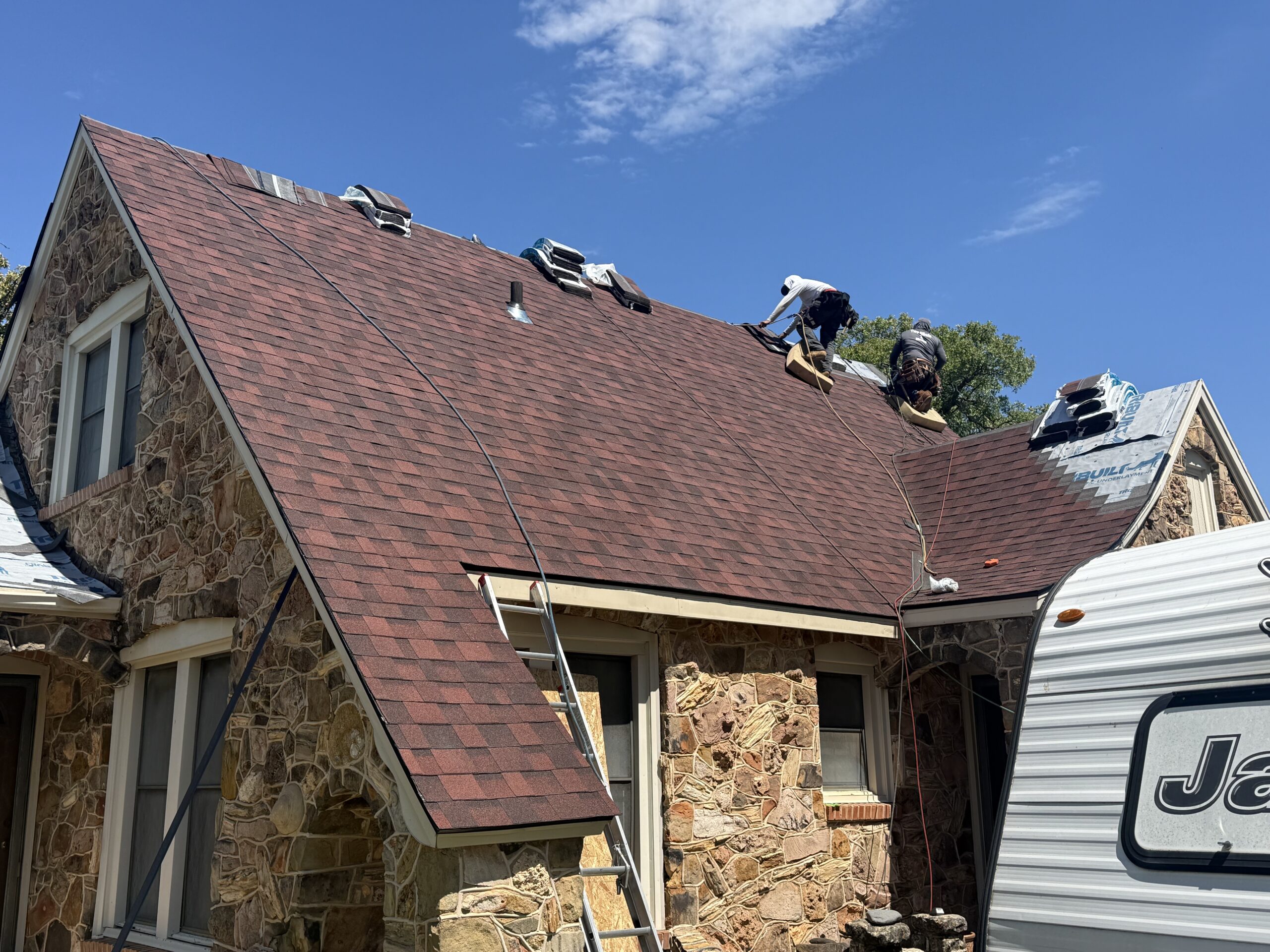
When You Should Schedule a Roof Inspection
Many homeowners wait until water begins actively dripping from the ceiling before calling a roofing contractor. Unfortunately, by that point the leak has often caused significant hidden damage to insulation, wood framing, and drywall.
You should schedule a professional roof inspection if interior water stains continue growing, new stains appear after rainfall, or visible roof damage is present following a storm. Prompt inspections help identify the source before repairs become more extensive.
Even if the stain seems small, it is worth having the roof evaluated. Minor leaks rarely repair themselves, and delaying action usually allows moisture to spread further into the structure. Early repairs are generally faster, less disruptive, and more affordable than major restoration work.
- Ceiling stains that return after every rainstorm.
- Peeling paint or bubbling drywall near the ceiling.
- Musty odors in the attic or upper floors.
- Missing shingles or damaged flashing visible from the ground.
- Sagging ceilings or active water dripping indoors.
Recognizing these warning signs allows homeowners to respond before water damage affects larger portions of the home. In the final part of this guide, we’ll explain how roofing professionals diagnose the source of interior water stains, discuss available repair options, and share practical maintenance tips to help prevent future roof leaks.
How Roofing Professionals Diagnose the Source of Interior Water Stains
Finding the exact source of a roof leak is often more challenging than locating the stain inside the home. Water rarely travels in a straight line after entering the roof. Instead, it follows roof decking, rafters, insulation, and framing before eventually reaching the ceiling or walls, making the visible stain only part of the story.
Professional roofing contractors begin by examining both the interior and exterior of the home. Inside, they look for moisture patterns, damaged drywall, stained insulation, mold growth, and water trails in the attic. These signs help determine how long the leak has been active and provide clues about where the water entered the roofing system.
Outside the home, the inspection focuses on shingles, flashing, roof valleys, vent pipes, chimneys, skylights, and gutters. Since these are the areas most vulnerable to leaks, they receive careful attention during the inspection process.
In some cases, roofing professionals perform controlled water testing. This involves applying water to specific sections of the roof while another technician observes the attic or interior for signs of moisture. Testing one area at a time helps isolate the exact source of the leak without unnecessary roof removal.
A thorough inspection does more than identify the immediate problem. It also uncovers aging materials, deteriorated sealants, loose flashing, and other developing issues that could cause future leaks if left unaddressed.

Repair Options for Roof Damage Causing Interior Water Stains
The right repair depends on what allowed the water to enter the home. Because every roof leak has a different cause, roofing professionals recommend repairs based on the condition of the roofing materials rather than simply covering the visible stain inside.
If missing or damaged shingles are responsible, replacing the affected shingles may restore the roof’s waterproof barrier. New shingles are carefully integrated with the existing roofing system to maintain proper drainage and weather protection.
When flashing has deteriorated around chimneys, skylights, or plumbing vents, repairs may involve resealing, repositioning, or replacing the flashing entirely. Since flashing protects some of the roof’s most vulnerable areas, proper installation is essential for preventing recurring leaks.
Roof valleys may require debris removal, flashing replacement, or repairs to surrounding shingles if water has been backing up beneath the roofing materials. Likewise, damaged vent boots, deteriorated sealants, and loose fasteners can all be replaced before additional moisture enters the roof.
After the roof has been repaired, attention can shift to the interior. Depending on the extent of the damage, this may include replacing insulation, repairing drywall, repainting ceilings, or addressing mold that developed because of prolonged moisture exposure.
Should You Paint Over a Water Stain?
One of the most common mistakes homeowners make is painting over a water stain before finding and repairing the source of the leak. Although fresh paint may temporarily hide the discoloration, it does nothing to stop water from entering the home.
If the roof leak continues, moisture will eventually soak through the new paint and create another stain. In some cases, the stain may become even larger than before because the underlying damage has continued spreading inside the ceiling.
Even after the roof has been repaired, the stain should be allowed to dry completely before repainting. Using a stain-blocking primer helps prevent discoloration from bleeding through the new paint, creating a cleaner and longer-lasting finish.
Addressing the roofing issue first ensures that cosmetic repairs remain effective. Otherwise, homeowners often find themselves repeatedly repainting the same area while the hidden damage continues to worsen.
How Regular Roof Maintenance Helps Prevent Interior Water Stains
Routine roof maintenance is one of the most effective ways to prevent interior water stains from developing in the first place. Many roof leaks begin as relatively small problems that could have been corrected during a simple inspection long before they reached the home’s interior.
Annual roof inspections allow professionals to identify loose shingles, deteriorated flashing, aging sealants, damaged vent boots, and clogged roof valleys before they create leaks. Homes located in regions with frequent storms may benefit from inspections after major weather events as well.
Keeping gutters clean is equally important. Gutters filled with leaves and debris prevent rainwater from draining properly, increasing the likelihood of water backing up beneath roof edges. Proper drainage helps reduce unnecessary stress on roofing materials throughout the year.
Tree branches that hang directly over the roof should also be trimmed regularly. Falling limbs can damage shingles and flashing during storms, while accumulated leaves trap moisture against the roof surface and accelerate material deterioration.
Simple preventive maintenance extends the lifespan of the roofing system while significantly reducing the chances of unexpected interior water damage.

Practical Tips for Homeowners to Reduce the Risk of Roof Leaks
Although no roof lasts forever, homeowners can take several proactive steps to minimize the likelihood of developing leaks that result in interior water stains. Small maintenance tasks performed consistently often prevent larger repair projects later.
- Inspect your attic after heavy rain for signs of moisture or water stains.
- Schedule a professional roof inspection at least once each year.
- Clean gutters and downspouts regularly to ensure proper drainage.
- Remove leaves and debris from roof valleys whenever it is safe to do so.
- Repair damaged shingles, flashing, and sealants promptly instead of delaying maintenance.
- Trim tree branches that could scrape or fall onto the roof during storms.
- Monitor existing water stains and photograph them after major rain events to identify changes.
These preventive measures cannot eliminate every roofing problem, but they greatly reduce the likelihood of unnoticed leaks developing into extensive structural damage. Consistent maintenance protects both your home and your long-term investment.
Frequently Asked Questions About Interior Water Stains and Roof Damage
Do all ceiling water stains mean the roof is leaking?
No. While roof leaks are one of the most common causes, plumbing leaks, HVAC issues, condensation, and damaged windows can also create water stains. A professional inspection is the best way to determine the exact source.
Can a small ceiling stain become a serious problem?
Yes. Even a small stain may indicate that water has been entering the roof for an extended period. Continued moisture exposure can damage insulation, framing, drywall, and encourage mold growth if repairs are delayed.
Why does my water stain only appear after heavy rain?
This usually suggests that rainwater is entering through a weakness in the roofing system. Heavy rainfall places more stress on shingles, flashing, roof valleys, and other vulnerable areas, making existing problems easier to detect.
Should I replace my entire roof because of one water stain?
Not necessarily. Many leaks can be repaired without replacing the entire roof. The appropriate solution depends on the age of the roof, the extent of the damage, and the specific component responsible for the leak.
How quickly should I address an interior water stain?
As soon as possible. Even if the stain appears small, delaying repairs allows moisture to continue spreading through hidden areas of the home. Early action often results in less expensive repairs and prevents additional structural damage.
Conclusion
Interior water stains are more than simple cosmetic imperfections. They are often one of the earliest and most visible signs that your roofing system is no longer providing complete protection against the elements. Whether the cause is damaged shingles, failing flashing, deteriorated sealants, clogged roof valleys, or storm damage, the stain is your home’s way of alerting you that moisture is entering where it should not.
Ignoring these warning signs rarely makes the problem disappear. Water that continues entering the roof can damage insulation, drywall, wood framing, flooring, and even your home’s structural integrity. The longer the leak remains untreated, the greater the likelihood that repairs will become more extensive and expensive.
Regular roof inspections, routine maintenance, and prompt repairs are the most effective ways to prevent small roofing issues from becoming major restoration projects. Paying attention to ceiling stains, wall discoloration, peeling paint, musty odors, and other signs of moisture allows homeowners to act before serious damage occurs.
If you’ve noticed interior water stains anywhere in your home, don’t simply cover them with fresh paint or assume they’ll disappear on their own. Having your roof professionally inspected can identify the true source of the problem, prevent further water intrusion, and help protect your home for years to come. Taking action early is the best investment you can make in preserving both your roof and the comfort of your living space.