
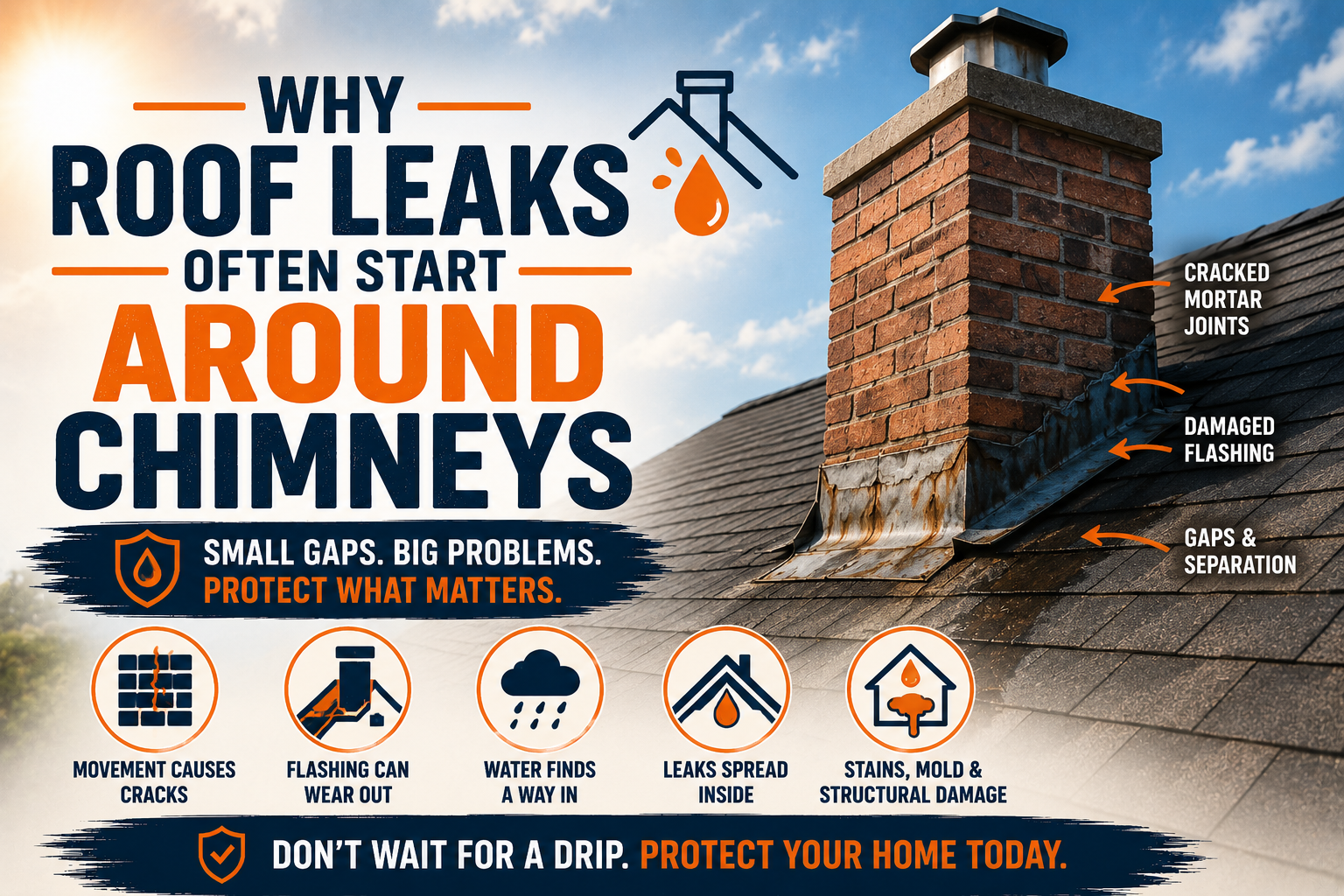
Why Roof Leaks Often Start Around Chimneys
Introduction
Roof leaks rarely appear randomly, and in many homes the first signs of water intrusion often trace back to a very specific area where the roof meets the chimney. This junction is one of the most complex points in any roofing system because it combines different materials, angles, and structural movements into a single vulnerable zone. When even a small weakness develops in this area, water can slowly find its way inside long before visible damage appears on ceilings or walls.
Chimneys are constantly exposed to harsh weather conditions while also intersecting directly with the roof surface, which creates a natural opportunity for water entry. Unlike open roof planes where water flows smoothly downward, the chimney interrupts that flow and forces water to change direction around multiple edges. This interruption increases the chances of pooling, seepage, and long term material breakdown if not properly managed.
Understanding why roof leaks often begin around chimneys helps homeowners recognize early warning signs and take preventive action before expensive repairs are needed. It also highlights why chimney flashing, masonry condition, and installation quality play such a critical role in overall roof performance. Without proper protection, even a well built roof can develop hidden leaks that grow worse over time.
Why Chimneys Are One of the Most Leak Prone Areas on a Roof
Chimneys are naturally vulnerable because they penetrate through the roof structure and create a break in the continuous waterproof surface. Every time a roof is interrupted by a vertical structure, it introduces multiple edges and corners where water can potentially enter. These transition points require precise sealing and careful installation to remain watertight.
Another reason chimneys are prone to leaks is their exposure to all weather directions. While most roof surfaces shed water downward, chimneys face wind driven rain from multiple angles, which can push moisture into small gaps that would otherwise remain dry. This constant exposure increases wear on sealing materials and flashing components.
Temperature changes also contribute to chimney vulnerability. As materials expand during heat and contract during cold conditions, small gaps can form between the chimney and surrounding roofing materials. Over time, these gaps can widen enough to allow water intrusion, especially during heavy rainfall.
The combination of structural interruption, weather exposure, and material movement makes chimneys one of the highest risk areas for roof leaks. Even small installation flaws in this zone can have long lasting consequences if not addressed early.
How Chimneys Interact With Roof Structures and Water Flow
A roof is designed to move water efficiently from higher points to lower edges, but a chimney disrupts this natural flow pattern. When water reaches the chimney area, it must be redirected around the structure before continuing downward. This redirection creates multiple points where water can slow down or temporarily pool.
On steeper roofs, water may move quickly around a chimney, but on lower slope roofs, the flow can become sluggish. This slower movement increases the time water spends in contact with flashing and sealing materials, which raises the likelihood of seepage if those materials are not perfectly installed or maintained.
Wind also changes how water behaves around chimneys. Instead of flowing strictly downward, wind can push rain horizontally or upward against chimney walls. This means that even well designed roof slopes can experience water pressure in unexpected directions, especially during storms.
Because chimneys sit in the middle of this complex water movement system, they require multiple layers of protection rather than a single barrier. Each layer must work together to guide water safely away from vulnerable joints.
Basic Anatomy of a Chimney Roof Junction
The area where a chimney meets the roof is made up of several interconnected components that work together to prevent water intrusion. These include roofing shingles or tiles, underlayment, flashing systems, and the chimney masonry itself. Each layer plays a different role in directing water away from the structure.
The roofing material provides the first line of defense by shedding most surface water. Beneath this layer, underlayment adds an additional barrier that helps prevent moisture from reaching the roof deck. However, the most critical protection comes from the flashing system, which seals the transition between roof and chimney.
Flashing is typically installed in overlapping sections around the base of the chimney. These sections are carefully layered to ensure that water always flows over the material rather than underneath it. When installed correctly, flashing creates a continuous waterproof channel around the chimney perimeter.
The chimney itself also plays a role in this system. Masonry surfaces such as brick or stone are porous and can absorb moisture if not properly sealed. This means that both the roof side and chimney side must be protected to prevent leaks from developing at the junction.
Flashing Systems and Their Role in Preventing Leaks
Flashing is one of the most important elements in preventing chimney related roof leaks because it forms the physical barrier between roofing materials and the chimney structure. Without proper flashing, water would easily enter the gaps created where two different surfaces meet. Flashing is designed to redirect water safely back onto the roof surface.
Most chimney flashing systems are made from metal materials such as aluminum, galvanized steel, or copper. These materials are chosen for their durability and ability to withstand long term exposure to moisture and temperature changes. However, even high quality materials can fail if they are not installed correctly.
Flashing systems are not a single piece but rather a combination of parts that work together. Base flashing is installed at the bottom, while step flashing is layered along the sides. Counterflashing is then added to cover and protect the upper edges, creating a layered defense system.
When any part of this system becomes damaged, loose, or improperly sealed, water can begin to find its way underneath. This is why flashing issues are one of the most common causes of chimney leaks in residential roofs.
Step Flashing and Counterflashing Explained
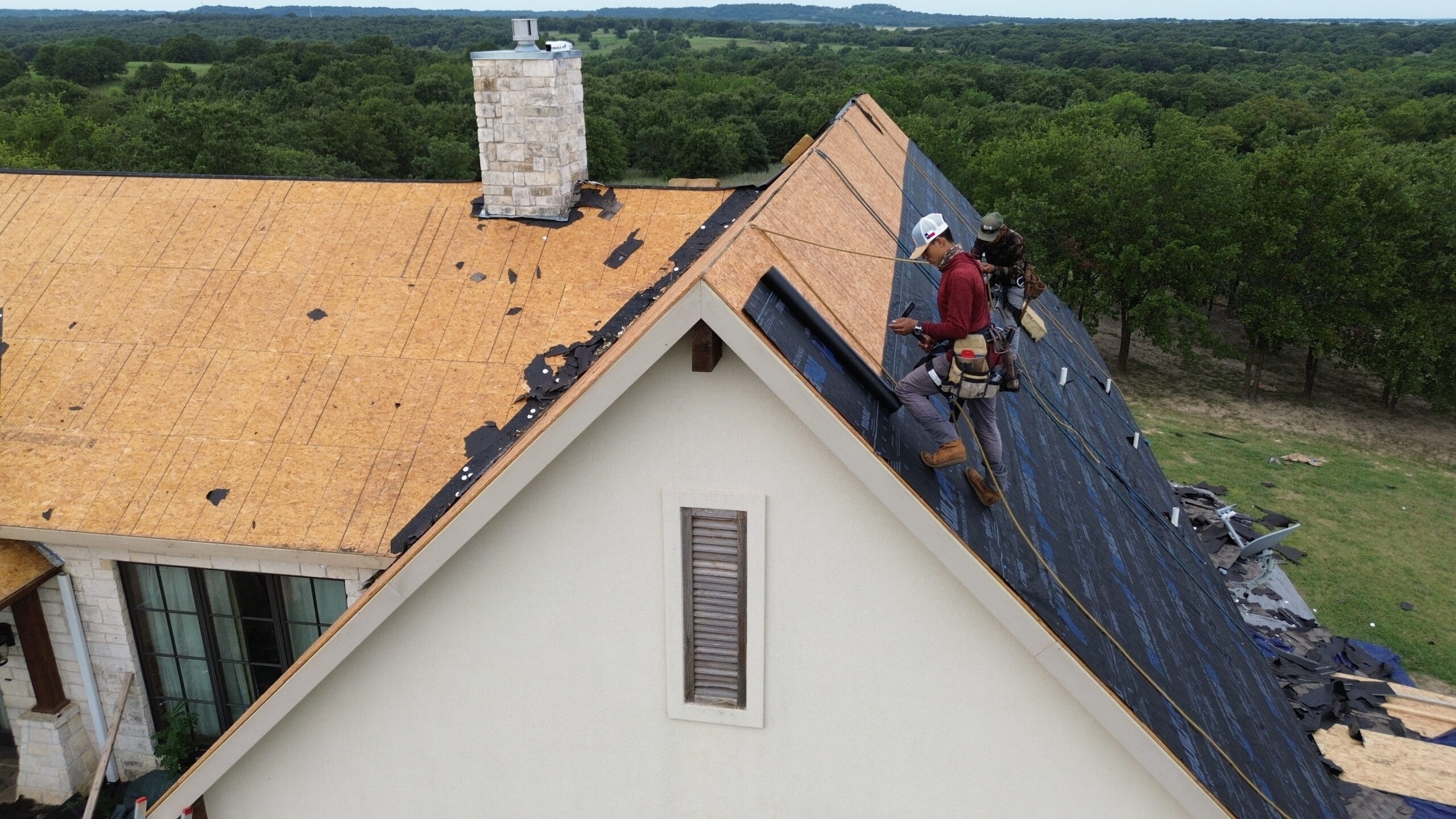
Step flashing is a key component of chimney protection that involves installing small metal pieces in a step-like pattern along the sides of the chimney. Each piece of flashing is layered with shingles so that water is directed away from the joint rather than toward it. This overlapping design is essential for maintaining a watertight seal.
Counterflashing is installed over the step flashing and is usually embedded into the chimney mortar joints. Its purpose is to cover the top edges of the step flashing and prevent water from entering behind it. This two-layer system ensures that even if water reaches the upper surface, it is redirected back outward.
The effectiveness of step flashing and counterflashing depends heavily on precise installation. Even slight misalignment can create small openings where water can enter. Over time, these openings can widen due to thermal expansion, freeze-thaw cycles, and general weather exposure.
When both systems are installed correctly and maintained properly, they create a highly effective barrier against chimney leaks. However, if either component is compromised, the entire system becomes vulnerable.
Common Early Warning Signs of Chimney Related Leaks
Chimney leaks often begin subtly, and early signs may appear long before major water damage becomes visible inside the home. One of the first indicators is discoloration on interior ceilings or walls near the chimney area. These stains may slowly expand over time, suggesting ongoing moisture intrusion.
Another early warning sign is the presence of dampness or musty odors in the attic. Moisture that enters around the chimney often travels through roof layers before becoming visible indoors. This can create hidden damp spots that encourage mold growth if not addressed.
Externally, homeowners may notice deteriorating flashing or small gaps between the chimney and roof surface. These gaps may not look significant at first, but they often indicate that the waterproof seal has begun to fail. Even minor separation can allow water to enter during heavy rain.
Cracked mortar on the chimney itself is another important warning sign. Since masonry is porous, cracks can allow water absorption that eventually spreads into surrounding roofing materials. Identifying these early signs helps prevent more serious structural damage.
Why Small Installation Errors Create Long Term Problems
Small installation errors around chimneys can lead to major roof leaks because this area relies on precise layering and sealing. Even a slight misalignment in flashing or improper overlap of materials can create a pathway for water to enter the roofing system.
One common issue is incorrect placement of step flashing, where pieces are not properly integrated with shingles. This can leave small gaps that are not immediately visible but allow water to seep in gradually over time. These leaks often remain hidden until significant damage has already occurred.
Another issue is insufficient sealing between flashing and masonry surfaces. If counterflashing is not properly embedded into mortar joints or sealed correctly, water can easily slip behind the protective layers. This type of failure is especially problematic because it is difficult to detect without close inspection.
Over time, these small errors are amplified by weather conditions such as freeze-thaw cycles, heavy rainfall, and wind pressure. What begins as a minor flaw can eventually develop into a full roof leak that affects interior spaces and structural components.
Cracks, Gaps, and Material Separation Around Chimneys
One of the most common physical causes of chimney related roof leaks is the gradual development of cracks and gaps in both roofing materials and chimney components. These openings often begin very small and are difficult to detect visually, but they become effective pathways for water once they expand. Even a hairline separation between flashing and roofing material can allow moisture to enter during sustained rainfall.
Material separation often occurs where different building materials meet, such as metal flashing against brick or shingles against masonry. These materials expand and contract at different rates when exposed to temperature changes, which slowly weakens the seal between them. Over time, this repeated movement can break down caulking or sealants that were initially designed to block water entry.
Cracks in mortar joints around the chimney also contribute significantly to leakage risk. Mortar is naturally porous and becomes more vulnerable as it ages, especially when exposed to constant moisture and freezing conditions. Once cracks form, they allow water to penetrate deeper into the chimney structure and potentially reach the roof junction below.
These small structural weaknesses often go unnoticed until interior damage appears, which is why chimney areas require regular inspection even when no visible leaks are present inside the home.
How Weathering and Thermal Expansion Affect Chimney Areas
Chimneys are constantly exposed to changing weather conditions, which makes them highly susceptible to long term wear. Heat from the sun causes roofing materials and chimney masonry to expand, while cold temperatures cause them to contract. This repeated cycle of expansion and contraction gradually weakens seals and connections around the chimney base.
Thermal movement affects metal flashing in particular because metal responds quickly to temperature changes. Over time, flashing can shift slightly out of place or develop stress points where it begins to lift away from surrounding materials. Once this happens, water can begin to enter through newly formed gaps.
Rain, wind, and UV exposure also accelerate deterioration. UV rays break down sealants and caulking used around flashing, making them brittle and less effective. Wind driven rain can then exploit these weakened areas, pushing water into spaces that would normally remain dry.
In climates with seasonal freeze-thaw cycles, trapped moisture inside small cracks expands when frozen. This expansion increases the size of the cracks and worsens the damage over time. As a result, chimney areas often deteriorate faster than other parts of the roof.
Masonry Deterioration and Its Impact on Roof Integrity
Chimneys built from brick or stone rely heavily on mortar joints for structural stability, but these joints naturally degrade over time. As mortar weakens, it becomes more porous and allows increased water absorption. This moisture does not stay isolated and can travel downward toward the roof junction, increasing the risk of leaks.
When masonry absorbs water, it can also transfer moisture into surrounding roofing components. This is especially problematic where the chimney meets the roof surface, as trapped moisture can compromise flashing adhesion and underlayment performance. Over time, this creates hidden leak pathways that are difficult to trace.
Spalling is another common masonry issue where the surface of bricks begins to flake or break apart due to moisture exposure. This process often accelerates during freezing temperatures, as water inside the brick expands and forces the surface layer to separate. Spalling weakens the chimney structure and increases overall water penetration.
As masonry deteriorates, it places additional stress on the roofing system that surrounds it. Even if the roof itself is in good condition, a failing chimney can still cause leaks that appear to originate from the roof.
Roof Slope and Water Drainage Challenges Near Chimneys
The slope of a roof plays a significant role in how water behaves around chimneys. On steep roofs, water tends to move quickly downward, reducing the amount of time it spends near vulnerable flashing areas. However, even on steep slopes, chimneys can create turbulence in water flow that leads to temporary pooling or splashback during heavy rain.
On low slope roofs, drainage becomes more challenging because water moves more slowly. This slower movement increases the likelihood of water accumulating around the chimney base, especially if debris is present. Standing water creates prolonged exposure to flashing joints, which increases the chance of seepage.
Roof design also affects how snow and ice behave near chimneys. In colder climates, snow can accumulate around chimney bases and melt unevenly. As this meltwater refreezes, it can form ice dams that push water backward under shingles and flashing.
Poor drainage design or inadequate slope planning can therefore turn the chimney area into a collection point for water rather than a channel for runoff. This is why roof geometry must always be considered when diagnosing chimney leaks.
Poor Installation Practices That Lead to Hidden Leak Paths
Improper installation is one of the leading causes of chimney related roof leaks because it creates weaknesses that may not become visible until years later. Even if the roof appears intact after installation, small errors can develop into major problems as materials age and weather conditions take their toll.
One common installation issue is inadequate layering of step flashing. When flashing is not properly interwoven with shingles, water can bypass the protective layers and enter beneath the roofing surface. This type of flaw is difficult to detect without removing roofing materials.
Another frequent issue is the use of insufficient or low quality sealants around flashing edges. While sealants are not meant to replace proper flashing, they are often used as a secondary barrier. When applied incorrectly or in excess, they can trap moisture instead of directing it away from the roof.
Incorrect placement of counterflashing is also a major problem. If it is not securely embedded into the chimney mortar joints, it can loosen over time and create an open channel for water intrusion. Once this happens, water can travel behind the flashing system and reach the roof deck.
These installation mistakes often remain hidden until a significant leak develops, making prevention far more effective than repair after the fact.
Chimney Cap and Crown Failures as Leak Sources
The chimney cap and crown are essential components that protect the top of the chimney from direct water entry. The crown is a sloped concrete or masonry surface designed to shed water away from the chimney structure, while the cap provides additional coverage over the flue opening. When either of these components fails, water can enter the chimney from above and travel downward toward the roof.
Cracks in the chimney crown are particularly common because concrete is exposed to constant temperature changes and moisture. Once cracks form, water can seep into the chimney structure and spread internally. This moisture may eventually reach the roof junction, contributing to leaks that appear to originate lower down.
A damaged or missing chimney cap can also allow rainwater to enter directly into the flue. This water can accumulate inside the chimney and slowly migrate into surrounding masonry and flashing areas. Over time, this increases the likelihood of roof leaks near the chimney base.
In many cases, chimney cap and crown failures are overlooked because they are not directly part of the roof surface. However, their condition has a direct impact on how well the surrounding roofing system performs.
Attic Moisture Patterns That Reveal Chimney Leaks
One of the most reliable ways to identify chimney related leaks is by observing moisture patterns in the attic. Since water often travels through multiple layers before becoming visible inside the home, the attic can provide early clues about the source of the problem.
Moisture near the chimney chase or surrounding framing is a strong indicator that water is entering through the chimney area. This moisture may appear as damp insulation, darkened wood surfaces, or visible condensation on structural components. These signs often appear before interior ceiling stains develop.
Another pattern involves moisture concentrated along flashing lines or roof intersections near the chimney. This distribution helps distinguish chimney leaks from general roof leaks, which may appear more randomly across the attic space.
Musty odors and mold growth in localized attic areas can also indicate long term moisture intrusion. These conditions often develop slowly, meaning the leak has likely been active for an extended period before detection.
Inspection Techniques Roofers Use to Detect Chimney Issues
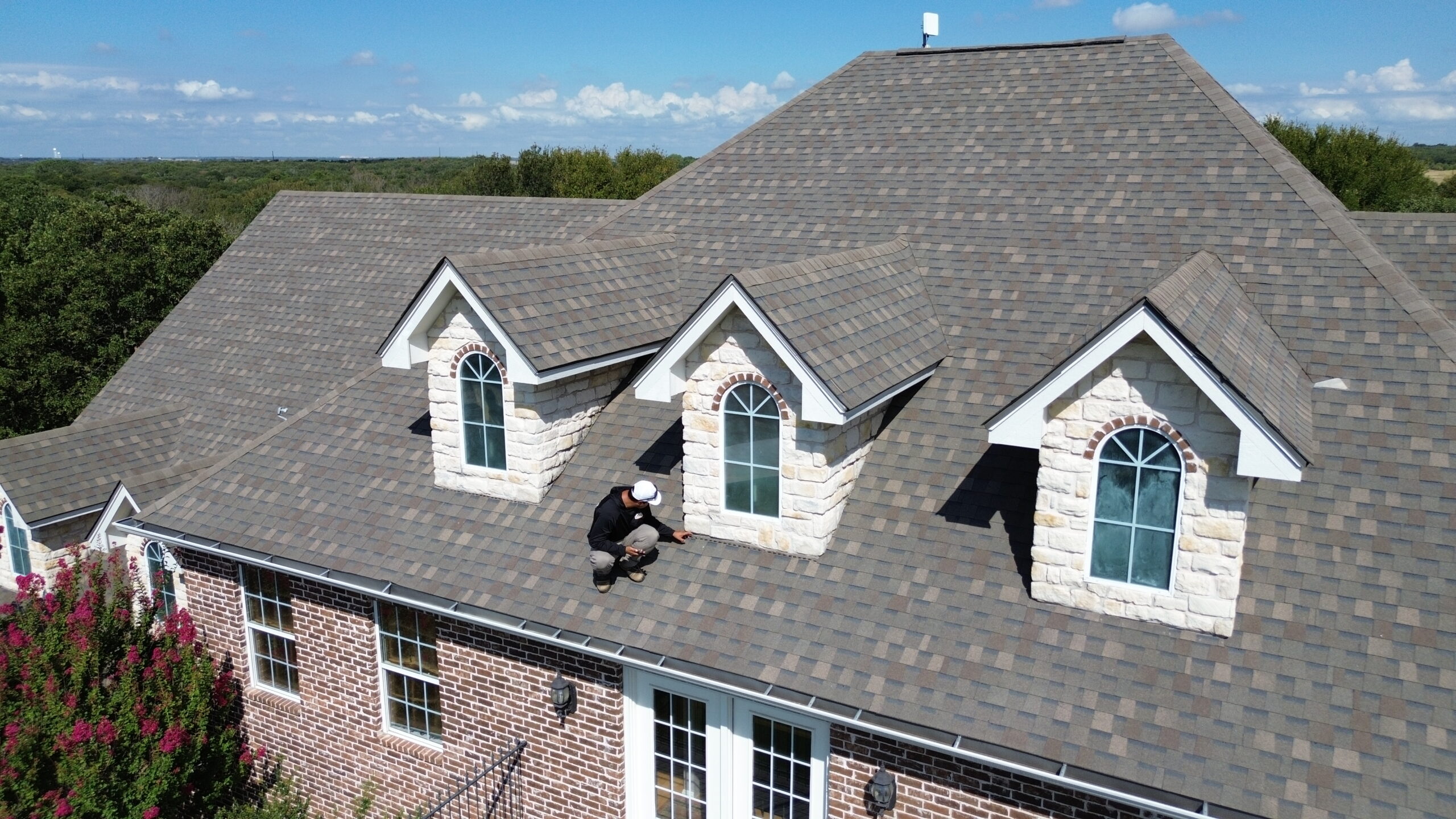
Professional roof inspections use a combination of visual assessment and targeted testing to identify chimney related leaks. One of the first steps involves closely examining flashing for signs of separation, rust, or improper overlap. Even small imperfections can indicate potential failure points.
Roofers also inspect mortar joints and chimney masonry for cracks or deterioration. This helps determine whether water is entering from above or through the sides of the chimney structure. Identifying the entry point is critical for selecting the correct repair method.
Water testing is sometimes used to simulate rainfall and observe how water moves around the chimney. This controlled method helps reveal hidden leak paths that may not be visible during dry conditions. It is particularly useful for diagnosing intermittent leaks that only appear during heavy storms.
Infrared imaging may also be used in some cases to detect temperature differences caused by trapped moisture. These tools allow roofers to identify damp areas beneath the surface without removing roofing materials, making inspections more efficient and accurate.
Repair Methods for Chimney Related Roof Leaks
Repairing chimney related roof leaks requires identifying the exact entry point of water, since symptoms inside the home often appear far from the actual source. Once the problem area is confirmed, repair strategies are chosen based on whether the issue originates from flashing failure, masonry deterioration, or roof surface damage. Each cause requires a different approach, and treating only the visible symptoms rarely solves the underlying problem.
In many cases, localized repairs can resolve early stage leaks without needing major roof replacement work. This may involve replacing damaged flashing sections, resealing joints, or repairing small masonry cracks. However, if leaks have been active for a long time, water may have already spread into surrounding roof layers, requiring more extensive restoration.
A key part of the repair process is ensuring that water is redirected properly around the chimney after repairs are completed. This means restoring the layered drainage system so that water flows over and away from vulnerable joints instead of settling near them. Without correcting water flow patterns, leaks can return even after surface repairs.
Flashing Replacement and Sealing Solutions
Flashing replacement is one of the most effective solutions for chimney leaks because flashing is the primary barrier between the roof and chimney structure. When flashing becomes rusted, loose, or improperly installed, it can no longer direct water away from the roof junction. In such cases, partial or full replacement is often necessary to restore waterproof protection.
During replacement, old flashing is carefully removed and new step flashing and counterflashing are installed in properly overlapping layers. This ensures that water is always guided downward along the roof surface rather than behind the chimney. Precision in installation is critical because even small gaps can allow water intrusion over time.
Sealants are sometimes used in combination with flashing replacement, but they should never be relied on as the primary waterproofing method. High quality roofing sealants can help reinforce vulnerable joints, but they degrade over time and must be maintained. Their role is supportive rather than structural in the waterproofing system.
In some cases, roofers may also repair or replace surrounding shingles during flashing work. This ensures that the entire chimney junction is restored as a unified system rather than a patchwork of old and new materials.
Preventive Maintenance for Long Term Chimney Protection
Preventive maintenance plays a major role in reducing the likelihood of chimney leaks and extending the life of roofing systems. Regular inspections allow homeowners to identify early signs of wear before they develop into significant problems. This is especially important around chimneys, where small defects can quickly escalate.
One important maintenance task is keeping the chimney area clear of debris such as leaves, branches, and dirt. Debris can trap moisture around flashing and increase the risk of corrosion or material breakdown. It can also block proper water drainage, causing water to pool near vulnerable joints.
Periodic inspection of chimney masonry is also essential. Checking for cracks, spalling, or deteriorating mortar helps identify potential entry points for water before they affect the roof structure. Early repairs to masonry are typically less expensive and less disruptive than roof-level repairs.
It is also important to monitor sealant conditions around flashing and joints. Over time, sealants can dry out or crack due to weather exposure. Reapplying or refreshing sealant in critical areas helps maintain an additional layer of protection between roofing materials and the chimney structure.
How to Reduce Future Leak Risks During Roof Replacement
When replacing a roof, chimney areas should always receive special attention because they represent one of the highest risk zones for future leaks. This is the ideal time to correct any existing weaknesses and upgrade flashing systems to more durable solutions. Proper planning during roof replacement can significantly extend the lifespan of the entire roofing system.
One effective strategy is installing new step flashing and counterflashing even if existing components appear intact. Since flashing is often hidden beneath roofing materials, underlying corrosion or wear may not be visible until it fails. Replacing it proactively reduces long term risk.
Upgrading materials can also improve performance around chimneys. For example, using higher grade metals such as copper or coated steel can increase resistance to corrosion and thermal movement. These materials tend to last longer and maintain better sealing performance over time.
Roof replacement is also the best opportunity to correct drainage issues around chimneys. Adjusting shingle layout and ensuring proper overlap can improve water flow and reduce pooling near vulnerable areas. This helps prevent recurring leaks caused by design limitations in older roofing systems.
Cost Factors Associated With Chimney Leak Repairs
The cost of repairing chimney related roof leaks can vary widely depending on the severity of the damage and the underlying cause. Simple repairs such as resealing flashing or replacing a small section of damaged material are generally less expensive. These repairs are often possible when the issue is detected early.
More complex repairs involving full flashing replacement or chimney masonry restoration tend to cost more due to the labor and materials involved. Access difficulty also plays a role, since chimney areas are often harder to work on compared to open roof sections. Steeper roofs or multi story homes can further increase labor requirements.
If water damage has spread into the roof deck or attic structure, additional costs may be required for replacing insulation, wood framing, or interior finishes. In such cases, the repair is no longer limited to the roof surface and becomes a broader restoration project.
Long term neglect of chimney leaks can therefore significantly increase repair costs over time. Addressing issues early is not only more effective but also more cost efficient in preventing structural damage.
When Chimney Leaks Require Full Roof Section Restoration
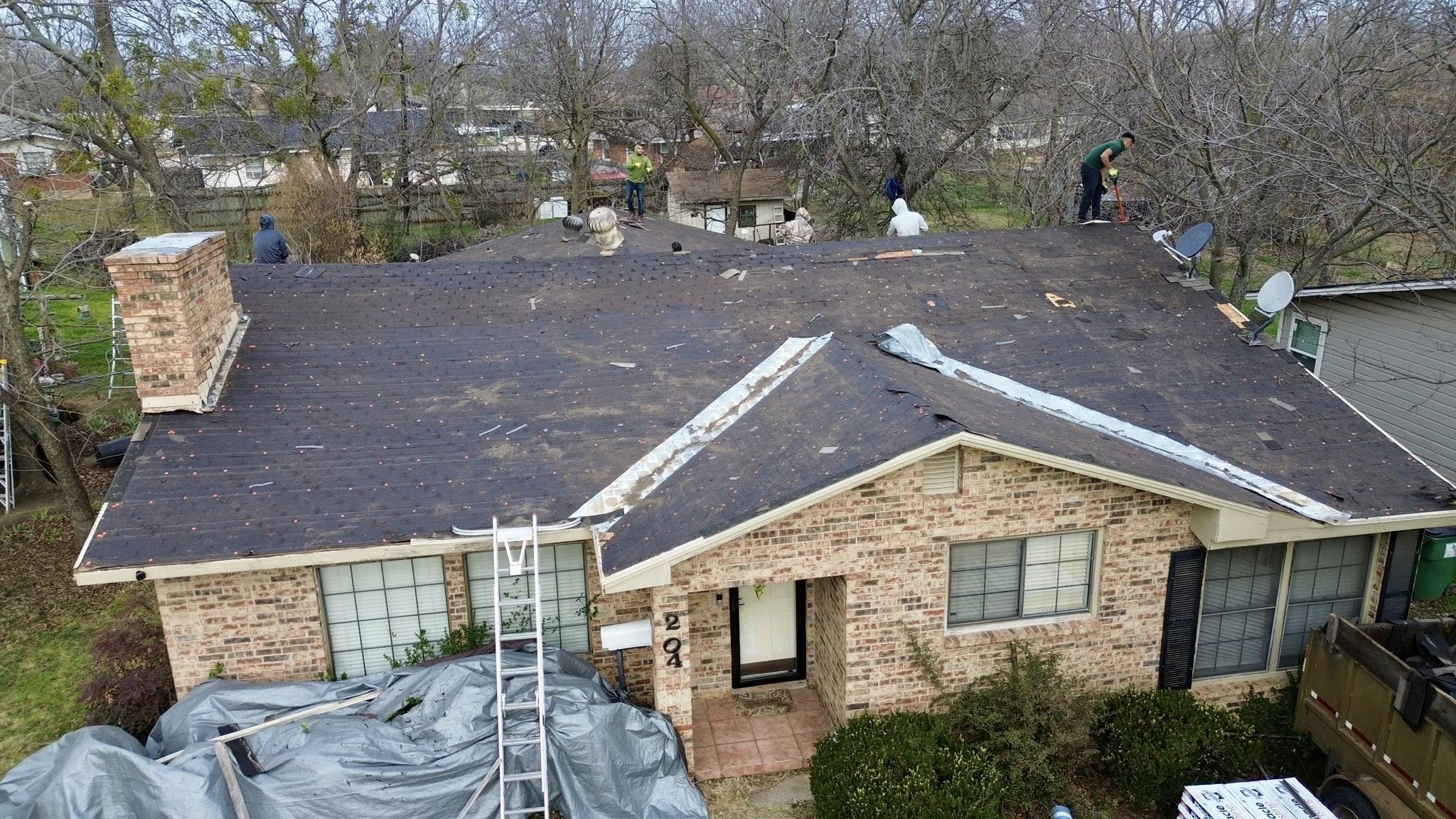
In some cases, chimney leaks are not isolated problems but indicators of broader roofing system failure. When water has been entering the roof for an extended period, it can weaken multiple layers beneath the surface. This may require partial or full roof section restoration rather than simple localized repairs.
Signs that restoration may be necessary include widespread water damage in the attic, multiple leak points around the chimney, or repeated failure of previous repairs. These conditions suggest that the underlying roofing structure has been compromised beyond surface level fixes.
Roof section restoration typically involves removing affected materials down to the roof deck and rebuilding the area with new underlayment, flashing, and roofing material. While more extensive, this approach ensures that hidden damage is fully addressed rather than temporarily covered.
In severe cases, chimney reconstruction may also be required if masonry damage is extensive. This ensures that both the roof and chimney are structurally sound and capable of supporting long term performance.
Final Practical Advice for Homeowners
Homeowners can significantly reduce chimney leak risks by paying attention to early warning signs and scheduling regular roof inspections. Small changes in ceiling appearance, attic moisture, or exterior flashing condition should never be ignored, as they often indicate developing issues.
It is also important to understand that chimney leaks rarely resolve on their own. Even minor gaps or cracks tend to worsen over time due to weather exposure and material movement. Prompt action is the most effective way to prevent escalation.
Working with experienced roofing professionals is essential when dealing with chimney related issues because accurate diagnosis requires understanding how water moves through multiple roof layers. Improper repairs often mask the problem temporarily rather than solving it.
Conclusion
Roof leaks around chimneys are among the most common and complex roofing issues homeowners face because they involve multiple materials, structural transitions, and constant exposure to harsh environmental conditions. The combination of flashing systems, masonry surfaces, and water flow disruption creates a high risk zone where even small defects can lead to significant damage over time.
Understanding the causes of chimney leaks helps homeowners recognize that these problems are usually the result of long term wear, installation issues, or material separation rather than sudden failure. This makes early detection and regular maintenance essential for preventing costly repairs and protecting the overall roofing system.
By addressing chimney vulnerabilities proactively and ensuring proper installation and maintenance, homeowners can greatly reduce the likelihood of recurring leaks and extend the lifespan of their roof.