
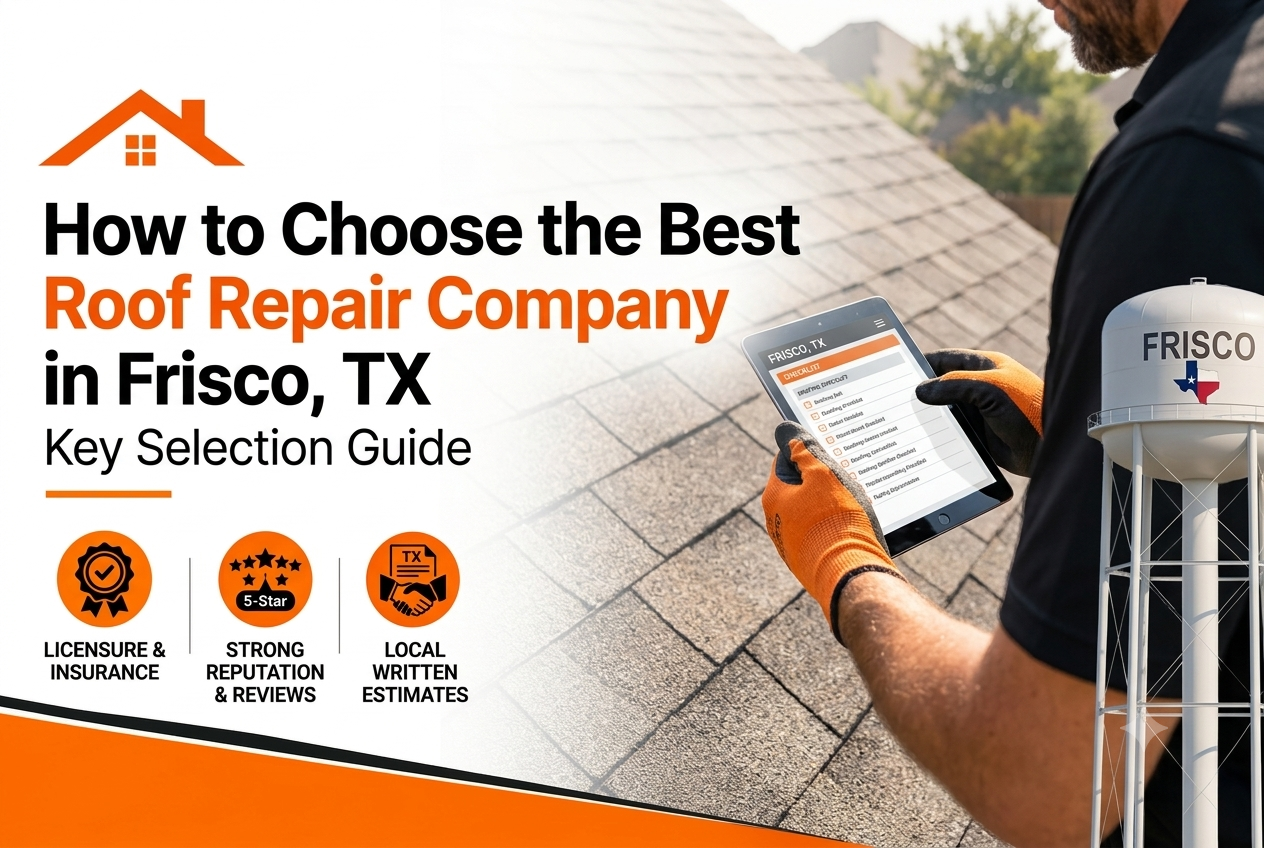
How to Choose the Best Roof Repair Company in Frisco, TX
Introduction
Your roof protects your home from heavy rain, strong winds, hail, intense Texas heat, and other changing weather conditions. When shingles become loose, leaks appear, or storm damage develops, choosing the right roof repair company in Frisco, TX, can help prevent minor issues from turning into expensive structural problems. A qualified roofing contractor can identify the source of the damage, recommend an appropriate solution, and help restore your roof’s performance.
However, finding a dependable roofer requires more than choosing the first company that appears in search results. Homeowners should evaluate licensing and insurance requirements, local experience, customer feedback, written estimates, warranties, and communication practices before making a decision. Taking time to compare these factors can help you avoid poor workmanship, unexpected charges, and unnecessary repairs.
Frisco homeowners face several roofing challenges throughout the year, including intense sunlight, seasonal thunderstorms, high winds, and occasional hailstorms. These conditions can weaken roofing materials and expose hidden problems that may not be visible from the ground. Understanding your roof’s condition and knowing what to look for in a contractor will help you make a confident, informed choice.
This guide explains how to assess your roofing needs, compare contractors, review estimates, and recognize the qualities of a trustworthy roof repair company. By following these practical steps, you can find a professional who understands local weather conditions and prioritizes your home’s long-term protection.
🏠 Understanding Your Roof Repair Needs
Before contacting a roofing contractor, take time to understand the problems affecting your roof. You do not need to climb onto the roof or diagnose the damage yourself. Instead, look for visible warning signs from a safe location and note when the problem first appeared.
Recognizing Common Signs of Roof Damage
Roof damage can develop gradually through normal aging or appear suddenly after severe weather. Identifying early warning signs helps you explain the situation clearly when requesting an inspection.
Common signs that may indicate a need for professional roof repair include:
- Missing or damaged shingles: Shingles that are cracked, curled, loose, or missing can expose the underlying roofing system to moisture.
- Water stains on ceilings: Brown spots, peeling paint, or damp drywall may indicate a roof leak or another moisture problem.
- Granules in gutters: An unusual buildup of shingle granules can indicate wear, especially when combined with other signs of deterioration.
- Damaged flashing: Loose or deteriorated flashing around chimneys, vents, and skylights can allow water to enter vulnerable areas.
- Sagging roof sections: Visible dips or uneven areas may signal structural concerns that require prompt professional evaluation.
- Daylight in the attic: Light entering through unexpected openings can indicate gaps or damage that may also allow moisture inside.
Not every symptom means the roof itself is responsible. For example, attic condensation, plumbing leaks, or ventilation problems can sometimes resemble roofing issues. A professional inspection can help determine the actual cause and prevent you from paying for an unnecessary repair.
Consider Frisco’s Weather Conditions
Frisco experiences hot summers, seasonal storms, strong winds, and occasional hail. Prolonged sun exposure can contribute to material deterioration, while wind and hail may damage shingles, flashing, vents, and other roof components.
After a storm, some damage may be difficult to notice from the ground. Hail impacts can affect shingles and other roofing materials, while wind may loosen shingles without immediately causing an indoor leak. If you suspect storm damage, arrange a professional inspection and document visible problems from a safe location.
Homeowners should also consider the roof’s age, previous repairs, ventilation, and drainage. These factors can influence how well the roof withstands local weather and whether a targeted repair is likely to provide a lasting result.
Decide What Information to Share With the Roofer
Before scheduling an appointment, gather basic details about the problem. Record when you noticed the damage, whether it appeared after a storm, which rooms show signs of leakage, and whether previous repairs were completed in the same area.
Photographs taken safely from the ground or indoors can help illustrate the issue. Share any relevant maintenance records or previous inspection reports, if available. This information gives the contractor a useful starting point, although an on-site inspection is generally necessary to confirm the cause and scope of the damage.
🔍 Why Choosing the Right Roofing Contractor Matters
Roof repairs require appropriate materials, careful workmanship, and an understanding of how different parts of a roofing system work together. A poorly completed repair may temporarily conceal a leak while leaving the underlying problem unresolved. Over time, moisture can damage insulation, ceilings, wood framing, and interior finishes.
A dependable contractor focuses on identifying the source of the issue instead of recommending the quickest or most expensive solution. They should explain the problem in understandable language, outline suitable repair options, and provide a clear estimate before work begins. This approach helps homeowners understand what they are paying for and why the recommended work is necessary.
Protect Your Home From Further Damage
A properly completed repair can help prevent water intrusion, preserve roofing materials, and reduce the risk of more extensive damage. Addressing loose shingles, damaged flashing, or localized leaks early may also help homeowners avoid larger repair projects later.
Contractor selection is particularly important after hail or wind damage. A roofer who understands storm-related problems can inspect vulnerable areas, document findings, and explain which repairs are necessary. Be cautious of anyone who promises a complete solution without examining the roof or pressures you to sign an agreement immediately.
Avoid Unnecessary Expenses
The lowest estimate does not always provide the best value. A contractor may offer a low price by leaving out important work, using unsuitable materials, or failing to address the original cause of the damage. These shortcuts can lead to repeat repairs and additional expenses.
At the same time, the highest estimate is not automatically the most reliable. Homeowners should compare the scope of work, materials, labor, cleanup arrangements, warranty terms, and payment conditions. A detailed estimate makes it easier to understand the differences between contractors and select an option that fits the roof’s actual needs.
Prioritize Long-Term Roofing Performance
A quality repair should do more than cover a visible defect. It should address the underlying problem and work with the existing roofing system wherever possible. Proper installation, suitable materials, and attention to ventilation and drainage can contribute to better long-term performance.
The right contractor will also explain when a repair may not be the most practical choice. If the roof has widespread deterioration or recurring problems across multiple areas, a professional assessment can help you compare repair costs with replacement options. Honest recommendations allow you to make a decision based on the roof’s condition rather than sales pressure.
📋 Check Credentials, Insurance, and Local Experience
Before hiring a roof repair company in Frisco, TX, verify its business information, insurance coverage, relevant credentials, and experience with similar projects. These checks help you evaluate whether the contractor is prepared to perform the work safely and professionally.
Verify Business Credentials
Ask for the company’s full business name, contact information, and details about any applicable registrations, permits, or professional credentials. Requirements can vary according to the work being performed and the applicable local rules, so confirm which requirements apply to your specific project.
Be wary of contractors who refuse to provide basic business information or give inconsistent answers about their qualifications. You should be able to communicate with a responsible company representative and receive written details about the proposed work.
Confirm Insurance Coverage
Roofing work involves risks to workers, property, and nearby structures. Ask the contractor for current proof of general liability insurance and workers’ compensation coverage, where applicable. Verify the information with the insurance provider when necessary, particularly before a large project begins.
Insurance arrangements can vary by business structure and state requirements. Do not assume that a verbal assurance is enough. Understanding the contractor’s coverage can help clarify how certain accidents or property damage may be handled during the project.
Look for Experience in Frisco
Local experience can be valuable because roofing contractors who regularly work in Frisco may be familiar with common roof styles, regional weather patterns, and area-specific project requirements. Ask whether the company has completed repairs similar to yours and whether it can provide examples of previous work.
You can also ask about experience with your particular roofing material, such as asphalt shingles, metal roofing, or tile. A contractor who understands the material’s installation and repair requirements is better positioned to recommend an appropriate solution.
Ask About Permits and Safety Practices
Some roofing projects may require permits or additional approvals, depending on their scope and local requirements. Ask the contractor whether permits are needed, who will obtain them, and whether inspections are part of the process.
A professional company should also explain how it protects workers, occupants, landscaping, and outdoor equipment during the repair. Clear safety procedures and reasonable site protection measures indicate that the contractor takes responsibility for the project seriously.
⭐ Read Customer Reviews and Check Reputation
Customer reviews can provide useful insight into how a roofing company treats homeowners before, during, and after a project. They may reveal patterns involving punctuality, workmanship, communication, billing accuracy, cleanup, and how the company responds when problems arise.
Check several independent review platforms rather than relying only on testimonials displayed on the contractor’s website. Look for recent feedback about projects similar to yours, especially roof repairs involving leaks, wind damage, hail, or replacement of damaged shingles.
Evaluate Reviews Carefully
A high star rating can be encouraging, but it should not be the only factor in your decision. Read the actual comments to understand why customers recommend the company and whether reviewers describe specific outcomes.
Pay attention to repeated complaints about missed appointments, unclear estimates, unexpected charges, or unfinished work. One negative review does not necessarily establish that a contractor is unreliable, but a consistent pattern of unresolved issues deserves attention.
Ask for References and Examples
A reputable roofing contractor may be willing to provide references from previous customers or examples of comparable projects. Ask about the type of repair completed, how the company handled unexpected problems, and whether the finished work met the homeowner’s expectations.
When reviewing project photographs, remember that pictures alone cannot confirm the quality of hidden repairs. Use them alongside customer feedback, written documentation, and your discussions with the contractor.
Assess Communication and Professionalism
The way a company communicates before the project begins can indicate how it may handle the work itself. A reliable contractor should answer reasonable questions, explain technical issues clearly, and provide realistic expectations about scheduling and costs.
Be cautious if a representative avoids direct questions, changes the proposed price without explanation, or uses aggressive sales tactics. Homeowners should have enough time to review the estimate and contract before committing to the project.
💰 Compare Roof Repair Estimates and Pricing
Obtaining written estimates from more than one qualified roofing company can help you understand the likely cost of your project. Whenever practical, request two or three estimates based on a similar scope of work so you can compare them fairly.
A useful estimate should identify the problem, describe the proposed repair, specify the materials, list labor and related charges, and explain the expected timeline. It should also clarify whether disposal, cleanup, permit fees, and any additional work are included in the quoted price.
Understand the Factors That Affect Repair Costs
Roof repair costs in Frisco vary according to the type and extent of damage, roof accessibility, materials, labor requirements, and whether hidden issues are discovered during the work. Replacing a few damaged shingles will generally involve a different scope of work from repairing a complicated leak around a chimney or addressing widespread storm damage.
The following table provides illustrative cost ranges for common roof repair situations. These are general planning estimates, not verified current Frisco contractor quotes. Actual prices may fall outside these ranges depending on the property and the work required.
| Roof Repair Type | Illustrative Cost Range |
|---|---|
| Minor shingle repair | $150 to $500 |
| Localized roof leak repair | $250 to $900 |
| Flashing repair or replacement | $200 to $800 |
| Small area of storm damage | $300 to $1,500 |
| Roof vent repair | $150 to $600 |
| More extensive structural or decking repairs | $500 to $2,500 or more |
Treat these figures as starting points rather than guaranteed prices. Ask contractors to inspect the affected areas and explain any significant differences between their estimates. If the roof has extensive damage, request a separate explanation of repair and replacement options before making a decision.
Compare More Than the Final Price
When reviewing estimates, focus on what each company promises to complete. One contractor may include replacement materials, flashing adjustments, and cleanup, while another may quote only the most visible damage. Comparing totals without checking these details can create a misleading impression of savings.
Use the following checklist when evaluating each proposal:
- Scope of work: Does the estimate explain the problem and identify the areas that will be repaired?
- Materials: Are the product type, quality, and quantities described clearly?
- Labor and extra charges: Are labor, disposal, permit fees, and possible additional costs explained?
- Timeline: Does the contractor provide a reasonable start date and estimated completion period?
- Warranty: Are workmanship and manufacturer warranty terms documented?
- Payment terms: Are deposits, progress payments, and the final payment schedule clearly stated?
Watch for Suspiciously Low Estimates
An unusually low quote may be legitimate, but it deserves careful review. Ask whether the contractor has excluded necessary repairs, proposed lower-quality materials, or assumed that the damage is less extensive than it actually is. Make sure any changes to the agreed scope are documented before additional work begins.
Avoid paying the entire project cost upfront without a clear contractual reason and appropriate safeguards. Request written payment terms, keep copies of receipts, and do not feel pressured to make an immediate decision. A transparent estimate and a clearly written agreement help establish expectations and reduce the risk of disputes.
Ask How Unexpected Repairs Will Be Handled
Roofing work sometimes reveals hidden damage that was not visible during the initial inspection. Before hiring a contractor, ask how the company will notify you if additional repairs are needed and whether work will pause until you approve the revised price.
A trustworthy contractor should explain the evidence supporting any additional work and provide an updated written estimate. This process helps you maintain control over the budget while ensuring that important problems are not ignored.
🛠️ Evaluate Roofing Materials and Repair Methods
Choosing a roof repair company involves more than comparing prices and reading reviews. You should also understand whether the contractor has experience with your roofing material and can recommend repair methods suited to your home’s needs. Using the wrong materials or installation techniques may lead to recurring leaks, premature deterioration, and avoidable expenses.
Choose a Contractor Familiar With Your Roof Type
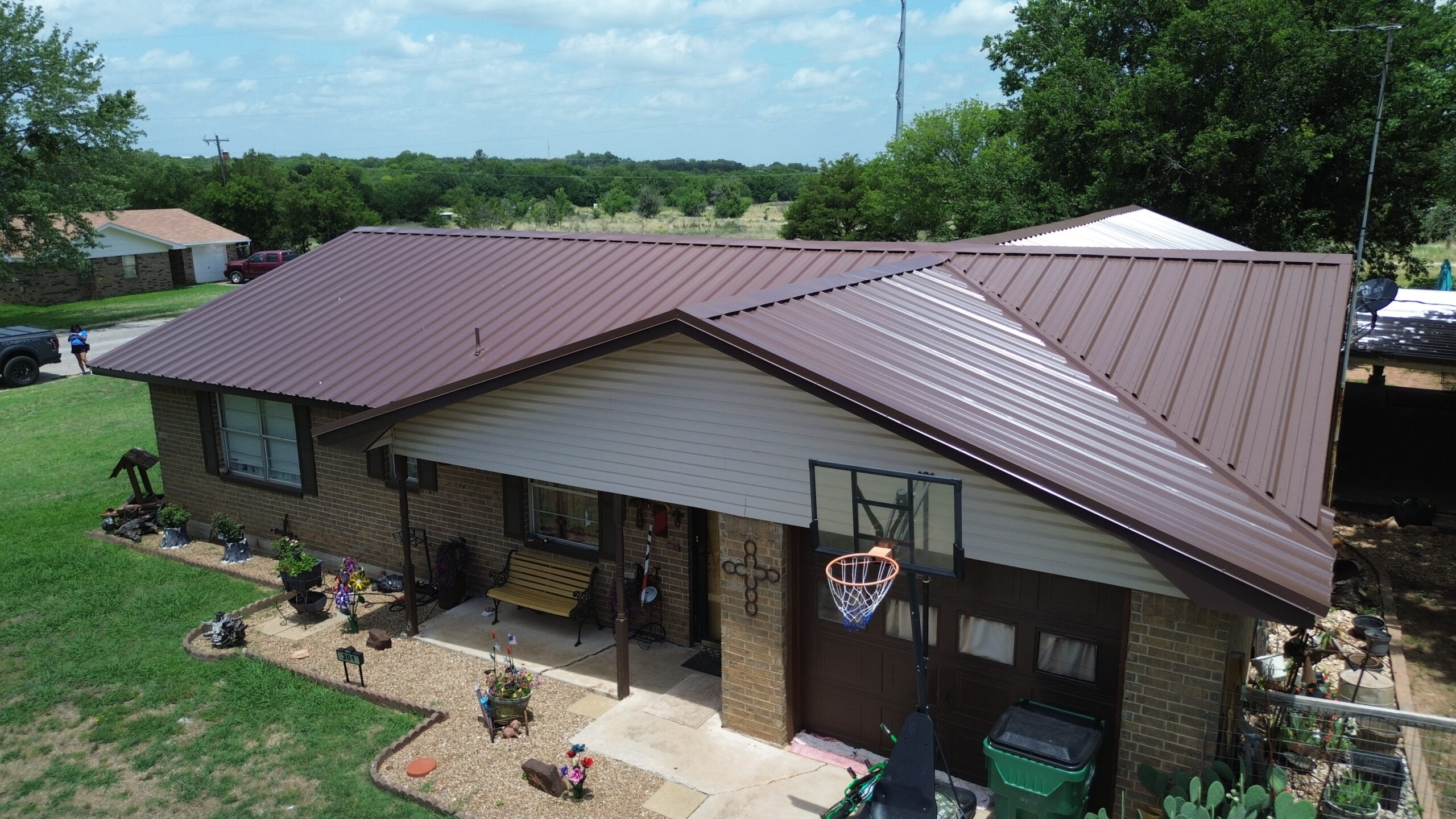
Homes in Frisco may have asphalt shingles, metal roofing, tile, or other roofing systems. Each material has different installation requirements, maintenance needs, and repair considerations. Ask potential contractors whether they regularly work with your roof type and how they approach the specific problem affecting your property.
Asphalt shingles may need replacement after wind damage, while metal roofs may require attention to fasteners, seams, or flashing. Tile roofing can require careful handling to prevent surrounding tiles from cracking during repairs. A qualified contractor should explain the appropriate method for your roof instead of recommending the same solution for every home.
Understand the Importance of Material Quality
Roofing materials vary in durability, appearance, weather resistance, and price. When replacement shingles, flashing, sealants, or underlayment are needed, ask the contractor to identify the proposed products and explain why they are suitable for your existing roof.
Matching replacement materials can also affect the finished appearance and performance of the repair. Differences in color, product design, or compatibility may be noticeable after the work is complete. Your contractor should explain any limitations involved in matching older roofing materials and discuss practical alternatives before beginning.
Ask About Proper Repair Techniques
A professional repair should address the cause of the damage rather than simply cover the visible symptoms. For example, applying sealant over a leaking area without identifying the water’s entry point may provide only temporary relief. Similarly, replacing damaged shingles may not resolve a leak caused by deteriorated flashing or a ventilation problem.
Ask the contractor to explain the planned repair in straightforward language. You should understand which components will be removed, replaced, sealed, or inspected and how the completed work will be checked. Clear explanations help you evaluate whether the proposed solution addresses the underlying issue.
🌩️ Choose a Company Experienced With Storm Damage
Frisco homeowners can experience strong winds, thunderstorms, and hail that may damage roofing materials without creating an immediate indoor leak. After severe weather, a qualified roofing contractor can inspect vulnerable areas and help determine whether repairs are necessary. Choosing a company with relevant storm damage experience can make the inspection and repair process easier to manage.
Know What Storm Damage Can Look Like
Storm-related roof problems vary depending on the weather event, roof design, materials, and condition before the storm. High winds may loosen shingles or damage roof edges, while hail can leave impacts on shingles, vents, flashing, and other exposed components. Heavy rainfall may reveal weak points that were not obvious during dry weather.
Look for visible changes from the ground, such as missing shingles, debris, displaced roof components, or water stains indoors. Do not climb onto a damaged roof to inspect it yourself because wet surfaces and weakened materials can create serious fall risks. Arrange a professional inspection when damage is suspected, even if the interior appears unaffected.
Document Damage and Keep Records
If you suspect storm damage, take photographs from a safe location and record when the weather event occurred. Keep notes about new leaks, ceiling stains, damaged gutters, or other changes noticed afterward. These records may help when discussing the problem with a contractor or contacting your insurance company.
Ask the roofer to provide written inspection findings and photographs where appropriate. The documentation should identify the affected areas, describe the observed damage, and explain the recommended repairs. A detailed report gives you a clearer basis for comparing estimates and deciding what to do next.
Be Careful With Insurance Promises
Homeowners insurance coverage depends on the policy, the cause of the damage, exclusions, deductibles, and other terms. Do not assume that every roofing problem is covered simply because it appeared after a storm. Normal wear, aging, maintenance issues, and sudden storm damage may be treated differently under an individual policy.
A roofing contractor can document observed conditions and provide a repair estimate, but the insurer determines coverage under the policy. Contact your insurance provider to understand reporting deadlines, documentation requirements, and the claims process. Be cautious of contractors who guarantee approval, encourage you to exaggerate damage, or ask you to misrepresent information.
Avoid High-Pressure Storm Chasers
After a major storm, contractors may approach homeowners offering immediate inspections or unusually attractive deals. Some may be legitimate businesses, but homeowners should verify company information, insurance, references, and written terms before agreeing to work.
Avoid signing a contract solely because someone claims the offer expires that day. Do not let a representative pressure you into authorizing repairs before you understand the damage and proposed costs. Taking time to verify the contractor can help protect you from poor workmanship and questionable billing practices.
📝 Understand Contracts, Warranties, and Guarantees
Before roof repair begins, review the written contract carefully. A clear agreement establishes what the contractor will do, which materials will be used, how much the work will cost, and what happens if unexpected problems arise. Never rely solely on verbal promises when significant work or expenses are involved.
Make Sure the Contract Covers Essential Details
The contract should identify the roofing company and homeowner, describe the repair, list the materials, and provide the agreed price. It should also explain the expected schedule, payment terms, cleanup responsibilities, and procedures for approving additional work. Check that any promises made during discussions are included in writing.
Read the cancellation terms and any conditions that could affect the final price. If the agreement refers to separate documents, such as warranty terms or a detailed estimate, make sure you receive and review them. Ask questions about unclear language before signing.
Understand Workmanship and Material Warranties
Roofing warranties can cover different aspects of a project. A workmanship warranty generally addresses certain installation or repair defects, while a manufacturer’s warranty may cover qualifying material defects under its stated conditions. Coverage, exclusions, duration, and claim procedures can differ significantly between providers.
Ask the contractor to explain exactly what each warranty covers and who is responsible for handling a claim. Find out whether the warranty requires specific maintenance, excludes particular types of damage, or depends on using approved materials. Keep copies of all warranty documents, invoices, and inspection reports for future reference.
Clarify Payment and Change-Order Policies
Your contract should clearly state the deposit, payment milestones, and final payment requirements. Ask whether any fees could be added if the contractor discovers hidden damage or if material availability affects the schedule. A written process for approving changes helps prevent disagreements about costs.
If additional repairs become necessary, request an explanation of the problem and an updated estimate before authorizing the extra work. Keep records of approved changes and payments. Avoid making undocumented cash payments or accepting vague assurances that the final cost will be determined later.
Confirm Cleanup and Final Inspection Procedures
Roof repair can leave behind old shingles, nails, packaging, and other debris. Ask whether the contractor will remove the waste, inspect the surrounding property, and use appropriate methods to collect loose nails. The agreement should clarify which cleanup tasks are included in the price.
Before making the final payment, review the completed work and ask the contractor to explain what was repaired. Request photographs of areas that are difficult to see from the ground and copies of relevant receipts or warranty documents. If you notice a concern, communicate it promptly and follow the process established in your contract.
⏱️ Assess Availability, Communication, and Response Time
A roofing company’s availability and communication style can affect the entire repair experience. When your roof is leaking, you need clear information about inspection scheduling, temporary protection, repair timing, and any steps required to limit further damage. A professional contractor should set realistic expectations and keep you informed when circumstances change.
Ask How Quickly the Company Can Respond
Response times depend on the severity of the problem, weather conditions, staffing, material availability, and existing appointments. Active leaks or exposed areas may require urgent attention, while minor cosmetic issues can sometimes wait for a scheduled inspection. Explain the situation when contacting the company so the contractor can help prioritize the next steps.
Ask whether the company provides emergency roof repair services and what those services include. Temporary protection, such as appropriate tarping, may help limit additional water entry until a permanent repair can be completed. Confirm the cost and limitations of temporary work before approving it.
Evaluate Communication From the First Call
A reliable roofing company should listen carefully, answer questions, and explain the next steps without using unnecessary technical language. The representative should be willing to discuss inspection procedures, estimates, scheduling, and documentation. If the company repeatedly ignores messages or gives conflicting answers before the project starts, consider whether that communication pattern is acceptable.
Ask who your main contact will be once work begins and how you will receive updates. Written communication through email or another agreed channel can help preserve a record of scheduling changes and decisions. Clear communication becomes especially important when weather delays or unexpected repairs affect the original plan.
Look for Realistic Scheduling Promises
A contractor should avoid promising an exact completion date before understanding the scope of work and possible complications. Rain, high winds, material shortages, and newly discovered damage can affect a roofing schedule. A professional company should explain these limitations and notify you when the expected timeline changes.
Ask whether the company expects to complete the work in one visit or over several days. Find out how the roof will be protected if repairs cannot be finished immediately. Realistic scheduling and regular updates are more valuable than an unrealistic promise designed to secure your business.
🏡 Questions to Ask Before Hiring a Roof Repair Company
Asking direct questions helps you compare contractors and understand what to expect before work begins. You do not need specialized roofing knowledge to evaluate whether a company provides clear, consistent answers. Use the following questions during your initial conversation or inspection appointment.
Questions About Experience and Qualifications
- How long have you been completing roof repairs in the Frisco area?
- Have you worked on roofs with the same materials and problems as mine?
- Can you provide proof of insurance and applicable business credentials?
- Can you share references or examples of similar completed projects?
- Will your employees perform the work, or will subcontractors be involved?
The answers should help you understand the contractor’s background and who will be responsible for the project. If subcontractors will be used, ask who supervises their work and how quality is checked. Verify important claims rather than relying entirely on verbal assurances.
Questions About the Inspection and Estimate
- What do you believe is causing the roof problem?
- Will you inspect the attic, flashing, ventilation, and other relevant areas when appropriate?
- Which repairs are necessary, and which are optional?
- Does the estimate include labor, materials, disposal, and applicable fees?
- How will you notify me if additional damage is discovered?
A good contractor should be able to explain the evidence supporting the proposed repair. If the diagnosis is uncertain, ask what further inspection is needed before a final recommendation can be made. Make sure the written estimate matches the explanation you received.
Questions About the Project and Warranty
- When can the repair begin, and how long is it expected to take?
- How will you protect the property during the work?
- What cleanup and final inspection procedures are included?
- What workmanship warranty applies to the repair?
- Who should I contact if the problem returns after completion?
Keep notes about the answers and compare them across companies. A contractor who communicates openly and provides written details may be easier to work with than one who offers vague assurances. The goal is to choose a company that fits the property’s needs and gives you a clear understanding of the agreement.
⚠️ Common Mistakes to Avoid When Hiring a Roofer
Even homeowners who research contractors can make decisions that lead to unnecessary costs or disappointing results. Avoiding a few common mistakes can help you evaluate proposals carefully and protect your investment.
Choosing a Contractor Based Only on Price
A low quote may seem attractive, especially when a roof repair is unexpected. However, the cheapest proposal may exclude essential work, use unsuitable materials, or provide limited warranty protection. Compare the complete scope of work and the contractor’s qualifications before deciding which estimate offers the best value.
Skipping Insurance and Reference Checks
A professional-looking website or polished sales presentation does not prove that a contractor is properly insured or experienced. Ask for documentation and verify references before signing an agreement. These steps take time, but they can help you avoid businesses that lack the experience or accountability your project requires.
Accepting Verbal Promises
Verbal discussions can be helpful, but they may lead to misunderstandings when prices, materials, or schedules change. Make sure the agreed scope, payment terms, warranties, and additional-work procedures appear in the written contract. Keep copies of the signed agreement and all approved changes.
Ignoring Small Leaks and Warning Signs
A small water stain may appear harmless, but recurring moisture can damage insulation, wood, and interior finishes. Do not assume the problem will disappear when the weather improves. Arrange an inspection to identify the source and determine whether a repair is needed.
Signing Under Pressure After a Storm
Urgency can make homeowners vulnerable to aggressive sales tactics. Be cautious of contractors who demand an immediate signature, guarantee insurance approval, or offer a price that seems too good to be true. Verify the company and understand the contract before committing to major work.
Failing to Review the Finished Work
Do not assume that a completed job is satisfactory simply because the crew has left the property. Ask the contractor to explain the repairs, provide appropriate documentation, and address any concerns promptly. Review the invoice and warranty paperwork so you understand what was completed and what protection applies.
📊 Roof Repair vs. Roof Replacement: Making the Right Decision
One of the most important decisions a homeowner may face is whether to repair the existing roof or replace it. The right choice depends on the roof’s age, overall condition, extent of damage, repair history, and expected future costs. A qualified contractor should assess these factors before recommending a major project.
When Roof Repair May Be Appropriate
Roof repair may be a practical option when the damage is limited to a small area and the rest of the roofing system remains in good condition. Examples include replacing several missing shingles, repairing localized flashing damage, or addressing a leak caused by a specific defect. Targeted repairs can help extend the roof’s useful life without the expense of a full replacement.
However, the contractor should confirm that the surrounding materials are still serviceable and that the proposed repair addresses the underlying cause. If similar problems continue to appear in different areas, ask whether repeated repairs remain cost-effective. A repair that solves one isolated problem may not resolve widespread deterioration.
When Roof Replacement May Be Worth Considering
Replacement may be appropriate when the roof has widespread damage, significant deterioration, recurring leaks, or multiple areas that require substantial repairs. The decision may also depend on the roofing material’s age and the condition of the underlying decking. A professional assessment can help identify whether the existing system can reasonably continue to provide reliable protection.
Do not base the decision on age alone. Roof lifespan varies with material quality, installation, ventilation, maintenance, and weather exposure. Ask the contractor to document the roof’s condition and explain why replacement would offer better value than repairing the affected areas.
Compare the Main Factors
| Decision Factor | Roof Repair | Roof Replacement |
|---|---|---|
| Extent of damage | Usually suited to localized problems | Often considered for widespread deterioration |
| Initial expense | Generally lower for limited repairs | Typically a larger upfront investment |
| Project duration | Often shorter, depending on the repair | Usually requires more time and coordination |
| Existing materials | Retains most of the current roof | Replaces a substantial portion or all of the roofing system |
| Long-term outlook | Depends on the remaining roof condition | Can provide a renewed roofing system when properly installed |
| Best next step | Confirm the damage is limited and repairable | Obtain an inspection and compare the long-term costs |
Request a Clear Comparison Before Deciding
If a contractor recommends replacing the entire roof, ask for the inspection findings that support the recommendation. Request a separate repair estimate when a repair is technically reasonable, and compare both options in terms of price, expected performance, warranties, and potential future maintenance. This approach gives you a more complete picture of the available choices.
Be cautious of any company that recommends replacement without examining the roof or explaining its findings. Likewise, a contractor should not promise that a small repair will solve every problem if the roofing system has widespread deterioration. The most useful recommendation is one that reflects the roof’s actual condition, your budget, and your property’s long-term needs.
💡 Tips for Finding a Reliable Roof Repair Company in Frisco
Finding a dependable roofing contractor becomes easier when you follow a consistent evaluation process. Rather than choosing the first company you find online, compare several qualified providers and review their experience, communication, pricing, and warranty terms. A little preparation can help you avoid rushed decisions and select a contractor who understands your home’s needs.
Research Local Roofing Companies
Start by identifying roofing companies that serve Frisco, TX, and have experience with the type of repair your home requires. Review their websites, customer feedback, service descriptions, and examples of completed projects. Look for businesses that provide clear contact information and explain their inspection and repair processes.
Ask friends, neighbors, or colleagues whether they have worked with a local roofer they would recommend. Personal recommendations can provide useful insights into scheduling, workmanship, and customer service. However, verify the company’s credentials and insurance independently before hiring it.
Arrange a Professional Roof Inspection
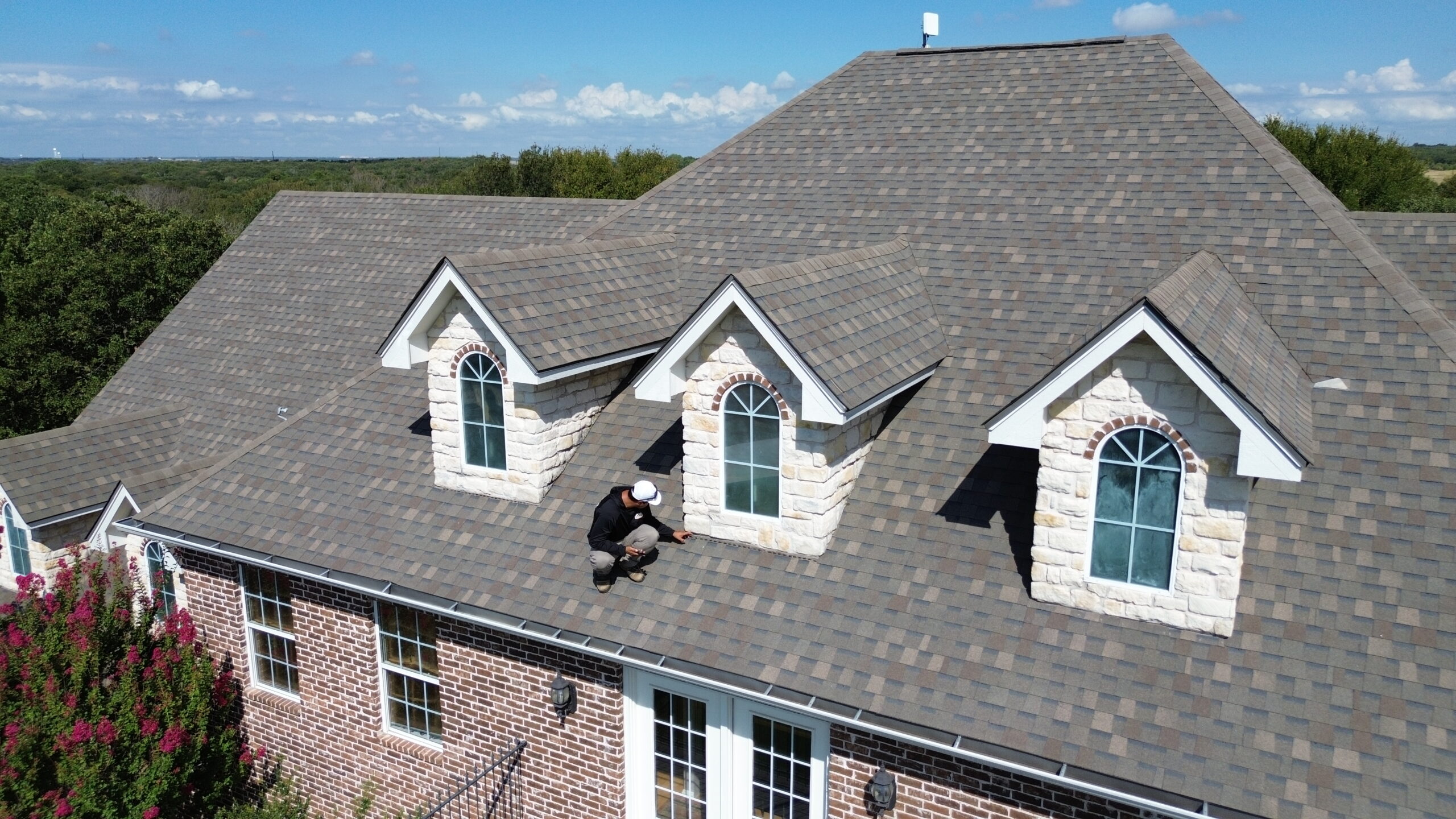
A detailed inspection helps establish the condition of your roof before you commit to a repair. Ask the contractor to examine the affected area and any related components that could contribute to the problem. Depending on the situation, this may include shingles, flashing, roof penetrations, drainage, attic conditions, or visible structural concerns.
Request a written explanation of the findings and recommendations. If the contractor identifies damage that cannot be confirmed from the initial inspection, ask what additional assessment is necessary. A clear diagnosis helps you compare estimates based on the actual condition of your roof.
Compare Multiple Written Estimates
Whenever practical, obtain two or three estimates from qualified roofing companies. Give each contractor the same information about the problem so their proposals can be compared fairly. Review the recommended work, materials, labor, schedule, cleanup, and warranty coverage rather than focusing exclusively on the total price.
If one estimate is substantially higher or lower than the others, ask the contractor to explain the difference. The variation may reflect different materials, additional repairs, or an incomplete assessment. Comparing the details will help you understand which proposal offers the most suitable value.
Verify the Agreement Before Work Begins
Before signing, confirm that the written contract reflects everything you have discussed with the contractor. Check the price, scope of work, materials, payment schedule, estimated timeline, warranty terms, and procedures for approving extra repairs. Make sure you understand your responsibilities and know whom to contact if questions arise.
Keep copies of the contract, estimate, inspection report, invoices, and project-related messages. These records can help resolve misunderstandings and provide useful documentation for future maintenance. Do not authorize additional work until you understand the reason for the change and approve the revised cost.
Prioritize Quality, Safety, and Communication
A reliable roofing company should take reasonable precautions to protect workers, occupants, landscaping, and outdoor equipment. It should also explain how debris will be removed and how the completed repair will be reviewed. Ask about safety practices and project supervision before agreeing to the work.
Good communication matters throughout the project, from the initial inspection to the final walkthrough. Your contractor should provide updates about scheduling changes, weather delays, and unexpected damage. Choose a company that treats your questions respectfully and explains technical information in a way you can understand.
🚀 Why Choose Small Town Roofing & Construction for Roof Repair in Frisco, TX?
When evaluating roofing companies in Frisco, TX, homeowners should look for a contractor that understands their repair needs, communicates clearly, and provides a practical plan for protecting the property. Small Town Roofing & Construction is an option to consider when researching local roofing services. As with any contractor, homeowners should confirm the company’s current service availability, insurance, credentials, written estimates, and warranty terms before making a hiring decision.
Focus on Your Roof’s Specific Needs
Every roofing problem is different, and the right solution depends on the condition of the materials and the source of the damage. Before authorizing work, ask Small Town Roofing & Construction to explain the inspection findings and identify the repairs needed to address the problem. A clear scope of work can help you understand the purpose of each repair and make an informed decision.
Whether you are dealing with damaged shingles, a suspected leak, or roofing issues following a storm, request a professional assessment before deciding how to proceed. Ask whether the proposed work addresses the underlying cause rather than simply covering visible symptoms. You should also receive an explanation of any limitations or additional repairs that may be necessary.
Understand Pricing and Project Expectations
A written estimate gives you a practical way to review the proposed repair before committing to the project. Ask Small Town Roofing & Construction for details about labor, materials, cleanup, scheduling, and any additional charges that may apply. Comparing this information with other qualified contractors can help you determine whether the proposal suits your budget and expectations.
It is equally important to understand how unexpected damage will be handled. Confirm that additional work requires your approval and that changes to the original price will be documented. Clear payment terms and written agreements can help prevent confusion throughout the repair process.
Review Workmanship and Warranty Details
Before hiring any roofing company, ask what workmanship protection applies to the proposed repair and whether the materials carry a separate manufacturer’s warranty. Review the coverage period, exclusions, maintenance requirements, and procedures for reporting problems. Request copies of the relevant documents so you can refer to them after the project is complete.
After the work is finished, ask for a summary of the repairs and any available photographs or inspection records. Review the completed work from a safe location and communicate any concerns promptly. Keeping project records can also help you plan future roof maintenance and demonstrate what work has previously been completed.
Make an Informed Hiring Decision
Choosing Small Town Roofing & Construction or another roofing contractor should involve careful research rather than relying on advertising alone. Review customer feedback, verify insurance and applicable credentials, compare written estimates, and confirm the details of the contract. These steps can help you evaluate whether the company is a suitable fit for your property.
A dependable roofing experience begins with an accurate assessment, realistic expectations, and open communication. By checking the important details before work begins, you can make a more confident decision about repairing your roof and protecting your home from future weather-related problems.
❓ Frequently Asked Questions About Choosing a Roof Repair Company in Frisco, TX
How do I find a reliable roof repair company in Frisco, TX?
Start by researching local roofing contractors and checking their customer reviews, relevant experience, and business credentials. Ask for proof of insurance and obtain written estimates from two or three qualified companies when possible. Compare the proposed repairs, materials, payment terms, and warranty coverage instead of choosing solely by price. A reliable contractor should explain the problem clearly, answer your questions, and provide a written agreement before starting work.
How much does roof repair typically cost in Frisco?
Roof repair costs depend on the extent of damage, roofing material, accessibility, labor requirements, and whether hidden problems are discovered. Minor shingle repairs may cost a few hundred dollars, while more extensive leaks or storm damage can cost considerably more. Request a written estimate that separates the proposed work, materials, labor, and any additional charges. Comparing several estimates can help you understand the expected cost, but make sure each contractor is quoting a similar scope of work.
What qualifications should a roofing contractor have?
A roofing contractor should have relevant experience, appropriate insurance, and any registrations, permits, or credentials required for the specific project. Ask for proof of general liability coverage and workers’ compensation coverage where applicable. You should also verify references and look for experience with your roofing material and type of damage. Before hiring, confirm that the contractor can provide a detailed estimate and written contract outlining the work and warranty terms.
Should I get multiple roof repair estimates?
Yes, obtaining two or three written estimates can help you compare pricing, repair methods, materials, and project timelines. Give each contractor similar information about your roof so the proposals are easier to evaluate fairly. If one quote is much lower or higher than the others, ask for an explanation of the difference. The best choice is not necessarily the cheapest, but the contractor offering a suitable repair plan, clear terms, and appropriate qualifications.
How can I tell if my roof needs repair or replacement?
A localized problem, such as a few missing shingles or damaged flashing, may be suitable for repair when the rest of the roof remains in good condition. Widespread deterioration, recurring leaks, extensive storm damage, or significant damage to underlying materials may make replacement worth considering. A professional inspection can help determine the extent of the problem and identify practical options. Ask the contractor to compare the costs, expected performance, and warranty implications of repairing the existing roof versus replacing it.
Does homeowners insurance cover roof repairs in Frisco?
Homeowners insurance may cover roof damage caused by certain covered events, but coverage depends on your policy, exclusions, deductible, and the circumstances of the damage. Problems caused by normal wear, aging, or neglected maintenance may be treated differently from sudden storm damage. Contact your insurance provider to confirm coverage, reporting deadlines, and required documentation before assuming the repair will be reimbursed. Keep photographs, inspection findings, estimates, and claim-related communications for your records.
How quickly should I contact a roofer after storm damage?
Contact a roofing professional as soon as reasonably possible after you suspect storm damage, especially if water is entering your home or the roof has exposed areas. Prompt attention can help limit additional moisture damage and determine whether temporary protection is needed. Avoid climbing onto the roof yourself because damaged or wet surfaces can be dangerous. Document visible problems from a safe location and contact your insurance provider if you believe the damage may be covered.
What warranties should a roof repair company provide?
Ask whether the contractor offers a workmanship warranty covering qualifying problems related to the repair and whether the materials have a separate manufacturer’s warranty. Review the duration, exclusions, maintenance requirements, and process for submitting a claim before signing the agreement. Not every repair or material has identical warranty protection, so request the specific terms in writing. Keep copies of the contract, invoices, and warranty documents in case you need them later.
How can I avoid roofing scams after a hailstorm?
Research the contractor independently, verify insurance and relevant credentials, and ask for references before approving work. Be cautious of high-pressure sales tactics, unusually low quotes, demands for immediate signatures, or promises that your insurance claim will definitely be approved. Read the contract carefully and make sure the scope of work, costs, and payment terms are documented. Never agree to misrepresent damage or provide false information to an insurance company.
What should I expect during a professional roof inspection?
A roofing contractor will generally assess the reported problem and examine relevant roof components to identify visible damage and possible causes. Depending on the situation, the inspection may include shingles, flashing, vents, drainage areas, attic conditions, or signs of moisture intrusion. Afterward, ask for an explanation of the findings, photographs where appropriate, and a written estimate describing recommended repairs. Before authorizing work, confirm the price, materials, timeline, payment terms, and warranty details.
Conclusion
Choosing the best roof repair company in Frisco, TX, requires careful research, clear communication, and a good understanding of your home’s roofing needs. Start by identifying the signs of damage, arranging a professional inspection, and comparing written estimates from qualified contractors. Check insurance coverage, applicable credentials, customer feedback, material expertise, and warranty terms before making your final decision.
Remember that the lowest estimate does not always offer the best value, and the most expensive proposal is not automatically the most reliable. Focus on whether the contractor identifies the cause of the problem, explains the recommended work, provides transparent pricing, and documents the agreement. These steps can help you avoid unnecessary costs and make a more informed choice.
Frisco’s changing weather makes regular roof maintenance and timely repairs important for protecting your property. If you notice missing shingles, water stains, flashing damage, or signs of a possible leak, arrange a professional assessment rather than allowing the problem to continue. By evaluating Small Town Roofing & Construction and other qualified local providers using the same criteria, you can choose a roofing company that fits your needs, budget, and expectations.
Leave A Comment