
What Inspectors Look For in Residential Roofing Damage
Introduction
Residential roofing damage can develop in many different ways, and not every problem is immediately visible to a homeowner standing in the yard. Strong winds can loosen roofing materials, hail can create impact damage, and water can enter through small weaknesses around flashing or roof penetrations. Professional roofing inspectors use a systematic process to identify these conditions and determine which areas require further attention.
A roofing inspection is more than a search for missing shingles or obvious holes. Inspectors examine the roof surface, edges, valleys, flashing, drainage components, penetrations, and other areas that can affect how effectively the roof protects the home. They also consider signs of damage inside the attic or living spaces because some roofing problems become visible indoors before their exterior cause is easy to identify.
The type and severity of damage can vary depending on the roof’s material, age, design, installation, maintenance history, and exposure to weather. A small defect on a newer roof may require a different response than widespread deterioration on an older roofing system. Understanding what inspectors look for can help homeowners recognize why professional evaluations are useful after storms, leaks, or other concerns.
Professional inspections also help separate actual damage from normal aging and minor cosmetic conditions. Not every crack, stain, or surface change means that a roof has suffered serious damage. Inspectors consider the location, pattern, extent, and potential effect of each condition before determining whether repair, monitoring, or additional evaluation may be appropriate.
What Residential Roofing Damage Inspection Involves
A professional residential roofing damage inspection usually begins with an overall assessment of the property and roofing system. The inspector considers the roof’s design, visible materials, slopes, age if known, surrounding environment, and reason for the inspection. This information helps determine which areas may deserve particular attention.
The inspection may involve viewing the roof from ground level before closer examination begins. From the ground, inspectors can often identify missing materials, uneven roof lines, damaged gutters, visible debris, staining, and other obvious conditions. These initial observations help establish where more detailed inspection may be needed.
When conditions are safe and the inspection scope permits roof access, the inspector examines accessible roof surfaces more closely. The professional may look for displaced materials, cracks, punctures, deterioration, exposed underlayment, damaged flashing, and other signs that the roofing system may have been affected.
The inspection can also extend beyond the roof surface. Gutters, downspouts, roof edges, valleys, vents, skylights, chimneys, and other components can be important when evaluating damage. These areas may either contribute to roofing problems or provide evidence about how a particular problem developed.
Interior and attic areas may also be examined when appropriate. Water stains, damp insulation, damaged decking, or unusual moisture conditions can provide clues about possible roof damage. These findings are compared with exterior observations to help identify potential sources.
Inspectors may photograph significant conditions during the process. Good documentation can show where damage was found and provide homeowners with a clearer understanding of the inspection results. Photographs can also be useful when discussing repairs with a qualified roofing contractor.
Signs of Damage on Roofing Materials
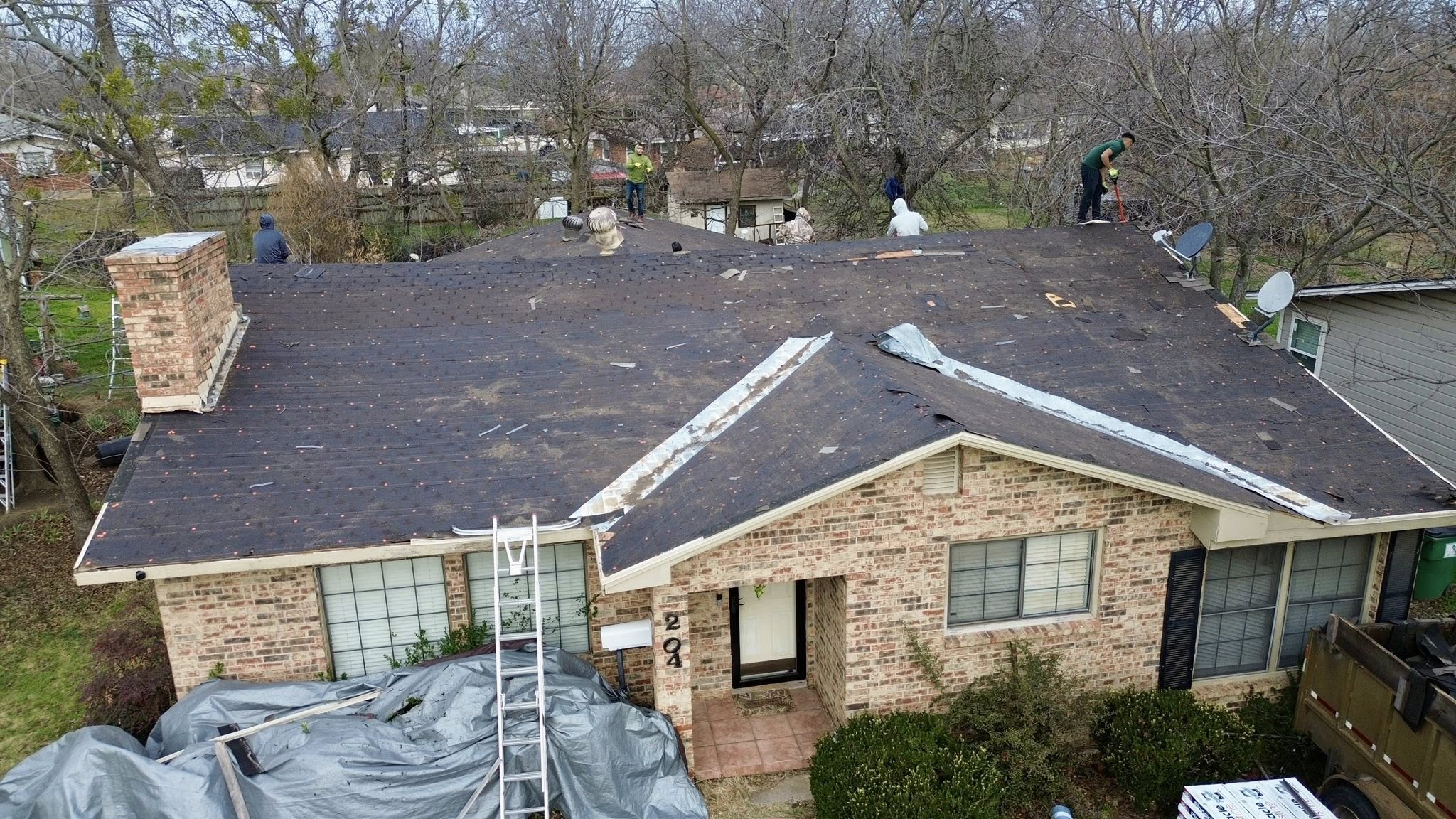
Roofing materials are among the first areas inspectors examine because visible damage can provide important information about the condition of the system. The specific signs depend on the material used, but inspectors generally look for changes that could reduce the roof’s ability to protect the home.
On asphalt shingle roofs, inspectors may look for missing, cracked, curled, lifted, or displaced shingles. They may also check for areas where shingles appear damaged by impact or where granules have been lost excessively. The pattern and location of these conditions can help determine whether the issue appears isolated or widespread.
Loose or lifted shingles can be particularly important because they may allow wind-driven rain to reach vulnerable areas beneath the roofing surface. Inspectors examine surrounding materials to determine whether displacement has affected nearby shingles or underlying components.
Metal roofing requires a different inspection approach. Professionals may examine panels for dents, punctures, corrosion, loose fasteners, damaged seams, or coating deterioration. The condition of joints and transitions can also be important because water may enter where panels or flashing are no longer properly connected.
Tile roofs can show damage through cracked, broken, or displaced tiles. Inspectors also consider the condition of surrounding components because a damaged tile may expose underlying materials to weather. Since some tile systems can be fragile, inspection methods should be appropriate for the specific roof.
Inspectors also look for unusual surface patterns. Areas of widespread deterioration may suggest aging or environmental exposure, while localized damage may point toward a specific event or isolated defect. The professional considers these patterns instead of treating every damaged-looking area as the same type of problem.
The condition of the roofing material is also evaluated in relation to the roof’s age. Normal aging can produce certain changes that are different from sudden storm damage. An experienced inspector considers both the appearance of the material and the broader history of the roof.
How Inspectors Check for Wind Damage
Wind can damage residential roofs in several ways, particularly when strong gusts place pressure on roofing materials and exposed roof components. Inspectors pay close attention to areas where wind may have lifted, displaced, loosened, or damaged materials.
Roof edges and corners are often important inspection areas because they can experience greater wind exposure than more protected sections. Inspectors may examine shingles, edge materials, flashing, and other components for displacement or visible signs of wind-related stress.
Missing shingles can be an obvious sign of wind damage, but inspectors also look for materials that remain in place but have become lifted or loosened. A shingle does not necessarily need to be completely missing to have been affected by wind.
The inspector may also look at the pattern of damage across the roof. A concentration of displaced materials along certain edges or slopes may provide clues about wind exposure. Nearby trees, buildings, and roof orientation can also influence how wind affects different sections.
Wind damage can extend beyond the main roofing surface. Gutters, vents, flashing, ridge components, and other exterior elements may also be affected. Inspectors therefore evaluate related components rather than focusing exclusively on shingles.
The surrounding property may provide additional evidence. Roofing debris in the yard, damaged branches, or materials found away from their original location can indicate that strong winds affected the property. However, these observations must be considered together with the actual condition of the roof.
Inspectors also distinguish wind damage from long-term deterioration. Aging materials can become loose or brittle without a specific storm causing the condition. The inspector considers the appearance, location, pattern, and overall roof history when evaluating likely causes.
How Hail and Impact Damage Is Identified
Hail can create impact damage that may be more difficult to recognize than missing or displaced roofing materials. Inspectors look for physical changes that could indicate that roofing materials have been struck by hail or another object.
On asphalt shingles, impact may create localized surface damage, fractures, or areas where protective granules have been disturbed or removed. Inspectors examine the roof systematically because impact damage may appear across multiple sections rather than in one obvious location.
The pattern of potential impact marks can be important. Hail exposure may affect roof surfaces, metal components, gutters, vents, and other exposed areas. Inspectors may compare these observations with the reported weather event and the condition of surrounding property components.
Metal gutters and downspouts can sometimes provide useful clues because dents or impact marks may remain visible even when roofing damage is less obvious. These observations do not automatically prove the cause of roof damage, but they can provide additional context.
Inspectors also look at other exterior features that may have experienced the same weather event. Screens, outdoor equipment, siding, or nearby surfaces can sometimes show evidence of impact. The inspection focuses on the roofing system, but surrounding observations may help establish whether significant weather occurred at the property.
Not every surface mark should be classified as hail damage. Roofing materials naturally change over time, and some surface irregularities may result from manufacturing, aging, installation, or other causes. Professional inspectors consider the overall pattern before identifying a condition as impact-related.
When hail damage is suspected, documentation becomes particularly useful. Photographs of affected areas can help homeowners understand what was observed and provide a record for further evaluation. If the damage is extensive or uncertain, a qualified roofing professional may recommend additional assessment.
Signs of Water Damage and Moisture Intrusion
Water damage is another major concern inspectors look for during residential roofing evaluations. A roof can allow moisture to enter through damaged roofing materials, deteriorated flashing, failed transitions, blocked drainage areas, or other weaknesses. The resulting damage may not always appear directly below the original entry point.
On the exterior, inspectors may look for deteriorated materials, damaged flashing, open joints, staining, biological growth, or areas where water may collect. They may also examine valleys and roof penetrations because these locations require careful water management.
Inside the home, water stains on ceilings or walls can provide important clues. Inspectors may also examine attic areas for damp insulation, stained decking, damaged wood, or other evidence of moisture. These signs are compared with exterior observations to identify possible sources.
Water can travel along roofing and structural components before becoming visible. For this reason, the location of an interior stain does not necessarily identify the exact point where water entered the roof. Inspectors use multiple observations to develop a more informed assessment.
The timing of a leak can also provide useful information. A homeowner may report that water appears only during heavy rain or certain wind conditions. This history can help the inspector focus attention on areas that may be affected under particular weather conditions.
Inspectors also distinguish between active and historical moisture evidence when possible. A stain may remain after an earlier leak has been repaired, so its presence alone does not prove that water is currently entering the home. Further evaluation may be recommended when the source or current status of moisture remains uncertain.
How Roof Edges, Valleys, and Flashing Are Examined
Roof edges, valleys, and flashing are critical areas because they help control how water moves across and away from the roofing system. Damage in these locations can create opportunities for moisture intrusion even when the main roof surface appears relatively intact.
At roof edges, inspectors may look for loose materials, damaged edge components, deterioration, and signs that wind or water has affected the perimeter. These areas can experience significant weather exposure and therefore deserve careful attention.
Valleys receive concentrated water flow from intersecting roof sections. Inspectors examine them for debris, damaged materials, deteriorated flashing, and conditions that may prevent proper drainage. A problem in a valley can affect a larger area because water from multiple roof surfaces may pass through it.
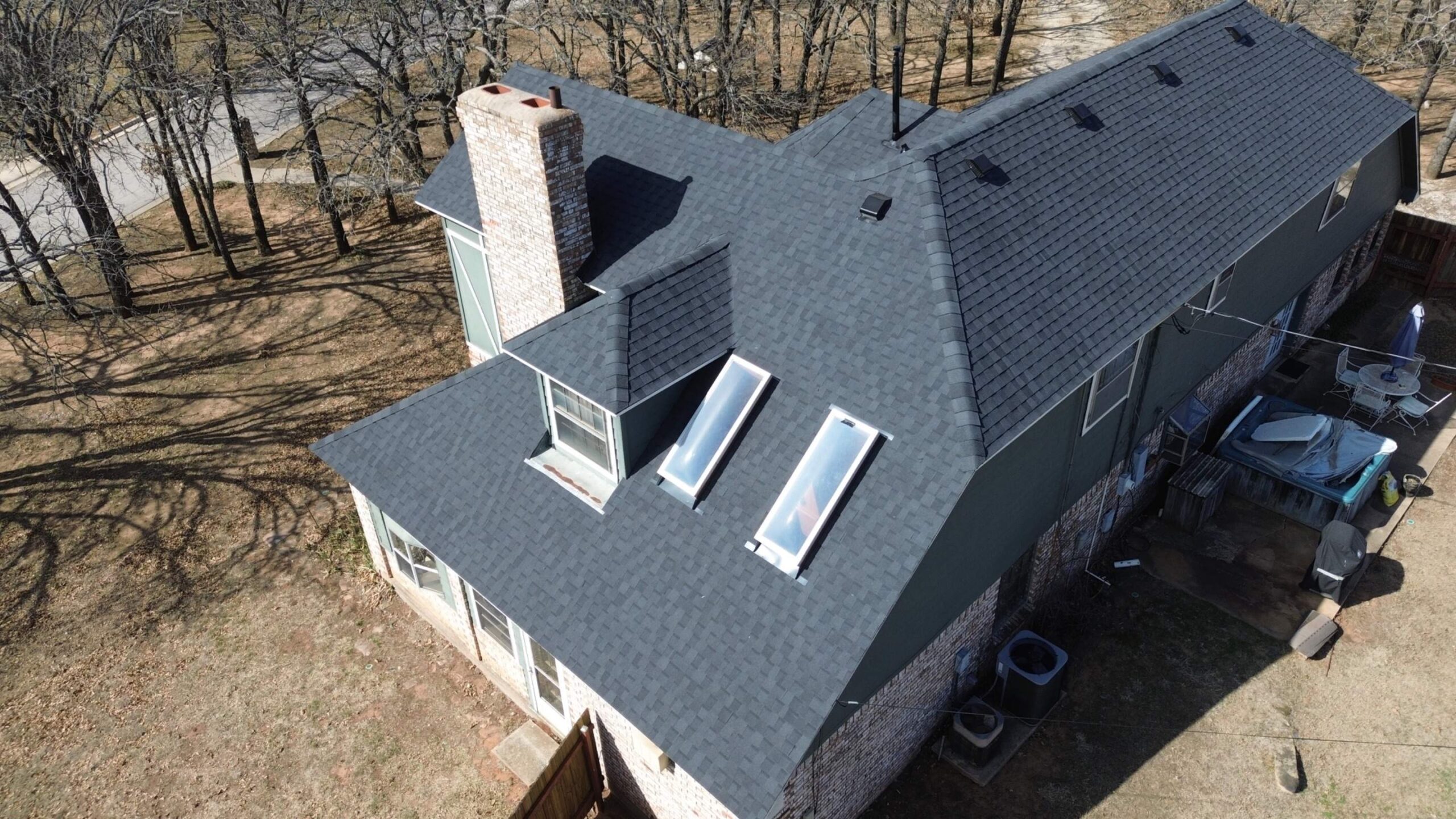
Flashing around chimneys, skylights, walls, vents, and other transitions is also inspected carefully. Professionals may look for gaps, corrosion, displacement, cracked sealants, or visible deterioration. These conditions can create potential entry points for water.
The inspector considers how these components interact with the surrounding roofing materials. A flashing problem may be connected to damaged shingles, poor drainage, or deterioration around a roof penetration. Understanding the relationship between components helps provide a more complete assessment.
By examining roofing materials together with wind exposure, impact evidence, moisture indicators, roof edges, valleys, and flashing, inspectors can develop a clearer picture of residential roofing damage. The next stage of the inspection looks more closely at penetrations, drainage systems, structural components, attic conditions, ventilation, and the documentation used to classify the findings.
How Inspectors Evaluate Roof Penetrations
Roof penetrations are areas where pipes, vents, skylights, chimneys, satellite equipment, or other structures pass through the roofing system. These locations require careful inspection because each penetration interrupts the continuous roof surface and must be properly sealed and integrated with surrounding materials. Damage or deterioration around these areas can create potential pathways for water.
Inspectors look closely at the flashing surrounding penetrations for visible gaps, displacement, corrosion, cracking, or other deterioration. They also examine the roofing materials immediately around the penetration to determine whether damage extends beyond the flashing itself. A problem in one component can sometimes affect several nearby areas.
Plumbing vent boots are another common inspection point. The inspector may check for cracking, deterioration, loose connections, or damaged surrounding materials. Because these components are exposed to weather over time, their condition can change even when the main roofing surface remains in relatively good condition.
Skylights receive additional attention because they combine glass or other transparent materials with flashing and roofing components. Inspectors may look for visible cracks, damaged seals, deteriorated flashing, or staining around the interior perimeter. Condensation and roof leaks can produce similar-looking symptoms, so observations must be considered carefully.
Chimneys can present more complicated inspection conditions because several flashing components may be involved. The inspector may examine visible flashing at the chimney base, surrounding roofing materials, and areas where water could move toward the structure. Interior staining near a chimney may provide additional clues about potential moisture entry.
Inspectors do not automatically consider aging sealant to be evidence of major roof failure. Sealants can deteriorate over time, but the importance of the condition depends on the surrounding components and whether water can enter the roofing assembly. The professional evaluates the entire penetration area rather than focusing on one material.
When damage is found around a penetration, documentation is important. Photographs can show the condition and location of the issue, while written observations can explain whether the concern appears isolated or connected to broader deterioration. This information can help determine whether localized repair or additional evaluation may be appropriate.
Checking Gutters, Downspouts, and Drainage Damage
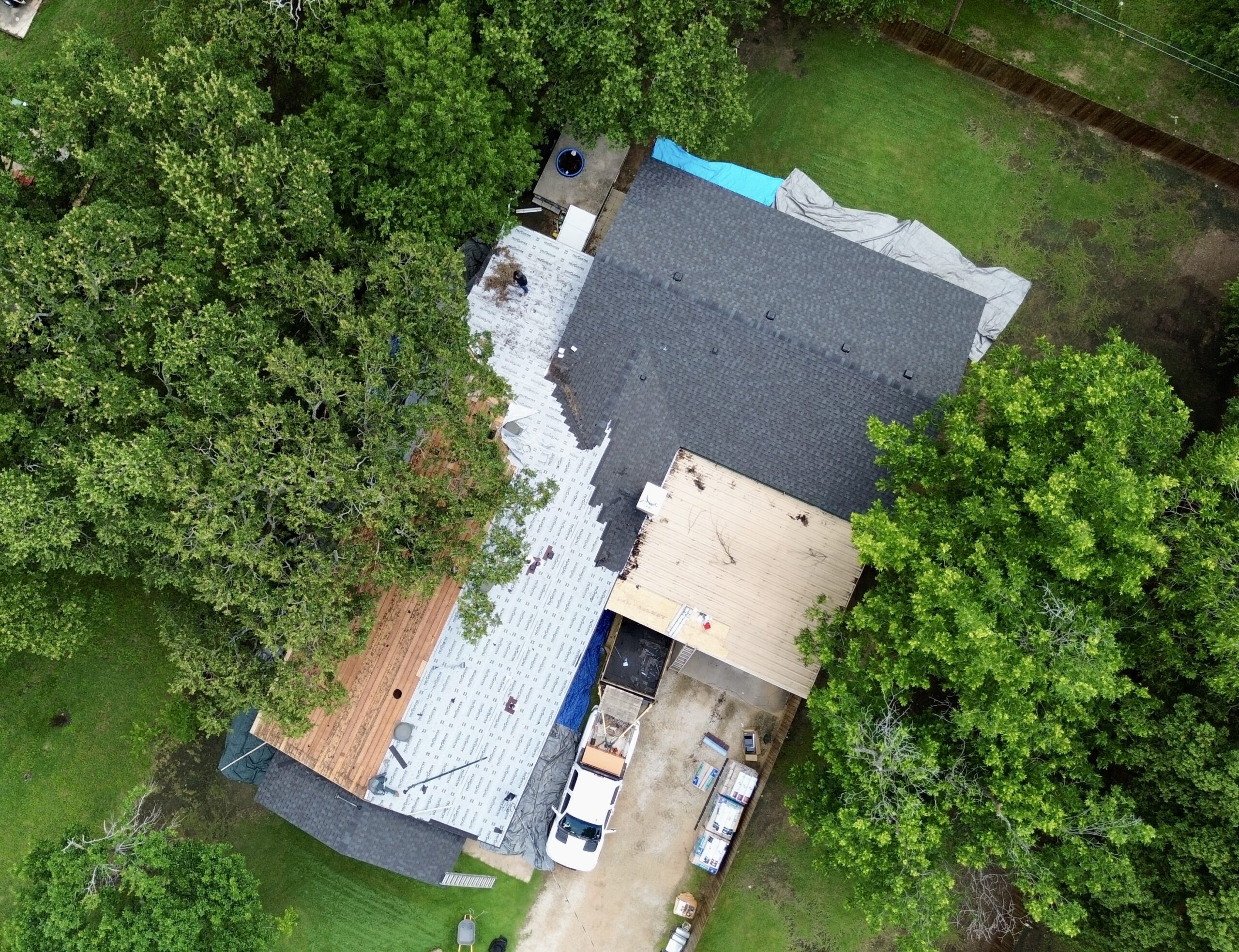
Effective drainage is essential to the performance of a residential roofing system. Rainwater needs to move away from the roof surface and discharge safely through gutters, downspouts, and other drainage pathways. Inspectors therefore examine these components when evaluating roofing damage.
Gutters may be checked for dents, cracks, separation, corrosion, sagging, or excessive debris. An inspector may also look for signs that water has repeatedly overflowed from a particular area. Staining on exterior surfaces can sometimes provide evidence of ongoing or previous drainage problems.
Downspouts are inspected for visible damage, loose connections, blockages, or discharge conditions that may affect the property. A downspout that is disconnected or obstructed may cause water to collect near the building. While this may not represent direct roof damage, poor drainage can contribute to moisture-related problems around the home.
Roof valleys and low points are also important drainage areas. Inspectors look for debris or damaged materials that could interfere with normal water movement. When water remains concentrated in one area, repeated exposure may increase deterioration of roofing materials and related components.
Roof edges can show evidence of drainage problems as well. Damaged edge materials, staining, or deterioration may indicate that water has not been moving as intended. Inspectors consider these signs together with gutter and downspout conditions.
Heavy debris accumulation can also affect drainage performance. Leaves, branches, dirt, and other material can obstruct gutters or roof drainage paths. If the inspector identifies a maintenance-related problem, the recommendation may focus on cleaning or correcting the obstruction rather than replacing otherwise functional roofing materials.
The condition of the drainage system is therefore part of the overall damage assessment. A roof may have relatively limited surface damage but still experience increased risk if water cannot move away effectively. Inspectors consider drainage because preventing prolonged water exposure is an important part of protecting roofing materials.
Inspecting Roof Decking and Structural Conditions
The roof decking provides a supporting surface beneath many roofing materials, making its condition an important consideration during a professional inspection. Damage to the decking may result from prolonged moisture exposure, deterioration, structural movement, or other causes. However, much of the decking is not directly visible during a standard exterior inspection.
Where accessible, inspectors may examine exposed or visible decking from the attic. They may look for staining, discoloration, deterioration, sagging, damaged wood, or other unusual conditions. These observations can provide clues about the condition of the roof assembly.
Roof surfaces that appear uneven or sagging may also require additional attention. A visible depression does not automatically establish a structural failure, as different conditions can produce similar appearances. The inspector documents the observation and may recommend further evaluation when necessary.
Moisture can be particularly important when evaluating decking. Long-term water exposure can weaken certain materials or contribute to deterioration. If the inspector sees moisture evidence in the attic, they may compare it with exterior roofing conditions to identify potential sources.
Structural concerns can extend beyond the decking itself. Rafters, trusses, supports, and other components may show visible signs of distress in some circumstances. A roofing inspector can identify and document apparent concerns, but complex structural questions may require evaluation by an appropriately qualified structural professional.
Inspectors also consider whether previous repairs may have affected the roof structure. Replaced sections of decking, patched areas, or modifications may indicate that the roof has experienced earlier damage. Understanding the history of these areas can help interpret current observations.
A structural observation should be treated carefully because not every irregularity means that the roof is unsafe. Professional inspection focuses on identifying visible evidence and determining whether additional assessment is warranted. This approach avoids making conclusions that cannot be supported by the inspection.
Identifying Ventilation-Related Roofing Damage
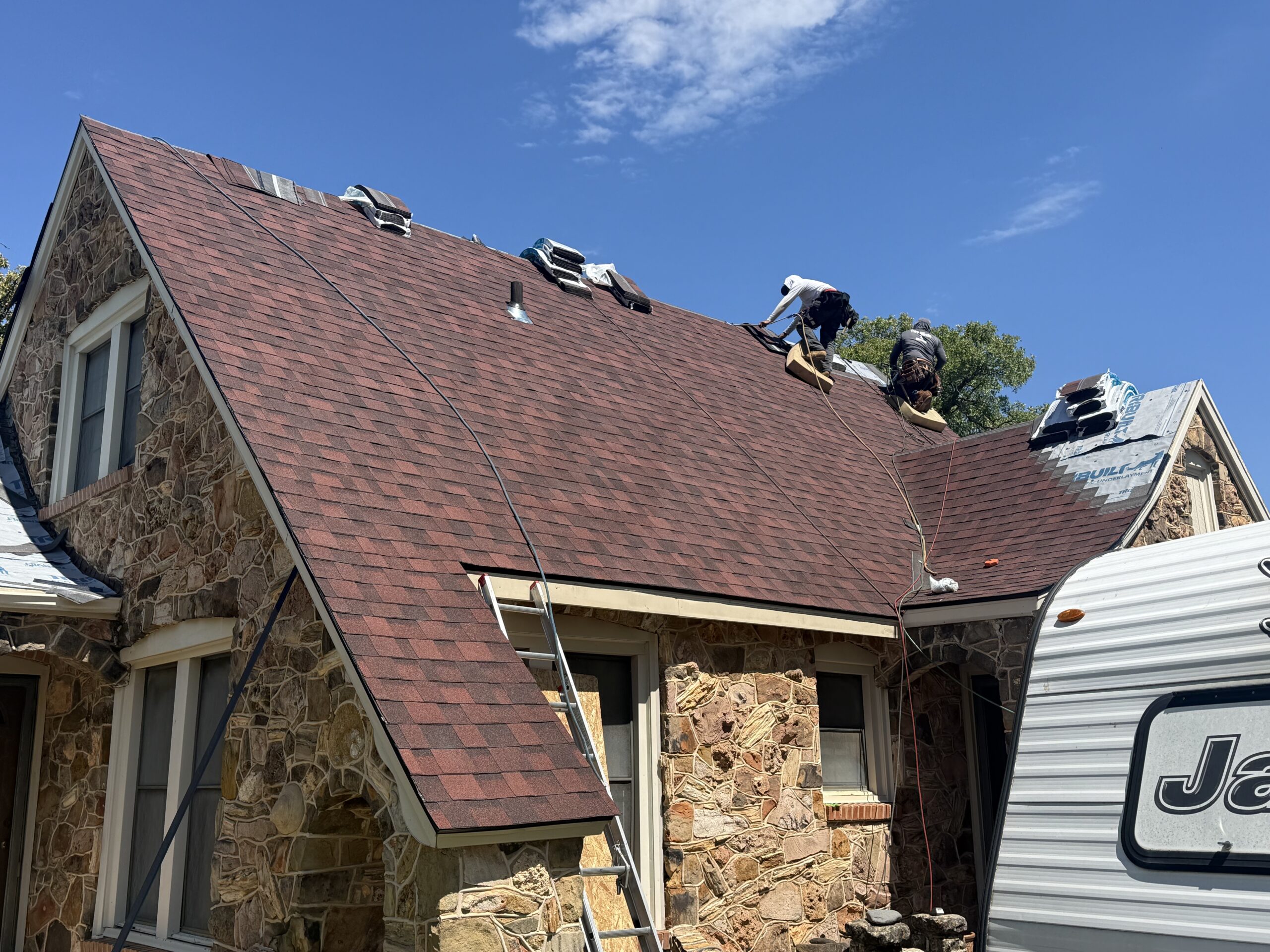
Roof ventilation can affect the condition of the attic and roofing assembly, particularly when heat and moisture are not managed effectively. During an inspection, professionals may examine visible intake and exhaust vents and look for signs that ventilation conditions could be contributing to deterioration.
Inspectors may look for blocked vents, damaged vent components, excessive moisture, or other conditions that may affect airflow. They can also examine the attic for signs that the environment is unusually damp or that moisture is accumulating on certain surfaces.
Condensation can sometimes create moisture evidence that resembles a roof leak. Water stains or damp insulation do not always prove that water entered through the exterior roofing surface. Inspectors consider ventilation, weather history, plumbing, and other possible sources when evaluating moisture conditions.
Roofing materials may also show signs of accelerated deterioration when exposed to unfavorable attic conditions. However, the inspector must consider multiple factors before determining whether ventilation is contributing to a particular problem. Roof age, material condition, insulation, and moisture history can all influence the assessment.
Ventilation components themselves can become damaged. Vents may crack, loosen, become blocked, or deteriorate around their flashing. These conditions can affect both ventilation and water management, making them important during a roofing damage inspection.
If ventilation appears to be a concern, the inspector may recommend further evaluation or corrective work. The appropriate solution depends on the roof design and the specific conditions observed. Homeowners should avoid adding or changing vents without understanding how the existing system works.
How Inspectors Check Attic and Interior Areas
Exterior roof damage does not always tell the entire story. Attic and interior inspections can provide evidence of moisture intrusion or other conditions that may not be visible from the outside. When included within the inspection scope, these areas can help connect exterior observations with interior symptoms.
In the attic, inspectors may examine the underside of the roof decking for staining, dampness, discoloration, or deterioration. They may also check insulation for signs of moisture or displacement. These observations can help identify areas that deserve additional attention.
The attic may also reveal evidence of ventilation concerns. Excessive moisture, condensation, or unusual conditions around vents can provide clues about the performance of the roof assembly. These findings are evaluated alongside exterior observations.
Inside the living space, inspectors may look at ceilings, upper walls, skylight areas, and locations near known roof penetrations. Water stains, bubbling finishes, discoloration, or damaged materials can indicate that moisture has reached the interior.
The location of an interior stain does not necessarily correspond to the exact exterior damage. Water can travel along decking, framing, insulation, or other surfaces before becoming visible. Inspectors therefore compare multiple findings rather than assuming that the nearest roof component is automatically the source.
Homeowners should explain any history of leaks during the inspection. Information about when a leak occurs, how frequently it appears, and whether it happens only during certain weather conditions can be useful. Even an old leak can provide important information about previous roof performance.
Interior observations can also help determine whether a problem appears active or historical. A stain may remain after the original source has been repaired, while a damp area may suggest a current moisture issue. Additional testing may be necessary when the source cannot be confirmed through visual inspection.
Documenting and Classifying Roofing Damage
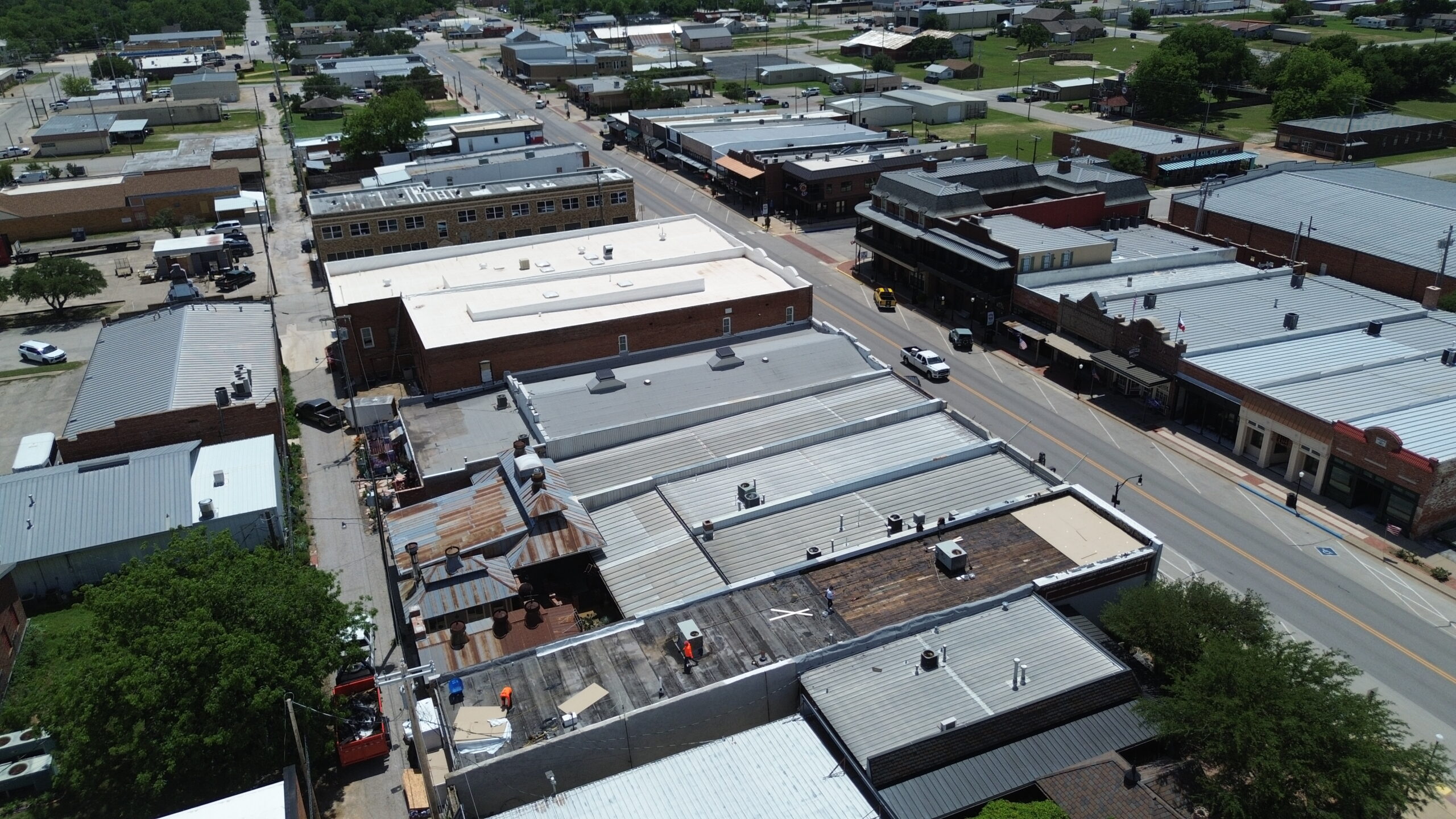
Documentation is one of the most important parts of a professional roofing damage inspection. Inspectors typically record significant findings through written descriptions, photographs, and location information. Clear documentation helps homeowners understand what was observed and what areas may require attention.
Photographs can be especially useful for showing damage that is difficult to describe in simple terms. Images may document cracked or missing materials, damaged flashing, impact marks, drainage problems, moisture evidence, or other conditions. When possible, photographs should show both the specific defect and its general location on the roof.
Inspectors may classify findings according to their apparent severity or recommended priority. Some conditions may represent routine maintenance, while others may require repair or additional investigation. The terminology used can vary between inspection professionals, so homeowners should review the report carefully.
The extent of damage is also important. A single damaged component may be treated differently from widespread deterioration across several roof sections. Inspectors consider how much of the roofing system appears affected and whether multiple findings may have a common cause.
The location of damage can influence its importance as well. A defect near a roof penetration, valley, or flashing transition may create a different risk from an isolated cosmetic issue. Inspectors consider how the condition could affect water management and overall roof performance.
A professional report may also identify areas that could not be fully inspected. Steep slopes, fragile materials, unsafe conditions, or inaccessible attic spaces can limit what the inspector can observe. These limitations should be documented so homeowners understand the scope of the assessment.
After documenting the findings, the inspector can provide recommendations based on the observed conditions. Some findings may call for immediate repair, while others may be appropriate for monitoring or routine maintenance. When the cause or severity cannot be determined through visual inspection alone, additional evaluation may be recommended.
A well-documented inspection gives homeowners a clearer understanding of what has happened to the roof and what should happen next. Once the findings have been collected, the next step is determining the severity of the damage, separating repairable conditions from widespread deterioration, and deciding how homeowners should respond.
How Inspectors Determine the Severity of Roof Damage
After identifying visible damage, inspectors evaluate how serious each condition appears to be and how it may affect the overall roofing system. Severity is not determined only by the size of a damaged area. The location, extent, type of damage, condition of surrounding materials, and potential for water intrusion are also important.
A small defect near a critical roof penetration may deserve more attention than a larger cosmetic issue in another location. For example, deterioration around flashing can create a potential path for water even when the surrounding roofing materials appear relatively intact. Inspectors consider the function of the affected component when evaluating its importance.
The extent of damage is another important consideration. A few isolated damaged shingles may be treated differently from widespread cracking, displacement, or deterioration across several roof sections. When problems appear throughout the system, the inspector may recommend a more comprehensive evaluation.
Inspectors also consider whether the damage appears active, recent, historical, or related to normal aging. A long-standing stain may look significant but may have resulted from a leak that was already repaired. Conversely, a small fresh opening may require prompt attention because continued exposure could allow additional moisture to enter.
Weather history can provide useful context. If the homeowner reports a recent storm and the inspection reveals displaced materials or impact-related conditions, the inspector can document these findings for further assessment. However, inspectors should avoid assuming the cause of damage without sufficient evidence.
The roof’s age and maintenance history are also considered. A relatively new roof with isolated damage may have a different repair outlook from an older roof with widespread deterioration. Combining these factors helps create a more realistic assessment of the roof’s current condition.
Distinguishing Repairable Damage From Widespread Deterioration
One of the most important outcomes of a roofing inspection is understanding whether identified problems appear localized or widespread. Not every damaged roof requires complete replacement. Many roofing systems can continue functioning when isolated defects are repaired appropriately.
Localized damage may include a limited number of missing or damaged shingles, a small section of deteriorated flashing, or a specific drainage problem. If the surrounding roofing materials remain in good condition, a professional may recommend targeted repairs. The exact repair approach depends on the roofing material and the nature of the defect.
Widespread deterioration presents a different situation. When damage affects large portions of the roof, repairs may become less practical or may provide only temporary improvement. Extensive aging, repeated leaks, widespread material deterioration, or multiple failing components may lead to discussions about larger-scale work.
The inspector also considers whether the roofing material can be repaired effectively. Some systems may allow individual components to be replaced more easily than others. Material availability, installation methods, and the condition of surrounding areas can all affect repair decisions.
Previous repair history can influence the assessment as well. If the same areas have been repaired repeatedly, the inspector may recommend investigating why the problem continues. Repeated repairs do not automatically mean replacement is necessary, but they can indicate that the underlying condition needs closer attention.
The condition of the roof decking and other underlying components can also affect repair decisions. Surface repairs may not fully resolve a problem if moisture has caused deterioration beneath the roofing materials. Further evaluation may therefore be needed before deciding on the appropriate scope of work.
Homeowners should avoid making replacement decisions based solely on one visible defect. A professional inspection provides broader information that can help determine whether the issue is isolated or part of a larger pattern. Understanding this distinction can prevent unnecessary work while also helping homeowners avoid delaying major repairs when widespread deterioration is present.
Common Residential Roofing Damage Inspectors Find
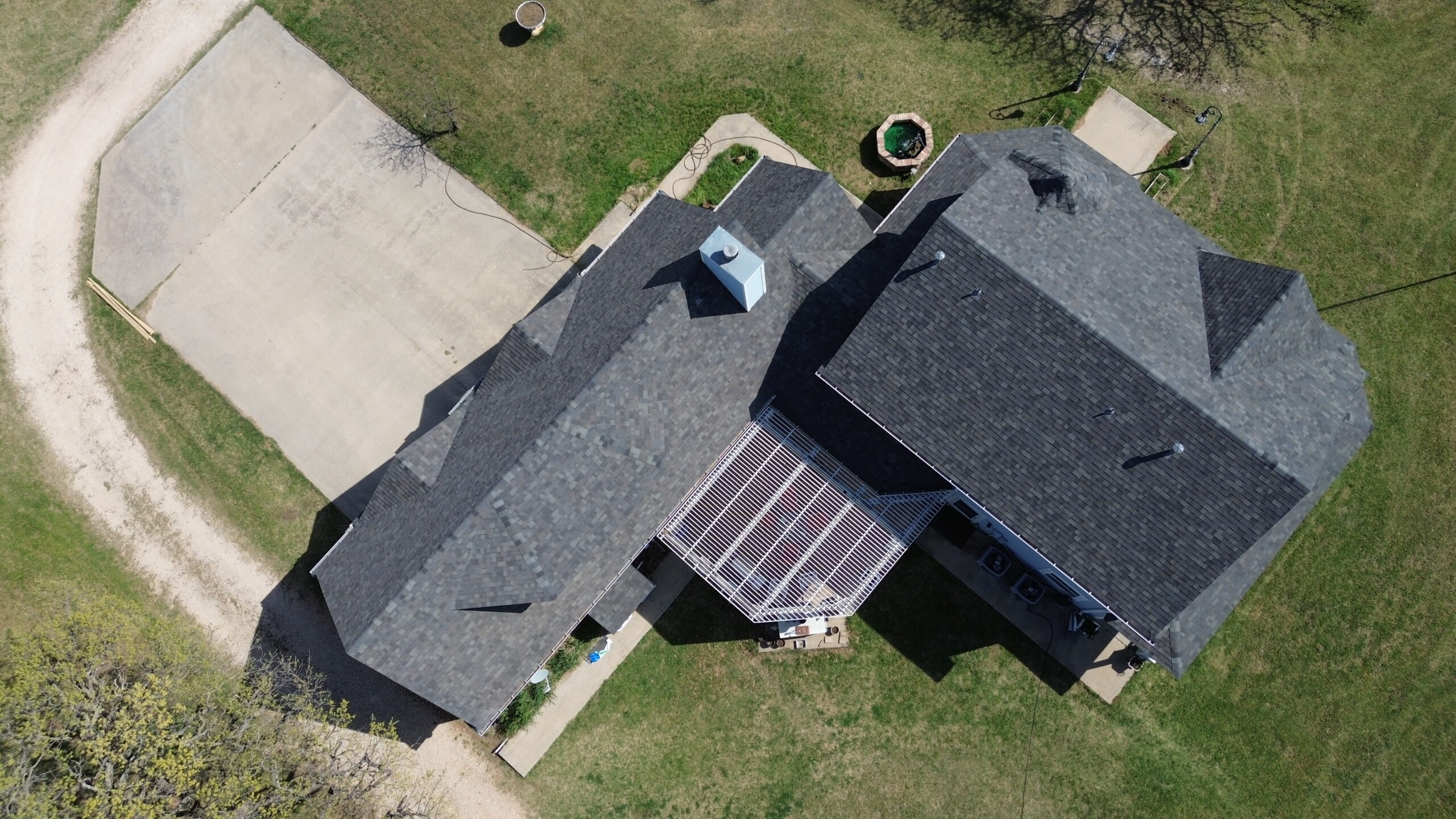
Residential roofing inspections can reveal many different types of damage. Some problems result from weather, while others develop through normal aging, installation concerns, maintenance issues, or prolonged moisture exposure. Recognizing common findings helps homeowners understand what inspectors are evaluating.
Missing or displaced shingles are frequent findings on asphalt shingle roofs. Wind can lift or remove shingles, while aging can cause materials to become brittle or lose their ability to remain securely positioned. Inspectors examine both the affected area and surrounding materials to determine the extent of the problem.
Cracked, curled, or deteriorated roofing materials can indicate aging or environmental exposure. These conditions may develop gradually rather than appearing after one specific event. The inspector considers the overall roof condition to determine whether the issue is isolated or widespread.
Flashing damage is another common concern. Flashing around chimneys, skylights, vents, walls, and valleys can deteriorate, loosen, or become damaged. Because these components help direct water away from vulnerable areas, defects may increase the risk of moisture intrusion.
Hail or impact damage can affect roofing materials and exterior components. Inspectors may look for physical marks, fractures, displaced granules, dents, or other patterns that could indicate impact. The findings are evaluated in relation to the roof material and reported weather conditions.
Water damage can appear both outside and inside the home. Exterior clues may include damaged roofing materials, deteriorated flashing, or drainage problems, while interior evidence can include ceiling stains, damp insulation, or attic discoloration. Inspectors compare these observations to identify potential moisture pathways.
Drainage problems are also important because standing or poorly controlled water can contribute to deterioration. Blocked gutters, damaged downspouts, debris-filled valleys, and poor water flow may increase moisture exposure. Correcting drainage concerns can therefore be part of protecting the roof.
Roof penetrations can also develop damage over time. Plumbing vents, skylights, chimneys, and other openings depend on properly maintained flashing and surrounding materials. Inspectors pay close attention to these areas because small defects can create potential water entry points.
What Homeowners Should Do After Damage Is Identified
Once roofing damage has been identified, homeowners should review the inspection findings carefully and determine which conditions require the most attention. Not every finding needs to be addressed at the same time. Prioritizing issues according to their potential impact can make the repair process more manageable.
Active leaks or conditions that may allow continued water intrusion should generally receive prompt attention. Water can affect roofing materials, insulation, decking, ceilings, walls, and other parts of the home. Addressing the suspected source early may help reduce the risk of additional damage.
Homeowners should also consider temporary protection when permanent repair cannot happen immediately. The appropriate temporary measure depends on the type and location of damage, and it should be performed safely. Professionals can advise on suitable temporary protection when weather exposure creates an immediate concern.
After a storm, homeowners should avoid climbing onto the roof themselves to investigate damage. Wet or damaged roofing surfaces can be slippery and unstable, and walking on certain materials can cause additional damage. A qualified professional can perform a closer assessment using appropriate safety procedures.
If the inspection identifies a condition that requires additional expertise, homeowners should follow the recommendation for further evaluation. Structural concerns, complex moisture problems, or uncertain damage sources may require specialists beyond a standard roofing inspection.
It is also helpful to obtain a clear understanding of recommended repairs. Homeowners can ask which components are damaged, whether the issue appears localized or widespread, and whether the recommendation is intended as immediate work or longer-term maintenance. Clear communication can reduce confusion before repairs begin.
Keeping the inspection report and photographs is equally important. These records provide a reference for future inspections and repairs. They can also help homeowners track whether the condition has changed over time.
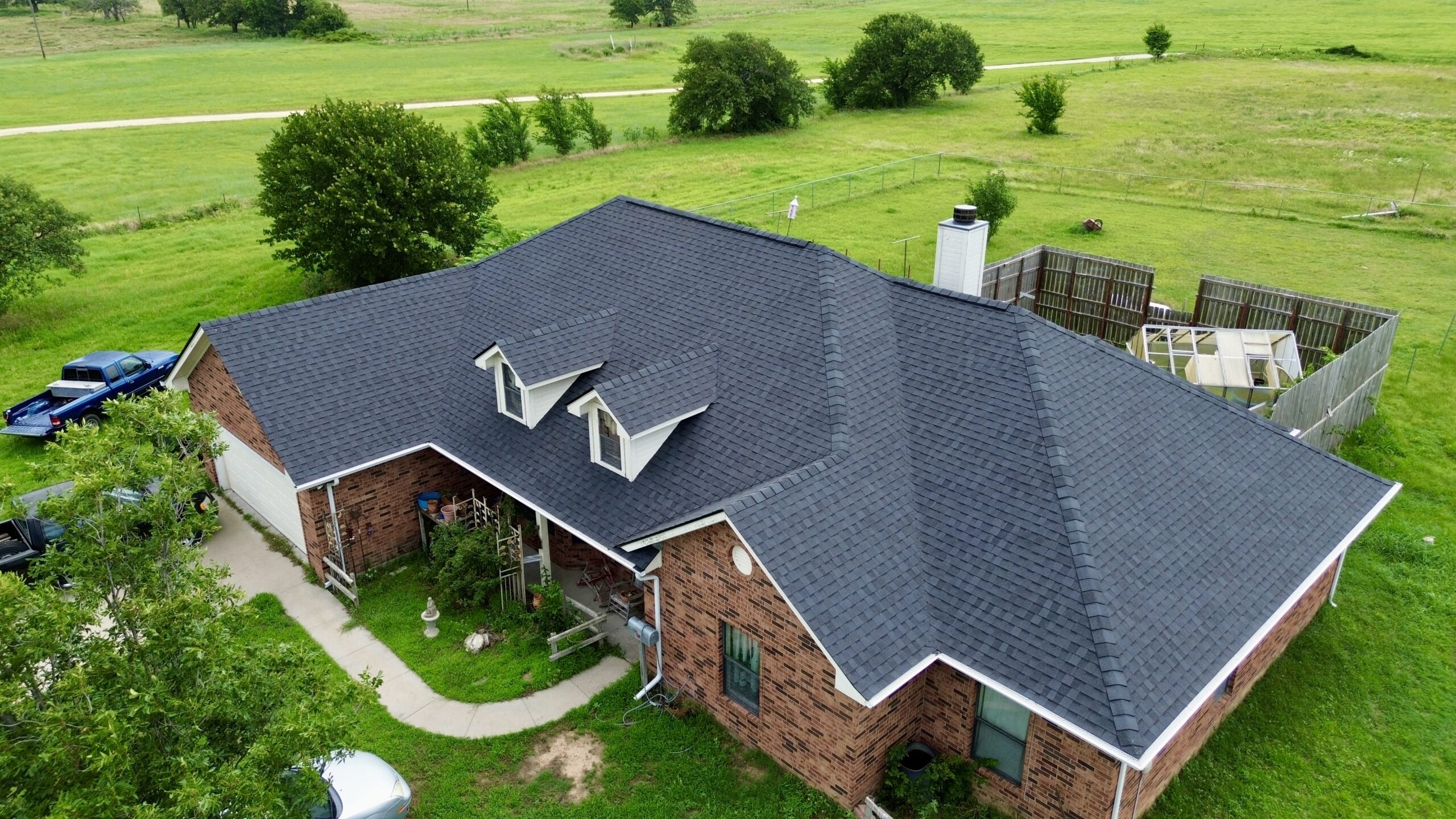
Preventing Future Residential Roofing Damage
Roofing damage cannot always be prevented, particularly when severe weather occurs, but regular maintenance can reduce some avoidable risks. Preventive care begins with routine inspections that identify deteriorating materials, drainage problems, and other conditions before they become more extensive.
Keeping gutters and drainage paths clear is one practical maintenance measure. Leaves, branches, and debris can prevent water from moving away properly. Regular attention to drainage components can help reduce unnecessary moisture exposure around the roof.
Homeowners should also monitor nearby trees and branches. Large branches hanging over the roof can create a risk during strong winds and may contribute to debris accumulation. Appropriate trimming and property maintenance can reduce some potential hazards.
Visible roofing problems should be addressed rather than ignored. A loose or damaged roofing component may appear minor, but continued exposure to weather can make the condition worse. Prompt professional evaluation can help determine whether a small repair is appropriate.
Ventilation and attic conditions should also be monitored. Excessive moisture or poor airflow can contribute to problems under certain conditions. Professional inspections can help identify visible concerns and determine whether additional evaluation is needed.
Homeowners should also maintain records of roofing work. Keeping dates, inspection reports, photographs, and repair details creates a useful history. This information can help future inspectors understand what has changed and whether certain areas have experienced recurring problems.
Preventive maintenance does not mean that homeowners need to inspect every part of the roof themselves. Professional evaluations are valuable because roofing systems can contain areas that are difficult or unsafe to access. Combining safe homeowner monitoring with professional inspections provides a more practical approach to long-term roof care.
Conclusion
Professional roofing inspectors look for much more than missing shingles when evaluating residential roofing damage. They examine roofing materials, flashing, roof edges, valleys, penetrations, drainage systems, attic conditions, structural indicators, ventilation, and interior evidence of moisture. Each observation contributes to a broader understanding of how the roofing system is performing.
Wind, hail, falling debris, heavy rain, aging, poor drainage, and moisture exposure can all contribute to roofing damage. Some problems are obvious from the outside, while others become noticeable only through attic or interior observations. This is why a systematic inspection can provide information that a quick ground-level check may not reveal.
Inspectors also consider the severity and extent of damage. A small localized defect may be repairable, while widespread deterioration may require more extensive planning. The roof’s age, material, maintenance history, and previous repairs all help provide context for these decisions.
When damage is identified, homeowners should prioritize conditions that may allow continued water intrusion or create safety concerns. They should avoid unsafe roof access, seek qualified professional assistance when needed, and keep inspection documentation for future reference. Clear communication about the findings can also help homeowners understand why specific repairs or additional evaluations are recommended.
Preventive maintenance can reduce some common roofing risks. Keeping drainage systems clear, monitoring nearby trees, addressing visible deterioration, maintaining appropriate attic conditions, and arranging regular professional inspections can all contribute to better roof management.
A damaged roof does not always mean that the entire roofing system has failed. Professional inspection helps distinguish isolated problems from broader deterioration and gives homeowners useful information for deciding what should happen next. By understanding what inspectors look for and responding to damage in a timely manner, homeowners can better protect their roofs, reduce avoidable deterioration, and plan maintenance with greater confidence.