
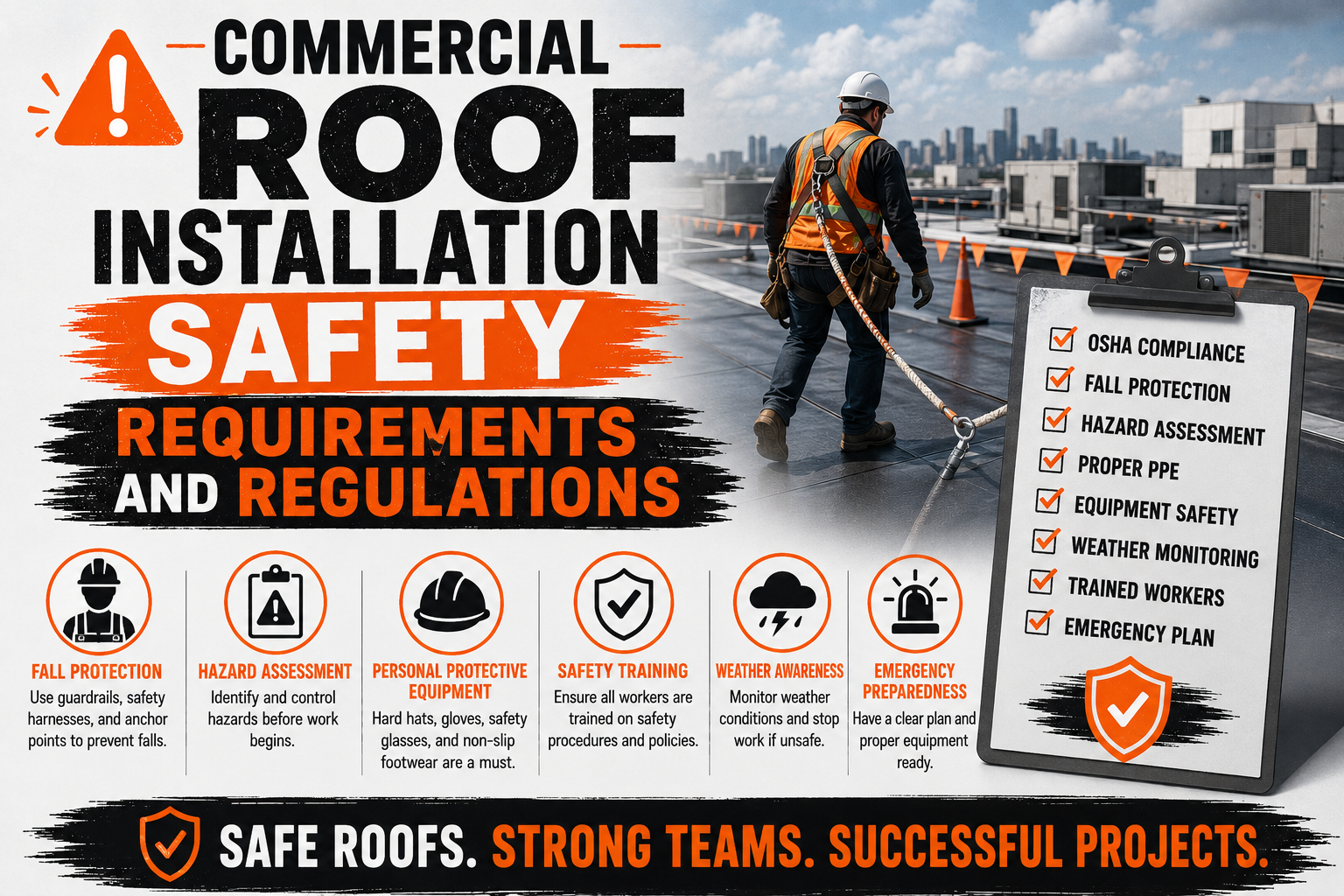
Commercial Roof Installation Safety Requirements and Regulations
Introduction
Commercial roof installation is one of the most demanding construction activities because it combines work at significant heights with heavy materials, specialized equipment, and constantly changing job site conditions. Whether the project involves installing a new roofing system on an office building, warehouse, shopping center, school, or industrial facility, maintaining safety is essential for protecting workers, building occupants, and nearby property. A single mistake can result in serious injuries, project delays, legal consequences, and costly financial losses.
Modern commercial roofing projects are governed by detailed safety requirements and industry regulations designed to reduce workplace hazards. These standards establish clear expectations for employers, supervisors, contractors, and workers regarding fall protection, equipment usage, personal protective equipment, emergency planning, and safe work practices. Compliance with these requirements not only protects lives but also improves project quality and operational efficiency.
Safety planning begins long before the first roofing material reaches the building. Contractors evaluate the structure, identify potential hazards, develop safety procedures, and ensure that workers have the necessary training and equipment before construction starts. Every phase of the project requires continuous monitoring because site conditions can change throughout the installation process.
Understanding commercial roof installation safety requirements helps businesses make informed decisions when selecting contractors and planning construction projects. It also allows property owners to recognize the importance of regulatory compliance and appreciate how proper safety management contributes to successful roofing installations that are completed on time and without unnecessary incidents.
Why Safety Is Critical During Commercial Roof Installation
Commercial roofing involves hazards that are rarely encountered in many other construction activities. Workers routinely operate on elevated surfaces where even a small loss of balance can have serious consequences. Roofing crews also handle heavy materials, operate specialized machinery, and work around electrical equipment while being exposed to changing weather conditions throughout the day.
Falls remain one of the leading causes of injuries in roofing work. Roof edges, skylights, openings, slippery surfaces, and unstable materials all create situations that require continuous attention. Because of these risks, commercial roofing projects place significant emphasis on fall prevention and worker protection.
Safety also protects the financial success of a roofing project. Workplace accidents often lead to medical expenses, insurance claims, legal issues, equipment damage, work stoppages, and delayed project completion. Investing in proper safety procedures is therefore not only a legal responsibility but also a sound business decision.
A strong safety culture improves worker confidence and productivity. Employees who know their employer prioritizes their well-being are more likely to follow procedures, communicate hazards, and perform their duties efficiently. This positive work environment contributes to higher-quality installations and fewer disruptions throughout the project.
Beyond protecting workers, safety measures also safeguard building occupants and the surrounding public. Commercial roofing projects often take place while businesses continue operating, making it essential to prevent falling objects, restrict unauthorized access, and maintain safe pathways around the construction area.
Understanding Roofing Safety Regulations
Commercial roof installation is regulated by national, regional, and local safety standards that establish minimum requirements for safe construction practices. These regulations provide guidance on fall protection, equipment operation, hazard communication, emergency preparedness, and worker training.
Safety regulations are not intended to complicate construction projects. Instead, they create consistent procedures that reduce risks while ensuring roofing companies maintain professional safety standards. Following these regulations benefits everyone involved, from contractors and employees to property owners and building occupants.
Many roofing manufacturers also publish installation guidelines that include important safety recommendations. Contractors must often comply with both regulatory requirements and manufacturer instructions to maintain warranty coverage and ensure proper system performance.
Local building codes may introduce additional safety requirements depending on the project’s location. Contractors review these regulations before construction begins to ensure every aspect of the installation complies with applicable standards.
Businesses hiring commercial roofing contractors should verify that the contractor understands current safety regulations. Experienced roofing companies regularly update their safety programs to reflect changes in industry standards and government requirements.
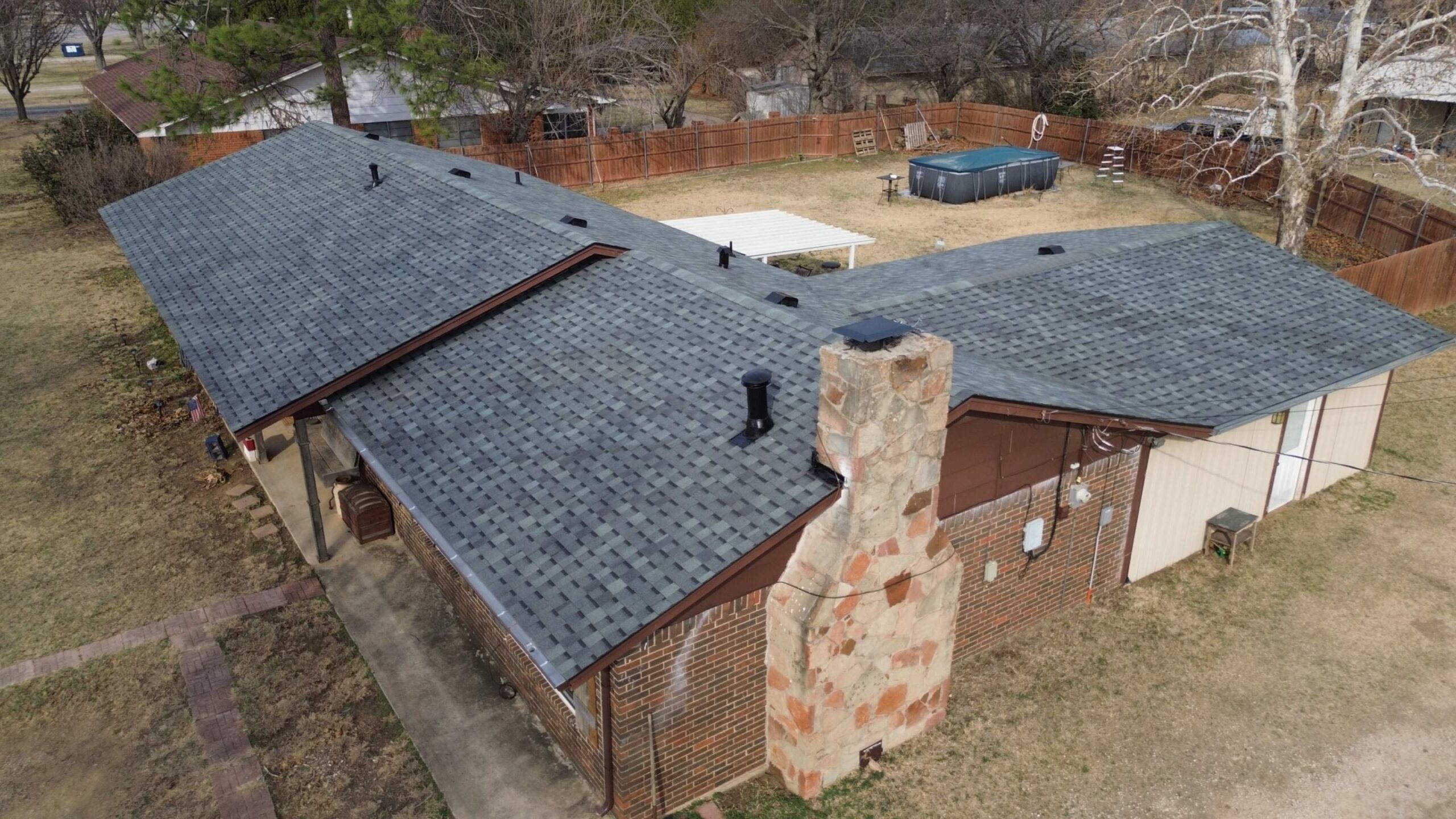
Roles and Responsibilities of Employers, Supervisors, and Workers
Creating a safe commercial roofing environment requires cooperation from everyone involved in the project. Safety cannot be achieved through regulations alone because each individual plays an important role in preventing accidents and maintaining safe working conditions.
Employers are responsible for establishing comprehensive safety programs that include worker training, hazard assessments, equipment maintenance, and emergency procedures. They must provide appropriate personal protective equipment and ensure employees understand how to use it correctly.
Supervisors oversee daily operations and ensure safety procedures are consistently followed. They conduct site inspections, identify hazards, communicate safety expectations, and stop work whenever unsafe conditions develop. Their leadership plays a major role in reinforcing safe work habits throughout the project.
Workers also have important responsibilities. Every employee should follow established safety procedures, inspect personal protective equipment before use, report hazards immediately, and avoid shortcuts that increase risk. Active participation from every crew member strengthens the overall safety program.
Successful commercial roofing projects encourage open communication between management and workers. Employees should feel comfortable reporting hazards or asking questions without fear of criticism. Prompt reporting often prevents minor concerns from developing into serious incidents.
Safety responsibilities generally include:
- Following approved work procedures.
- Wearing required personal protective equipment.
- Reporting damaged equipment immediately.
- Participating in safety meetings and training.
- Keeping work areas clean and organized.
- Communicating hazards to supervisors without delay.
When every member of the roofing team understands these responsibilities, the project benefits from improved coordination and a lower likelihood of workplace accidents.
Common Hazards During Commercial Roof Installation
Every commercial roofing project presents unique challenges, but certain hazards are common across most installations. Recognizing these dangers before work begins allows contractors to implement effective control measures that reduce risk throughout the project.
Working at height remains the most obvious hazard. Roof edges, parapet walls, skylights, and roof openings all present fall risks that require continuous protection. Workers must remain aware of their surroundings while carrying materials, operating tools, or moving across the roof surface.
Weather conditions can change rapidly during installation. Rain creates slippery surfaces, while strong winds make handling large roofing membranes more difficult. High temperatures may contribute to heat stress, while cold weather can affect worker mobility and material performance.
Material handling presents another significant challenge. Roofing materials are often heavy, bulky, and awkward to move safely. Improper lifting techniques or poor material storage may lead to strains, crushed fingers, or falling objects.
Power tools and construction equipment introduce additional hazards. Nail guns, cutters, welding equipment, hoists, cranes, and mechanical fasteners require proper training and careful operation. Equipment inspections before use help reduce the risk of mechanical failures during construction.
Electrical hazards must also be considered. Roofing crews frequently work near overhead power lines, rooftop electrical systems, and mechanical equipment. Proper planning helps maintain safe working distances while preventing accidental contact with energized components.
Noise, dust, and airborne particles may affect worker health during roof removal or installation. Appropriate respiratory protection and hearing protection help reduce long-term health risks associated with prolonged exposure.
Risk Assessment Before Roofing Work Begins
Every successful commercial roofing project begins with a detailed risk assessment. Rather than waiting for hazards to appear during construction, contractors evaluate the work environment beforehand to identify conditions that may require additional safety precautions.
The assessment starts with a thorough inspection of the building. Contractors examine roof access points, structural stability, existing roofing materials, drainage systems, electrical installations, and nearby hazards. This information forms the foundation of the project’s safety plan.
Weather forecasts are also reviewed before work begins. While weather conditions cannot be controlled, anticipating potential changes allows contractors to adjust schedules, secure materials, and postpone hazardous activities when necessary.
Contractors evaluate how materials will be transported onto the roof and stored during installation. Proper storage prevents unnecessary roof loading while reducing the risk of materials shifting or falling from elevated surfaces.
Communication planning is another important part of the assessment process. Supervisors establish emergency contact procedures, define evacuation routes, identify first aid resources, and ensure every worker understands emergency response expectations before construction starts.
An effective risk assessment typically considers several important questions:
- What hazards are present on the roof?
- Who may be affected by each hazard?
- How severe could each risk become?
- What preventive measures will reduce the risk?
- How will safety procedures be monitored throughout the project?
Reviewing these questions before work begins creates a proactive safety culture rather than relying on reactive decision-making after problems occur.
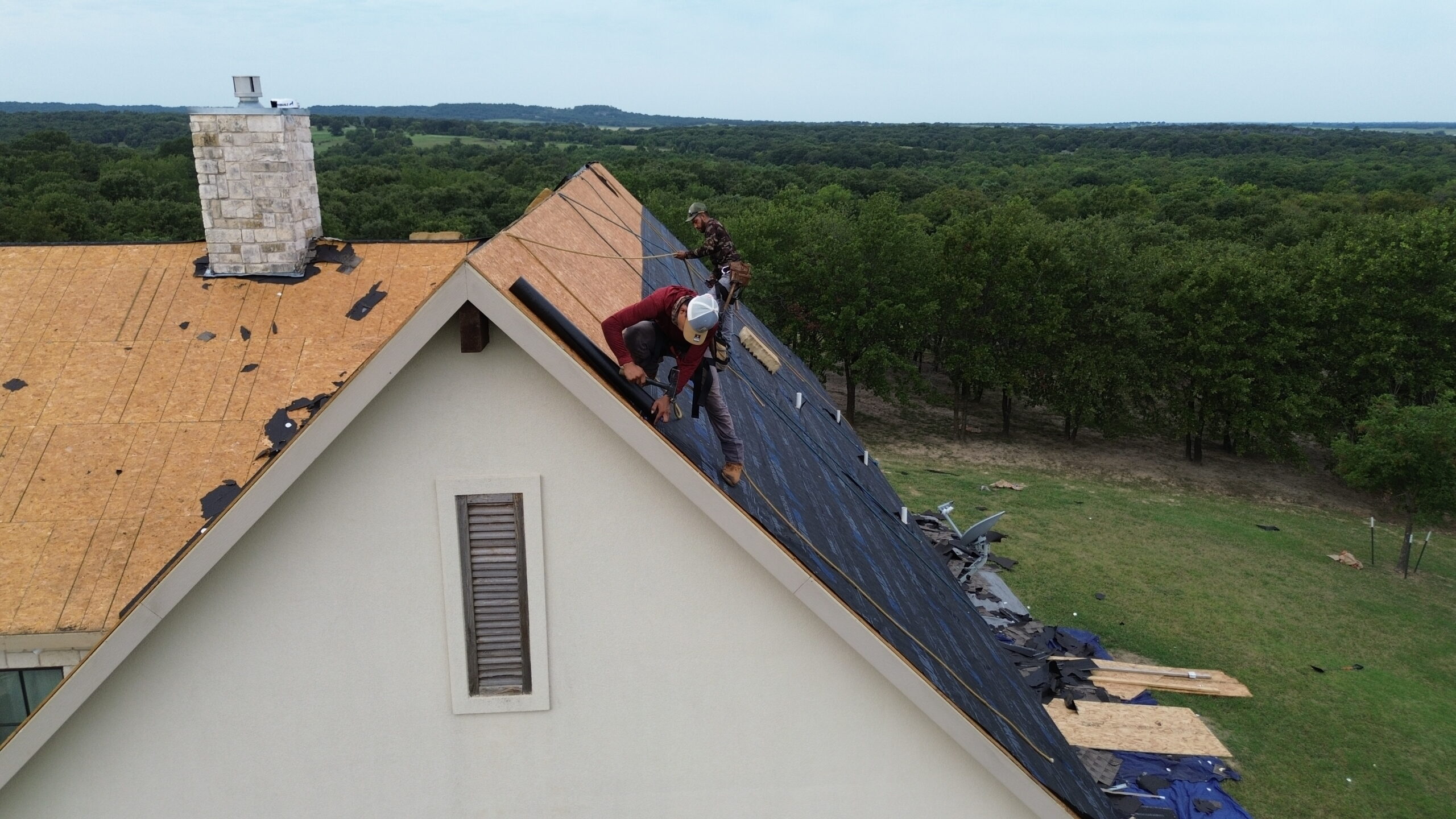
Personal Protective Equipment (PPE) Requirements
Personal protective equipment, commonly known as PPE, forms one of the most visible components of commercial roofing safety. While PPE does not eliminate hazards entirely, it provides an essential layer of protection when engineering controls and safe work practices cannot remove every risk.
Hard hats protect workers from falling tools, construction materials, and accidental impacts. Since roofing projects often involve multiple crews working at different elevations, head protection remains necessary throughout the job site.
Safety footwear provides traction on roofing surfaces while protecting feet from punctures, falling materials, and sharp debris. Slip-resistant soles become especially important when workers operate on sloped areas or damp roofing membranes.
Protective gloves reduce the risk of cuts, abrasions, burns, and chemical exposure. Different tasks require different glove materials, making proper selection an important part of worker safety.
Eye protection guards against flying debris created by cutting, grinding, fastening, or drilling operations. Some roofing activities may also require face shields to provide additional protection against sparks or chemical splashes.
High-visibility clothing improves worker visibility around equipment operators and delivery vehicles. Bright reflective garments help reduce accidents in busy commercial construction environments where multiple activities occur simultaneously.
Respiratory protection may also be necessary when workers encounter dust, insulation fibers, fumes, or chemical vapors. Appropriate respirators should always match the specific hazards identified during the project’s risk assessment.
Proper PPE management extends beyond simply issuing equipment. Workers should inspect protective gear before each use, replace damaged equipment immediately, and receive training on proper fitting, maintenance, and storage. Well-maintained protective equipment performs more effectively and contributes to a safer workplace.
Fall Protection Systems and Their Importance
Fall protection represents the foundation of commercial roofing safety because falls continue to be among the most serious hazards faced by roofing professionals. Effective fall protection combines planning, equipment, worker training, and continuous supervision to minimize the likelihood of accidents.
The type of fall protection system used depends on the building design, roof height, project scope, and applicable safety regulations. Contractors evaluate these factors before selecting the most appropriate protective measures for each work area.
Guardrail systems provide collective protection by creating physical barriers around roof edges and other fall hazards. These barriers reduce reliance on individual worker actions while providing continuous protection throughout the project.
Personal fall arrest systems are another widely used solution. These systems typically include a full-body harness connected to a secure anchorage point through a lanyard or lifeline. If a fall occurs, the equipment is designed to stop the worker safely while minimizing injury.
Warning lines and designated work zones may also be used under specific conditions to establish controlled work areas away from roof edges. These systems help workers remain aware of hazardous locations while supporting organized job site movement.
Regardless of the equipment selected, regular inspections remain essential. Harnesses, anchor points, connectors, lifelines, and other fall protection components should be examined before every use to verify they remain in safe operating condition.
Worker training is equally important. Employees must understand how to wear fall protection equipment correctly, recognize equipment damage, maintain safe attachment points, and respond appropriately during emergency situations. Proper training transforms safety equipment from a simple requirement into an effective life-saving system.
Roof Access and Safe Work Zones
Safe roof access is one of the first priorities on any commercial roofing project. Even before roofing materials are moved onto the building, contractors must establish secure entry and exit points that allow workers to reach the roof without unnecessary risk. Poor access planning increases the likelihood of slips, trips, falls, and equipment-related accidents.
Access routes should remain free from debris, loose materials, and unnecessary equipment throughout the project. Workers carrying tools or roofing materials need stable pathways that allow them to move safely without obstruction. Regular housekeeping ensures these access points remain safe as work progresses.
Once workers reach the roof, clearly defined work zones help organize activities and reduce confusion. Areas designated for material storage, equipment operation, cutting, and active installation should be separated whenever possible. Organized work zones reduce congestion and allow crews to perform their tasks more efficiently.
Restricted areas should also be established around roof edges, skylights, and other hazardous locations. Only authorized personnel directly involved in roofing activities should enter these sections. Warning signs and temporary barriers help prevent accidental entry by building occupants or unauthorized visitors.
Projects conducted while businesses remain operational require additional planning. Contractors coordinate with property managers to establish safe pedestrian routes, protect building entrances, and minimize disruption to employees, customers, and delivery personnel.
Maintaining clean work areas throughout the installation is equally important. Loose fasteners, packaging materials, discarded membrane pieces, and unused tools create unnecessary hazards if left scattered across the roof. Continuous housekeeping improves both safety and productivity.
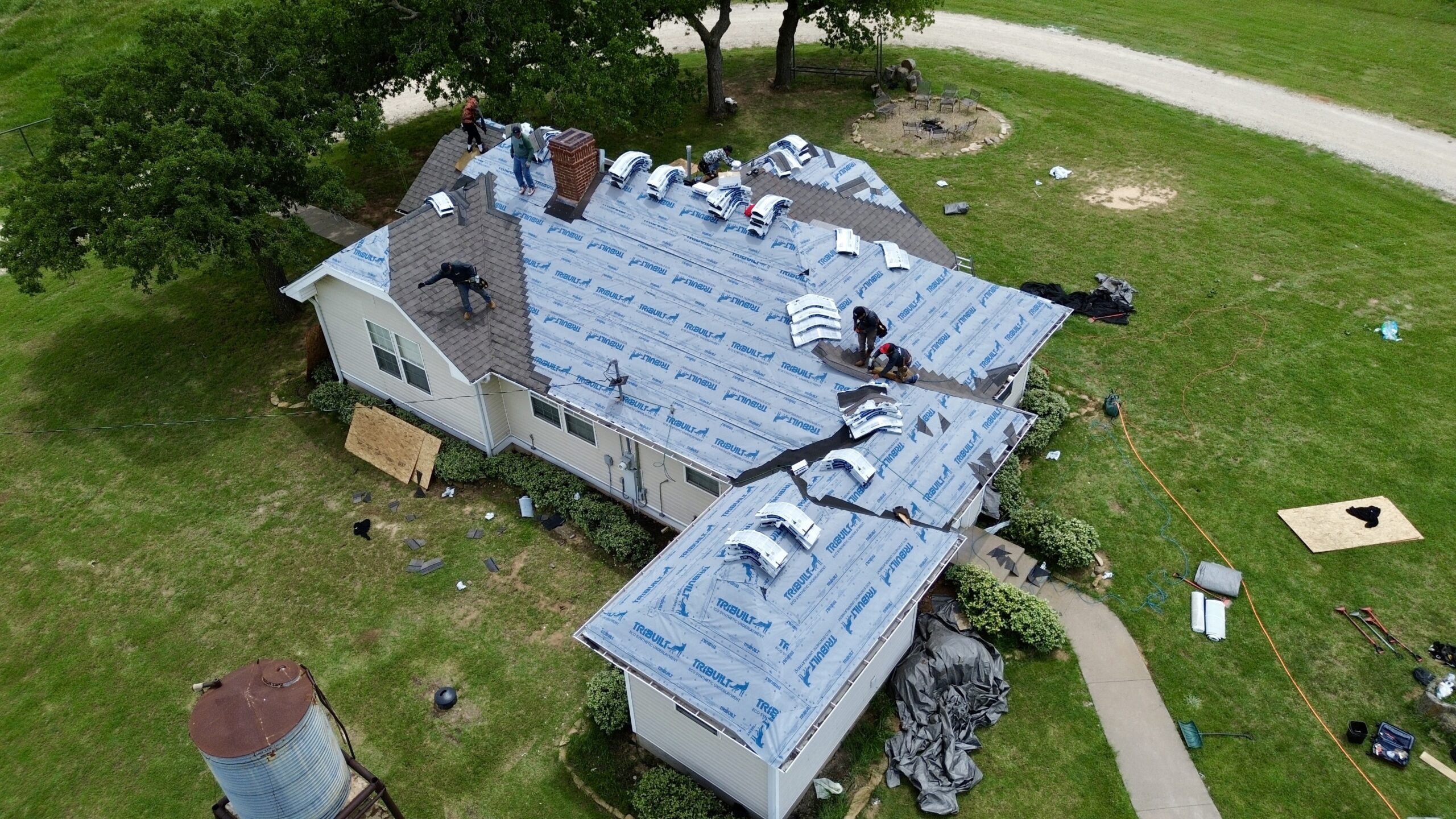
Ladder and Scaffold Safety Requirements
Ladders remain one of the most commonly used access methods during commercial roof installation. Although they appear simple, improper ladder selection or incorrect use contributes to numerous workplace injuries every year. Contractors must ensure ladders are appropriate for the specific job and inspected before each use.
Ladders should always be placed on firm, level surfaces capable of supporting both the ladder and the worker. Using unstable objects to increase ladder height or compensate for uneven ground creates unnecessary risks. Proper positioning significantly improves stability during climbing.
Workers should maintain three points of contact whenever ascending or descending a ladder. Carrying heavy materials while climbing should be avoided because it reduces balance and limits the worker’s ability to react if the ladder shifts unexpectedly.
Extension ladders must extend above the roof edge sufficiently to provide secure access when stepping onto or off the roof. They should also be secured to prevent movement caused by worker activity or changing weather conditions.
Scaffolding provides another important access solution for commercial roofing projects, particularly when work extends along building edges or multiple elevations. Properly assembled scaffolds create stable work platforms while improving access to difficult areas.
Scaffold safety includes regular inspections, proper load distribution, secure guardrails, and stable foundations. Workers should never modify scaffold components without authorization because unauthorized changes may compromise structural integrity.
Routine inspections of ladders and scaffolds throughout the project help identify wear, damage, or loose components before accidents occur. Immediate replacement or repair of defective equipment remains an essential part of every roofing safety program.
Safe Handling of Roofing Materials and Equipment
Commercial roofing materials are often bulky, heavy, and difficult to maneuver, particularly on elevated surfaces. Safe handling procedures protect workers from injuries while preventing damage to expensive roofing products before installation.
Materials should be delivered according to the planned installation schedule whenever possible. Delivering only the necessary quantity for each construction phase reduces roof loading while keeping work areas organized. Proper planning also minimizes unnecessary material movement across the roof.
Storage locations should be selected carefully to distribute weight evenly across the structure. Concentrating large quantities of materials in one area may exceed the roof’s load capacity, particularly during renovation projects involving older buildings.
Workers should use proper lifting techniques whenever handling roofing materials manually. Bending at the knees, keeping loads close to the body, and avoiding sudden twisting movements reduce strain on the back and shoulders.
Mechanical lifting equipment such as cranes, hoists, or forklifts often assists with moving heavy materials onto the roof. Only trained operators should use this equipment, and lifting operations should follow established safety procedures throughout the project.
Power tools also require careful handling. Roofing cutters, nail guns, drills, welders, and fastening equipment should be inspected before use and operated according to manufacturer instructions. Damaged tools should be removed from service immediately until repairs have been completed.
Battery-powered equipment should be stored safely when not in use, while electrical cords should be positioned to reduce tripping hazards. Organized equipment management contributes significantly to a safer and more efficient roofing project.
Electrical Safety Around Commercial Roofing Projects
Electrical hazards often exist on commercial roofing projects, particularly when buildings contain rooftop HVAC systems, communication equipment, solar panels, or nearby overhead power lines. Contractors must identify these hazards before installation begins and establish appropriate safety procedures.
Roofing crews should always know the location of energized electrical equipment before starting work. Electrical panels, conduits, rooftop units, and exposed wiring require additional caution to prevent accidental contact.
When working near overhead power lines, maintaining safe clearance distances is essential. Long roofing materials, ladders, scaffolding, and lifting equipment can accidentally contact electrical lines if proper planning is not followed. Careful coordination significantly reduces this risk.
Temporary electrical systems used during construction should also meet safety standards. Extension cords, power distribution units, and portable generators require routine inspection to identify damaged insulation, exposed conductors, or overloaded circuits.
Electrical equipment exposed to rain or excessive moisture presents additional hazards. Contractors should protect electrical tools and connections from water while ensuring workers understand appropriate shutdown procedures if unsafe conditions develop.
Only qualified personnel should perform electrical repairs or modifications during the roofing project. Unauthorized work increases the likelihood of electrical accidents while potentially damaging building systems.
Fire Prevention During Roof Installation
Certain commercial roofing methods involve heat-producing equipment that increases fire risk if not managed carefully. Torch-applied roofing systems, welding operations, hot asphalt applications, and electrical equipment all require strict fire prevention measures.
Before hot work begins, contractors inspect the surrounding area for combustible materials. Packaging, insulation, debris, solvents, and other flammable products should be removed or adequately protected to reduce ignition risks.
Fire extinguishers should remain easily accessible throughout the work area. Workers must know where they are located and understand how to use them effectively during an emergency. Regular equipment inspections ensure extinguishers remain fully operational.
Many roofing companies assign a designated fire watch during heat-producing operations. This individual continuously monitors the surrounding area for signs of smoke, sparks, or hidden ignition while work is underway and for a period after completion.
Equipment maintenance also supports fire prevention. Faulty torches, damaged fuel lines, leaking gas cylinders, or defective electrical equipment should never be used on a commercial roofing project. Routine inspections reduce the likelihood of equipment-related fires.
Clear communication between roofing crews and building management becomes especially important when hot work is performed on occupied facilities. Occupants should understand temporary safety procedures while contractors coordinate with building fire protection systems when necessary.
Weather-Related Safety Precautions
Weather conditions remain one of the few variables that contractors cannot control during commercial roof installation. However, careful planning allows roofing companies to respond appropriately when conditions become unsafe.
Rain creates slippery roofing surfaces that increase fall risks while potentially affecting adhesive performance and roofing material quality. Work involving membrane installation or electrical equipment may need to be postponed until surfaces become dry.
Strong winds present another serious concern. Large roofing membranes can behave like sails during installation, making them difficult to control and increasing the risk of workers losing balance. Wind also affects crane operations and material lifting activities.
High temperatures expose workers to heat exhaustion and dehydration. Roofing surfaces often become significantly hotter than surrounding air temperatures, making hydration, scheduled rest breaks, and shaded recovery areas essential components of worker safety.
Cold weather introduces different challenges. Ice, frost, and reduced worker dexterity increase slip hazards while affecting the flexibility of certain roofing materials. Contractors adjust installation methods according to manufacturer recommendations and current weather conditions.
Lightning poses one of the greatest weather-related dangers. Roofing work should stop immediately whenever thunderstorms approach because elevated work areas provide little protection from lightning strikes.
Daily weather monitoring allows supervisors to make informed decisions before hazardous conditions develop. Adjusting work schedules proactively helps protect workers while maintaining installation quality.
Emergency Response Planning
Even with comprehensive safety programs, emergencies can still occur during commercial roofing projects. Having a well-developed emergency response plan ensures workers know exactly how to react if an accident, medical emergency, fire, or severe weather event occurs.
Emergency procedures should be communicated before construction begins. Every worker should understand evacuation routes, assembly locations, emergency contact information, and reporting procedures. Familiarity with these plans reduces confusion during stressful situations.
First aid equipment should remain readily available throughout the project. Depending on project size and local regulations, trained first aid personnel may also be required on-site to provide immediate assistance until emergency responders arrive.
Rescue planning deserves particular attention for roofing projects involving fall protection systems. If a worker falls while wearing a personal fall arrest system, a prompt rescue is necessary to reduce the risk of suspension-related medical complications. Rescue procedures should be practiced before work begins rather than developed after an emergency occurs.
Communication systems should remain reliable throughout the project. Supervisors must be able to contact emergency services quickly while coordinating with workers across large commercial buildings if an incident occurs.
Regular emergency drills help reinforce these procedures. Practicing emergency responses allows workers to react more confidently while identifying opportunities to improve the overall safety plan.
Inspection, Documentation, and Compliance
Safety management continues throughout the roofing project through regular inspections and accurate documentation. Continuous monitoring helps ensure safety procedures remain effective while supporting compliance with applicable regulations.
Daily inspections typically begin before work starts. Supervisors examine fall protection equipment, ladders, scaffolds, electrical tools, material storage areas, and weather conditions before authorizing roofing activities. Addressing deficiencies early prevents many workplace incidents.
Equipment inspections should also follow manufacturer recommendations. Harnesses, lifelines, anchors, power tools, cranes, and lifting equipment all require routine examination to verify they remain safe for use.
Accurate documentation supports both safety performance and regulatory compliance. Contractors commonly maintain records including worker training certificates, equipment inspection logs, hazard assessments, incident reports, maintenance records, and daily safety meeting attendance.
These records provide valuable evidence that safety procedures have been implemented consistently throughout the project. They also help identify trends that may require additional training or procedural improvements on future roofing installations.
Regular audits further strengthen compliance by evaluating whether established safety procedures are being followed in practice. Continuous improvement ensures safety programs remain effective as project conditions evolve.
Comparison of Essential Commercial Roofing Safety Equipment
The following table summarizes some of the most commonly used safety equipment during commercial roof installation and its primary purpose.
| Safety Equipment | Primary Purpose | Typical Use During Roofing Projects |
|---|---|---|
| Safety Helmet | Protects against head injuries | Required throughout the job site |
| Full Body Harness | Prevents serious injuries during falls | Used with personal fall arrest systems |
| Safety Lanyard and Lifeline | Connects worker to anchor point | Fall protection near roof edges |
| Guardrail System | Creates physical fall barriers | Roof perimeters and openings |
| Safety Glasses | Protects eyes from debris and dust | Cutting, drilling, fastening, and grinding |
| Protective Gloves | Reduces cuts, burns, and abrasions | Material handling and equipment operation |
| Slip-Resistant Safety Boots | Improves traction and foot protection | Walking and working on roof surfaces |
| High-Visibility Clothing | Improves worker visibility | Active construction zones |
| Fire Extinguisher | Controls small fires quickly | Hot work and equipment operation |
| First Aid Kit | Provides immediate medical assistance | Emergency response on-site |
Safety Training and Worker Certification
Safety equipment and written procedures are only effective when workers understand how to use them correctly. For this reason, comprehensive training forms the foundation of every successful commercial roofing safety program. Employees who receive proper instruction are better prepared to recognize hazards, make informed decisions, and respond appropriately to changing job site conditions.
Training should begin before a worker starts participating in roofing activities. New employees need to understand company safety policies, emergency procedures, fall protection requirements, equipment operation, hazard reporting, and the proper use of personal protective equipment. This initial orientation establishes consistent expectations from the first day on the job.
Experienced workers also benefit from ongoing education. Roofing materials, construction methods, and safety regulations continue to evolve, making refresher training an important part of maintaining a skilled workforce. Regular updates help employees stay familiar with current industry practices while reinforcing safe work habits.
Certification requirements vary depending on the equipment and tasks involved in the project. Workers responsible for operating cranes, forklifts, aerial lifts, or other specialized equipment should possess the necessary qualifications before performing those duties. Similarly, individuals performing hot work or electrical tasks may require additional training to meet applicable regulations.
Supervisors play an important role in evaluating whether workers fully understand the training they receive. Practical demonstrations, equipment inspections, and routine observations help verify that employees are applying safety procedures correctly during daily operations. Continuous coaching strengthens workplace safety while reducing the likelihood of unsafe behaviors becoming routine.
Training records should also be maintained throughout the project. Accurate documentation demonstrates regulatory compliance while helping employers identify employees who may require additional instruction before participating in specialized roofing activities.
Daily Safety Meetings and Communication
Daily communication is one of the simplest yet most effective methods of preventing accidents on commercial roofing projects. Before work begins each day, roofing crews often participate in brief safety meetings to review planned activities, discuss potential hazards, and confirm that everyone understands the day’s objectives.
These meetings provide an opportunity to discuss changing weather conditions, equipment inspections, material deliveries, and any unusual work that may occur during the shift. Workers can also raise questions or report concerns before construction begins, allowing supervisors to address problems proactively rather than reacting after an incident occurs.
Open communication continues throughout the workday. Supervisors should remain accessible so employees can report unsafe conditions immediately without hesitation. Prompt communication often prevents minor issues from developing into serious accidents.
Effective communication becomes especially important on large commercial projects involving multiple contractors. Roofing crews, electricians, HVAC technicians, crane operators, and facility managers must coordinate their activities carefully to avoid conflicts that could create unnecessary hazards.
Visual communication also supports job site safety. Warning signs, barricades, color-coded markings, and clearly identified emergency exits help workers and visitors recognize hazardous areas quickly. Consistent signage improves awareness while reinforcing established safety procedures.
Encouraging workers to actively participate in safety discussions strengthens the overall safety culture. Employees who contribute observations and recommendations often identify practical improvements that management alone may overlook.
Common Safety Violations and How to Avoid Them
Even well-planned roofing projects can experience safety violations if procedures are ignored or shortcuts become routine. Understanding these common mistakes allows contractors and building owners to take proactive steps that reduce workplace risks and improve regulatory compliance.
One of the most frequently observed violations involves improper fall protection. Workers may disconnect their harnesses temporarily, fail to secure lanyards correctly, or enter hazardous areas without appropriate protection. Continuous supervision and regular inspections help prevent these behaviors from becoming common practice.
Poor housekeeping is another recurring issue on commercial roofing projects. Loose materials, discarded packaging, unused tools, and scattered fasteners create tripping hazards that can easily be avoided through regular cleanup efforts. Organized work areas contribute significantly to both safety and productivity.
Using damaged or poorly maintained equipment also increases accident risk. Worn harnesses, defective ladders, damaged power tools, and improperly functioning lifting equipment should be removed from service immediately. Routine inspections help identify these problems before they result in injuries.
Inadequate worker training contributes to many preventable incidents. Employees unfamiliar with equipment, roofing materials, or emergency procedures may unintentionally place themselves or others in danger. Consistent education remains one of the most effective methods of reducing workplace accidents.
Ignoring weather conditions is another serious safety concern. Continuing roofing work during lightning storms, strong winds, or extremely slippery conditions unnecessarily increases risk. Supervisors should prioritize worker safety over project schedules whenever hazardous weather develops.
Businesses can reduce safety violations by focusing on several key practices:
- Reinforce safety procedures consistently.
- Perform routine equipment inspections.
- Encourage workers to report hazards immediately.
- Correct unsafe behaviors through coaching rather than waiting for incidents.
- Maintain accurate safety documentation.
- Conduct regular site audits throughout the project.
Preventing violations requires continuous attention rather than occasional inspections. A proactive approach helps create a work environment where safety becomes part of every daily task.
The Role of Technology in Commercial Roofing Safety
Technology continues to improve safety management across the commercial roofing industry. Modern tools allow contractors to identify hazards more quickly, improve communication, and monitor job site conditions with greater accuracy than ever before.
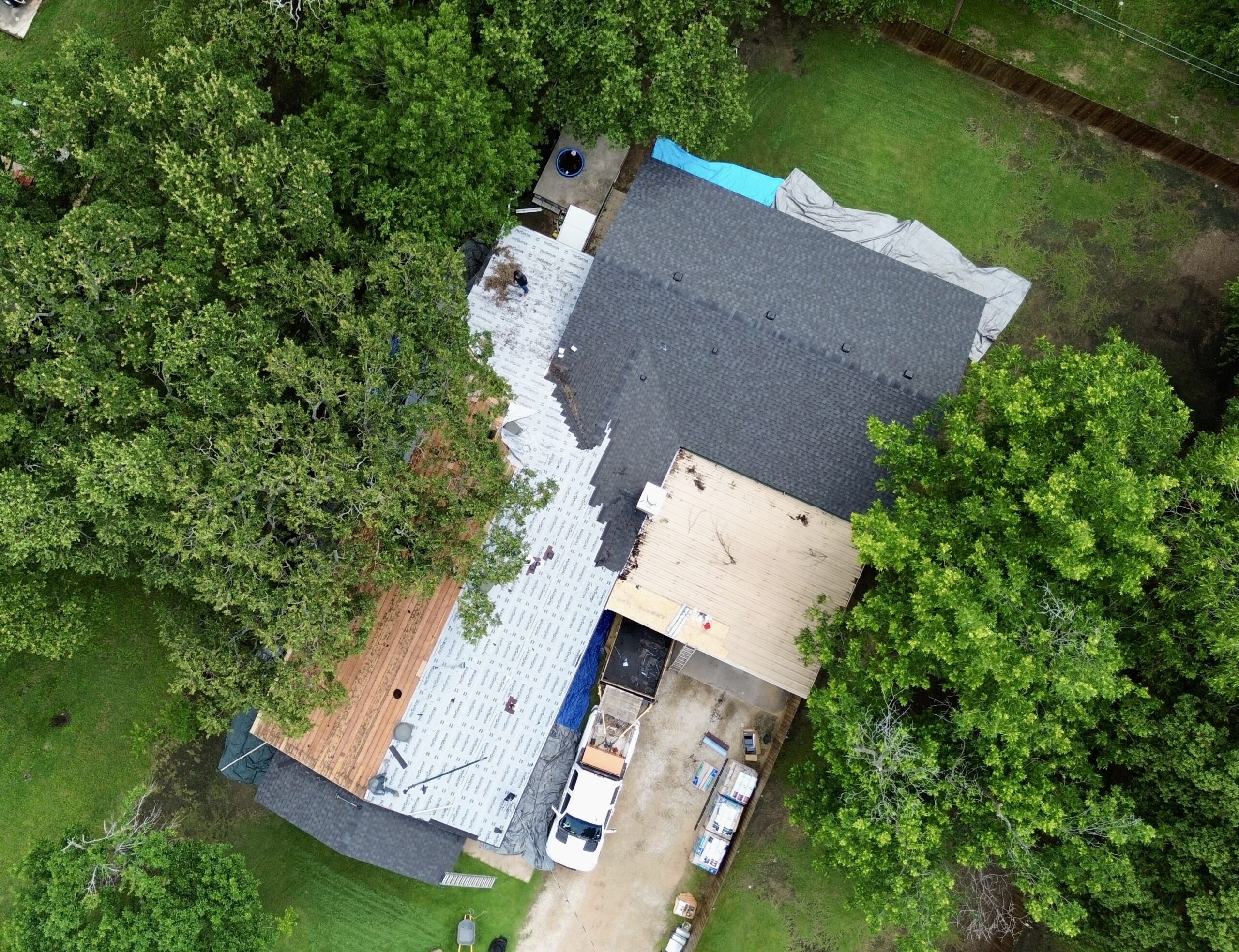
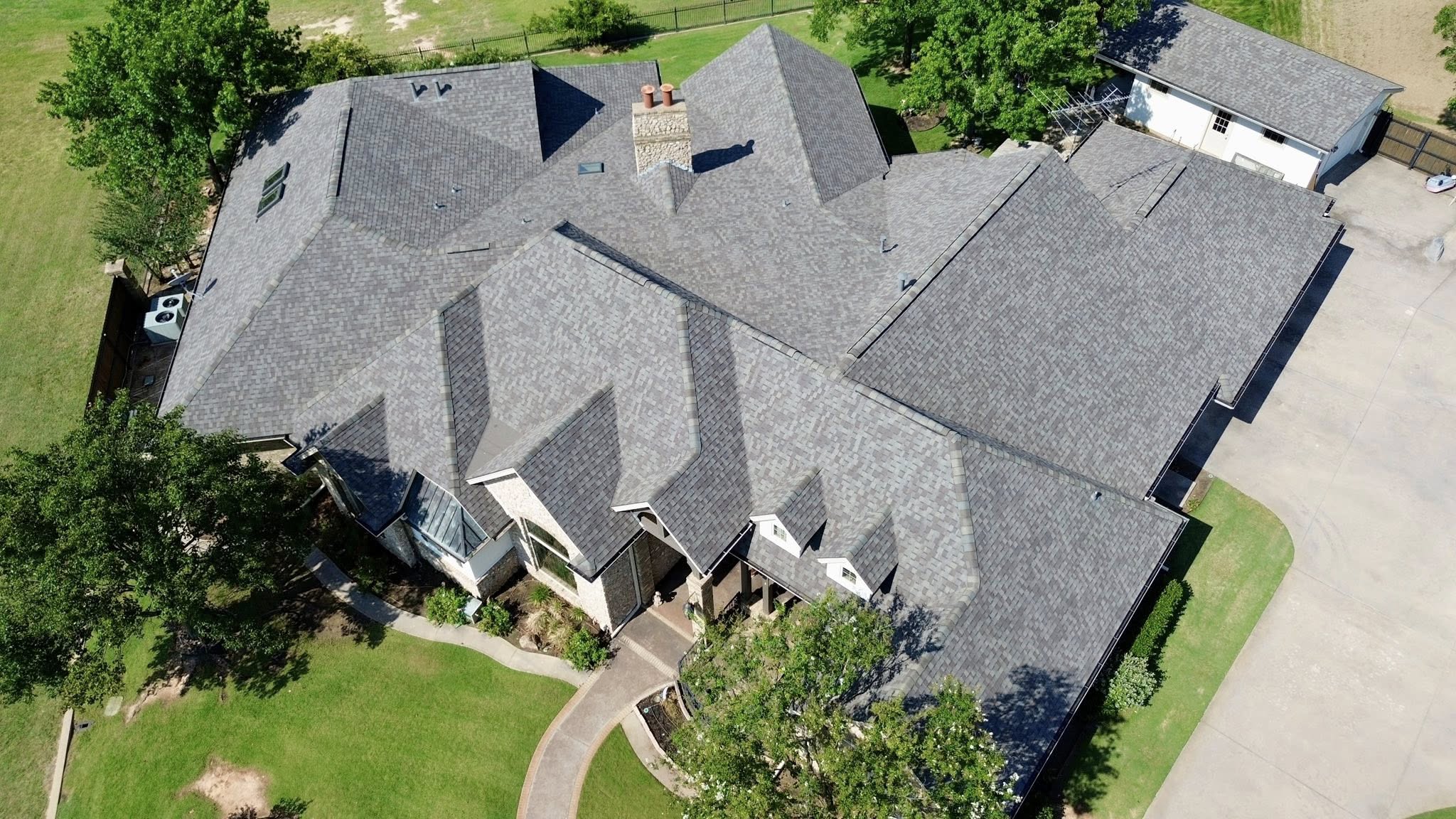
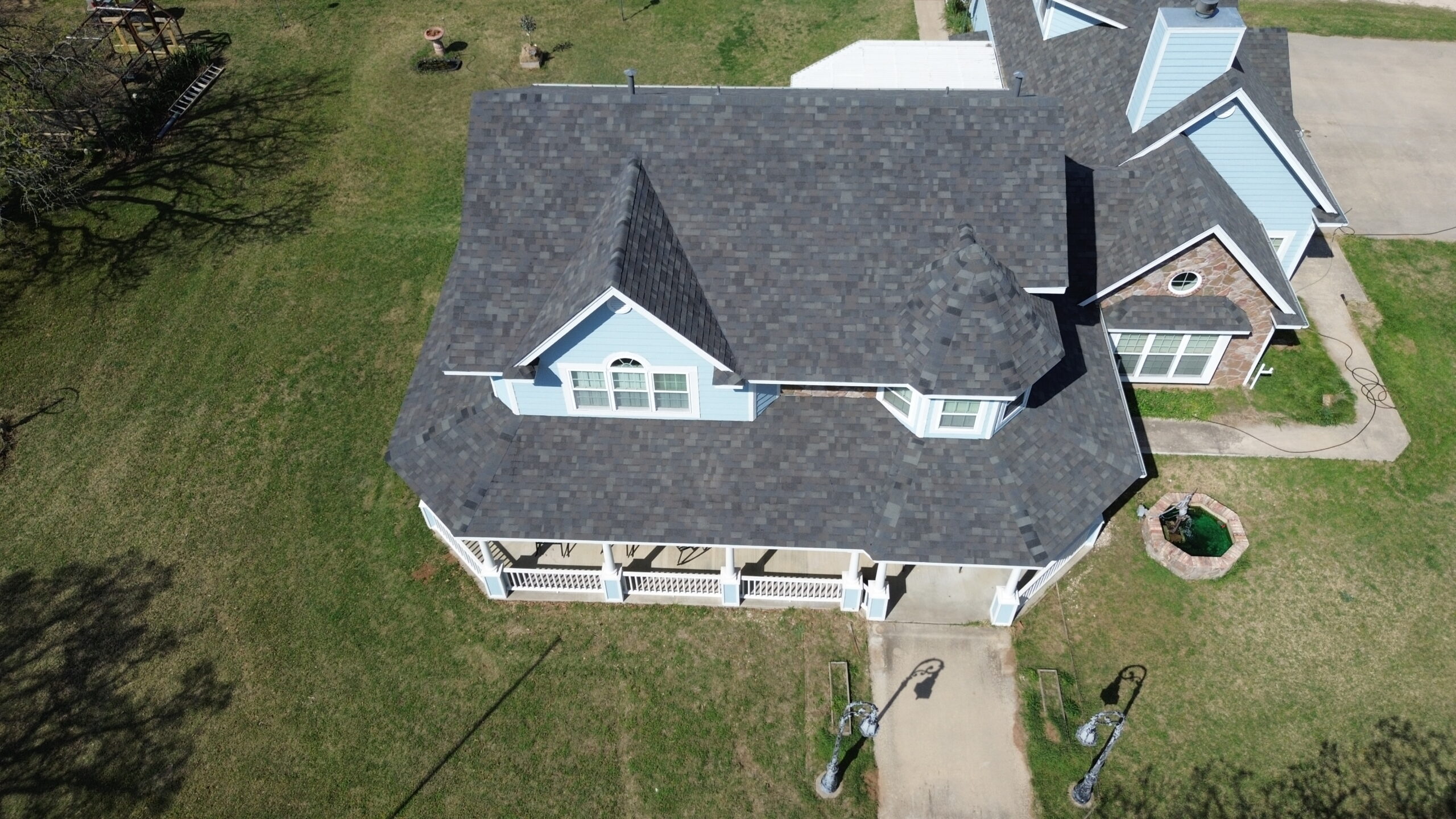
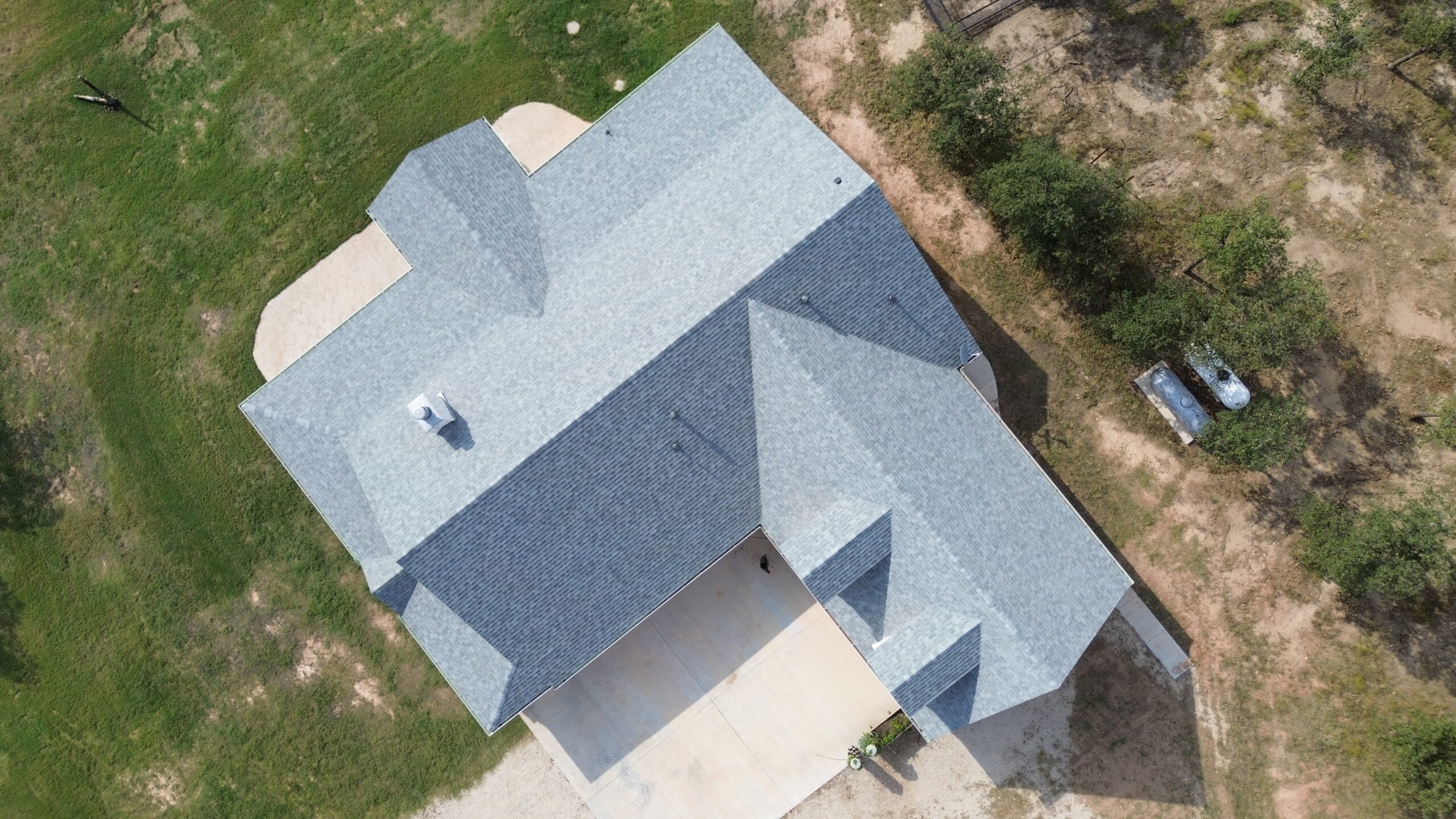
Drones have become valuable inspection tools for commercial roofing projects. Before installation begins, they allow contractors to evaluate roof conditions without exposing workers to unnecessary fall risks. High-resolution images also help identify damaged areas that may require additional structural attention.
Thermal imaging technology assists contractors in detecting trapped moisture, insulation deficiencies, and hidden roof damage. Identifying these issues early supports better planning while reducing unexpected hazards during construction.
Wearable safety technology is also becoming more common. Some systems monitor worker movement, detect falls, or provide alerts when employees enter restricted areas. These technologies improve real-time awareness while supporting faster emergency response if an incident occurs.
Digital project management platforms allow supervisors to document inspections, report hazards, and share safety updates instantly with project teams. Electronic records improve organization while making safety documentation easier to maintain throughout the construction process.
Weather monitoring systems provide accurate forecasts and real-time alerts that help supervisors make informed decisions regarding work schedules. Early warning of storms, high winds, or extreme temperatures allows roofing activities to be adjusted before conditions become dangerous.
Although technology enhances workplace safety, it cannot replace proper training and experienced supervision. Successful roofing projects combine modern tools with knowledgeable workers who consistently follow established safety procedures.
Benefits of Following Roofing Safety Regulations
Complying with commercial roofing safety regulations provides benefits that extend well beyond avoiding legal penalties. A strong safety program creates value for contractors, property owners, workers, and clients throughout the life of the project.
The most important benefit is protecting human life. Every safety procedure exists to reduce the likelihood of injuries and ensure workers return home safely at the end of each day. Protecting employees remains the highest priority on every commercial roofing project.
Improved productivity is another significant advantage. Safe work environments experience fewer interruptions caused by accidents, investigations, equipment damage, or emergency response activities. Projects often progress more efficiently when workers can focus on their responsibilities without unnecessary safety concerns.
Quality also improves when safety standards are consistently followed. Organized job sites, properly maintained equipment, and well-trained workers contribute to more accurate installation and fewer construction errors. Higher-quality workmanship benefits both contractors and building owners over the long term.
Financial savings often result from effective safety management. Reduced medical expenses, fewer insurance claims, lower equipment replacement costs, and minimized project delays all contribute to improved overall project performance. Investing in prevention is generally far less expensive than responding to workplace accidents.
Maintaining regulatory compliance also strengthens a contractor’s professional reputation. Businesses seeking commercial roofing services often prefer contractors with demonstrated commitments to workplace safety because they are more likely to complete projects responsibly and professionally.
Frequently Asked Questions
Why is fall protection considered the most important roofing safety requirement?
Falls remain one of the leading causes of serious injuries and fatalities in roofing work. Proper fall protection systems significantly reduce this risk by preventing workers from falling or limiting injury if a fall occurs.
How often should roofing safety equipment be inspected?
Safety equipment should be inspected before each use and undergo more detailed inspections according to manufacturer recommendations and company safety policies. Damaged equipment should be removed from service immediately.
Can commercial roofing continue during bad weather?
It depends on the weather conditions. Rain, strong winds, lightning, ice, and other hazardous conditions often require work to be postponed until the environment becomes safe again.
Who is responsible for job site safety?
Safety is a shared responsibility. Employers provide training and equipment, supervisors enforce safety procedures, and workers follow established guidelines while reporting hazards promptly.
Why is documentation important during commercial roofing projects?
Accurate documentation demonstrates compliance with safety regulations, supports inspections, records training activities, and provides valuable information for future audits or investigations if incidents occur.
Final Thoughts
Commercial roof installation involves numerous hazards that require careful planning, continuous supervision, and strict adherence to established safety requirements. Every stage of the project, from initial risk assessment to final inspection, depends on effective communication, worker training, and consistent regulatory compliance.
A successful roofing project is measured not only by the quality of the finished roof but also by the ability to complete the work without preventable injuries or unnecessary disruptions. Contractors who prioritize safety create more productive job sites, protect valuable resources, and deliver greater confidence to their clients.
As commercial roofing technology continues to evolve, safety practices will continue improving alongside new materials, equipment, and inspection methods. Businesses that remain committed to continuous improvement will be better prepared to manage future projects while maintaining the highest standards of workplace protection.
Conclusion
Commercial roof installation safety requirements and regulations play a vital role in protecting workers, property, and the long-term success of every roofing project. Safe roofing practices begin with careful planning, detailed risk assessments, comprehensive worker training, and the proper use of personal protective equipment. These fundamental measures establish a strong safety culture before installation even begins.
Throughout the construction process, effective fall protection, secure roof access, safe material handling, electrical awareness, fire prevention, weather monitoring, and emergency preparedness work together to reduce workplace hazards. Regular inspections, accurate documentation, and consistent communication ensure these safety measures remain effective as project conditions change.
Modern technology further strengthens commercial roofing safety by improving inspections, hazard identification, weather monitoring, and project management. However, technology is most effective when combined with experienced supervision, skilled workers, and a commitment to following established safety regulations.
Ultimately, investing in workplace safety benefits everyone involved. Workers gain a safer environment, contractors improve efficiency and reputation, property owners reduce project risks, and businesses receive high-quality roofing installations completed with professionalism and regulatory compliance. By making safety an ongoing priority rather than a one-time requirement, commercial roofing projects can achieve reliable results while protecting both people and property for years to come.