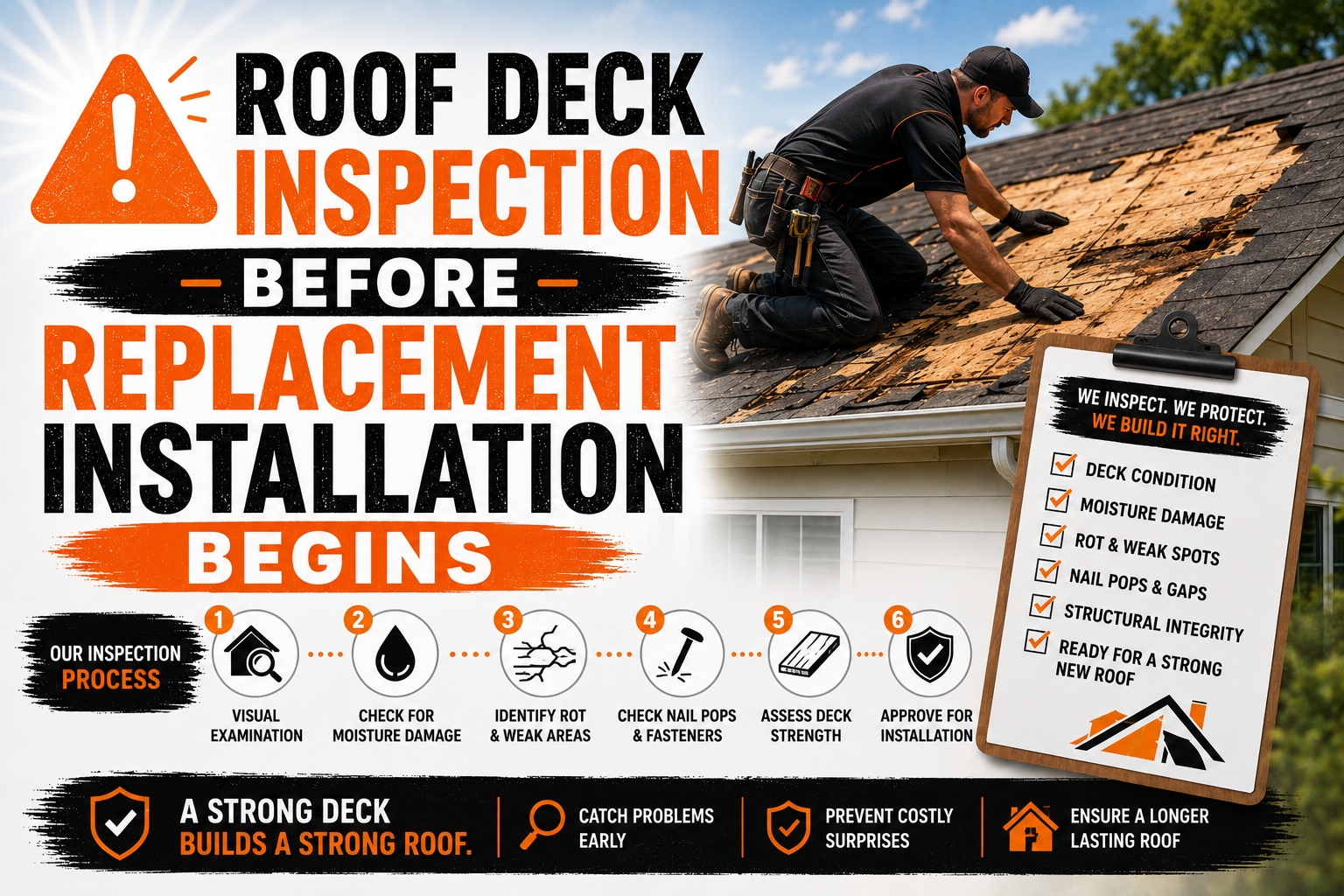
Roof Deck Inspection Before Replacement Installation Begins
Introduction
A successful roof replacement begins long before new shingles, metal panels, or other roofing materials are installed. One of the most important steps in the entire process is inspecting the roof deck, which serves as the structural foundation for the entire roofing system. Even the highest-quality roofing materials cannot perform properly if they are installed over a damaged or weakened roof deck.
Because the roof deck is hidden beneath the roofing materials, many homeowners rarely think about its condition until a roof replacement project begins. Years of exposure to moisture, changing temperatures, storms, poor ventilation, or aging roofing materials can gradually affect the deck without creating obvious warning signs inside the home. A professional inspection helps identify these hidden problems before they compromise the performance of the new roof.
Replacing roofing materials without evaluating the roof deck may allow existing structural damage to remain concealed. Over time, this hidden damage can lead to roof sagging, recurring leaks, reduced energy efficiency, shortened roof lifespan, and costly repairs that could have been prevented during the replacement project.
A thorough roof deck inspection also provides valuable information about the overall condition of the home’s roofing structure. Contractors can evaluate moisture damage, structural integrity, fastening systems, ventilation, and other important factors before installation begins. Addressing these issues early helps ensure that the new roofing system is installed on a stable, reliable surface.
Modern roofing standards emphasize complete roof system performance rather than simply replacing visible roofing materials. The roof deck, waterproofing components, underlayment, flashing, ventilation, and roofing materials all work together to protect the home from weather while maintaining structural stability.
This guide explains why roof deck inspections are essential before roof replacement begins. Understanding the inspection process helps homeowners appreciate the importance of evaluating the roof’s hidden structural foundation before investing in a new roofing system.
What Is a Roof Deck and Why It Matters
The roof deck is the structural surface attached to the home’s framing that supports every layer of the roofing system. It provides a solid base for underlayment, waterproofing materials, flashing, and the visible roofing material installed above it. Without a strong roof deck, even the most durable roofing products cannot perform as intended.
Most modern residential homes use plywood or oriented strand board (OSB) as roof decking materials. These engineered wood panels provide excellent strength while creating a smooth, continuous surface for roofing installation. Older homes may contain solid wood planks or other decking materials depending on the age and construction style of the building.
The roof deck performs several important functions beyond simply supporting roofing materials. It distributes structural loads across the roof framing, helping the home withstand snow, wind, maintenance activities, and the weight of the roofing system itself. A properly installed deck contributes significantly to the overall strength and stability of the roof.
The deck also provides secure fastening for roofing materials. Nails, screws, and other fasteners depend on solid decking to hold shingles, underlayment, flashing, and other roofing components firmly in place. Damaged or weakened decking reduces fastening strength while increasing the risk of future roofing problems.
Moisture protection is another important role of the roof deck. Although waterproofing materials are installed above it, the decking must remain dry and structurally sound throughout the roof’s lifespan. Long-term moisture exposure weakens wood fibers, reducing both structural strength and durability.
Proper roof deck condition also supports effective ventilation. A stable, well-maintained deck works together with attic ventilation systems to regulate temperature and moisture beneath the roofing materials, improving energy efficiency while extending roof lifespan.
Because the roof deck remains hidden after installation, its condition often goes unnoticed until roofing materials are removed during replacement. This makes inspection especially important before installing a new roof.
Understanding the purpose of the roof deck helps homeowners recognize why evaluating its condition is an essential part of every professional roof replacement project.
Why Roof Deck Inspection Is Essential Before Replacement
Roof replacement offers a unique opportunity to inspect structural components that remain inaccessible during routine maintenance. Once old roofing materials have been removed, contractors can evaluate the roof deck thoroughly and correct hidden issues before the new roof is installed.
One of the primary reasons for roof deck inspection is identifying moisture damage. Small roof leaks may have allowed water to reach the decking for months or even years without causing obvious interior damage. Over time, trapped moisture weakens the wood while increasing the risk of rot, mold, and structural deterioration.
Inspecting the roof deck also helps identify areas where previous repairs may have been incomplete or improperly performed. Temporary repairs completed years earlier may conceal underlying problems that should be corrected before the new roofing system is installed.
Structural stability is another major concern. The roof deck should remain flat, secure, and capable of supporting both the roofing materials and expected environmental loads. Soft spots, loose panels, cracked decking, or sagging sections indicate areas requiring further evaluation.
Replacing damaged decking before installing new roofing materials prevents future problems that would otherwise require removing portions of the newly installed roof. Correcting structural deficiencies during replacement is generally much more cost-effective than performing repairs after installation.
Roof deck inspection also supports manufacturer warranty requirements. Many roofing manufacturers require new roofing systems to be installed over structurally sound decking that meets current installation standards. Failing to correct damaged decking may affect warranty coverage.
Energy efficiency can also improve through deck evaluation. Contractors may identify opportunities to improve attic ventilation, air sealing, or insulation during the inspection process, enhancing the overall performance of the roofing system.
Perhaps most importantly, roof deck inspection protects the homeowner’s investment. Installing premium roofing materials over a deteriorated structural base limits the lifespan of the entire roofing system while increasing the likelihood of premature repairs.
Careful inspection ensures that every layer of the new roofing system begins with a strong, dependable foundation capable of supporting decades of reliable performance.
Common Signs of Roof Deck Damage
Although homeowners cannot normally see the roof deck directly, several warning signs may indicate hidden structural problems beneath the roofing materials. Recognizing these symptoms helps homeowners understand when professional inspection becomes especially important.
Roof sagging remains one of the most noticeable indicators of possible deck deterioration. Sections of the roof that appear uneven, depressed, or curved may suggest weakened decking or structural supports that require immediate evaluation.
Persistent roof leaks often indicate underlying deck damage, particularly when repairs have been performed repeatedly without permanently resolving the problem. Water entering through damaged roofing materials may gradually weaken the wood beneath.
Soft or spongy areas felt while walking on the roof can also indicate deteriorated decking. Although homeowners should avoid walking on roofs for safety reasons, professional roofing contractors often detect these conditions during inspections.
Interior water stains on ceilings or attic framing frequently suggest moisture reaching the roof deck. Even if visible leaks have stopped temporarily, previous water intrusion may have already affected structural components.
Mold growth inside the attic is another possible warning sign. Excessive moisture caused by roof leaks or poor ventilation may encourage mold development while indicating prolonged damp conditions affecting the roof deck.
Visible daylight entering through attic roof boards should also receive immediate attention. Gaps or openings may indicate damaged decking, missing roofing materials, or structural movement that requires professional evaluation.
Unusual attic odors sometimes accompany long-term moisture damage. Persistent musty smells may indicate damp wood, mold growth, or poor ventilation affecting the roof structure.
Storm damage should never be overlooked either. Strong winds, hail, falling tree branches, or heavy snow loads may compromise the roof deck even when surface roofing materials appear relatively undamaged.
While these warning signs do not always confirm roof deck deterioration, they strongly suggest that a thorough professional inspection should be completed before roof replacement begins.
Factors That Affect Roof Deck Condition
The condition of a roof deck depends on many different factors that influence its structural performance throughout the life of the home. Understanding these influences helps homeowners appreciate why roof deck inspections remain an important part of replacement planning.
Roof age is one of the most obvious considerations. As roofing systems grow older, the likelihood of moisture intrusion and gradual structural wear increases. Older homes often require more detailed deck evaluations during roof replacement.
Weather exposure also plays a major role. Continuous cycles of rain, snow, sunlight, wind, humidity, and temperature changes gradually affect both roofing materials and the structural components beneath them. Severe storms may accelerate deterioration even when damage appears minor initially.
Roof leaks represent another major factor. Water penetrating damaged shingles, flashing, or roof penetrations may slowly weaken decking over many years before noticeable interior symptoms appear.
Attic ventilation significantly influences deck condition as well. Poor airflow allows excessive heat and moisture to accumulate beneath the roof, increasing the risk of wood deterioration, mold growth, and premature aging.
Roofing installation quality also affects long-term performance. Improper fastening, inadequate waterproofing, poorly installed flashing, or incorrect ventilation may all contribute to moisture problems that damage the roof deck over time.
Maintenance practices influence structural durability too. Regular inspections, gutter cleaning, prompt leak repairs, and preventive maintenance reduce opportunities for moisture damage while extending deck lifespan.
Environmental conditions surrounding the home also matter. Trees overhanging the roof increase debris accumulation while trapping moisture against roofing materials. Coastal environments expose roofs to salt and humidity, while colder climates create repeated freeze-thaw cycles that may affect roofing performance.
Pest activity occasionally contributes to deck deterioration as well. Insects, rodents, or birds may damage roofing materials or create openings that allow moisture to reach the decking.
Evaluating these factors during inspection helps contractors understand both the current condition of the roof deck and the underlying causes of any deterioration that may be present.
Preparing for a Professional Roof Deck Inspection
Although most roof deck inspection activities are performed by roofing professionals, homeowners can take several practical steps before the inspection to support a more efficient evaluation.
The first step is gathering information about the roof’s history. Previous repair records, warranty documents, insurance claims, and maintenance records provide valuable background that helps inspectors understand past roofing issues.
Homeowners should also document any recurring concerns such as leaks, ceiling stains, unusual attic odors, or areas where previous repairs have been performed. Sharing this information allows inspectors to pay particular attention to those locations.
Attic access should be cleared before the inspection whenever possible. Removing stored belongings from attic access points allows inspectors to evaluate framing, ventilation, insulation, and signs of moisture more efficiently.
Exterior areas surrounding the home should also remain accessible. Contractors may need space for ladders, equipment, dumpsters, and material staging while preparing for the roof replacement project.
Homeowners should discuss inspection procedures with the contractor beforehand. Understanding how the inspection will be performed, what findings will be documented, and whether photographs or written reports will be provided helps establish clear expectations.
Questions about possible deck repairs should also be addressed before construction begins. Homeowners should understand how damaged decking will be evaluated, what repair options may become necessary, and how additional work will be communicated if hidden problems are discovered after roofing materials are removed.
The following preparation checklist helps homeowners get ready for the inspection:
- Gather previous roofing records and warranties.
- Make note of any recurring leaks or ceiling stains.
- Clear access to the attic.
- Move vehicles if requested by the contractor.
- Discuss inspection procedures before work begins.
- Ask how potential deck repairs will be documented.
- Review the estimated roof replacement schedule.
Preparing for a professional roof deck inspection helps the evaluation proceed smoothly while giving homeowners a better understanding of the structural condition beneath their existing roof. In the next part, we will examine the complete roof deck inspection process, including removing old roofing materials, evaluating structural integrity, identifying moisture damage, repairing weakened decking, meeting building code requirements, and preparing the roof deck for successful new roof installation.
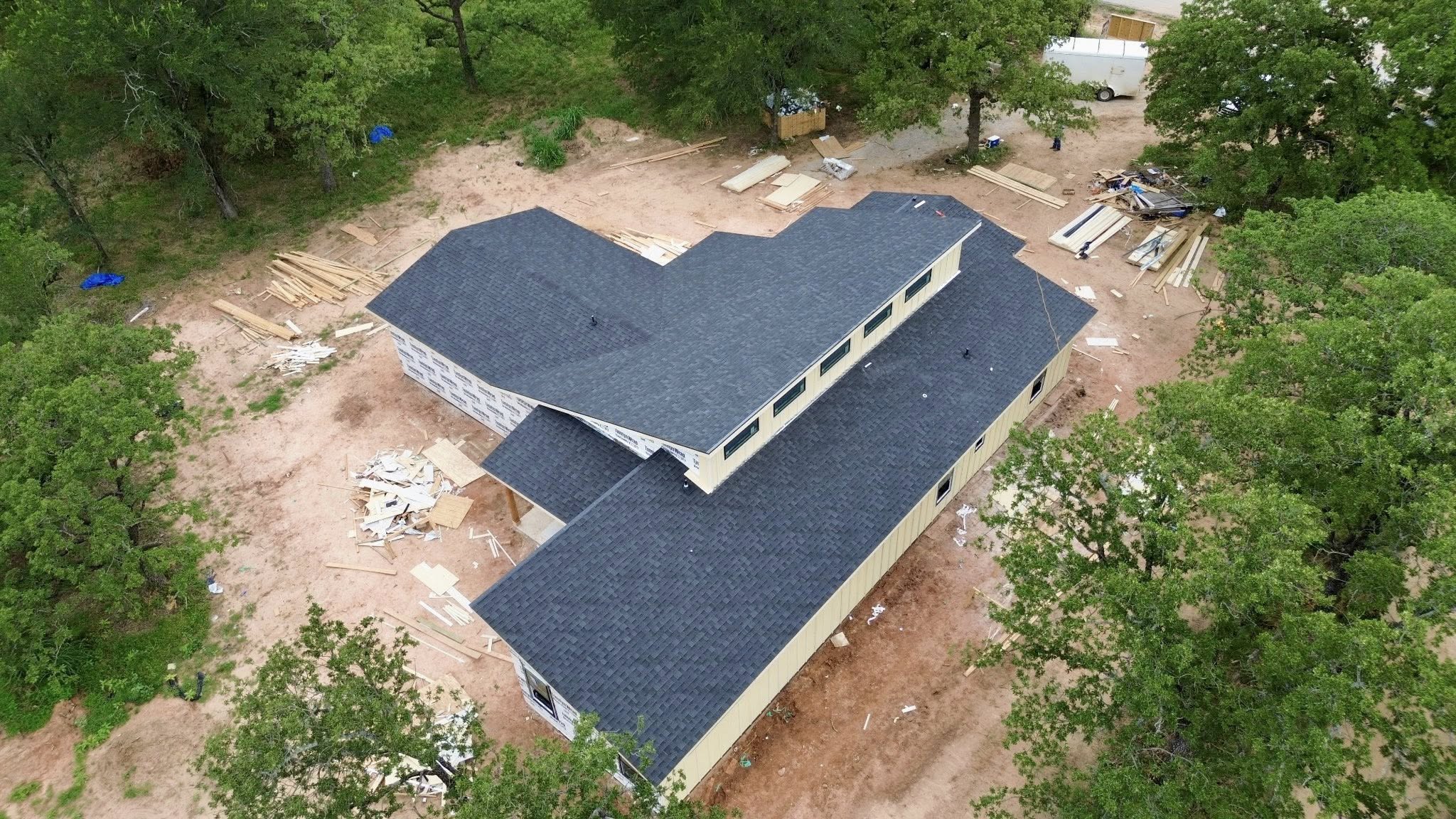
Removing Old Roofing Materials to Access the Deck
A complete roof deck inspection cannot begin until the existing roofing materials have been removed. Although the roof deck supports the entire roofing system, it remains hidden beneath shingles, underlayment, flashing, and other protective components throughout the life of the roof. Removing these layers allows contractors to examine the structural surface directly and identify problems that would otherwise remain concealed.
The roof replacement process typically starts with removing shingles or other roofing materials from the highest section of the roof before gradually working downward. Roofing crews use specialized tools to lift roofing materials while minimizing unnecessary damage to the underlying deck.
As each section of roofing is removed, debris is collected immediately and placed into dumpsters or designated disposal containers. Maintaining an organized work area improves safety while making the exposed roof deck easier to inspect.
Removing the old underlayment is equally important. Although underlayment provides valuable weather protection during the roof’s service life, it can conceal moisture damage, soft spots, or structural deterioration beneath it. Complete removal allows inspectors to evaluate the deck without obstruction.
Existing flashing around chimneys, skylights, roof valleys, plumbing vents, and wall intersections is also removed during this stage. Since flashing often covers roof edges and transitions, removing these components exposes areas where moisture damage frequently develops.
Homeowners are often surprised by the amount of roofing material removed during this process. A complete roof replacement typically generates significant debris, making proper disposal an important part of project management.
Weather conditions are monitored carefully throughout removal. If unexpected rain threatens before inspection and installation can continue, contractors protect the exposed roof deck with waterproof coverings to prevent additional moisture damage.
Complete removal provides the most accurate assessment of roof deck condition. Installing new roofing materials over old layers may hide structural problems while reducing the lifespan of the new roof. Beginning with a fully exposed deck ensures that every part of the roof can be evaluated before replacement proceeds.
Inspecting Structural Integrity and Moisture Damage
Once the roof deck has been exposed, contractors begin one of the most important stages of the entire roof replacement project. A thorough structural inspection determines whether the decking can continue supporting the new roofing system or whether repairs will be necessary before installation begins.
The inspection starts with a visual examination of the entire roof deck. Contractors look for discoloration, soft areas, cracks, loose panels, warping, and signs of previous repairs. Every section of the roof is evaluated because damage is not always limited to areas where leaks were previously observed.
Moisture damage remains one of the primary concerns during deck inspection. Even relatively small roof leaks can gradually weaken wood over many years. Water entering through damaged shingles, flashing, or roof penetrations may spread beneath the roofing system before eventually affecting the decking.
Contractors often check the firmness of the decking by applying controlled pressure while walking carefully across the roof. Areas that feel unusually soft or flexible may indicate hidden deterioration requiring closer examination.
Roof framing visible from above or through attic access points is also inspected. Rafters, trusses, ridge boards, and structural supports should remain properly aligned without signs of excessive movement or deterioration.
Fastening systems receive careful evaluation as well. Roof decking panels should remain securely attached to the framing without excessive movement. Loose panels may affect roofing performance while reducing resistance to strong winds.
Inspectors also examine joints between decking panels. Proper spacing allows natural expansion and contraction caused by changing temperatures while maintaining structural stability throughout seasonal weather changes.
Moisture meters may be used in certain situations to identify hidden dampness that is not immediately visible. These tools help contractors locate areas where trapped moisture may still be affecting structural performance.
Ventilation performance is often reviewed during this inspection because poor attic airflow frequently contributes to long-term moisture accumulation beneath the roof. Identifying ventilation deficiencies early allows improvements to be incorporated during replacement.
A comprehensive structural inspection ensures that the roof deck provides a strong, stable foundation capable of supporting the new roofing system for many years.
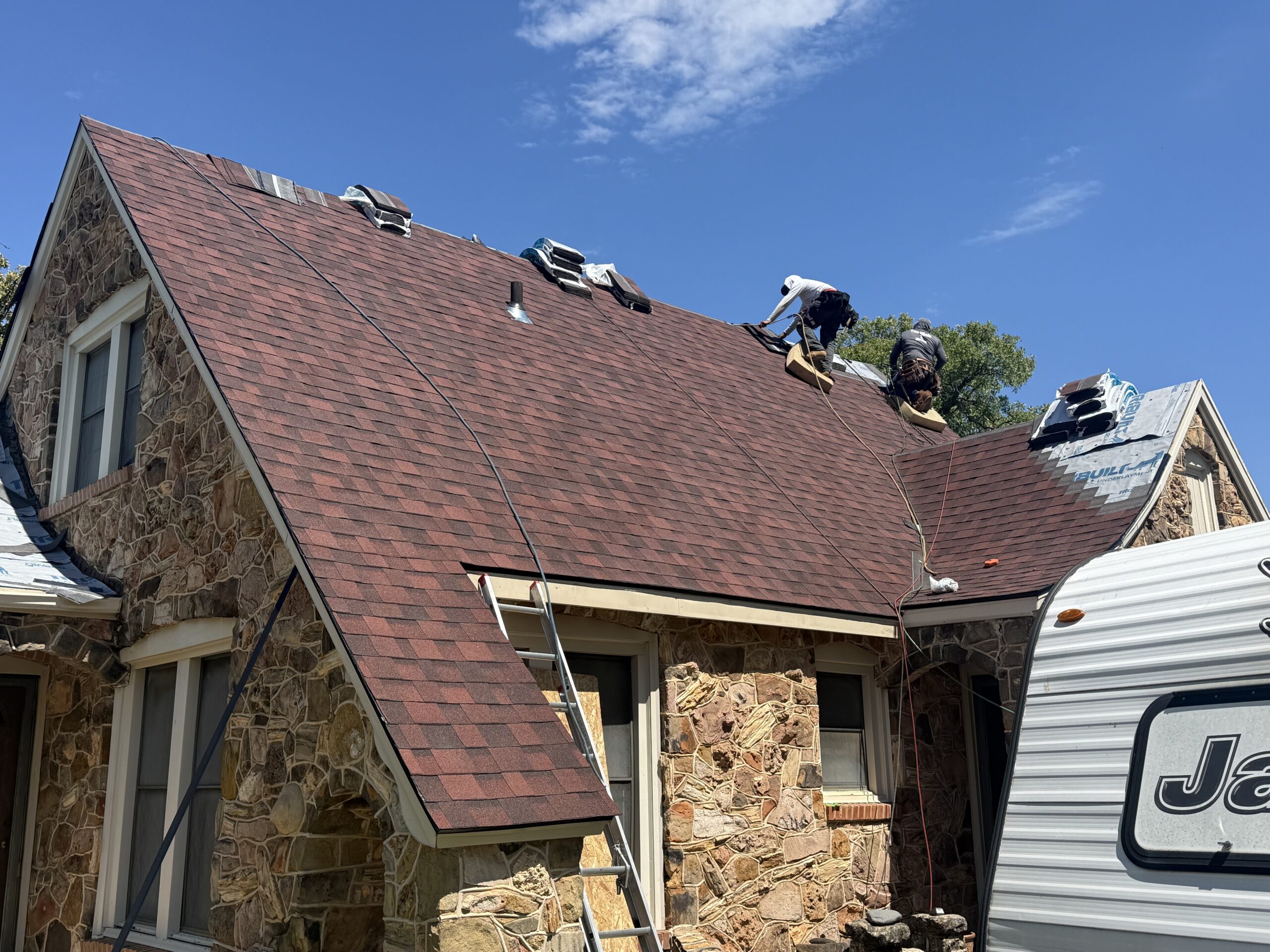
Identifying Rot, Mold, and Weak Decking Areas
One of the primary objectives of roof deck inspection is identifying deterioration that could compromise the performance of the replacement roof. Rot, mold, and weakened decking often develop gradually, making professional inspection essential once the roof has been exposed.
Wood rot occurs when moisture remains trapped within the decking for extended periods. Over time, fungal activity breaks down wood fibers, reducing structural strength while increasing the likelihood of future roof movement or failure.
Contractors carefully inspect areas surrounding roof penetrations because these locations frequently experience moisture intrusion. Plumbing vents, chimneys, skylights, exhaust vents, and roof valleys receive especially close attention during the inspection.
Mold growth may also indicate prolonged moisture exposure. While mold itself does not always require complete deck replacement, it often signals environmental conditions that should be corrected before installing the new roofing system.
Discoloration alone does not necessarily indicate serious structural damage. Contractors distinguish between cosmetic staining and actual deterioration by evaluating the firmness, stability, and overall condition of the decking.
Weak decking may also result from repeated wetting and drying cycles even when visible rot is minimal. Wood that has lost its structural strength should be replaced to ensure proper support for roofing fasteners and materials.
Older homes sometimes contain multiple generations of roof repairs. Contractors evaluate these previous repairs carefully to determine whether older replacement sections remain structurally sound or should be updated during the current project.
Roof edges and eaves frequently experience higher moisture exposure because of gutter overflow, ice dams, or wind-driven rain. These areas often require additional attention during deck inspections.
Attic conditions also provide valuable clues regarding hidden deterioration. Poor ventilation, excessive humidity, or condensation may contribute to widespread moisture problems affecting multiple sections of the roof deck.
Identifying all damaged areas before installation begins allows repairs to be completed efficiently while preventing hidden structural problems from shortening the lifespan of the new roofing system.
Repairing or Replacing Damaged Roof Deck Sections
After inspection has identified damaged areas, contractors determine the most appropriate repair strategy before roofing installation continues. The goal is to restore full structural integrity while providing a dependable foundation for the replacement roof.
Minor damage may sometimes be limited to isolated sections of decking. In these situations, contractors carefully remove only the affected panels while preserving surrounding areas that remain structurally sound.
Replacement decking should match the thickness and structural performance of the existing roof deck whenever possible. Using compatible materials helps maintain consistent load distribution across the roof structure.
Before installing replacement panels, contractors inspect the underlying framing to verify that rafters and supports remain in good condition. If structural framing has also been affected by moisture or deterioration, repairs are completed before new decking is installed.
Proper fastening remains essential during deck replacement. New panels are secured using approved fasteners and spacing patterns designed to provide long-term structural stability while meeting applicable building requirements.
Contractors also verify that replacement panels remain level with surrounding decking. Uneven surfaces may affect roofing appearance while creating installation challenges for underlayment and shingles.
When widespread damage is discovered, larger sections of decking may require replacement. Although this increases project scope, correcting structural deficiencies during roof replacement is considerably more practical than postponing repairs until after the new roof has been installed.
Homeowners should expect contractors to discuss any significant deck repairs before proceeding. Reputable roofing professionals explain the condition of the damaged areas, provide photographs when appropriate, and review repair options before additional work begins.
Repairing damaged decking represents an investment in the overall performance of the roofing system. Strong structural support improves fastening strength, weather resistance, and long-term roof durability.
Completing necessary deck repairs before installation begins ensures that every component of the new roofing system is supported by a stable and reliable structural foundation.
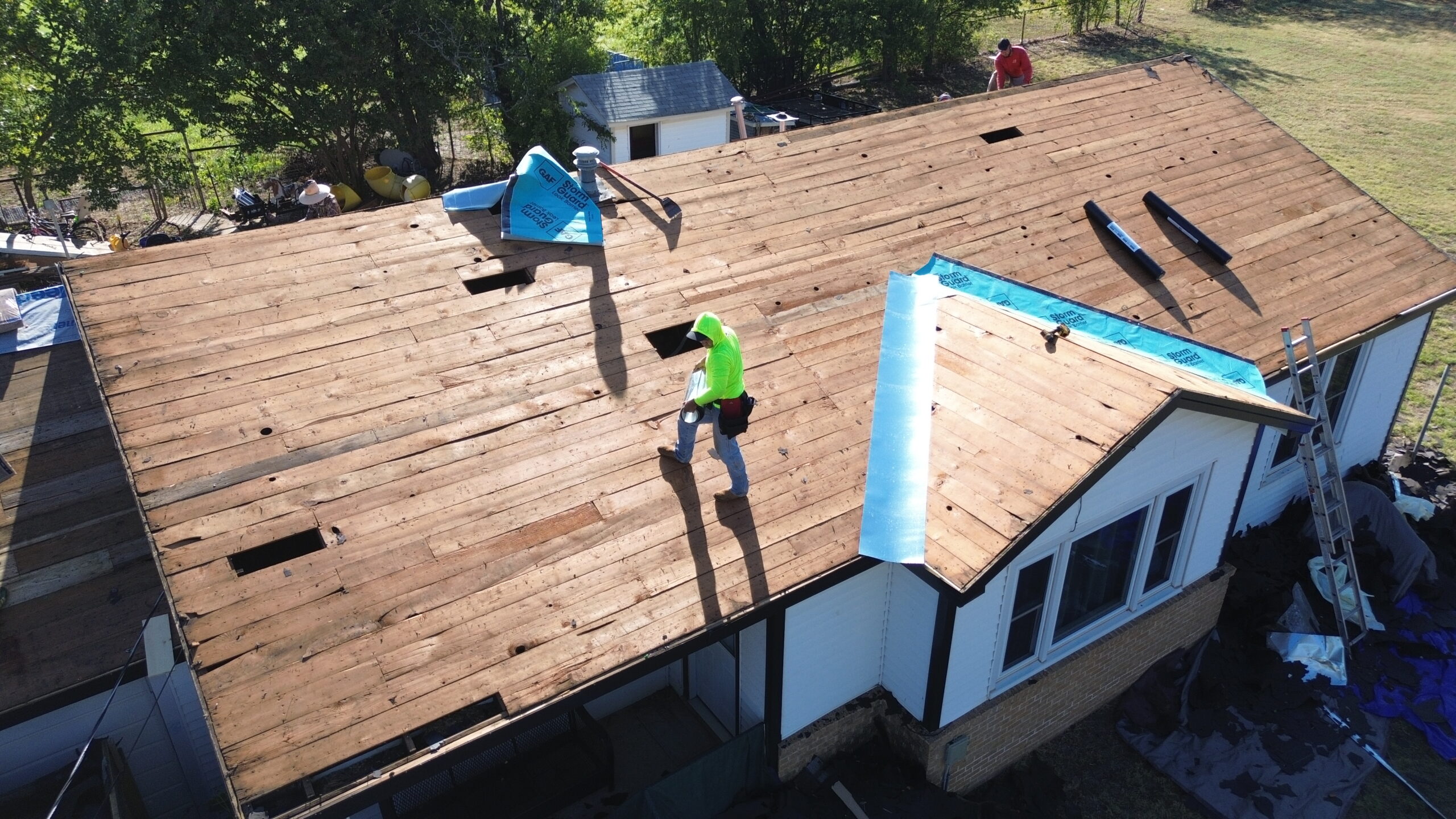
Building Code Requirements for Roof Deck Repairs
Roof deck repairs performed during replacement projects should comply with current building codes rather than simply restoring the roof to its previous condition. Building codes establish minimum standards that help ensure structural safety, weather resistance, and long-term roofing performance.
One important requirement involves structural integrity. Roof decking should provide adequate support for roofing materials, maintenance personnel, environmental loads, and expected weather conditions throughout the roof’s service life.
Replacement decking materials should meet approved construction standards for thickness, strength, and durability. Using materials that satisfy current code requirements helps ensure compatibility with the new roofing system.
Fastening requirements also receive careful attention. Building codes often specify approved fastening methods, nail spacing, and attachment techniques designed to improve structural performance during strong winds and severe weather.
Moisture protection remains another important consideration. Roof decking repairs should work together with underlayment, flashing, ventilation, and drainage systems to prevent future water intrusion while maintaining long-term durability.
Some jurisdictions require structural inspections when extensive deck replacement has been completed. Building inspectors may verify that repairs comply with approved construction standards before roofing installation continues.
Ventilation improvements required by current building codes may also be incorporated during roof replacement. Proper attic airflow reduces moisture accumulation while helping preserve both the roof deck and roofing materials.
Energy efficiency requirements occasionally influence deck repairs as well. Upgraded insulation, improved air sealing, or additional ventilation may be required depending on local building regulations.
The following table summarizes several common building code considerations affecting roof deck repairs:
| Building Code Requirement | Purpose | Benefit |
|---|---|---|
| Structural Strength | Support roofing loads | Improved safety |
| Approved Decking Materials | Ensure durability | Longer roof lifespan |
| Proper Fastening | Secure roof components | Better wind resistance |
| Moisture Protection | Prevent water damage | Improved durability |
| Ventilation Standards | Reduce attic moisture | Better energy efficiency |
| Inspection Requirements | Verify compliance | Higher construction quality |
Following applicable building codes helps ensure that roof deck repairs contribute to a safe, durable, and professionally installed roofing system.
Preparing the Deck for New Roofing Installation
After repairs have been completed and the roof deck has passed inspection, contractors prepare the surface for installation of the new roofing system. This final preparation stage ensures that every roofing component will perform as intended once construction continues.
The first step involves cleaning the roof deck thoroughly. Dust, wood fragments, loose nails, construction debris, and remaining roofing materials are removed to create a clean installation surface.
Contractors verify that replacement decking panels remain securely fastened while checking the entire roof for any remaining loose areas. Every section should provide a solid, uniform surface capable of supporting underlayment and roofing materials.
Surface irregularities are corrected whenever possible. Raised fasteners, uneven panel edges, or protruding materials may interfere with proper installation if left uncorrected.
Roof penetrations are also reviewed carefully before waterproofing begins. Plumbing vents, chimneys, skylights, attic vents, and mechanical openings should remain properly positioned while allowing flashing components to be installed correctly.
Drainage pathways receive one final inspection. Roof valleys, edges, gutters, and drainage components should remain clear to encourage efficient water flow after the roofing system has been completed.
Weather conditions continue influencing project scheduling during this phase. Contractors generally install underlayment as soon as practical after deck preparation to minimize the amount of time the structural decking remains exposed.
Quality control inspections provide additional assurance before installation proceeds. Supervisors often review completed repairs, deck condition, and preparation work to confirm that the roofing system is beginning with a structurally sound foundation.
The following preparation activities are typically completed before roofing installation begins:
- Remove all construction debris from the roof deck.
- Verify structural repairs have been completed correctly.
- Check fastening throughout the roof surface.
- Inspect roof penetrations and transition areas.
- Confirm proper drainage pathways.
- Complete final quality control inspection.
- Begin installation of underlayment and waterproofing components.
Preparing the roof deck carefully ensures that the new roofing system starts with the strongest possible foundation. In the final part, we will examine how roof deck quality affects long-term roof performance, common inspection mistakes to avoid, preventive maintenance strategies, working with roofing professionals, the long-term benefits of proper deck evaluation, and conclude the guide on roof deck inspection before replacement installation begins.
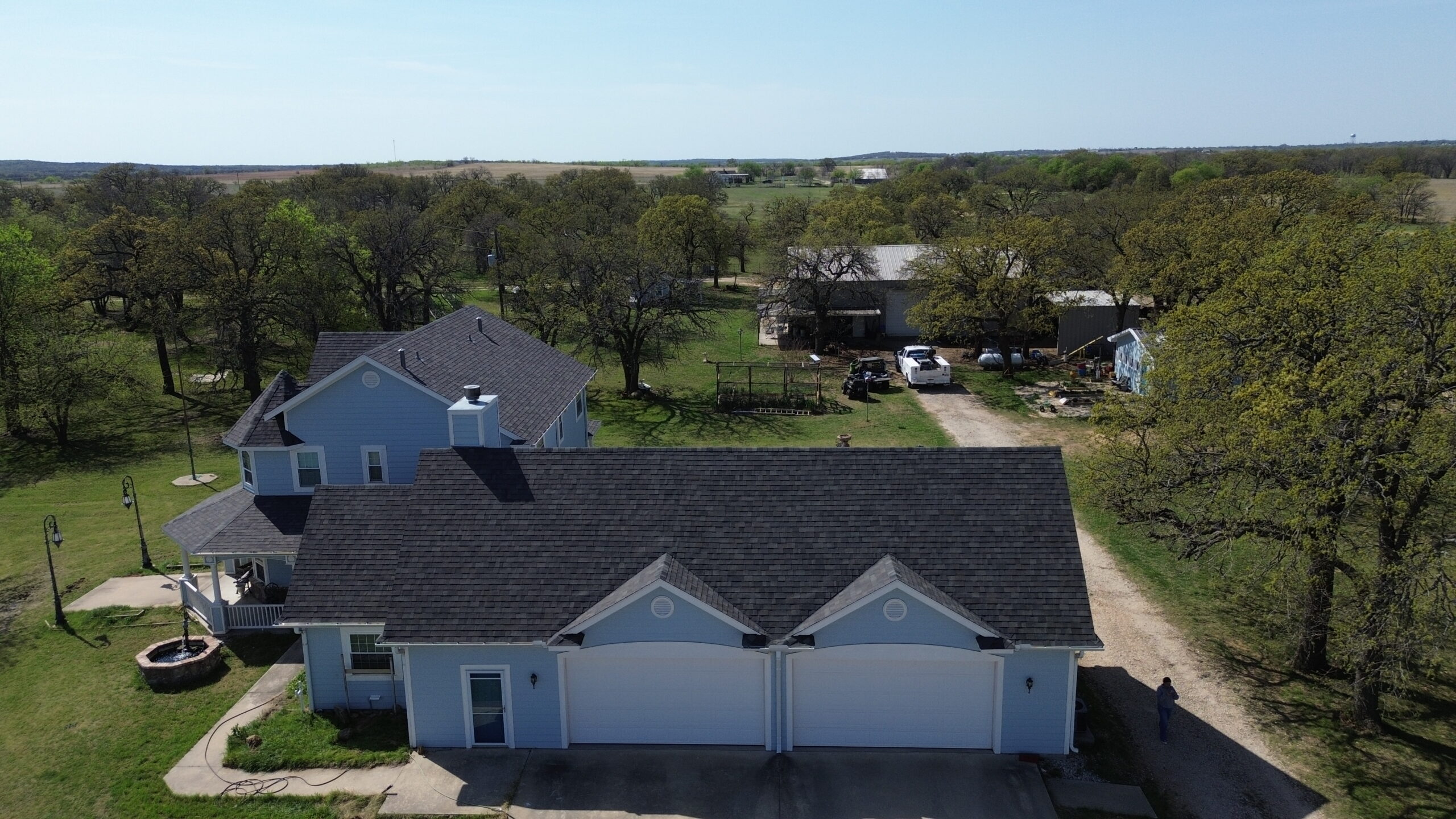
How Roof Deck Quality Affects New Roof Performance
The quality of the roof deck has a direct impact on the performance, durability, and lifespan of the entire roofing system. While homeowners often focus on the visible roofing materials, the structural surface beneath them plays an equally important role in ensuring long-term protection. Even premium roofing products cannot deliver their full value if they are installed over a damaged or unstable roof deck.
A solid roof deck provides consistent support across the entire roof surface. This allows shingles, metal panels, underlayment, and flashing to remain properly aligned while resisting movement caused by wind, rain, temperature changes, and seasonal expansion and contraction.
Secure fastening also depends on a healthy roof deck. Roofing nails and screws rely on strong decking materials to hold the roofing system firmly in place. Weak or deteriorated decking reduces fastening strength, increasing the possibility of loose shingles, lifted roofing materials, or wind damage during severe weather.
Proper roof deck condition also improves waterproofing performance. A flat, stable surface allows underlayment and roofing materials to fit correctly without gaps, wrinkles, or uneven areas that may allow moisture to penetrate beneath the roof.
Roof appearance benefits as well. Uneven or damaged decking can create visible dips, waves, or irregularities on the finished roof surface. A properly repaired deck supports a smooth and uniform installation that enhances the overall appearance of the home.
Energy efficiency is another important advantage. A well-maintained roof deck works together with insulation and attic ventilation to reduce heat transfer and moisture buildup. This contributes to more stable indoor temperatures while reducing heating and cooling costs throughout the year.
The roof deck also supports long-term maintenance. Roofing systems installed on strong structural foundations generally require fewer repairs because roofing materials remain properly secured and protected from unnecessary movement.
Investing in roof deck repairs before installation begins helps homeowners maximize the lifespan of their new roof while protecting the overall value of the replacement project.
Common Inspection Mistakes to Avoid
A professional roof deck inspection should be thorough and systematic. Overlooking structural issues during this stage can reduce roof performance while increasing the likelihood of costly repairs after installation. Understanding common inspection mistakes helps homeowners appreciate the importance of careful evaluation.
One of the most common mistakes is assuming the roof deck is in good condition simply because the existing roof has not leaked recently. Small leaks may remain hidden for years, allowing moisture to weaken the decking without creating noticeable interior damage.
Another mistake is inspecting only areas where visible damage exists. Moisture often travels beneath roofing materials before affecting the decking, meaning structural deterioration may extend beyond the location of the original leak.
Failing to inspect attic conditions can also lead to incomplete evaluations. Poor ventilation, condensation, mold growth, or insulation problems may indicate moisture issues affecting the roof deck even when the roof surface appears satisfactory.
Some inspections focus only on obvious rot while overlooking subtle structural weakening. Wood that appears relatively normal may still have lost significant strength because of repeated wetting and drying cycles.
Ignoring previous repair areas is another common oversight. Older patches, replaced decking sections, or repaired flashing may conceal additional structural concerns that deserve careful evaluation during roof replacement.
Contractors should also avoid rushing the inspection because of project schedules. Taking time to examine every section of the roof deck carefully helps prevent hidden issues from remaining beneath the new roofing system.
Another mistake involves failing to document inspection findings. Photographs, written reports, and clear explanations help homeowners understand the condition of the roof deck while supporting informed decisions regarding repairs.
Homeowners should avoid declining recommended deck repairs solely to reduce immediate project costs. Postponing necessary structural work often results in much larger repair expenses later while shortening the lifespan of the new roof.
Careful inspection reduces uncertainty while ensuring that the replacement roof begins with the strongest possible structural foundation.
Preventive Maintenance for Long Lasting Roof Decks
Although the roof deck remains hidden beneath the roofing system, proper maintenance of the entire roof helps preserve its condition throughout the life of the home. Preventive maintenance minimizes moisture intrusion while reducing the risk of structural deterioration.
Regular roof inspections remain one of the most valuable maintenance practices. Professional evaluations performed every spring and autumn help identify damaged shingles, flashing problems, clogged drainage systems, or other issues before water reaches the roof deck.
Keeping gutters and downspouts clean is equally important. Proper drainage prevents water from backing up beneath roofing materials while reducing prolonged moisture exposure along roof edges and eaves.
Roof penetrations should also be inspected routinely. Flashing surrounding chimneys, skylights, plumbing vents, and exhaust vents should remain securely attached and properly sealed to prevent leaks.
Tree maintenance contributes to roof deck protection as well. Trimming overhanging branches reduces debris accumulation while minimizing the risk of storm damage from falling limbs.
Attic ventilation deserves ongoing attention. Balanced airflow removes excess heat and moisture that could otherwise contribute to wood deterioration beneath the roofing system. Homeowners should ensure that soffit vents, ridge vents, and other ventilation openings remain unobstructed.
Interior attic inspections provide additional opportunities to identify problems early. Water stains, damp insulation, mold growth, unusual odors, or visible daylight entering through the roof should be investigated promptly.
Minor roof repairs should never be delayed unnecessarily. Replacing damaged shingles or repairing flashing shortly after damage occurs prevents moisture from reaching the structural decking.
Maintaining consistent preventive care allows the roof deck to remain dry and structurally sound while supporting the roofing system throughout its expected lifespan.
Working with Roofing Professionals During Inspection
Roof deck inspection requires specialized knowledge, experience, and equipment that most homeowners do not possess. Working with qualified roofing professionals ensures that structural conditions are evaluated accurately while providing reliable recommendations for any necessary repairs.
Professional roofing contractors understand how different roofing systems are constructed and where hidden damage is most likely to occur. Their experience allows them to recognize subtle warning signs that may not be obvious during a casual visual inspection.
Roofing consultants may also participate in larger or more complex replacement projects. These professionals provide independent evaluations of roof condition while helping homeowners understand repair priorities before installation begins.
Structural engineers become involved whenever significant structural concerns are identified. If roof sagging, framing movement, or widespread deterioration is discovered, engineering evaluations help determine the most appropriate repair strategy while ensuring long-term structural safety.
Communication between homeowners and contractors remains essential throughout the inspection process. Contractors should explain inspection findings clearly while using photographs or diagrams whenever possible to illustrate areas requiring attention.
Homeowners should not hesitate to ask questions regarding recommended repairs, replacement materials, expected costs, or project timelines. Understanding the reasons behind each recommendation supports more informed decision-making.
Experienced contractors also maintain current knowledge of manufacturer installation standards and local building codes. Their recommendations help ensure that roof deck repairs meet both structural requirements and warranty conditions.
Written inspection reports provide valuable documentation that homeowners can retain for future reference. These records describe deck condition, completed repairs, and any recommendations for ongoing maintenance after roof replacement.
Choosing qualified professionals strengthens the entire roof replacement process while increasing confidence that hidden structural issues have been identified and corrected properly.
Long Term Benefits of Proper Roof Deck Evaluation
Although roof deck inspection occurs before the visible roofing installation begins, its benefits continue throughout the entire lifespan of the new roof. Investing time and resources in a thorough evaluation helps protect both the roofing system and the home itself for many years.
The most important long-term benefit is improved roof durability. Roofing materials installed on a strong structural foundation remain more stable while resisting movement caused by weather, temperature changes, and normal aging.
Reduced maintenance costs also contribute to long-term value. Correcting hidden deck problems before installation decreases the likelihood of future leaks, structural repairs, and premature roofing failures that require expensive corrective work.
Homeowners also benefit from greater energy efficiency. A dry, stable roof deck supports effective insulation and attic ventilation, reducing heat transfer while improving indoor comfort throughout the year.
Property value may increase as well. A professionally installed roofing system supported by a sound structural deck provides confidence for future buyers while demonstrating that major structural components have been properly maintained.
Insurance claims related to roofing damage may also be simplified when the roof has been installed according to accepted construction standards. Proper deck evaluation reduces the likelihood of failures caused by pre-existing structural deficiencies.
Routine maintenance becomes more effective because homeowners begin with a reliable roofing foundation rather than hidden deterioration. Preventive inspections can then focus on preserving the roof rather than addressing concealed structural problems.
The following long-term benefits result from thorough roof deck evaluation:
| Long Term Benefit | How It Helps the Homeowner |
|---|---|
| Stronger Roof Structure | Provides stable support for roofing materials |
| Longer Roof Lifespan | Reduces premature roof deterioration |
| Lower Repair Costs | Prevents hidden structural failures |
| Better Energy Efficiency | Supports insulation and ventilation performance |
| Improved Home Value | Increases buyer confidence |
| Better Weather Protection | Reduces the risk of future leaks |
Proper roof deck inspection creates value that extends well beyond the construction period, protecting the homeowner’s investment throughout the roof’s entire service life.
Conclusion
A roof replacement is much more than installing new shingles or roofing materials. The success of the entire project depends on the condition of the roof deck that supports every layer above it. Inspecting this hidden structural foundation before installation begins is one of the most important steps in ensuring long-term roof performance.
Throughout this guide, we explored the purpose of the roof deck, why professional inspections are necessary, and the factors that influence deck condition over time. We discussed how moisture, aging, ventilation, storms, and previous roof leaks can gradually weaken the structural decking even when problems are not immediately visible.
We also examined the complete inspection process, including removing old roofing materials, evaluating structural integrity, identifying rot and moisture damage, repairing weakened sections, meeting building code requirements, and preparing the roof deck for new roofing installation. Each stage contributes to creating a stable foundation for the replacement roof.
Beyond the inspection itself, we reviewed common mistakes to avoid, preventive maintenance practices, the value of working with qualified roofing professionals, and the long-term benefits that result from a properly evaluated roof deck. These practices help homeowners protect their investment while maximizing the lifespan of the new roofing system.
The roof deck may never be seen once the replacement project has been completed, but its importance cannot be overstated. A strong, dry, and structurally sound deck allows every other roofing component to perform at its highest level, improving weather resistance, energy efficiency, appearance, and long-term reliability.
Ultimately, investing in a thorough roof deck inspection before replacement installation begins provides homeowners with confidence that their new roof is built on a solid foundation. By addressing hidden structural issues before new materials are installed, homeowners can reduce future repair costs, extend roof lifespan, protect their property, and enjoy dependable performance for decades to come.