


The Ultimate Roof Maintenance Guide for Homeowners
Your roof protects everything beneath it, yet it is often one of the most overlooked parts of a home. Many homeowners only think about their roof when a problem appears, but by then the damage may already be expensive. Regular roof maintenance helps extend the life of your roof, prevents costly repairs, and keeps your home safe from weather and structural issues. This guide explains everything you need to know to maintain your roof properly and avoid unexpected problems.
Why Roof Maintenance Matters
Roof maintenance is not just about keeping your home looking good. It is about protecting your investment and ensuring long term durability. A well maintained roof can last years longer than one that is neglected. Small issues like loose shingles or clogged gutters can turn into major problems if ignored.
Regular maintenance also helps improve energy efficiency. A properly functioning roof keeps your home insulated, reducing heating and cooling costs. In areas with extreme weather, maintenance becomes even more important because roofs are exposed to constant stress from heat, storms, and wind.
Understanding Your Roof System
Before you can maintain your roof effectively, it is important to understand its basic components. Your roof is more than just shingles. It is a complete system designed to work together to protect your home.
The outer layer includes shingles or other roofing materials that shield against weather. Beneath that is the underlayment, which provides an additional barrier against moisture. The roof deck supports the entire structure, while flashing seals vulnerable areas like chimneys and vents. Ventilation systems help regulate temperature and moisture levels inside the attic.
Knowing these parts makes it easier to identify potential problems and communicate with a roofing professional when needed.
How Often Should You Inspect Your Roof
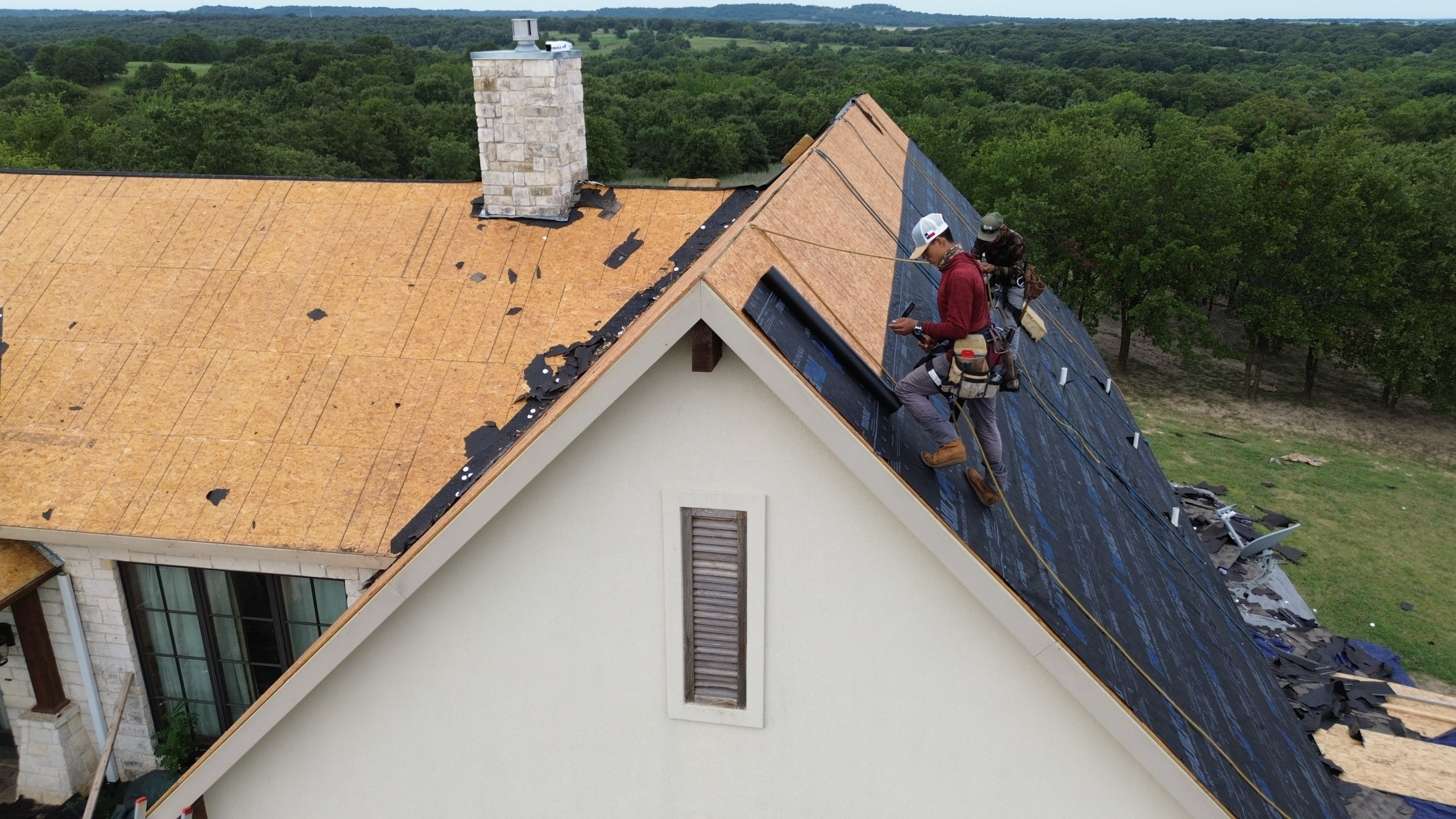
Regular inspections are the foundation of good roof maintenance. Most homeowners should inspect their roof at least twice a year, typically in the spring and fall. These inspections help identify damage caused by winter storms or summer heat.
You should also inspect your roof after major weather events such as hailstorms, heavy winds, or severe rain. Even if there is no visible damage from the ground, hidden issues can develop over time.
Professional inspections are recommended once a year. Roofing experts can identify problems that may not be visible to the untrained eye and provide recommendations for maintenance or repairs.
Signs Your Roof Needs Attention
Recognizing early warning signs can save you from costly repairs. Common signs include missing or damaged shingles, water stains on ceilings, sagging areas, and excessive granules in gutters. Moss or algae growth can also indicate moisture problems.
If you notice higher energy bills, it could be a sign that your roof is not providing proper insulation. Strange odors in the attic may suggest mold growth caused by trapped moisture.
Paying attention to these signs allows you to take action before issues worsen.
Cleaning Your Roof Safely
Keeping your roof clean is an important part of maintenance. Dirt, debris, and organic growth can weaken roofing materials over time. However, cleaning your roof should be done carefully to avoid damage.
Use a soft brush or low pressure washing method to remove debris. Avoid using harsh chemicals or high pressure equipment, as they can damage shingles. If you are unsure how to clean your roof safely, it is best to hire a professional.
Regular cleaning helps prevent buildup that can trap moisture and lead to deterioration.
Gutter Maintenance and Its Importance
Gutters play a critical role in directing water away from your roof and foundation. When gutters become clogged with leaves and debris, water can overflow and damage your roof.
Clean your gutters regularly, especially during fall when leaves accumulate quickly. Check for signs of sagging, leaks, or blockages. Make sure downspouts are directing water away from your home.
Proper gutter maintenance helps prevent water damage and extends the life of your roof.
Trimming Trees Around Your Roof
Overhanging branches can cause significant damage to your roof. They can scrape against shingles, drop debris, and provide a pathway for pests.
Trim branches that hang over your roof to reduce the risk of damage. Keeping trees well maintained also improves airflow and reduces moisture buildup.
This simple step can prevent many common roofing issues.
Preventing Moss and Algae Growth
Moss and algae thrive in damp and shaded areas. While they may not seem harmful at first, they can trap moisture and weaken roofing materials.
To prevent growth, ensure your roof has proper sunlight exposure and ventilation. Installing algae resistant shingles can also help. If moss or algae is already present, use safe cleaning methods or consult a professional.
Addressing these issues early prevents long term damage.
Checking Flashing and Seals
Flashing is used to seal areas where the roof meets other structures, such as chimneys and vents. Over time, flashing can become loose or damaged, allowing water to seep in.
Inspect flashing regularly for cracks, rust, or gaps. Make sure seals around vents and skylights are intact. Replacing damaged flashing promptly helps prevent leaks.
These small components are essential for keeping your roof watertight.
Maintaining Proper Ventilation
Ventilation is often overlooked but plays a key role in roof health. Proper airflow helps regulate temperature and prevents moisture buildup in the attic.
Poor ventilation can lead to issues such as mold growth, ice dams, and reduced energy efficiency. Ensure vents are not blocked and that your attic has adequate airflow.
Improving ventilation can extend the lifespan of your roof and improve indoor comfort.
Seasonal Roof Maintenance Tips
Different seasons bring different challenges for your roof. Understanding these changes helps you prepare and maintain your roof year round.
In spring, inspect for damage caused by winter weather and clean gutters. Summer is a good time to check for heat related wear and ensure proper ventilation. In fall, remove leaves and prepare your roof for colder temperatures. Winter requires monitoring for ice buildup and snow accumulation.
Adapting your maintenance routine to each season ensures your roof remains in good condition.
DIY vs Professional Maintenance
Some maintenance tasks can be handled by homeowners, while others require professional expertise. Simple tasks like cleaning gutters, removing debris, and visual inspections can be done safely with proper precautions.
However, tasks such as repairing shingles, replacing flashing, or addressing structural issues should be left to professionals. Attempting complex repairs without experience can lead to further damage or safety risks.
Knowing when to call a professional is an important part of responsible homeownership.
Roof Maintenance Costs
The cost of roof maintenance varies depending on the size of your roof, materials, and the extent of work required. Regular maintenance is generally affordable and can save you money in the long run.
Investing in routine inspections and minor repairs helps prevent major expenses. Ignoring maintenance often leads to costly replacements or structural damage.
Think of roof maintenance as a long term investment in your home’s value and safety.
How Maintenance Extends Roof Lifespan
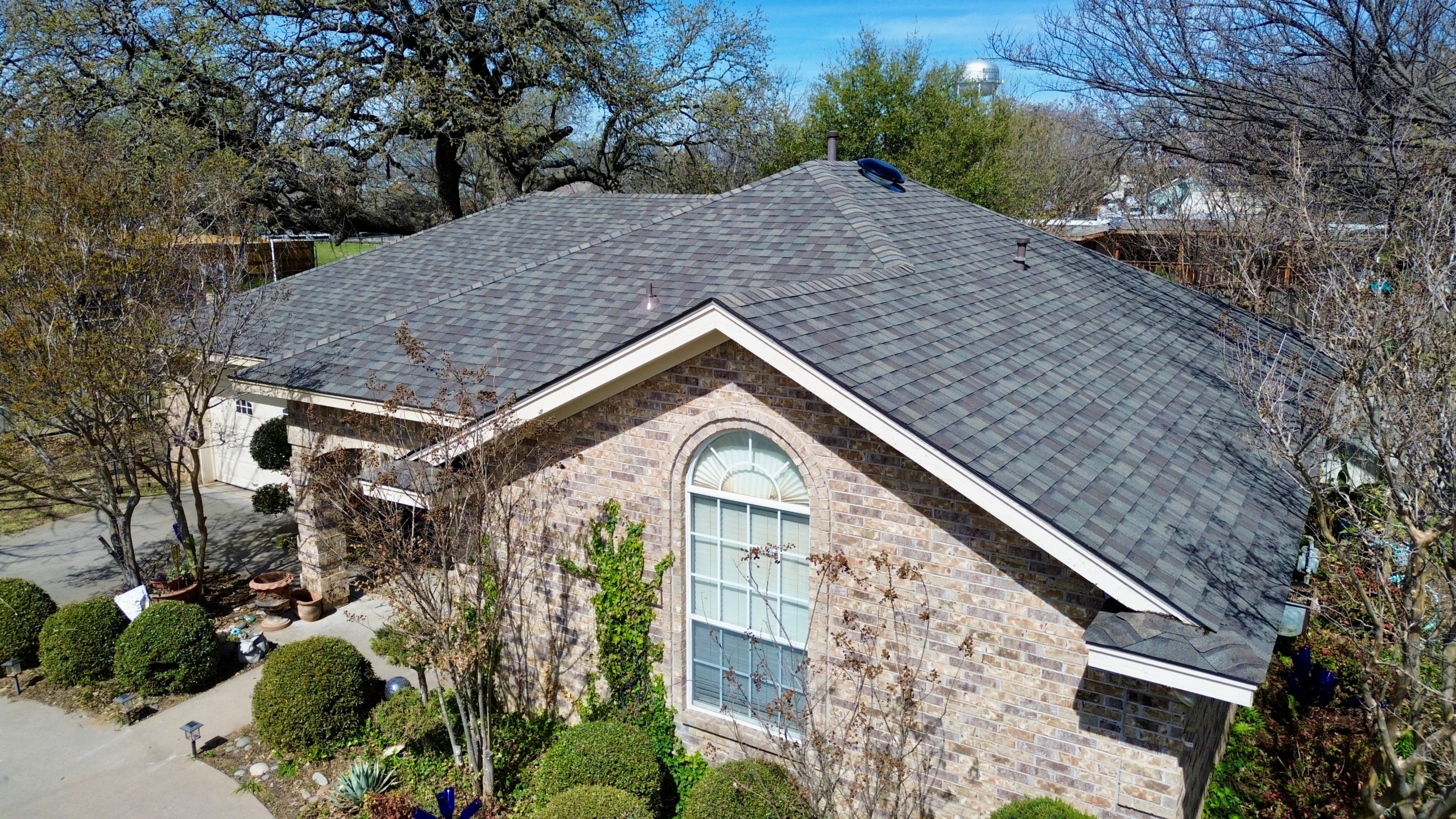
A well maintained roof can last significantly longer than one that is neglected. Regular inspections, cleaning, and timely repairs help prevent small issues from becoming major problems.
Maintenance also ensures that all components of the roof system are functioning properly. This reduces wear and tear and improves overall performance.
By taking care of your roof, you maximize its lifespan and delay the need for replacement.
Common Roof Maintenance Mistakes to Avoid
Many homeowners unknowingly make mistakes that can damage their roof. Walking on the roof without proper knowledge can cause shingle damage. Using high pressure washing can strip protective layers.
Ignoring small issues is another common mistake. What seems like a minor problem can quickly escalate. Failing to maintain gutters or trim trees can also lead to damage.
Avoiding these mistakes helps keep your roof in good condition.
Preparing for Storm Season
Storms can cause significant damage to roofs, especially in areas prone to severe weather. Preparing your roof before storm season reduces the risk of damage.
Secure loose shingles, check flashing, and clean gutters. Trim nearby trees and ensure proper drainage. Having your roof inspected before storm season can identify vulnerabilities.
Preparation helps protect your home and reduces the likelihood of emergency repairs.
When to Consider Roof Replacement
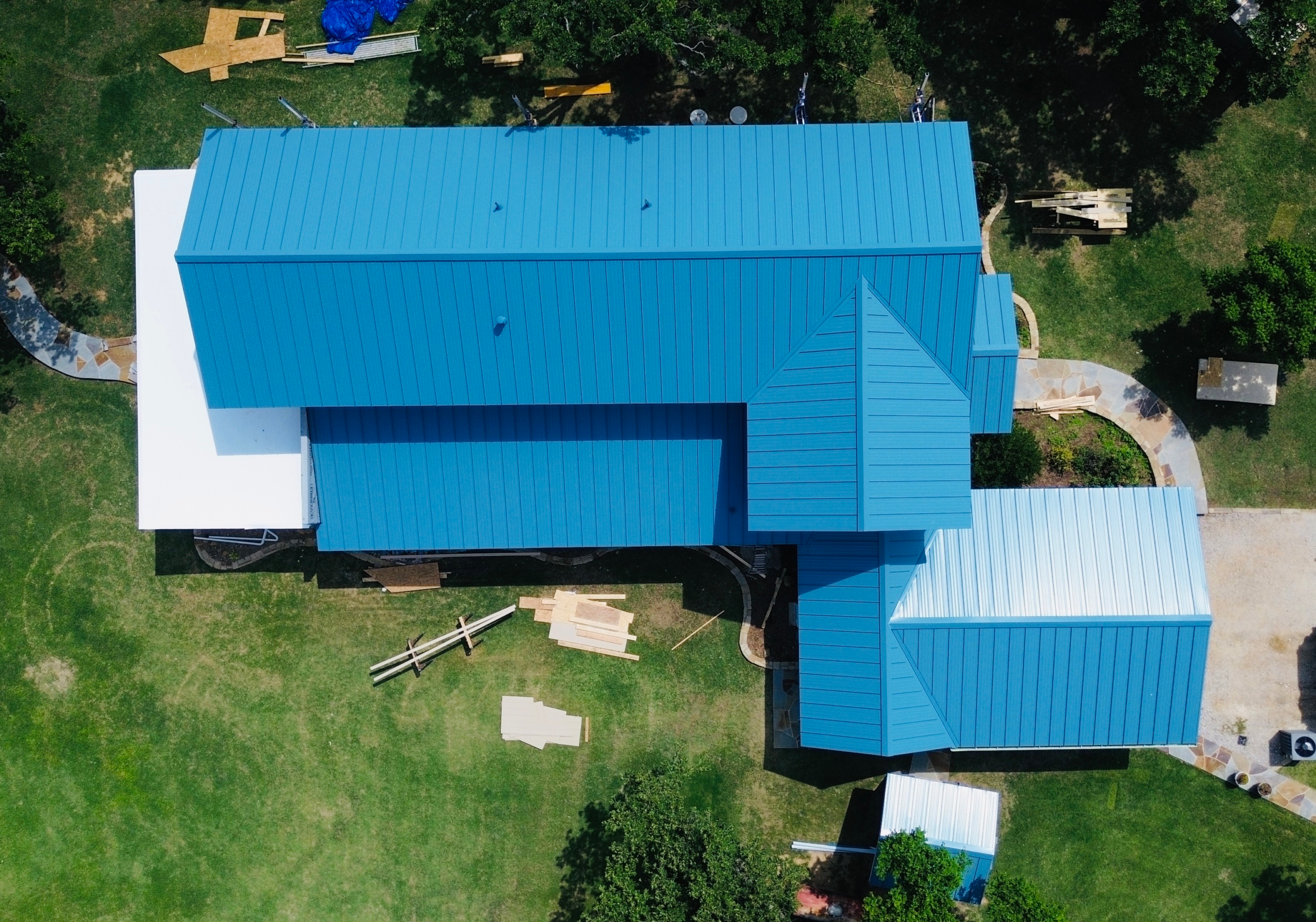
Even with proper maintenance, every roof eventually needs replacement. If your roof is nearing the end of its lifespan or has extensive damage, replacement may be the best option.
Frequent repairs, widespread leaks, and structural issues are signs that a new roof may be needed. A professional inspection can help determine the right course of action.
Replacing your roof at the right time ensures continued protection for your home.
Choosing the Right Roofing Contractor
Working with a reliable roofing contractor is essential for proper maintenance and repairs. Look for licensed and insured professionals with good reviews and experience.
Ask for detailed estimates and clear explanations of the work required. A trustworthy contractor will provide honest recommendations and quality service.
Building a relationship with a reputable contractor ensures your roof is well cared for over time.
Final Thoughts
Roof maintenance is one of the most important responsibilities of homeownership. By taking a proactive approach, you can prevent costly repairs, extend the life of your roof, and keep your home safe.
Regular inspections, cleaning, and timely repairs are key to maintaining a healthy roof. Understanding your roof system and addressing issues early helps you avoid unnecessary stress and expenses.
Do not wait for a leak to take action. Protect your home today by making roof maintenance a priority. Your roof works hard every day, and with proper care, it will continue to protect your home for years to come.