
How to Identify Roof Hail Damage After a Storm
Hailstorms can cause serious damage to residential roofs, especially in storm prone states like Texas and Oklahoma. While some hail damage is obvious, many forms of damage are difficult to spot from the ground. Even minor damage can shorten the lifespan of your roof and lead to costly leaks if left untreated.
After a severe storm, homeowners often wonder whether their roof suffered hail damage and what steps they should take next. Understanding how to identify roof hail damage can help you protect your home, prevent larger problems, and make informed decisions about repairs and insurance claims.
This complete guide explains how hail damages roofs, the warning signs homeowners should look for, how different roofing materials react to hail, and when to call a professional roofing contractor.
Why Hail Damage Should Never Be Ignored
Hail may only last a few minutes, but the damage can remain hidden for months or even years. Some homeowners assume that if there are no immediate leaks, the roof must be fine. Unfortunately, that is not always true.
Hail can weaken roofing materials and create vulnerabilities that gradually worsen over time. Small impacts may remove protective granules from shingles, crack materials, or weaken flashing. Over time, these issues can allow moisture to enter the roofing system.
Ignoring hail damage may lead to:
- roof leaks
- mold growth
- structural wood rot
- insulation damage
- reduced energy efficiency
- shortened roof lifespan
Addressing damage early is the best way to avoid larger repair costs later.
How Hail Causes Roof Damage
Hailstones vary greatly in:
- size
- density
- wind speed
- impact angle
Even small hail can damage older roofs or weakened materials. Larger hailstones can cause immediate visible destruction.
The severity of damage depends on:
- hail size
- wind speed
- roof age
- roofing material
- roof slope
- storm duration
A newer roof may resist hail better than an older roof that already has wear and tear.
Common Signs of Roof Hail Damage
After a storm, homeowners should inspect their property carefully for warning signs.
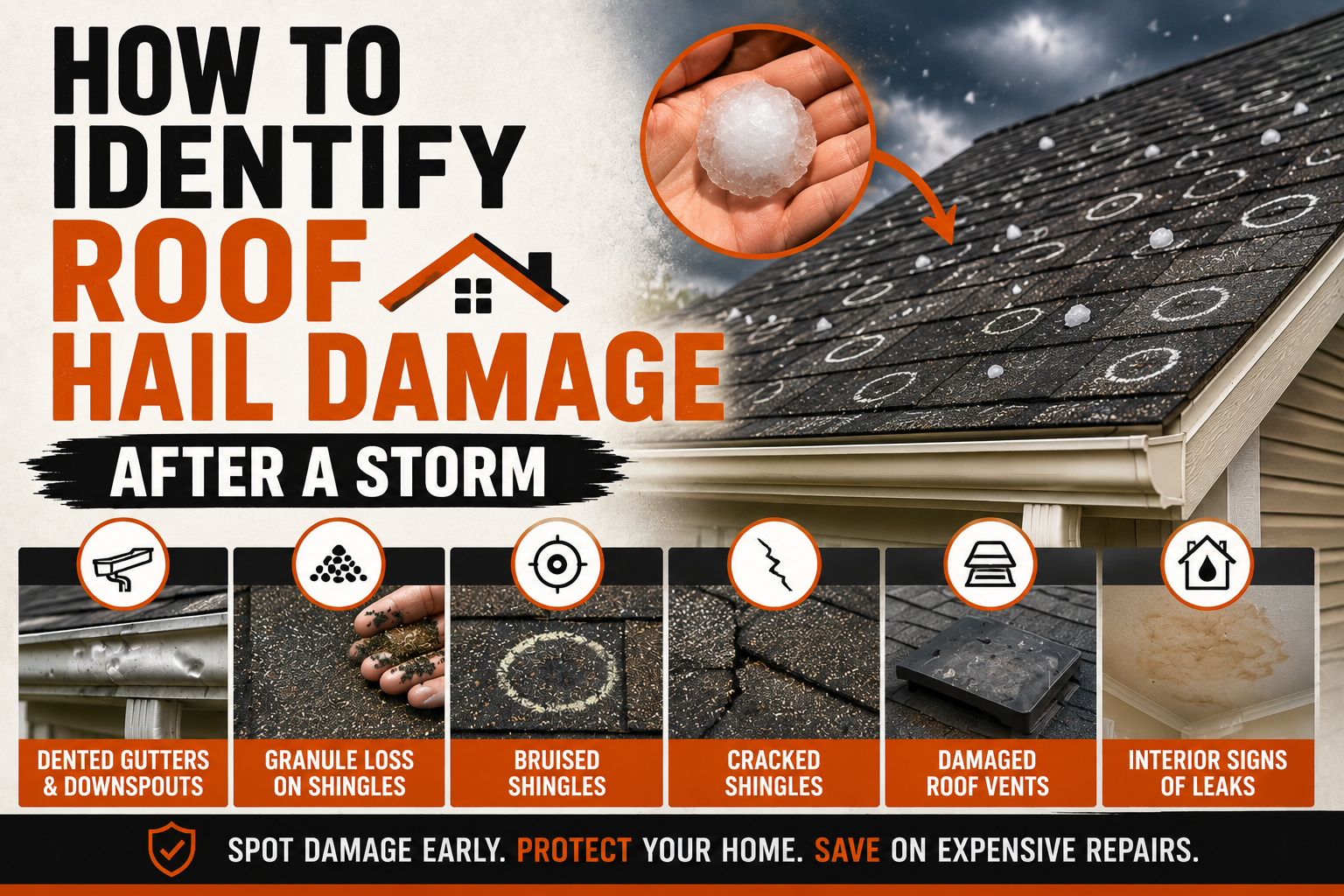
Dented Gutters and Downspouts
Metal gutters often show hail impact clearly.
Look for:
- dents
- dings
- chipped paint
- impact marks
If gutters are damaged, your roof may also have hail damage.
Damaged Roof Vents
Roof vents are often made of soft metal that dents easily during hailstorms.
Inspect for:
- dents
- cracks
- broken vent caps
Damaged vents may indicate strong hail impact on the roof.
Granule Loss on Shingles
Asphalt shingles are coated with protective granules.
Hail can knock these granules loose, leaving:
- dark spots
- bare patches
- uneven coloring
Check gutters and downspouts for excessive granule accumulation after storms.
Bruised Shingles
Bruising occurs when hail impacts asphalt shingles hard enough to damage the material beneath the surface.
Bruised shingles may:
- feel soft when pressed
- appear dark
- have circular impact marks
This type of damage weakens shingles and may lead to future leaks.
Cracked Shingles
Larger hailstones can crack shingles directly.
Cracked shingles expose underlying materials to moisture and weather damage.
Missing Shingles
Severe storms with hail and wind can loosen or remove shingles entirely.
Missing shingles should be repaired quickly to prevent water intrusion.
Exposed Roof Decking
In severe cases, hail and storm debris may expose the roof decking beneath the shingles.
This type of damage requires immediate attention.
How Different Roofing Materials React to Hail
Different roofing systems show hail damage differently.
Asphalt Shingle Roofs
Asphalt shingles are one of the most common roofing materials.
Signs of hail damage include:
- granule loss
- bruising
- cracking
- lifted shingles
Older shingles are especially vulnerable.
Metal Roofs
Metal roofs are durable but can still suffer:
- dents
- cosmetic damage
- loosened fasteners
Some metal roofs resist hail extremely well depending on material thickness.
Tile Roofs
Clay and concrete tiles may:
- crack
- chip
- break
Even a single broken tile can create leak risks.
Wood Shake Roofs
Wood roofing may experience:
- splits
- cracks
- impact marks
Moisture can worsen damage over time.
Flat Roofs
Flat roofing systems may develop:
- punctures
- membrane tears
- pooling water issues
Professional inspection is often necessary for flat roofs.
Ground Level Signs of Hail Damage
Many signs of hail damage can be seen safely from the ground.
Check Outdoor Property
Inspect:
- vehicles
- patio furniture
- fences
- air conditioning units
- siding
If hail damaged surrounding property, your roof may also be affected.
Look for Roof Debris
Pieces of shingles or roofing materials on the ground may indicate storm damage.
Inspect Landscaping
Heavy hail may strip leaves, damage plants, or break branches.
Severe landscape damage often means the roof experienced strong impacts as well.
Interior Signs of Roof Hail Damage
Not all hail damage is visible outside.
Ceiling Stains
Water stains may appear days or weeks after the storm.
Look for:
- brown stains
- yellow discoloration
- bubbling paint
Attic Moisture
Inspect the attic for:
- damp insulation
- mold
- water spots
- sunlight entering through the roof
Musty Odors
Persistent moisture from roof damage can create mold and mildew smells.
Hail Damage vs Normal Roof Wear
Some homeowners mistake normal aging for hail damage.
Normal Wear Includes:
- gradual granule loss
- aging discoloration
- natural weathering
Hail Damage Includes:
- concentrated impact spots
- bruising
- sharp granule loss patterns
- fresh cracks
Professional inspections help distinguish between aging and storm related damage.
Why Professional Roof Inspections Matter
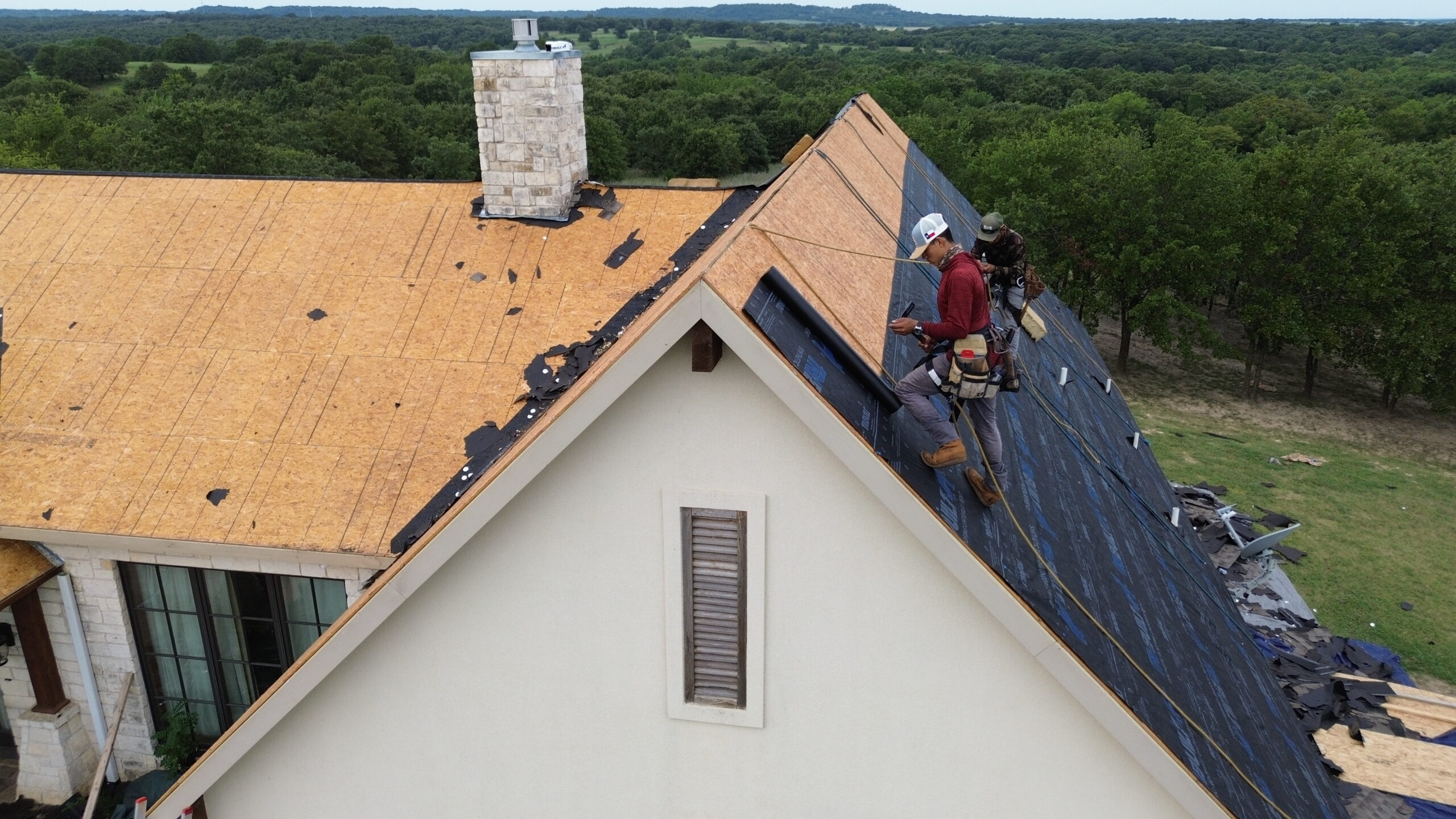
Hail damage is often difficult for homeowners to identify accurately.
Professional roofing contractors know how to:
- spot hidden damage
- identify bruised shingles
- inspect flashing
- evaluate structural issues
- document damage for insurance claims
Some forms of hail damage are invisible from the ground but still severe enough to require repairs.
What Happens if Hail Damage Goes Unrepaired
Ignoring hail damage can create major long term issues.
Water Leaks
Damaged shingles may eventually allow water into the home.
Mold Growth
Moisture trapped inside roofing materials encourages mold growth.
Reduced Roof Lifespan
Hail damage accelerates roof deterioration.
Structural Damage
Long term leaks may weaken wood decking and framing.
Increased Energy Bills
Damaged roofing systems can reduce insulation efficiency.
How Soon Should You Inspect After a Hailstorm?
Roof inspections should happen as soon as weather conditions become safe.
Waiting too long can:
- worsen damage
- complicate insurance claims
- increase repair costs
Immediate inspections also help identify emergency repair needs.
Safety Tips During Roof Inspections
Never risk personal safety to inspect storm damage.
Avoid Climbing Onto Wet Roofs
Wet roofing materials are slippery and dangerous.
Use Binoculars
Ground level inspections with binoculars are often safer.
Watch for Electrical Hazards
Stay away from downed power lines or damaged electrical equipment.
Hire Professionals for Steep Roofs
Steep or damaged roofs should always be inspected professionally.
Emergency Steps After Discovering Hail Damage
If you suspect roof hail damage:
- document visible damage
- photograph affected areas
- protect interior belongings
- contact a roofing contractor
- notify your insurance company if needed
Fast action helps minimize additional damage.
How Insurance Claims Work for Hail Damage
Many homeowners insurance policies cover storm related roof damage.
Important Steps Include:
- documenting damage
- scheduling inspections
- filing claims promptly
- keeping repair records
Insurance adjusters may inspect the roof before approving repairs.
Questions Insurance Companies May Ask
Insurers often ask:
- when the storm occurred
- when damage was discovered
- whether temporary repairs were made
- if previous roof damage existed
Accurate documentation is important throughout the process.
Temporary Repairs After Hail Damage
Temporary repairs help prevent further damage until permanent work can begin.
Common temporary solutions include:
- roof tarping
- leak sealing
- replacing missing shingles
Temporary protection is especially important during ongoing storm seasons.
Signs You May Need Roof Replacement After Hail
Sometimes repairs are not enough.
Replacement May Be Necessary If:
- damage is widespread
- shingles are brittle
- multiple leaks exist
- the roof is near the end of its lifespan
A professional contractor can determine whether replacement is the better long term solution.
How Roof Age Affects Hail Damage
Older roofs are more vulnerable because materials weaken over time.
Aging shingles may:
- crack easier
- lose granules faster
- absorb impacts poorly
Newer roofs often withstand smaller hailstorms better.
Common Mistakes Homeowners Make After Hailstorms
Ignoring Minor Damage
Small issues may become major leaks later.
Waiting Too Long for Inspections
Delays can complicate insurance claims.
Hiring Unlicensed Contractors
Always verify licensing and insurance.
Assuming No Leaks Means No Damage
Many forms of hail damage remain hidden initially.
How Roofing Contractors Inspect Hail Damage
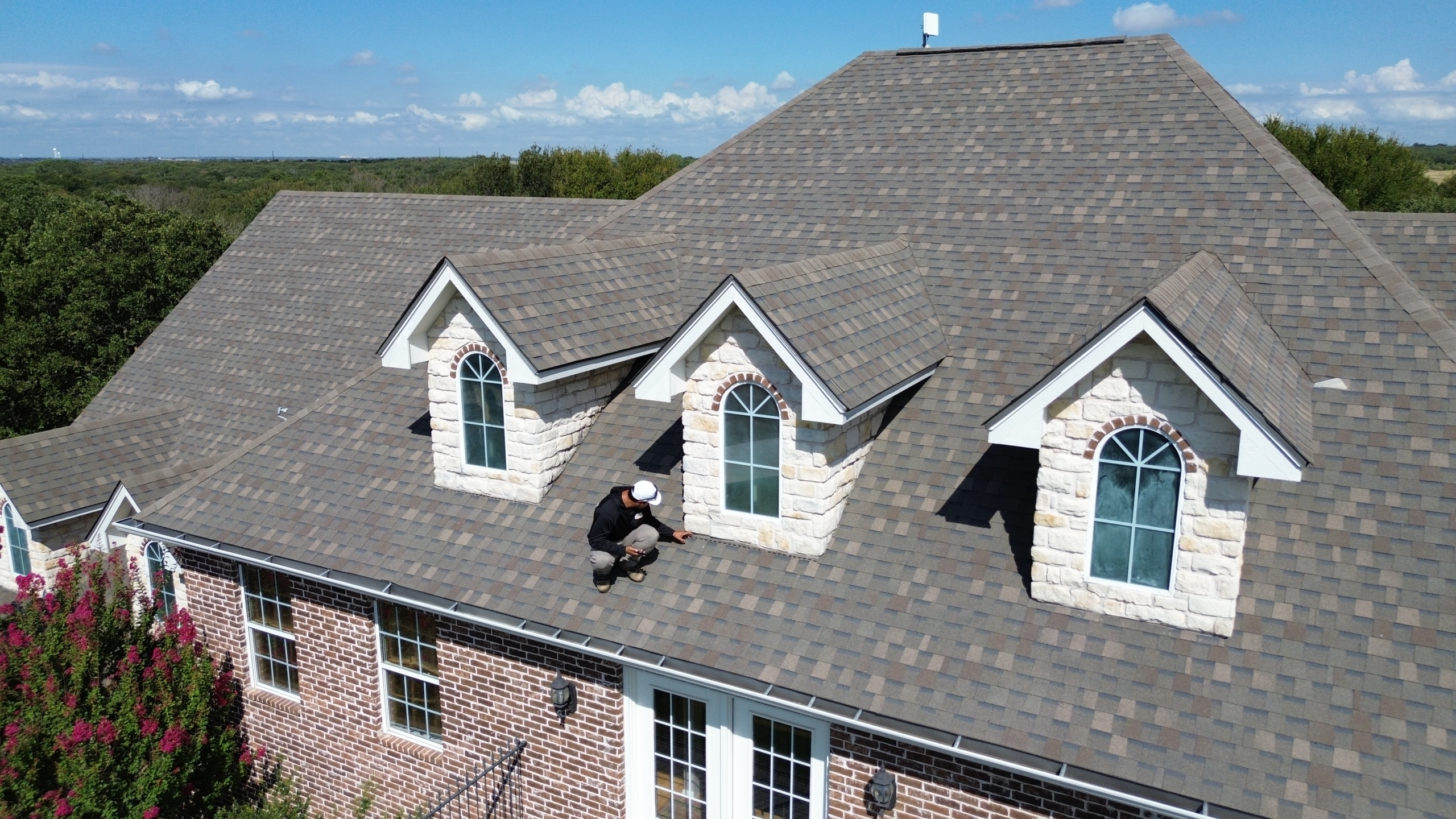
Professional inspections often include:
- shingle assessments
- flashing inspection
- attic evaluations
- gutter inspection
- moisture detection
Contractors document all findings carefully.
Roof Areas Most Vulnerable to Hail
Certain roof sections often suffer greater impact damage.
Roof Slopes Facing Storm Direction
Wind driven hail usually impacts one side more severely.
Roof Valleys
Valleys experience concentrated water flow and may become vulnerable after impacts.
Flashing Areas
Metal flashing can dent or separate during storms.
Roof Edges
Edges often experience combined wind and hail damage.
How Weather Conditions Influence Hail Damage
Storm intensity matters greatly.
Factors include:
- hail size
- wind speed
- storm duration
- roof moisture levels
Wind driven hail typically causes more severe damage.
Preventing Future Hail Damage
While storms cannot be prevented, homeowners can improve roof resilience.
Choose Impact Resistant Shingles
Class 4 impact resistant shingles provide stronger protection.
Schedule Routine Inspections
Regular maintenance identifies weak areas before storms.
Trim Nearby Trees
Reducing branch risks minimizes debris impact damage.
Upgrade Roofing Materials
Metal roofing and advanced shingles may resist hail better than older materials.
Roof Maintenance After Hail Repairs
Even after repairs, ongoing maintenance is important.
Inspect Annually
Routine inspections help monitor repaired areas.
Keep Gutters Clean
Proper drainage prevents water backup.
Watch for New Leaks
Continue monitoring ceilings and attic spaces.
How Hail Damage Affects Home Value
Roof condition strongly affects property value.
Visible or unresolved storm damage may:
- reduce curb appeal
- lower resale value
- complicate home inspections
Well maintained roofs improve buyer confidence.
Importance of Local Roofing Contractors
Local contractors understand regional weather challenges and building requirements.
Texas and Oklahoma contractors are familiar with:
- hail patterns
- insurance processes
- local roofing codes
Choosing experienced local professionals often improves repair quality.
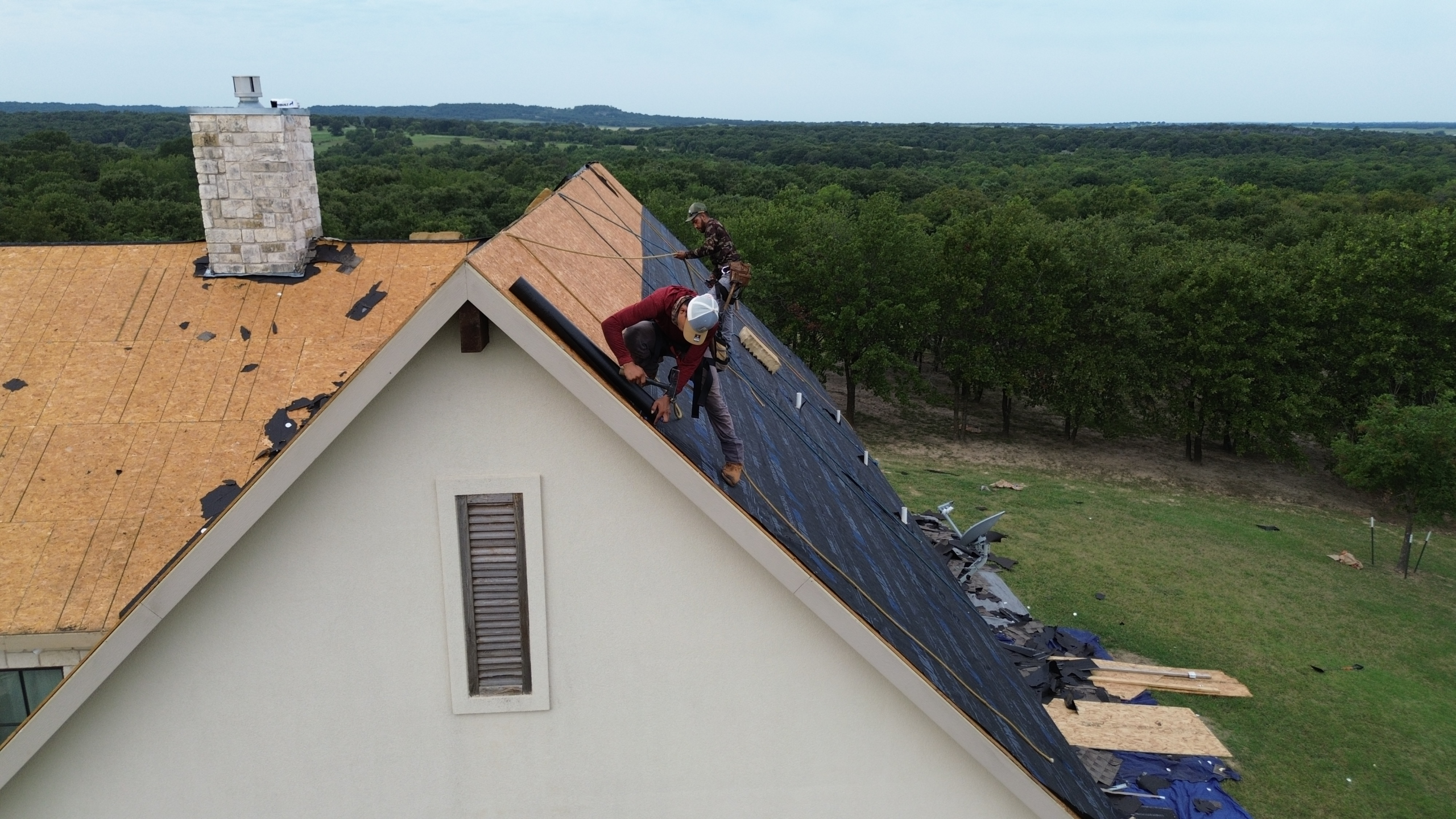
Questions to Ask a Roofing Contractor After Hail Damage
Before hiring a contractor, ask:
- Are you licensed and insured?
- Do you specialize in hail damage repairs?
- Can you assist with insurance claims?
- Will you provide written estimates?
- Do you offer warranties?
Reliable contractors provide clear communication and detailed documentation.
Understanding Cosmetic vs Functional Damage
Some hail damage affects appearance only, while other damage affects roof performance.
Cosmetic Damage Includes:
- small dents
- minor discoloration
Functional Damage Includes:
- cracks
- leaks
- punctures
- exposed materials
Functional damage should always be repaired promptly.
The Long Term Impact of Untreated Hail Damage
Even small untreated problems may worsen due to:
- heat expansion
- moisture intrusion
- freeze thaw cycles
- additional storms
Delaying repairs often increases total repair costs.
Final Thoughts
Hailstorms can damage roofs in ways that are not always immediately visible. Knowing how to identify roof hail damage after a storm is essential for protecting your home, preventing leaks, and avoiding expensive future repairs.
Homeowners should inspect their property carefully after storms, look for warning signs like bruised shingles and granule loss, and contact a trusted roofing contractor for professional evaluations when needed.
Fast action after hail damage helps preserve your roof’s lifespan, improves insurance claim success, and protects your home from long term structural problems.
Routine inspections, quality roofing materials, and professional maintenance are the best ways to prepare your home for future storms and severe weather conditions.