
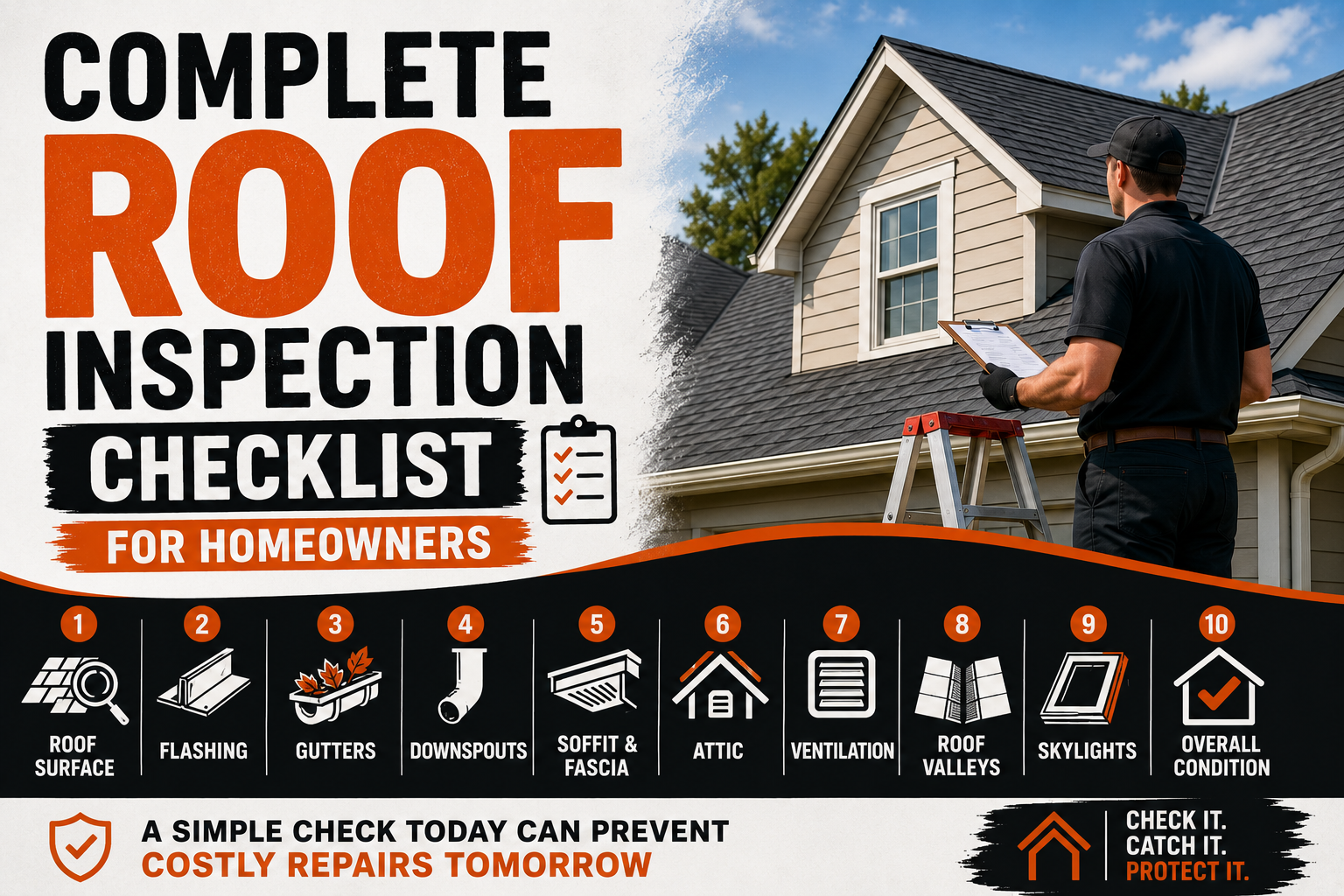
Complete Roof Inspection Checklist for Homeowners
Your roof is one of the most important parts of your home. It protects your family, belongings, insulation, walls, and structure from rain, wind, hail, heat, and other environmental conditions. However, many homeowners only think about their roof when a major problem appears. By the time leaks or water stains become visible, expensive damage may already exist beneath the surface.
Regular roof inspections help identify issues early before they become serious and costly. A proper inspection can extend the life of your roof, improve energy efficiency, prevent interior damage, and help you avoid emergency repairs.
This complete roof inspection checklist will guide homeowners through everything they should look for during a roof inspection, when inspections should happen, warning signs to watch for, and when to call a professional roofing contractor.
Why Roof Inspections Matter
Many roofing problems start small and worsen over time. Minor damage that goes unnoticed can eventually lead to:
- roof leaks
- mold growth
- damaged insulation
- structural rot
- ceiling stains
- increased energy bills
Routine roof inspections help homeowners:
- catch damage early
- protect property value
- improve roof lifespan
- reduce repair costs
- prepare for storm season
- support insurance claims
Whether your roof is new or aging, inspections should be part of regular home maintenance.
How Often Should You Inspect Your Roof?
Most roofing professionals recommend inspecting your roof at least twice per year.
The best times are:
- spring
- fall
Additional inspections should happen:
- after major storms
- after hail or high winds
- when leaks appear
- before buying or selling a home
Homes in Texas and Oklahoma may require more frequent inspections due to severe weather conditions including hailstorms, strong winds, and extreme heat.
Safety First Before Any Roof Inspection
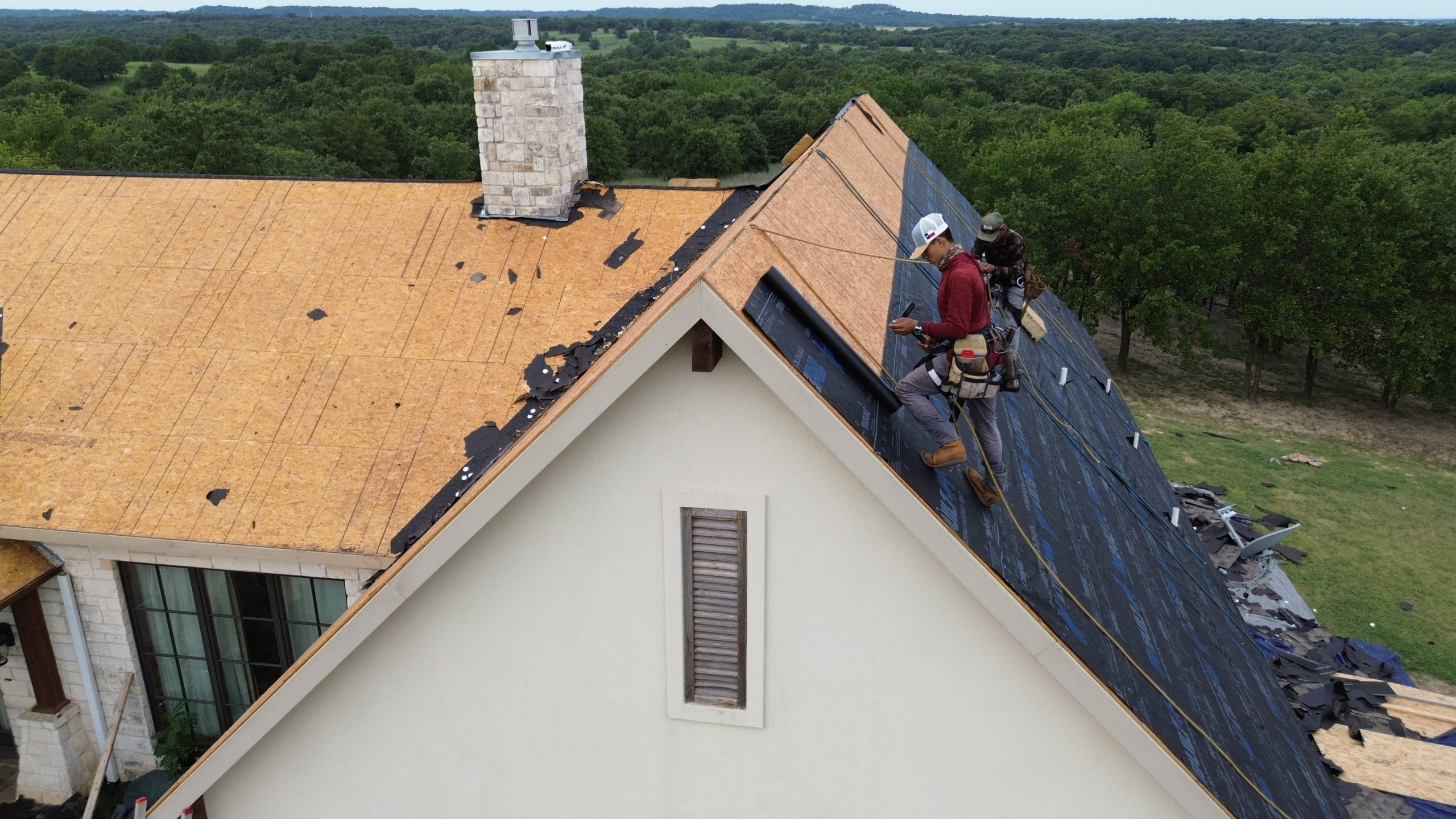
Safety is extremely important during roof inspections.
Homeowners should:
- avoid walking on steep roofs
- never inspect during bad weather
- use stable ladders carefully
- wear slip resistant shoes
- avoid wet roofing surfaces
Many inspections can be performed safely from the ground using binoculars.
If your roof appears damaged or unsafe, contact a professional roofing contractor instead of climbing onto the roof yourself.
Exterior Roof Inspection Checklist
The exterior roof inspection focuses on visible roofing materials and structural components.
Check for Missing Shingles
Missing shingles are one of the easiest signs of roof damage to spot.
Look for:
- exposed roof decking
- uneven roof sections
- bare patches
Missing shingles leave the roof vulnerable to water intrusion.
Inspect for Cracked or Curled Shingles
Asphalt shingles often deteriorate over time.
Common signs include:
- curling edges
- cracked surfaces
- blistering
- buckling
These issues may indicate aging or weather damage.
Look for Granule Loss
Shingle granules help protect against UV damage and weather exposure.
Signs of granule loss include:
- bald spots on shingles
- granules collecting in gutters
- uneven shingle color
Excessive granule loss usually means the shingles are deteriorating.
Check Roof Valleys
Roof valleys direct water off the roof and are common leak areas.
Inspect valleys for:
- missing shingles
- debris buildup
- damaged flashing
- sagging areas
Water pooling in valleys can cause major leaks.
Inspect Flashing
Flashing seals vulnerable areas around:
- chimneys
- vents
- skylights
- roof edges
Damaged flashing may cause leaks even if shingles appear fine.
Look for:
- rust
- cracks
- loose sections
- gaps
Examine Roof Vents
Roof vents help regulate attic ventilation.
Check for:
- cracked vent covers
- loose seals
- damaged flashing
- blockages
Poor ventilation can lead to moisture problems and higher energy bills.
Inspect Chimneys
If your home has a chimney, inspect:
- flashing around the base
- cracked masonry
- loose mortar
- damaged chimney caps
Chimney leaks are common roofing issues.
Look for Sagging Areas
A sagging roof may indicate structural damage or trapped moisture.
Even slight sagging should be inspected professionally.
Possible causes include:
- rotting wood
- weakened decking
- water damage
- structural stress
Check Gutters and Downspouts
Gutters are important for proper drainage.
Inspect for:
- clogs
- sagging gutters
- loose fasteners
- rust
- standing water
Poor drainage can damage both the roof and foundation.
Inspect Roof Edges
Roof edges are vulnerable to wind damage.
Check for:
- loose materials
- damaged drip edge
- lifted shingles
Wind often affects roof edges first during storms.
Interior Roof Inspection Checklist
Interior inspections help identify hidden roof problems.
Check the Attic
The attic often reveals roof damage before it becomes visible elsewhere.
Look for:
- water stains
- damp insulation
- mold
- wood rot
- sunlight coming through the roof
Any visible daylight may indicate openings in the roofing system.
Inspect Ceilings
Ceiling stains are common signs of roof leaks.
Look for:
- yellow or brown stains
- bubbling paint
- peeling drywall
- warped ceilings
Leaks may travel before becoming visible, so the source is not always directly above the stain.
Look for Mold or Mildew
Roof leaks create moisture problems that encourage mold growth.
Signs include:
- musty odors
- black spots
- discoloration
Mold can affect indoor air quality and health.
Check Walls Near the Ceiling
Water intrusion sometimes affects upper walls.
Watch for:
- peeling paint
- warped drywall
- soft spots
These issues may indicate hidden leaks.
Storm Damage Inspection Checklist
Storms are a major cause of roofing problems in Texas and Oklahoma.
Check for Hail Damage
Hail can cause:
- dents
- cracks
- bruised shingles
- granule loss
Hail damage is sometimes difficult to spot without professional inspection.
Inspect for Wind Damage
Strong winds may:
- lift shingles
- loosen flashing
- expose underlayment
Even small wind damage can lead to leaks later.
Look for Fallen Debris
Tree limbs and debris can puncture roofing materials.
Inspect for:
- broken shingles
- dents
- punctures
- structural damage
Check Nearby Property
Sometimes storm damage is easier to identify by looking around your property.
Signs include:
- damaged fences
- fallen branches
- dented gutters
- damaged siding
If surrounding property shows storm impact, your roof may also be affected.
Roof Inspection Checklist for Different Roofing Materials
Different roofing systems require slightly different inspection methods.
Asphalt Shingle Roofs
Inspect for:
- missing shingles
- curling
- cracking
- granule loss
Metal Roofs
Check for:
- dents
- corrosion
- loose fasteners
- separated seams
Tile Roofs
Look for:
- cracked tiles
- broken sections
- slipping tiles
Flat Roofs
Inspect for:
- ponding water
- membrane damage
- punctures
- drainage issues
Signs Your Roof Needs Immediate Attention
Signs Your Roof Needs Immediate Attention
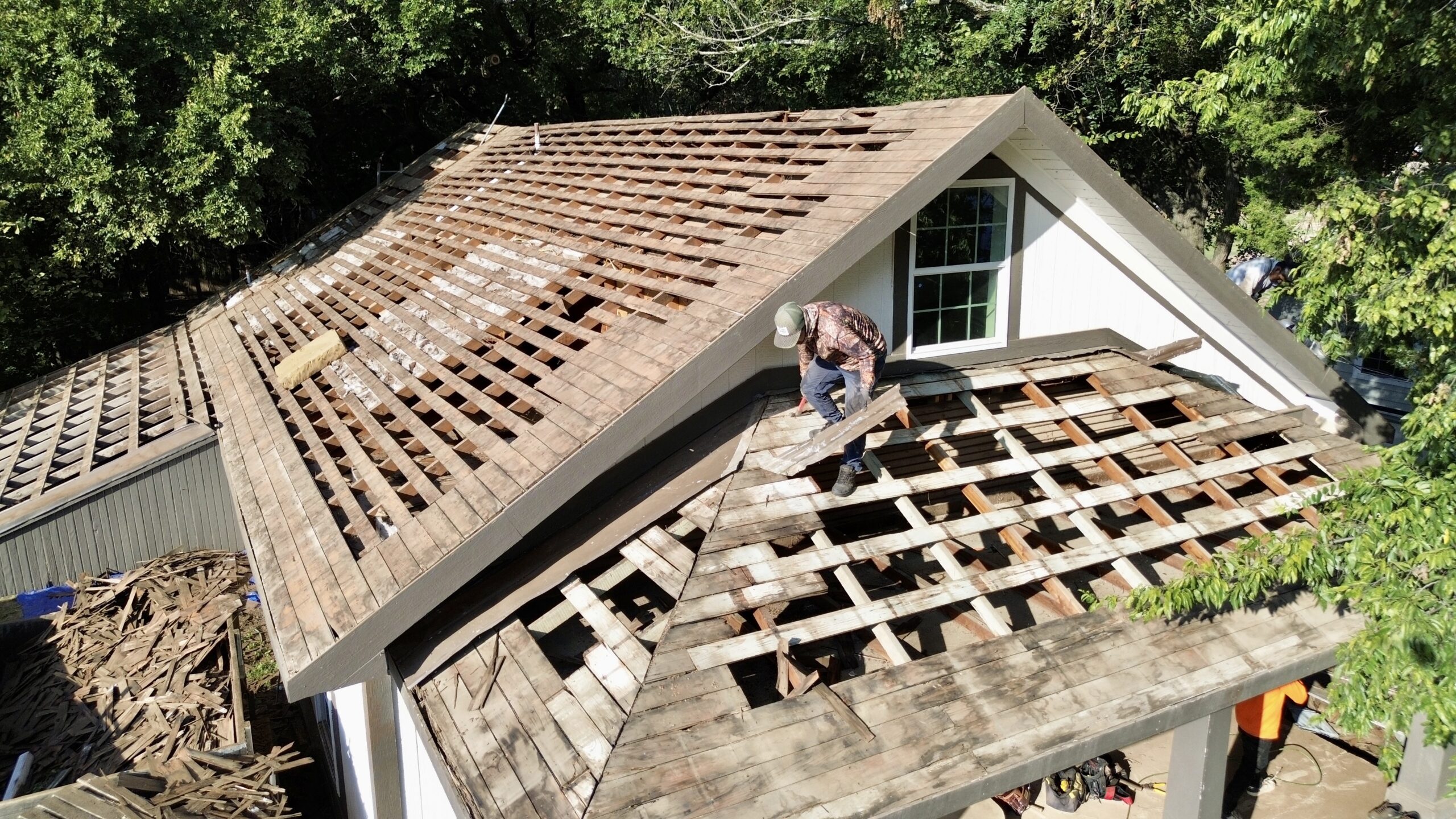
Some roofing problems require urgent professional repairs.
Active Leaks
Water entering the home should never be ignored.
Structural Sagging
Sagging may indicate severe structural weakness.
Large Missing Sections
Exposed decking leaves your home vulnerable to major water damage.
Mold Growth
Persistent moisture creates health and structural concerns.
Storm Impact Damage
Severe hail or wind damage should be inspected immediately.
Benefits of Professional Roof Inspections
While homeowners can identify some visible issues, professional inspections provide more detailed evaluations.
Professional roofing contractors can:
- identify hidden damage
- inspect structural components
- evaluate ventilation
- assess flashing
- detect moisture problems
- document storm damage for insurance claims
Professional inspections are especially important after severe weather.
Roof Inspection Tools Professionals Use
Roofing contractors often use specialized equipment such as:
- moisture meters
- drones
- infrared imaging
- ladders and safety gear
These tools help detect hidden issues homeowners may miss.
Common Roofing Problems Found During Inspections
Roof inspections often reveal common problems including:
- damaged shingles
- clogged gutters
- poor ventilation
- flashing failures
- leaks
- storm damage
- aging materials
Addressing these problems early can extend roof lifespan significantly.
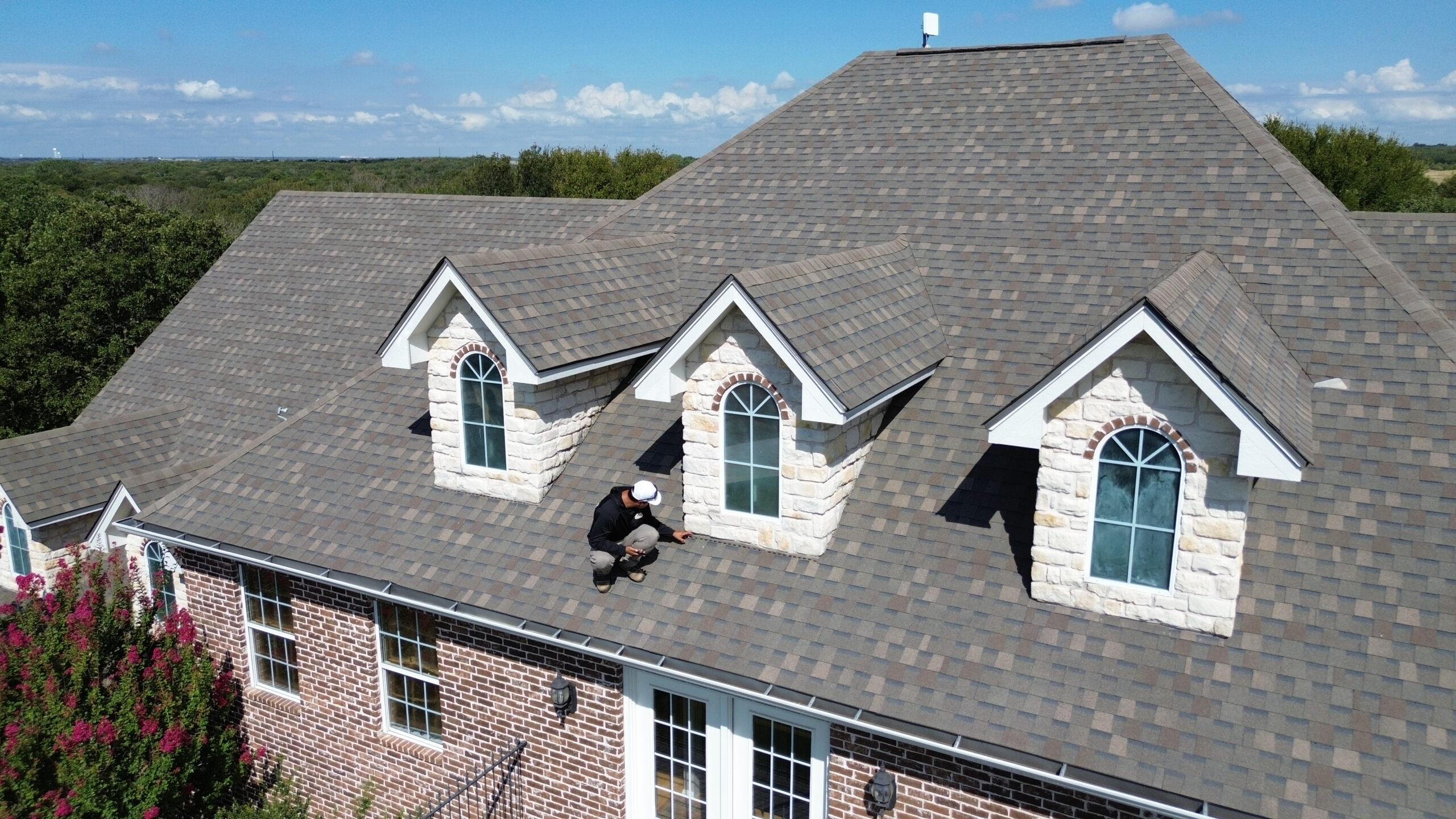
How Long Does a Roof Inspection Take?
Inspection times vary depending on roof size and condition.
Most inspections take:
- 30 minutes to 2 hours
More detailed inspections after storms may take longer.
Roof Inspection Checklist Before Buying a Home
If purchasing a home, roof inspection is extremely important.
Buyers should check:
- roof age
- visible damage
- previous repairs
- attic condition
- ventilation
- drainage systems
A professional inspection can reveal expensive issues before closing.
Roof Inspection Checklist Before Selling a Home
Sellers can benefit from inspections before listing a property.
A pre sale inspection may:
- identify needed repairs
- improve buyer confidence
- reduce negotiation problems
- increase property value
Well maintained roofs are strong selling points.
Seasonal Roof Inspection Tips
Spring Roof Inspection
Check for:
- winter storm damage
- loose shingles
- clogged gutters
- water damage
Summer Roof Inspection
Inspect for:
- heat related cracking
- UV damage
- ventilation problems
Fall Roof Inspection
Prepare for colder weather by checking:
- drainage systems
- flashing
- seals
- roof integrity
Winter Roof Inspection
Watch for:
- ice dams
- heavy debris
- moisture issues
Roof Maintenance Tips Between Inspections
Regular maintenance helps reduce roofing problems.
Clean Gutters Regularly
Blocked gutters can cause water backup and leaks.
Trim Tree Branches
Overhanging limbs increase storm damage risk.
Remove Debris
Leaves and debris trap moisture on roofing surfaces.
Address Small Repairs Quickly
Minor problems become expensive when ignored.
How Roof Age Affects Inspections
Older roofs require closer monitoring.
Typical roof lifespans:
- asphalt shingles: 15 to 30 years
- metal roofs: 40 to 70 years
- tile roofs: 50 years or more
As roofs age, inspections become increasingly important.
Roof Inspection Red Flags
Certain warning signs often indicate larger problems.
Repeated Leaks
Frequent leaks suggest deeper roofing issues.
Multiple Missing Shingles
Widespread shingle loss often signals aging or storm damage.
Excessive Granule Loss
Heavy granule loss indicates deteriorating shingles.
Persistent Moisture
Ongoing moisture problems may lead to mold and rot.
How Roof Inspections Help Insurance Claims
After storms, inspections provide important documentation.
Roofing contractors can:
- photograph damage
- provide inspection reports
- assist with insurance adjusters
Proper documentation helps support valid claims.
DIY Roof Inspection vs Professional Inspection
Homeowners can perform basic visual inspections safely from the ground.
However, professional inspections are recommended because contractors can:
- identify hidden issues
- assess structural concerns
- inspect hard to reach areas
- provide repair recommendations
Combining routine homeowner awareness with professional inspections offers the best protection.
Questions to Ask During a Roof Inspection
When hiring a roofing contractor, ask:
- What condition is the roof in?
- Are repairs needed immediately?
- How much life remains?
- Is storm damage present?
- Are ventilation systems working properly?
Clear answers help homeowners plan maintenance and repairs.
Roof Inspection Costs
Inspection costs vary depending on:
- roof size
- roof complexity
- inspection type
- location
Some contractors offer free inspections after storms, while detailed inspections may have fees.
The cost of inspections is small compared to major repair expenses caused by neglected problems.
Preparing for a Professional Roof Inspection
Before the inspection:
- clear driveway access
- unlock gates if necessary
- remove attic clutter
- prepare questions
Good preparation helps the inspection process go smoothly.
How Weather Impacts Roof Health
Texas and Oklahoma roofs face challenging weather conditions including:
- hailstorms
- tornadoes
- extreme heat
- strong winds
- heavy rain
Frequent inspections are especially important in these regions.
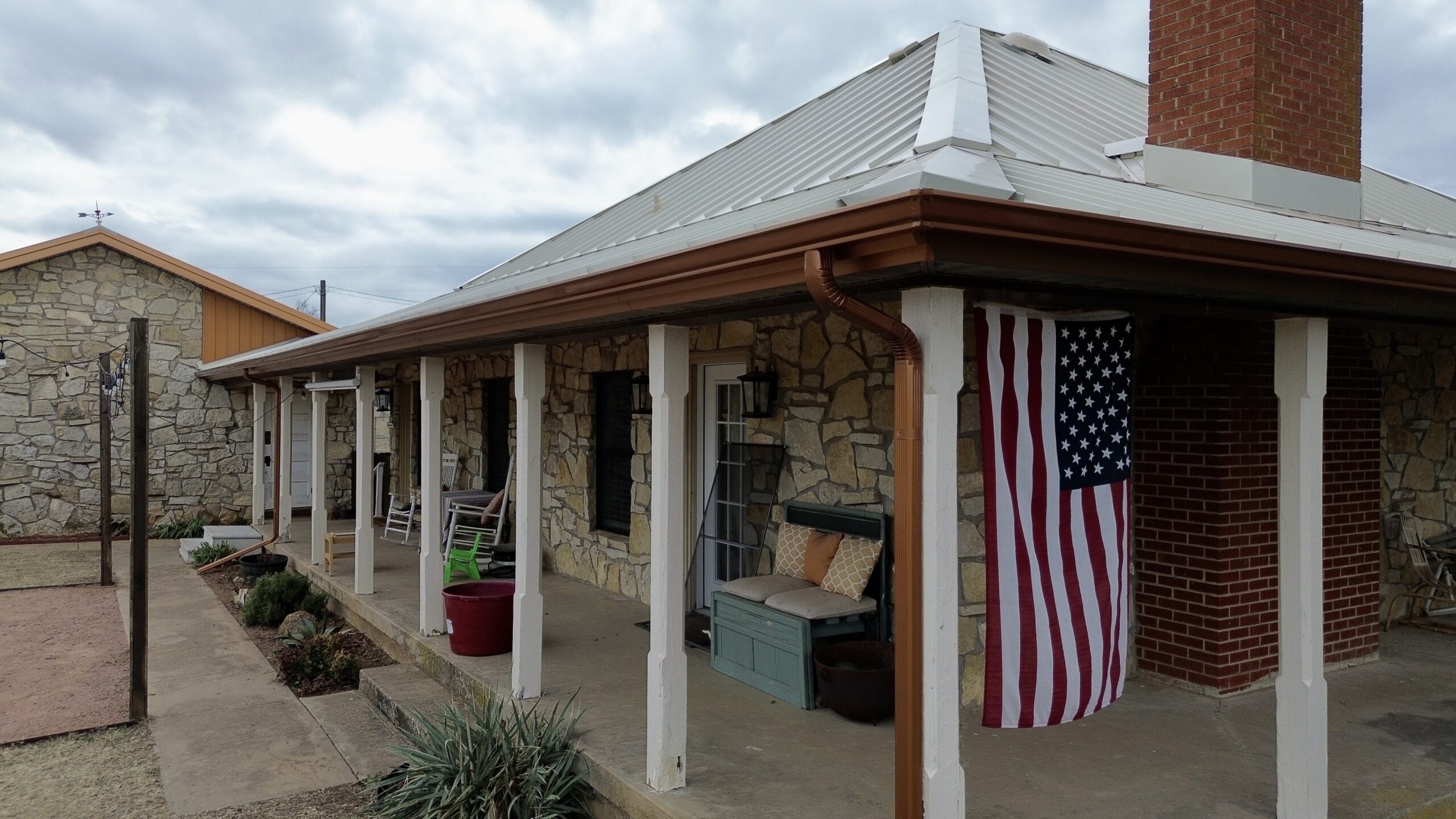
Roof-Inspection-Checklist-for-Commercial-Properties
Roof Inspection Checklist for Commercial Properties
Commercial roofs also require regular inspections.
Inspect for:
- membrane damage
- ponding water
- drainage issues
- HVAC penetrations
- flashing damage
Flat commercial roofs require specialized evaluations.
Importance of Attic Ventilation
Ventilation plays a major role in roof performance.
Poor ventilation can cause:
- excess heat
- trapped moisture
- mold growth
- premature shingle aging
Inspections should always include attic airflow evaluation.
When Roof Replacement May Be Necessary
Sometimes inspections reveal damage too severe for repairs.
Signs replacement may be needed include:
- extensive leaks
- severe storm damage
- widespread shingle failure
- structural weakness
- advanced roof age
Professional inspections help determine whether repair or replacement is the better investment.
Final Thoughts
Routine roof inspections are one of the smartest ways homeowners can protect their property. Small roofing issues often grow into major repairs when ignored, especially in areas prone to storms, hail, and extreme weather.
By following this complete roof inspection checklist, homeowners can identify warning signs early, improve roof lifespan, reduce repair costs, and maintain a safer home.
Whether inspecting your roof yourself from the ground or hiring a professional roofing contractor, regular inspections are essential for preventing costly surprises.
A strong and properly maintained roof protects everything underneath it. Investing time in regular inspections today can save thousands of dollars and major stress in the future.