
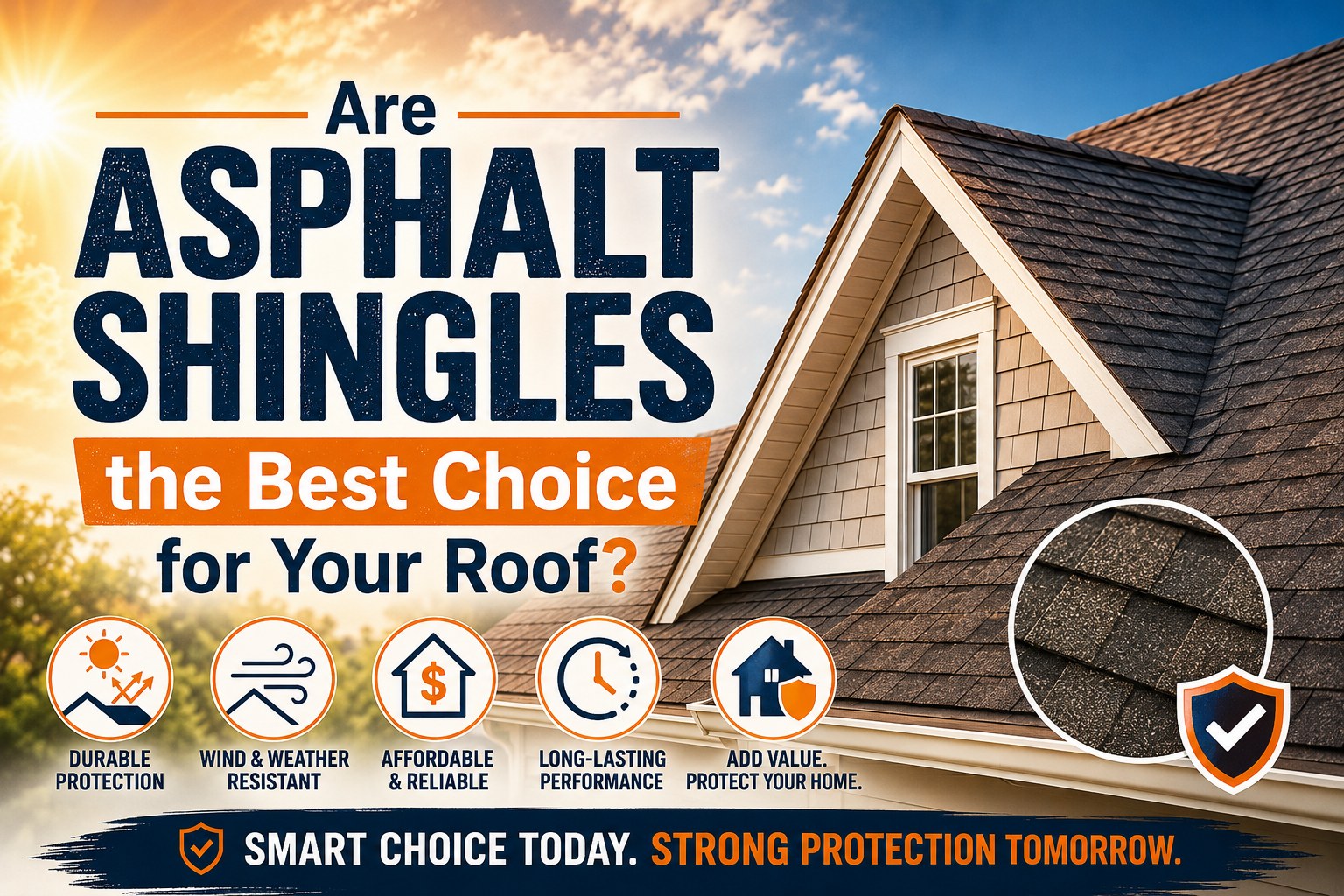
Are Asphalt Shingles the Best Choice for Your Roof?
Choosing the right roofing material is one of the most important decisions homeowners make. A roof protects the home from harsh weather, improves energy efficiency, and affects the overall appearance of the property. With many roofing materials available today, it can be difficult to decide which option offers the best value and long term performance.
Asphalt shingles remain one of the most popular roofing materials across residential properties. They are widely used because they are affordable, easy to install, and available in many styles and colors. Many homeowners consider asphalt shingles a practical balance between cost, durability, and visual appeal.
However, popularity alone does not mean asphalt shingles are always the perfect choice. Every roofing material has strengths and weaknesses, and what works well for one home may not suit another. Climate conditions, budget, maintenance expectations, and design preferences all play a major role in the final decision.
This guide explores whether asphalt shingles are truly the best choice for your roof. It covers the advantages, disadvantages, costs, lifespan, maintenance requirements, and comparisons with other roofing materials. By understanding all aspects of asphalt shingles, homeowners can make a smarter and more confident roofing decision.
What Are Asphalt Shingles?
Asphalt shingles are roofing materials made from a fiberglass or organic base mat coated with asphalt and topped with mineral granules. These shingles are designed to create a waterproof barrier that protects homes from rain, wind, and sunlight. They are installed in overlapping layers across the roof surface.
The asphalt coating helps provide water resistance while the granules protect the shingles from ultraviolet rays and physical damage. Manufacturers also produce shingles in different textures and colors to match various home styles. This flexibility makes asphalt shingles suitable for traditional and modern homes alike.
There are several types of asphalt shingles available in the market. Each type offers different levels of durability, appearance, and price range. Understanding these variations helps homeowners choose the right product for their needs.
Common Types of Asphalt Shingles
1. Three Tab Shingles
Three tab shingles are the most basic and affordable option. They have a flat appearance and are lighter in weight compared to other varieties. These shingles are often selected for budget friendly roofing projects.
Although they are economical, they usually have a shorter lifespan and lower wind resistance. Many homeowners now prefer upgraded options because they offer better durability and visual appeal.
2. Architectural Shingles
Architectural shingles are thicker and designed to create a dimensional appearance. They mimic the look of premium roofing materials such as wood shakes or slate. These shingles are currently among the most popular residential roofing options.
They offer better durability and longer warranties compared to three tab shingles. Their enhanced design also improves curb appeal and increases property value.
3. Luxury Shingles
Luxury asphalt shingles are premium products that provide a high end appearance. They are designed to resemble expensive materials like natural slate or cedar roofing. These shingles are heavier, stronger, and more visually attractive.
Although luxury shingles cost more, they still remain more affordable than many natural roofing materials. Homeowners who want elegance without extremely high roofing costs often choose this option.
Why Asphalt Shingles Are So Popular
Asphalt shingles dominate the residential roofing market for several reasons. Their combination of affordability, versatility, and ease of installation makes them attractive to both homeowners and contractors. Many roofing professionals also have extensive experience working with asphalt shingles, which simplifies the installation process.
Another reason for their popularity is availability. Asphalt shingles are widely sold across roofing supply stores and home improvement retailers. This easy access allows homeowners to find replacement materials quickly when repairs are needed.
The roofing industry has also improved asphalt shingle technology over the years. Modern shingles now offer better impact resistance, algae protection, and energy efficiency compared to older products. These improvements have helped asphalt shingles remain competitive against newer roofing materials.
Advantages of Asphalt Shingles
Asphalt shingles offer several benefits that make them a practical roofing solution for many homes. While they may not be perfect for every property, their advantages explain why millions of homeowners continue to choose them.
Affordable Roofing Solution
One of the biggest advantages of asphalt shingles is affordability. Compared to materials like slate, tile, or metal roofing, asphalt shingles cost significantly less. This makes them accessible for homeowners working within a limited budget.
The lower material cost also reduces overall project expenses. Since installation is generally quicker and easier, labor costs are usually more affordable as well. Homeowners can achieve a reliable roof without spending excessively.
Easy Installation Process
Asphalt shingles are relatively simple to install compared to heavier roofing materials. Most roofing contractors are experienced with asphalt shingle systems, which speeds up installation and reduces complications. A faster installation process can minimize labor charges and reduce disruption to daily life.
The lightweight nature of asphalt shingles also places less stress on the roof structure. In many cases, homeowners do not need major structural modifications before installation.
Wide Range of Styles and Colors
Asphalt shingles come in many colors, patterns, and textures. Homeowners can choose designs that complement the architectural style of their home. Whether someone prefers a classic appearance or a modern look, asphalt shingles provide plenty of design flexibility.
Architectural and luxury shingles can also imitate more expensive materials. This allows homeowners to enjoy an upscale appearance without paying premium roofing prices.
Good Weather Resistance
Modern asphalt shingles are designed to handle a variety of weather conditions. Many products offer resistance against wind, rain, and moderate hail impacts. Some premium shingles are rated to withstand strong winds and severe weather events.
Manufacturers also produce shingles with algae resistant coatings. These coatings help prevent dark streaks and discoloration caused by moisture and algae growth.
Simple Repairs and Replacement
If damage occurs, asphalt shingles are usually easier and cheaper to repair than other roofing materials. Individual shingles can often be replaced without removing large sections of the roof. This makes maintenance more manageable and cost effective.
The widespread availability of asphalt shingles also makes replacement materials easier to find. Homeowners can often match existing shingles without major difficulties.
Energy Efficient Options
Certain asphalt shingles are designed with reflective granules that help reduce heat absorption. These energy efficient shingles can improve indoor comfort during hot weather. Reduced heat transfer may also lower cooling costs over time.
Cool roof asphalt shingles are becoming increasingly popular in warmer climates. They provide an affordable way to improve roof performance without switching to expensive materials.
Disadvantages of Asphalt Shingles
Although asphalt shingles offer many benefits, they also have limitations. Homeowners should consider these disadvantages carefully before deciding on a roofing material.
Shorter Lifespan Compared to Premium Materials
Asphalt shingles generally do not last as long as materials like slate, clay tile, or metal roofing. While some premium asphalt shingles can last up to 30 years or more, natural materials may survive for 50 to 100 years.
Homeowners planning to stay in their homes for decades may eventually face replacement costs sooner with asphalt shingles. This shorter lifespan can increase long term ownership expenses.
Vulnerability to Extreme Weather
Although modern asphalt shingles offer decent weather resistance, they can still suffer damage during extreme conditions. Strong winds may loosen or tear shingles from the roof. Large hail can crack or dent the shingle surface.
In regions with severe storms or hurricanes, homeowners may need stronger roofing systems. Asphalt shingles may require more frequent repairs in harsh climates.
Heat Sensitivity
Asphalt shingles can absorb heat, especially darker colored products. Excessive heat exposure may cause shingles to age more quickly and lose flexibility. Over time, this can lead to cracking, curling, or granule loss.
Homes in extremely hot climates may experience faster roof deterioration. Proper attic ventilation can help reduce some of these heat related issues.
Environmental Concerns
Asphalt shingles are petroleum based products, which raises environmental concerns for some homeowners. Millions of old shingles end up in landfills each year after roof replacements. While recycling programs are improving, not all shingles are recycled properly.
Some environmentally conscious homeowners prefer sustainable roofing options like metal, clay, or recycled materials. Asphalt shingles may not align with certain green building goals.
Potential for Algae and Moss Growth
Moist climates can encourage algae and moss growth on asphalt shingles. Dark streaks caused by algae may reduce curb appeal and create maintenance concerns. Although algae resistant shingles are available, older roofs may still experience discoloration problems.
Moss growth can trap moisture against the roof surface. Over time, this may contribute to premature deterioration if not properly addressed.
How Long Do Asphalt Shingles Last?
The lifespan of asphalt shingles depends on several factors including shingle quality, climate conditions, installation quality, and maintenance practices. In general, asphalt shingles last between 15 and 30 years.
Three tab shingles typically have the shortest lifespan. They often last around 15 to 20 years under normal conditions. Architectural shingles usually last between 25 and 30 years, while luxury shingles may exceed 30 years with proper care.
Several factors influence roof longevity:
- Climate and weather exposure
- Roof ventilation quality
- Installation workmanship
- Maintenance frequency
- Material quality
- Sun exposure levels
Proper installation and regular inspections can significantly extend the life of asphalt shingles. Homeowners who neglect roof maintenance may experience premature aging and expensive repairs.
Cost of Asphalt Shingle Roofing
Roofing costs vary depending on material quality, roof size, labor rates, and location. Asphalt shingles are generally considered one of the most affordable residential roofing options.
Three tab shingles are the least expensive choice. Architectural shingles cost more but provide better durability and aesthetics. Luxury shingles carry higher upfront costs but still remain cheaper than slate or tile roofing systems.
In addition to material costs, homeowners should consider:
- Roof removal expenses
- Underlayment installation
- Flashing replacement
- Ventilation improvements
- Labor charges
- Permit fees
While asphalt shingles may not have the longest lifespan, their lower initial investment makes them appealing for many homeowners. Budget conscious property owners often find asphalt shingles offer strong value for the price.
Are Asphalt Shingles Good for All Climates?
Asphalt shingles perform well in many climates, but they are not equally effective everywhere. Climate conditions play a major role in roof durability and performance.
Hot Climates
In hot regions, prolonged sun exposure can accelerate shingle aging. High temperatures may cause shingles to dry out and crack over time. Reflective or cool roof shingles can help reduce heat absorption and improve energy efficiency.
Proper attic ventilation is especially important in warm climates. Good airflow reduces trapped heat and helps extend roof lifespan.
Cold Climates
Asphalt shingles generally handle cold weather reasonably well. However, repeated freeze thaw cycles can weaken shingles over time. Ice dams may also create moisture problems if the roof lacks proper insulation and ventilation.
Some premium shingles are designed specifically for cold weather durability. Homeowners in snowy regions should choose products rated for harsh winter conditions.
Coastal Areas
Salt air and high humidity can affect roofing materials near coastlines. Strong winds from storms and hurricanes also increase the risk of roof damage. In these environments, higher quality architectural shingles with strong wind ratings are usually recommended.
Homeowners in hurricane prone areas may need additional fastening systems and reinforced installation methods for better protection.
Asphalt Shingles vs Metal Roofing
Metal roofing has become increasingly popular as an alternative to asphalt shingles. Both materials offer distinct advantages and disadvantages depending on homeowner priorities.
Cost Comparison
Asphalt shingles are generally cheaper upfront than metal roofing. Metal roofs require higher initial investment due to material and installation costs. However, metal roofs often last much longer.
Homeowners focused on immediate affordability often choose asphalt shingles. Those interested in long term value may consider metal roofing despite the higher cost.
Lifespan Comparison
Metal roofs can last between 40 and 70 years depending on the material. Asphalt shingles usually require replacement much sooner. This difference significantly affects long term maintenance and replacement expenses.
Although metal roofing lasts longer, some homeowners may not plan to stay in their homes long enough to justify the additional investment.
Appearance and Style
Asphalt shingles provide a traditional residential appearance that many homeowners prefer. Metal roofs offer a modern look and are available in various styles and colors.
The best choice often depends on architectural style and personal preference. Some neighborhoods also have design guidelines that influence roofing material selection.
Maintenance Requirements
Metal roofs generally require less maintenance than asphalt shingles. They resist cracking, shrinking, and moisture damage more effectively. Asphalt shingles may need periodic repairs after severe weather events.
However, repairs for metal roofing can sometimes be more specialized and expensive. Asphalt shingle repairs are usually simpler and more affordable.
Asphalt Shingles vs Clay Tile Roofing
Clay tile roofing is known for its beauty and exceptional durability. However, it differs greatly from asphalt shingles in terms of cost, weight, and maintenance.
Weight Differences
Clay tiles are much heavier than asphalt shingles. Homes may require structural reinforcement before tile installation. Asphalt shingles are lightweight and suitable for most residential structures without major modifications.
The lighter weight of asphalt shingles simplifies installation and reduces structural concerns.
Durability Comparison
Clay tile roofs can last more than 50 years when properly maintained. Asphalt shingles typically have shorter lifespans. However, clay tiles can crack if impacted by falling branches or heavy objects.
Asphalt shingles are more flexible and may handle certain impacts better than brittle tile materials.
Cost and Installation
Clay tile roofing is significantly more expensive than asphalt shingles. Installation requires specialized skills and often takes longer to complete. Asphalt shingles remain the more budget friendly option for most homeowners.
Despite the higher cost, some homeowners choose clay tile for its timeless appearance and exceptional longevity.
Asphalt Shingles vs Wood Shingles
Wood shingles and shakes provide a natural and rustic appearance. However, they come with maintenance demands and safety concerns that differ from asphalt shingles.
Appearance
Wood roofing creates a warm and traditional aesthetic that many homeowners admire. Asphalt shingles can imitate wood styles, but natural cedar still has a unique appearance.
Luxury asphalt shingles can provide a similar visual effect at a lower price and with reduced maintenance needs.
Maintenance
Wood shingles require regular maintenance to prevent rot, mold, and insect damage. Asphalt shingles are generally easier to maintain and less vulnerable to biological deterioration.
Fire resistance is another important consideration. Asphalt shingles usually offer better fire ratings than untreated wood roofing materials.
Lifespan
Wood shingles can last around 20 to 30 years with proper maintenance. However, poor maintenance or harsh weather can shorten their lifespan significantly. Asphalt shingles offer more predictable maintenance requirements.
Important Factors to Consider Before Choosing Asphalt Shingles
Before selecting asphalt shingles, homeowners should carefully evaluate several important factors. A roofing decision affects both short term expenses and long term property value.
Budget
Budget is often the starting point for roofing decisions. Asphalt shingles provide a balance between affordability and performance, making them attractive for many homeowners.
However, choosing the cheapest shingles available may lead to higher repair or replacement costs later. Investing in better quality shingles often improves long term value.
Home Style
Roofing materials should complement the overall appearance of the home. Asphalt shingles offer many design options that suit various architectural styles.
Color selection also plays an important role. The right roof color can improve curb appeal and even affect indoor temperature levels.
Climate Conditions
Local weather patterns strongly influence roofing performance. Homeowners should select shingles designed for their climate conditions. Wind ratings, impact resistance, and algae protection are especially important in certain regions.
A roofing contractor familiar with local conditions can recommend the most suitable products.
Maintenance Expectations
Some homeowners prefer roofing materials that require minimal upkeep. Asphalt shingles generally offer moderate maintenance requirements, especially when compared to wood roofing systems.
Regular inspections and prompt repairs remain important for maximizing roof lifespan.
Future Plans
Homeowners planning to sell their property within a few years may prioritize affordability and curb appeal. Asphalt shingles often provide strong resale value because they are familiar and widely accepted.
Long term homeowners may consider whether investing in premium roofing materials would reduce future replacement expenses.
Signs It Is Time to Replace Asphalt Shingles
Even the best asphalt shingles eventually wear out. Recognizing warning signs early can help homeowners avoid costly structural damage.
Curling or Cracked Shingles
Curling edges and visible cracks often indicate aging shingles. These signs suggest the roofing material is losing flexibility and weather resistance.
Damaged shingles can allow water penetration, increasing the risk of leaks and structural problems.
Missing Granules
Granules protect shingles from sunlight and physical wear. Excessive granule loss can expose the asphalt layer underneath, reducing roof performance.
Homeowners may notice granules collecting in gutters or near downspouts.
Water Leaks
Water stains on ceilings or walls often signal roof problems. Even small leaks can lead to mold growth, insulation damage, and structural deterioration if ignored.
Roof leaks should be inspected and repaired as quickly as possible.
Sagging Roof Areas
A sagging roof may indicate serious structural issues or trapped moisture beneath the shingles. This problem requires immediate professional evaluation.
Ignoring structural damage can compromise the safety of the entire home.
How to Extend the Life of Asphalt Shingles
Proper maintenance can significantly improve the lifespan and performance of asphalt shingles. Many roofing problems develop gradually and become more expensive when neglected.
Schedule Regular Inspections
Professional roof inspections help identify small issues before they become major problems. Inspections are especially important after severe storms or high winds.
Homeowners should also visually inspect their roofs periodically from the ground.
Keep Gutters Clean
Clogged gutters can trap water and increase moisture exposure around the roof edges. Regular gutter cleaning improves drainage and reduces the risk of water damage.
Proper water flow also helps protect the foundation and exterior walls.
Trim Overhanging Branches
Tree branches rubbing against shingles can cause physical damage over time. Falling branches during storms may also create serious roof impacts.
Keeping trees trimmed reduces debris accumulation and improves roof safety.
Ensure Proper Ventilation
Attic ventilation plays a major role in roof health. Excess heat and moisture can shorten the lifespan of asphalt shingles.
A well ventilated attic improves energy efficiency while reducing roofing stress.
Are Asphalt Shingles Environmentally Friendly?
Environmental concerns are becoming more important for homeowners choosing building materials. Asphalt shingles have both positive and negative environmental impacts.
One concern is landfill waste. Millions of old shingles are discarded every year after roof replacements. Since asphalt shingles contain petroleum products, decomposition takes a long time.
However, recycling programs are growing in many regions. Recycled asphalt shingles can be used in road construction and other applications. Some manufacturers are also developing more sustainable production practices.
Energy efficient asphalt shingles may also contribute to lower energy consumption. Reflective roofing products help reduce indoor cooling demands during hot weather.
While asphalt shingles may not be the greenest roofing option available, improvements in recycling and energy efficiency are helping reduce their environmental impact.
Should You Install Asphalt Shingles Yourself?
Some homeowners consider installing asphalt shingles as a do it yourself project. While basic roofing tasks may appear manageable, full roof installation requires skill, safety knowledge, and proper equipment.
Roofing mistakes can lead to leaks, ventilation issues, and structural damage. Improper installation may also void manufacturer warranties.
Professional roofing contractors understand local building codes and installation requirements. They can complete the project more efficiently while ensuring safety and long term performance.
For most homeowners, professional installation is the safer and more reliable choice.
Choosing the Right Roofing Contractor
The quality of installation is just as important as the roofing material itself. Even high quality shingles may fail prematurely if installed incorrectly.
When selecting a roofing contractor, homeowners should consider:
- Licensing and insurance
- Experience with asphalt shingles
- Customer reviews and references
- Warranty coverage
- Detailed written estimates
- Local reputation
It is important to avoid choosing contractors based solely on the lowest price. Poor workmanship often leads to expensive repairs and shorter roof lifespan.
A reputable contractor can also recommend the best shingle products for local climate conditions and homeowner goals.
Future Trends in Asphalt Shingle Roofing
The roofing industry continues to improve asphalt shingle technology. Manufacturers are developing stronger, more energy efficient, and more environmentally friendly products.
Impact resistant shingles are becoming increasingly popular in storm prone regions. These shingles are designed to withstand hail and debris damage more effectively.
Solar reflective shingles are also gaining attention. They help reduce heat absorption and improve energy efficiency without changing the traditional appearance of asphalt roofing.
Some companies are even exploring recycled materials and advanced coatings to improve sustainability. These innovations may help asphalt shingles remain a leading roofing option for many years.
Final Verdict: Are Asphalt Shingles the Best Choice for Your Roof?
Asphalt shingles remain one of the best roofing choices for many homeowners because they offer affordability, versatility, and reliable performance. Their wide range of styles and easy installation process make them suitable for various home designs and budgets.
However, they are not perfect for every situation. Homeowners in extreme climates or those seeking maximum lifespan may prefer alternatives like metal or tile roofing. Environmental concerns and long term durability should also be considered carefully.
The best roofing material depends on individual priorities. If cost effectiveness, appearance, and practical performance are the main goals, asphalt shingles are often an excellent option. Choosing high quality shingles and hiring an experienced contractor can greatly improve long term satisfaction.
Before making a final decision, homeowners should compare roofing materials based on climate, maintenance needs, budget, and future plans. A well informed decision ensures better protection, improved curb appeal, and long lasting value for the home.