

What Time of Year Is Best for Roof Replacement?
Introduction
A roof replacement is one of the most significant investments a homeowner can make. While choosing the right roofing material and contractor is important, selecting the right time of year for the project can be just as critical. The season in which a roof is replaced can affect installation quality, project timelines, labor availability, and even the overall cost of the work.
Many homeowners assume that a roof can be replaced at any time without much difference in results. Although modern roofing techniques allow installations throughout the year, weather conditions and seasonal factors can have a major impact on how smoothly the project proceeds. Temperature fluctuations, rainfall, humidity levels, and daylight hours all influence roofing work in different ways.
Understanding the advantages and challenges associated with each season helps homeowners make informed decisions. Choosing the right timing can improve installation quality, reduce delays, and help ensure that the new roof performs as expected for many years.
Why Timing Matters for a Roof Replacement Project
Roof replacement is a weather dependent project because roofing materials and installation methods are directly affected by environmental conditions. Unlike many indoor renovations, roofing work takes place entirely outdoors, making timing a crucial factor in project success.
Weather conditions influence everything from worker safety to material performance. Excessive heat can make roofing materials difficult to handle, while cold temperatures can affect flexibility and adhesion. Rain and high winds can create safety hazards and delay progress, leading to extended project timelines.
Timing also affects contractor availability. During peak roofing seasons, reputable contractors often have busy schedules and longer waiting periods. Homeowners who plan ahead and choose the right season may have more flexibility when selecting experienced professionals.
Understanding How Weather Affects Roofing Installation
Weather plays a direct role in how roofing materials are installed and how well they perform after installation. Most roofing systems are designed to withstand various environmental conditions once installed, but the installation process itself often requires specific weather conditions for optimal results.
Temperature affects the flexibility and sealing ability of roofing materials. Asphalt shingles, for example, require moderate temperatures to properly seal and bond. Extremely hot or cold conditions can interfere with this process and may affect long term performance.
Moisture is another important factor. Rain can delay installation and expose underlying roof structures if work is interrupted unexpectedly. Excess humidity can also affect certain roofing materials and adhesives, making weather monitoring an essential part of project planning.
Factors That Determine the Best Time for Roof Replacement
The best time for roof replacement varies depending on several factors rather than a single universal rule. Climate, roofing material type, contractor availability, budget, and the condition of the existing roof all contribute to determining the ideal timing.
Geographic location is often one of the most influential factors. Homeowners in areas with mild climates may have greater flexibility throughout the year, while those in regions with extreme weather may need to schedule projects during specific seasons.
The urgency of the roof’s condition also matters. A severely damaged roof may require immediate replacement regardless of season. Waiting for ideal weather conditions may not be practical if leaks or structural issues are already present.
The Advantages of Replacing a Roof During Spring
Spring is often considered a favorable season for roof replacement because temperatures are generally moderate and weather conditions begin stabilizing after winter. These conditions create a comfortable working environment for roofing crews and support proper material installation.
Moderate temperatures allow shingles and other roofing materials to remain flexible during installation. This helps ensure proper alignment and sealing, which can contribute to better long term performance. Roofing crews can also work more efficiently without the extreme heat of summer.
Another advantage of spring replacement is the opportunity to address any damage caused by winter weather. Snow, ice, and freezing temperatures can create roofing problems that become visible once spring arrives. Replacing the roof during this period allows homeowners to correct these issues before summer storms begin.
Common Spring Roofing Challenges Homeowners Should Consider
Although spring offers many advantages, it is not without challenges. One of the most common issues is unpredictable weather patterns. In many regions, spring brings frequent rain showers that can disrupt roofing schedules and create delays.
Contractor demand also tends to increase during spring because many homeowners begin planning exterior improvement projects as temperatures rise. This can lead to longer wait times for highly rated roofing companies and may require scheduling several weeks in advance.
Spring storms can also affect project timelines. Sudden weather changes may require crews to temporarily halt work to protect materials and ensure safety. While these interruptions are usually manageable, homeowners should remain flexible when scheduling spring roofing projects.
Why Summer Is a Popular Season for Roof Replacement
Summer is traditionally one of the busiest seasons for roof replacement. Longer daylight hours allow roofing crews to work extended schedules, which can help projects move faster and reduce overall completion times.
Stable weather conditions are another reason summer remains popular. In many areas, summer brings fewer rain interruptions compared to spring, making scheduling more predictable. Contractors often prefer these conditions because they can maintain consistent progress throughout the project.
Homeowners also appreciate the convenience of summer projects. Families may find it easier to accommodate roofing work during school vacations or periods when outdoor activities are already part of their routine. This flexibility often contributes to summer’s popularity as a roofing season.
Early Summer vs Late Summer Roofing Conditions
Not all summer roofing conditions are the same. Early summer often provides moderate temperatures that closely resemble ideal roofing weather. These conditions support efficient installation while avoiding some of the challenges associated with peak summer heat.
Late summer, however, can bring significantly higher temperatures in many regions. Roofing surfaces can become extremely hot, creating more difficult working conditions for installation crews. Materials may also become softer and more susceptible to handling challenges during periods of intense heat.
Understanding these differences can help homeowners choose a more favorable window within the summer season. Early summer often combines the advantages of stable weather with more comfortable temperatures for both workers and materials.
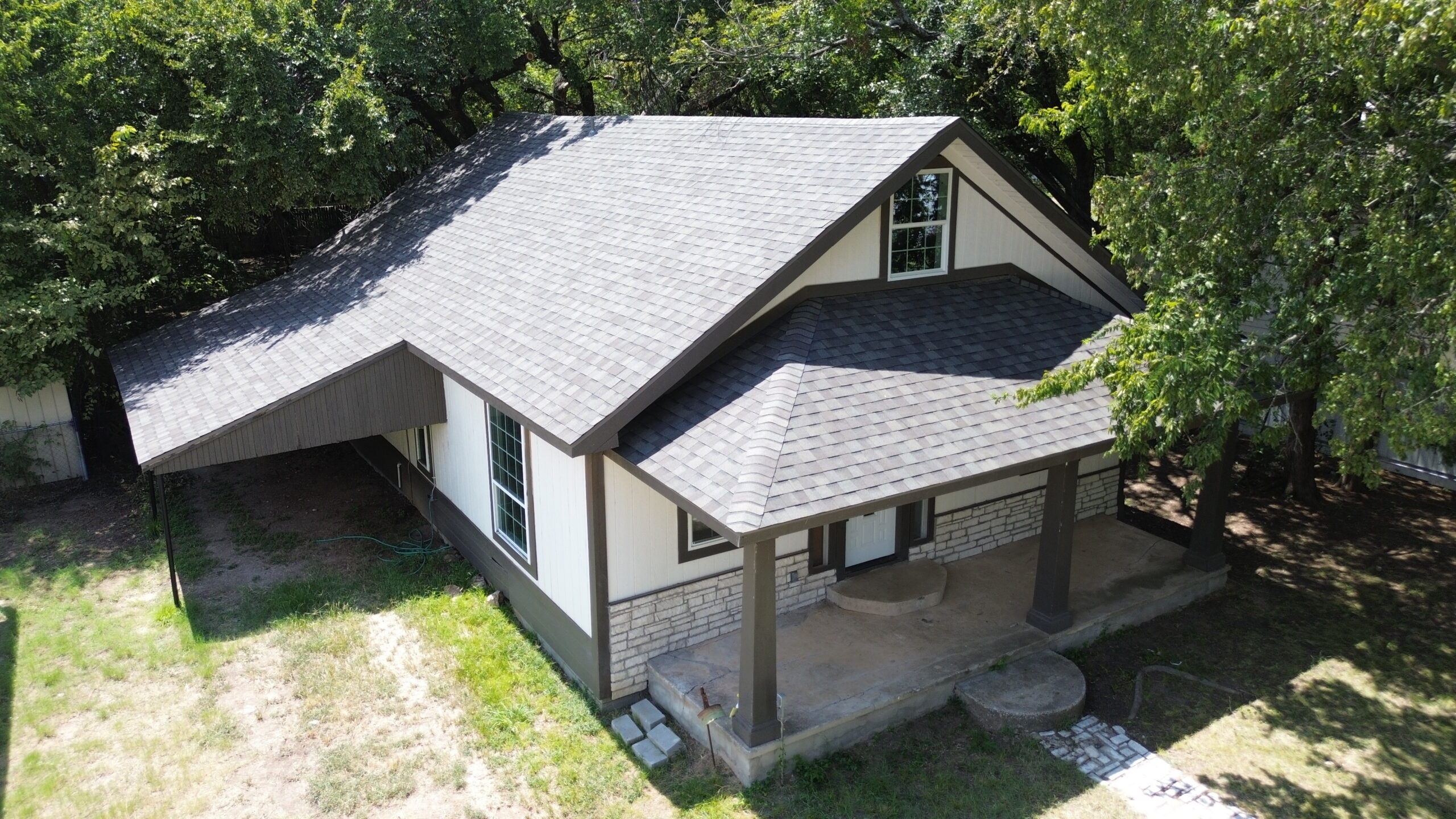
How Heat Can Impact Roofing Materials and Installation Quality
Excessive heat affects roofing materials in several ways. Asphalt shingles become more pliable under high temperatures, which can make them easier to shape but also more vulnerable to scuffing and accidental damage during installation.
Roof surfaces can reach temperatures much higher than the surrounding air temperature. This creates challenging working conditions and may require crews to adjust schedules to avoid the hottest parts of the day. Some contractors begin work earlier in the morning during heat waves to maintain productivity and safety.
Heat can also influence the performance of adhesives and sealants. While warm temperatures generally support proper bonding, extreme heat may require additional precautions to ensure materials are installed correctly. Experienced contractors understand these factors and adapt their methods accordingly.
Contractor Availability and Scheduling During Peak Roofing Seasons
The timing of a roof replacement often affects how easily homeowners can secure their preferred contractor. Spring and summer are typically the busiest seasons for roofing companies, resulting in increased demand for skilled labor and installation services.
Highly rated contractors may book projects several weeks or even months in advance during peak periods. Homeowners who wait until the last minute may find limited availability or may need to adjust their preferred schedule to fit the contractor’s calendar.
Planning ahead provides significant advantages. Early scheduling allows homeowners to compare multiple estimates, evaluate contractor credentials, and secure a project timeline that aligns with their needs. This proactive approach often leads to a smoother overall experience.
Signs Your Roof Cannot Wait for the Ideal Season
While choosing the best season is beneficial, some roofs require immediate attention regardless of the calendar. Delaying replacement in these situations can lead to more extensive damage and higher repair costs.
Several warning signs indicate that waiting may not be a safe option:
- Persistent roof leaks during or after rainfall
- Missing or severely damaged shingles across large sections
- Visible sagging in roof structures
- Extensive water stains on ceilings or walls
When these issues are present, protecting the home becomes more important than waiting for ideal weather conditions. A deteriorating roof can allow water intrusion that damages insulation, framing, electrical systems, and interior finishes.
In such cases, homeowners should consult a qualified roofing professional as soon as possible. An expert assessment can determine whether immediate replacement is necessary or whether temporary repairs can safely bridge the gap until a more favorable installation season becomes available.
The Benefits of Roof Replacement During Fall
Fall is often regarded as one of the best seasons for roof replacement because it offers a balance of favorable weather conditions and ideal temperatures. In many regions, the intense heat of summer begins to fade while winter weather has not yet arrived. This creates an environment that supports efficient roofing work and proper material performance.
Moderate temperatures allow roofing materials to be installed under conditions that help them achieve proper sealing and adhesion. Asphalt shingles, in particular, benefit from these temperatures because they can bond effectively without being exposed to excessive heat or freezing conditions. This contributes to a more reliable roofing system over the long term.
Another advantage of fall roof replacement is preparing the home for winter. Installing a new roof before colder weather arrives helps ensure that the home is protected against snow, rain, wind, and temperature fluctuations during the most demanding months of the year.
Why Many Roofing Professionals Prefer Autumn Installations
Many roofing contractors consider autumn one of the most efficient seasons for installation projects. Weather conditions are generally more predictable than spring, and temperatures are often more comfortable than those experienced during peak summer months.
Roofing crews can typically maintain consistent work schedules during fall because there are fewer weather related interruptions. This consistency helps projects stay on track and reduces the likelihood of unexpected delays. Homeowners often benefit from shorter project timelines as a result.
Autumn also provides ideal conditions for worker productivity. Comfortable temperatures reduce physical strain on roofing crews, allowing them to focus on installation quality and attention to detail throughout the project.
How Moderate Temperatures Improve Roofing Performance
Roofing materials perform best when installed within recommended temperature ranges. Moderate temperatures help shingles remain flexible enough for proper installation while avoiding the softening that can occur during extreme heat.
These conditions also support effective sealing. Many roofing products rely on thermal activation to create strong bonds between materials. Fall temperatures often provide an excellent balance that allows these processes to occur naturally without exposing materials to excessive environmental stress.
In addition, moderate temperatures reduce the likelihood of sudden expansion and contraction during installation. This stability helps ensure accurate placement and long term performance of roofing components.
Potential Drawbacks of Scheduling a Roof Replacement in Fall
Although fall offers many advantages, it is not without challenges. One of the most common issues is increased demand for roofing services. Because many homeowners recognize the benefits of autumn installations, contractors often experience some of their busiest schedules during this period.
This high demand can result in longer wait times and reduced scheduling flexibility. Homeowners who delay planning until late fall may find that reputable contractors are already fully booked. Early scheduling becomes particularly important during this season.
Another consideration is the shorter window before winter weather arrives. In regions where temperatures drop quickly, delaying a project too long into the season may increase the risk of weather related complications before installation is completed.
Winter Roof Replacement: Is It Really Possible?
Many homeowners assume that roof replacement cannot be performed during winter, but modern roofing techniques make winter installations possible in many situations. While winter may not always be the preferred season, experienced contractors can often complete projects successfully when conditions allow.
Advancements in roofing materials and installation methods have expanded the range of temperatures in which roofing work can take place. Contractors frequently use specialized procedures to address cold weather challenges and maintain installation quality.
However, winter projects require additional planning and flexibility. Weather conditions can change rapidly, and crews must carefully monitor forecasts to ensure safe working conditions throughout the installation process.
Challenges Roofing Contractors Face During Cold Weather
Cold weather introduces several challenges that can affect roofing operations. Lower temperatures make some materials less flexible, which requires additional care during handling and installation. Roofing crews may need to adjust their methods to avoid damaging materials during colder conditions.
Snow, ice, and frost create additional complications. These conditions can make roof surfaces slippery and unsafe, limiting the ability of workers to perform tasks efficiently. Safety remains a top priority, and weather related delays are more common during winter months.
Daylight hours are also shorter during winter. Reduced daylight limits available working time each day, which can extend project durations compared to installations performed during spring, summer, or fall.
How Cold Temperatures Affect Shingles and Roofing Materials
Cold temperatures can significantly influence the behavior of roofing materials. Asphalt shingles become less flexible as temperatures decrease, making them more susceptible to cracking if handled improperly. This requires installers to exercise greater caution during transportation and placement.
Sealants and adhesives may also respond differently in cold weather. Some products require warmer temperatures to achieve optimal bonding and sealing performance. Contractors often use specialized techniques to help materials perform correctly despite cooler conditions.
Despite these challenges, many roofing manufacturers provide guidelines for cold weather installation. Following these recommendations helps ensure that roofing systems maintain their expected durability and effectiveness after installation.
Situations Where Emergency Winter Roof Replacement Makes Sense
While many homeowners prefer to wait for more favorable weather, certain situations require immediate action regardless of season. Severe roof damage can leave a home vulnerable to water intrusion, structural deterioration, and escalating repair costs.
Emergency replacement may be necessary when leaks become widespread or when storms cause significant damage to roofing materials. In these cases, delaying work until spring or summer could result in much greater expenses and more extensive property damage.
Professional roofing contractors are experienced in handling emergency winter projects. They evaluate weather conditions carefully and implement protective measures to complete the work as safely and effectively as possible.
Comparing Spring, Summer, Fall, and Winter for Roof Replacement
Each season offers unique advantages and disadvantages for roof replacement. Understanding these differences helps homeowners select a timeframe that aligns with their priorities and local climate conditions.
Spring provides moderate temperatures and an opportunity to repair winter damage, but weather can be unpredictable. Summer offers long working days and generally stable conditions, although extreme heat can create challenges for both workers and materials.
Fall is often considered the most balanced season because of its favorable temperatures and relatively predictable weather. Winter remains a viable option when necessary, especially for urgent projects, but it typically requires greater flexibility and specialized installation practices.
No single season is universally perfect for every homeowner. The best choice depends on regional weather patterns, project urgency, contractor availability, and personal scheduling preferences.
Regional Climate Differences and Their Impact on Roofing Schedules
Climate conditions vary significantly across different regions, which means the ideal roofing season can differ from one location to another. Homeowners should consider local weather patterns rather than relying solely on general recommendations.
In warmer climates, roofing projects may be completed successfully during much of the year because temperatures remain relatively stable. Contractors in these regions often have greater scheduling flexibility and fewer seasonal limitations.
In colder climates, however, spring through fall may provide the most favorable conditions. Areas that experience heavy snowfall, prolonged freezing temperatures, or frequent winter storms often benefit from completing roof replacements before severe weather arrives.
Humidity levels, rainfall frequency, and storm seasons also influence project timing. Understanding these local factors helps homeowners make more informed scheduling decisions.
Choosing the Right Season Based on Your Local Weather Patterns
Selecting the best season for roof replacement requires evaluating how local weather conditions affect installation quality and project reliability. Homeowners should consider historical weather trends rather than focusing solely on calendar seasons.
A practical approach involves examining several key factors:
- Average seasonal temperatures
- Rainfall frequency and intensity
- Storm activity throughout the year
- Typical contractor demand in the local market
Consulting with experienced local roofing professionals can provide valuable insight into these factors. Contractors who work in a specific area understand how regional conditions influence project outcomes and can recommend the most suitable installation periods.
Ultimately, the ideal season is one that combines favorable weather, material performance, contractor availability, and the specific needs of the home. By considering local climate patterns alongside the condition of the existing roof, homeowners can make decisions that support both installation quality and long term roofing performance.
How Roofing Material Type Influences the Best Replacement Season
The type of roofing material being installed can significantly influence the best time of year for a roof replacement. Different materials react differently to temperature, humidity, and weather conditions during installation. Understanding these differences helps homeowners choose a season that supports both installation quality and long term performance.
Asphalt shingles are among the most common roofing materials and generally perform best when installed in moderate temperatures. Conditions that are too hot or too cold can affect flexibility, sealing, and handling during installation. This is one reason why spring and fall are often recommended for asphalt roofing projects.
Metal roofing offers greater flexibility in terms of installation season because it does not rely on adhesive sealing in the same way as shingles. However, installers still prefer stable weather conditions to ensure safe handling and accurate installation. Tile and slate roofing systems also benefit from moderate temperatures, particularly because these materials can be heavy and require careful placement.
Budget Considerations and Seasonal Pricing Trends
Roof replacement costs can fluctuate throughout the year due to changes in demand, labor availability, and material supply. While the differences are not always dramatic, understanding seasonal pricing trends can help homeowners make financially informed decisions.
Peak roofing seasons often bring higher demand for contractor services. When schedules are full, contractors may have less flexibility in pricing because work is readily available. Homeowners who wait until the busiest periods may find fewer opportunities for competitive pricing.
On the other hand, slower seasons can sometimes offer cost advantages. Contractors may be more willing to accommodate flexible scheduling or provide promotional pricing during periods of reduced demand. However, these savings should always be weighed against weather conditions and project requirements.
When Roof Replacement Costs Are Typically Lower
Roof replacement costs are often lower during periods when contractor demand decreases. In many regions, late winter and certain parts of early spring may provide opportunities for more competitive pricing, especially if weather conditions remain suitable for installation.
Some contractors offer discounts during slower periods to maintain consistent workflow throughout the year. These promotions can create opportunities for homeowners who are planning ahead and have flexibility in their scheduling.
However, focusing solely on cost can be a mistake. A lower price is only beneficial if installation quality remains high and weather conditions support proper roofing practices. Balancing cost savings with favorable installation conditions typically leads to the best overall outcome.
Planning Ahead to Secure the Best Contractor Availability
One of the most effective ways to ensure a successful roof replacement is planning well in advance. Waiting until a roof problem becomes urgent often limits contractor options and reduces scheduling flexibility.
Homeowners who begin researching contractors several months before their desired installation date typically have more choices. This allows time to compare estimates, verify credentials, review references, and evaluate previous work. Taking these steps helps increase confidence in the final hiring decision.
Early planning also improves the likelihood of securing a preferred installation window. During busy seasons, highly rated contractors may be booked far in advance, making proactive scheduling especially valuable.
Questions to Ask Before Scheduling a Roof Replacement
Choosing the right season is important, but homeowners should also ask key questions before committing to a roofing project. These questions help clarify expectations and reduce the risk of unexpected issues during installation.
Some important questions include:
- What season do you recommend for my specific roof type?
- How do weather conditions affect your installation process?
- What happens if severe weather delays the project?
- How long is the expected installation timeline?
- What warranties are provided for materials and workmanship?
The answers to these questions provide valuable insight into the contractor’s experience and approach. They also help homeowners understand how seasonal conditions may influence the project.
How to Prepare Your Home for a Roof Replacement Project
Proper preparation can help ensure that a roof replacement proceeds smoothly regardless of the season. Roofing projects involve noise, debris, and worker activity, so taking a few precautions beforehand can reduce disruptions.
Homeowners should remove fragile items from walls and shelves because vibrations from roofing work can sometimes cause objects to shift. Vehicles should be moved away from the work area to protect them from falling debris and provide space for contractor equipment.
Outdoor furniture, decorations, and other belongings should also be relocated if possible. Creating a clear and accessible work environment helps roofing crews operate more efficiently and safely throughout the project.
Mistakes Homeowners Make When Choosing a Replacement Season
One common mistake is waiting too long to schedule a replacement because of a desire to reach the perfect season. While timing matters, delaying necessary work can allow existing roof problems to worsen and increase overall repair costs.
Another mistake is assuming that all regions experience the same ideal roofing seasons. Weather patterns vary significantly, and recommendations that work well in one area may not apply in another. Local climate conditions should always be considered when making scheduling decisions.
Some homeowners also focus exclusively on price without considering installation quality. Choosing a season based solely on potential discounts may not provide the best value if weather conditions create additional challenges during the project.
Creating a Roof Replacement Timeline That Works for Your Home
A successful roof replacement often begins with a realistic timeline. Rather than making decisions at the last minute, homeowners benefit from planning several stages in advance. This approach allows time for inspections, contractor selection, budgeting, and scheduling.
The process typically begins with a professional roof assessment. This evaluation helps determine the current condition of the roof and identifies whether replacement is immediately necessary or can be scheduled for a future season.
Once the need for replacement is confirmed, homeowners can align project timing with both seasonal conditions and personal scheduling needs. This balanced approach helps reduce stress and supports a more organized roofing experience.
Final Checklist for Determining the Best Time to Replace Your Roof
Before scheduling a roof replacement, homeowners should review several important factors to ensure the timing is appropriate for their situation. A simple evaluation can help identify the most practical season based on local conditions and roofing needs.
Consider the following checklist:
- Assess the current condition of the roof
- Review local seasonal weather patterns
- Confirm contractor availability and scheduling
- Consider the requirements of the chosen roofing material
- Evaluate budget and potential seasonal pricing differences
- Determine whether replacement is urgent or can be planned ahead
Working through these considerations helps homeowners make decisions based on both practical needs and long term performance goals.
Conclusion
Determining the best time of year for roof replacement involves more than simply choosing a season with pleasant weather. Factors such as temperature, rainfall, roofing material type, contractor availability, budget considerations, and the current condition of the roof all play important roles in the decision making process.
Spring offers moderate temperatures and an opportunity to address winter damage, while summer provides long working days and generally stable conditions. Fall is often considered the most favorable season because of its balance of comfortable temperatures and predictable weather. Winter, although more challenging, remains a viable option when urgent replacement is necessary.
The ideal timing ultimately depends on local climate conditions and individual circumstances. A roof that is nearing failure may require immediate action regardless of season, while a roof in stable condition allows greater flexibility in scheduling.
By understanding how each season affects installation quality and project efficiency, homeowners can make informed decisions that protect their investment. Careful planning, professional guidance, and attention to local weather patterns will help ensure that a new roof is installed under conditions that support durability, performance, and long term value.