

Why Is My Roof Sagging? Common Causes Explained
Introduction
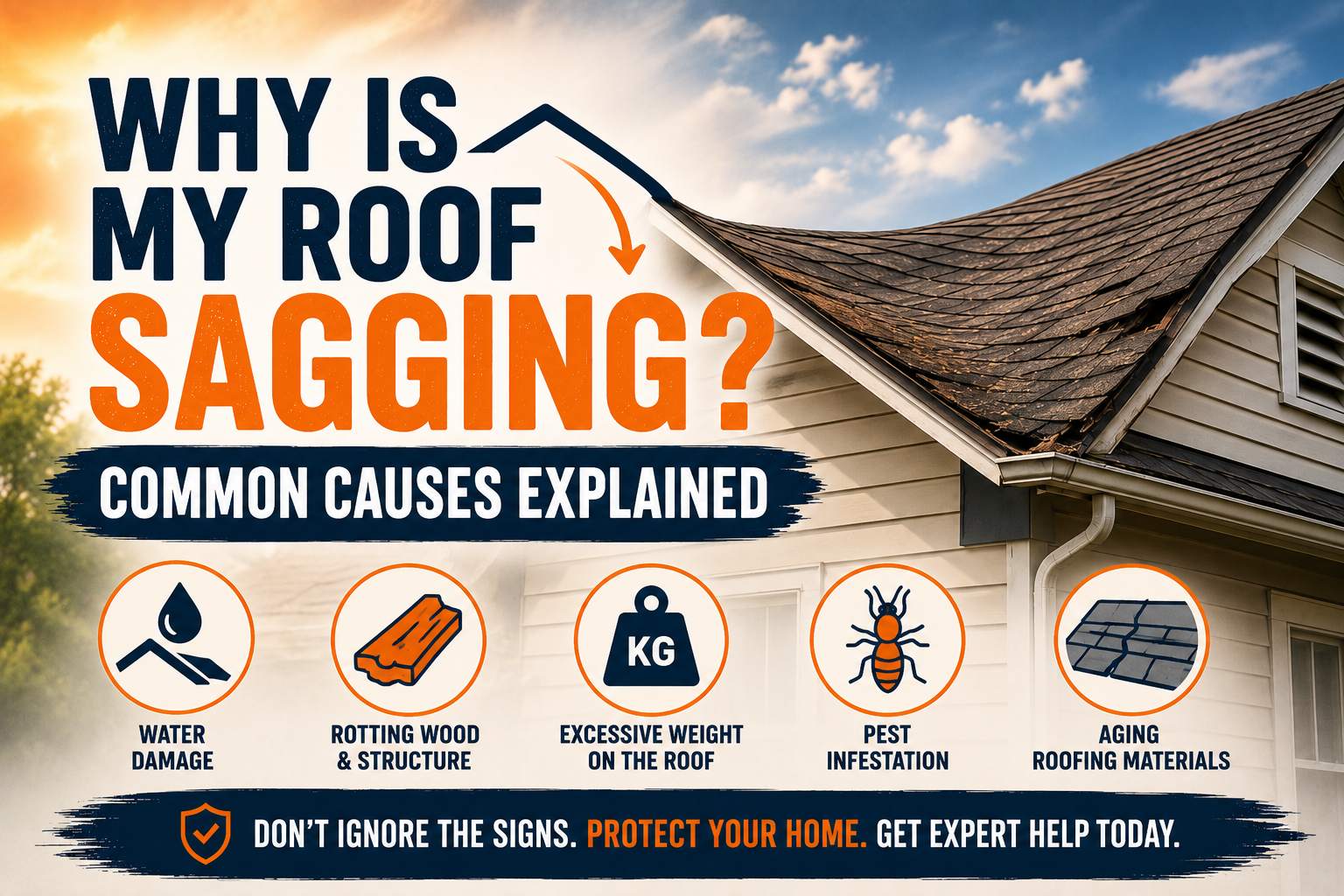
A sagging roof is one of those home problems that tends to start quietly and then suddenly becomes impossible to ignore. Many homeowners first notice it as a slight dip in the roofline, uneven ceiling surfaces, or doors and windows that no longer feel properly aligned, and by that point the issue may already be developing for quite some time. Roof sagging is not just a cosmetic concern because it often points to deeper structural stress that can affect the safety and durability of the entire home.
Understanding why a roof begins to sag is important because the causes are often gradual and interconnected rather than sudden failures. In many cases, small issues like moisture buildup or poor ventilation slowly weaken key structural components, eventually leading to visible deformation. When left unchecked, what starts as a minor structural imbalance can grow into a serious safety risk that requires extensive repair or even full roof replacement.
What Roof Sagging Actually Means in Simple Terms
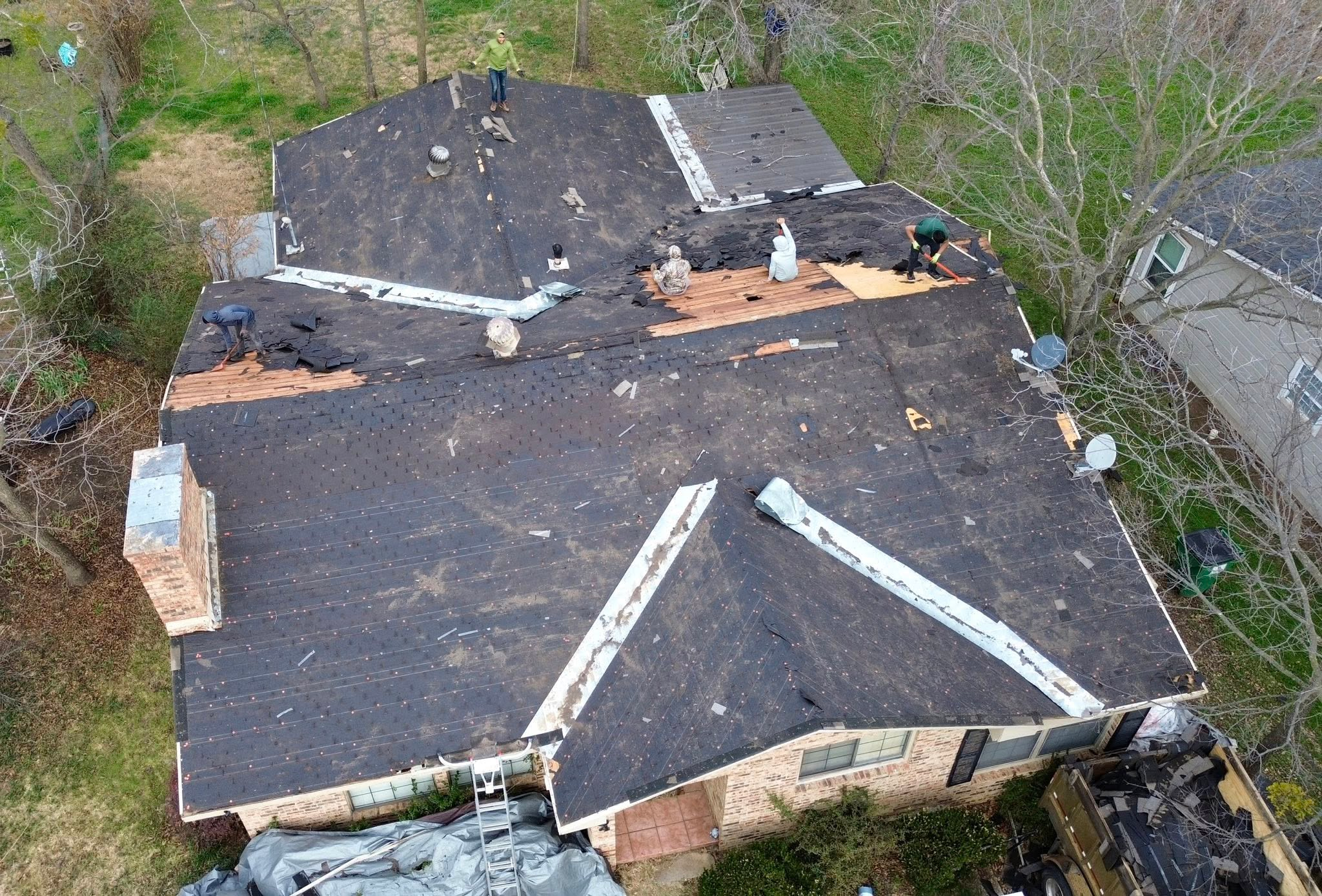
Roof sagging refers to a downward curve or dip in the roof structure where the surface is no longer straight or evenly supported. This happens when the underlying framework, which is designed to hold weight and distribute loads evenly, begins to lose its strength or balance. The sagging may appear in the center of the roof, along ridges, or in specific sections depending on where the structural weakness is located.
In a healthy roof system, weight is evenly transferred through beams, rafters, and trusses down into the walls of the home. When one or more of these components weaken, the load distribution becomes uneven, causing certain areas to bend or sink. This is why roof sagging is often a symptom rather than the root problem itself, signaling that something deeper inside the structure is failing.
Early Warning Signs Homeowners Usually Miss
Roof sagging rarely happens overnight, and there are usually subtle warning signs that appear long before the deformation becomes visible from the outside. One of the earliest indicators is a slight unevenness in interior ceilings, which may look like gentle waves or dips that are easy to overlook. Over time, these small irregularities can become more noticeable as the structural stress increases.
Another early sign can be difficulty with doors and windows inside the home, where frames may begin to stick or shift slightly out of alignment. This happens because structural movement in the roof can affect the overall frame of the house. In some cases, homeowners may also notice small cracks forming along ceiling joints or upper wall corners, which can indicate shifting loads within the structure.
Moisture stains or discoloration on ceilings can also be an early warning sign, especially when they appear repeatedly in the same area. These stains often suggest water intrusion, which can weaken wooden structural elements over time. When multiple of these signs appear together, it often indicates that the roof structure is under stress and may be slowly deforming.
How Roof Structure Is Designed to Carry Load Safely
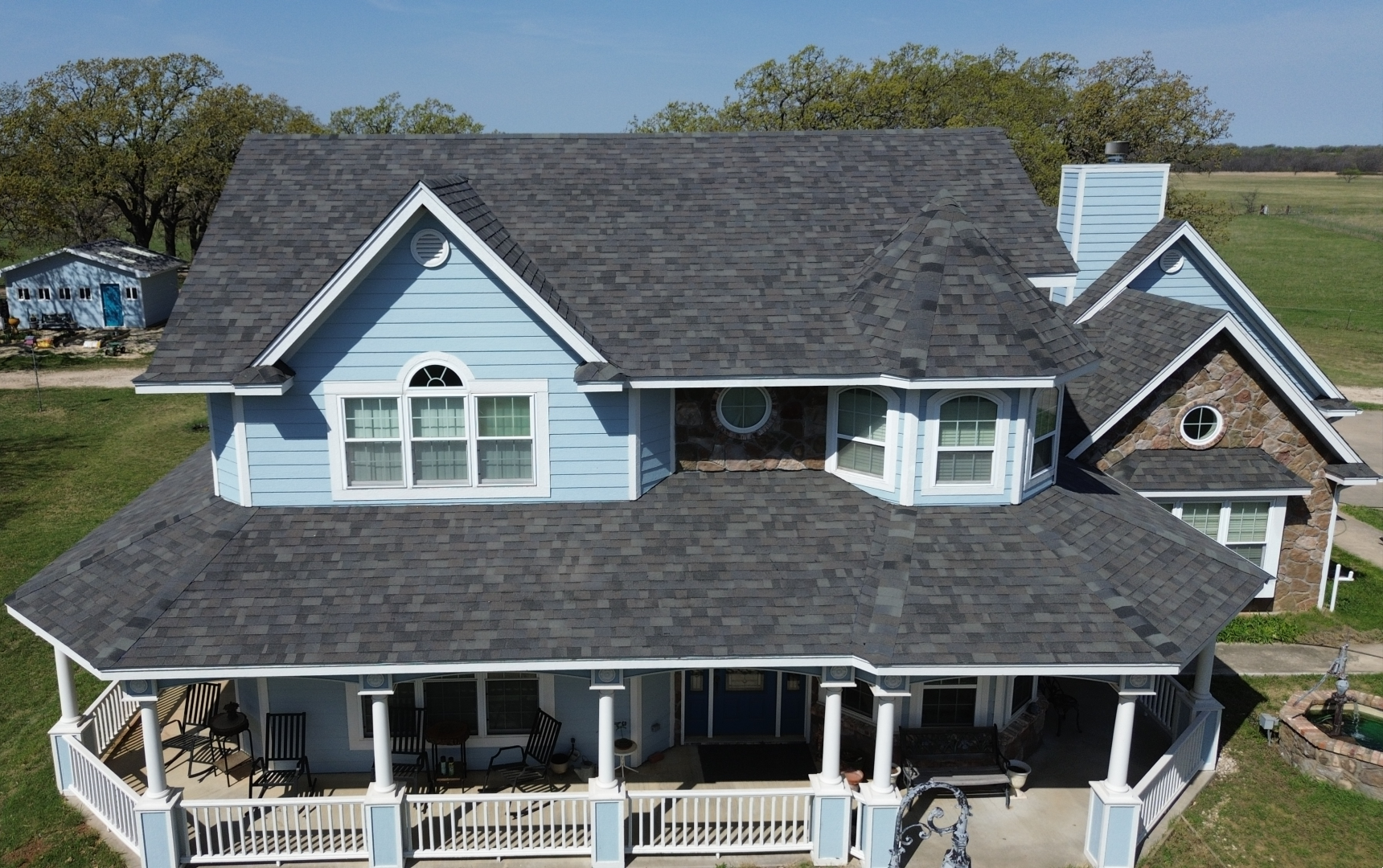
To understand why sagging occurs, it is helpful to first understand how a roof is meant to function under normal conditions. A roof is not just an external covering but a carefully engineered system made up of multiple load-bearing components. These include rafters or trusses, ridge beams, ceiling joists, and supporting walls that work together to distribute weight evenly.
The primary job of this system is to manage both dead loads and live loads. Dead loads refer to the permanent weight of the roof materials themselves, while live loads include temporary forces such as rain, wind, or occasional maintenance activity. When the system is functioning correctly, these forces are transferred safely down to the foundation without causing deformation.
However, if even one part of this system becomes compromised, the balance begins to shift. For example, weakened rafters may no longer support their share of the load, forcing adjacent components to take on extra stress. Over time, this imbalance can lead to bending, warping, or visible sagging in the roof structure.
Basic Components of a Roof System and Their Roles in Structural Support
A roof is supported by several key structural elements, each playing a specific role in maintaining stability. Rafters are long sloped beams that form the main shape of the roof and carry much of the weight from the roof surface. Trusses, which are pre-engineered triangular structures, serve a similar purpose but distribute weight more efficiently across larger spans.
Ridge beams run along the top peak of the roof and help connect opposing sides, ensuring structural symmetry and balance. Ceiling joists tie the walls of the house together and prevent them from spreading outward under pressure from the roof load. When these components work together properly, the roof maintains its shape and strength even under challenging environmental conditions.
If any of these elements weaken due to age, moisture, or damage, the entire system can begin to shift. This is why roof sagging is often a sign of structural imbalance rather than a single point of failure. The interconnected nature of these components means that damage in one area can quickly affect the rest of the structure if not addressed early.
Why Small Structural Changes Can Slowly Turn Into Visible Sagging
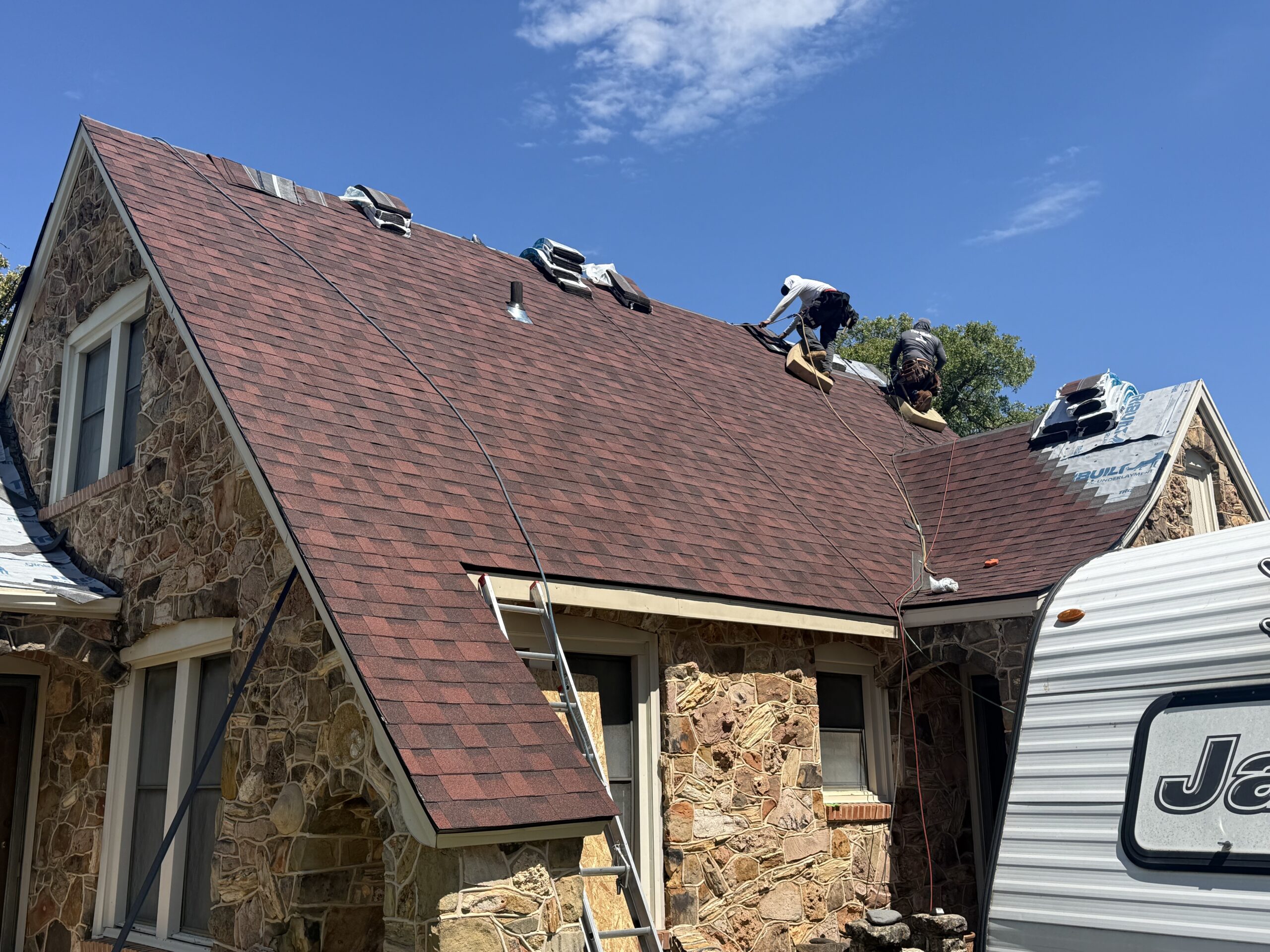
Roof sagging typically develops over time rather than appearing suddenly, which is why early changes often go unnoticed. Small shifts in wood, fasteners, or load distribution may not be visible at first, but they gradually affect how the roof carries weight. Even minor warping of a beam can change how forces travel through the structure.
Environmental factors such as temperature changes and humidity also contribute to slow deformation. Wood expands and contracts with moisture levels, and repeated cycles of swelling and drying can weaken its internal strength. Over time, this can lead to bending or twisting of structural members, especially in older roofs.
Once the structural balance is disrupted, the roof begins to settle unevenly under its own weight. This slow settling process is what eventually becomes visible as sagging. By the time the dip becomes noticeable from the outside, the internal damage has often been developing for months or even years.
Common Misconceptions About Roof Sagging and Harmless-Looking Dips
Many homeowners assume that a slight dip in the roofline is simply a normal part of aging or an aesthetic issue that does not require immediate attention. While some minor settling can occur in older structures, noticeable sagging is rarely harmless and usually indicates an underlying problem. Ignoring it can allow the structural weakness to worsen over time.
Another common misconception is that only old homes experience roof sagging. In reality, newer homes can also develop sagging if construction quality is poor or if unexpected stress factors such as water damage or heavy loads are present. Age alone is not the only determining factor in roof stability.
There is also a belief that cosmetic repairs, such as replacing roofing materials, can fix sagging. However, surface-level fixes do not address structural issues within beams or trusses. Without correcting the underlying cause, the sagging will likely continue or even worsen over time.
Initial Factors That Begin Weakening Roof Structure Over Time
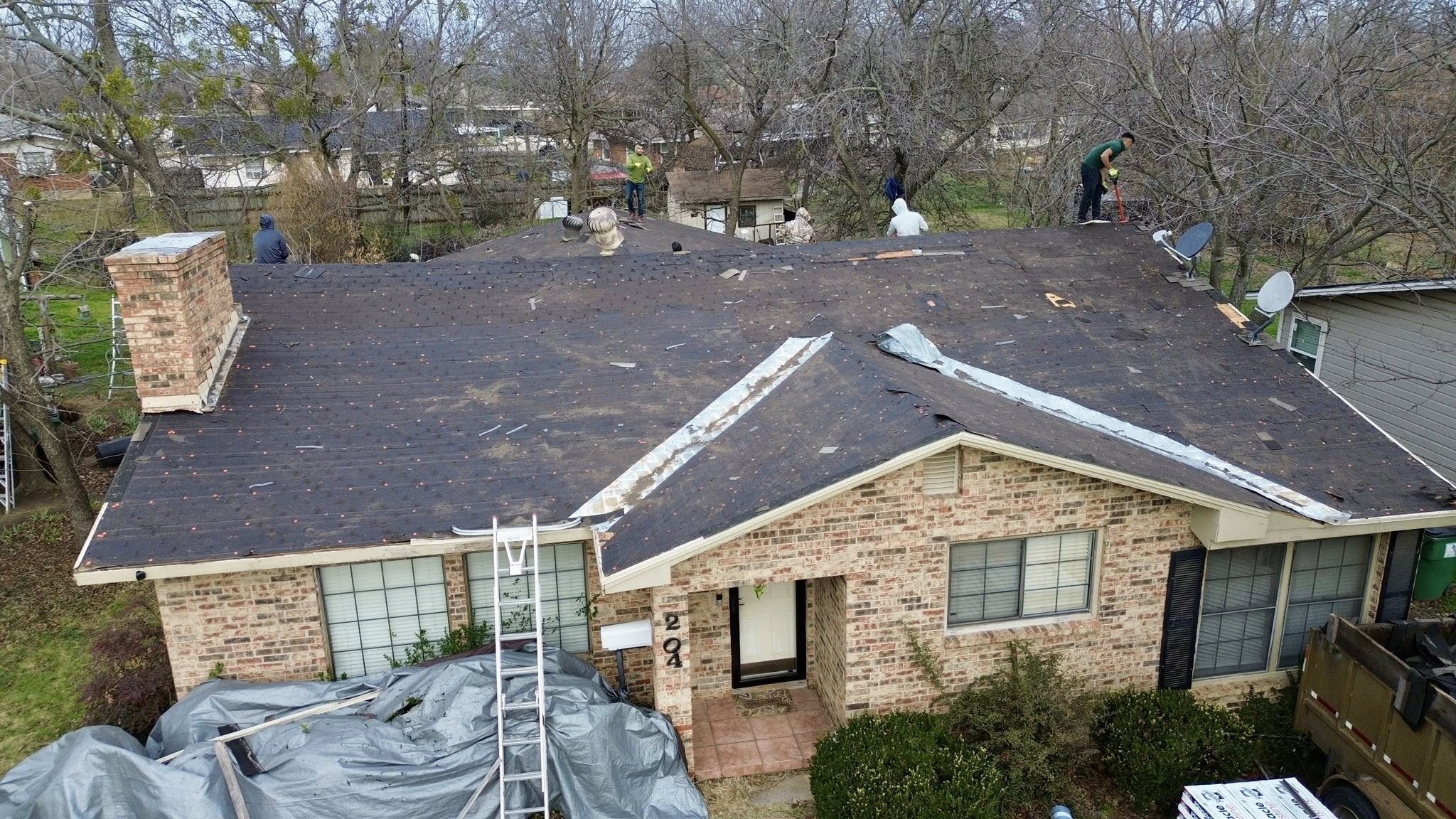
Several early factors can quietly begin the process of roof weakening long before visible sagging appears. One of the most common is moisture intrusion, which can enter through small leaks or poorly sealed roofing materials. Once moisture reaches wooden components, it can lead to rot and reduced load-bearing capacity.
Poor ventilation is another major contributor because it traps heat and moisture within the attic space. This creates an environment where structural materials degrade faster than normal. Over time, this hidden damage can significantly reduce the strength of key roof components.
Improper installation practices can also set the stage for future sagging. If beams are not correctly spaced or secured, they may not distribute weight evenly from the beginning. These early construction flaws often remain unnoticed until structural stress begins to show visibly on the roof surface.
Moisture as a Silent Contributor to Early Roof Deformation
Moisture is one of the most destructive yet least visible causes of roof sagging because it often works slowly and internally. Water can enter through damaged shingles, flashing gaps, or condensation buildup inside the attic. Once inside, it begins to weaken wooden structures by promoting rot and decay.
As wood absorbs moisture, it loses stiffness and becomes more flexible under load. This flexibility may seem minor at first but can significantly impact how weight is distributed across the roof. Over time, even small areas of weakened wood can cause surrounding structures to shift under pressure.
Repeated exposure to moisture also encourages mold growth, which further accelerates material breakdown. Since this process happens inside the roof structure, it often goes unnoticed until visible sagging or staining appears on interior ceilings. By this stage, the damage is usually already well developed and requires more extensive repair.
How Poor Ventilation Starts the Chain of Structural Decline
Proper ventilation plays a crucial role in maintaining roof health by regulating temperature and moisture levels within the attic space. When ventilation is inadequate, heat and humidity become trapped, creating conditions that gradually weaken structural materials. This hidden environment can accelerate wood deterioration over time.
Excess heat can cause roofing materials to age prematurely, while trapped moisture increases the risk of rot and mold. Together, these conditions create a cycle of gradual weakening that affects both visible roofing materials and hidden structural supports. Over time, this combination can reduce the roof’s ability to hold weight effectively.
Poor ventilation also contributes to uneven temperature distribution across the roof structure. This can cause expansion and contraction in different areas at different rates, leading to subtle warping of beams and rafters. These small distortions accumulate over time and can eventually contribute to visible sagging in the roofline.
How to Recognize Early-Stage Sagging Before It Becomes Severe
Identifying early-stage roof sagging requires attention to small but consistent changes in both the interior and exterior of the home. One of the most important things to watch for is any deviation in the roofline when viewed from a distance. A straight roof edge is a key indicator of structural balance.
Inside the home, ceiling surfaces should also be monitored for unevenness or subtle dips that become more noticeable under certain lighting conditions. These irregularities often appear gradually and may initially seem like optical illusions. However, when they persist or worsen, they may indicate structural movement above.
It is also important to pay attention to recurring moisture stains or cracks in upper walls and ceilings. When combined with other signs such as door misalignment or attic humidity issues, these indicators can suggest early structural stress. Recognizing these patterns early can make a significant difference in preventing further deterioration.
Why Timing Matters When Addressing Roof Issues
Roof sagging is one of those structural issues where timing plays a critical role in both cost and safety. Early intervention can often prevent minor weaknesses from developing into major structural failures that require extensive reconstruction. The longer the issue is ignored, the more complex and expensive the repair process becomes.
Delaying action also increases the risk of secondary damage to other parts of the home, including walls, insulation, and electrical systems. As the roof structure weakens, it can allow water intrusion and further material breakdown. This creates a cascading effect that extends beyond the roof itself.
Addressing roof concerns early not only preserves structural integrity but also helps maintain overall property value. A stable roof is one of the most important elements of a safe and durable home, and understanding early warning signs is the first step in preventing serious long-term damage.
Structural Overload as a Major Cause of Roof Sagging
One of the most common reasons a roof begins to sag is structural overload, which happens when the roof is forced to carry more weight than it was originally designed to handle. Every roof has a specific load capacity based on its materials, design, and support system, and when that limit is exceeded, the structure begins to strain. Over time, this extra pressure causes beams and trusses to bend slightly, which eventually becomes visible as a dip in the roofline.
Structural overload does not always come from a single event, as it often develops gradually through multiple contributing factors. Additional layers of roofing material, water accumulation, or modifications made without proper engineering consideration can slowly increase stress on the structure. Once the load exceeds safe limits, the weakest points begin to deform first, leading to uneven settling.
Impact of Heavy Roofing Materials and Additional Rooftop Weight
The type of roofing material used plays a significant role in how much stress is placed on the underlying structure. Heavier materials such as clay tiles or thick concrete shingles can create long-term pressure on rafters and trusses if the roof was not originally designed to support them. Even if the materials are durable, the structure beneath may gradually weaken under sustained load.
Additional rooftop weight is another often overlooked issue, especially when homeowners install items like satellite dishes, solar panels, or water tanks without evaluating structural capacity. While these additions may seem minor individually, they can collectively contribute to imbalance in load distribution. Over time, this uneven weight can cause specific sections of the roof to sag more than others.
Snow and Rain Accumulation and Seasonal Stress on Roof Structure
Seasonal weather conditions can place significant temporary stress on roofs, especially during heavy rainfall or snowfall. Water is deceptively heavy, and when it accumulates due to poor drainage or clogged gutters, it increases the load on the roof surface. This additional weight may not be noticeable at first but can create repeated stress cycles that weaken structural integrity.
Snow accumulation is particularly damaging in colder regions because it can remain on the roof for extended periods. As snow compacts and melts, it adds fluctuating pressure that the structure must continuously support. These repeated load variations can gradually weaken joints and connectors, making the roof more susceptible to sagging over time.
Water Damage and Long-Term Wood Rot Affecting Beams and Rafters
Water damage is one of the most destructive forces affecting roof structures because it directly impacts the strength of wooden components. When moisture enters through leaks or damaged roofing materials, it can soak into beams and rafters, leading to gradual decay. This process weakens the internal structure of the wood, reducing its ability to support weight effectively.
Wood rot often develops silently, meaning the outer surface may appear intact while the internal structure is already compromised. As the wood loses its density, it becomes soft and less capable of resisting pressure from above. This weakening often results in localized sagging that spreads as more structural elements become affected.
Foundation Movement and Its Effect on Roof Alignment
A home is a connected system, which means movement in the foundation can directly influence the roof structure above it. When the foundation shifts due to soil settlement, moisture changes, or structural instability, it can cause the entire frame of the house to move slightly out of alignment. This movement is often uneven, placing stress on certain sections of the roof more than others.
As the building shifts, load distribution changes across the roof framework, forcing some beams to carry more weight than they were designed for. Over time, this imbalance leads to bending and deformation in the affected areas. Even minor foundation movement can gradually translate into visible roof sagging if not addressed promptly.
Poor Construction Practices and Shortcuts During Installation
Construction quality plays a critical role in long-term roof stability, and poor workmanship can lead to early sagging even in relatively new homes. If rafters are improperly spaced or fasteners are inadequately secured, the roof may not distribute weight evenly from the beginning. These structural weaknesses often remain hidden until external stress reveals them.
Shortcuts during installation, such as using undersized beams or skipping reinforcement steps, can significantly reduce the roof’s load-bearing capacity. While these issues may not cause immediate failure, they create long-term vulnerability that becomes more apparent as the roof ages. Over time, these hidden flaws can result in uneven settling and visible sagging.
Aging Materials and Natural Wear Over Decades of Exposure
All roofing materials degrade over time due to continuous exposure to environmental conditions such as sunlight, wind, and moisture. As materials age, they gradually lose strength and flexibility, making them less capable of supporting structural loads. This natural wear process is slow but inevitable, especially in older homes.
Wooden components are particularly vulnerable because they are affected by both environmental exposure and internal biological decay. As aging progresses, small cracks and weaknesses develop within beams and trusses, reducing their ability to maintain shape under pressure. Eventually, this deterioration can manifest as roof sagging across larger sections of the structure.
Pest Infestations Weakening Structural Timber from Within
Pests such as termites and carpenter ants can cause significant hidden damage to roof structures by feeding on or tunneling through wooden components. This internal destruction often goes unnoticed until the structural integrity has already been compromised. Since the damage occurs inside the wood, it can severely reduce load-bearing capacity without obvious external signs.
As infestations spread, they create hollow sections within beams and rafters, weakening their ability to support weight. Over time, these weakened areas begin to bend or collapse under pressure, contributing to uneven roof surfaces. Pest-related damage is especially dangerous because it often progresses silently until significant structural failure occurs.
How Roof Design Flaws Contribute to Uneven Load Distribution
Not all roofs are designed equally, and structural design flaws can lead to uneven load distribution that increases the risk of sagging. Complex roof shapes with multiple angles or large unsupported spans are more susceptible to stress concentration in specific areas. When weight is not evenly distributed, certain sections experience more pressure than others.
Inadequate support placement or insufficient reinforcement in key structural points can also lead to long-term instability. Over time, these design weaknesses become more pronounced as the roof is exposed to environmental stress. This can result in gradual deformation that follows predictable patterns based on the original structural layout.
Signs That Indicate the Sagging Is Structural Rather Than Cosmetic
Distinguishing between cosmetic irregularities and structural sagging is essential for understanding the severity of the issue. Structural sagging is typically characterized by visible dips in the roofline that worsen over time, especially after heavy rain or seasonal changes. These changes are usually persistent rather than temporary.
Inside the home, structural sagging may be accompanied by cracks in walls, uneven ceilings, or doors that no longer close properly. These symptoms indicate that the entire building frame is being affected, not just the roof surface. When multiple signs appear together, it is usually a strong indication of structural failure rather than superficial deformation.
How to Assess Severity Through Visual Inspection Cues
While professional evaluation is always recommended, homeowners can often identify potential severity through careful visual observation. A roof that appears to dip significantly in one area compared to others is often experiencing localized structural failure. The sharper and more uneven the dip, the more serious the underlying issue is likely to be.
Attic spaces can also provide important clues, such as cracked beams, visible bending in rafters, or moisture damage along structural joints. These signs suggest that internal components are already under stress. When combined with exterior sagging, they often indicate an advanced stage of structural weakening.
When Sagging Indicates a Serious Structural Failure Risk
Not all roof sagging develops at the same rate, and some cases indicate immediate risk of structural failure. Rapid changes in roof shape, especially after storms or heavy loads, can signal that critical support components are failing. In such situations, the roof may no longer be able to safely distribute weight.
If sagging is accompanied by creaking sounds, sudden ceiling cracks, or visible separation in structural joints, it may indicate an urgent safety concern. These signs suggest that the roof is approaching a failure point and requires immediate professional attention. Delaying action in such cases can lead to significant damage or collapse.
Progression of Damage If Issues Are Not Addressed Early
When roof sagging is left untreated, the condition typically worsens over time as structural components continue to weaken. Initial minor bends in beams can expand into larger deformations as load distribution becomes increasingly uneven. This creates a cycle where weakened areas bear more stress, accelerating further damage.
As the structure continues to degrade, additional problems such as water leakage, insulation damage, and internal mold growth may develop. These secondary issues further compromise the roof system, making repairs more complex and costly. Without timely intervention, what begins as mild sagging can eventually require major structural reconstruction or full roof replacement.
How Professionals Inspect Roof Sagging and Identify Root Causes
When a roof begins to sag, professional inspection is usually the most reliable way to understand what is happening beneath the surface. Experts typically start by examining both the exterior roofline and the interior attic space to identify visible distortions, moisture damage, or structural weaknesses. This dual approach helps them connect what is seen outside with what is happening inside the structural framework.
In many cases, professionals also use leveling tools and laser measurements to determine how far the roof has deviated from its original alignment. These precise readings help identify whether the sagging is localized or affecting a broader section of the structure. By combining visual inspection with measurement data, they can narrow down the root cause more accurately.
A key part of the process is tracing the load path, which means understanding how weight travels through rafters, beams, and support walls. If any part of this load path is compromised, it becomes easier to pinpoint whether the issue is due to moisture, overload, or structural failure. This step is essential for determining whether repair or replacement is needed.
Structural Repair Methods Used in Different Sagging Scenarios
The method used to repair a sagging roof depends heavily on the severity and cause of the issue. In mild cases, reinforcement may be enough to restore structural balance. This can include adding sister beams alongside weakened rafters to provide additional support and redistribute weight more evenly.
In more moderate cases, partial reconstruction of affected sections may be required. This involves replacing damaged beams, reinforcing joints, and correcting any misalignment in the structural frame. These repairs aim to restore strength without removing the entire roof system.
Severe sagging often requires more extensive intervention, including partial or full roof rebuilding. In such situations, compromised structural components are removed and replaced entirely to ensure long-term stability. While more invasive, this approach addresses the root cause rather than just the symptoms.
Beam Reinforcement Techniques and When They Are Necessary
Beam reinforcement is commonly used when structural elements are weakened but not completely beyond repair. One common technique is sistering, where a new beam is attached directly alongside an existing damaged beam to share the load. This helps restore strength without full replacement.
Another method involves adding support columns or load-bearing walls beneath weakened areas. This approach helps redistribute weight from the roof down to the foundation more effectively. It is especially useful in older homes where original structural capacity may be insufficient for modern loads.
Steel reinforcement plates or brackets may also be used to strengthen joints between beams and rafters. These components help stabilize weak connection points and prevent further shifting. Reinforcement is typically chosen when the goal is to preserve as much of the original structure as possible while restoring safety.
Roof Replacement Versus Partial Repair Decisions
Deciding between roof replacement and partial repair depends on the extent of damage and the overall condition of the structure. If sagging is limited to a small area and the rest of the roof system is intact, partial repair is often sufficient. This approach focuses on correcting specific weak points without disturbing the entire roof.
However, if multiple sections show signs of structural failure or if the underlying materials are extensively deteriorated, full replacement may be the safer option. A new roof ensures that all components meet current safety standards and eliminates hidden risks from old damage.
Cost, age of the roof, and future risk factors also play a role in this decision. In many cases, a professional assessment helps determine whether continued repairs would only provide temporary relief. When structural integrity is widely compromised, replacement becomes the more practical long-term solution.
Cost Factors Involved in Fixing a Sagging Roof
The cost of repairing a sagging roof can vary widely depending on the severity of the damage, materials involved, and accessibility of the affected areas. Minor reinforcement work is generally less expensive because it involves targeted repairs rather than full structural replacement.
More significant costs arise when structural components such as beams or trusses need to be replaced. Labor intensity increases significantly in these cases because parts of the roof must be opened or rebuilt to access damaged sections. Additional expenses may also come from related repairs such as water damage restoration or insulation replacement.
Geographic location and material prices can also influence total repair costs. In some cases, emergency repairs may further increase expenses due to urgency and immediate labor requirements. While cost is an important factor, delaying repairs often leads to higher long-term expenses due to worsening damage.
Preventive Maintenance Strategies to Avoid Future Sagging
Preventing roof sagging begins with regular maintenance and early detection of small issues before they escalate. One of the most effective strategies is ensuring that gutters and drainage systems remain clean and functional so that water does not accumulate on the roof surface. Proper drainage significantly reduces structural load during heavy rain.
Routine inspections, especially after storms or seasonal changes, can help identify early signs of damage such as loose shingles, small leaks, or minor dips in the roofline. Addressing these issues quickly prevents them from developing into structural problems.
Maintaining proper attic ventilation is also essential because it helps control moisture and temperature levels. A well-ventilated roof structure experiences less internal stress and reduced risk of wood decay. Over time, this simple step can significantly extend the lifespan of the roof.
Long-Term Care Tips for Extending Roof Lifespan
Long-term roof care involves consistent attention to both external and internal conditions that affect structural health. One important practice is scheduling periodic professional inspections, even if no visible issues are present. These inspections can detect hidden weaknesses before they become serious problems.
Another key factor is managing surrounding environmental conditions, such as overhanging tree branches that can trap moisture or drop debris onto the roof. Keeping the roof surface clear reduces unnecessary weight and prevents long-term wear.
It is also important to ensure that any modifications to the roof, such as installing solar panels or satellite systems, are done with proper structural assessment. Adding weight without evaluating load capacity can significantly increase the risk of future sagging.
Importance of Regular Inspections and Early Intervention
Regular inspections play a crucial role in preventing roof sagging from progressing into severe structural failure. Many early-stage issues are not visible from the ground, which is why professional evaluations are often necessary to detect hidden damage.
Early intervention allows homeowners to address small weaknesses before they affect the entire roof system. Fixing minor issues such as leaks or weak joints can prevent costly structural repairs later. This proactive approach helps maintain both safety and property value.
Delaying inspections often leads to more complex problems that spread beyond the roof itself. Once damage reaches supporting walls or interior structures, repairs become significantly more expensive and disruptive.
How Proper Drainage Systems Help Prevent Structural Stress
A well-designed drainage system is essential for preventing excess weight buildup on the roof surface. When gutters and downspouts function properly, rainwater is efficiently directed away from the structure. This reduces the chance of water pooling and adding unnecessary load.
Clogged or damaged drainage systems can cause water to accumulate, especially during heavy rainfall. This added weight may seem temporary but can create repeated stress cycles that weaken roofing materials over time. Ensuring clear drainage paths is one of the simplest yet most effective preventive measures.
Proper slope design in the roof itself also plays a role in guiding water flow. When water moves off the surface quickly, it reduces prolonged exposure to moisture, which helps preserve structural integrity in the long run.
Role of Insulation and Ventilation in Roof Health Maintenance
Insulation and ventilation work together to maintain a balanced internal environment within the roof structure. Proper insulation helps regulate temperature, preventing extreme heat transfer that can weaken materials over time. At the same time, ventilation ensures that moisture does not become trapped inside the attic space.
Without adequate ventilation, warm air can accumulate and create condensation, which slowly damages wooden beams and supports. This hidden moisture often contributes to long-term structural weakening that eventually leads to sagging.
A balanced system reduces both thermal stress and moisture buildup, helping maintain the roof’s original strength. This combination is especially important in climates with high humidity or significant temperature fluctuations.
Homeowner Checklist for Monitoring Roof Condition Over Time
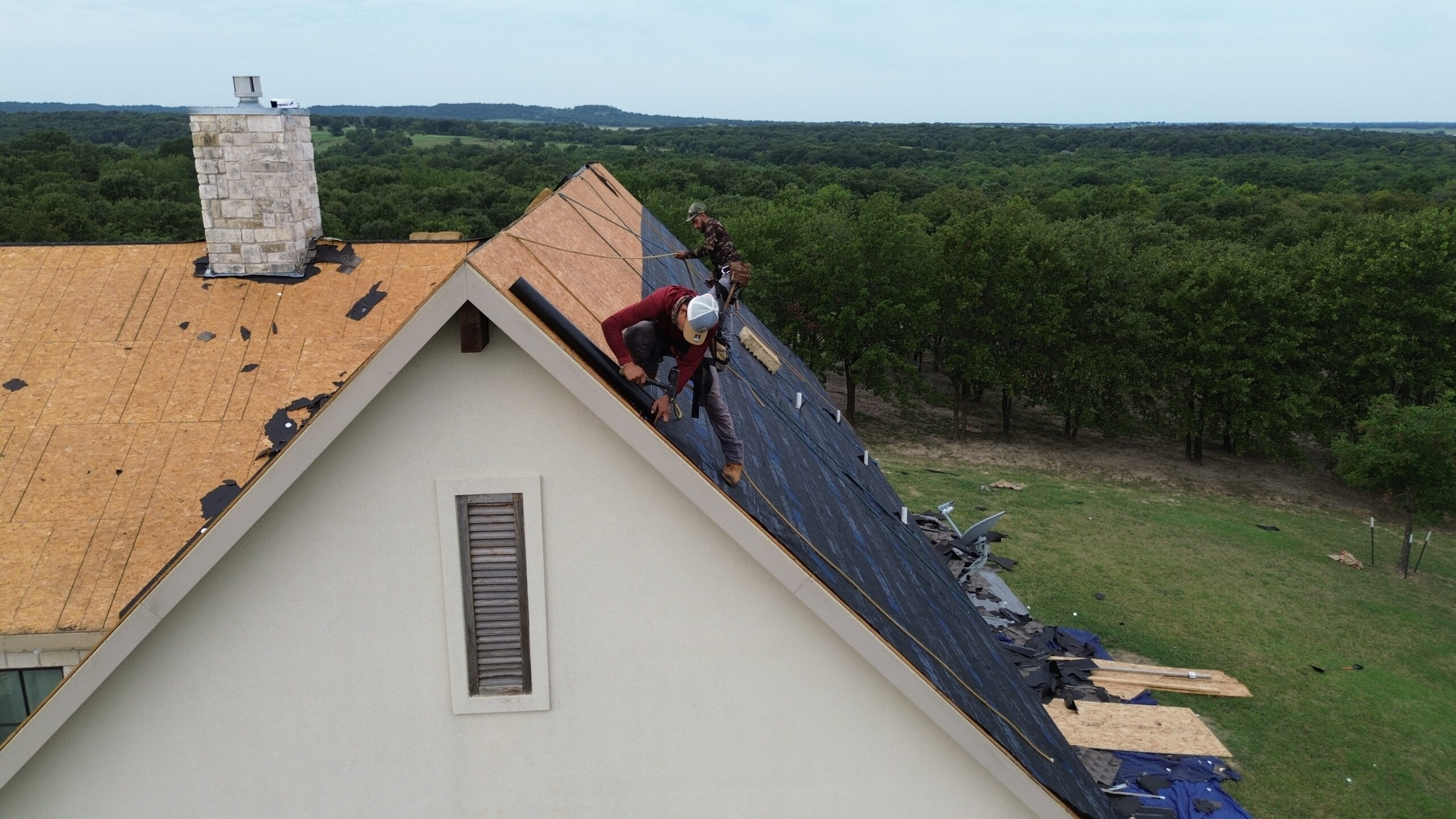
Homeowners can reduce the risk of severe roof sagging by keeping a consistent watch on key warning signs. Regular visual checks of the roofline from different angles can help identify early irregularities. Even small changes should be noted and monitored over time.
Inside the home, attention should be given to ceiling surfaces, attic conditions, and any new cracks or stains. These signs often provide early clues about structural changes above. Monitoring them regularly helps establish patterns that may indicate developing problems.
It is also helpful to track seasonal changes, especially after heavy storms or long rainy periods. If any new symptoms appear during these times, they should be evaluated promptly to prevent further deterioration.
Final Safety Considerations Before and After Repair Work
Safety is a critical factor when dealing with a sagging roof because structural instability can worsen unexpectedly. Homeowners should avoid placing additional weight on affected areas or attempting temporary fixes without proper knowledge. This can increase the risk of further damage or collapse.
During repair work, professional guidance ensures that load-bearing structures are handled correctly and reinforced safely. After repairs are completed, follow-up inspections are often recommended to confirm that the structure is stable and functioning as intended.
Long-term safety depends on continued maintenance and awareness of early warning signs. A well-maintained roof not only protects the home but also ensures that structural issues are identified before they become serious hazards.
Conclusion
Roof sagging is rarely a simple surface issue, and it often reflects deeper structural problems that develop over time through a combination of stress, moisture, aging, and design limitations. Understanding the causes and progression of sagging helps homeowners recognize that early action is essential to prevent more serious damage.
Whether the issue stems from overload, water damage, poor construction, or natural wear, the key to protecting a home lies in timely inspection, proper maintenance, and informed repair decisions. A strong and stable roof is central to the safety and longevity of any building, and addressing sagging early ensures that small problems do not turn into major structural failures.