
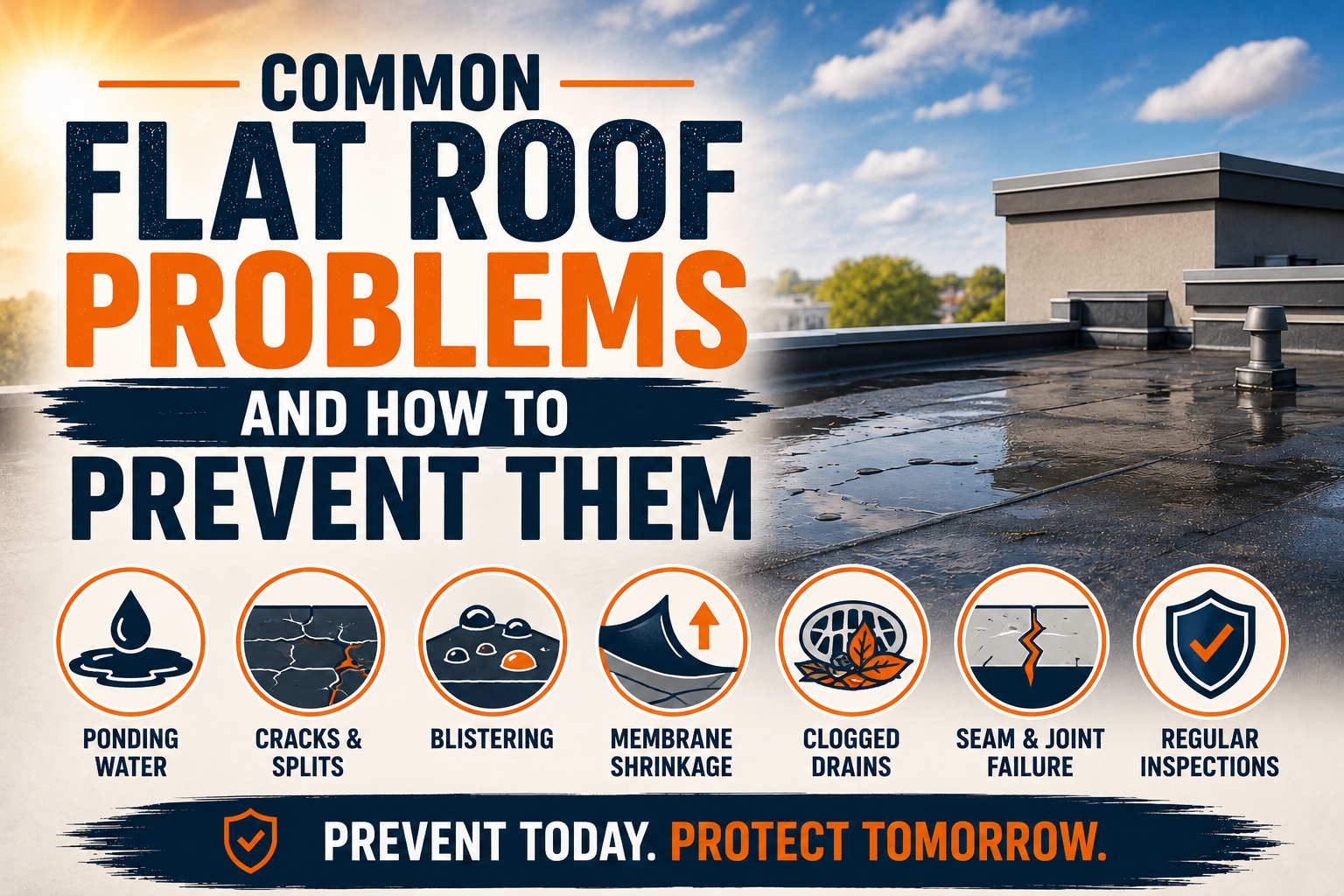
Common Flat Roof Problems and How to Prevent Them
Introduction
Flat roofs are widely used in residential, commercial, and industrial buildings because they offer practical benefits such as lower construction costs, easier access, and additional usable space. Despite these advantages, flat roofing systems are often more vulnerable to specific types of problems compared to sloped roofs, mainly because water does not naturally run off as quickly. This makes understanding flat roof behavior essential for preventing long term damage and costly repairs.
Many homeowners assume that a flat roof is completely level, but in reality it is designed with a slight slope to guide water toward drainage points. Even with this design, issues can develop when drainage is insufficient or when the roof surface begins to deteriorate over time. Learning how these systems function helps identify problems early before they become serious structural concerns.
Flat roof problems often develop gradually, which means they may go unnoticed until visible leaks or interior damage appear. By the time symptoms show inside the building, the underlying issue may already be advanced. This is why prevention and early inspection play a critical role in maintaining roof health and extending its lifespan.
Understanding How Flat Roofs Actually Work
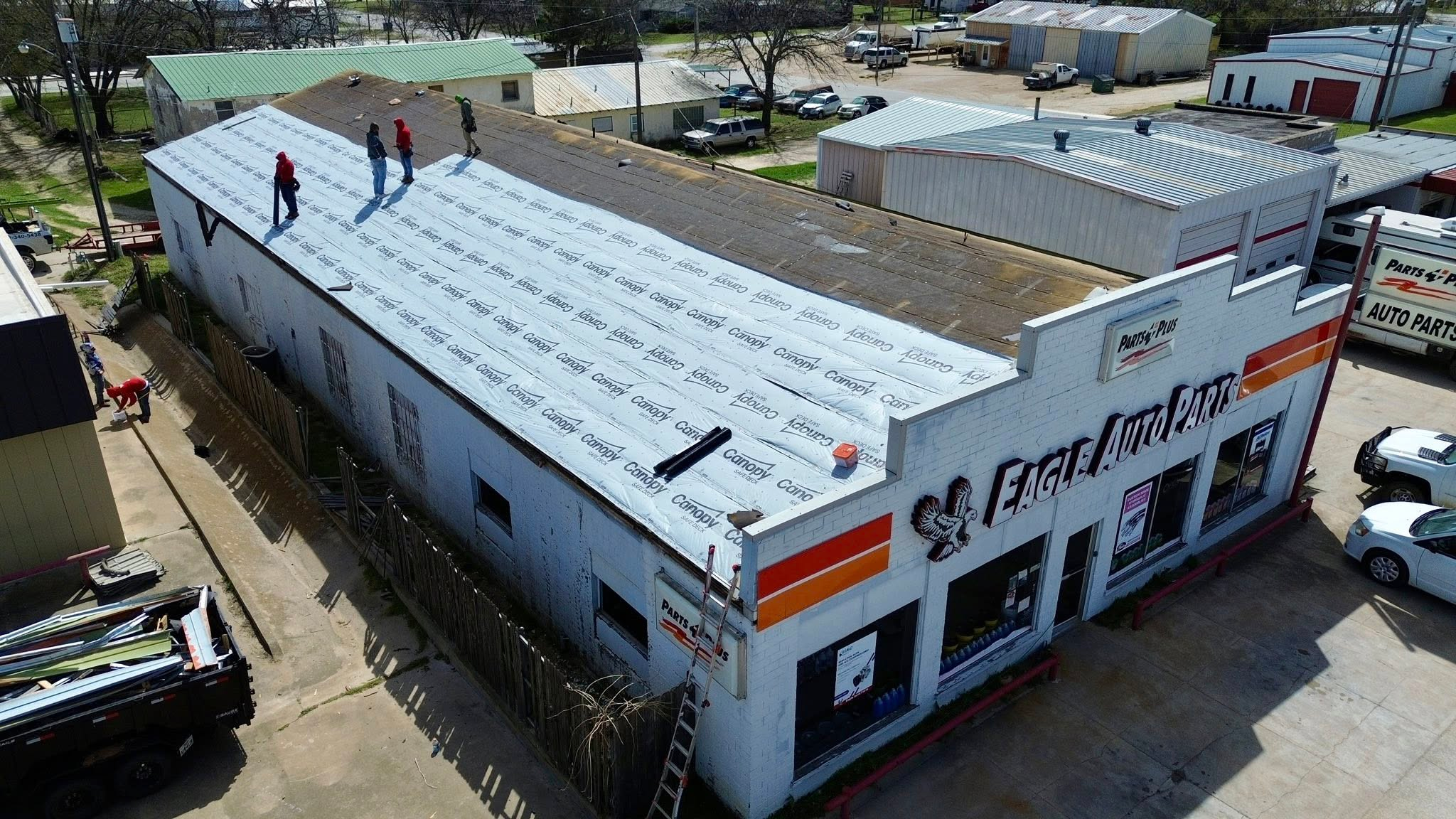
A flat roof is built using multiple layers that work together to provide waterproofing, insulation, and structural support. The top layer is typically a waterproof membrane designed to resist moisture and protect the underlying structure from exposure to rain and sunlight. Beneath this membrane are insulation layers and structural decking that provide strength and thermal efficiency.
Although called flat, these roofs are not completely horizontal because a slight slope is required to allow water movement. This slope is usually very subtle and may not be noticeable to the eye. Its main purpose is to direct water toward drains, scuppers, or gutters that carry it away from the roof surface.
The performance of a flat roof depends heavily on how well each layer functions together as a system. If one component fails, such as the membrane or drainage system, it can quickly affect the entire structure. This interconnected design means small issues can escalate faster than many homeowners expect.
Why Flat Roofs Are More Vulnerable Than Pitched Roofs
Flat roofs face unique challenges compared to pitched roofing systems because they do not naturally shed water as efficiently. On a sloped roof, gravity helps move rainwater downward quickly, reducing the amount of time moisture remains on the surface. In contrast, flat roofs rely entirely on engineered drainage systems to remove water.
Because water does not flow away quickly, flat roofs are more prone to water retention and slow drying. This prolonged exposure increases the risk of leaks, material degradation, and structural weakening over time. Even small imperfections in the surface can allow water to pool and create long term damage.
Flat roofs are also more exposed to environmental stress because debris such as leaves, dirt, and branches tends to accumulate more easily. Without regular cleaning, this debris can block drainage paths and worsen existing water retention problems. Over time, these conditions create a cycle of deterioration that becomes harder to control.
Water Ponding and Standing Water Issues
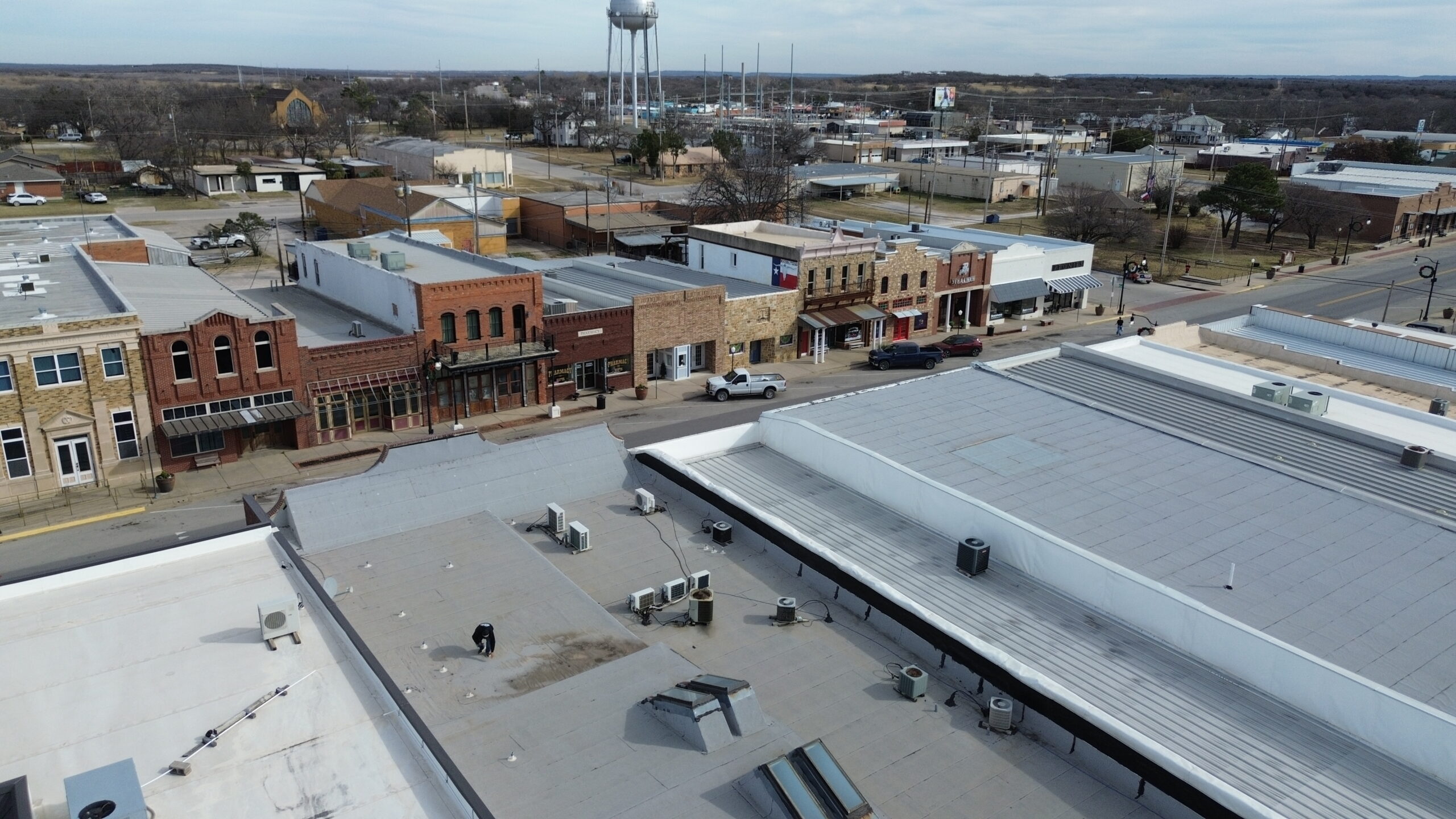
One of the most common problems in flat roofing systems is water ponding, which occurs when water collects in low areas and does not drain properly. This can happen due to structural settling, poor initial design, or clogged drainage outlets. Even small amounts of standing water can create long term stress on roofing materials.
Ponding water increases the weight load on the roof surface, which can gradually weaken structural components. Over time, this extra weight may lead to sagging areas that trap even more water, creating a worsening cycle. This makes early detection and correction extremely important.
Another concern is that standing water accelerates material breakdown. Constant exposure to moisture can weaken membranes and reduce their flexibility, making them more prone to cracking. In colder climates, pooled water can freeze and expand, causing additional stress and surface damage.
Preventing ponding often requires a combination of proper roof design and regular maintenance. Ensuring that drains are clear and the roof slope is functioning as intended helps reduce the risk of long term water accumulation. In some cases, corrective resurfacing may be required to restore proper drainage flow.
Poor Drainage Design and Its Impact
Drainage design is one of the most critical elements in flat roof performance because it determines how effectively water is removed from the surface. If drainage points are poorly positioned or insufficient in number, water may accumulate in areas that are not designed to handle prolonged exposure. This leads to uneven wear and increased risk of leaks.
In some cases, drainage issues originate from the original construction phase. A roof may appear functional at first, but minor design flaws can become more noticeable over time as the building settles. Even small miscalculations in slope direction can significantly affect long term performance.
Blocked or undersized drainage systems can also contribute to water backup. When drains cannot handle heavy rainfall, water begins to spread across the roof surface instead of exiting efficiently. This increases the likelihood of ponding and membrane stress.
Proper drainage design requires careful planning and regular inspection to ensure it continues functioning as intended. Keeping drainage points clear of debris and ensuring they remain unobstructed is one of the simplest but most effective ways to protect a flat roof system.
Membrane Damage and Surface Wear
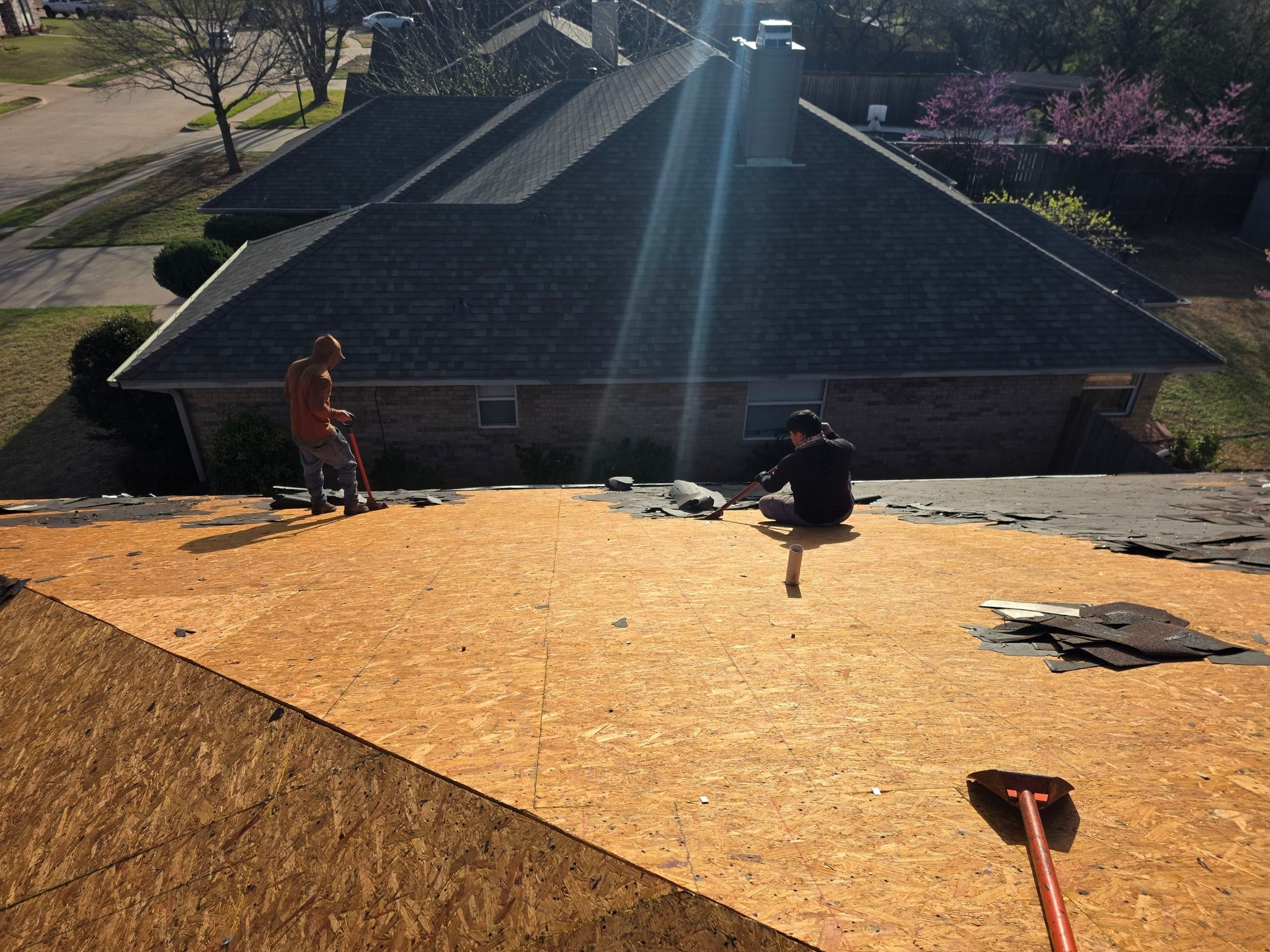
The roofing membrane is the primary protective layer that prevents water from entering the building structure. Over time, this membrane is exposed to sunlight, temperature changes, and physical wear, all of which can gradually weaken its effectiveness. Even small surface defects can eventually lead to leaks if left unaddressed.
Membrane damage can appear in many forms, including cracks, punctures, or thinning areas where the material has worn down. These issues often develop slowly, making them difficult to detect without close inspection. Once the protective layer is compromised, water can begin to seep into underlying layers.
Foot traffic is another common cause of membrane wear, especially on roofs that are accessed for maintenance or equipment servicing. Repeated movement across the same areas can create weak points that eventually lead to damage. This is why protective walkways or designated access paths are often recommended.
Preventing membrane damage requires regular inspections and prompt repairs when small issues are identified. Early intervention can extend the life of the roof significantly and reduce the risk of more expensive structural repairs later.
Blistering and Bubbling in Roofing Layers
Blistering occurs when air or moisture becomes trapped between layers of roofing material, causing raised bubbles or uneven surfaces. This problem is often the result of improper installation, trapped moisture during construction, or heat exposure over time. While small blisters may not immediately cause leaks, they indicate underlying weaknesses.
When roofing materials heat up under sunlight, trapped air or moisture can expand and create pressure within the membrane layers. This leads to visible bubbling that can eventually rupture if left untreated. Once a blister breaks, it exposes the roof to direct water penetration.
Blistering can also be worsened by poor adhesion between roofing layers. If materials are not properly bonded during installation, gaps can form that allow air or moisture to accumulate. Over time, these weak points expand and create larger problem areas.
Addressing blistering early is important because it prevents further damage to surrounding roofing sections. Repairs may involve sealing affected areas or replacing portions of the membrane depending on severity. Regular inspections help identify these issues before they escalate.
Flashing Failures Around Roof Edges and Penetrations
Flashing is used to seal and protect areas where the roof meets walls, vents, chimneys, or other structural penetrations. These areas are particularly vulnerable because they involve transitions between different materials and surfaces. If flashing fails, water can easily enter the building.
Over time, flashing materials can deteriorate due to exposure to weather conditions and temperature changes. Metal flashing may corrode, while sealants may dry out and lose effectiveness. Once this protective barrier is compromised, leaks often develop quickly.
Improper installation is another common cause of flashing failure. If flashing is not securely integrated into the roofing system, gaps may form that allow water intrusion. These issues may not be visible until significant damage has already occurred inside the structure.
Regular inspection of flashing areas is essential for preventing leaks. Even small signs of separation or wear should be addressed immediately to maintain a watertight seal. Proper maintenance of these critical points can significantly extend the life of a flat roof system.
Early Signs of Flat Roof Problems Homeowners Often Miss
Flat roof issues often begin with subtle warning signs that are easy to overlook. Small water stains on interior ceilings, minor discoloration, or slight surface unevenness on the roof can all indicate underlying problems. These early signs are often ignored until more serious damage appears.
Another common indicator is slow drainage after rainfall. If water remains on the roof surface for longer than expected, it may signal developing slope or drainage issues. Even if leaks are not immediately visible, standing water increases long term risk.
Changes in roofing material texture can also signal early deterioration. Soft spots, minor cracks, or areas that feel uneven underfoot may indicate hidden moisture damage. These conditions should be inspected promptly to prevent further spread.
Recognizing these early warning signs allows homeowners to take corrective action before problems escalate. Regular visual inspections combined with professional assessments can help identify issues at an early stage and significantly reduce repair costs over time.
Leaks and Water Infiltration in Flat Roofing Systems
Leaks are one of the most serious issues affecting flat roofs because they often indicate that water has already penetrated beyond the protective membrane. Unlike pitched roofs where leaks may travel downward before becoming visible, flat roof leaks can spread laterally within insulation layers, making the source difficult to locate. This hidden movement of water often results in delayed detection and more extensive damage.
Water infiltration usually begins at weak points such as seams, joints, or areas around roof penetrations. Over time, repeated exposure to rain and temperature changes can cause these vulnerable points to loosen or separate slightly. Even a very small opening can allow moisture to enter and slowly spread beneath the surface.
Once water enters the roofing system, it can remain trapped for long periods, especially if insulation layers absorb moisture. This trapped water can weaken structural materials and reduce thermal efficiency. In severe cases, interior ceilings may show stains or sagging areas, indicating long term moisture buildup.
Preventing infiltration requires regular inspection of seams and seals, along with prompt repair of any visible damage. Early intervention is essential because once water spreads beneath the membrane, repairs become more complex and expensive.
Cracks, Splits, and Membrane Shrinkage Over Time
Flat roof membranes are constantly exposed to sunlight, temperature fluctuations, and environmental stress, all of which contribute to gradual wear. Over time, these conditions can cause the material to lose flexibility, leading to cracks or splits in the surface. These small openings can quickly become entry points for water.
Shrinkage is another common issue, particularly in older roofing systems. As materials age, they may contract slightly, pulling away from seams, edges, or flashing details. This creates tension in the membrane that increases the likelihood of tearing or separation.
Cracks may begin as hairline fractures that are difficult to notice without close inspection. However, repeated exposure to rain and UV rays can widen these fractures, allowing moisture to penetrate deeper into the roof structure. Once this process begins, it tends to accelerate if not addressed.
Regular maintenance and protective coatings can help slow down membrane deterioration. In some cases, resurfacing may be required to restore flexibility and extend the roof’s lifespan. Early detection remains the most effective way to prevent minor surface issues from developing into major structural problems.
Drain Blockages and Gutter System Failures
Drainage systems play a crucial role in flat roof performance, and even minor blockages can lead to significant problems over time. Leaves, dirt, and debris often accumulate around drains, especially in environments with nearby trees or frequent storms. When these blockages occur, water begins to pool on the roof surface.
Blocked drains reduce the roof’s ability to remove water efficiently, which increases the risk of ponding and structural stress. In heavy rainfall conditions, water may overflow and spread across the roof, further increasing the load on vulnerable areas. This can accelerate deterioration of the membrane and underlying layers.
Gutter systems connected to flat roofs can also fail due to improper slope or insufficient capacity. If gutters cannot handle water volume, backups can occur that push moisture back onto the roof surface. Over time, this repeated stress can lead to leaks and edge damage.
Routine cleaning and inspection of drainage systems are essential to maintaining roof health. Ensuring that drains remain clear and functional helps prevent water accumulation and reduces long term maintenance costs significantly.
Poor Installation and Its Long Term Consequences
Improper installation is one of the leading causes of flat roof problems because even small errors can have long lasting effects. A flat roofing system depends on precise layering, sealing, and slope alignment to function correctly. If these elements are not installed properly, weaknesses may develop that are not immediately visible.
One common issue is inadequate sealing at seams and overlaps. If these areas are not bonded correctly, water can gradually seep into the system over time. This type of failure often goes unnoticed until interior damage becomes visible, making repairs more complicated.
Incorrect slope installation is another serious problem. If the roof does not have proper drainage direction, water may collect in unintended areas. These low points increase the risk of ponding, membrane stress, and premature material failure.
Poor installation can also reduce the overall lifespan of roofing materials. Even high quality membranes may fail early if they are not installed according to manufacturer specifications. This highlights the importance of using experienced and certified roofing professionals.
Thermal Expansion and Contraction Damage
Flat roofs are constantly exposed to temperature changes, which cause roofing materials to expand during heat and contract during cooler conditions. Over time, this repeated movement places stress on seams, joints, and flashing areas. If the system is not designed to accommodate this movement, damage can develop.
Expansion and contraction can gradually loosen adhesive bonds within the roofing membrane. This may result in small separations that allow moisture to enter. These gaps often widen over time as the cycle continues, increasing the risk of leaks.
In extreme temperature environments, this effect becomes more pronounced. Hot sunlight during the day followed by cooler nighttime temperatures creates continuous movement within roofing materials. Without proper flexibility, the surface may begin to crack or distort.
Preventing thermal damage involves using materials designed for flexibility and ensuring proper installation techniques are followed. Regular inspections can also help identify early signs of stress before they develop into structural issues.
Insulation Problems Beneath Flat Roof Systems
Insulation is an essential part of flat roof construction because it regulates indoor temperature and improves energy efficiency. However, when insulation becomes damaged or saturated with moisture, it can lose effectiveness and contribute to larger roofing problems. Moisture infiltration is one of the most common causes of insulation failure.
Once insulation becomes wet, it can lose its ability to retain heat properly. This leads to increased energy costs and reduced indoor comfort. In addition, wet insulation can become heavy, placing additional stress on the roof structure.
Over time, trapped moisture in insulation layers can also promote rot and decay in surrounding materials. This hidden damage is often difficult to detect without professional inspection. If left unaddressed, it can compromise both the roof and the interior structure.
Proper installation and moisture barriers are essential to protecting insulation. Regular roof inspections can also help identify areas where water may be entering before widespread damage occurs.
Mold, Moisture, and Hidden Structural Damage
Flat roofs that experience prolonged moisture exposure are at risk of developing mold and mildew within hidden layers. Because moisture can become trapped beneath the surface, these problems often develop out of sight before becoming noticeable indoors. Mold growth can affect both structural materials and indoor air quality.
Once moisture penetrates the roofing system, it can spread into insulation and decking materials. This creates an environment where mold can thrive, especially in warm and humid conditions. Over time, this can weaken structural components and create unpleasant odors inside the building.
Hidden structural damage is one of the most serious consequences of long term moisture exposure. Wooden decking may begin to rot, while metal components may corrode. These issues often remain unnoticed until significant repairs are required.
Preventing mold and structural damage depends heavily on early leak detection and proper ventilation. Addressing moisture problems quickly helps reduce long term risk and protects both the roof and interior environment.
Seasonal Weather Effects on Flat Roof Performance
Flat roofs are affected by seasonal changes throughout the year, and each season introduces different challenges. During rainy seasons, increased water exposure puts pressure on drainage systems and increases the risk of ponding. Without proper maintenance, this can quickly lead to leaks.
In colder seasons, freezing temperatures can cause water trapped on the roof surface to expand. This expansion can create cracks in membranes and damage seams. Repeated freeze-thaw cycles are particularly harmful to aging roofing systems.
Hot weather also affects flat roofs by increasing thermal expansion and UV exposure. Prolonged sunlight can dry out roofing materials and reduce their flexibility. Over time, this makes the surface more susceptible to cracking and wear.
Seasonal changes highlight the importance of year-round maintenance. Preparing the roof for different weather conditions helps reduce long term damage and extends the life of the roofing system.
Maintenance Practices That Prevent Major Roof Issues
Regular maintenance is one of the most effective ways to prevent flat roof problems from becoming serious. Simple actions such as clearing debris, checking drains, and inspecting seams can significantly reduce the risk of leaks and structural damage. Consistency is key to maintaining long term performance.
Routine inspections should be conducted after major weather events to identify any new damage. Even small issues such as minor cracks or loose flashing can escalate if not addressed quickly. Early repairs are typically less expensive and more effective than large scale restoration.
Keeping drainage systems clear is particularly important because water accumulation is one of the leading causes of flat roof failure. Ensuring that drains remain unobstructed helps maintain proper water flow and reduces stress on the roof surface.
Professional inspections at regular intervals can also help detect hidden issues that may not be visible to the untrained eye. Combining professional assessments with basic homeowner maintenance creates a strong foundation for long term roof protection.
Repair vs Replacement Decisions for Flat Roofs
Deciding whether to repair or replace a flat roof is one of the most important financial choices a property owner will face, especially because flat roofing systems can sometimes hide deeper structural issues beneath the surface. A repair may seem like the simplest option, but it only works effectively when the damage is localized and the overall roof structure is still in good condition. When issues are widespread, repeated repairs often become more expensive than a full replacement over time.
One key factor in this decision is the age of the roof and the condition of its membrane system. If the roof is nearing the end of its expected lifespan and is experiencing frequent leaks or surface deterioration, replacement is often more practical. On the other hand, newer roofs with isolated damage points may benefit from targeted repair work that restores performance without full reconstruction.
Another important consideration is moisture intrusion within insulation layers. If water has spread beneath the membrane, surface-level repairs may not resolve the underlying issue. In such cases, replacement is often the only way to fully restore structural integrity and prevent recurring problems.
Cost analysis should also include long-term maintenance expectations rather than just immediate expenses. A cheaper repair today may lead to repeated interventions in the future, while a well-planned replacement can provide decades of stability when properly installed.
How to Inspect a Flat Roof Properly Over Time
Regular inspection is one of the most effective ways to prevent major flat roof failures, but it must be done systematically to be truly useful. A proper inspection involves checking both the roof surface and critical structural points where issues are most likely to develop. This includes seams, flashing areas, and drainage zones.
Visual inspection should focus on identifying early warning signs such as small cracks, pooling water, or surface discoloration. These signs often indicate underlying issues that have not yet fully developed into leaks. Observing changes over time is just as important as identifying immediate damage.
It is also important to inspect the roof after heavy rainfall or storms, since these events often reveal drainage weaknesses or newly formed damage. Water that remains on the surface longer than expected is usually a sign that slope or drainage issues are developing.
For a more thorough evaluation, professional inspections can help detect hidden moisture trapped beneath the membrane. These inspections may use specialized tools to identify weak points that are not visible from the surface. Combining homeowner checks with periodic professional assessments provides a more complete understanding of roof condition.
Preventive Maintenance Schedule for Homeowners
A consistent maintenance schedule plays a major role in extending the lifespan of flat roofing systems. Without regular care, even high-quality roofs can deteriorate prematurely due to minor issues that gradually worsen over time. A structured approach helps prevent unexpected repairs and reduces long-term costs.
Basic maintenance should be performed several times a year, especially during seasonal transitions. This includes clearing debris from the roof surface and ensuring that drainage points remain open and functional. These simple steps help prevent water accumulation and reduce stress on roofing materials.
After major weather events, additional inspections should be carried out to check for storm-related damage. High winds, heavy rain, or hail can create small punctures or loosen flashing components that may not be immediately noticeable. Addressing these issues quickly helps prevent further deterioration.
Professional inspections are also recommended on a periodic basis, particularly for older roofing systems. These inspections can identify hidden moisture, insulation issues, or membrane weaknesses that are not visible during routine checks. A balanced maintenance schedule combines both homeowner attention and expert evaluation.
Cost Factors in Flat Roof Repairs and Upkeep
The cost of maintaining a flat roof depends on several interconnected factors, including the extent of damage, material type, and accessibility of the roof surface. Minor repairs such as sealing small cracks or clearing drainage systems are generally affordable, but costs can increase significantly when structural damage is involved.
One of the biggest cost drivers is moisture infiltration beneath the membrane. Once water spreads into insulation layers, repair work becomes more complex and labor-intensive. In such cases, partial replacement of roofing sections may be required, increasing overall expenses.
Material type also influences repair costs. Some roofing systems use specialized membranes or installation techniques that require skilled labor and specific materials. This can make repairs more expensive compared to simpler roofing systems.
Long-term upkeep costs should also be considered when evaluating overall investment. Regular maintenance may seem like an ongoing expense, but it often reduces the likelihood of major repairs or full replacement. Preventive care is typically more cost-effective than reactive repairs.
Choosing the Right Contractor for Flat Roof Work
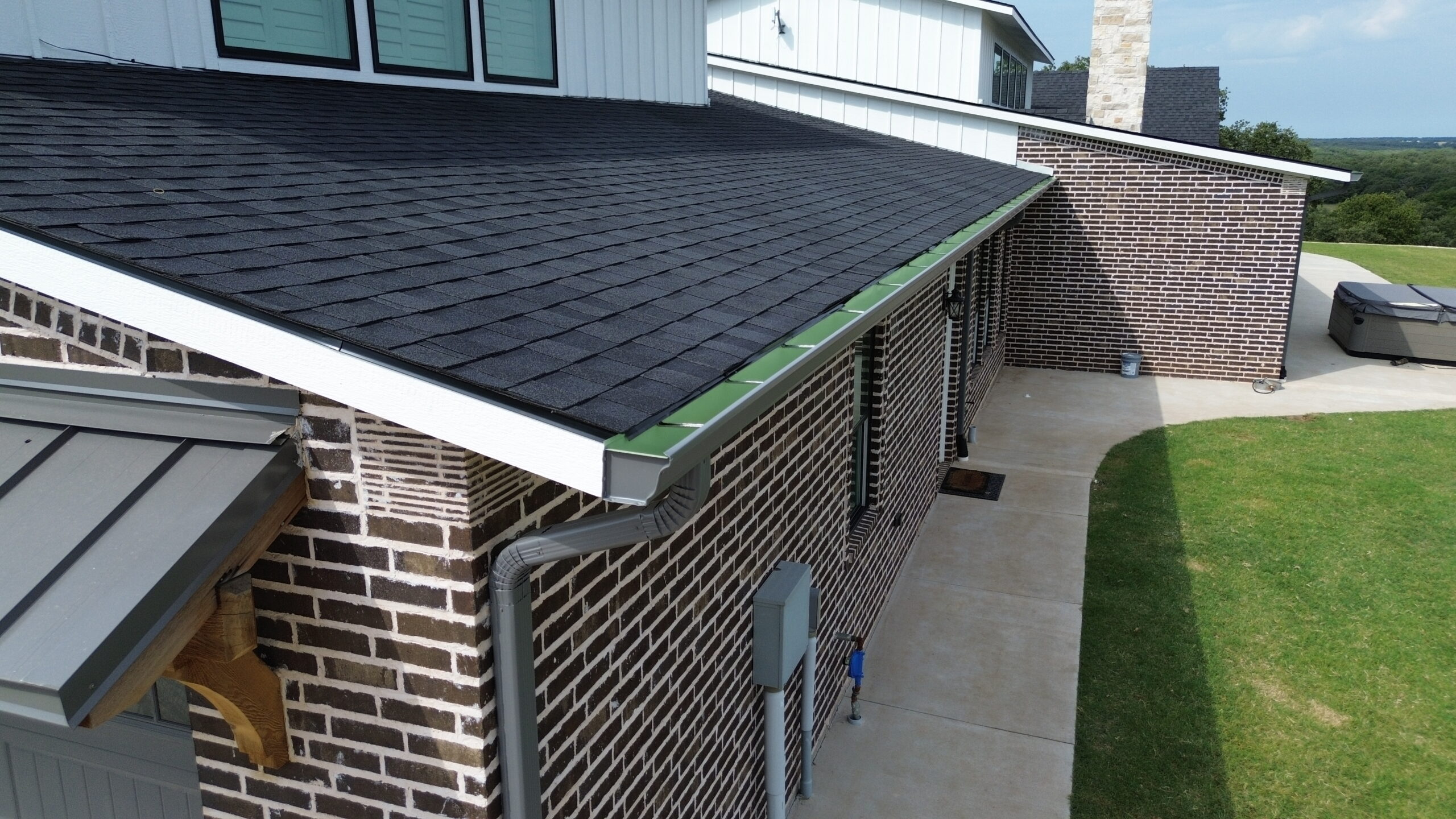
Selecting the right roofing contractor is essential for ensuring quality installation, repairs, and long-term performance. Flat roofs require specialized knowledge, and not all contractors have experience working with these systems. Choosing an experienced professional reduces the risk of installation errors and future problems.
One of the most important factors to consider is proven experience with flat roofing materials and systems. Contractors who regularly work with membranes, drainage systems, and insulation layers are better equipped to handle complex issues. Reviewing past projects can help assess their expertise.
Clear communication is another important indicator of reliability. A professional contractor should be able to explain the condition of the roof, recommended solutions, and expected outcomes in simple terms. If explanations are vague or inconsistent, it may signal potential issues in workmanship or transparency.
Licensing, insurance, and warranty offerings should also be carefully reviewed before making a decision. These elements provide additional protection and help ensure accountability in case issues arise after the work is completed. A reputable contractor will always be transparent about these details.
Long Term Protection Strategies for Flat Roofing Systems
Protecting a flat roof over the long term requires a combination of preventive maintenance, proper installation, and timely repairs. One of the most effective strategies is ensuring that drainage systems remain fully functional at all times. Water management is the foundation of flat roof longevity.
Applying protective coatings can also extend the life of roofing membranes by improving resistance to UV rays and moisture exposure. These coatings help reduce surface wear and slow down material aging when applied correctly. They are especially useful for older roofing systems showing early signs of deterioration.
Another important strategy is limiting unnecessary roof traffic. Frequent walking on the roof can weaken membranes and create pressure points that eventually lead to damage. Using designated walk paths or protective pads helps reduce this impact.
Regular monitoring and early intervention remain the most reliable protection methods. Identifying small issues before they develop into major failures ensures that the roof continues performing efficiently for many years.
Common Mistakes Homeowners Make With Flat Roofs
One of the most common mistakes homeowners make is ignoring minor warning signs until they develop into serious problems. Small leaks, surface bubbles, or drainage delays are often dismissed as insignificant, but they usually indicate early-stage damage that requires attention.
Another frequent mistake is neglecting routine maintenance. Flat roofs require consistent care, especially in areas with heavy rainfall or seasonal weather changes. Without regular cleaning and inspection, debris buildup and water pooling can quickly lead to deterioration.
Many homeowners also underestimate the importance of professional inspections. While visual checks are useful, hidden issues beneath the membrane or insulation layers often go unnoticed without specialized tools. Relying only on surface observations can create a false sense of security.
Choosing repairs based solely on cost is another mistake that can lead to long-term problems. Low-cost fixes may not address the root cause of the issue, resulting in repeated failures. A more comprehensive approach often provides better long-term value.
Conclusion
Flat roofs offer practical advantages, but they require consistent attention and informed maintenance to perform reliably over time. Their design makes them more susceptible to water-related issues, drainage challenges, and membrane wear compared to sloped roofing systems. Understanding these vulnerabilities is the first step toward effective prevention.
Most flat roof problems develop gradually, often starting with small signs that are easy to overlook. When these early indicators are addressed promptly, major damage can often be avoided, saving significant repair costs and extending the life of the roof system. Regular inspections and timely maintenance play a central role in this process.
Choosing quality installation, maintaining proper drainage, and working with experienced contractors all contribute to long-term roof stability. When combined with proactive care, these strategies help minimize risks and ensure the roof continues to protect the structure effectively for years.
By staying attentive to early warning signs and following a structured maintenance approach, homeowners can significantly reduce the likelihood of costly flat roof failures. A well-maintained flat roof is not just a protective surface, but a long-term investment in the safety and durability of the entire building.