


How to Prepare Your Home for a Roof Replacement
Introduction
A roof replacement is one of the most significant home improvement projects a homeowner can undertake. While a new roof adds value, improves protection, and enhances curb appeal, the process itself can be disruptive if proper preparation is not completed beforehand. Many homeowners focus primarily on choosing roofing materials and hiring a contractor, but preparing the home before work begins is equally important.
Roof replacement is a major construction project that affects not only the exterior of your property but also the interior of your home. Vibrations, falling debris, noise, equipment movement, and contractor access can all create challenges if you are not adequately prepared. Taking the time to plan ahead can help reduce stress, protect your belongings, and ensure the project runs smoothly from start to finish.
Whether you are replacing an aging roof, repairing extensive storm damage, or upgrading your home for long-term durability, understanding how to prepare can make a substantial difference. Proper preparation helps prevent accidental damage, improves safety for your family, and allows the roofing crew to work more efficiently.
In this comprehensive guide, we will explore every step homeowners should take before a roof replacement project begins. From clearing outdoor spaces and protecting valuables to preparing family members and communicating with neighbors, this article will walk you through the process in detail.
Understanding What Happens During a Roof Replacement
Understanding What Happens During a Roof Replacement
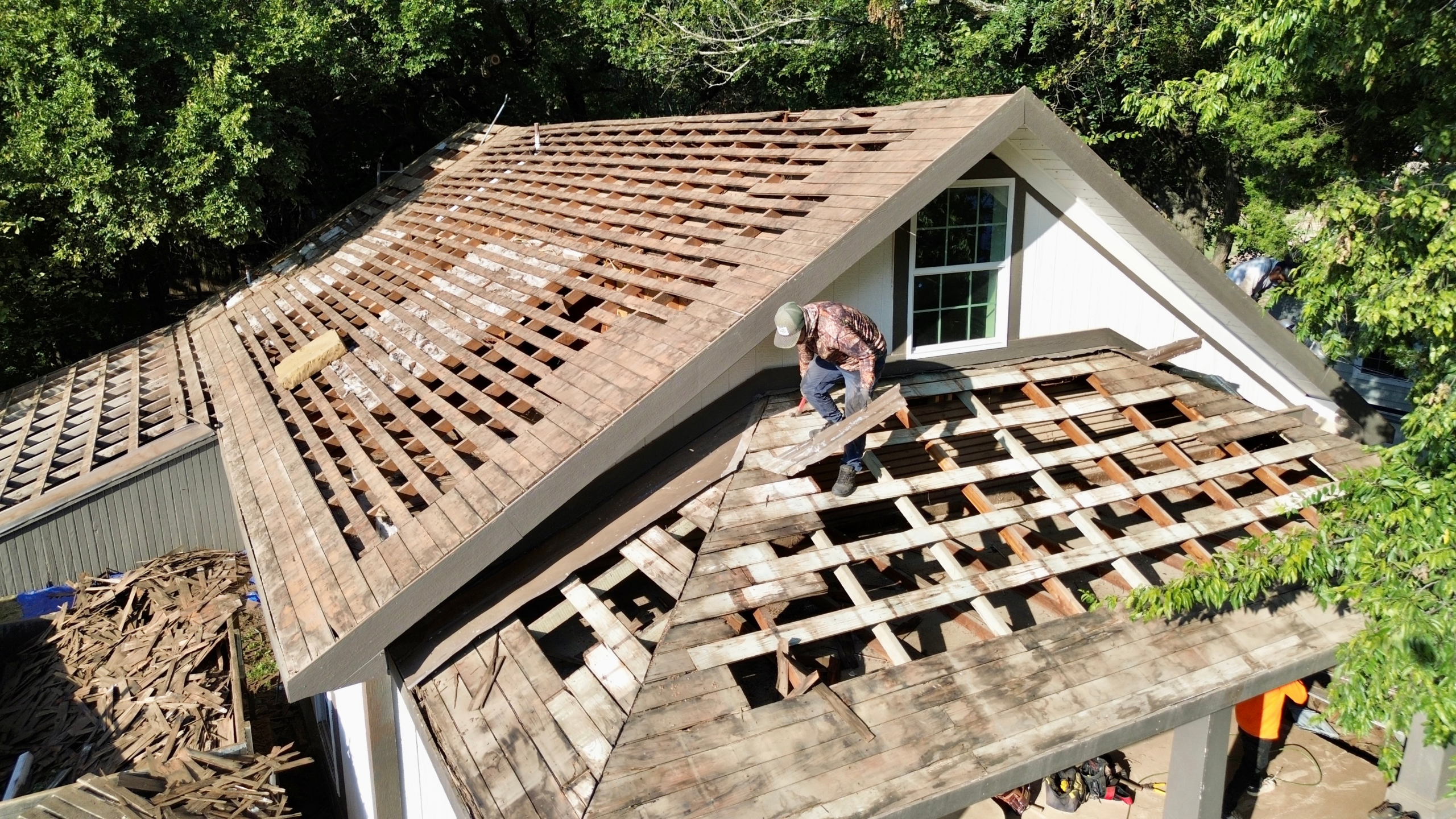
Before making preparations, it helps to understand what a roof replacement actually involves. Many homeowners underestimate the scale of the project and are surprised by the level of activity around their property.
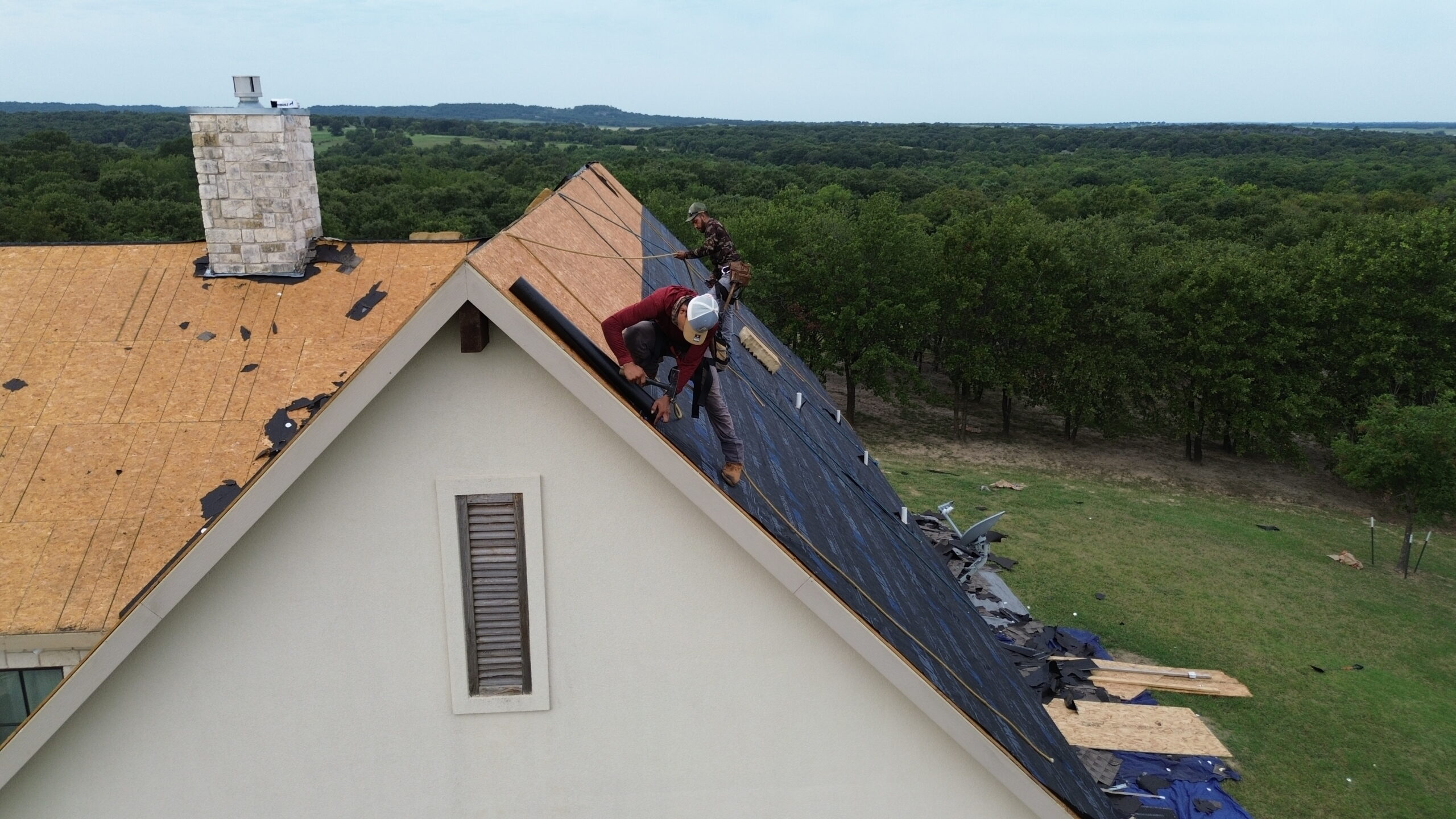
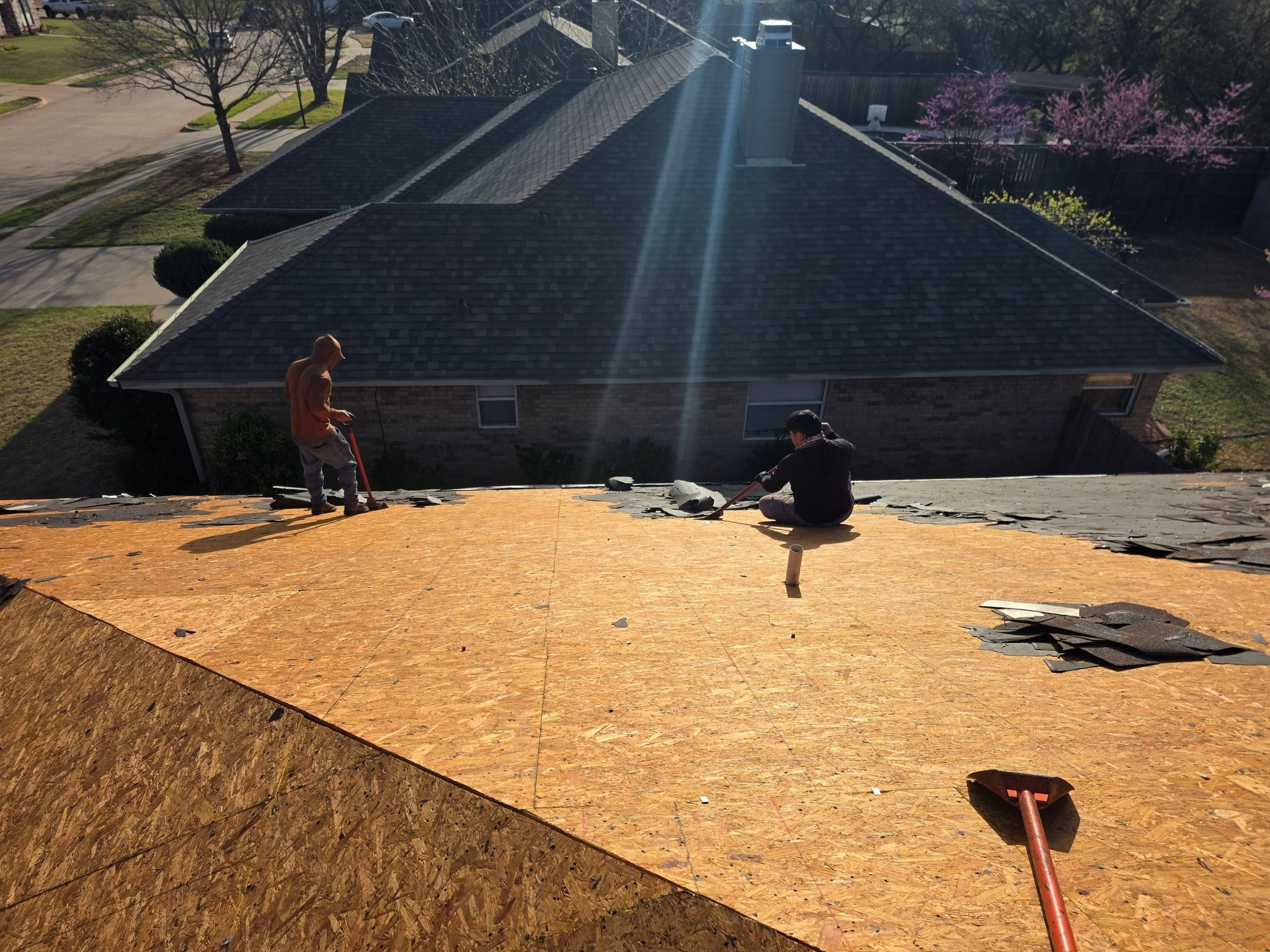
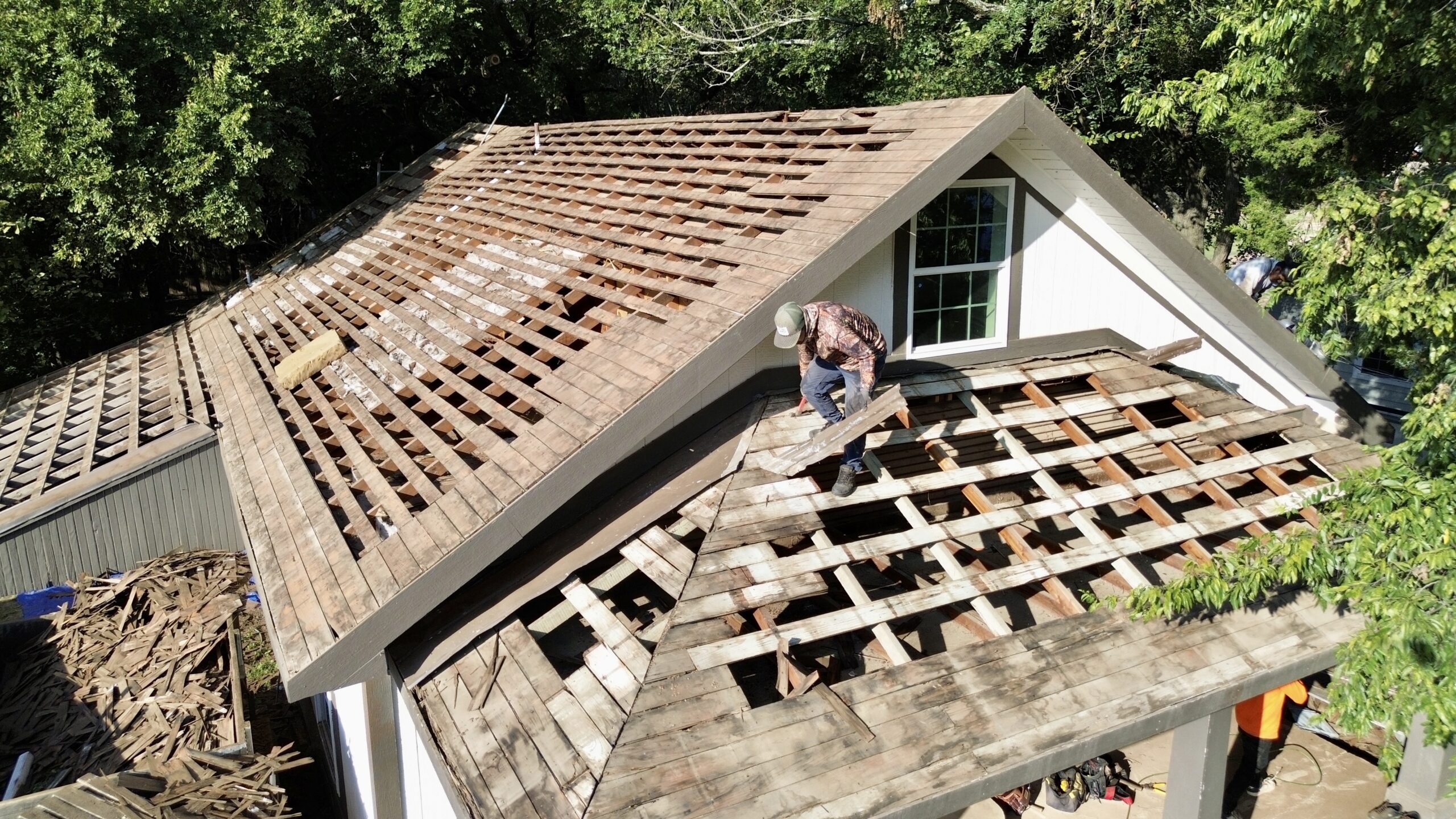
A roofing crew typically begins by removing the existing roofing materials. This process generates debris, dust, and vibrations throughout the structure. Old shingles, nails, underlayment, and damaged components are removed before new materials are installed.
Large trucks, dumpsters, trailers, and construction equipment may be parked near your home throughout the project. Workers will frequently move around the property carrying materials and using tools that generate considerable noise.
Depending on the size and complexity of the roof, replacement can take anywhere from one day to several days. Weather conditions, roof design, and material choices can all affect the timeline.
Understanding these realities allows homeowners to make informed decisions about protecting their property and maintaining safety throughout the project.
Schedule the Project at the Right Time
One of the first steps in preparing for a roof replacement is selecting an appropriate time for the work. While roofing contractors often manage scheduling, homeowners should consider how the timing affects daily routines and household activities.
If possible, avoid scheduling a roof replacement during major family events, holidays, or periods when you will be hosting guests. The construction process can be noisy and disruptive, making it difficult to enjoy normal activities.
Families with young children may want to schedule work during school days or periods when children can spend time elsewhere. This can help reduce stress and minimize exposure to construction noise.
If you work from home, consider how the project may impact your productivity. The sound of hammering, equipment operation, and worker activity can make virtual meetings and focused work challenging.
Planning ahead allows you to make temporary adjustments and avoid unnecessary inconvenience.
Communicate With Your Roofing Contractor
Clear communication with your roofing contractor is essential before the project begins. A reputable contractor should explain the process, provide timelines, and answer any questions you have regarding preparation.
Ask about expected start times, project duration, material delivery schedules, and equipment placement. Knowing what to expect can help you prepare both your home and your family.
You should also discuss access requirements. Roofing crews often need access to driveways, gates, electrical outlets, and other areas around the property. Clarifying these details in advance prevents confusion on installation day.
Request information about cleanup procedures as well. Understanding how debris removal and nail collection will be handled can provide peace of mind and help set realistic expectations.
The more information you gather before the project starts, the smoother the experience will be for everyone involved.
Prepare Your Driveway and Parking Areas
Roof replacement projects require significant space for materials, equipment, and waste disposal. Your driveway often becomes a central staging area during the project.
Contractors may place a dumpster, trailer, or material delivery vehicle close to the house for efficiency. To accommodate this equipment, remove vehicles from the driveway before work begins.
If possible, park vehicles on the street or in another safe location. This protects them from falling debris, dust accumulation, and accidental damage during the project.
Inform all household members about temporary parking arrangements ahead of time. This ensures vehicles are moved before workers arrive and helps prevent delays on the first day of construction.
Keeping the driveway clear also allows contractors to work more efficiently, which can help keep the project on schedule.

Protect Landscaping Around the Home
Landscaping is one of the most vulnerable areas during a roof replacement. Although professional roofing contractors take precautions to protect plants and garden features, homeowners can take additional steps to minimize risk.
Trim shrubs, bushes, and tree branches that are close to the home. This provides workers with better access and reduces the likelihood of accidental damage during material removal and installation.
Move potted plants, garden decorations, and outdoor furniture away from the work zone. Even small objects can be damaged by falling debris or become obstacles for workers moving around the property.
Delicate flowers and specialty plants may benefit from temporary coverings. However, coverings should allow adequate airflow and should not remain in place for extended periods.
If you have irrigation systems, landscape lighting, or decorative features near the house, point them out to your contractor before work begins. This helps ensure those features receive extra attention during the project.
Secure Outdoor Furniture and Decorations
Many homeowners overlook outdoor items when preparing for a roof replacement. Patio furniture, grills, decorative pieces, and recreational equipment can all be affected by construction activity.
Roofing projects generate dust and debris that can settle on outdoor surfaces. In addition, materials may be carried across outdoor spaces, increasing the possibility of accidental contact with nearby objects.
Move furniture, grills, bicycles, and other portable items to a garage, shed, or another protected area. This not only protects your belongings but also creates additional workspace for the roofing crew.
Wind can also play a role during roofing projects. Loose materials and dust may travel beyond the immediate work area, making it worthwhile to secure valuable outdoor items even if they seem far from the roof.
A few minutes of preparation can prevent unnecessary cleaning, repairs, or replacements later.
Protect Items Stored in the Attic
Your attic is directly beneath the work area during a roof replacement. As old roofing materials are removed, vibrations and dust can travel into attic spaces.
Take time to inspect the attic before work begins. Cover stored belongings with plastic sheets, drop cloths, or protective tarps to shield them from dust and debris.
Particularly valuable items such as photographs, heirlooms, documents, and electronics should be temporarily relocated whenever possible. Even well-maintained roofing projects can create unexpected dust accumulation.
Attic shelves should also be checked for stability. The vibrations generated during roof removal may cause loosely stacked items to shift or fall.
Protecting attic belongings ahead of time can save considerable cleanup effort after the project is complete.
Remove Wall Decorations and Fragile Items
Many homeowners are surprised to learn that roof replacement vibrations can affect items inside the home. Hammering and material removal can create enough movement to shake walls and ceilings.
Walk through your home and identify fragile items that are hanging on walls. Mirrors, artwork, framed photographs, decorative shelves, and collectibles should be removed or secured before work begins.
Pay particular attention to rooms located directly beneath the roof. These areas often experience the strongest vibrations during the replacement process.
Glass items displayed on shelves or mantels should also be relocated temporarily. Even if they do not fall, vibrations may cause them to shift and become damaged.
Taking preventive action protects valuable possessions and provides peace of mind throughout the project.
Prepare Children for the Roofing Project
Roof replacement can be an unfamiliar and sometimes unsettling experience for children. The loud noises, presence of workers, and increased activity around the home may create anxiety or confusion.
Explain the project to children in age-appropriate terms before work begins. Let them know that workers will be repairing the roof to keep the home safe and protected.
Establish clear safety rules regarding outdoor areas and construction zones. Children should understand that roofing equipment, materials, and debris can be hazardous.
Depending on the age of your children and the duration of the project, you may want to arrange activities away from home during peak work hours. This can help reduce stress and maintain a more comfortable environment.
Proper preparation helps children feel more secure while keeping them safe throughout the project.
Make Arrangements for Pets
Pets often experience stress during construction projects. The unfamiliar sounds, vibrations, and presence of strangers can lead to anxiety or unpredictable behavior.
Dogs may bark excessively when workers are present, while cats and other pets may seek hiding places inside the home. In some cases, nervous pets may attempt to escape when doors or gates are frequently opened.
Consider arranging temporary accommodations for pets during roofing work. A trusted friend, family member, pet daycare, or boarding facility may provide a calmer environment.
If pets remain at home, designate a quiet interior room away from the construction area. Ensure food, water, bedding, and comfort items are readily available.
Keeping pets safe and comfortable should be a priority during any major home improvement project.
Inform Your Neighbors in Advance
Roof replacement projects inevitably affect nearby homes. Noise, deliveries, dumpsters, and increased activity can create temporary inconveniences for neighbors.
Providing advance notice is a simple courtesy that can help maintain positive relationships. Let neighbors know when the project is scheduled to begin and provide an estimated timeline if available.
Neighbors who work from home or have young children may appreciate the opportunity to plan accordingly. Early communication also reduces the likelihood of complaints or misunderstandings.
If parking restrictions or temporary access issues may affect nearby properties, discussing these matters ahead of time can prevent conflicts.
A brief conversation can go a long way toward fostering goodwill during the construction process.
Identify Potential Safety Hazards
Before the roofing crew arrives, take a walk around your property and identify any hazards that could interfere with the project.
Look for uneven walkways, loose pavers, exposed utility lines, garden hoses, and other obstacles that may create tripping risks. Addressing these issues ahead of time contributes to a safer work environment.
Make note of any fragile exterior features that require special protection. Decorative lighting, statues, fountains, and similar elements may need to be moved or clearly marked.
Providing contractors with information about known hazards can help prevent accidents and improve efficiency once work begins.
A safe and organized property benefits both homeowners and roofing professionals.
Protect Vehicles, Recreational Equipment, and Valuable Outdoor Assets
While moving vehicles from the driveway is an important first step, homeowners should also consider other valuable property stored outside. Recreational equipment, trailers, motorcycles, boats, and similar assets can be vulnerable during a roof replacement project.
Even with protective measures in place, roofing work involves the removal of old materials and the movement of heavy supplies. Small pieces of debris may travel beyond the immediate work zone, especially on windy days.
If possible, relocate valuable outdoor assets to a garage, storage facility, or another protected location until the project is completed. This precaution helps reduce the risk of cosmetic damage and minimizes cleanup afterward.
Homeowners who own specialty vehicles or expensive equipment should discuss property protection measures with their contractor before work begins. Establishing clear expectations can help ensure all parties understand which areas require additional care.
Understand Material Delivery Logistics
Roofing materials are often delivered one or more days before installation begins. These deliveries can involve large quantities of shingles, underlayment, flashing, ventilation components, and other supplies.
Ask your contractor where materials will be stored and how they will be distributed throughout the project. Understanding these logistics allows you to prepare access points and avoid unnecessary disruptions.
Some roofing materials may be delivered directly onto the roof using specialized equipment. In other cases, pallets may be temporarily stored in driveways or designated staging areas.
Knowing what to expect prevents surprises and helps homeowners coordinate parking, landscaping protection, and household activities around the delivery schedule.
Ensure Easy Access to Electrical Outlets
Roofing crews frequently use power tools throughout the replacement process. Nail guns, compressors, saws, and other equipment often require access to electricity.
Walk around the exterior of your home and identify available electrical outlets. Make sure they are accessible and not blocked by furniture, decorations, or storage items.
If certain outlets have known issues, inform your contractor before work begins. This allows them to make alternative arrangements and prevents delays on installation day.
Providing easy access to power sources contributes to a more efficient workflow and can help the project stay on schedule.
Evaluate Exterior Security Systems
Modern homes often have security cameras, motion detectors, alarm systems, and smart home devices installed around the exterior. These systems may be affected by roofing activities.
Roofers moving around the property can trigger motion sensors repeatedly throughout the day. Frequent alerts may become distracting or create unnecessary concerns.
Consider adjusting notification settings temporarily while work is underway. Some homeowners choose to disable specific alerts during working hours to avoid constant interruptions.
If cameras are positioned near roof access points, ensure they do not interfere with contractor operations. At the same time, maintaining security coverage can provide useful documentation throughout the project.
Protect Interior Spaces From Dust and Vibrations
Although roofing work takes place outside, its effects can often be felt indoors. Vibrations generated during tear-off and installation may disturb dust that has accumulated in ceiling cavities and attic spaces.
Homeowners may notice fine particles settling on furniture, countertops, and flooring during the project. This is especially common in older homes where small gaps exist around light fixtures, vents, or attic access points.
Covering sensitive furniture and electronics with lightweight sheets can help minimize cleaning afterward. Areas directly beneath the roof generally benefit the most from temporary protection.
Closing doors to unused rooms may also help limit the spread of dust throughout the home. Small preventative measures can significantly reduce post-project cleanup efforts.
Plan for Noise Levels During Construction
One of the most challenging aspects of roof replacement is the noise. The sound of shingle removal, hammering, compressors, and workers moving materials can be intense throughout the day.
Homeowners who are sensitive to noise should plan accordingly before the project begins. Noise-canceling headphones, alternative work locations, or temporary outings may help reduce disruption.
Remote workers should notify clients or coworkers about the upcoming construction activity. Scheduling important meetings around peak work hours can prevent communication difficulties.
Understanding that roofing noise is temporary can make the experience easier to manage. Proper planning often transforms what could be a frustrating experience into a manageable inconvenience.
Prepare for Temporary Restricted Access
During roof replacement, certain areas around your home may become temporarily inaccessible. Contractors often establish safety zones where homeowners should avoid entering while work is in progress.
Patios, side yards, gardens, and sections of the driveway may be affected depending on the layout of the property. Understanding these restrictions beforehand helps prevent frustration and improves safety.
Discuss access limitations with your contractor before the project starts. Knowing which entrances and exits remain available allows household members to plan their daily routines effectively.
If family members have mobility concerns, special accommodations may need to be arranged in advance. Clear communication ensures everyone’s needs are addressed before construction begins.
Review Tree Branches Near the Roof
Trees can enhance the beauty of a property, but overhanging branches may create challenges during a roof replacement project. Branches that extend over the roof can interfere with worker movement and material placement.
Inspect nearby trees several weeks before the scheduled installation date. Branches that obstruct access should be trimmed by qualified professionals whenever necessary.
Removing problematic branches before work begins improves safety and allows roofing crews to perform their tasks more efficiently. It also reduces the likelihood of accidental damage to trees or roofing materials.
In many cases, proactive tree maintenance contributes to both a smoother installation process and better long-term roof performance.
Secure Gates and Access Points
Roofing crews often need to move between different areas of the property throughout the day. Gates, fences, and access points may be opened frequently to transport materials and equipment.
Inspect gates before the project begins to ensure they function properly. Loose hinges, damaged latches, or difficult-to-operate mechanisms can create unnecessary complications during construction.
Homeowners with pets should pay particular attention to access points. Frequent movement of workers increases the risk that a pet could slip outside if gates are not properly secured.
A quick inspection and repair of entry points can help maintain security and improve project efficiency.
Document Existing Property Conditions
Before construction starts, it is wise to document the current condition of your property. Taking photographs provides a clear record of landscaping, siding, windows, gutters, outdoor furniture, and other nearby features.
Most roofing contractors perform their work carefully and professionally. However, documentation creates an objective reference point should questions arise later regarding pre-existing conditions.
Photographs should include multiple angles of key areas surrounding the home. Time-stamped images can be especially useful for recordkeeping purposes.
This simple step offers additional peace of mind and helps protect both homeowners and contractors throughout the project.
Verify Dumpster Placement and Access Routes
Many roof replacement projects require a dumpster for debris collection. The location of this container can affect daily activities around the property.
Ask your contractor where the dumpster will be placed and how long it will remain on-site. Understanding its location helps homeowners plan parking arrangements and pedestrian access.
If you have concerns about driveway surfaces, decorative pavers, or landscaping features, discuss protective measures before delivery. Contractors can often use boards or other materials to help distribute weight.
Proper planning reduces the likelihood of access issues and ensures debris removal proceeds smoothly throughout the project.
Prepare Household Members for Daily Disruptions
Every member of the household should understand what to expect during the roofing project. Advance preparation helps reduce confusion and allows everyone to adjust their routines accordingly.
Discuss expected start times, noise levels, parking changes, and restricted areas with family members. Providing clear information ensures everyone remains aware of ongoing construction activities.
Children, elderly relatives, and individuals who work from home may require additional planning. Identifying potential challenges beforehand makes it easier to develop practical solutions.
When everyone understands the project timeline and expectations, daily life tends to remain more organized despite temporary disruptions.
Address Accessibility Needs in Advance
Households with elderly residents or individuals with disabilities may need additional preparation before roof replacement begins. Construction activity can temporarily alter access routes and create unexpected obstacles.
Review daily mobility requirements and discuss any concerns with your contractor. They may be able to adjust staging areas or equipment placement to accommodate specific needs.
If certain entrances must remain accessible, communicate this requirement before work starts. Early planning helps ensure safety and convenience throughout the project.
Considering accessibility from the beginning allows homeowners to avoid unnecessary complications once construction is underway.
Check Insurance and Warranty Documentation
Before any major home improvement project begins, it is wise to review relevant insurance policies and warranty documents. Understanding your coverage can help prevent misunderstandings later.
Verify that your homeowner’s insurance information is current and easily accessible. While professional contractors carry their own insurance, homeowners should still understand their individual coverage details.
Keep copies of contractor agreements, roofing warranties, estimates, and project documentation in a secure location. Organized records simplify communication if questions arise during or after installation.
Being prepared with accurate documentation contributes to a more confident and informed roofing experience.
Create a Communication Plan With the Contractor
Effective communication plays a major role in project success. Establishing a clear communication plan before work begins helps ensure questions and concerns are addressed promptly.
Determine the primary point of contact for the roofing company and confirm the preferred communication method. Some contractors prefer phone calls, while others rely on text messages or email updates.
Discuss how progress updates will be provided throughout the project. Knowing when and how information will be shared helps eliminate uncertainty.
A strong communication process fosters trust and allows issues to be resolved quickly if they arise.
Prepare for Unexpected Weather Changes
Even carefully planned roofing projects can be affected by weather conditions. Rain, strong winds, and severe storms may cause temporary delays or schedule adjustments.
Discuss weather contingency plans with your contractor before work begins. Understanding their procedures provides reassurance if forecasts become unfavorable.
Professional roofing companies typically monitor weather closely and take precautions to protect exposed areas when necessary. Nevertheless, homeowners should remain flexible and prepared for potential schedule changes.
Maintaining realistic expectations helps reduce stress when weather-related adjustments become necessary.
Organize Important Household Documents
Roof replacement projects create a busy environment, making it worthwhile to organize important documents before construction starts. This includes insurance records, contracts, permits, warranties, and contact information.
Store these materials in a dedicated folder that can be easily accessed throughout the project. Having information readily available simplifies communication and decision-making.
Digital copies can provide an additional layer of security and convenience. Many homeowners choose to store scanned documents in cloud-based storage for easy retrieval.
A well-organized record system can save time and prevent unnecessary frustration during the project.
Establish Expectations for Daily Cleanup
Professional roofing contractors generally perform cleanup throughout the project rather than waiting until the final day. Understanding these procedures helps homeowners know what to expect.
Ask how debris will be managed, how often cleanup will occur, and what methods will be used to collect nails and small materials. This information provides valuable insight into site safety practices.
Daily cleanup helps maintain a safer work environment and reduces the accumulation of hazards around the property. It also makes it easier for homeowners to continue limited use of outdoor spaces when appropriate.
Knowing the contractor’s cleanup process contributes to a smoother and more predictable project experience.
What to Expect on Installation Day
By the time installation day arrives, most of the preparation work should already be complete. Understanding what will happen during the first day of construction can help homeowners feel more confident and prepared.
The roofing crew will typically arrive early in the morning with tools, equipment, and materials. Team members may conduct a brief site review before beginning work to confirm safety procedures and project requirements.
The first phase usually involves protecting landscaping and surrounding areas before removing existing roofing materials. Once the tear-off process begins, noise levels generally increase significantly and remain elevated throughout much of the day.
Homeowners should avoid entering designated work zones and allow the crew to perform their tasks without interruption. Maintaining a safe distance helps protect everyone involved and allows the project to proceed efficiently.
Staying Safe While Work Is Underway
Safety should remain a priority throughout the roof replacement process. Even though professional contractors are responsible for managing the worksite, homeowners also play an important role in maintaining a safe environment.
Avoid walking near areas where workers are actively removing or installing roofing materials. Debris can occasionally fall outside designated collection zones despite protective measures.
Children and pets should remain indoors or in secure locations away from construction activities. Family members should also be reminded not to approach ladders, equipment, or material staging areas.
If you need to leave or return home during the project, communicate with the crew when necessary to identify the safest route. A few moments of caution can prevent accidents and injuries.
Monitoring Progress Without Interfering
Many homeowners are naturally curious about the progress of their roof replacement. While it is reasonable to stay informed, it is important to avoid disrupting the crew’s workflow.
Instead of frequently entering work areas, schedule occasional updates with the project supervisor. This approach allows you to receive information while minimizing distractions for the roofing team.
Photographs taken from a safe distance can help document progress without creating safety concerns. If questions arise, direct them to the designated point of contact rather than individual workers.
Maintaining professional communication and respecting worksite boundaries contributes to a smoother project experience for everyone involved.
Understanding Common Temporary Inconveniences
Even with excellent preparation, some inconveniences are unavoidable during a roof replacement. Recognizing these temporary challenges in advance can make them easier to manage.
Noise is often the most noticeable issue, particularly during the tear-off phase. Vibrations, limited driveway access, and increased worker activity around the property are also common.
Dust and debris may occasionally appear despite ongoing cleanup efforts. Homeowners should remember that these conditions are temporary and generally disappear once the project is completed.
Focusing on the long-term benefits of a new roof can help maintain perspective throughout the construction process.
How to Handle Deliveries During the Project
Package deliveries and service appointments may require special consideration while roofing work is underway. Contractors, dumpsters, and equipment can affect normal access routes around the property.
If possible, postpone nonessential deliveries until after the project is complete. For important deliveries, provide clear instructions regarding temporary access conditions.
Inform delivery drivers about alternate entrances if standard pathways are blocked. Communication helps ensure packages arrive safely and without unnecessary confusion.
Planning ahead can prevent delays and reduce disruptions for both homeowners and delivery personnel.
Preparing for Multi-Day Roofing Projects
Some roof replacements can be completed in a single day, but larger or more complex projects may require several days of work. Extended timelines require additional planning and flexibility.
Households should anticipate repeated noise, parking adjustments, and restricted outdoor access throughout the duration of the project. Maintaining realistic expectations can help reduce frustration.
Continue following established safety procedures until all work has been completed and equipment has been removed from the property. It is important not to assume the project is finished until the contractor confirms completion.
Consistency in preparation and communication helps multi-day projects proceed more smoothly.
Inspecting the Property After Completion
Once the roofing work has been completed, homeowners should conduct a thorough inspection of the property. This inspection should focus not only on the roof itself but also on surrounding areas.
Walk around the home and examine landscaping, siding, windows, gutters, fences, and outdoor features. Look for signs of damage, leftover materials, or areas that may require additional attention.
Most professional contractors perform detailed cleanup procedures, but a final review allows homeowners to verify that expectations have been met. If concerns are identified, communicate them promptly.
A careful inspection helps ensure satisfaction with both the roofing installation and the overall project experience.
Review the Finished Roof With Your Contractor
A post-project walkthrough is one of the most valuable steps in the entire roof replacement process. This meeting provides an opportunity to review completed work and ask questions about the new roofing system.
Request an explanation of key components such as ventilation systems, flashing, underlayment, and warranty coverage. Understanding these elements can help homeowners maintain their roofs more effectively over time.
The contractor should also explain any maintenance recommendations and provide relevant documentation. Taking notes during the walkthrough can be helpful for future reference.
This final review strengthens confidence in the completed project and ensures important information is not overlooked.
Verify Cleanup Quality
Cleanup is a critical part of any successful roof replacement. Even after contractors complete their final cleanup procedures, homeowners should perform their own assessment of the property.
Pay particular attention to areas where debris may accumulate, including flower beds, gutters, driveways, and lawn edges. Small roofing materials can occasionally remain hidden after construction activities conclude.
Inspect outdoor spaces where children and pets frequently spend time. Confirm that nails, metal fragments, and other potentially hazardous materials have been removed.
A thorough cleanup review helps protect family members and preserves the appearance of your property.
Understand Your Roofing Warranty
A new roof is a significant investment, making warranty protection an important consideration. Before considering the project fully complete, take time to understand all applicable warranty terms.
Roofing warranties often include separate coverage for materials and workmanship. These warranties may differ in duration, coverage limits, and maintenance requirements.
Review all warranty documentation carefully and store it in a secure location. Digital backups can provide additional protection against loss or damage.
Understanding warranty details ensures that homeowners know how to protect their investment for years to come.
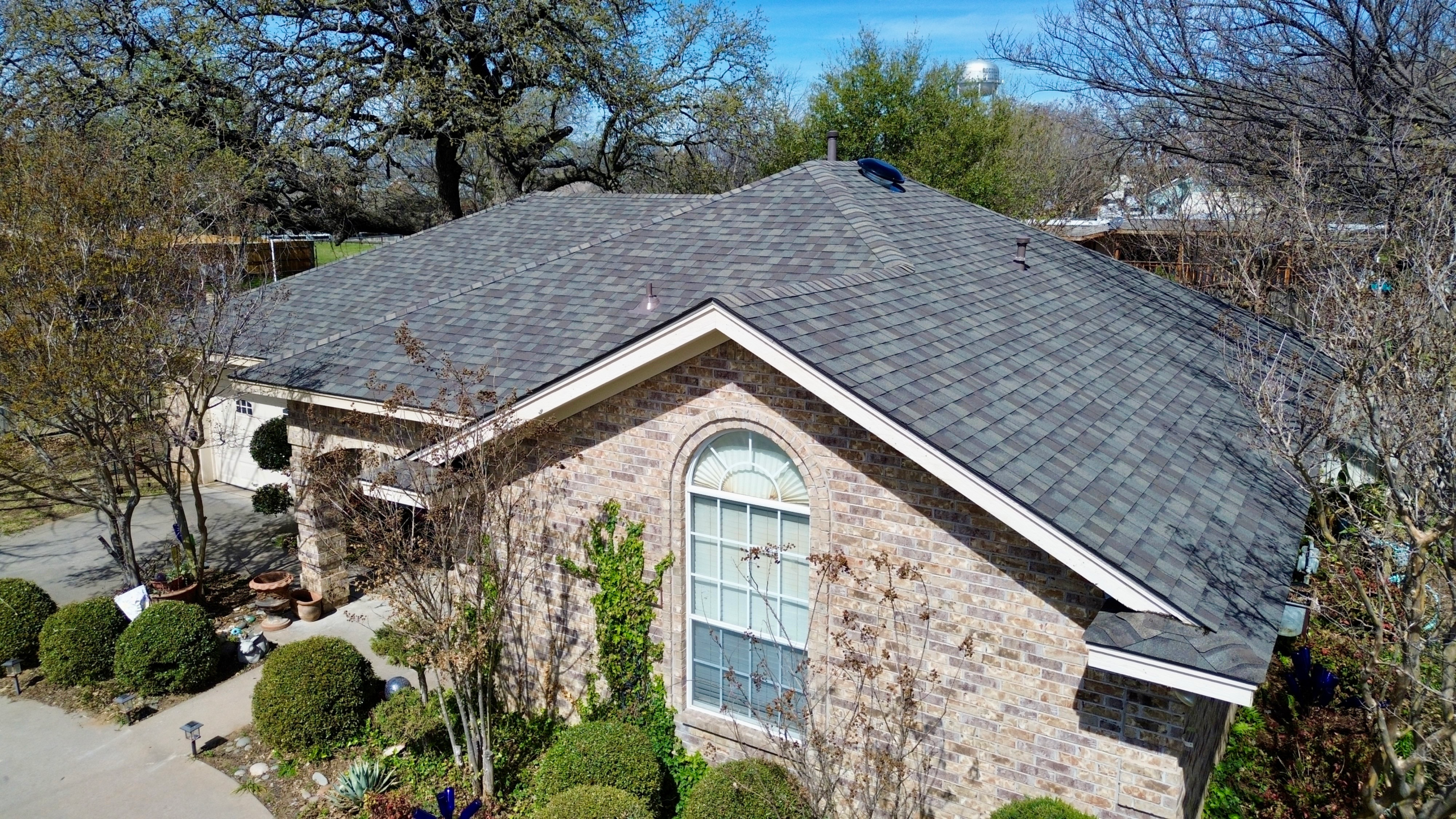
Create a Roof Maintenance Plan
Preparation for a roof replacement does not end when installation is complete. Developing a maintenance plan can help maximize the lifespan and performance of the new roofing system.
Schedule periodic roof inspections, particularly after severe weather events. Regular evaluations can help identify minor issues before they become costly repairs.
Keep gutters clean, trim overhanging branches, and monitor attic ventilation to support long-term roof health. Consistent maintenance contributes significantly to overall durability.
A proactive approach helps homeowners protect their investment and avoid unnecessary repair expenses.
Lessons Homeowners Often Learn Too Late
Many homeowners reflect on their roof replacement experience and identify things they wish they had known beforehand. Learning from these common observations can help others prepare more effectively.
One frequent lesson involves underestimating noise levels. Many people expect some disruption but are surprised by the intensity and duration of roofing sounds.
Another common realization is the importance of protecting interior belongings. Dust and vibrations often affect more areas of the home than homeowners initially anticipate.
Communication also emerges as a recurring theme. Those who maintain regular contact with their contractor generally report smoother experiences and fewer misunderstandings.
Understanding these lessons in advance can help homeowners navigate the process with greater confidence and fewer surprises.
Benefits of Thorough Preparation
Preparing your home before a roof replacement requires time and effort, but the benefits are substantial. A well-prepared property supports safety, efficiency, and peace of mind throughout the project.
Contractors can work more effectively when access is clear and potential obstacles have been addressed. This often contributes to a smoother installation process and fewer delays.
Homeowners also gain greater confidence when they know their belongings, family members, pets, and property have been properly protected. Reduced stress allows them to focus on the positive outcome rather than the temporary inconvenience.
The investment in preparation frequently pays dividends in the form of a more organized, efficient, and successful roofing project.
Final Checklist Before Roofing Work Begins
As the project start date approaches, homeowners may find it useful to review a final preparation checklist.
- Move vehicles away from the work area.
- Protect attic belongings and valuable interior items.
- Remove fragile wall decorations and breakables.
- Relocate outdoor furniture, grills, and decorative objects.
- Trim trees and shrubs near the roofline.
- Secure pets and prepare children for construction activity.
- Inform neighbors about the project schedule.
- Verify contractor communication details.
- Review insurance and warranty documentation.
- Confirm access routes, dumpster placement, and safety expectations.
Completing these steps helps ensure that both homeowners and contractors are prepared for a productive and efficient roof replacement process.
Conclusion
A roof replacement is a major investment that plays a critical role in protecting your home, family, and belongings. While selecting quality materials and hiring a reputable contractor are important decisions, proper preparation before construction begins is equally essential to the overall success of the project.
Preparing your home involves much more than simply clearing the driveway. It requires protecting interior spaces, safeguarding outdoor belongings, making arrangements for children and pets, communicating with neighbors, and creating a safe environment for both workers and household members. Each of these steps contributes to a smoother and less stressful experience.
Homeowners who take the time to prepare thoroughly are often better equipped to handle the temporary disruptions that accompany roofing work. They experience fewer surprises, reduce the risk of accidental damage, and help contractors perform their jobs more efficiently.
By understanding the process, planning ahead, and maintaining open communication throughout the project, you can transform what might seem like an overwhelming undertaking into a well-organized home improvement experience. With the right preparation in place, your roof replacement can proceed smoothly, leaving you with a durable, attractive, and reliable roof that will protect your home for many years to come.