
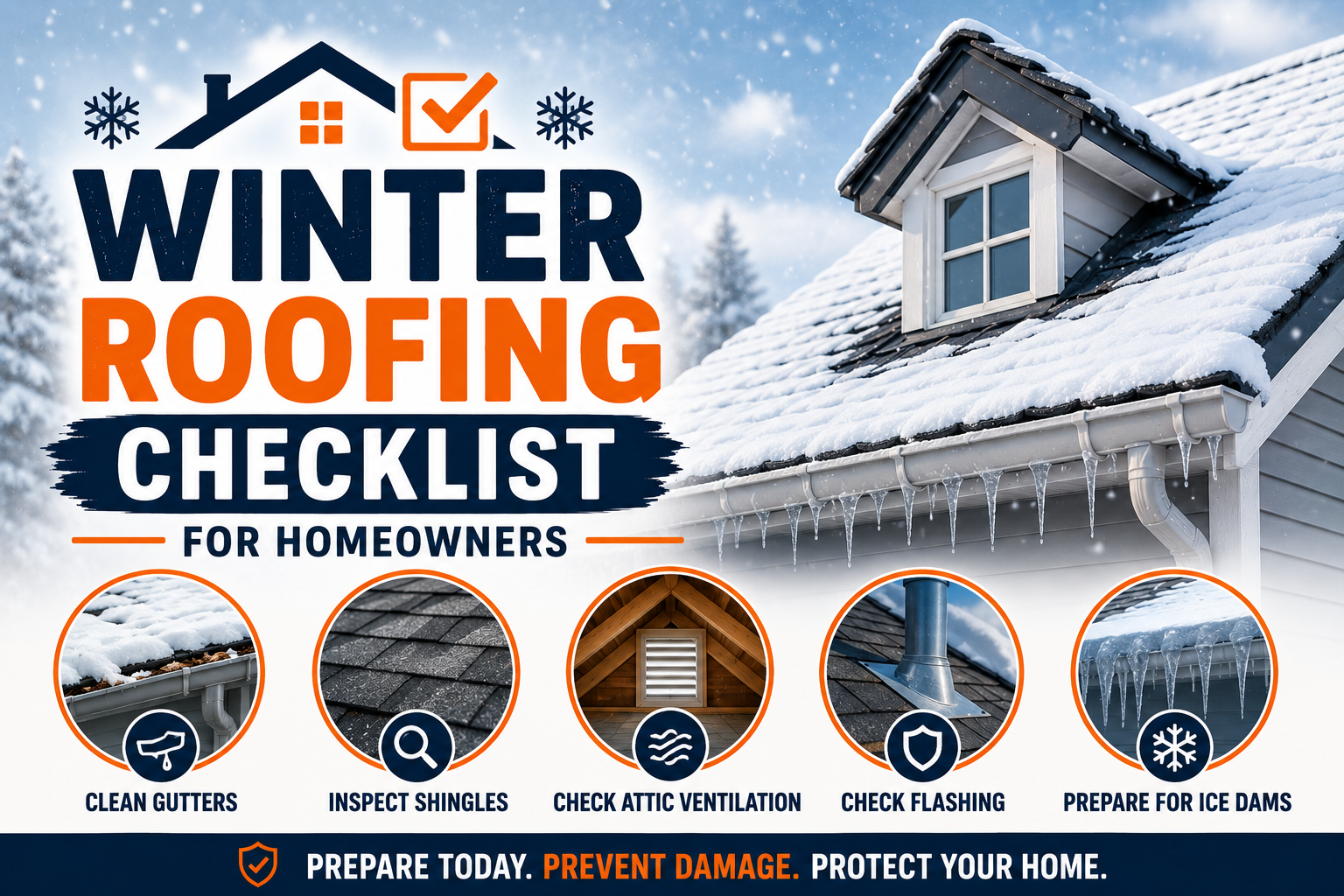
Winter Roofing Checklist for Homeowners
Winter can be one of the toughest seasons for any roofing system. Cold temperatures, moisture, snow, ice, and strong winds can all create serious roofing problems if your home is not properly prepared. Many homeowners wait until they notice a leak or visible damage before paying attention to their roof, but winter roofing issues often begin long before water enters the home.
A well maintained roof protects your family, improves energy efficiency, and helps prevent expensive emergency repairs during cold weather. Taking preventive steps before winter arrives can significantly reduce the chances of roof leaks, ice dams, insulation problems, and structural damage. Homeowners in Texas, Oklahoma, and other regions with changing winter weather should make roof preparation a yearly priority.
This complete winter roofing checklist explains everything homeowners should inspect, maintain, and monitor before temperatures drop. From attic ventilation and gutter cleaning to shingle inspections and emergency planning, these winter roofing tips can help extend the life of your roof while keeping your home safe and comfortable throughout the season.
Why Winter Roof Preparation Matters
Winter weather creates unique challenges for roofing systems. Even homes in warmer states can experience freezing temperatures, heavy rain, hail, and strong winter winds that put stress on roofing materials. Small roofing issues that seem harmless during summer can quickly turn into serious leaks or structural damage once winter moisture and temperature changes arrive.
Cold weather causes roofing materials to expand and contract repeatedly. Over time, this movement can loosen shingles, crack flashing, and weaken sealants around vents and chimneys. Moisture from rain or melting ice can then enter these openings and damage the roof deck, insulation, ceilings, and walls inside the home.
Another major concern is energy loss. Poor attic insulation and ventilation can allow warm air to escape through the roof during winter. This increases heating costs and may contribute to ice dam formation in colder climates. Proper roof preparation helps homeowners improve energy efficiency while protecting the roofing structure from moisture related problems.
Ignoring winter roof maintenance can also shorten the overall lifespan of the roof. Water damage, trapped moisture, mold growth, and structural weakening often become more expensive when left untreated. Preventive maintenance is usually far less costly than emergency roof repairs during a storm or freeze.
Start With a Professional Roof Inspection
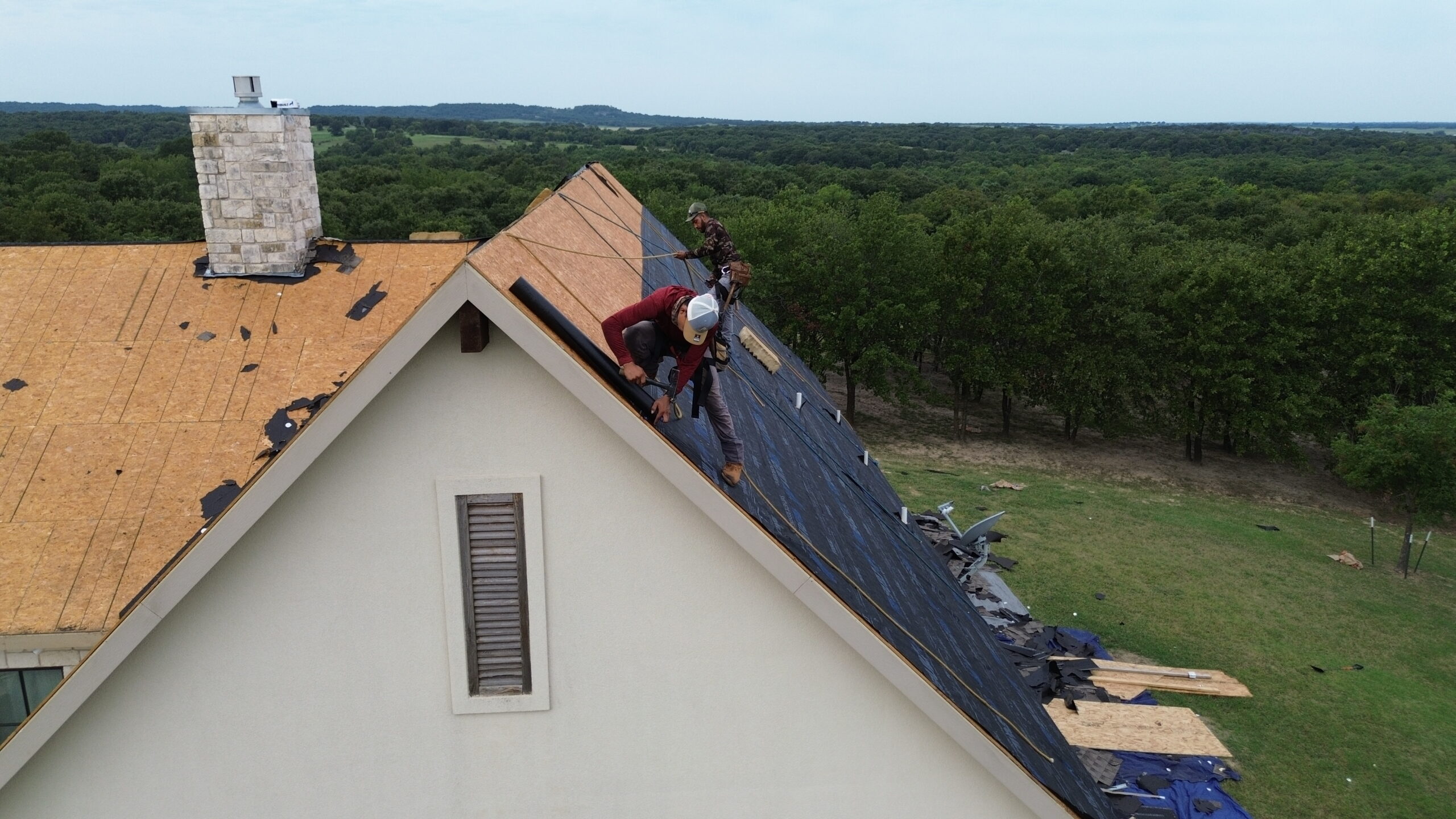
One of the most important steps before winter is scheduling a professional roof inspection. A roofing contractor can identify hidden issues that homeowners may overlook during a visual inspection from the ground. Professional inspections are especially valuable for older roofs or homes that recently experienced storms, hail, or high winds.
Roofing professionals typically inspect shingles, flashing, gutters, vents, chimneys, roof valleys, and attic ventilation systems. They also look for signs of moisture damage, sagging areas, weak decking, and drainage problems. Detecting these issues before winter can help homeowners avoid sudden roofing emergencies during freezing conditions.
Professional roof inspections also provide documentation of the roof’s condition before winter weather begins. This can be useful if storm damage occurs later and insurance claims become necessary. Many contractors also provide maintenance recommendations that help extend roof life and improve overall performance during colder months.
Homeowners should not wait until the middle of winter to address roofing problems. Cold weather can make repairs more difficult and sometimes unsafe. Preparing early gives roofing contractors enough time to complete repairs before severe weather arrives.
Inspect Shingles for Damage
Roof shingles are the first layer of protection against winter weather. Damaged or missing shingles can allow water to enter the roof structure and create serious moisture problems. Before winter begins, homeowners should inspect shingles carefully for signs of wear or storm damage.
Common signs of shingle problems include:
- Cracked shingles
- Curling edges
- Missing shingles
- Granule loss
- Loose shingles
- Dark patches
- Exposed nail heads
Asphalt shingles naturally age over time, but winter weather accelerates deterioration when existing damage is ignored. High winds and freezing temperatures can lift weakened shingles and expose the roof deck underneath. Water infiltration may then cause wood rot, mold growth, and interior leaks.
Granule loss is another warning sign homeowners should monitor. Asphalt shingles contain protective granules that shield the roof from sunlight and weather exposure. Excessive granules in gutters may indicate aging shingles that are becoming more vulnerable to winter damage.
If damaged shingles are discovered, repairs should be completed before temperatures drop significantly. Roofing materials become more brittle in cold weather, making winter repairs more challenging and less effective.
Clean Gutters and Downspouts
Gutters play a critical role in protecting the roof during winter. Their job is to direct water safely away from the roof and foundation. When gutters become clogged with leaves, debris, and dirt, water can overflow and damage roofing materials, siding, and the home’s structure.
Blocked gutters are one of the leading causes of winter roof problems. Water trapped in clogged gutters may freeze during cold weather, creating heavy ice buildup that stresses the roof edge and gutter system. Overflowing water can also seep beneath shingles and damage the roof deck.
Homeowners should thoroughly clean gutters before winter arrives. Downspouts should also be checked to ensure proper drainage away from the home. Water pooling near the foundation can create additional structural problems during freezing conditions.
While cleaning gutters, homeowners should inspect for:
- Loose gutter brackets
- Sagging sections
- Cracks or holes
- Rust spots
- Improper drainage
- Water stains near soffits
Installing gutter guards may also help reduce debris buildup during winter months. Although gutter guards do not eliminate maintenance completely, they can improve drainage and reduce clogging problems.
Check Roof Flashing
Roof flashing is designed to prevent water from entering vulnerable areas where roofing materials meet walls, chimneys, vents, and skylights. Damaged flashing is a common source of winter roof leaks because moisture can easily enter small openings during rain or snow.
Flashing problems often develop gradually due to age, weather exposure, or improper installation. Winter conditions can worsen these weak points and allow water intrusion into the attic or ceilings.
Homeowners should inspect flashing around:
- Chimneys
- Roof vents
- Skylights
- Dormers
- Roof valleys
- Wall intersections
Signs of flashing damage include rust, cracks, loose metal, missing sealant, or visible gaps. Water stains inside the attic near flashing areas may also indicate leaks already developing.
Repairing flashing before winter helps protect the roof from moisture penetration during storms and freezing temperatures. Even small flashing issues can lead to expensive interior water damage if ignored.
Examine the Attic for Moisture Problems
The attic provides important clues about the health of a roofing system. Homeowners should inspect the attic before winter to check for signs of moisture, poor ventilation, or insulation problems.
Common attic warning signs include:
- Water stains
- Mold growth
- Damp insulation
- Condensation
- Musty odors
- Visible light through roof boards
Moisture inside the attic often indicates roof leaks or ventilation problems. Warm indoor air rising into the attic can create condensation when it meets cold surfaces during winter. Over time, this moisture may damage insulation, wood framing, and roofing materials.
Proper attic ventilation allows fresh air to circulate while helping regulate temperature and moisture levels. Without adequate ventilation, heat buildup can increase energy costs and contribute to roofing deterioration.
Attic inspections also help homeowners identify pest activity or structural issues that may worsen during winter months. Addressing these problems early helps maintain a healthier and more energy efficient home.
Improve Attic Insulation
Attic insulation works together with the roofing system to maintain indoor comfort during winter. Poor insulation allows heat to escape through the roof, forcing heating systems to work harder and increasing utility bills.
Insufficient insulation may also contribute to uneven roof temperatures. In colder regions, this can lead to ice dam formation when snow melts on warm roof sections and refreezes near colder roof edges.
Homeowners should check attic insulation levels before winter and add insulation if necessary. Common insulation materials include fiberglass batts, blown in cellulose, and spray foam insulation.
Benefits of proper attic insulation include:
- Lower heating costs
- Improved indoor comfort
- Reduced moisture problems
- Better roof performance
- Longer roof lifespan
Insulation should be evenly distributed without gaps or compressed areas. Wet insulation should also be replaced because moisture reduces effectiveness and encourages mold growth.
Trim Overhanging Tree Branches
Trees can create several roofing hazards during winter storms. Heavy branches hanging over the roof may break under snow, ice, or strong winds and damage shingles or gutters.
Falling branches can puncture roofing materials, crack flashing, or create openings that allow water infiltration. Leaves and debris from nearby trees also contribute to clogged gutters and drainage issues.
Homeowners should trim overhanging branches before winter begins. Removing weak or dead branches reduces the risk of storm damage while also helping keep gutters cleaner throughout the season.
Trees should be trimmed carefully to avoid damaging roofing materials during the process. In some cases, professional tree services may be necessary for large branches or difficult areas.
Maintaining safe clearance between trees and the roof can significantly reduce winter roofing risks and improve overall roof longevity.
Check for Roof Sagging
Roof sagging is a serious structural concern that homeowners should never ignore before winter. Snow, ice, and water accumulation can place additional weight on weak roof structures and increase the risk of collapse in severe cases.
Sagging roofs may result from:
- Water damage
- Rotten decking
- Structural weakening
- Poor construction
- Excessive weight
- Aging materials
Signs of roof sagging include uneven rooflines, dips in the roof surface, cracked interior walls, or doors that suddenly become difficult to open.
If sagging areas are noticed, homeowners should contact a roofing professional immediately. Structural repairs may be necessary before winter weather places additional stress on the roof.
Ignoring structural issues can create dangerous conditions for occupants and significantly increase repair costs later.
Seal Roof Penetrations
Roof penetrations such as vents, pipes, satellite mounts, and exhaust systems create vulnerable points where water can enter the home. Sealants around these penetrations may crack or deteriorate over time due to weather exposure.
Before winter, homeowners should inspect sealants around all roof penetrations and repair damaged areas if needed. Even small openings can allow moisture intrusion during heavy rain or snow.
Common penetration issues include:
- Cracked caulk
- Loose vent boots
- Rusted metal flashing
- Gaps around pipes
- Deteriorated rubber seals
Maintaining watertight seals helps protect the attic and interior from leaks during winter storms.
Prepare for Ice Dams
Ice dams occur when warm attic air melts snow on the roof, causing water to refreeze near colder roof edges. This ice buildup prevents proper drainage and can force water beneath shingles.
Although ice dams are more common in colder climates, they can still occur during freezing weather events in some southern regions.
Preventing ice dams involves:
- Improving attic insulation
- Maintaining proper ventilation
- Clearing gutters
- Sealing air leaks
- Reducing attic heat loss
Homeowners should avoid attempting to remove large ice dams themselves because improper removal can damage roofing materials or create safety hazards. Professional assistance is often safer for severe ice buildup.
Inspect Chimneys and Skylights
Chimneys and skylights are common areas for winter roof leaks. Their flashing systems and seals should be inspected carefully before cold weather begins.
Chimney masonry can crack over time, allowing moisture penetration that worsens during freezing conditions. Water entering small cracks may expand when frozen, creating additional structural damage.
Skylights should also be checked for cracked seals, condensation, or damaged flashing. Leaks around skylights can damage ceilings, insulation, and drywall quickly during winter storms.
Routine maintenance around these roof features helps reduce the risk of winter leaks and costly repairs.
Check Indoor Ceilings for Water Stains
Interior ceilings often reveal roofing problems before exterior damage becomes obvious. Homeowners should inspect ceilings and upper walls for discoloration, bubbling paint, or water stains before winter arrives.
These signs may indicate:
- Roof leaks
- Flashing failure
- Attic condensation
- Ventilation issues
- Plumbing leaks
Addressing the source of moisture before winter prevents worsening damage and helps maintain indoor air quality.
Ignoring ceiling stains can allow hidden mold growth and structural deterioration to continue unnoticed.
Test Attic Ventilation
Proper attic ventilation is one of the most important factors in winter roof performance. Ventilation systems help regulate attic temperature and reduce moisture buildup throughout the year.
Without sufficient airflow, warm moist air becomes trapped inside the attic during winter. This can increase condensation and damage roofing materials from the inside.
Homeowners should ensure intake and exhaust vents remain unobstructed. Common ventilation systems include:
- Ridge vents
- Soffit vents
- Gable vents
- Roof vents
- Powered attic fans
Balanced airflow helps improve energy efficiency while protecting the roofing structure from moisture related deterioration.
Understand How Winter Storms Affect Roofing Systems
Winter storms can affect roofing systems in several different ways depending on the climate and severity of the weather. Heavy rain, freezing temperatures, sleet, hail, and strong winds can all weaken roofing materials over time. Even a newer roof may experience damage if preventive maintenance has been ignored before winter arrives.
One of the biggest winter concerns is moisture infiltration. Water can enter through damaged shingles, weak flashing, or poorly sealed roof penetrations. Once moisture enters the roof structure, freezing temperatures may cause expansion that worsens cracks and structural damage.
Wind driven rain is another common issue during winter storms. Strong winds can push water underneath shingles and into vulnerable roof areas. This often leads to attic leaks, ceiling stains, insulation damage, and mold growth inside the home.
Homeowners should also understand that winter weather can worsen existing roofing issues very quickly. Minor problems that appear harmless during warmer months may become severe once freezing conditions arrive. Early inspections and preventive maintenance help reduce the risk of expensive storm related roof damage.
Create a Winter Roof Maintenance Schedule
Many homeowners only think about their roof when visible damage appears. Creating a seasonal maintenance schedule helps homeowners stay proactive and identify roofing problems before they become emergencies.
A winter roof maintenance schedule should include routine inspections before, during, and after winter weather events. Homeowners should check gutters regularly, monitor attic moisture levels, and inspect ceilings for water stains throughout the season.
It is also important to inspect the roof after major storms. High winds, hail, and heavy rain can damage shingles or flashing even if leaks are not immediately visible. Quick inspections allow homeowners to arrange repairs before moisture problems spread.
Keeping maintenance records can also be beneficial. Documentation of inspections, repairs, and contractor visits may help support insurance claims if winter storm damage occurs later.
Warning Signs of Poor Roof Ventilation During Winter
Poor roof ventilation often becomes more noticeable during winter months because trapped heat and moisture create visible indoor problems. Many homeowners overlook ventilation issues because they assume insulation alone controls indoor comfort and energy efficiency.
Common signs of poor roof ventilation include condensation on windows, musty attic odors, mold growth, excessive indoor humidity, and uneven temperatures throughout the home. Some homeowners may also notice unusually high heating bills during winter.
Warm air trapped in the attic can damage roofing materials from underneath. Moisture buildup may weaken wooden roof decking, reduce insulation performance, and contribute to ice dam formation in colder climates.
Proper ventilation helps maintain balanced attic temperatures while reducing moisture related roofing problems. Homeowners experiencing signs of poor ventilation should consider having a roofing professional evaluate the attic ventilation system before winter conditions worsen.
Protecting Your Roof During Freezing Temperatures
Freezing temperatures can make roofing materials more brittle and vulnerable to cracking. Asphalt shingles, flashing sealants, and rubber components may all become less flexible during extreme cold weather.
Homeowners should avoid walking on the roof during freezing conditions whenever possible. Foot traffic on brittle shingles can cause cracking and granule loss, especially on older roofing systems.
It is also important to monitor for sudden leaks during temperature fluctuations. Snow and ice may melt during warmer daytime temperatures and refreeze overnight, creating moisture expansion that damages roofing materials.
Maintaining proper attic insulation and ventilation remains one of the best ways to protect the roof during freezing weather. Stable attic temperatures help reduce thermal stress on roofing materials while improving overall energy efficiency.
Benefits of Hiring a Local Roofing Contractor Before Winter
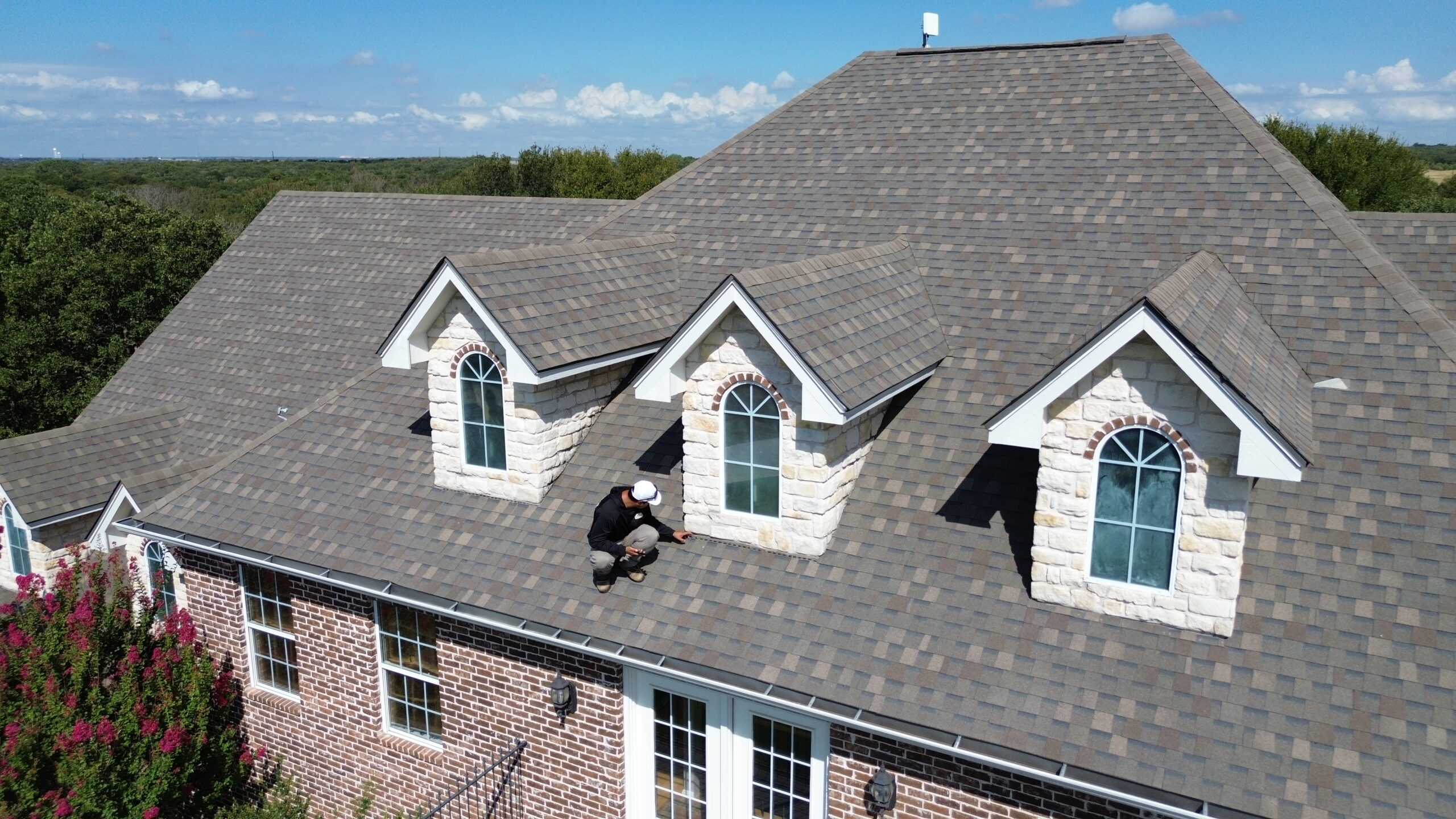
Working with a local roofing contractor before winter provides several important advantages for homeowners. Local contractors understand regional weather conditions and common roofing problems that affect homes in the area.
Roofing companies familiar with Texas and Oklahoma winters can recommend roofing materials and maintenance strategies suited for local climate conditions. They are also more likely to respond quickly if emergency roof repairs become necessary during severe weather.
Experienced local contractors can identify storm damage that homeowners may miss during self inspections. They also understand local building codes, insurance requirements, and seasonal roofing concerns.
Homeowners should schedule inspections before peak winter demand begins. Roofing companies often become busier after storms, making it harder to arrange fast inspections or repairs later in the season.
Final Thoughts
Winter weather can place significant stress on any roofing system, but proper preparation helps reduce the risk of costly damage and emergency repairs. A well maintained roof protects your home, improves energy efficiency, and keeps your family comfortable during colder months.
By following a complete winter roofing checklist, homeowners can identify problems early and address them before severe weather arrives. Tasks such as inspecting shingles, cleaning gutters, improving attic ventilation, and scheduling professional inspections all contribute to better roof performance throughout winter.
Preventive maintenance is always more affordable than major repairs caused by neglected roofing problems. Taking action before winter begins helps homeowners avoid leaks, structural damage, insulation problems, and unexpected roofing emergencies.
Whether your roof is new or aging, regular winter preparation remains one of the most effective ways to extend roof lifespan and protect your investment. Working with experienced roofing professionals and staying proactive with maintenance can help ensure your roof remains strong, durable, and reliable during every winter season.