

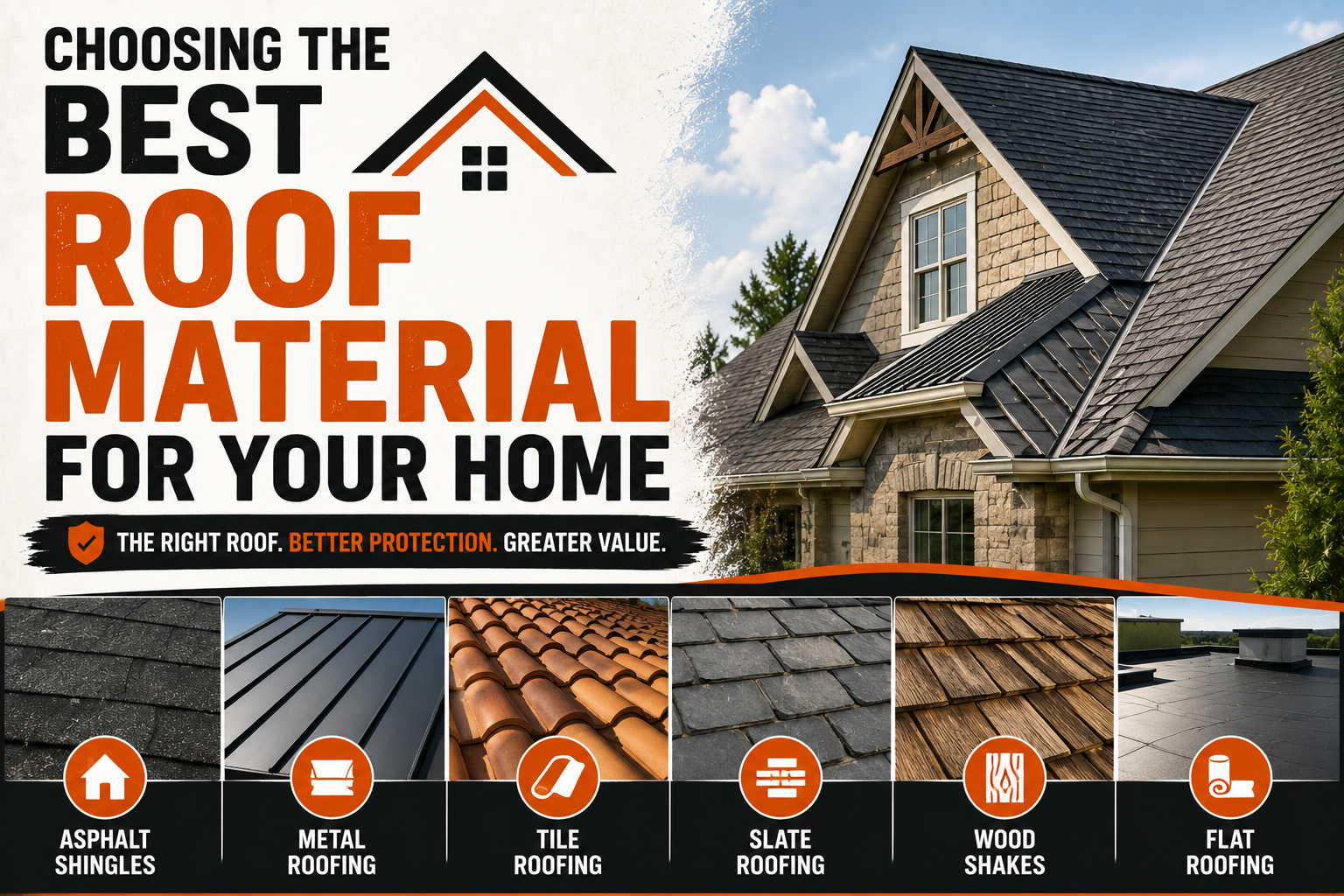
Choosing the Best Roof Material for Your Home
Your roof is one of the most important investments you will make as a homeowner. It protects your home from storms, heat, rain, wind, and other environmental conditions while also improving energy efficiency and curb appeal. Choosing the right roofing material can affect your home’s durability, maintenance costs, resale value, and long term protection. A strong roofing system also helps create a safer and more comfortable indoor environment for your family throughout the year.
With so many roofing materials available today, homeowners often struggle to decide which option is best for their needs. Every roofing material offers different advantages, costs, lifespans, and levels of weather resistance. What works well for one home may not be the best choice for another. Some materials perform better in hot climates, while others provide stronger protection against storms, hail, or heavy rainfall.
This complete guide explains the most popular roofing materials, their pros and cons, how to choose the right option for your climate and budget, and what homeowners should consider before replacing or installing a roof. Understanding these roofing options can help homeowners avoid expensive mistakes and make better long term decisions. A properly selected roof can improve overall property value and reduce future maintenance concerns. Taking time to research materials before installation is always a smart investment.
Why Choosing the Right Roof Material Matters
Your roof is more than just shingles or panels attached to your house. The roofing material you choose directly impacts:
- weather protection
- energy efficiency
- home appearance
- maintenance requirements
- insurance costs
- resale value
- roof lifespan
A poor roofing decision can lead to expensive repairs and premature replacement, while the right material can protect your home for decades. Many homeowners focus only on appearance or upfront pricing when selecting roofing materials. However, long term durability and weather performance are equally important factors to consider. Choosing wisely now can help reduce stress, repair costs, and unexpected roofing problems in the future.
The right roof also improves your home’s ability to handle changing weather conditions. In areas with strong storms or extreme heat, durable roofing materials can prevent leaks and structural damage. Energy efficient roofs may also lower monthly utility bills by reducing heat transfer into the attic. This makes roofing materials an important part of overall home performance and comfort.
Roofing materials can even affect home resale value. Buyers often pay close attention to roof condition because replacement costs can be expensive. A newer and more durable roofing system may help attract buyers and improve confidence during the selling process. Homes with aging or damaged roofs may stay on the market longer or require price reductions.
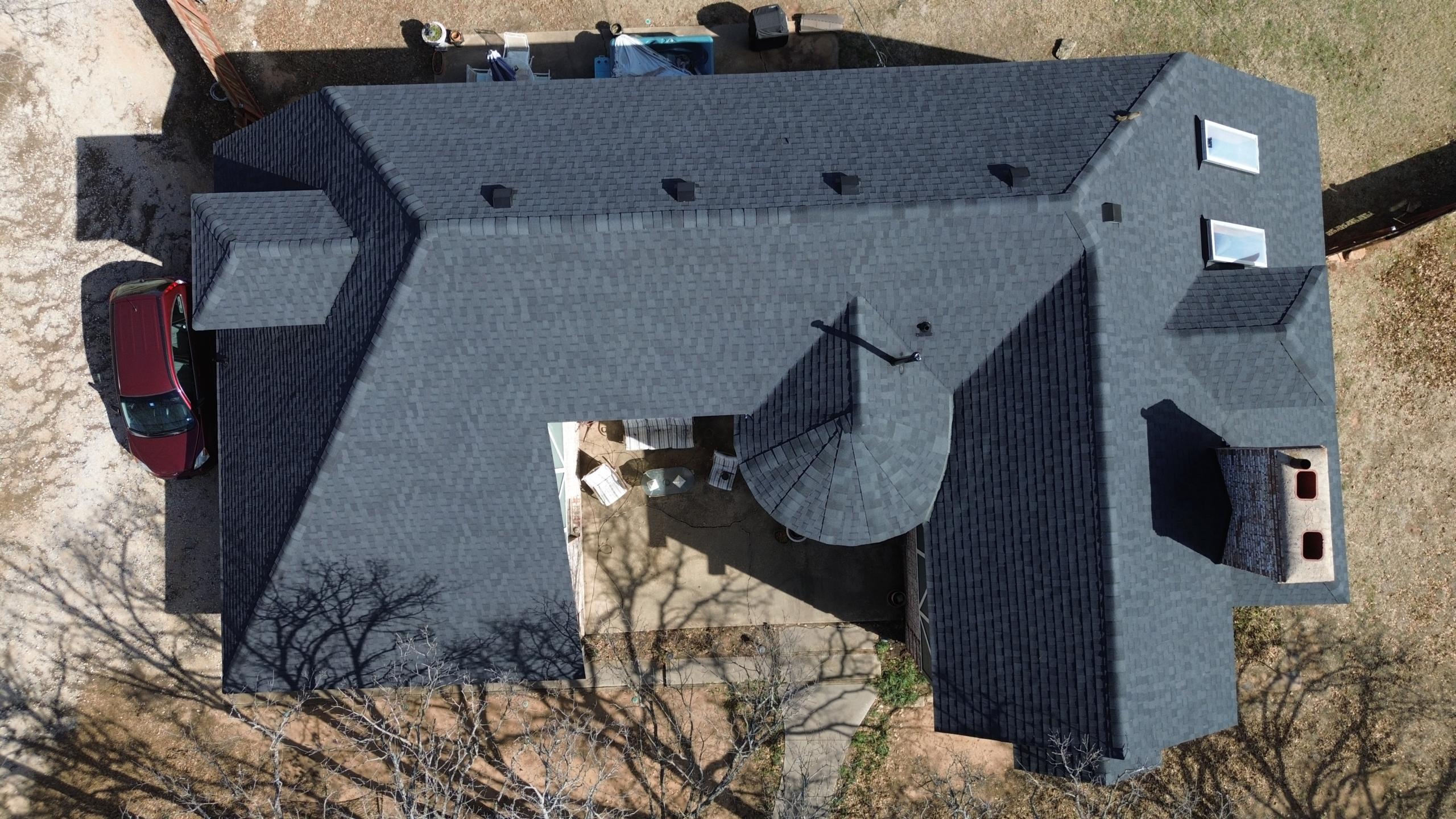
Factors to Consider Before Choosing a Roof Material
Before selecting a roofing system, homeowners should evaluate several important factors. Every home has different structural needs, weather exposure, and budget limitations. A roofing material that performs well in one region may not work as effectively in another. Careful planning helps homeowners avoid choosing a roof that creates future maintenance or performance issues.
Climate
Weather conditions greatly affect roofing performance. Roofing systems constantly face exposure to sunlight, moisture, temperature changes, and storms. Certain materials are designed to resist heat better, while others provide stronger impact resistance against hail. Understanding local climate conditions helps homeowners choose materials that offer better durability and long term protection.
Texas and Oklahoma homeowners must consider:
- extreme heat
- hailstorms
- strong winds
- heavy rain
- severe storms
Some materials handle harsh weather better than others. Metal roofing and impact resistant shingles are popular choices in storm prone areas because they offer stronger protection against wind and hail damage. In extremely hot climates, reflective roofing materials can help reduce attic temperatures and cooling costs. Climate should always play a major role in roofing decisions.
Budget
Roofing materials vary significantly in price. Some homeowners prioritize lower upfront costs, while others focus on long term value and durability. It is important to understand that cheaper roofing systems may require more repairs or earlier replacement over time. Higher quality materials may cost more initially but often provide better performance for decades.
Costs include:
- materials
- installation
- maintenance
- repairs
- long term replacement expenses
Some roofs cost more initially but save money over time due to durability and energy efficiency. Homeowners should compare both short term and long term expenses before making a decision. Installation quality also affects total project costs and future maintenance requirements. Working with experienced roofing contractors helps homeowners better understand total investment value.
Roof Lifespan
Different materials have very different lifespans. Some roofing systems are designed for basic protection, while others are built to last for several decades. Lifespan often depends on installation quality, climate conditions, ventilation, and regular maintenance. Choosing a longer lasting roof may reduce replacement frequency and long term expenses.
Some roofs last:
- 15 to 25 years
- 40 to 70 years
- even longer with proper maintenance
Longer lasting roofs may provide better long term value. Homeowners planning to stay in their homes for many years may benefit from investing in stronger roofing systems. Premium materials often provide better resistance against weather related wear and tear. Proper maintenance also plays a major role in extending roof lifespan.
Home Style
The appearance of your roof affects curb appeal. Roofing materials contribute significantly to your home’s overall design and exterior appearance. A roof that matches the architecture of the property can improve visual appeal and property value. Homeowners should consider both color and material style before making a final decision.
Certain materials work better with:
- traditional homes
- modern homes
- ranch style homes
- luxury properties
Choosing a roof that complements your architecture improves aesthetics. For example, metal roofing often works well with modern homes, while tile roofs are commonly used on Mediterranean style properties. Architectural shingles provide versatility for many residential designs. Matching roofing materials to home style creates a more balanced and attractive exterior appearance.
Maintenance Requirements
Some roofing systems require more maintenance than others. Homeowners should understand the amount of upkeep needed before selecting roofing materials. Certain roofs require regular cleaning, inspections, and repairs to maintain proper performance. Low maintenance roofing systems are often preferred by homeowners seeking convenience and long term reliability.
Homeowners should consider:
- cleaning
- inspections
- repairs
- weather related upkeep
Lower maintenance roofs may reduce long term stress and costs. Metal and tile roofing systems generally require less maintenance than wood shake roofs. Ignoring maintenance can shorten roof lifespan and increase repair expenses over time. Routine inspections help identify small problems before they become major roofing issues.
Energy Efficiency
Energy efficient roofing can reduce cooling costs during hot summers. Roofing materials influence how much heat enters your attic and living spaces. Reflective roofing products help reduce heat absorption and improve indoor comfort levels. This becomes especially important in southern states with long periods of high temperatures.
Reflective roofing materials help:
- lower attic temperatures
- improve comfort
- reduce air conditioning use
This is especially important in southern climates. Energy efficient roofing systems may also reduce strain on HVAC systems during peak summer months. Lighter colored roofing materials often perform better in hot climates because they reflect more sunlight. Homeowners focused on energy savings should carefully compare roofing efficiency ratings before installation.
Asphalt Shingles
Asphalt shingles are the most common roofing material in the United States. They remain popular because they provide affordability, versatility, and reliable protection for many residential properties. Asphalt shingles are available in a wide range of styles, colors, and quality levels. This flexibility makes them suitable for many different home designs and budgets.
Why Asphalt Shingles Are Popular
Homeowners often choose shingles because they are:
- affordable
- widely available
- easy to install
- available in many styles and colors
They work well for many residential homes. Asphalt shingles are also easier to repair compared to some premium roofing systems. Many roofing contractors have extensive experience installing shingles, which helps simplify installation and maintenance. Their affordability makes them especially attractive for budget conscious homeowners.
Types of Asphalt Shingles
Three Tab Shingles
These are the most basic and affordable shingles. They are lightweight and commonly used on older homes or budget friendly roofing projects. While they provide basic weather protection, they generally offer lower durability compared to architectural shingles. Strong winds and hailstorms may damage them more easily over time.
They offer:
- simple appearance
- lighter weight
- lower cost
However, they are less durable than premium options. Many homeowners now choose stronger shingle alternatives because of increasing storm activity in some regions. Three tab shingles may still work well for smaller homes or properties with limited roofing budgets. Proper installation remains important for maximizing their lifespan.
Architectural Shingles
Architectural shingles are thicker and stronger. They are designed to provide better durability, improved appearance, and stronger weather resistance compared to basic shingles. Many modern homeowners prefer architectural shingles because they create a more dimensional and attractive roof appearance. They are commonly recommended for areas exposed to stronger winds and storms.
Benefits include:
- better wind resistance
- improved appearance
- longer lifespan
- enhanced durability
Many homeowners prefer architectural shingles for better long term performance. These shingles often come with stronger manufacturer warranties compared to standard three tab products. They also provide better curb appeal, which may improve overall property value. Although they cost more upfront, many homeowners consider them a worthwhile investment.
Pros of Asphalt Shingles
- lower upfront cost
- easy installation
- widely available
- variety of colors and styles
- simple repairs
Asphalt shingles remain one of the most practical roofing solutions for many homeowners. Their affordability and flexibility make them suitable for both small and large residential projects. Repairs are often faster and less expensive compared to premium roofing systems. This makes asphalt shingles a dependable choice for many roofing needs.
Cons of Asphalt Shingles
- shorter lifespan
- vulnerable to hail damage
- may fade over time
- less energy efficient than some materials
Despite their popularity, asphalt shingles do have some limitations. Extreme weather conditions may shorten their lifespan or increase maintenance needs. Older shingles may crack, curl, or lose granules over time due to prolonged sun exposure. Homeowners in severe weather regions should consider stronger shingle options when possible.
Average Lifespan
Most asphalt shingle roofs last:
- 15 to 30 years
Climate and maintenance affect longevity. Regular inspections and timely repairs can help extend the life of asphalt roofing systems. Proper attic ventilation also helps reduce heat buildup that may damage shingles prematurely. Homeowners who maintain their roofs properly often experience better long term performance and fewer repair issues.
Metal Roofing
Metal roofing has become increasingly popular in recent years. Many homeowners choose metal roofs because of their impressive durability and modern appearance. Metal roofing systems can withstand harsh weather conditions better than many traditional roofing materials. They are especially popular in regions that experience heavy storms, strong winds, and extreme heat.
Metal roofs are also known for their long lifespan and energy efficiency. Reflective coatings help reduce heat absorption, which may lower cooling costs during hot summer months. Many metal roofing systems are made from recyclable materials, making them a more environmentally friendly option. Homeowners looking for long term value often consider metal roofing a worthwhile investment.
Types of Metal Roofs
Common metal roofing materials include:
- steel
- aluminum
- copper
- zinc
Steel roofing is one of the most common choices because it provides strong durability at a relatively affordable price. Aluminum roofs are lightweight and naturally resistant to rust, making them ideal for humid or coastal climates. Copper roofing offers a premium appearance that develops a unique patina over time. Zinc roofing is valued for its durability, low maintenance needs, and long lifespan.
Each metal roofing material offers different advantages depending on climate, budget, and appearance preferences. Some homeowners prioritize affordability, while others focus on aesthetics and longevity. Professional roofing contractors can help determine which material best fits the property’s structural needs and local weather conditions. Understanding the differences between these materials helps homeowners make more informed roofing decisions.
Popular Metal Roofing Styles
Standing Seam Metal Roofs
These roofs use raised seams and hidden fasteners. The concealed fastener system helps improve weather resistance and reduces the risk of leaks. Standing seam roofs are often used on both residential and commercial properties because of their sleek and modern appearance. They are especially effective in areas exposed to heavy rain and strong winds.
Benefits include:
- sleek appearance
- strong weather resistance
- reduced leak risks
Standing seam metal roofs are also known for their low maintenance requirements. The raised seam design allows water to drain efficiently from the roof surface. Many homeowners prefer this style because it combines durability with a clean and contemporary appearance. Although installation costs may be higher, the long term benefits often justify the investment.
Metal Shingles
Metal shingles mimic traditional roofing styles while offering metal durability. They are designed to resemble asphalt shingles, wood shakes, or tile roofing while providing better weather resistance. Homeowners who want the appearance of traditional roofing materials without the maintenance concerns often choose metal shingles. These systems provide a balance between curb appeal and durability.
Metal shingles are available in many colors and textures to match different home styles. They are also lighter than some traditional roofing materials, reducing structural stress on the home. Many metal shingles include protective coatings that help resist fading and corrosion over time. Their combination of style and performance makes them increasingly popular among homeowners.
Pros of Metal Roofing
- long lifespan
- excellent durability
- energy efficiency
- fire resistance
- strong wind resistance
- recyclable materials
Metal roofing systems offer excellent long term performance compared to many other roofing materials. They can resist severe weather conditions such as hail, wind, and heavy rain more effectively than standard shingles. Many metal roofs are designed to withstand wind speeds associated with severe storms and hurricanes. This added protection gives homeowners greater peace of mind during extreme weather.
Energy efficiency is another major advantage of metal roofing. Reflective coatings help reduce heat transfer into the attic, which may lower cooling expenses. This benefit is especially valuable in hot climates where air conditioning systems work harder during summer months. Over time, energy savings may help offset the higher initial installation costs.
Fire resistance is another reason many homeowners choose metal roofs. Unlike wood roofing materials, metal does not easily ignite when exposed to sparks or flames. This can provide additional safety benefits in wildfire prone regions or areas with extreme heat. Many insurance companies may also view fire resistant roofing materials favorably.
Cons of Metal Roofing
- higher upfront cost
- specialized installation required
- potential denting during severe hail
Despite its many advantages, metal roofing does have some drawbacks. The initial installation cost is usually higher than asphalt shingles or some other roofing systems. Homeowners should consider long term value rather than focusing only on upfront pricing. A properly installed metal roof may last decades longer than cheaper roofing alternatives.
Metal roofing also requires experienced contractors for proper installation. Incorrect installation can lead to leaks, loose panels, or reduced weather resistance. Choosing a qualified roofing professional is essential for maximizing roof performance and warranty protection. Installation mistakes may shorten the lifespan of the roofing system.
Some metal roofs may dent during severe hailstorms or from falling debris. Thicker and higher quality metal panels are generally more resistant to impact damage. Homeowners in hail prone areas should ask contractors about impact resistant metal roofing options. Protective coatings and quality materials can help improve long term durability.
Average Lifespan
Metal roofs often last:
- 40 to 70 years
Proper installation greatly affects performance. Regular inspections and maintenance can also help extend roof lifespan and prevent small issues from becoming major problems. Metal roofing systems generally require fewer repairs than many traditional roofing materials. This long lifespan makes them an attractive option for homeowners planning to stay in their homes for many years.
Tile Roofing
Tile roofs are popular in warm climates and upscale homes. They are known for their elegant appearance, strong durability, and excellent resistance to heat. Tile roofing is commonly seen on Mediterranean, Spanish, and luxury style homes. Many homeowners choose tile roofs to enhance curb appeal and long term property value.
Tile roofing also performs well in hot climates because it allows better airflow beneath the tiles. This natural ventilation can help reduce heat buildup inside the attic. Tile materials are highly resistant to sun exposure and weather related wear. Properly maintained tile roofs can last for several decades.
Types of Tile Roofs
Clay Tiles
Clay tiles offer classic appearance and excellent durability. They are known for their rich color tones and timeless design appeal. Clay tiles resist fire, insects, and harsh sunlight very effectively. Many clay tile roofs remain in good condition for generations with proper maintenance.
Concrete Tiles
Concrete tiles provide similar benefits at slightly lower costs. They are heavier than some roofing materials but offer strong weather resistance and durability. Concrete tiles are available in many shapes and colors to match different architectural styles. Many homeowners choose concrete tiles because they provide a premium appearance at a more affordable price point.
Pros of Tile Roofing
- long lifespan
- fire resistance
- attractive appearance
- strong weather durability
Tile roofs are highly durable and capable of handling extreme weather conditions. They resist fire, UV exposure, and many forms of weather related damage. Their distinctive appearance can significantly improve curb appeal and property value. Tile roofs are also known for maintaining their appearance for many years with minimal fading.
Cons of Tile Roofing
- heavy weight
- higher installation cost
- fragile under foot traffic
One of the biggest concerns with tile roofing is its heavy weight. Some homes may require additional structural support before tile installation. Installation costs are also higher because tile roofing requires specialized labor and materials. Walking directly on tiles can crack or damage them if not done carefully.
Average Lifespan
Tile roofs may last:
- 50 years or more
Proper maintenance greatly improves the lifespan of tile roofing systems. Routine inspections help identify broken or loose tiles before leaks develop. Many homeowners view tile roofing as a long term investment because of its exceptional durability. In some cases, tile roofs may last much longer than fifty years.
Wood Shake Roofing
Wood shake roofs offer natural beauty and rustic charm. They create a warm and traditional appearance that many homeowners find visually appealing. Wood roofing materials are commonly used on cottages, cabins, and historic style homes. Their natural texture gives homes a unique exterior appearance that stands out from standard roofing systems.
Wood roofing also provides natural insulation benefits. The thicker material can help regulate indoor temperatures more effectively in some climates. Many homeowners appreciate the environmentally friendly appearance of natural wood roofing materials. However, wood roofs generally require more maintenance than other roofing options.
Types of Wood Roofing
Common wood roofing materials include:
- cedar
- redwood
- pine
Cedar is one of the most popular choices because it naturally resists moisture and insects better than some other woods. Redwood offers durability and rich color tones that improve curb appeal. Pine is generally more affordable but may require additional treatments for protection. Each wood type provides different benefits depending on budget and climate conditions.
Pros of Wood Roofing
- natural appearance
- strong insulation properties
- attractive curb appeal
Wood roofs provide a distinctive and timeless appearance that many homeowners prefer. Their natural texture creates strong visual appeal and complements many architectural styles. Wood roofing can also improve insulation performance compared to some thinner roofing materials. Many homeowners appreciate the traditional charm that wood roofs bring to a property.
Cons of Wood Roofing
- higher maintenance
- vulnerability to fire
- mold and insect concerns
- shorter lifespan in humid climates
Wood roofing requires regular maintenance to prevent moisture damage, mold growth, and insect infestations. Fire resistance is also a concern unless the materials are specially treated. Humid climates may shorten the lifespan of wood roofing due to moisture exposure. Homeowners should carefully consider local weather conditions before choosing wood roofing systems.
Average Lifespan
Wood roofs typically last:
- 20 to 40 years
Proper maintenance and climate conditions strongly influence lifespan. Regular cleaning and inspections help prevent rot and moisture damage. Treated wood materials may offer improved resistance against weather and insects. Homeowners willing to maintain wood roofs properly can enjoy their natural beauty for many years.
Slate Roofing
Slate is considered one of the most premium roofing materials available. It is made from natural stone and provides exceptional durability and elegance. Slate roofs are commonly found on historic homes, luxury properties, and upscale buildings. Their timeless appearance and impressive lifespan make them highly desirable among homeowners seeking premium roofing materials.
Slate roofing is also known for its resistance to fire, moisture, and extreme weather. Unlike many roofing materials, slate does not easily deteriorate from prolonged sun exposure. Its natural stone composition allows it to maintain its appearance for decades. Many homeowners view slate roofing as a long term investment in property value and durability.
Pros of Slate Roofing
- extremely durable
- elegant appearance
- fire resistance
- very long lifespan
Slate roofs provide unmatched longevity compared to most residential roofing materials. Their elegant appearance creates a luxurious and sophisticated exterior look. Slate also offers excellent protection against harsh weather conditions and fire exposure. Many slate roofs remain functional for generations when installed and maintained properly.
Cons of Slate Roofing
- expensive materials
- specialized installation
- heavy weight
The biggest disadvantage of slate roofing is its high cost. Materials and installation expenses are significantly higher compared to standard roofing systems. Slate roofs also require experienced contractors because improper installation can damage the stone tiles. The heavy weight of slate may require additional structural reinforcement before installation.
Average Lifespan
Slate roofs may last:
- 75 to 100 years or longer
Many slate roofing systems outlast the homes they protect. Proper installation and occasional maintenance help maximize their impressive lifespan. Although expensive upfront, slate roofing may provide exceptional long term value. Homeowners seeking maximum durability often consider slate one of the best roofing investments available.
Flat Roofing Systems
Flat roofs are common on commercial buildings and some modern homes. They provide a sleek and contemporary appearance that many property owners prefer. Flat roofing systems are also practical for rooftop equipment, solar panels, and additional outdoor space. Proper drainage design is essential to prevent water related issues on flat roofs.
Modern flat roofing materials have improved significantly in durability and energy efficiency. Many systems are designed to resist UV exposure, moisture, and temperature changes. Homeowners and business owners often choose flat roofs for their clean appearance and accessibility. However, maintenance and drainage remain important considerations.
Common Flat Roofing Materials
TPO Roofing
TPO is popular for energy efficiency and durability. Its reflective surface helps reduce heat absorption and improve energy performance. TPO membranes are lightweight and resistant to UV damage. Many commercial buildings use TPO roofing because of its balance between affordability and durability.
EPDM Roofing
EPDM is a rubber roofing material known for flexibility. It performs well in different weather conditions and resists cracking during temperature changes. EPDM roofing is commonly used on low slope and flat roofing systems. Its durability and relatively low cost make it a popular option for commercial properties.
Modified Bitumen
This material offers layered protection for flat roofs. Modified bitumen systems are designed for durability and waterproofing performance. They are commonly installed using multiple protective layers to improve resistance against leaks and weather damage. Many property owners choose modified bitumen for its reliability and proven performance history.
Pros of Flat Roofs
- modern appearance
- easier rooftop access
- lower installation cost in some cases
Flat roofs provide easier access for maintenance, inspections, and rooftop equipment installation. Their simpler design may also reduce installation expenses depending on the roofing system used. Many modern homes use flat roofs to create a sleek architectural appearance. Rooftop spaces may also be used for solar panels or outdoor living areas.
Cons of Flat Roofs
- drainage challenges
- ponding water risks
- shorter lifespan for some systems
Drainage problems are one of the biggest concerns with flat roofing systems. Standing water can increase the risk of leaks and premature roof deterioration. Regular maintenance and inspections are important for identifying drainage issues early. Some flat roofing materials may also have shorter lifespans compared to premium sloped roofing systems.
Synthetic Roofing Materials
Synthetic roofing products imitate natural materials like slate or wood. They are designed to provide similar appearance benefits while reducing maintenance and structural concerns. Synthetic roofing systems are often lighter than natural materials, making installation easier for many homes. Many homeowners choose synthetic roofing for its balance between durability, appearance, and affordability.
Advancements in roofing technology have improved the quality and appearance of synthetic materials. Some products closely resemble real slate, wood shakes, or tile roofing. Manufacturers often design synthetic roofing systems for better impact resistance and weather protection. These materials continue gaining popularity among modern homeowners.
Pros of Synthetic Roofing
- lightweight
- lower maintenance
- impact resistance
- attractive appearance
Synthetic roofs are generally easier to install because of their lighter weight. Many products resist cracking, fading, and moisture damage better than some natural materials. Homeowners also appreciate the reduced maintenance requirements compared to wood or slate roofing. Their attractive appearance allows homeowners to achieve premium aesthetics without extremely high costs.
Cons of Synthetic Roofing
- varying quality levels
- newer technology with mixed long term performance history
Not all synthetic roofing products offer the same level of durability or performance. Lower quality materials may fade, crack, or deteriorate faster over time. Because some synthetic roofing technologies are newer, long term performance histories may be limited compared to traditional roofing materials. Homeowners should carefully research manufacturers and product warranties before installation.
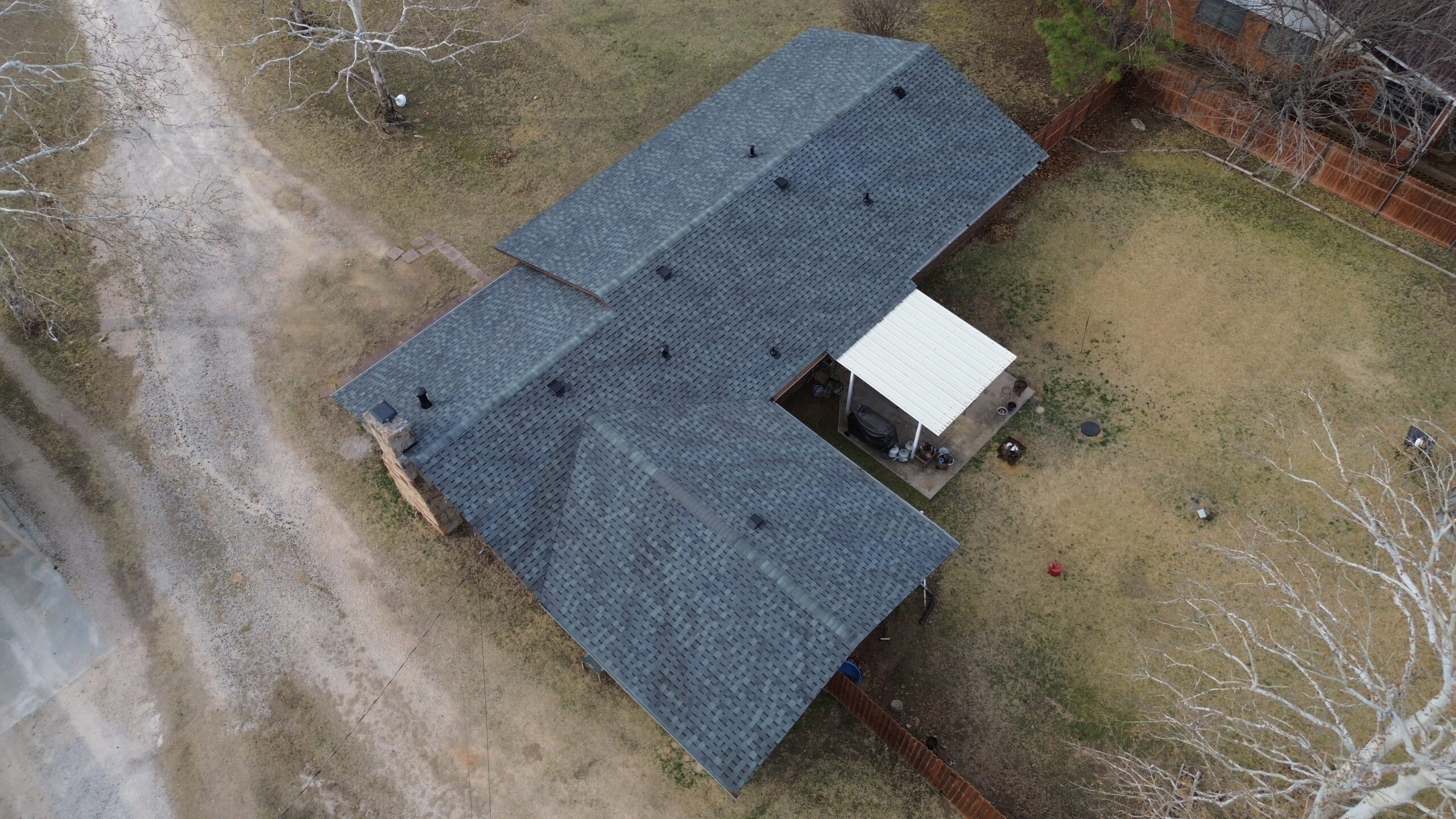
Choosing the Best Roof Material for Texas Homes
Texas homeowners face intense weather conditions. The state experiences long periods of extreme heat, severe thunderstorms, hailstorms, and strong winds throughout the year. Roofing systems in Texas must be durable enough to handle sudden temperature changes and intense sun exposure. Choosing the right roof material can help reduce maintenance costs and improve long term protection.
Texas homes also benefit from roofing materials that improve energy efficiency. High temperatures can increase cooling costs during summer months if roofing systems absorb too much heat. Reflective roofing materials help reduce attic temperatures and improve indoor comfort. Many homeowners now prioritize energy efficient roofing systems to lower utility bills and reduce strain on air conditioning systems.
Important Considerations
Texas roofs must handle:
- high heat
- hailstorms
- UV exposure
- strong winds
Extreme heat and UV exposure can cause some roofing materials to fade, crack, or deteriorate faster over time. Hailstorms are also common in many parts of Texas, making impact resistance an important factor when choosing roofing materials. Strong winds during severe storms may damage weaker roofing systems or loosen shingles. Homeowners should select roofing materials designed to perform well in harsh southern climates.
Proper attic ventilation is also important for Texas homes. Poor ventilation can trap heat inside the attic and shorten the lifespan of roofing materials. Good airflow helps maintain more stable roof temperatures and reduces moisture buildup. Roofing contractors often recommend combining quality roofing materials with proper ventilation systems for better long term performance.
Best Roofing Options for Texas
Popular choices include:
- metal roofing
- architectural shingles
- impact resistant shingles
- tile roofing
Metal roofing is popular in Texas because it reflects sunlight and provides strong resistance against storms and wind damage. Architectural shingles offer a balance between affordability, durability, and curb appeal for many homeowners. Impact resistant shingles are commonly recommended in hail prone regions because they can better withstand storm related damage. Tile roofing is also a strong choice in hot climates due to its durability and natural insulation properties.
Energy efficiency is especially important in hot climates. Roofing materials that reduce heat absorption can significantly improve indoor comfort during summer. Lighter colored roofs and reflective coatings may help lower cooling expenses over time. Homeowners should carefully compare energy performance ratings before selecting roofing materials.
Some Texas homeowners also prioritize roofing materials with strong warranties. Long manufacturer warranties often provide added confidence in the durability and quality of the roofing system. Professional installation is equally important because improper installation may reduce weather resistance and shorten roof lifespan. Working with experienced roofing contractors helps ensure the roofing system performs properly during severe weather conditions.
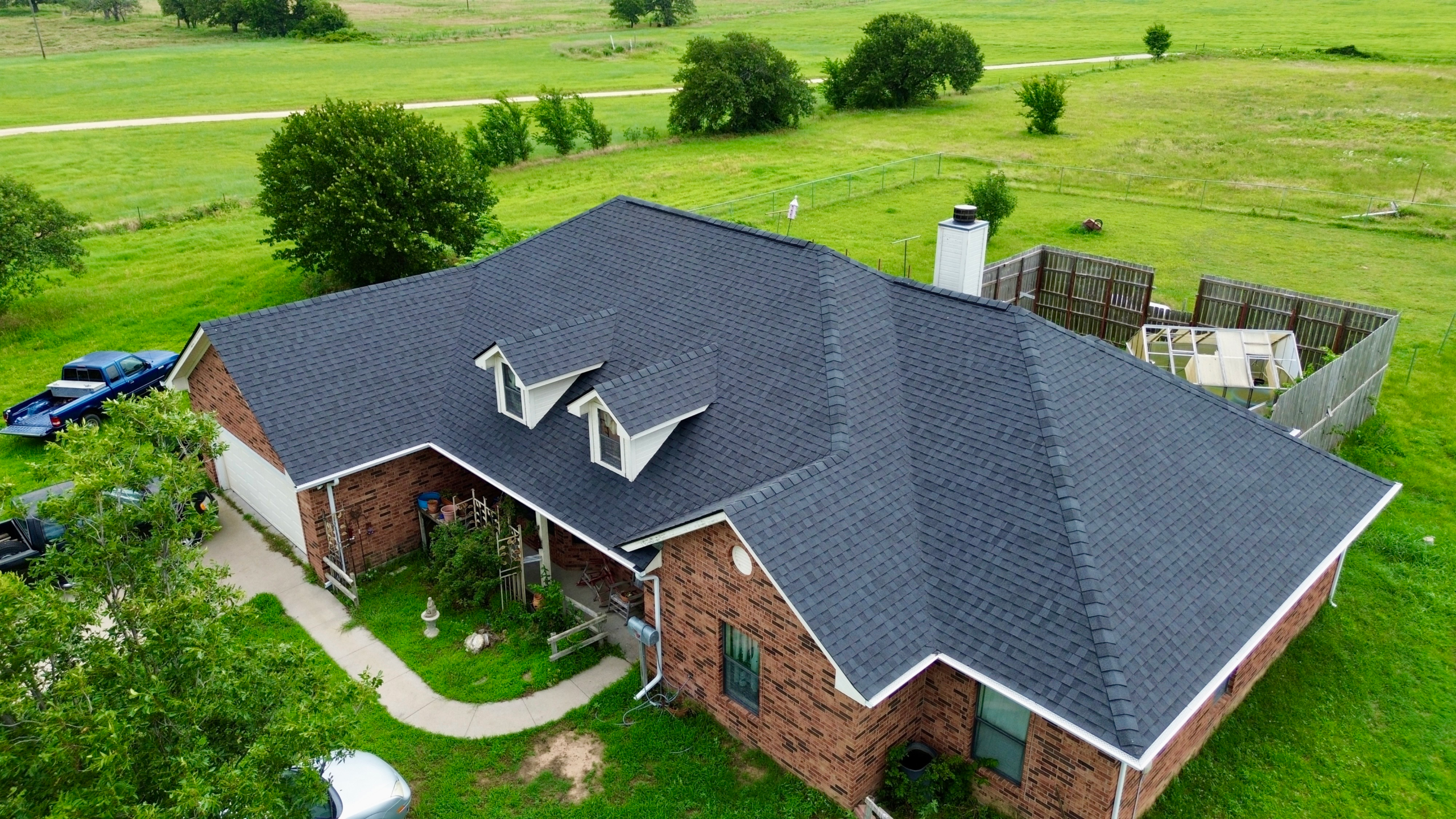
Choosing the Best Roof Material for Oklahoma Homes
Oklahoma experiences severe weather including:
- tornadoes
- hailstorms
- high winds
Oklahoma homeowners face some of the harshest weather conditions in the country. Severe thunderstorms and tornadoes can place significant stress on roofing systems throughout the year. Hail damage is also a common issue that often leads to costly roof repairs and insurance claims. Because of these weather challenges, durability and storm resistance should be top priorities when selecting roofing materials.
Wind resistance is especially important for Oklahoma homes. Strong winds can lift shingles, loosen flashing, and damage weak roofing systems during storms. Roofing materials designed for higher wind ratings often provide better long term protection. Proper installation also plays a major role in improving roof performance during severe weather events.
Best Roofing Options for Oklahoma
Homeowners often choose:
- impact resistant shingles
- metal roofing
- durable architectural shingles
Impact resistant shingles are highly recommended in Oklahoma because they help reduce damage from hailstorms and flying debris. Metal roofing is another popular choice because of its excellent durability and wind resistance. Durable architectural shingles provide stronger performance than standard three tab shingles while maintaining a more affordable price point. Many homeowners balance cost, durability, and appearance when selecting roofing systems.
Storm resistance should be a top priority. Roofing systems that can better handle hail and wind damage may reduce long term repair expenses. Some insurance companies may even offer discounts for impact resistant roofing materials. Investing in stronger roofing systems can provide greater peace of mind during storm season.
Homeowners in Oklahoma should also schedule regular roof inspections after major storms. Small roofing problems can quickly become larger issues if left untreated. Early repairs help maintain roof performance and extend lifespan. Professional inspections are especially important after hailstorms or high wind events.
Roof Material Comparison: Cost
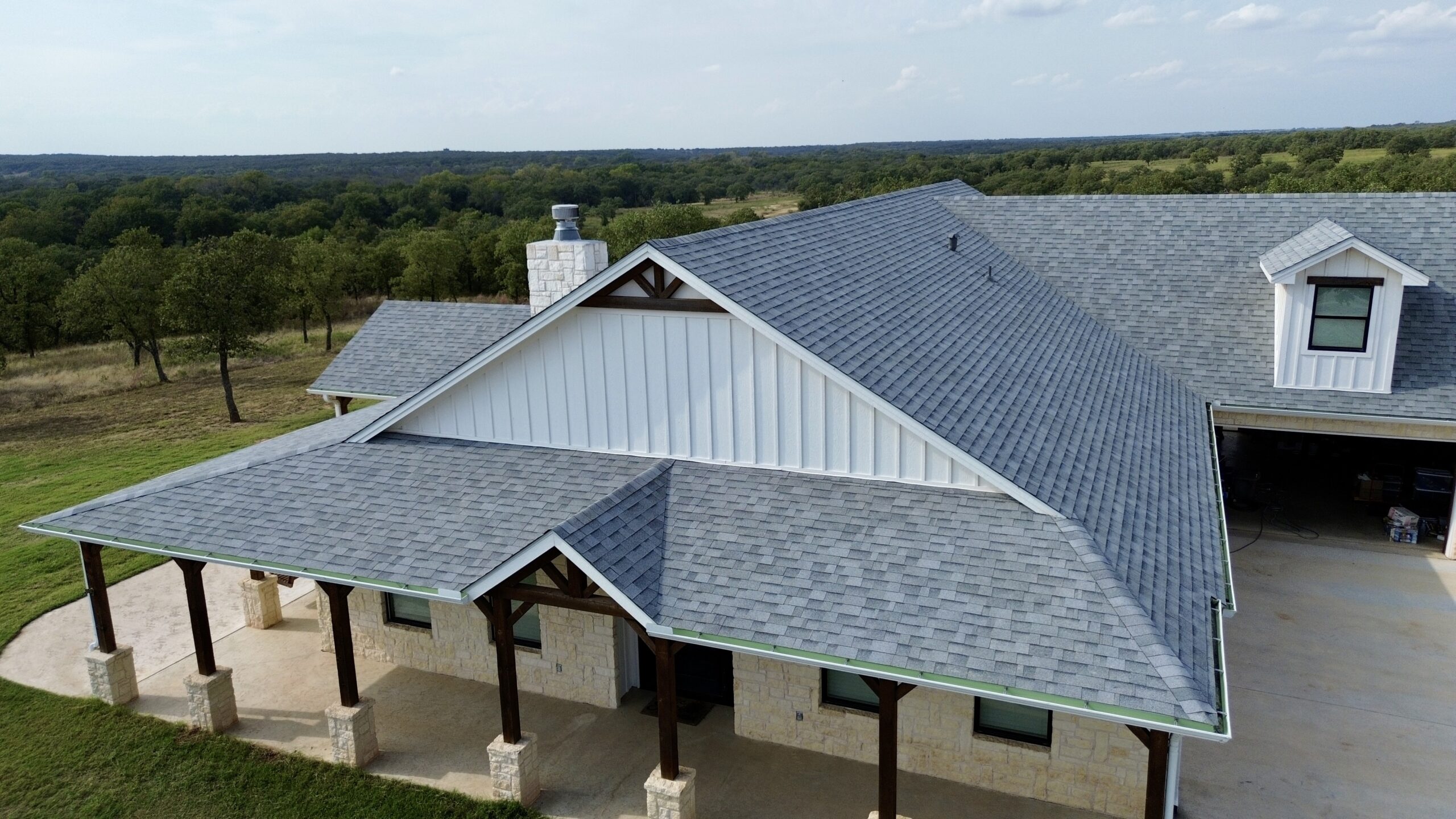
Roofing materials vary greatly in price depending on durability, appearance, and lifespan. Some homeowners focus on keeping upfront expenses low, while others prioritize long term value and reduced maintenance. Understanding the cost differences between roofing materials helps homeowners make more informed financial decisions. Installation costs should also be considered in addition to material pricing.
Lower Cost Options
- three tab shingles
- basic asphalt shingles
These roofing systems are generally the most affordable for homeowners working with limited budgets. Basic asphalt shingles remain popular because they provide reliable protection at a lower upfront cost. However, cheaper roofing systems may require replacement sooner than premium materials. Homeowners should consider long term repair and replacement expenses when evaluating costs.
Mid Range Options
- architectural shingles
- some metal roofing systems
Mid range roofing materials often provide a better balance between durability and affordability. Architectural shingles offer improved appearance and stronger weather resistance compared to standard shingles. Some metal roofing systems also fall into this category depending on material type and installation method. Many homeowners choose mid range roofing because it offers better long term value without extremely high costs.
Premium Options
- slate
- tile
- copper roofing
Premium roofing systems typically have higher installation costs but provide exceptional durability and visual appeal. Slate and tile roofs are known for their long lifespans and elegant appearance. Copper roofing develops a distinctive finish over time that many homeowners find attractive. These materials are often chosen for luxury homes or long term property investments.
Upfront cost should always be balanced with lifespan and maintenance. A cheaper roofing system may require more repairs or earlier replacement over time. Premium materials often provide better durability and lower maintenance expenses for decades. Homeowners should compare total long term value rather than focusing only on initial pricing.
Roof Material Comparison: Durability
Durability is one of the most important factors when selecting roofing materials. Stronger roofing systems provide better protection against storms, sun exposure, and long term wear. Durable roofs may also require fewer repairs and less maintenance over time. Homeowners in severe weather regions should pay close attention to material durability ratings.
Most Durable Roofing Materials
- slate
- metal roofing
- tile roofing
These materials are known for their ability to withstand harsh weather conditions for many decades. Slate roofs can last more than a century with proper maintenance. Metal roofing performs well against wind, hail, and fire exposure. Tile roofs also provide strong resistance against heat and UV damage.
Moderate Durability
- architectural shingles
- synthetic roofing
Architectural shingles are more durable than standard asphalt shingles because of their thicker construction. Synthetic roofing products are also designed for improved impact resistance and weather durability. These materials provide a good balance between cost and long term performance. Many homeowners choose them for reliable protection at a moderate price range.
Lower Durability
- basic three tab shingles
Basic shingles generally have shorter lifespans and lower resistance to severe weather. Strong winds and hailstorms may damage them more easily compared to premium roofing materials. They are still widely used because of their affordability and simple installation process. Regular maintenance is important for extending their lifespan.
Roof Material Comparison: Energy Efficiency
Energy efficient roofing can help reduce cooling costs and improve indoor comfort. Roofing materials influence how much heat enters the attic and living spaces during hot weather. Reflective roofing systems help reduce heat absorption and improve overall home efficiency. Energy savings can become significant over the lifespan of the roof.
Most Energy Efficient Roofing
- reflective metal roofing
- cool roofing systems
- tile roofs
Reflective metal roofs help bounce sunlight away from the home, reducing heat buildup. Cool roofing systems are specially designed to improve energy efficiency in hot climates. Tile roofs naturally allow airflow beneath the tiles, helping reduce attic temperatures. These roofing systems are especially beneficial in states with long, hot summers.
Less Efficient Roofing
- dark asphalt shingles
Dark colored roofing materials tend to absorb more heat from sunlight. This can increase attic temperatures and place more strain on air conditioning systems. While dark roofs may improve heat absorption in colder climates, they are often less efficient in hot southern regions. Homeowners should consider climate conditions when selecting roof colors and materials.
Roof color also affects heat absorption. Lighter colored roofs generally reflect more sunlight and help reduce indoor temperatures. Many energy efficient roofing systems are available in light gray, white, or reflective finishes. Choosing the right roof color can improve both energy performance and curb appeal.
Roof Material Comparison: Storm Resistance
Storm resistance is essential for homes located in areas with severe weather. Roofing materials must be able to withstand hail, wind, heavy rain, and flying debris. Stronger roofing systems may reduce repair costs after major storms. Homeowners in Texas and Oklahoma should prioritize roofing materials with proven storm performance.
Best for Hail Resistance
- impact resistant shingles
- metal roofing
Impact resistant shingles are specifically designed to handle hail impacts better than standard shingles. Metal roofing also performs well against hail because of its strong and durable surface. Choosing hail resistant materials may help reduce insurance claims and storm related repairs. Many homeowners in hail prone regions view these materials as valuable long term investments.
Best for Wind Resistance
- standing seam metal roofing
- high quality architectural shingles
Standing seam metal roofs are highly resistant to strong winds because of their secure fastening systems. High quality architectural shingles also provide improved wind ratings compared to basic shingles. Proper installation is critical for maximizing wind resistance and preventing storm damage. Roofing systems should always meet local building codes and wind requirements.
Roof Material Comparison: Maintenance
Maintenance requirements vary significantly between roofing materials. Some systems require regular cleaning and repairs, while others need very little upkeep. Homeowners should consider long term maintenance responsibilities before selecting roofing materials. Lower maintenance roofs may save time and reduce future expenses.
Lower Maintenance Roofs
- metal roofing
- tile roofing
- slate roofing
These roofing systems generally require fewer repairs and less frequent maintenance compared to wood or asphalt roofing. Metal roofs resist mold, insects, and moisture damage effectively. Tile and slate roofs also maintain their appearance for many years with minimal upkeep. Routine inspections still help identify potential problems early.
Higher Maintenance Roofs
- wood shake roofs
- aging shingles
Wood roofing materials require regular maintenance to prevent moisture damage and mold growth. Older shingles may crack, curl, or lose granules over time due to weather exposure. Homeowners with aging roofs should schedule inspections more frequently to catch problems before leaks develop. Prompt repairs help prevent more expensive structural damage.
Roof Color Considerations
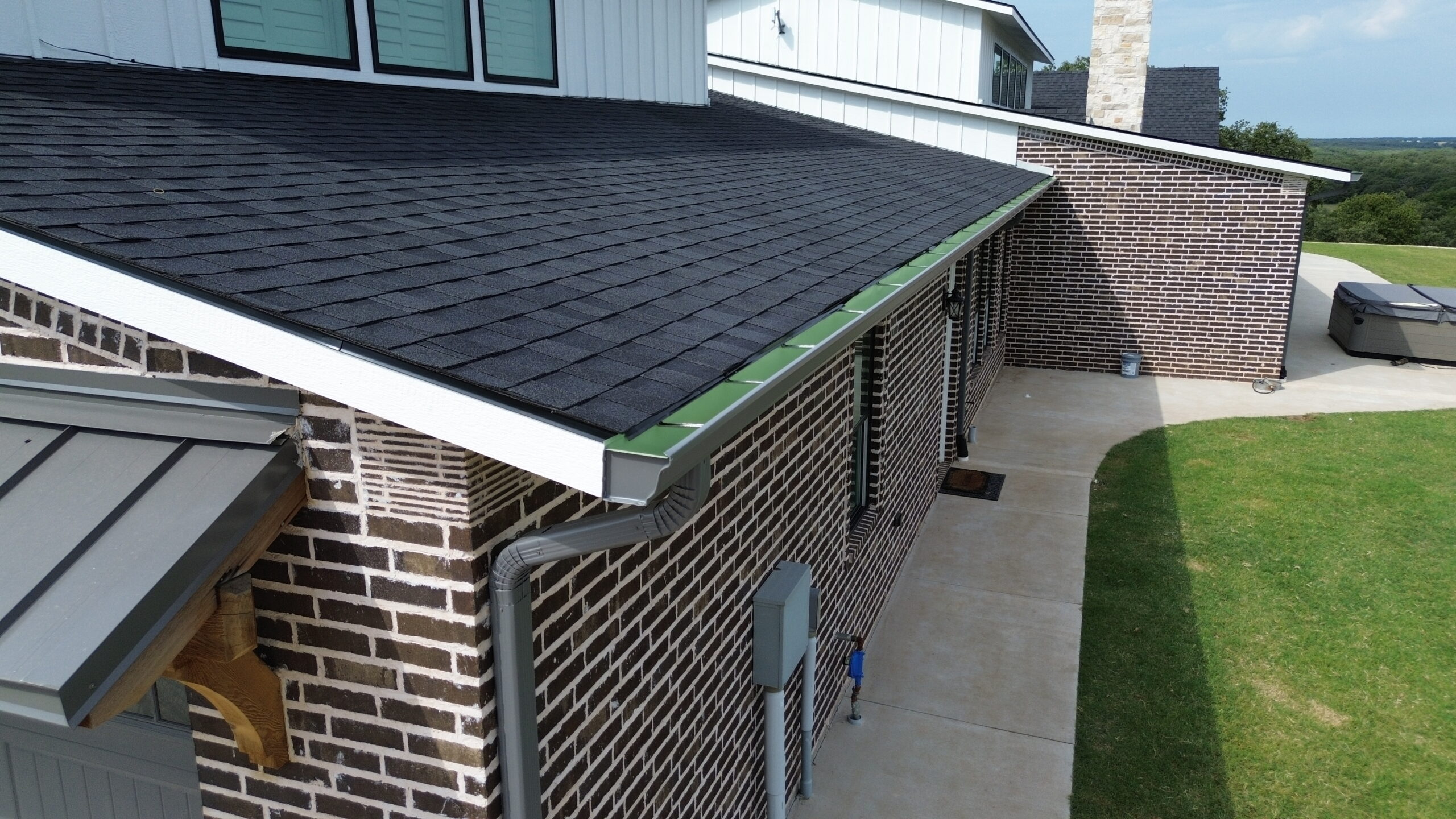
Roof color affects both appearance and energy performance. The color homeowners choose can influence curb appeal, heat absorption, and indoor comfort levels. Roofing color should complement the home’s exterior while also matching local climate conditions. Many homeowners now consider both aesthetics and efficiency when selecting roof colors.
Light Colored Roofs
Benefits include:
- better heat reflection
- lower cooling costs
Light colored roofs reflect more sunlight and help reduce attic heat buildup. This can improve indoor comfort and lower air conditioning expenses during summer months. White, beige, and light gray roofing materials are popular choices in hot climates. Energy efficient roof colors are especially beneficial in southern states.
Dark Colored Roofs
Benefits include:
- bold appearance
- better heat absorption in colder climates
Dark roofs create a more dramatic appearance and may improve heat retention in colder regions. Black, dark brown, and charcoal roofing colors remain popular for modern home designs. However, dark roofs often absorb more heat during hot weather. Homeowners in warm climates should carefully consider the energy impact of darker roofing colors.
In Texas and Oklahoma, lighter colors may improve energy efficiency. Reflective roofing systems can help reduce cooling costs and improve comfort during long summers. Many modern roofing products are designed to combine attractive appearance with improved heat reflection. Choosing the right roof color can provide both visual and practical benefits.
Roof Ventilation and Roofing Materials
Ventilation affects roofing performance regardless of material. Proper airflow helps regulate attic temperatures and reduces excessive heat buildup during hot weather. Without proper ventilation, roofing materials may wear out faster and lose efficiency over time. Good ventilation also improves indoor comfort and helps lower cooling costs.
Proper attic ventilation helps:
- reduce heat buildup
- prevent moisture issues
- extend roof lifespan
Heat trapped inside the attic can damage shingles, underlayment, and roof decking over time. Moisture buildup may also lead to mold growth, wood rot, and insulation damage. Proper ventilation allows fresh air to circulate through the attic and remove excess moisture. Balanced intake and exhaust ventilation systems are important for long term roof performance.
Even premium roofing systems can fail prematurely without proper ventilation. Homeowners sometimes invest in expensive roofing materials while overlooking attic airflow requirements. Poor ventilation may also void some roofing warranties if installation guidelines are not followed correctly. Professional roofing contractors can evaluate ventilation systems during roof replacement projects.
How Roof Slope Affects Material Choice
Roof pitch influences which materials work best. Some roofing materials are designed specifically for steep slopes, while others perform better on flatter surfaces. Choosing the wrong material for the roof slope may lead to drainage problems and leaks. Roof design should always be considered before selecting roofing products.
Steep Roofs
Often use:
- shingles
- metal panels
- tile roofing
Steep roofs allow water to drain quickly, making them suitable for shingles and tile roofing systems. Metal panels also perform well on steep roofs because rainwater runs off efficiently. These roofing systems often provide strong curb appeal and weather resistance. Many residential homes use steep roof designs because of their traditional appearance.
Low Slope Roofs
Typically require:
- flat roofing membranes
- modified bitumen
- TPO systems
Low slope roofs require specialized materials that can handle slower water drainage. Traditional shingles may not perform properly on flatter roof surfaces because water can pool more easily. TPO and modified bitumen systems are designed to provide waterproof protection for these roof types. Professional installation is especially important for low slope roofing systems.
Roof slope also affects maintenance requirements and installation costs. Steeper roofs may require more safety equipment and labor during installation. Low slope systems may need more frequent inspections to monitor drainage performance. Homeowners should discuss roof pitch considerations with roofing contractors before selecting materials.
Roof Underlayment Importance
Underlayment provides additional moisture protection beneath roofing materials. It acts as a secondary barrier that helps prevent water intrusion during heavy rain or storm damage. Even if shingles or panels become damaged, underlayment can help protect the roof deck underneath. High quality underlayment improves overall roofing system performance.
Quality underlayment improves:
- leak resistance
- storm protection
- roof lifespan
Modern roofing systems often use synthetic underlayment because of its improved durability and moisture resistance. Some roofing contractors also install ice and water shields in vulnerable areas for additional protection. Underlayment is especially important in storm prone regions where wind driven rain can penetrate roofing materials. Choosing quality materials beneath the roof surface helps reduce future repair risks.
Homeowners sometimes underestimate the importance of underlayment during roof replacement projects. While it is not visible after installation, it plays a major role in protecting the home from water damage. Cheap or poorly installed underlayment may lead to leaks and structural problems later. Investing in better underlayment often improves long term roof reliability.
Impact Resistant Roofing
Impact resistant shingles are increasingly popular in storm prone areas. These roofing materials are designed to withstand hail impacts and flying debris more effectively than standard shingles. Many homeowners choose them to reduce storm damage risks and improve roof durability. Impact resistant roofing is especially valuable in areas with frequent severe weather.
Benefits Include:
- better hail protection
- improved durability
- potential insurance discounts
Impact resistant shingles are tested using industry standards to measure their ability to withstand impacts. Stronger materials may help reduce cracked shingles and storm related leaks. Some insurance companies provide discounts for homes with impact resistant roofing systems because they lower claim risks. Homeowners should ask contractors about impact ratings before selecting roofing materials.
These shingles are especially valuable in Texas and Oklahoma. Both states regularly experience hailstorms and severe weather that can damage traditional roofing systems. Investing in stronger roofing materials may reduce repair costs over time. Many homeowners view impact resistant roofing as a smart long term investment.
Eco Friendly Roofing Options
Environmentally conscious homeowners may prefer sustainable roofing materials. Eco friendly roofing systems can reduce waste, improve energy efficiency, and lower environmental impact. Some roofing products are made from recycled materials, while others are designed to improve solar performance. Sustainable roofing has become increasingly popular in modern home construction.
Eco Friendly Choices Include:
- metal roofing
- recycled shingles
- cool roofing systems
- solar compatible roofing
Metal roofing is considered environmentally friendly because many systems use recyclable materials. Cool roofing systems reduce heat absorption and improve energy efficiency during hot weather. Recycled shingles help reduce landfill waste while still providing strong roofing protection. Solar compatible roofs also make it easier for homeowners to install renewable energy systems.
Energy efficient roofs also reduce environmental impact. Lower energy usage means reduced strain on cooling systems and decreased electricity consumption. Some eco friendly roofing products may even qualify for energy related incentives or rebates depending on local programs. Homeowners interested in sustainability should compare energy ratings and recycled content before selecting materials.
Solar Panel Compatibility
Some roofing materials work better with solar panels. Homeowners planning future solar installation should consider roof compatibility before replacing their roofing system. Certain materials provide easier installation and longer lasting support for solar equipment. Planning ahead may help homeowners avoid costly roof replacement later.
Best Roofing Materials for Solar
- metal roofing
- asphalt shingles
Metal roofing is highly compatible with solar panels because mounting systems can often be attached without extensive roof penetration. Asphalt shingles are also commonly used with residential solar installations because they are affordable and widely available. Roofing systems with long lifespans are generally preferred for solar because they reduce the need for future roof replacement. Homeowners should ensure their roof remains in good condition before installing solar panels.
Older or fragile roofs may require replacement before solar installation. Installing solar equipment on aging roofing systems may create complications if roof repairs become necessary later. Roofing contractors and solar installers often work together to evaluate roof condition before installation begins. Combining roof replacement with solar installation may save money in the long run.
Insurance Considerations
Roof materials can affect insurance premiums. Insurance companies often evaluate roofing durability, fire resistance, and storm protection when determining rates. Stronger roofing systems may reduce the likelihood of costly damage claims. Homeowners should review insurance considerations before selecting roofing materials.
Roofing Materials That May Lower Insurance Costs
- impact resistant shingles
- metal roofing
- fire resistant roofing systems
Impact resistant roofing materials may qualify homeowners for insurance discounts in storm prone regions. Metal roofing is often viewed favorably because of its durability and fire resistance. Fire resistant roofing systems may also reduce insurance risks in areas vulnerable to wildfires. Homeowners should contact their insurance provider to ask about potential savings.
Insurance companies often consider storm resistance when determining premiums. Roofs with stronger wind and hail ratings may lower the likelihood of future claims. Some insurers may even require roof replacement if roofing systems become too old or damaged. Keeping the roof in good condition helps maintain proper insurance coverage.
Signs It May Be Time for Roof Replacement
No roofing material lasts forever. Even durable roofing systems eventually wear out due to age and weather exposure. Identifying roof problems early can help prevent structural damage and expensive interior repairs. Homeowners should monitor roofing conditions regularly and schedule inspections when concerns arise.
Common replacement signs include:
- frequent leaks
- missing shingles
- sagging
- extensive storm damage
- mold growth
- advanced roof age
Frequent leaks often indicate serious roofing deterioration that requires professional attention. Missing shingles may expose the roof deck to moisture and increase the risk of water damage. Sagging roof sections can signal structural issues that should never be ignored. Mold growth may also suggest hidden moisture problems inside the roofing system.
Professional inspections help determine replacement timing. Roofing contractors can identify hidden issues that homeowners may not notice from the ground. Early detection helps homeowners plan repairs or replacement before major problems develop. Regular inspections are especially important after severe storms.
Importance of Professional Roof Installation
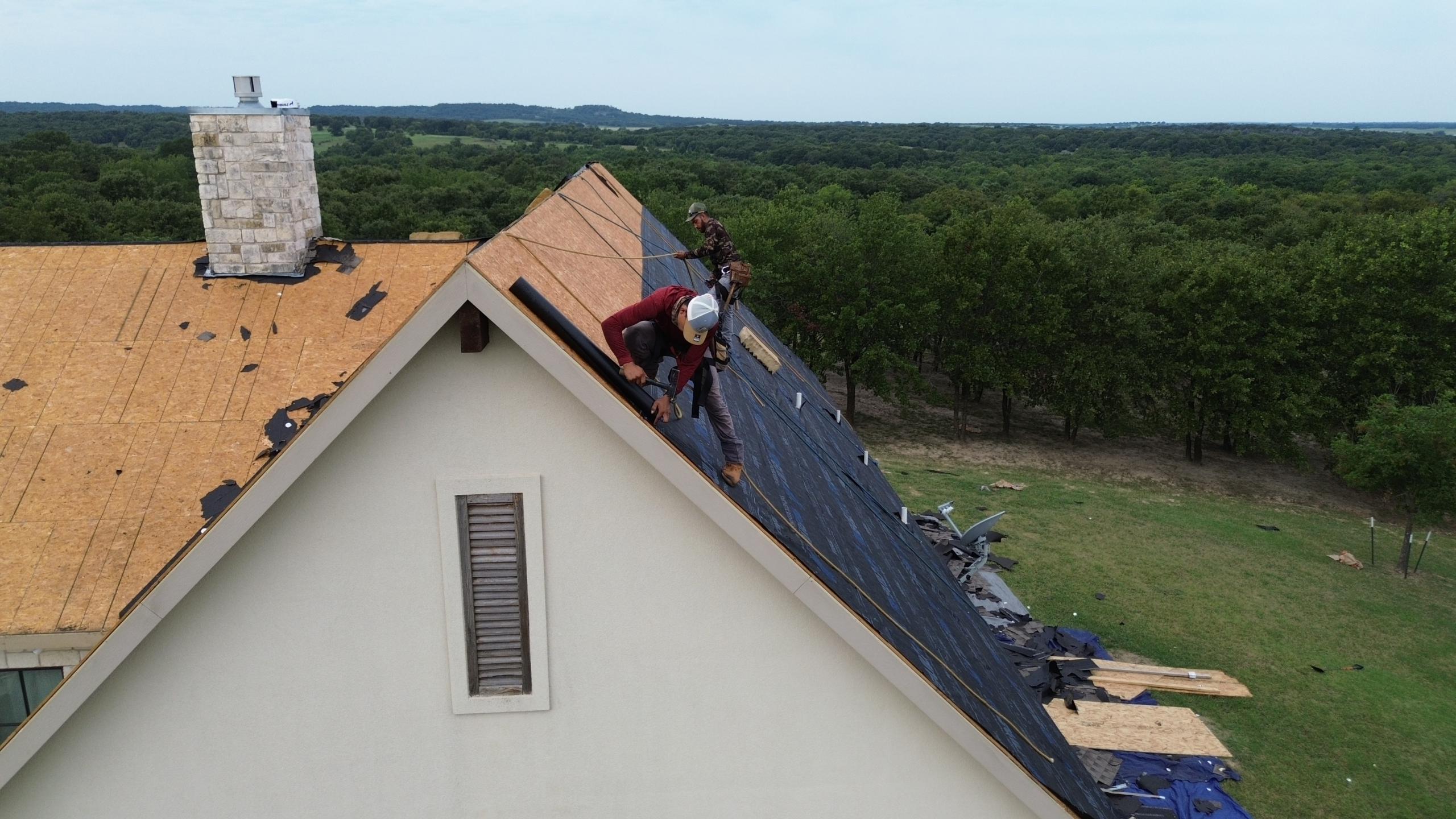
Even the best roofing material can fail if installed improperly. Poor workmanship often leads to leaks, ventilation issues, and premature roof deterioration. Professional installation ensures roofing materials perform according to manufacturer standards. Hiring experienced roofing contractors helps protect the homeowner’s investment.
Professional roofing contractors ensure:
- correct installation
- code compliance
- proper ventilation
- flashing protection
- warranty coverage
Experienced contractors understand local building codes and proper roofing techniques. Correct flashing installation around chimneys, vents, and valleys helps prevent water intrusion. Proper ventilation systems are also installed to improve roof performance and lifespan. Many manufacturer warranties require professional installation to remain valid.
Choosing experienced contractors is essential for long term roof performance. Reputable roofing companies often provide workmanship warranties and detailed project inspections. Homeowners should verify licensing, insurance, and references before hiring contractors. Quality installation can greatly reduce future roofing problems.
Questions to Ask Before Choosing a Roofing Material
Before making a final decision, ask:
- What is my budget?
- How long will I stay in this home?
- How severe is local weather?
- What maintenance level am I comfortable with?
- Is energy efficiency important to me?
- Does this material fit my home’s appearance?
These questions help homeowners narrow down roofing options based on their goals and priorities. Budget affects material choices, but long term durability should also be considered carefully. Climate conditions may require stronger roofing systems in areas with hailstorms or strong winds. Homeowners should also think about maintenance expectations and future property plans.
Clear answers help narrow the best roofing options. Some homeowners prioritize affordability, while others focus on durability or appearance. Energy efficiency may also influence roofing choices in hot climates like Texas and Oklahoma. Careful planning helps homeowners avoid costly roofing mistakes later.
Common Roofing Mistakes Homeowners Make
Focusing Only on Price
The cheapest roof may cost more long term due to repairs and shorter lifespan. Low cost materials may not provide strong weather resistance or durability in severe climates. Homeowners should compare long term value instead of focusing only on upfront pricing. Investing slightly more initially may reduce future repair expenses.
Ignoring Climate Conditions
Roofing materials should match local weather challenges. Some roofing systems perform better in heat, while others are better suited for hail or wind resistance. Choosing the wrong material may shorten roof lifespan and increase maintenance requirements. Climate should always play a major role in roofing decisions.
Hiring Inexperienced Contractors
Poor installation causes many roofing failures. Inexperienced contractors may overlook ventilation, flashing, or underlayment requirements during installation. Improper workmanship can lead to leaks and structural damage over time. Homeowners should always research roofing companies carefully before hiring.
Overlooking Ventilation
Proper ventilation is essential for all roofing systems. Poor airflow can increase attic temperatures and trap moisture inside the home. Ventilation problems may reduce roof lifespan and increase energy costs. Balanced ventilation systems improve long term roofing performance.
How Roof Materials Affect Home Value
Roof condition and material quality influence resale value. Buyers often view the roof as one of the most important parts of a home because replacement costs can be significant. A newer, high quality roof may improve buyer confidence and increase property appeal. Damaged or outdated roofing systems may discourage potential buyers.
Premium roofing materials may:
- improve curb appeal
- attract buyers
- increase perceived home quality
Modern roofing systems can greatly improve a home’s overall appearance. Buyers may be more willing to pay higher prices for homes with durable and energy efficient roofing systems. Attractive roofing materials also help homes stand out in competitive real estate markets. Roofing upgrades are often viewed as valuable long term improvements.
A damaged or aging roof may reduce buyer interest. Home inspections frequently identify roofing problems during real estate transactions. Buyers may request repairs or price reductions if roofing systems appear worn or damaged. Maintaining the roof properly helps preserve property value.
Roof Maintenance Tips for Any Material
Regardless of roofing type, maintenance remains important. Regular maintenance helps extend roof lifespan and reduce the risk of costly repairs. Small roofing issues often become larger problems when ignored for too long. Routine care improves long term roofing performance.
Schedule Annual Inspections
Routine inspections identify problems early. Professional roof inspections can detect hidden leaks, damaged flashing, or storm related wear before major damage develops. Annual inspections are especially important after severe weather events. Preventive maintenance helps reduce unexpected repair expenses.
Keep Gutters Clean
Proper drainage protects roofing materials. Clogged gutters may cause water to back up beneath shingles or roofing panels. Overflowing water can also damage siding, fascia, and foundation areas. Cleaning gutters regularly helps maintain proper roof drainage.
Trim Nearby Trees
Reducing debris helps prevent storm damage. Overhanging tree branches may scrape roofing materials during high winds or drop heavy limbs during storms. Leaves and debris can also trap moisture on roof surfaces. Keeping trees trimmed helps protect roofing systems year round.
Address Repairs Quickly
Minor issues become larger problems when ignored. Small leaks or damaged shingles can quickly lead to water damage and mold growth inside the home. Prompt repairs help maintain roof integrity and prevent expensive structural issues. Homeowners should contact roofing professionals whenever concerns arise.
Final Thoughts
Choosing the best roof material for your home is an important decision that affects your property’s appearance, durability, energy efficiency, and long term value. Every roofing system offers different advantages depending on climate conditions, maintenance expectations, and budget goals. Homeowners should carefully compare materials before making a final decision. Understanding roofing options helps prevent costly mistakes and future repairs.
Every roofing material offers unique advantages and disadvantages. Asphalt shingles remain affordable and popular, while metal roofing provides excellent durability and energy efficiency. Tile, slate, and specialty materials offer premium appearance and lifespan benefits for homeowners willing to invest more upfront. Each roofing system should be evaluated based on local weather conditions and long term performance.
The best roofing choice depends on your budget, climate, maintenance preferences, and long term goals. Homeowners in Texas and Oklahoma should prioritize weather resistance, energy efficiency, and durability due to harsh weather conditions. Impact resistant and energy efficient roofing systems may provide better protection and long term savings in these regions. Proper installation and regular maintenance also play major roles in overall roof performance.
By understanding roofing material options and working with experienced roofing professionals, homeowners can make informed decisions that protect their homes for decades to come. A high quality roofing system improves comfort, safety, and property value while reducing future repair risks. Investing in the right roof today can provide long lasting peace of mind. Choosing experienced contractors is essential for long term roof performance.