
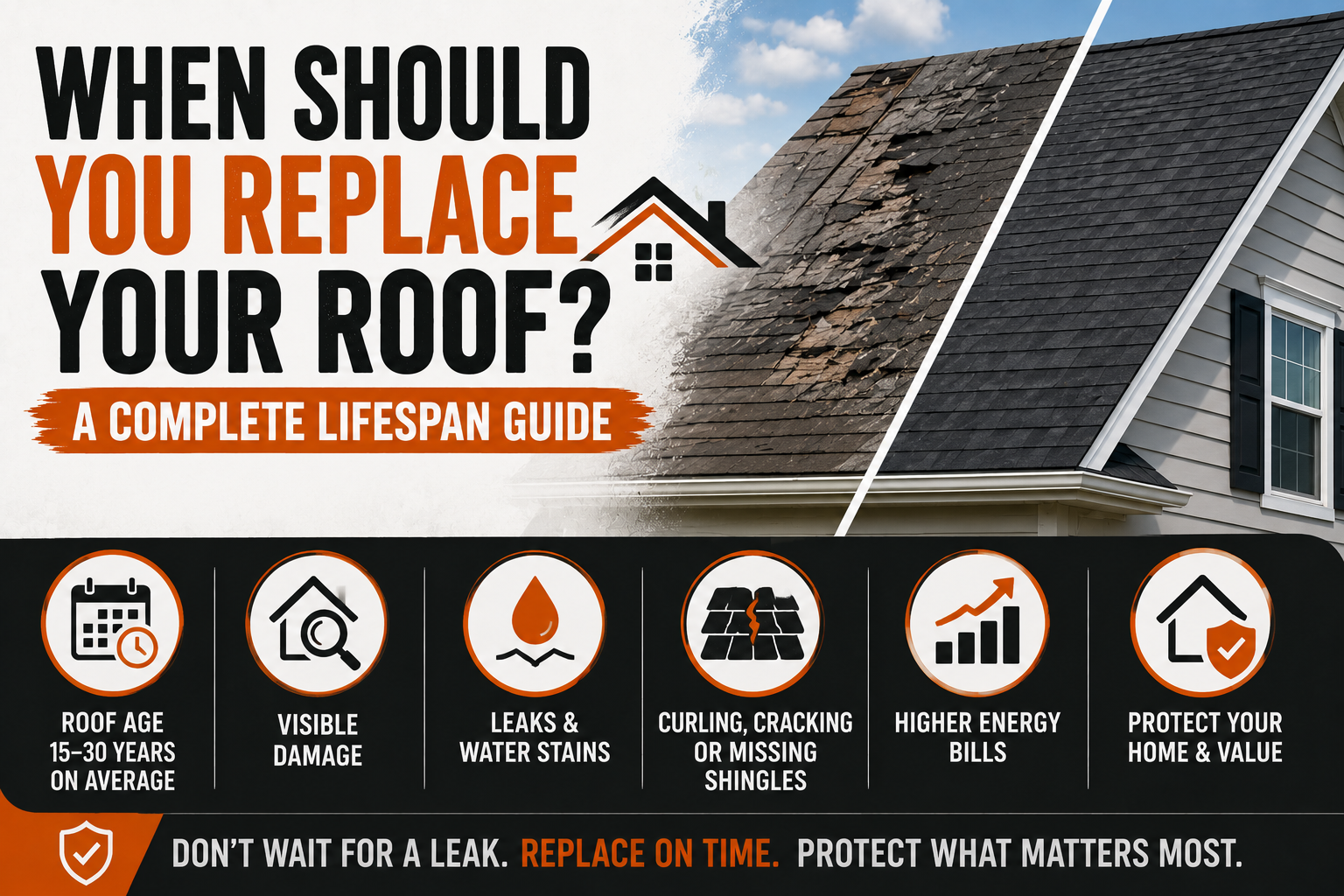
When Should You Replace Your Roof? A Complete Lifespan Guide
Your roof is one of the most important parts of your home because it protects everything underneath it from rain, wind, heat, storms, and moisture damage. While roofs are built to last for many years, no roofing system lasts forever. Over time, weather exposure, aging materials, and storm damage gradually weaken the roof until repairs are no longer enough.
Many homeowners struggle to determine the right time to replace their roof because warning signs often develop slowly. Some roofs fail suddenly after severe weather, while others deteriorate gradually over decades. Waiting too long to replace an aging roof can lead to expensive structural damage, interior leaks, mold growth, and higher energy costs.
Understanding roof lifespan, common warning signs, and replacement timing helps homeowners make smarter decisions before serious problems develop. This complete roof lifespan guide explains how long different roofing materials last, what affects roof longevity, when replacement becomes necessary, and how to extend the life of your roof.
Why Roof Lifespan Matters
Roof replacement is one of the largest investments homeowners make during homeownership. Because roofing systems protect the structure of the home, replacing the roof at the right time helps prevent major repair costs later.
An aging roof becomes more vulnerable to leaks, storm damage, and structural problems. Small roofing issues may seem manageable at first, but older roofs often deteriorate quickly once materials begin failing. Replacing the roof before severe failure occurs helps protect both the property and the homeowner’s budget.
A strong roof also improves energy efficiency, curb appeal, and property value. Homebuyers often view roof condition as one of the most important factors when purchasing a home.
Average Roof Lifespan by Roofing Material
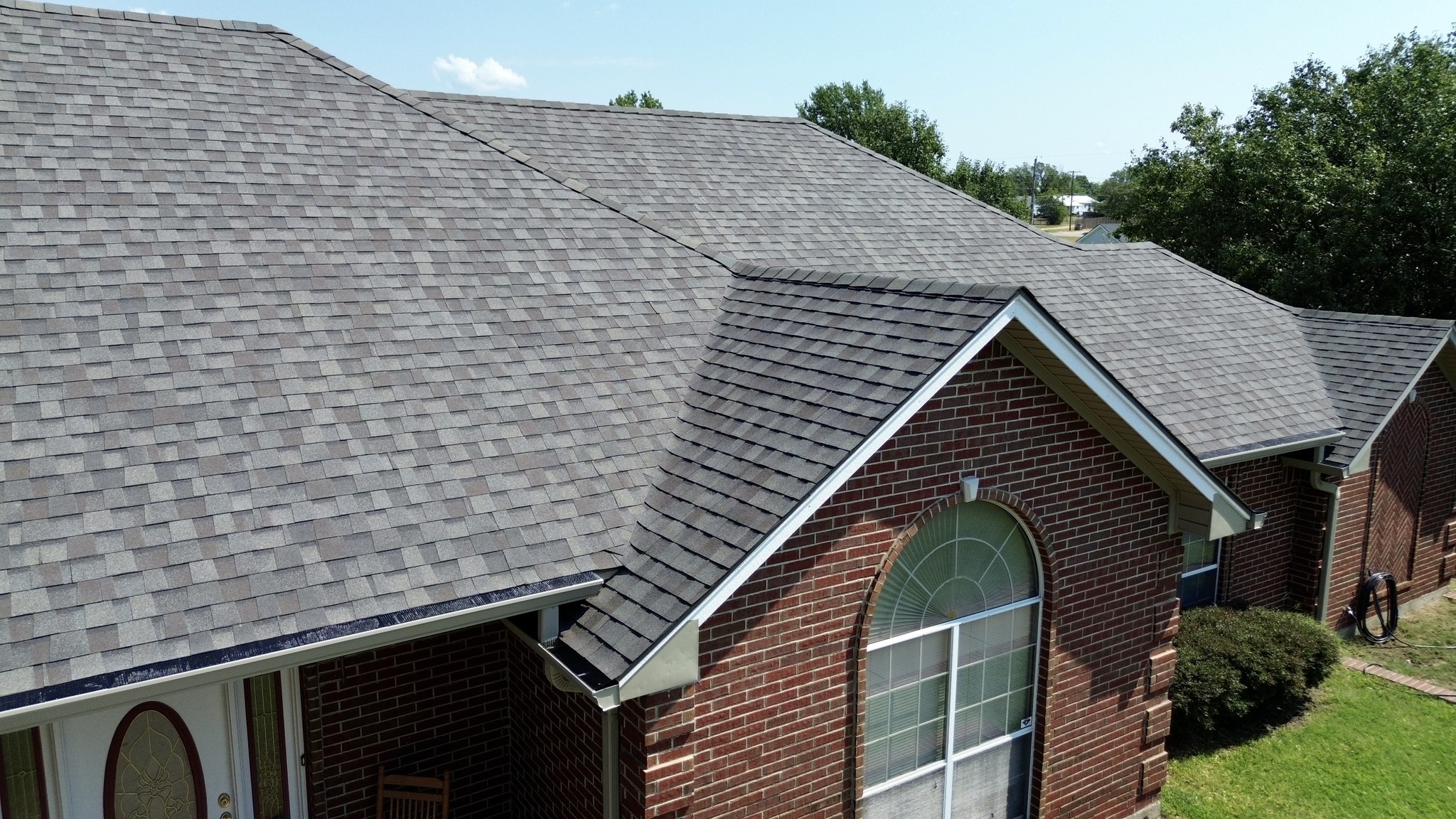
Different roofing materials have very different life expectancies. Some roofing systems last only 15 to 20 years, while premium materials may survive for 50 years or longer with proper maintenance.
Climate, installation quality, and maintenance habits also affect how long roofing materials perform effectively.
Asphalt Shingle Roof Lifespan
Asphalt shingles are the most common residential roofing material in the United States because they are affordable and relatively easy to install. Most asphalt shingle roofs last between 15 and 30 years depending on material quality and weather exposure.
Basic three tab shingles usually have shorter lifespans compared to architectural shingles. Extreme heat, hailstorms, and strong winds can shorten asphalt roof life significantly in states like Texas and Oklahoma.
Regular maintenance and attic ventilation help asphalt shingles last longer. Without proper care, shingles may crack, curl, or lose granules much earlier than expected.
Metal Roof Lifespan
Metal roofing systems are known for exceptional durability and weather resistance. Most metal roofs last between 40 and 70 years depending on the material type and installation quality.
Metal roofs resist:
- hail damage
- wind damage
- fire
- moisture problems
Standing seam metal roofing generally lasts longer than exposed fastener systems because the fasteners are protected from weather exposure.
Although metal roofing costs more initially, the longer lifespan often makes it a better long term investment for homeowners in storm prone regions.
Tile Roof Lifespan
Clay and concrete tile roofs are among the longest lasting roofing systems available. Properly maintained tile roofs can last between 50 and 100 years.
Tile roofing performs extremely well in hot climates because it resists heat damage effectively. However, tiles may crack under heavy impacts from falling branches or severe hailstorms.
The underlayment beneath tile roofs may require replacement before the tiles themselves wear out. Routine inspections are important for maintaining overall roof performance.
Slate Roof Lifespan
Slate roofing is one of the most durable roofing materials ever used in residential construction. Natural slate roofs can last over 100 years when installed and maintained correctly.
Slate is highly resistant to:
- fire
- moisture
- UV damage
- extreme weather
However, slate roofing is expensive and requires specialized installation. Repairs can also be costly because matching natural slate materials is sometimes difficult.
Wood Shake Roof Lifespan
Wood shake roofing offers a natural appearance and good insulation properties. Most wood shake roofs last between 20 and 40 years depending on climate conditions and maintenance quality.
Moisture, insects, and poor ventilation can shorten the lifespan of wood roofing significantly. Regular cleaning and treatment help protect wood materials from decay.
Wood roofs require more maintenance than asphalt or metal systems. Homeowners should inspect them regularly for mold, rot, or damaged shakes.
Flat Roof Lifespan
Flat roofing systems are common on commercial buildings and some residential homes. The average lifespan varies depending on the membrane material used.
Common flat roofing materials include:
- TPO roofing
- EPDM rubber roofing
- modified bitumen
- PVC roofing
Most flat roofs last between 15 and 30 years when properly maintained. Drainage issues and ponding water are major factors affecting flat roof lifespan.
Factors That Affect Roof Lifespan
Even high quality roofing materials can fail early under poor conditions. Several important factors directly affect how long a roof lasts.
Climate and Weather Conditions
Climate plays a major role in roofing performance and longevity. Texas and Oklahoma roofs experience intense weather conditions including hailstorms, strong winds, tornadoes, extreme heat, and heavy rain.
Constant UV exposure weakens roofing materials over time. Rapid temperature changes also cause roofing materials to expand and contract repeatedly, which accelerates aging.
Storm prone regions generally experience shorter roof lifespans compared to milder climates. Severe weather often causes cumulative damage even when it does not immediately create leaks.
Roof Installation Quality
Improper roof installation is one of the leading causes of premature roof failure. Even premium roofing materials perform poorly when installed incorrectly.
Common installation mistakes include:
- poor flashing placement
- improper nailing
- inadequate ventilation
- uneven shingle alignment
Hiring experienced and licensed roofing contractors is essential for maximizing roof lifespan.
Roof Ventilation
Attic ventilation affects roof lifespan more than many homeowners realize. Poor ventilation traps heat and moisture inside the attic, which accelerates roofing material deterioration.
Excessive attic heat can cause shingles to age faster and lose flexibility. Moisture buildup may also lead to mold growth and wood rot beneath the roofing system.
Proper ventilation helps regulate attic temperatures and improve overall roofing performance. Balanced airflow extends the life of many roofing materials significantly.
Roof Maintenance
Routine maintenance helps identify small roofing problems before they become severe. Homeowners who ignore maintenance often experience shorter roof lifespans and more expensive repairs.
Important maintenance tasks include:
- cleaning gutters
- removing debris
- inspecting flashing
- checking attic moisture
- replacing damaged shingles
Regular inspections can extend roof life by several years.
Tree Coverage and Debris
Trees near the home may increase roofing wear over time. Falling branches, trapped moisture, and debris accumulation can damage shingles and gutters.
Overhanging branches also create shaded areas that hold moisture longer after rainstorms. This increases the risk of algae growth and material deterioration.
Trimming nearby trees helps reduce roof damage risks and improves roof drainage.
Signs Your Roof May Need Replacement
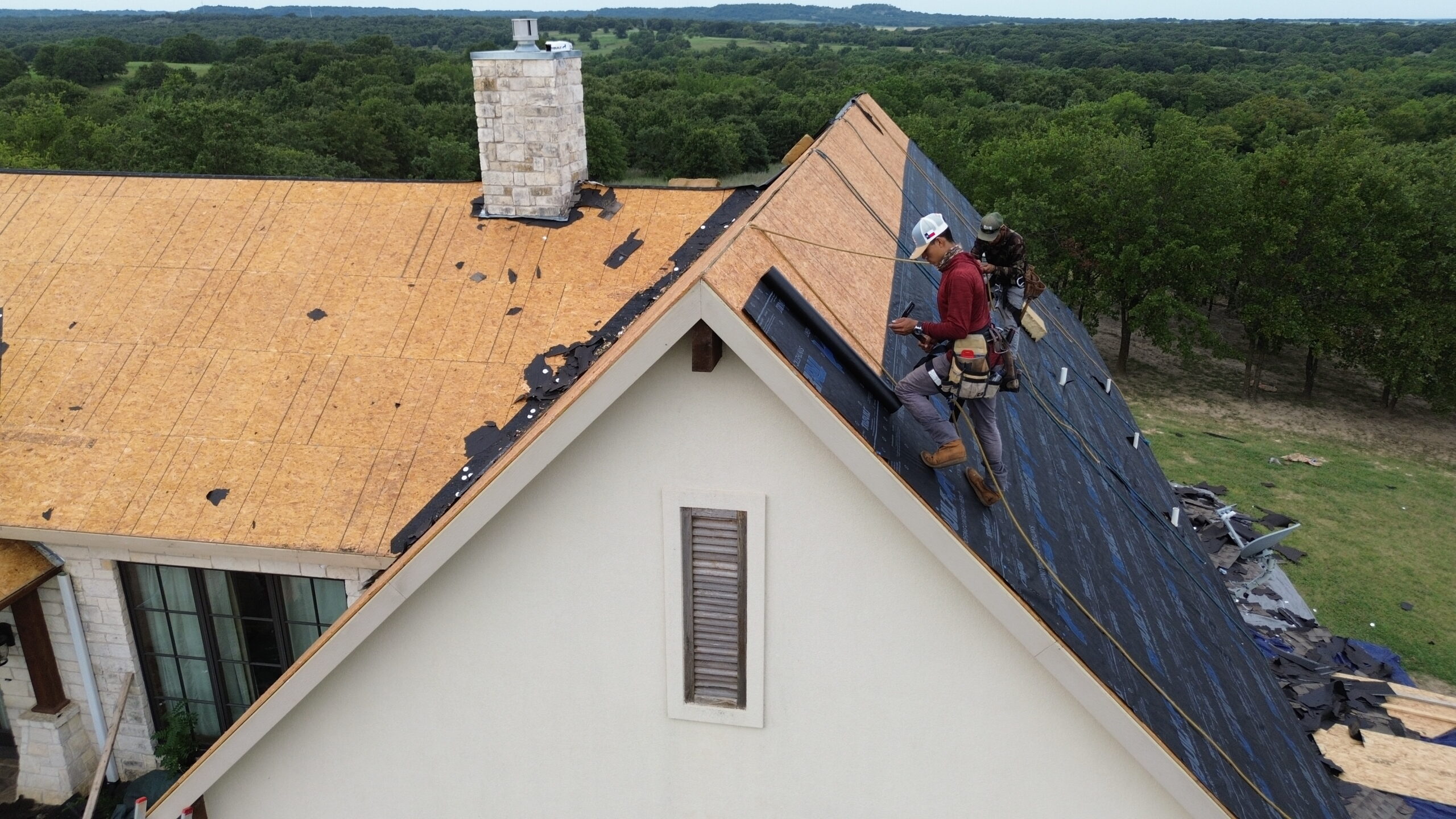
Roofs usually show warning signs before complete failure occurs. Recognizing these signs early helps homeowners avoid emergency situations and expensive structural repairs.
Frequent Roof Leaks
Occasional isolated leaks may only require repairs, but repeated leaks often indicate widespread roof deterioration. Multiple leak locations usually suggest aging materials rather than isolated damage.
Water intrusion can spread through attic spaces, ceilings, insulation, and walls. Over time, repeated moisture exposure weakens structural components.
If leaks continue despite repairs, replacement may become the more cost effective solution.
Missing or Damaged Shingles
Missing shingles expose underlayment and decking to moisture damage. Damaged shingles also weaken the roof’s ability to resist wind and storms.
Common shingle problems include:
- curling
- cracking
- blistering
- granule loss
Widespread shingle deterioration often indicates the roof is approaching the end of its lifespan.
Sagging Roof Areas
A sagging roof is one of the most serious warning signs homeowners should never ignore. Sagging usually indicates structural weakness caused by moisture damage or aging supports.
Structural roof issues may involve:
- rotten decking
- weakened rafters
- trapped moisture
- long term leaks
Professional inspections are necessary immediately when sagging appears.
Granules in Gutters
Asphalt shingles naturally lose granules over time, but excessive granule loss often signals advanced aging. Granules protect shingles from UV damage and weather exposure.
If gutters contain large amounts of shingle granules, the roof may be deteriorating rapidly. Older shingles with heavy granule loss become brittle and vulnerable to leaks.
This problem is especially common in aging asphalt roofs exposed to intense heat.
Moss, Mold, or Algae Growth
Excessive moisture retention on roofing materials can encourage moss, mold, and algae growth. These organisms may trap moisture against the roof surface and accelerate deterioration.
Dark streaks on shingles are often caused by algae growth. Moss may lift shingles and allow water intrusion underneath roofing materials.
Cleaning and maintenance may solve minor growth issues, but widespread deterioration often indicates larger roofing problems.
Rising Energy Bills
An aging roof can reduce home energy efficiency by allowing heat transfer and air leaks. Poor attic ventilation and deteriorating materials often increase cooling costs during hot summers.
Texas homeowners frequently notice higher utility bills when roofing systems begin failing. Replacing the roof may improve insulation performance and reduce energy expenses.
Energy efficient roofing materials can provide additional long term savings.
How Storm Damage Shortens Roof Lifespan
Storm damage is one of the biggest reasons roofs require premature replacement in Texas and Oklahoma. Even minor storms can gradually weaken roofing systems over time.
Hail Damage
Hail impacts may bruise shingles, loosen granules, and create hidden fractures. Functional hail damage weakens roofing materials even when leaks are not immediately visible.
Repeated hailstorms often shorten asphalt roof lifespan dramatically. Professional inspections help identify subtle hail damage before larger issues develop.
Wind Damage
Strong winds can lift shingles and break adhesive seals. Once shingles loosen, future storms become more likely to cause additional damage.
Wind damaged roofs often experience:
- exposed underlayment
- water intrusion
- missing shingles
- flashing problems
Quick repairs help prevent damage from spreading.
Water Damage
Heavy rain and poor drainage may lead to moisture intrusion beneath roofing materials. Water trapped inside the roofing system can cause rot, mold, and structural weakening.
Water damage often spreads further than homeowners initially realize. Delayed repairs frequently increase replacement costs later.
Roof Repairs vs Roof Replacement
Many homeowners wonder whether repairs are enough or if full replacement is necessary. The answer depends on roof age, damage severity, and overall condition.
When Repairs Make Sense
Repairs may be sufficient when:
- damage is isolated
- the roof is relatively new
- leaks are minor
- structural components remain strong
Timely repairs can extend roof lifespan significantly when problems are caught early.
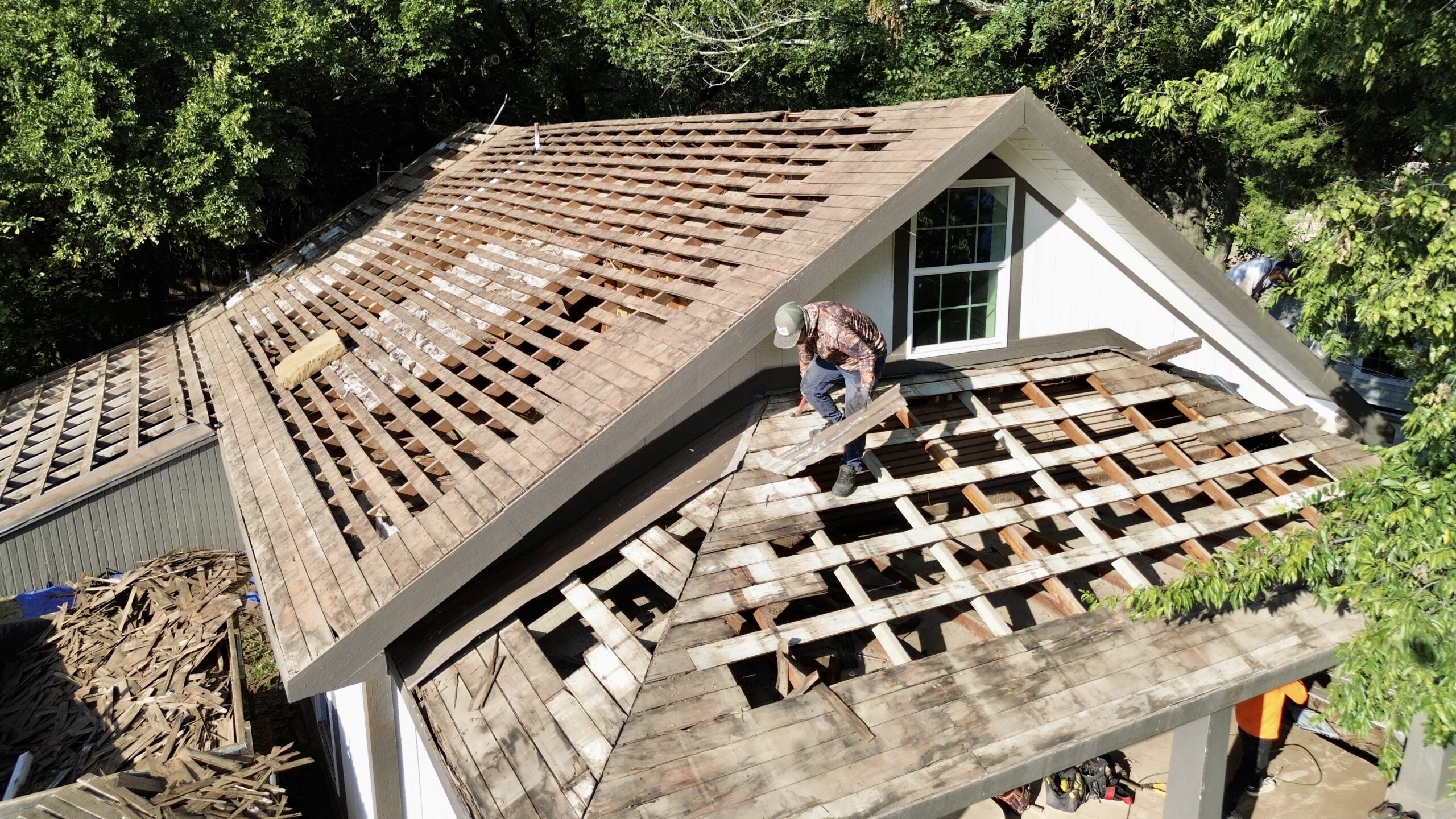
When Replacement Is Better
Replacement may be more cost effective when:
- repairs become frequent
- the roof is near its expected lifespan
- widespread damage exists
- structural problems develop
Repeated repairs on an aging roof often cost more long term than installing a new system.
How Often Should Roofs Be Inspected?
Regular inspections help homeowners identify problems before severe damage develops. Most roofing professionals recommend annual roof inspections along with additional inspections after major storms.
Routine inspections can:
- detect hidden leaks
- identify loose shingles
- evaluate flashing
- check ventilation
- assess storm damage
Preventive maintenance reduces the risk of unexpected roof failure.
Best Times for Roof Inspections
Spring and fall are generally ideal times for roofing inspections because weather conditions are milder. Inspections after hailstorms or windstorms are also extremely important.
Storm prone regions benefit from more frequent evaluations due to increased weather exposure.
Roof Replacement Costs
Roof replacement costs vary depending on:
- roofing material
- roof size
- labor rates
- roof complexity
- structural repairs
Asphalt shingle replacements are usually the most affordable, while metal, slate, and tile roofs cost significantly more.
Although replacement costs may seem high initially, a new roof often prevents expensive interior damage and increases home value.
Insurance and Roof Replacement
Homeowners insurance may help cover roof replacement costs after storm related damage. However, coverage depends on policy terms and roof condition.
Insurance companies usually evaluate:
- roof age
- maintenance history
- storm severity
- material condition
Strong documentation improves claim approval chances.
Why Roof Age Matters for Insurance
Older roofs may receive reduced payouts due to depreciation. Some insurers also limit coverage for roofs beyond a certain age.
Maintaining inspection records and repair documentation helps support future claims.
How to Extend Roof Lifespan
Homeowners can significantly improve roof longevity through proper maintenance and preventive care.
Helpful steps include:
- cleaning gutters regularly
- scheduling inspections
- repairing damage quickly
- improving attic ventilation
- trimming nearby trees
Preventive maintenance costs far less than major roof replacement.
Importance of Proper Ventilation
Ventilation reduces heat and moisture buildup inside attic spaces. Balanced airflow protects shingles, decking, and insulation from premature deterioration.
Poor ventilation is one of the most overlooked causes of shortened roof lifespan.
Keep Gutters Clean
Clogged gutters cause water overflow that damages roofing materials and fascia boards. Regular gutter cleaning improves drainage and reduces moisture related problems.
Proper drainage protects both the roof and foundation from water damage.
Choosing the Right Roofing Material for Longevity
Different homeowners prioritize different roofing goals. Some want affordability while others prefer maximum durability and storm resistance.
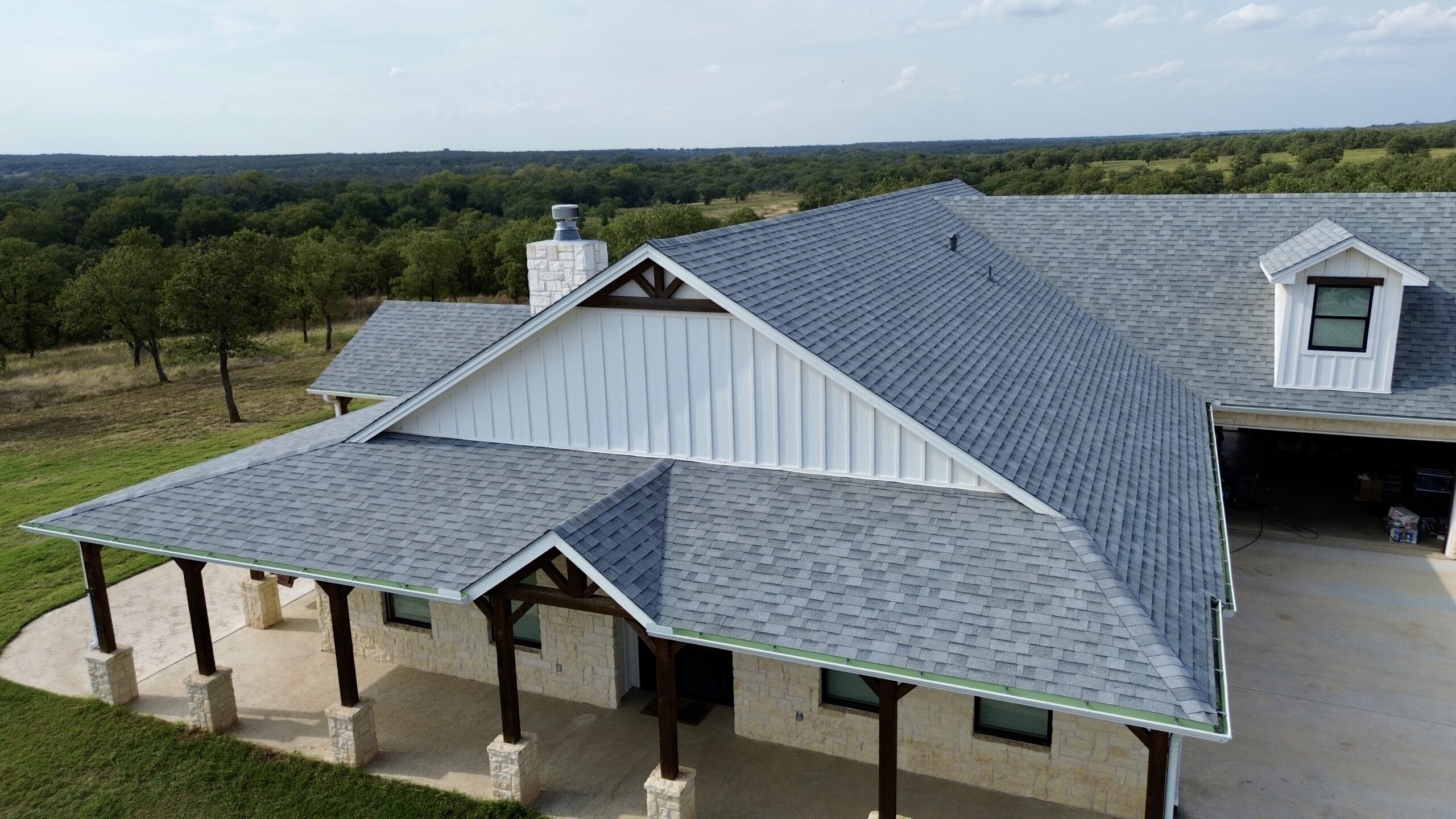
Asphalt Shingles
Asphalt shingles remain popular because they are cost effective and widely available. Architectural shingles generally last longer than basic three tab designs.
Metal Roofing
Metal roofs offer excellent durability and storm protection. Many homeowners choose metal roofing for its long lifespan and energy efficiency.
Tile Roofing
Tile roofs perform extremely well in hot climates and offer outstanding longevity. However, they require stronger structural support due to their weight.
Impact Resistant Roofing
Impact resistant shingles are designed to handle hail and storm damage more effectively. These materials may help reduce future repair costs and insurance claims.
How Roof Replacement Improves Home Value
A new roof improves both appearance and functionality. Buyers often prefer homes with recently replaced roofs because they reduce future maintenance concerns.
Roof replacement may:
- improve curb appeal
- increase resale value
- improve energy efficiency
- reduce insurance concerns
A strong roof also gives buyers greater confidence in the overall condition of the property.
Common Mistakes Homeowners Make
Many homeowners unknowingly shorten roof lifespan through neglect or poor decisions.
Common mistakes include:
- delaying repairs
- ignoring inspections
- hiring unqualified contractors
- neglecting ventilation
- allowing debris buildup
Avoiding these mistakes helps protect roofing investments long term.
Delaying Small Repairs
Minor roofing problems often become major structural issues when ignored. Quick repairs usually cost much less than large restoration projects later.
Addressing problems early is one of the best ways to extend roof lifespan.
Warning Signs You Should Never Ignore
Certain roofing symptoms require immediate professional attention because they may indicate serious structural problems.
These include:
- sagging roof sections
- severe leaks
- daylight visible in attic spaces
- large areas of missing shingles
- widespread mold growth
Ignoring these warning signs can create major safety risks and expensive structural damage.
Final Thoughts
Knowing when to replace your roof is one of the most important decisions homeowners make when protecting their property. While every roofing system eventually reaches the end of its lifespan, understanding warning signs and maintenance needs helps homeowners avoid unexpected failures.
Roof lifespan depends on many factors including material quality, climate conditions, installation standards, storm exposure, and maintenance habits. Regular inspections and timely repairs can extend roof life significantly, but eventually replacement becomes the safest and most cost effective option.
Replacing an aging roof before major failure occurs protects your home from leaks, structural damage, mold growth, and rising repair costs. Whether your roof is approaching the end of its expected lifespan or already showing warning signs, proactive action helps preserve both your home and your long term investment.