

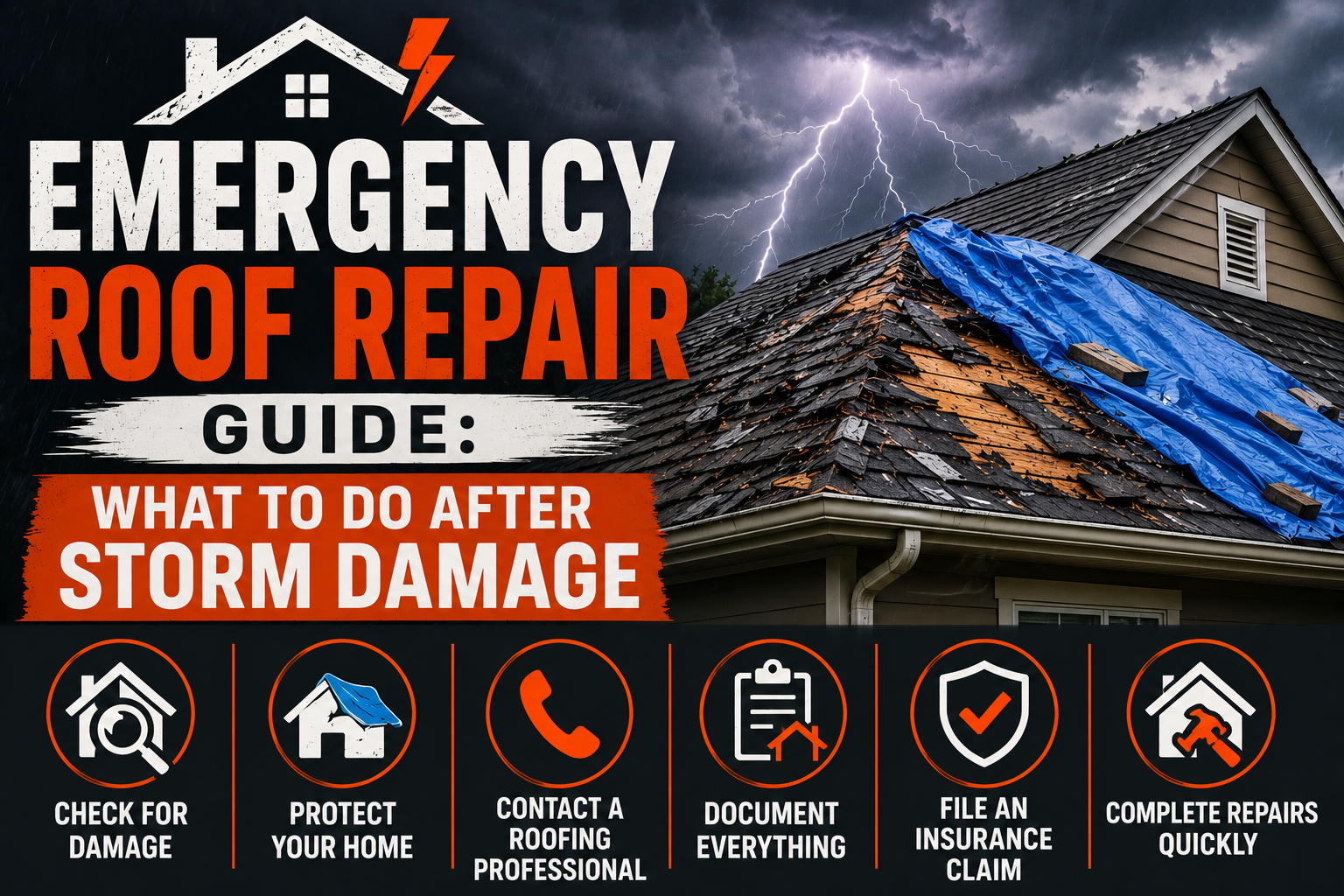
Emergency Roof Repair Guide: What to Do After Storm Damage
Storms can cause serious damage to your roof within minutes. High winds, hail, heavy rain, falling branches, and flying debris can leave your home exposed to leaks and structural problems. When severe weather hits, knowing what to do immediately afterward can help minimize damage, protect your property, and speed up the repair process.
This complete emergency roof repair guide explains how to respond after storm damage, how to identify roofing issues, when to call a professional, and how to protect your home until repairs are completed.
Why Emergency Roof Repairs Matter
Your roof is your home’s first line of defense against the elements. Even small storm related damage can quickly turn into a major problem if it is ignored.
Water entering through damaged areas can lead to:
- ceiling stains
- mold growth
- insulation damage
- wood rot
- electrical hazards
- structural weakening
Emergency repairs are important because they help prevent additional damage while you arrange permanent repairs.
Taking fast action after a storm can save you thousands of dollars in future repair costs.
Common Types of Storm Damage
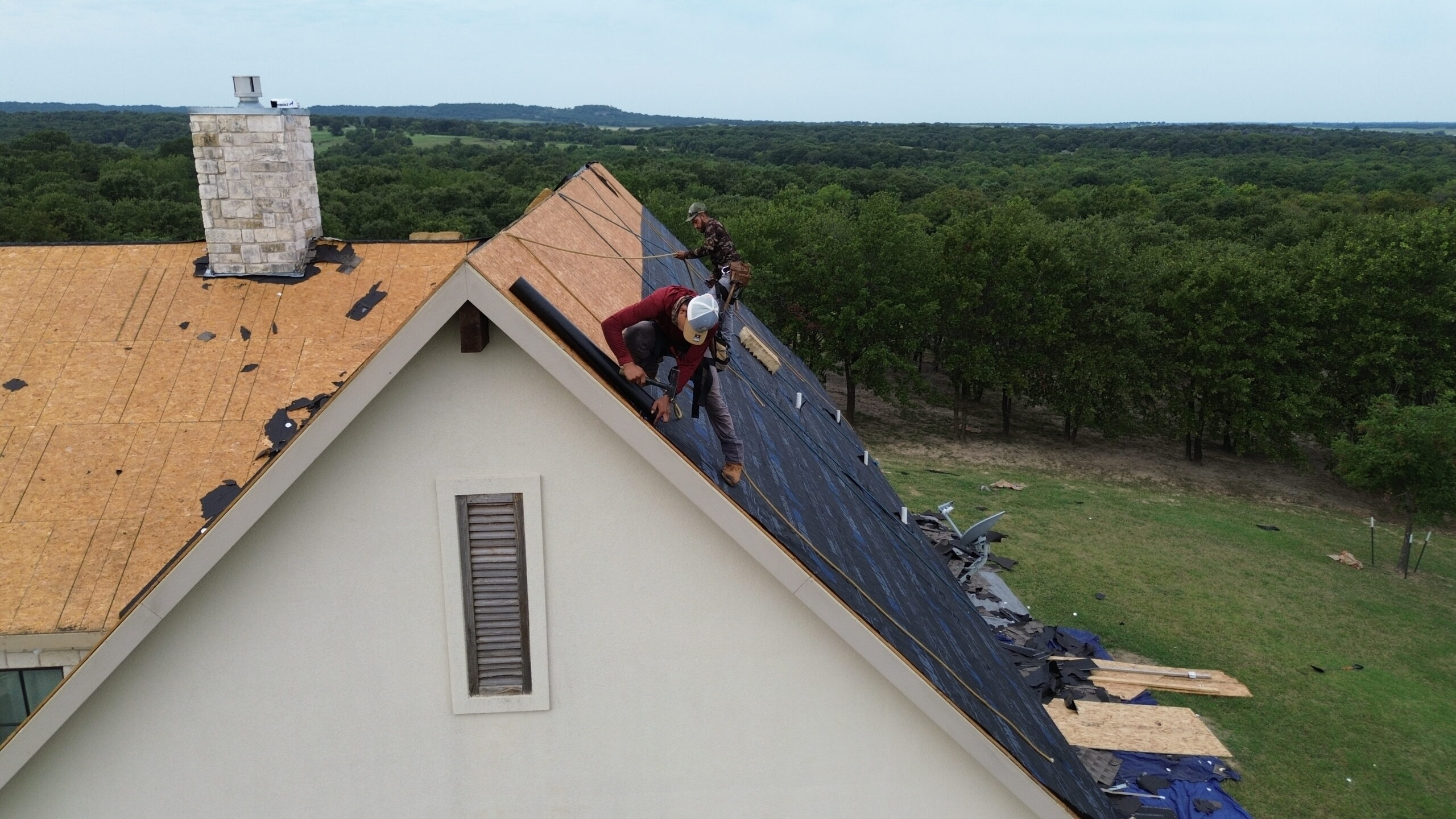
Different storms create different types of roofing damage. Understanding the most common issues can help you identify problems early.
Wind Damage
Strong winds can:
- lift shingles
- tear off roofing materials
- loosen flashing
- expose the underlayment
In severe storms, entire roof sections may become damaged.
Hail Damage
Hail is especially common in Texas and Oklahoma. Hailstones can:
- crack shingles
- dent metal roofing
- knock off granules
- weaken roofing materials
Some hail damage is difficult to see from the ground.
Heavy Rain Damage
Heavy rain can expose existing weak spots in your roof. Water may enter through:
- damaged shingles
- cracked flashing
- roof valleys
- vent openings
Even small leaks can cause major interior damage over time.
Fallen Tree Damage
Storms often bring down tree limbs or entire trees. This can create:
- punctures
- structural damage
- collapsed sections
- broken gutters
Large impacts require immediate professional attention.
Debris Damage
Flying debris can damage roofing materials during severe storms and tornadoes. Even smaller objects can crack shingles or damage flashing.
Step 1: Prioritize Safety First
Your safety should always come before roof repairs.
After a storm:
- stay away from downed power lines
- avoid standing water near electrical sources
- do not climb on the roof during dangerous conditions
- be cautious of unstable structures
If your roof appears severely damaged or partially collapsed, leave the area and contact emergency services if necessary.
Never attempt roof repairs during lightning, strong winds, or heavy rain.
Step 2: Inspect Your Roof From the Ground
Once conditions are safe, inspect your roof from the ground.
Look for visible signs of damage such as:
- missing shingles
- loose roofing materials
- dented gutters
- sagging areas
- fallen branches
- exposed underlayment
Using binoculars can help you inspect safely without climbing onto the roof.
Document anything unusual you notice.
Step 3: Check Inside Your Home
Storm damage is not always visible outside. Inspect your home’s interior for signs of roof leaks or water intrusion.
Check for:
- ceiling stains
- dripping water
- damp insulation
- peeling paint
- musty odors
- attic moisture
The attic is especially important because it often reveals leaks before they become visible elsewhere in the home.
Step 4: Prevent Further Damage
Emergency roof repair is often about preventing additional damage until permanent repairs can be completed.
Use a Tarp if Necessary
If part of your roof is exposed, placing a tarp over the damaged area can temporarily stop water intrusion.
A tarp should:
- fully cover the damaged area
- extend beyond the damaged section
- be secured properly
Roof tarping is a common emergency solution after storms.
Move Belongings Away From Leaks
Protect furniture, electronics, and valuables from water damage by moving them away from leaks.
Use buckets or containers to catch dripping water if necessary.
Dry Wet Areas Quickly
Moisture can lead to mold growth within 24 to 48 hours. Use fans and dehumidifiers to dry affected areas as soon as possible.
Step 5: Contact a Professional Roofing Contractor
Even if the damage appears minor, professional inspection is highly recommended.
An experienced roofing contractor can:
- identify hidden damage
- provide emergency repairs
- document storm related issues
- assist with insurance claims
Choose a licensed and insured contractor with experience handling storm damage repairs.
Avoid storm chasing contractors who appear immediately after severe weather and pressure homeowners into quick decisions.
Step 6: Document All Damage
Proper documentation is essential for insurance purposes.
Take clear photos and videos of:
- roof damage
- interior leaks
- fallen debris
- damaged gutters
- broken windows
- affected belongings
Keep records of:
- repair estimates
- emergency expenses
- contractor communications
Detailed documentation strengthens your insurance claim.
Step 7: Contact Your Insurance Company
If your roof suffered storm damage, contact your insurance provider as soon as possible.
Provide:
- photos
- videos
- contractor assessments
- emergency repair receipts
Your insurance company may send an adjuster to inspect the damage.
Understanding your policy coverage is important because some policies have limitations related to roof age or specific storm types.
Understanding Emergency Roof Repairs
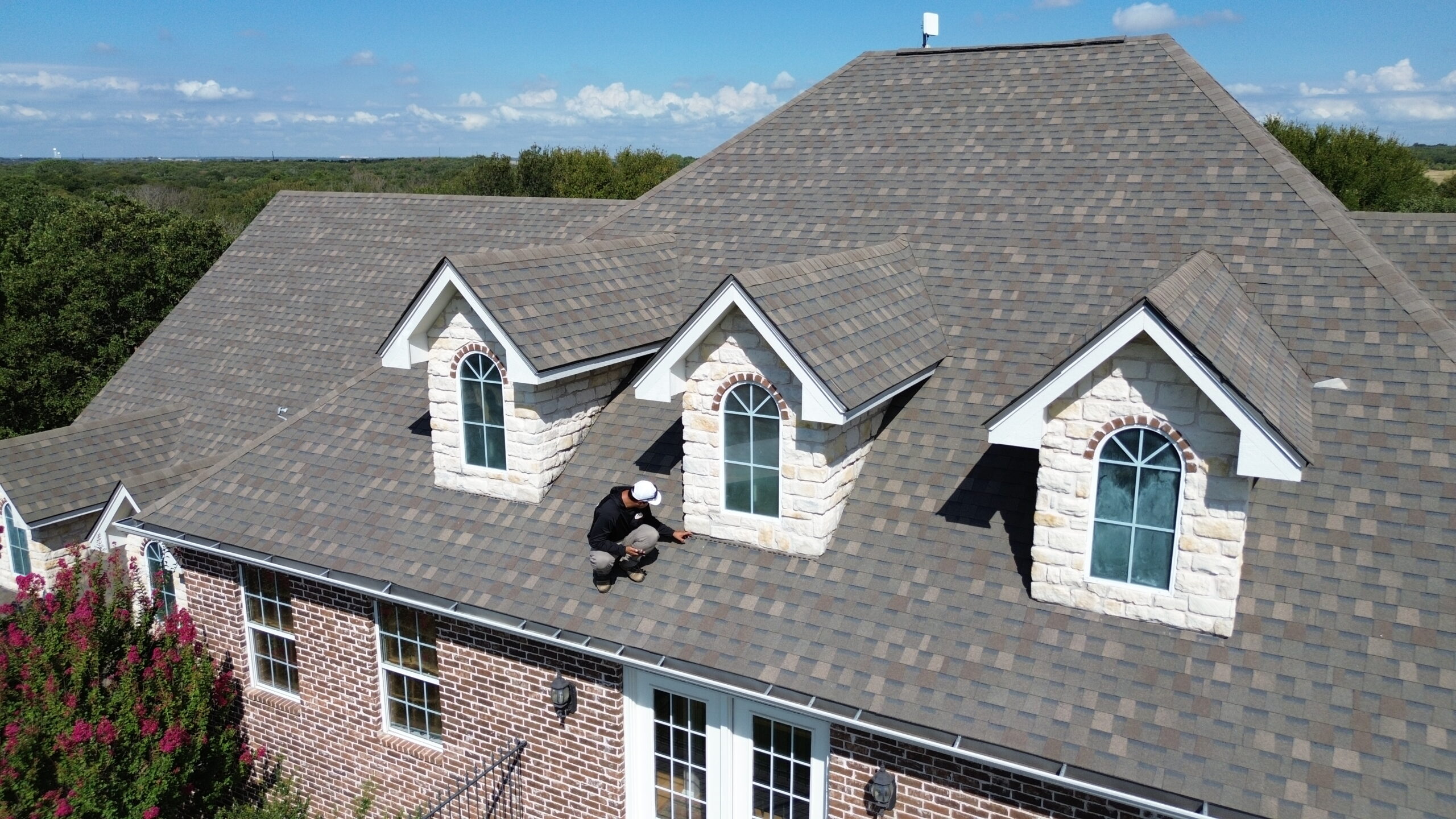
Emergency roof repairs are temporary solutions designed to stabilize the roof until full repairs or replacement can occur.
These repairs may include:
- tarping
- sealing leaks
- replacing missing shingles
- securing flashing
- removing dangerous debris
Emergency repairs help prevent additional water damage while long term solutions are planned.
Signs You Need Immediate Roof Repair
Some roofing issues require urgent attention.
Active Water Leaks
Leaks should never be ignored because water can damage insulation, drywall, and electrical systems.
Missing Large Sections of Roofing
Exposed roof decking leaves your home vulnerable to further storm damage and leaks.
Structural Sagging
A sagging roof may indicate severe structural weakness and should be inspected immediately.
Mold or Musty Smells
Persistent moisture creates ideal conditions for mold growth.
Visible Holes or Punctures
Storm debris can create openings that require immediate repair.
Temporary Fixes Homeowners Can Safely Do
Some temporary measures are safe for homeowners if done carefully.
Interior Leak Protection
Using buckets, towels, and plastic sheeting can reduce interior damage.
Basic Tarp Placement
If conditions are safe and the damage is minor, temporary tarping may help.
Clearing Light Debris
Small branches and loose debris can sometimes be safely removed from the ground.
However, major repairs should always be left to professionals.
What NOT to Do After Storm Damage
Avoid making mistakes that could worsen the situation.
Do Not Ignore Small Damage
Minor damage often becomes major damage if left untreated.
Do Not Climb Onto a Dangerous Roof
Wet or damaged roofs are extremely dangerous.
Do Not Hire Unverified Contractors
Always verify:
- licensing
- insurance
- reviews
- local reputation
Do Not Wait Too Long to File Insurance Claims
Delays may complicate the claims process.
Common Emergency Roof Repair Methods
Professional roofers use several techniques during emergency repairs.
Roof Tarping
Heavy duty tarps prevent water intrusion temporarily.
Flashing Repairs
Damaged flashing around vents or chimneys may be resealed or replaced.
Shingle Replacement
Missing or damaged shingles may be replaced to restore protection.
Leak Sealing
Temporary sealants can help stop water infiltration.
How Storm Damage Impacts Different Roofing Materials
Different roofing systems respond differently to severe weather.
Asphalt Shingles
Storms may cause:
- granule loss
- cracking
- lifting
- missing shingles
Metal Roofs
Metal roofs resist storms well but may experience:
- dents
- loosened fasteners
- flashing damage
Tile Roofs
Tiles may crack or break from impact.
Flat Roofs
Flat roofs often experience:
- ponding water
- membrane punctures
- drainage problems
How Long Can You Wait to Repair Storm Damage?
Roof repairs should happen as quickly as possible after damage occurs.
Waiting too long increases the risk of:
- mold growth
- structural damage
- insulation problems
- higher repair costs
Even if permanent repairs cannot happen immediately, temporary protection should be installed right away.
Emergency Roof Repairs vs Full Roof Replacement
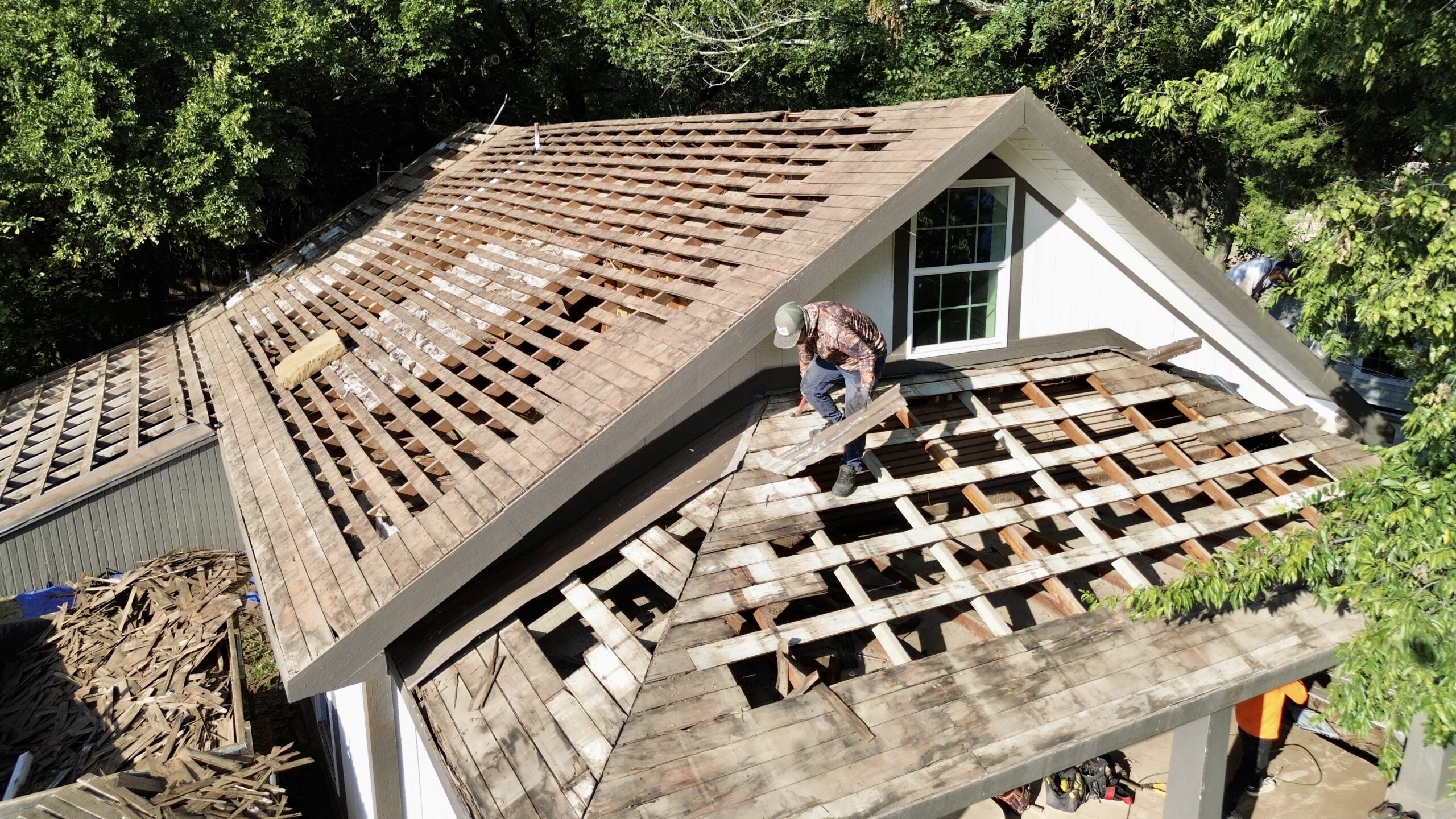
Not all storm damage requires full roof replacement.
Repairs May Be Enough If:
- damage is localized
- the roof is relatively new
- structural integrity remains intact
Replacement May Be Needed If:
- damage is widespread
- the roof is old
- multiple leaks exist
- structural components are compromised
A professional inspection helps determine the best solution.
Preventing Future Storm Damage
While storms cannot be avoided, preparation can reduce damage risk.
Schedule Regular Roof Inspections
Routine inspections help identify weak spots before storms hit.
Trim Nearby Trees
Overhanging branches increase the risk of impact damage.
Keep Gutters Clean
Proper drainage reduces water buildup during heavy rain.
Upgrade Roofing Materials
Impact resistant shingles and metal roofing provide stronger storm protection.
Secure Loose Outdoor Items
Patio furniture and debris can become dangerous during high winds.

Choosing the Right Emergency Roofing Contractor
The contractor you choose after a storm matters greatly.
Look for:
- local experience
- licensing
- insurance
- strong reviews
- written estimates
- warranty options
Avoid contractors who:
- demand full payment upfront
- pressure you immediately
- lack physical business locations
Reliable contractors provide clear communication and honest assessments.
Questions to Ask Your Roofing Contractor
Before hiring a roofer, ask:
- Are you licensed and insured?
- Do you specialize in storm damage repairs?
- Will you help with insurance documentation?
- What temporary repairs are needed immediately?
- How long will permanent repairs take?
Clear answers help you choose the right contractor.
Insurance Claim Tips After Storm Damage
Insurance claims can feel overwhelming after severe weather.
Document Everything
Detailed records improve claim accuracy.
Get Multiple Estimates
Comparing estimates helps ensure fair pricing.
Understand Your Deductible
Know what portion of repairs you must pay yourself.
Work With Experienced Roofers
Contractors experienced with insurance claims can simplify the process.
How Emergency Roof Repairs Protect Your Home
Emergency repairs provide critical short term protection by:
- stopping leaks
- reducing structural damage
- preventing mold
- protecting belongings
- stabilizing damaged areas
Quick action can dramatically reduce long term repair costs.
The Importance of Routine Roof Maintenance
Many severe storm issues become worse because of existing roof problems.
Routine maintenance helps identify:
- weak shingles
- damaged flashing
- clogged gutters
- ventilation issues
A well maintained roof handles storms more effectively.
Final Thoughts
Storm damage can be stressful and overwhelming, but taking fast and informed action helps protect your home and reduce costly repairs.
Always prioritize safety first, inspect your property carefully, document all damage, and contact a trusted roofing contractor for professional assistance.
Emergency roof repairs are essential for preventing further damage and keeping your home secure after severe weather.
Whether your roof suffered minor leaks or major storm damage, responding quickly can make a huge difference in the outcome.
With proper maintenance, strong roofing materials, and professional support, you can protect your home from future storms and maintain peace of mind year round.