
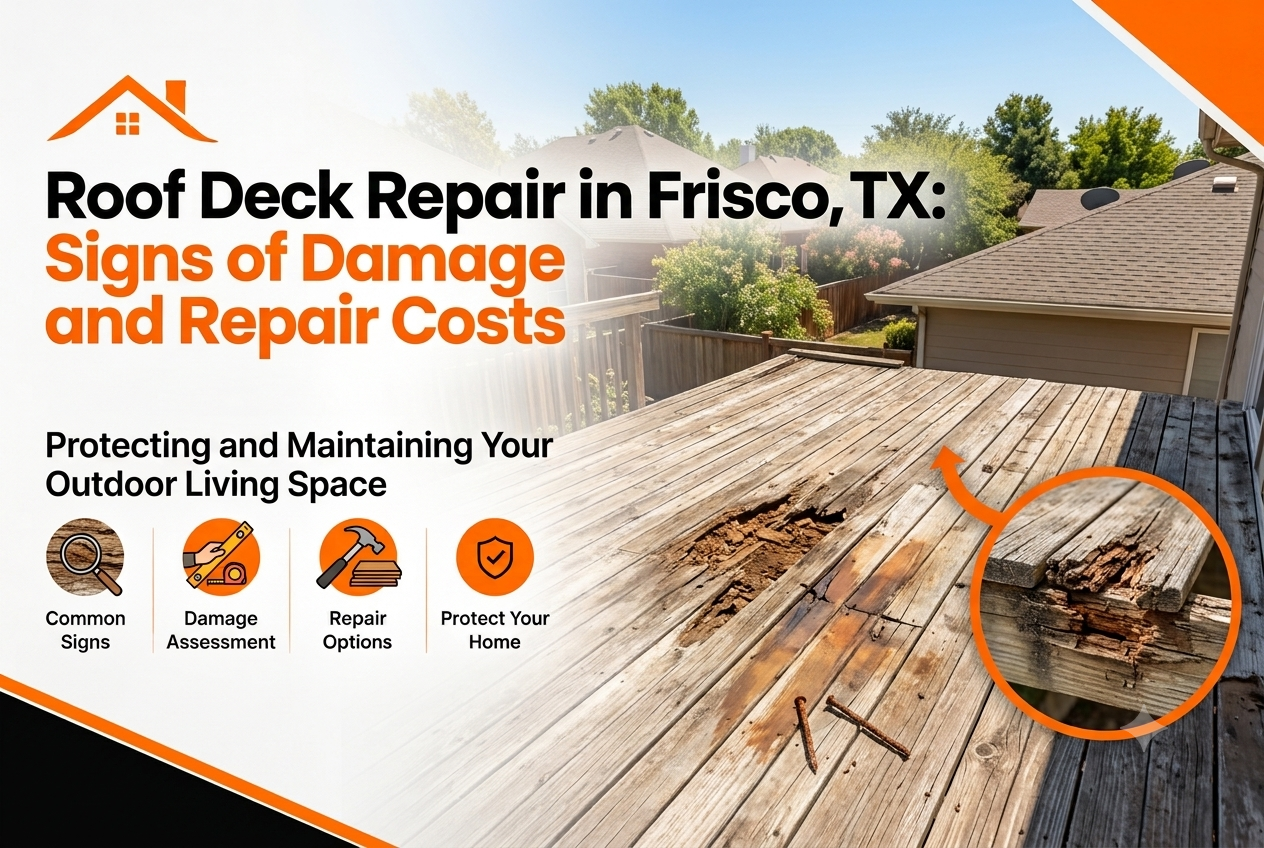
🔍 Common Signs of Roof Deck Damage
Roof deck damage does not always appear as an obvious hole or a visibly broken section of the roof. In many homes, deterioration develops gradually beneath the shingles, making it difficult to recognize until leaks, unusual odors, or structural changes become noticeable. Knowing the warning signs can help Frisco homeowners arrange an inspection before a relatively small problem affects a larger portion of the roofing system.
Water Stains on Ceilings and Interior Walls
Brown or yellow stains on ceilings and upper walls can indicate that moisture is entering through the roof and traveling through the building materials. Although the stain may appear small, water can spread along the decking, rafters, or insulation before becoming visible inside the home. Repeated staining, peeling paint, bubbling drywall, or damp patches should be investigated to determine whether the roof deck has been affected.
A water stain does not automatically confirm that the decking needs replacement, since damaged flashing, loose shingles, and other roofing defects can also cause leaks. However, prolonged water exposure may weaken plywood or OSB and create conditions that allow wood deterioration to develop. A professional should identify the entry point and inspect the surrounding materials before recommending repairs.
Sagging Rooflines and Uneven Roof Surfaces
A roofline that appears wavy, dipped, or uneven may indicate deterioration in the decking or supporting structure. Moisture-damaged panels can lose stiffness, while weakened rafters or other structural components may contribute to visible changes in the roof’s shape. These conditions deserve prompt attention because the problem may extend beyond the outer roofing materials.
Homeowners should observe the roof from a safe location rather than climbing onto a potentially unstable surface. If sagging becomes noticeable or appears to worsen, arrange a professional assessment as soon as possible. Significant structural movement may require additional evaluation before repair work can safely proceed.
Soft, Spongy, or Deteriorating Roof Decking
Soft or weakened decking is a strong reason to investigate possible moisture damage. When wood-based sheathing repeatedly becomes wet, it may swell, lose strength, delaminate, or deteriorate, depending on the material and exposure. A damaged panel may no longer provide a reliable fastening surface for shingles and other roofing components.
Roofing professionals can examine suspicious areas and determine whether individual panels need replacement. Homeowners should never walk across a roof to test whether it feels soft because weakened decking may not safely support their weight. If the roof has already developed visible sagging or suspected structural damage, keep the area clear until it has been assessed.
Mold, Mildew, and Musty Attic Odors
A persistent musty smell in the attic can indicate excess moisture, inadequate ventilation, or a hidden leak. Dark discoloration on the underside of the decking, damp insulation, and visible fungal growth may provide additional clues that moisture has accumulated. These conditions should be evaluated carefully because the source may involve both roofing defects and indoor humidity entering the attic.
Replacing damaged wood without correcting the moisture source can allow the problem to return. A contractor should investigate whether water is entering through the roof, condensation is forming because of ventilation problems, or another moisture source is present. Depending on the findings, the repair may require decking replacement, leak correction, ventilation improvements, or separate remediation work.
Loose Shingles and Recurring Roof Leaks
Missing, cracked, or lifted shingles can expose the protective layers beneath them to rain and wind. If water repeatedly enters through the same area, the underlayment and roof decking may eventually deteriorate even when the initial exterior damage seems minor. Recurring leaks after previous repairs can indicate that the underlying problem has not been fully corrected.
A thorough inspection should examine the shingles, flashing, roof penetrations, underlayment where accessible, and the condition of the decking around the affected area. If the sheathing has remained dry and structurally sound, a localized roofing repair may be sufficient. When the wood has softened or deteriorated, the contractor may need to replace the affected panels before restoring the outer roofing materials.
Daylight Visible Through the Roof Structure
If you can see daylight through gaps in the roof structure while inspecting an accessible attic, the roof may have openings that require attention. Missing materials, damaged sheathing, improperly fitted panels, or gaps around roof features can allow light and potentially moisture to enter. Not every visible opening has the same cause, so the location and surrounding construction need to be examined.
Unexpected gaps should be evaluated promptly, especially if rain is forecast or water has already entered the attic. Avoid approaching unstable sections or attempting to seal a roof opening from an unsafe position. A roofing professional can determine whether the problem involves damaged decking, flashing, or another component and recommend an appropriate repair.
Rising Energy Bills and Attic Moisture Problems
Unexpected increases in heating or cooling expenses may sometimes be associated with attic insulation, air leakage, or ventilation problems. If roof leaks have saturated insulation, the affected material may not perform as intended and may need to be dried, repaired, or replaced. Damaged decking can occur alongside these problems when moisture remains trapped for an extended period.
Higher energy bills alone are not proof of roof deck damage because weather changes, equipment efficiency, and household usage can also influence energy consumption. However, when rising costs occur alongside musty odors, damp insulation, ceiling stains, or visible roof deterioration, a combined roof and attic assessment may be worthwhile. Identifying the underlying cause helps prevent unnecessary repairs and directs attention toward the components that actually need attention.
🌧️ What Causes Roof Deck Damage in Frisco?
Roof deck damage generally develops when moisture, physical impact, aging materials, or construction problems compromise the sheathing beneath the roof. Frisco’s North Texas climate can expose residential roofing systems to severe storms, strong winds, heavy rain, and prolonged summer heat. Understanding the source of damage is essential because successful repairs must address both the affected decking and the condition that caused it to deteriorate.
Hailstorms and Strong Winds
Hail can crack or bruise shingles, damage protective granules, and weaken other roofing components, depending on the size and force of the impact. Strong winds may lift shingles, dislodge ridge caps, or expose vulnerable roof sections to wind-driven rain. If water reaches the underlying sheathing and the problem remains unresolved, the decking may gradually swell, weaken, or deteriorate.
After a severe storm, homeowners should look for visible damage from the ground and arrange a professional inspection if there are signs of a problem. Not all hail damage is immediately obvious, and the absence of missing shingles does not necessarily mean the roofing system is undamaged. Prompt assessment can help determine whether the roof requires a small repair, decking replacement, or more extensive restoration.
Heavy Rainfall and Prolonged Moisture Exposure
Repeated exposure to rain can damage roof decking when water enters through loose shingles, failed flashing, deteriorated sealants, or improperly protected roof penetrations. Water may travel beneath the outer roofing materials and collect around seams or low areas before reaching the attic. If the affected wood cannot dry adequately, its condition may deteriorate over time.
Blocked gutters and poor drainage can contribute to water-related problems around roof edges and adjoining building components. Homeowners should maintain gutters, check visible drainage issues, and address roof leaks promptly rather than relying on temporary patches indefinitely. Correcting the entry point is just as important as replacing any damaged sheathing.
Roof Leaks and Deteriorated Flashing
Flashing is designed to protect vulnerable joints around chimneys, skylights, vents, valleys, and roof-to-wall connections. When flashing becomes loose, corroded, improperly installed, or damaged by severe weather, water may enter the roofing system and reach the decking. Because some leaks develop slowly, the wood may deteriorate before the homeowner notices an interior stain.
Recurring leaks around the same roof feature should be investigated rather than repeatedly covered with surface sealant. The appropriate repair may involve replacing flashing, correcting installation details, repairing underlayment, and removing damaged decking. A professional inspection helps determine the extent of the problem and prevents new roofing materials from being installed over weakened wood.
Poor Attic Ventilation and Condensation
Attic ventilation problems can contribute to moisture accumulation when warm, humid air comes into contact with cooler surfaces under suitable conditions. Over time, repeated condensation may dampen the underside of the roof deck, encourage fungal growth, and contribute to deterioration. Air leakage from bathrooms, kitchens, or other indoor spaces can also increase attic moisture if the air is not properly exhausted outdoors.
The solution depends on the building’s design and the source of the moisture. A contractor may recommend correcting exhaust ducting, sealing appropriate air leaks, or improving attic ventilation where necessary. These measures should be based on an assessment of the home because ventilation changes must work with the overall roof and attic configuration.
Aging Materials and Deferred Maintenance
Roofing systems naturally experience wear as materials are exposed to sunlight, temperature changes, wind, and rain. As shingles deteriorate, their ability to protect the underlying layers may decline, increasing the risk of moisture reaching the decking. Small problems can become more expensive when inspections and maintenance are postponed for long periods.
Routine inspections can help identify missing shingles, deteriorated flashing, damaged sealants, and other conditions that may allow water intrusion. The roof’s age alone does not determine whether the decking needs replacement, but an aging system with repeated leaks deserves careful evaluation. Addressing problems before the sheathing deteriorates can help limit repair costs and protect the home’s structural components.
Improper Installation and Construction Defects
Roof deck problems can also develop when the original materials were installed incorrectly or the roofing system was not adequately protected from moisture. Incorrect fastener placement, unsuitable panel spacing, poorly secured sheathing, and improper flashing details may contribute to performance problems under certain conditions. The effect depends on the specific defect, the roof design, and the amount of stress the structure experiences.
When recurring damage appears despite previous repairs, a professional may need to examine the installation details and the surrounding structure. Replacing damaged panels without correcting a fastening or moisture-management problem may not provide a lasting solution. A well-planned repair should restore the affected area and address the underlying issue wherever possible.
Falling Branches and Physical Impact
Falling tree limbs, windblown debris, and other impacts can damage shingles and sometimes penetrate or crack the roof deck beneath them. Even when an impact does not create an obvious hole, it may weaken the sheathing or damage supporting components. The extent of the damage depends on the size of the object, the force of the impact, and the condition of the existing roofing system.
After a significant impact, arrange an inspection to assess both the visible roofing materials and the underlying structure. Keep away from damaged roof sections and avoid attempting to remove heavy debris yourself if it could cause further damage or create a safety risk. Prompt repairs can help restore the roof’s protective function and reduce the chance of water entering the home during subsequent rainfall.
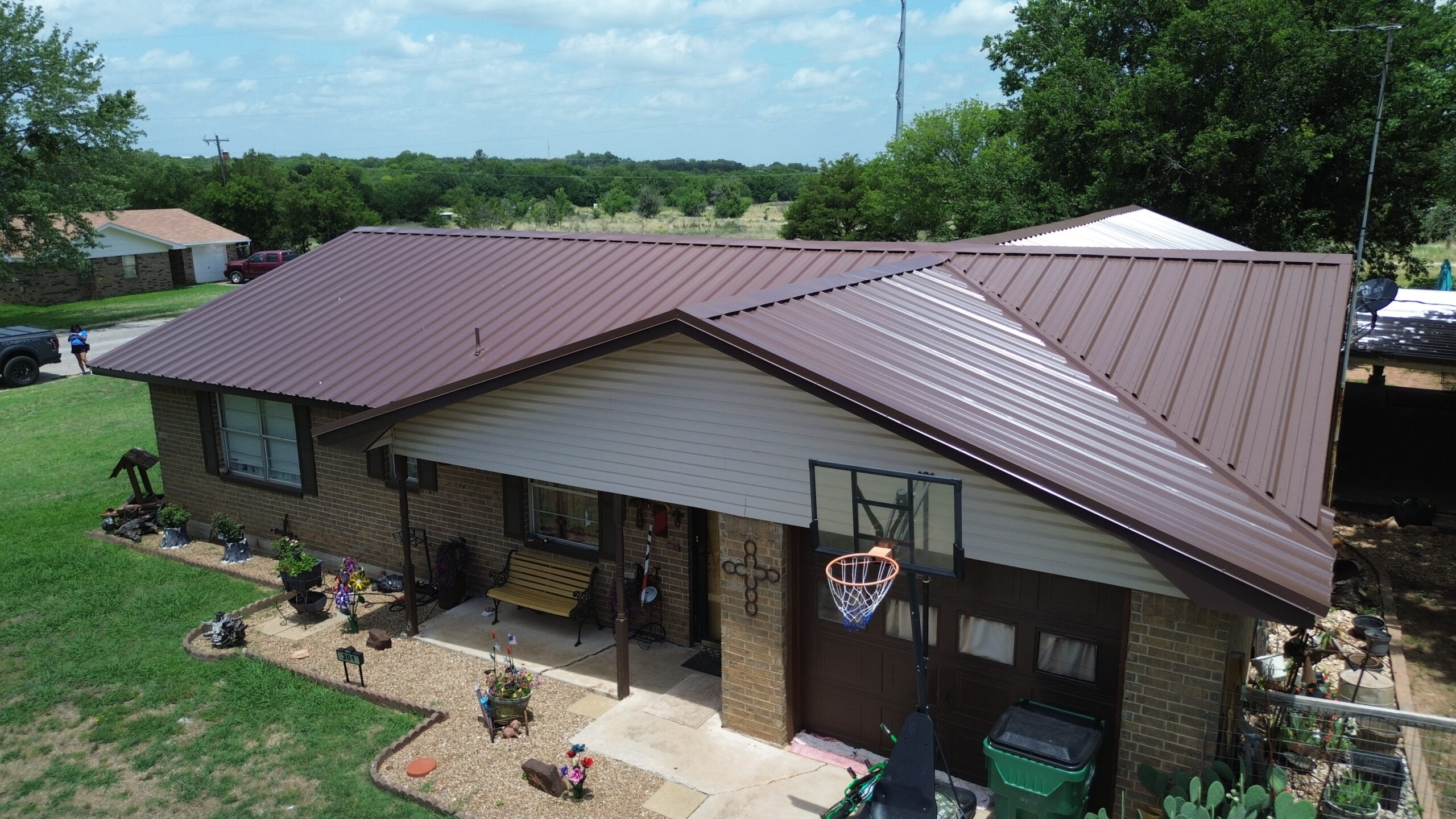
🛠️ How Roof Deck Repair Works
Roof deck repair involves identifying damaged sheathing, correcting the source of deterioration, and restoring the roof so it can provide reliable protection. The exact process depends on whether the problem is limited to a few panels or involves a larger area with moisture damage or structural concerns. For homeowners in Frisco, TX, a careful repair should address both the damaged material and the reason it failed.
Roof Inspection and Damage Assessment
The first step is a professional inspection of the roofing system and, where accessible, the attic. The contractor looks for missing or damaged shingles, failed flashing, water stains, soft decking, and other signs that moisture or impact may have affected the roof. Photographs and notes can help document the condition of the roof and explain which areas need attention.
The inspection should also establish whether the problem is limited to the decking or extends to rafters, trusses, insulation, or other building components. If the damage appears structural, additional assessment may be necessary before repairs begin. This evaluation helps the homeowner understand the recommended work instead of paying for unnecessary replacement.
Removing Roofing Materials Around the Damaged Area
Once the repair area has been identified, the contractor carefully removes the roofing materials covering the affected decking. This may involve lifting shingles, removing underlayment, and taking out fasteners so the damaged panel can be accessed. The amount of material removed depends on the location and size of the problem.
Careful removal is important because surrounding materials may be reusable if they remain in suitable condition, although matching existing shingles is not always possible. The contractor should protect the exposed area from rain during the work, particularly when the forecast indicates possible storms. Safe access and appropriate fall protection are essential throughout the process.
Removing and Replacing Damaged Decking
After the underlying surface is exposed, the contractor determines whether the decking is still structurally sound. Soft, rotten, severely swollen, delaminated, or broken panels may need to be removed and replaced with suitable sheathing. The replacement material should be appropriate for the roof design and installed according to applicable building requirements and manufacturer instructions.
The surrounding framing should also be checked for signs of deterioration or damage. If rafters or other structural members are affected, additional repairs may be required before the new decking is secured. Replacing only the visibly damaged surface without addressing weakened supporting components may leave the roof vulnerable to future problems.
Installing Underlayment and Restoring the Roof
After the replacement decking is installed, the contractor restores the protective layers needed to make the roof weather-resistant. This may include underlayment, flashing, and replacement shingles or other roofing materials compatible with the existing system. Proper installation around seams, penetrations, valleys, and roof edges is important because these areas can be vulnerable to water intrusion.
The completed work should be inspected to confirm that the replacement panels are secure and the roofing materials have been restored correctly. The contractor should also explain any remaining concerns, maintenance recommendations, or additional repairs that were identified during the project. Homeowners should request documentation of the work and retain the final estimate and invoice for their records.
📏 Factors That Affect Roof Deck Repair Costs
Roof deck repair costs can vary significantly from one Frisco property to another. The final amount depends on the size of the damaged area, the materials involved, the roof’s design, and whether hidden problems are discovered after the roofing layers are removed. Understanding these factors helps homeowners compare estimates and make informed decisions about their repair budgets.
Size and Extent of the Damaged Area
The amount of decking that needs replacement is one of the main factors affecting the total cost. Replacing one damaged panel generally requires less labor and material than repairing a large section of the roof. However, the visible damage may not show the full extent of deterioration, especially when water has spread beneath the roofing materials.
A contractor should identify the proposed repair area and explain how the scope may change if additional damage is uncovered. When possible, the estimate should describe the expected quantity of replacement sheathing and the conditions that could lead to extra charges. This helps homeowners understand the difference between the initial quote and the final project cost.
Roofing Material and Decking Type
The type of roof covering can influence how much work is needed to access the damaged decking. Asphalt shingles may be handled differently from tile, metal panels, or other roofing materials, and some systems require specialized procedures during removal and reinstallation. The availability of matching replacement materials can also affect the overall budget.
The decking material matters as well because replacement panels must meet the requirements of the roof’s design and applicable building standards. Plywood and OSB have different manufacturing characteristics, and the correct choice depends on the existing assembly and project specifications. A contractor should explain the proposed materials rather than assuming that any wood panel will be suitable.
Roof Pitch, Height, and Accessibility
Steep roofs and multilevel homes can require additional safety equipment, setup time, and labor. Difficult access may also make it harder to move materials and remove debris safely. These conditions can increase the cost of a repair even when the damaged area is relatively small.
Roof features such as dormers, skylights, chimneys, and intersecting rooflines may require more careful removal and reinstallation work. Homeowners should ask whether the estimate includes the access requirements and safety measures needed for their particular roof. Comparing quotes is more useful when each contractor has assessed the same areas and understands the same repair scope.
Hidden Moisture and Structural Damage
Some roof deck problems remain concealed until the shingles and underlayment are removed. A contractor may discover additional deteriorated panels, wet insulation, damaged framing, or other conditions that were not visible during the initial inspection. These findings can increase the amount of work required to restore the roof properly.
A written estimate should explain how concealed damage will be documented and approved before extra work proceeds. If structural repairs are necessary, the homeowner may need a qualified professional to assess the affected components. Planning for a reasonable contingency can help reduce financial surprises, although the appropriate amount depends on the property’s condition and the contractor’s findings.
Labor Rates and Project Timing
Labor costs vary according to the contractor, project complexity, crew requirements, and local market conditions. Repairs that require specialized materials or additional coordination may take longer than straightforward panel replacement. The total price should reflect the work needed to complete the repair safely and correctly, not simply the square footage of decking.
Urgent repairs following a storm may also involve temporary protection to prevent further water entry before permanent work can begin. Emergency service availability and weather conditions can affect scheduling and cost. If the roof can be protected safely without delay, homeowners may have more time to compare estimates for the permanent repair.
⚖️ Roof Deck Repair vs. Roof Replacement
Roof deck repair and full roof replacement serve different purposes, so the right option depends on the condition of both the sheathing and the roofing materials above it. A localized repair may be sufficient when damage is limited to a small area and the remaining roof is in good condition. A broader replacement may be more practical when the roof covering is nearing the end of its service life or damage is widespread.
When Roof Deck Repair Is the Better Option
A targeted roof deck repair can make sense when only a few panels are damaged by a localized leak, isolated impact, or another limited problem. If most shingles remain in serviceable condition and the supporting structure is sound, replacing the affected decking may restore the damaged section without requiring a complete roofing project. This approach can reduce immediate expenses and avoid removing materials that still perform adequately.
The contractor should still investigate why the decking was damaged and correct the original cause. If the leak resulted from failed flashing or damaged shingles, those components must also be repaired. A small decking repair will not provide lasting protection if water continues entering the same area.
When Full Roof Replacement May Be Worth Considering
A complete roof replacement may be appropriate when the existing roofing materials are extensively deteriorated, multiple sections have recurring leaks, or widespread damage makes isolated repairs impractical. An older roof with repeated failures may require several separate repairs over a relatively short period, potentially increasing long-term costs. In such cases, comparing the cost of continued repairs with a full replacement can help clarify the options.
Roof deck replacement and roof covering replacement are not automatically the same decision. Even during a complete roof replacement, some existing decking may remain usable if it is dry and structurally sound, while damaged panels must be replaced as necessary. The contractor should explain which components need replacement and why rather than recommending a larger project without supporting evidence.
Comparing Repair and Replacement Costs
A localized repair typically costs less upfront than replacing the entire roofing system, but the long-term value depends on the roof’s age and overall condition. If most of the roof is sound, targeted work may be a sensible choice. If damage is widespread or the roof covering is already failing, a full replacement may offer a more comprehensive solution.
| Consideration | Roof Deck Repair | Full Roof Replacement |
|---|---|---|
| Main purpose | Fix localized decking damage | Renew the roof covering and address broader issues |
| Initial cost | Usually lower for limited damage | Usually substantially higher |
| Project scope | Specific damaged sections | Most or all of the roof covering |
| Best suited for | Localized damage with a sound remaining roof | Widespread deterioration or an aging roof system |
| Possible limitation | Other aging roof areas remain | Higher upfront expense and a larger project |
Ask contractors to explain the expected lifespan of the remaining roofing materials, the extent of the decking damage, and the risks of repairing only the affected section. If practical, request separate estimates for the necessary repair and any proposed full replacement. This makes it easier to compare costs and understand whether the broader option is justified.
🌩️ How Frisco Weather Affects Roof Decking
Frisco experiences weather conditions that can place repeated stress on residential roofing systems. Thunderstorms, hail, wind-driven rain, seasonal temperature changes, and intense sunlight can affect shingles, flashing, underlayment, and roof decking. While not every storm causes structural damage, repeated exposure can make timely inspections and maintenance especially important.
Hail and Severe Thunderstorms
Hailstorms can damage roofing materials and create weak points that allow moisture to enter later. Strong winds may lift shingles or damage roof edges, while heavy rainfall can push water into vulnerable areas. If the resulting leak remains unnoticed, the decking beneath the roof covering may begin to deteriorate.
After severe weather, homeowners should look for missing shingles, damaged gutters, fallen branches, and signs of water inside the home. Visible exterior damage may not reveal the full extent of the problem, so a professional inspection may be necessary when a storm has affected the roof. Prompt attention can help prevent an existing defect from becoming a more extensive repair.
Summer Heat and Temperature Changes
North Texas summers can expose roofing materials to prolonged sunlight and high temperatures. Repeated heating and cooling can contribute to the aging of roofing components, sealants, and other materials over time. As protective materials deteriorate, the roof may become more vulnerable to leaks that can eventually affect the decking.
Homeowners can reduce avoidable problems by maintaining the roof, addressing damaged shingles, and ensuring that attic ventilation is appropriate for the building. Ventilation should be evaluated as part of the complete roofing system rather than modified without considering the home’s design. Regular maintenance can help identify developing issues before moisture reaches the underlying sheathing.
Wind-Driven Rain and Drainage Problems
Wind-driven rain can reach roof areas that are more protected during ordinary rainfall, particularly around flashing, roof intersections, vents, and other openings. If water enters through a vulnerable joint, it may travel beneath the roofing materials and affect the deck. Blocked gutters and drainage issues can further complicate moisture management around roof edges.
Keeping gutters clear, checking downspouts, and arranging repairs for damaged flashing can help reduce the risk of water intrusion. Homeowners should also pay attention to recurring leaks that appear during windy storms but not during lighter rainfall. These patterns can help a contractor narrow down the source of the problem.
🏡 Can You Repair Roof Deck Damage Without Replacing the Entire Roof?
Yes, roof deck damage can often be repaired without replacing the entire roof when the affected area is limited and the remaining roofing system is in suitable condition. A contractor may remove the shingles and underlayment above the damaged section, replace the weakened decking, and restore the roofing materials. This allows homeowners to address the structural problem without automatically paying for a complete roof replacement.
The decision depends on the age and condition of the existing roof, the extent of the decking damage, and whether suitable materials can be reused or matched. If shingles are brittle, extensively worn, or damaged across multiple areas, removing and reinstalling them may be impractical. In that situation, the contractor may recommend a larger repair or replacement after explaining the costs and benefits.
It is also important to distinguish a roof deck repair from a simple surface patch. Covering a leak with sealant or replacing a few shingles will not restore sheathing that has become soft or structurally weak. The affected material must be assessed and replaced when necessary, and the moisture source must be corrected to prevent recurring damage.
Before approving the work, ask the contractor to explain the condition of the remaining roof and identify any areas that may require attention in the near future. A clear repair plan should describe which decking panels will be replaced, how the roof will be made watertight, and whether additional structural work is anticipated. This information helps you decide whether a localized repair offers a reasonable solution for your Frisco home.
🚨 Why Ignoring Roof Deck Damage Can Be Costly
Roof deck damage rarely improves when the source of moisture or structural deterioration remains unresolved. A minor leak may gradually affect additional sheathing, insulation, and framing, increasing the complexity of the repair. Delaying an inspection can also make it more difficult to determine how far the damage has spread.
Increasing Repair Expenses
When water continues entering the roof, the affected area may expand beyond the original damaged panel. A repair that initially required limited sheathing replacement may eventually involve multiple panels, underlayment, shingles, insulation, or framing. The added labor and materials can substantially increase the total project cost.
Addressing the problem early can help limit the amount of damaged material that needs to be removed. Homeowners should not assume that a small ceiling stain means the repair will be minor, since water can travel away from its entry point. A professional assessment can establish the likely scope of the work and identify any urgent concerns.
Structural and Indoor Moisture Concerns
Severely deteriorated decking may no longer provide reliable support for the roofing materials, especially when the damage extends to the framing. Persistent moisture can also affect attic insulation and create conditions favorable to mold or other fungal growth. These problems may require additional evaluation and specialized remediation beyond ordinary roofing work.
If you notice sagging, extensive water intrusion, or suspected structural weakness, keep people away from the affected area and arrange professional assistance promptly. Avoid climbing onto the roof or touching weakened materials. Safety should take priority over attempting a temporary repair yourself.
Repeated Leaks and Damage to Interior Finishes
A roof leak can damage ceiling paint, drywall, insulation, and other interior finishes if water continues entering the home. Even after the roof is repaired, wet interior materials may need to be dried, repaired, or replaced. The total expense can therefore include both roofing work and restoration inside the property.
If water is entering the home, protect belongings where it is safe to do so and arrange a qualified inspection. Temporary measures may help limit further damage, but they should not replace a permanent repair. Documenting visible damage and keeping records of repairs can also be useful when communicating with a contractor or insurance company.
🔧 How to Prevent Roof Deck Damage
Preventing roof deck damage starts with keeping the roofing system in good condition and responding quickly when problems appear. While homeowners cannot prevent every storm or material failure, regular maintenance can reduce avoidable moisture exposure and help identify defects before they become extensive. A consistent inspection routine is particularly useful for homes exposed to changing North Texas weather.
Schedule Regular Roof Inspections
Have the roof inspected periodically and after significant storms when damage is suspected. An inspection can identify loose shingles, deteriorated flashing, damaged roof edges, and other defects that may allow water to reach the decking. The appropriate inspection frequency depends on the roof’s age, material, exposure, and previous repair history.
Avoid walking on the roof to conduct your own inspection, particularly if the surface is steep, wet, or damaged. A qualified professional has the equipment and experience needed to assess areas that may be unsafe to access. Keep inspection notes and photographs so you can track recurring issues over time.
Maintain Gutters and Downspouts
Clogged gutters can interfere with proper drainage and contribute to water-related problems around the roof edge and exterior walls. Remove accumulated leaves and debris safely, and check that downspouts direct water away from the home’s foundation. Repairs may be necessary if gutters are sagging, leaking, or pulling away from the structure.
Gutter maintenance does not replace roof inspections, but it is an important part of general water management. During heavy rainfall, observe drainage from a safe location and look for obvious overflow or pooling. Correcting drainage problems can reduce avoidable moisture exposure around vulnerable building components.
Address Leaks and Flashing Problems Promptly
Do not ignore recurring ceiling stains, damaged shingles, loose flashing, or water appearing in the attic. A small opening can allow repeated moisture exposure that gradually weakens the decking beneath the roof covering. Prompt repairs can help limit the spread of damage and reduce the likelihood of needing extensive sheathing replacement.
Make sure the repair addresses the source of the leak rather than only the visible symptom. Depending on the cause, the work may involve shingles, flashing, underlayment, roof penetrations, or damaged decking. Ask for an explanation of the recommended solution and keep the documentation for future reference.
Monitor Attic Ventilation and Moisture
Check accessible attic areas for damp insulation, unusual odors, condensation, or discoloration on the underside of the roof deck. These signs may indicate a leak, excessive indoor humidity, or ventilation problems that need further evaluation. Bathroom and kitchen exhaust systems should discharge outdoors as intended rather than releasing humid air into the attic.
Ventilation changes should be planned according to the home’s design and existing airflow. Simply adding vents does not always correct a moisture problem and may create airflow imbalances if the system is not properly evaluated. A qualified contractor can help determine whether ventilation, air sealing, leak repair, or another measure is appropriate.
Trim Overhanging Tree Branches
Branches hanging close to the roof can scrape shingles, drop debris into gutters, or break during strong winds. Keeping trees maintained can reduce the risk of impact damage and help limit debris buildup on the roof. Tree trimming should be carried out safely, especially near power lines or large limbs.
After a storm, look for fallen branches and visible roof damage from the ground. Do not climb onto a damaged roof to remove heavy debris yourself. Arrange professional assistance if a branch has struck the roof or appears to have damaged the decking or supporting structure.
Keep Maintenance and Repair Records
Maintaining records of inspections, repairs, roof age, and material details can help you recognize recurring problems. These documents may also be useful when comparing contractor estimates or discussing a potential insurance claim. Photos taken before and after repairs can make it easier to understand what was damaged and what work was completed.
If a repair is recommended, ask the contractor to describe the problem, the proposed solution, and any maintenance steps that could help prevent a recurrence. Keep copies of the written estimate, invoice, and applicable warranty information. A practical maintenance plan can help you manage roofing expenses while protecting your home’s condition over time.
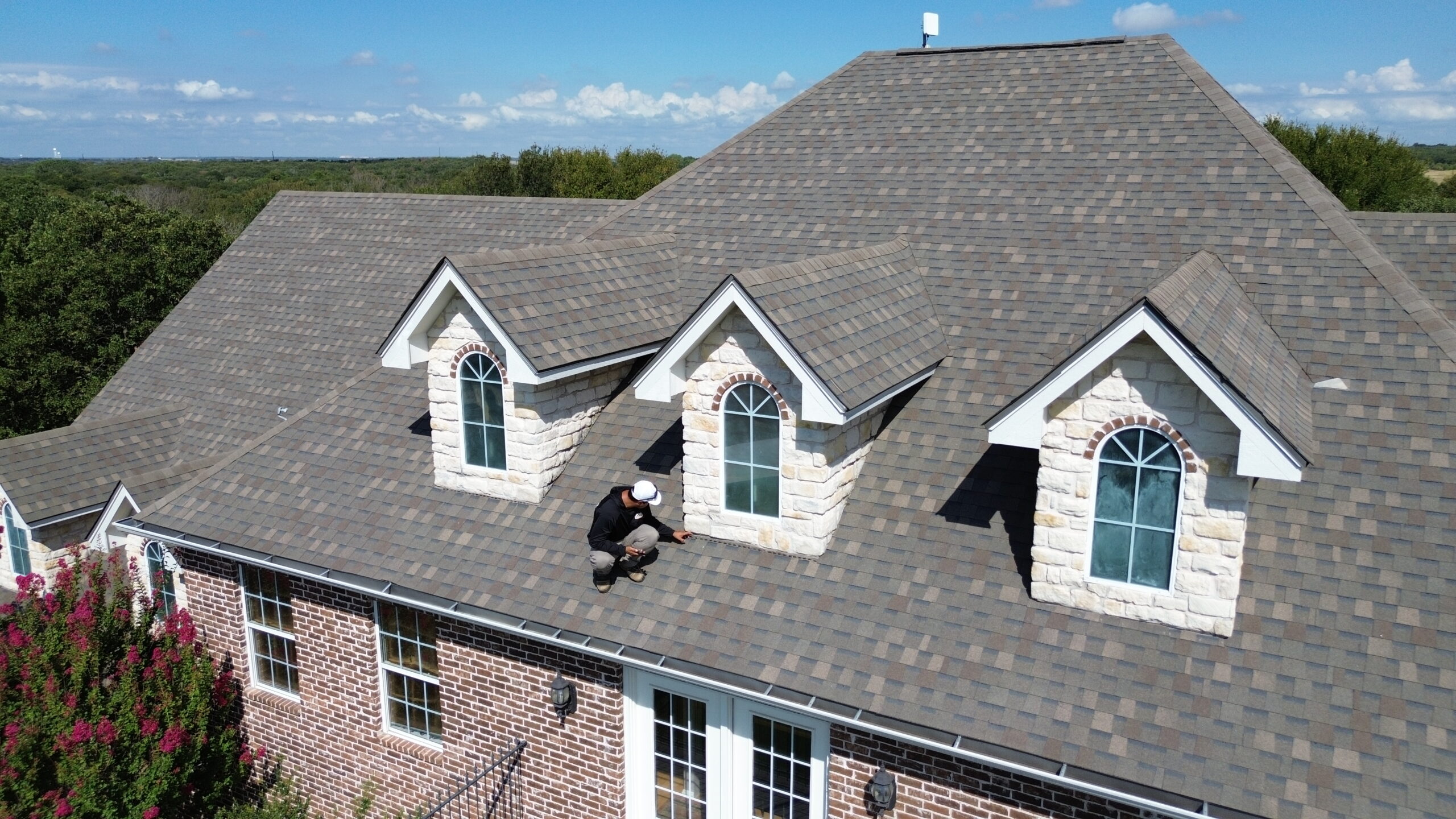
📋 What Is Included in a Roof Deck Repair Estimate?
A roof deck repair estimate should clearly explain the condition of the damaged area, the work required, and the expected project cost. For homeowners in Frisco, TX, a detailed written estimate makes it easier to compare contractors and understand whether the proposed repair addresses the underlying problem. It also helps reduce confusion if additional damage is discovered after the roofing materials are removed.
Inspection Findings and Repair Scope
The estimate should identify the damaged roof section and explain why the contractor believes repair or replacement is necessary. Photographs of visible damage, moisture intrusion, or deteriorated sheathing can help homeowners understand the recommended work. If the damage may extend into the framing, the estimate should explain whether further structural assessment is needed.
A clear scope of work should describe which roofing materials will be removed, how much decking is expected to be replaced, and how the roof will be restored. It should also distinguish necessary repairs from optional improvements. If hidden damage is discovered during the project, ask how the contractor will document the findings and obtain approval before proceeding with additional work.
Materials, Labor, and Additional Charges
A complete estimate should identify the expected materials, labor, debris removal, and installation work. Depending on the project, costs may include replacement plywood or OSB, underlayment, shingles, flashing, fasteners, and temporary weather protection. The estimate should also clarify whether cleanup and disposal are included in the quoted price.
Ask whether taxes, permit-related expenses, equipment charges, and other applicable fees are included or billed separately. Not every project requires a permit, so the contractor should explain which local requirements apply to the specific work. Reviewing these details before signing can help you avoid unexpected charges later.
Project Timeline and Warranty Information
The estimate should provide an approximate start date, expected duration, and explanation of factors that could delay the work. Rain, high winds, material availability, and concealed damage can affect roofing schedules, so completion dates may depend on conditions beyond the contractor’s control. Ask how the exposed roof will be protected if work must pause because of weather.
You should also understand the warranty terms for the workmanship and any replacement materials. Manufacturer warranties and contractor workmanship warranties are different, and their coverage depends on the specific terms. Keep a copy of the signed agreement, payment records, and warranty documentation for future reference.
🧾 Does Homeowners Insurance Cover Roof Deck Repair?
Homeowners insurance may cover roof deck repair when the damage results from a covered event, such as certain types of sudden storm damage. Coverage depends on the policy wording, exclusions, deductible, maintenance history, and the specific cause of the damage. Gradual deterioration, neglect, or long-term moisture problems are often treated differently from sudden accidental damage.
When Coverage May Apply
If a severe storm damages shingles or causes a tree limb to strike the roof, the resulting damage may be eligible for coverage under the policy. The insurer will evaluate the cause of the loss and determine whether the damaged decking and related repairs fall within the policy’s terms. Coverage is not guaranteed simply because the damage occurred during a storm.
Homeowners should photograph visible damage, note when the problem was discovered, and keep records of any temporary measures taken to protect the property. Contact your insurance company promptly to ask about the claim process and any required inspections. Avoid making permanent repairs beyond what is necessary to prevent further damage until you understand the insurer’s documentation requirements.
When Coverage May Be Limited or Excluded
Insurance generally does not function as a maintenance plan for a roof that has deteriorated gradually. Damage caused by long-term leaks, ordinary aging, wear and tear, or neglected maintenance may be excluded, depending on the policy. If an older roof develops rotten decking because water entered over an extended period, the insurer may decline coverage for some or all of the repair.
Policy language varies, and some claims may involve both covered damage and excluded conditions. Ask the insurer to explain the decision in writing and identify the relevant policy provisions. If the claim is denied and you believe the decision does not reflect the policy or the documented facts, you can ask about the review or appeal process.
Understanding Deductibles and Claim Documentation
Even when roof deck damage is covered, the deductible and applicable coverage limits affect how much the insurer may pay. Your out-of-pocket responsibility can also depend on the policy’s settlement terms and the approved scope of work. Review these details before deciding whether filing a claim is financially worthwhile.
Keep copies of the inspection report, repair estimate, photographs, invoices, and communications with the insurer. Do not assume that a contractor’s estimate guarantees claim approval or that insurance will cover every item included in it. The insurer makes coverage decisions under the policy, while the contractor evaluates the work needed to repair the roof.
🏆 How to Choose a Roof Deck Repair Contractor in Frisco, TX
Choosing the right contractor is an important step in protecting your roof and avoiding recurring repairs. A qualified roofing professional should be able to explain the damage, provide a clear scope of work, and identify the measures needed to prevent further moisture intrusion. Comparing more than one estimate can help you evaluate workmanship, materials, communication, and overall value.
Check Experience and Credentials
Look for a contractor with relevant experience repairing roof decking and working with your type of roofing system. Ask about applicable licensing or registration requirements, insurance coverage, and any credentials relevant to the work being performed. Requirements can vary depending on the project and jurisdiction, so confirm what applies to your property.
You should also ask whether the contractor has experience addressing storm-related leaks, damaged sheathing, and repairs involving roof framing. A professional should be willing to explain the proposed approach in straightforward language. Be cautious if someone recommends extensive replacement without showing evidence or explaining why the work is necessary.
Request a Detailed Written Estimate
A reliable estimate should explain the repair area, expected materials, labor, removal and disposal, and the steps required to restore weather protection. It should also identify exclusions and explain how additional work will be approved if concealed damage is discovered. This level of detail makes it easier to compare proposals on an equal basis.
Do not choose a contractor based on the lowest price alone. An unusually low quote may omit important work, use unsuitable materials, or leave out necessary restoration steps. Compare the scope, product specifications, payment terms, and warranty conditions before making your decision.
Review Communication and Warranty Terms
Good communication helps homeowners understand what is happening before, during, and after the repair. The contractor should answer reasonable questions, explain unexpected findings, and provide updates if the schedule changes. You should know whom to contact if you notice a problem after the work is completed.
Read the contract and warranty information before signing. Confirm what the workmanship warranty covers, how long it lasts, and what conditions may limit coverage. A written agreement provides a clearer record of the responsibilities accepted by both parties.
Watch for Warning Signs
Be cautious of high-pressure sales tactics, vague estimates, requests for large upfront payments without clear contractual terms, or promises that insurance will definitely cover the repair. A contractor should not encourage you to misrepresent the cause or extent of the damage to an insurer. If storm damage is involved, keep your own records and communicate directly with your insurance company.
Take time to compare options and verify important claims about the contractor’s experience and coverage. Ask for references or examples of similar work when appropriate. A careful selection process can help reduce the risk of incomplete repairs and unexpected costs.
💡 How to Save Money on Roof Deck Repairs
Saving money on roof deck repair does not mean choosing the cheapest contractor or postponing necessary work. The most effective approach is to identify the damage early, understand the cause, and pay for the repairs that are genuinely needed. Frisco homeowners can often make better decisions by comparing estimates and maintaining the rest of the roofing system.
Address Small Problems Early
A damaged shingle, loose flashing, or minor leak can allow moisture to reach the decking if the problem continues. Arranging an inspection when warning signs first appear may help limit the affected area and reduce the amount of material that needs replacement. Waiting until the roof develops significant sagging or widespread interior staining can make the repair more complicated.
Early action cannot guarantee a small repair, since concealed damage may already exist. However, prompt assessment provides a clearer picture of the roof’s condition and helps homeowners prioritize necessary work. Keep an eye on recurring leaks even if an earlier patch appeared to resolve the issue.
Compare Multiple Estimates
Obtaining two or three detailed estimates can help you understand the likely cost and scope of the repair. Make sure each contractor evaluates the same damaged areas and includes comparable materials and restoration work. If one quote is much lower or higher than the others, ask for an explanation before deciding.
Compare more than the total price. Review the proposed decking material, labor, disposal, warranty, project schedule, and process for handling concealed damage. A transparent estimate can provide better long-term value than a cheaper proposal that leaves essential work out.
Maintain the Entire Roofing System
Routine maintenance can help prevent minor defects from becoming larger problems. Keep gutters clear, monitor flashing and roof penetrations, and address missing or damaged shingles promptly. Maintaining suitable attic ventilation and correcting moisture problems can also reduce the risk of deterioration under the roof covering.
After severe weather, arrange an inspection if you suspect damage or notice a new leak. Keep records of maintenance and completed repairs so recurring issues are easier to identify. Preventive care cannot eliminate every risk, but it can help homeowners manage roofing expenses more effectively.
Understand Repair Versus Replacement Options
If the damage is localized and the remaining roof is in good condition, repairing the affected decking may be more economical than replacing the entire roof. If the roofing system is old or has widespread defects, however, repeated repairs may become less cost-effective over time. Ask the contractor to explain both the immediate repair option and any reasonable longer-term alternatives.
A full roof replacement should be supported by the condition of the existing system rather than recommended automatically whenever decking is damaged. Likewise, a small repair should not be used to disguise widespread deterioration. Clear evidence and a written scope of work help you choose an option that suits your property’s condition and budget.
🚀 Why Choose Small Town Roofing & Construction for Roof Deck Repair in Frisco, TX?
When roof decking becomes damaged, homeowners need clear information about the problem, the necessary repairs, and the expected cost. Small Town Roofing & Construction is a roofing contractor to consider when comparing local options for roof deck repair in Frisco, TX. Before scheduling work, homeowners should discuss their specific roofing concerns and confirm the services, qualifications, and warranty terms relevant to their project.
Clear Communication and Repair Recommendations
Understanding why your roof deck has deteriorated is just as important as replacing the damaged material. Ask Small Town Roofing & Construction to explain the visible signs of damage, the likely source of moisture, and the work needed to restore the affected area. A clear discussion can help you understand whether the problem appears localized or may involve additional roofing components.
Request a written estimate that outlines the expected materials, labor, and repair steps. If the contractor discovers hidden damage after removing the roofing materials, ask for photographs and an explanation of any recommended changes. Clear documentation helps you make informed decisions about the project.
Solutions Based on Your Roof’s Condition
Not every damaged roof deck requires a complete roof replacement. The appropriate solution depends on the extent of the deterioration, the condition of the surrounding decking, and the remaining life of the roofing materials. Discuss whether a targeted repair is practical for your property and ask what risks may remain after the work is completed.
If broader repairs are recommended, request an explanation of why they are necessary and how they compare with a localized solution. Understanding the options can help you weigh upfront costs against potential future maintenance. The goal should be to restore the roof’s protective function while avoiding unnecessary work.
A Focus on Long-Term Roof Protection
Effective roof deck repair should address the source of the damage as well as the weakened material. Ask how the proposed work will correct the underlying issue, restore the roofing layers, and reduce the risk of recurring leaks. You should also confirm the expected timeline, cleanup arrangements, and applicable warranty coverage before authorizing the project.
If you notice water stains, soft decking, missing shingles, or recurring leaks, arranging an assessment can help clarify the next steps. Small Town Roofing & Construction can be included in your comparison of local roofing contractors, alongside other providers with relevant experience and suitable credentials. Review the written estimate and contract carefully so you can select the repair plan that best fits your home and budget.
❓ Frequently Asked Questions About Roof Deck Repair in Frisco, TX
How much does roof deck repair cost in Frisco, TX?
Roof deck repair in Frisco may cost around $300 to $800 for a small localized repair, while more extensive projects can cost several thousand dollars. The price depends on the amount of damaged decking, roof accessibility, material choices, and whether structural repairs are necessary. These figures are general budgeting estimates rather than guaranteed local prices. Request a written inspection-based estimate to understand the likely cost for your property.
What are the common signs of damaged roof decking?
Common warning signs include ceiling water stains, recurring leaks, sagging roof sections, musty attic odors, and visibly deteriorated sheathing. You may also notice damp insulation or dark discoloration on the underside of the roof deck. These symptoms can have several causes, so they do not automatically confirm that decking replacement is required. A qualified roofing professional can inspect the affected area and recommend appropriate repairs.
Can damaged roof decking be repaired without replacing the roof?
Yes, localized roof deck damage can often be repaired without replacing the entire roofing system. The contractor removes the roofing materials above the damaged area, replaces the weakened decking, and restores the protective layers. This approach is most practical when the surrounding roof remains in good condition and the damaged section is limited. If the roof covering is extensively worn or the damage is widespread, a larger project may be more appropriate.
How long does roof deck repair usually take?
A small roof deck repair may be completed in part of a day or within one day, depending on access and the extent of the work. Larger repairs can take several days, particularly when multiple panels, structural components, or substantial roofing materials must be replaced. Rain, wind, material availability, and unexpected damage may affect the schedule. Ask your contractor for an estimated timeline based on the actual condition of your roof.
What causes roof decking to rot?
Roof decking commonly deteriorates when moisture repeatedly enters through damaged shingles, failed flashing, or other openings in the roofing system. Poor drainage, condensation, and inadequate moisture management can also contribute to prolonged dampness. Over time, wet wood-based panels may swell, weaken, or develop decay. Correcting the moisture source is essential when replacing damaged decking to help prevent the problem from returning.
Does homeowners insurance cover roof deck repair?
Homeowners insurance may cover roof deck repairs when the damage results from a covered event, such as certain types of sudden storm damage. Coverage depends on the policy, deductible, exclusions, maintenance history, and the insurer’s assessment of the loss. Damage caused by gradual deterioration or neglected maintenance may not be covered. Review your policy and contact your insurer before assuming that a repair will qualify for payment.
Can roof leaks damage the plywood beneath shingles?
Yes, roof leaks can allow water to reach the plywood or OSB beneath shingles and underlayment. Repeated moisture exposure may cause swelling, delamination, soft spots, or deterioration that weakens the roof deck. The damage may spread beyond the visible leak because water can travel along roofing layers or framing. Promptly repairing the leak and replacing unsound decking can help restore the roof’s protection.
Is damaged roof decking dangerous?
Damaged roof decking can become dangerous when it loses the strength needed to support roofing materials or a person’s weight. Severe deterioration may contribute to sagging, unstable surfaces, or problems with the supporting structure. Homeowners should not walk on a roof suspected of having weakened decking. Arrange a professional inspection and keep people away from visibly unstable areas until they have been assessed.
How do contractors determine whether roof decking needs replacement?
Contractors inspect the roof for leaks, sagging, damaged shingles, and other signs of deterioration, and they may examine the attic where accessible. During a repair, removing shingles and underlayment can reveal soft, swollen, rotten, or broken sheathing that was previously hidden. The contractor also considers whether the panel can provide reliable support and secure fastening for the roofing materials. Replacement is generally recommended when the decking is too deteriorated or damaged to perform its intended function.
How can I prevent roof deck damage in Frisco, TX?
Schedule periodic roof inspections and arrange an assessment after severe weather when you suspect damage. Keep gutters clear, repair damaged shingles and flashing promptly, and address attic moisture or ventilation problems when they are identified. Trim overhanging branches safely and monitor the attic for damp insulation, musty odors, or discoloration. Consistent maintenance cannot prevent every roofing problem, but it can help identify developing issues before they become more extensive.
🏁 Conclusion
Roof deck repair is an important part of maintaining a safe and dependable roofing system for your home in Frisco, TX. Damaged sheathing can result from storm impacts, persistent leaks, condensation, aging materials, and installation problems, and the warning signs may include ceiling stains, soft decking, sagging areas, or recurring moisture. Identifying the cause early can help prevent further deterioration and reduce the likelihood of more extensive repairs.
Repair costs depend on the amount of damaged material, roof accessibility, replacement materials, and whether additional structural work is necessary. While localized damage can often be repaired without replacing the entire roof, widespread deterioration may justify comparing a larger repair with full roof replacement. A detailed estimate and a clear explanation of the roof’s condition can help you choose the most practical option.
If you suspect roof deck damage, do not rely on a temporary patch without investigating the underlying problem. Compare qualified local contractors, review written estimates carefully, and confirm the proposed scope, payment terms, and warranty coverage before work begins. With timely inspections, appropriate maintenance, and properly planned repairs, you can help protect your home and manage future roofing expenses more confidently.
Leave A Comment