

How to Choose a Reliable Roof Repair Contractor in Frisco, TX
Introduction
Your roof plays a vital role in protecting your home from rain, strong winds, hail, intense sunlight, and other weather conditions. When shingles become damaged, leaks develop, or flashing starts to fail, choosing the right roof repair contractor can make a significant difference in the safety, durability, and long-term value of your property. Homeowners in Frisco, TX, should take time to evaluate their options before hiring someone to work on their roof.
Finding a reliable roofing professional involves more than comparing prices or choosing the first company that appears in search results. You need to consider experience, insurance coverage, local reputation, written estimates, repair methods, and warranty terms. A contractor who communicates clearly and explains the condition of your roof can help you make an informed decision without unnecessary expenses or confusion.
Frisco experiences a range of weather conditions, including heavy rain, thunderstorms, strong winds, and occasional hailstorms that can affect residential roofing systems. Even minor damage may allow moisture to enter your home, potentially leading to stained ceilings, damaged insulation, mold growth, or weakened roofing materials. Working with a qualified professional helps identify the source of the problem and determine the appropriate repair before the damage becomes more extensive.
This guide explains how to evaluate roof repair contractors, recognize warning signs, compare estimates, and ask the right questions before signing an agreement. Whether your roof needs a small shingle repair, flashing replacement, or attention following a storm, understanding the selection process can help you protect your home and invest in dependable workmanship.
🏠 Understanding Your Roof Repair Needs
Before contacting roofing companies, take a moment to understand the issues affecting your roof. You do not need to climb onto the roof or perform a technical inspection yourself, but recognizing visible warning signs can help you explain the situation accurately when requesting professional assistance. Providing clear information about the problem allows contractors to understand your concerns and prepare for a more productive inspection.
Recognize the Common Signs of Roof Damage
Roof problems often begin with small changes that homeowners may overlook. Missing, cracked, curling, or loose shingles can expose the underlying roofing layers to moisture, while damaged flashing around chimneys, skylights, and vents may create openings where water can enter. Granules collecting in gutters, sagging sections, and visible gaps around roof penetrations can also indicate that a professional inspection is needed.
Interior warning signs are equally important because some roof problems are difficult to identify from the ground. Water stains on ceilings, damp attic insulation, peeling paint near the ceiling, musty odors, and unexplained moisture after rainfall may point to a roof leak. However, plumbing leaks, ventilation problems, and condensation can create similar symptoms, so a contractor should investigate the source instead of automatically assuming the roof is responsible.
Determine Whether You Need Emergency Repairs
Certain roofing problems require immediate attention because they can expose your home’s interior to ongoing water intrusion. Active leaks during heavy rainfall, significant storm damage, large areas of missing shingles, or visible structural concerns should be assessed promptly by an appropriate professional. If water is entering your home, move belongings away from the affected area and contact a qualified contractor to discuss safe temporary protection and necessary repairs.
Avoid climbing onto a wet, damaged, or steep roof to inspect it yourself. Storm-damaged roofing materials can be unstable, and overhead electrical hazards or falling debris may create additional risks. If you notice a sagging ceiling or suspect structural damage, keep people away from the affected area and seek appropriate professional assistance rather than attempting a temporary fix.
Understand the Difference Between Minor and Extensive Damage
Not every roofing problem requires a complete replacement, but the correct solution depends on the roof’s overall condition. A few damaged shingles, a loose flashing section, or a localized leak may be repairable without disturbing the rest of the roofing system. Widespread shingle deterioration, repeated leaks in multiple areas, substantial storm damage, or extensive moisture beneath the roof covering may require a more comprehensive assessment.
A reliable contractor should explain what was found during the inspection and why a particular repair is recommended. Ask for photographs of the affected areas when safely available, along with a description of the proposed work and any concerns that could affect the roof’s remaining service life. This information makes it easier to understand the recommendation and compare it with other professional opinions.
🔎 What Makes a Roof Repair Contractor Reliable?
A reliable roof repair contractor combines appropriate experience, honest communication, sound repair practices, and transparent business procedures. The company should be willing to explain the condition of your roof, discuss available solutions, and provide clear documentation before work begins. Rather than pressuring you into an immediate decision, a dependable professional helps you understand the benefits, limitations, and expected costs of the proposed repair.
Look for Relevant Roofing Experience
Roofing experience matters because different materials and damage types require different repair techniques. Asphalt shingles, metal roofing, tile systems, and flat or low-slope roofs each have specific installation and maintenance requirements. When evaluating contractors in Frisco, ask whether they regularly work with your roof type and have handled problems similar to the one affecting your property.
Experience with local weather-related damage can also be useful. Hail may bruise shingles or damage protective granules, while strong winds can lift roofing materials and loosen flashing or ridge components. A contractor familiar with these issues should be able to explain the visible damage, identify areas that need closer examination, and recommend repairs suited to your particular roofing system.
Prioritize Honest Communication
Clear communication is one of the strongest indicators of a professional roofing service. Contractors should answer questions directly, explain unfamiliar terminology, and outline what their inspection can and cannot establish. They should also tell you whether additional evaluation is necessary if the damage extends beneath the visible roofing materials.
Be cautious if a contractor insists that your entire roof must be replaced without explaining the evidence or discussing reasonable alternatives. Similarly, avoid companies that promise results before inspecting the property or refuse to provide a written scope of work. A trustworthy professional bases recommendations on the roof’s actual condition rather than relying on fear-based sales tactics.
Review References and Customer Feedback
Online reviews can provide useful information about a company’s communication, punctuality, workmanship, and handling of customer concerns. Look for consistent patterns across multiple sources instead of relying on a single glowing review or an isolated negative comment. Pay particular attention to whether customers mention clear estimates, completed repairs, cleanup, and how the contractor responded when problems arose.
Where possible, ask for references from previous customers who had comparable repair work completed. You can also review photographs of completed projects and ask whether the company has experience working on properties with roofing materials similar to yours. Keep in mind that reviews and photographs are helpful screening tools, but they do not independently verify insurance, registration, technical qualifications, or the quality of every completed job.
📋 Check Licensing, Registration, and Insurance
Before hiring a roof repair contractor in Frisco, verify the company’s business details and determine which local requirements apply to your specific project. Roofing rules and permit requirements can vary depending on the work being performed, the property’s location, and the nature of the repair. Do not assume that a company’s advertising, online profile, or verbal assurances prove that it meets every applicable requirement.
Verify Applicable Local Requirements
Ask the contractor whether your planned repair requires a permit or other approval and who will be responsible for arranging it. You can confirm the applicable requirements with the relevant City of Frisco department or building official before work begins. For more extensive roofing work, clarifying these details in advance can help prevent avoidable delays and compliance problems.
You should also ask about professional qualifications, relevant manufacturer training, and any certifications the company claims to hold. Verify important credentials with the issuing organization when possible, especially if a contractor presents a certification as evidence of specialized expertise. Remember that certification programs and legal requirements are not interchangeable, so assess each credential according to what it actually demonstrates.
Confirm General Liability and Workers’ Compensation Coverage
Insurance is an important consideration because roofing work involves physical risks and the possibility of accidental property damage. Ask the contractor for current proof of general liability insurance and verify the policy details with the insurance provider when appropriate. Coverage limits, exclusions, and policy dates matter, so do not rely solely on a verbal statement that the company is insured.
Workers’ compensation coverage should also be discussed, where applicable, to understand how workplace injuries are addressed. Requirements and exemptions can differ depending on the business structure and circumstances, so ask the contractor to explain the arrangements that apply to the crew working on your property. Confirming coverage before the project begins can reduce uncertainty if an accident or unexpected incident occurs.
Get Important Details in Writing
Once you have reviewed the contractor’s background, request written documentation of the proposed repair. The paperwork should identify the business, describe the work to be completed, specify the materials to be used, outline the price, and explain the expected schedule. It should also address cleanup, payment milestones, change orders, and any workmanship or manufacturer warranties that apply.
Keep copies of estimates, insurance documents, approvals, receipts, and communications related to the project. Written records make it easier to compare contractors and clarify responsibilities if the work changes or a disagreement arises. Taking these precautions before hiring can help you move forward with greater confidence and a clearer understanding of what to expect from your roof repair.
⭐ Evaluate Roofing Experience and Local Reputation
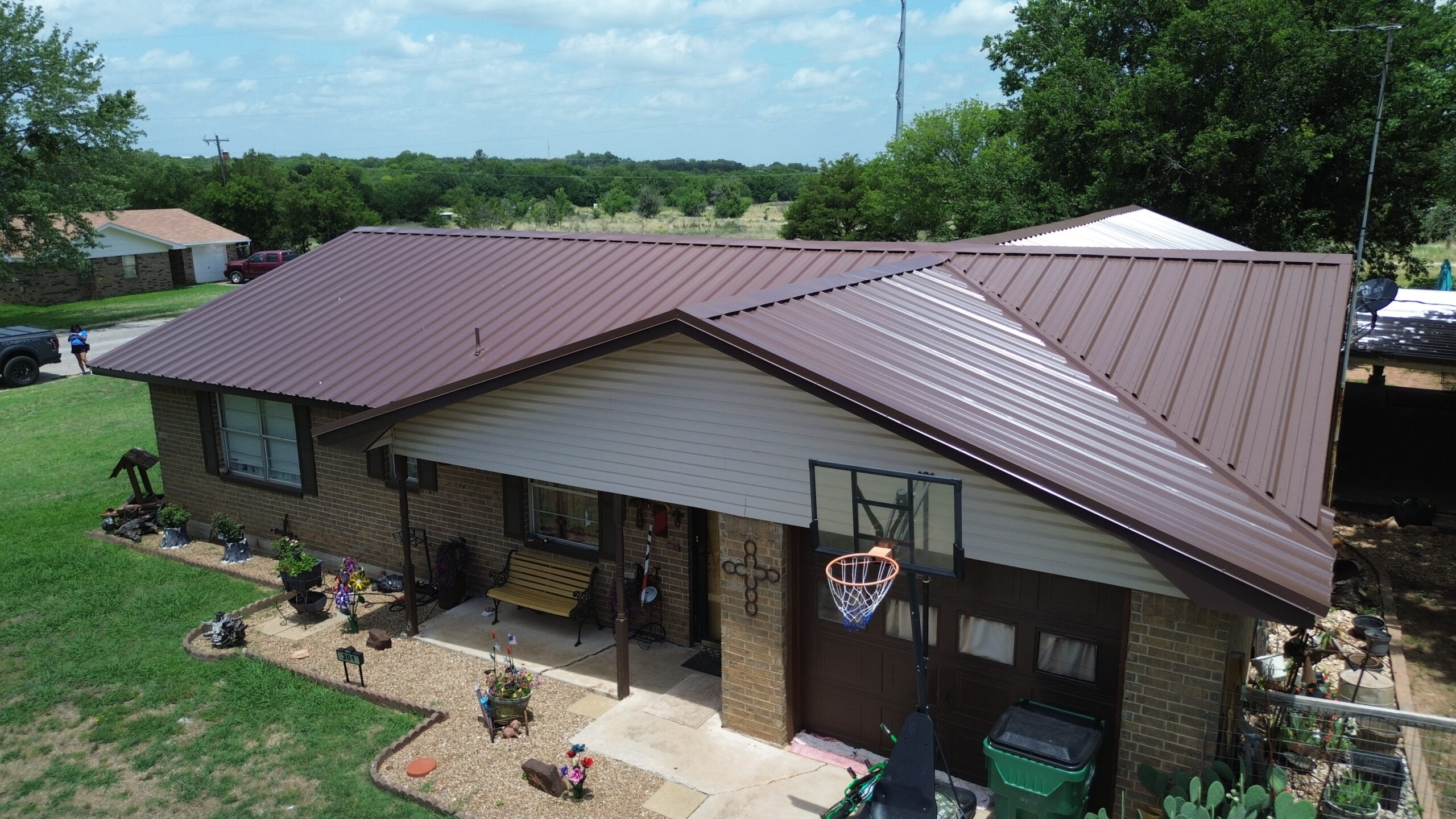
Choosing a roof repair contractor with relevant experience and a solid local reputation can help you avoid poor workmanship and repeated repairs. A company that regularly serves Frisco homeowners may be familiar with common roofing materials, regional weather patterns, and local building requirements. However, local presence alone does not guarantee quality, so evaluate the contractor’s actual experience, customer feedback, and approach to handling roofing problems.
Examine Previous Roofing Projects
Ask prospective contractors about roof repair projects similar to yours. If you have missing shingles, damaged flashing, recurring leaks, or suspected hail damage, look for professionals who have experience addressing those specific issues. Reviewing photographs of completed work can help you understand the contractor’s capabilities, although pictures should be considered alongside references and written project details.
You can also ask how the company determines whether damaged materials can be repaired or need replacement. An experienced contractor should explain the reasoning behind the recommended solution and identify any limitations that may affect the outcome. Clear explanations demonstrate that the company understands the repair process and is prepared to discuss your concerns professionally.
Read Reviews Carefully
Customer reviews can reveal patterns in a contractor’s reliability, communication, scheduling, and workmanship. Check several independent review platforms and look for detailed feedback about completed roofing projects rather than focusing exclusively on overall star ratings. Reviews describing how a company resolved complaints or handled unexpected problems can be particularly useful when comparing your options.
Be cautious about contractors with numerous vague reviews, inconsistent business information, or repeated complaints about unfinished projects and unexpected charges. A negative review does not automatically mean a company is unreliable, but repeated concerns deserve further investigation. Consider asking for recent references and speaking directly with previous customers before making your final decision.
Look for Long-Term Accountability
A dependable contractor should be willing to explain how the company handles repair concerns after the work is completed. Ask who you should contact if a leak returns, a repaired section develops a problem, or you have questions about the warranty. Understanding the company’s follow-up process can help you assess whether it is prepared to take responsibility for its work.
Also verify that the company has consistent contact information and a clear written agreement identifying the responsible business. Avoid relying exclusively on a temporary phone number, an informal verbal promise, or a salesperson’s assurance that every issue will be covered. A professional approach to accountability is an important part of protecting your investment.
💰 Compare Roof Repair Estimates and Pricing
Comparing written estimates is one of the most effective ways to choose a roof repair contractor without focusing entirely on the lowest price. Different companies may recommend different repair methods, materials, or levels of work, which can make their totals difficult to compare at first glance. Requesting detailed estimates helps you understand what each contractor intends to do and whether the proposed solution addresses the actual problem.
Request Multiple Written Estimates
Consider obtaining estimates from at least two or three qualified contractors when the condition of your roof allows enough time for comparison. Each contractor should inspect the relevant areas and explain the findings before recommending a repair. If a contractor provides a price without understanding the damage, ask how the estimate was prepared and whether additional costs could arise after work begins.
The estimates should describe the affected roof sections, repair procedures, materials, labor, cleanup, and any anticipated additional charges. Ask whether the quoted price includes removing damaged materials, replacing underlayment where necessary, repairing flashing, and disposing of debris. A detailed scope makes it easier to compare similar services rather than assuming that every quote covers the same work.
Understand What Influences Repair Costs
Roof repair prices vary according to the type of damage, roofing material, roof accessibility, labor requirements, and extent of the affected area. Replacing a few shingles may be relatively straightforward, while locating a concealed leak or repairing damage beneath the roof covering can require additional investigation and labor. Emergency scheduling, specialty materials, steep roof slopes, and extensive storm damage may also increase the final price.
The following table illustrates common repair categories and the factors that influence their costs. These are general examples rather than verified Frisco price quotations, and actual estimates can vary considerably based on the property’s condition and the contractor’s findings.
| Repair type | Main cost factors | What to clarify |
|---|---|---|
| Shingle replacement | Number of shingles, material match, labor | Whether surrounding shingles are damaged |
| Roof leak repair | Leak location, underlying moisture, flashing condition | Whether the source has been identified |
| Flashing repair | Location, metal type, access requirements | Whether replacement or resealing is appropriate |
| Storm damage repair | Damaged area, material availability, repair complexity | Which sections require attention |
| Roof ventilation repair | Vent type, access, surrounding materials | Whether ventilation issues contributed to the problem |
| Underlayment repair | Extent of concealed damage, material removal | Whether additional deterioration may be discovered |
Be Careful With Extremely Low Estimates
A low quote may be attractive, especially when you want to resolve a leak quickly, but the cheapest option is not always the best value. An estimate that excludes important materials, omits necessary repairs, or provides little detail may result in additional charges later. Ask the contractor to explain any major price difference between estimates before deciding which company to hire.
At the same time, a higher price does not automatically mean better workmanship. Compare the scope of work, material specifications, insurance coverage, warranty terms, payment conditions, and customer feedback alongside the total cost. Choose a contractor whose proposal offers a reasonable balance of quality, transparency, and value.
Clarify Payment Terms Before Work Begins
Ask how much is due upfront, when subsequent payments are required, and what circumstances could change the agreed price. The contract should explain how additional work will be approved and documented before it is performed. Avoid paying the entire amount in advance without carefully reviewing the agreement and understanding the contractor’s payment policy.
For larger repairs, request written confirmation of the payment schedule and the conditions for final payment. Keep receipts and records of any deposits, approved changes, and completed work. These simple precautions can reduce confusion and make it easier to resolve billing questions.
🛠️ Understand the Roof Repair Process
Knowing what a professional roof repair involves helps you evaluate whether a contractor follows a sensible, organized approach. Although the exact process depends on the damage, a reliable company should begin by assessing the roof, identifying the likely source of the problem, and explaining the proposed solution. The contractor should also discuss access, safety precautions, expected timing, and any limitations that could affect the repair.
Initial Inspection and Damage Assessment
During the inspection, the contractor should examine the reported problem and check nearby roofing components that may be contributing to it. Depending on the circumstances, this may include shingles, flashing, roof penetrations, gutters, ventilation features, and accessible attic areas. The goal is to understand why the problem developed instead of simply covering the most visible symptom.
Ask the contractor to explain the findings in language you can understand and provide photographs where practical. If the source of a leak cannot be confirmed during the first visit, the contractor should explain what further inspection may be needed. Be cautious of anyone who recommends expensive work without describing the evidence supporting that recommendation.
Repair Planning and Material Selection
Once the issue has been assessed, the contractor should outline the recommended repair and identify the materials needed. Matching existing roofing materials may be important for appearance, weather protection, and compatibility with the current roof system. In some cases, an exact match may be unavailable because the original product has been discontinued or weathered over time, so ask about suitable alternatives.
The repair plan should also explain whether damaged materials will be removed, what underlying components may need attention, and how the repaired area will be sealed against moisture. If concealed damage is discovered after work starts, the contractor should document the findings and obtain your approval for additional work before proceeding. Clear communication helps prevent surprises and ensures that the agreed repair remains properly defined.
Workmanship, Cleanup, and Final Review
During the repair, the contractor should follow appropriate safety procedures and protect nearby property from debris where practical. After the work is completed, ask for an explanation of what was repaired, which materials were used, and whether any remaining concerns require monitoring. The company should also remove construction debris and leave the work area in an agreed condition.
A final review can help confirm that the completed work matches the written scope. Request photographs of areas that are difficult to see from the ground and obtain copies of relevant invoices and warranty information. If weather conditions prevented the contractor from completing a particular task or verifying the result, ask when the remaining work or inspection will take place.
🌩️ Choosing a Contractor for Hail and Storm Damage
Frisco homeowners may experience roof damage following thunderstorms, hail, and strong winds. Some damage is immediately visible, such as missing shingles or broken roof components, while other problems may be less obvious from the ground. After severe weather, selecting a contractor who can carefully assess the roof and explain the findings is especially important.
Arrange a Professional Storm Damage Inspection
After a storm, look for visible signs of damage from a safe location, such as shingles in the yard, debris on the roof, or water entering the home. Do not climb onto the roof to investigate, particularly when materials are wet, loose, or unstable. Contact a qualified roofing professional if you suspect damage, and consider temporary protection recommended by a professional when conditions make it safe to do so.
A storm damage inspection should distinguish between damage caused by the recent event and pre-existing wear or maintenance problems. Ask the contractor to document relevant findings with photographs and explain which repairs are necessary. This documentation can be useful when reviewing the damage with your insurance company, although the insurer determines coverage under the applicable policy.
Be Cautious of Storm-Chasing Contractors
After major weather events, roofing companies from outside the area may approach homeowners offering rapid inspections or unusually attractive deals. Some out-of-area contractors are legitimate, but you should verify their business details, insurance, references, and ability to provide follow-up service before hiring them. Do not feel pressured to sign an agreement simply because a representative claims that the offer is available for a limited time.
Be particularly careful with promises that your insurance company will cover every expense or that you will not have to pay anything out of pocket. Coverage depends on the policy, deductible, exclusions, and claim assessment. Review all documents carefully, communicate directly with your insurer about coverage questions, and avoid arrangements that require misleading statements or unsupported claims.
Coordinate Repairs and Insurance Documentation
If you intend to submit an insurance claim, review your policy and contact your insurer to understand the applicable reporting process and deadlines. Keep photographs, inspection findings, estimates, invoices, and communications related to the damage. Ask the roofing contractor to explain the repair scope, but remember that the contractor does not make the final decision about insurance coverage.
If temporary protection is needed to prevent further damage, discuss the safest appropriate option and keep records of the work and associated costs. Before authorizing permanent repairs, understand how the contractor’s agreement interacts with the insurance process and what payments you remain responsible for. Careful documentation and clear communication can make the process more manageable while helping you avoid unnecessary misunderstandings.
⚖️ Roof Repair vs. Roof Replacement
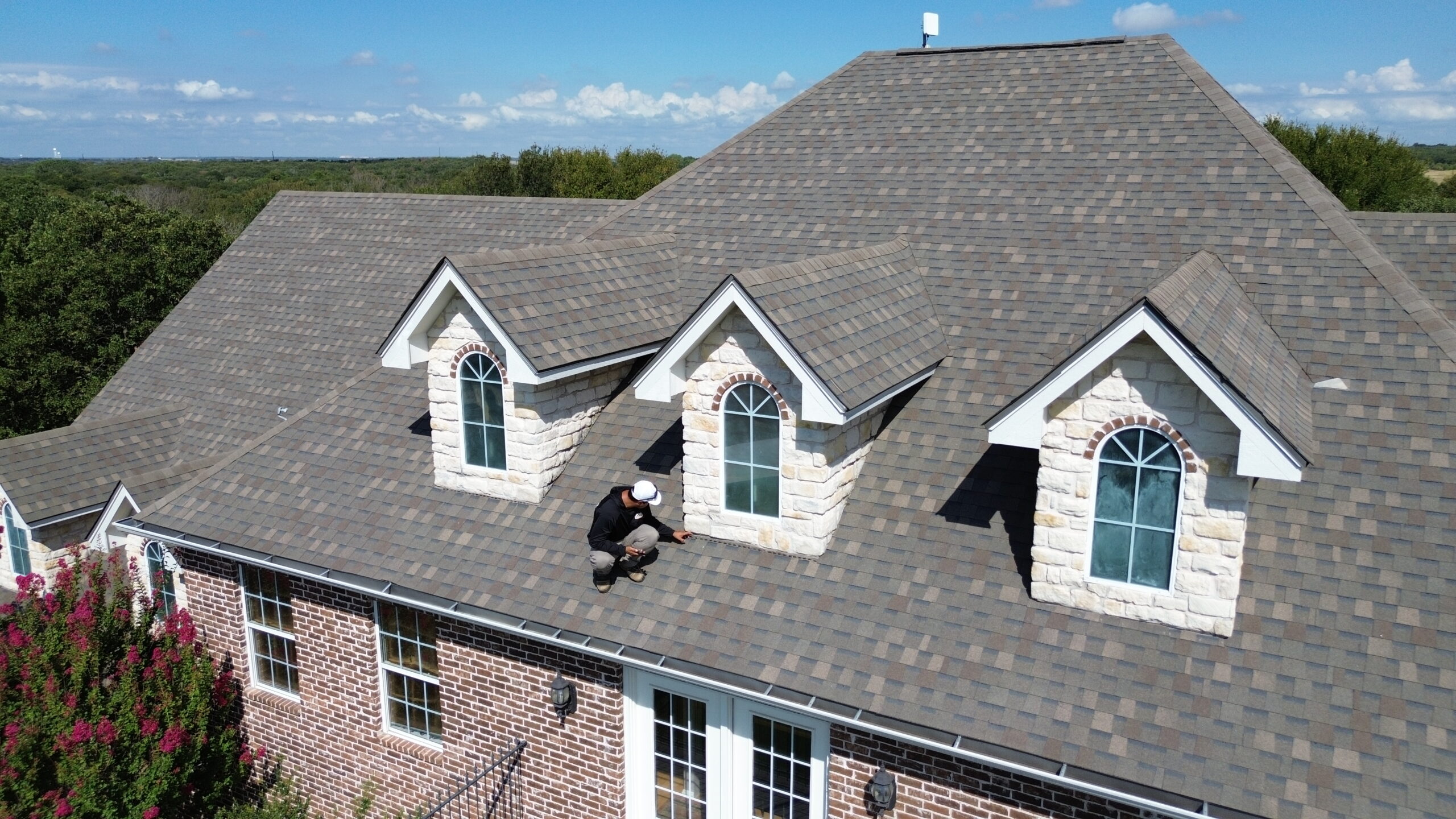
One important part of choosing a reliable roof repair contractor is understanding whether your roof needs a targeted repair or a more extensive replacement. The right recommendation depends on the roof’s age, material condition, severity of damage, and history of previous repairs. A trustworthy contractor should explain the available options and help you understand the long-term implications of each choice.
When Roof Repair Makes Sense
Repairing your roof may be the most practical option when damage is limited to a small, identifiable area. Examples include a few missing shingles, damaged flashing, a localized leak, or a loose roofing component that can be restored without affecting the entire system. Targeted repairs can help extend the roof’s useful life while avoiding the expense and disruption of a full replacement.
However, the repair should address the underlying cause rather than simply hide the visible symptoms. If water has entered the roof structure, damaged materials may need to be removed and replaced before the area can be properly restored. Ask the contractor to explain what the repair will accomplish and whether other sections of the roof require attention.
When Replacement May Be Worth Considering
Roof replacement may become a reasonable option when the roofing system has widespread deterioration, repeated leaks, extensive storm damage, or multiple areas that can no longer be repaired reliably. The decision should also consider the roof’s age, the availability of matching materials, and the likely cost of continued repairs. A professional inspection can help determine whether replacement offers better long-term value than repeatedly fixing separate problems.
Do not assume that an older roof automatically requires replacement or that a newer roof can always be repaired. The material type, installation quality, maintenance history, and extent of damage all affect the decision. If a contractor recommends a complete replacement, ask for evidence supporting the recommendation and consider obtaining another professional opinion when the cost is substantial.
📝 Review Contracts, Warranties, and Payment Terms
Before hiring a roof repair contractor in Frisco, review the written agreement carefully. A detailed contract helps both parties understand the expected work, the agreed price, the project schedule, and their respective responsibilities. Never rely exclusively on a verbal promise when the work involves your home’s protection and a significant financial commitment.
Check the Scope of Work
The contract should identify the contractor and property, describe the damaged areas, list the proposed repair tasks, and specify the materials to be used. It should also explain whether removal of damaged materials, disposal of debris, cleanup, and any necessary additional work are included in the price. If the contractor discovers concealed damage, the agreement should explain how changes will be documented, priced, and approved.
Review the estimated start and completion dates, payment schedule, and conditions that could affect the timeline. Weather, material availability, and unexpected damage can delay roofing work, so ask how such circumstances will be communicated. Make sure you understand the terms before signing and request clarification about anything that seems incomplete or confusing.
Understand Workmanship and Material Warranties
Roof repair warranties may cover different aspects of the project, so ask for the terms in writing. A workmanship warranty generally relates to the contractor’s work, while a manufacturer’s warranty applies to qualifying products under the manufacturer’s stated conditions. Coverage, duration, exclusions, and claim procedures vary, and some warranties may not apply to every type of repair.
Ask who will handle a warranty concern if a leak returns or the repaired section develops a problem. You should also understand whether maintenance, unrelated roof damage, or severe weather could affect coverage. Keep copies of the contract, invoices, product information, and warranty documents so you can refer to them if an issue arises later.
Avoid Unclear Agreements and Pressure Tactics
Be cautious if a contractor refuses to provide a written estimate, leaves important terms undefined, or pressures you to sign immediately. Review cancellation provisions, deposit requirements, and any conditions related to insurance claims before agreeing to the work. If a document contains unfamiliar legal language, take time to understand it and seek appropriate advice when necessary.
Do not sign a blank contract or accept an unexplained price increase after the work has started. Any approved changes should be recorded in writing, including the additional work, revised cost, and expected effect on the schedule. A professional contractor should be willing to document these details and answer your questions before proceeding.
⏱️ How to Compare Scheduling and Emergency Services
A contractor’s availability can be especially important when a roof leak is allowing water into your home. However, the fastest company is not automatically the most dependable choice. Evaluate how the contractor handles urgent requests, communicates delays, and balances a quick response with safe, appropriate repair work.
Ask About Availability and Estimated Completion
When requesting an estimate, explain whether the problem is actively leaking, appears storm-related, or involves damage that can safely wait for a scheduled inspection. Ask when the contractor can assess the property and how soon the proposed repair could be completed. The timeline may depend on weather, crew availability, roof accessibility, and the materials required.
Get the estimated schedule in writing when practical, and ask how you will be notified if the work needs to be rescheduled. A reliable company should communicate realistic expectations rather than guaranteeing a completion date it cannot reasonably support. If immediate repairs are not possible, ask whether a safe temporary solution is available to limit further damage.
Understand Emergency Repair Limitations
Emergency roofing services may focus on temporary protection, such as safely covering an exposed area or reducing water intrusion until permanent repairs can be completed. The exact solution depends on weather conditions, roof accessibility, and the extent of the damage. Ask whether the emergency visit includes a permanent repair or only temporary work, and confirm the cost before authorizing the service.
Do not attempt dangerous roof work yourself during a storm or when the surface is unstable. If water is entering electrical areas or you suspect structural damage, prioritize personal safety and contact the appropriate emergency professionals when needed. Once the immediate risk is controlled, arrange a thorough inspection to identify and correct the underlying roofing problem.
💡 Tips for Avoiding Unreliable Roofing Contractors
Choosing the wrong contractor can lead to incomplete repairs, unexpected charges, poor-quality materials, and recurring leaks. Taking a few precautions before signing an agreement can help you avoid many common problems. The goal is to select a professional who can explain the work, document the terms, and demonstrate a reasonable approach to customer service.
Watch for Common Warning Signs
Be cautious of contractors who demand full payment upfront, refuse to provide written estimates, or make dramatic claims without inspecting the roof. Other warning signs include unclear business details, reluctance to discuss insurance, vague warranty promises, and pressure to make an immediate decision. A professional company should give you enough information to evaluate the proposal carefully.
You should also be skeptical of unusually low estimates that do not explain the materials, labor, or repair scope. Ask for clarification if a contractor offers a price substantially below other proposals or claims to guarantee results without identifying the source of the problem. Comparing documentation and asking direct questions can help you distinguish a competitive offer from an incomplete one.
Verify Information Independently
Check the company’s business details, customer feedback, insurance documentation, and applicable local requirements rather than accepting every claim at face value. Contact the insurance provider or credentialing organization when you need to verify important information. If the contractor provides references, ask customers about their experience with scheduling, workmanship, communication, and follow-up service.
Keep records of estimates, signed agreements, payments, photographs, and project-related messages. These documents can help clarify what was promised if a disagreement develops. Taking time to verify details before work begins is generally easier than trying to resolve a problem after the contractor has left.
🧰 Questions to Ask Before Hiring a Roof Repair Contractor
Asking focused questions can help you compare roofing companies on more than price alone. You should understand the proposed repair, the contractor’s experience, the estimated schedule, and the protections available if something goes wrong. Use the following questions during your initial conversations and inspection appointments.
- What is causing the roof damage, and how did you identify the problem?
- Can you provide photographs or other documentation of the affected areas?
- Have you completed similar repairs on this type of roofing material?
- Are you able to provide current proof of relevant insurance coverage?
- Does this project require any local permit or approval?
- What materials and repair methods do you recommend, and why?
- Does your written estimate include labor, materials, cleanup, and disposal?
- How will additional damage or unexpected costs be handled?
- What workmanship warranty applies to this repair?
- Who should I contact if the repaired area develops a problem later?
Pay attention not only to the answers but also to how the contractor responds. Clear, specific explanations and a willingness to document important details are encouraging signs. If a representative avoids reasonable questions or uses pressure to secure a commitment, consider comparing other qualified companies before making your decision.
🚀 Why Choose Small Town Roofing & Construction for Roof Repair in Frisco, TX?
Homeowners looking for roof repair in Frisco, TX, can consider Small Town Roofing & Construction as one company to contact when evaluating their options. Before hiring, discuss the specific roofing issue, the inspection process, the proposed repair, and the company’s experience with your type of roof. Confirm service availability for your property and request written details about pricing, insurance, scheduling, and warranty coverage.
A productive roofing consultation should help you understand what is wrong with your roof and what needs to happen next. Ask for an explanation of the recommended repair, photographs where practical, and a clear estimate outlining the expected work. These details make it easier to compare the proposal with other qualified contractors and determine whether it meets your needs.
The best roofing decision is based on evidence, transparent communication, and a clearly defined agreement. Whether you are dealing with missing shingles, a persistent leak, or suspected storm damage, take time to review your options before authorizing the work. Verifying the company’s qualifications and agreeing on the repair scope in writing can help you move forward with greater confidence.
❓ Frequently Asked Questions About Choosing a Roof Repair Contractor in Frisco, TX
How do I find a reliable roof repair contractor in Frisco, TX?
Start by researching local roofing companies and reviewing feedback from multiple independent sources. Verify relevant insurance coverage, business information, references, and experience with your roof type. Request written estimates from qualified contractors and compare the repair scope, materials, warranty terms, and expected schedule before choosing a company.
How much does roof repair typically cost in Frisco?
Roof repair costs depend on the type of damage, roofing material, accessibility, labor, and amount of work required. Replacing a few shingles generally involves less work than repairing a concealed leak or addressing extensive storm damage. Request a written inspection-based estimate because actual pricing can vary significantly between properties.
Should I hire a local roofing contractor after hail damage?
A local contractor may understand common weather-related roofing problems and applicable local requirements. However, you should still verify insurance, references, experience, and the company’s ability to provide follow-up service. Ask for documented inspection findings and contact your insurer to understand your policy’s coverage before authorizing major repairs.
How can I verify a roofing contractor’s insurance?
Ask the contractor for current proof of general liability insurance and workers’ compensation coverage where applicable. Review the policy dates and relevant coverage details, and contact the insurance provider to verify the information if necessary. Do not rely solely on verbal assurances or an unverified statement on a company’s website.
Is the cheapest roof repair estimate the best choice?
The lowest estimate is not necessarily the best option if it excludes essential work or uses unsuitable materials. Compare the repair scope, labor, material specifications, insurance, warranty terms, and customer feedback alongside the total price. Choose a contractor who provides a clear proposal and a reasonable explanation of the recommended solution.
How long does a typical roof repair take?
A minor repair may be completed in a few hours, while more extensive work can take a day or longer. Weather conditions, roof accessibility, material availability, and hidden damage can affect the schedule. Ask your contractor for an estimated timeline and how delays or additional work will be communicated.
Does homeowners insurance cover roof repairs in Frisco?
Coverage depends on your policy, the cause of damage, exclusions, deductible, and the insurer’s assessment. Sudden storm damage may be treated differently from deterioration caused by age, neglect, or ordinary wear. Review your policy and contact your insurance company to understand your coverage and any claim requirements.
What should a roof repair contract include?
A written contract should identify the contractor, describe the repair work, specify materials, and state the agreed price and payment schedule. It should also explain the expected timeline, cleanup arrangements, procedures for additional work, and applicable warranties. Read every term before signing and request clarification about anything that is unclear.
How do I know whether my roof needs repair or replacement?
Localized damage, such as a few missing shingles or a small flashing problem, may be suitable for repair. Widespread deterioration, recurring leaks, or extensive damage may make replacement worth considering. Ask a qualified contractor to inspect the roof and explain the evidence supporting the recommendation before making a major financial decision.
What should I do if my roof starts leaking during a storm?
Move belongings away from the leak and collect dripping water if doing so is safe. Avoid climbing onto the roof or approaching wet electrical fixtures, and keep away from areas where the ceiling appears unstable. Contact a qualified roofing professional for advice about safe temporary protection and arrange a thorough inspection once conditions permit.
Conclusion
Choosing a reliable roof repair contractor in Frisco, TX, begins with understanding your roofing problem and carefully evaluating the professionals available to address it. Experience, transparent estimates, appropriate insurance, positive customer feedback, and clear written agreements all contribute to a more informed hiring decision. Taking time to compare contractors can help you avoid unnecessary expenses and reduce the risk of recurring roofing problems.
Before authorizing repairs, request a thorough assessment, ask questions about the proposed solution, and confirm the payment schedule and warranty terms. If your roof has been affected by hail, wind, or heavy rain, document visible damage safely and review your insurance policy before proceeding with major work. Choosing a contractor who communicates clearly and explains the reasoning behind the repair can help protect your home and support the long-term performance of your roofing system.
For homeowners considering Small Town Roofing & Construction, discuss your roof’s condition, request a detailed written estimate, and verify that the company’s services and qualifications meet your project’s requirements. A careful selection process puts you in a better position to make a confident decision and ensure that the repair addresses the problem rather than just its visible symptoms.
Leave A Comment