

Roof Leak Around a Skylight in Denton, TX: Causes and Repairs
Introduction
A skylight can bring natural sunlight into your home, brighten dark rooms, and create a more open indoor atmosphere. However, when water begins leaking around a skylight, that attractive feature can quickly become a source of stress for homeowners in Denton, TX. Even a small leak can damage ceilings, insulation, paint, and surrounding roof materials if the underlying problem is not identified and repaired promptly.
Denton homeowners face a variety of weather conditions throughout the year, including heavy rain, strong winds, hailstorms, and intense summer heat. These conditions can gradually weaken roofing materials, damage skylight flashing, and cause seals to deteriorate over time. Understanding why skylights leak, how to recognize early warning signs, and which repair methods are appropriate can help you protect your property and avoid unnecessary repair expenses.
A roof leak around a skylight does not always mean the skylight itself needs to be replaced. The problem may originate from damaged shingles, improperly installed flashing, deteriorated sealant, blocked drainage channels, or moisture buildup inside the home. A professional roof inspection can help identify the actual source of the water intrusion and determine whether a targeted repair or a more extensive roofing solution is necessary.
In this guide, we explain the common causes of skylight leaks in Denton, how local weather can contribute to roof damage, and what homeowners should look for when water appears around a skylight. You will also learn about repair options, estimated costs, preventive maintenance, and the situations in which professional roofing assistance can make a difference. With the right approach, you can address existing moisture problems and help maintain a durable, weather-resistant roofing system.
💧 Understanding Roof Leaks Around Skylights
A skylight is installed within an opening in the roof, which means its frame and surrounding components must form a reliable barrier against rainwater. The installation typically involves the skylight unit, flashing, underlayment, roofing materials, and connections between the skylight and the roof structure. If any of these components become damaged, deteriorate, or are installed incorrectly, water may find a path into the home.
Unlike an uninterrupted section of shingles, a skylight creates several edges and joints where roofing materials meet another surface. These areas require careful waterproofing because rainwater naturally moves down the roof and can collect around poorly designed or damaged connections. Correct installation and routine inspections help keep these vulnerable areas protected throughout changing weather conditions.
How a Skylight Connects With the Roofing System
The skylight frame sits within an opening in the roof deck, and the surrounding roofing system must direct water away from that opening. Flashing is particularly important because it creates protective transitions between the skylight and nearby roofing materials, helping prevent water from entering through joints and edges. Depending on the design, the installation may also include a flashing kit, protective underlayment, and other components intended to improve water resistance.
Each component must work together to provide dependable protection. Even a high-quality skylight can develop leaks if the flashing is incompatible with the roofing material, the roof slope is unsuitable, or the installation does not follow the manufacturer’s instructions. For this reason, a successful repair should address the complete connection between the skylight and the roof rather than simply covering the most visible gap.
Common Areas Where Water Can Enter
Water can enter around the upper edge of a skylight when flashing is damaged, incorrectly positioned, or unable to direct runoff away from the frame. The side edges and lower corners may also become vulnerable when surrounding shingles deteriorate or the flashing connections loosen. In some cases, water travels beneath the roofing materials before appearing on the interior ceiling, making the actual entry point difficult to identify.
Skylight glass, frames, and seals can also develop problems as they age or experience repeated exposure to temperature changes. Cracked glazing, damaged frame joints, or deteriorated weather seals may allow moisture to enter the skylight assembly itself. A careful inspection should distinguish between a problem with the skylight unit and a leak originating in the surrounding roofing system.
Understanding Condensation Versus a Roof Leak
Not every sign of moisture around a skylight is caused by rainwater entering through the roof. Condensation can develop when warm, humid indoor air contacts a cooler skylight surface, especially during temperature changes or when indoor humidity is elevated. This moisture may collect on the glass, frame, or nearby surfaces and resemble a leak.
A genuine roof leak is more likely when water appears during or shortly after rainfall, although delayed dripping can occur when moisture travels through roofing layers before reaching the interior. Condensation may be more noticeable during periods of high indoor humidity or when ventilation is inadequate. If the source remains uncertain, a professional inspection can help determine whether the problem involves roofing damage, skylight seals, indoor humidity, or a combination of factors.
Why Early Diagnosis Matters
A small leak can appear manageable at first, but ongoing moisture can gradually affect materials hidden behind the ceiling. Wet insulation may lose some of its effectiveness, drywall can soften, paint may peel, and wooden components may deteriorate if moisture persists. In suitable conditions, prolonged dampness can also encourage mold growth and create additional cleanup or restoration needs.
Addressing the cause early can reduce the likelihood of these secondary problems. Replacing a damaged flashing section or correcting a localized installation issue may be considerably less expensive than repairing the skylight, roof decking, insulation, and interior finishes after extensive water damage. Homeowners should therefore investigate recurring moisture instead of relying on temporary measures that only conceal the symptoms.
🔍 Common Causes of Skylight Roof Leaks
Skylight leaks can develop for several reasons, and identifying the correct cause is essential to choosing an effective repair. Some problems involve the roofing materials surrounding the skylight, while others originate from the frame, glazing, flashing, or drainage design. In Denton, exposure to seasonal storms, intense sunlight, and changing temperatures can make regular inspections particularly valuable.
Damaged or Improperly Installed Skylight Flashing
Flashing is one of the most important protective components around a skylight because it helps guide rainwater away from the roof opening. If the flashing becomes bent, corroded, loose, or damaged by severe weather, water may penetrate the joints and reach the roof deck or interior ceiling. Incorrect installation can create similar problems when the flashing pieces do not overlap correctly or are incompatible with the skylight and roofing system.
Improper flashing may not produce an immediate leak, which can make the issue difficult to recognize during the first few months after installation. Problems may become apparent only after heavy rainfall, wind-driven rain, or repeated exposure to harsh weather. A proper repair should evaluate the flashing arrangement and replace or correct defective components rather than depending entirely on surface sealant.
Deteriorated or Missing Shingles Around the Skylight
The shingles surrounding a skylight help shed rainwater and protect the underlayment beneath them. When shingles crack, curl, loosen, or disappear during a storm, water may reach areas that were intended to remain covered. Damage near the upper edge or side sections of a skylight can be particularly concerning because runoff may enter the compromised area before it reaches the gutters.
Older shingles may become brittle and lose protective granules after years of sunlight and weather exposure. Strong winds can also lift shingle edges or break their seals, leaving gaps around the skylight installation. Depending on the extent of the damage, the appropriate solution may involve replacing individual shingles, repairing nearby flashing, or evaluating whether the entire roof has reached the end of its useful life.
Cracked Skylight Glass or Damaged Frames
A skylight unit can develop cracks, damaged frame joints, or deteriorated seals that allow moisture to enter. Glass damage may occur after a severe hailstorm, accidental impact, or prolonged exposure to stress, while frame components can deteriorate as the skylight ages. Even a small defect can become a pathway for water when rain repeatedly strikes the affected area.
The location of the moisture can provide useful clues, but it does not always identify the exact problem. Water appearing around the interior frame may originate from damaged glazing seals, a frame connection, or a roofing defect farther up the roof slope. A professional should inspect the unit and its surrounding installation to determine whether a component repair or complete skylight replacement is appropriate.
Improper Roof Slope and Poor Water Drainage
Skylights must be suitable for the roof slope on which they are installed, and their flashing systems must be designed for the particular application. If the roof slope does not meet the requirements of the skylight or flashing manufacturer, water may drain more slowly or collect around vulnerable joints. Poorly designed drainage can increase the time moisture remains in contact with areas intended to shed water.
Debris, accumulated leaves, and other obstructions can also interfere with water movement around a skylight. Although cleaning may resolve certain drainage issues, it will not correct an unsuitable installation or damaged flashing. A roofing professional can evaluate the roof configuration and determine whether the problem requires maintenance, component replacement, or a more substantial correction to the installation.
Clogged Drainage Channels and Debris Buildup
Some skylight designs include drainage channels or weep openings that help manage small amounts of moisture and prevent water from becoming trapped in designated areas. When these openings become obstructed by dust, leaves, or other debris, moisture may accumulate and cause problems around the frame. Blocked drainage can be especially noticeable after prolonged rainfall or when debris collects around the roof opening.
Homeowners should follow the skylight manufacturer’s maintenance instructions when cleaning accessible components. Avoid inserting sharp tools into drainage openings or dismantling parts of the skylight without understanding their function. If water continues to collect or the source of the leak remains unclear, a professional inspection can help determine whether the drainage system is blocked or another defect is responsible.
Aging Roofing Materials and Natural Wear
Roofing materials gradually deteriorate as they experience sunlight, temperature changes, wind, and precipitation. As shingles age, their protective surfaces may weaken, flashing connections can loosen, and sealants may lose flexibility or adhesion. A skylight installed many years ago may therefore develop leaks even when the original installation was completed correctly.
The condition of the surrounding roof matters just as much as the age of the skylight itself. If nearby shingles are deteriorating across a broad area, repairing only the skylight connection may provide limited long-term benefit. A contractor should assess the overall roofing system and explain whether localized repairs are likely to remain effective or whether replacement deserves consideration.
Poor Installation and Inadequate Waterproofing
Incorrect installation is another possible cause of skylight leaks, particularly when the flashing, underlayment, or roofing materials were not integrated according to the manufacturer’s specifications. Gaps, poorly aligned components, unsuitable sealants, and incorrect fastening methods can compromise the waterproofing system. These issues may remain hidden until the roof experiences sustained rainfall or wind-driven moisture.
Adding more caulk around the visible edges may not solve an installation problem because water can enter beneath the flashing or travel through another part of the roof assembly. Effective repairs require understanding how the original components were installed and identifying the actual pathway of the water. If the installation is fundamentally defective, correcting the flashing arrangement or reinstalling the skylight may be necessary.
🌩️ How Denton Weather Contributes to Skylight Leaks
Weather conditions in Denton, TX, can place considerable stress on skylights and the roofing materials surrounding them. Hail, wind, heavy rain, strong sunlight, and seasonal temperature changes can affect shingles, flashing, seals, and frame components over time. Understanding these local conditions can help homeowners recognize why a skylight that previously performed well may begin leaking after a storm or several years of exposure.
Hailstorms and Wind-Driven Rain
Hail can damage shingles, crack certain skylight components, and affect exposed roofing accessories around the skylight. Even when the glass remains intact, nearby roofing materials may sustain impact damage that weakens their protective surfaces. A roof inspection after a significant hailstorm can help identify damage that may not be visible from ground level.
Strong winds can push rainwater against roof surfaces from directions that differ from normal runoff. If flashing connections are loose or shingles have lifted, wind-driven rain may enter vulnerable joints and create an interior leak. Homeowners should avoid climbing onto a roof after severe weather and instead arrange a professional assessment when they notice dripping, water stains, or visible exterior damage.
Heavy Rainfall and Water Accumulation
Prolonged or heavy rainfall can expose weaknesses in the skylight’s waterproofing system. Damaged flashing, deteriorated shingles, clogged drainage pathways, and poorly sealed joints may allow water to penetrate the roof assembly when large amounts of rain pass over the area. A leak that appears only during intense storms may still indicate a significant defect that needs attention.
Water can also travel beneath shingles or along the roof deck before becoming visible indoors. This means the location of a ceiling stain may not correspond directly with the original entry point. A professional assessment should consider the surrounding roof surface, flashing layout, skylight frame, and possible pathways through the structure to identify the source accurately.
Extreme Summer Temperatures and Seal Deterioration
North Texas summers can expose roofing materials and skylight components to prolonged sunlight and high temperatures. Repeated heating and cooling may contribute to the gradual deterioration of some sealants, frame connections, and roofing materials, particularly when the products are aging or were not suitable for the installation. As protective components weaken, the skylight may become more vulnerable to moisture intrusion.
Homeowners should not assume that every aging seal requires additional caulk. Some sealants are designed for specific materials and installation locations, and using an incompatible product can create further problems. A qualified roofing professional can determine whether a seal needs appropriate maintenance, a component needs replacement, or the underlying flashing system requires correction.
Seasonal Temperature Changes and Material Movement
Roofing materials and skylight frames can expand and contract as temperatures change. Over time, repeated movement may place stress on joints, fasteners, and connections, especially when installation details do not accommodate the movement expected for the materials involved. Small weaknesses may eventually allow water to enter during rain or wind-driven storms.
Temperature-related movement can also affect the appearance of interior condensation, making it important to distinguish between indoor humidity and a true roof leak. Homeowners should note when moisture appears, whether rainfall is involved, and whether water collects on the glass or emerges around the ceiling opening. These observations can help a roofing professional narrow down the likely cause without relying on assumptions.
Inspecting Skylights After Severe Weather
A visual inspection from inside the home can help identify early signs of trouble after a storm. Look for fresh water stains, dripping, damp trim, cracked glass, or visible changes around the skylight frame, while avoiding any attempt to climb onto a wet or damaged roof. If there are signs of active leakage, protect the interior area and arrange a professional inspection as soon as conditions permit.
A roofing contractor can examine the shingles, flashing, and other exterior components to determine whether storm damage has affected the skylight installation. Photographs of visible damage and records of when the problem began may also be useful if you need to discuss a potential insurance claim. Prompt attention can help prevent a relatively localized defect from causing more extensive damage to the roof and interior finishes.
🚨 Warning Signs of a Leaking Skylight
Recognizing the early warning signs of a skylight leak can help Denton homeowners arrange repairs before moisture damages surrounding materials. Some signs are immediately visible, such as dripping water or dark ceiling stains, while others develop gradually as dampness affects insulation, paint, and trim. Paying attention to changes around the skylight can help you determine when a professional inspection is needed.
Water Stains Around the Ceiling Opening
Brown or yellow discoloration around a skylight opening may indicate that water has entered the roof or ceiling assembly. These stains can become more noticeable after rainfall and may spread as moisture continues to reach the affected materials. Even if the ceiling feels dry when inspected, an old stain should not automatically be dismissed because the underlying source may still be active intermittently.
Water can travel along framing members or the underside of the roof deck before reaching the ceiling. As a result, the stain may appear on one side of the skylight even when the entry point is located elsewhere. If the discoloration returns after rain or becomes larger over time, arrange an inspection to determine whether the roof, flashing, or skylight unit needs repair.
Dripping Water During or After Rainfall
Visible dripping is one of the clearest signs that moisture is entering the building, and it should be addressed promptly. Water may begin dripping during heavy rain or appear later as moisture moves through the roof assembly and collects at a low point. Recurring leaks can damage the ceiling, insulation, flooring, and nearby furnishings if the underlying defect remains unresolved.
Place a suitable container beneath the drip and move vulnerable belongings away from the affected area when it is safe to do so. Do not climb onto the roof during a storm or attempt to repair exterior components in wet conditions. A roofing professional can inspect the system when conditions are safe and identify the repair needed to restore protection.
Peeling Paint and Bubbling Drywall
Paint that begins peeling, bubbling, or separating around a skylight may indicate that moisture has accumulated behind the surface. Drywall can soften, swell, or develop uneven patches when exposed to repeated dampness, and trim may begin to separate from adjacent materials. These symptoms can remain after the visible water has dried, particularly when the underlying area has not been properly repaired.
Cosmetic repairs alone will not resolve the problem if water continues to enter through the roof. The source of the moisture should be corrected before damaged drywall, paint, or trim is restored. Depending on the extent of the damage, the property may also need drying, insulation replacement, or further evaluation for persistent dampness.
Damp Insulation and Musty Odors
A skylight leak may allow water to reach attic insulation or other concealed building materials. Damp insulation can lose some of its effectiveness and may remain wet longer when airflow is limited, increasing the risk of additional deterioration. A persistent musty odor near the skylight or in the attic may indicate moisture that is not immediately visible from the living area.
Homeowners should avoid disturbing wet insulation or entering unsafe attic spaces to investigate a suspected leak. A qualified professional can assess accessible areas, identify the source of moisture, and recommend appropriate drying or replacement work. Addressing the roofing problem promptly helps reduce the chance of ongoing moisture exposure and secondary damage.
Mold Growth and Persistent Indoor Moisture
Prolonged dampness can create conditions that support mold growth on certain building materials. Discoloration, recurring musty odors, and visible growth around a skylight opening may indicate that moisture has persisted for an extended period. These signs should be taken seriously because repairing the roof alone may not address materials that have already been affected.
The first priority is to identify and stop the water intrusion or resolve the condensation problem. Damaged materials may then require appropriate cleaning, drying, or replacement based on the extent of the issue. If the affected area is extensive or the source of moisture remains uncertain, consider qualified assistance rather than covering the visible damage with new paint.
Visible Cracks, Damaged Flashing, and Loose Shingles
Visible exterior damage can provide useful clues about the condition of a skylight installation. Cracked glass, damaged frame components, lifted shingles, loose flashing, or deteriorated sealant may indicate that the roof’s protective system has been compromised. However, the absence of visible damage does not rule out a leak because some defects occur beneath roofing materials or around concealed joints.
Homeowners should examine exterior components only from a safe location on the ground or through accessible windows. Roof inspections should be left to trained professionals who have the appropriate equipment and experience to work safely. A thorough evaluation can determine whether the problem requires a localized repair, replacement of damaged components, or more extensive work on the surrounding roof.
🔎 How to Find the Source of a Skylight Leak
Finding the actual source of a skylight leak is essential because water may travel through several roofing layers before becoming visible indoors. A stain near the skylight does not necessarily mean the glass or frame is defective, and replacing the unit without investigating the surrounding roof may fail to resolve the problem. A systematic inspection should evaluate the skylight, flashing, shingles, drainage, and interior conditions together.
Inspecting the Skylight Frame and Glazing
The first stage of diagnosis involves examining the visible interior frame, glass, and surrounding trim for signs of damage or moisture. Cracks, loose components, deteriorated seals, and water collecting near the glazing may indicate a problem with the skylight unit itself. The timing of the moisture can also help distinguish a rain-related leak from condensation caused by indoor humidity.
However, visible water around the frame does not establish the precise entry point. Moisture from damaged roof flashing can travel into the opening and appear to originate from the skylight glass. A professional should evaluate both the unit and the roof connection before recommending a repair or replacement.
Checking Flashing and Surrounding Shingles
The flashing and nearby roofing materials should be assessed for gaps, lifted edges, deterioration, incorrect overlaps, and signs of previous patching. Shingles around the skylight may also show impact damage, missing granules, or loose sections that allow water to reach the underlying layers. These issues can be difficult to identify accurately without suitable access and roofing experience.
A professional inspection can determine whether the flashing remains correctly integrated with the roofing system. If defects are present, the repair may involve replacing damaged flashing, correcting shingle placement, or addressing underlayment problems beneath the visible surface. Simply applying sealant to the exterior may not provide a durable solution when the underlying installation is defective.
Examining the Roof Deck and Underlayment
The roof deck and underlayment form important parts of the protective system beneath the shingles or other roofing materials. If water has entered through damaged flashing or surrounding materials, these concealed layers may have become wet or deteriorated. Evidence of damaged decking, persistent moisture, or previous repairs can affect both the repair method and the expected cost.
In some cases, the condition of these components cannot be fully evaluated until a portion of the roofing materials has been removed. If additional damage is discovered, the contractor should document the findings and explain the necessary work before proceeding with additional charges. Properly repairing the underlying problem is important for preventing the leak from returning after the visible damage has been addressed.
Identifying Condensation and Indoor Humidity Issues
A professional assessment should also consider whether moisture is forming on the skylight because of indoor humidity rather than entering through the roof. Condensation may be associated with poor ventilation, elevated humidity, or differences between indoor and outdoor temperatures. Signs such as moisture on the glass without a clear relationship to rainfall can provide useful information, although they are not conclusive on their own.
Improving ventilation, managing indoor humidity, or correcting a thermal issue may help when condensation is responsible. If the problem is a genuine roof leak, however, humidity management will not repair damaged flashing or restore the roofing system’s waterproofing. Accurate diagnosis ensures that the repair addresses the actual cause instead of spending money on measures that cannot solve the problem.
Why Professional Roof Inspections Are Important
Skylight leaks can involve hidden defects, complex flashing details, and multiple potential paths for water intrusion. A professional roofer can inspect the surrounding materials, evaluate the installation, and determine whether the skylight unit or the roof assembly is responsible. This helps reduce the risk of unnecessary replacement work and repeated repairs that fail to address the source.
Professional inspections are particularly valuable when leaks recur after previous repairs, appear only during severe storms, or are accompanied by signs of structural or interior damage. A detailed assessment can establish the recommended scope of work and identify any additional repairs needed to protect the home. For Denton homeowners, timely diagnosis is an important step toward restoring the roof’s performance and preventing moisture-related expenses from increasing.
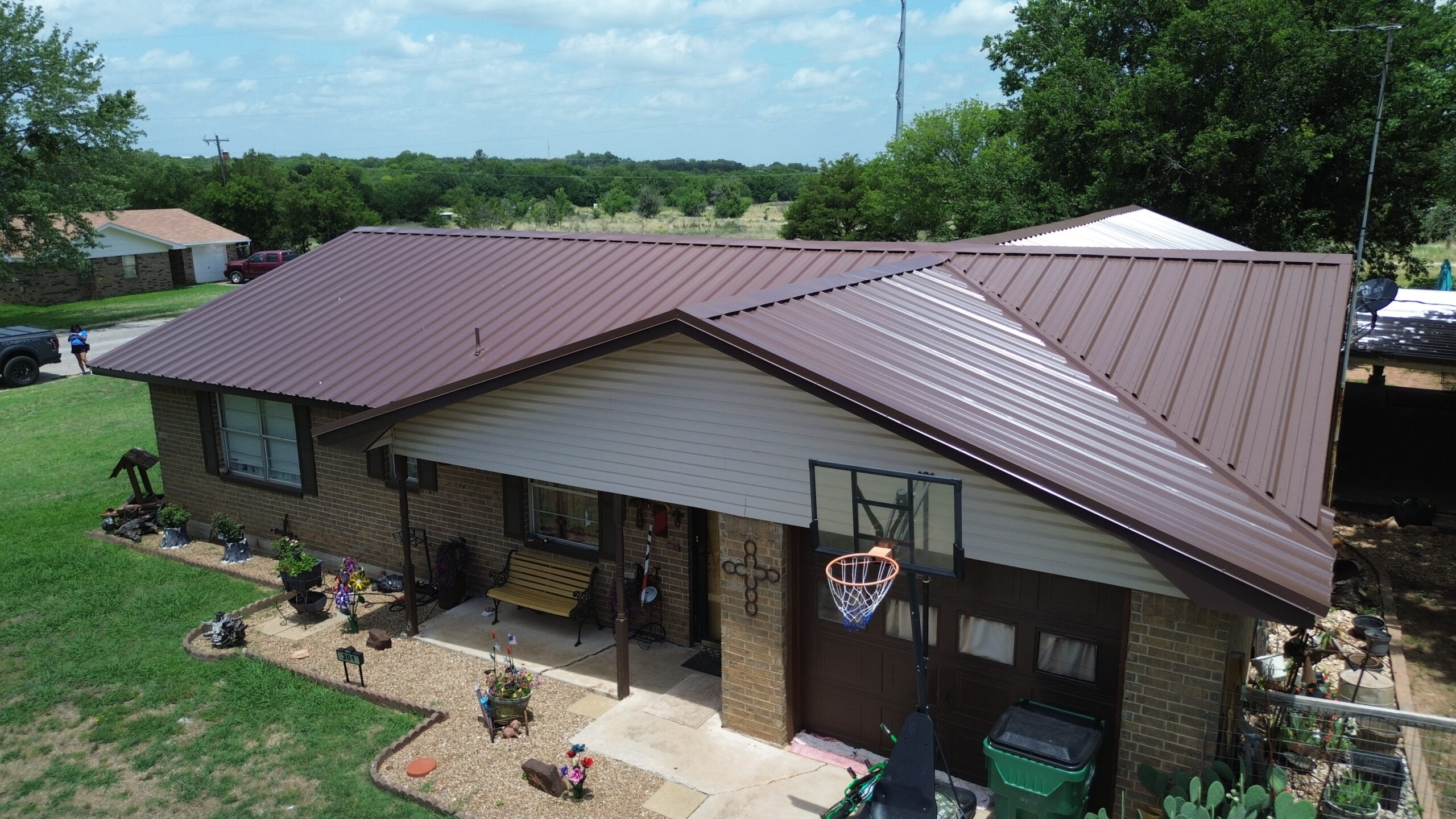
🔧 Roof Leak Around a Skylight: Repair Options
The right repair for a leaking skylight depends on where the water enters, how much damage has occurred, and the condition of the existing roof. Some problems can be resolved by replacing a small section of flashing or damaged shingles, while others require repairs to the skylight frame, roof decking, or surrounding waterproofing system. For homeowners in Denton, TX, a thorough diagnosis helps ensure the repair addresses the underlying defect instead of temporarily hiding the symptoms.
Repairing or Replacing Damaged Flashing
Flashing repairs are among the most common solutions when water enters around the edges of a skylight. If the flashing is loose, improperly positioned, or damaged in a limited area, a roofing contractor may be able to correct the installation or replace the affected components. The repair should maintain the proper overlap between flashing, underlayment, and surrounding roofing materials so rainwater flows away from the opening.
If the existing flashing is severely deteriorated or was installed incorrectly, replacing the complete flashing system may be more appropriate than patching individual sections. The contractor should use compatible materials and follow the skylight manufacturer’s installation requirements. This approach helps restore the protective connection between the skylight and roof while reducing the likelihood of recurring leaks.
Replacing Damaged or Missing Shingles
When cracked, lifted, or missing shingles allow water to reach the roof deck, replacing the affected materials may resolve the problem. The contractor will generally examine the shingles surrounding the skylight and check whether the underlayment or flashing has also been affected. If the damage is limited, a localized repair may be sufficient without requiring a full roof replacement.
However, replacing shingles alone will not correct a defective flashing system or damaged skylight frame. The surrounding materials should be inspected to ensure that the leak has not affected other components beneath the visible roof surface. Matching replacement shingles as closely as practical can also help maintain the roof’s appearance while restoring protection.
Resealing Compatible Skylight Components
Some skylight leaks originate from deteriorated seals or joints that are designed to keep moisture outside the frame. When a manufacturer-approved sealing component has failed, replacing or repairing that specific component may help prevent further water intrusion. The appropriate product depends on the skylight model, material, and location of the defect.
Applying general-purpose caulk around the visible frame is not a reliable solution for every skylight leak. Sealant may be incompatible with the material, obstruct intended drainage openings, or conceal water entering beneath the flashing. A professional should determine whether resealing is suitable or whether the affected component needs replacement.
Repairing Cracked Glass or Replacing the Skylight
Cracked glazing, damaged frames, or failed components within the skylight assembly may require specialized repairs or replacement. The decision depends on the skylight design, the availability of compatible parts, the extent of the damage, and the age of the unit. If a repair cannot restore reliable weather protection, replacing the skylight may be the more practical long-term option.
A replacement project should include careful evaluation of the existing roof opening, flashing, and underlayment. Installing a new skylight without correcting an underlying roofing defect can allow the leak to continue even after the unit has been replaced. Homeowners should ask the contractor to explain what caused the original leak and how the proposed work will prevent the same problem from returning.
Correcting Drainage and Waterproofing Problems
Poor drainage can contribute to leaks when water collects around a skylight instead of moving efficiently down the roof. Depending on the cause, repairs may involve clearing blocked drainage channels, correcting flashing details, replacing damaged roofing materials, or addressing an installation that does not meet the skylight manufacturer’s requirements. More extensive changes may be needed if the roof configuration is unsuitable for the existing skylight.
A contractor should identify the specific drainage problem before recommending structural modifications or other major work. Any changes must be compatible with the roof design and the skylight’s installation requirements. Correcting the way water moves across the roof can help reduce repeated moisture exposure and protect the surrounding roofing components.
Replacing Damaged Roof Decking and Interior Materials
If water has remained trapped beneath the roofing materials, the roof deck or nearby structural components may have deteriorated. In these situations, the contractor may need to remove affected roofing materials, replace damaged decking, and restore the waterproofing layers before reinstalling the shingles and flashing. The extent of this work depends on how far the moisture has spread and how long the leak has been present.
Interior materials may also require attention once the roof has been repaired. Wet insulation, softened drywall, damaged trim, and peeling paint should be evaluated and replaced or restored as appropriate after the affected area has been properly dried. Completing both exterior and interior repairs helps prevent cosmetic improvements from concealing a continuing moisture problem.
💰 Skylight Roof Leak Repair Costs in Denton, TX
The cost of repairing a skylight leak in Denton depends on the source of the problem, the type of skylight, the condition of the surrounding roof, and the amount of labor required. A minor repair involving accessible flashing or a limited section of damaged shingles may cost much less than replacing an entire skylight or repairing water-damaged decking. The figures below are general planning estimates rather than verified local quotes, and actual prices can vary by contractor, materials, roof height, and project complexity.
Estimated Costs for Common Skylight Repairs
Homeowners should compare estimates based on the work included rather than choosing a contractor solely because the initial price is lower. One quote may cover only a visible seal, while another may include flashing correction, removal of damaged materials, and a final inspection. Understanding the scope helps you judge whether the proposed repair addresses the actual cause of the leak.
| Type of Repair | General Estimated Cost | Factors Affecting Price |
|---|---|---|
| Minor skylight seal repair | $150 to $400 | Seal condition, accessibility, compatible materials |
| Localized shingle repair | $200 to $600 | Number of shingles, roof slope, material matching |
| Skylight flashing repair | $300 to $800 | Flashing design, extent of damage, labor |
| Complete flashing replacement | $500 to $1,200 | Skylight size, roofing type, installation complexity |
| Interior drywall or trim repair | $200 to $800 | Area affected, finishing, painting requirements |
| Skylight replacement | $800 to $2,500 or more | Unit type, size, labor, flashing, roof modifications |
| Roof decking repair near skylight | $500 to $1,500 or more | Extent of rot, material removal, structural condition |
These estimates may not include every expense associated with a complicated repair, such as extensive mold remediation, structural restoration, specialty skylights, or substantial interior reconstruction. Labor and material costs may also increase when the roof is steep, difficult to access, or covered with roofing products that require specialized installation. Ask for an itemized written estimate that explains the work, materials, cleanup, and any conditions that could affect the final price.
Factors That Affect the Final Repair Estimate
The first major cost factor is the source and severity of the leak. A small defect in an accessible flashing section may require limited work, while moisture that has damaged the roof deck can involve removing roofing materials and rebuilding part of the assembly. A skylight with cracked glass or a deteriorated frame may also require a different solution from one affected only by nearby shingles.
Roof design and accessibility influence the amount of labor needed to complete the repair safely. Steep slopes, multiple roof levels, limited access, and fragile roofing materials can increase the time required for inspection and installation. The availability of replacement components, the skylight’s size, and the need to repair interior finishes can also affect the total expense.
How to Compare Roofing Estimates
When comparing estimates, confirm whether each contractor has identified the same cause of the leak and included comparable work. A useful proposal should explain the recommended repair, the materials involved, whether flashing or shingles will be replaced, and how the contractor will check the completed work. It should also clarify any exclusions, warranty conditions, and procedures for handling concealed damage discovered during the project.
Be cautious about estimates that promise to solve every skylight leak by applying sealant without inspecting the surrounding roof. While a targeted sealing repair can be appropriate in certain situations, it will not resolve every problem involving damaged flashing, defective installation, or deteriorated decking. A clear explanation of the diagnosis helps you make a more informed decision about cost, durability, and long-term value.
🏠 Can You Repair a Skylight Leak Yourself?
Some basic observations can be handled safely by homeowners, but repairing a roof leak around a skylight often requires professional knowledge of flashing, roofing materials, and waterproofing systems. The main challenge is determining where water enters and how it travels through the roof before becoming visible indoors. A repair that focuses only on the visible stain or drip may fail to correct the actual problem.
Safe Checks You Can Perform Indoors
Homeowners can begin by looking for water stains, peeling paint, damp trim, cracked glass, or moisture around the interior frame. Note whether the problem appears during rainfall, after a storm, or during periods of high indoor humidity. Taking photographs and recording when the symptoms occur can help a roofing contractor understand the issue more quickly.
If water is actively dripping, move furniture and electronics away from the affected area and use a container to collect the water when safe. Avoid touching electrical fixtures, switches, or wiring that may have become wet, and do not stand beneath a ceiling that is visibly sagging or bulging. If you suspect an electrical hazard or an unstable ceiling, keep people away from the area and contact the appropriate qualified professional.
Why Climbing Onto the Roof Can Be Dangerous
Roof inspections can involve serious fall risks, especially when surfaces are wet, steep, damaged, or covered with loose debris. Skylight glass and some skylight covers are not designed to support a person’s weight, even when they appear strong from the outside. Stepping on the wrong area can cause severe injury or damage the skylight and surrounding roof.
Homeowners should avoid climbing onto the roof to apply caulk, lift shingles, or investigate flashing after a storm. Professional roofers have training and equipment for working at height and evaluating roofing components. If the leak is difficult to locate or the repair requires exterior access, arranging a professional inspection is generally the safer choice.
Why Temporary Patching May Not Work
Applying sealant over a visible gap can seem like a quick solution, but it may not stop water that is entering beneath the flashing or traveling from a different part of the roof. In some cases, an unsuitable product can interfere with drainage or complicate a later repair. Covering the symptoms without identifying the source can allow hidden moisture damage to continue.
Temporary measures should never be treated as a substitute for a proper repair. If a contractor recommends a temporary patch, ask what it is intended to protect, how long it is expected to last, and when the permanent work should be completed. Understanding the limitations helps you avoid paying repeatedly for repairs that do not address the underlying defect.
When to Contact a Professional Roofing Contractor
Professional assistance is advisable when water continues entering after previous repairs, flashing appears damaged, shingles are missing, the skylight glass is cracked, or the ceiling shows signs of persistent moisture. It is also important when the leak may have affected insulation, decking, or other concealed components. These conditions often require more than basic cleaning or surface maintenance.
A qualified contractor can evaluate the skylight and surrounding roof, explain the likely cause, and recommend a repair suited to the installation. Before work begins, request a written estimate and ask whether the proposed repair includes the materials and labor necessary to address the underlying issue. This can help you understand the project’s scope and reduce the risk of unexpected expenses.
⚖️ Skylight Repair vs. Skylight Replacement
Deciding whether to repair or replace a leaking skylight requires consideration of the unit’s age, overall condition, leak source, and expected future performance. A relatively new skylight with a localized flashing problem may not need replacement at all. However, a unit with extensive frame damage, recurring leaks, or multiple deteriorating components may be a better candidate for replacement.
When a Skylight Repair Is Usually Sufficient
Repair is often appropriate when the skylight remains structurally sound and the leak can be traced to a limited problem with flashing, surrounding shingles, or a replaceable seal. If the frame and glazing are in good condition, correcting the roofing connection may restore reliable performance without the expense of installing a new unit. The contractor should still check for hidden damage to the roof deck and underlayment.
A targeted repair can be particularly practical when the surrounding roof has many years of useful life remaining. The important consideration is whether the repair can address the actual source of the leak rather than simply improving the appearance of the affected area. Ask the contractor to explain why the recommended repair is expected to remain effective and what warranty, if any, applies to the work.
Signs That Skylight Replacement May Be Necessary
Replacement may be worth considering when the skylight glass is badly damaged, the frame has deteriorated, replacement parts are unavailable, or leaks continue despite appropriate repairs. Older units may also have reduced energy performance or components that are difficult to maintain. If several parts of the skylight assembly are failing at once, replacing the unit may offer better long-term value than repeatedly repairing individual components.
The condition of the surrounding roof should be considered before making a final decision. Installing a new skylight while leaving damaged decking or defective flashing in place can allow water intrusion to continue. A complete proposal should explain how the replacement will integrate with the roof and whether additional repairs are needed to create a dependable waterproof connection.
Comparing Long-Term Value
The lowest initial cost does not always represent the best financial decision. A repair can be economical when the defect is limited and the remaining components are in good condition, but repeated repairs can become expensive when an aging skylight continues to fail. Replacement involves a larger upfront investment but may reduce the need for further work when the existing unit has reached the end of its useful service life.
Homeowners should compare the expected cost of the repair, the condition of the existing unit, potential future maintenance, and any applicable product or workmanship warranties. Energy efficiency, available replacement parts, and compatibility with the roof also deserve consideration. A professional assessment can help you evaluate these factors and choose an option that balances immediate costs with long-term reliability.
🌧️ What to Do When Your Skylight Leaks During a Storm
An active skylight leak during a storm requires attention to interior safety first, followed by a professional assessment of the roofing system. Water can damage belongings, ceiling materials, insulation, and electrical components if it is allowed to accumulate. Although it may be tempting to climb onto the roof and apply a quick patch, wet roof surfaces create dangerous conditions and should not be approached by untrained homeowners.
Protect Furniture and Flooring
Move furniture, rugs, electronics, and other belongings away from the leaking area when it is safe to do so. Place a suitable container beneath the drip and use towels to collect small amounts of water on nearby surfaces. If the ceiling is bulging, sagging, or showing signs of structural instability, do not touch it or stand beneath it because trapped water can cause materials to fail.
Avoid using containers or equipment that require you to climb on furniture or reach an unstable ceiling. Keep children and pets away from the affected area until the immediate problem has been assessed. These simple precautions can help limit damage while you arrange professional assistance.
Watch for Electrical Hazards
Water near ceiling lights, electrical outlets, wiring, or other electrical equipment can create a serious safety hazard. Do not touch wet fixtures or switches, and avoid walking through standing water if electrical equipment may be affected. If you suspect electricity is involved, keep away from the area and contact a qualified electrician or emergency service as appropriate.
If the affected circuit can be isolated safely from a dry location without approaching wet equipment, follow appropriate electrical safety guidance. Do not attempt to handle electrical components yourself when water is present. Safety should take priority over protecting furniture or collecting every drop of water.
Arrange Temporary Protection and Professional Inspection
Once conditions are safe, contact a roofing contractor to discuss the leak and arrange an inspection. A professional may recommend temporary protective measures if the weather prevents immediate permanent repairs, but the solution will depend on the roof’s condition and the source of the water. Temporary protection should be installed by qualified personnel when roof access is necessary.
Explain when the leak began, how much water is entering, and whether the problem has occurred during earlier storms. Photographs of interior stains or visible damage can help document the situation, provided you can take them safely. After the weather clears, a thorough inspection can determine what repairs are required to restore the roof’s weather resistance.
Document Potential Storm Damage
If the leak may be connected to hail, wind, or another covered weather event, take photographs of visible interior damage and keep records of the date the problem occurred. Save relevant repair estimates, inspection reports, and receipts for emergency work. This information may be useful when discussing the situation with your homeowners insurance company.
Insurance coverage depends on the policy language, the cause of the damage, applicable exclusions, and whether maintenance-related deterioration contributed to the problem. Contact your insurer to understand its documentation requirements and claim procedures before assuming that repairs will be covered. A roofing contractor can provide an assessment of visible damage, but the insurer determines coverage under the policy.
🛡️ How to Prevent Skylight Roof Leaks
Preventive maintenance can help homeowners identify developing problems before they lead to substantial water damage. Skylights require attention because their frames, flashing, seals, and surrounding shingles create several connections where water must be directed away from the roof opening. A consistent inspection routine is particularly useful in Denton, where storms and temperature changes can place stress on roofing materials.
Schedule Routine Roof and Skylight Inspections
Have the roof and skylight inspected periodically, especially when the roof is aging or the area has experienced severe weather. An inspection can identify loose shingles, deteriorated flashing, damaged seals, and other issues before they cause visible interior leaks. The appropriate frequency depends on the roof’s age, condition, and exposure to weather, but any new warning signs should be assessed promptly.
Homeowners should also review the skylight manufacturer’s maintenance recommendations. Different designs may require specific cleaning methods, replacement components, or inspection procedures. Following those instructions can help protect the unit and avoid maintenance practices that interfere with its intended drainage system.
Keep Gutters and Drainage Pathways Clear
Clogged gutters and downspouts can interfere with roof drainage and contribute to water management problems around the home. Remove leaves and debris from accessible drainage areas and make sure water can move away from the building as intended. Skylight drainage channels should also be maintained according to the manufacturer’s instructions when the design includes them.
Cleaning alone cannot correct defective flashing or an unsuitable installation, so recurring moisture should not be ignored. If water repeatedly collects around a skylight or the roof appears to drain poorly, arrange an inspection to determine the underlying cause. Correcting drainage issues early can help reduce unnecessary exposure to moisture.
Maintain Flashing and Surrounding Roofing Materials
The condition of the flashing and nearby shingles should be reviewed whenever the roof is inspected. Loose flashing, damaged shingles, and deteriorated waterproofing components can create pathways for rainwater to enter. Promptly repairing these defects can prevent moisture from reaching the roof deck and interior finishes.
Avoid making unapproved changes to the flashing or applying random sealants around the skylight. Materials and installation methods should be compatible with the roofing system and the skylight manufacturer’s requirements. Professional maintenance can help ensure that the components continue to work together as intended.
Manage Indoor Humidity and Ventilation
Not all skylight moisture comes from an exterior roof leak, so indoor conditions should also be considered. Excess humidity, poor ventilation, and temperature differences can cause condensation on glass and surrounding surfaces. Using appropriate ventilation and controlling indoor moisture can help reduce condensation-related problems.
If condensation continues despite reasonable humidity management, have the skylight and surrounding area evaluated. The issue may involve insulation, ventilation, glazing performance, or a genuine leak that resembles condensation. Accurate diagnosis helps prevent homeowners from spending money on roof repairs when the primary problem is indoor moisture, or overlooking a roof defect because condensation seems like a likely explanation.
Inspect After Hailstorms and Strong Winds
After severe weather, check accessible interior areas for fresh stains, damp trim, or signs of water entry. From the ground, look for obvious roof damage without climbing onto the roof or approaching unstable areas. If you notice new symptoms or suspect impact damage, arrange a professional inspection when conditions are safe.
Promptly documenting storm-related changes can help you understand when the problem began and provide useful information if you contact your insurer. Addressing damaged shingles or flashing early can also reduce the chance of another storm allowing water into the home. Regular attention is generally more manageable than waiting until a small defect becomes a larger repair project.
📋 What to Expect During a Professional Skylight Leak Repair
A professional skylight leak repair should begin with identifying the source of the water rather than immediately applying sealant or replacing the entire unit. The contractor should examine the skylight, flashing, surrounding shingles, and accessible interior areas to understand the condition of the installation. The findings then guide the recommended repair and help establish a realistic estimate.
Initial Inspection and Diagnosis
The contractor will typically ask when the leak occurs, whether it has happened before, and whether any recent storms or previous repairs may be relevant. The inspection may include checking the interior frame, ceiling stains, visible exterior roofing materials, and accessible attic areas. The goal is to identify likely water-entry points and determine whether the issue involves the skylight, the roof, or both.
Some defects may remain hidden beneath shingles or flashing and require further examination before the full repair scope is known. If concealed damage is discovered during the project, the contractor should explain the findings and discuss any changes to the estimate. Clear communication helps homeowners understand why additional work may be necessary.
Reviewing the Repair Plan and Estimate
After diagnosing the problem, the contractor should describe the recommended repair and explain why it is suitable for the existing installation. The written estimate should identify the main materials, labor, and other included services, along with relevant exclusions or warranty terms. If more than one solution is reasonable, ask for a comparison of the expected benefits, limitations, and costs.
A detailed estimate also helps you compare proposals from different roofing companies. Confirm whether the price includes flashing work, shingle replacement, disposal of damaged materials, and any required interior repairs. Knowing what is included before work begins can reduce misunderstandings and make it easier to evaluate the value of each proposal.
Completing the Repair and Checking the Results
Depending on the diagnosis, the repair may involve replacing flashing, installing new shingles, correcting the skylight frame connection, or replacing damaged components. The contractor should use suitable materials and follow the installation requirements for the skylight and roofing system. If damaged decking or underlayment is discovered, those issues should be addressed before the roof covering is restored.
Once the repair is complete, the contractor should review the work and explain any maintenance recommendations. Homeowners should ask how the completed repair will be evaluated and what to do if signs of moisture return. Appropriate documentation and clear warranty information can also help with future maintenance or service questions.
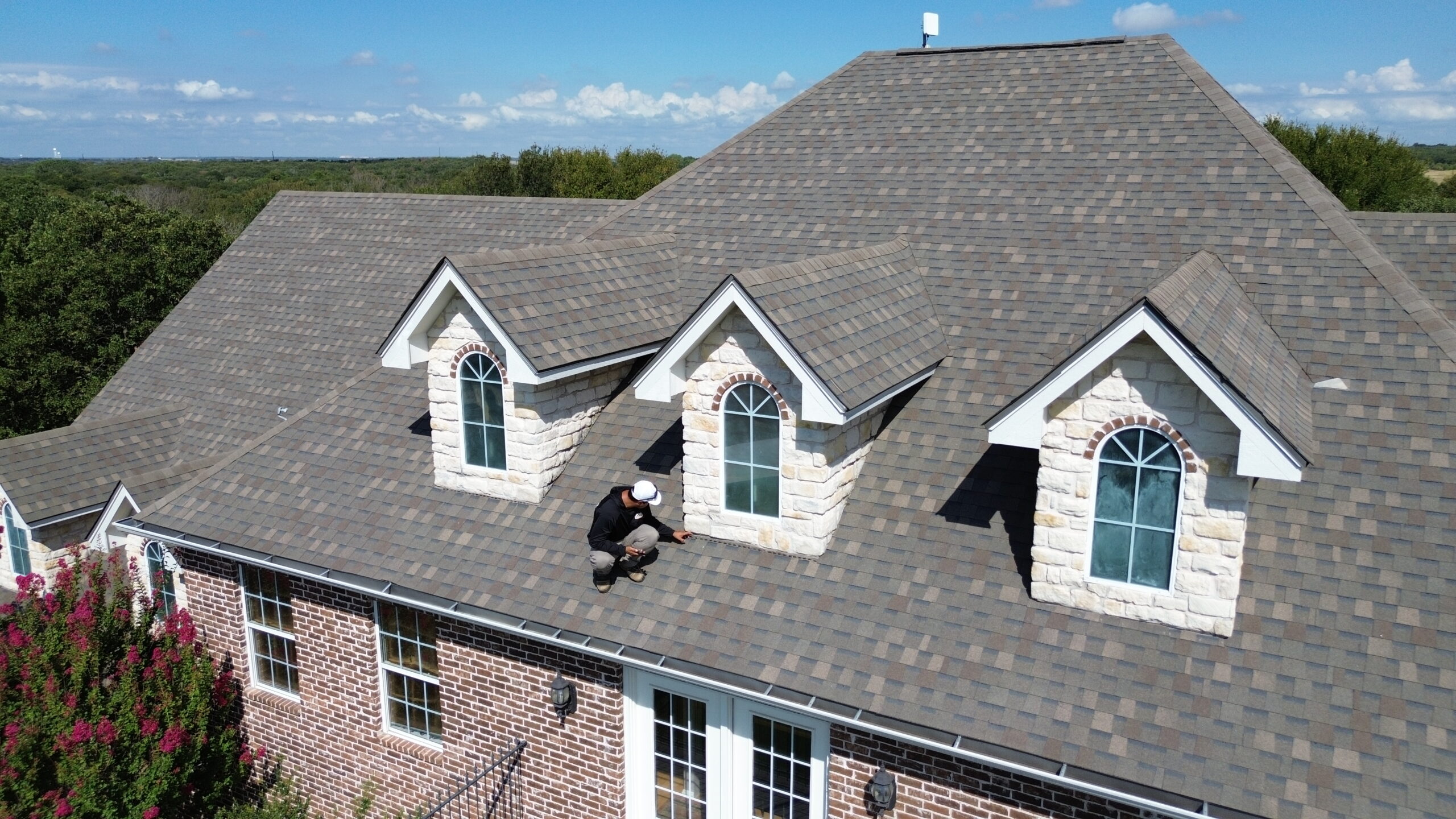
📊 Skylight Leak Causes and Repair Cost Comparison
Understanding the relationship between a leak’s cause, its warning signs, and the appropriate repair can help Denton homeowners plan their next steps. Repair costs depend on the severity of the damage, the skylight design, roof accessibility, and whether concealed materials need replacement. The comparison below provides general estimates for common problems, but a professional inspection is necessary to establish the actual scope and price of the work.
| Common Cause | Warning Signs | Possible Repair | Estimated Cost |
|---|---|---|---|
| Damaged flashing | Water stains after rainfall, loose metal edges | Repair or replace flashing | $300 to $1,200 |
| Broken or missing shingles | Visible roof damage, recurring ceiling stains | Replace shingles and inspect underlayment | $200 to $600 |
| Deteriorated skylight seals | Moisture around the frame or glazing | Repair compatible seals or components | $150 to $400 |
| Cracked skylight glass | Visible cracks or water entering through glazing | Repair where possible or replace the unit | $800 to $2,500 or more |
| Poor drainage | Water accumulation or recurring leaks during heavy rain | Clear blockages and correct drainage defects | Varies by repair |
| Damaged roof decking | Persistent moisture, soft or deteriorated materials | Replace affected decking and roofing layers | $500 to $1,500 or more |
| Interior water damage | Peeling paint, damaged drywall, damp insulation | Dry, repair, or replace affected materials | $200 to $800 or more |
The costs shown are broad planning estimates and may overlap when multiple repairs are needed. For example, a skylight leak caused by damaged flashing may also require replacement of wet insulation or interior drywall, increasing the total project cost. Request an itemized estimate that separates the exterior roofing work from interior restoration so you can understand the full scope of the repair.
How Quickly Can a Skylight Leak Be Repaired?
The time required depends on the source of the leak, the availability of materials, weather conditions, and the extent of any hidden damage. A straightforward flashing or shingle repair may be completed within a few hours, while skylight replacement or extensive roof deck repairs can require a full day or longer. Projects involving significant interior restoration may take additional time because affected materials need to be removed, dried, or replaced.
Weather can also affect when exterior work can be performed safely. A contractor may need to install temporary protection before completing the permanent repair once conditions improve. Ask for an estimated schedule and clarify whether the proposed timeline includes only the roofing work or both roofing and interior repairs.
Choosing a Repair That Offers Long-Term Protection
A suitable repair should address the source of the leak, restore the affected roofing components, and reduce the risk of recurring moisture. While a quick patch may appear less expensive initially, it can become costly if the water continues entering and damages other parts of the home. Evaluating the skylight, flashing, surrounding shingles, and roof deck together can help determine which solution offers the best value.
Homeowners should consider the condition of the entire roofing system rather than focusing only on the visible stain. If the roof is aging or several components are deteriorating, a contractor may recommend a broader repair plan instead of repeatedly fixing isolated areas. A clear explanation of the diagnosis, costs, and expected results can help you make a confident decision.
🚀 Why Choose Small Town Roofing & Construction for Skylight Leak Repair in Denton, TX?
A leaking skylight requires careful attention because water can enter through several different components and travel through the roof before becoming visible indoors. Small Town Roofing & Construction can be considered when seeking professional roofing assistance in Denton, TX, for skylight-related concerns and surrounding roof damage. Homeowners should discuss the company’s inspection process, proposed repair methods, experience with their roofing system, and applicable workmanship warranties before authorizing a project.
Thorough Inspection and Accurate Leak Detection
Identifying the source of a skylight leak is an essential first step toward achieving a reliable repair. The visible drip may come from damaged flashing, deteriorated shingles, defective seals, or another section of the roof rather than the skylight glass itself. A thorough inspection helps establish which components need attention and reduces the risk of paying for unnecessary replacement work.
When discussing an inspection with Small Town Roofing & Construction, ask how the contractor will evaluate the skylight, flashing, surrounding shingles, and any accessible areas affected by moisture. Understanding the diagnosis helps you compare the proposed solution with other estimates. A clear explanation of the findings is especially valuable when the leak has returned after previous repairs.
Repair Recommendations Based on Roof Condition
Every skylight installation is different, and the most appropriate repair depends on the condition of the unit and the surrounding roofing materials. Some homeowners may need a localized flashing repair, while others may require shingle replacement, correction of installation defects, or a new skylight. A practical recommendation should consider the existing roof’s condition and the likelihood that the proposed work will provide lasting protection.
Ask Small Town Roofing & Construction to explain the available repair options and the reasons for recommending a particular approach. A written estimate should describe the planned work, materials, expected timeline, and any limitations or exclusions. This information helps homeowners understand the scope of the project before making a financial commitment.
Clear Communication and Written Estimates
Roof repairs can become more complicated when hidden damage is discovered beneath shingles or around the skylight opening. Clear communication helps homeowners understand which work is necessary, which items are optional, and how additional findings may affect the final price. A detailed estimate also provides a useful basis for comparing the services and pricing offered by different contractors.
Before approving work, confirm the payment arrangements, warranty terms, cleanup expectations, and process for addressing unexpected damage. Ask whether the estimate includes the removal of damaged materials and whether interior restoration is part of the proposal. Reviewing these details in advance can help prevent misunderstandings during the project.
Quality Workmanship and Preventive Guidance
A durable skylight repair depends on appropriate materials, careful installation, and correct integration with the existing roofing system. Replacing a damaged component without addressing the underlying water-entry point may allow the leak to return. Properly completed work should focus on restoring the roof’s ability to direct water away from the skylight and protect the surrounding structure.
Homeowners can also benefit from maintenance guidance after the repair is complete. Ask which warning signs to monitor, how often the skylight and roof should be inspected, and whether any manufacturer-specific maintenance instructions apply. Regular attention to flashing, shingles, and drainage can help identify developing issues before they cause substantial interior damage.
Support for Residential Roofing Concerns
Skylight leaks can affect more than the skylight itself, particularly when water reaches insulation, drywall, trim, or the roof deck. It is important to establish whether the repair requires only exterior roofing work or additional restoration of affected materials. A contractor who explains these considerations can help homeowners plan the project more effectively.
When contacting Small Town Roofing & Construction, describe the symptoms, when the leak occurs, and whether you have noticed any recent storm damage. Request an inspection and a written explanation of the recommended solution before proceeding. Taking these steps can help you evaluate whether the proposed services meet your property’s needs and budget.
❓ Frequently Asked Questions About Skylight Roof Leaks in Denton, TX
Why Is My Skylight Leaking When It Rains?
A skylight may leak during rainfall because its flashing is damaged, nearby shingles are loose, or the waterproofing around the frame has deteriorated. Water can also enter through cracked glazing or travel beneath the roofing materials before reaching the ceiling. A professional inspection can identify the source and determine which components need repair.
How Much Does It Cost to Repair a Leaking Skylight in Denton?
The cost depends on whether the problem involves a minor seal repair, damaged flashing, missing shingles, or a more extensive skylight replacement. Basic repairs may cost a few hundred dollars, while replacement and repairs involving damaged decking can cost considerably more. Obtain an itemized estimate after an inspection to understand the likely total expense.
Can a Leaking Skylight Be Repaired Without Replacing It?
Yes, many skylight leaks can be resolved without replacing the entire unit. If the glass and frame remain in good condition, repairing the flashing, replacing damaged shingles, or correcting a suitable seal may be enough. Replacement is more likely to be necessary when the skylight has extensive damage or repeated failures that cannot be addressed reliably through repairs.
Is a Skylight Leak Caused by Flashing or the Skylight Itself?
The cause can be either the flashing and surrounding roof or the skylight unit itself. Damaged flashing, deteriorated shingles, and poor installation can allow water to enter around an otherwise functional skylight. Cracked glass, damaged frames, or failed glazing components can also cause leaks, so both the unit and its roof connection should be inspected.
Can Heavy Rain and Hail Cause Skylight Leaks?
Heavy rain can expose weaknesses in flashing, seals, and roofing materials, while hail may damage shingles, glazing, or exposed skylight components. Strong winds can lift shingles and drive rain into vulnerable joints around the roof opening. If a leak appears after severe weather in Denton, arrange a professional inspection and document visible damage when it is safe to do so.
How Do I Know Whether My Skylight Needs Replacement?
Replacement may be appropriate if the skylight has cracked glass, a deteriorated frame, recurring leaks, or components that can no longer be repaired effectively. An older unit with several failing parts may also be more economical to replace than to keep repairing. A roofing professional can evaluate the unit and surrounding roof before recommending replacement.
Can I Use Caulk to Stop a Skylight Roof Leak?
Caulk may help with certain manufacturer-approved sealing repairs, but it cannot fix every type of skylight leak. Applying the wrong sealant can interfere with drainage, conceal damage, or leave water entering beneath the flashing. The leak should be diagnosed first so the repair uses compatible materials and addresses the actual source of moisture.
How Quickly Should a Leaking Skylight Be Repaired?
A skylight leak should be assessed promptly because continuing moisture can damage drywall, insulation, roof decking, and nearby finishes. Active dripping, a sagging ceiling, or water near electrical fixtures requires immediate attention to safety as well as the leak itself. Arrange professional assistance as soon as conditions allow, and avoid climbing onto the roof during wet or stormy weather.
Does Homeowners Insurance Cover Skylight Leaks?
Coverage depends on the policy, the cause of the leak, applicable exclusions, and the condition of the roof before the damage occurred. Sudden storm-related damage may be treated differently from leaks caused by long-term deterioration, neglected maintenance, or faulty installation. Review your policy and contact your insurer to confirm coverage requirements before assuming that the repair will be reimbursed.
How Can I Prevent Future Skylight Leaks in Denton, TX?
Schedule periodic roof and skylight inspections, keep drainage pathways clear, and address damaged flashing or shingles as soon as problems are identified. After hailstorms or strong winds, check for interior warning signs and arrange a professional assessment if damage is suspected. Managing indoor humidity and following the skylight manufacturer’s maintenance recommendations can also help reduce condensation and protect the installation.
Conclusion
A roof leak around a skylight can result from damaged flashing, deteriorated shingles, cracked glazing, poor drainage, faulty installation, or aging roofing materials. For homeowners in Denton, TX, seasonal storms, strong winds, hail, and intense summer heat can place additional stress on these vulnerable areas. Identifying the source early helps prevent a localized problem from developing into extensive roof, ceiling, insulation, or interior damage.
The best repair depends on the condition of the skylight and the surrounding roof. Some problems can be corrected through flashing repairs, shingle replacement, or suitable sealing work, while severely damaged units may need replacement. Comparing written estimates and understanding the work included can help you select a solution that fits your property’s needs and budget.
Preventive maintenance is equally important for reducing the risk of future leaks. Keep drainage pathways clear, arrange inspections after severe weather, monitor interior warning signs, and avoid relying on surface caulk when the underlying cause has not been identified. If moisture continues to appear around your skylight, professional diagnosis can help determine whether the issue involves the unit, flashing, roofing materials, or condensation.
Small Town Roofing & Construction is an option to consider when seeking roofing assistance in Denton, TX. Discuss your symptoms, request a thorough inspection, and review the recommended repair and warranty details before authorizing the work. Taking timely action can help protect your home, control repair costs, and maintain the performance of your roofing system for years to come.
Leave A Comment