

How Much Does a Roof Replacement Cost in Denton, TX?
Introduction
Replacing a roof is one of the most important investments a homeowner can make to protect their property, maintain its value, and improve long-term structural safety. For homeowners in Denton, TX, understanding roof replacement costs is especially important because North Texas weather can expose roofing systems to intense summer heat, strong winds, heavy rainfall, and damaging hailstorms. Whether your roof has reached the end of its service life or suffered significant storm damage, knowing what affects replacement pricing can help you plan your budget and make a confident decision.
The cost of a new roof depends on several factors, including the size of your home, the roofing material you choose, the slope and design of your roof, and the condition of the existing roofing structure. Labor, material removal, underlayment, ventilation improvements, flashing, and unexpected decking repairs can also influence the final estimate. By comparing these expenses and understanding your options, you can choose a roofing solution that balances affordability, durability, and protection for your Denton home.
💰 Average Roof Replacement Cost in Denton, TX
The average roof replacement cost in Denton, TX, generally falls between $7,000 and $18,000 for many typical residential projects, although smaller roofs may cost less and larger or more complex roofing systems can exceed this range. These figures are general planning estimates rather than guaranteed local prices, and actual costs depend on material selection, roof measurements, labor requirements, and the extent of repairs needed before installation. Getting a detailed inspection and written estimate is the most reliable way to determine the expected investment for your property.
Asphalt shingles are often among the most budget-friendly options for homeowners who need dependable protection without paying for premium roofing materials. Architectural shingles, metal roofing, tile, and slate can increase the initial expense, but their durability, appearance, and maintenance requirements may make them attractive choices for certain properties. The best option depends on your available budget, the structure of your home, your preferred appearance, and how long you expect to remain in the property.
Several components contribute to the total cost of a roof replacement beyond the visible roofing materials. Contractors may need to remove old shingles, replace damaged roof decking, install new underlayment, improve attic ventilation, repair flashing around chimneys, or address other problems discovered during the project. Homeowners should request estimates that clearly explain these components so they can compare proposals accurately rather than choosing a contractor based only on the lowest advertised price.
Estimated Roof Replacement Costs by Project Type
The following table provides general budgeting ranges for common residential roof replacement projects in Denton, TX. These estimates assume typical residential conditions and may change depending on roof size, material quality, accessibility, labor, and additional repairs.
| Roof Replacement Project | Estimated Cost Range |
|---|---|
| Small roof with basic asphalt shingles | $4,500 to $7,500 |
| Medium-sized roof with asphalt shingles | $7,000 to $12,000 |
| Larger roof with architectural shingles | $10,000 to $18,000 |
| Residential metal roof replacement | $12,000 to $25,000 |
| Premium tile roofing project | $15,000 to $35,000 or more |
| Complex roof with extensive structural repairs | $18,000 to $40,000 or more |
These ranges are intended to help homeowners understand the potential scale of a roofing investment rather than predict an exact contractor quote. A relatively small home with a steep roof, difficult access, or extensive decking damage may cost more than a larger home with a straightforward roof design. Always confirm which materials, labor, removal expenses, and repairs are included in the proposed price.
What Is Included in the Average Cost?
A comprehensive roof replacement estimate typically covers the labor and materials required to remove the existing roofing system and install a new one. Depending on the property’s needs, it may include protective underlayment, shingles or other roofing materials, flashing, ridge caps, drip edges, ventilation components, and debris disposal. Some estimates include minor decking repairs, while others charge separately for damaged wood or additional structural work, so homeowners should clarify these details before approving a project.
Labor costs reflect more than the time required to attach new shingles. Roofing crews must prepare the work area, protect landscaping where practical, remove old materials, inspect the roof deck, install the new roofing system, and clean up after the installation. Steep slopes, multiple roof levels, complicated valleys, and difficult access can require additional equipment, safety measures, and installation time, increasing the total project price.
Homeowners should also consider the value of professional workmanship when evaluating competing estimates. An inexpensive installation may become costly if flashing is installed incorrectly, ventilation problems remain unresolved, or water can penetrate vulnerable roof sections. A detailed proposal from an experienced contractor helps establish expectations about the materials, installation process, project schedule, and warranty coverage.
🏠 Roof Replacement Cost by Roofing Material
Choosing the right roofing material is one of the biggest decisions affecting the total cost of replacing a roof in Denton. Each material offers a different combination of purchase price, durability, appearance, maintenance requirements, and resistance to local weather conditions. Homeowners should compare the initial installation expense with the expected service life and maintenance needs before selecting a roofing system.
Asphalt Shingles
Asphalt shingles remain a popular choice for residential roofing because they are widely available, relatively affordable, and suitable for many traditional home designs. They come in different colors and styles, making it easier for homeowners to coordinate the roof with siding, brickwork, trim, and other exterior features. Standard three-tab shingles generally have a lower upfront cost than architectural shingles, although product quality and installation requirements influence the final price.
In Denton, asphalt shingles must withstand considerable temperature changes, intense sunlight, seasonal storms, and occasional hail. Selecting suitable products and ensuring correct installation can help reduce premature deterioration and improve roof performance. Homeowners should also understand the manufacturer’s warranty and any limitations relating to wind resistance, ventilation, and installation conditions.
Architectural Shingles
Architectural shingles, sometimes called dimensional shingles, have a layered appearance that can give a home a more substantial and textured roofline. They generally cost more than basic three-tab shingles but may provide improved durability, wind performance, and aesthetic appeal, depending on the product selected. Their combination of reasonable cost and attractive appearance makes them a practical option for many homeowners seeking an upgrade without moving to a premium roofing system.
When comparing architectural shingles, look beyond the color and purchase price. Check the product’s wind rating, impact classification where applicable, warranty terms, and installation requirements. Because Denton homes can experience hail and strong winds, choosing a product suited to local weather conditions may provide better long-term value than selecting materials based on appearance alone.
Metal Roofing
Metal roofing is an alternative for homeowners who want a durable system with a modern or distinctive appearance. Depending on the metal type, panel design, finish, and installation method, a metal roof can cost considerably more upfront than asphalt shingles. However, properly selected and maintained metal roofing can offer a long service life and may require less frequent replacement than some conventional roofing materials.
Metal roofs are available in standing-seam panels and other profiles, with finishes that complement different architectural styles. Their performance depends on proper fastening, flashing, panel detailing, and installation quality, particularly around roof penetrations and edges. Homeowners should also check whether the existing roof structure is suitable for the proposed system and whether any additional work is required before installation.
Tile Roofing
Tile roofing can create an attractive, distinctive appearance and is valued for its durability when installed and maintained correctly. Concrete and clay tiles are available in several profiles and colors, allowing homeowners to match different architectural styles. The installation cost is often higher than that of asphalt shingles because of material prices, labor requirements, and the need to evaluate the roof structure’s ability to support the system.
Weight is an important consideration when choosing tile roofing for a Denton home. A qualified contractor should assess whether the existing roof framing can accommodate the proposed material and identify any necessary structural improvements. Individual tiles can also crack or become displaced after impact, so homeowners should understand the maintenance requirements and repair options before making a decision.
Slate Roofing
Slate roofing is a premium option known for its natural appearance and potential for a very long service life. It generally has one of the highest initial installation costs because the material is expensive, specialized installation skills may be required, and the roof structure must be suitable for its substantial weight. Slate may appeal to homeowners seeking a distinctive architectural finish and long-term durability rather than the lowest upfront price.
Before selecting slate, homeowners should obtain a professional assessment of the building structure, installation requirements, and long-term maintenance needs. Repairs can require specialized materials and experienced roofing professionals, which may increase future service expenses. Although slate can be a lasting investment under appropriate conditions, it is not necessarily the most practical choice for every home or budget.
Roofing Material Cost Comparison
The table below summarizes general installed cost estimates per roofing square. One roofing square represents 100 square feet of roof surface, and the ranges can vary significantly according to product quality, roof design, labor, and local project conditions.
| Roofing Material | Estimated Installed Cost per Square | General Service Life |
|---|---|---|
| Three-tab asphalt shingles | $350 to $550 | 15 to 25 years |
| Architectural asphalt shingles | $450 to $750 | 20 to 30 years |
| Metal roofing | $700 to $1,300 | 40 to 70 years |
| Concrete or clay tile | $800 to $1,800 | 40 to 75 years |
| Natural slate | $1,200 to $2,500 or more | 75 to 100 years or longer |
The service-life figures are broad estimates, not guarantees, because actual performance depends on product quality, installation, ventilation, maintenance, and exposure to severe weather. The cost ranges may exclude major structural repairs, premium accessories, or unusual installation requirements. Ask your contractor to provide material-specific pricing for your property so you can compare the complete cost of each option.
📏 How Roof Size Affects Replacement Costs
Roof size is one of the most significant factors in determining how much a replacement project will cost. A larger roof generally requires more roofing materials, underlayment, fasteners, flashing, labor, and disposal capacity than a smaller roof. However, the total price does not increase in a perfectly uniform way because roof shape, pitch, accessibility, and the amount of preparation required can change the work involved.
Roofing contractors typically measure a roof in squares rather than relying exclusively on the home’s interior square footage. One roofing square covers 100 square feet of roof surface, and contractors account for the actual roof dimensions, slope, and additional material needed for cuts, overlaps, and waste. This distinction is important because a two-story home with a compact footprint may have a different roof area from a sprawling single-story property with the same interior living space.
Understanding Roofing Squares
Suppose a contractor measures a roof with a total surface area of 2,400 square feet. Dividing that figure by 100 gives a roof size of 24 squares, before accounting for any additional material required for waste or installation details. If the roof has multiple valleys, hips, dormers, or complex angles, the contractor may need to order extra materials to ensure the installation can be completed properly.
Roof pitch also influences the measurement and the work required. A steep roof has more surface area than a flat horizontal projection with the same footprint, and it can require additional fall protection, specialized equipment, and slower installation methods. As a result, two homes with similar floor plans may receive noticeably different roof replacement estimates.
Estimated Costs by Roof Size
The following estimates illustrate how roof surface area can influence the price of an asphalt shingle replacement. They assume a typical residential project with standard materials and no extensive structural damage, so they should be used for preliminary budgeting rather than as fixed local prices.
| Approximate Roof Area | Roofing Squares | Estimated Replacement Cost |
|---|---|---|
| 1,200 square feet | 12 squares | $4,500 to $8,000 |
| 1,800 square feet | 18 squares | $6,000 to $10,000 |
| 2,400 square feet | 24 squares | $7,000 to $13,000 |
| 3,000 square feet | 30 squares | $9,000 to $16,000 |
| 3,600 square feet | 36 squares | $11,000 to $20,000 |
These estimates can change with material selection, roof steepness, the number of existing roofing layers, and the condition of the decking underneath. A larger roof with a simple layout may be more straightforward to replace than a smaller roof containing several dormers, valleys, skylights, and chimney intersections. An accurate on-site measurement is essential for a dependable estimate.
Roof Pitch, Shape, and Accessibility
Roof pitch describes how steeply the roof rises over a given horizontal distance. Low-slope roofs and straightforward gable designs may be easier to access than steep roofs with numerous intersecting sections, although each system has its own installation requirements. Steeper roofs can increase labor costs because crews may need additional safety equipment, specialized procedures, and more time to complete the work.
Roof shape also affects material waste and installation complexity. Hip roofs, intersecting rooflines, dormers, skylights, and chimney structures require careful cutting and flashing work to reduce the risk of leaks. When requesting an estimate, ask how the contractor has accounted for these features and whether the quoted price includes all necessary accessories and installation details.
Accessibility is another factor that homeowners sometimes overlook. A property with limited driveway space, landscaping obstacles, nearby structures, or restricted equipment access may require additional time to deliver materials and remove debris. Discussing access conditions during the inspection helps the contractor develop a realistic schedule and provide a more accurate project estimate.
🔧 Major Factors That Influence Roof Replacement Pricing
Although roof size and material selection have a major effect on cost, several other details can significantly change the final price of a roofing project in Denton. The condition of the existing roof, labor requirements, structural repairs, ventilation, flashing, and disposal needs all contribute to the overall investment. Understanding these variables helps homeowners recognize why estimates may differ even when contractors appear to be quoting the same type of roof.
Roofing Material Quality and Product Selection
Roofing materials are available at different price points, even within the same general category. Basic asphalt shingles usually cost less than premium architectural products, while specialized impact-resistant shingles and upgraded metal systems may require a larger initial investment. Additional features such as enhanced wind resistance, specific color finishes, and extended manufacturer warranties can also affect the quoted price.
The lowest-priced product is not always the most economical option over the life of the roof. A homeowner should consider the expected durability, maintenance requirements, appearance, and suitability for North Texas weather when comparing alternatives. A roofing professional can explain the differences between available products and help identify an option that matches the home’s needs and the owner’s budget.
Labor Costs and Contractor Experience
Labor represents a significant part of most roof replacement projects because proper installation requires trained workers, safety procedures, and attention to detail. The complexity of the roof, the size of the crew, the project schedule, and the installation method all influence labor expenses. Contractors may also have different overhead costs, insurance expenses, equipment requirements, and quality-control procedures that affect their estimates.
Experience matters because roofing mistakes can lead to water intrusion, premature material failure, and expensive repairs. A qualified contractor should explain the installation process, identify the materials being used, and provide a written estimate with clearly defined responsibilities. Homeowners should compare the scope of work and the contractor’s qualifications instead of automatically choosing the cheapest bid.
Removing Existing Roofing Materials
Before a new roofing system can be installed, contractors often need to remove the existing shingles or other roofing materials. The cost depends on the roof’s size, the number of layers, the material being removed, and the amount of labor and disposal capacity required. Heavy materials or difficult access can make removal more time-consuming and expensive.
Some properties may have multiple existing roofing layers, which can increase removal costs and reveal problems that were previously hidden. Removing the old roofing system allows the contractor to inspect the decking and identify damaged sections before installing new materials. Ask whether tear-off, hauling, and disposal fees are included in your estimate so you can budget for the complete project.
Roof Decking and Structural Repairs
Roof decking is the surface beneath the roofing materials, and it provides the foundation for the new installation. If water intrusion, rot, or prolonged moisture exposure has weakened the decking, affected sections may need to be replaced before the new roof can be installed safely. The final expense depends on the amount of damaged wood, the materials required, and whether the underlying framing also needs attention.
Not every roof replacement requires extensive structural repairs, but homeowners should leave room in their budget for the possibility of hidden damage. A contractor may not be able to determine the full condition of the decking until the existing roofing materials have been removed. Ask how unexpected repairs will be documented, priced, and approved before additional work begins.
Underlayment, Flashing, and Ventilation
A roofing system includes more than its visible outer layer. Underlayment provides an additional protective barrier beneath the roofing materials, while flashing helps direct water away from vulnerable areas around chimneys, walls, valleys, vents, and other roof penetrations. Drip edges, ridge caps, and properly installed ventilation components also contribute to the roof’s performance.
Inadequate ventilation can contribute to moisture accumulation and excessive attic heat, potentially affecting the roofing system and indoor comfort. During a replacement, a contractor may recommend ventilation improvements or repairs to existing components where appropriate. These upgrades can increase the initial price, but addressing relevant problems during installation may help prevent avoidable maintenance expenses later.
Permits and Project-Specific Expenses
Local requirements can affect the planning and cost of roof replacement work. Depending on the property’s location, the type of work being performed, and applicable regulations, a project may require permits, inspections, or compliance with specific building standards. Homeowners should ask their contractor to verify current requirements for the property and clarify whether any applicable fees are included in the estimate.
Other project-specific expenses can include gutter work, skylight removal and reinstallation, chimney flashing repairs, special material delivery, and protective measures for landscaping or nearby structures. These items may not be necessary for every home, so they should be identified individually rather than automatically included in every roofing budget. A detailed written estimate helps homeowners understand which services are essential, which are optional, and which could become necessary if hidden damage is discovered.
🌩️ How Denton Weather Impacts Roofing Costs
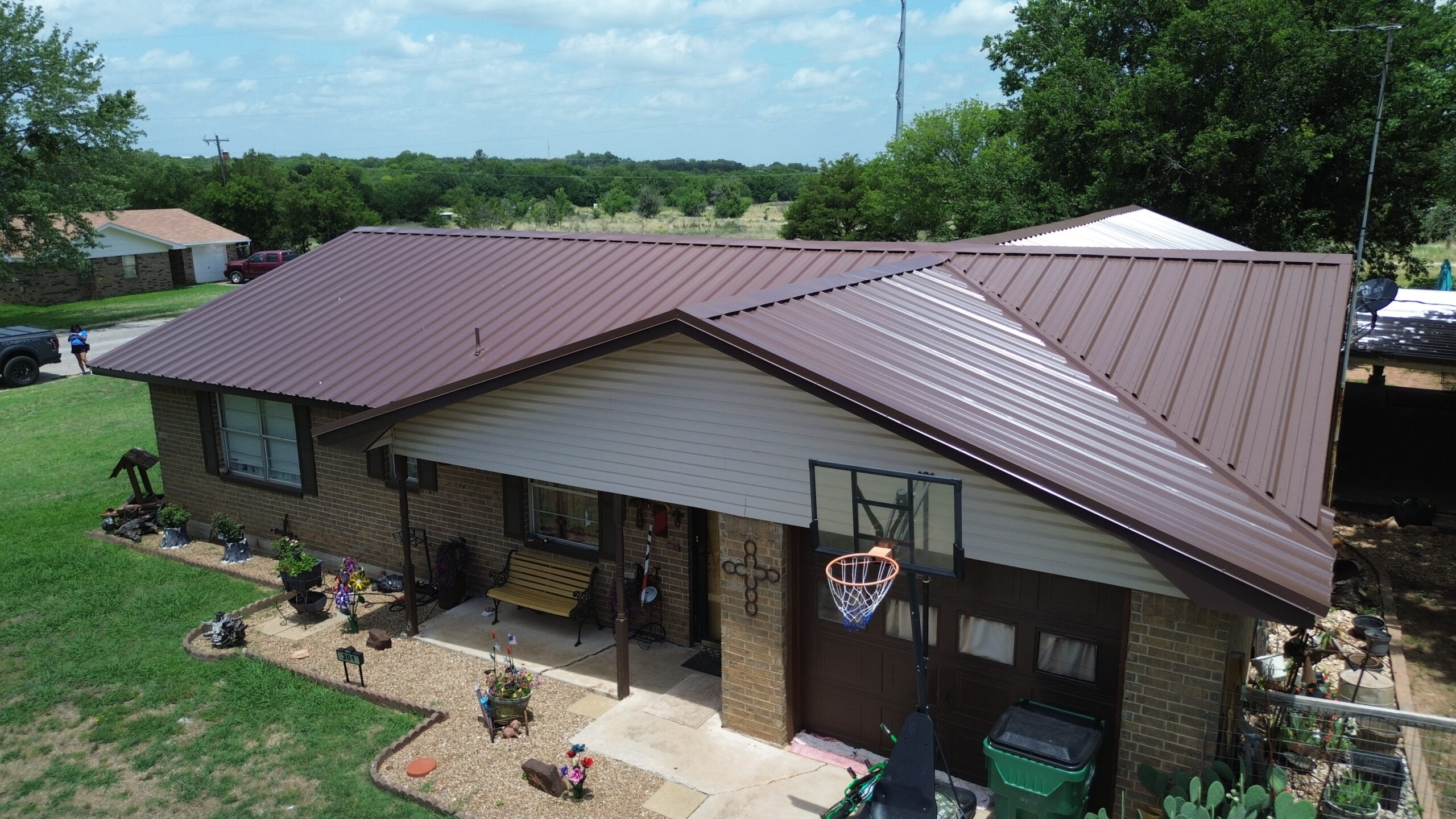
Weather conditions across Denton, TX, can significantly influence how long a roof lasts and how much homeowners spend on repairs or replacement. North Texas experiences hot summers, strong thunderstorms, heavy rainfall, high winds, and occasional hailstorms that can damage shingles, flashing, gutters, and roof decking. Selecting suitable roofing materials and maintaining the roof regularly can help homeowners reduce weather-related problems and protect their investment.
Hailstorms and Wind Damage
Hail is a major concern for homeowners throughout North Texas because falling ice can bruise asphalt shingles, remove protective granules, crack certain roofing materials, and damage metal components. Some hail damage is difficult to recognize from the ground, yet compromised roofing materials may become more vulnerable to moisture intrusion over time. After a significant storm, a professional inspection can help determine whether the roof needs minor repairs, more extensive restoration, or complete replacement.
Strong winds can lift shingle edges, break seals, loosen ridge caps, and expose vulnerable sections of the roof. Once roofing materials become displaced, rainwater may enter beneath the protective surface and affect the underlying structure. Homeowners should inspect their property from a safe location after severe weather and arrange professional assistance if they notice missing shingles, visible debris, or signs of a leak.
Heavy Rainfall and Moisture Problems
Heavy rainfall can reveal weaknesses in an aging or improperly installed roofing system. Damaged flashing, blocked drainage pathways, loose shingles, and deteriorated roof penetrations can allow water to enter the attic or travel into ceilings and walls. Persistent moisture may eventually contribute to damaged insulation, wood deterioration, and mold growth if the underlying issue is not addressed.
A properly installed roofing system should direct water toward gutters and drainage points while protecting vulnerable joints and edges. Regular maintenance helps identify clogged gutters, deteriorated sealants, and damaged flashing before they develop into larger problems. If water stains appear indoors after rainfall, homeowners should arrange an inspection rather than assuming the problem can be solved with a temporary surface patch.
Summer Heat and Sun Exposure
Denton summers can place substantial stress on roofing materials because prolonged sunlight and high temperatures expose the roof to repeated heating and cooling cycles. Over time, some shingles may lose granules, become brittle, or show signs of curling and deterioration. Roof ventilation also matters because excessive attic heat can affect indoor comfort and contribute to moisture or temperature-related problems when the system is poorly designed.
Choosing a roofing product suited to local conditions can help homeowners balance durability, appearance, and energy performance. Proper attic ventilation and appropriate insulation may also help manage indoor temperatures, although the benefits depend on the home’s existing construction. A roofing contractor can assess whether ventilation improvements should be included when planning a replacement.
Choosing Weather-Resistant Roofing Materials
Homeowners replacing a roof in Denton should consider more than the initial purchase price when comparing materials. Products with suitable wind performance, strong installation specifications, and appropriate impact classifications may provide additional protection under certain weather conditions. However, no roofing material is completely immune to severe storms, and performance depends on the product, installation quality, and maintenance.
Ask contractors to explain the manufacturer’s ratings, warranty conditions, and installation requirements for each proposed roofing system. Impact-resistant shingles may be worth considering for properties frequently exposed to hail, but homeowners should verify the specific product classification rather than relying on general marketing claims. A carefully selected roof can help manage weather-related risks while supporting the long-term value of the property.
🧱 Signs Your Denton Home Needs a Roof Replacement
Recognizing the warning signs of roof deterioration can help homeowners make informed decisions before minor problems lead to extensive interior or structural damage. Some roofing issues can be resolved with targeted repairs, while widespread deterioration may indicate that replacing the entire system is the more practical option. A professional inspection can evaluate the roof’s condition and identify the most appropriate course of action.
Missing, Cracked, or Curling Shingles
Visible shingle damage is one of the clearest indications that a roofing system needs attention. Missing shingles can expose underlying layers to rain and wind, while cracked, curling, or brittle materials may struggle to provide reliable protection. If these problems appear across large portions of the roof, replacement may offer better long-term value than repeatedly repairing individual sections.
A few damaged shingles do not automatically mean the entire roof must be replaced. The roof’s age, the extent of deterioration, and the condition of surrounding materials all influence the decision. A contractor should inspect the affected areas and explain whether localized repairs can restore adequate protection.
Persistent Leaks and Interior Water Stains
Water stains on ceilings, damp attic insulation, peeling paint, and musty odors may indicate that moisture is entering through the roof or another part of the building envelope. Leaks can originate around flashing, vents, skylights, valleys, or damaged roofing materials, so the visible stain may not be directly beneath the entry point. Prompt investigation is important because ongoing moisture exposure can damage insulation, drywall, framing, and interior finishes.
If a roof has several recurring leaks or widespread deterioration, repeated repairs may become increasingly expensive. A replacement may be appropriate when the existing roofing system has reached the end of its useful life or has multiple areas of failure. Homeowners should address active leaks promptly and avoid entering unsafe roof areas to investigate the damage themselves.
Granule Loss and Worn Roofing Materials
Asphalt shingles are manufactured with protective granules that help shield the underlying material from sunlight and weather exposure. Some granule loss is expected as shingles age, but substantial accumulation in gutters or downspouts may indicate accelerated wear. Bald patches, exposed underlying surfaces, and widespread discoloration can also suggest that the roof needs a closer evaluation.
Granule loss alone is not enough to determine whether replacement is necessary. A professional should consider the overall condition of the shingles, the roof’s age, previous repairs, and any evidence of storm damage. When deterioration is widespread, replacing the roof may provide more reliable protection than continuing to patch individual areas.
Sagging Roof Sections and Damaged Decking
A sagging roofline, soft areas in the decking, or visible structural distortion should never be ignored. These conditions can result from prolonged moisture exposure, damaged framing, excessive loading, or other structural problems that require prompt professional evaluation. Depending on the severity, the necessary work may involve repairs beyond the roofing materials themselves.
Homeowners should avoid walking on a roof that appears unstable or has visibly sagging sections. A qualified professional can assess the condition and determine whether the problem involves the roof deck, supporting structure, or another building component. Structural damage may increase the replacement cost, making it important to identify the issue before finalizing the project budget.
An Aging Roof With Repeated Repair Needs
Roofing materials have different expected service lives, and actual longevity depends on installation quality, weather exposure, ventilation, and maintenance. When an older roof develops recurring leaks, widespread shingle damage, or frequent storm-related problems, homeowners should compare the cumulative cost of repairs with the price of replacement. Repeatedly fixing one area may provide limited value if other parts of the roofing system are also deteriorating.
A roof inspection can help establish whether the existing materials still have useful service life remaining. If the roof is generally sound, targeted repairs and maintenance may be reasonable. If deterioration is extensive, replacement may reduce ongoing repair demands and provide a more consistent protective system.
🛠️ Roof Repair vs. Roof Replacement: Which Is More Cost-Effective?
Deciding between repairing a roof and replacing it completely depends on the extent of the damage, the age of the roofing materials, and the condition of the underlying structure. Repairs generally cost less initially because they address specific problems rather than replacing the entire roofing system. However, a lower upfront expense does not always represent the best long-term value if the roof continues to develop new problems.
When Roof Repairs May Be Sufficient
Roof repairs are often appropriate when damage is limited to a small, clearly defined area and the surrounding roofing materials remain in good condition. Examples include replacing a few missing shingles, repairing damaged flashing, sealing a properly identified penetration, or correcting a localized leak. If the roof is relatively young and the underlying deck is sound, targeted repairs may restore its performance without requiring a complete replacement.
The important step is identifying the actual source of the problem rather than treating only its visible symptoms. A ceiling stain, for example, may originate from damaged flashing several feet away from the affected interior area. A professional inspection can determine whether the repair is likely to solve the issue and whether other roof sections need attention.
When a Complete Replacement Makes More Sense
Replacement may be the better option when the roof has widespread deterioration, extensive storm damage, multiple recurring leaks, or an aging roofing system that is nearing the end of its service life. Installing a new roof allows the contractor to examine the underlying deck, replace damaged components, and install a coordinated system of protective materials. It can also reduce the uncertainty associated with repeatedly repairing different sections of an aging roof.
The financial decision should account for the roof’s overall condition and the likelihood of future repairs. Spending money on repeated repairs may be reasonable for a roof with several healthy years remaining, but it can become inefficient when major problems continue to appear. A contractor should explain the advantages and limitations of both options so homeowners can choose based on evidence rather than sales pressure.
Comparing Repair Costs With Replacement Costs
The following table provides general budgeting estimates for common residential roofing work. Actual pricing varies with the type of damage, roof accessibility, material availability, labor, and the extent of any underlying problems.
| Roofing Service | General Estimated Cost |
|---|---|
| Minor shingle repair | $150 to $500 |
| Localized flashing repair | $200 to $800 |
| Small roof leak repair | $250 to $1,000 |
| Moderate storm damage repair | $500 to $2,500 |
| Extensive localized roofing repairs | $1,500 to $5,000 or more |
| Complete asphalt shingle replacement | $7,000 to $18,000 for many typical projects |
These figures are illustrative and do not replace a property-specific estimate. A small repair can cost more when the roof is steep, difficult to access, or requires specialized materials, while a larger project can exceed the listed range when structural damage is extensive. Ask for an itemized assessment showing the recommended work, expected cost, and any concerns that could require further repairs.
Considering Long-Term Ownership Costs
The true cost of a roof includes more than the initial installation or repair invoice. Homeowners should consider expected maintenance, the possibility of future leaks, material longevity, energy performance, and the likelihood of another replacement during the time they own the property. A higher-quality roofing system may cost more initially but can provide value when its durability and maintenance needs suit the home.
At the same time, the most expensive material is not necessarily the best investment for every property. The right choice depends on the home’s structure, local weather exposure, budget, and expected ownership period. Comparing complete written estimates and asking contractors to explain the projected benefits of each option can help homeowners make a more informed financial decision.
📋 What Is Included in a Roof Replacement Estimate?
A roof replacement estimate should explain the materials, labor, preparation, installation, and cleanup required to complete the project. Clear documentation helps homeowners understand what they are paying for and reduces the likelihood of unexpected disagreements once work begins. Before accepting a proposal, review each line item and ask the contractor to clarify any exclusions or additional charges.
Inspection and Project Preparation
The process generally begins with an evaluation of the existing roofing system, including its materials, visible damage, roof geometry, flashing, and drainage components. The contractor uses this information to estimate the roof’s size, determine the appropriate installation method, and identify potential complications. The assessment may also include attic observations or other checks when accessible and relevant to the project.
Before installation, the crew should establish a work plan and take reasonable precautions to protect the surrounding property. Depending on the site, preparation may include positioning debris containers, identifying material delivery locations, protecting landscaping, and discussing access arrangements with the homeowner. Confirming these details in advance can help the project proceed more smoothly.
Removal of Old Roofing Materials
Many replacement projects begin with removing the existing shingles or other roofing materials to expose the roof deck. This allows the contractor to examine the underlying surface for deterioration, moisture damage, or installation problems that may not have been visible during the initial inspection. Removal and disposal charges should be identified clearly in the written proposal.
If multiple layers of roofing materials are present, the contractor should explain how they will be removed and whether additional costs may apply. The removal process also needs to account for safe debris handling and reasonable protection of the property. Ask how the contractor will notify you if unexpected damage is discovered after the roof has been opened.
Roof Decking and Underlayment Installation
Once the old roofing materials are removed, the exposed decking can be inspected and damaged sections repaired where necessary. The contractor then installs the specified underlayment and other protective components according to the selected roofing system and applicable requirements. This stage is essential because the new outer roofing material depends on a suitable foundation and correctly installed protective layers.
The estimate should identify whether decking replacement is included as an allowance or charged separately according to the amount of damaged material found. Homeowners should also ask how additional work will be approved and documented. Clear terms help prevent confusion if the project reveals problems that could not reasonably be confirmed before removal.
Installation of Roofing Materials and Flashing
The installation phase includes placing the selected roofing materials according to the manufacturer’s specifications and the requirements of the particular roof design. Contractors may install starter strips, shingles or panels, ridge caps, drip edges, flashing, and other system components as required. Attention to vulnerable areas around chimneys, valleys, vents, skylights, and roof-to-wall connections is especially important for water management.
The estimate should specify the material brand or product line, relevant accessories, and the scope of installation. If ventilation improvements or gutter-related work are recommended, confirm whether those services are included or priced separately. A complete proposal should make it easy to distinguish the base replacement price from optional upgrades.
Cleanup, Disposal, and Final Inspection
After installation, the roofing crew should remove project debris and leave the work area in an orderly condition. Cleanup procedures may include collecting discarded materials, removing packaging, and using suitable methods to locate loose nails around accessible areas of the property. Homeowners should discuss cleanup expectations before work starts, particularly when children, pets, vehicles, or landscaped areas could be affected.
A final review can help confirm that the agreed work has been completed and that visible installation concerns have been addressed. Ask for relevant warranty documentation, final invoices, and any records associated with repairs or material specifications. Keeping these documents can be useful if questions arise later or future maintenance is needed.
🧾 Additional Expenses Denton Homeowners Should Budget For
Even a carefully prepared estimate may not cover every expense that could arise during a roof replacement. Some costs depend on conditions that become visible only after the old roofing materials have been removed, while others involve upgrades that homeowners choose to complete during the project. Planning a reasonable contingency can reduce financial stress if additional work becomes necessary.
Roof Decking and Structural Repairs
Damaged decking is one of the most common reasons a roofing project may cost more than initially expected. Leaks, long-term moisture exposure, and deterioration can weaken the wood beneath the shingles, requiring replacement before the new roofing materials can be installed. If the damage extends to supporting framing, the repair may require additional labor and specialized work.
Ask your contractor how decking repairs will be priced and whether the estimate includes a specified allowance. It is also helpful to agree on a process for documenting damage and obtaining approval before additional charges are incurred. These arrangements provide greater cost transparency while allowing essential repairs to proceed when necessary.
Gutters and Drainage Improvements
Roof replacement provides an opportunity to inspect gutters, downspouts, and drainage paths that help move water away from the home. Damaged gutters, loose hangers, or poorly directed downspouts may contribute to drainage problems even when the new roof is installed correctly. Depending on their condition, these components may need cleaning, repair, replacement, or repositioning.
Gutter replacement is not automatically required whenever a roof is replaced. However, addressing existing drainage problems during a larger roofing project may reduce the need for separate work later. Request a separate price for gutter services so you can decide whether they should be included in the current budget.
Ventilation and Insulation Upgrades
A roof replacement may reveal ventilation issues or opportunities to improve attic performance. Inadequate ventilation, air leaks, and insufficient insulation can affect indoor comfort and contribute to moisture-related problems under certain conditions. A contractor may recommend improvements when they are appropriate for the home’s design and the roofing system being installed.
These upgrades can increase the total project cost, so homeowners should ask which recommendations are necessary and which are optional. Roofing work should not automatically include unrelated upgrades without a clear explanation of their purpose and cost. Consider recommendations alongside the home’s existing condition, energy needs, and long-term maintenance plans.
Skylights, Chimneys, and Other Roof Features
Roof penetrations and architectural features require additional attention because they can create vulnerable points where water may enter. Skylights, chimneys, plumbing vents, exhaust outlets, and roof-to-wall transitions may need new flashing, replacement components, or repairs during installation. The required work depends on the age, condition, design, and compatibility of the existing components with the new roofing system.
Some features can be retained, while others may be better replaced if they are deteriorated or incompatible with the planned installation. Ask the contractor to identify these items during the inspection and provide separate pricing when practical. Addressing relevant problems during the replacement can help avoid disturbing the new roof to complete necessary repairs later.
Unexpected Expenses and Budget Planning
Hidden damage, material delivery complications, and additional work can create expenses beyond the initial estimate. Homeowners may find it useful to maintain a contingency reserve of approximately 10% to 15% of the expected project cost, adjusting the amount according to the roof’s age and known condition. This reserve is a planning suggestion rather than a guarantee that every project will require additional spending.
Before work begins, confirm the payment schedule, change-order procedures, and circumstances that could trigger extra charges. Avoid relying on verbal promises when a cost or responsibility can be documented in writing. A transparent agreement makes it easier to manage the budget while ensuring necessary roofing work is completed properly.
💡 How to Save Money on Roof Replacement in Denton, TX
Homeowners can manage roof replacement expenses by comparing estimates, selecting suitable materials, maintaining the existing roof, and planning improvements carefully. The objective should be to obtain dependable protection at a reasonable total cost rather than choosing the lowest possible bid. A thoughtful approach can help prevent unnecessary spending while preserving the quality of the finished roofing system.
Compare Detailed Estimates From Qualified Contractors
Obtaining multiple written estimates helps homeowners understand the range of pricing available for their project. Each proposal should identify the roofing material, removal costs, installation labor, underlayment, flashing, cleanup, warranty terms, and any anticipated repairs. Comparing equivalent scopes of work is essential because a low quote may exclude services that another contractor has included.
Ask each contractor to explain differences in materials, installation methods, and project assumptions. Check that the company carries appropriate insurance and can document its experience with similar roofing systems. A clear, comprehensive estimate can provide better value than an inexpensive proposal that leaves important responsibilities undefined.
Select Materials That Balance Price and Durability
The roofing material should match the home’s needs, architectural style, and available budget. Asphalt shingles may provide a practical balance of affordability and performance for many Denton homes, while metal or other premium materials may suit homeowners with different priorities. Consider the expected service life, maintenance needs, weather performance, and warranty conditions rather than comparing only the upfront installation price.
It is also important to choose products compatible with the roof’s structure and design. A heavier material may require additional structural assessment or modifications, increasing the total cost beyond the price of the roofing product itself. Ask a qualified contractor to explain the complete installed cost before committing to an upgrade.
Schedule Inspections Before Damage Spreads
Regular inspections can help homeowners identify minor roofing problems before they affect larger areas of the property. Replacing a few damaged shingles or correcting a flashing issue may be less expensive than repairing extensive moisture damage later. Inspections are especially useful after severe storms or when a roof is approaching the expected end of its service life.
Homeowners should avoid climbing onto steep or damaged roofs to perform their own assessments. A qualified roofing professional can inspect the system using appropriate safety precautions and recommend repairs based on its condition. Keeping records of inspections and completed maintenance can also help homeowners track recurring problems and make better replacement decisions.
Review Warranties and Installation Quality
Roofing warranties can provide valuable protection, but the coverage varies by product, contractor, and specific terms. Manufacturer warranties generally address qualifying product defects, while workmanship warranties may cover certain installation-related problems. Homeowners should review exclusions, maintenance requirements, claim procedures, and any conditions that could limit coverage.
Paying for correct installation can help reduce the risk of premature failure and avoidable repairs. Ask contractors to explain how the proposed system will be installed and whether the work follows the manufacturer’s specifications. A competitive estimate with appropriate materials and dependable workmanship is often a stronger investment than an unusually low bid with limited documentation.
Avoid Unusually Low Bids and High-Pressure Sales Tactics
An estimate far below competing proposals deserves careful review because it may omit necessary materials, removal, flashing, ventilation, or disposal costs. Some pricing differences are legitimate, but homeowners should understand why one proposal is substantially cheaper than the others. Request clarification in writing before signing an agreement or paying a substantial deposit.
Be cautious if a salesperson pressures you to make an immediate decision or promises that insurance will automatically pay for the entire replacement. A trustworthy contractor should explain the available options, document the proposed work, and allow time for reasonable questions. Taking time to evaluate the proposal can help protect both your budget and your property.
🏡 Insurance Coverage for Roof Replacement After Storm Damage
Homeowners insurance may cover roof replacement when the damage results from a covered event, such as certain hailstorms or windstorms, subject to the policy’s terms, exclusions, and deductible. However, insurance generally does not automatically pay for a new roof simply because the existing materials are old or worn out. Understanding the difference between qualifying storm damage and ordinary deterioration is essential before making financial decisions.
Understanding Covered Damage and Policy Limitations
Coverage depends on the individual policy and the circumstances that caused the damage. Some policies may cover sudden storm-related damage, while excluding deterioration, neglected maintenance, or problems caused by long-term wear. Policy terms may also specify how the insurer calculates payment for damaged roofing materials and whether depreciation affects the amount available.
Homeowners should review their insurance documents or contact their insurer to clarify applicable coverage. Ask about deductibles, exclusions, deadlines for reporting damage, and any requirements for inspections or supporting documentation. Never assume that a complete roof replacement will be approved before the insurer has evaluated the claim.
Documenting Storm Damage and Filing a Claim
After a severe storm, homeowners can document visible damage from the ground, note when the storm occurred, and take photographs of affected property areas when safe to do so. Keeping records of leaks, temporary protective measures, and previous roof maintenance can help establish the condition of the property. If immediate protection is necessary, contact an appropriate professional and retain records of the work performed.
The insurer may arrange an inspection or request additional documentation before making a coverage decision. A roofing contractor can provide an assessment and estimate of observed damage, but the insurer determines coverage under the policy. Homeowners should review the claim decision carefully and ask the insurer to explain any disputed items or exclusions.
Deductibles, Estimates, and Payment Responsibilities
Even when a claim is approved, homeowners may still need to pay their deductible and any costs that fall outside the policy’s coverage. Upgrades, elective material changes, unrelated repairs, or additional work may not be included in the approved amount. The final payment can also depend on the policy’s settlement provisions and whether required documentation has been submitted.
Before committing to the full replacement, compare the contractor’s estimate with the insurer’s assessment and clarify any differences. Ask for a written explanation of items that may require additional approval or personal payment. Homeowners should make decisions based on the actual policy and documented claim outcome rather than promises of guaranteed insurance coverage.
Working With a Roofing Contractor During the Claim
A roofing contractor can help document roof conditions, prepare a repair estimate, and explain the construction work required to restore the system. However, homeowners should remember that contractors do not determine the insurer’s coverage obligations. Any proposed changes to the approved scope should be documented and discussed with the insurer when required by the policy or claims process.
Avoid arrangements that involve misrepresenting damage, inflating repair costs, or making misleading statements to an insurance company. Request clear invoices, accurate descriptions of the work, and written records of any changes. This approach helps keep the project transparent while allowing homeowners to make informed decisions about repairs or replacement.
⏱️ How Long Does Roof Replacement Take?
Most straightforward residential asphalt shingle replacements can be completed in approximately one to three working days, although the timeline depends on the roof’s size, complexity, material, and condition. Larger properties, steep roofs, tile installations, and projects involving structural repairs may take considerably longer. Weather conditions and material availability can also affect the schedule, particularly during busy periods following widespread storms.
Factors That Affect Installation Time
The roof’s shape and accessibility influence how quickly a crew can remove the existing materials and install the replacement system. Multiple roof levels, skylights, chimneys, valleys, and other architectural details may require additional cutting, flashing, and inspection. If the contractor discovers damaged decking or other structural problems, the work may need to pause while the necessary repairs are completed.
Rain, high winds, and extreme weather conditions can also interrupt installation for safety and quality reasons. Roofing materials should be installed under suitable conditions according to the manufacturer’s requirements. Homeowners should ask the contractor how weather delays will be handled and how the property will be protected if the roof cannot be completed on the planned day.
Preparing Your Home Before Installation
Before the crew arrives, move vehicles away from the work area and secure outdoor furniture or decorations that could be affected by falling debris. Homeowners may also want to protect fragile wall decorations indoors because roofing work can create vibration. Keep children and pets away from the active work zone and follow the contractor’s instructions about driveway access and property safety.
Discuss the expected start time, daily schedule, material deliveries, debris removal, and communication arrangements before the project begins. Ask how the crew will protect landscaping and what to expect if unexpected damage is found. Proper preparation can help reduce disruptions and make the replacement process easier for everyone involved.
⚖️ How to Choose the Right Roofing Contractor in Denton
Selecting a qualified roofing contractor is just as important as choosing the right material because installation quality directly affects the roof’s performance. Homeowners should evaluate experience, insurance, written estimates, communication, and warranty terms before making a commitment. A dependable contractor should explain the proposed work clearly and help you understand the choices available for your property.
Verify Experience and Applicable Local Requirements
Choose a contractor with experience handling residential roofing projects similar to yours, including the type of roofing material and roof design involved. Ask about previous work in Denton and how the company approaches common North Texas problems such as hail damage, wind-related shingle failure, and roof leaks. Verify applicable registration, permitting, and other local requirements for your specific project rather than assuming the same rules apply everywhere.
A professional contractor should be able to describe the installation process and explain how the proposed roofing system suits the property. Request details about the materials, preparation, safety procedures, and quality checks. Clear answers can help you assess whether the contractor understands the project’s technical requirements.
Check Insurance and Written Documentation
Ask for confirmation of appropriate liability insurance and workers’ compensation coverage where applicable. These protections can help reduce potential exposure to risks associated with property damage or job-site injuries. Homeowners should verify relevant documentation instead of relying solely on verbal assurances.
The written contract should identify the contractor, project scope, selected materials, estimated schedule, payment terms, cleanup responsibilities, and warranty information. It should also explain how additional repairs will be priced and approved if hidden damage is discovered. Reviewing these details before work begins can help prevent misunderstandings during installation.
Compare Reviews, Communication, and Warranties
Customer feedback can provide useful information about a contractor’s reliability, responsiveness, and approach to resolving problems. Look for consistent patterns in comments about project completion, cleanup, communication, and how concerns were handled. Reviews should be considered alongside written documentation, insurance verification, and direct conversations with the contractor.
Ask the contractor to explain both product warranties and workmanship coverage, including any exclusions or maintenance requirements. Confirm who is responsible for addressing installation-related concerns and how warranty requests should be submitted. A contractor who communicates clearly before the sale is more likely to establish realistic expectations for the project.
Questions to Ask Before Signing a Contract
Before approving a roof replacement, ask the contractor to provide a detailed explanation of the proposed system and total project price. Confirm whether the estimate includes old material removal, disposal, underlayment, flashing, ventilation components, and any expected decking repairs. You should also ask about the installation schedule, payment milestones, permit responsibilities, cleanup, and procedures for approving additional work.
Make sure you understand what happens if the contractor discovers damage that was not visible during the initial inspection. Ask for written documentation of any price changes and retain copies of the signed agreement, invoices, product information, and warranty documents. Taking these steps can help you compare contractors fairly and move forward with greater confidence.
📊 Roof Replacement Cost Comparison in Denton, TX
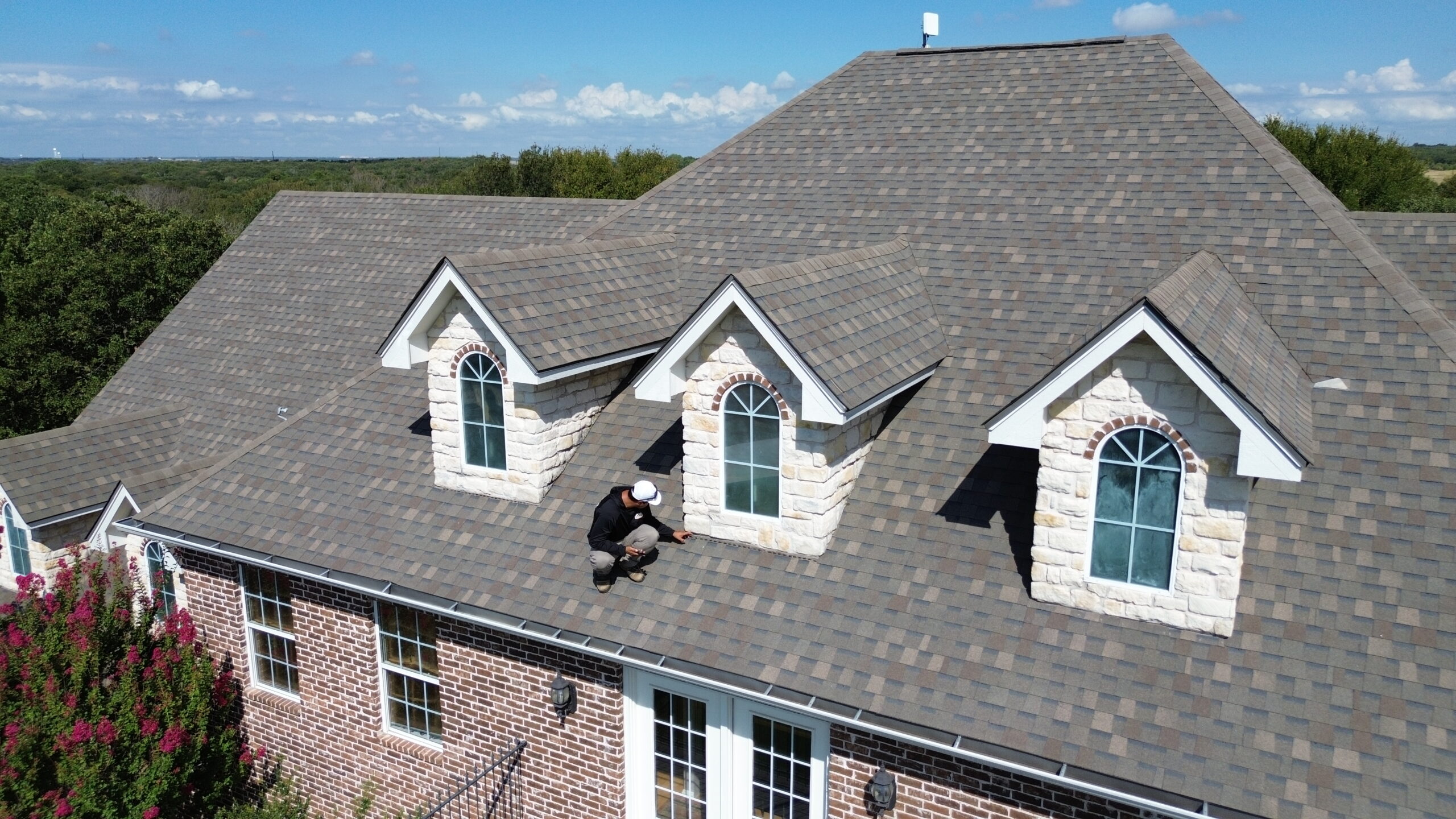
Comparing roof replacement costs by material, expected service life, and maintenance requirements can help Denton homeowners choose a roofing system that fits their budget. Although asphalt shingles generally have a lower initial installation cost, metal, tile, and slate roofing may offer longer service lives under suitable conditions. The best choice depends on your property’s structure, local weather exposure, aesthetic preferences, and long-term homeownership plans.
The following table provides a general overview of roofing options and their estimated installed costs. Actual prices vary according to roof size, pitch, labor, material quality, accessibility, and the amount of preparation or structural repair required.
| Roofing Material | Estimated Cost per Roofing Square | Potential Service Life | Maintenance Considerations |
|---|---|---|---|
| Three-tab asphalt shingles | $350 to $550 | 15 to 25 years | Periodic inspections and replacement of damaged shingles |
| Architectural shingles | $450 to $750 | 20 to 30 years | Check for wind damage, granule loss, and deteriorating flashing |
| Metal roofing | $700 to $1,300 | 40 to 70 years | Inspect fasteners, seams, coatings, and flashing as appropriate |
| Concrete or clay tiles | $800 to $1,800 | 40 to 75 years | Check for cracked or displaced tiles and flashing problems |
| Natural slate | $1,200 to $2,500 or more | 75 to 100 years or longer | Specialized inspections and repairs when needed |
The service-life estimates are approximate and depend on product quality, installation methods, maintenance, and weather exposure. Higher initial costs do not automatically guarantee better value for every home, so homeowners should compare the complete installed price and long-term maintenance requirements. Ask your roofing contractor to explain which options are suitable for your property’s structure and provide a detailed estimate for each material you are considering.
🚀 Why Choose Small Town Roofing & Construction for Roof Replacement in Denton, TX?
Choosing a roofing contractor is an important step toward protecting your home from the challenging weather conditions experienced throughout Denton and the surrounding North Texas communities. Small Town Roofing & Construction can be considered when comparing local roofing services for inspections, replacement projects, and solutions for aging or storm-damaged roofs. Homeowners should discuss their property’s specific needs, review the proposed scope of work, and confirm the company’s current service capabilities before scheduling a project.
Professional Roof Inspections and Practical Recommendations
A roof replacement should begin with a clear understanding of the existing roofing system and the problems affecting its performance. A professional assessment can help identify damaged shingles, deteriorating flashing, possible moisture intrusion, and other concerns that may influence the recommended work. Small Town Roofing & Construction can discuss the available roofing options and help homeowners understand whether targeted repairs or a complete replacement may be appropriate for their property’s condition.
Every roof has different requirements, so recommendations should reflect the home’s size, design, material, and exposure to local weather. An inspection can also help identify areas where additional work may be needed, including damaged decking or ventilation concerns. Understanding these issues before approving a project gives homeowners a clearer picture of the likely expenses and installation requirements.
Roofing Solutions Designed for North Texas Weather
Denton homes can experience intense summer sunlight, high winds, heavy rain, and occasional hailstorms that place stress on roofing materials. Selecting an appropriate roofing system and installing it according to the manufacturer’s specifications can help improve durability and reduce avoidable problems. Small Town Roofing & Construction can discuss material options and installation considerations that are relevant to homes exposed to North Texas weather.
Homeowners should evaluate roofing products according to their wind performance, impact classifications where applicable, warranty conditions, and overall suitability for the property. Regular maintenance and timely inspections can also help identify storm-related damage before it develops into more extensive problems. A roofing system selected for the home’s specific needs can provide a practical balance of protection, appearance, and cost.
Clear Estimates and Transparent Project Planning
Understanding the expected cost of roof replacement makes it easier to plan your budget and compare contractors fairly. A detailed estimate should explain the selected roofing materials, labor, removal of existing materials, underlayment, flashing, cleanup, and any anticipated repairs. Small Town Roofing & Construction can be asked to clarify the proposed scope, explain potential additional expenses, and identify which services are included in the quoted price.
Homeowners should also confirm payment arrangements, project timelines, warranty documentation, and the procedure for approving additional work. Written documentation helps establish expectations and reduces confusion if hidden damage is discovered after the old roof is removed. Before signing an agreement, make sure you understand the proposed work and have received satisfactory answers to your questions.
Quality Installation and Long-Term Roof Protection
The performance of a new roof depends on both the materials selected and the quality of the installation. Correctly installed shingles or panels, suitable underlayment, properly fitted flashing, and appropriate ventilation all contribute to a roofing system’s ability to manage water and withstand everyday weather exposure. Homeowners should ask Small Town Roofing & Construction about its installation procedures, workmanship coverage, and the product warranties available for their chosen roofing system.
A roof replacement is also an opportunity to address existing problems that could affect the new installation. Depending on the inspection findings, this may involve repairing damaged decking, correcting flashing details, or improving ventilation where appropriate. Taking care of necessary work during the replacement can help reduce the likelihood of avoidable repairs later.
Support Throughout the Replacement Process
Replacing a roof can temporarily disrupt household routines because of construction noise, material deliveries, and debris removal. Clear communication about the schedule, property access, preparation, and cleanup can make the experience more manageable. Before hiring Small Town Roofing & Construction, discuss how the project will be organized, how weather delays will be handled, and how you will receive updates during installation.
Homeowners should also ask how the company handles unexpected findings and whether additional work requires written approval. Keeping copies of the contract, invoices, material specifications, and warranty documents can be useful for future maintenance or insurance-related questions. By comparing the company’s proposal with other qualified contractors, you can make a more informed decision about your roof replacement investment.
❓ Frequently Asked Questions About Roof Replacement in Denton, TX
How Much Does a New Roof Cost in Denton, TX?
A new roof in Denton, TX, may cost approximately $7,000 to $18,000 for many typical residential asphalt shingle replacement projects. Smaller roofs or straightforward installations may cost less, while larger properties, premium materials, and structural repairs can push the price considerably higher. The final amount depends on roof measurements, material selection, labor, removal expenses, and the condition of the existing structure. Requesting a detailed inspection and written estimate is the best way to determine the likely cost for your home.
What Is the Most Affordable Roofing Material for Denton Homes?
Standard asphalt shingles are generally among the most affordable roofing options for Denton homeowners. They are widely available, come in a variety of colors, and can provide dependable protection when selected and installed appropriately. Architectural shingles usually cost more initially but may offer additional durability and a more dimensional appearance. Compare product specifications, warranty terms, and expected service life before deciding which option offers the best value for your property.
How Long Does a Roof Typically Last in North Texas?
The service life of a roof in North Texas depends on its material, installation quality, maintenance, ventilation, and exposure to severe weather. Asphalt shingles may last approximately 15 to 30 years depending on the product, while some metal and tile systems can last considerably longer. Hail, strong winds, prolonged heat, and poor maintenance can shorten the life of a roofing system. Regular professional inspections can help identify deterioration early and determine when repairs or replacement may be necessary.
Does Homeowners Insurance Cover Roof Replacement in Denton?
Homeowners insurance may cover roof replacement when the damage results from a qualifying event, such as covered hail or wind damage, subject to the policy’s terms and exclusions. Ordinary aging, deterioration, and neglected maintenance are generally treated differently from sudden covered damage. Your deductible and settlement provisions can also affect the amount you receive from an approved claim. Review your policy and speak with your insurer before assuming that a complete replacement will be covered.
How Can I Tell Whether My Roof Needs Replacement or Repair?
A roof with a few missing shingles, localized flashing damage, or a small isolated leak may only need targeted repairs. Widespread deterioration, repeated leaks, extensive storm damage, and an aging roofing system may indicate that replacement deserves consideration. A professional inspection can assess the roof’s condition and identify whether the underlying decking or other components have been affected. Comparing the cost of necessary repairs with the expected remaining service life can help you make a financially sensible decision.
How Long Does It Take to Replace a Residential Roof?
Many straightforward residential asphalt shingle replacements can be completed within one to three working days. Larger roofs, steep designs, complex architectural features, premium materials, and unexpected structural repairs may require additional time. Rain, strong winds, and material delivery delays can also affect the schedule. Your roofing contractor should provide an estimated timeline and explain how weather conditions or hidden damage could change the completion date.
Do I Need a Permit for Roof Replacement in Denton, TX?
Permit requirements depend on the property’s location, the type of roofing work, and the applicable local building regulations. Some projects may require permits or inspections, while other work may be treated differently under current requirements. Homeowners should verify the rules that apply to their specific property rather than relying on assumptions or outdated information. Ask your contractor to clarify permit responsibilities, applicable fees, and any inspections required before the project begins.
Can a New Roof Be Installed Over Existing Shingles?
In some circumstances, another layer of shingles may be permitted over an existing roof, but this approach is not suitable for every property. Additional layers can increase roof weight and may prevent the contractor from properly inspecting the underlying decking for moisture damage or deterioration. Local requirements, manufacturer instructions, and the condition of the existing roofing system must all be considered before making a decision. Removing the old shingles often allows for a more thorough assessment of the roof deck and the installation of a complete new roofing system.
What Time of Year Is Best for Roof Replacement in Denton?
Roof replacement can be completed during different seasons in Denton when weather conditions and material requirements permit. Spring and fall may offer convenient temperatures, but contractor availability, storm activity, and the specific roofing product can influence scheduling. Summer projects may require additional attention to heat, while rain and strong winds can cause delays at various times of the year. Rather than waiting for one particular season, homeowners should schedule replacement based on the roof’s condition and the availability of suitable installation conditions.
How Do I Get an Accurate Roof Replacement Estimate?
Start by arranging an inspection with a qualified roofing contractor who can assess the roof’s dimensions, materials, condition, and installation requirements. Request a written estimate that identifies labor, material costs, removal and disposal, underlayment, flashing, cleanup, and any expected repairs. Comparing multiple proposals with similar scopes of work can help you understand differences in pricing and service. Before signing a contract, clarify warranty coverage, payment terms, project timing, and how unexpected expenses will be handled.
Conclusion
Understanding how much a roof replacement costs in Denton, TX, helps homeowners prepare for one of the most important maintenance investments in their property. Although many typical residential asphalt shingle projects fall within the $7,000 to $18,000 range, the actual price depends on roof size, material selection, labor, roof complexity, and the condition of the existing structure. Additional expenses for decking repairs, flashing, ventilation, and other components should also be considered when planning a realistic budget.
Choosing the right roofing material requires balancing upfront cost with durability, maintenance requirements, and suitability for North Texas weather. Asphalt shingles may be a practical option for homeowners seeking affordability, while metal, tile, and slate can offer different advantages for properties that meet their installation requirements. Regardless of the material, professional installation, appropriate ventilation, and routine inspections can help protect the roof and reduce the likelihood of avoidable problems.
Before committing to a replacement, compare detailed estimates from qualified contractors and make sure you understand the proposed scope of work, warranty terms, and payment arrangements. If you suspect storm damage, review your insurance policy and document the condition of your roof before deciding how to proceed. Small Town Roofing & Construction is one option to consider when evaluating roofing services in Denton, TX, and discussing the most appropriate solution for your home.
A well-planned roof replacement can improve your home’s weather protection, maintain its exterior appearance, and provide greater confidence in the condition of your property. Taking time to assess the existing roof, compare materials, and understand the complete project cost will help you make a decision that suits your needs and budget. Schedule a professional roof inspection and request a detailed estimate to determine the next steps for protecting your Denton home.
Leave A Comment