

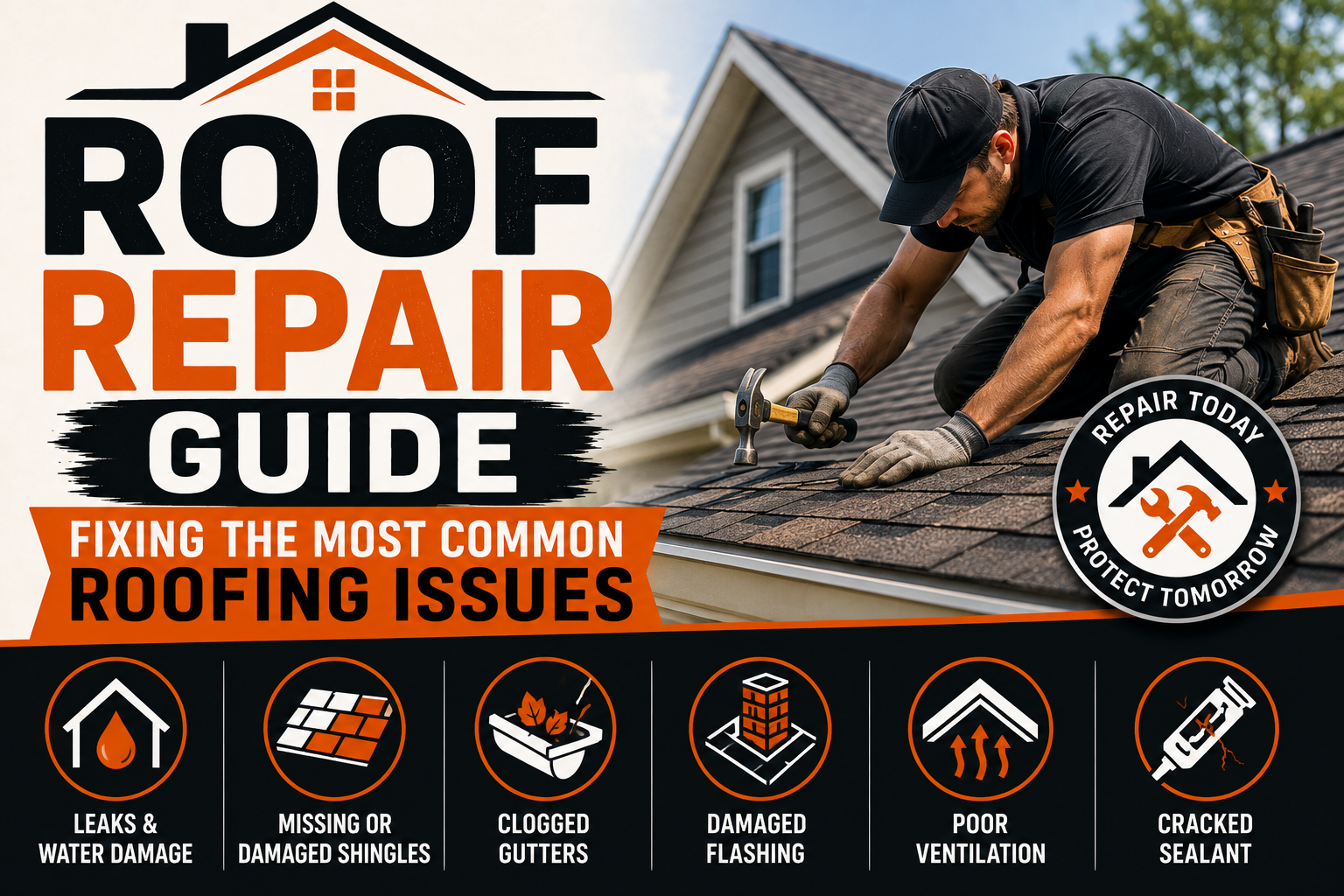
Roof Repair Guide: Fixing the Most Common Roofing Issues
Your roof is one of the most important parts of your home, yet it often receives the least attention until something goes wrong. Small roofing problems can quickly turn into major issues if they are ignored. Understanding the most common roofing issues and how to fix them can help you protect your home, save money, and extend the life of your roof.
This complete guide will walk you through the most frequent roofing problems homeowners face, what causes them, and the best ways to repair or prevent them.
Why Roof Repairs Should Never Be Delayed
Roof damage rarely fixes itself. Even a minor issue like a loose shingle can allow water to seep in, leading to bigger problems such as mold, insulation damage, or structural weakening. Delaying repairs increases the cost and complexity of the problem.
Timely repairs help maintain the integrity of your roof and prevent unnecessary expenses. A proactive approach ensures your home stays safe and protected in all weather conditions.
Understanding Common Roofing Problems
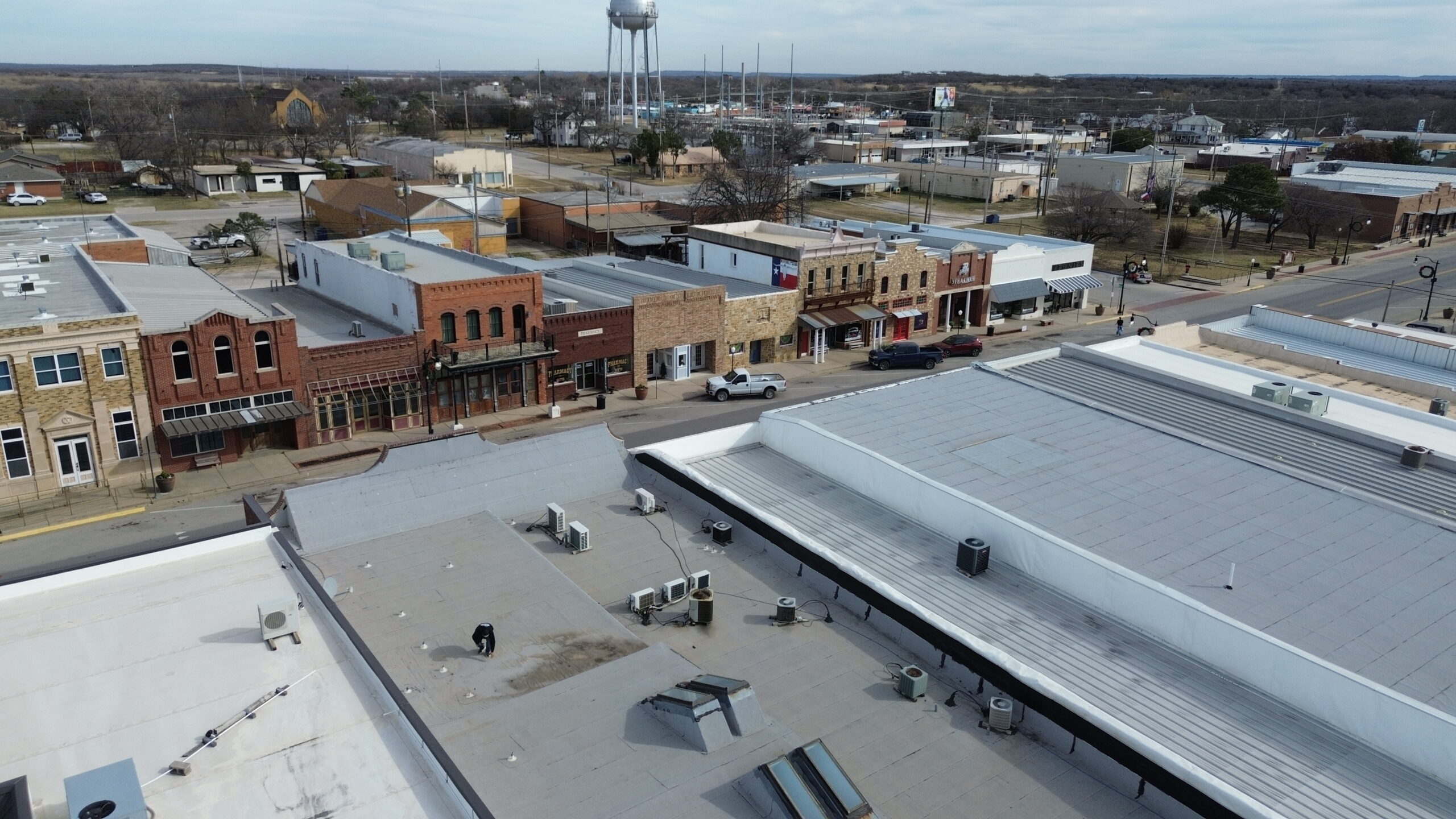
Before diving into repairs, it is important to understand the types of problems that occur most often. Roofing issues usually result from weather exposure, aging materials, poor installation, or lack of maintenance.
By identifying the root cause, you can choose the right repair method and prevent the issue from happening again.
Leaking Roof
A leaking roof is one of the most common and serious problems homeowners face. Leaks can occur due to damaged shingles, cracked flashing, or worn out underlayment.
Signs of a leak include water stains on ceilings, damp walls, and mold growth. Sometimes leaks are not visible until significant damage has already occurred.
To fix a leak, the source must be identified first. This often involves inspecting shingles, flashing, and roof penetrations. Damaged materials should be replaced, and any gaps should be sealed properly. In severe cases, professional repair may be necessary.
Missing or Damaged Shingles
Shingles act as the first line of defense against the elements. Strong winds, storms, and aging can cause shingles to crack, curl, or go missing.
When shingles are damaged, the underlying layers become exposed to moisture. This can lead to leaks and structural damage over time.
Repairing this issue involves replacing the damaged shingles with new ones that match the existing roof. It is important to ensure proper alignment and secure installation to maintain protection.
Clogged Gutters
Gutters play a vital role in directing water away from your roof. When they become clogged with leaves and debris, water can back up and damage your roof.
Overflowing water can seep under shingles and cause rot or leaks. It can also damage the foundation of your home.
Cleaning gutters regularly is the best way to prevent this issue. Installing gutter guards can also help reduce debris buildup and improve drainage.
Damaged Flashing
Flashing is used to seal areas where the roof meets other structures such as chimneys, vents, and skylights. Over time, flashing can crack, rust, or come loose.
When flashing fails, water can easily enter your home. This is a common cause of roof leaks.
Repairing flashing involves removing the damaged section and installing new flashing material. Proper sealing is essential to prevent future leaks.
Sagging Roof
A sagging roof is a serious issue that indicates structural problems. It can be caused by prolonged moisture exposure, weakened supports, or excessive weight.
You may notice dips or uneven areas on your roof. This problem should be addressed immediately to avoid further damage or collapse.
Repairing a sagging roof often requires professional assistance. It may involve reinforcing the structure or replacing damaged components.
Roof Ventilation Problems
Proper ventilation is essential for maintaining a healthy roof. Poor ventilation can cause heat and moisture to build up in the attic.
This can lead to issues such as mold growth, higher energy bills, and premature roof aging.
Improving ventilation may involve installing additional vents or clearing existing ones. Ensuring proper airflow helps extend the life of your roof.
Moss and Algae Growth
Moss and algae thrive in damp and shaded areas. While they may seem harmless, they can damage roofing materials over time.
Moss retains moisture, which can weaken shingles and cause them to deteriorate. Algae can cause discoloration and reduce the aesthetic appeal of your roof.
Removing moss and algae using safe cleaning methods can prevent damage. Regular maintenance and proper sunlight exposure help keep growth under control.
Cracked or Worn Sealant
Sealant is used around roof penetrations and joints to prevent water entry. Over time, sealant can crack or wear out due to weather exposure.
When sealant fails, water can seep into vulnerable areas. This can lead to leaks and interior damage.
Repairing this issue involves removing the old sealant and applying a new, high quality sealant. Proper application ensures long lasting protection.
Ice Dams in Winter
In colder regions, ice dams can form when snow melts and refreezes at the edge of the roof. This prevents proper drainage and causes water to back up.
Water trapped behind ice dams can seep under shingles and cause damage.
Preventing ice dams involves improving insulation and ventilation. Removing snow buildup can also help reduce the risk.
Poor Installation
Many roofing problems are the result of poor installation. Incorrect placement of shingles, improper sealing, and low quality materials can lead to early failure.
If your roof was not installed correctly, you may experience recurring issues. In such cases, repairs may not be enough, and partial or full replacement may be required.
Choosing a qualified contractor is essential to avoid these problems.
How to Inspect Your Roof Safely
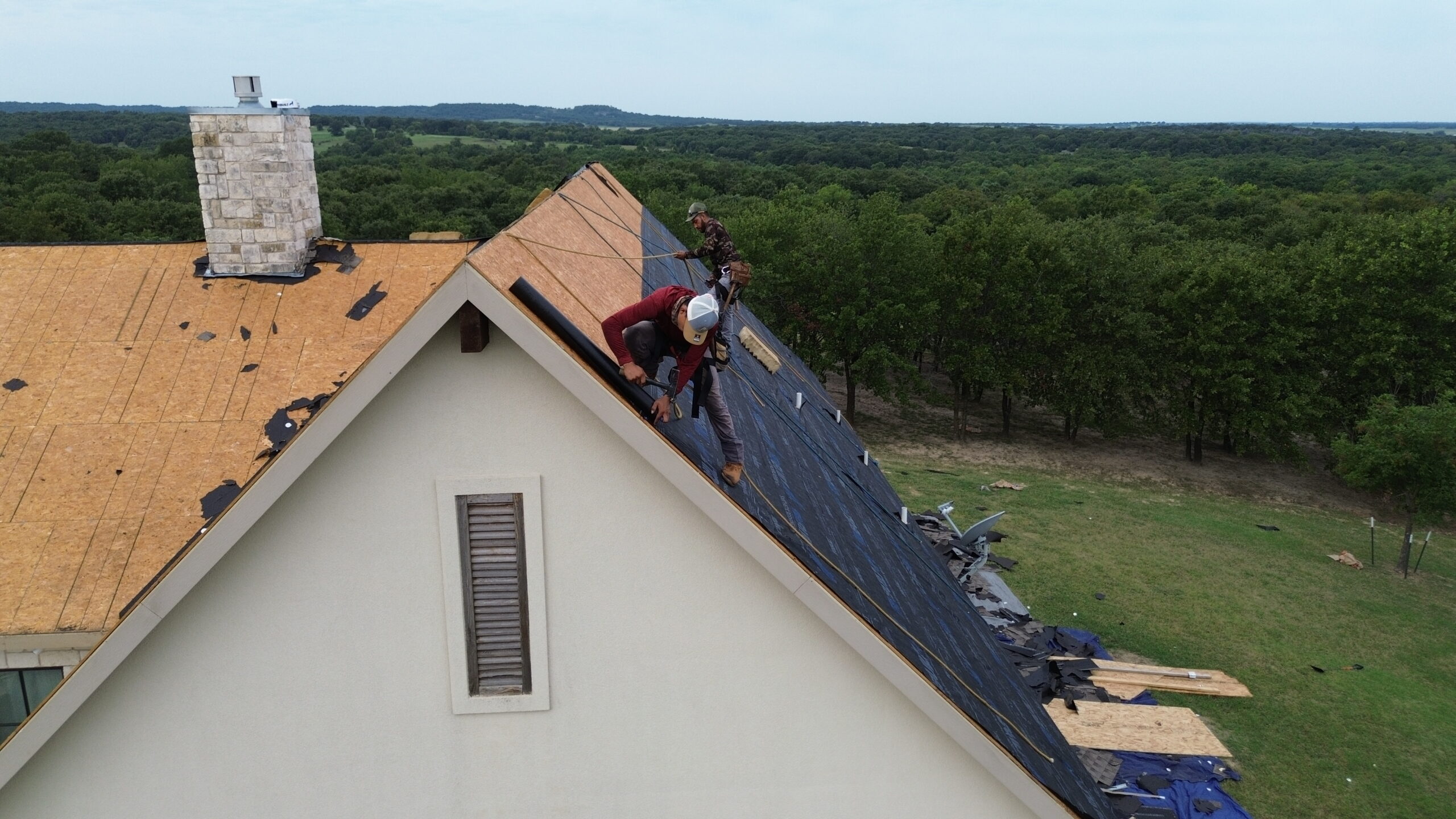
Regular inspection helps identify problems early. You can inspect your roof from the ground using binoculars or climb up carefully if it is safe to do so.
Look for missing shingles, debris buildup, and visible damage. Checking your attic for signs of leaks or daylight can also provide valuable insights.
If you are unsure or uncomfortable, hiring a professional for inspection is the safest option.
DIY Repairs vs Professional Help
Some minor repairs can be handled by homeowners, such as replacing a few shingles or cleaning gutters. However, more complex issues require professional expertise.
Attempting advanced repairs without proper knowledge can lead to further damage or safety risks. Knowing when to call a professional is important.
Hiring an experienced contractor ensures the job is done correctly and safely.
Preventive Maintenance Tips
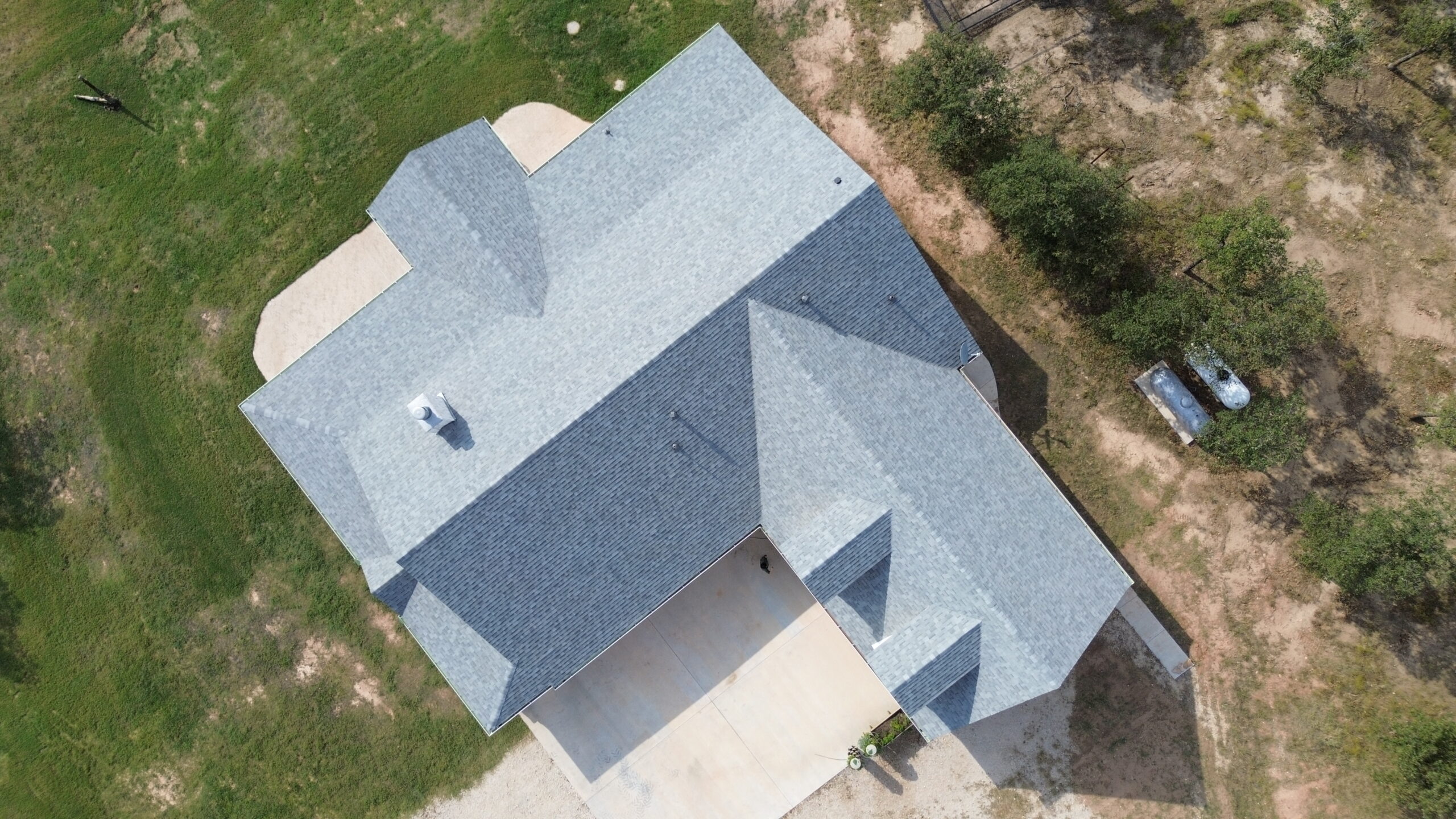
Preventive maintenance is the best way to avoid roofing problems. Regular cleaning, inspections, and timely repairs can extend the life of your roof.
Keep gutters clean, trim overhanging branches, and ensure proper ventilation. Address small issues before they become major problems.
A consistent maintenance routine saves time and money in the long run.
Cost of Roof Repairs
The cost of roof repairs varies depending on the type and extent of damage. Minor repairs are usually affordable, while major issues can be more expensive.
Investing in regular maintenance helps reduce repair costs. Ignoring problems often leads to higher expenses later.
Getting multiple estimates from contractors can help you find the best value for your budget.
When to Consider Roof Replacement
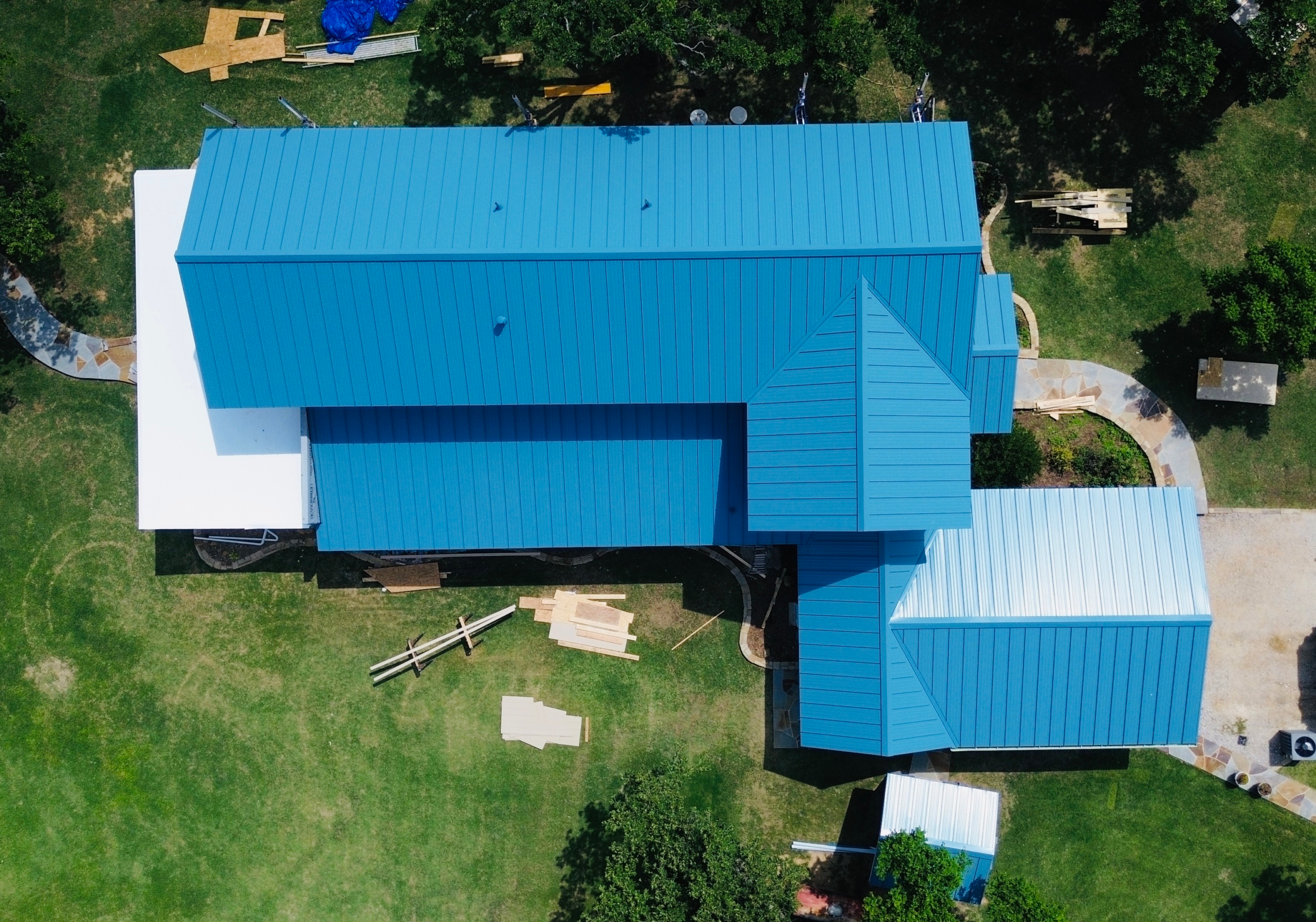
Sometimes repairs are not enough. If your roof is old or has widespread damage, replacement may be the better option.
Signs that you may need a new roof include frequent leaks, extensive shingle damage, and structural issues.
A professional inspection can help determine whether repair or replacement is the best choice.
Benefits of Timely Repairs
Fixing roofing issues promptly offers several benefits. It prevents further damage, reduces repair costs, and improves energy efficiency.
Timely repairs also enhance the appearance of your home and maintain its value.
Taking action early ensures your roof continues to protect your home effectively.
Final Thoughts
Roofing problems are common, but they do not have to become major issues. By understanding the most frequent problems and how to fix them, you can take control of your roof’s condition.
Regular maintenance, timely repairs, and professional inspections are key to keeping your roof in excellent shape. Do not wait for small issues to turn into costly repairs.
Protect your home by staying proactive and addressing roofing problems as soon as they arise. A well maintained roof provides peace of mind and long lasting protection for years to come.