


Questions to Ask Residential Roofing Contractors
Introduction
Choosing a residential roofing contractor is an important decision, and asking the right questions can help homeowners understand what they are paying for before work begins. A roof protects the home from rain, wind, sunlight, temperature changes, and other weather conditions, so the quality of installation and materials can have a long-term effect on the property. Asking detailed questions also gives homeowners an opportunity to compare contractors based on experience, professionalism, project scope, and overall value.
Many homeowners focus primarily on the price of a roofing estimate. While cost is important, it should not be the only factor considered. Two contractors may provide very different estimates because one includes better materials, additional preparation, flashing replacement, ventilation work, cleanup, or stronger warranty coverage. Without asking questions, homeowners may compare different scopes of work as though they were identical.
A professional roofing contractor should be comfortable answering reasonable questions about the project. They should be able to explain what they found during the roof inspection, why they recommend a specific repair or replacement, which materials they plan to use, and how the work will be completed. Clear answers can help homeowners understand the project and identify possible concerns before signing an agreement.
Questions can also help reveal how a contractor communicates. Roofing projects can involve unexpected weather, hidden damage, material changes, or scheduling adjustments, so good communication is important from the initial inspection through final cleanup. A contractor who provides clear information in writing and responds professionally can make the entire process easier to manage.
Homeowners do not need to know every technical roofing term before meeting a contractor. They simply need a practical set of questions that covers the most important areas of the project. The answers can then be compared across contractors to determine which company appears most qualified and suitable for the home’s needs.
Questions About Contractor Experience and Qualifications
One of the first things homeowners should ask is how much experience the contractor has with residential roofing. Experience can provide useful insight into whether the company regularly handles projects similar to the one being planned. However, homeowners should look beyond a simple statement such as “we have been in business for many years” and ask about the contractor’s actual residential roofing experience.
A useful question is, “How many residential roofing projects like mine have you completed recently?” This can help determine whether the contractor is familiar with the home’s roof style, material, and level of complexity. Experience with a simple shingle roof may not be directly comparable to experience with a complicated roof containing multiple slopes, valleys, skylights, chimneys, or other details.
Homeowners should also ask which roofing materials the contractor regularly installs. Asphalt shingles, metal panels, tile, synthetic roofing, membranes, and other systems require different installation methods. A contractor should have specific experience with the material being proposed rather than learning the system during the homeowner’s project.
Another useful question is, “Who will actually perform the roofing work?” Some contractors use their own employees, while others rely heavily on subcontractors. Neither arrangement is automatically wrong, but homeowners should understand who will be on the property and who is responsible for supervising the work.
It is also reasonable to ask whether the company has experience with homes in the local area. Local experience may help a contractor understand common weather conditions, roof designs, material availability, and construction practices. It can also make it easier for homeowners to find references from nearby projects.
Homeowners can ask about recent projects and request photographs where appropriate. A contractor who is proud of previous work should generally be able to provide examples of completed residential roofs. These examples can help homeowners understand the company’s experience and attention to detail.
The following questions can help homeowners evaluate experience:
- How long have you been providing residential roofing services?
- How many projects similar to mine have you completed recently?
- Which roofing materials do you install most often?
- Will your own employees install the roof, or will subcontractors perform the work?
- Who will supervise the crew during my project?
- Can you provide examples of similar residential projects?
The answers should be clear, specific, and consistent with the contractor’s other documentation. Experience is not a guarantee of perfect workmanship, but relevant experience can reduce the risk of hiring a contractor who is unfamiliar with the home’s roofing requirements.
Questions About Licensing, Insurance, and Credentials
Before hiring a roofing contractor, homeowners should ask what licenses or registrations are required for roofing work in their area and whether the contractor holds the applicable credentials. Requirements differ by location, so homeowners should verify what applies to their property rather than assuming that every contractor follows the same rules.
A basic question is, “Can you provide proof of any required licensing or registration?” Homeowners should review the information and verify it through the appropriate local authority when possible. This can help confirm that the contractor is operating under the required legal framework.
Insurance is equally important because roofing work involves physical risks. Homeowners should ask whether the contractor carries appropriate liability insurance and workers’ compensation coverage where required. Documentation should be current and should correspond to the business performing the work.
It is useful to ask, “Can I see your current certificates of insurance?” A professional contractor should understand why a homeowner wants this information. Insurance documentation can help clarify whether the contractor has coverage relevant to property damage and worker injuries.
Homeowners should also ask about subcontractors. If subcontractors will perform some or all of the work, they should ask whether those workers are properly insured and who is responsible for verifying their qualifications. The contractor should be able to explain the relationship clearly.
Some roofing companies hold certifications associated with manufacturers or industry organizations. These credentials may indicate additional training or familiarity with particular roofing products. However, homeowners should not assume that a certification automatically means the contractor is the best choice. It should be considered alongside experience, insurance, reputation, and project details.
Homeowners can also ask whether the contractor is authorized to install the specific roofing product being recommended when such authorization is relevant to the warranty or installation requirements. This is particularly useful when choosing specialized systems.
Good questions include:
- What licensing or registration is required for this roofing project?
- Are you currently licensed or registered where required?
- Can you provide current proof of insurance?
- Does your insurance include appropriate liability and workers’ compensation coverage?
- Will subcontractors be used, and are they properly insured?
- Do you hold any relevant manufacturer or industry certifications?
Verification matters because documentation can help protect homeowners from avoidable risks. A contractor who refuses to provide basic credential or insurance information should be approached with caution.
Questions About Roof Inspection and Recommended Repairs
Before agreeing to repairs or replacement, homeowners should understand the condition of the existing roof. A professional contractor should inspect the roof carefully and explain what they found rather than immediately recommending an expensive solution without evidence.
One important question is, “What exactly did you find during your inspection?” The contractor should be able to identify visible signs of damage, deterioration, wear, water intrusion, or other conditions affecting the roofing system. Asking for specific details can help homeowners understand whether the problem is localized or widespread.
Homeowners should also ask whether the roof can be repaired or whether replacement is truly necessary. Not every damaged roof requires complete replacement. A responsible contractor should explain the reasons for recommending one option over another and discuss alternatives when appropriate.
Another useful question is, “How long do you believe the existing roof can reasonably last if it is repaired?” The answer may depend on roof age, material condition, previous repairs, weather exposure, and the extent of damage. Understanding the expected remaining service life can help homeowners compare short-term repairs with a larger replacement project.
It is also important to ask about hidden areas that cannot be fully evaluated from the surface. Contractors may identify problems only after roofing materials are removed. Homeowners should ask what types of hidden damage might be discovered and how the contractor handles those situations.
The roof inspection should include more than shingles or the visible exterior surface. Homeowners can ask whether the contractor will evaluate flashing, roof penetrations, gutters, ventilation, underlayment where accessible, and the condition of the roof deck. These components can influence the performance of the entire roofing system.
Water damage deserves particular attention. If there are ceiling stains, attic moisture, or visible signs of leaks, homeowners should ask where the contractor believes the water is entering and whether the source has been confirmed. Repairing only the visible symptom without correcting the source can allow the problem to continue.
Homeowners can ask:
- What are the main problems you found during the inspection?
- Which problems require immediate attention?
- Can the roof be repaired, or do you recommend replacement?
- What is the expected remaining life of the existing roof?
- Did you identify any problems with flashing, ventilation, or drainage?
- What hidden problems could appear once the roof is opened?
- How will those unexpected conditions affect the project?
A detailed inspection creates a better foundation for the roofing decision. Homeowners can use the answers to compare contractors and determine whether the proposed work appears reasonable.
Questions About Roofing Materials and Product Options
The roofing material has a major influence on the appearance, durability, maintenance requirements, and cost of a residential roof. Homeowners should therefore ask contractors to explain the materials they recommend instead of accepting a specific product without understanding why it was selected.
A useful question is, “Which roofing materials are appropriate for my home, and why?” The contractor should consider the home’s roof slope, local climate, architectural style, budget, and expected service life when making a recommendation.
Homeowners should also ask whether there are multiple options within the contractor’s proposed material category. Asphalt shingles, for example, may come in different grades and performance levels, while metal roofing can use different metals, finishes, profiles, and coatings. Comparing alternatives can help homeowners make a better-informed choice.
Another important question is, “What is the expected service life of this roofing product under conditions like mine?” Manufacturers may provide general lifespan information, but actual performance can vary depending on climate, installation quality, maintenance, and weather exposure.
The roofing system also contains components beyond the visible covering. Homeowners should ask about underlayment, flashing, ventilation products, fasteners, ridge caps, ice or water protection where applicable, and other accessories. These components can have a major influence on the roof’s long-term performance.
Color and energy performance may also be relevant. Homeowners interested in reducing heat gain can ask whether reflective or energy-efficient roofing products are available. The contractor should be able to explain how material color, surface technology, insulation, and ventilation work together.
Warranty information should be discussed at this stage as well. Homeowners can ask which warranty comes from the manufacturer and which protection is provided by the contractor for workmanship. They should also ask about important limitations and maintenance requirements.
Questions to ask include:
- Why do you recommend this roofing material?
- What other material options are suitable for my home?
- What is the expected service life?
- Which underlayment and flashing components are included?
- Are reflective or energy-efficient options available?
- What maintenance will the material require?
- What manufacturer warranty applies to the product?
Understanding the material options helps homeowners avoid choosing a roof based only on appearance or initial cost. A good contractor should explain the differences clearly enough for the homeowner to make a practical decision.
Questions About the Project Scope and Installation Process
Before signing a contract, homeowners should understand exactly what the contractor intends to do. A roofing project can involve much more than placing new shingles or panels. Removal, deck preparation, underlayment, flashing, ventilation, installation, disposal, and cleanup can all be part of the overall work.
One important question is, “What exactly is included in the roofing project?” The contractor should provide a written scope that identifies major materials, labor, preparation work, and cleanup responsibilities. Clear documentation helps prevent disagreements later.
Homeowners should ask whether the existing roof will be completely removed. In some cases, installing new roofing over an existing layer may be possible, while in other situations complete removal may be more appropriate. The contractor should explain the reasoning behind the proposed approach.
Another important question is how damaged roof decking will be handled. The condition of the deck may not be fully visible until the old roofing materials are removed. Homeowners should understand whether replacement of damaged sections is included, estimated separately, or subject to an approved change order.
Flashing is another area worth discussing. Homeowners can ask how the contractor will handle flashing around chimneys, skylights, vents, walls, valleys, and other vulnerable areas. These details can have a major impact on the roof’s resistance to water intrusion.
The installation process should also include a plan for protecting the property. Homeowners can ask how landscaping, siding, windows, vehicles, walkways, and outdoor furniture will be protected during the project. They should also ask how roofing debris and old materials will be collected and removed.
The expected timeline should be discussed before work begins. Weather and unexpected repairs can affect the schedule, but the contractor should provide a reasonable estimate and explain how changes will be communicated.
Homeowners should consider asking:
- What work is included from roof removal through final cleanup?
- Will the existing roofing materials be removed completely?
- How will damaged decking or hidden problems be handled?
- Will flashing and ventilation components be repaired or replaced?
- How will my home and landscaping be protected during installation?
- How will old roofing materials and debris be disposed of?
- What is the expected project timeline?
- How will I be informed about unexpected costs or delays?
The answers to these questions can reveal whether the contractor has a detailed and organized process. A clear project scope gives homeowners a better understanding of what the finished roof should include and helps create a smoother experience from the first day of work through completion.
Questions About Roofing Costs and Written Estimates
Understanding the cost of a roofing project is important, but homeowners should avoid choosing a contractor based only on the lowest price. A detailed written estimate makes it easier to understand what is included in the project and compare different contractors fairly. Without a clear estimate, homeowners may discover additional charges after work has already started.
One of the first questions to ask is, “Can you provide a detailed written estimate?” The document should identify the roofing materials, labor, removal of existing materials, underlayment, flashing, ventilation work, disposal, cleanup, and other major services included in the project. A clear breakdown makes it easier to identify differences between competing estimates.
Homeowners should also ask whether the quoted price is fixed or whether it can change if hidden damage is discovered. Roof replacement can sometimes reveal deteriorated decking, moisture damage, or other issues that were not visible during the initial inspection. The contractor should explain how these situations will be handled and whether additional work requires homeowner approval.
The estimate should also identify the type and quality of roofing materials being proposed. Simply stating “shingles” or “metal roof” does not provide enough information for a meaningful comparison. Product names, grades, colors, accessories, and relevant warranty information can help homeowners understand exactly what they are purchasing.
Disposal charges should not be overlooked. Removing an old roof can produce a significant amount of waste, so homeowners should ask whether hauling and disposal are included in the quoted amount. They should also confirm whether final site cleanup is part of the project.
Homeowners can compare estimates using several important questions:
- What is the complete project price?
- What materials and services are included?
- Is removal and disposal of the existing roof included?
- Are flashing, underlayment, and ventilation included?
- What circumstances could increase the final price?
- Will additional work require written approval?
- Is cleanup included in the estimate?
A very low estimate should be examined carefully rather than automatically accepted. The contractor may have excluded work that other companies included or may be using different materials. Comparing the complete scope helps homeowners focus on value instead of simply choosing the smallest number.
Questions About Payment Terms and Financing
Payment arrangements should be discussed before the roofing work begins. Homeowners should understand how much is required upfront, when progress payments are due, and what amount remains for final payment. These terms should appear in the written contract so there is a clear record of what both parties agreed to.
A useful question is, “What is the payment schedule for this project?” Contractors may use different structures depending on the project size and local practices. Homeowners should be cautious about demands for full payment before substantial work has been completed and should ensure the payment schedule is clearly documented.
The initial deposit should also be discussed. Homeowners can ask why a deposit is required and what expenses it covers. The amount should be reasonable and consistent with the contract. Large unexplained upfront demands can create unnecessary financial risk.
If a contractor offers financing, homeowners should ask for the complete terms rather than focusing only on the monthly payment. Interest rates, fees, repayment periods, promotional conditions, and total repayment amounts can significantly affect the actual cost of the roofing project.
Another important question is, “What happens if the project requires additional repairs?” A written process for handling change orders can prevent disputes. Homeowners should know whether they will receive a revised estimate and whether they must approve additional work before it begins.
Payment methods should also be documented. Homeowners should keep receipts for deposits, progress payments, and the final balance. These records can be important if a disagreement develops or if documentation is needed for warranty or insurance purposes.
Homeowners should be careful about making payments directly to individual workers when the contract is with a roofing company. Payments should generally follow the agreed contractual arrangement so there is a clear record of who received the money and why.
A transparent contractor should be willing to explain every payment requirement. Homeowners should never feel pressured to make an unexpected payment without understanding what it covers. Clear financial terms can make the project more predictable and reduce stress during installation.
Questions About Warranties and Workmanship Guarantees
Warranties can provide important protection after a roofing project is completed, but homeowners should understand what each warranty actually covers. Roofing projects may include separate manufacturer warranties for materials and contractor warranties for workmanship. These protections are not necessarily the same.
A useful question is, “What warranty comes with the roofing materials?” Manufacturers may provide coverage for certain material defects or failures under specific conditions. Homeowners should request the actual warranty documentation and understand its duration, exclusions, and requirements.
The contractor’s workmanship warranty should also be discussed. Homeowners can ask, “How long do you guarantee your installation work?” They should also ask what types of problems are covered and how a claim would be handled if a problem develops.
It is important to understand exclusions. Some warranties may not cover damage caused by severe weather, improper maintenance, unauthorized alterations, structural movement, or conditions outside the manufacturer’s control. Reading these limitations can prevent unrealistic expectations.
Homeowners should also ask whether warranty coverage requires specific installation methods or approved materials. Some enhanced manufacturer warranties may depend on using particular components or an authorized installer. The contractor should explain these requirements before the materials are purchased.
Another useful question is, “Is the warranty transferable if I sell the home?” Transfer rules can vary, and some warranties may require registration or other conditions. A transferable warranty may be useful for homeowners who expect to sell the property in the future.
The process for making a warranty claim should also be clear. Homeowners should know whom to contact, what documentation may be required, and whether the contractor or manufacturer handles the claim. Keeping the contract, receipts, product information, and photographs can make future claims easier.
A warranty should support confidence in the project, but it should not replace careful contractor selection. Strong workmanship, proper installation, and good materials remain essential. Homeowners should use warranty terms as one part of a broader evaluation of the contractor’s reliability and quality.
Questions About Project Timeline and Weather Delays
A roofing project can be affected by weather, material availability, roof size, and unexpected repairs, so homeowners should ask contractors for a realistic project schedule. Knowing when the work is expected to begin and how long it should take can help families plan around noise, access restrictions, and changes to daily routines.
One important question is, “When can you start the project?” Homeowners should also ask whether the start date is guaranteed or dependent on weather and material delivery. A clear explanation can prevent frustration if circumstances change.
The expected duration should be discussed as well. A small roof may require a different timeframe from a large or complex property. Contractors should explain the approximate length of the project and identify factors that could extend the schedule.
Weather delays are particularly important. Rain, high winds, extreme temperatures, or other unsafe conditions can interrupt roofing work. Homeowners should ask how the contractor handles these delays and how schedule changes will be communicated.
Material availability can also affect timing. Certain colors, specialty products, or custom roofing systems may require longer ordering periods. Homeowners should ask whether the required materials are already available and whether the project could be delayed if a product becomes temporarily unavailable.
Another question worth asking is, “Who will contact me if the schedule changes?” Establishing one point of communication can make it easier to receive updates. Homeowners should not have to repeatedly chase the contractor for information about major changes.
The project timeline should also address preparation and cleanup. Material delivery, removal of the existing roof, installation, inspections, and final cleanup may occur at different stages. Understanding the overall process allows homeowners to plan more effectively.
A realistic contractor will avoid making promises that ignore weather or construction conditions. A roofing schedule should provide useful expectations while recognizing that some events are beyond the contractor’s control. Clear communication is more valuable than an unrealistic guarantee.
Questions About Safety, Property Protection, and Cleanup
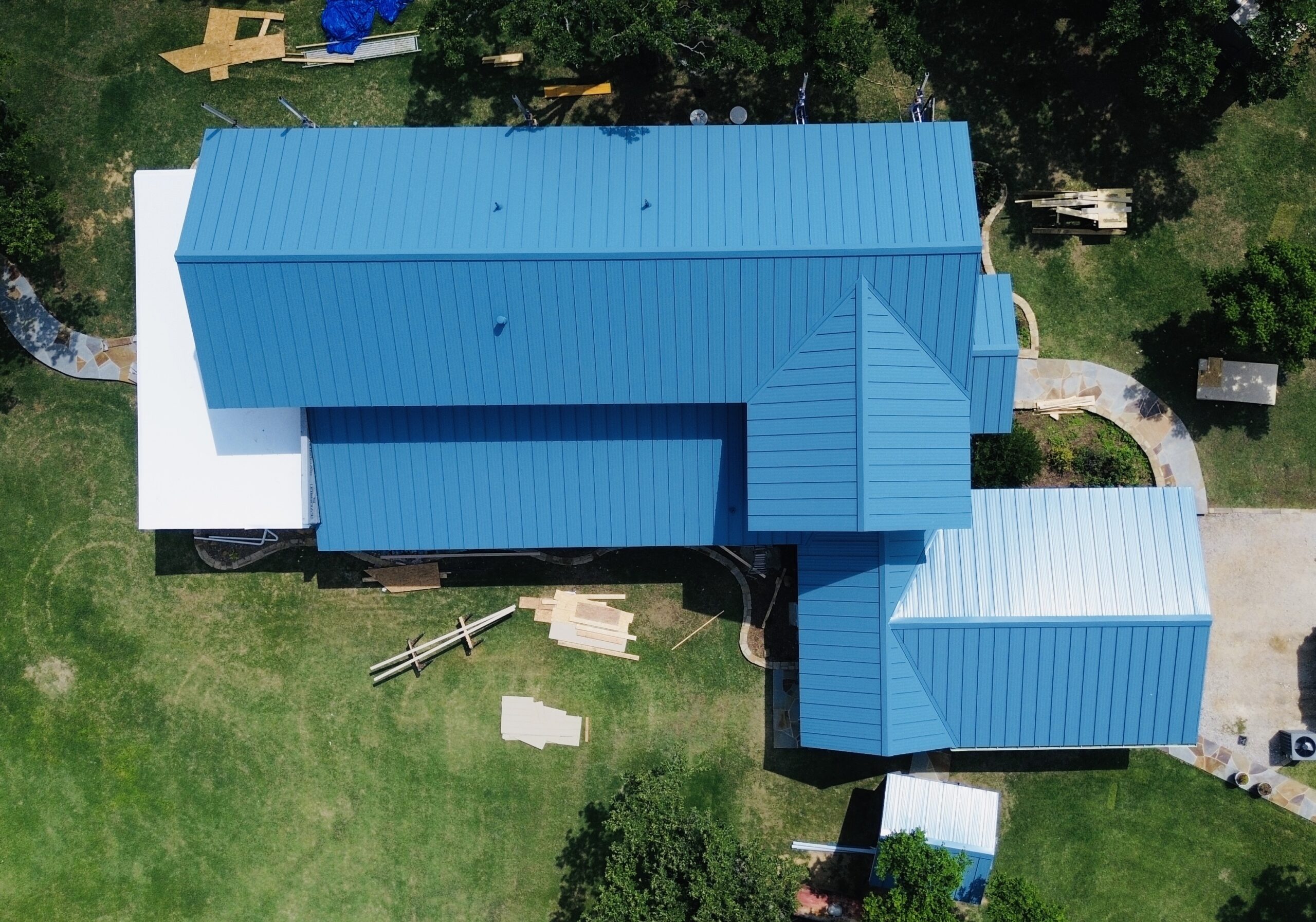
Roofing work creates several potential hazards, so homeowners should ask how the contractor plans to protect workers, residents, and the property. The contractor should have appropriate safety procedures and should organize the worksite to reduce unnecessary risks.
A useful question is, “How will you protect my home and property during the project?” Roofing materials and debris can fall during removal and installation, so contractors may use protective coverings and other measures around windows, doors, landscaping, vehicles, and walkways.
Homeowners should also ask how children and pets should be kept away from the work area. Nails, tools, roofing materials, and construction debris can create hazards even when the main crew is working safely. The contractor should explain any access restrictions that residents need to follow.
Landscaping protection is another consideration. Heavy materials and equipment can damage plants, shrubs, patios, or outdoor structures if they are not handled carefully. Homeowners should discuss how the crew plans to protect vulnerable areas before materials arrive.
Cleanup should be clearly defined in the contract. Homeowners can ask, “How will you clean the property when the project is finished?” The answer should cover old roofing materials, packaging, nails, and other construction debris.
A contractor may use tarps, designated debris containers, magnetic tools, or other cleanup methods depending on the project. The homeowner should understand what level of cleanup is included and whether the contractor will return if debris is discovered after the crew leaves.
Safety also extends to the roof itself. Homeowners should not assume that they need to inspect the roof personally during installation. Walking on an active construction site or unfinished roof can be dangerous. Instead, contractors can provide updates, photographs, or a guided ground-level review when the project is complete.
Good safety and cleanup practices show that the contractor is considering the entire property, not just the roofing installation. These details can have a meaningful effect on the homeowner’s experience throughout the project.
Questions About Unexpected Roof Damage and Additional Costs
Unexpected damage is one of the most important issues to discuss before roofing work begins. Some roof problems cannot be identified until existing materials are removed. Damaged decking, concealed moisture, deteriorated flashing, or structural problems may require additional work.
Homeowners should ask, “What happens if you discover hidden damage?” A professional contractor should explain the process before the project starts. Ideally, significant additional work should be documented and approved before it is completed.
The contractor should also explain how extra costs will be calculated. Homeowners can ask whether additional materials are charged by a set unit price, based on actual labor and materials, or through another method. Having this information in advance can make unexpected expenses easier to understand.
Photographs can be particularly helpful when hidden damage is discovered. Homeowners can ask the contractor to provide pictures or other documentation showing why additional repairs are necessary. This allows the homeowner to make an informed decision rather than relying solely on a verbal explanation.
Another important question is whether temporary protection will be provided if additional work cannot be completed immediately. If weather is approaching or the project must stop unexpectedly, the roof should be protected appropriately so further damage does not occur.
Homeowners should also ask which hidden conditions are considered reasonably predictable and which may create additional charges. A detailed inspection should identify visible issues, but certain problems may remain concealed until the roof is opened.
It is also useful to ask whether the contractor will offer repair alternatives when possible. Some hidden damage may have more than one solution, and the homeowner may want to compare immediate repair with a more comprehensive upgrade.
Before approving additional work, homeowners should confirm the revised price and understand how it affects the project timeline. Important changes should be documented in writing rather than agreed only through a quick conversation.
Asking these questions before work begins can reduce financial surprises and make the project easier to manage. A reliable contractor should have a clear process for unexpected conditions and should communicate openly when the original scope needs to change.
Questions About Previous Residential Roofing Projects
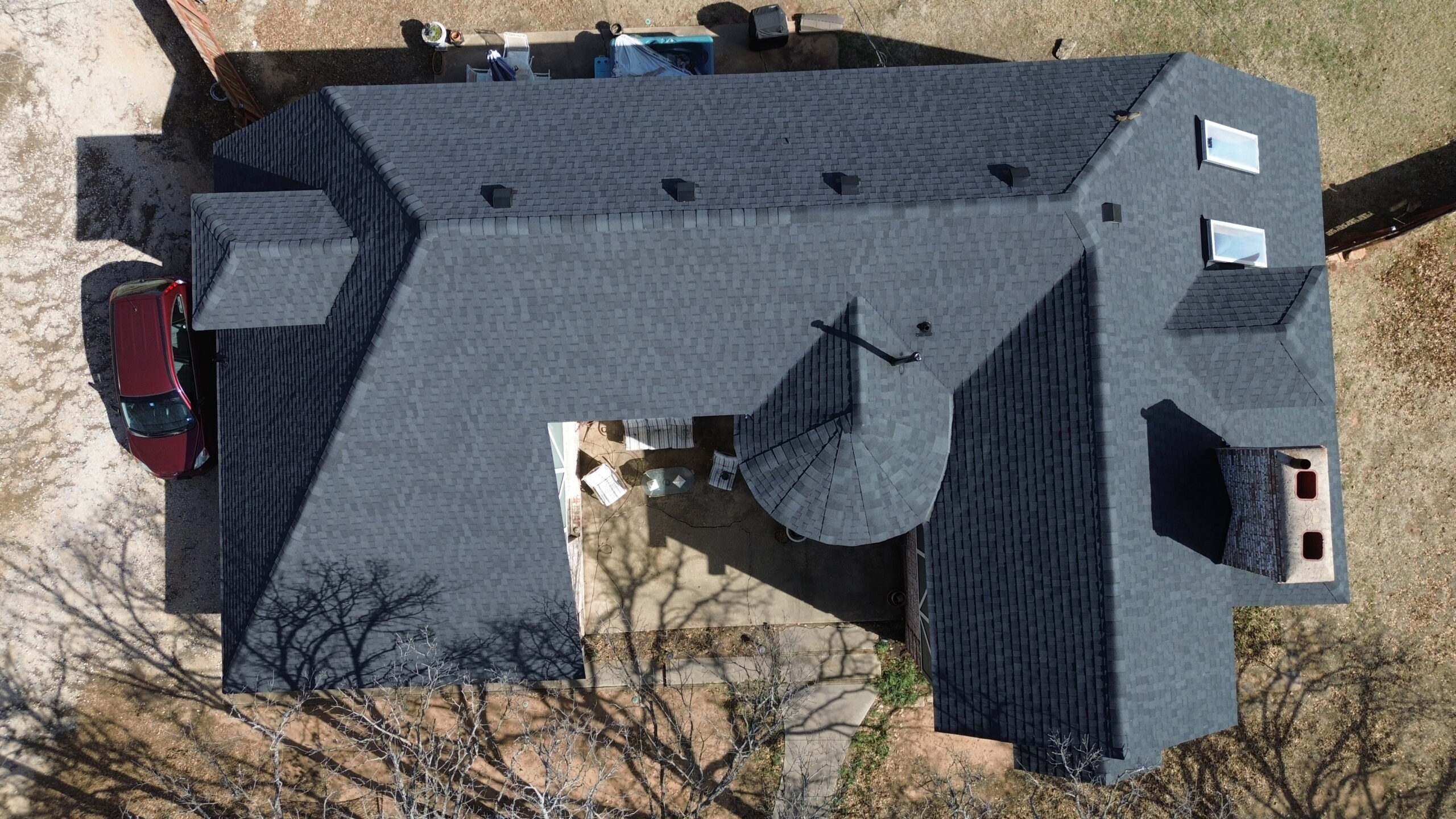
Before hiring a roofing contractor, homeowners should ask about previous projects that are similar to their own. Past work can provide useful evidence of the contractor’s experience, attention to detail, and familiarity with particular roofing materials. A company that regularly completes comparable residential projects may be better prepared to handle the specific requirements of the property.
A useful question is, “Can you show me examples of recent residential roofs you have completed?” Contractors may provide photographs, project descriptions, or references from previous customers. Homeowners should look for projects with similar roof slopes, materials, architectural features, and levels of complexity.
Homeowners can also ask whether the contractor has worked on roofs affected by conditions similar to those on their property. For example, a home exposed to strong winds may benefit from a contractor who understands appropriate installation practices for that environment. Experience with local conditions can be especially valuable when selecting materials and planning the installation.
Another important question is, “How recently did you complete these projects?” Recent work can provide a more accurate picture of the contractor’s current crews, materials, and installation practices. A company may have a long history but use different workers or methods than it did several years ago.
Homeowners can also ask whether the contractor handles both repairs and full replacements. A contractor experienced in evaluating existing roofs may be better positioned to determine whether replacement is actually necessary. This can help homeowners avoid committing to unnecessary work.
Project examples should not be evaluated only on appearance. A roof may look attractive in photographs while hidden details such as flashing, ventilation, underlayment, and drainage remain unknown. Homeowners should use project examples together with references, credentials, written estimates, and contract information.
It is also useful to ask who supervised previous projects and whether the same team will work on the homeowner’s roof. A company’s portfolio may include work completed by crews that are no longer employed by the business. Understanding who will actually perform the work provides a clearer picture of what to expect.
Questions About References, Reviews, and Local Reputation
References and customer reviews can help homeowners understand how a roofing contractor performs beyond the sales process. While online reviews can provide useful information, direct references offer an opportunity to ask specific questions about scheduling, workmanship, communication, cleanup, and problem resolution.
Homeowners should ask, “Can you provide references from recent residential customers?” Ideally, the references should include projects similar to the homeowner’s own roof. A reference who recently completed a comparable replacement can provide particularly useful information.
When speaking with a previous customer, homeowners can ask whether the contractor stayed close to the original estimate. They can also ask whether the project was completed on time, how unexpected problems were handled, and whether the contractor communicated changes clearly.
Another useful question is whether the customer experienced any problems after installation. A roof should be evaluated not only by how it looked immediately after completion but also by how it performed afterward. Homeowners can ask whether leaks, material problems, warranty issues, or maintenance concerns developed later.
Online reviews should also be considered carefully. A single negative review does not necessarily prove that a contractor is unreliable, especially if the company responded professionally and tried to resolve the issue. Repeated complaints about similar problems may deserve more attention.
Homeowners should look for patterns involving important areas such as communication, project delays, unexpected costs, poor cleanup, incomplete repairs, or difficulty reaching the contractor after payment. Consistent positive feedback in these areas can provide greater confidence.
Local reputation can also be helpful because established contractors may have a track record within the surrounding community. Homeowners can ask neighbors, friends, or other property owners about their experiences when appropriate. Personal recommendations may provide useful information that is not available online.
A contractor’s reputation should still be evaluated alongside objective documentation. Reviews and references cannot confirm licensing, insurance, material specifications, or contract terms by themselves. A strong decision comes from considering all available evidence together.
Questions About Maintenance After Roof Installation
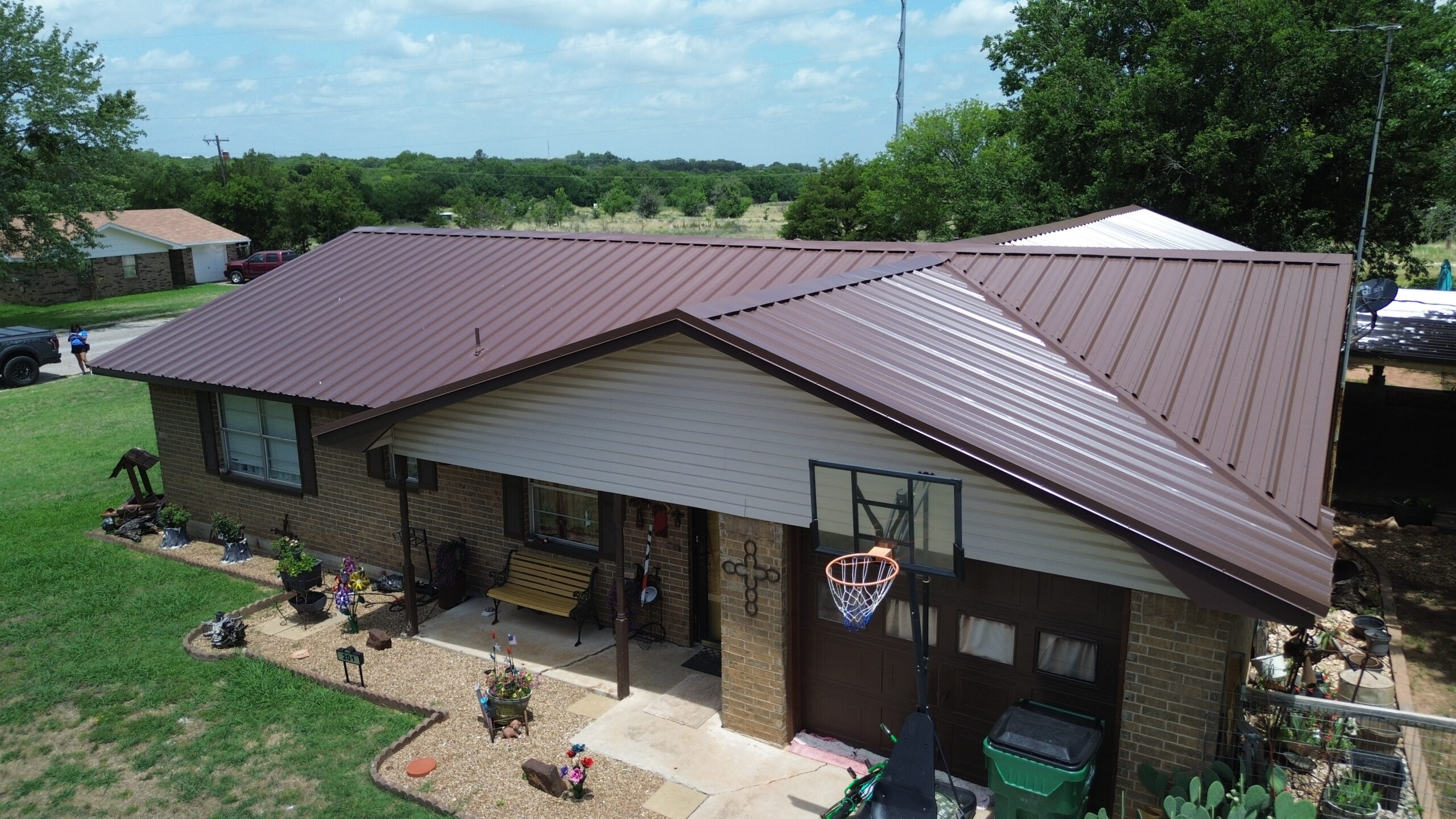
Roofing work does not end when the installation crew leaves. Proper maintenance can help protect the roof’s condition and may support its expected service life. Homeowners should therefore ask contractors what maintenance is recommended after the project is completed.
One useful question is, “What routine maintenance does this roofing system require?” Different roofing materials have different maintenance needs. Asphalt shingles may need inspections for damaged or missing sections, while metal roofs may require attention to fasteners, seams, flashing, and protective finishes.
Homeowners should also ask how often the roof should be inspected. The appropriate frequency can vary depending on climate, roof material, age, weather exposure, and surrounding trees. Contractors should provide practical guidance based on the specific roof rather than giving a generic recommendation.
Another important question is how gutters and drainage systems affect the roof. Blocked gutters, downspouts, valleys, or other drainage paths can contribute to water-related problems. Homeowners should understand whether gutter maintenance is included in the contractor’s recommendations and whether additional services are available.
Homeowners can also ask about cleaning requirements. Some roofs may accumulate dirt, leaves, algae, or moss depending on the environment. Cleaning methods should be suitable for the roofing material because aggressive techniques can damage surfaces, coatings, or protective granules.
It is also helpful to ask whether the contractor offers maintenance or inspection services after installation. A company that remains available for future roof inspections can be useful when minor issues need attention before they become larger problems.
Warranty requirements should be considered as part of maintenance. Some warranties may require reasonable upkeep or may exclude certain types of damage caused by neglect. Homeowners should ask whether there are specific maintenance responsibilities they need to follow to keep warranty coverage valid.
Finally, homeowners should understand which warning signs require immediate attention. Visible leaks, damaged flashing, missing shingles, unusual attic moisture, or storm-related damage may indicate that professional inspection is necessary. Knowing what to watch for can help homeowners respond before minor problems become expensive repairs.
Questions About Permits, Inspections, and Documentation
Roofing projects may be subject to local permit and inspection requirements depending on the location and the type of work being performed. Homeowners should ask the contractor whether permits are required and, if so, who will obtain them.
A useful question is, “Who is responsible for handling required permits?” The answer should be clearly stated before work begins. In many projects, the contractor may manage the process, but homeowners should understand their responsibilities and make sure all required approvals are obtained.
Inspection requirements may also apply during or after the roofing project. Homeowners should ask whether a final inspection is expected and how the contractor will coordinate it. Proper documentation can be especially important when the property is sold in the future.
Product documentation should also be collected after installation. Homeowners should keep information about the roofing material, manufacturer, product line, warranty, installation date, and maintenance requirements. These records can help with future repairs and warranty claims.
The final invoice should match the completed scope of work. If change orders were approved during construction, homeowners should keep copies of those documents as well. A clear paper trail can help resolve disputes and makes it easier to understand the project’s final cost.
Photographs can provide another useful form of documentation. Pictures of the roof deck before installation, important flashing details, ventilation components, and the completed roof can serve as a useful record for future reference. Homeowners do not need to document every construction step, but key areas can be valuable later.
Insurance-related documentation may also be relevant, particularly when the roof replacement resulted from storm or other covered damage. Homeowners should ask the contractor which records they will provide and whether additional documentation is available.
Keeping the documents organized is important. Homeowners can store the contract, estimate, receipts, warranties, permits, inspection records, material information, and project photographs together. Having these records readily available can make future maintenance, repairs, insurance claims, or property transactions easier.
Questions to Ask Before Signing the Roofing Contract
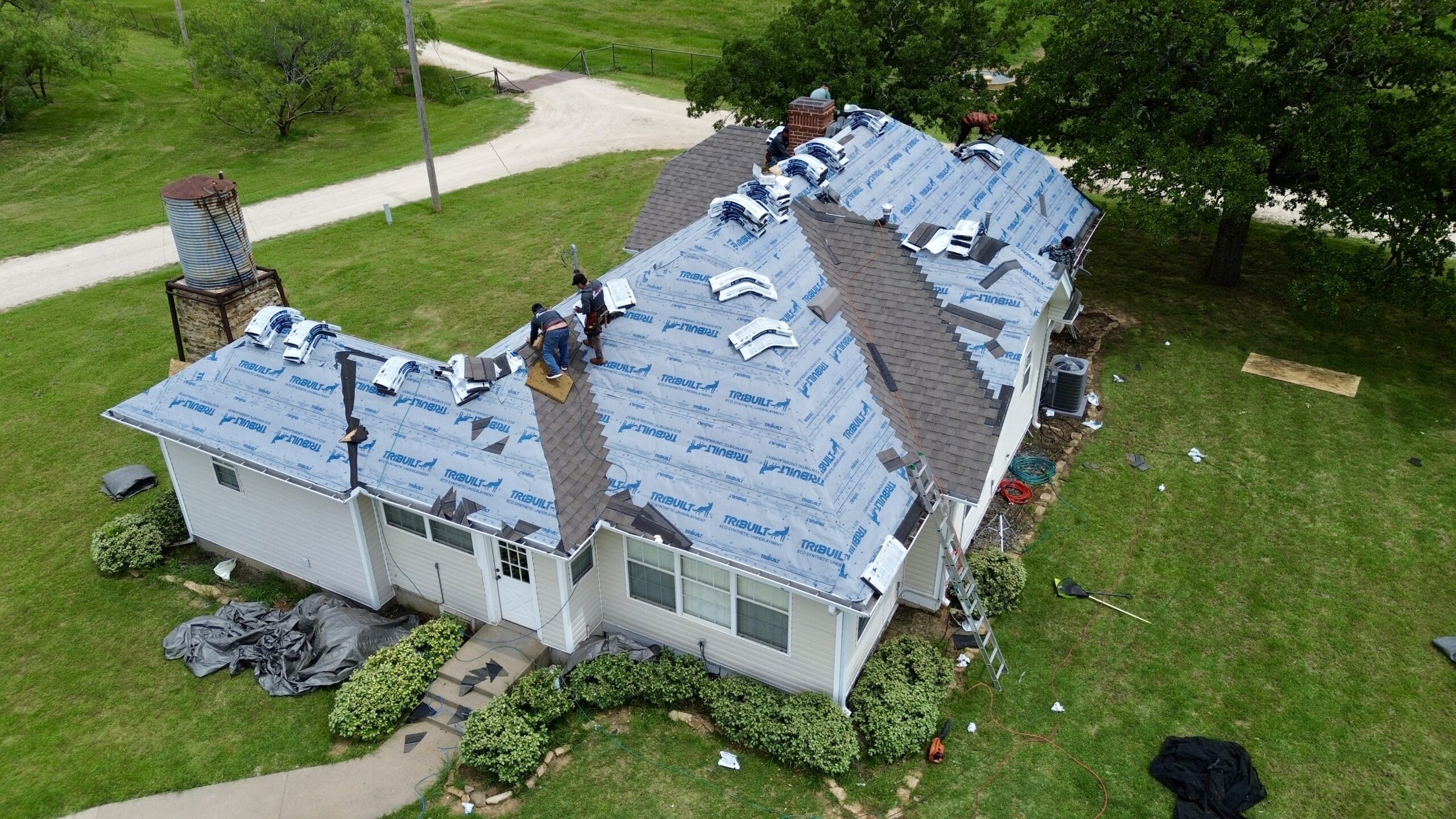
Before signing a roofing contract, homeowners should use the final conversation to confirm that all major questions have been answered. A contract is easier to understand when the homeowner already knows what materials will be used, what work is included, how payment will be handled, and what happens when unexpected conditions are discovered.
One of the most important questions is, “Does the written contract include everything we discussed?” Verbal promises can be forgotten or misunderstood, so important agreements should appear in writing whenever possible. This includes material choices, warranties, cleanup, payment terms, and special requests.
Homeowners should also ask whether the project scope has changed since the original estimate. If a contractor has identified additional work, the updated scope and pricing should be documented before signing. This reduces the risk of disagreements after work begins.
Another question is, “What circumstances could result in additional charges?” Homeowners should understand which types of hidden damage, material changes, or requested upgrades could affect the final price. The contract should explain how additional work is approved.
Homeowners should confirm the payment schedule and ask whether the final payment depends on completion of the agreed scope. They should also verify the warranty terms, expected start date, approximate duration, and contractor contact information.
It is useful to ask who will supervise the project and who should be contacted if a problem occurs. Having a clear point of contact can make communication much easier during the installation.
Before signing, homeowners should make sure they have received copies of all important documents. They should not feel pressured to sign immediately without enough time to review the agreement. A professional contractor should allow the homeowner to understand the terms before committing.
The final checklist can be simple:
- Confirm the contractor’s identity and contact information.
- Review the complete scope of work and materials.
- Verify the payment schedule and additional-cost process.
- Confirm warranty coverage and exclusions.
- Review project timing and weather-delay procedures.
- Confirm cleanup and property-protection responsibilities.
- Keep a signed copy of the complete contract.
Taking a few extra minutes at this stage can prevent significant confusion later.
Conclusion
Asking detailed questions is one of the most effective ways for homeowners to evaluate residential roofing contractors before making a commitment. Questions about experience, qualifications, materials, project scope, pricing, warranties, scheduling, safety, maintenance, and documentation help reveal how prepared and transparent a contractor really is.
The best contractor is not necessarily the one who provides the lowest estimate. A reliable choice should demonstrate relevant residential roofing experience, appropriate credentials, clear communication, suitable materials, and a detailed written agreement. Homeowners should also feel comfortable asking questions and requesting explanations before work begins.
References and previous projects can provide useful insight into actual customer experiences, while warranty and maintenance information can help homeowners understand what happens after installation. Clear payment terms and a defined process for handling unexpected damage can also reduce financial surprises during the project.
Before signing a contract, homeowners should make sure that important promises are documented. The agreement should clearly identify the materials, scope of work, costs, payment schedule, warranty terms, expected timeline, cleanup responsibilities, and procedures for additional work.
A roofing project is a significant investment, and the contractor’s work can affect the home for many years. Taking time to ask the right questions can help homeowners avoid unreliable contractors and make a more informed decision based on quality, transparency, and long-term value.
Ultimately, the goal is to choose a contractor who provides more than a roof installation. Homeowners need a professional who understands the property, communicates clearly, performs the agreed work carefully, and remains accountable after the project is complete. With thorough questions and careful comparison, homeowners can approach their roofing project with greater confidence and a clearer understanding of what to expect.
Leave A Comment