

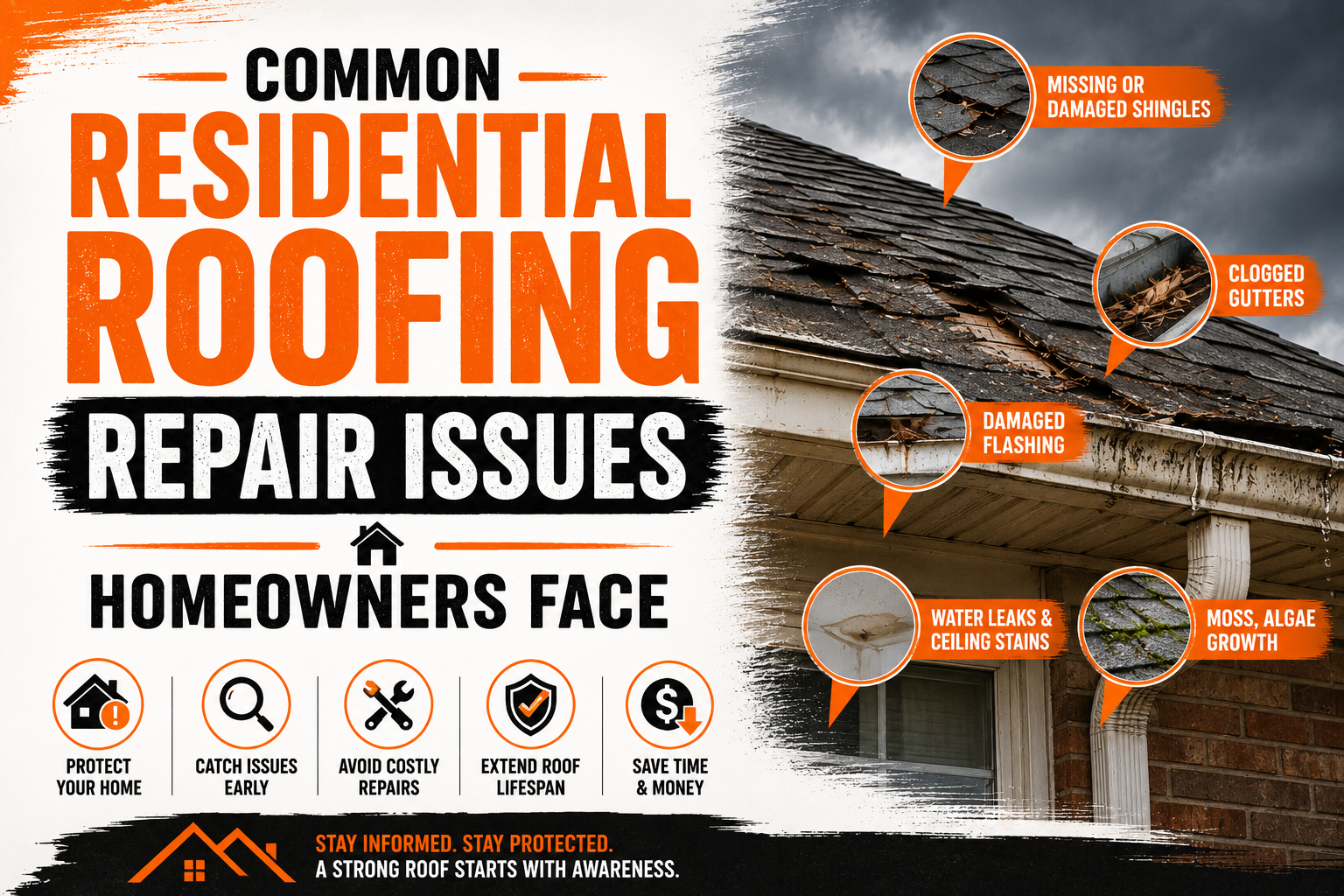
Common Residential Roofing Repair Issues Homeowners Face
Introduction
Residential roofing problems are among the most common maintenance concerns homeowners encounter. A roof protects the home from rain, wind, sunlight, temperature changes, and other outdoor conditions, so even a relatively small defect can eventually affect other parts of the property. Identifying roofing problems early can help homeowners arrange repairs before minor damage develops into a more expensive issue.
Roofing problems do not always appear as obvious holes or missing shingles. A homeowner may notice a water stain on the ceiling, damp insulation in the attic, loose flashing, clogged gutters, or unusual deterioration of roofing materials. These signs can indicate that the roofing system needs professional attention even when the source of the problem is not immediately visible.
Different roofing materials can also develop different repair requirements. Asphalt shingles, metal panels, tile, slate, and other systems respond differently to weather exposure and physical stress. The age, design, installation quality, maintenance history, and local climate can all influence the type of problems a roof experiences.
Some repairs are relatively straightforward, while others require a detailed inspection to determine the underlying cause. Replacing one damaged shingle may solve a localized problem, but recurring leaks can indicate a larger issue involving flashing, ventilation, drainage, or deteriorated roof components.
Homeowners should also understand that roofing repairs are not always about fixing visible damage. Preventing water from entering the structure and maintaining proper drainage are equally important. A complete approach considers the entire roofing system rather than focusing only on the surface material.
Knowing the most common residential roofing repair issues can help homeowners recognize warning signs and make informed decisions. While homeowners can monitor their property from safe locations, professional evaluation is generally appropriate when damage is suspected or when the source of a problem is unclear.
Roof Leaks and Water Intrusion
Roof leaks are one of the most common roofing issues homeowners face, and they can occur for many different reasons. Damaged shingles, failed flashing, blocked drainage, deteriorated sealants, roof penetrations, and aging materials can all create pathways for water to enter the home.
A leak may not appear directly below the damaged section of the roof. Water can travel along decking, insulation, framing, or other surfaces before becoming visible inside the house. As a result, a ceiling stain does not necessarily indicate that the roof area directly above it is the source of the leak.
Homeowners may first notice water stains on ceilings or walls. Other warning signs can include damp insulation, peeling paint, musty odors, discolored wood, or moisture around light fixtures and other interior components.
Leaks can become more noticeable during heavy rainfall because larger amounts of water are moving across the roof. However, a small leak may remain hidden for extended periods and only become apparent after repeated exposure to moisture.
Roof penetrations are common areas for leaks. Vents, chimneys, skylights, antennas, and other structures that pass through the roofing system require careful flashing and sealing. When these components deteriorate or are installed incorrectly, water can enter around the opening.
Roof valleys can also be vulnerable because they collect and direct water toward drainage areas. Damaged materials or improperly installed valley components can interfere with this process and increase the risk of water intrusion.
Homeowners should not ignore a small ceiling stain simply because the problem appears minor. Continued moisture exposure can contribute to deterioration of wood components, insulation problems, mold growth, and damage to interior finishes.
When a leak is discovered, homeowners should document visible signs from safe locations and arrange a professional inspection. Temporary measures may be appropriate when necessary to prevent additional damage, but permanent repairs should address the underlying source rather than simply covering the visible symptom.
Damaged or Missing Roofing Shingles
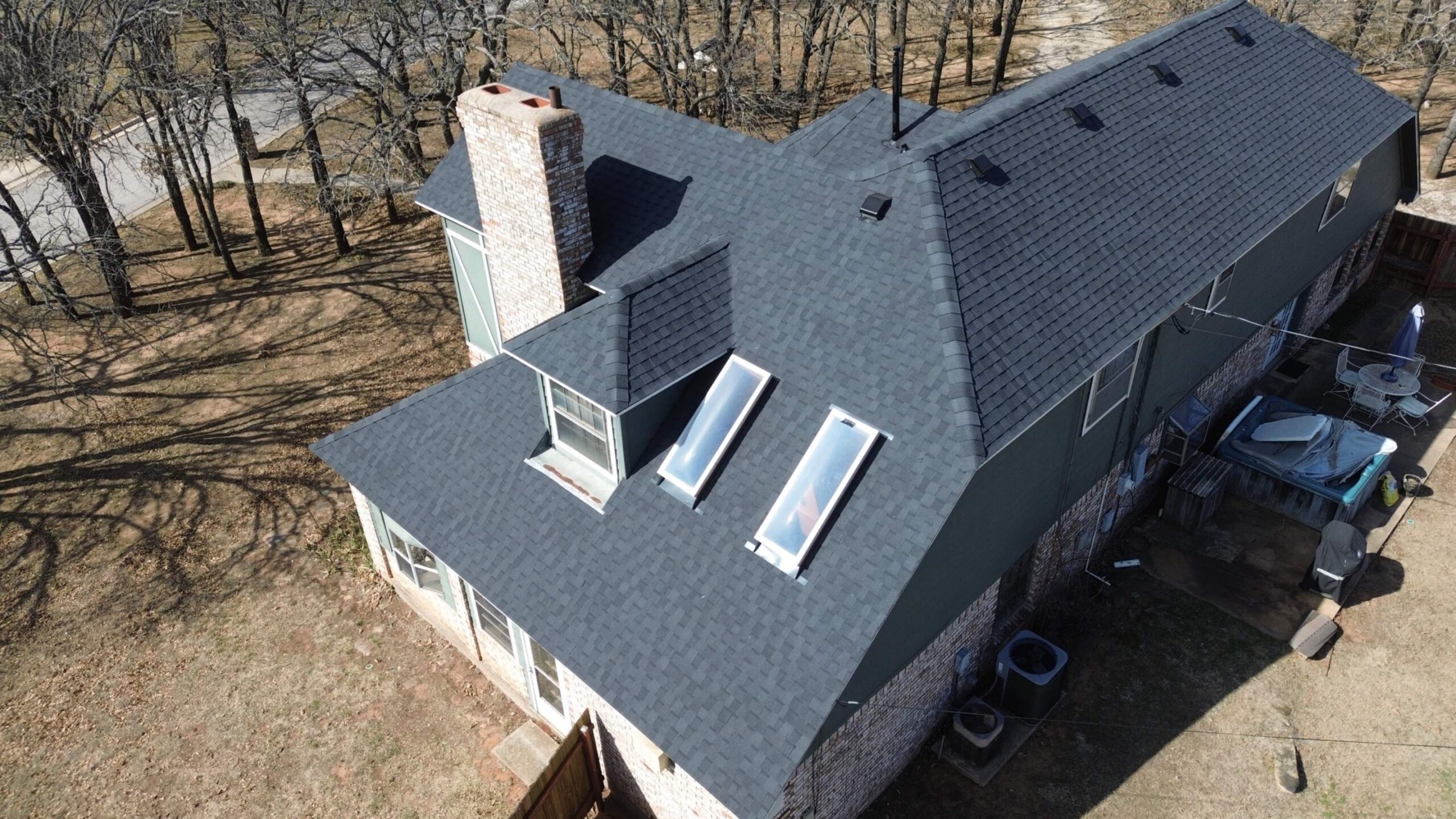
Shingles are exposed directly to weather conditions, making them one of the most visible and frequently repaired roofing components. Asphalt shingles can become cracked, curled, lifted, loose, or missing due to age, wind, impact, improper installation, or other causes.
Missing shingles can expose underlying roofing layers to rain and sunlight. If the exposed area remains unprotected, moisture can reach the roof deck and eventually contribute to more serious deterioration.
Wind can lift or remove shingles when fastening systems have weakened or when installation was not completed correctly. Strong weather events can also damage several sections of a roof at once, making it important to inspect the entire surface rather than focusing on a single missing shingle.
Curling and buckling can indicate that shingles are deteriorating or that there are underlying installation or ventilation concerns. Shingles that no longer lie flat may be more vulnerable to wind and water intrusion.
Cracked shingles can develop from prolonged weather exposure, temperature changes, impact, or material deterioration. Individual cracks may appear relatively small, but repeated damage across a roof can indicate that the roofing material is approaching the end of its useful service life.
Granule loss is another condition homeowners may notice. Granules provide an important protective surface for many asphalt shingles, and excessive loss can reduce the material’s resistance to sunlight and weather exposure.
Homeowners should avoid climbing onto the roof to inspect damaged shingles unless they have the appropriate training and equipment. Roof surfaces can be slippery or unstable, and walking on certain materials can cause additional damage.
A professional roofer can determine whether localized shingle replacement is appropriate or whether the roof has more widespread deterioration. The repair approach should consider the age and overall condition of the roofing system.
Matching replacement shingles can sometimes be difficult on older roofs. New materials may differ slightly in color or texture because the existing roof has weathered over time. Contractors can explain the available options and determine whether individual repairs or broader replacement would provide the most practical result.
Flashing and Roof Penetration Problems
Flashing is an essential part of a roofing system because it helps direct water away from vulnerable joints and transitions. It is commonly installed around chimneys, skylights, vents, roof valleys, walls, and other areas where different surfaces meet.
Damaged flashing can allow water to enter beneath roofing materials. Metal flashing may become corroded, bent, loose, or separated from adjoining surfaces, while sealants around certain components can deteriorate with age.
Flashing problems can be difficult for homeowners to identify from ground level. A roof may look generally intact while water is entering through a small gap around a penetration or transition.
Chimneys are a common source of roofing problems because they involve several surfaces and require carefully coordinated flashing. If the flashing around a chimney is damaged or improperly installed, rainwater can enter the roof assembly or surrounding walls.
Skylights can develop similar issues. Problems may occur with the skylight itself, its flashing system, surrounding roofing materials, or the seal between components.
Plumbing vents also require proper flashing and weather-resistant connections. A deteriorated vent boot can allow water to enter around the penetration and eventually cause staining or moisture damage inside the home.
Homeowners should pay attention to water stains that appear near these areas. However, interior moisture does not always reveal the exact entry point, so a professional inspection may be necessary to trace the source.
Replacing damaged flashing can sometimes resolve a localized problem, but repairs should be performed correctly and integrated with the existing roofing system. Simply applying sealant over a damaged component may provide only a temporary solution.
During roof repairs, contractors should also inspect nearby roofing materials. Water can move beneath surfaces, and a flashing problem may have already caused deterioration in surrounding decking or underlayment.
Addressing flashing problems promptly can help prevent more extensive water damage. Because these components protect some of the most vulnerable areas of the roof, their condition should be considered whenever a leak or moisture problem is reported.
Sagging and Structural Roof Damage
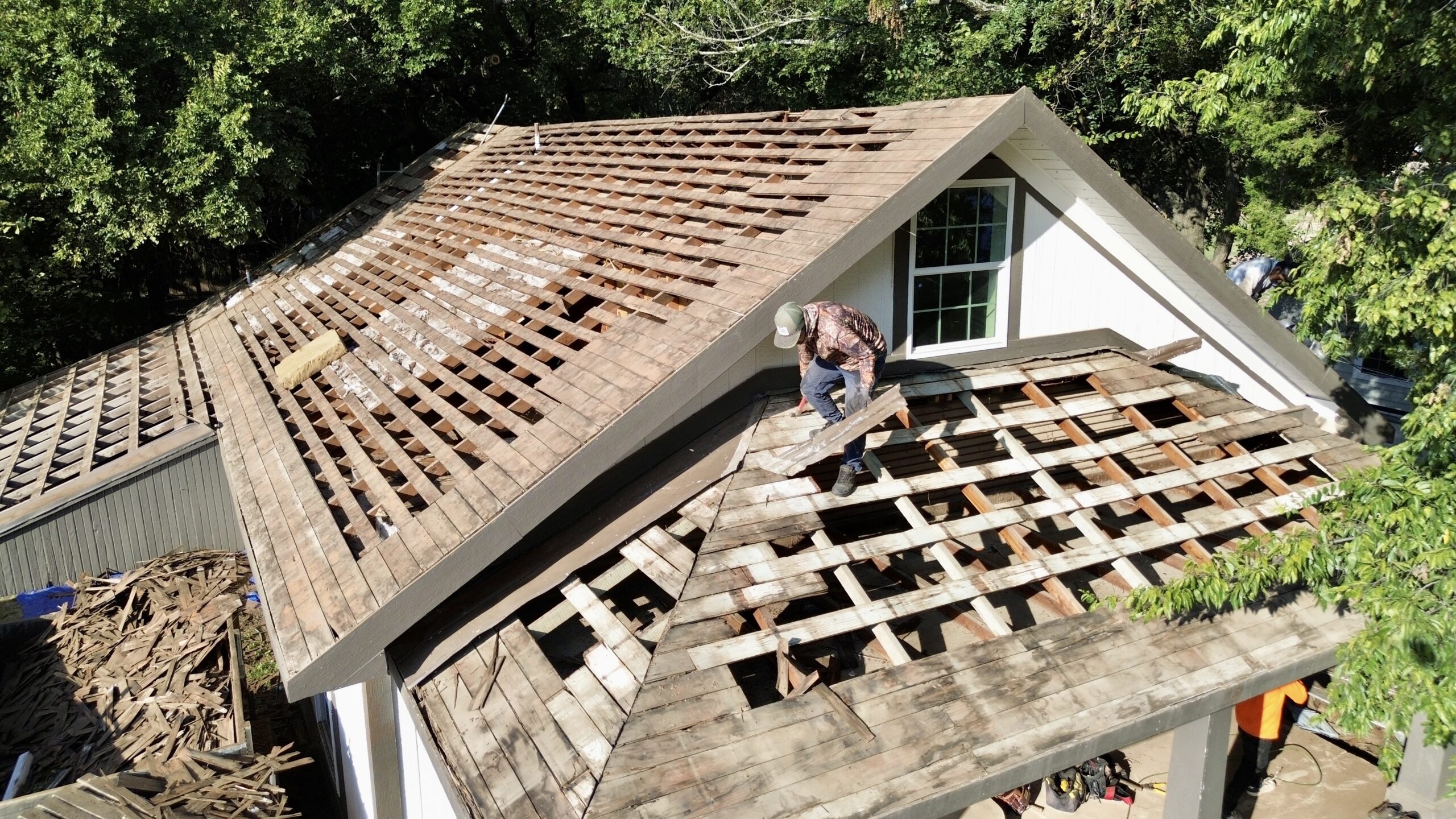
A sagging roof can indicate a more serious problem than ordinary surface deterioration. Unlike a missing shingle or minor flashing issue, visible sagging may involve the roof deck, framing, moisture damage, structural loads, or other underlying conditions.
Homeowners may notice a section of the roof appearing lower than surrounding areas. The change can be subtle at first, but progressive sagging should not be ignored because it may indicate that structural components are no longer performing as intended.
Long-term water intrusion is one possible contributor to structural deterioration. Persistent moisture can weaken wood components and create conditions that affect the roof deck or framing.
Excessive loads can also contribute to structural stress. Snow accumulation, stored materials, construction changes, or other unusual loads may affect a roof that was not designed to support them.
Poor construction or previous modifications can create additional concerns. Changes to attic spaces, removal of structural components, or improperly supported additions can alter how loads are transferred through the roof.
Homeowners should not attempt to correct significant sagging themselves. Structural roofing problems can involve serious safety risks, and determining the cause may require evaluation by an experienced roofing professional or structural specialist.
Interior signs can provide additional clues. Cracked ceilings, doors that suddenly become difficult to operate, unusual wall separation, or visible moisture damage may accompany more significant structural problems, although these signs can have other causes as well.
When sagging is identified, the priority should be determining whether the area is safe and identifying the underlying cause. Cosmetic repairs alone are unlikely to resolve a structural issue if the supporting components remain damaged.
The cost of structural repairs can vary significantly depending on the severity and location of the problem. Early professional evaluation may help prevent further deterioration and provide a clearer understanding of what repairs are necessary.
Homeowners should treat visible roof sagging as a condition requiring prompt professional attention. Addressing the underlying problem is more important than simply improving the appearance of the roof surface.
Gutter and Drainage-Related Roofing Issues
Effective drainage is an essential part of residential roof performance. Gutters, downspouts, valleys, slopes, and other drainage components work together to move rainwater away from the roofing system and the home’s foundation.
Clogged gutters are one of the most common drainage problems. Leaves, twigs, dirt, and other debris can prevent water from flowing freely, causing it to accumulate along roof edges or overflow onto exterior walls.
Overflowing gutters can contribute to water damage around fascia boards and roof edges. In some cases, persistent moisture can also affect nearby siding, soffits, landscaping, or foundation areas.
Downspouts can create problems when they are blocked, damaged, or positioned incorrectly. Water should be directed away from the home’s foundation rather than discharged directly beside the building.
Roof valleys can also become blocked by debris. Because valleys concentrate water, restrictions in these areas can interfere with normal drainage and increase the potential for water to move beneath roofing materials.
Poorly designed or damaged drainage systems can create recurring roofing issues even after surface repairs have been completed. If water continues to collect in the same area, simply replacing damaged shingles may not solve the underlying problem.
Homeowners should inspect gutters from safe ground-level locations and arrange professional cleaning or repair when necessary. They should avoid leaning ladders against gutters or climbing onto the roof without appropriate equipment and experience.
During a roofing repair, contractors can evaluate the condition of gutters, downspouts, drip edges, and other drainage-related components. If these parts are damaged or poorly integrated with the roofing system, addressing them at the same time can help improve overall performance.
Proper drainage does more than protect the roof. It helps control where water travels after rainfall and can reduce moisture exposure to other parts of the property.
Regular maintenance is therefore an important part of preventing roofing repair problems. Keeping drainage paths clear, watching for overflow, and addressing damaged components early can reduce the likelihood that a minor drainage issue will develop into a larger roofing or water-damage problem.
Recognizing leaks, shingle damage, flashing problems, structural concerns, and drainage issues gives homeowners a better understanding of why residential roofs sometimes require repairs. These problems can have different causes, and identifying the underlying issue is essential for choosing an effective repair rather than repeatedly treating the visible symptom.
Storm and Wind Damage
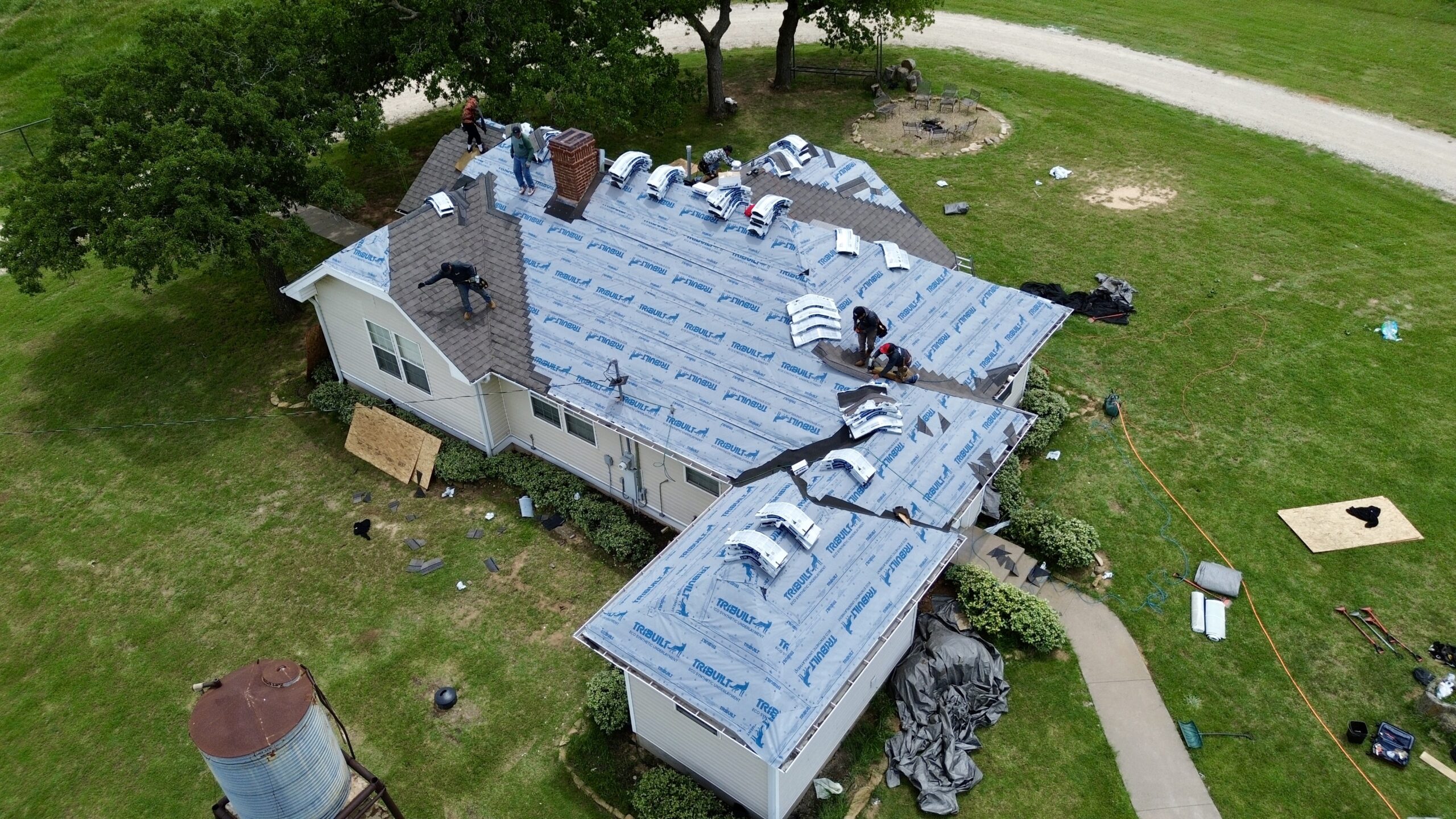
Severe weather is one of the most common causes of sudden residential roofing damage. Strong winds can lift shingles, loosen flashing, damage roof edges, and remove sections of roofing materials, while storms can also cause branches or other objects to strike the roof.
Wind damage is not always easy to identify from the ground. Shingles may remain attached but become partially lifted or lose their protective seal, creating a potential pathway for water to enter during later rainfall.
Homeowners may notice missing shingles, exposed underlayment, damaged gutters, or debris scattered across the roof and surrounding property after a storm. However, some damage may remain hidden until a professional inspection is performed.
Fallen branches can create more serious problems by puncturing roofing materials or damaging the roof deck beneath them. Even when the visible opening appears small, water can enter through the damaged area and affect insulation, framing, ceilings, or interior finishes.
Wind can also affect flashing around chimneys, vents, skylights, and walls. When these components become loose, rainwater may enter through gaps that are difficult to see without a closer inspection.
After severe weather, homeowners should inspect the property from a safe location and document visible damage with photographs. They should avoid climbing onto the roof because wet surfaces, loose materials, and structural damage can create serious safety hazards.
Temporary protection may be necessary when a roof opening exposes the interior to additional weather. Any emergency measures should be documented, and homeowners should arrange a professional inspection to determine the extent of permanent repairs.
Storm damage should also be distinguished from normal aging. An older roof may already have brittle or deteriorated materials before a storm occurs, making it important to determine whether the reported event caused new damage or simply exposed existing weaknesses.
Prompt evaluation can prevent additional problems after a storm. Repairing loose or missing materials and addressing damaged flashing can reduce the chance of water intrusion during the next rainfall.
Hail and Impact Damage
Hail can cause roofing damage that is difficult to recognize without professional experience. The impact of hailstones can bruise shingles, remove protective granules, damage metal surfaces, and affect other exterior components.
Small areas of hail damage may not immediately cause a leak. However, repeated impacts can weaken roofing materials and reduce their ability to protect the roof deck from weather exposure.
Granule loss is one possible sign of hail impact on asphalt shingles. Homeowners may notice unusual amounts of granules collecting in gutters or around downspouts after a severe storm, although some granule loss can also occur naturally as shingles age.
Hail can also damage gutters, downspouts, vents, flashing, skylights, and other exposed components. Looking only at the shingles may therefore provide an incomplete picture of the property’s condition after a storm.
The age and condition of the roof can affect how impact damage appears. Older materials may already have signs of deterioration, while newer materials may respond differently to the same weather event.
Homeowners should avoid attempting to determine hail damage solely by comparing the size of hailstones with visible marks. A qualified roofing professional can examine the surface and identify patterns that may indicate impact damage.
If a storm has affected the area, photographs of the property and surrounding conditions can provide useful documentation. Homeowners should record visible damage from safe locations and arrange an inspection when concerns exist.
Repairs should focus on the actual condition of the roofing system rather than replacing materials unnecessarily. If damage is localized, repair may be possible, while widespread deterioration may require a broader evaluation of the roof’s remaining service life.
Hail damage can also occur alongside wind damage. A complete inspection should therefore consider shingles, flashing, roof edges, drainage components, and other exterior areas rather than focusing on one type of defect.
Prompt attention is valuable because damaged roofing materials can become more vulnerable to subsequent weather. Addressing confirmed impact damage can help preserve the roof’s protective function and prevent small defects from developing into larger problems.
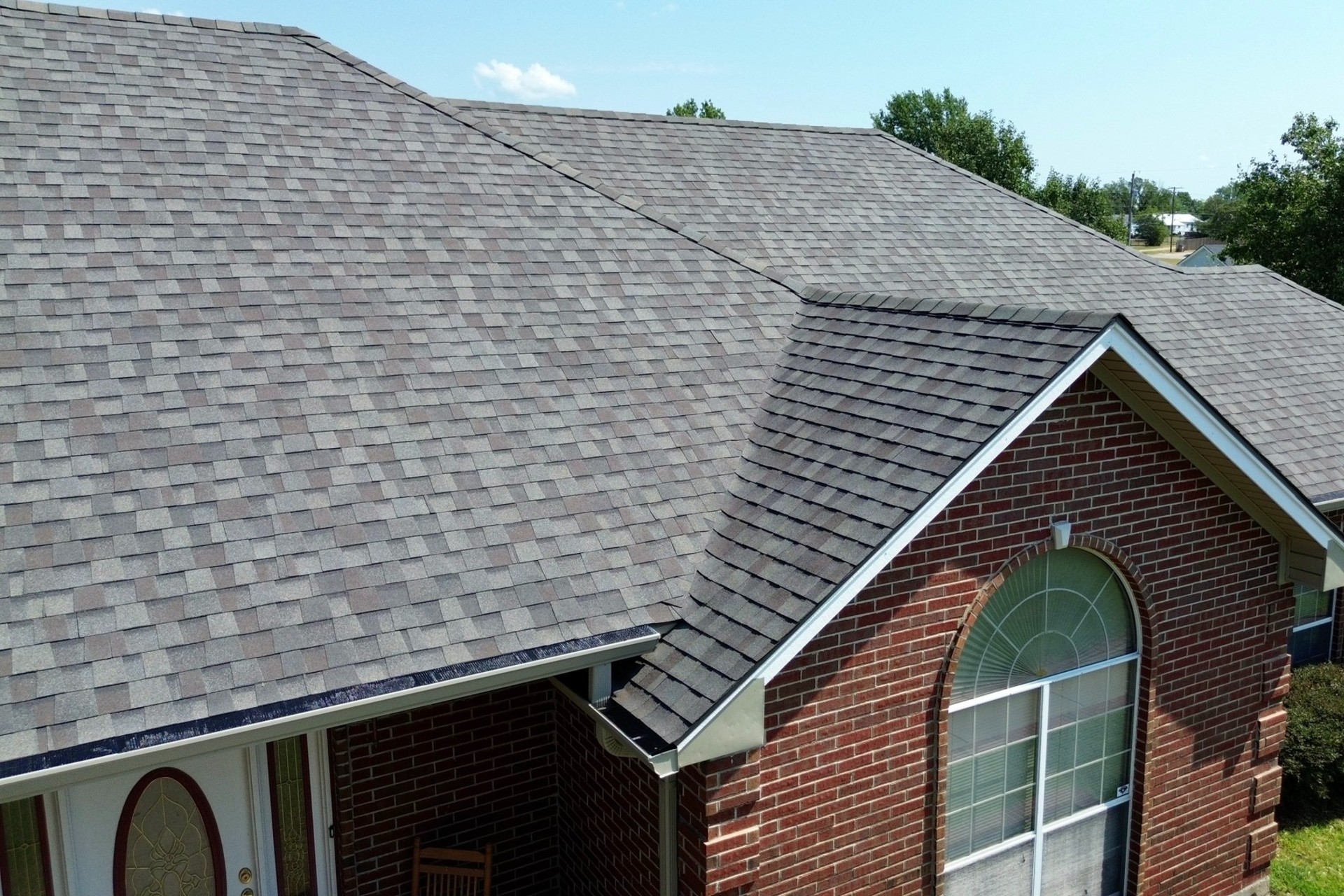
Roof Ventilation and Moisture Problems
Roof ventilation plays an important role in maintaining suitable attic conditions. When airflow is inadequate or poorly balanced, heat and moisture can accumulate and contribute to roofing problems over time.
Excessive attic moisture can affect wood components, insulation, and other parts of the roof assembly. Condensation may also occur when warm indoor air reaches colder surfaces within the attic.
Homeowners may notice warning signs such as damp insulation, moisture staining, peeling materials, musty odors, or visible deterioration of wooden components. These symptoms can have different causes, so professional evaluation may be necessary to determine whether the problem is related to ventilation or another source.
Inadequate ventilation can also contribute to excessive heat accumulation during hot weather. High attic temperatures may place additional stress on certain roofing materials and can affect indoor comfort.
Ventilation systems commonly use intake and exhaust openings that work together to move air through the attic. Blocking one part of the system can reduce its effectiveness, so simply adding an additional vent may not solve the underlying problem.
Insulation can also affect airflow. Improperly installed insulation may block intended intake openings or interfere with ventilation pathways near the roof edges.
Bathroom and kitchen exhaust systems should be evaluated separately because moisture-producing activities inside the home can affect attic conditions. Exhaust should be appropriately directed rather than releasing humid air into an enclosed attic space.
Homeowners should not assume that every roof leak is caused by inadequate ventilation. Water intrusion, plumbing leaks, condensation, and other conditions can create similar signs.
When roofing repairs are being performed, contractors can inspect accessible ventilation components and identify visible concerns. Addressing ventilation problems at the same time as other roofing work may help protect the repaired roof from premature deterioration.
A well-maintained roofing system requires more than an intact exterior surface. Proper moisture management and appropriate attic conditions can support the long-term performance of the roof and reduce recurring repair problems.
Roof Aging and Material Deterioration
Every roofing material has a limited service life, and natural aging is one of the most common reasons homeowners eventually require repairs. Sunlight, temperature changes, moisture, wind, and repeated weather exposure gradually affect roofing materials.
Asphalt shingles can become brittle, lose granules, curl, crack, or become less flexible as they age. Metal roofing may experience coating deterioration, corrosion in certain conditions, or problems around fasteners and seams.
Tile and slate systems can also develop cracks or displaced pieces. Because some materials can be fragile, repairs should generally be performed by professionals who understand the specific roofing system.
Aging does not always mean that an entire roof needs immediate replacement. A professional inspection can determine whether isolated repairs are reasonable or whether deterioration has become widespread enough to justify considering replacement.
Homeowners should pay attention to patterns rather than individual defects. One damaged shingle on an otherwise healthy roof may be a localized repair, while widespread curling, cracking, or material loss may indicate that the roofing system is approaching the end of its useful life.
The roof’s maintenance history can also influence its condition. Regular inspections and prompt repairs can help address developing problems before they spread across larger areas.
Age-related deterioration can make future repairs more difficult because replacement materials may no longer match the existing roof. Older products may have been discontinued, and newer materials can differ in color, texture, or design.
Homeowners should consider the remaining service life when deciding whether to repair an aging roof. Spending heavily on repeated repairs may not always be the most practical long-term approach if significant portions of the system are already deteriorated.
A professional contractor can compare the cost and expected benefits of localized repairs with broader replacement. The decision should consider the roof’s condition, age, repair history, budget, and expected future needs.
Regular monitoring remains important even after a repair. Aging materials can continue to deteriorate, so homeowners should arrange inspections when visible changes or recurring problems appear.
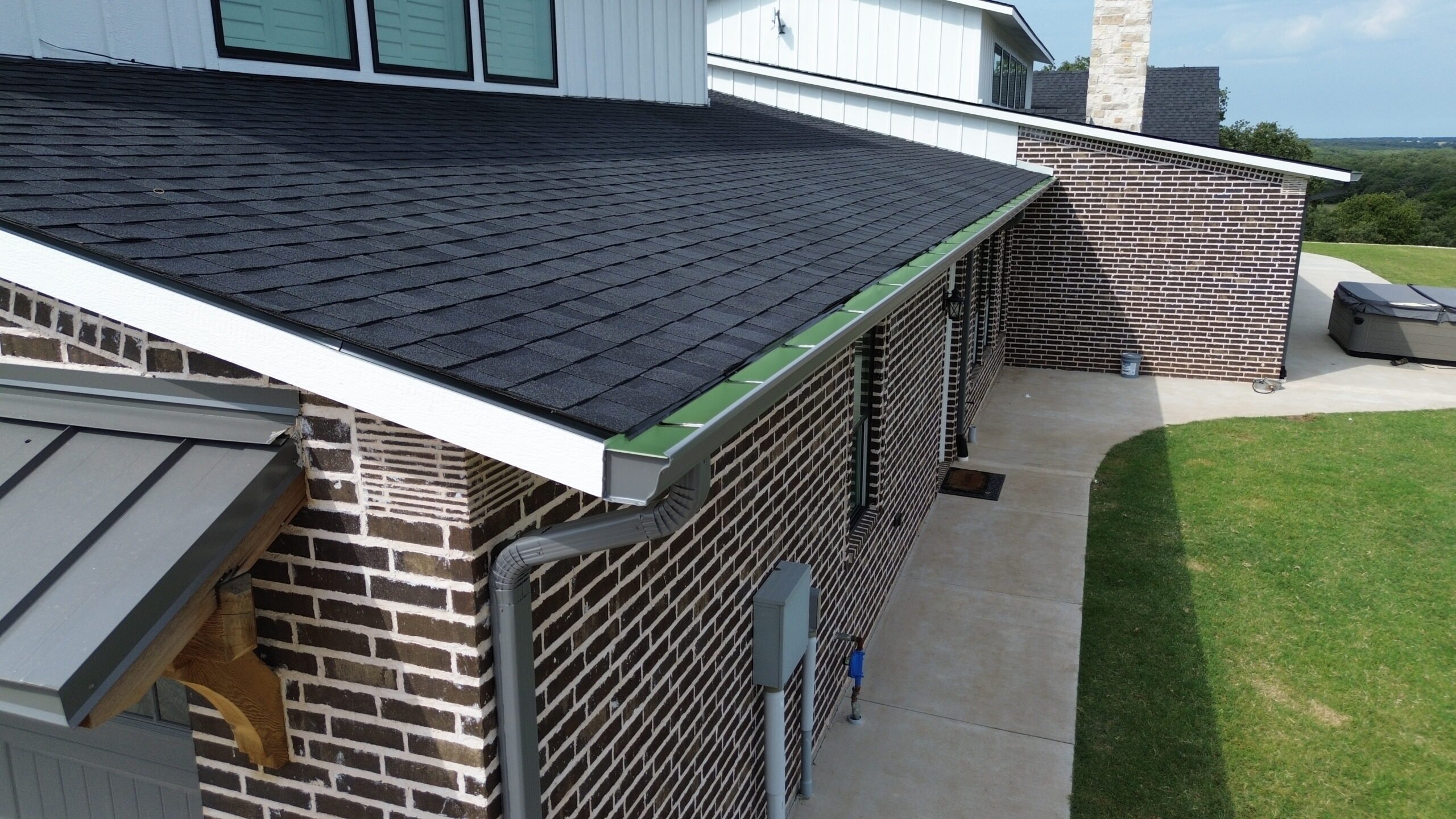
Problems Around Skylights, Chimneys, and Vents
Roof penetrations are among the most vulnerable areas of a roofing system because they require different materials to work together while maintaining a weather-resistant barrier. Skylights, chimneys, plumbing vents, and other penetrations can develop problems as components age.
Skylight leaks may result from damaged flashing, deteriorated seals, surrounding roofing materials, or problems with the skylight itself. Water entering around a skylight can travel into the ceiling and become visible some distance from the actual source.
Chimney areas require careful flashing because the roof meets a vertical masonry or structural surface. Damaged step flashing, counterflashing, or sealants can create pathways for water.
Plumbing vent boots can also deteriorate over time. Cracked or damaged materials around the vent opening may allow water to enter the roof assembly.
Homeowners may first notice these problems through ceiling stains, damp areas, peeling paint, or moisture around interior walls. The location of an interior stain does not always correspond directly with the exterior entry point.
Repairs should address the underlying component rather than simply applying surface sealant. Sealant can sometimes provide temporary protection, but damaged flashing or deteriorated components may need proper replacement.
During repairs, contractors should inspect surrounding materials for signs of moisture damage. A leak that has continued for an extended period may have affected the decking, insulation, or nearby framing.
Older skylights and other penetrations may also be nearing the end of their useful service life. In some cases, replacing an aging component during a roof repair may be more practical than repeatedly repairing the same area.
Homeowners should ask what caused the problem and what repair method is being recommended. Understanding the source helps prevent repeated repairs that address only the visible symptoms.
Properly maintained roof penetrations can significantly reduce the likelihood of recurring leaks. Because these areas are particularly vulnerable to water intrusion, they deserve careful attention during routine inspections and roofing repairs.
Poor Previous Repairs and Installation Defects
Previous repair work can sometimes become the source of new roofing problems. Repairs performed with unsuitable materials, incorrect fastening methods, inadequate flashing, or temporary patches may fail over time and create additional damage.
One common problem is repeated application of sealant over an existing defect. While sealant may have a legitimate role in certain roofing applications, covering a damaged component without correcting the underlying issue can provide only temporary protection.
Improperly installed shingles can also create problems. Incorrect fastening, poor alignment, inadequate overlaps, or improper integration with flashing can leave parts of the roofing system vulnerable to wind and water.
Flashing repairs can be particularly sensitive to installation quality. Components need to be integrated correctly with surrounding roofing materials and adjacent structures to maintain a reliable water-shedding system.
Homeowners may not realize that an earlier repair was incomplete until a leak returns. Recurring leaks in the same general area should therefore be investigated carefully rather than repeatedly patched without identifying the cause.
Material compatibility is another consideration. Using products that are not designed to work together can affect adhesion, drainage, flexibility, or long-term performance.
A professional inspection can help distinguish between a new problem and a failure of previous work. The contractor should explain what was found and whether the recommended repair involves correcting an earlier installation issue.
Keeping records of previous repairs can make this evaluation easier. Invoices, photographs, product information, and contractor details may help establish what work was performed and when.
Homeowners should prioritize qualified workmanship when arranging repairs. A properly completed repair should restore the affected part of the roofing system and integrate it with the surrounding materials rather than simply making the problem less visible.
Recognizing poor previous repairs is important because repeated temporary fixes can become more expensive over time. Correctly identifying the underlying defect allows homeowners to choose a repair that addresses the actual cause and provides more reliable protection.
Common residential roofing repair issues can range from storm damage and aging materials to ventilation problems, leaking penetrations, and failed previous repairs. Understanding these conditions helps homeowners recognize warning signs and seek appropriate professional assistance before relatively small roofing defects develop into more extensive property damage.
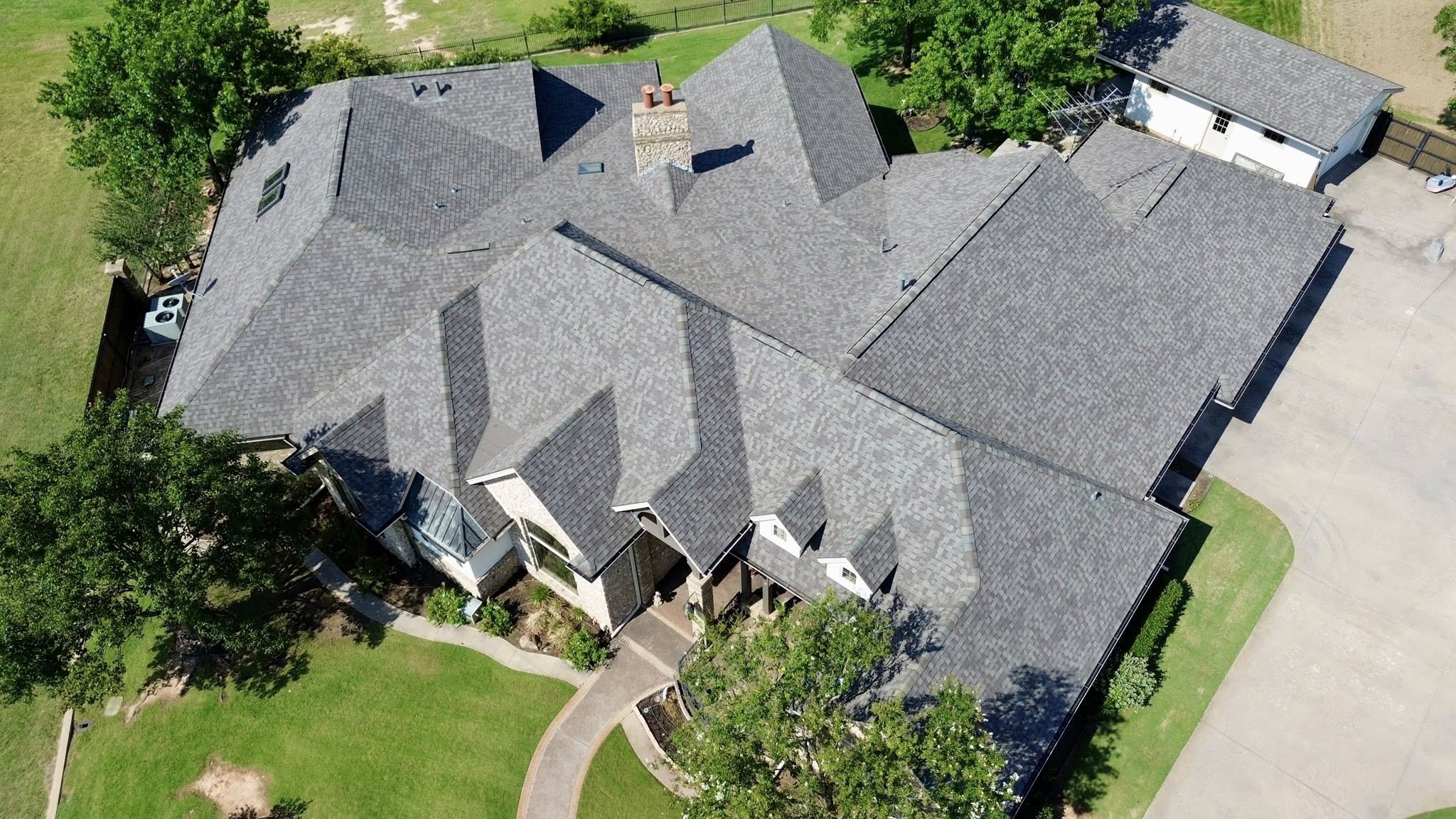
Identifying When Minor Repairs Become Major Problems
Many residential roofing problems begin as small defects that may appear harmless at first. A single damaged shingle, minor flashing gap, or small gutter blockage may not seem urgent, but leaving these conditions unresolved can allow moisture and weather exposure to affect larger areas of the roofing system.
Water is particularly capable of turning a small roofing defect into a significant problem. Once moisture reaches the underlayment, roof deck, insulation, or framing, the repair may involve much more than replacing the original damaged material.
Homeowners should pay attention to recurring problems. If a ceiling stain repeatedly appears after rainfall, a repaired section continues leaking, or the same shingles become damaged again, the issue may indicate an underlying problem that has not been properly corrected.
Changes in the appearance of the roof can also provide useful warning signs. Widespread curling, cracking, missing materials, sagging, or excessive granule loss may indicate that the roofing system is deteriorating beyond what a few isolated repairs can address.
Interior signs should not be ignored either. Water stains, peeling paint, damp insulation, musty odors, and visible moisture can indicate that water is entering or accumulating somewhere within the roof assembly.
Homeowners should avoid assuming that the location of an interior stain identifies the exact source. Water can travel along roof decking and framing before reaching the ceiling, so professional inspection may be needed to trace the entry point.
A repair decision should consider the overall condition of the roof rather than focusing only on the most visible defect. If several components are approaching the end of their useful service life, repeated repairs may provide only temporary benefits.
The age of the roofing system is another important consideration. An older roof with widespread deterioration may require a different strategy from a newer roof with one isolated area of storm damage.
Professional evaluation can help determine whether localized repair, more extensive restoration, or eventual replacement is appropriate. Addressing problems while they remain manageable can reduce the possibility of extensive water damage and unexpected repair costs.
Seasonal Roofing Repair Challenges
Roofing systems experience different stresses throughout the year, and seasonal conditions can influence the type of repairs homeowners need. Understanding these patterns can help homeowners recognize problems earlier and schedule maintenance before damage becomes more serious.
Heavy rainfall can expose weaknesses in shingles, flashing, valleys, and drainage systems. Water that enters through a small opening may cause interior staining or moisture damage, particularly when the problem continues through multiple storms.
Strong winds can loosen or remove roofing materials. They can also damage roof edges, flashing, gutters, and nearby trees, increasing the possibility of impact damage during severe weather.
Hot weather creates another set of challenges. Continuous exposure to intense sunlight and high temperatures can accelerate the deterioration of certain roofing materials and contribute to cracking, brittleness, or surface degradation.
Cold weather can affect roofing materials through repeated temperature changes. Expansion and contraction can place stress on some components, while freezing conditions can make existing moisture-related problems more noticeable.
Winter conditions can also create drainage concerns in areas that experience freezing temperatures. Ice or debris can interfere with water movement and contribute to moisture entering vulnerable areas of the roof.
Seasonal storms can make it difficult to determine whether damage is new or related to an older problem. A professional inspection can help identify the condition of the roofing system and determine which areas require attention.
Homeowners should also consider seasonal maintenance. Before periods of heavy rainfall or severe weather, gutters and downspouts should be checked, visible roof problems should be addressed, and nearby branches should be managed.
After a major storm, homeowners should inspect the property from a safe location. Missing shingles, fallen branches, damaged gutters, and visible roof openings should be documented and evaluated rather than ignored.
Planning repairs around seasonal conditions can make the process more efficient. Addressing known defects before severe weather arrives can reduce the likelihood of emergency repairs and additional interior damage.
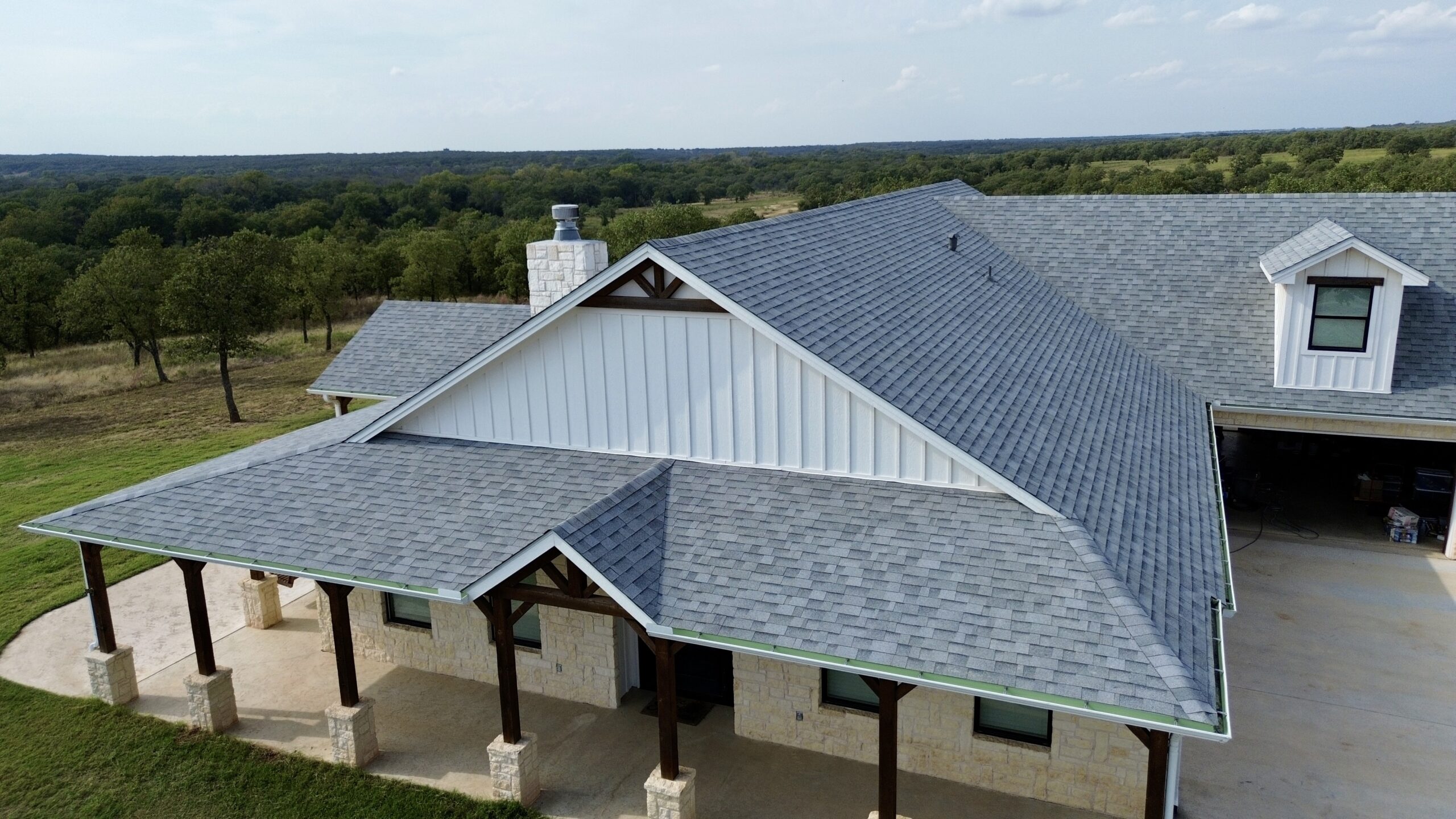
Choosing the Right Approach for Residential Roof Repairs
Not every roofing problem requires the same repair method. Choosing the appropriate solution depends on the type of damage, the age and condition of the roof, the affected components, and the likelihood that the problem will return.
A localized repair may be suitable when damage is limited to a small area of an otherwise healthy roof. For example, replacing several missing shingles or repairing a damaged section of flashing may resolve a specific problem without requiring broader work.
More extensive repairs may be necessary when moisture has affected the roof deck or when several interconnected components have deteriorated. In these situations, simply replacing the visible roofing material may not correct the underlying issue.
Homeowners should ask contractors to explain the cause of the problem and the reasoning behind the recommended repair. Understanding why a particular solution is necessary can help homeowners compare options and avoid paying for work that does not address the actual defect.
The condition of surrounding materials should also be considered. A repair that looks complete from the outside may fail if nearby underlayment, flashing, decking, or drainage components remain damaged.
Material compatibility is important as well. Replacement materials should be appropriate for the existing roofing system and installed according to applicable manufacturer requirements.
Homeowners should also consider the expected service life of the repair. A low-cost temporary solution may be reasonable in some circumstances, but repeated temporary repairs can become expensive if the underlying roof is already severely deteriorated.
A professional contractor can help compare repair and replacement options. The best choice should balance immediate needs, long-term performance, property condition, and the homeowner’s available budget.
Clear documentation is useful before work begins. The homeowner should understand what areas will be repaired, what materials will be used, how the work will be performed, and what costs are included.
A good repair restores the function of the roofing system rather than simply improving its appearance. The objective should be to control water, maintain weather protection, and preserve the roof’s ability to perform reliably.
Preventing Common Roofing Repair Problems
Preventive maintenance can reduce the frequency and severity of many residential roofing problems. Although maintenance cannot prevent every storm or weather-related issue, it can help homeowners identify deterioration before it develops into a major repair.
Regular professional inspections are useful because trained roofing professionals can identify conditions that may be difficult to recognize from the ground. Inspections can be especially valuable after severe weather or when a roof is approaching the later part of its expected service life.
Gutters and downspouts should remain clear so water can move away from the roof properly. Blocked drainage can cause overflow and expose roof edges, fascia, exterior walls, and foundations to unnecessary moisture.
Trees near the home should also be maintained. Overhanging branches can scrape roofing materials, drop debris onto the roof, and potentially fall during strong winds.
Homeowners should also watch for changes in attic conditions. Excessive moisture, condensation, staining, or poor airflow may indicate ventilation or water-related concerns that need further investigation.
Roof penetrations deserve particular attention. Chimneys, skylights, vents, and other openings should be checked when roofing problems are suspected because their flashing and seals can deteriorate over time.
After storms, visible damage should be documented promptly. Photographs can provide a useful record and help professionals understand the condition of the roof when an inspection is arranged.
Homeowners should not attempt complex repairs simply because the problem appears small. Walking on a roof can create safety risks, and improper repairs can cause additional damage or make future professional work more difficult.
Preventive maintenance is most effective when problems are addressed consistently. Waiting until a roof develops a major leak can result in higher costs and greater disruption than correcting a small defect earlier.
Planning and Budgeting for Future Roof Repairs
Roof repairs are easier to manage when homeowners plan for them before an emergency occurs. Setting aside funds for routine maintenance and unexpected repairs can reduce financial pressure when roofing problems eventually appear.
Repair costs vary depending on the roofing material, location of the damage, accessibility, labor requirements, and extent of deterioration. A small shingle repair may require limited work, while structural or moisture-related repairs can involve multiple roofing components.
Homeowners should obtain a clear written estimate before approving significant work. The estimate should identify the repair scope, materials, labor, expected costs, and any conditions that could result in additional charges.
It is also useful to keep records of previous roofing work. Installation documents, repair invoices, inspection reports, photographs, warranties, and material information can help contractors understand the history of the roofing system.
A maintenance record can reveal recurring problems. If the same area has required multiple repairs, the homeowner and contractor can evaluate whether a broader solution would be more practical.
Homeowners should also avoid choosing a contractor based solely on the lowest price. Roofing work affects an important protective component of the home, so workmanship, experience, communication, materials, and project documentation should all be considered.
When comparing estimates, homeowners should make sure they are comparing similar scopes of work. A lower estimate may exclude important components such as flashing replacement, underlayment, disposal, or necessary decking repairs.
Planning also includes understanding the roof’s remaining service life. If a roof is nearing the end of its expected lifespan and requires increasingly frequent repairs, homeowners may benefit from discussing long-term replacement planning rather than treating every issue separately.
A realistic repair budget gives homeowners more flexibility when unexpected conditions are discovered. This is particularly helpful for older roofs where concealed deterioration may become visible during repair work.
Conclusion
Residential roofing repair issues can range from simple surface damage to complex problems involving moisture, structure, ventilation, drainage, and aging materials. Recognizing these issues early is one of the most effective ways homeowners can protect their property and reduce the possibility of expensive damage.
Leaks, damaged shingles, faulty flashing, storm damage, hail impacts, ventilation problems, deteriorated materials, and poor previous repairs all require careful evaluation. Treating only the visible symptom may provide temporary relief while allowing the underlying problem to continue.
Regular inspections and maintenance can help identify developing concerns before they become emergencies. Keeping gutters clear, managing nearby trees, monitoring attic conditions, and checking the roof after severe weather are practical steps that support long-term roof performance.
Homeowners should also understand that not every roofing problem requires complete replacement. When damage is localized and the surrounding system remains in good condition, professional repairs may provide an effective solution.
However, repeated repairs on an aging or extensively deteriorated roof may eventually become less practical. In those situations, homeowners should compare the cost and expected benefits of continued repairs with the long-term value of replacing the roofing system.
Choosing a qualified roofing professional is an important part of the repair process. A reliable contractor should explain the cause of the problem, provide a clear scope of work, use suitable materials, and communicate any unexpected conditions before significant additional work is performed.
Proper documentation can make future decisions easier. Keeping photographs, inspection records, repair invoices, warranties, and material information provides a useful history of the roofing system.
Most importantly, homeowners should not ignore small warning signs. A minor leak, loose shingle, damaged flashing component, or blocked drainage path can become significantly more difficult and expensive to repair when left unattended.
With regular maintenance, timely professional inspections, realistic budgeting, and appropriate repairs, homeowners can address common roofing issues before they develop into major problems. A proactive approach helps preserve the roof’s protective function, supports the home’s overall condition, and provides greater confidence that the residential roofing system can continue performing effectively for years to come.
Leave A Comment