


What to Expect From Professional Roof Installation Crew
Introduction
Hiring a professional roof installation crew is an important step when replacing or installing a new roofing system. Homeowners often focus on the roofing material, estimated cost, and expected completion date, but the crew performing the work has an equally important role in determining the quality of the finished roof. Skilled workers, proper supervision, organized procedures, and clear communication can make the installation safer, smoother, and more reliable.
A professional roofing crew follows a planned process rather than arriving at the property and immediately starting work. Before installation begins, the contractor typically reviews the project details, confirms materials, prepares the worksite, organizes equipment, and explains what homeowners should expect. These early steps help prevent confusion and create a more controlled working environment.
During installation, homeowners may notice workers performing several tasks at different stages. Some crew members may remove existing roofing materials, while others prepare the roof deck, organize supplies, install protective components, or manage debris. Understanding this workflow can help homeowners recognize the difference between normal construction activity and signs of poor organization.
Professional crews also understand that roofing work affects the entire property. Falling debris, equipment, materials, noise, and worker movement can create temporary disruptions, so responsible contractors take steps to protect landscaping, exterior surfaces, vehicles, and people around the work area. The goal is to complete the roofing project efficiently while maintaining safety and minimizing unnecessary impact on the property.
Pre-Installation Communication and Planning
The experience with a professional roofing crew often begins before workers arrive at the property. The contractor should communicate important project details in advance, including the expected start date, approximate duration, materials being installed, access requirements, and any preparation the homeowner needs to complete. Clear communication gives everyone a shared understanding of how the project will begin.
Homeowners may be asked to move vehicles, secure outdoor furniture, keep children and pets away from the work area, or provide access to certain parts of the property. These preparations are not simply administrative requirements because roofing work can create hazards and obstacles around the building. Following the contractor’s instructions helps the crew begin work without unnecessary interruptions.
A professional contractor should also confirm the roofing materials before installation begins. This may include the selected roofing product, underlayment, flashing, ventilation components, fasteners, and other accessories required for the roofing system. Confirming these details reduces the likelihood of delays caused by missing or incorrect materials.
The project schedule should also be reviewed. Roofing installation depends on several factors, including roof size, complexity, material type, crew availability, and weather conditions. A professional crew may provide an estimated completion period rather than guaranteeing an exact finish time because outdoor construction can be affected by circumstances beyond the contractor’s control.
Crew responsibilities should be established before work begins. A foreman or project supervisor may oversee the installation and coordinate different tasks throughout the day. Workers should understand which activities they are responsible for and how their work connects with the rest of the installation process.
This preparation allows the crew to start with a clear plan. Instead of spending the first part of the workday determining what needs to happen, workers can begin according to an organized sequence. Good planning also gives the supervisor a way to monitor progress and identify problems early.
Homeowners should feel comfortable asking questions before installation starts. Questions about working hours, material deliveries, property protection, expected noise, cleanup, access, and communication can all be addressed before the crew arrives. A professional contractor should welcome reasonable questions because clear expectations can prevent misunderstandings later.
Arrival and Worksite Preparation
When the professional roof installation crew arrives, the first priority is usually preparing the property for active construction. Roofing involves working at height and handling large amounts of material, so the worksite needs to be organized before installation activities begin. A properly prepared site allows workers to move efficiently while reducing risks to people and property.
The crew may begin by identifying suitable locations for roofing materials, tools, equipment, and debris containers. Materials need to be accessible without blocking important property areas or creating unnecessary hazards. Heavy supplies may also need to be positioned carefully to avoid damaging surfaces or placing excessive loads in inappropriate locations.
Property protection is another important part of preparation. Contractors may use protective coverings, tarps, boards, or other suitable methods around areas that could be affected by falling debris. Landscaping, windows, siding, doors, outdoor equipment, and other vulnerable areas may require attention depending on the property’s layout.
The crew also establishes safe access to the roof. Ladders, scaffolding, lifts, or other equipment may be used depending on the roof design and site conditions. Access equipment should be positioned so workers can move materials and tools safely without creating unnecessary risks around the property.
Debris management should be planned before the old roof is removed. Roofing removal can generate substantial amounts of waste, and professional crews typically establish a designated area or container for collecting discarded materials. This prevents debris from spreading across the property and keeps the work area more manageable.
Homeowners may notice increased activity around the property during this stage. Workers may carry materials, position equipment, install protective coverings, or prepare access points before any visible roofing installation takes place. This preparation is a normal part of professional work and helps create the conditions needed for a more efficient installation.
A well-organized crew also keeps unnecessary equipment and materials out of active walking areas. Tools should be positioned where workers can access them without repeatedly crossing the property. This reduces wasted movement and helps maintain a safer work environment.
Roof Removal and Initial Inspection
If the project involves replacing an existing roof, removal is generally one of the first major stages of physical work. Professional crews remove old roofing materials systematically rather than simply tearing everything away without considering the condition of the underlying structure. Careful removal helps reduce unnecessary property damage and allows the contractor to inspect the roof beneath the existing system.
During tear-off, workers may remove shingles, underlayment, flashing, vents, or other components depending on the existing roofing system. Materials are collected and moved to the designated disposal area as work progresses. Keeping debris under control helps prevent the site from becoming cluttered and allows the crew to continue working efficiently.
Once portions of the old roof are removed, the underlying roof deck becomes visible. This provides an important opportunity for the contractor to assess its condition. The deck may have areas of deterioration, moisture damage, weakened wood, previous repair work, or other conditions that were not visible during the initial inspection.
A professional crew does not simply cover damaged areas with new roofing materials. Instead, the supervisor evaluates the exposed surface and determines whether repairs are necessary before installation continues. Addressing problems at this stage can help provide a stronger base for the new roofing system.
Homeowners should understand that discovering hidden damage does not automatically mean that the contractor made a mistake during the original estimate. Some problems cannot be accurately identified until the existing roofing material has been removed. The condition of concealed decking or other components may only become clear once the crew reaches those areas.
When additional work is necessary, the contractor should communicate the issue to the homeowner. Photographs can sometimes be used to show the affected area and explain why a repair is recommended. If the additional work changes the project cost or scope, homeowners should understand and approve the change according to the terms of the agreement before unnecessary additional work is performed.
The removal stage can also reveal problems involving previous installation practices. Poorly installed flashing, inadequate ventilation, multiple roofing layers, or improper repairs may become visible after tear-off. Identifying these conditions allows the professional crew to address them as part of the new roofing installation rather than repeating the same problems.
Roof Deck Preparation
Once the old roofing materials have been removed and the underlying structure has been inspected, the crew prepares the roof deck for the new system. The roof deck provides the surface that supports many of the components installed above it, so its condition is an important part of overall roofing quality.
Workers inspect the exposed surface for damaged or weakened sections. Where repairs are required, affected decking may be removed and replaced with suitable material according to the project’s requirements. The objective is to create a stable and appropriate surface before the protective layers and final roofing material are installed.
The crew may also remove remaining debris, protruding fasteners, or other materials that could interfere with the new installation. A clean and properly prepared surface helps the next stages proceed more efficiently and reduces the likelihood of irregularities beneath the finished roof.
Moisture-related concerns may receive additional attention during this stage. If the contractor identifies signs of long-term water exposure, the affected areas should be evaluated before they are covered. Simply installing new roofing over an unresolved moisture problem could allow the underlying issue to continue.
Roof deck preparation also provides an opportunity to review areas around penetrations and structural transitions. Chimneys, vents, skylights, walls, valleys, and other features may require specific detailing during later stages. Identifying these areas early allows the crew to plan the installation properly.
A professional crew should not rush through this preparation stage simply because the finished roofing material will eventually cover the deck. The quality of the layers underneath the visible roof contributes to the performance of the entire system. Careful preparation can therefore support both durability and installation quality.
Once the deck is considered ready, the crew can move into the installation of the roofing system’s protective components. The sequence may vary depending on the roofing material and project specifications, but each stage should be completed according to the contractor’s planned process.
Installing the Roofing System
After the roof deck has been prepared, the crew begins installing the components that make up the new roofing system. The exact sequence depends on the roofing material and design, but professional installation generally involves several layers and details rather than simply placing the final roofing product directly onto the deck.
Underlayment is commonly installed as part of the roofing system. It provides an additional protective layer beneath the primary roofing material and must be positioned according to the requirements of the specific product and roof design. Proper overlaps, fastening, and transitions are important because improperly installed underlayment can reduce its intended effectiveness.
Flashing is another critical component. It is used around areas where the roof meets walls, chimneys, skylights, vents, valleys, and other transitions. Professional crews pay close attention to these areas because water needs to be directed away from vulnerable joints and openings.
Roof edge components may also be installed as part of the system. These details help manage water movement near the perimeter of the roof and provide a finished transition between the roofing material and the building’s exterior. The exact components depend on the roof design and selected materials.
Ventilation is considered during the installation as well. Proper roof ventilation can help manage heat and moisture in the attic space, although the appropriate system depends on the building and existing ventilation design. A professional contractor evaluates these requirements rather than treating ventilation as an afterthought.
The final roofing material is then installed according to the manufacturer’s requirements and the project’s specifications. Workers pay attention to alignment, fastening, spacing, overlaps, cuts, and finishing details. Around penetrations and roof transitions, additional care is required to maintain a consistent and water-resistant installation.
Throughout this stage, the crew should maintain an organized workflow. Materials need to be positioned efficiently, completed sections should be checked before the crew moves forward, and any installation concerns should be communicated to the supervisor promptly.
For homeowners, the installation process may appear noisy and busy, but this does not necessarily indicate disorganization. Roofing is an active construction process involving multiple workers and tools. What matters is whether the crew operates according to a clear plan, follows safe practices, protects the property, communicates important changes, and maintains consistent workmanship.
Crew Coordination and Daily Workflow
Once the roofing installation is underway, homeowners can expect the crew to follow an organized daily workflow. Professional roofing installation involves several connected tasks, so workers need to coordinate their activities carefully to prevent unnecessary delays and maintain consistent workmanship throughout the project.
A crew may include workers with different responsibilities depending on the size and complexity of the roof. Some workers may focus on removing existing materials, while others handle debris, prepare the roof deck, install underlayment, complete flashing, or install the primary roofing material. A foreman or experienced supervisor typically coordinates these activities and makes sure each stage is completed properly.
Good coordination is especially important when several workers are operating on different areas of the roof at the same time. Workers need to know which sections are ready for the next stage and which areas still require preparation or inspection. Clear communication helps prevent workers from interfering with one another and allows the project to progress in an orderly way.
The crew’s daily routine may begin with a review of the day’s planned activities. The supervisor can check weather conditions, material availability, access points, safety requirements, and any outstanding issues from the previous day. This short planning process helps the crew start work with a clear understanding of its priorities.
Materials are also organized according to the workflow. Roofing supplies should be placed where they can be accessed efficiently without creating hazards or damaging the property. Good material organization reduces unnecessary movement and allows workers to spend more time on installation rather than searching for supplies.
Professional crews also monitor progress throughout the day. If one task takes longer than expected, the supervisor can adjust assignments or change the sequence of activities where possible. This flexibility helps prevent a small delay from affecting every other part of the project.
Homeowners may see different workers moving around the property during the installation. This is normal when the crew is properly coordinated. What matters is that everyone understands their role and that the supervisor maintains control over the overall project rather than allowing workers to operate without direction.
Safety Practices During Installation
Safety is one of the most important characteristics homeowners should expect from a professional roofing crew. Roof installation involves elevated work, heavy materials, sharp tools, ladders, equipment, and changing weather conditions, so contractors need to manage these hazards throughout the project rather than only at the beginning.
Fall protection is a major part of roofing safety. Workers need appropriate procedures and equipment for working at heights based on the roof design, work conditions, and applicable requirements. Ladders, scaffolding, access equipment, and other systems should be positioned and used carefully to provide safe movement between ground level and the roof.
Workers should also maintain control of tools and materials while working above the ground. Loose equipment can fall and create hazards for people below or damage property. Professional crews therefore organize tools and supplies so that they can be used safely without unnecessarily exposing workers or homeowners to falling objects.
The ground-level work area also requires attention. Homeowners, children, pets, visitors, and other people should be kept away from active construction areas because roofing debris can fall unexpectedly. Contractors may establish restricted areas around the building or provide instructions about where people should and should not walk during installation.
Weather conditions can significantly affect roofing safety. Rain can make roof surfaces slippery, while strong winds can make handling large roofing materials difficult. Extreme heat can also create health and productivity concerns for workers. A professional crew should be prepared to pause or adjust work when conditions become unsafe.
Property protection is closely connected to safety. Tarps, protective coverings, barriers, and other measures may be used to reduce the risk of damage to landscaping, windows, siding, walkways, and outdoor equipment. These protections also help control debris and make cleanup more manageable.
Homeowners should not interpret temporary interruptions as poor productivity when they are caused by safety concerns. A crew that refuses to work during unsafe conditions may actually be demonstrating responsible project management. Finishing a roof quickly is not more important than protecting workers, residents, and the property.
Quality Control During the Installation
A professional roofing crew should perform quality checks throughout the installation rather than waiting until the very end to inspect the finished roof. Regular inspections allow workers and supervisors to identify problems while the affected areas are still accessible, making corrections easier and more efficient.
Quality control can begin with the roof deck. Before new roofing materials cover the surface, the supervisor should confirm that damaged areas have been properly addressed and that the deck is ready for the next stage. This prevents problems from being hidden beneath the completed roofing system.
The installation of underlayment and other protective components should also be checked. Contractors may review coverage, overlaps, fastening, transitions, and other details according to the product requirements and project specifications. These layers are important even though homeowners may not see them after installation is complete.
Flashing deserves particular attention during quality inspections. Areas around chimneys, skylights, vents, walls, valleys, and other penetrations require careful detailing because these locations involve changes in direction and transitions between surfaces. Properly installed flashing helps direct water away from vulnerable areas.
The primary roofing material should be checked for proper alignment and fastening as the crew progresses. Workers should follow the manufacturer’s installation requirements and use appropriate fastening patterns and techniques. Consistency is important because small installation errors repeated across a large roof can affect its performance.
Supervisors may also inspect completed sections before allowing the crew to move to another stage. This creates checkpoints within the project and helps ensure that mistakes are corrected early. Finding a problem immediately is generally easier than discovering it after several additional layers have been installed.
Quality control also includes checking materials before they are installed. Damaged, defective, or incorrect products should be identified before they become part of the roofing system. Professional crews can then separate the affected materials and arrange replacements rather than incorporating questionable products into the installation.
A homeowner does not necessarily need to supervise these inspections personally. The contractor’s responsibility is to maintain appropriate quality control and provide information when significant issues arise. Homeowners can still ask how the company checks its work and who is responsible for final quality assurance.
Communication With Homeowners
Clear communication should continue throughout the roofing installation. Homeowners need to understand what is happening on their property, particularly when the project takes several days or when unexpected conditions affect the original plan.
A professional crew or project supervisor should provide updates at important stages. These updates may cover the beginning of removal, completion of roof deck preparation, installation of protective layers, progress on the main roofing material, and preparation for final inspection. The exact communication method may vary, but the information should be accessible and understandable.
Homeowners should also be informed when the contractor discovers unexpected conditions. Hidden roof deck damage, moisture problems, inadequate previous repairs, or other issues may only become visible after the existing roof is removed. The contractor should explain what was found and why a particular solution is recommended.
If the issue affects the project price, the homeowner should receive clear information before additional work is authorized. Written documentation or photographs can make it easier to understand the condition and the proposed repair. This approach helps prevent disagreements over changes to the original scope.
Schedule changes should also be communicated promptly. Weather, material delivery problems, additional repairs, or other circumstances can cause the completion date to move. A professional contractor should explain the reason for the change and provide an updated expectation rather than leaving the homeowner uncertain about when the project will finish.
Homeowners should also have a clear contact person during the project. This may be the project manager, foreman, office representative, or another designated employee. Knowing who to contact can prevent confusion when the homeowner has a question or notices something that needs attention.
Communication does not mean that the crew must constantly speak with the homeowner while working. In fact, excessive interruptions can make installation less efficient. The goal is to provide meaningful information at appropriate times while allowing workers to concentrate on the work.
Professional communication should also be respectful. Roofing projects can temporarily create noise, restricted access, and changes to normal household routines. A crew that recognizes these disruptions and communicates thoughtfully can make the installation experience significantly easier for the homeowner.
Managing Weather and Unexpected Delays
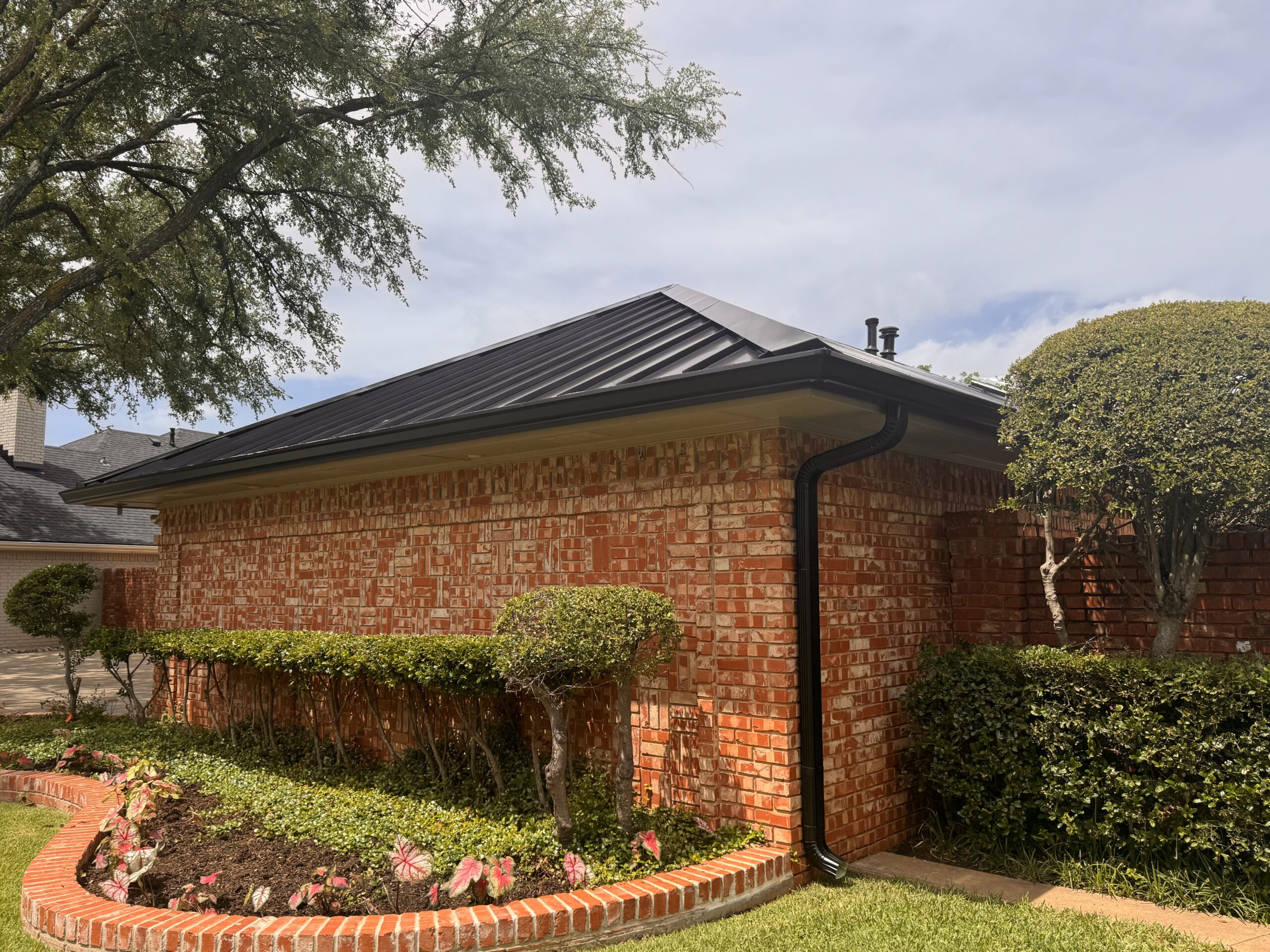
Roof installation is an outdoor construction process, which means weather can have a direct effect on the project. Professional roofing crews understand that rain, strong winds, extreme temperatures, and other conditions can affect both safety and installation quality.
Rain is one of the most obvious potential interruptions. Some roofing activities require dry conditions, and wet surfaces can create additional safety concerns. If unfavorable weather arrives, the crew may need to stop certain activities and protect exposed sections of the roof until work can safely resume.
Strong winds can also affect installation. Roofing materials may be difficult to handle safely during high winds, particularly when workers are carrying large or lightweight components at elevated heights. A responsible crew will consider these conditions rather than continuing work simply to maintain a planned schedule.
Weather delays do not necessarily mean the contractor has failed to manage the project. Outdoor construction requires some flexibility, and a professional contractor should build reasonable contingency time into the schedule. What matters is how the contractor responds to the delay and communicates its effect on the project.
Temporary protection may be used when weather interrupts an active installation. Exposed areas can require appropriate covering or other protective measures to reduce the risk of water entering the building. The contractor should have procedures for securing the worksite when the crew cannot complete a particular stage before weather changes.
Unexpected structural or material problems can create delays as well. If damaged decking is discovered, the crew may need to pause installation in that area while repairs are evaluated. Similarly, a missing or delayed material may require the contractor to change the sequence of work.
A professional crew tries to keep other productive activities moving when possible. For example, if one section requires additional repair, workers may continue with suitable work in another area rather than leaving the entire project inactive. Good scheduling and supervision can therefore reduce the impact of individual problems.
Homeowners should be cautious of contractors who promise that weather or unexpected conditions will never affect the schedule. A more realistic contractor explains that roofing timelines depend on site conditions and provides a plan for handling reasonable delays.
Keeping the Worksite Organized
Worksite organization is another visible sign of a professional roof installation crew. Roofing projects involve large amounts of material and debris, so maintaining order is necessary for both productivity and safety. A disorganized site can slow down workers and increase the likelihood of accidents or property damage.
Materials should be stored in planned locations rather than scattered around the property. Workers need access to roofing products without creating unnecessary obstacles in driveways, walkways, entrances, or other frequently used areas.
Tools should also be managed carefully. Professional workers generally keep necessary equipment close to the active work area while ensuring that it does not create unnecessary hazards. At the end of the working period, tools and materials may need to be secured to prevent damage or unauthorized access.
Debris management is especially important during roof replacement. Old shingles, underlayment, packaging, damaged decking, and other materials can accumulate quickly. Crews should move debris into designated containers or collection areas instead of allowing it to spread across the property.
Daily cleanup can help maintain control when a project continues over multiple days. The crew may remove larger debris, secure remaining materials, organize equipment, and check the accessible areas around the building before leaving the site. This reduces hazards and makes the next day’s work easier to begin.
Ground-level cleanup should receive particular attention because small nails and sharp pieces of roofing material can be difficult to see. Professional contractors use appropriate methods to collect debris from areas around the property and should make reasonable efforts to leave the site clean after the installation.
The crew should also respect the homeowner’s property throughout the project. Workers should avoid unnecessary damage to landscaping, exterior surfaces, gates, fences, and other features. If something is accidentally damaged, the issue should be communicated rather than ignored.
A clean and organized worksite benefits everyone involved. Workers can move more efficiently, supervisors can monitor progress more easily, and homeowners experience fewer unnecessary disruptions. It also provides a visible indication that the contractor is managing the project carefully rather than simply focusing on getting the roofing material installed.
Completing the Final Roofing Installation
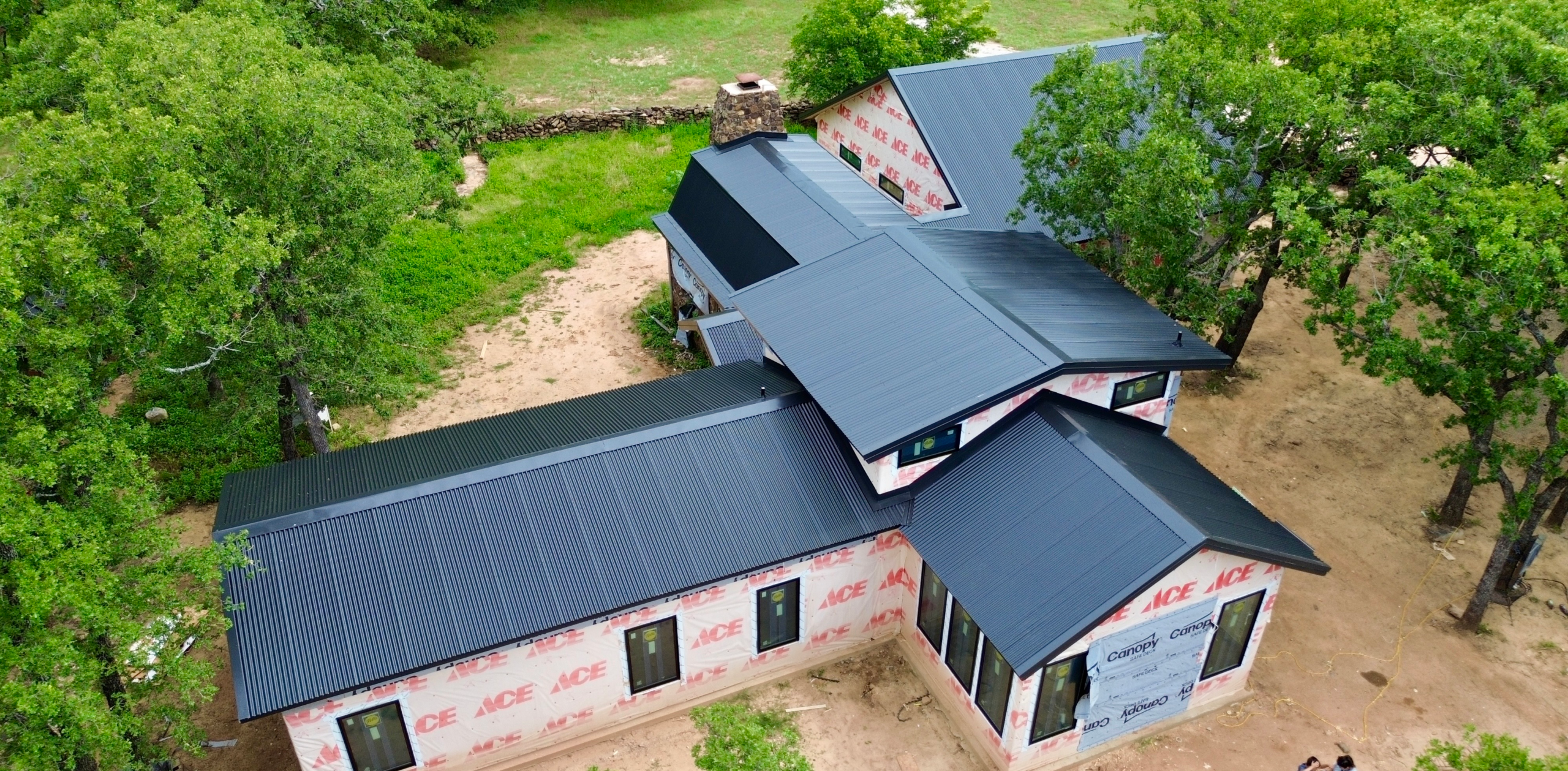
As the roofing project moves toward completion, the professional crew focuses on finishing the remaining sections and checking the details that contribute to the roof’s long-term performance. The main roofing material may already cover most of the structure, but areas around ridges, edges, valleys, vents, skylights, chimneys, and other penetrations still require careful attention. These finishing details should be completed according to the roofing system’s requirements rather than treated as minor cosmetic work.
The crew checks that roofing materials are properly aligned, securely fastened, and installed consistently across the remaining areas. Cuts around roof penetrations should be neat and properly detailed, while exposed transitions should receive the appropriate flashing or sealing components. Professional workers also pay attention to areas where different roofing surfaces meet because these locations require careful water-shedding details.
Ventilation components are also reviewed during the finishing stage. The contractor should confirm that the planned ventilation system has been installed correctly and that vents are properly integrated with the roofing materials. Properly completing these components helps the finished roof function as a complete system rather than simply providing a new exterior covering.
The crew may also complete ridge or edge details during this stage, depending on the roofing material. These areas contribute to the finished appearance while also helping protect vulnerable portions of the roof. Workers should follow the appropriate installation procedures and manufacturer requirements when completing these details.
Before leaving the roof installation stage, the supervisor can review the work completed by the crew. Any visible concerns should be addressed before the project moves into the final inspection and cleanup process.
Final Inspection and Quality Review
A professional roofing crew should conduct a thorough final inspection before considering the installation complete. This inspection provides an opportunity to review the finished roofing system as a whole and identify anything that needs correction while the crew and equipment are still on site.
The inspection may include the main roofing surface, flashing, valleys, roof edges, penetrations, ventilation components, and other important areas. The contractor looks for loose or damaged materials, incomplete installation, inconsistent alignment, exposed fasteners where they should not be visible, and other workmanship concerns.
The supervisor may compare the completed work with the original project scope to confirm that the agreed installation has been completed. If changes were approved during the project, those changes should also be reflected in the final work.
Quality checks are particularly important around chimneys, skylights, vents, walls, and other penetrations. These areas require careful detailing because they can become vulnerable to water intrusion if the roofing components and flashing are not properly integrated.
Any deficiencies identified during the inspection should be corrected before the crew leaves whenever practical. Addressing problems immediately is more efficient than discovering them after the project has been closed and requiring another visit.
Homeowners may also be invited to participate in the final review. They do not need to inspect every technical detail themselves, but they should have an opportunity to ask questions and point out anything that appears different from what was expected. A professional contractor should be willing to discuss reasonable concerns and explain how the final installation was completed.
Cleanup and Property Restoration
Roof installation creates substantial debris, so cleanup is an essential part of completing the project. A professional crew should remove old roofing materials, packaging, scraps, damaged components, and other construction waste from the property rather than leaving the homeowner responsible for disposal.
Cleanup generally involves more than removing large pieces of roofing material. Small nails, fasteners, shingle fragments, and other debris can remain around the building after installation. Crews should make reasonable efforts to inspect accessible areas and collect these materials before the project is considered finished.
The contractor should also remove temporary protective coverings and construction equipment. Landscaping, walkways, driveways, exterior walls, windows, and other areas around the building can then be checked for obvious debris or damage.
Property restoration does not mean that every part of the property will necessarily look exactly as it did before construction, particularly if heavy equipment or extensive material handling was required. However, professional crews should take reasonable care throughout the project and communicate any accidental damage or concerns rather than ignoring them.
A clean worksite is one of the clearest signs that the contractor considers the entire project complete. Homeowners should not have to arrange disposal of roofing debris or spend significant time cleaning construction waste after paying for professional installation.
The Final Homeowner Walkthrough
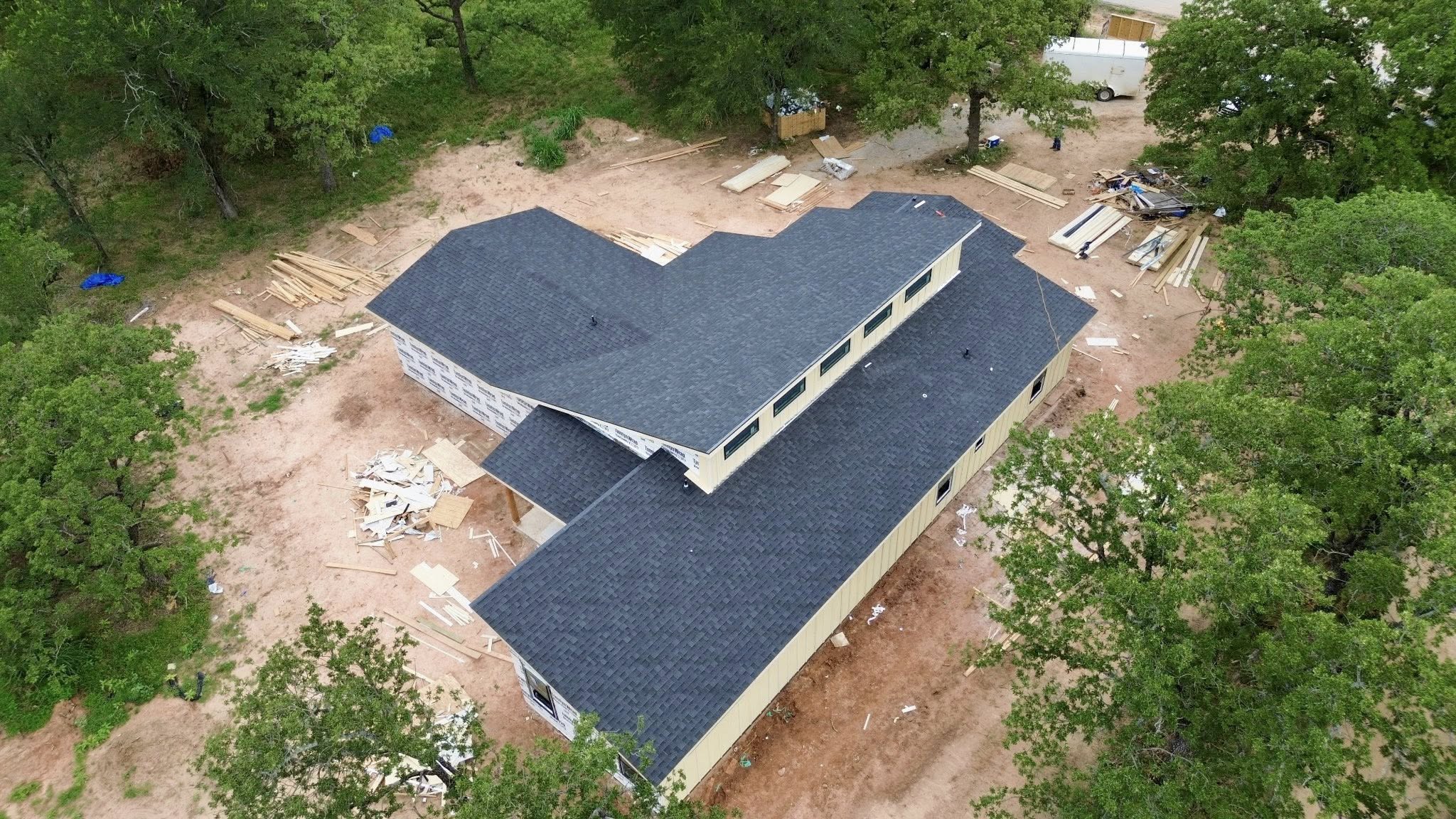
After installation, inspection, and cleanup, the contractor may conduct a final walkthrough with the homeowner. This provides an opportunity to review the completed project and make sure the homeowner understands what was done.
The contractor can explain the major components of the new roofing system and point out important features that may not be visible from the ground. These may include ventilation components, flashing areas, new roof edges, or other installation details.
The walkthrough is also a useful time for homeowners to ask questions. They may want clarification about maintenance, future inspections, warranty requirements, or what to do if they notice a concern after the crew has left.
If the homeowner notices an issue during the walkthrough, it should be discussed before the project is formally closed. Small concerns can often be addressed quickly when the crew is still present and the relevant equipment is available.
The contractor should also explain any recommendations for maintaining the roof. While a new roofing system generally requires less immediate attention than an older roof, routine inspections and proper maintenance can help identify minor concerns before they develop into larger problems.
A professional walkthrough should feel like the final stage of the installation process rather than a rushed departure. It gives both sides an opportunity to confirm that the work has been completed according to the agreed expectations.
Warranty and Project Documentation
Once the physical installation is complete, homeowners should receive or have access to important project documentation. This can include the final invoice, warranty information, material details, approved changes, and other records associated with the roofing work.
There may be more than one warranty associated with a roofing project. The manufacturer may provide coverage for certain roofing materials, while the contractor may provide separate workmanship coverage. Homeowners should understand the difference between these protections and know who to contact if a potential issue develops.
Warranty terms can include specific conditions, exclusions, maintenance requirements, or procedures for submitting claims. Homeowners should review this information instead of assuming that a warranty covers every future roofing problem.
Keeping project records in an accessible location can also be helpful. The homeowner may need material information or warranty documentation several years later, particularly if the property is sold or if questions arise about repairs.
Professional contractors should provide information in a clear and organized manner. If important documents are missing or difficult to understand, homeowners should ask for clarification before considering the project fully closed.

Signs of a Professional Roof Installation Crew
A professional roof installation crew demonstrates its quality through the entire project rather than only through the appearance of the finished roof. From preparation and safety to installation, communication, inspection, and cleanup, consistent organization is a strong indicator of professional workmanship.
One important sign is clear communication. The crew or project manager should explain major developments, communicate schedule changes, and inform the homeowner when unexpected conditions require additional work.
Another sign is attention to safety. Professional workers understand that roofing is hazardous and take appropriate precautions to protect themselves, the homeowner, and the property. They do not treat safety procedures as unnecessary obstacles to completing the project quickly.
Quality control is equally important. A professional crew checks its work during installation and performs a final inspection before leaving. This approach helps identify problems while they can still be corrected efficiently.
Organization also matters. Materials should be handled carefully, debris should be controlled, tools should be managed appropriately, and the property should receive reasonable protection throughout the installation. These practices show that the crew is managing the project as a complete service rather than focusing only on installing roofing materials.
Ultimately, homeowners should expect a professional roof installation crew to provide more than physical labor. The best crews combine preparation, skilled installation, safety, communication, quality control, property protection, and thorough cleanup. When these elements are present, the roofing project is more likely to progress smoothly and deliver a finished system that provides dependable protection for the property.
Conclusion
Knowing what to expect from a professional roof installation crew can make the entire process easier for homeowners. A well-managed installation begins with communication and preparation, continues through organized removal and installation, and ends with detailed inspection, cleanup, documentation, and a final walkthrough.
Professional roofing work should not be judged only by how quickly the crew installs the visible roofing material. Proper preparation, roof deck inspection, flashing, underlayment, ventilation, fastening, safety, and finishing details all contribute to the quality of the completed system.
Homeowners should also expect reasonable communication throughout the project. When unexpected damage, weather delays, or other changes occur, a professional contractor should explain the situation and provide an appropriate plan for moving forward.
The condition of the worksite provides another useful indication of professionalism. Organized materials, controlled debris, protected property, safe worker practices, and thorough cleanup demonstrate that the contractor is managing the installation carefully from beginning to end.
Finally, the completion process matters just as much as the installation itself. A proper final inspection, homeowner walkthrough, warranty explanation, and organized project documentation help ensure that the homeowner understands the finished roofing system and knows what to expect after the crew leaves.
Choosing a professional installation crew therefore means looking beyond the roofing material and price. Homeowners should look for a team that combines skilled workmanship with planning, safety, communication, quality control, and respect for the property. When those qualities are present throughout the project, the result is not simply a newly installed roof but a professionally managed roofing system designed to provide reliable protection for years to come.
Leave A Comment