
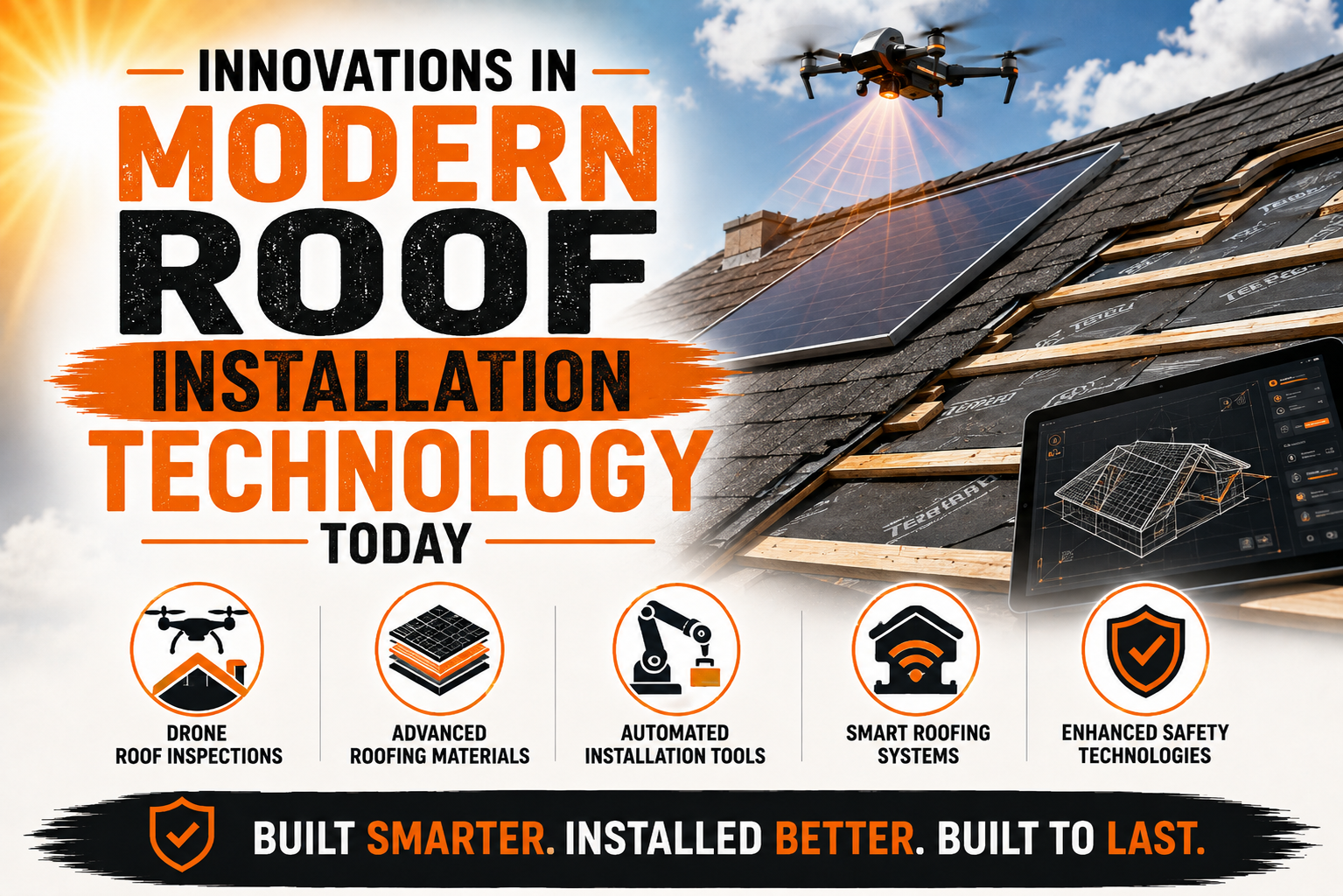
Innovations in Modern Roof Installation Technology Today
Introduction
Roof installation has changed significantly as new technologies have become part of the construction industry. Traditional roofing methods still depend on skilled workers, practical experience, and established installation techniques, but modern projects increasingly use digital measurements, drones, thermal imaging, artificial intelligence, advanced materials, and connected monitoring systems. These innovations are helping roofing professionals plan projects more accurately while improving safety, efficiency, and long-term performance.
Technology is especially valuable because modern roofs can be complex structures with multiple slopes, valleys, skylights, vents, solar equipment, insulation systems, and specialized materials. Measuring and planning these features manually can take considerable time and may create opportunities for errors. Digital tools can provide additional information before installation begins, allowing contractors to understand the roof more clearly and prepare the work more efficiently.
Modern roof installation technology also focuses on reducing unnecessary labor and material waste. Accurate digital measurements can improve material estimates, while aerial inspections can reduce the need for workers to access difficult roof areas during initial assessments. Better planning can prevent repeated work and help contractors complete projects with fewer avoidable delays.
Safety is another important reason technology is being introduced into roofing. Roof work involves heights, steep surfaces, changing weather conditions, and potentially unstable materials. Drones, remote inspection tools, digital weather monitoring, and other technologies can provide information that helps workers identify hazards before accessing the roof.
Energy efficiency and sustainability are also influencing technological development. Modern roofing systems can incorporate reflective surfaces, advanced insulation, solar technology, smart sensors, and environmentally conscious materials. These innovations allow roofs to do more than provide basic weather protection and can make them an important part of a building’s overall energy strategy.
Technology does not eliminate the need for experienced roofing professionals. Digital systems can collect information and improve planning, but skilled workers are still responsible for interpreting conditions, selecting suitable installation methods, managing materials, and completing the work correctly. The most effective modern roofing projects combine technological tools with practical expertise.
Digital Roof Measurement and Mapping
Accurate measurements are essential before roofing materials are ordered or installation begins. Traditional measurements can still be effective, but digital measurement and mapping technologies provide additional ways to collect detailed information about roof dimensions and layout. These tools can be especially useful for large buildings or roofs with complicated designs.
Aerial measurement systems can use high-resolution imagery to estimate roof dimensions, surface areas, slopes, and other characteristics. Instead of requiring workers to physically measure every section, contractors can collect information remotely and review it through specialized software. This can save time during the initial planning stage.
Digital mapping can also identify different roof sections. A building may contain multiple slopes, extensions, dormers, valleys, and roof penetrations, making a simple length and width measurement insufficient. Mapping software can organize these sections into a more complete representation of the roof.
Three-dimensional roof models provide another advantage. A digital model can help contractors visualize the structure before materials are installed. This can make it easier to identify complicated transitions, estimate material quantities, and plan the installation sequence.
Material calculations can become more accurate when they are based on detailed digital measurements. Roofing projects require materials for the main roof surface as well as edges, valleys, flashing, underlayment, fasteners, and other components. Better measurements can reduce the likelihood of ordering too little or unnecessarily large quantities.
Digital mapping can also support communication between project participants. A contractor can use measurements and visual models to explain the proposed work to a homeowner, architect, project manager, or inspector. Having a shared visual reference can make technical information easier to understand.
Another advantage is project documentation. Digital measurements can be saved with photographs and other records, creating a reference for future maintenance. If the property requires another inspection years later, previous information can provide useful background about the roof’s original dimensions and configuration.
Digital measurement technology does have limitations. Aerial imagery may not capture hidden conditions, and unusual roof features may be interpreted incorrectly by automated systems. Measurements should therefore be reviewed and verified when necessary before they are used for final installation decisions.
Digital mapping is most effective when it supports professional judgment. The technology provides detailed information, while experienced roofing professionals determine whether the information accurately represents the actual roof and how it should influence the installation plan.
Drone Technology for Roof Installation
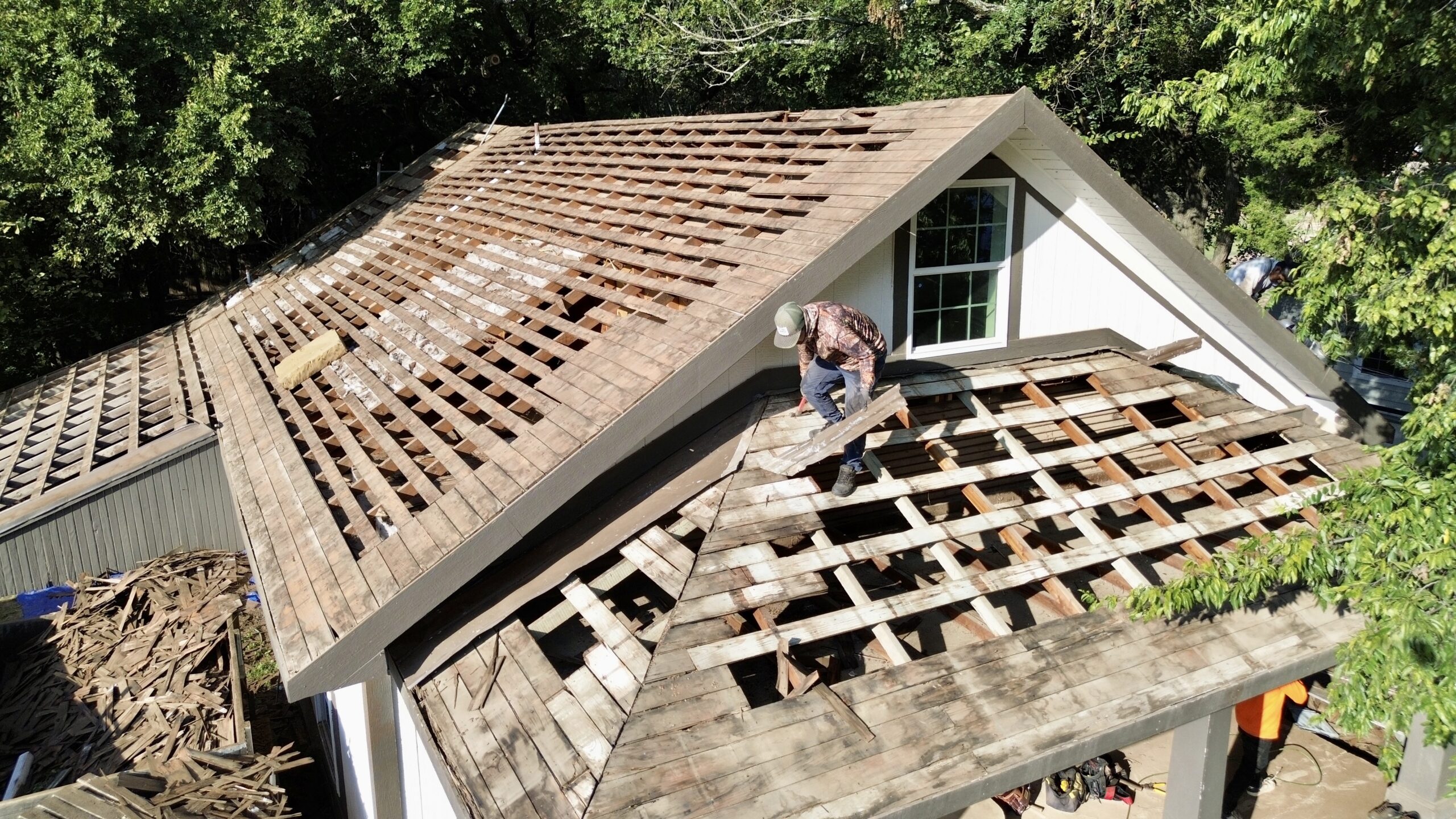
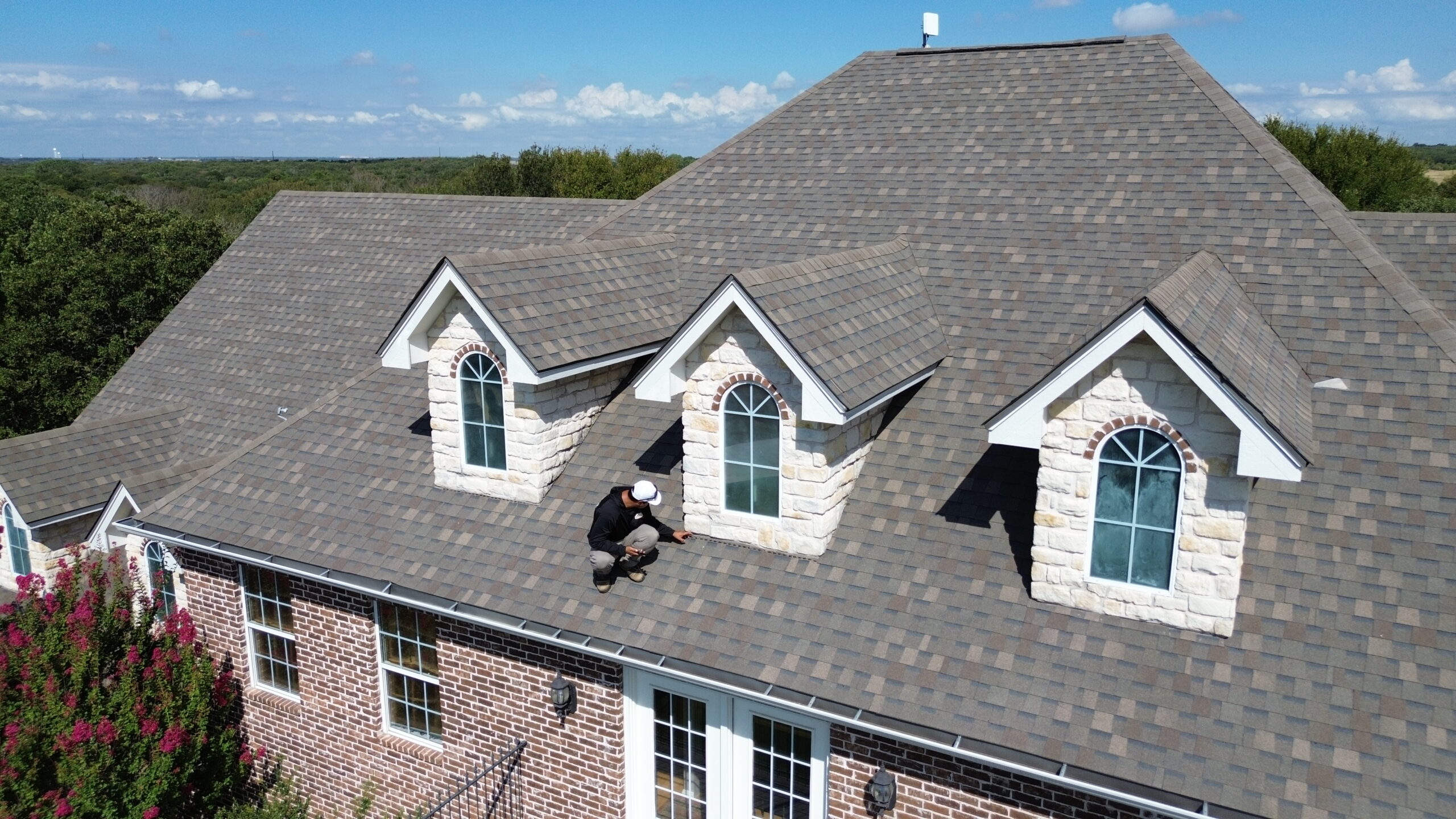
Drones have become an increasingly useful tool for roofing inspections and project documentation. Equipped with high-resolution cameras, drones can capture images and videos of roof surfaces from angles that may be difficult to achieve through conventional ground-based inspection. This makes them valuable during both initial assessment and project monitoring.
Before installation, drone photography can provide a broad view of the existing roof. Contractors can examine visible damage, deteriorated roofing materials, flashing conditions, drainage areas, and other features. The images can be reviewed carefully rather than relying only on observations made during a short physical inspection.
Drones can also reach areas that may be difficult or hazardous for workers to access. Steep roof sections, tall buildings, fragile surfaces, and complicated structures can create additional safety risks. An aerial inspection can provide useful information before a decision is made about whether physical access is necessary.
High-resolution images can be stored as part of the project’s documentation. Photographs taken before work begins can provide a record of the original roof condition. This can help contractors explain recommended repairs and give property owners a clearer understanding of the work required.
During installation, drones can be used to monitor progress. Aerial images can show which roof sections have been completed and whether materials appear to be installed across the planned areas. Project managers can use this information alongside normal site inspections to maintain an overview of larger projects.
Drones can also help document completed work. Final aerial photographs can provide a record of the finished roof, including areas that may be difficult to photograph from the ground. These records can be useful for maintenance planning and future inspections.
Some drone systems can work with measurement and mapping software to create more detailed roof information. A series of aerial images can potentially be processed into models that help estimate roof areas and identify different surfaces. This can improve the planning process when the information is properly verified.
Weather conditions can affect drone operations. Strong winds, rain, poor visibility, and other environmental conditions may make aerial inspection unsuitable. Battery limitations and surrounding obstacles can also restrict how long or where a drone can operate.
Drones also cannot replace every type of roof inspection. They primarily provide visual information and may not reveal hidden moisture, structural deterioration, insulation conditions, or problems beneath the roofing material. Physical inspection and specialized testing may still be required.
The value of drones therefore comes from combining aerial information with professional assessment. They can make inspections safer and more efficient while providing detailed documentation, but roofing professionals remain responsible for interpreting the information and determining the appropriate installation approach.
Thermal Imaging and Advanced Inspection
Thermal imaging is another technology that is changing how roofing professionals evaluate building conditions. Infrared cameras detect differences in surface temperature and convert these patterns into visual information. This can help identify areas that deserve closer examination, particularly when problems are not immediately visible through ordinary photography.
One potential application is identifying unusual temperature patterns associated with moisture or insulation problems. Moisture can influence how a roof surface absorbs and releases heat, while missing or damaged insulation can create areas where heat moves differently from surrounding sections.
Thermal inspections can be particularly useful when evaluating an existing roof before replacement. A roof may look relatively intact from the outside while having underlying moisture or insulation concerns. Thermal imaging can provide additional information that helps contractors decide where further investigation may be appropriate.
Energy-efficiency assessments can also benefit from thermal imaging. Temperature differences across a roof or building envelope may indicate areas where heat transfer is greater than expected. Contractors can use this information to investigate insulation coverage, air leakage, or other conditions that may affect building performance.
Thermal technology can also support post-installation inspections. If a completed roof shows unusual temperature patterns, professionals may investigate whether insulation, moisture control, or another component requires attention. Early investigation can sometimes prevent small problems from becoming more extensive.
However, thermal imaging requires careful interpretation. Temperature differences can have many causes, and a thermal image does not automatically prove that a leak or insulation defect exists. Sunlight, wind, surface materials, outdoor temperature, moisture conditions, and inspection timing can all influence the results.
For this reason, thermal imaging is most effective when combined with other inspection methods. A contractor may use thermal information to identify a suspicious area and then perform physical inspection or moisture testing to determine the actual condition.
The technology can also improve documentation. Thermal images can be stored alongside ordinary photographs, measurements, and inspection reports. This creates a more detailed record of the roof condition and can help compare changes during future inspections.
As thermal imaging equipment becomes more accessible, it is likely to become an increasingly common part of specialized roof assessment. Its greatest advantage is not that it replaces conventional inspection, but that it provides another layer of information that may reveal conditions otherwise difficult to identify.
Artificial Intelligence in Roofing
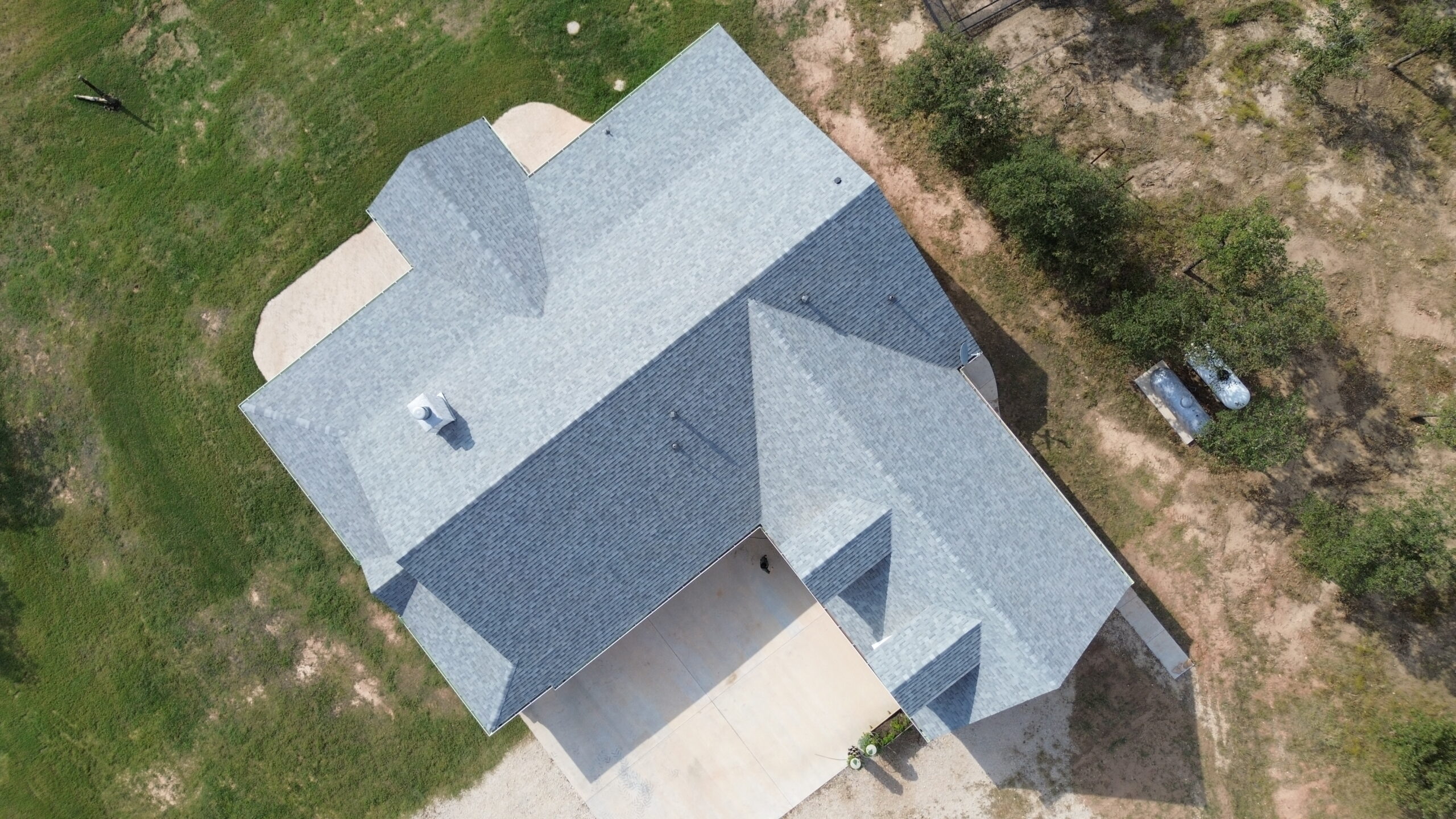
Artificial intelligence is beginning to influence roofing through automated image analysis, measurement assistance, predictive maintenance, and data processing. AI-based systems can analyze large collections of roof images and identify patterns that may indicate visible damage or areas requiring further attention.
Image recognition can potentially identify conditions such as missing roofing materials, surface deterioration, cracks, damaged sections, or other visible irregularities. When combined with drone photography, AI can help process large numbers of images more quickly than manual review alone.
AI can also assist with measurements and estimates. Digital systems may analyze roof images and generate information about surface areas, slopes, and roof features. This can support material calculations and preliminary project planning.
Predictive maintenance is another emerging application. If a system has access to inspection records and historical roof data, AI may help identify patterns associated with deterioration. This could allow property owners to investigate potential problems before major failure occurs.
Artificial intelligence can also improve the organization of project information. Inspection photographs, measurements, maintenance records, and other documents can be analyzed or categorized digitally. This may make it easier for contractors to locate relevant information when planning future work.
Despite these advantages, AI should not be treated as an independent roofing expert. Automated systems can misinterpret unusual roof features, overlook hidden damage, or identify harmless visual patterns as potential defects. The quality of the results also depends on the accuracy and quality of the data provided.
Professional judgment remains essential when using AI-assisted roofing technology. A contractor can review the system’s findings, physically inspect important areas, and determine whether the identified condition actually requires repair or replacement.
The future of AI in roofing is likely to involve greater integration with drones, digital measurements, thermal imaging, and smart monitoring systems. As these technologies become more connected, contractors may have access to increasingly detailed information before, during, and after installation.
The most valuable innovation is therefore not simply automation. It is the ability to combine accurate data, advanced analysis, and skilled workmanship to make roofing projects safer, more precise, and more efficient.
Smart Roofing Materials
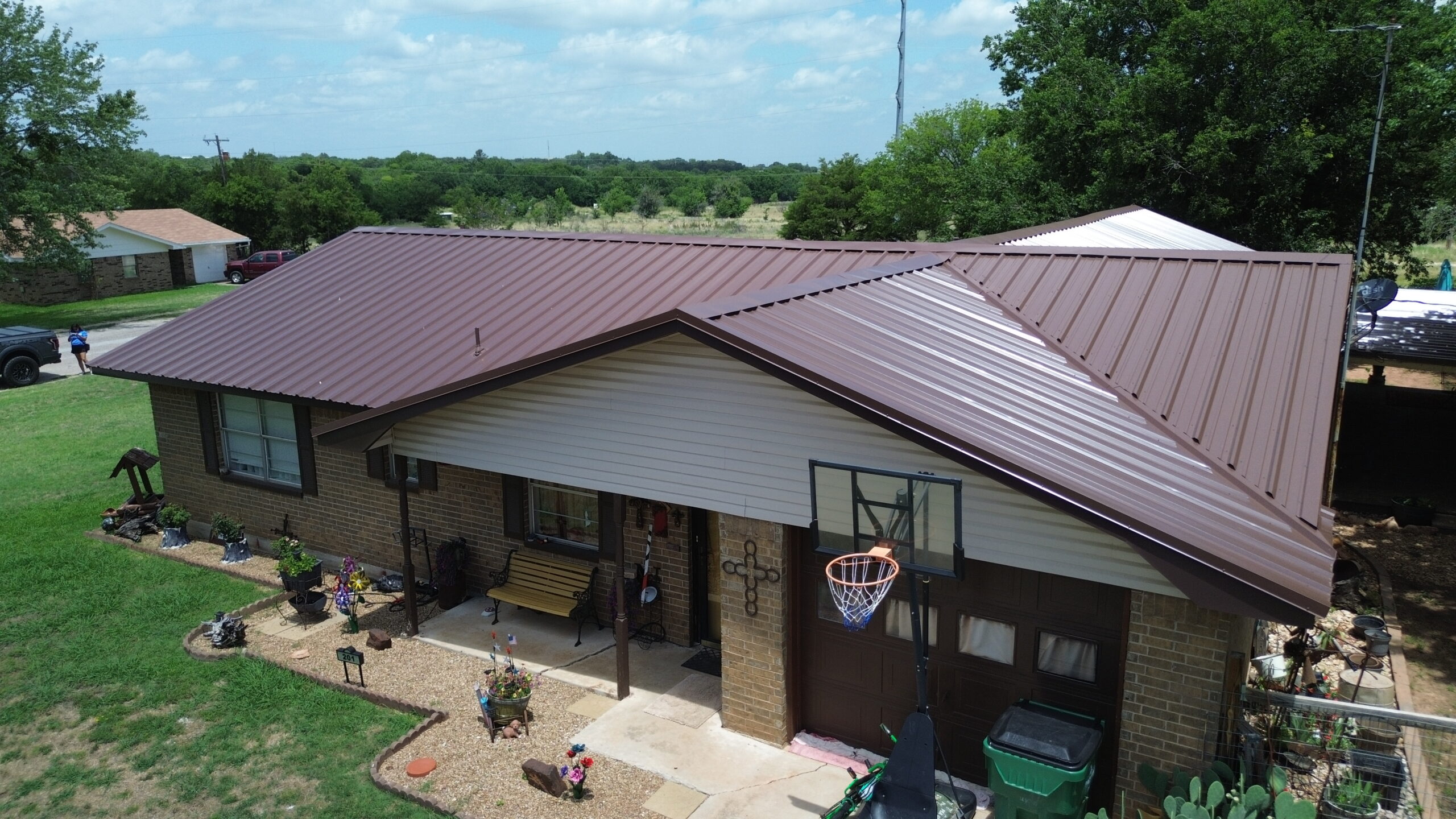
Modern roofing technology is not limited to digital tools and inspection equipment. The materials installed on roofs are also becoming more advanced, with manufacturers developing products designed to improve durability, energy efficiency, weather resistance, and sustainability. These materials can provide additional performance benefits when they are selected and installed according to the requirements of the building.
Reflective roofing materials are one example of this development. Specialized surfaces can reflect more solar radiation and absorb less heat than some conventional roofing products. This can help reduce roof temperatures and may lower cooling demand in suitable climates, particularly when reflective materials are combined with adequate insulation.
Synthetic roofing materials are also being used in some modern projects. Synthetic products can be designed to imitate the appearance of traditional materials while offering specific characteristics such as lighter weight, impact resistance, or consistent manufacturing quality. Their suitability depends on the roof design, climate, installation requirements, and expected service life.
Advanced membranes are particularly important for low-slope and commercial roofing. Modern membrane systems can provide waterproofing while incorporating reflective surfaces, improved flexibility, or enhanced resistance to weather exposure. Proper seam installation and detailing remain essential because even advanced membranes depend on careful workmanship.
Impact-resistant roofing products are another area of innovation. Some materials are engineered to better withstand hail and other forms of physical impact. These products may help reduce damage in areas where severe weather is common, potentially lowering the need for frequent repairs.
Lightweight roofing materials can also provide practical benefits. Reducing the weight of the roofing system may be useful when working with certain structures or when additional equipment such as solar panels is being considered. Structural capacity must still be evaluated before any material is selected.
Some modern roofing products incorporate recycled materials or are designed with recyclability in mind. These options can support waste reduction and resource conservation when they also provide appropriate durability and weather performance.
The selection process should focus on the complete life cycle of the roof. A material with impressive technical features may not be suitable if it requires excessive maintenance or performs poorly in the local climate. Modern roofing materials provide the greatest value when their advanced properties are matched with correct installation and building requirements.
Smart Sensors and Connected Roof Systems
Smart sensors are introducing another level of technology into roofing by allowing certain roof conditions to be monitored after installation. Instead of relying exclusively on periodic visual inspections, connected systems can collect information about selected conditions such as temperature and moisture.
Moisture sensors can be installed in appropriate areas to detect changes that may indicate water intrusion. If a monitored area experiences unusual moisture, the system may provide an alert that encourages further investigation. Early detection can help prevent a small issue from developing into more extensive damage.
Temperature sensors can also provide useful information. Monitoring temperature changes in roof or attic spaces can help property owners understand how the building responds to seasonal conditions. Unusual temperature patterns may indicate insulation, ventilation, or other issues that require professional assessment.
Some advanced systems can collect data continuously and store it digitally. Over time, this creates a history of roof conditions that can be reviewed during maintenance. Long-term records may help identify recurring problems or changes in performance.
Connected monitoring can be particularly useful for large commercial buildings, facilities with valuable equipment, or structures where roof access is difficult. In these situations, knowing about a potential problem before it becomes visible can provide significant practical value.
Sensors are not a replacement for physical roof inspections. They only monitor the locations and conditions for which they are designed, so problems outside monitored areas may remain undetected. Sensor readings also require appropriate interpretation because changes can have several possible causes.
Power and connectivity are additional considerations. Some systems rely on batteries, wired power, wireless communication, or network connections. Regular maintenance is necessary to ensure that sensors remain functional and that collected information is available when needed.
Smart sensors work best as part of a broader maintenance strategy. When combined with physical inspections, digital records, and professional assessment, they can provide an additional layer of information that supports preventive roof care.
Digital Modeling and Installation Planning
Digital modeling is becoming increasingly useful for planning complex roofing projects. A three-dimensional model can provide a visual representation of roof surfaces, slopes, penetrations, edges, and other features. This can make complicated layouts easier to understand before installation begins.
Digital models can help contractors plan the placement of different roofing materials. A single building may contain steep-slope sections, low-slope areas, metal components, membranes, skylights, vents, and solar equipment. Modeling can help identify how these different systems need to connect.
Installation sequencing can also be planned digitally. Contractors can determine which sections should be completed first and how materials should move through the project. Better sequencing can reduce unnecessary work and help prevent completed areas from being damaged during later construction.
Digital planning improves communication between project participants. Homeowners, architects, contractors, engineers, and inspectors can use the same visual reference when discussing the roof. This can reduce misunderstandings that may occur when complicated designs are explained only through written descriptions.
Digital models can also be updated when project conditions change. If the removal of an existing roof reveals unexpected structural damage, the project plan can be modified to reflect the new information. Updated digital documentation helps keep different teams informed.
Coordination with other building systems is another benefit. Roofing projects may need to accommodate solar panels, HVAC equipment, ventilation systems, skylights, drainage components, or electrical pathways. A digital model can help identify potential conflicts before physical installation begins.
The quality of a digital model depends on the accuracy of the measurements used to create it. Incorrect measurements can produce misleading layouts and material estimates. Physical verification remains important, especially before major materials are ordered or permanent installation decisions are made.
Digital modeling therefore provides a planning advantage without eliminating the need for field experience. It allows contractors to visualize and coordinate the project while skilled professionals confirm that the digital design matches actual site conditions.
Automated and Robotic Roofing Technology
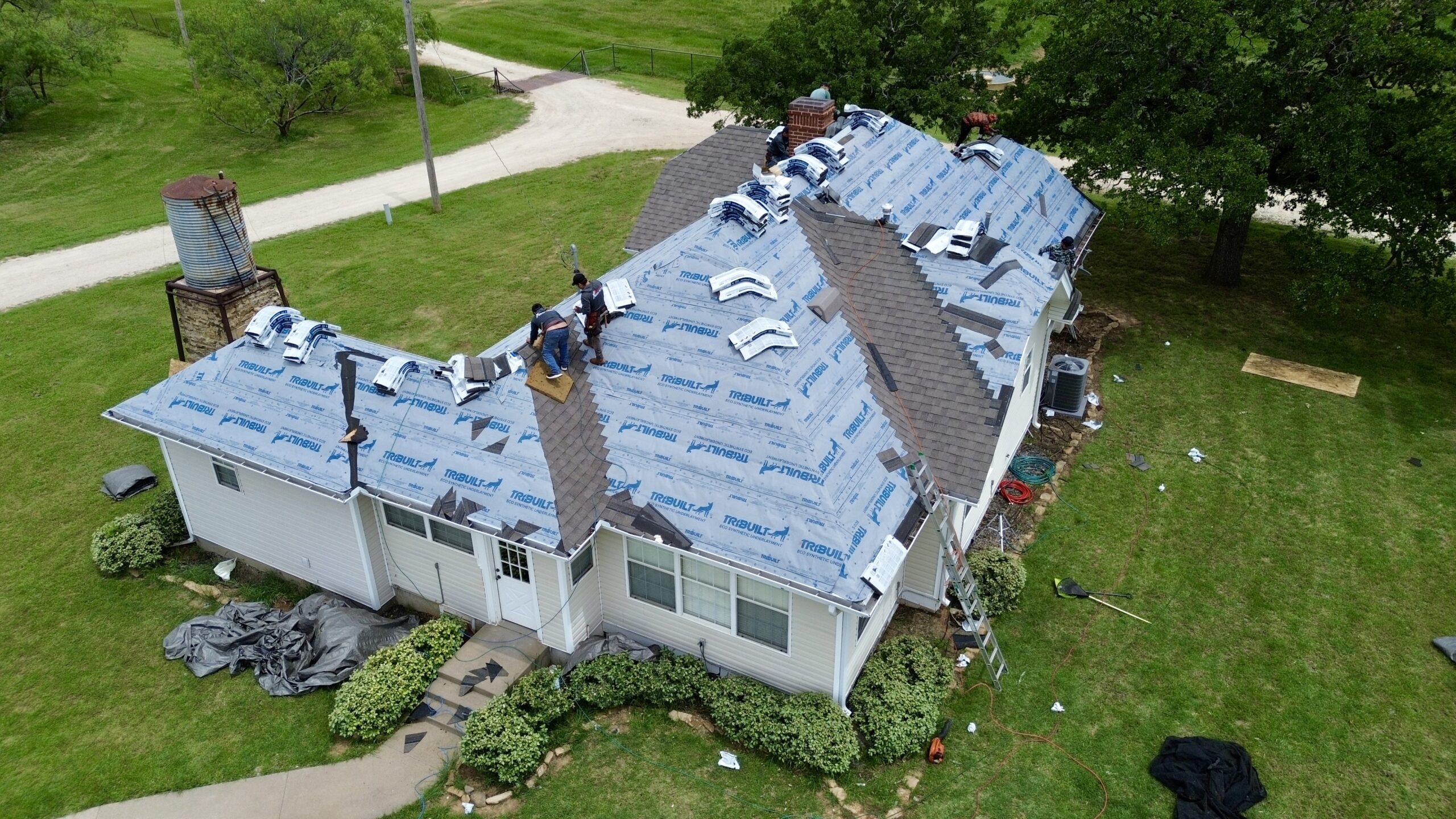
Automation and robotics are emerging areas in the roofing industry. While most roof installation still depends heavily on skilled workers, automated equipment can assist with repetitive tasks, measurements, material movement, and certain inspection activities.
Robotic systems may eventually assist with tasks that expose workers to unnecessary risks or require repetitive physical effort. For example, automated equipment could potentially help move materials across large project sites or perform certain surface preparation activities.
Automated measurement technology is already more practical in many roofing applications. Digital systems can process aerial images and generate roof dimensions without requiring every measurement to be taken manually. This can reduce time spent during project estimation and planning.
Robotic inspection is another developing possibility. Machines equipped with cameras or sensors could potentially inspect difficult areas while reducing the need for workers to access hazardous sections. Such systems may become more useful as navigation and image-processing technology improves.
Safety is one of the strongest arguments for automation. Roofing workers operate at heights and may encounter unstable surfaces, extreme temperatures, or other hazards. Reducing unnecessary exposure through remote or automated equipment could improve working conditions.
However, robotics face several challenges. Roofs are not standardized surfaces, and buildings can have different pitches, materials, obstacles, and architectural features. Equipment must be able to adapt to these variations without damaging roofing materials or creating additional risks.
Cost is another limitation. Specialized robotic equipment can require substantial investment, and contractors need to determine whether the productivity or safety benefits justify that expense. Smaller roofing companies may find conventional equipment more practical for many projects.
Human expertise will remain important even as automation develops. Workers will still need to plan projects, evaluate unexpected conditions, supervise equipment, and complete specialized installation details. Automation is more likely to assist skilled professionals than completely replace them.
Solar Integrated Roof Installation
Solar technology is becoming increasingly connected with modern roof installation. Instead of treating roofing and solar energy as completely separate projects, contractors can plan both systems together. This can improve coordination and reduce the possibility of conflicts between roof protection and solar equipment.
Solar shingles and integrated photovoltaic roofing products combine electricity generation with roofing functions. These systems are designed to become part of the roof surface rather than relying entirely on conventional panels mounted above the roof.
Traditional solar panels can also be installed on many roofing systems. However, the roof’s condition should be evaluated first. Installing solar equipment on an aging roof may create future complications if the roof needs replacement while the panels are still in service.
Structural capacity is another important consideration. Solar equipment adds weight and can experience wind forces. A qualified professional should determine whether the roof structure can safely support the planned system.
Waterproofing around mounting points is particularly important. Where mounting systems require roof penetrations, flashing and sealing must be properly integrated. Poorly installed mounting points can create leaks that damage the roof and potentially the building interior.
Digital modeling can support solar planning by showing available roof areas and potential shading. Orientation, roof pitch, surrounding buildings, and vegetation can influence solar performance. Planning these factors before installation can improve the overall design.
Roofing and solar contractors also need to coordinate their work schedules. The roof must provide a suitable surface for the solar installation, while the solar system must avoid damaging or interfering with roofing components. Clear communication can reduce installation conflicts.
Solar-ready planning can also be completed even when panels are not being installed immediately. A new roof can be designed with future solar requirements in mind, including structural considerations and suitable roof areas.
Technology for Installation Quality Control
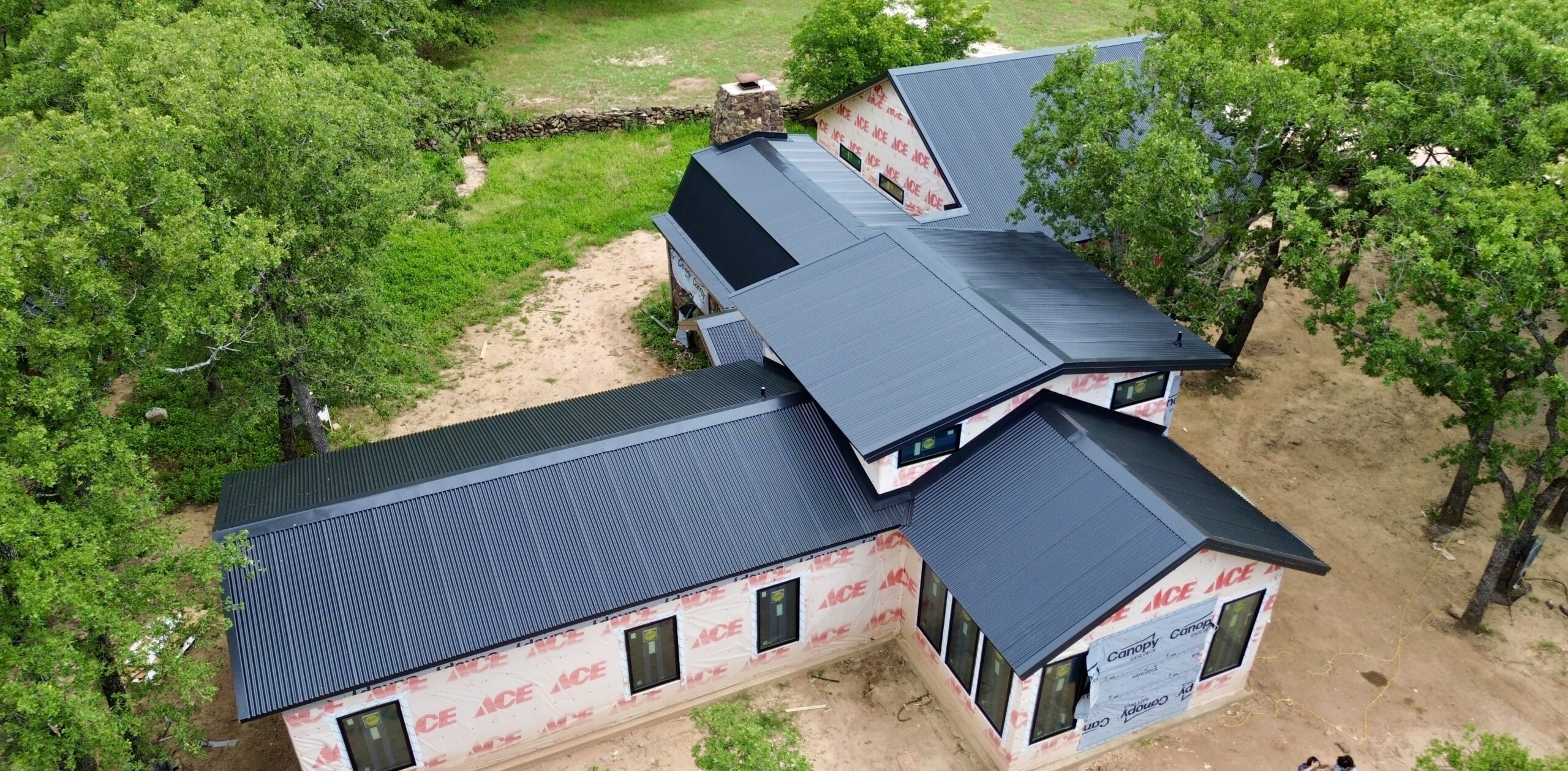
Digital quality-control systems are helping contractors document roofing work more systematically. Mobile applications can allow workers and supervisors to record photographs, measurements, inspection results, material information, and project progress from the job site.
Digital inspection records provide a useful history of the installation. Instead of relying entirely on paper documents or memory, contractors can maintain organized records of important project stages. These records may be valuable for maintenance, warranty documentation, and future roof inspections.
Automated checklists can also help supervisors verify that important installation steps have been completed. A digital checklist can include items related to underlayment, insulation, flashing, fastening, drainage, ventilation, and other roof components.
Real-time documentation can improve communication between field workers and project managers. If a problem is discovered, photographs and notes can be shared quickly rather than waiting for a later meeting or paper report.
Technology can also help track installation progress against project schedules. Large projects can be divided into sections, allowing managers to monitor which areas have been completed and which still require work.
Quality-control technology does not replace physical inspection. A photograph may document a component without proving that it was installed correctly beneath the visible surface. Professional review remains necessary to verify workmanship and identify conditions that digital records cannot reveal.
When digital documentation is combined with skilled inspection, it can create a more organized quality-control process. This allows roofing teams to identify problems earlier, maintain better records, and provide clearer information about how the installation was completed.
Modern roof installation technology is therefore developing across several connected areas, from advanced materials and smart sensors to digital modeling, automation, solar integration, and quality-control systems. These innovations are making roofing projects increasingly data-driven while still relying on skilled professionals to interpret information and complete the physical work correctly.
Sustainable Roofing Technology
Sustainability has become an important part of modern roof installation, and new technologies are helping contractors reduce material waste, energy use, and environmental impact. Roofing manufacturers are developing products that incorporate recycled content, longer-lasting materials, reflective surfaces, and improved manufacturing processes. These options allow property owners to consider environmental performance alongside durability and cost.
Cool roofing systems are one example of sustainable technology. Reflective surfaces can reduce the amount of solar energy absorbed by a roof, which may help lower cooling demand in suitable climates. When combined with effective insulation and proper installation, these systems can improve the building’s overall energy performance.
Green roofing is another technology-focused approach to sustainability. Vegetation, growing media, drainage layers, and waterproofing work together to create a roof surface capable of retaining some rainfall and supporting plant life. Proper structural evaluation and specialized installation are essential because green roofs introduce additional weight and moisture-management requirements.
Material waste can also be reduced through digital measurements and better project planning. Accurate roof mapping helps contractors order closer to the actual quantity required, while digital documentation can improve material tracking. Reducing unnecessary waste can lower project costs and decrease the amount of construction material sent for disposal.
The long-term sustainability of a roof also depends on durability. A material that lasts longer can reduce the frequency of replacement and the resources required for future projects. Modern roofing technology therefore focuses not only on recycled content but also on creating products that can provide reliable performance over many years.
Advanced Insulation and Thermal Technology
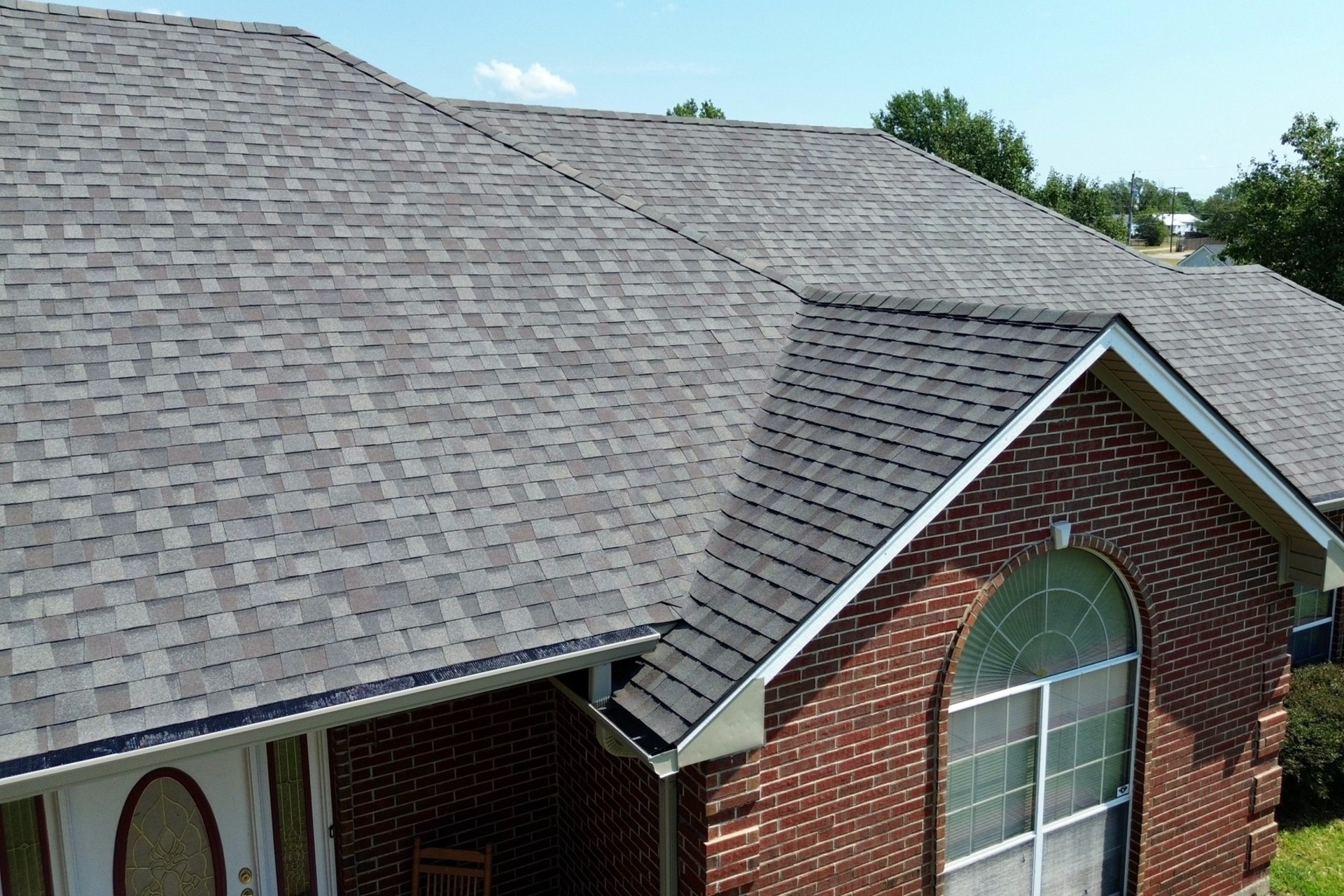
Advanced insulation technology is another important development in modern roof installation. High-performance insulation materials can provide strong resistance to heat transfer while fitting within different roof assembly designs. Proper selection and installation can help maintain more stable indoor temperatures throughout changing weather conditions.
Continuous insulation is particularly useful for reducing interruptions in the thermal barrier. Traditional structural components can create pathways through which heat moves more easily, but carefully designed insulation layers can reduce these thermal bridges. The specific arrangement depends on the roof structure and applicable building requirements.
Thermal modeling can help professionals evaluate how heat is likely to move through a proposed roof assembly. Digital models can compare different insulation arrangements, roofing materials, and other components before installation begins. This allows potential weaknesses to be addressed during the design stage.
Thermal imaging can also be used after installation or during inspections. Infrared equipment can identify unusual temperature patterns that may indicate areas requiring further investigation. When interpreted by trained professionals, this information can support maintenance and energy-efficiency assessments.
Advanced thermal technology is most effective when combined with proper workmanship. Even high-performance insulation can lose some of its intended benefits when it contains gaps, is improperly compressed, or is exposed to moisture. Installation quality remains essential regardless of how advanced the material may be.
Digital Safety Technology
Roofing technology is increasingly being used to improve worker safety as well as installation efficiency. Drones can reduce the need for workers to access certain difficult areas during preliminary inspections, while digital mapping can provide information before physical work begins. These tools can help teams identify potential hazards before workers are exposed to them.
Weather monitoring systems can also support safer project planning. Wind, rain, extreme temperatures, and other conditions can affect roofing work and material installation. Access to timely weather information can help project managers determine whether certain activities should be delayed.
Wearable technology is another developing area. Devices can potentially monitor worker location, movement, environmental conditions, or exposure to certain hazards. Such systems may provide additional information for managing large or complex construction sites.
Digital safety records can also improve consistency. Mobile applications can allow workers and supervisors to document inspections, hazards, equipment checks, and corrective actions. Keeping these records digitally can make safety information easier to organize and review.
Technology should not be considered a replacement for established safety procedures. Roofing workers still require appropriate training, fall protection, equipment, and supervision. Digital tools are most useful when they support established safety practices and help workers make better-informed decisions.
Benefits and Challenges of Modern Roofing Technology
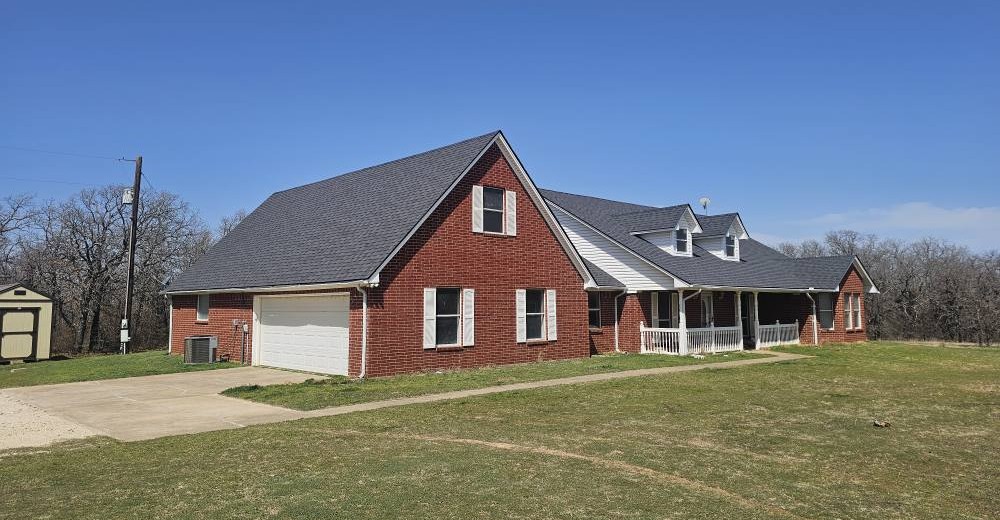
Modern technology can improve roofing projects in several ways. Digital measurements can increase planning accuracy, drones can simplify inspections, thermal imaging can reveal conditions that are difficult to see, and smart sensors can support ongoing monitoring. Together, these tools can make the roofing process more informed and organized.
Technology can also reduce unnecessary material use. Better measurements and digital planning can help contractors avoid excessive ordering and reduce mistakes that require rework. Less rework can save both materials and labor while helping projects stay closer to their planned schedules.
Safety is another major advantage. Remote inspections and digital monitoring can reduce unnecessary exposure to hazardous roof areas. This can be particularly valuable for steep, high, fragile, or difficult-to-access roofs.
However, modern technology also presents challenges. Advanced equipment and software can require significant upfront investment, especially for smaller contractors. Training is necessary to ensure that workers understand how to operate equipment and interpret the information it provides.
Data quality is another concern. A digital measurement is only useful when the underlying information is accurate. Poor images, incorrect measurements, sensor errors, or incomplete inspection data can lead to incorrect decisions.
Technology can also create a false sense of certainty. An AI system may identify a possible defect, but it cannot always determine the underlying cause. Professional inspection remains necessary to confirm important findings and decide how the roof should be repaired or installed.
The strongest roofing projects therefore use technology as a support system rather than a replacement for expertise. Digital tools can improve the amount and quality of available information, while experienced professionals provide the judgment needed to turn that information into practical decisions.
Future of Roof Installation Technology
The future of roof installation is likely to involve greater integration between digital planning, artificial intelligence, robotics, smart sensors, energy systems, and advanced materials. Instead of using each technology separately, roofing companies may increasingly connect these tools into a single project workflow.
Artificial intelligence could become more effective at analyzing roof images and identifying patterns associated with deterioration. When combined with drone imagery and historical inspection records, AI may help contractors prioritize areas that require physical investigation.
Autonomous inspection systems may also become more capable. Drones and other robotic equipment could potentially collect information from difficult roof areas with less direct worker exposure. Human professionals would still be needed to verify findings and make important installation decisions.
Predictive maintenance is another likely development. Smart sensors could continuously collect information about moisture, temperature, and other roof conditions. Data analysis may help identify unusual changes before they develop into visible failures.
Solar technology is also likely to become more integrated with roofing. Future systems may combine weather protection, solar electricity generation, energy monitoring, and advanced thermal management within coordinated roof designs. This could make the roof an increasingly important part of the building’s energy infrastructure.
Sustainable technology will continue to influence material development as well. Manufacturers may focus on longer service life, improved recyclability, lower resource consumption, and better energy performance. These developments could make future roofing systems more environmentally responsible without sacrificing durability.
Frequently Asked Questions About Modern Roof Installation Technology
What technology is used in modern roof installation?
Modern roofing can use digital measurements, drones, thermal imaging, artificial intelligence, smart sensors, advanced materials, digital modeling, and mobile quality-control systems. The specific technologies used depend on the size and complexity of the project.
How do drones improve roofing projects?
Drones can capture detailed aerial images for inspections, measurements, progress documentation, and final roof records. They can also reduce the need for workers to access certain difficult areas during preliminary inspections.
Can AI inspect a roof?
AI can analyze images and identify visible patterns that may indicate damage, but it should not replace professional inspection. Human expertise is still required to verify findings and determine the appropriate repair or installation method.
Are smart roof sensors useful?
Smart sensors can provide information about conditions such as temperature and moisture in selected areas. They can support preventive maintenance, although they should be used alongside regular professional inspections.
Does technology improve installation accuracy?
Yes. Digital measurements, modeling, and documentation can reduce certain planning and measurement errors. However, accurate technology still needs to be supported by careful field verification and skilled installation.
Are robotic roofing systems widely used?
Automation and robotics are developing, but most roof installation work still relies heavily on trained professionals. Robotic technology is more commonly associated with specialized inspection, measurement, material handling, or experimental applications.
Conclusion
Innovations in modern roof installation technology are changing how roofing projects are measured, designed, installed, inspected, and maintained. Drones, digital mapping, thermal imaging, artificial intelligence, smart sensors, advanced materials, and connected project-management systems can provide contractors with more information and greater control throughout the roofing process.
These technologies can improve accuracy, safety, efficiency, documentation, and long-term maintenance. They can also support wider goals such as energy efficiency, renewable energy integration, material conservation, and sustainable construction.
However, technology alone cannot guarantee a high-quality roof. The information produced by digital tools must be interpreted correctly, materials must be selected according to the building and climate, and every roofing component still needs to be installed according to appropriate requirements.
The future of roofing will likely combine increasingly advanced technology with experienced human workmanship. When digital innovation and professional expertise work together, modern roof installation can become safer, more precise, more sustainable, and better prepared for the long-term needs of buildings.
Leave A Comment