
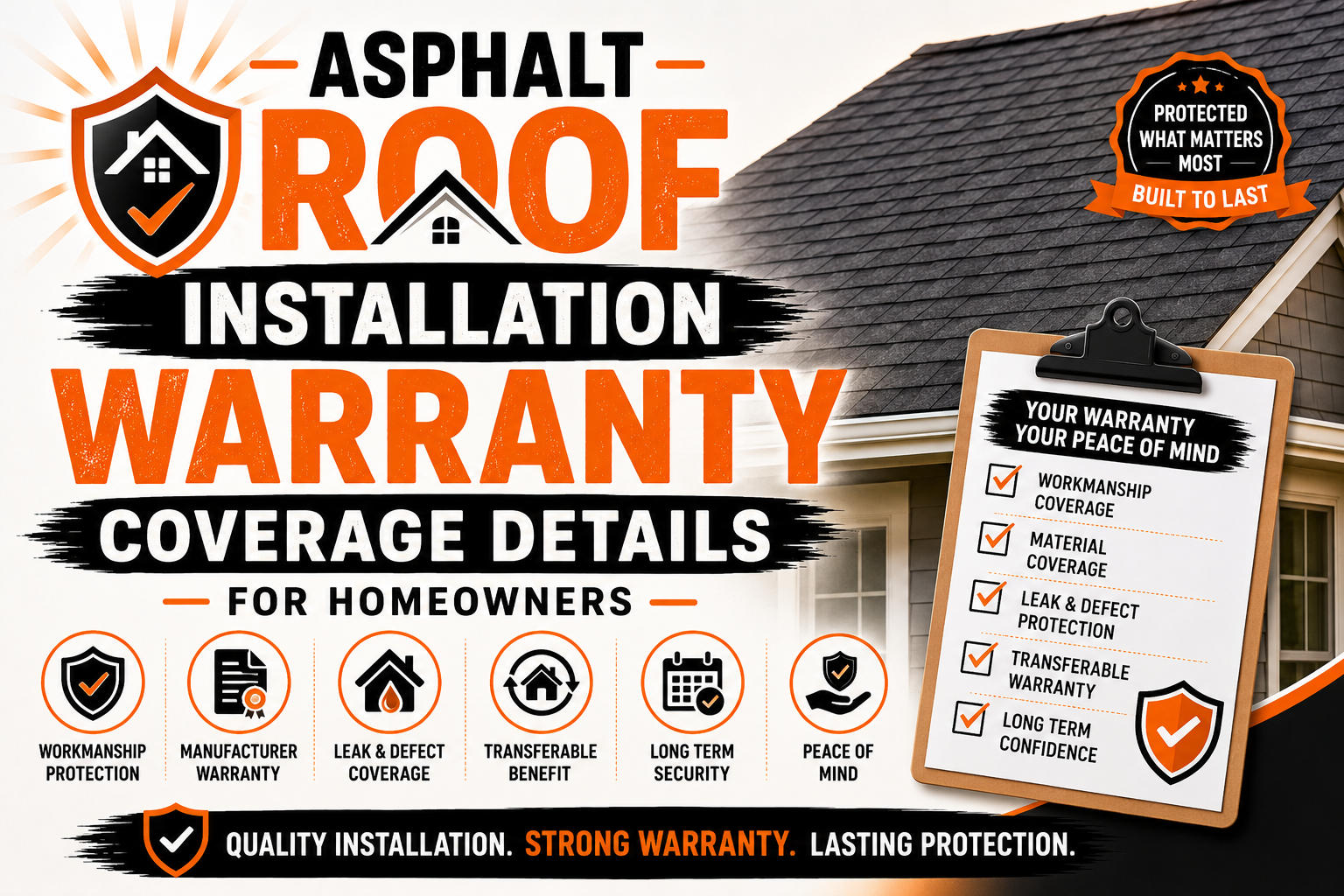
Asphalt Roof Installation Warranty Coverage Details for Homeowners
Introduction
Installing a new asphalt roof is one of the most significant investments many homeowners make. Beyond improving a home’s appearance, a properly installed roof provides protection against rain, wind, sunlight, snow, and changing weather conditions for many years. Because of the cost involved, homeowners naturally want reassurance that their investment is protected if unexpected problems arise. This is where roofing warranties become an important part of every asphalt roof installation project.
Many homeowners assume that every roofing warranty provides complete protection against all possible problems. In reality, roofing warranties differ significantly depending on the manufacturer, the contractor, the roofing materials used, and the quality of the installation. Understanding what a warranty includes and what it does not cover helps homeowners make informed decisions before signing a roofing contract.
A warranty should not be viewed simply as a piece of paperwork that is filed away after installation. Instead, it represents an agreement that explains the responsibilities of both the homeowner and the company providing the coverage. Knowing these responsibilities helps prevent misunderstandings if a roofing issue develops in the future.
Roofing warranties also encourage quality workmanship. Manufacturers want their products installed according to approved methods, while reputable roofing contractors stand behind the quality of their installation. When both material quality and installation standards meet recommended guidelines, homeowners often receive stronger warranty protection.
Understanding warranty coverage before construction begins can also influence product selection. Some roofing systems include more comprehensive protection than others, making it worthwhile to compare warranty options instead of focusing only on the initial installation cost.
This guide explains the different types of asphalt roof warranties, what they generally cover, how workmanship warranties differ from manufacturer warranties, and why understanding warranty details is essential for protecting a roofing investment over the long term.
Understanding Asphalt Roof Warranties
A roofing warranty is a written agreement that outlines the protection provided for a roofing system after installation. Depending on the type of warranty, it may cover manufacturing defects, installation errors, or both. The purpose of a warranty is to define the circumstances under which repairs, replacement materials, or other corrective actions may be provided.
Roof warranties exist because even high quality construction materials can occasionally contain manufacturing defects, and even experienced contractors can make installation mistakes. A warranty establishes who is responsible if covered problems occur during the warranty period.
Not all roofing warranties are identical. Coverage varies according to the roofing manufacturer, contractor policies, roofing products, and the type of installation completed. Some warranties focus only on the roofing materials, while others provide protection for the workmanship involved in installing those materials.
The quality of the installation often plays a significant role in determining warranty coverage. Manufacturers generally expect roofing products to be installed according to their published instructions. Failure to follow these requirements may reduce warranty protection because improper installation can affect product performance.
Many roofing systems also contain multiple manufacturers’ products, including shingles, underlayment, flashing, ventilation components, ridge caps, and waterproof membranes. Depending on the project, each product may carry its own warranty with separate terms and conditions.
Homeowners should also understand that warranties do not eliminate the need for regular roof maintenance. Even roofs covered by strong warranties require periodic inspections, debris removal, gutter cleaning, and prompt attention to minor issues before they become larger problems.
Reading the complete warranty document before installation begins provides valuable insight into coverage limits, homeowner responsibilities, claim procedures, and any conditions that may affect future protection.
Main Types of Asphalt Roof Warranties
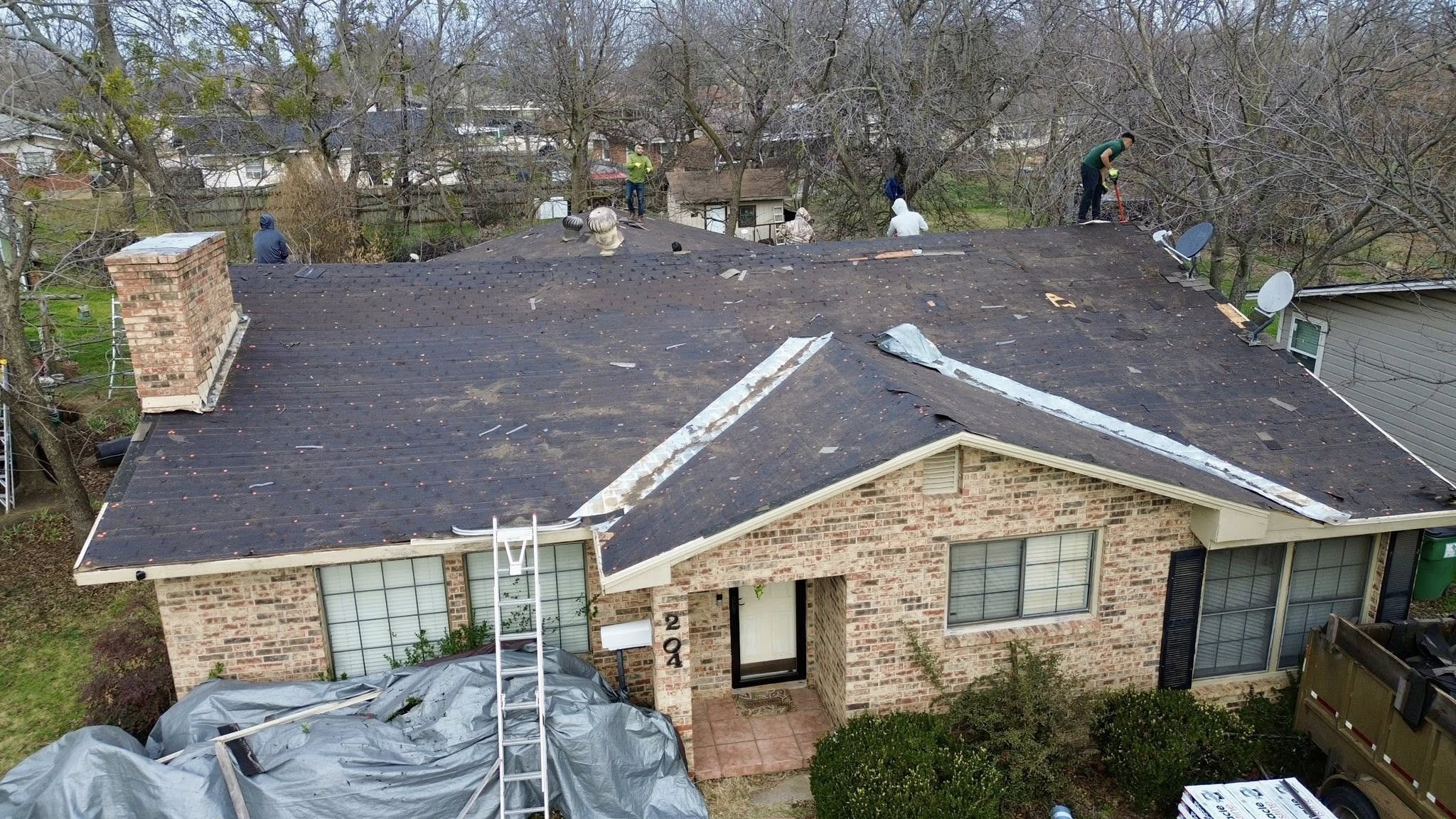
Several types of warranties are commonly associated with asphalt roof installation. Understanding how these warranties differ allows homeowners to evaluate roofing proposals more effectively and select the level of protection that best matches their needs.
Manufacturer Material Warranty
The manufacturer material warranty covers defects related to the roofing products themselves. If asphalt shingles or other covered materials fail because of manufacturing defects rather than installation mistakes or external damage, the manufacturer may provide replacement materials or other remedies according to the warranty terms.
This warranty generally focuses on product quality rather than installation quality. If roofing materials were installed incorrectly, responsibility often falls outside the manufacturer’s coverage unless installation requirements were fully satisfied.
Material warranties vary considerably between manufacturers. Some provide limited coverage for a specific number of years, while others offer longer protection periods for premium roofing products.
Workmanship Warranty
A workmanship warranty is provided by the roofing contractor rather than the product manufacturer. This warranty covers problems resulting from installation errors rather than manufacturing defects.
Examples of workmanship issues include improperly installed flashing, incorrect shingle placement, poor fastening techniques, inadequate sealing, or other installation deficiencies that affect roof performance.
The duration of workmanship warranties differs among contractors. Some companies provide only a short warranty period, while others offer extended coverage that reflects confidence in the quality of their installation practices.
Because installation quality directly influences roof performance, workmanship warranties are often considered just as important as material warranties.
Extended System Warranty
Some roofing manufacturers offer extended system warranties when an entire roofing system is installed using compatible products from the same manufacturer. These systems may include shingles, starter strips, ridge caps, underlayment, ventilation products, and waterproof membranes designed to work together.
Extended warranties often require installation by contractors who meet specific certification or training requirements established by the manufacturer. These programs encourage consistent installation quality while providing homeowners with broader warranty protection.
Coverage under these warranties may include additional benefits beyond standard material warranties, although the exact terms depend on the manufacturer.
Limited Lifetime Warranty
Many premium asphalt shingles are marketed with limited lifetime warranties. The phrase “lifetime” can sometimes create confusion because it does not always mean unlimited coverage for the entire life of the home.
Instead, the warranty typically defines the period and conditions under which coverage applies. Certain benefits may decrease over time, while specific limitations or exclusions remain in effect throughout the warranty period.
Homeowners should read the warranty carefully rather than relying solely on marketing terminology. Understanding how coverage changes over time provides a more accurate picture of the protection being offered.
Each warranty type serves a different purpose, and many roofing projects include multiple warranties that work together to provide comprehensive protection.
Why Warranty Coverage Matters
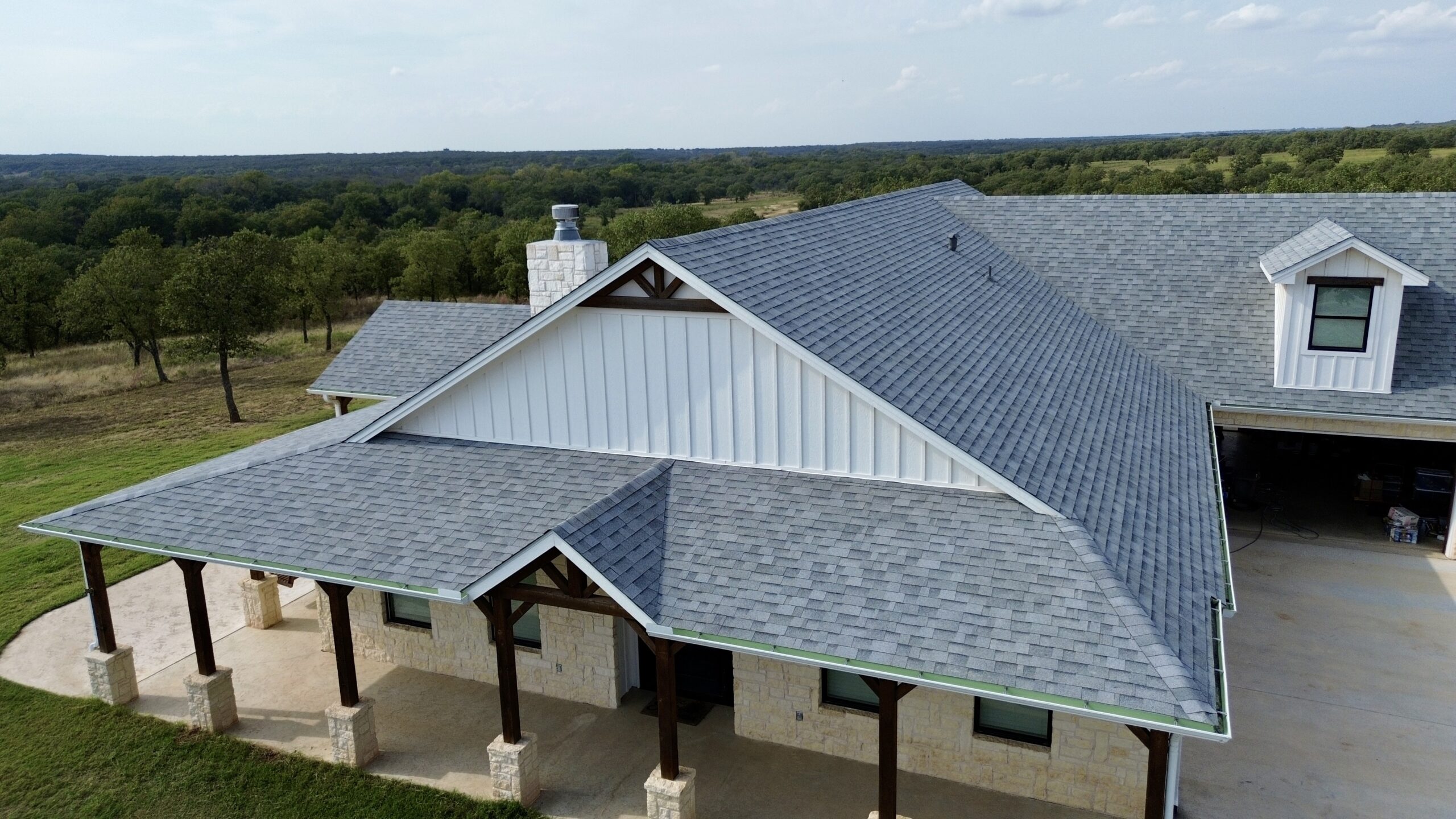
A roofing warranty offers more than financial protection. It also reflects the confidence that manufacturers and contractors have in their products and workmanship. Choosing a roofing system with meaningful warranty coverage provides several long term advantages for homeowners.
One important benefit is reduced financial risk. If covered manufacturing defects or installation problems occur during the warranty period, homeowners may avoid paying the full cost of repairs or replacement materials.
Warranty coverage also encourages higher quality installation practices. Contractors who provide workmanship warranties have a strong incentive to complete installations carefully because they remain responsible for correcting covered installation errors.
Another advantage involves long term property value. Potential homebuyers often appreciate documented roofing warranties because they provide reassurance regarding the condition of the roof. Transferable warranties may even increase the attractiveness of the property during resale.
Roof warranties can also simplify communication if problems arise. Instead of determining responsibility after a defect appears, the warranty establishes which party should evaluate the issue and what corrective actions may be available.
The advantages of understanding warranty coverage include:
- Greater financial protection against covered defects.
- Increased confidence in roofing products.
- Improved accountability for installation quality.
- Better long term property value.
- Clear procedures for resolving covered roofing problems.
- Greater peace of mind after roof installation.
Although no warranty eliminates every possible roofing expense, understanding available coverage helps homeowners make informed decisions before investing in a new asphalt roof.
What Is Typically Covered by Manufacturer Warranties
Manufacturer warranties generally focus on defects that occur during the production of roofing materials. If a product fails because it was manufactured incorrectly rather than installed improperly, the manufacturer may provide remedies according to the warranty agreement.
One common example involves asphalt shingles that deteriorate prematurely because of manufacturing defects. If laboratory evaluation confirms that the product itself failed under normal conditions, replacement materials may be provided depending on the warranty terms.
Some manufacturer warranties also cover defects affecting roofing accessories produced by the same company. Starter strips, ridge cap shingles, underlayment, waterproof membranes, and ventilation products may all qualify for coverage if they are included within the warranty program.
Coverage often depends on proper installation. Manufacturers generally require contractors to follow published installation instructions, including fastening patterns, ventilation requirements, underlayment specifications, and flashing methods. Failure to comply with these requirements may affect warranty eligibility.
Many warranties also distinguish between material replacement and labor costs. While replacement roofing materials may be covered under certain circumstances, labor expenses associated with removing and reinstalling roofing products may be covered differently depending on the specific warranty.
Coverage periods may also change over time. Some warranties provide full protection during an initial period before gradually reducing available benefits as the roof ages.
Because warranty terms vary among manufacturers, homeowners should review the complete documentation rather than assuming every roofing product receives identical protection.
Understanding Contractor Workmanship Warranties
While manufacturer warranties protect roofing materials, workmanship warranties focus on the quality of the installation itself. Since even premium roofing products depend on proper installation to perform correctly, workmanship coverage represents an important part of every roofing project.
Roof installation involves hundreds of individual tasks including roof deck preparation, underlayment installation, flashing placement, shingle alignment, nail placement, ventilation installation, ridge cap installation, and final inspection. Errors during any of these stages may affect roof performance even if the materials themselves remain defect free.
A workmanship warranty provides protection if covered installation mistakes cause roofing problems. For example, improperly installed flashing around chimneys or roof penetrations may allow water intrusion despite using high quality materials. In this situation, the contractor rather than the manufacturer may be responsible for correcting the installation issue.
Workmanship warranty periods vary widely. Some contractors provide coverage lasting only one or two years, while others offer significantly longer protection. Reputable roofing companies often provide extended workmanship warranties because they are confident in their installation standards.
Homeowners should also understand exactly what the workmanship warranty includes. Some warranties cover labor only, while others include both labor and replacement materials required to correct covered installation errors.
Selecting an experienced contractor remains one of the most important decisions in any roofing project. A strong workmanship warranty demonstrates the contractor’s willingness to stand behind the quality of the completed installation.
Before signing a roofing contract, homeowners should request written warranty documentation, ask questions about the coverage provided, and understand the procedures for requesting service if installation related issues develop after the project has been completed.
What Is Usually Not Covered by Asphalt Roof Warranties
Although roofing warranties provide valuable protection, they are not designed to cover every situation that may affect an asphalt roof. Understanding common exclusions helps homeowners develop realistic expectations and avoid misunderstandings if roofing problems occur in the future.
One of the most common exclusions involves severe weather damage. High winds, hailstorms, hurricanes, tornadoes, lightning, falling trees, and other natural events are generally considered insurance matters rather than warranty issues. Since these events occur after installation and are outside the control of the manufacturer or contractor, they are typically not covered under standard roofing warranties.
Improper maintenance is another frequent exclusion. Asphalt roofs require periodic inspections, gutter cleaning, debris removal, and prompt attention to minor damage. Allowing moss, leaves, standing water, or damaged shingles to remain unattended may contribute to roofing problems that fall outside warranty protection.
Unauthorized roof repairs may also affect coverage. If homeowners hire another contractor to modify or repair the roof without following warranty requirements, the original warranty may no longer apply to the affected area. This is especially important when replacing shingles, installing skylights, or adding roof mounted equipment.
Natural aging is generally excluded as well. Asphalt shingles gradually experience normal wear from years of sunlight, temperature changes, rainfall, and seasonal weather exposure. Warranties typically cover manufacturing defects rather than ordinary aging that occurs throughout the expected service life of the roofing materials.
Structural movement presents another limitation. Foundation settlement, shifting walls, roof framing movement, earthquakes, or other structural changes may create roofing problems that originate from the building itself rather than the roofing materials or workmanship.
Some warranties also exclude damage caused by poor attic ventilation. Excessive heat and moisture beneath the roof can shorten shingle lifespan, making proper ventilation an important requirement for maintaining warranty protection.
Homeowners should remember that warranties define specific covered situations rather than serving as complete maintenance agreements. Understanding these limitations helps prevent confusion if future roofing issues develop.
Warranty Registration Requirements
Many homeowners assume their roofing warranty automatically becomes active when installation is completed. While this may be true for some products, other manufacturers require warranty registration within a specified period after installation.
Warranty registration allows manufacturers to record important information about the roofing system, including the installation date, contractor details, product type, and homeowner information. This documentation helps simplify future warranty claims if covered issues arise.
Some roofing manufacturers allow registration through online systems, while others require paper forms or contractor submitted documentation. Regardless of the method used, homeowners should verify that registration has been completed successfully rather than assuming someone else handled the process.
Keeping copies of registration documents is equally important. Warranty certificates, purchase receipts, roofing contracts, installation invoices, and product information should all be stored together in a safe location. These records often become essential if a warranty claim is submitted years later.
Photographs taken during installation can also provide valuable documentation. Images showing roof deck preparation, underlayment installation, flashing details, ventilation components, and completed roofing work may help verify proper installation if questions arise.
Homeowners should also retain records of future roof inspections and maintenance activities. Although routine maintenance does not usually require manufacturer approval, documented maintenance demonstrates responsible ownership and may help resolve warranty discussions more efficiently.
Contractors often assist homeowners with warranty registration, particularly when manufacturer certified installation programs are involved. However, homeowners should still confirm that all required paperwork has been completed correctly.
Careful record keeping provides long term benefits because roofing warranties often remain active for many years after installation.
How Installation Quality Affects Warranty Coverage
Installation quality plays a significant role in determining whether warranty protection remains valid throughout the life of an asphalt roof. Even the highest quality roofing materials depend on proper installation to achieve their expected performance.
Manufacturers publish detailed installation instructions covering every stage of the roofing process. These guidelines specify acceptable fastening methods, shingle alignment, underlayment requirements, flashing installation, ventilation standards, and numerous other technical details. Contractors are expected to follow these instructions carefully during installation.
Failure to comply with manufacturer recommendations may affect warranty coverage if roofing problems develop later. For example, incorrect nail placement, inadequate ventilation, missing waterproof membranes, or improper flashing installation can all reduce roof performance even when premium materials are used.
Certified contractor programs help address this concern. Many roofing manufacturers offer specialized training that teaches contractors how to install their products according to approved standards. Contractors who complete these programs may qualify to offer enhanced warranty options on eligible roofing systems.
Installation inspections provide another layer of quality assurance. Some extended warranty programs include inspections during or after installation to verify compliance with manufacturer requirements. These inspections help identify potential issues before they affect long term roof performance.
Homeowners should understand that installation quality influences much more than appearance. Proper workmanship affects moisture resistance, wind performance, ventilation efficiency, drainage, and overall roof longevity.
Selecting an experienced contractor who follows manufacturer specifications often provides stronger long term value than choosing the lowest installation price alone. A properly installed roof generally requires fewer repairs while maintaining warranty eligibility throughout its service life.
Quality installation therefore benefits both homeowners and manufacturers by improving roof performance while reducing the likelihood of future warranty claims.
Transferable Roof Warranties
A transferable warranty allows certain warranty benefits to move from the original homeowner to a new property owner if the home is sold. This feature can provide additional value during real estate transactions because buyers appreciate knowing that some warranty protection remains available after purchase.
Not every roofing warranty is transferable. Some remain valid only for the original homeowner, while others permit one transfer under specific conditions. Reading the warranty documentation carefully helps determine whether transfer is allowed and what requirements must be satisfied.
Many transferable warranties include time limitations. For example, homeowners may need to complete the transfer within a certain number of days after the property changes ownership. Missing this deadline could result in the warranty becoming non transferable.
Transfer requests often require documentation such as proof of home ownership, warranty certificates, transfer forms, and applicable administrative fees if required by the manufacturer.
The amount of remaining coverage may also change after transfer. Some warranties continue under the original terms, while others reduce the available benefits once ownership changes.
Despite these limitations, transferable warranties can increase buyer confidence during home sales. A documented roofing warranty demonstrates that the roof was installed using recognized products and provides reassurance that certain protections remain available.
Homeowners planning to sell their property should review warranty transfer procedures well before closing so that any required paperwork can be completed on time.
Comparing Common Roofing Warranty Types
Understanding the differences between warranty categories helps homeowners evaluate roofing proposals more effectively. Each warranty addresses different aspects of roof performance and provides unique forms of protection.
| Warranty Type | Covers | Typical Limitations |
|---|---|---|
| Manufacturer Material Warranty | Manufacturing defects in roofing materials | Does not cover installation errors or storm damage |
| Contractor Workmanship Warranty | Installation related defects | Coverage period varies by contractor |
| Extended System Warranty | Complete roofing system installed according to manufacturer requirements | Often requires certified contractors and approved products |
| Limited Lifetime Warranty | Long term protection for qualifying roofing materials | Coverage may reduce over time and includes specific exclusions |
| Transferable Warranty | Allows certain warranty benefits to transfer to a new homeowner | Usually subject to deadlines and transfer conditions |
Comparing warranties involves more than looking at the number of years offered. Coverage details, exclusions, labor provisions, and transfer options all contribute to the overall value of the warranty.
Homeowners should ask contractors to explain warranty differences clearly before selecting roofing materials. Understanding these details helps avoid confusion after installation is complete.
Common Reasons Warranty Claims Are Denied
Most roofing warranty claims proceed without significant issues when homeowners follow the warranty requirements. However, certain situations frequently lead to claim denials because they fall outside the warranty terms.
Improper installation remains one of the leading reasons claims are rejected. If inspections determine that roofing materials were installed incorrectly or manufacturer instructions were not followed, the manufacturer may decline responsibility for resulting problems.
Failure to maintain the roof can also affect warranty eligibility. Roofs covered with excessive debris, clogged gutters, untreated moss growth, or long neglected damage may not qualify for warranty coverage because routine maintenance responsibilities were not fulfilled.
Missing documentation creates another common problem. Without purchase receipts, installation records, warranty certificates, or registration information, verifying eligibility may become difficult. Organized record keeping greatly improves the claims process if problems arise.
Unauthorized modifications also influence warranty protection. Installing skylights, satellite equipment, solar panels, or other roof mounted systems without proper procedures may affect the warranty covering the modified areas.
Improper attic ventilation frequently contributes to warranty disputes. Excessive attic temperatures or moisture accumulation caused by inadequate ventilation may accelerate roofing deterioration, making it difficult to determine whether the problem resulted from defective materials or environmental conditions.
Damage caused by severe weather, falling objects, fire, flooding, or accidental impact generally falls outside standard warranty coverage as well. Homeowners insurance often provides protection for these situations instead.
Understanding these common reasons for claim denials encourages homeowners to maintain their roofs properly while preserving documentation that supports future warranty protection.
Preparing for Long Term Warranty Protection
Warranty protection begins the day the roof is installed, but maintaining that protection requires ongoing attention throughout the roof’s service life. Homeowners who understand their warranty responsibilities often experience fewer complications if covered issues arise.
Regular inspections, proper maintenance, organized documentation, and prompt attention to minor roofing concerns all contribute to preserving warranty eligibility. Waiting until significant damage develops may complicate both repairs and warranty claims.
Communication also plays an important role. Homeowners should contact the original roofing contractor whenever installation related concerns appear rather than attempting repairs independently. Early communication allows potential warranty issues to be evaluated before additional damage occurs.
How to File a Roofing Warranty Claim
Even when a roof is installed correctly and maintained properly, unexpected issues can sometimes occur. If homeowners believe a problem is covered under their roofing warranty, following the proper claims process improves the likelihood of a smooth resolution. Filing a claim without the necessary documentation or skipping important steps can delay the review process or even result in unnecessary claim denials.
The first step is identifying the nature of the problem. Homeowners should determine whether the issue appears to be related to the roofing materials, the installation, or an external event such as a storm. This distinction helps identify whether the manufacturer, the roofing contractor, or the homeowner’s insurance company should be contacted first.
Documentation should be gathered before submitting the claim. Important records often include the roofing contract, purchase invoice, warranty certificate, proof of warranty registration if required, inspection reports, and any maintenance records kept since the roof was installed. Having these documents readily available allows the warranty provider to review the claim more efficiently.
Photographs are also extremely valuable. Clear images showing the affected area, surrounding roof sections, attic conditions if applicable, and any visible damage provide useful evidence during the evaluation process. Photographs taken before temporary repairs are made are especially helpful because they document the original condition of the roof.
After collecting the necessary information, homeowners should contact the appropriate warranty provider. If the issue appears to involve defective roofing materials, the manufacturer may request product details, installation dates, and photographs before arranging an inspection. If the concern appears related to workmanship, the original roofing contractor should generally be contacted first.
Many manufacturers or contractors schedule an inspection before making a warranty decision. During this visit, an inspector evaluates the roofing system to determine whether the issue falls within the warranty terms. They may examine shingles, flashing, ventilation, underlayment, fasteners, and other roofing components while looking for evidence of manufacturing defects, installation errors, or external damage.
If the claim is approved, the warranty provider explains the available remedy according to the warranty agreement. Depending on the coverage, this may involve supplying replacement materials, repairing the affected section of the roof, reimbursing certain costs, or coordinating repairs through an approved contractor.
Homeowners should avoid making permanent repairs before the inspection unless emergency work is necessary to prevent additional property damage. Temporary protective measures such as covering an active leak are generally acceptable, but major repairs performed before the warranty inspection may complicate the evaluation process.
Patience is sometimes necessary because warranty claims require careful investigation. Complex claims involving multiple parties or laboratory testing of roofing materials may take longer to resolve than straightforward installation issues.
Following the proper claim process demonstrates responsible ownership while giving manufacturers and contractors the information they need to evaluate the situation fairly.
Best Practices for Maintaining Warranty Coverage
Receiving a roofing warranty is only the beginning of long term protection. Maintaining warranty eligibility requires homeowners to fulfill certain responsibilities throughout the life of the roof. Regular care not only preserves warranty coverage but also extends the overall lifespan of the roofing system.
Routine roof inspections are one of the most valuable maintenance practices. Homeowners should visually inspect the roof several times each year and after severe storms whenever it is safe to do so. Early detection of loose shingles, damaged flashing, blocked gutters, or fallen branches helps prevent minor issues from developing into major repairs.
Professional inspections also provide important benefits. Qualified roofing contractors can identify hidden concerns that homeowners may overlook, including ventilation deficiencies, deteriorating sealants, or early signs of moisture infiltration beneath the roofing materials.
Keeping gutters clean is another essential maintenance task. Gutters clogged with leaves, twigs, or roofing granules may allow water to back up beneath the shingles, increasing the risk of moisture related damage. Proper drainage supports both roof performance and warranty compliance.
Tree branches should be trimmed regularly to reduce contact with the roof. Branches rubbing against shingles can gradually remove protective granules, while falling limbs may cause physical damage that falls outside warranty coverage.
Roof penetrations such as plumbing vents, skylights, and exhaust vents should also receive periodic attention. Flashing and sealants naturally age over time, making regular inspections important for preventing leaks.
Homeowners should maintain organized records of all maintenance activities. Inspection reports, repair invoices, photographs, and contractor recommendations provide valuable documentation if warranty questions arise in the future.
Whenever roof repairs become necessary, homeowners should use qualified roofing professionals who understand the original roofing system. Unauthorized repairs or incompatible roofing materials may affect warranty protection depending on the warranty terms.
Preventive maintenance often costs far less than correcting major roofing failures. Consistent care helps preserve both the physical condition of the roof and the warranty protection that supports the homeowner’s investment.
Questions Homeowners Should Ask Before Installation
Understanding warranty details begins before the roofing contract is signed. Asking thoughtful questions allows homeowners to compare proposals more effectively while avoiding misunderstandings after the project is complete.
One of the first questions should address the type of warranty being offered. Homeowners should determine whether the proposal includes only a manufacturer material warranty or also provides a workmanship warranty covering installation quality.
Warranty duration is another important topic. Rather than focusing solely on the total number of years, homeowners should ask whether coverage changes over time or whether certain benefits decrease as the roof ages.
It is equally important to understand exactly what the warranty covers. Asking whether labor, replacement materials, disposal costs, and related expenses are included helps clarify the homeowner’s potential financial responsibility if repairs become necessary.
Contractor qualifications also deserve attention. Homeowners should ask whether the contractor has manufacturer certification that allows them to offer enhanced warranty programs or extended system warranties.
Transferability should be discussed if the homeowner may sell the property in the future. A transferable warranty can become a valuable selling feature, but understanding the transfer process before installation prevents future complications.
Homeowners should also ask about warranty registration requirements. Some manufacturers require registration within a specified time after installation, and confirming who will complete this process avoids unnecessary delays.
Additional questions worth discussing include maintenance expectations, recommended inspection schedules, procedures for filing warranty claims, and response times for warranty service requests.
Taking time to ask these questions helps homeowners understand the value of the warranty before committing to a roofing contractor or product selection.
Best Practices for Protecting Your Roofing Investment
A roofing warranty provides valuable protection, but homeowners can take additional steps to maximize the long term performance of their asphalt roof. Combining quality installation with responsible ownership creates the strongest foundation for lasting roof performance.
Following these practical recommendations helps protect both the roofing system and the associated warranty.
- Read every warranty document carefully before signing the roofing contract.
- Hire experienced roofing professionals who follow manufacturer installation requirements.
- Register the roofing warranty promptly if registration is required.
- Keep copies of contracts, invoices, inspection reports, and maintenance records in a secure location.
- Schedule routine roof inspections to identify developing issues early.
- Address damaged shingles, flashing, or ventilation problems as soon as they are discovered.
- Preserve all warranty related documents for as long as the roofing system remains under warranty.
These simple practices reduce the likelihood of future warranty complications while improving the overall durability of the roofing system.
Homeowners should also maintain open communication with their roofing contractor after installation. Many reputable contractors appreciate the opportunity to answer maintenance questions or evaluate concerns before they become significant problems.
Viewing the roof as a long term investment rather than a one time construction project encourages better maintenance decisions throughout its service life.
Frequently Asked Questions About Asphalt Roof Warranties
Many homeowners have similar questions when reviewing roofing warranties for the first time. Understanding these common concerns helps clarify how warranty protection typically works.
Does a roofing warranty cover roof leaks?
It depends on the cause of the leak. If the leak results from a covered manufacturing defect or installation error, warranty coverage may apply. However, leaks caused by storms, fallen trees, or lack of maintenance are generally handled through homeowners insurance or normal repairs.
How long does an asphalt roof warranty usually last?
Warranty periods vary depending on the manufacturer, roofing product, and contractor. Some workmanship warranties last only a few years, while certain material warranties extend much longer. The specific terms should always be reviewed carefully.
Can I perform maintenance myself without affecting the warranty?
Routine maintenance such as gutter cleaning and visual inspections is generally encouraged. However, major repairs or roof modifications should usually be performed by qualified professionals to avoid affecting warranty protection.
What happens if my roofing contractor goes out of business?
A contractor’s workmanship warranty may no longer be available if the company permanently closes. However, manufacturer material warranties generally remain separate from the contractor as long as warranty requirements have been satisfied.
Do warranties automatically transfer to a new homeowner?
Not always. Some warranties require transfer paperwork, administrative fees, or completion within a specific time period after the property is sold.
Will installing solar panels affect my roof warranty?
It may. Roof mounted equipment introduces additional penetrations into the roofing system. Homeowners should consult both the roofing contractor and the solar installer before installation to understand how warranty coverage may be affected.
Is regular roof maintenance required to keep the warranty valid?
Many warranties expect homeowners to perform reasonable maintenance. Ignoring obvious damage or allowing preventable deterioration to continue may affect warranty eligibility in certain situations.
These frequently asked questions illustrate why reading the warranty documentation carefully is just as important as selecting quality roofing materials.
The Value of Keeping Complete Roofing Records
One of the simplest yet most overlooked ways to protect warranty coverage is maintaining organized records throughout the life of the roof. Documentation often becomes extremely valuable many years after installation when homeowners may no longer remember specific project details.
A complete roofing file should include the signed contract, warranty certificates, manufacturer brochures, product specifications, contractor contact information, proof of payment, warranty registration confirmation, inspection reports, maintenance invoices, and photographs taken during installation.
Digital copies provide additional security in case paper records become damaged or misplaced. Cloud storage, external drives, or secure document management systems help preserve these important records for future reference.
Keeping accurate documentation also benefits homeowners during property sales. Prospective buyers often appreciate organized roofing records because they demonstrate responsible maintenance and provide confidence in the condition of the roof.
Well organized records simplify communication with contractors, manufacturers, insurance companies, and future property owners throughout the life of the roofing system.
Conclusion
An asphalt roof warranty is an important part of protecting one of the largest investments in a home. However, understanding the warranty is just as important as receiving it. Material warranties, workmanship warranties, extended system warranties, and transferable coverage each serve different purposes, and homeowners benefit from understanding how these protections work together.
Warranty coverage depends on several factors, including proper installation, compliance with manufacturer guidelines, routine maintenance, accurate documentation, and timely reporting of potential issues. By understanding these responsibilities before installation begins, homeowners can avoid common misunderstandings and preserve valuable warranty protection throughout the life of the roof.
Choosing experienced roofing professionals, asking detailed questions before signing a contract, registering warranties when required, and maintaining organized records all contribute to a smoother ownership experience. Regular inspections and prompt attention to minor roofing concerns further support both roof performance and warranty eligibility.
Although no warranty can eliminate every possible roofing expense, it provides valuable financial protection and greater confidence in the quality of the completed installation. Combined with quality materials, professional workmanship, and responsible maintenance, a comprehensive roofing warranty helps homeowners maximize the value, durability, and longevity of their asphalt roofing investment for many years to come.