
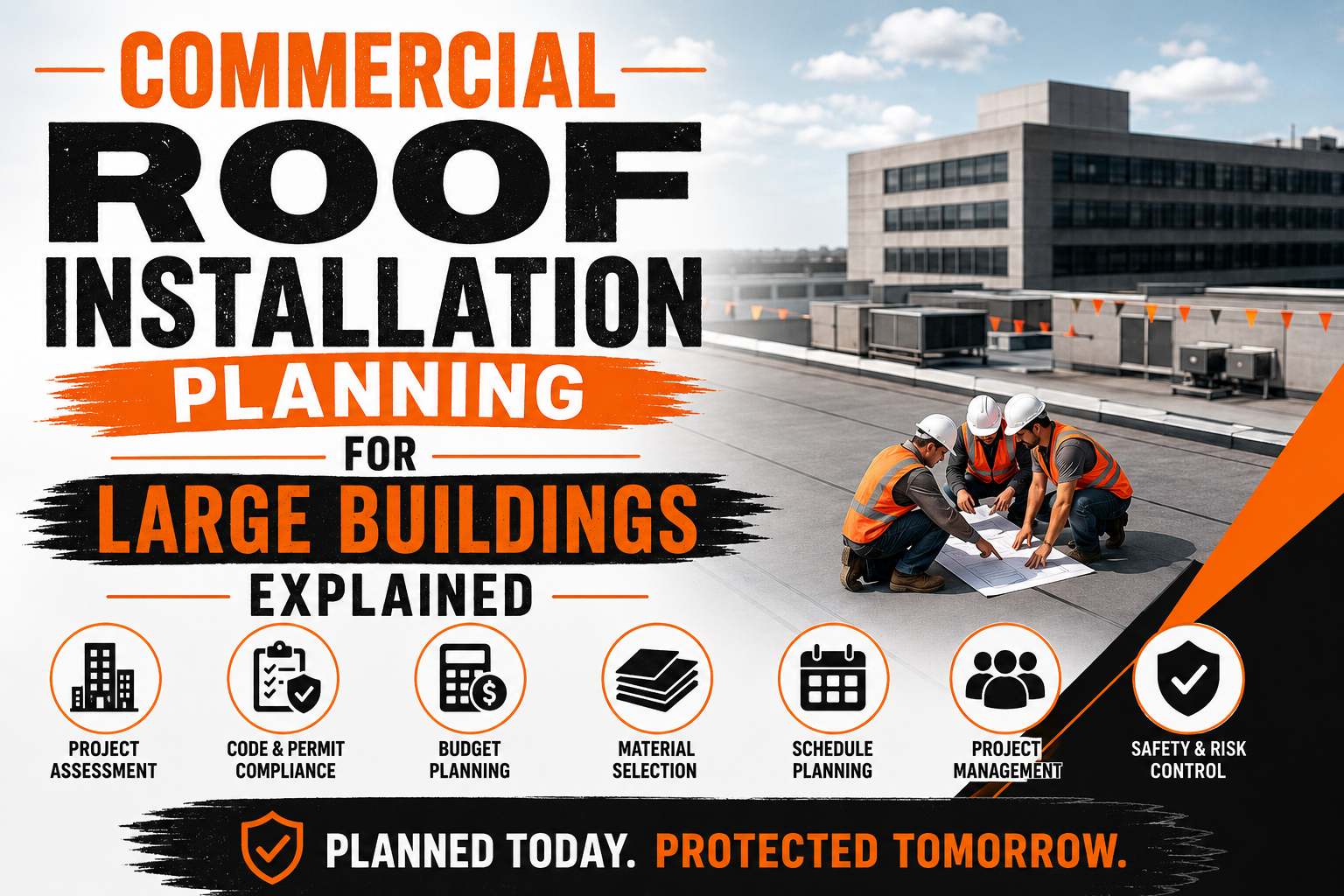
Commercial Roof Installation Planning for Large Buildings Explained
Introduction
Commercial roof installation is one of the most significant stages in the construction of large buildings. Whether the project involves an office complex, warehouse, shopping center, manufacturing facility, hospital, educational institution, or distribution center, the roof plays a critical role in protecting the structure, supporting energy efficiency, and ensuring long term operational reliability. Because commercial buildings often cover thousands of square feet, roof installation requires detailed planning, careful coordination, and experienced project management.
Unlike residential roofing projects, commercial roof installation involves larger work areas, specialized materials, heavy equipment, multiple contractors, and stricter safety requirements. Every decision made during the planning phase affects the project’s cost, schedule, quality, and long term performance. Without proper preparation, even small planning mistakes can lead to significant delays and increased expenses.
Modern commercial roofing systems are designed to provide much more than weather protection. They contribute to insulation performance, drainage efficiency, structural durability, fire resistance, and environmental sustainability. As a result, selecting the right roofing system requires evaluating both the building’s current needs and its future operational requirements.
Planning also helps minimize disruptions to ongoing business operations. Some commercial buildings remain occupied throughout roof installation, requiring contractors to organize work schedules, material deliveries, and safety procedures that protect employees, customers, and visitors while allowing normal business activities to continue.
This guide explains the planning process for commercial roof installation on large buildings. It covers structural evaluation, roofing system selection, budgeting, scheduling, logistics, and project coordination while helping building owners understand why thorough planning is the foundation of every successful commercial roofing project.
Why Proper Planning Is Essential for Commercial Roof Installation
Planning is the foundation of every successful commercial roofing project because large buildings present challenges that rarely exist on smaller residential properties. A commercial roof often covers a substantial surface area, contains numerous rooftop systems, and supports equipment that must continue functioning throughout construction. Proper planning allows contractors to organize these complex requirements before installation begins.
One major benefit of planning is improved project coordination. Commercial construction typically involves architects, engineers, roofing contractors, mechanical contractors, electricians, safety managers, and building owners. Establishing clear communication before work begins helps each team understand its responsibilities while reducing scheduling conflicts.
Planning also improves cost control. Roofing materials, labor, equipment rentals, permits, and inspections represent significant project expenses. Accurate budgeting during the planning stage reduces unexpected costs while allowing owners to make informed financial decisions.
Quality control begins with planning as well. Selecting appropriate materials, reviewing installation specifications, and preparing inspection procedures before construction starts helps ensure the completed roof performs according to design expectations.
Safety is another important consideration. Large commercial roofing projects involve elevated work areas, cranes, material lifting operations, and multiple crews working simultaneously. Preparing safety procedures before installation helps protect workers while maintaining an organized job site.
Perhaps most importantly, planning reduces project delays. Identifying potential challenges early allows contractors to prepare practical solutions before they affect construction progress. This proactive approach improves efficiency while supporting successful project completion.
Understanding the Scope of Large Commercial Roofing Projects
Commercial roof installation differs significantly from residential roofing because of the size, complexity, and operational demands of large buildings. Understanding the scope of these projects helps building owners appreciate why commercial roof planning requires specialized expertise.
Large commercial roofs often cover several thousand square feet or more. Warehouses, manufacturing plants, shopping centers, and institutional buildings may require extensive roofing systems that include multiple roof sections, expansion joints, drainage systems, and mechanical equipment.
Many commercial roofs are designed with low slope or nearly flat surfaces rather than steep residential roof designs. These roofs require specialized waterproofing systems that prevent standing water while providing reliable long term protection.
Mechanical equipment introduces additional complexity. Heating, ventilation, and air conditioning systems, exhaust fans, solar panels, communication equipment, and electrical installations often occupy significant roof space. Roofing contractors must coordinate closely with mechanical specialists to ensure these systems remain protected throughout installation.
Commercial buildings may also remain occupied while roofing work is underway. Hospitals, schools, office buildings, and retail facilities often continue daily operations during construction. Contractors therefore plan work carefully to minimize noise, maintain safe access routes, and reduce disruption for building occupants.
Because of these factors, commercial roof installation requires a comprehensive planning approach that extends well beyond simply installing roofing materials.
Evaluating Building Structure Before Installation
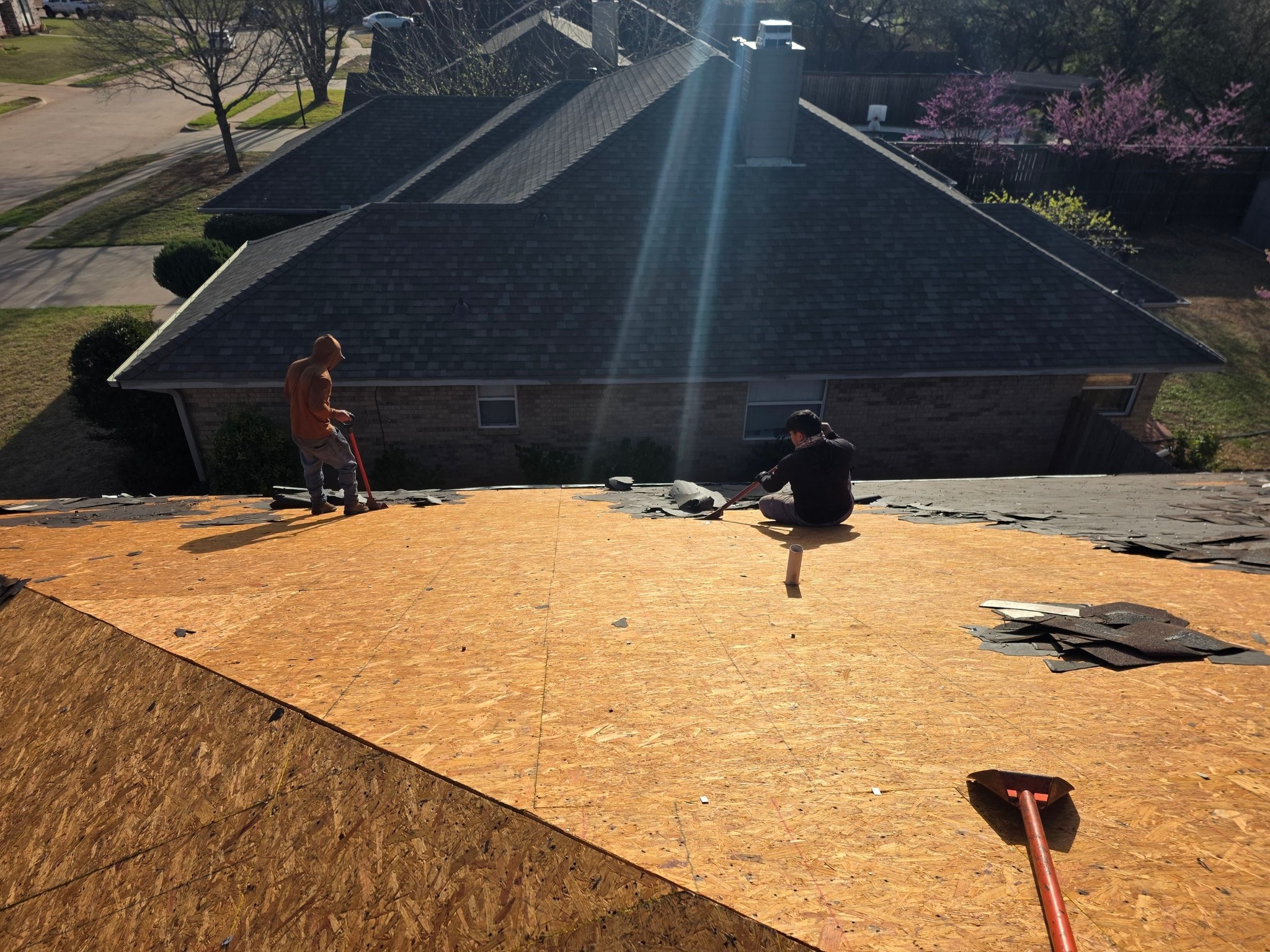
Every successful commercial roofing project begins with a detailed structural evaluation. Before roofing materials are selected or installation schedules are developed, engineers and contractors must confirm that the building can safely support the proposed roofing system.
The evaluation starts by reviewing structural drawings and engineering documentation. These records provide information about roof framing, load capacity, drainage design, and existing construction details that influence roofing decisions.
Roof deck condition is another important consideration. Whether the building uses steel decking, concrete panels, or wood structural systems, contractors inspect the surface carefully before installation begins. Damaged sections, corrosion, moisture problems, or structural weaknesses should be corrected before roofing work proceeds.
Engineers also evaluate the additional weight created by the selected roofing system. Some commercial roofing assemblies include insulation layers, ballast materials, rooftop equipment, or green roofing systems that significantly increase structural loads. Verifying structural capacity protects both the building and future occupants.
Drainage systems receive careful attention during the evaluation. Roof slopes, drains, scuppers, gutters, and downspouts should direct water away efficiently while preventing ponding that may affect roofing performance over time.
Mechanical equipment locations are also reviewed. Contractors coordinate with building engineers to determine how rooftop equipment will be protected or temporarily relocated during installation if necessary.
Completing a thorough structural assessment before installation begins helps prevent unexpected problems while supporting safe and efficient project execution.
Choosing the Right Commercial Roofing System
Selecting the appropriate roofing system is one of the most important planning decisions for any commercial building. Unlike residential roofing, commercial projects offer numerous membrane systems and specialized roofing assemblies designed for different building types and environmental conditions.
Single ply membrane systems are among the most common commercial roofing solutions. These systems provide durable waterproof protection while remaining relatively lightweight and efficient to install across large roof surfaces.
Built up roofing systems continue to serve many commercial applications because of their multiple protective layers and proven long term performance. These roofs combine reinforcing materials with waterproof membranes to create durable roofing assemblies.
Modified bitumen systems offer another popular option. These roofing products combine asphalt based materials with polymer modifications that improve flexibility and weather resistance under changing environmental conditions.
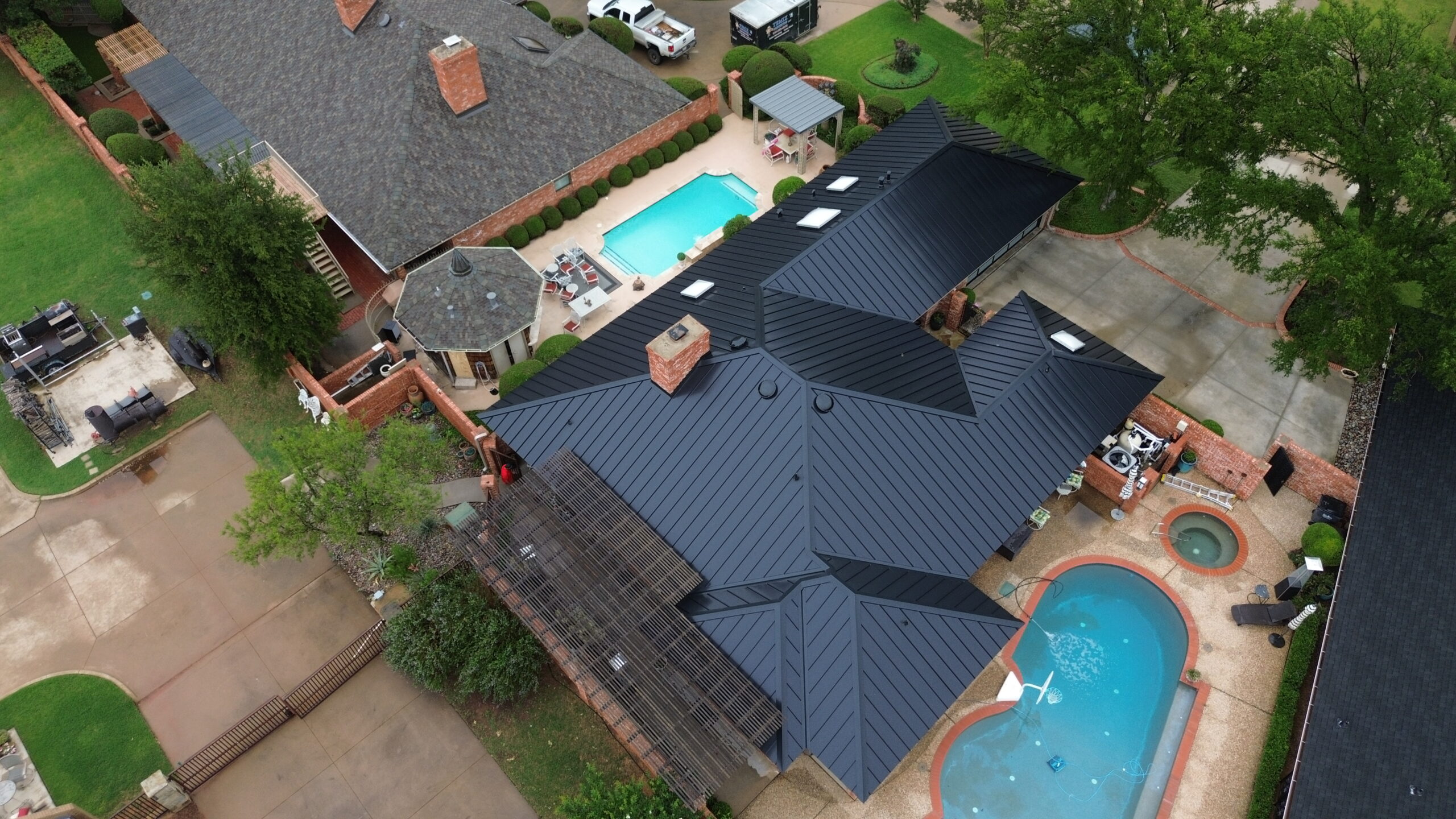
Metal roofing systems are also used on many commercial buildings, particularly industrial facilities and warehouses. Their durability, longevity, and low maintenance requirements make them attractive for certain applications.
Selecting the right roofing system depends on several important considerations:
- Building purpose and occupancy.
- Local climate conditions.
- Structural capacity.
- Expected roof lifespan.
- Energy efficiency goals.
- Maintenance expectations.
- Budget requirements.
- Future expansion plans.
Rather than selecting materials based only on initial cost, building owners should evaluate the complete roofing system according to long term performance and lifecycle value.
Budgeting and Project Scheduling
Commercial roof installation represents a major financial investment, making accurate budgeting an essential part of project planning. Careful cost analysis allows building owners to allocate resources effectively while reducing the likelihood of unexpected expenses during construction.
Budget development begins with estimating material costs. Roofing membranes, insulation, flashing, fasteners, drainage components, safety equipment, and rooftop accessories should all be included within the project estimate.
Labor costs represent another significant portion of the budget. Large commercial roofing projects often require specialized installation crews, equipment operators, supervisors, and quality inspectors working together throughout construction.
Equipment expenses also deserve careful consideration. Cranes, forklifts, material lifts, scaffolding, fall protection systems, and temporary weather protection may all be required depending on project size and complexity.
Scheduling is closely connected to budgeting. Efficient project schedules reduce equipment rental periods while helping contractors coordinate labor more effectively. Delays often increase overall project costs because additional labor, equipment, and administrative expenses accumulate over time.
Contractors also prepare contingency budgets for unexpected structural repairs, weather delays, or material price fluctuations. Including reasonable contingency allowances helps maintain financial stability throughout the project.
Accurate budgeting combined with realistic scheduling provides a strong financial foundation for successful commercial roof installation.
Site Preparation and Logistics Planning
Before roofing materials arrive, contractors spend considerable time organizing the construction site. Effective logistics planning improves safety, increases productivity, and minimizes disruption to normal building operations.
Material delivery schedules are carefully coordinated to match installation progress. Delivering materials too early may create unnecessary storage challenges, while delayed deliveries can interrupt construction schedules.
Storage areas should be selected to protect roofing materials from weather while allowing efficient access during installation. Contractors organize materials according to installation sequence to reduce unnecessary handling throughout the project.
Large commercial projects often require cranes or lifting equipment to transport roofing materials to roof level. Planning crane locations, lifting routes, and material staging areas before installation begins improves efficiency while supporting safe operations.
Traffic management also becomes important on occupied commercial properties. Contractors establish designated routes for delivery vehicles while maintaining safe access for employees, customers, emergency vehicles, and service personnel.
Waste management plans are prepared before construction starts as well. Roofing debris, packaging materials, and removed construction waste should be collected efficiently while maintaining clean work areas throughout the project.
Thoughtful logistics planning allows roofing crews to focus on installation quality rather than resolving preventable organizational challenges.
Setting Expectations for Owners, Contractors, and Stakeholders
Clear expectations contribute significantly to successful commercial roofing projects. Before installation begins, building owners, contractors, consultants, and other stakeholders should understand project goals, responsibilities, communication procedures, and scheduling expectations.
Project meetings provide an opportunity to review construction timelines, safety procedures, quality standards, inspection requirements, and material selections. Establishing these expectations early reduces misunderstandings during later project stages.
Communication plans also help maintain project efficiency. Contractors typically provide regular progress updates, schedule revisions, and inspection reports so building owners remain informed throughout construction.
Occupancy considerations deserve special attention when buildings remain in use during installation. Contractors explain how roofing work may affect parking, building entrances, noise levels, and temporary access restrictions while coordinating activities to minimize operational disruptions.
Quality expectations should also be discussed before construction begins. Roofing specifications, inspection procedures, manufacturer requirements, and warranty conditions should all be understood by every project participant.
Setting clear expectations encourages teamwork while helping everyone remain focused on delivering a durable, professionally installed commercial roofing system.
Roof Deck Preparation and Inspection
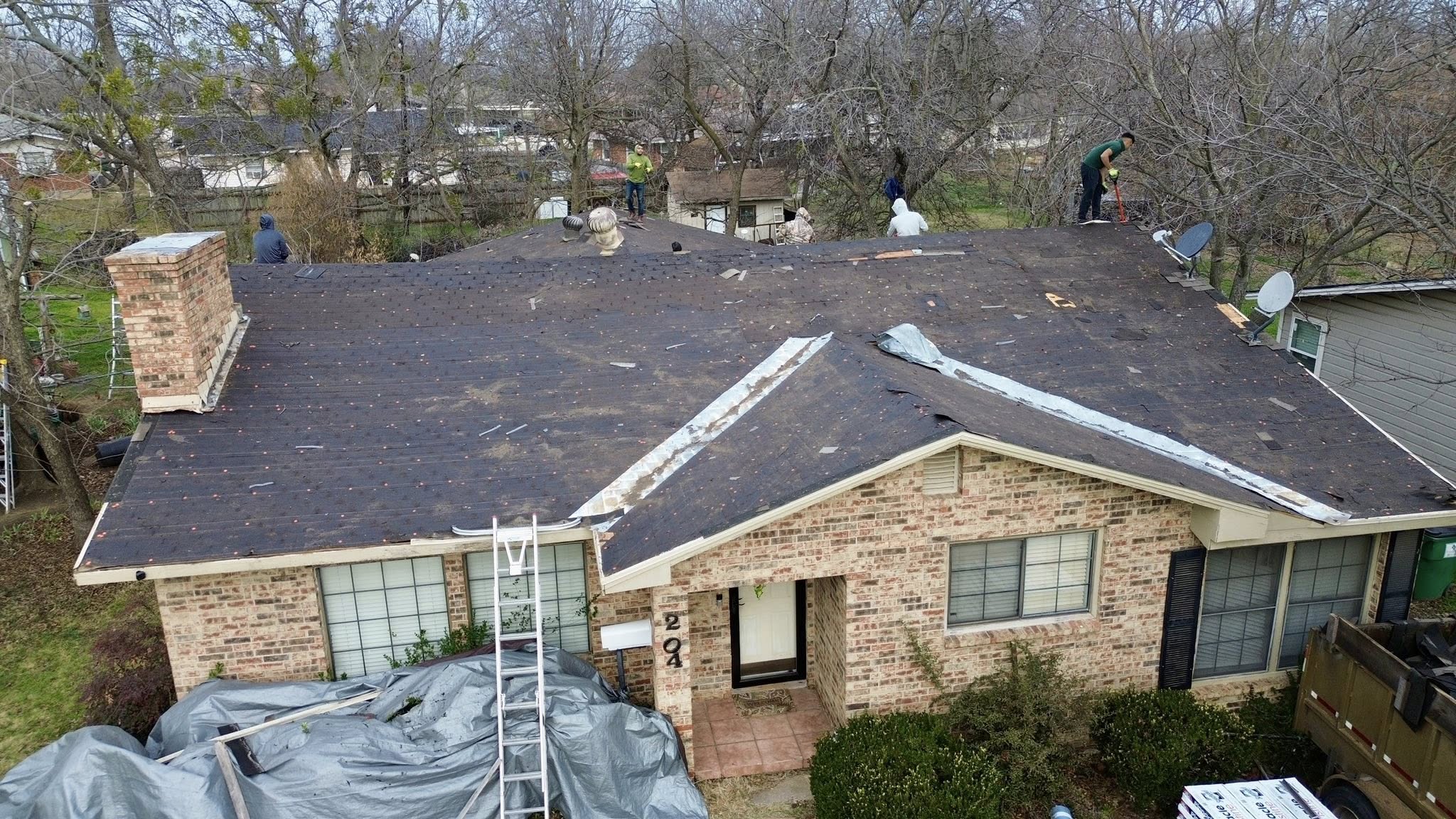
After planning has been completed and materials have been delivered to the project site, the first major construction phase is preparing the roof deck. The roof deck serves as the structural base for the entire commercial roofing system, making its condition one of the most important factors influencing long term roof performance. Before any insulation or waterproofing materials are installed, contractors perform a detailed inspection to confirm that the deck is ready for construction.
Commercial buildings use several types of roof decks, including steel, concrete, wood, and structural composite systems. Each material requires a slightly different inspection process, but the primary objective remains the same. Contractors verify that the deck is structurally sound, securely fastened, clean, and capable of supporting the selected roofing system.
Damaged sections are repaired before installation begins. Corrosion on steel decking, cracks in concrete, loose fasteners, moisture damage, or structural defects should be corrected immediately because these issues may affect the performance of every roofing layer installed afterward.
Cleaning the roof deck is equally important. Dust, construction debris, loose fasteners, old sealants, and leftover materials are removed to create a smooth installation surface. A clean deck allows insulation boards and waterproof membranes to lie flat while improving adhesion where bonding systems are used.
Roof penetrations such as ventilation ducts, electrical conduits, plumbing vents, skylights, and mechanical supports are also inspected carefully. These areas require additional waterproofing later in the project, making accurate preparation essential before roofing materials are installed.
Completing a thorough roof deck inspection at the beginning of construction creates a stable foundation that supports the durability and performance of the entire commercial roofing system.
Installing Insulation and Waterproofing Layers
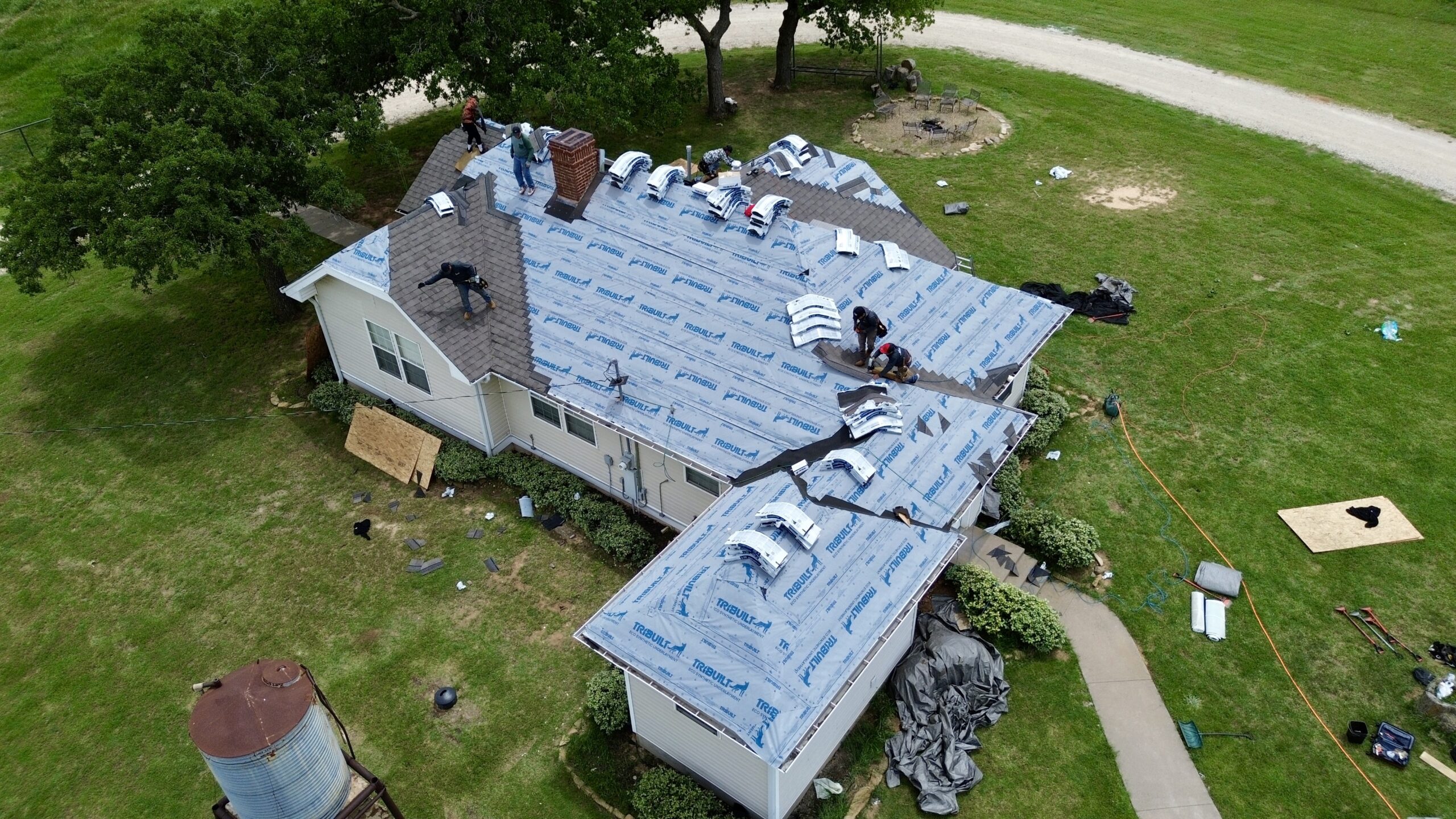
Once the roof deck has been approved, contractors begin installing insulation and waterproofing materials. These layers play a major role in controlling energy efficiency, moisture protection, and overall roof performance throughout the life of the building.
Commercial roof insulation is selected according to the project’s thermal performance requirements and building design. Insulation boards are positioned carefully across the roof deck while maintaining tight joints and consistent coverage. Proper installation minimizes thermal gaps that could reduce the building’s energy efficiency.
Contractors inspect insulation placement continuously during installation. Damaged boards, uneven surfaces, or gaps between panels are corrected before waterproof membranes are installed. This attention to detail creates a uniform base for the roofing system.
The waterproof membrane is then installed according to manufacturer specifications. Depending on the selected roofing system, membranes may be mechanically fastened, fully adhered, or heat welded to create a continuous waterproof barrier across the roof.
Roof penetrations require additional attention during this stage. Around pipes, drains, skylights, expansion joints, and rooftop equipment, contractors install specialized waterproofing components designed to maintain a secure seal against moisture.
Every seam is inspected carefully because seams often represent the most vulnerable areas of a commercial roofing system. Professional contractors verify that seams have been completed correctly before continuing with the next section of the roof.
Proper insulation and waterproofing installation not only protects the building from weather but also contributes to lower energy consumption and improved indoor comfort for many years.
Commercial Roofing Material Installation
After the insulation and waterproofing layers have been completed, contractors begin installing the primary commercial roofing material. This stage transforms the prepared roof into a complete weather resistant system capable of protecting the building under a wide range of environmental conditions.
Installation methods vary according to the selected roofing system. Single ply membranes require careful alignment and secure attachment across large roof sections. Built up roofing systems involve multiple protective layers installed in a specific sequence, while modified bitumen systems combine reinforced membranes with specialized application techniques.
Maintaining consistent installation quality across large roof surfaces requires careful organization. Contractors divide the roof into manageable work sections, allowing crews to complete each area while maintaining proper alignment and quality control.
Expansion joints represent another important installation detail. Large commercial buildings naturally expand and contract as temperatures change. Properly designed expansion joints allow this movement to occur without damaging the roofing system.
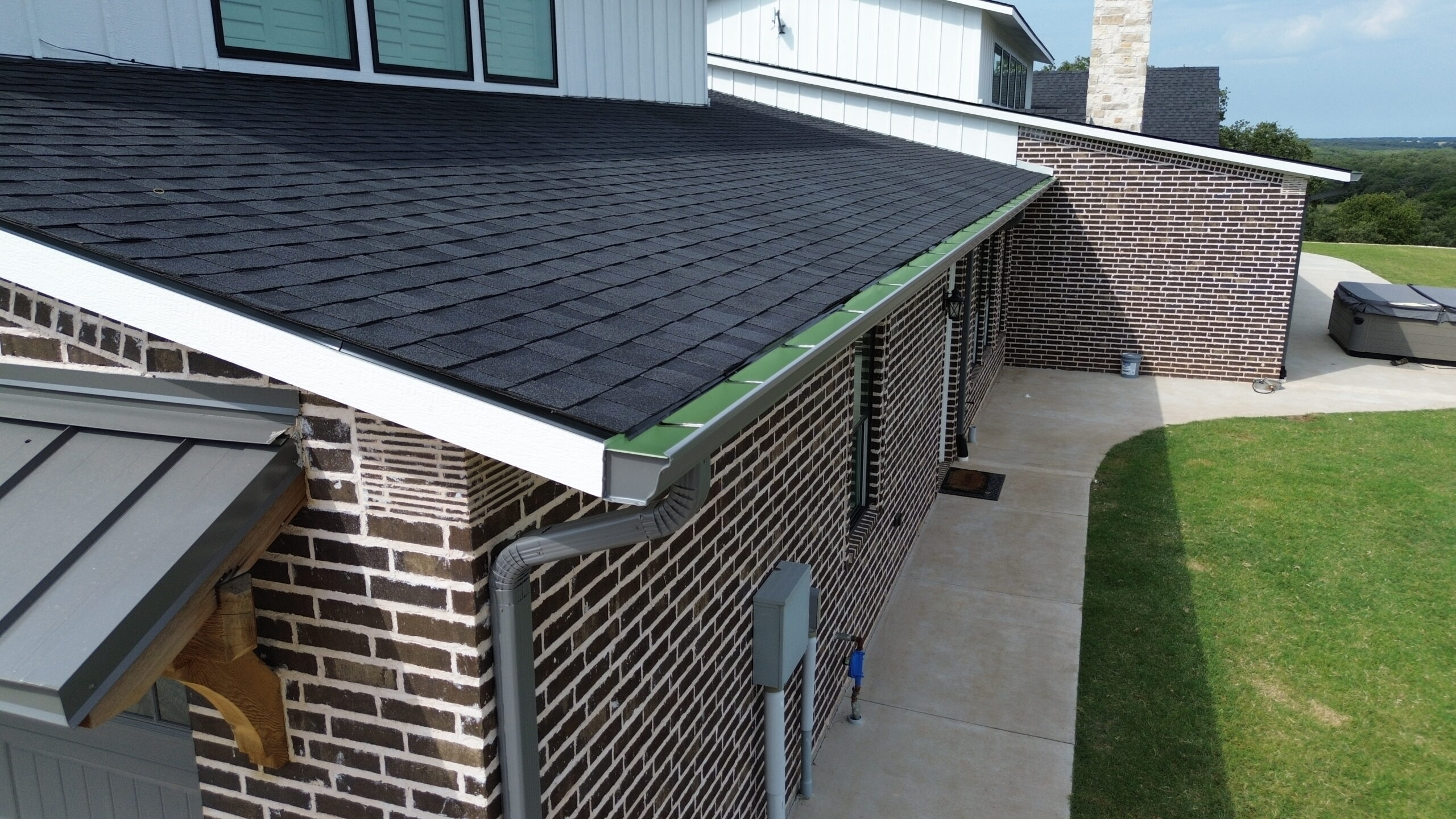
Roof drains, parapet walls, equipment curbs, and roof edges all require specialized installation procedures. Contractors integrate these components carefully with the primary roofing membrane to maintain continuous waterproof protection.
Throughout installation, supervisors perform regular inspections to verify membrane attachment, seam quality, flashing integration, and overall workmanship. Identifying minor issues immediately helps prevent larger problems later in the project.
Although roofing material installation represents one of the longest stages of construction, careful workmanship during this phase directly influences the lifespan and reliability of the completed roofing system.
Managing Equipment, Materials, and Workforce
Large commercial roofing projects require effective coordination of workers, equipment, and materials. Unlike smaller residential installations, commercial projects often involve multiple crews working simultaneously across different sections of the roof.
Material management begins with organized staging areas. Roofing membranes, insulation boards, flashing components, adhesives, fasteners, and accessories are positioned strategically to minimize unnecessary transportation across the roof surface. Efficient organization improves productivity while reducing worker fatigue.
Heavy equipment such as cranes, forklifts, and material hoists plays an important role in commercial roofing. These machines transport large quantities of roofing materials safely to roof level while reducing manual lifting requirements.
Workforce coordination is equally important. Project supervisors assign crews according to their experience and specialized skills. Some teams focus on insulation installation, while others handle membrane application, flashing, or quality inspections.
Communication between crews helps maintain steady project progress. Supervisors monitor completed work continuously while coordinating material deliveries and adjusting schedules as construction advances.
Protecting installed roofing sections also becomes part of workforce management. Workers avoid unnecessary traffic across completed areas while following designated pathways to reduce accidental damage during ongoing construction.
Effective coordination ensures that every resource contributes efficiently to project completion while maintaining consistent installation quality.
Safety Practices During Large Commercial Roof Installation
Safety remains one of the highest priorities throughout every commercial roofing project. Large buildings present unique challenges because workers operate at significant heights while handling heavy materials, specialized equipment, and complex construction activities.
Fall protection systems are mandatory throughout active roofing areas. Workers use harnesses, lifelines, roof anchors, guardrails, and warning lines according to established safety procedures. These systems reduce fall risks while allowing crews to work confidently.
Equipment inspections are performed daily before roofing activities begin. Cranes, lifting devices, scaffolding, ladders, and power tools should all remain in safe operating condition before use.
Weather monitoring also plays an essential role. Contractors review forecasts regularly and suspend roofing activities whenever rain, lightning, strong winds, or other hazardous conditions threaten worker safety or installation quality.
Material handling procedures reduce the likelihood of injuries. Heavy roofing products are lifted using mechanical equipment whenever practical, while workers follow proper lifting techniques for smaller materials.
Emergency response plans are reviewed before work begins. Every crew member should understand communication procedures, emergency contact information, and evacuation routes in case unexpected situations occur during construction.
Maintaining a strong safety culture protects workers while supporting efficient project completion.
Commercial Roof Installation Timeline by Stage
The following table provides an overview of the major stages involved in commercial roof installation and the primary activities completed during each phase.
| Installation Stage | Main Activities | Project Focus |
|---|---|---|
| Roof Deck Inspection | Structural evaluation and repairs | Stable foundation |
| Insulation Installation | Thermal protection and surface preparation | Energy efficiency |
| Waterproof Membrane | Moisture barrier installation | Leak prevention |
| Flashing and Roof Details | Edges, penetrations, drainage | Waterproof integrity |
| Roofing System Completion | Final membrane installation | Weather protection |
| Quality Inspection | Seam testing and workmanship review | Performance verification |
| Final Cleanup | Debris removal and site restoration | Project completion |
Although actual timelines vary according to project size, this sequence reflects the general progression followed by most commercial roofing installations.
Common Challenges During Commercial Roof Installation
Even carefully planned commercial roofing projects encounter challenges during construction. Recognizing these issues allows contractors to prepare effective solutions while minimizing their impact on project schedules.
Weather remains one of the most common challenges. Rain may interrupt membrane installation, while strong winds complicate handling of large roofing materials. Contractors monitor forecasts continuously and adjust work schedules to maintain both safety and installation quality.
Material deliveries occasionally present another challenge. Delayed shipments or damaged products may require temporary schedule adjustments while replacement materials are obtained. Early ordering and close coordination with suppliers help reduce these risks.
Roof penetrations often require additional attention because every mechanical support, ventilation opening, or electrical conduit introduces waterproofing complexity. Experienced contractors inspect these areas carefully throughout installation.
Occupied buildings create another planning challenge. Hospitals, schools, offices, and retail facilities frequently remain operational while roofing work continues overhead. Contractors coordinate noise producing activities, delivery schedules, and restricted access areas to minimize disruption.
Unexpected structural repairs may also affect timelines. During construction, contractors occasionally discover hidden roof deck deterioration or framing concerns requiring correction before installation proceeds.
Although these challenges are common, proactive planning and experienced project management allow contractors to resolve them efficiently while maintaining construction quality.
Keeping Large Roofing Projects on Schedule
Successful commercial roofing projects rely on organization rather than speed alone. Contractors use detailed planning and continuous coordination to maintain efficient progress throughout construction while preserving installation quality.
Daily planning meetings help supervisors review completed work, upcoming activities, weather forecasts, and material availability. These discussions allow adjustments before small issues become larger scheduling problems.
Material deliveries are carefully timed to match installation progress. Receiving products only when needed reduces storage requirements while minimizing unnecessary handling across the construction site.
Quality inspections also contribute to efficient scheduling. Identifying installation concerns immediately prevents costly corrections after additional roofing layers have already been installed.
Communication remains equally important. Contractors provide regular updates to building owners, consultants, suppliers, and project managers so everyone understands current progress and upcoming milestones.
Flexibility also supports project success. Experienced contractors develop contingency plans for weather delays, equipment maintenance, or unexpected repairs, allowing work to continue efficiently whenever conditions change.
Rather than rushing construction, professional roofing companies focus on maintaining steady progress while ensuring every installation stage meets established quality standards.
Why Careful Coordination Determines Project Success
Large commercial roofing projects involve far more than installing roofing materials across a building. Every stage depends on successful coordination between structural inspections, material deliveries, workforce management, equipment scheduling, safety procedures, and quality control.
When these activities are organized effectively, roofing projects progress efficiently while maintaining high workmanship standards. Building owners benefit from predictable schedules, improved communication, and durable roofing systems designed to perform reliably for decades.
Understanding this coordination process also helps explain why commercial roofing projects require detailed planning long before visible installation begins. Preparation creates the framework that allows construction teams to respond effectively to changing conditions throughout the project.
Final Inspection and Quality Assurance
As the commercial roofing project approaches completion, the final inspection becomes one of the most important phases of the entire installation process. While the roofing system may appear complete from a distance, contractors must carefully evaluate every major component to verify that the installation meets project specifications, manufacturer requirements, and applicable building standards. This thorough review helps ensure the roof is ready to provide reliable long term performance.
The inspection begins with an overall assessment of the roof surface. Contractors examine the completed membrane or roofing material for proper alignment, secure attachment, and consistent workmanship across the entire roof. Any visible irregularities are corrected before the project progresses to final approval.
Seams receive particularly close attention because they play a critical role in maintaining waterproof performance. Depending on the roofing system, contractors inspect welded joints, adhesive bonds, mechanical fasteners, or layered membrane connections to verify that every seam has been completed correctly.
Flashing details are also inspected carefully. Roof penetrations, parapet walls, expansion joints, skylights, drainage systems, equipment curbs, and roof edges should all be integrated smoothly into the completed roofing assembly. These locations naturally experience greater exposure to water and therefore require the highest level of workmanship.
Drainage performance is another important inspection item. Contractors verify that roof drains, scuppers, gutters, and downspouts remain unobstructed while confirming that water flows efficiently toward designated drainage points. Standing water may reduce roofing performance over time, making proper drainage an essential part of quality assurance.
Many commercial roofing projects also include electronic leak detection or controlled water testing where appropriate. These specialized evaluations provide additional confidence that waterproofing systems have been installed correctly before the building enters regular operation.
Building owners often participate in the final walkthrough together with contractors, consultants, and project managers. Reviewing the completed work as a team allows questions to be answered while confirming that project requirements have been successfully fulfilled.
A comprehensive final inspection ensures the roofing system has been completed according to professional standards while reducing the likelihood of future performance concerns.
Site Cleanup and Project Handover
Once construction activities have concluded, contractors begin preparing the building for formal project handover. Professional site cleanup demonstrates attention to detail while ensuring the property is safe and ready for normal operations.
Cleanup begins on the roof itself. Unused materials, packaging, temporary fasteners, protective coverings, and construction debris are removed carefully to prevent unnecessary weight or obstruction on the completed roofing system.
Ground level work areas receive equal attention. Delivery zones, equipment staging areas, parking lots, sidewalks, loading docks, and landscaped spaces should all be restored to their original condition. Roofing materials, pallets, containers, and waste should be removed promptly after construction concludes.
Large commercial roofing projects often involve significant quantities of packaging materials and discarded construction products. Contractors typically separate recyclable materials whenever practical while disposing of remaining waste according to local environmental regulations.
Temporary safety barriers, warning signs, scaffolding, cranes, and lifting equipment are removed systematically once they are no longer required. Careful dismantling protects both the newly completed roof and surrounding building areas.
Project handover also includes transferring important documentation to the building owner. Contractors provide warranty information, installation records, maintenance recommendations, inspection reports, product specifications, and other project documents that support long term roof management.
Many contractors also conduct a formal handover meeting. During this discussion, building owners receive an overview of the completed roofing system, recommended maintenance procedures, warranty requirements, and contact information for future support.
A well organized project handover provides building owners with confidence while marking the successful completion of the commercial roofing installation.
Maintenance Planning After Installation
Completing a commercial roof installation does not eliminate the need for ongoing maintenance. In fact, the period immediately following installation provides an excellent opportunity to establish a long term maintenance program that protects the roofing investment for many years.
Routine inspections should be scheduled according to manufacturer recommendations and building requirements. These inspections help identify developing concerns before they become major repairs, reducing long term maintenance costs while extending roof lifespan.
Drainage systems deserve regular attention. Roof drains, gutters, scuppers, and downspouts should remain free from leaves, dirt, packaging materials, and other debris that may restrict water flow. Proper drainage helps prevent ponding water and unnecessary stress on the roofing system.
Roof penetrations should also be inspected periodically. Mechanical equipment, ventilation systems, electrical conduits, and communication equipment often require maintenance throughout the life of the building. Contractors should verify that flashing remains secure whenever rooftop service work is performed.
Building owners should also monitor rooftop traffic. Commercial roofs frequently support maintenance personnel servicing heating, cooling, or communication equipment. Designated walkways help reduce unnecessary wear on roofing materials while protecting waterproof membranes.
Weather events provide another opportunity for inspection. Following severe storms, high winds, hail, or heavy snowfall, building managers should schedule professional evaluations to identify any damage that may require prompt attention.
Establishing a preventive maintenance program immediately after installation helps preserve roof performance while supporting warranty requirements and reducing unexpected repair expenses.
Questions Building Owners Should Ask Before Project Completion
Building owners benefit from asking thoughtful questions before accepting a completed roofing project. These discussions improve understanding while ensuring all project expectations have been met.
Some valuable questions include:
- Has the roofing system been installed according to the approved specifications?
- Have all required inspections been completed successfully?
- What maintenance schedule is recommended for this roofing system?
- Which warranty documents should be retained?
- How should rooftop equipment maintenance be coordinated with roof protection?
- What signs indicate future repairs may be necessary?
- Which contractor should be contacted for warranty service?
- Are there any operational recommendations for extending roof lifespan?
These conversations help building owners understand how the completed roofing system should be managed throughout its service life.
Written documentation supporting these discussions provides valuable reference material for facility managers, maintenance personnel, and future building owners.
Open communication during project completion strengthens confidence while promoting long term roofing success.
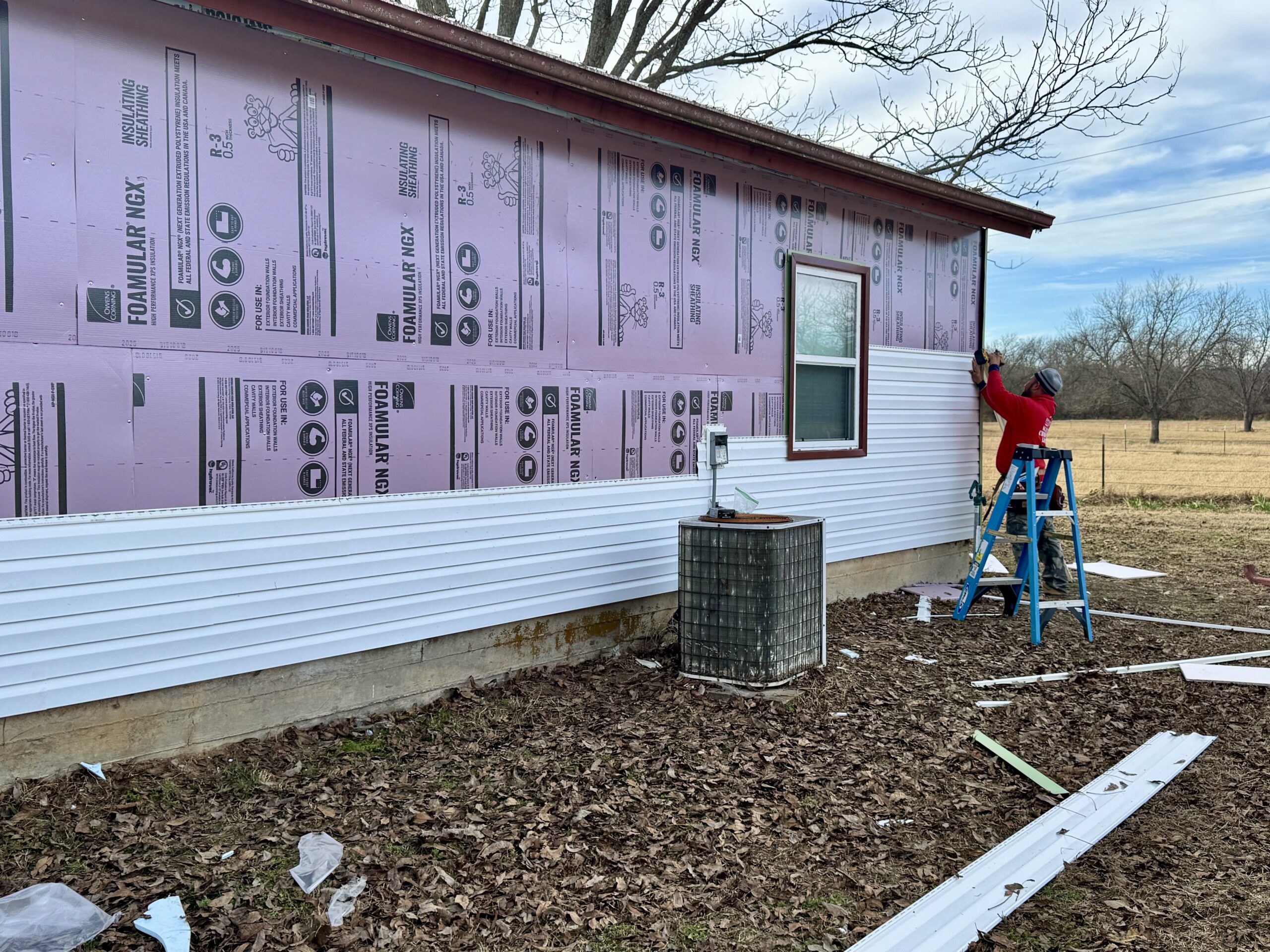
Commercial Roof Installation Planning Checklist
Following a structured planning checklist helps ensure every major aspect of a commercial roofing project receives proper attention before, during, and after installation.
- Review structural drawings and engineering documentation.
- Complete roof deck inspections and structural evaluations.
- Select the appropriate commercial roofing system.
- Finalize project budget and scheduling.
- Coordinate material deliveries and equipment access.
- Develop comprehensive site logistics plans.
- Establish worker safety procedures.
- Install insulation and waterproofing systems.
- Complete roofing membrane installation.
- Inspect flashing, drainage, and roof penetrations.
- Perform comprehensive quality assurance inspections.
- Remove construction debris and restore the worksite.
- Transfer warranty documents and project records.
- Establish a preventive maintenance schedule.
- Conduct the final project handover meeting.
Using this checklist helps project teams maintain organization while reducing the likelihood of overlooked responsibilities.
Common Planning Mistakes to Avoid
Even experienced project teams may encounter unnecessary difficulties when planning activities are overlooked. Understanding these common mistakes allows building owners and contractors to improve project outcomes while avoiding preventable delays and additional costs.
One common mistake is underestimating project complexity. Large commercial roofs often include multiple rooftop systems, drainage components, expansion joints, and equipment supports. Failing to account for these features during planning may create scheduling conflicts during construction.
Another mistake involves selecting roofing materials based solely on initial cost. While budget considerations are important, long term durability, maintenance requirements, energy efficiency, and expected service life should also influence roofing decisions.
Insufficient structural evaluation can create significant challenges. Installing heavier roofing assemblies without confirming structural capacity may require expensive modifications after construction has already begun.
Poor communication among project participants also contributes to unnecessary problems. Building owners, architects, engineers, suppliers, contractors, and consultants should maintain regular communication throughout planning and construction to ensure everyone remains informed.
Ignoring weather patterns is another avoidable mistake. Commercial roofing projects require favorable environmental conditions for many installation activities. Scheduling major roofing work during periods of historically poor weather may increase delays and project costs.
Some projects also underestimate the importance of maintenance planning. Focusing exclusively on installation while overlooking future inspections and preventive maintenance may reduce the roofing system’s expected lifespan.
Avoiding these planning mistakes improves project efficiency while supporting higher quality roofing installations.
Long Term Value of Careful Commercial Roof Planning
Commercial roof installation represents a major investment that should continue protecting the building for decades. The value of careful planning extends far beyond the construction period because every decision made during project development influences future performance.
Selecting appropriate roofing materials, coordinating qualified contractors, organizing efficient schedules, and maintaining strong quality control all contribute to lower lifecycle costs. Building owners benefit not only from fewer repairs but also from improved operational reliability throughout the roof’s service life.
Energy performance also reflects the quality of early planning decisions. Proper insulation, drainage design, ventilation, and waterproofing help reduce heating and cooling expenses while supporting indoor comfort for building occupants.
Maintenance becomes more efficient when planning includes clear documentation and organized inspection schedules. Facility managers can monitor roof condition systematically while addressing minor concerns before they become major repair projects.
The strongest commercial roofing systems are those designed with long term building performance in mind rather than focusing only on immediate construction objectives.
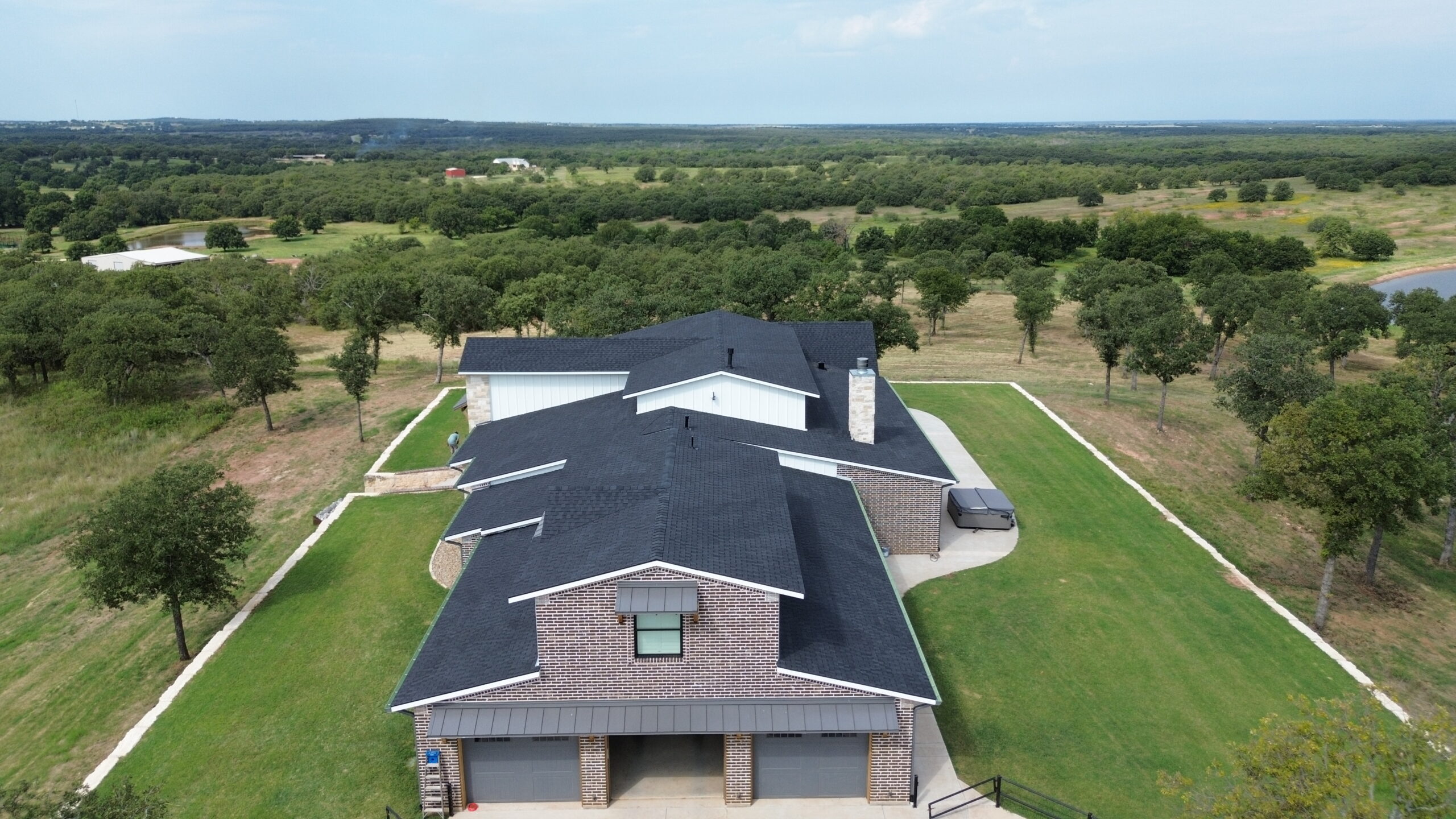
Building Successful Partnerships Throughout the Project
One of the most valuable elements of commercial roofing planning is the partnership developed between building owners and roofing professionals. Successful projects rely on cooperation rather than isolated decision making.
Building owners contribute by establishing project goals, defining operational requirements, and supporting timely decision making throughout construction. Contractors provide technical expertise, installation experience, and practical solutions that transform planning into a completed roofing system.
Architects, structural engineers, manufacturers, consultants, and facility managers also play important roles by contributing specialized knowledge that improves project quality. When these professionals communicate effectively, the resulting roofing system benefits from a comprehensive planning approach.
Strong partnerships also continue after installation has been completed. Ongoing inspections, warranty support, preventive maintenance, and future upgrades become much easier when owners maintain positive relationships with experienced roofing contractors.
This collaborative approach helps ensure the roofing system continues providing dependable protection throughout its intended service life.
Conclusion
Planning a commercial roof installation for a large building involves far more than selecting roofing materials and scheduling construction dates. It is a comprehensive process that includes structural evaluation, roofing system selection, budgeting, logistics planning, workforce coordination, safety management, quality assurance, and long term maintenance preparation. Every stage contributes to the performance, durability, and reliability of the completed roofing system.
Throughout this guide, we explored the complete planning process for commercial roof installation projects. We examined how contractors evaluate building structures, organize materials and equipment, install insulation and waterproofing systems, manage large construction teams, perform detailed inspections, and prepare buildings for long term maintenance. Each step plays an essential role in creating a roofing system capable of protecting large commercial facilities for many years.
We also discussed the challenges commonly encountered during commercial roofing projects, including weather delays, structural repairs, occupied buildings, material coordination, and project scheduling. Careful planning allows contractors to anticipate these situations while developing practical solutions that minimize disruption and maintain project quality.
Perhaps the most important lesson is that successful commercial roofing projects are built through preparation rather than speed alone. Investing time in detailed planning, selecting experienced professionals, using high quality materials, and maintaining clear communication throughout construction results in stronger, more dependable roofing systems that deliver greater long term value.
Ultimately, a commercial roof is one of the most important assets protecting a large building. When planning, installation, inspections, and maintenance are approached with professionalism and attention to detail, building owners gain far more than a completed construction project. They receive a durable, energy efficient, weather resistant roofing system designed to support business operations, protect valuable assets, and provide reliable performance for decades to come.