
Common Residential Roof Installation Challenges and Solutions
Introduction
Installing a new residential roof is one of the most important stages of home construction, but it is also one of the most complex. A roofing system is made up of multiple layers that must work together to protect the home from rain, wind, sunlight, and changing weather conditions. Because every layer depends on the one beneath it, even small installation challenges can affect the overall performance and lifespan of the roof.
Many homeowners expect roof installation to follow a straightforward process from start to finish. While experienced contractors carefully plan each project, unexpected situations can still arise. Weather changes, material delays, structural concerns, and installation difficulties are all common challenges that roofing professionals manage throughout construction.
The good news is that most roofing challenges can be resolved successfully through careful planning, quality materials, professional workmanship, and clear communication. Understanding these issues before installation begins allows homeowners to develop realistic expectations while appreciating the expertise required to complete a roofing project correctly.
Residential roof installation is not simply about placing shingles or metal panels on top of a house. It involves structural inspections, moisture protection, ventilation planning, safety procedures, material coordination, and continuous quality control. Every stage presents opportunities for both challenges and effective solutions.
This guide explores the most common residential roof installation challenges and explains how professional contractors overcome them. Whether you are building a new home or learning about the roofing process, understanding these situations will help you make informed decisions while supporting a successful roofing project.
Why Roof Installation Challenges Occur
Roof installation is influenced by many different factors, making every project unique. Even when contractors follow detailed plans, conditions at the construction site may differ from expectations. Recognizing why challenges occur helps homeowners understand that many issues are a normal part of professional construction rather than signs of poor workmanship.
Every home has a different roof design. Some properties include multiple roof slopes, intersecting valleys, dormers, skylights, chimneys, or complex architectural features that require additional planning. The more detailed the roof design becomes, the greater the attention needed during installation.
Construction schedules also contribute to roofing challenges. Roofing contractors often coordinate their work with framers, electricians, plumbers, and exterior finishing crews. Delays affecting one trade may influence the roofing schedule, requiring adjustments to maintain overall project progress.
Environmental conditions create another source of uncertainty. Roofing projects are performed outdoors where changing weather, temperature fluctuations, and seasonal conditions directly affect installation. Contractors must remain flexible while protecting both materials and workmanship.
Material availability can also influence roofing projects. Although careful planning reduces supply issues, occasional manufacturing delays or transportation challenges may affect delivery schedules. Contractors often prepare alternative solutions to minimize project interruptions.
Finally, every roofing system depends on proper communication between homeowners, builders, suppliers, and roofing professionals. Clear expectations and regular updates help prevent misunderstandings while allowing challenges to be addressed efficiently.
Understanding these factors helps homeowners appreciate that successful roofing projects require both technical expertise and effective project management.
Planning Ahead to Reduce Installation Problems
The most effective way to overcome roofing challenges is preventing them before construction begins. Careful planning reduces delays, minimizes unexpected costs, and allows contractors to respond more effectively when conditions change during installation.
One of the first planning steps involves reviewing architectural drawings and roof specifications. Contractors evaluate roof slopes, drainage layouts, ventilation requirements, flashing locations, and structural details before ordering materials. Identifying potential concerns early allows adjustments to be made before construction reaches the roofing stage.
Material selection also plays an important role in project planning. Roofing materials should be chosen according to climate, roof design, structural capacity, and homeowner expectations. Selecting products that suit local conditions reduces the likelihood of future performance issues.
Scheduling deserves equal attention. Roofing work should begin only after framing and roof decking have been completed and inspected. Coordinating installation with other construction activities helps avoid unnecessary interruptions while protecting completed work from weather exposure.
Contractors also prepare backup plans for unexpected events such as weather delays or material shortages. Having contingency plans allows projects to continue smoothly even when original schedules require adjustment.
Effective planning creates a strong foundation for the entire roofing project. While it cannot eliminate every challenge, it significantly improves the contractor’s ability to manage problems efficiently.
Structural Issues Found Before Installation
A new roof can only perform as well as the structure supporting it. For this reason, contractors carefully inspect the roof framing and decking before installing any roofing materials. Structural concerns identified during this stage should always be corrected before construction continues.
Roof framing must be examined for proper alignment and secure connections. Rafters or trusses that do not match approved construction plans may affect roof geometry, drainage, and the installation of roofing materials. Correcting framing issues early prevents larger problems later in the project.
Roof decking is another critical inspection point. Contractors verify that plywood or oriented strand board panels are properly fastened, evenly aligned, and free from damage. Loose panels, warped sections, or construction defects should be repaired immediately to create a stable installation surface.
Moisture damage is uncommon during new construction but may occur if exposed framing experiences prolonged weather before roofing begins. Contractors inspect for swelling, mold, or weakened materials before applying underlayment and waterproof barriers.
Roof openings for chimneys, skylights, ventilation systems, and plumbing vents must also be positioned accurately. Incorrectly located openings complicate flashing installation while increasing the likelihood of future water intrusion.
Addressing structural concerns before roofing materials are installed saves both time and expense. Repairing problems at this stage is far easier than correcting them after the roofing system has been completed.
Weather Related Challenges During Roof Installation
Weather is one of the few factors that contractors cannot control, making it one of the most common challenges encountered during residential roof installation. Rain, strong winds, excessive heat, and freezing temperatures all influence both installation quality and worker safety.
Rain presents the most immediate concern because exposed roof decking should remain dry before waterproof layers are installed. If unexpected rainfall occurs, contractors quickly cover exposed areas using temporary protective materials until conditions improve.
Strong winds create additional challenges by making underlayment, flashing, and roofing materials more difficult to position accurately. Lightweight materials may shift before they are secured, increasing both installation difficulty and safety risks.
High temperatures affect roofing materials differently depending on the product. Asphalt shingles become softer during hot weather, making careful handling important to avoid surface damage. Workers also require additional hydration and rest periods to maintain safe working conditions.
Cold weather creates its own challenges. Some roofing materials become less flexible in low temperatures, while adhesive components may require additional time to activate fully. Contractors follow manufacturer recommendations when working under cooler conditions.
Rather than rushing construction, experienced roofing professionals adjust project schedules according to weather forecasts. Waiting for suitable conditions often produces better long term results than attempting installation during unfavorable weather.
Homeowners should understand that weather related delays generally protect both the quality of the roofing system and the safety of the installation crew.
Material Delivery and Supply Challenges
Even the most carefully planned roofing project depends on having the right materials available at the right time. Material delivery challenges occasionally occur despite detailed scheduling, making supply management an important part of successful roof installation.
Roofing materials are often ordered well before construction reaches the roofing stage. Contractors coordinate deliveries to minimize storage time while ensuring products remain available when needed. This planning reduces the risk of materials being exposed to unnecessary weather or accidental damage.
Transportation delays sometimes affect delivery schedules. Manufacturing demand, shipping disruptions, or local transportation issues may temporarily delay specific roofing products. Experienced contractors monitor delivery progress while maintaining communication with suppliers throughout the project.
Material damage during transportation is another possible challenge. Roofing products should be inspected immediately after delivery to confirm they arrived in good condition. Damaged materials should be replaced before installation begins to avoid compromising roof performance.
Proper storage is equally important. Roofing materials should remain protected from moisture, excessive sunlight, and accidental impact until they are installed. Contractors organize storage areas carefully to preserve product quality while maintaining an efficient worksite.
Choosing experienced suppliers and ordering materials early greatly reduces supply related challenges while helping projects remain on schedule.
Safety Challenges on Residential Roofing Projects
Roof installation is physically demanding work performed at elevated heights, making safety one of the highest priorities throughout construction. Every roofing project presents unique safety challenges that require careful planning and consistent attention.
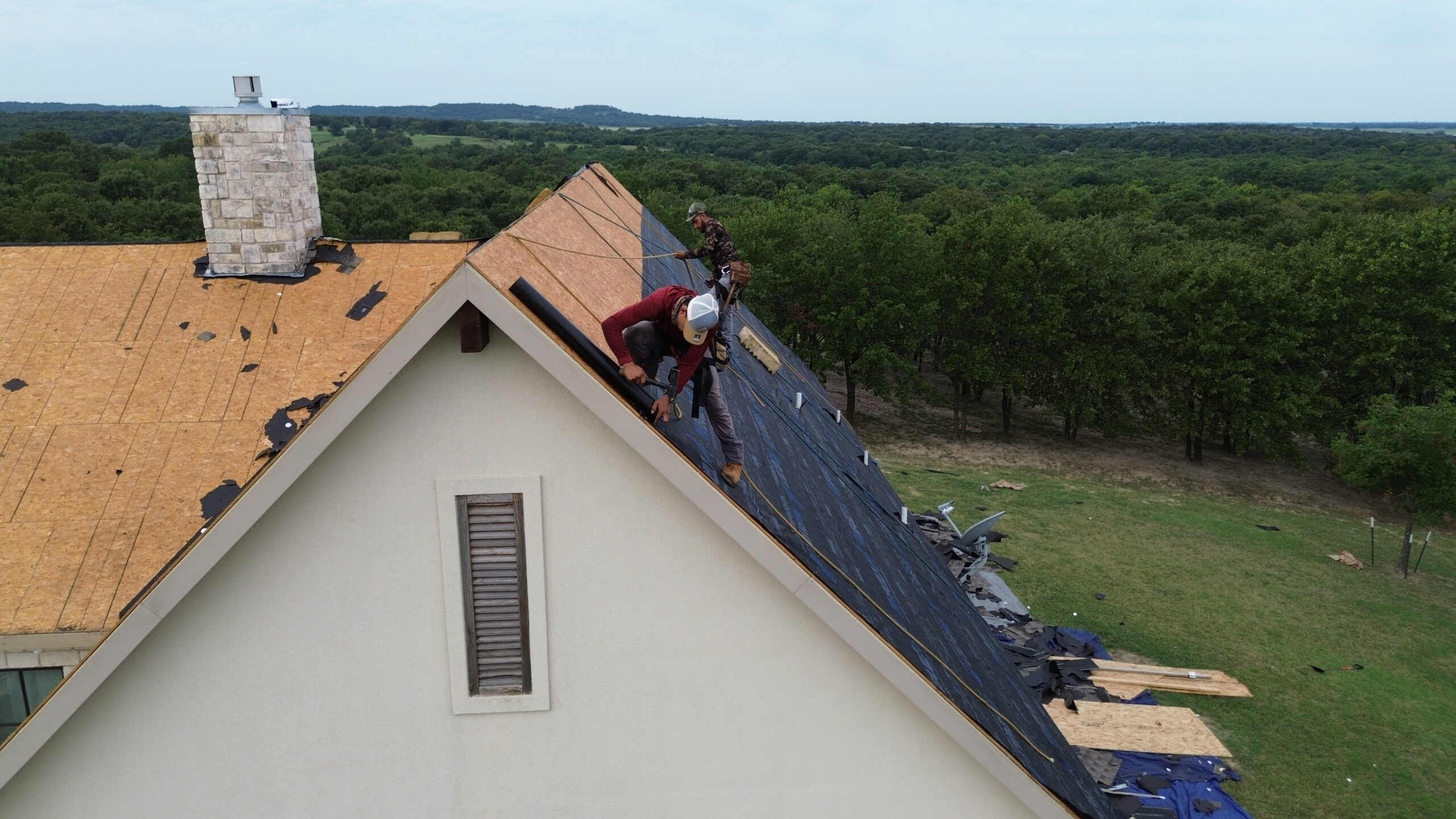
Fall protection represents one of the most important safety considerations. Roofing crews use harnesses, anchor systems, scaffolding, guardrails, and properly positioned ladders to reduce fall risks while working on sloped roof surfaces.
Material handling also requires careful coordination. Roofing bundles, flashing, underlayment, and tools must be transported safely across the roof without creating trip hazards or damaging completed work.
Changing weather conditions influence safety as well. Wet roof surfaces become slippery, while strong winds may affect worker stability when handling large roofing materials. Contractors evaluate conditions continuously and suspend work whenever safety becomes a concern.
Communication among crew members contributes significantly to accident prevention. Workers coordinate lifting operations, material movement, and equipment use while maintaining awareness of surrounding activities throughout the day.
Homeowners also play a role by keeping children, pets, and visitors away from active construction areas. Restricting unnecessary access reduces distractions while allowing roofing professionals to work more safely.
A strong safety culture protects workers while contributing to higher quality workmanship because crews can focus fully on installation rather than responding to preventable accidents.
The Importance of Early Problem Solving
Every construction project encounters challenges, but successful roofing projects differ in how those challenges are addressed. Identifying concerns early allows contractors to implement practical solutions before problems grow into more significant issues affecting project quality or scheduling.
Experienced roofing professionals inspect completed work continuously rather than waiting until the final inspection. Small corrections made immediately are generally faster, less expensive, and less disruptive than major repairs performed later.
Open communication with homeowners also supports effective problem solving. Explaining delays, structural repairs, or weather related schedule changes helps maintain realistic expectations while strengthening trust throughout the project.
Manufacturers, suppliers, builders, and roofing contractors often work together when unexpected situations arise. This collaborative approach allows technical questions to be answered quickly while ensuring solutions remain consistent with warranty requirements and construction standards.
Early problem solving also protects the long term performance of the roofing system. Addressing concerns before additional roofing layers are installed prevents hidden defects that might otherwise remain unnoticed until years after construction has been completed.
Roof Deck Problems and Repairs
The roof deck forms the structural foundation of every residential roofing system, making its condition critical to the success of the entire installation. Even on newly constructed homes, contractors occasionally discover issues that require attention before roofing materials can be installed. Addressing these concerns immediately helps prevent more serious problems after the roof has been completed.
One common challenge involves uneven roof decking. Panels that are not aligned properly can create an irregular surface beneath shingles, metal panels, or tiles. Besides affecting the finished appearance, uneven decking may reduce the effectiveness of waterproof barriers and shorten the lifespan of roofing materials.
Loose or improperly fastened roof deck panels are another concern. Movement within the deck can eventually affect roofing materials above it, particularly during periods of strong wind or changing temperatures. Contractors inspect fastening patterns carefully and reinforce any sections that do not meet construction standards.
Damaged decking occasionally occurs during the construction process. Heavy equipment, material handling, or unexpected weather exposure may result in cracked or warped panels. Rather than attempting temporary repairs, professional contractors replace damaged sections before continuing with roof installation.
Roof openings also require careful inspection. Chimneys, skylights, plumbing vents, and ventilation openings must be positioned accurately before waterproof materials are installed. Incorrect placement complicates flashing installation while increasing the possibility of future leaks.
The solution to most roof deck problems is thorough inspection before installation begins. Taking time to correct structural concerns creates a strong and stable foundation for every roofing layer that follows.
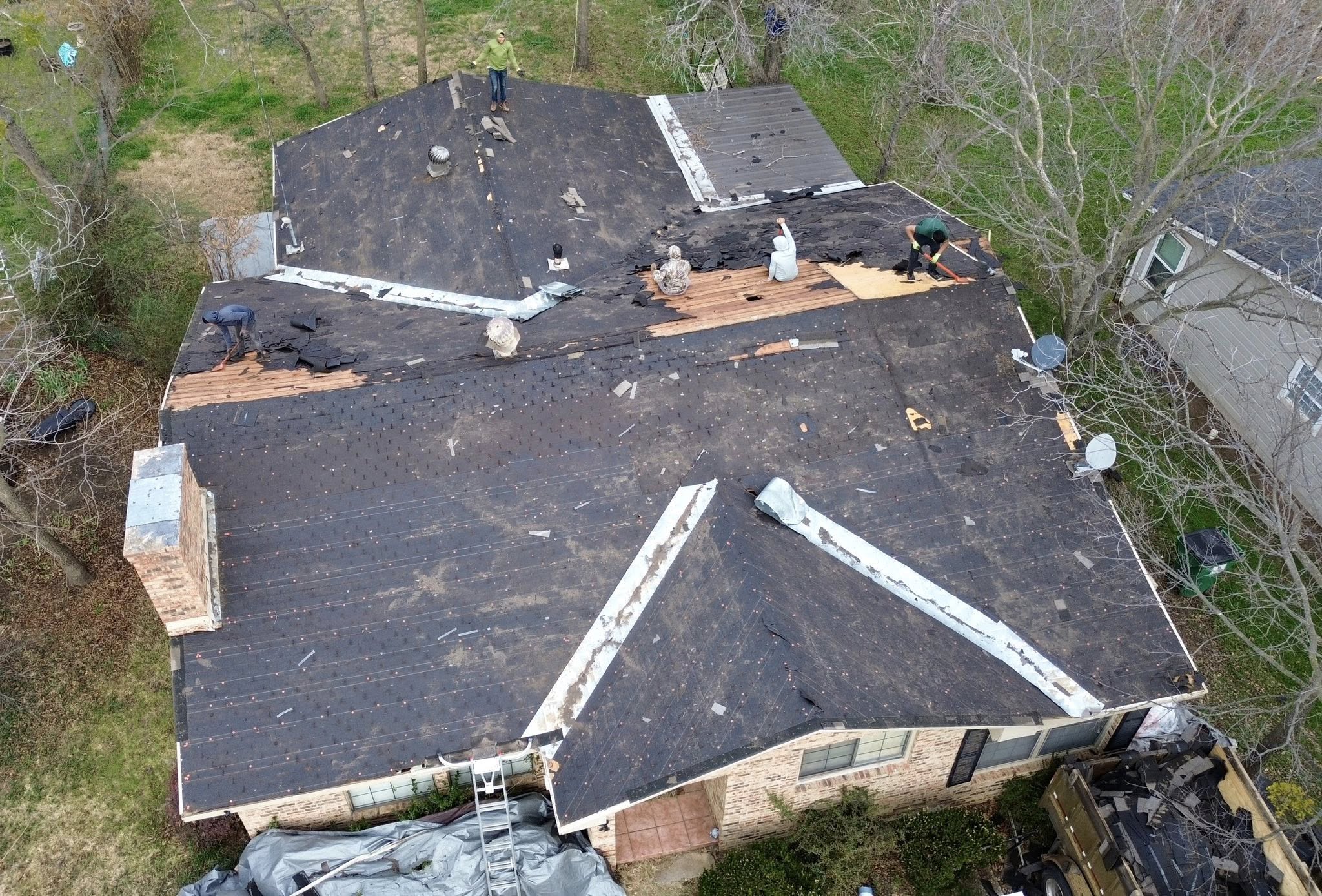
Underlayment and Waterproofing Challenges
Underlayment serves as the secondary moisture barrier beneath the visible roofing material. Although homeowners rarely see it after installation, this layer plays a major role in protecting the roof deck from moisture if water passes beneath shingles or metal panels. Because of its importance, proper installation is essential.
One common challenge occurs when underlayment is installed with insufficient overlap. Every row should overlap the previous section according to manufacturer specifications so rainwater flows naturally over the material. Incorrect overlap can create pathways where moisture may eventually reach the roof deck.
Wrinkles or folds in the underlayment present another concern. These irregularities may interfere with roofing material installation while reducing the effectiveness of waterproof protection. Contractors smooth the material carefully before fastening it permanently.
Torn or punctured underlayment also requires immediate attention. Damage may occur during installation or while moving materials across the roof. Professional crews inspect the completed surface before continuing and replace damaged sections whenever necessary.
Waterproof membranes installed around valleys, chimneys, skylights, and roof edges present additional challenges if positioned incorrectly. These specialized products must integrate smoothly with surrounding underlayment while maintaining continuous moisture protection.
The most effective solution involves following manufacturer installation instructions carefully while inspecting every completed section before roofing materials are installed. Correcting small waterproofing issues early significantly reduces the risk of future leaks.
Flashing Installation Difficulties
Flashing is responsible for directing water away from vulnerable areas where roof surfaces meet walls or where roof penetrations occur. Because these locations naturally collect rainwater, flashing installation requires precision and careful attention to detail.
One common challenge is achieving proper overlap between flashing components and surrounding roofing materials. Flashing should guide water naturally away from roof openings rather than relying entirely on sealants. Incorrect overlap increases the likelihood of moisture entering beneath the roofing system.
Roof valleys present another challenge because they collect water flowing from multiple roof slopes. Valley flashing must remain straight, securely fastened, and properly integrated with waterproof membranes to ensure effective drainage.
Chimneys require especially careful flashing installation because they combine vertical masonry with sloped roofing surfaces. Step flashing, counter flashing, and waterproof barriers must work together to create a reliable moisture barrier around the chimney.
Skylights and plumbing vents also demand specialized flashing systems. Every manufacturer provides installation guidelines designed specifically for their products, making careful adherence to these instructions essential for long term performance.
Professional roofing contractors address flashing challenges by inspecting each installation stage before moving forward. Careful workmanship at these vulnerable locations significantly improves the reliability of the completed roofing system.
Roofing Material Installation Challenges
Installing the visible roofing material is one of the most recognizable stages of a roofing project, but it also presents several challenges that require continuous quality control. Every roofing material has unique installation requirements that influence both appearance and long term performance.
Maintaining straight layout lines is one of the most common challenges. Small alignment errors early in the installation process may become more noticeable as work progresses across the roof. Contractors regularly check measurements to maintain consistent spacing and professional appearance.
Fastener placement also requires careful attention. Nails or screws driven too deeply may damage roofing materials, while fasteners left too high may prevent proper sealing. Manufacturers specify exact fastening locations, and experienced roofing crews follow these recommendations carefully.
Handling roofing materials without causing damage is another consideration. Asphalt shingles may become softer in hot weather, while tiles and slate require careful handling to prevent cracking. Contractors adapt their installation methods according to weather conditions and material characteristics.
Complex roof designs containing dormers, intersecting valleys, multiple slopes, or decorative architectural features increase installation difficulty. These areas often require additional cutting, fitting, and detailed workmanship to achieve both proper appearance and weather resistance.
Careful planning, skilled installation, and continuous inspections help roofing professionals overcome these challenges while maintaining consistent quality throughout the project.
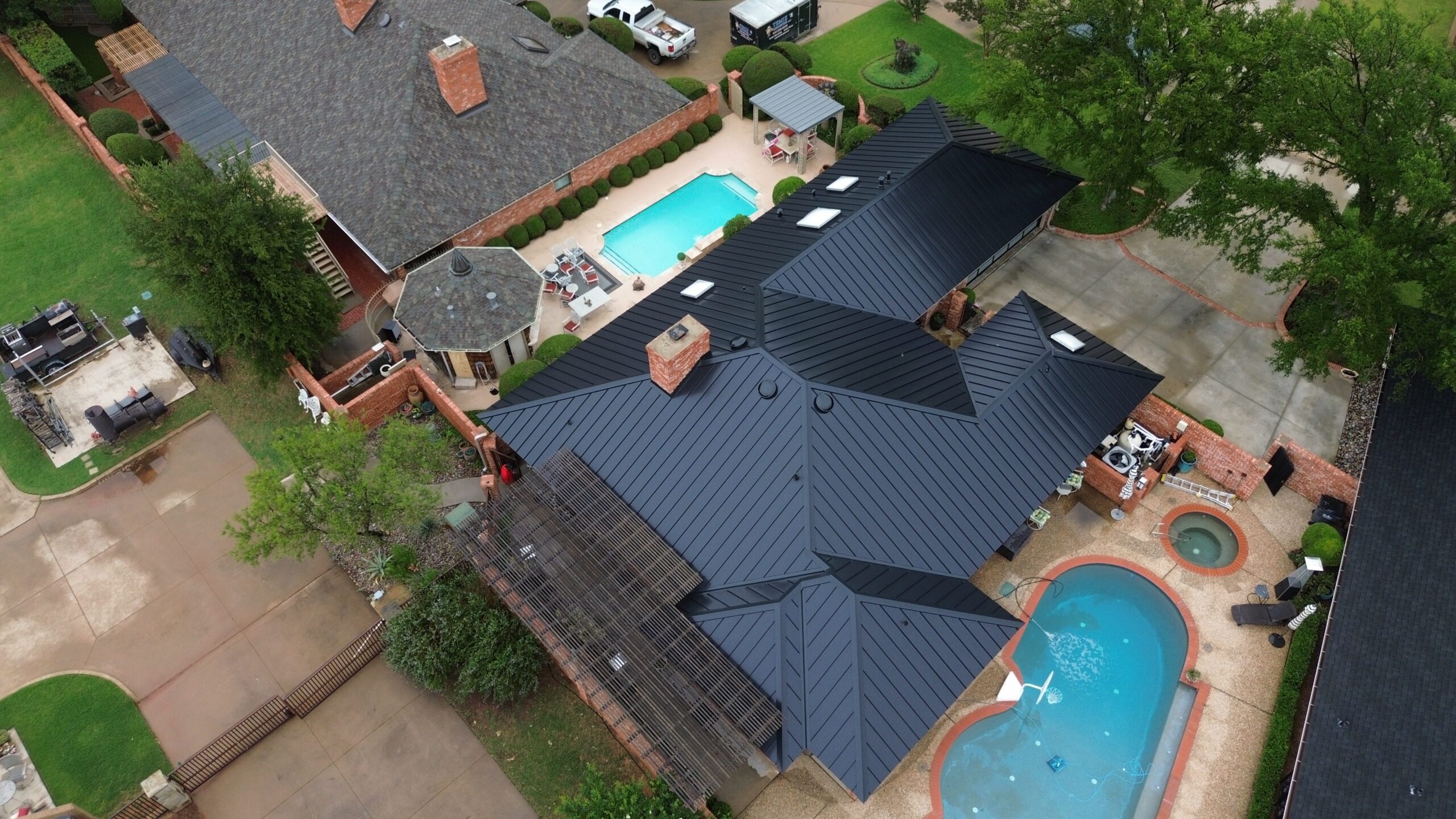
Ventilation and Moisture Control Issues
Many homeowners focus primarily on roofing materials while overlooking the importance of attic ventilation. Proper ventilation supports roofing performance by controlling temperature and moisture levels beneath the roof, making it an essential part of every residential roofing system.
One common challenge occurs when intake and exhaust ventilation become unbalanced. Adequate airflow requires both fresh air entering through soffit vents and warm air exiting through ridge vents or other exhaust systems. If either component is insufficient, attic conditions may become unfavorable.
Blocked ventilation openings create another problem. Insulation, construction debris, or improperly positioned materials may restrict airflow, reducing ventilation efficiency even when the system has been designed correctly.
Excess moisture inside the attic may also affect roofing performance over time. Condensation can develop when warm indoor air meets cooler roof surfaces, potentially affecting insulation and wooden structural components.
Contractors address these issues by calculating ventilation requirements according to roof size and attic design. During installation they inspect every ventilation component carefully to confirm unobstructed airflow before completing the roofing system.
Proper ventilation extends the lifespan of roofing materials while supporting indoor comfort and reducing the likelihood of moisture related problems.
Comparing Common Roofing Challenges and Their Solutions
Every roofing project presents different circumstances, but many installation challenges occur repeatedly across residential construction. Understanding both the problem and the appropriate solution helps homeowners appreciate the importance of professional workmanship.
| Common Challenge | Possible Cause | Professional Solution |
|---|---|---|
| Uneven Roof Deck | Improper panel installation | Replace or realign damaged sections |
| Wrinkled Underlayment | Incorrect installation technique | Remove and reinstall affected areas |
| Flashing Leaks | Poor overlap or incorrect placement | Install flashing according to manufacturer guidelines |
| Roofing Material Misalignment | Inaccurate layout measurements | Recheck layout lines throughout installation |
| Poor Ventilation | Blocked or insufficient airflow | Balance intake and exhaust ventilation |
| Weather Delays | Rain, wind, or extreme temperatures | Adjust project schedule to suitable conditions |
| Material Damage | Transportation or handling issues | Replace damaged products before installation |
| Communication Problems | Lack of project updates | Maintain regular discussions between contractor and homeowner |
Reviewing these common situations demonstrates that most roofing challenges have proven solutions when addressed by experienced professionals.
Communication Challenges Between Contractors and Homeowners
Even technically successful roofing projects may encounter difficulties if communication is inconsistent. Homeowners and contractors often have different expectations regarding schedules, inspections, weather delays, or material selections, making clear communication essential throughout the installation process.
One common challenge occurs when homeowners are unfamiliar with roofing terminology. Technical explanations involving flashing, underlayment, ventilation, or waterproof membranes may create confusion if not explained clearly. Contractors improve communication by describing each installation stage in straightforward language.
Project scheduling also benefits from regular updates. Weather delays, material deliveries, or structural repairs occasionally affect construction timelines. Informing homeowners promptly helps maintain realistic expectations while reducing unnecessary concern.
Changes requested during construction require careful discussion as well. Selecting different roofing materials or modifying architectural details after installation has begun may influence both project cost and schedule. Reviewing these changes before proceeding helps prevent misunderstandings.
Documenting important decisions also improves communication. Written estimates, inspection reports, warranty information, and project updates provide useful references that both homeowners and contractors can review throughout the project.
Strong communication builds trust while allowing roofing challenges to be resolved collaboratively rather than becoming sources of conflict.
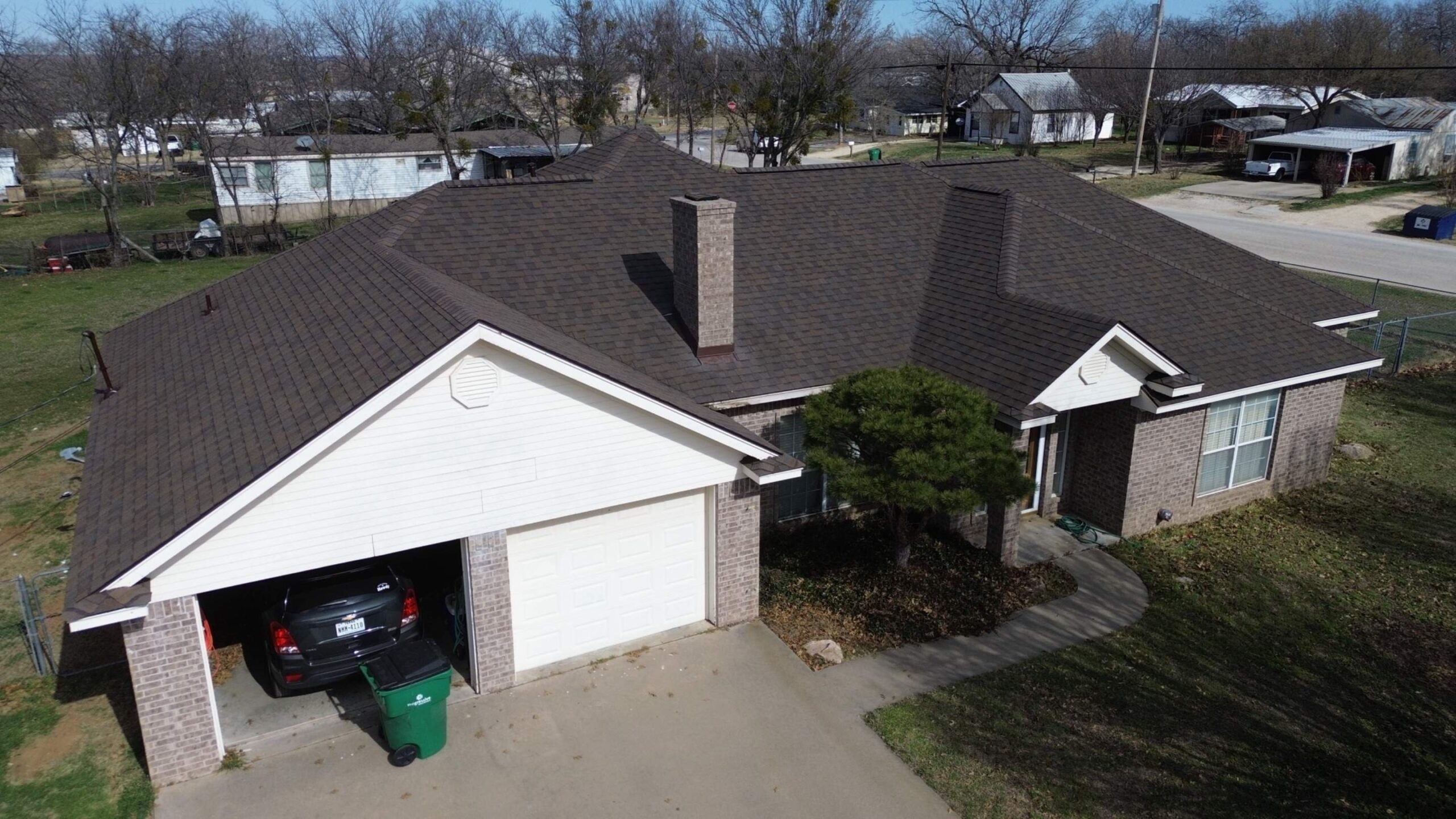
Maintaining Quality Throughout Installation
Quality should never depend solely on the final inspection. Instead, successful roofing contractors evaluate every installation stage before moving to the next, ensuring that hidden roofing layers receive the same attention as visible finished materials.
Daily inspections often include reviewing roof deck condition, underlayment installation, flashing placement, roofing material alignment, and ventilation components. Identifying concerns immediately allows corrections to be completed while access remains simple.
Supervisors also verify that installation methods remain consistent with manufacturer recommendations. This attention to detail helps preserve warranty protection while maximizing the long term performance of the roofing system.
Many contractors document completed installation stages using photographs before hidden components are covered. These records provide useful references for homeowners while demonstrating the quality of work completed beneath the visible roofing material.
Quality control also includes verifying that safety procedures remain in place throughout construction. Organized job sites, properly stored materials, and effective communication contribute to both worker safety and installation quality.
By maintaining high standards from beginning to end, contractors create roofing systems capable of providing dependable protection for decades.
Building Solutions Into Every Installation Stage
The most successful roofing projects are those where potential problems are anticipated before they occur. Rather than waiting for visible defects to appear, experienced contractors build preventive solutions into every installation stage.
Careful planning, material inspection, structural evaluation, weather monitoring, quality control, and continuous communication all contribute to reducing installation challenges. Each completed step supports the next, creating a roofing system where every layer performs its intended function.
For homeowners, understanding these practical solutions provides confidence throughout the roofing process. Temporary delays or minor adjustments often reflect responsible project management rather than construction problems.
Final Inspection Challenges
The final inspection is one of the most important stages of every residential roof installation project because it confirms that all previous work has been completed according to professional standards. Although the roof may appear finished from the ground, contractors must carefully examine every major component before considering the project complete. This final review helps identify any remaining concerns while ensuring the roofing system is ready to protect the home for many years.
One common challenge during the final inspection is identifying small issues that may not have been visible during earlier construction stages. Minor alignment differences, loose fasteners, incomplete sealant application, or flashing adjustments are often easier to recognize once the entire roofing system has been assembled. Correcting these details before project completion improves both appearance and long term performance.
Inspecting roof penetrations also requires careful attention. Chimneys, skylights, plumbing vents, and exhaust openings should all be checked to confirm flashing remains secure and properly integrated with surrounding roofing materials. Since these locations naturally collect rainwater, even minor installation errors can eventually develop into leaks if left uncorrected.
Roof edges and valleys deserve additional attention because they experience constant exposure to wind and water runoff. Contractors inspect drip edge installation, ridge caps, starter strips, and drainage pathways to verify that water will flow efficiently away from the home.
Ventilation systems are another critical inspection point. Intake vents, ridge vents, and other exhaust components should remain free from construction debris while allowing unrestricted airflow through the attic. Proper ventilation supports both roofing material longevity and overall home energy efficiency.
Many contractors also perform an attic inspection before final approval. Looking inside the attic allows them to identify unexpected daylight, moisture concerns, or ventilation issues that may not be visible from the roof surface. This additional step provides valuable confirmation that the roofing system is functioning as intended.
Homeowners should participate in the final walkthrough whenever possible. Walking around the property with the contractor creates an opportunity to review completed work, ask questions, and understand maintenance recommendations before the project officially concludes.
A thorough final inspection provides confidence that every roofing component has been installed correctly and that any remaining concerns have been resolved before the roof enters regular service.
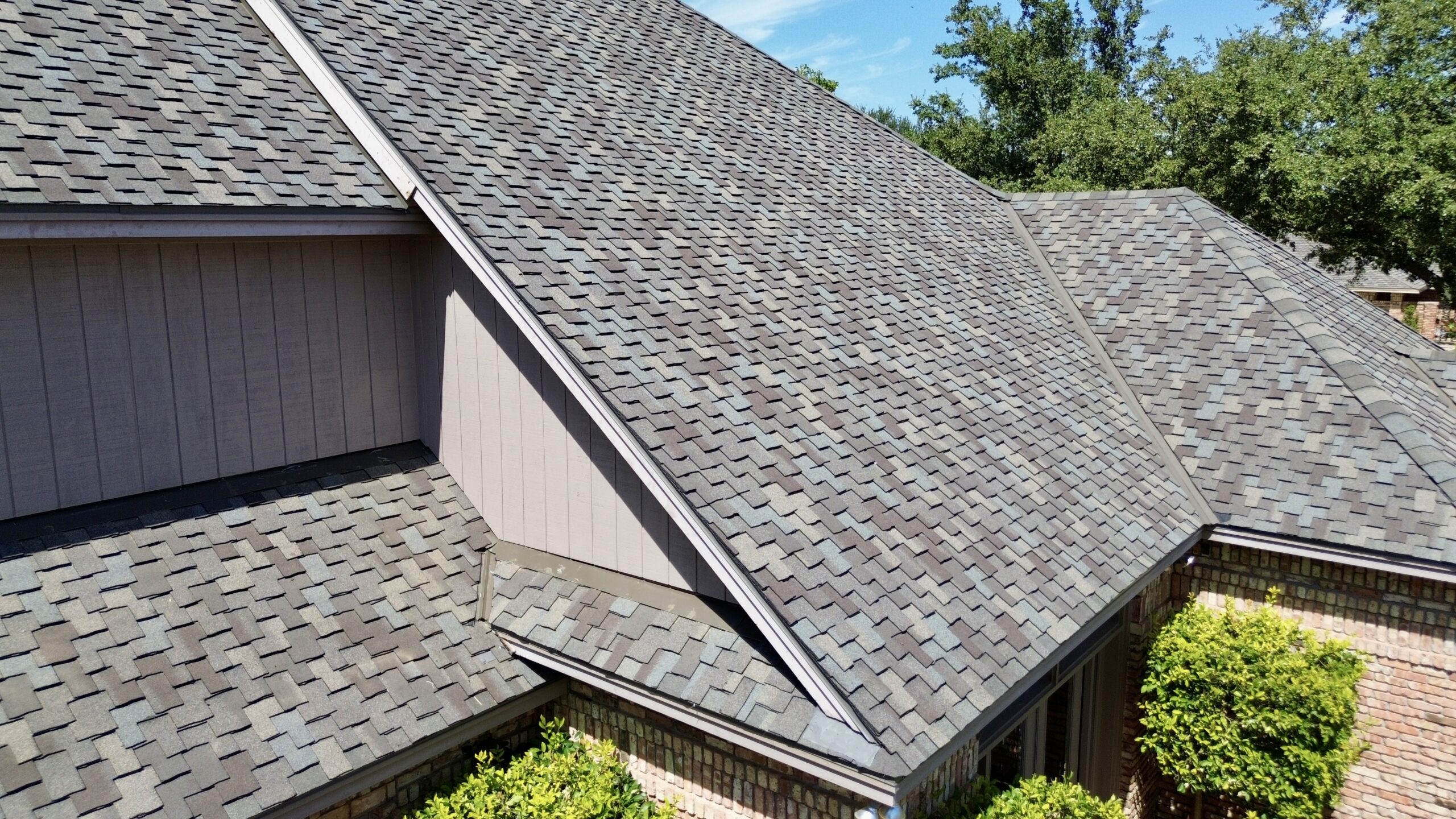
Post Installation Maintenance Considerations
Completing a roof installation does not eliminate the need for ongoing maintenance. Even the highest quality roofing systems benefit from regular inspections and routine care throughout their lifespan. Many future roofing challenges can be prevented simply by identifying small concerns before they develop into major repairs.
Homeowners should perform visual inspections several times each year. Looking at the roof from ground level after severe storms helps identify missing shingles, displaced flashing, fallen branches, or other visible signs of damage. Prompt attention to these issues often prevents additional deterioration.
Gutter maintenance is another important responsibility. Leaves, twigs, roofing granules, and construction debris may restrict water flow if gutters are not cleaned regularly. Overflowing gutters increase moisture exposure along roof edges, eventually affecting fascia boards, soffits, and roof decking.
Tree branches extending over the roof should also be monitored. Branches rubbing against roofing materials during windy conditions may gradually wear protective surfaces while increasing the likelihood of impact damage during storms. Trimming overhanging limbs helps reduce these risks.
Attic inspections provide another valuable maintenance opportunity. Homeowners should occasionally check for signs of condensation, mold, unusual odors, or damp insulation. These conditions may indicate ventilation concerns or hidden roof leaks that deserve professional evaluation.
Professional roof inspections every few years provide additional protection. Roofing specialists often recognize early signs of wear long before homeowners notice visible symptoms. Preventive maintenance generally costs far less than major structural repairs resulting from neglected roofing issues.
Routine maintenance transforms roofing care from a reactive process into a preventive strategy that supports long term roof performance.
Working With Professional Roofing Contractors
Many residential roofing challenges are resolved more effectively when homeowners work with experienced roofing contractors. Professional installers possess the technical knowledge, equipment, and practical experience needed to identify problems accurately while implementing proven solutions.
One advantage of working with qualified contractors is their familiarity with manufacturer installation requirements. Roofing products are designed to perform according to specific guidelines, and experienced professionals understand how to install complete roofing systems that preserve warranty coverage.
Professional contractors also recognize early warning signs that less experienced installers may overlook. Slight framing irregularities, ventilation concerns, flashing details, or drainage issues often become apparent only through years of practical roofing experience.
Communication is another benefit. Reputable roofing contractors explain installation procedures, discuss potential concerns, and provide realistic project updates throughout construction. This transparency allows homeowners to understand why certain decisions are made while reducing unnecessary uncertainty.
Established contractors also maintain relationships with manufacturers and suppliers. If unexpected material issues arise, they can often coordinate replacements or technical assistance more efficiently than inexperienced installers working independently.
Another important advantage is access to proper safety equipment and training. Residential roof installation involves elevated work areas and specialized tools, making professional safety procedures essential for protecting both workers and property.
Selecting experienced roofing professionals significantly reduces installation challenges while improving the overall quality and reliability of the completed roofing system.
Questions Homeowners Should Ask When Problems Arise
Unexpected situations occasionally occur even during well planned roofing projects. Asking thoughtful questions helps homeowners understand the nature of the issue while supporting informed decision making throughout construction.
Some useful questions include:
- What caused this roofing challenge?
- Will this issue affect the project timeline?
- Does the problem require additional materials?
- How will the repair influence the roofing warranty?
- Is the solution recommended by the manufacturer?
- Will the completed repair affect the roof’s expected lifespan?
- Are there alternative solutions available?
- How can similar issues be prevented in the future?
These discussions encourage open communication while allowing contractors to explain technical concerns in understandable language.
Homeowners should also request updates whenever significant adjustments become necessary. Understanding why schedule changes or additional repairs are required helps maintain confidence throughout the roofing project.
Rather than viewing questions as signs of distrust, experienced contractors generally appreciate informed homeowners who take an active interest in understanding their roofing investment.
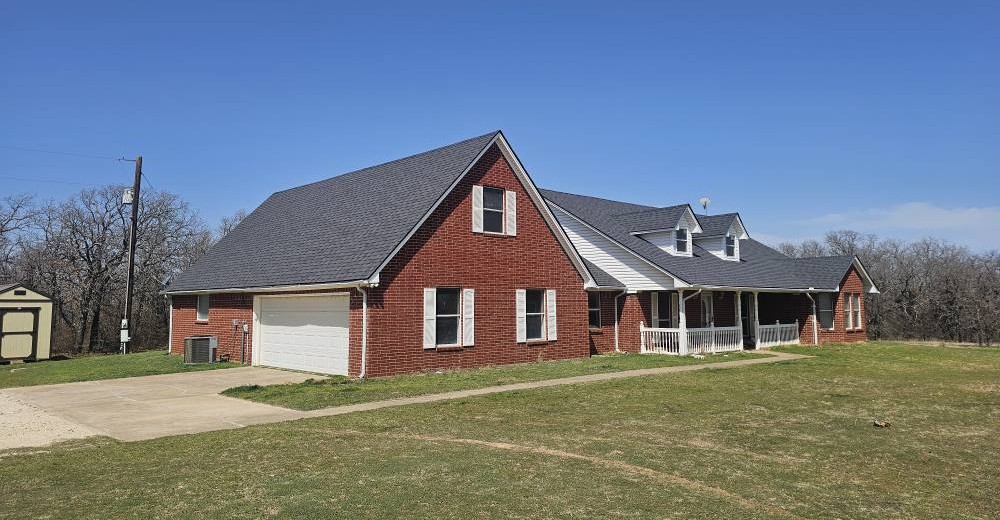
Residential Roof Installation Problem Prevention Checklist
Preventing roofing challenges is usually more effective than correcting them after construction has progressed. The following checklist summarizes important steps that help contractors and homeowners reduce common installation problems.
- Review architectural plans before roofing begins.
- Inspect roof framing for proper alignment.
- Verify roof deck fastening and condition.
- Confirm materials arrive without transportation damage.
- Store roofing materials correctly before installation.
- Monitor weather forecasts throughout the project.
- Install underlayment according to manufacturer guidelines.
- Inspect flashing before covering surrounding areas.
- Verify ventilation openings remain unobstructed.
- Perform quality inspections after every installation stage.
- Keep the construction site organized and clean.
- Document completed work with photographs when appropriate.
- Conduct a comprehensive final inspection.
- Review warranty documentation before project completion.
- Schedule future maintenance inspections after installation.
Following these preventive measures greatly reduces the likelihood of unexpected roofing challenges while supporting long term system performance.
Common Mistakes That Create Roofing Challenges
Many roofing problems can be traced back to avoidable mistakes made during planning, installation, or post construction maintenance. Understanding these common errors helps homeowners recognize why professional workmanship and careful decision making are so important.
One common mistake is selecting roofing materials based only on price. While controlling costs is important, lower priced products may not perform as effectively under local climate conditions or may require more frequent maintenance. Considering long term value provides a more balanced approach.
Ignoring manufacturer installation instructions is another serious mistake. Roofing products are engineered to function according to specific fastening patterns, overlap requirements, and accessory combinations. Deviating from these recommendations may reduce both performance and warranty protection.
Poor communication between contractors and homeowners also contributes to unnecessary challenges. Misunderstandings regarding schedules, material selections, or project expectations often create avoidable delays and frustration.
Inadequate ventilation is another issue frequently overlooked during residential construction. Without balanced airflow, heat and moisture accumulate inside the attic, potentially shortening the lifespan of roofing materials while affecting insulation and structural wood.
Skipping routine maintenance after installation is equally problematic. Small issues such as clogged gutters, loose flashing, or damaged shingles often become larger repairs when ignored for extended periods.
Attempting repairs without proper knowledge or equipment may also create additional problems. Roofing systems consist of multiple interconnected layers, making professional evaluation the safest approach whenever significant damage occurs.
Avoiding these common mistakes helps homeowners protect both the quality of the installation and the long term performance of their roofing system.
Building a Durable Roofing System Through Careful Planning
Every successful residential roof installation begins with thoughtful planning and continues through careful execution, detailed inspections, and consistent maintenance. While challenges are a normal part of construction, they rarely become major problems when addressed promptly by experienced professionals.
The strongest roofing systems are built through cooperation between homeowners, builders, suppliers, and roofing contractors. Each participant contributes valuable knowledge that supports better decisions throughout the project.
Planning also extends beyond installation. Homeowners who understand maintenance responsibilities, warranty requirements, and inspection schedules are better prepared to preserve the condition of their roofs throughout the coming decades.
Quality materials, professional installation, effective ventilation, proper drainage, and ongoing maintenance all work together to create a roofing system capable of withstanding changing weather conditions year after year.
Rather than viewing challenges as failures, experienced contractors recognize them as opportunities to strengthen the roofing system before the project is completed. This proactive approach ultimately benefits homeowners through improved durability and reduced future maintenance.
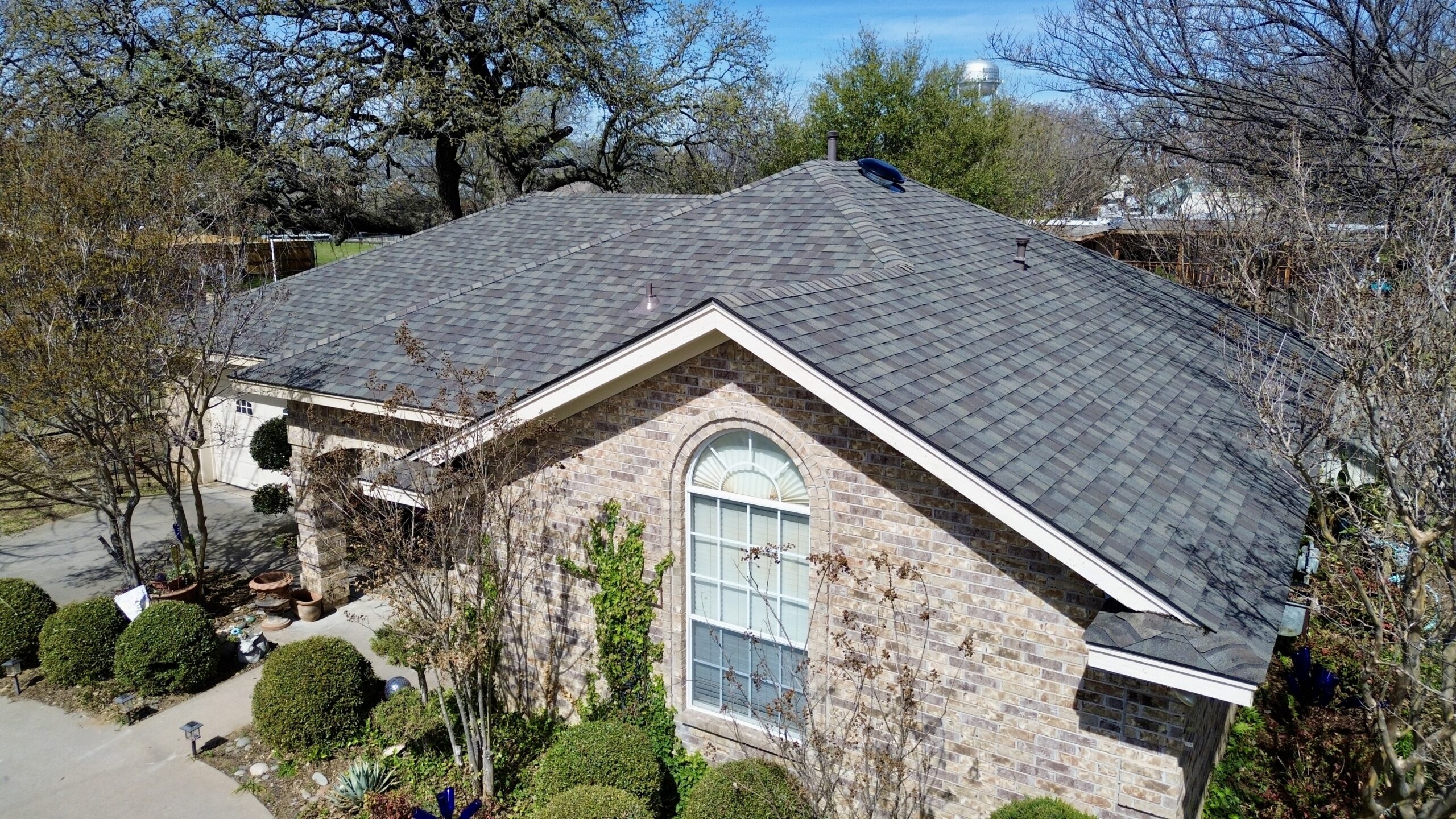
The Value of Preventive Maintenance
Preventive maintenance deserves special attention because it remains one of the most effective ways to reduce long term roofing challenges. Even durable roofing materials gradually experience normal aging due to continuous exposure to sunlight, rain, wind, and seasonal temperature changes.
Routine inspections allow contractors to identify loose flashing, minor sealant deterioration, damaged shingles, or small drainage concerns before water reaches structural components. Addressing these issues early often requires relatively simple repairs compared to correcting extensive moisture damage later.
Maintaining accurate records also supports preventive maintenance. Inspection reports, warranty information, repair documentation, and photographs provide valuable references that help contractors monitor roof condition over time.
Homeowners who treat roof maintenance as part of regular home care generally experience fewer unexpected repairs while maximizing the lifespan of their roofing investment.
Conclusion
Residential roof installation is a carefully coordinated process that involves much more than applying shingles or metal panels to a home’s exterior. Every stage, from structural preparation and material selection to waterproofing, flashing, ventilation, inspections, and maintenance, contributes to the overall performance of the finished roofing system. Because so many components work together, it is natural for challenges to arise throughout construction.
Throughout this guide, we explored the most common residential roof installation challenges and the practical solutions used by experienced roofing professionals. Structural concerns, changing weather, material handling, flashing installation, ventilation design, communication, and quality control all require careful planning and attention to detail. Addressing these situations early prevents minor concerns from becoming larger and more expensive problems.
One of the most valuable lessons is that successful roofing projects depend on preparation as much as installation. Careful planning, high quality materials, experienced contractors, and continuous inspections significantly reduce construction risks while improving long term durability. Homeowners who understand the roofing process are also better equipped to communicate with contractors and make informed decisions throughout the project.
Preventive maintenance remains equally important after installation has been completed. Regular inspections, clean gutters, proper attic ventilation, and prompt repairs allow the roofing system to continue performing as designed while protecting the home’s structure for decades. Small maintenance efforts completed consistently often prevent major repair expenses in the future.
Ultimately, every residential roofing project encounters challenges, but those challenges do not have to compromise the quality of the finished roof. With professional workmanship, thoughtful planning, effective communication, and ongoing maintenance, homeowners can overcome common installation obstacles while enjoying the long term protection provided by a durable, reliable, and professionally installed roofing system.