

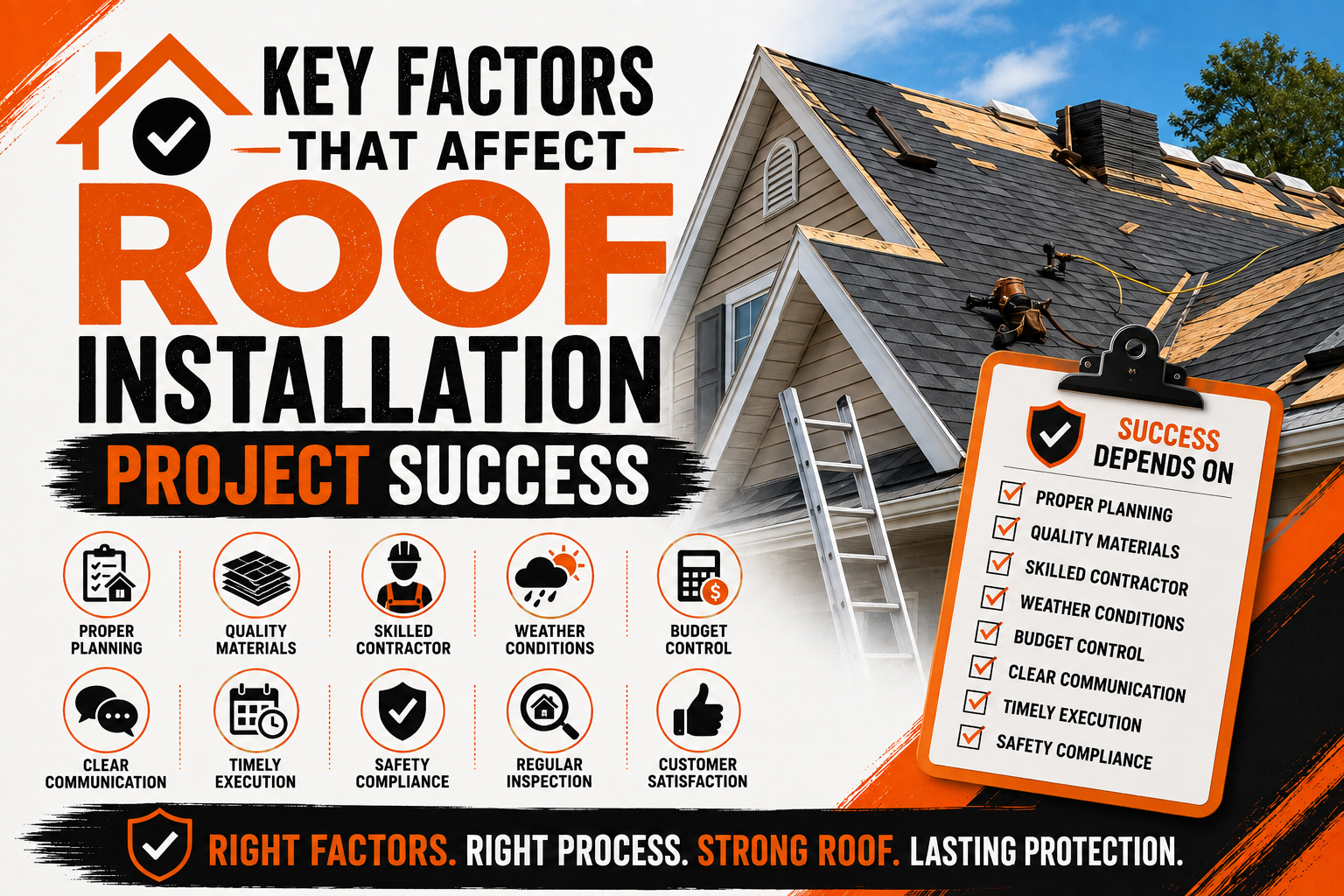
Key Factors That Affect Roof Installation Project Success
Introduction
A roof installation project is one of the most important investments a property owner can make. Whether it is for a newly constructed home or a complete roof replacement, the success of the project depends on much more than simply installing shingles or metal panels. Every decision made before installation begins has a direct impact on the roof’s durability, appearance, and long term performance.
Many roofing problems that appear years after installation can often be traced back to mistakes made during the planning stage. Poor material selection, inadequate budgeting, overlooked structural issues, or unrealistic timelines can all affect the final outcome. Careful preparation helps eliminate many of these risks before construction even starts.
A successful roof installation requires cooperation between property owners, contractors, suppliers, and inspectors. Each party plays an important role in ensuring the roofing system is installed according to industry standards and manufacturer recommendations. When everyone works toward the same objective, the project is far more likely to be completed on time and within budget.
Understanding the factors that influence roofing success allows homeowners and commercial property owners to make informed decisions throughout the project. In this first part of the guide, we will explore the planning stage, structural evaluation, material selection, weather considerations, and budgeting practices that create the foundation for a successful roof installation.
Why Roof Installation Success Depends on Proper Planning
Every successful roofing project begins with careful planning rather than immediate construction. Planning provides a clear roadmap that guides every stage of the installation process and helps prevent unnecessary delays, budget overruns, and costly mistakes. Without a structured plan, even experienced contractors may encounter avoidable challenges during construction.
Planning allows property owners to define the goals of the project before any work begins. Some may prioritize long term durability, while others may focus on energy efficiency, modern appearance, or minimizing future maintenance. Establishing these priorities early helps guide important decisions regarding materials, scheduling, and contractor selection.
Proper planning also improves communication between everyone involved in the project. Contractors, suppliers, inspectors, and property owners all benefit from having a shared understanding of project expectations. This reduces misunderstandings and creates a more organized installation process.
Another advantage of planning is risk management. Weather delays, material shortages, and unexpected structural repairs cannot always be prevented, but planning allows contingency strategies to be developed before these situations arise. Projects with backup plans are generally able to recover more quickly from unexpected challenges.
A well planned roofing project also improves financial management. Estimating costs accurately before construction begins reduces the likelihood of unexpected expenses and helps property owners make confident decisions throughout the project.
Understanding the Goals of a Roof Installation Project
Every roof installation project should begin with clearly defined objectives. Understanding what the project is expected to achieve allows contractors and property owners to make decisions that support those goals throughout construction. Without clear objectives, the project may lose direction and important priorities could be overlooked.
One common objective is providing reliable protection against weather. A roof must prevent rain, snow, wind, and sunlight from damaging the structure beneath it. Selecting materials and installation methods that match local weather conditions is essential for achieving this goal.
Another important objective is maximizing the lifespan of the roofing system. Many property owners prefer investing in durable materials that require less maintenance over several decades rather than selecting the lowest initial cost. Long term thinking often produces better overall value.
Energy efficiency has also become a major consideration in modern roofing projects. Reflective roofing materials, improved insulation, and proper ventilation can significantly reduce heating and cooling costs throughout the year. These improvements benefit both the environment and the property owner’s operating expenses.
Appearance should not be overlooked either. The roof represents a large portion of the building’s exterior and contributes significantly to curb appeal. Choosing roofing materials that complement the architectural style of the property enhances both appearance and market value.
Safety is another essential objective. Every roofing project should protect construction workers, building occupants, and surrounding property throughout the installation process. Safe working practices contribute directly to project success while reducing unnecessary risks.
Assessing the Existing Roof and Building Structure
Before selecting roofing materials or scheduling construction, the building itself should be carefully evaluated. The existing structure provides the foundation for the entire roofing system, making its condition one of the most important factors affecting project success.
A professional inspection usually begins with the roof framing. Rafters, trusses, beams, and structural supports should be examined for signs of deterioration, moisture damage, insect activity, or excessive movement. Structural weaknesses identified during this stage should be repaired before installation begins.
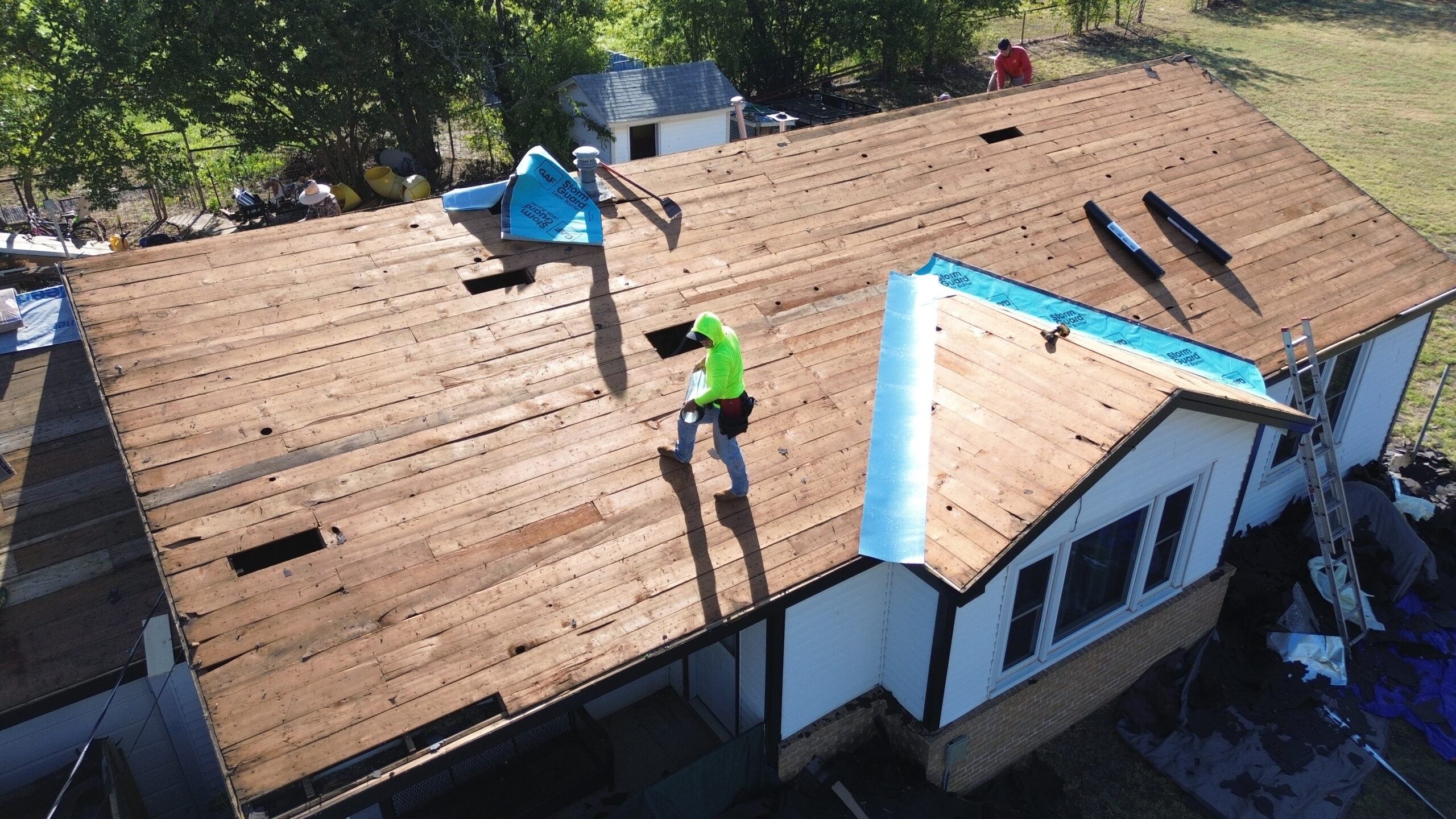
The roof deck also deserves careful attention. Since it serves as the base for all roofing materials, damaged decking can reduce the performance of the entire roofing system. Contractors inspect for soft spots, warped sections, rot, mold, and loose fasteners that may require replacement.
The attic provides additional information about the roof’s overall condition. Moisture accumulation, poor ventilation, damaged insulation, or evidence of previous leaks often indicate underlying issues that should be corrected before installing a new roof.
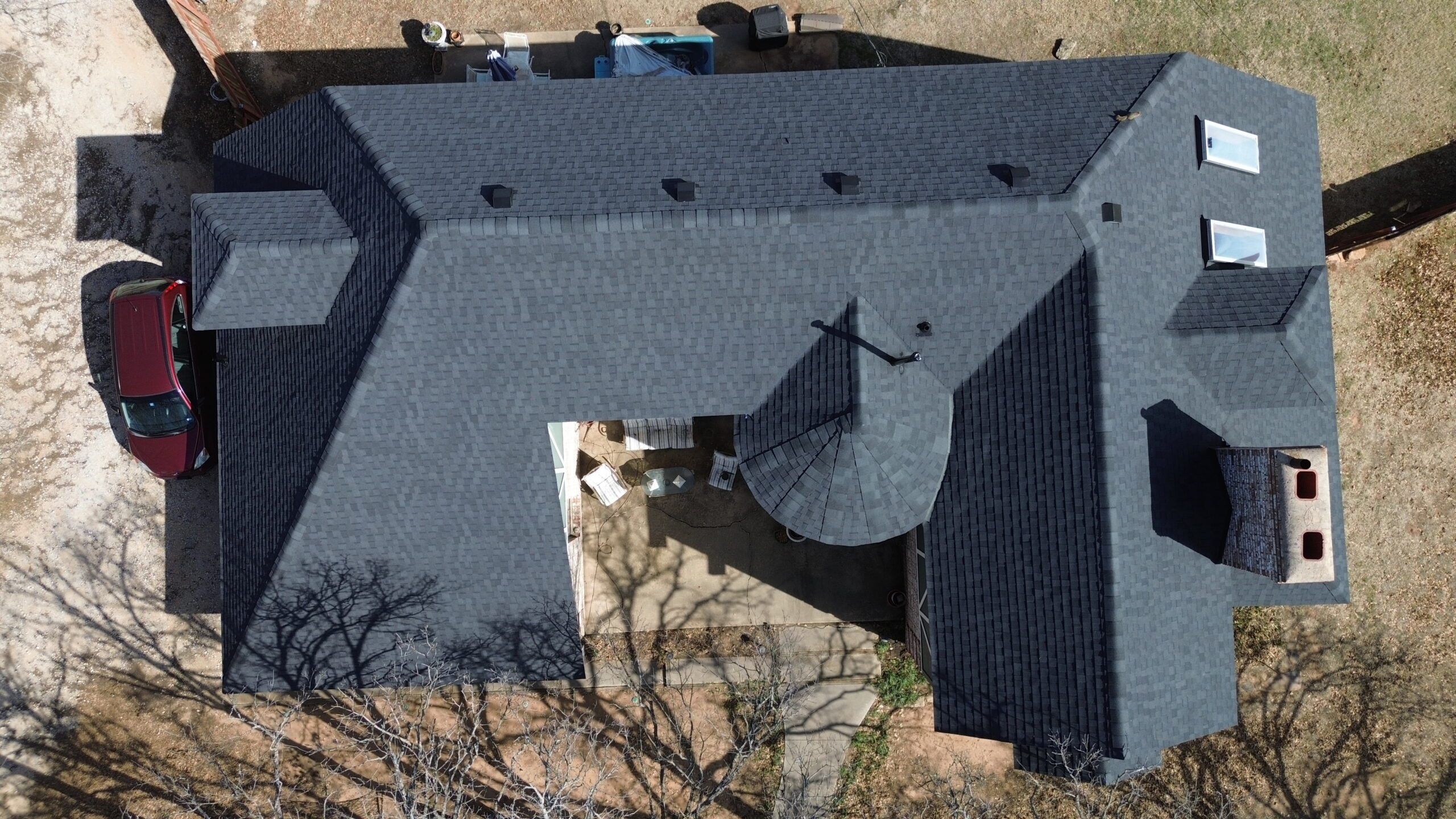
Roof design also influences installation planning. Steep roofs require different safety procedures and installation methods than low slope roofs. Complex roof designs containing multiple valleys, dormers, skylights, or intersecting sections also require additional planning to ensure proper waterproofing.
Professional assessments may include load calculations as well. Roofing materials vary considerably in weight, and the building must safely support both the roofing system and additional environmental loads such as snow or heavy rainfall.
Taking time to evaluate the structure thoroughly helps eliminate unexpected surprises during construction while improving the long term performance of the completed roof.
Choosing the Right Roofing Materials
Material selection is one of the most important decisions affecting roof installation success. Every roofing material offers unique advantages and limitations, making it essential to select products that match the building’s design, climate, maintenance expectations, and budget.
Asphalt shingles remain one of the most widely used roofing materials because they provide dependable performance at a relatively affordable cost. Modern shingles are available in numerous colors and styles, allowing property owners to achieve different architectural appearances without significantly increasing project costs.
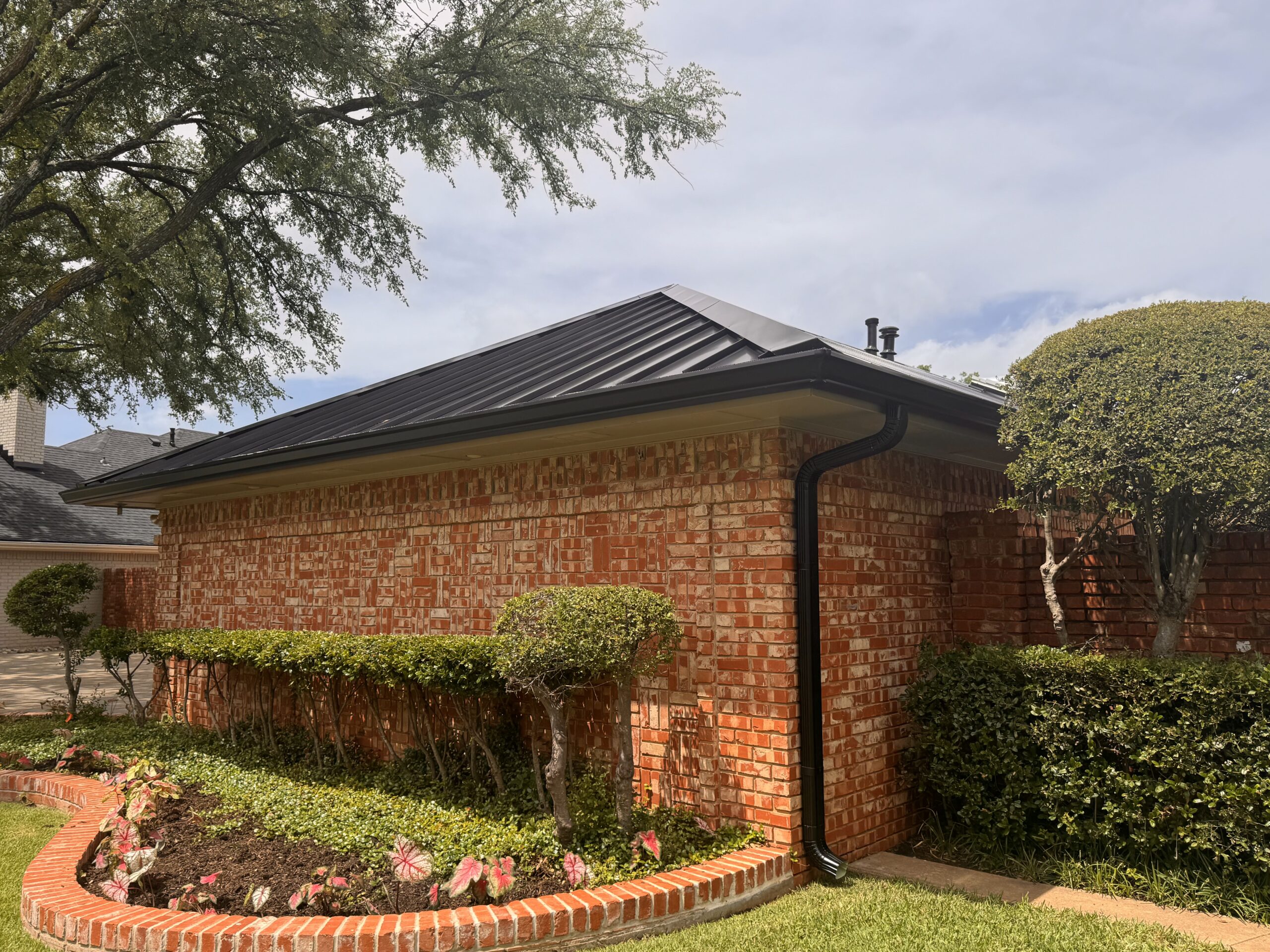
Metal roofing has become increasingly popular due to its durability and energy efficiency. Properly installed metal roofs can last several decades while resisting fire, insects, and harsh weather conditions. Their reflective surfaces may also reduce cooling costs during hot weather.
Clay and concrete tiles provide exceptional longevity and distinctive architectural appeal. These materials perform particularly well in warm climates but require adequate structural support because of their greater weight compared to other roofing options.
Slate roofing is known for its remarkable durability and elegant appearance. Although it requires a higher initial investment, many slate roofs remain functional for more than a century when installed and maintained properly.
Synthetic roofing products have also gained popularity in recent years. Many are designed to replicate the appearance of natural materials while offering lighter weight, improved impact resistance, and easier installation.
The following table compares several commonly used roofing materials.
| Roofing Material | Typical Lifespan | Maintenance Level | Suitable For |
|---|---|---|---|
| Asphalt Shingles | 20 to 30 years | Low | Residential homes |
| Metal Roofing | 40 to 70 years | Low | Homes and commercial buildings |
| Clay Tiles | 50 to 100 years | Moderate | Warm climate homes |
| Concrete Tiles | 40 to 60 years | Moderate | Residential buildings |
| Slate Roofing | 75 to 100+ years | Low | Premium residential properties |
| Synthetic Roofing | 30 to 50 years | Low | Various residential projects |
Selecting roofing materials should involve more than comparing prices. Durability, maintenance requirements, appearance, energy performance, structural compatibility, and local weather conditions should all influence the final decision.
Climate and Weather Conditions That Influence Installation
Weather conditions affect nearly every stage of a roof installation project. Climate influences not only the type of roofing material selected but also the scheduling of construction, installation techniques, and long term maintenance requirements.
Areas with frequent rainfall require roofing systems capable of directing water away from the structure quickly and efficiently. Proper roof slopes, drainage systems, flashing, and waterproof underlayment become especially important in these environments.
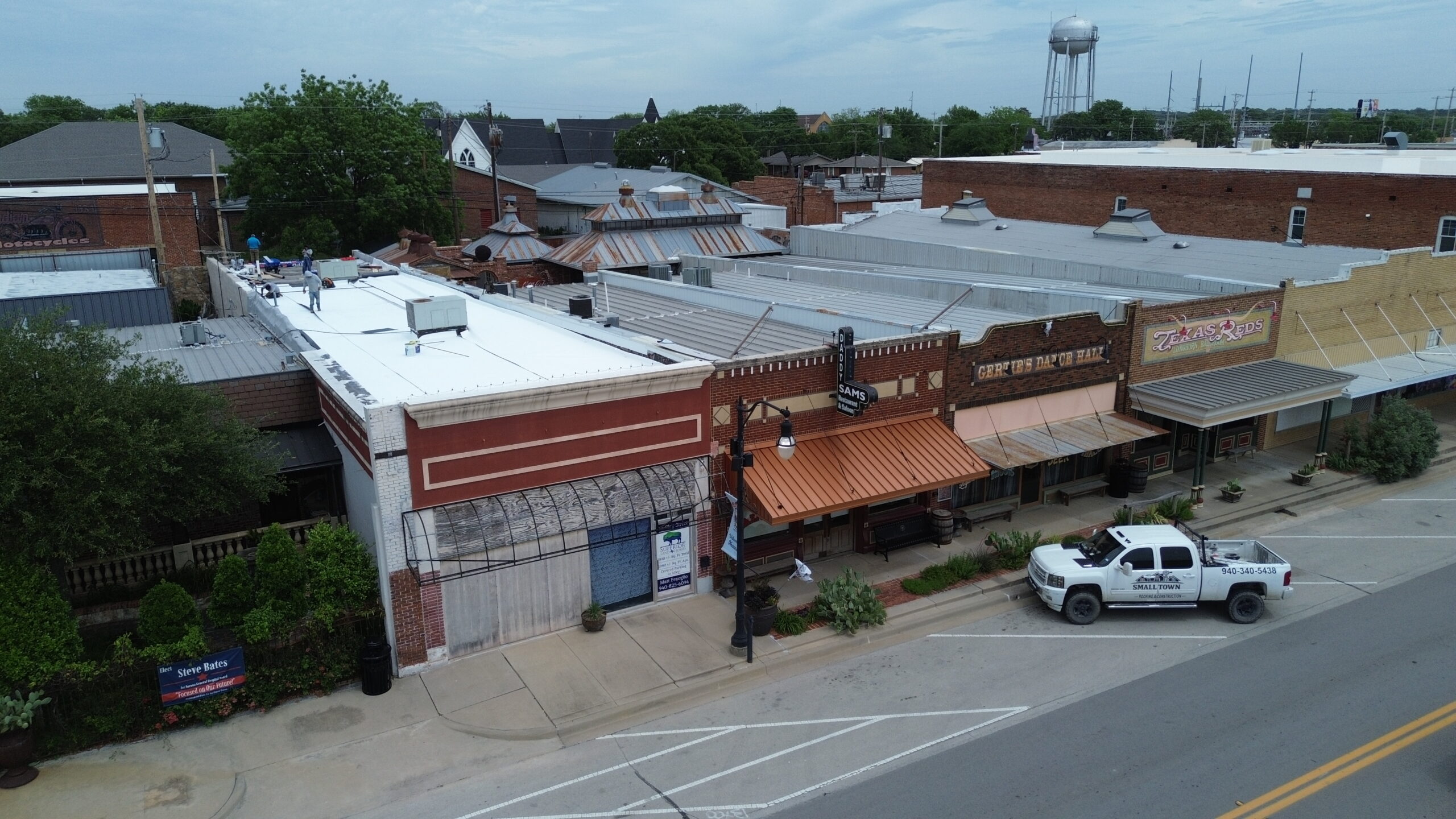
Regions experiencing prolonged sunlight often benefit from reflective roofing materials. These products reduce heat absorption and improve indoor comfort while lowering energy consumption during warmer months. Improved thermal performance also contributes to longer roofing material life.
Snow and ice create additional planning considerations in colder climates. Roofing systems must support seasonal snow loads while preventing ice dams from forming along roof edges. Proper insulation and attic ventilation play an important role in managing these conditions.
Strong winds represent another environmental challenge. Roofing materials should be selected according to local wind ratings, and fastening methods should follow manufacturer recommendations for areas prone to storms or hurricanes.
Weather also affects installation scheduling. Roofing work performed during heavy rain, high winds, or extreme temperatures may compromise installation quality and worker safety. Contractors often monitor weather forecasts carefully to select the most suitable construction periods.
Seasonal timing influences project success as well. Spring and autumn often provide favorable weather conditions for roofing work in many regions, although local climate patterns should always be considered during scheduling.
Environmental factors beyond weather deserve attention too. Trees surrounding the property may deposit leaves, branches, and debris onto the roof, increasing maintenance requirements. Coastal environments expose roofing materials to salt air, while industrial areas may expose roofs to pollutants that gradually affect material performance.
Understanding local climate conditions before selecting roofing materials helps ensure the finished roof remains durable and reliable throughout changing seasons.
Setting a Realistic Budget and Project Timeline
Budget planning is one of the most important factors affecting the success of any roof installation project. A well prepared budget allows property owners to make informed decisions while reducing the likelihood of unexpected financial challenges during construction.
Many people focus only on roofing materials and labor when estimating project costs. However, a complete roofing budget should also include permits, inspections, waste disposal, equipment rental, structural repairs, ventilation improvements, insulation upgrades, and contingency funds for unforeseen issues.
Unexpected repairs are common during roof replacement projects because hidden damage often becomes visible only after the old roofing material has been removed. Setting aside contingency funds helps prevent these discoveries from disrupting the entire project.
Comparing long term ownership costs is equally important. Higher quality materials may require a larger initial investment but often reduce maintenance expenses and increase the roof’s lifespan. Looking beyond installation costs provides a more accurate understanding of overall value.
Project scheduling should be approached with similar care. Unrealistic timelines place unnecessary pressure on contractors and may encourage rushed workmanship. Allowing adequate time for inspections, material deliveries, weather delays, and quality control results in a more successful installation.
Creating a practical project schedule generally involves several important steps:
- Complete the structural inspection before ordering materials.
- Finalize roofing material selections and confirm availability.
- Obtain all required permits and approvals.
- Schedule construction during favorable weather conditions.
- Allow additional time for unexpected repairs or weather delays.
A realistic budget and timeline provide flexibility throughout the project. They allow contractors to maintain quality standards even when unexpected situations arise, resulting in a roofing system that performs reliably for many years.
Recognizing the Value of Early Decision Making
One of the most overlooked factors in roof installation success is making important decisions early in the planning process. Delaying material selections, contractor approval, or budget confirmation often creates scheduling conflicts that affect the entire project.
Early decision making allows contractors to secure materials before seasonal demand increases. It also provides more time for structural evaluations, permit approvals, and project coordination. Better preparation usually results in fewer interruptions once construction begins.
Property owners also benefit from having sufficient time to compare different roofing options. Rather than making rushed decisions, they can carefully evaluate warranties, maintenance requirements, energy performance, and long term value before committing to a specific roofing system.
Early planning also supports better communication between contractors and suppliers. Material deliveries can be scheduled more accurately, labor requirements can be organized efficiently, and inspections can be arranged without unnecessary delays.
Taking time to make informed decisions before construction begins creates a stronger foundation for the entire project. It reduces uncertainty, improves coordination, and significantly increases the likelihood of achieving a successful roof installation.
Managing the Installation Process Effectively
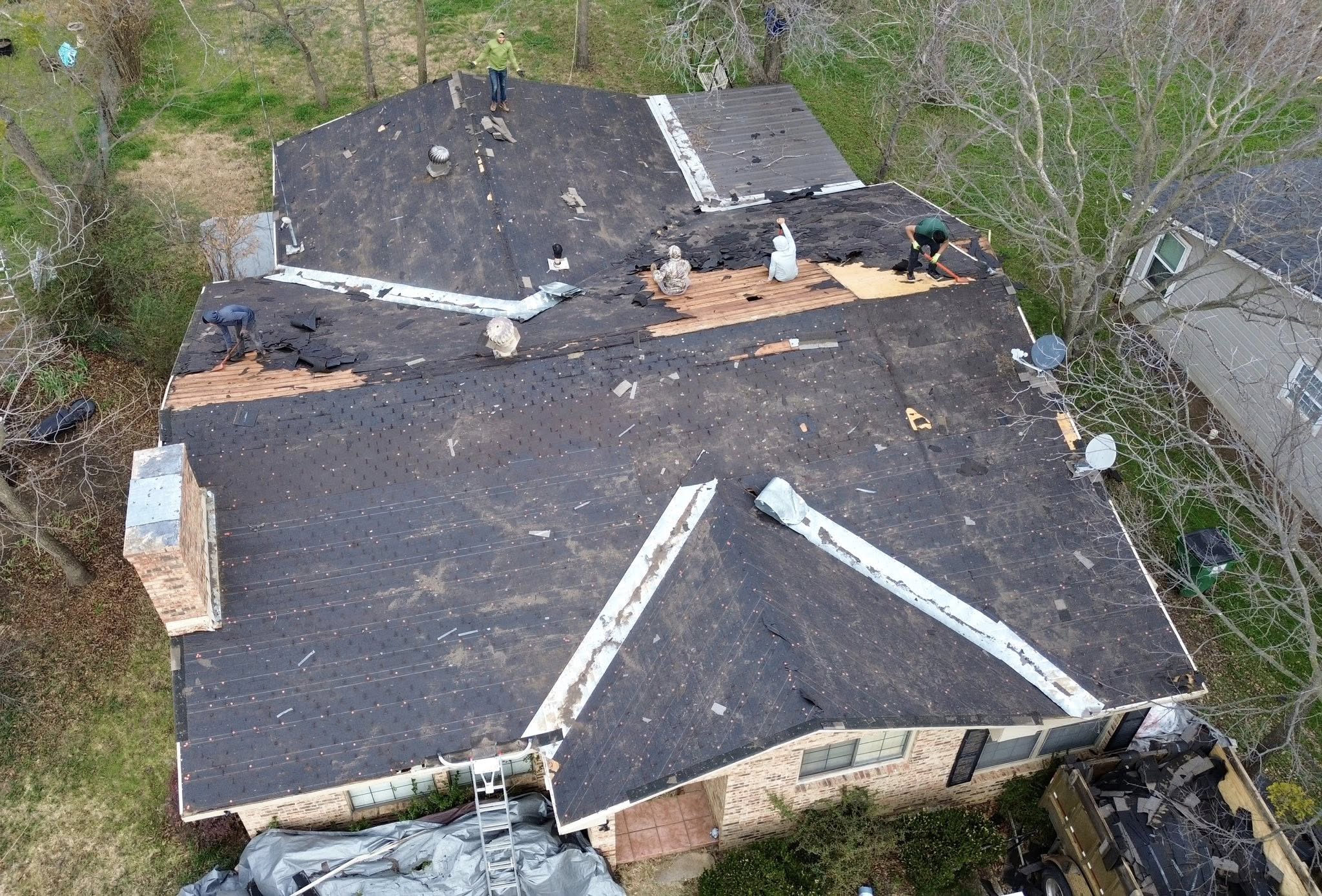
Planning provides the foundation for a successful roofing project, but the installation phase determines whether those plans become reality. Even with high quality materials and a well prepared budget, poor execution during construction can reduce the lifespan of the roofing system and create costly problems in the future. Every activity performed on the job site should follow established procedures while maintaining consistent quality standards.
Successful roof installation depends on skilled workmanship, proper communication, safe working practices, and attention to detail throughout every stage of construction. Contractors, suppliers, and property owners all contribute to the project’s success by working together and addressing challenges before they become major issues.
This part of the guide explores the key factors that influence the installation process itself. Understanding these elements helps ensure the roof is installed correctly while protecting both the property and the investment made during the planning phase.
Hiring the Right Roofing Contractor
Selecting the right roofing contractor is one of the most important decisions affecting project success. Even premium roofing materials cannot perform as expected if they are installed incorrectly. A skilled contractor combines technical knowledge, practical experience, and professional project management to deliver a roofing system that performs reliably for many years.
Property owners should begin by researching contractors who have experience with projects similar to their own. Residential roofing, commercial roofing, and specialty roofing systems each require different skills. Choosing a contractor familiar with the specific roofing material and building type increases the likelihood of a successful installation.
A contractor’s reputation provides valuable insight into the quality of their work. Customer reviews, referrals, completed projects, and professional certifications help demonstrate reliability and consistency. Speaking with previous clients can also reveal how well the contractor communicates, manages schedules, and resolves unexpected challenges.
Licensing and insurance should always be verified before signing any agreement. Proper licensing demonstrates compliance with local regulations, while insurance protects both the contractor and property owner if accidents or property damage occur during construction.
The written contract deserves careful attention as well. It should clearly describe the scope of work, materials to be used, estimated timeline, payment schedule, cleanup responsibilities, warranty information, and procedures for handling unexpected repairs. A detailed agreement reduces misunderstandings and establishes clear expectations for everyone involved.
Choosing the lowest price alone is rarely the best approach. A contractor offering experienced workmanship, stronger warranties, better communication, and higher installation standards often provides greater long term value than one selected only because of a lower estimate.
Importance of High Quality Roofing Materials
The quality of roofing materials directly affects the durability, appearance, and long term performance of the completed roof. Even excellent workmanship cannot fully compensate for low quality products that deteriorate quickly under normal weather conditions.
Reliable roofing manufacturers invest significant effort in developing materials that withstand changing temperatures, moisture, wind, and ultraviolet exposure. Selecting products from trusted manufacturers increases confidence that the roofing system will perform according to expectations.
Material compatibility is equally important. Every roofing component should work together as part of a complete system rather than as individual products. Underlayment, flashing, fasteners, ventilation components, and roofing materials should all be compatible with one another to maximize performance.
Contractors should inspect delivered materials before installation begins. Damaged products, incorrect quantities, or manufacturing defects should be identified immediately so replacements can be arranged without interrupting the project schedule.
Proper storage also contributes to material quality. Roofing products exposed to excessive moisture, prolonged sunlight, or improper handling before installation may not perform as intended. Following manufacturer storage recommendations helps preserve material integrity until installation begins.
Although premium materials generally involve higher initial costs, they often require less maintenance and provide longer service life. Looking beyond the purchase price allows property owners to evaluate the true value of their roofing investment.
Preparing the Property Before Installation
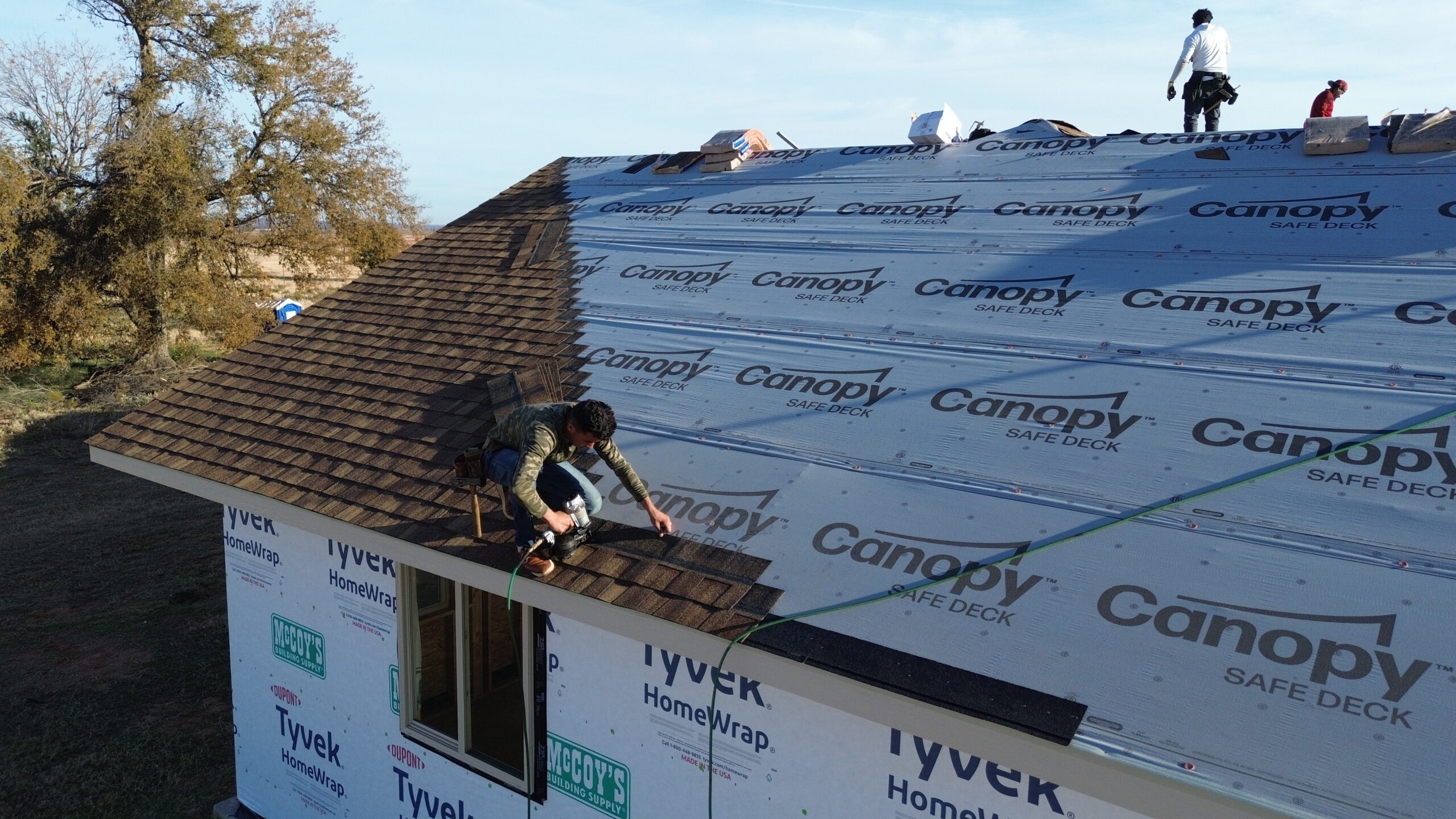
Proper property preparation improves safety, protects valuable belongings, and allows roofing crews to work more efficiently. A well organized worksite reduces unnecessary interruptions and helps maintain steady progress throughout the installation process.
Outdoor furniture, vehicles, grills, decorative items, and potted plants should be moved away from the work area whenever possible. Roofing projects involve lifting materials, removing debris, and transporting equipment, making it important to protect nearby property from accidental damage.
Landscaping also deserves attention before construction begins. Contractors may place protective coverings over shrubs, flower beds, or delicate plants to shield them from falling debris. Taking these precautions helps preserve the property’s appearance during construction.
Inside the building, property owners should secure fragile items attached to walls or stored in the attic. Roofing work often creates vibrations that may affect mirrors, artwork, shelving, or decorative fixtures. Covering stored belongings in the attic also protects them from dust generated during installation.
Access routes should remain clear throughout the project. Roofing crews require sufficient space for equipment, delivery vehicles, waste containers, and material storage. Organizing the worksite before construction begins allows the installation process to proceed more efficiently.
Notifying neighbors before construction starts is another thoughtful step. Roofing projects often involve temporary noise and increased activity, and advance notice helps nearby residents prepare for the work without unnecessary inconvenience.
Following Proper Installation Techniques
Successful roof installation depends on following established installation procedures from beginning to end. Every roofing material has manufacturer guidelines that specify correct installation methods, fastening patterns, overlap requirements, and ventilation standards. Ignoring these recommendations may reduce roof performance and affect warranty coverage.
Installation should always begin with a properly prepared roof deck. Damaged decking, loose fasteners, or uneven surfaces should be repaired before underlayment is installed. A stable foundation supports every other roofing component and contributes to long term durability.
Underlayment should be installed carefully with proper overlap between sections. This protective layer provides an additional barrier against moisture and helps protect the building if water passes beneath the exterior roofing material during severe weather.
Flashing installation requires particular attention because many roof leaks originate around chimneys, skylights, valleys, vents, and wall intersections. Correctly installed flashing directs water away from these vulnerable areas and prevents moisture from reaching the roof deck.
Roofing materials should be aligned accurately and fastened according to manufacturer recommendations. Proper spacing, secure fastening, and consistent installation patterns improve both appearance and structural performance. Contractors should inspect completed sections regularly to verify quality before continuing.
The installation process should never be rushed to meet unrealistic deadlines. Taking sufficient time to complete each stage correctly results in a roofing system that performs reliably while reducing the need for future repairs.
Safety Practices That Support Project Success
Safety is closely connected to the overall success of any roofing project. A safe work environment protects construction workers, building occupants, and surrounding property while reducing delays caused by accidents or damaged equipment.
Every roofing crew should use appropriate personal protective equipment throughout the project. Safety harnesses, helmets, non slip footwear, gloves, and eye protection help reduce the risk of injury while working at height.
Ladders, scaffolding, and fall protection systems should be inspected before each workday. Damaged equipment should never be used because even small defects can create serious hazards during installation.
Weather conditions should also be monitored continuously. Rain, lightning, strong winds, and icy surfaces significantly increase safety risks and may require work to be postponed. Although weather delays can affect project schedules, maintaining safe working conditions should always remain the priority.
Material handling contributes to safety as well. Roofing materials should be secured properly to prevent movement caused by wind or uneven surfaces. Organized storage reduces tripping hazards and allows workers to move safely around the job site.
Emergency procedures should be clearly understood before installation begins. Every crew member should know emergency contact information, first aid procedures, and evacuation plans if unexpected situations arise during construction.
The following safety practices are essential throughout the installation process:
- Wear appropriate personal protective equipment at all times.
- Inspect ladders and safety equipment before each workday.
- Stop work during dangerous weather conditions.
- Secure materials and tools to prevent falling objects.
- Keep work areas organized and free from unnecessary hazards.
- Follow manufacturer safety recommendations when using equipment.
Consistent attention to safety not only protects workers but also improves productivity by reducing disruptions and maintaining an organized construction environment.
Communication Between Property Owners and Contractors
Clear communication is one of the most overlooked factors affecting roof installation success. Many project delays and misunderstandings occur because important information is not shared at the right time. Maintaining open communication helps everyone involved understand project expectations and respond quickly when unexpected situations arise.
Property owners should receive regular updates throughout the installation process. Progress reports, schedule adjustments, material deliveries, and inspection results help maintain transparency while building confidence in the project’s management.
Contractors should also communicate promptly if hidden structural damage or additional repairs are discovered during construction. Discussing these issues immediately allows property owners to make informed decisions before work continues.
Documentation supports effective communication as well. Written records of material selections, approved changes, inspection reports, and payment schedules provide a reliable reference throughout the project. Clear documentation reduces confusion and helps resolve questions that may arise later.
Regular site meetings, even if brief, encourage collaboration between contractors and property owners. Reviewing completed work and discussing upcoming tasks allows concerns to be addressed before they affect project progress.
Good communication also strengthens working relationships. Projects generally proceed more smoothly when everyone understands their responsibilities and feels comfortable discussing questions or concerns as they arise.
Managing Material Deliveries Efficiently
Material management has a direct impact on installation efficiency. Even experienced roofing crews may experience delays if required materials arrive late or are delivered in the wrong quantities.
Scheduling deliveries according to the construction timeline helps maintain steady progress while reducing unnecessary storage requirements. Materials delivered too early may occupy valuable workspace or become exposed to weather before installation begins.
Each shipment should be inspected upon arrival to verify quantities and identify any damaged products. Reporting shortages or defects immediately allows suppliers to arrange replacements without significantly delaying construction.
Proper storage protects materials until they are needed. Roofing products should be stored according to manufacturer recommendations to prevent moisture damage, excessive heat exposure, or physical deformation before installation.
Good inventory management also reduces waste. Tracking material usage throughout the project helps contractors monitor progress while ensuring sufficient supplies remain available to complete the installation.
Common Factors That Cause Roof Installation Delays or Failures
Even well planned roofing projects may encounter challenges that affect schedules or installation quality. Understanding these common factors allows contractors and property owners to respond quickly while minimizing disruptions.
One frequent cause of project delays is unexpected structural damage. Water infiltration, deteriorated decking, or weakened framing may not become visible until the old roofing material has been removed. Although repairs require additional time, correcting these issues before continuing is essential for long term roof performance.
Weather is another major factor affecting installation schedules. Heavy rain, strong winds, extreme temperatures, or storms may temporarily stop construction to protect workers and roofing materials. Flexible scheduling helps reduce the impact of weather related interruptions.
Poor communication can also create unnecessary delays. Misunderstandings regarding material selections, schedule changes, or project expectations often slow progress and increase costs. Maintaining regular communication helps prevent these issues.
Material shortages occasionally affect roofing projects as well. High demand, transportation disruptions, or manufacturing delays may postpone deliveries. Ordering materials well in advance reduces the likelihood of significant interruptions.
Inexperienced workmanship remains one of the leading causes of roof installation failure. Incorrect fastening, poor flashing installation, inadequate ventilation, or improper underlayment placement can all reduce the roof’s lifespan. Selecting experienced contractors and maintaining quality inspections throughout construction significantly reduces these risks.
Successful roofing projects rarely depend on a single factor. Instead, they result from careful planning, skilled workmanship, effective communication, quality materials, safe working practices, and the ability to adapt when unexpected challenges arise. Together, these elements create a roofing system that delivers dependable performance while protecting the property for many years.
Protecting the Roof After Installation
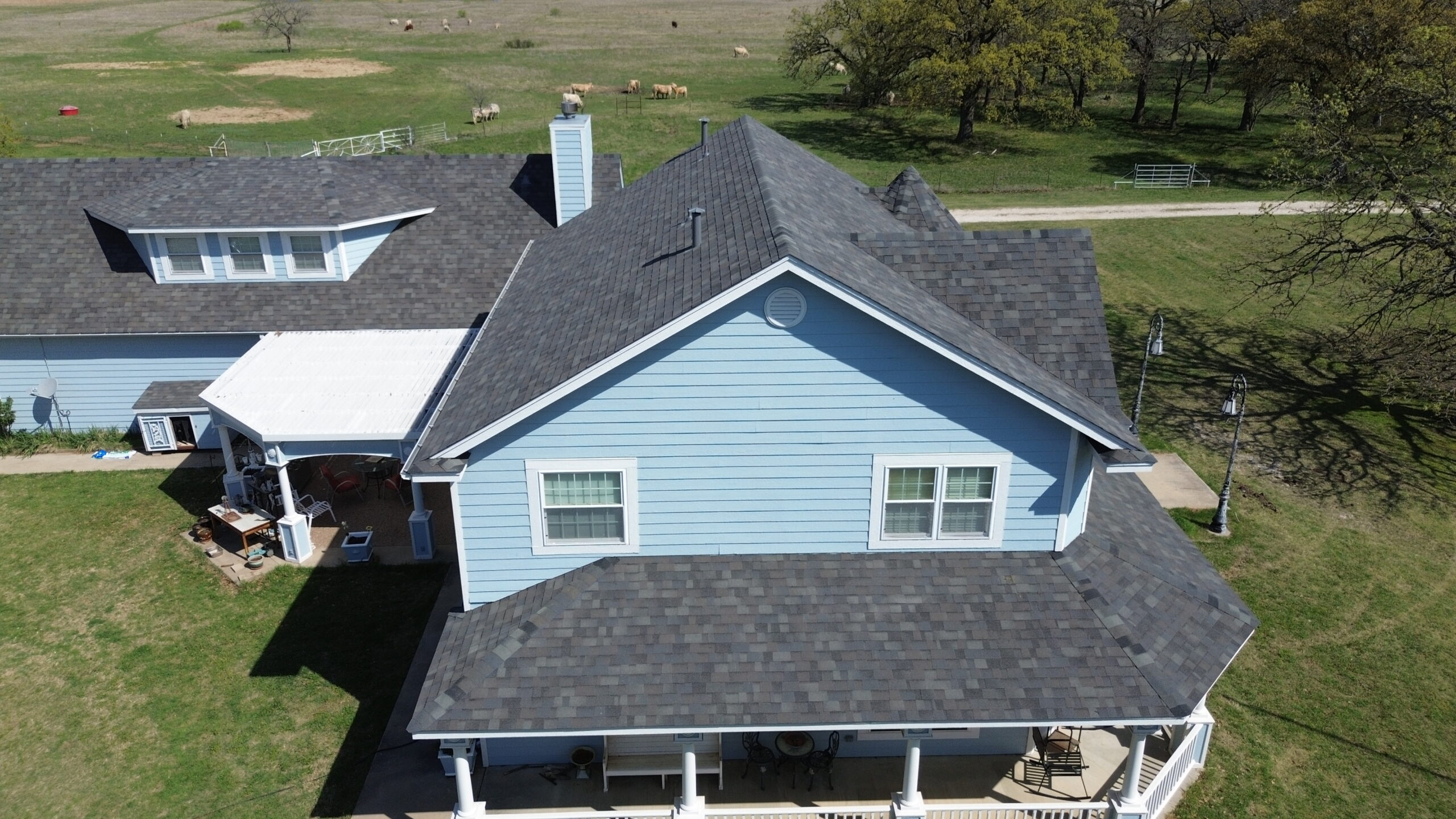
Completing the installation is a major milestone, but it is not the final step in ensuring a successful roofing project. The long term performance of a roof depends on what happens after construction is finished. Regular inspections, proper maintenance, warranty management, and timely repairs all play a significant role in protecting the investment and extending the life of the roofing system.
Many property owners assume that a newly installed roof will not require attention for many years. While a quality roof is designed to provide reliable protection, every roofing system is exposed to changing weather conditions, temperature fluctuations, and natural aging. Establishing good maintenance habits from the beginning helps preserve the roof’s condition and reduces the likelihood of expensive repairs.
The final phase of a successful roof installation focuses on confirming the quality of the completed work and developing a plan for long term care. These efforts ensure the roofing system continues to perform as intended while maintaining its appearance, structural integrity, and energy efficiency.
Conducting Thorough Quality Inspections
A detailed inspection should be completed once the installation work is finished. This inspection confirms that every roofing component has been installed according to project specifications, manufacturer recommendations, and local building requirements. Identifying and correcting small issues before the project is officially completed helps prevent larger problems from developing later.
The inspection usually begins with the roof’s exterior. Contractors examine the alignment of roofing materials, the condition of flashing, ridge caps, vents, gutters, and roof edges. The finished roof should have a consistent appearance with securely fastened materials and no visible gaps or irregularities.
Special attention should be given to areas that are more vulnerable to water intrusion. Roof valleys, chimneys, skylights, plumbing vents, and wall intersections should be inspected carefully because these locations experience higher water flow during rain. Proper flashing and waterproofing around these features are essential for long term performance.
The attic should also be inspected after installation. Contractors look for signs of moisture, daylight entering through the roof deck, damaged insulation, or poor ventilation. A dry, well ventilated attic indicates that the roofing system is functioning correctly.
Property owners should participate in the final walkthrough whenever possible. Reviewing the completed project with the contractor provides an opportunity to ask questions, understand maintenance recommendations, and ensure every aspect of the installation meets expectations.
A thorough inspection also creates confidence that the roofing system is ready to withstand changing weather conditions while providing dependable protection for many years.
Understanding Roof Warranties and Documentation
Roof warranties provide valuable protection, but only when property owners understand how they work. Many people believe that every roofing issue will automatically be covered after installation, but warranty coverage often depends on proper installation, routine maintenance, and compliance with manufacturer requirements.
Most roofing projects include two different warranties. The manufacturer’s warranty covers defects in the roofing materials themselves, while the contractor’s workmanship warranty covers problems resulting from installation errors. Understanding the difference helps property owners know who to contact if a problem develops.
Warranty documents should be reviewed carefully before the project is officially closed. Property owners should understand the duration of coverage, any exclusions, maintenance responsibilities, and the procedures for filing a warranty claim if necessary.
Proper documentation should also be organized and stored safely. Important records may include:
- Roofing contract
- Material specifications
- Warranty certificates
- Inspection reports
- Building permits
- Final invoices
- Maintenance recommendations
Keeping these documents together simplifies future maintenance, warranty claims, and property sales. Buyers often appreciate complete roofing records because they demonstrate responsible ownership and proper maintenance.
Some manufacturers require regular inspections or approved repair methods to maintain warranty protection. Following these requirements helps preserve coverage throughout the roof’s expected lifespan.
Maintenance Practices That Extend Roof Lifespan
Routine maintenance is one of the most effective ways to protect a newly installed roof. Small maintenance tasks performed consistently throughout the year help prevent larger structural problems while extending the roof’s service life.
Seasonal inspections should become part of every property owner’s maintenance routine. Checking the roof in spring and autumn allows potential problems to be identified before severe weather places additional stress on the roofing system.
Cleaning is another important maintenance activity. Leaves, branches, dirt, and moss can accumulate on the roof over time, especially in areas surrounded by trees. Removing debris helps water drain properly while reducing moisture retention that could eventually damage roofing materials.
Gutters and downspouts also require regular attention. Blocked drainage systems prevent rainwater from flowing away efficiently, increasing the risk of water backing up beneath roofing materials. Keeping gutters clean protects both the roof and the building’s foundation.
Tree maintenance contributes to roof protection as well. Overhanging branches should be trimmed periodically to reduce the risk of falling limbs during storms. Limiting contact between branches and roofing materials also helps prevent unnecessary wear caused by repeated movement in the wind.
Property owners should never ignore small repairs. A loose shingle, damaged flashing, or clogged gutter may appear insignificant at first, but delaying repairs often allows minor issues to develop into costly structural damage.
Maintaining detailed records of inspections and repairs also supports long term roof care. Documentation helps track recurring issues while providing valuable information if warranty claims become necessary.
Mistakes That Reduce Roof Performance
Even a professionally installed roof can experience premature problems if it is not maintained correctly. Understanding the most common maintenance mistakes allows property owners to avoid practices that shorten the roof’s lifespan.
One common mistake is ignoring routine inspections. Small issues often develop gradually and remain unnoticed until significant water damage appears inside the building. Regular inspections allow these problems to be corrected while repairs remain relatively simple.
Another mistake is delaying repairs after storm damage. Missing shingles, damaged flashing, or loose ridge caps should be repaired promptly because exposed areas allow moisture to enter the roofing system. Fast action helps prevent structural deterioration beneath the roof surface.
Improper roof cleaning can also cause damage. Using harsh chemicals, high pressure washing equipment, or abrasive tools may weaken roofing materials or remove protective coatings. Cleaning methods should always follow manufacturer recommendations.
Walking on the roof unnecessarily is another avoidable mistake. Frequent foot traffic may damage certain roofing materials, particularly during hot weather when surfaces become more vulnerable. Professional inspections are generally safer and less likely to cause accidental damage.
Some property owners install additional rooftop equipment without consulting roofing professionals. Satellite dishes, solar panels, antennas, or ventilation equipment should be installed using approved mounting systems that preserve waterproofing and structural integrity.
Neglecting attic ventilation also reduces roof performance. Poor airflow allows heat and moisture to accumulate beneath the roof, accelerating material aging while increasing the risk of mold and wood deterioration.
Avoiding these common mistakes significantly improves the roof’s long term reliability and reduces maintenance costs throughout its lifespan.
Monitoring the Roof Throughout the Year
Weather conditions change throughout the year, and each season presents different challenges for a roofing system. Monitoring the roof regularly allows property owners to identify seasonal problems before they become major concerns.
Spring inspections often focus on identifying damage caused by winter weather. Snow, ice, and strong winds may loosen roofing materials or affect flashing around vulnerable areas. Early inspection helps prepare the roof for the rainy season ahead.
Summer brings prolonged sunlight and higher temperatures. Property owners should watch for signs of excessive heat exposure, including curling shingles, cracked sealants, or changes in roof ventilation performance. Maintaining proper airflow during warmer months helps preserve roofing materials.
Autumn maintenance typically involves removing leaves and debris before winter arrives. Keeping gutters clear during this season helps prevent drainage problems caused by falling leaves and branches.
Winter inspections should generally be performed from ground level whenever possible. Heavy snow accumulation, ice buildup, or visible storm damage should be monitored carefully, but walking on icy roofs creates unnecessary safety risks. Professional assistance is recommended if winter roof access becomes necessary.
Developing a seasonal maintenance routine helps property owners remain proactive rather than reacting only after significant damage has occurred.
Frequently Asked Questions About Roof Installation Success
Many homeowners have questions after their new roof has been installed. Understanding the answers to these common concerns helps protect the roofing system while supporting long term performance.
How often should a new roof be inspected?
Most roofing professionals recommend inspecting the roof at least once or twice each year. Additional inspections should also be performed after severe storms, heavy winds, or unusual weather conditions that may have affected the roof.
Can a roof last longer than its expected lifespan?
Yes. High quality materials combined with professional installation and regular maintenance often allow roofing systems to exceed their estimated service life. Preventive care plays a major role in extending roof durability.
Is roof maintenance necessary even if there are no visible problems?
Yes. Many roofing issues develop beneath the surface before becoming visible inside the building. Routine inspections help identify hidden concerns early, reducing repair costs and preventing structural damage.
What signs indicate that professional repairs may be needed?
Water stains on ceilings, loose roofing materials, blocked gutters, damaged flashing, visible sagging, or recurring leaks all suggest that professional evaluation should be arranged as soon as possible.
Does proper maintenance help preserve warranty coverage?
In many cases, yes. Some manufacturers require routine maintenance and approved repair methods to maintain warranty protection. Keeping inspection and maintenance records can also support future warranty claims.
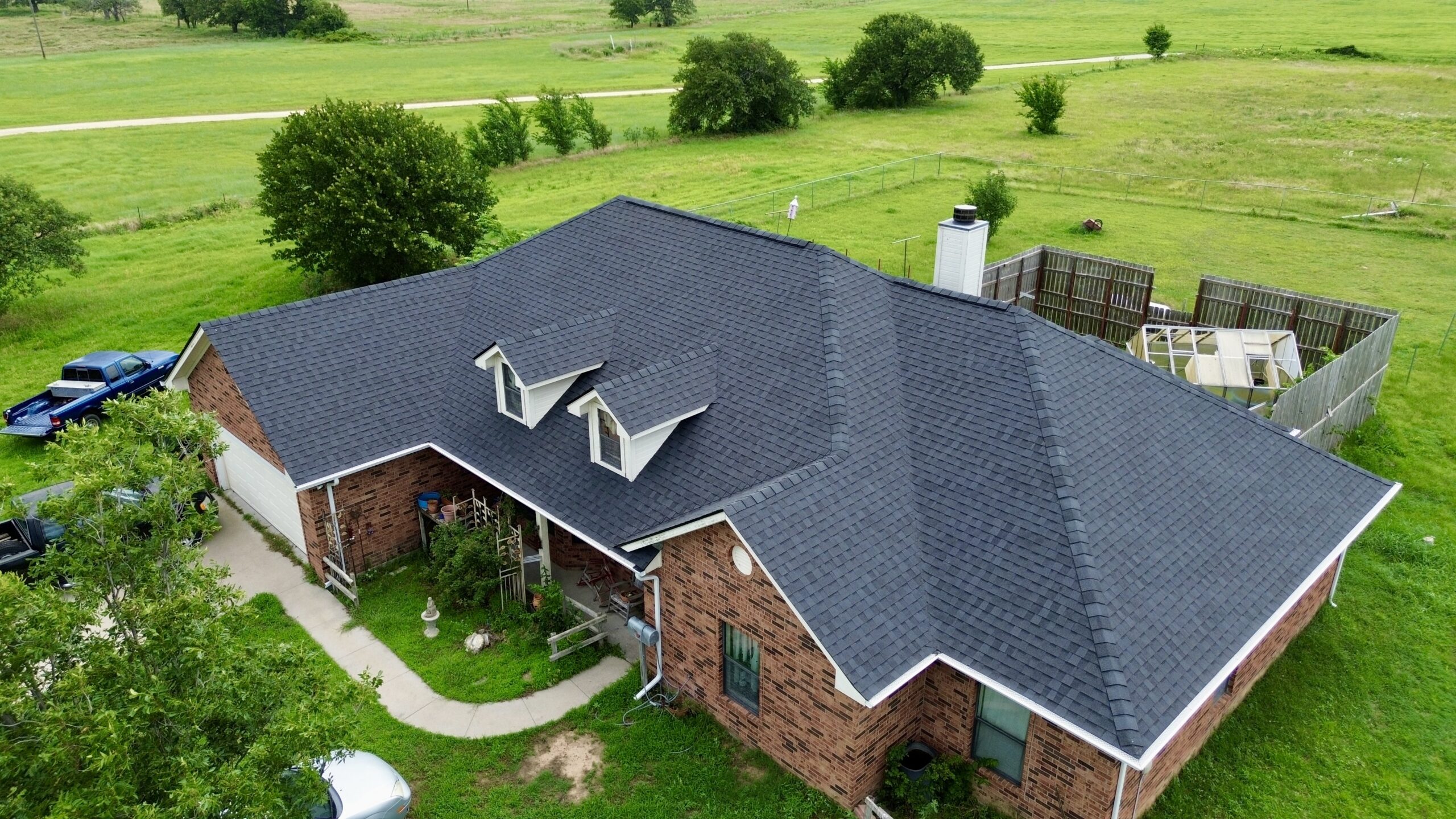
Creating a Long Term Roof Care Plan
A roof installation project achieves its greatest value when the roofing system continues performing reliably for decades. Creating a long term maintenance plan helps property owners protect that investment while reducing future repair expenses.
An effective maintenance plan does not need to be complicated. Instead, it should focus on consistent inspections, preventive maintenance, timely repairs, and proper documentation. Small efforts performed regularly are often more effective than extensive repairs performed after major damage occurs.
The following maintenance plan provides a practical approach for most property owners:
- Inspect the roof every spring and autumn.
- Check the roof after severe storms or high winds.
- Remove leaves, branches, and debris regularly.
- Clean gutters and downspouts to maintain proper drainage.
- Trim overhanging tree branches each year.
- Schedule professional inspections every few years.
- Keep warranty documents and maintenance records in a secure location.
Following a structured maintenance schedule helps preserve the appearance, strength, and weather resistance of the roofing system while reducing long term ownership costs.
The Lasting Value of a Successful Roof Installation
A successful roof installation provides benefits that extend far beyond protecting a building from rain and sunlight. A properly installed roof contributes to energy efficiency, improves indoor comfort, enhances property value, and increases confidence that the structure will remain protected throughout changing weather conditions.
High quality workmanship, durable materials, proper ventilation, and routine maintenance all work together to create a roofing system that performs consistently over time. When these elements are combined with regular inspections and prompt repairs, the roof becomes a dependable long term investment rather than a recurring source of unexpected expenses.
Property owners who remain proactive about roof care often experience fewer emergency repairs, lower maintenance costs, and greater satisfaction with their roofing investment. Protecting the roof after installation is therefore just as important as planning and constructing it correctly.
Conclusion
Roof installation project success depends on a combination of careful planning, quality materials, skilled workmanship, effective communication, and ongoing maintenance. Every stage of the project, from the initial structural assessment to the final inspection, contributes to the roof’s long term durability and performance. Paying attention to these factors creates a strong foundation for a roofing system that delivers reliable protection for many years.
The installation process itself requires experienced contractors, proper techniques, safe working practices, and continuous quality control. Choosing the right professionals and maintaining open communication throughout construction helps prevent many of the common problems that lead to delays, unnecessary costs, or reduced roof performance.
After installation, the focus shifts to protecting the investment through regular inspections, routine maintenance, proper documentation, and timely repairs. These ongoing efforts preserve the roof’s appearance, improve energy efficiency, support warranty coverage, and extend its service life. Small maintenance tasks completed consistently are often the key to avoiding expensive structural repairs in the future.
By understanding and applying the key factors that influence roof installation success, property owners can approach roofing projects with greater confidence and make informed decisions at every stage. A well planned, professionally installed, and properly maintained roof provides lasting value, dependable protection, and peace of mind while enhancing the overall safety and appearance of the property.