

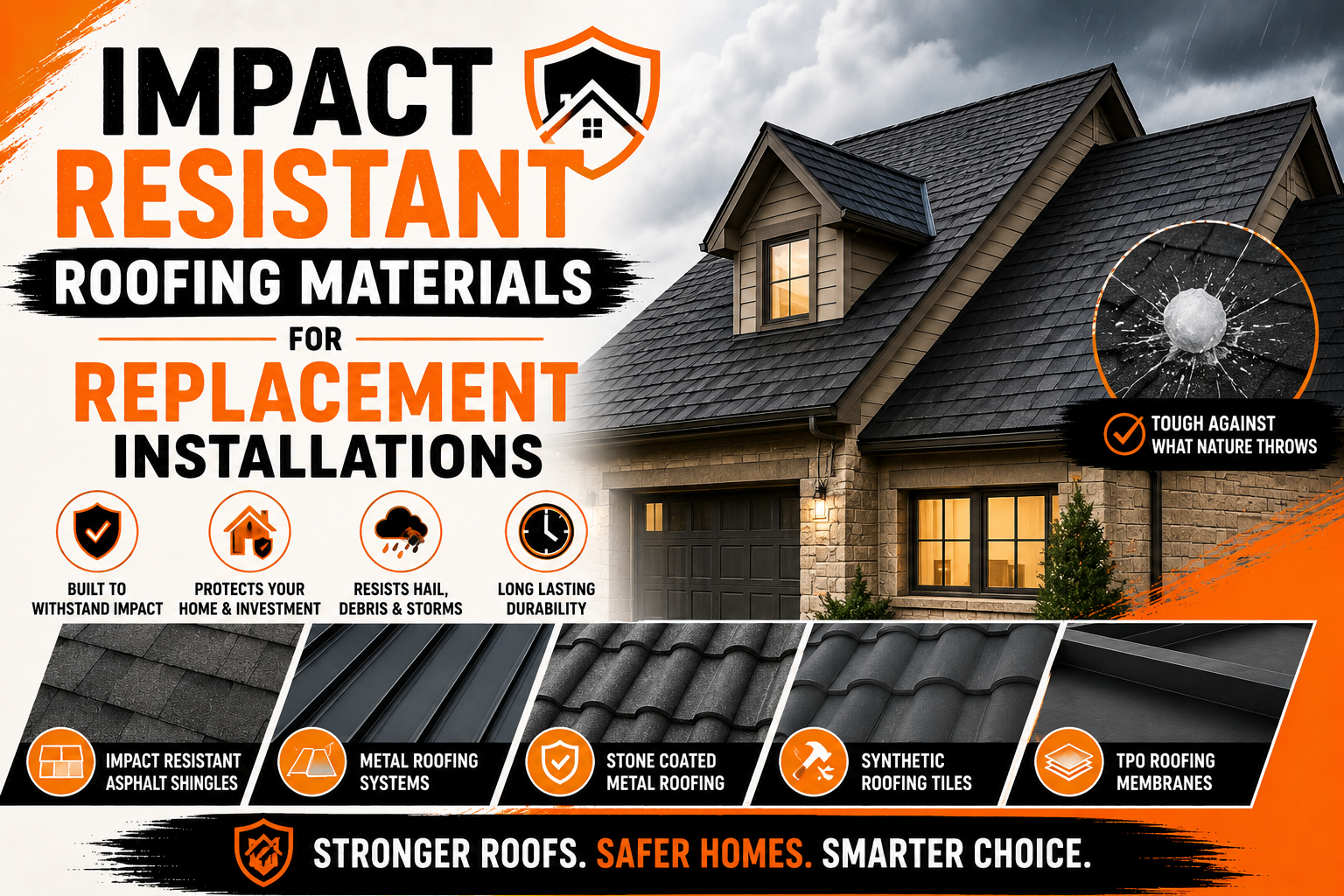
Impact Resistant Roofing Materials for Replacement Installations
Introduction
Roof replacement is one of the most important investments homeowners make to protect their property from the elements. While appearance, cost, and lifespan often influence material selection, impact resistance has become an increasingly important consideration in areas affected by hailstorms, falling branches, wind driven debris, and severe weather events. Choosing roofing materials designed to withstand impacts can significantly reduce future damage while extending the overall lifespan of the roof.
Every roof experiences some level of physical stress during its service life. Heavy rain, hail, tree limbs, airborne debris, and even maintenance activities can place considerable force on roofing materials. Conventional roofing products may crack, dent, or lose their protective surface after repeated impacts, allowing moisture to penetrate the roofing system and increase the risk of costly repairs.
Modern impact resistant roofing materials are engineered to absorb and distribute impact energy more effectively than traditional products. Through advanced manufacturing techniques and stronger reinforcement materials, these roofing systems maintain their structural integrity even after exposure to demanding weather conditions. Homeowners benefit from greater durability while reducing the likelihood of unexpected roof repairs following storms.
A full roof replacement provides an ideal opportunity to upgrade to impact resistant materials. Rather than simply replacing damaged roofing with similar products, homeowners can invest in systems specifically designed to withstand future weather events. This proactive approach often improves long term performance while increasing confidence during severe storms.
Impact resistance also contributes to overall property protection. A stronger roof helps prevent water intrusion, protects insulation and structural framing, and reduces the possibility of interior damage caused by leaks. By minimizing storm related failures, impact resistant roofing supports both structural safety and long term property value.
Today’s roofing industry offers numerous impact resistant options including reinforced asphalt shingles, metal roofing, synthetic roofing materials, composite products, and specially engineered roofing systems. Each material offers unique advantages depending on climate, budget, architectural style, and maintenance expectations.
This guide explores the leading impact resistant roofing materials for replacement installations. From understanding how impacts damage roofing systems to comparing modern roofing options, each section provides practical information that helps homeowners choose durable materials capable of delivering reliable protection for many years.
Why Impact Resistance Matters During Roof Replacement
Impact resistance has become a major priority because severe weather events occur more frequently in many regions. Hailstorms, high winds, and falling debris can damage conventional roofing materials within minutes, leading to expensive repairs or even premature roof replacement. Selecting impact resistant products during a replacement project helps prepare the building for these challenges before they occur.
Roof replacement represents a long term investment that often lasts several decades. During that time, the roof will likely experience multiple storms capable of producing damaging impacts. Choosing stronger materials from the beginning improves the roof’s ability to withstand these events without requiring frequent repairs.
One important benefit is maintaining waterproof protection after storms. When roofing materials crack or lose protective granules following impact, moisture can penetrate beneath the surface and gradually damage underlayment, roof decking, insulation, and structural framing. Impact resistant materials help preserve the roof’s protective barrier by resisting surface damage more effectively.
Homeowners also benefit from reduced maintenance requirements. Roofs capable of absorbing impacts without significant deterioration generally require fewer storm related repairs throughout their service life. Lower maintenance demands contribute to reduced ownership costs while increasing long term value.
Property appearance is another consideration. Roofing materials damaged by hail or falling debris often display visible dents, cracks, or missing surface coatings that affect curb appeal. Stronger roofing products maintain a more attractive appearance despite repeated exposure to severe weather.
In some regions, impact resistant roofing materials may also satisfy local building recommendations or insurance preferences. Although specific benefits vary depending on location and insurance provider, selecting durable roofing products demonstrates a proactive approach toward protecting the property from weather related damage.
Ultimately, impact resistance strengthens the overall roofing system by reducing vulnerability to common environmental hazards. Homeowners gain greater confidence knowing their replacement roof is better prepared to withstand unpredictable weather throughout its lifespan.
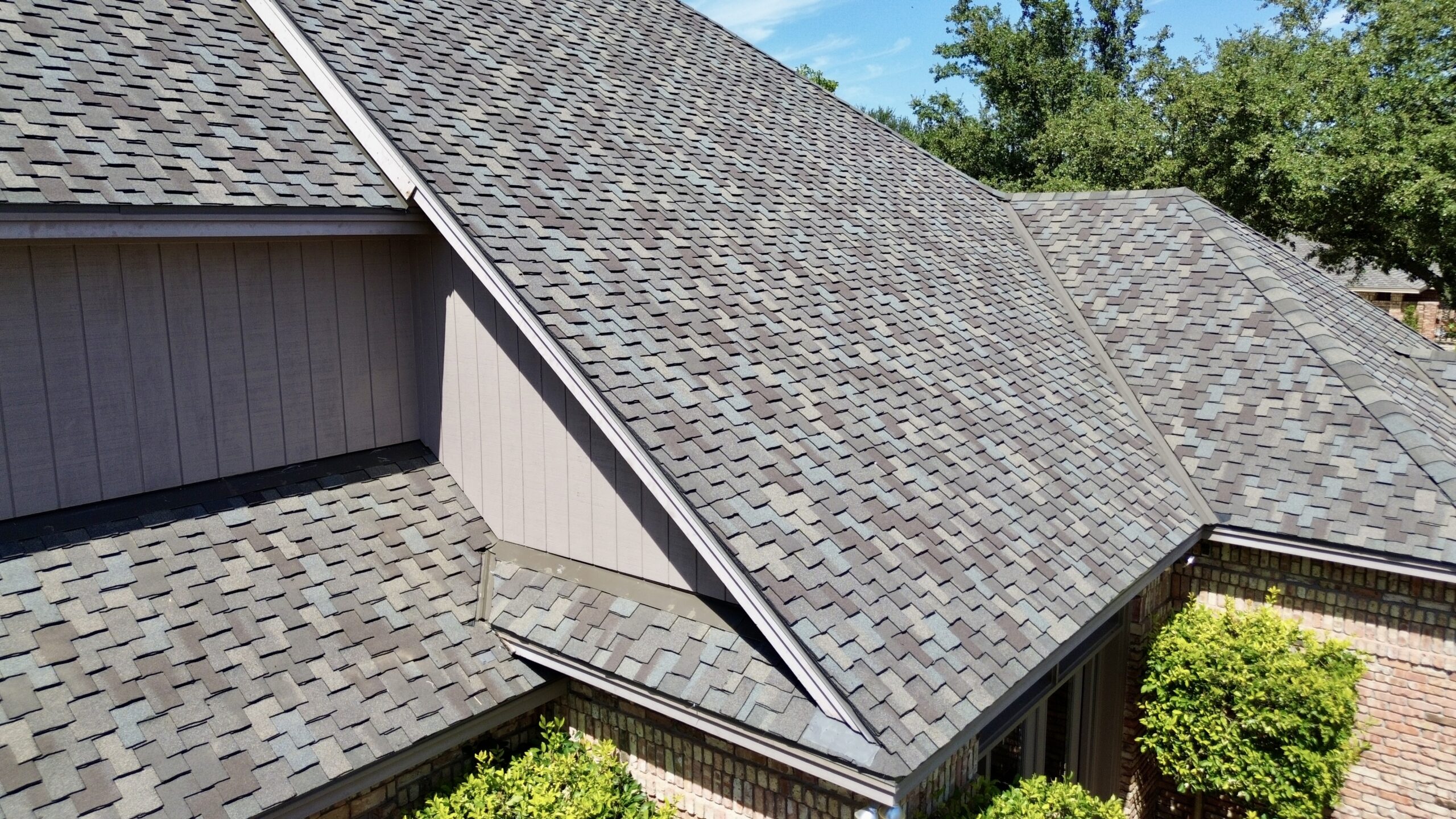
Understanding Impact Damage to Roofing Systems
Roofing materials experience impact damage whenever an external object strikes the roof with sufficient force. Although hail is one of the most common causes, many other sources including tree branches, wind driven debris, maintenance tools, and falling objects can affect roofing performance over time.
The severity of damage depends on several factors including the size, weight, speed, and shape of the impacting object. Material properties also influence how well the roof absorbs energy. Flexible roofing products often distribute impact forces more effectively than rigid materials, reducing the likelihood of cracking or structural failure.
Hail damage frequently begins with small surface imperfections that are not immediately visible from the ground. Protective granules may become dislodged from asphalt shingles, exposing the underlying material to accelerated ultraviolet deterioration. Repeated exposure gradually weakens the roofing system and shortens its expected lifespan.
Rigid roofing materials such as tile or natural slate may crack under severe impacts even when surrounding areas appear undamaged. These cracks create pathways for water infiltration if damaged pieces are not replaced promptly. Hidden damage often becomes apparent only after moisture reaches the roof structure beneath the roofing material.
Metal roofing responds differently to impacts. Although severe hail may leave cosmetic dents, properly installed metal roofing often maintains its waterproof performance because the panels resist punctures and structural failure. The roof continues protecting the building even when minor surface marks remain visible.
Repeated minor impacts should not be ignored either. Over many years, smaller impacts gradually weaken roofing materials through cumulative wear. Routine inspections following storms help identify subtle damage before it develops into significant structural problems.
Understanding how impact damage occurs allows homeowners to appreciate the value of stronger roofing materials. Products specifically engineered to absorb impact energy reduce the likelihood of cracks, punctures, and moisture intrusion while preserving long term roof performance.
Benefits of Installing Impact Resistant Roofing Materials
Impact resistant roofing materials provide advantages that extend well beyond improved storm protection. Their enhanced durability contributes to better long term performance, lower maintenance requirements, and greater confidence during severe weather events.
One of the greatest benefits is improved resistance to hail damage. Reinforced roofing materials absorb impact energy more effectively than conventional products, reducing the likelihood of cracking, punctures, or loss of protective surface coatings. This improved performance helps preserve waterproof protection after storms.
Longer roof lifespan is another important advantage. Because impact resistant materials experience less storm related deterioration, they often remain in good condition longer than standard roofing products exposed to similar weather conditions. Reduced physical damage slows the aging process while delaying the need for future replacement.
Maintenance costs may also decrease over time. Roofs that better withstand impacts generally require fewer emergency repairs following severe weather. Homeowners spend less time addressing damaged shingles, broken tiles, or other storm related roofing issues throughout the roof’s service life.
Improved structural protection represents another valuable benefit. When roofing materials resist cracking and punctures, moisture remains outside the roofing system where it belongs. Protecting underlayment, decking, insulation, and framing reduces the likelihood of hidden structural damage caused by water intrusion.
Impact resistant roofing also provides peace of mind. Homeowners living in areas prone to hailstorms or falling debris often appreciate knowing their roof has been designed to tolerate these conditions more effectively. Greater confidence during severe weather is itself an important advantage.
Modern impact resistant products are available in numerous styles, colors, and profiles. Homeowners no longer need to sacrifice appearance in order to obtain stronger roofing performance. Attractive architectural designs are readily available across multiple impact resistant material categories.
Investing in impact resistant roofing during replacement projects creates long term value by combining dependable weather protection, reduced maintenance, and improved structural security within a single roofing system.
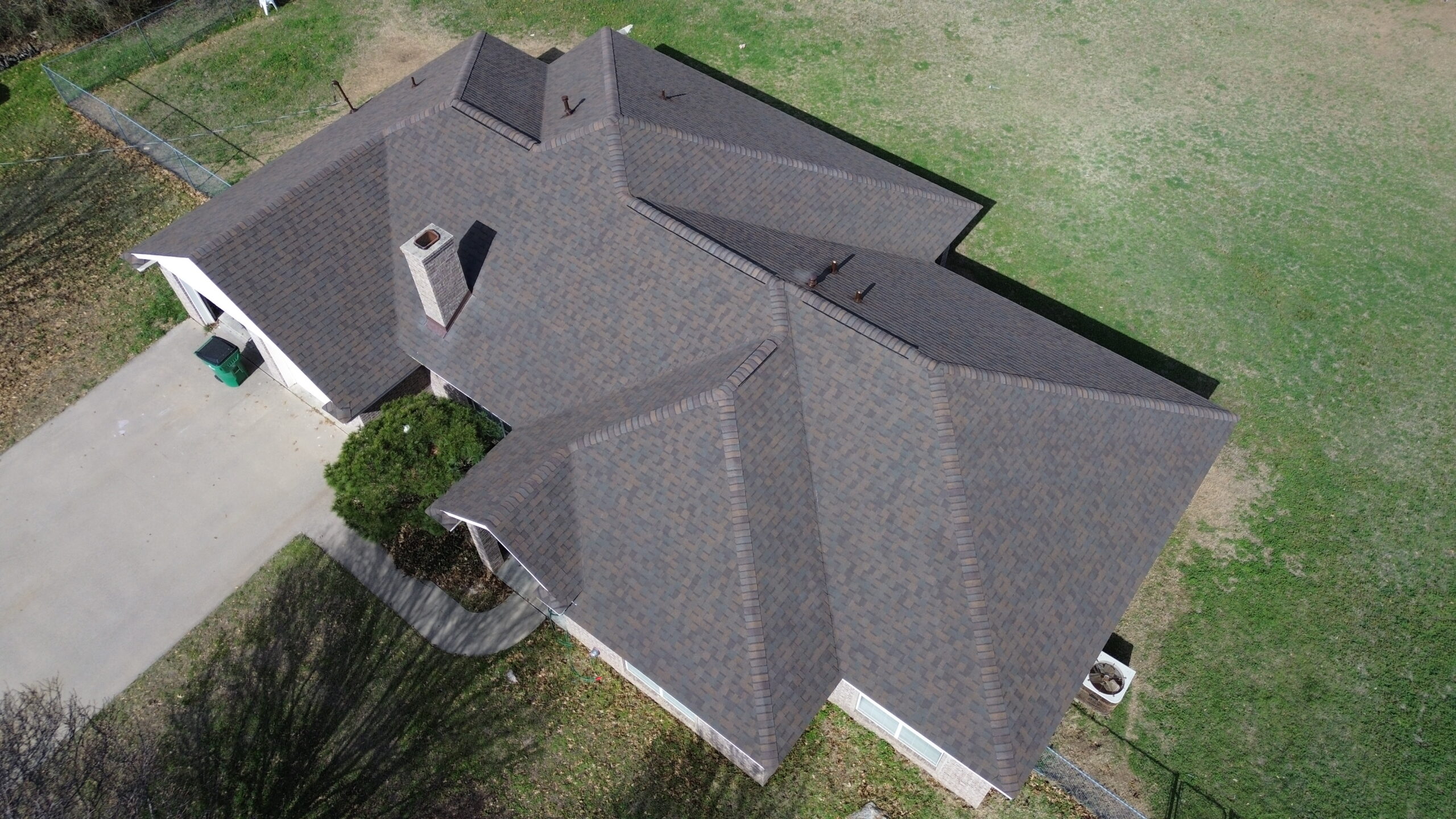
Factors to Consider Before Choosing Impact Resistant Roofing
Although impact resistance is an important feature, selecting the most appropriate roofing material requires evaluating several additional factors. Every property presents unique conditions that influence which roofing system will provide the best overall performance throughout its lifespan.
Climate should remain the first consideration. Regions frequently affected by hail, severe thunderstorms, hurricanes, or falling tree debris naturally benefit most from highly impact resistant materials. However, homeowners should also evaluate how roofing products perform under local temperature, rainfall, humidity, and wind conditions.
Structural capacity influences material selection as well. Some impact resistant roofing products weigh considerably more than others, requiring evaluation of the building’s framing before installation. Lightweight impact resistant options may provide similar protection while reducing structural loading.
Expected lifespan also deserves careful attention. Some roofing systems combine outstanding impact resistance with exceptionally long service lives, while others emphasize affordability with more moderate longevity. Comparing these characteristics helps homeowners understand long term ownership value rather than simply installation cost.
Energy efficiency represents another practical consideration. Many impact resistant roofing materials also feature reflective coatings or improved thermal performance that contribute to lower heating and cooling costs. Combining durability with energy efficiency enhances the overall value of the roofing investment.
Appearance remains important because the roof significantly influences curb appeal. Fortunately, impact resistant roofing materials are available in architectural shingles, standing seam metal, composite slate, synthetic shakes, and numerous other attractive styles that complement different home designs.
Before making a final decision, homeowners should evaluate:
- Local climate and severe weather risks
- Structural capacity of the existing roof
- Expected lifespan of the roofing material
- Installation and long term maintenance costs
- Energy efficiency objectives
- Architectural style and appearance
- Manufacturer warranty coverage
Considering these factors together helps ensure the selected roofing system delivers dependable protection while meeting practical, financial, and aesthetic goals.
Impact Resistant Asphalt Shingles
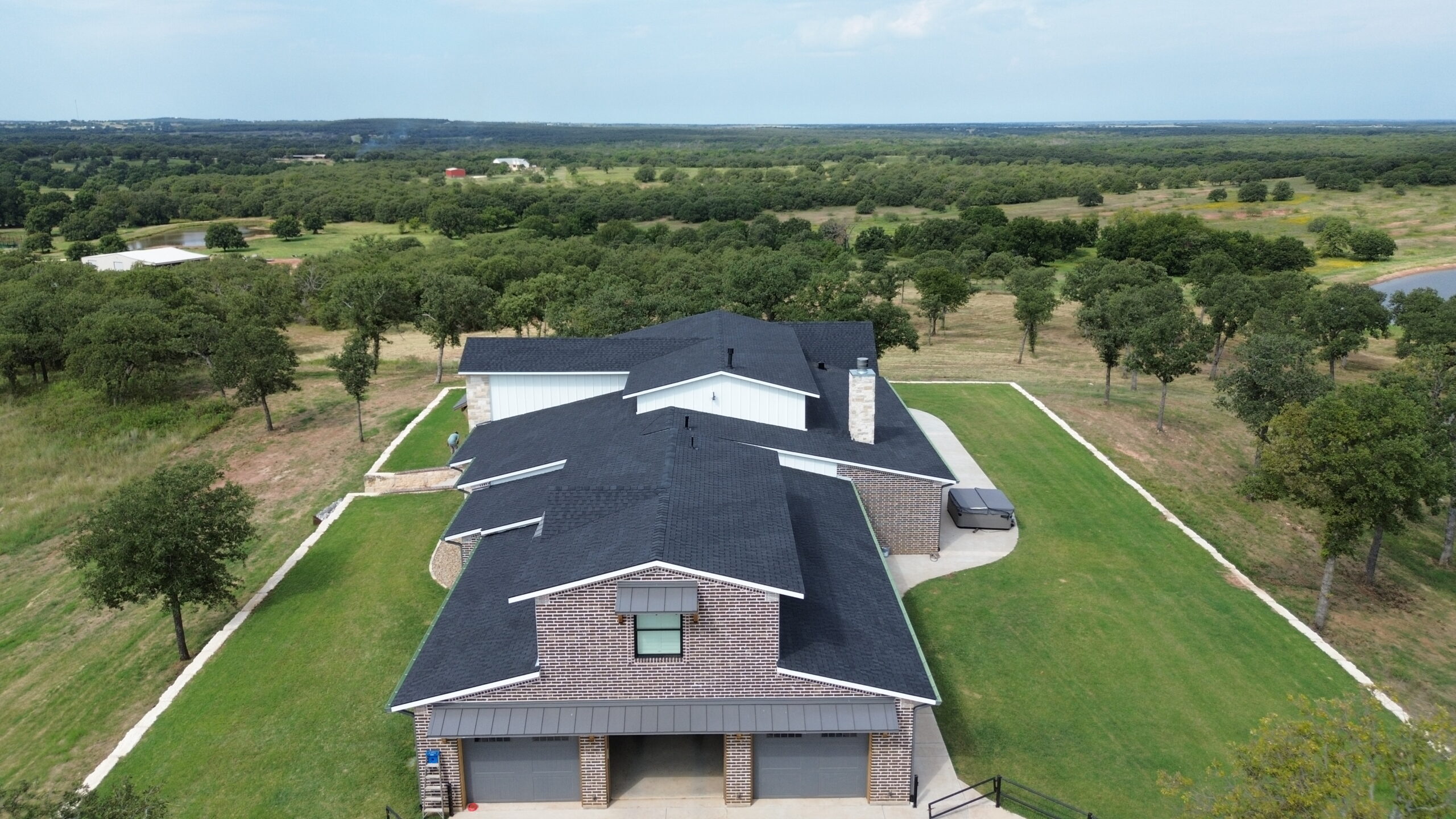
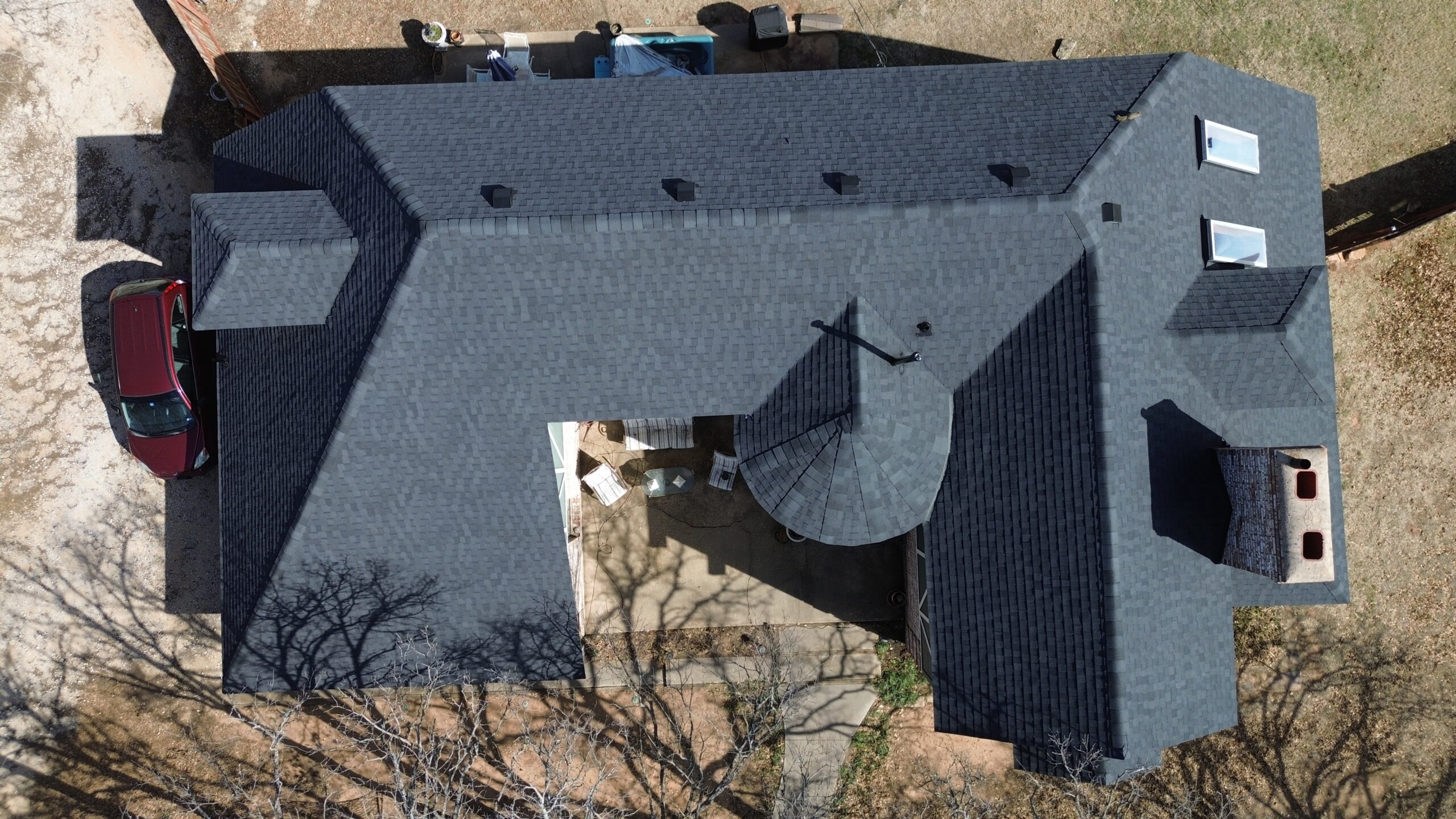
Asphalt shingles remain one of the most popular residential roofing materials, and manufacturers have significantly improved their impact resistance through advanced engineering and stronger construction techniques. Modern impact resistant shingles provide homeowners with an affordable way to increase storm protection without dramatically changing the appearance of the roof.
These shingles typically incorporate reinforced fiberglass mats, modified asphalt formulations, and improved adhesive technologies that enhance flexibility during impacts. Instead of cracking easily under hail or debris strikes, the reinforced structure helps absorb impact energy while maintaining waterproof performance.
Many premium asphalt shingles are specifically tested for impact resistance under recognized industry standards. Products achieving higher impact performance ratings generally provide better protection against hail and wind driven debris while maintaining attractive architectural profiles.
Installation remains relatively straightforward because impact resistant asphalt shingles are installed using methods similar to conventional shingles. Most roofing contractors already possess the experience necessary to install these systems according to manufacturer specifications, simplifying replacement projects.
Another advantage is compatibility with most residential structures. Reinforced asphalt shingles generally do not require structural modifications because their weight remains comparable to standard asphalt roofing products. This allows homeowners to upgrade storm protection without adding excessive structural load.
Routine inspections remain important despite improved durability. Following major storms, homeowners should still check for damaged flashing, displaced shingles, or other roofing issues unrelated to impact resistance. Preventive maintenance helps maximize the lifespan of the entire roofing system.
For homeowners seeking dependable storm protection within a moderate budget, impact resistant asphalt shingles continue to provide an excellent balance between affordability, appearance, durability, and reliable weather performance.
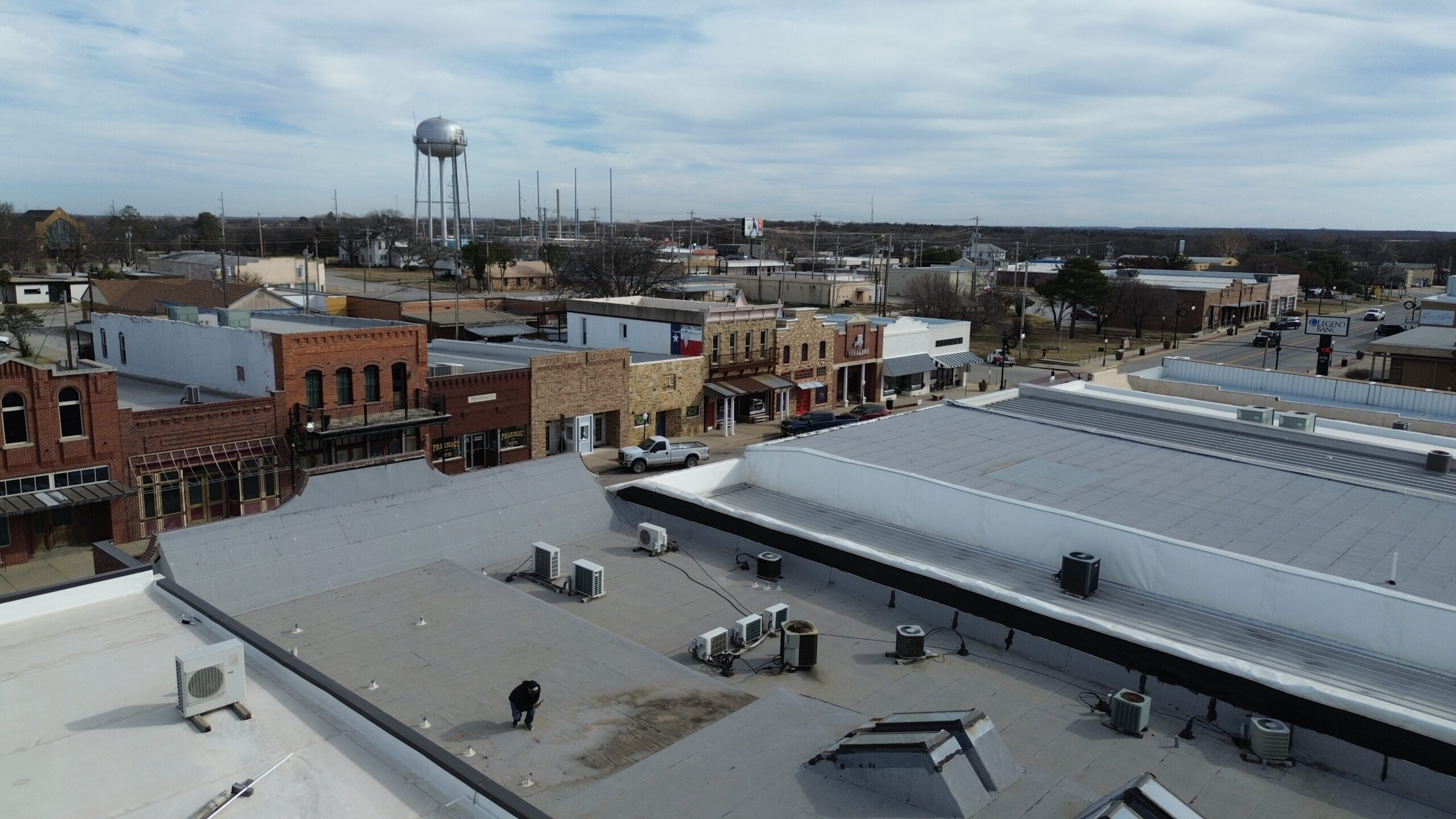
Metal Roofing and Impact Protection
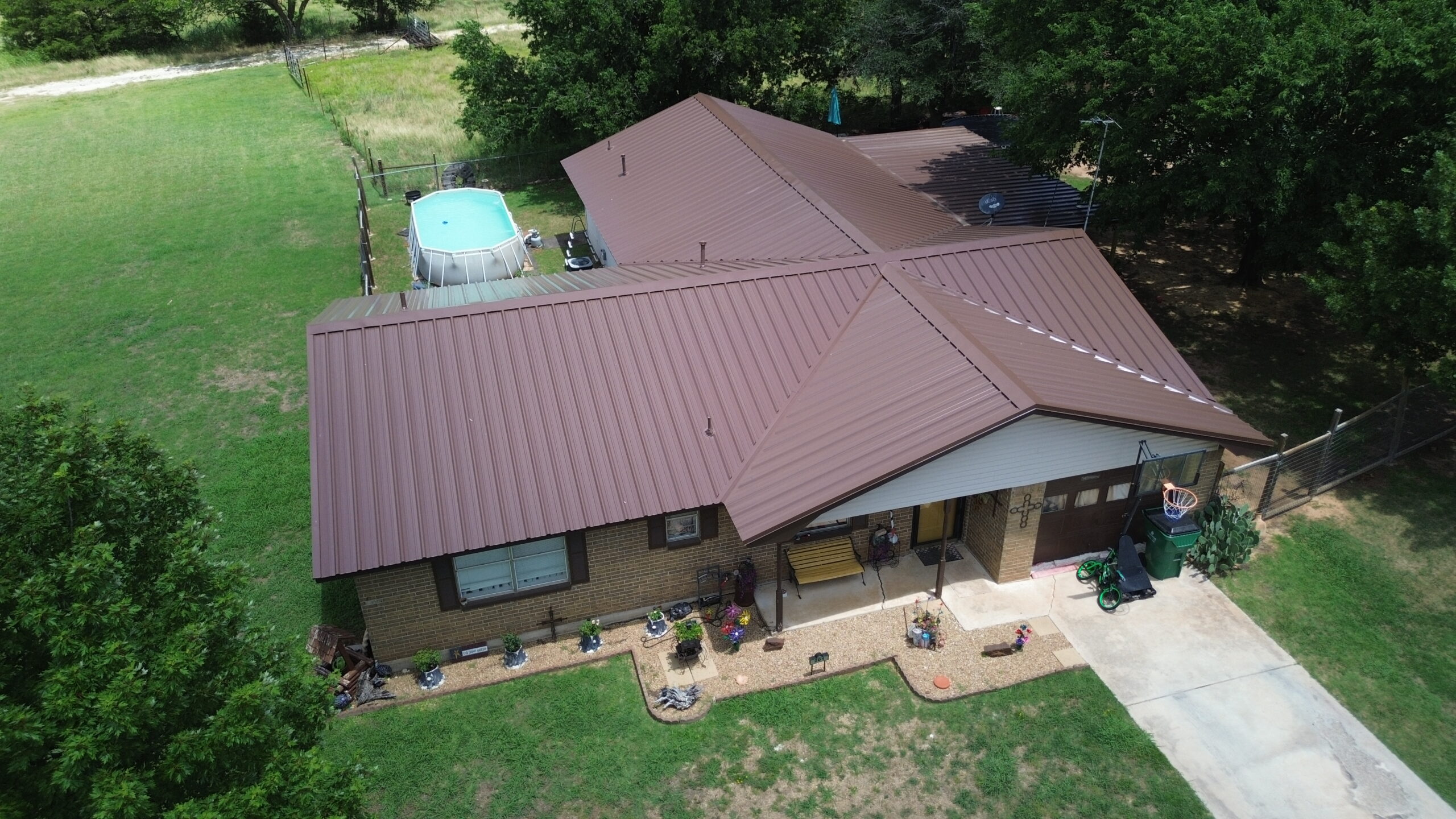
Metal roofing has earned a strong reputation for durability and outstanding impact resistance, making it one of the leading choices for homeowners replacing roofs in areas exposed to severe weather. Modern metal roofing systems combine lightweight construction with exceptional structural strength, allowing them to withstand demanding environmental conditions while maintaining reliable weather protection.
Unlike many traditional roofing materials, metal roofing often resists punctures even when struck by hail or falling debris. Although severe impacts may occasionally produce cosmetic dents, properly installed metal panels generally continue protecting the building from moisture without compromising structural performance.
Standing seam metal roofing provides particularly strong impact performance because continuous panels distribute impact forces across a broader area. Concealed fastening systems further improve durability by reducing exposed attachment points while maintaining excellent weather resistance.
Protective surface coatings enhance long term performance by resisting corrosion, ultraviolet exposure, and weather related deterioration. These coatings preserve both appearance and structural integrity despite years of exposure to demanding environmental conditions.
Metal roofing also offers excellent wind resistance, making it especially valuable in regions where severe storms combine hail with powerful winds. Proper installation according to manufacturer specifications ensures panels remain securely attached even during challenging weather events.
Another important advantage is energy efficiency. Reflective finishes reduce solar heat absorption, helping lower attic temperatures while improving indoor comfort during warmer months. Combined with proper insulation and ventilation, metal roofing contributes to reduced cooling demands without sacrificing impact protection.
Although the initial investment is generally higher than asphalt shingles, many homeowners consider metal roofing worthwhile because of its exceptional durability, long lifespan, relatively low maintenance requirements, and dependable performance under severe weather conditions.
For replacement projects where impact resistance, longevity, and structural performance are top priorities, metal roofing remains one of the strongest and most dependable options available today.
Synthetic Roofing Materials Designed for Impact Resistance
Synthetic roofing materials have become one of the most popular solutions for homeowners seeking exceptional impact resistance without the weight of traditional roofing products. Advances in material engineering have made it possible to create roofing systems that closely resemble slate, cedar shakes, and clay tiles while offering superior durability against hail and falling debris.
Most synthetic roofing materials are manufactured using engineered polymers, recycled plastics, rubber compounds, or advanced composite materials. These materials are specifically designed to absorb and distribute impact energy rather than cracking under pressure. Their flexibility allows them to recover from impacts that might permanently damage more rigid roofing materials.
One of the greatest advantages of synthetic roofing is its combination of strength and relatively low weight. Homeowners can enjoy the appearance of premium roofing materials without placing unnecessary stress on the building’s structural framework. This makes synthetic products particularly attractive for older homes undergoing roof replacement.
Many manufacturers perform extensive laboratory testing to evaluate how their products respond to hail impacts and other physical forces. Roofing systems engineered for impact resistance often maintain their waterproof performance even after repeated impacts, helping prevent costly moisture damage beneath the roofing surface.
Synthetic roofing also offers excellent resistance to insects, moisture, mold, and ultraviolet radiation. Unlike natural wood, many composite materials do not rot or require regular chemical treatments. Their durability contributes to lower maintenance requirements throughout the roof’s service life.
Another important advantage is design flexibility. Synthetic roofing products are available in numerous colors, textures, and profiles that complement both traditional and modern architectural styles. Homeowners can achieve premium aesthetics while benefiting from enhanced weather protection.
For replacement projects where durability, appearance, and impact resistance are equally important, synthetic roofing materials continue to represent one of the strongest modern alternatives to conventional roofing systems.
Concrete and Clay Tile Performance During Impact Events
Concrete and clay tile roofing has long been valued for durability, architectural character, and impressive weather resistance. However, their performance during impact events differs from more flexible roofing materials because these products rely on strength rather than elasticity to resist damage.
Clay tiles are manufactured from natural earth materials that are fired at extremely high temperatures, creating dense and durable roofing products capable of withstanding decades of environmental exposure. Concrete tiles achieve similar strength through carefully engineered cement mixtures that provide long lasting structural performance.
Under normal weather conditions, tile roofing performs exceptionally well against sunlight, rain, fire, and temperature changes. However, severe hail or heavy falling debris may crack individual tiles depending on the size and force of the impact. Unlike flexible roofing products that absorb impact energy, rigid materials concentrate the force at the point of contact.
Fortunately, damage is often limited to individual tiles rather than the entire roofing system. Replacing isolated damaged pieces usually restores full weather protection without requiring complete roof replacement. Routine inspections following severe storms help identify cracked tiles before moisture infiltration occurs.
Modern installation methods also improve overall impact performance. Individual fastening systems, improved underlayment, and advanced installation techniques help maintain waterproof protection even if isolated tile damage occurs. High quality underlayment provides an additional moisture barrier beneath the tile surface.
Tile roofing also contributes to excellent thermal performance. The natural air space beneath installed tiles reduces heat transfer into the building while supporting better energy efficiency. Homeowners therefore gain multiple performance benefits beyond impact protection alone.
Although clay and concrete tile roofing may not absorb impacts as effectively as flexible synthetic materials, they remain dependable long term roofing solutions when properly installed and maintained.
Slate Roofing and Modern Impact Resistant Alternatives
Natural slate has earned a reputation as one of the longest lasting roofing materials available. Properly installed slate roofs can remain functional for generations while providing exceptional resistance to weather, fire, and ultraviolet exposure. However, because slate is a natural stone product, it responds differently to impacts than many modern roofing materials.
The density and hardness of slate provide outstanding durability under normal environmental conditions. Unlike many manufactured products, slate does not deteriorate rapidly from prolonged sunlight or moisture exposure. These qualities make it a preferred roofing material for historic buildings and premium residential properties.
Despite its exceptional longevity, natural slate may crack when struck by sufficiently large hailstones or heavy falling branches. Stone cannot flex under impact, so concentrated force occasionally results in fractured tiles. Damaged pieces should be replaced promptly to preserve the roof’s waterproof performance.
Recognizing this limitation, manufacturers have developed synthetic slate products designed to imitate natural stone while improving impact resistance. These engineered alternatives combine lightweight construction with flexible composite materials capable of absorbing impact energy more effectively than natural slate.
Synthetic slate also simplifies installation because of its reduced weight. Many homes that cannot safely support natural slate can accommodate composite alternatives without structural reinforcement. Homeowners achieve a similar architectural appearance while improving resistance to hail and debris.
Maintenance requirements generally remain low for both natural and synthetic slate roofing. Periodic inspections help identify isolated damage, flashing concerns, or weather related wear before more extensive repairs become necessary.
For homeowners attracted to the timeless appearance of slate but concerned about impact resistance, modern synthetic alternatives provide an appealing balance between traditional aesthetics and advanced engineering.
Impact Resistant Roofing for Different Climate Conditions
Climate plays an important role in determining how impact resistant roofing materials perform over time. While impact protection is valuable in every region, the specific environmental challenges facing the roof often influence which material provides the greatest long term value.
Regions frequently affected by hailstorms naturally place the greatest emphasis on impact resistance. Flexible roofing materials such as reinforced asphalt shingles, synthetic roofing, and certain metal roofing systems often perform particularly well because they distribute impact energy more effectively than rigid products.
Areas with dense tree coverage face a different challenge. Falling branches and wind driven debris create repeated impact hazards even when hail is uncommon. Strong roofing materials capable of resisting punctures and cracking help reduce maintenance following seasonal storms.
High wind regions often experience impacts from airborne debris in addition to uplift forces. Roofing systems should therefore provide both strong fastening methods and durable surface materials capable of tolerating repeated physical impacts during severe weather.
Cold climates introduce another consideration because roofing materials become less flexible at lower temperatures. Products specifically engineered for cold weather maintain better impact resistance during winter storms than materials designed primarily for warm environments.
Hot climates expose roofing materials to prolonged ultraviolet radiation and high temperatures. Although hail may occur less frequently in some warm regions, roofing products should still maintain impact resistance despite years of sun exposure. Materials that retain flexibility over time generally provide more consistent long term performance.
Coastal environments combine salt exposure, humidity, and occasional severe storms. Corrosion resistant roofing materials with strong impact performance help preserve both appearance and structural protection despite demanding weather conditions.
Selecting impact resistant roofing according to local climate allows homeowners to maximize both durability and overall roof performance throughout every season.
Insurance, Energy Efficiency, and Long Term Value
Impact resistant roofing materials provide benefits that extend beyond physical durability. Many homeowners also appreciate the financial and energy related advantages associated with modern high performance roofing systems.
Reduced storm damage naturally lowers the likelihood of future repair expenses. Roofing materials capable of resisting hail and debris impacts often maintain their waterproof performance despite severe weather, reducing maintenance costs throughout the roof’s lifespan.
Energy efficiency has also improved significantly across many impact resistant roofing products. Reflective coatings, improved insulation compatibility, and better ventilation systems help regulate attic temperatures while reducing heating and cooling demands. Homeowners benefit from greater indoor comfort alongside enhanced weather protection.
Metal roofing provides an excellent example of combining impact resistance with energy performance. Reflective finishes reduce solar heat absorption while the durable metal panels continue resisting hail and wind driven debris. Similar advantages are available with several synthetic roofing systems designed to improve thermal performance.
Many premium roofing products also offer extended manufacturer warranties because of their enhanced durability. Strong warranty coverage provides homeowners with additional confidence that their roofing investment will continue performing reliably for many years.
Long term value should always be evaluated across the entire service life of the roof rather than focusing only on installation cost. Materials requiring fewer repairs, lasting longer, and improving energy efficiency often provide greater overall financial benefits despite higher initial investment.
Homeowners should compare roofing materials according to durability, maintenance, lifespan, energy savings, and expected ownership costs. This broader perspective helps identify roofing systems that deliver lasting value rather than simply minimizing upfront expenses.
Comparing Popular Impact Resistant Roofing Materials
Every impact resistant roofing material offers a different combination of durability, appearance, weight, maintenance requirements, and overall value. Comparing these characteristics helps homeowners select roofing systems that best match their property’s climate, structural capacity, and long term goals.
The following table provides a general comparison of today’s most common impact resistant roofing materials.
| Roofing Material | Impact Resistance | Expected Lifespan | Maintenance | Best Application |
|---|---|---|---|---|
| Reinforced Asphalt Shingles | Very Good | Moderate to Long | Low | Most residential homes |
| Metal Roofing | Excellent | Very Long | Low | Residential and commercial buildings |
| Synthetic Roofing | Excellent | Long | Low | Homes seeking premium appearance |
| Composite Roofing | Very Good | Long | Low | Residential replacement projects |
| Clay Tile Roofing | Good | Very Long | Low | Warm climates and luxury homes |
| Concrete Tile Roofing | Good | Very Long | Low | High durability residential projects |
| Natural Slate | Moderate to Good | Exceptional | Low | Historic and upscale properties |
| Synthetic Slate | Excellent | Long | Low | Homes seeking slate appearance with greater impact resistance |
While this comparison provides a useful overview, homeowners should remember that no roofing material is ideal for every situation. Climate conditions, installation quality, structural capacity, maintenance preferences, and budget all influence long term performance.
Working with an experienced roofing contractor allows property owners to compare these factors carefully and select an impact resistant roofing system that provides dependable protection while supporting long term value.
Balancing Impact Resistance, Cost, and Durability
Selecting the most impact resistant roofing material does not automatically guarantee the best overall value. Homeowners should balance impact protection with durability, maintenance requirements, energy efficiency, appearance, and long term ownership costs. A roofing system performs best when these factors work together rather than when a single feature becomes the primary focus.
Budget is naturally an important consideration during roof replacement. While premium impact resistant materials often require a higher initial investment, they may reduce future repair expenses by resisting hail, falling branches, and wind driven debris more effectively than conventional roofing products. Looking beyond installation costs helps homeowners understand the complete financial value of the roof.
Durability also varies among roofing materials. Metal roofing, synthetic roofing, and high quality composite products often combine excellent impact resistance with long service lives. Reinforced asphalt shingles provide dependable protection at a lower initial cost, making them an attractive choice for many homeowners seeking a balance between affordability and performance.
Climate should remain a key factor when comparing roofing materials. Homes located in regions with frequent hailstorms or severe weather benefit more from premium impact resistant products than homes in areas where storm related damage is relatively uncommon. Matching roofing materials to local environmental conditions improves long term value.
Maintenance expectations should also be considered. Some roofing materials require very little ongoing maintenance, while others benefit from periodic inspections or isolated repairs following severe storms. Choosing a roofing system that matches the homeowner’s maintenance preferences contributes to greater satisfaction throughout its lifespan.
Energy efficiency provides another long term benefit. Many modern impact resistant roofing systems incorporate reflective coatings or advanced construction techniques that improve thermal performance. Lower heating and cooling costs enhance the overall return on investment while improving indoor comfort.
Rather than selecting materials based solely on impact ratings, homeowners should evaluate how durability, climate performance, maintenance, appearance, and energy efficiency contribute to the roofing system’s overall value.
Common Mistakes When Selecting Impact Resistant Roofing
Even high quality impact resistant roofing materials may fail to deliver their full benefits if important planning considerations are overlooked. Understanding common mistakes helps homeowners make informed decisions while avoiding unnecessary repair costs and disappointment.
One common mistake is assuming every roofing material labeled as impact resistant performs equally well. Different products offer varying levels of protection depending on their construction, testing standards, and manufacturing quality. Comparing product specifications helps identify roofing systems best suited to local weather conditions.
Another mistake involves focusing only on impact resistance while ignoring other performance characteristics. Roofing materials should also be evaluated for wind resistance, moisture protection, ultraviolet durability, energy efficiency, and expected lifespan. A well balanced roofing system generally provides greater overall value than one selected for a single feature.
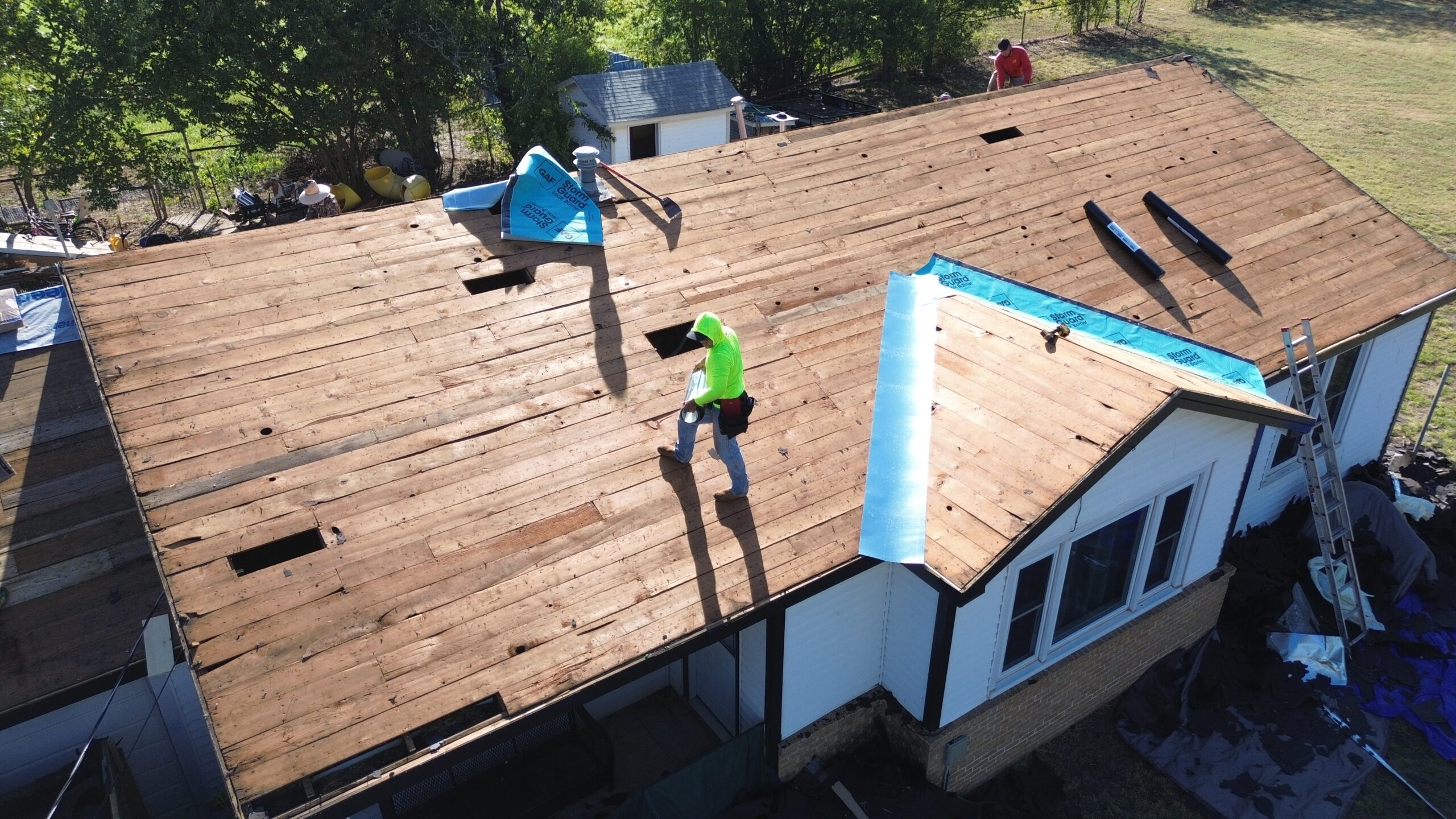
Some homeowners underestimate the importance of professional installation. Even premium roofing materials cannot provide dependable storm protection if flashing, underlayment, fastening systems, or ventilation components are installed incorrectly. Following manufacturer installation guidelines is essential for achieving maximum durability.
Failing to inspect the roof after major storms is another common oversight. Although impact resistant roofing withstands severe weather better than conventional materials, exceptionally large hail or falling debris may still cause isolated damage. Prompt inspections help identify problems before moisture reaches the roof structure.
Choosing roofing materials without considering structural capacity can also create complications. Certain impact resistant roofing products weigh more than others, making structural evaluation important before installation. Lightweight alternatives may provide similar protection while reducing permanent roof loads.
Some homeowners also neglect routine maintenance because they assume stronger roofing materials require no attention. Periodic inspections, gutter cleaning, and flashing maintenance remain important regardless of roofing material. Preventive care extends roof lifespan while preserving long term performance.
Avoiding these common mistakes helps homeowners maximize the protective benefits of impact resistant roofing while reducing maintenance costs and preserving structural integrity.
Questions to Ask Before Choosing an Impact Resistant Roof
Carefully comparing roofing materials becomes much easier when homeowners ask practical questions before making a final decision. These discussions encourage informed planning while helping contractors recommend roofing systems appropriate for the property’s specific needs.
Before selecting an impact resistant roofing material, consider asking the following questions:
- Which impact resistant roofing materials perform best in my local climate?
- How does each roofing option compare in terms of expected lifespan?
- Will my home’s existing structure safely support the selected roofing material?
- How much maintenance will the roofing system require after installation?
- Does the roofing material improve energy efficiency as well as impact protection?
- What warranty coverage is provided for both materials and workmanship?
- How has this roofing material performed during previous storms in my region?
- Which roofing system provides the greatest long term value rather than simply the lowest installation cost?
These questions encourage homeowners to evaluate roofing materials from multiple perspectives rather than focusing only on storm protection. The answers help create realistic expectations while supporting confident decision making throughout the replacement project.
Working with a Qualified Roofing Contractor
Selecting the right roofing contractor is just as important as choosing the right roofing material. Professional installation ensures impact resistant products perform according to manufacturer specifications while delivering the level of protection homeowners expect.
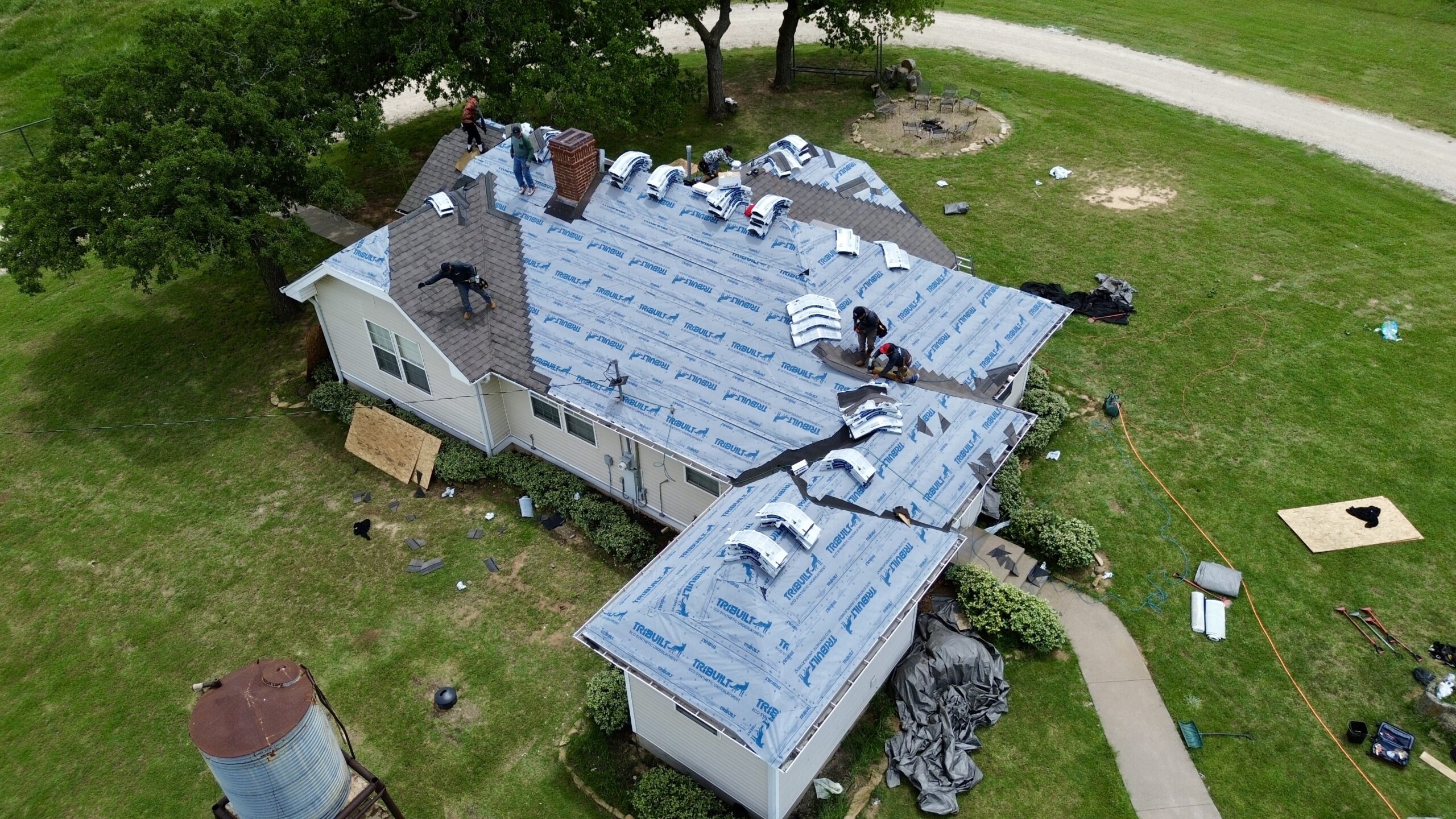
Experienced roofing contractors begin by inspecting the existing roof structure, decking, flashing, ventilation, and drainage systems. This evaluation identifies hidden damage or structural concerns that should be corrected before new roofing materials are installed. Addressing these issues early creates a stronger and more reliable roofing system.
Qualified contractors also understand the installation techniques required for different roofing materials. Proper fastening methods, flashing details, underlayment placement, and ventilation design all influence the roof’s ability to resist impacts and prevent moisture intrusion after storms.
Communication remains an important part of every successful replacement project. Homeowners should receive clear explanations regarding available roofing materials, installation procedures, project schedules, maintenance recommendations, and warranty coverage. Transparent communication helps eliminate uncertainty while supporting informed decisions.
Safety should also remain a priority throughout construction. Professional roofing crews follow established safety procedures that protect workers, homeowners, landscaping, and surrounding property while maintaining efficient project progress.
Once installation is complete, homeowners should continue scheduling periodic roof inspections, especially after severe weather events. Early identification of isolated damage allows repairs to be completed before water infiltration affects the roof structure beneath the roofing materials.
Working with an experienced roofing contractor ensures that quality materials and proper installation techniques work together to provide dependable long term impact protection.
Future Innovations in Impact Resistant Roofing Technology
Roofing technology continues advancing as manufacturers develop stronger, lighter, and more resilient materials capable of withstanding increasingly demanding weather conditions. These innovations focus on improving durability while maintaining attractive appearance and energy efficiency.
Advanced composite materials are becoming more sophisticated through improved engineering and manufacturing processes. New material formulations provide greater flexibility while maintaining exceptional structural strength, allowing roofing systems to absorb larger impacts without permanent damage.
Protective surface coatings also continue to improve. Enhanced coatings resist ultraviolet radiation, moisture, abrasion, and weather related deterioration while helping roofing materials maintain their impact resistance over many years of environmental exposure.
Manufacturers are increasingly incorporating recycled materials into impact resistant roofing products. Recycled polymers, engineered rubber compounds, and advanced composite blends contribute to sustainable construction while maintaining excellent performance under severe weather conditions.
Integrated roofing technologies are also gaining attention. Some manufacturers are developing roofing systems that combine impact resistance, solar energy generation, improved insulation, and advanced moisture management within a single product. These multifunctional systems maximize both structural performance and energy efficiency.
Smart roofing technology represents another area of ongoing development. Embedded sensors may eventually monitor roof condition, detect impacts, identify hidden moisture intrusion, and alert homeowners when inspections or repairs become necessary. Early detection allows maintenance before significant structural damage develops.
As research continues, impact resistant roofing materials are expected to become even more durable, lightweight, environmentally responsible, and energy efficient. These innovations will provide homeowners with greater protection while reducing maintenance demands and extending roof lifespan.
Conclusion
Impact resistant roofing materials have become an essential consideration for homeowners planning roof replacement projects, particularly in regions exposed to hailstorms, severe weather, or falling debris. Modern roofing technology provides numerous options capable of delivering stronger protection while maintaining attractive appearance, excellent durability, and long term structural performance.
Today’s impact resistant roofing systems include reinforced asphalt shingles, metal roofing, synthetic products, composite materials, concrete tiles, clay tiles, and advanced slate alternatives. Each material offers unique strengths depending on climate, budget, structural capacity, maintenance expectations, and architectural style. Understanding these differences allows homeowners to select roofing systems that best meet their property’s specific requirements.
A successful roof replacement involves more than choosing materials with high impact resistance. Proper installation, quality underlayment, effective ventilation, sound structural support, and regular maintenance all contribute to the roof’s ability to withstand severe weather throughout its service life. When these elements work together, homeowners gain dependable protection against both everyday weather and unexpected storm events.
Working with experienced roofing professionals further improves project success by ensuring appropriate material selection, proper installation techniques, and compliance with manufacturer recommendations. Their expertise helps homeowners avoid common mistakes while maximizing the performance of their roofing investment.
As roofing materials continue to evolve, impact resistant systems will provide even greater durability, improved energy efficiency, and enhanced sustainability. Investing in impact resistant roofing during a replacement installation helps protect the building, reduce long term maintenance costs, preserve property value, and provide lasting confidence that the roof is prepared for the challenges of future weather conditions.