

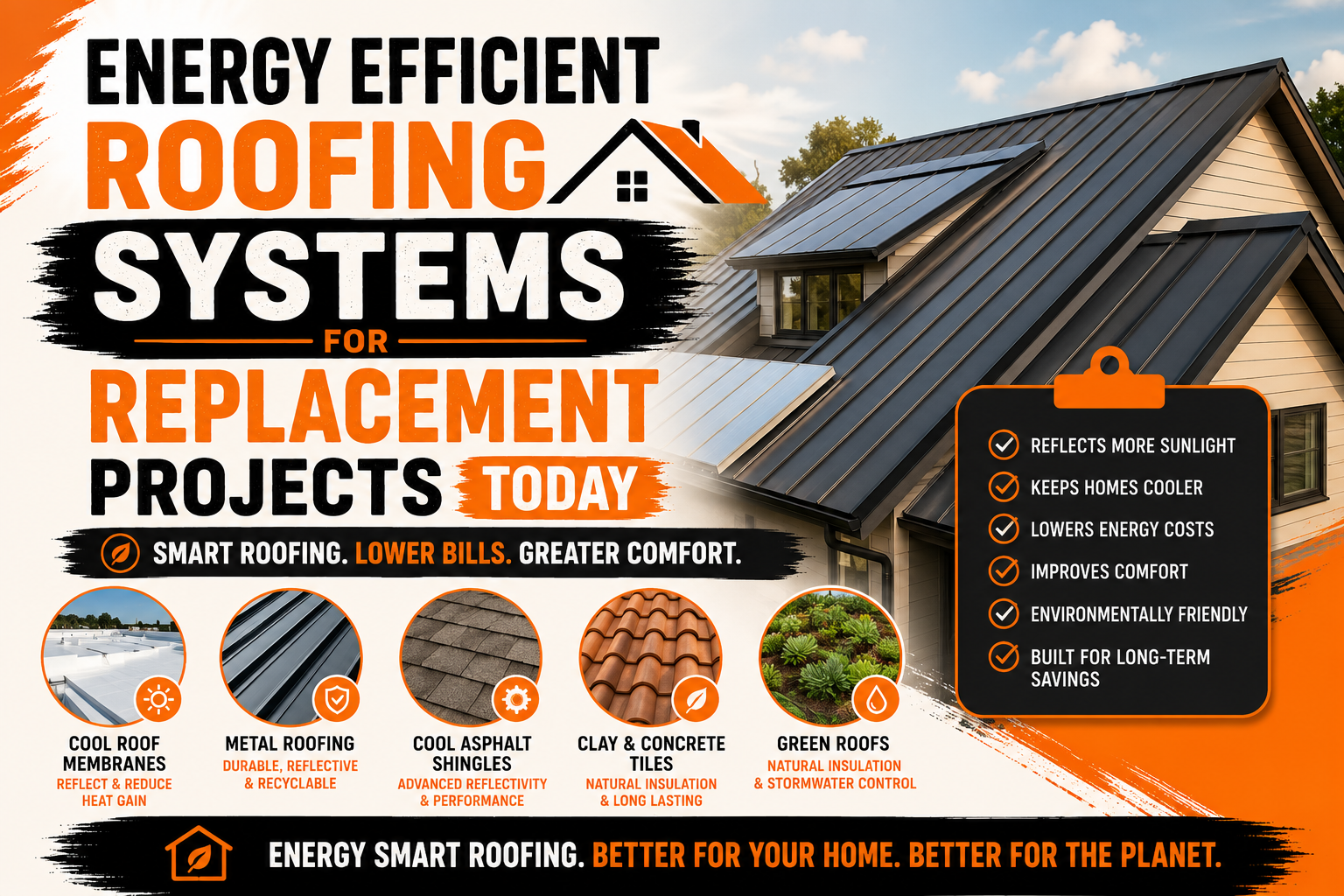
Energy Efficient Roofing Systems for Replacement Projects Today
Introduction
Energy efficiency has become one of the most important considerations during roof replacement projects. Property owners today expect more from a new roof than simple weather protection. Modern roofing systems are designed to improve indoor comfort, reduce heating and cooling costs, enhance durability, and contribute to the overall efficiency of the building throughout the year.
As energy prices continue to fluctuate, homeowners and commercial property owners are paying closer attention to how roofing materials affect monthly utility bills. A properly designed energy efficient roof helps regulate indoor temperatures by reducing unwanted heat gain during summer and minimizing heat loss during colder months. This improved thermal performance creates a more comfortable indoor environment while reducing the workload placed on heating and cooling systems.
Advancements in roofing technology have expanded the range of energy efficient options available for replacement projects. Reflective coatings, cool roofing materials, improved insulation systems, advanced ventilation techniques, and innovative roofing products all contribute to better energy performance. These improvements allow property owners to achieve both environmental and financial benefits without sacrificing durability or appearance.
Replacing an aging roof also provides an excellent opportunity to improve the building envelope. Older roofing systems often lack modern insulation standards, efficient ventilation, or reflective materials that are now commonly available. Upgrading these components during a replacement project allows the entire roofing system to perform more effectively for decades to come.
Choosing an energy efficient roofing system involves much more than selecting a light colored material. Climate conditions, roof design, insulation levels, ventilation, roofing material, and installation quality all work together to determine overall performance. Understanding how these factors interact helps homeowners make informed decisions that maximize long term value.
This guide explores today’s most effective energy efficient roofing systems for replacement projects. From understanding heat transfer to comparing popular roofing materials, each section explains how thoughtful planning can improve comfort, lower operating costs, and increase the overall value of a new roof.
What Makes a Roofing System Energy Efficient
An energy efficient roofing system is designed to reduce unnecessary heat transfer between the building and the outdoor environment. Instead of allowing excessive heat to enter during warm weather or escape during cold seasons, these roofing systems help maintain more consistent indoor temperatures throughout the year.
Energy efficiency depends on several components working together rather than a single roofing material alone. The roofing surface, underlayment, insulation, ventilation, roof deck, and installation quality all contribute to the system’s overall thermal performance. Even premium roofing materials cannot achieve their full potential if supporting components are poorly designed or improperly installed.
One important characteristic of energy efficient roofs is their ability to reflect solar radiation. Traditional roofing materials often absorb large amounts of sunlight, causing roof surfaces to become extremely hot. Reflective roofing materials reduce this heat absorption, lowering roof temperatures and reducing heat transfer into the building.
Another important feature is thermal resistance. High quality insulation beneath the roofing material slows the movement of heat through the roof structure. During summer, insulation limits heat entering the living space, while during winter it helps retain indoor warmth.
Ventilation also plays a major role in energy efficiency. Proper airflow removes trapped heat and moisture from attic spaces before they affect indoor temperatures or damage roofing materials. Balanced intake and exhaust ventilation supports both energy savings and longer roof lifespan.
Moisture management should not be overlooked either. Excess moisture reduces insulation performance and can lead to mold growth, wood deterioration, and reduced roofing efficiency. Modern roofing systems are designed to manage both heat and moisture simultaneously for optimal long term performance.
When these components function together, homeowners benefit from improved comfort, lower utility costs, and reduced strain on heating and cooling equipment throughout every season.
Why Energy Efficiency Matters During Roof Replacement
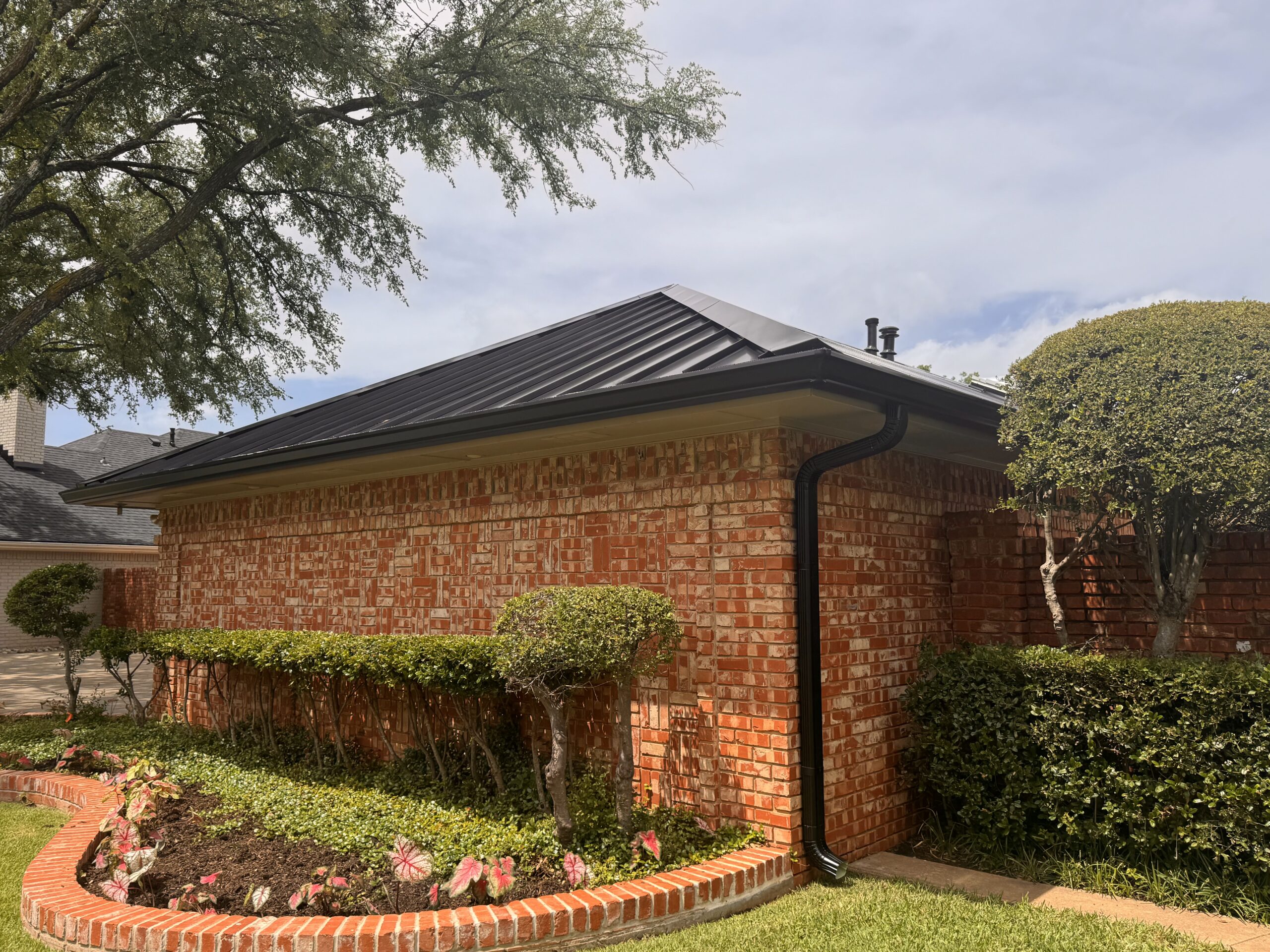
A full roof replacement represents one of the best opportunities to improve a building’s overall energy performance. Because much of the roofing system is already being removed and replaced, contractors can upgrade multiple components without requiring separate renovation projects in the future.
Many older roofs were installed before current energy efficiency standards became common. Insulation may be insufficient, ventilation may be inadequate, and roofing materials may absorb far more heat than modern alternatives. Replacing these outdated systems allows homeowners to benefit from decades of technological improvements.
Lower energy consumption remains one of the most obvious advantages. By reducing unwanted heat gain and improving insulation performance, energy efficient roofing systems help heating and cooling equipment operate more efficiently. This often results in lower monthly utility bills while improving indoor comfort.
Improved indoor temperature stability also benefits occupants throughout the year. Rooms directly beneath the roof often experience the greatest temperature fluctuations in buildings with older roofing systems. Modern energy efficient roofs help minimize these variations by creating a more consistent thermal barrier.
Another important benefit involves extending the lifespan of roofing materials. Excessive heat buildup accelerates aging in many roofing products, causing expansion, contraction, and material fatigue over time. Reflective surfaces and proper ventilation help maintain more moderate roof temperatures, reducing long term stress on roofing components.
Energy efficient roofing also supports environmental sustainability. Lower energy consumption reduces overall demand on power generation, helping decrease greenhouse gas emissions associated with heating and cooling buildings. Many roofing manufacturers now produce environmentally responsible materials using recycled content or sustainable manufacturing practices.
Property value may also improve following installation of an energy efficient roof. Buyers increasingly recognize the financial benefits associated with lower operating costs and modern building upgrades. A recently installed energy efficient roofing system often becomes an attractive selling feature in competitive real estate markets.
Ultimately, replacing a roof is not simply about restoring protection from weather. It provides an opportunity to improve comfort, reduce operating expenses, and create a building that performs more efficiently for many years.
Understanding Heat Transfer and Roof Performance
To appreciate how energy efficient roofing works, it is helpful to understand how heat moves through a building. Roofs constantly exchange heat with the surrounding environment, and managing this movement is essential for maintaining comfortable indoor temperatures.
Heat enters and leaves roofing systems through several different processes. Sunlight striking the roof surface creates solar heat gain, while differences between indoor and outdoor temperatures drive heat movement through roofing materials. Air leakage and moisture can also influence thermal performance if the roofing system is not properly sealed and ventilated.
During hot summer days, conventional dark roofing materials may reach surface temperatures well above the surrounding air temperature. This heat gradually transfers through the roof deck into attic spaces, increasing indoor temperatures and forcing air conditioning systems to work harder.
In colder weather, the opposite occurs. Indoor heat naturally moves toward cooler outdoor temperatures. Without adequate insulation, valuable heated air escapes through the roof, increasing heating costs while reducing indoor comfort.
Energy efficient roofing systems address both situations simultaneously. Reflective roofing surfaces reduce solar heat absorption during warm weather, while improved insulation slows heat transfer in both directions throughout the year. Effective ventilation removes accumulated attic heat before it significantly affects living spaces.
Roof design also influences thermal performance. Roof slope, orientation, shading from nearby trees, and attic configuration all affect how much solar energy reaches the building. Understanding these factors helps contractors recommend roofing systems that match the property’s specific conditions.
The combined effect of reflective materials, proper insulation, ventilation, and thoughtful design creates a roofing system that performs efficiently regardless of seasonal weather changes. This balanced approach provides greater comfort while reducing long term energy consumption.
Cool Roofing Systems and Reflective Roofing Materials
Cool roofing technology has become one of the most significant developments in modern energy efficient construction. Unlike traditional roofing materials that absorb large amounts of solar energy, cool roofing systems are specifically engineered to reflect more sunlight and release absorbed heat more effectively.
Reflective roofing materials reduce the amount of heat transferred into the building by maintaining lower roof surface temperatures. This difference can significantly reduce attic temperatures during periods of intense sunlight, improving overall indoor comfort while lowering cooling demands.
Cool roofing systems achieve their performance through specialized pigments, reflective coatings, or naturally reflective material properties. Many modern products maintain high solar reflectance even in darker colors, providing homeowners with greater design flexibility than earlier generations of reflective roofing.
These roofing systems are particularly beneficial in regions with long, hot summers where air conditioning represents a major portion of household energy consumption. Lower roof temperatures reduce heat buildup beneath the roofing surface, allowing cooling systems to operate more efficiently throughout the day.
Reflective roofing also contributes to improved material longevity. Excessive heating and cooling cycles cause many roofing products to expand and contract repeatedly, gradually contributing to wear over time. Lower operating temperatures reduce this thermal stress and may help extend the service life of the roofing system.
Commercial buildings have embraced cool roofing technology for many years, but residential applications continue to grow as homeowners recognize both the comfort and financial benefits. Today’s cool roofing products are available in numerous styles, colors, and materials suitable for virtually every architectural design.
Although cool roofing performs exceptionally well in warm climates, its benefits should always be evaluated alongside local weather conditions, insulation levels, and building design to ensure the selected roofing system delivers optimal year round performance.
Energy Efficient Asphalt Shingles
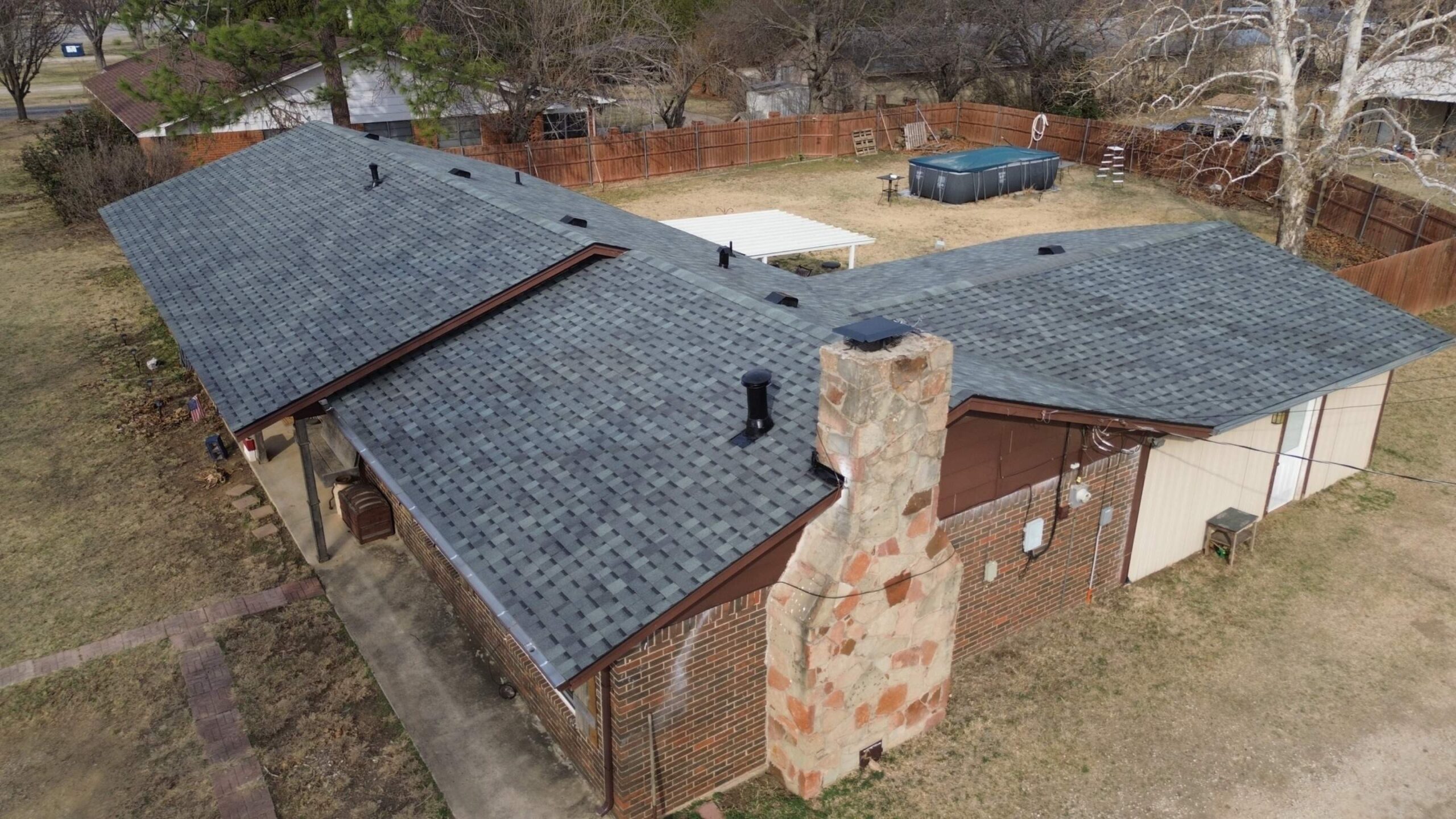
Asphalt shingles remain the most widely installed residential roofing material, and manufacturers have made significant improvements in their energy performance. Modern energy efficient asphalt shingles provide homeowners with an affordable option that combines dependable protection with enhanced thermal performance.
Reflective asphalt shingles use specially engineered granules that increase solar reflectance without dramatically changing the appearance of the roof. These advanced granules help reduce heat absorption while maintaining a wide variety of attractive colors and architectural styles.
Many premium asphalt shingles also incorporate improved manufacturing technologies that enhance durability while supporting better energy efficiency. Stronger materials, improved weather resistance, and enhanced ultraviolet protection help maintain roofing performance over longer periods.
One major advantage of asphalt shingles is compatibility with most residential roof structures. Because they are relatively lightweight, they generally require no additional structural reinforcement during replacement projects. Installation methods are also familiar to most roofing contractors, helping simplify replacement while maintaining consistent quality.
When combined with upgraded attic insulation and improved ventilation, energy efficient asphalt shingles provide meaningful reductions in cooling demands during warm weather. Homeowners often experience improved indoor comfort, especially in upper floor rooms located directly beneath the roof.
Maintenance requirements remain relatively straightforward. Routine inspections help identify damaged shingles, flashing issues, or blocked ventilation pathways before they reduce roofing performance. Keeping gutters clean and ensuring proper attic airflow further supports long term efficiency.
For homeowners seeking an economical balance between performance, appearance, and energy savings, modern asphalt shingles continue to represent an excellent choice for replacement projects.
Metal Roofing for Improved Energy Performance
Metal roofing has earned a strong reputation for outstanding energy efficiency, making it one of today’s most popular choices for homeowners planning complete roof replacements. Advances in protective coatings, manufacturing techniques, and architectural design have transformed metal roofing into a highly attractive option for both residential and commercial buildings.
One of metal roofing’s greatest energy advantages comes from its naturally reflective surface. High performance coatings reflect a significant portion of incoming solar radiation, reducing roof temperatures during sunny weather. Lower surface temperatures translate into reduced heat transfer beneath the roof and lower cooling demands throughout the building.
Many metal roofing systems also cool rapidly after sunset because metal releases absorbed heat more efficiently than many traditional roofing materials. This quick cooling characteristic helps prevent excess heat from lingering within attic spaces during warm evenings.
Standing seam metal roofing further improves energy performance by creating clean drainage pathways and accommodating thermal movement without compromising waterproof protection. These systems combine durability with excellent weather resistance while maintaining long term efficiency.
Metal roofing is also highly compatible with solar energy systems. The smooth surface and extended lifespan make it an ideal foundation for solar panel installations, allowing homeowners to further improve the energy performance of their properties without replacing the roof prematurely.
Durability provides another important financial advantage. Metal roofs often remain in service for decades with relatively modest maintenance requirements. Their resistance to fire, wind, insects, and moisture further contributes to long term value while reducing future repair expenses.
Although the initial installation cost typically exceeds that of asphalt shingles, many homeowners consider the investment worthwhile because of lower maintenance costs, extended lifespan, improved energy efficiency, and enhanced property value.
As energy conscious construction continues to grow, metal roofing remains one of the strongest choices for replacement projects focused on maximizing long term performance, sustainability, and operational savings.
Tile Roofing and Natural Thermal Benefits
Clay and concrete tile roofing has been valued for centuries because of its durability, attractive appearance, and impressive thermal performance. These roofing systems naturally help regulate building temperatures by slowing heat transfer between the roof surface and interior living spaces. Their unique design makes them one of the most energy efficient roofing options available for many climates.
One reason tile roofing performs so well is the air space created beneath individual tiles during installation. This gap allows air to circulate between the roofing material and the roof deck, reducing the amount of heat transferred into the building. As warm air moves through this space, excess heat is carried away before reaching the attic.
The dense composition of clay and concrete also contributes to thermal stability. These materials absorb heat gradually during the day and release it slowly as temperatures decline. This delayed heat transfer helps reduce rapid indoor temperature changes and creates a more comfortable living environment.
Tile roofing performs especially well in regions with strong sunlight and high daytime temperatures. By limiting heat gain during the hottest parts of the day, these roofing systems reduce the workload placed on air conditioning equipment. Homeowners often experience greater comfort without relying as heavily on mechanical cooling.
Another advantage is longevity. Because tile roofs often remain functional for many decades, homeowners benefit from both energy savings and fewer replacement cycles over the lifetime of the building. This combination of durability and efficiency makes tile roofing an attractive long term investment.
Despite these advantages, tile roofing requires adequate structural support because of its weight. Before installation begins, contractors should evaluate the existing roof framing to determine whether reinforcement is needed. Proper installation ensures the roofing system performs efficiently while maintaining long term structural safety.
For homeowners seeking classic architectural beauty combined with dependable energy performance, clay and concrete tile roofing remains one of today’s most respected roofing solutions.
Synthetic Roofing Materials with Energy Saving Features
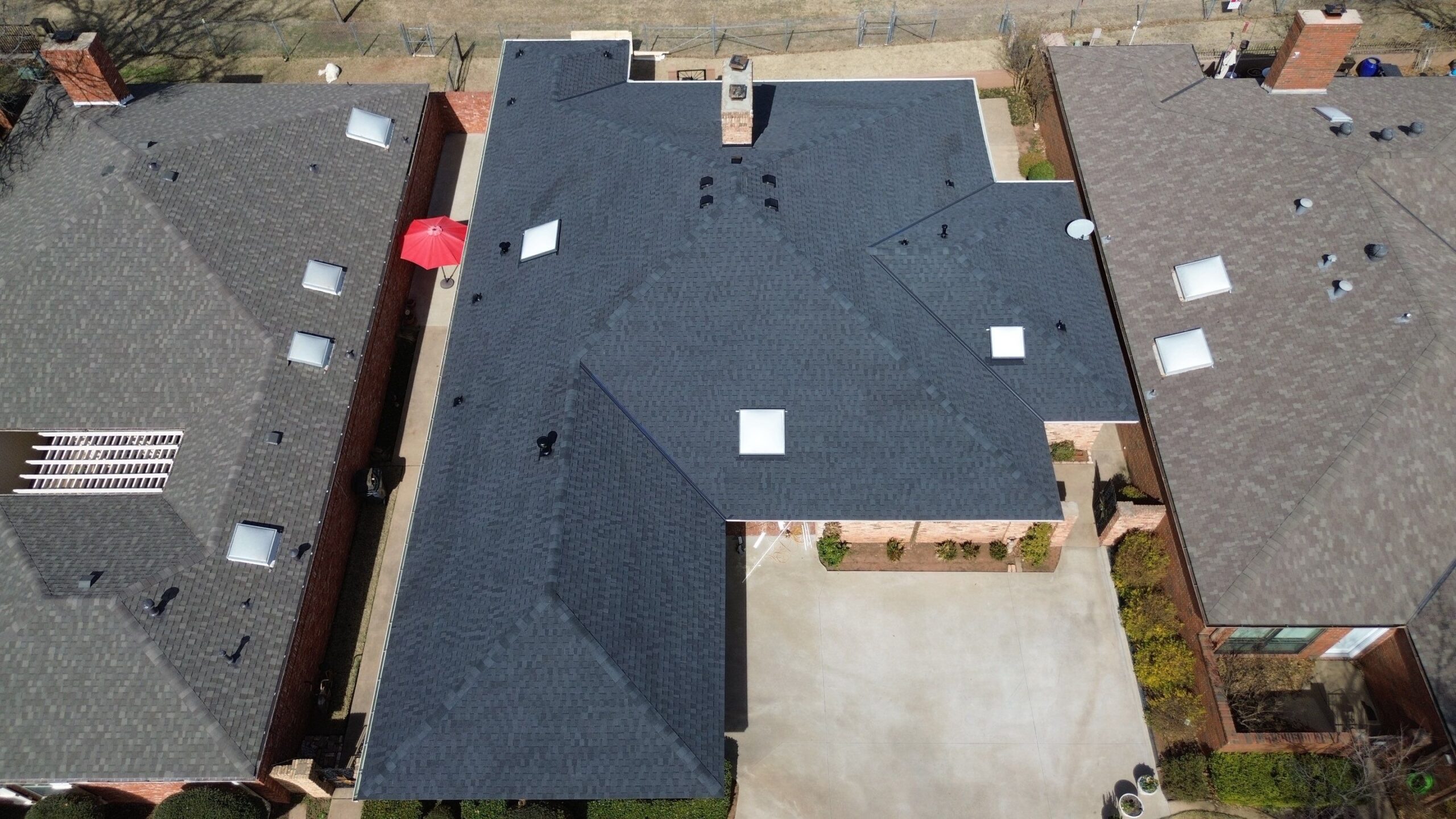
Synthetic roofing products have become increasingly popular as manufacturers continue developing materials that combine modern engineering with the appearance of traditional roofing systems. These products are designed to imitate slate, wood shakes, or clay tiles while improving energy performance, reducing weight, and simplifying installation.
Most synthetic roofing materials are manufactured using engineered polymers, recycled materials, or advanced composite blends. These materials allow manufacturers to create roofing products that are both durable and lightweight while incorporating reflective technologies that improve energy efficiency.
Many synthetic roofing systems feature reflective surface treatments that reduce solar heat absorption. By keeping roof temperatures lower during sunny weather, these materials help decrease heat transfer into attic spaces and reduce cooling demands throughout the building.
Lightweight construction provides another important advantage. Because synthetic roofing weighs significantly less than natural slate or concrete tile, it often eliminates the need for costly structural reinforcement during replacement projects. This reduces installation complexity while expanding the range of buildings that can benefit from premium roof designs.
Moisture resistance also contributes to energy performance. Synthetic materials typically resist water absorption better than many natural products, helping insulation maintain its effectiveness over time. Dry insulation performs more efficiently than insulation exposed to prolonged moisture, making effective moisture management an important part of the overall roofing system.
Many manufacturers now emphasize environmental responsibility by incorporating recycled content into synthetic roofing products. Combining recycled materials with long service life reduces waste while supporting more sustainable construction practices.
Although product quality varies among manufacturers, high quality synthetic roofing systems provide an excellent balance between appearance, durability, energy efficiency, and ease of installation. They continue to grow in popularity among homeowners seeking modern performance with traditional architectural character.
Roofing Insulation and Ventilation Working Together
Roofing materials alone cannot deliver maximum energy efficiency without proper insulation and ventilation. These supporting components play equally important roles in regulating indoor temperatures, protecting roofing materials, and reducing long term energy consumption.
Insulation slows the movement of heat through the roof assembly. During summer, it limits heat entering the building from the attic, while during winter it helps retain indoor warmth. Effective insulation reduces the workload on heating and cooling systems, contributing directly to lower utility costs.
However, insulation performs best when it remains dry. Moisture accumulation reduces its thermal resistance and can eventually lead to mold growth, wood deterioration, and reduced indoor air quality. This is where proper ventilation becomes essential.
Roof ventilation continuously removes excess heat and moisture from attic spaces. Fresh air enters through intake vents located near the roof’s lower edges and exits through exhaust vents positioned near the ridge or highest point of the roof. This balanced airflow helps maintain stable attic temperatures throughout the year.
Proper ventilation also protects roofing materials from excessive heat buildup. High attic temperatures accelerate aging in many roofing products, causing premature deterioration and shortening overall roof lifespan. Removing trapped heat helps preserve both the roofing material and supporting structural components.
A complete roof replacement provides an ideal opportunity to evaluate existing insulation and ventilation systems. Many older homes contain inadequate insulation levels or outdated ventilation designs that limit overall roofing performance. Addressing these issues during replacement improves the effectiveness of the entire roofing system.
Homeowners should think of insulation, ventilation, and roofing materials as a single integrated system rather than separate components. When each element performs effectively, the roof provides better comfort, lower operating costs, and improved long term durability.
Roof Color and Solar Reflectance
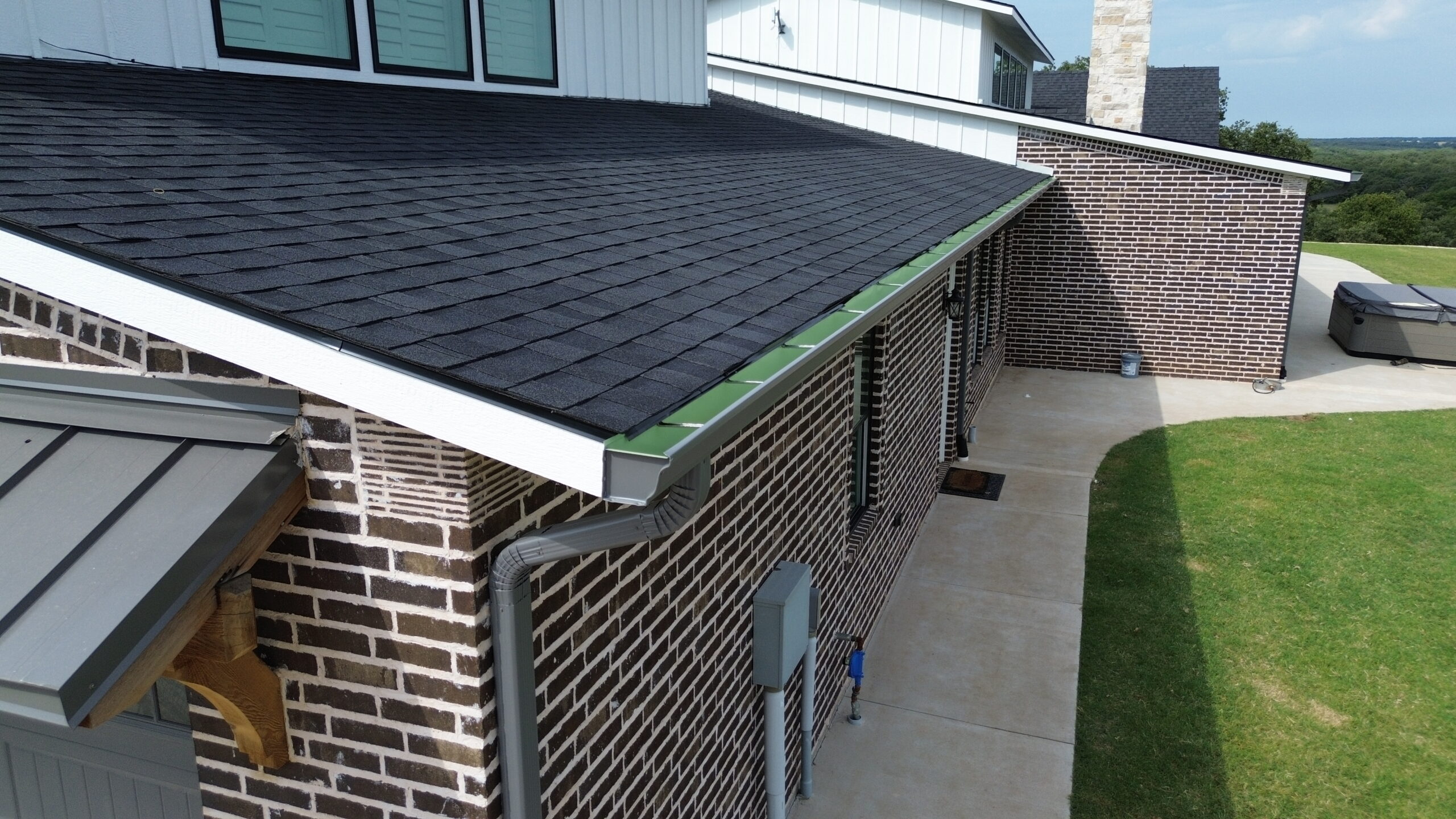
Roof color influences more than curb appeal. It also affects how much solar energy the roof absorbs throughout the day, making color selection an important consideration when planning an energy efficient roof replacement.
Dark roofing materials generally absorb more sunlight than lighter colored surfaces. As the roof absorbs heat, surface temperatures increase, transferring additional warmth into the attic and eventually the occupied areas below. This process places greater demand on air conditioning systems during hot weather.
Light colored roofing reflects a greater percentage of incoming solar radiation, helping maintain cooler roof surface temperatures. Lower temperatures reduce heat transfer into the building and improve indoor comfort, particularly during extended periods of strong sunlight.
Modern roofing technology has expanded these choices considerably. Manufacturers now produce reflective roofing materials in a broad range of colors using advanced pigments that improve solar reflectance without limiting architectural design. Homeowners no longer need to choose only white or very light colored roofs to benefit from reflective performance.
Local climate should always influence color selection. In warm regions where cooling costs remain high throughout much of the year, reflective roofing colors often provide significant energy savings. In colder climates, the balance between heating and cooling demands should also be considered when evaluating roofing options.
Neighborhood appearance, homeowner association requirements, and architectural style may also influence roofing color decisions. Fortunately, today’s energy efficient roofing products provide numerous attractive options capable of satisfying both design preferences and performance expectations.
Selecting the appropriate roof color therefore involves balancing aesthetics with thermal performance. When combined with reflective materials, proper insulation, and good ventilation, color becomes another valuable tool for improving overall roofing efficiency.
Solar Ready Roofing Systems
As renewable energy becomes increasingly popular, many homeowners are preparing their properties for future solar panel installations even if they do not intend to install panels immediately. A roof replacement provides an excellent opportunity to create a solar ready roofing system that supports future energy upgrades.
Solar ready roofing begins with selecting durable materials capable of lasting as long as or longer than the anticipated solar panel system. Installing solar panels on an aging roof often creates unnecessary complications because the roof may require replacement before the solar equipment reaches the end of its useful life.
Metal roofing has become one of the most popular foundations for solar installations because of its durability and compatibility with modern mounting systems. Many standing seam metal roofs allow solar panels to be attached without penetrating the roofing surface, reducing potential leak risks.
Asphalt shingles also support solar panel installations when properly designed mounting systems are used. Homeowners planning future solar projects should discuss mounting considerations with roofing contractors during the replacement process so appropriate reinforcement and layout planning can be incorporated from the beginning.
Roof orientation and shading significantly influence solar performance. South facing roof sections typically receive the greatest sunlight in many locations, although east and west facing roofs may also provide good energy production depending on regional conditions. Nearby trees, chimneys, and neighboring buildings should also be evaluated because excessive shading reduces solar efficiency.
Electrical planning represents another important consideration. During roof replacement, homeowners may choose to install conduit pathways or make other preparations that simplify future solar installations. Taking these steps early often reduces installation complexity later.
Creating a solar ready roof allows homeowners to preserve flexibility for future energy improvements while ensuring today’s roof replacement supports tomorrow’s renewable energy opportunities.
Comparing Popular Energy Efficient Roofing Materials
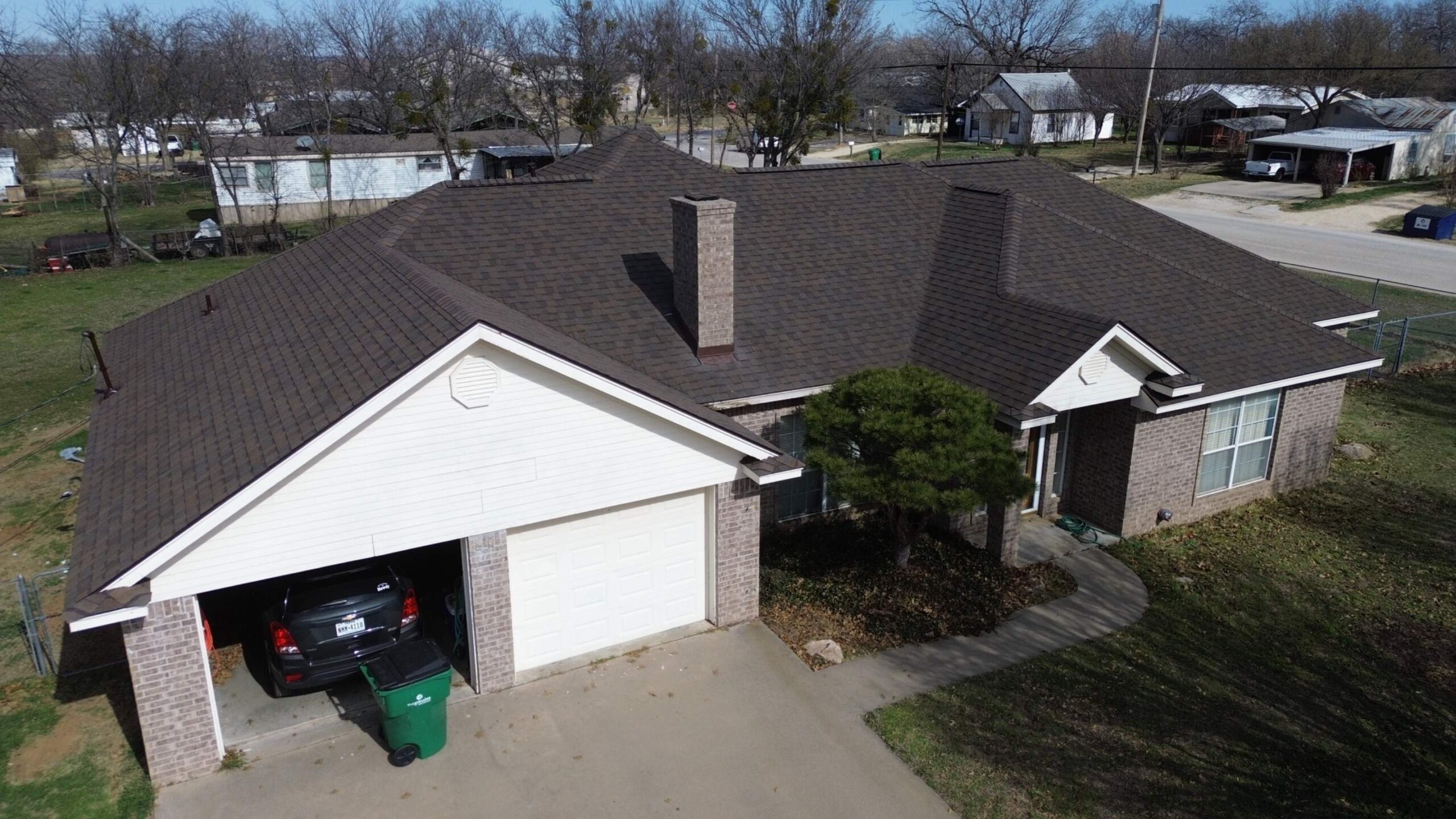
Each roofing material offers unique advantages in terms of energy efficiency, durability, maintenance, and overall performance. Comparing these characteristics helps homeowners narrow their choices according to both their budget and long term objectives.
The following table provides a general comparison of today’s most common energy efficient roofing materials.
| Roofing Material | Energy Efficiency | Expected Lifespan | Maintenance | Best Suited For |
|---|---|---|---|---|
| Reflective Asphalt Shingles | Good | Moderate | Low | Budget conscious homeowners |
| Metal Roofing | Excellent | Very Long | Low | Hot climates and long term value |
| Clay Tile Roofing | Excellent | Very Long | Low | Warm climates and luxury homes |
| Concrete Tile Roofing | Very Good | Very Long | Low | High durability applications |
| Synthetic Roofing | Very Good | Long | Low | Homes seeking premium appearance |
| Natural Slate | Good | Exceptional | Low | Historic and upscale properties |
| Flat Reflective Membrane Systems | Excellent | Long | Moderate | Commercial and modern buildings |
While this comparison provides a helpful overview, the best roofing system depends on the property’s specific needs. Climate, roof design, building structure, maintenance expectations, and installation quality all influence actual performance after installation.
It is also important to consider lifecycle value rather than installation cost alone. A roofing material with a higher purchase price may ultimately provide greater savings through lower maintenance requirements, improved energy efficiency, and a significantly longer service life.
Discussing these factors with an experienced roofing contractor helps homeowners select materials that deliver dependable energy performance while supporting their long term financial goals.
Long Term Cost Savings and Return on Investment
One of the strongest arguments for installing an energy efficient roofing system is the long term financial value it provides. Although some energy efficient roofing materials require a larger upfront investment, they often reduce operating costs over many years through lower energy consumption, fewer repairs, and extended service life. Looking at the complete ownership cost provides a more accurate picture than focusing only on installation expenses.
Lower heating and cooling costs are usually the most noticeable financial benefit. By reducing heat transfer through the roof, energy efficient systems help maintain more consistent indoor temperatures throughout the year. Heating and cooling equipment operates less frequently, which can reduce utility expenses while extending the lifespan of HVAC systems.
Maintenance savings also contribute to overall value. Many modern roofing materials are designed to withstand harsh weather, resist ultraviolet damage, and minimize deterioration caused by temperature fluctuations. Reduced maintenance requirements help property owners avoid frequent repair costs while preserving the appearance and performance of the roof.
Longer roof lifespan represents another important financial advantage. Materials such as metal roofing, clay tiles, and high quality synthetic products often remain in service much longer than conventional roofing systems. Delaying future replacement projects allows homeowners to recover more value from their original investment.
Energy efficient upgrades may also improve resale appeal. Prospective buyers increasingly appreciate homes with lower operating costs and modern building improvements. A recently installed energy efficient roof often becomes a valuable selling feature because it offers both immediate and long term benefits to future owners.
Some property owners also benefit from lower environmental impact. Reduced energy consumption supports more sustainable living while decreasing dependence on heating and cooling systems. Although financial savings remain a major consideration, environmental responsibility has become an additional motivation for many homeowners planning replacement projects.
Evaluating return on investment requires considering all of these factors together. Installation cost, energy savings, maintenance expenses, expected lifespan, and property value each contribute to the overall financial performance of the roofing system throughout its service life.
Choosing the Right Energy Efficient Roofing System for Your Climate
Climate has a direct influence on how effectively a roofing system performs. Selecting materials that complement local weather conditions helps maximize energy savings while extending the lifespan of the roof. Rather than choosing a product based solely on popularity, homeowners should focus on how it will perform under their specific environmental conditions.
In hot climates, reducing solar heat gain becomes the primary objective. Reflective roofing materials, cool roof coatings, and light colored surfaces help lower roof temperatures and reduce indoor heat buildup. Combined with proper ventilation, these systems improve comfort while decreasing cooling demands.
Cold climates require a slightly different approach. While reflective materials still provide benefits, insulation becomes especially important because preventing heat loss during winter directly affects heating costs. Roofing systems that combine durable materials with excellent insulation help maintain comfortable indoor temperatures during extended cold weather.
Regions with significant seasonal variation benefit from roofing systems capable of performing well throughout changing weather conditions. Materials that resist repeated expansion and contraction maintain their integrity more effectively while supporting consistent energy performance year round.
Humid climates require careful moisture management. Effective ventilation removes excess moisture from attic spaces before it affects insulation performance or causes structural deterioration. Roofing materials that resist mold, algae, and moisture absorption also perform better in these environments.
Coastal areas introduce additional challenges due to salt exposure, strong winds, and frequent storms. Corrosion resistant roofing materials combined with secure installation methods help maintain long term durability while continuing to deliver energy efficiency benefits.
No single roofing material performs best in every location. The most effective solution combines appropriate materials with proper insulation, ventilation, and installation practices that reflect the building’s local environmental conditions.
Common Mistakes That Reduce Roofing Energy Efficiency
Even high quality roofing materials cannot achieve maximum performance if common planning or installation mistakes occur. Understanding these issues helps homeowners avoid decisions that reduce efficiency or shorten the lifespan of the roofing system.
One common mistake is concentrating only on roofing materials while overlooking insulation and ventilation. Energy efficiency depends on the entire roofing assembly working together. Installing premium roofing materials without improving attic insulation or ventilation limits the overall effectiveness of the replacement project.
Another frequent error involves selecting roofing products without considering local climate. Materials that perform exceptionally well in one region may provide fewer benefits under different environmental conditions. Climate should always guide material selection rather than appearance alone.
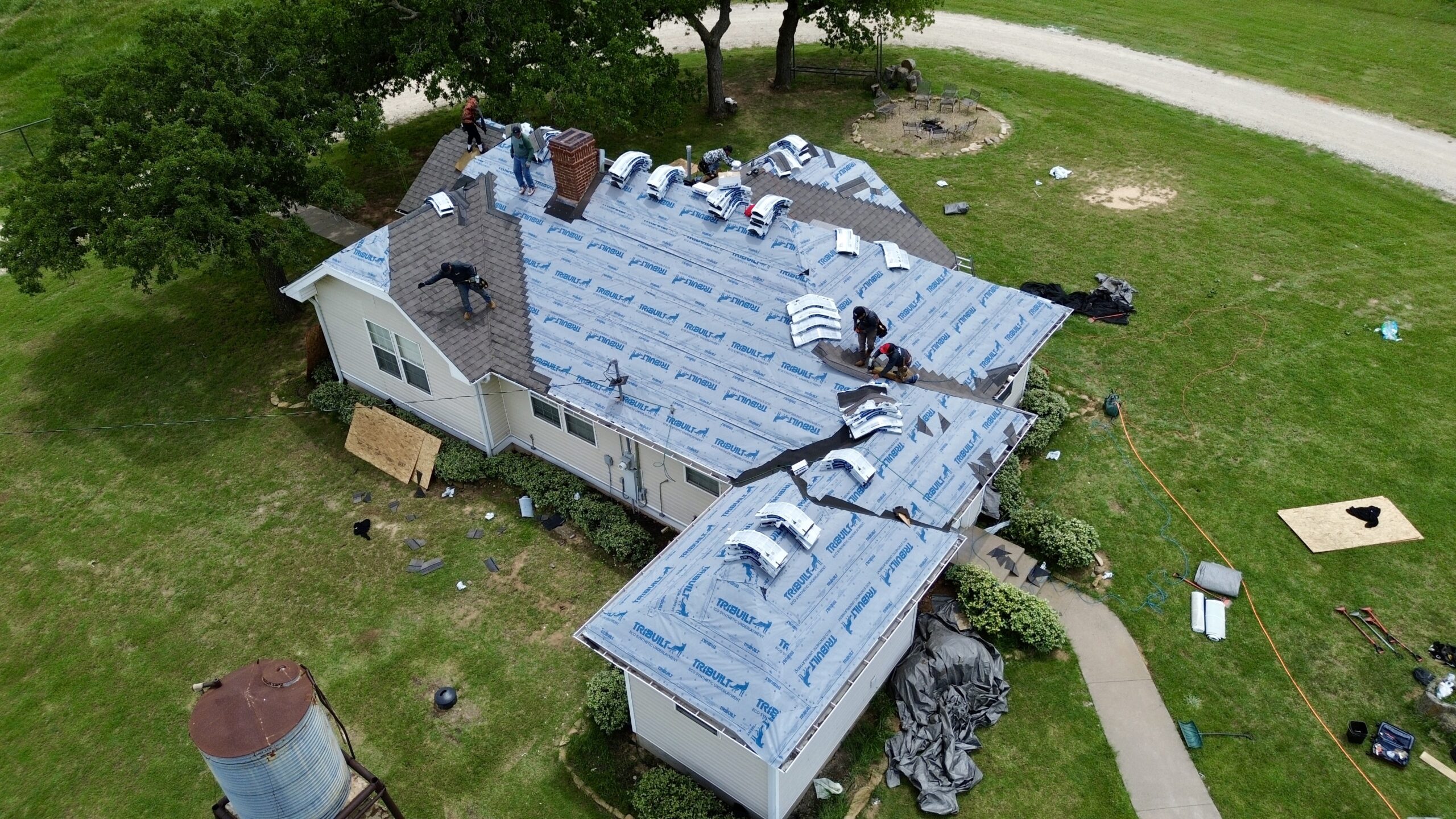
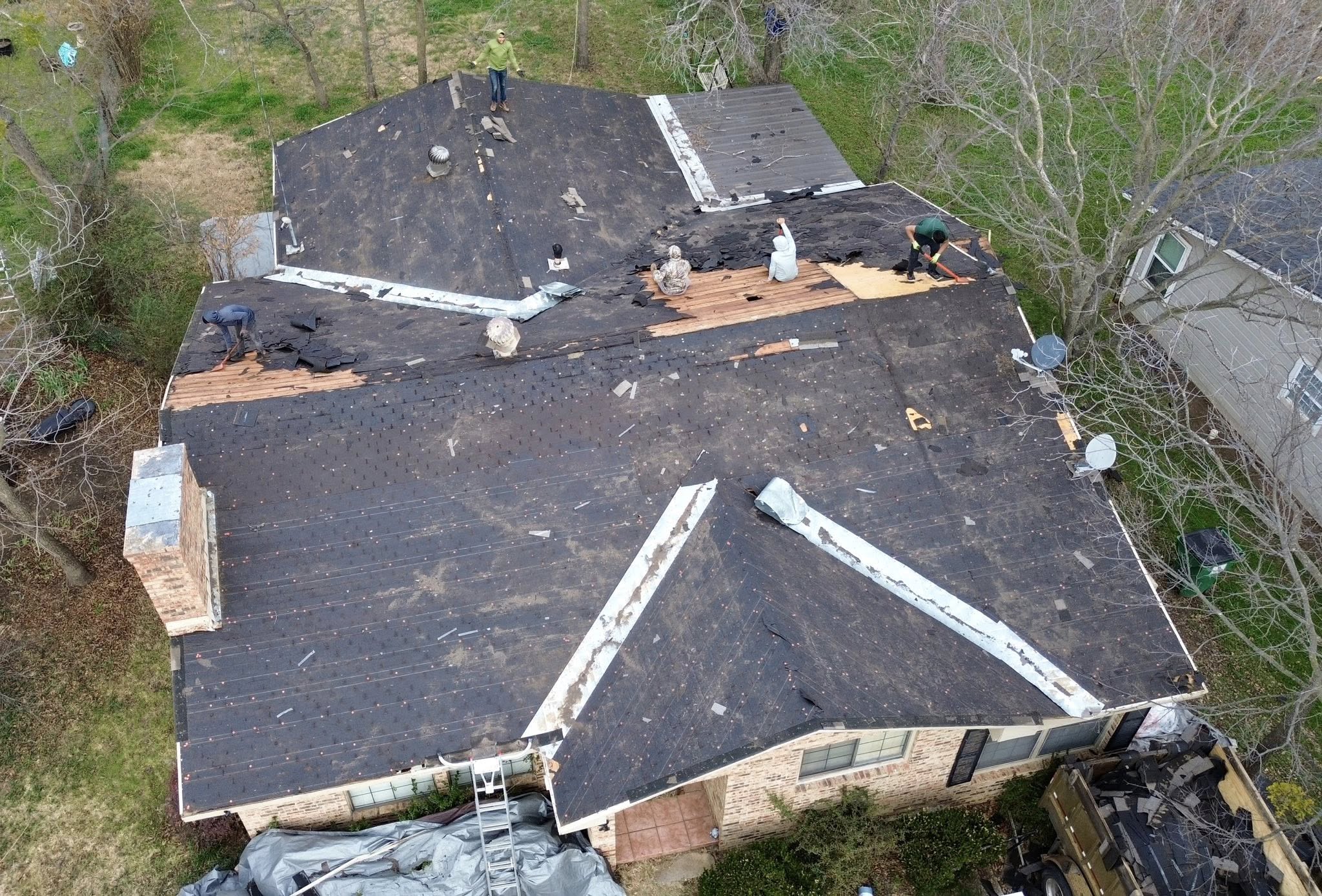
Poor installation also affects energy performance. Improper flashing, incorrect fastening, inadequate ventilation openings, or poorly installed underlayment can reduce the roof’s ability to regulate temperature and manage moisture. Choosing experienced contractors significantly lowers these risks.
Some homeowners postpone replacing damaged insulation during roof replacement to reduce initial costs. However, deteriorated insulation cannot provide effective thermal resistance, reducing the benefits of even the most advanced roofing materials. Replacing inadequate insulation during the project often produces greater long term savings.
Neglecting routine maintenance represents another avoidable mistake. Leaves blocking ventilation openings, damaged flashing, clogged gutters, or unnoticed roof damage gradually reduce roofing performance. Regular inspections help preserve both durability and energy efficiency throughout the roof’s service life.
Finally, choosing roofing materials solely because they are inexpensive may increase overall ownership costs. Products requiring more frequent repairs or earlier replacement often become more expensive over time than higher quality alternatives with longer service lives.
Avoiding these common mistakes allows homeowners to maximize the performance of their investment while enjoying consistent energy savings for many years.
Questions to Ask Before Selecting an Energy Efficient Roof
Making an informed roofing decision becomes easier when homeowners ask detailed questions before construction begins. These conversations help identify the roofing system that best matches the building’s needs, budget, and long term performance goals.
Before selecting an energy efficient roofing system, consider asking the following questions:
- Which roofing materials provide the best energy performance in my local climate?
- Will my existing roof structure support the selected material without reinforcement?
- Should attic insulation or ventilation be upgraded during the replacement project?
- Which roofing colors offer the best balance between appearance and energy efficiency?
- Is the roofing system compatible with future solar panel installation?
- What maintenance will be required to preserve energy performance?
- What warranties cover both roofing materials and installation?
- How do the projected long term savings compare with the initial investment?
These questions encourage careful planning rather than rushed decisions. They also help homeowners understand how different roofing components work together to improve comfort, reduce energy consumption, and increase overall property value.
Working with a Qualified Roofing Contractor
Selecting an experienced roofing contractor is just as important as choosing the right roofing material. Even the most advanced energy efficient products cannot perform as intended if installation quality falls below manufacturer standards. Professional installation ensures every component functions together as a complete roofing system.
A qualified contractor begins by evaluating the existing roof, attic, insulation, ventilation, and structural framing. This assessment identifies hidden issues that could reduce the effectiveness of the new roofing system if left uncorrected. Addressing these concerns before installation protects the long term performance of the project.
Professional contractors also understand manufacturer specifications for installation. Proper fastening methods, flashing details, ventilation placement, and underlayment installation all influence energy efficiency, weather resistance, and warranty compliance. Careful attention to these details significantly improves long term reliability.
Communication throughout the project is equally valuable. Homeowners should receive clear explanations regarding material choices, installation schedules, expected costs, maintenance recommendations, and warranty coverage. Transparent communication builds confidence while helping property owners understand the value of each recommended improvement.
Safety should remain a priority throughout construction. Experienced roofing professionals follow established safety procedures that protect workers, occupants, and surrounding property. Proper project management minimizes disruption while maintaining high quality workmanship.
After installation, contractors should provide guidance on inspection schedules and routine maintenance practices. Periodic inspections help preserve energy efficiency by identifying small issues before they develop into major repairs. Ongoing maintenance ensures the roofing system continues delivering reliable performance throughout its expected lifespan.
Working with knowledgeable roofing professionals gives homeowners confidence that both the materials and installation methods will support long term energy efficiency and dependable weather protection.
Future Trends in Energy Efficient Roofing Technology
The roofing industry continues to evolve as manufacturers develop innovative products designed to improve energy efficiency, durability, and environmental sustainability. Future roofing systems are expected to provide even greater performance while integrating more closely with modern building technologies.
Advanced reflective coatings continue to improve, allowing roofing materials to reflect greater amounts of solar radiation without limiting color choices. Homeowners increasingly have access to roofing products that combine attractive appearance with excellent thermal performance.
Solar integrated roofing is another growing area of development. Rather than installing traditional solar panels above existing roofing materials, manufacturers are creating roofing products with built in solar generating capabilities. These systems combine weather protection with renewable energy production in a single integrated solution.
Smart roofing technologies are also gaining attention. Sensors capable of monitoring roof temperature, moisture levels, structural movement, and weather conditions may allow homeowners to identify maintenance needs before visible damage develops. Early detection helps extend roof lifespan while maintaining consistent energy performance.
Sustainable manufacturing practices continue advancing as well. Roofing manufacturers are increasing the use of recycled materials while reducing production waste and improving product recyclability. These efforts support environmentally responsible construction without compromising durability or appearance.
Improved insulation materials and ventilation technologies will also contribute to future roofing performance. As research continues, roofing systems are expected to become even more effective at regulating indoor temperatures while reducing overall energy consumption.
These ongoing innovations demonstrate that roofing technology is moving beyond simple weather protection. Modern roofing systems increasingly serve as important components of comprehensive energy efficient building design.
Conclusion
Energy efficient roofing systems have transformed the way homeowners approach roof replacement projects. Today’s roofing materials do much more than protect buildings from rain, wind, and sunlight. They also improve indoor comfort, reduce heating and cooling costs, support environmental sustainability, and enhance long term property value.
Successful energy efficient roofing depends on the complete roofing system rather than a single product. Reflective roofing materials, proper insulation, balanced ventilation, quality underlayment, and professional installation all work together to create consistent thermal performance throughout the year. When these components are carefully planned, homeowners benefit from greater comfort and lower operating expenses for decades.
Every roofing material offers unique advantages depending on climate, architectural style, budget, and maintenance expectations. Metal roofing, reflective asphalt shingles, clay tiles, synthetic materials, and other modern roofing systems each provide valuable energy saving opportunities when matched to the property’s specific requirements. Selecting the right combination of materials and supporting components ensures the replacement project delivers both immediate and long term value.
Working with experienced roofing professionals further increases the likelihood of success by ensuring proper design, installation, and ongoing maintenance. Their expertise helps homeowners make informed decisions while avoiding common mistakes that could reduce efficiency or shorten roof lifespan.
As roofing technology continues to advance, energy efficient systems will play an even greater role in creating comfortable, sustainable, and cost effective buildings. Investing in an energy efficient roof today provides lasting protection while supporting lower energy consumption, improved property performance, and greater peace of mind for many years to come.