
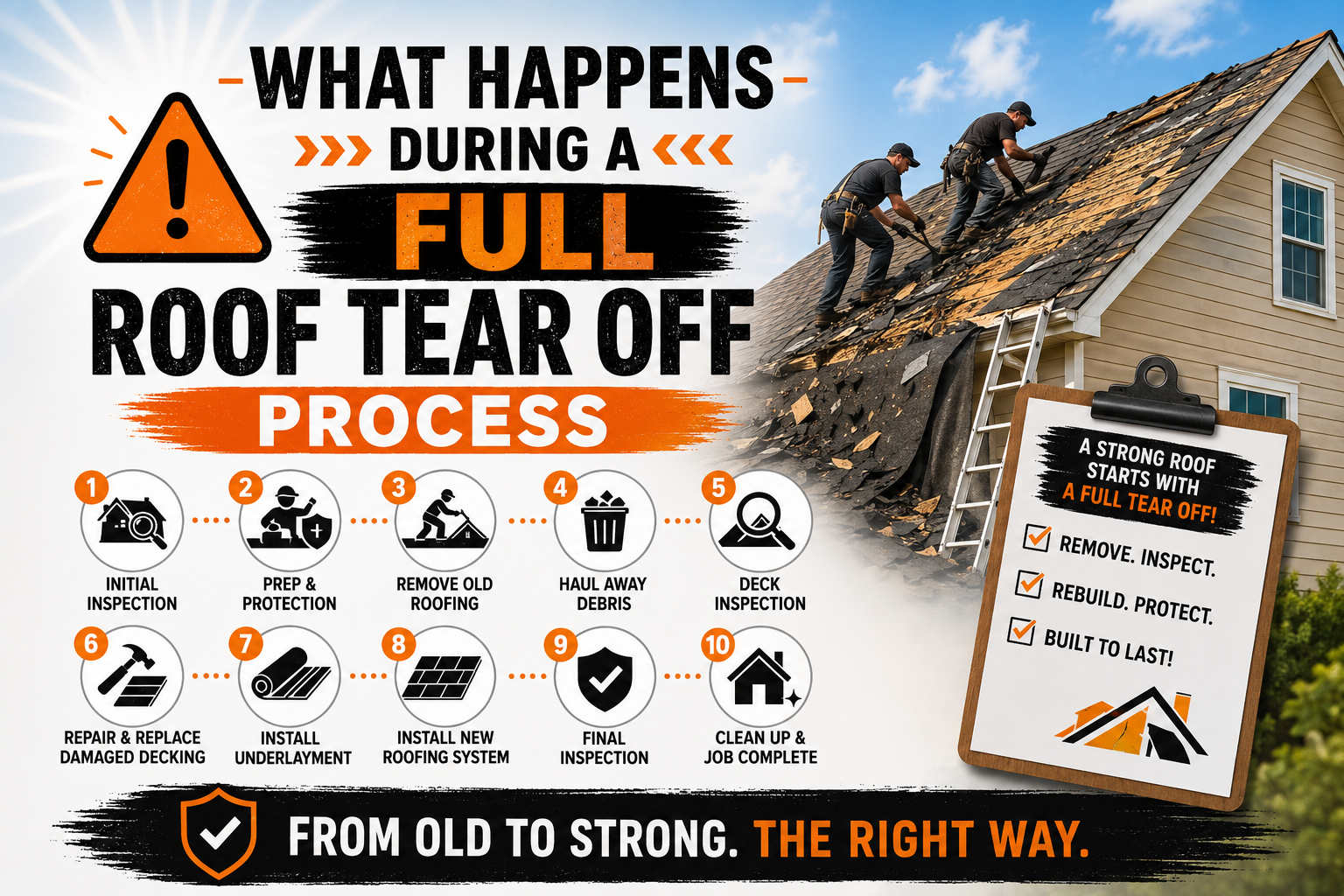
What Happens During a Full Roof Tear Off Process
Introduction
A roof is one of the most important structural components of any home because it protects everything beneath it from rain, wind, heat, snow, and other environmental conditions. Over time, however, even the highest quality roofing materials begin to wear out due to constant exposure to changing weather and natural aging. When damage becomes widespread or the roofing system reaches the end of its lifespan, homeowners often face an important decision between installing another layer of shingles or choosing a complete roof tear off.
A full roof tear off is a comprehensive replacement process that removes every layer of existing roofing material before a new roofing system is installed. Unlike an overlay, which places new shingles over old ones, a tear off allows contractors to inspect the roof’s structural components and address hidden issues that could shorten the lifespan of a new roof. Although the project involves more labor and preparation, it often delivers better long term performance and greater peace of mind.
Many homeowners are unfamiliar with what actually happens during this process. Questions about noise, debris, timelines, inspections, materials, and property protection are common because a roof replacement is one of the largest home improvement projects most people will ever experience. Understanding each stage can help reduce uncertainty and make it easier to prepare for the work ahead.
This guide explains every major step involved in a full roof tear off process, from the initial inspection and preparation to the final installation and cleanup. By the end of the article, you will understand why professional roofing contractors follow a structured approach and how every phase contributes to building a durable, weather resistant roofing system.
What Is a Full Roof Tear Off?
A full roof tear off is the process of completely removing the existing roofing system before installing new materials. Contractors strip away old shingles, underlayment, flashing, nails, and other roofing components until the roof deck is fully exposed. Once the deck is visible, it can be carefully inspected and repaired before new protective layers are added.
This method differs significantly from roof overlays, where new shingles are installed directly over the existing roof. While overlays may reduce labor costs, they leave older materials hidden beneath the surface, making it impossible to identify concealed damage. A complete tear off eliminates this uncertainty by allowing the roofing system to start with a clean foundation.
Because every layer is replaced, homeowners receive an entirely new roofing system rather than simply improving the appearance of the existing one. This approach increases durability, enhances weather protection, and often extends the roof’s service life by allowing every component to function as intended.
Why Homeowners Choose a Complete Roof Tear Off
Choosing a complete tear off is often the best long term investment when a roof has experienced significant wear or repeated repairs. Although the initial cost is usually higher than installing another layer of shingles, the benefits frequently outweigh the added expense over time.
Older roofs may hide moisture damage beneath shingles that appear relatively normal from the ground. Water infiltration can weaken decking, deteriorate insulation, encourage mold growth, and compromise structural integrity without producing obvious signs inside the home. Removing the old roofing materials exposes these hidden issues before they become more expensive to repair.
A complete roof replacement also allows contractors to install modern underlayment, improved flashing systems, upgraded ventilation components, and current roofing materials that meet today’s building standards. These improvements work together to create a stronger roofing system capable of handling changing weather conditions more effectively than older installations.
Many manufacturers also provide stronger warranty coverage when roofing products are installed over a properly prepared roof deck. Since the entire system is replaced according to recommended installation practices, homeowners often receive greater warranty protection compared to overlay installations.
Signs Your Roof Needs a Full Tear Off Instead of Repairs
Not every roofing problem requires complete replacement. Small leaks or localized damage can often be repaired successfully when the rest of the roof remains in good condition. However, there are situations where repairing isolated areas no longer provides a practical or cost effective solution.
Several warning signs indicate that a full roof tear off may be the better option:
- The roof has reached or exceeded its expected lifespan.
- Multiple leaks are occurring in different areas.
- Shingles are curling, cracking, or missing across large sections.
- Previous repairs continue to fail.
- Storm damage has affected a significant portion of the roof.
- Moisture has damaged the roof decking beneath the shingles.
- The roof already contains multiple layers of older shingles.
These conditions usually indicate that the roofing system has deteriorated beyond simple repairs. Continuing to patch isolated problems often leads to repeated maintenance costs without resolving the underlying issues that affect the roof’s overall performance.
Professional roof inspections help determine whether repairs remain practical or whether replacement provides the better long term solution. Experienced contractors evaluate both visible damage and hidden structural conditions before recommending the most appropriate course of action.
Roof Inspection Before the Tear Off Begins
Every successful roof replacement begins with a detailed inspection. Before any materials are removed, roofing professionals carefully evaluate the existing roof to understand its condition, identify potential challenges, and prepare an accurate replacement plan.
The inspection includes both exterior and interior assessments whenever possible. Contractors examine shingles, flashing, valleys, vents, chimneys, skylights, gutters, and roof edges while also checking attic spaces for signs of moisture, inadequate ventilation, or structural concerns. These observations help determine whether additional repairs may be needed after the roof deck becomes exposed.
During the inspection, contractors also estimate material quantities and labor requirements. Roof size, slope, accessibility, and architectural complexity all influence the amount of time and resources needed to complete the project safely.
Photographs are often taken throughout the inspection to document existing conditions. These records help explain recommended repairs to homeowners and may also support insurance claims when storm damage has contributed to the need for roof replacement.
Planning, Permits, and Project Preparation
Roof replacement involves more than simply removing shingles and installing new ones. Careful planning ensures the project proceeds efficiently while meeting local building regulations and safety standards.
Many municipalities require permits before major roofing work begins. Contractors typically handle the permit application process and ensure that the planned installation complies with applicable building codes. This helps protect homeowners from future complications during property sales or inspections.
Material delivery is another important planning step. Roofing products are scheduled to arrive shortly before installation begins so they can be loaded efficiently without remaining exposed to weather for extended periods. Contractors also coordinate equipment delivery, dumpster placement, and work schedules to minimize disruptions.
Before work starts, homeowners usually receive information about what to expect during the project. This may include parking instructions, estimated timelines, noise expectations, safety recommendations, and guidance for protecting fragile items inside the home from construction vibrations.
The planning stage commonly includes the following activities:
| Preparation Step | Purpose |
|---|---|
| Roof measurement | Determines material quantities and labor requirements |
| Permit approval | Ensures compliance with local building regulations |
| Material ordering | Prevents delays during installation |
| Dumpster placement | Provides safe disposal of old roofing materials |
| Safety planning | Protects workers, homeowners, and surrounding property |
| Weather monitoring | Helps schedule work during favorable conditions |
Proper planning reduces unexpected delays and helps every phase of the roof tear off proceed in an organized and efficient manner.
Protecting the Property Before Roofing Work Starts
A roof tear off generates a considerable amount of debris as shingles, nails, underlayment, and flashing are removed from the roof. Protecting the property before work begins is therefore an essential part of the overall project rather than an afterthought.
Professional roofing crews cover landscaping, flower beds, shrubs, air conditioning units, decks, patios, and other vulnerable areas with protective tarps or plywood. These coverings reduce the risk of damage from falling materials while allowing workers to move efficiently around the property.
Vehicles are typically moved away from the driveway before work begins. This creates additional space for material deliveries, debris collection, and contractor equipment while preventing accidental damage from falling roofing materials.
Homeowners are also advised to remove valuable or fragile items from walls and shelves inside the home. Hammering, nail removal, and worker movement across the roof can create vibrations that occasionally cause decorative items to shift or fall.
Safety zones are established around the house to prevent family members, visitors, and pets from entering active work areas. These designated zones help reduce the likelihood of accidents while roofing crews remove heavy materials from elevated surfaces.
Materials, Equipment, and Safety Gear Used During a Roof Tear Off
A successful roof tear off depends not only on skilled workers but also on specialized equipment designed to improve efficiency and maintain safety throughout the project. Every tool has a specific purpose, allowing contractors to remove old roofing materials while protecting both workers and the structure itself.
Roofing shovels and tear off forks are among the primary tools used during demolition. These tools slide beneath old shingles and nails, allowing large sections of roofing material to be removed more quickly than manual hand tools alone. Pry bars, utility knives, and hammers are also used to remove flashing, ridge caps, and stubborn fasteners.
Power equipment may be used for certain stages of the project, especially on larger commercial or residential roofs. Nail pullers, compressors, and pneumatic tools help increase productivity while maintaining consistent installation quality once new materials begin to replace the old roofing system.
Safety equipment is equally important throughout the tear off process. Roofing crews work at significant heights and often on steep slopes, making fall protection a critical requirement rather than an optional precaution.
Common safety equipment includes:
- Personal fall arrest harnesses connected to secure anchor points.
- Hard hats that protect workers from falling debris.
- Non slip roofing footwear designed for improved traction.
- Protective gloves that reduce hand injuries during material handling.
- Safety glasses that shield eyes from dust, nails, and flying particles.
In addition to personal protective equipment, contractors frequently use warning signs, safety barriers, ladders with stabilizers, and debris chutes to improve site safety. These precautions help create an organized work environment where roofing crews can complete each stage efficiently while minimizing risks.
As preparations are completed and protective measures are put in place, the roof is finally ready for the actual tear off process. The next phase involves removing the existing roofing materials layer by layer, exposing the roof deck for detailed inspection and preparing the structure for a completely new roofing system. This stage marks the true beginning of the transformation and will be explored in the next part of this guide.
The Complete Roof Tear Off Process
With the property protected, materials staged, and safety measures in place, the actual roof tear off can begin. This stage is where the old roofing system is systematically removed, allowing contractors to inspect the structure beneath and prepare it for a completely new installation. Every step is performed in a specific sequence to maintain safety, improve efficiency, and ensure the new roof is built on a strong and reliable foundation.
Removing Existing Roofing Materials
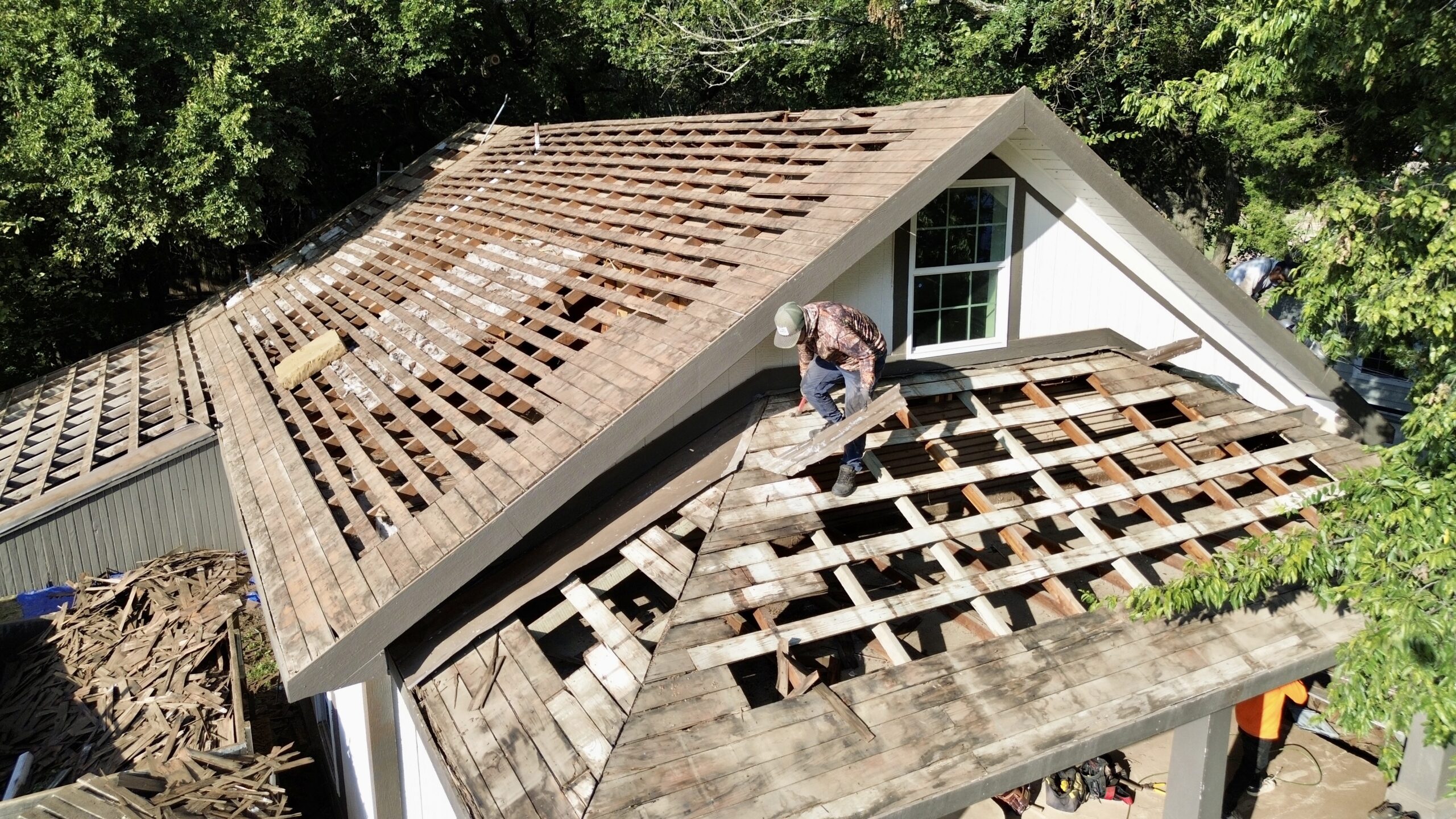
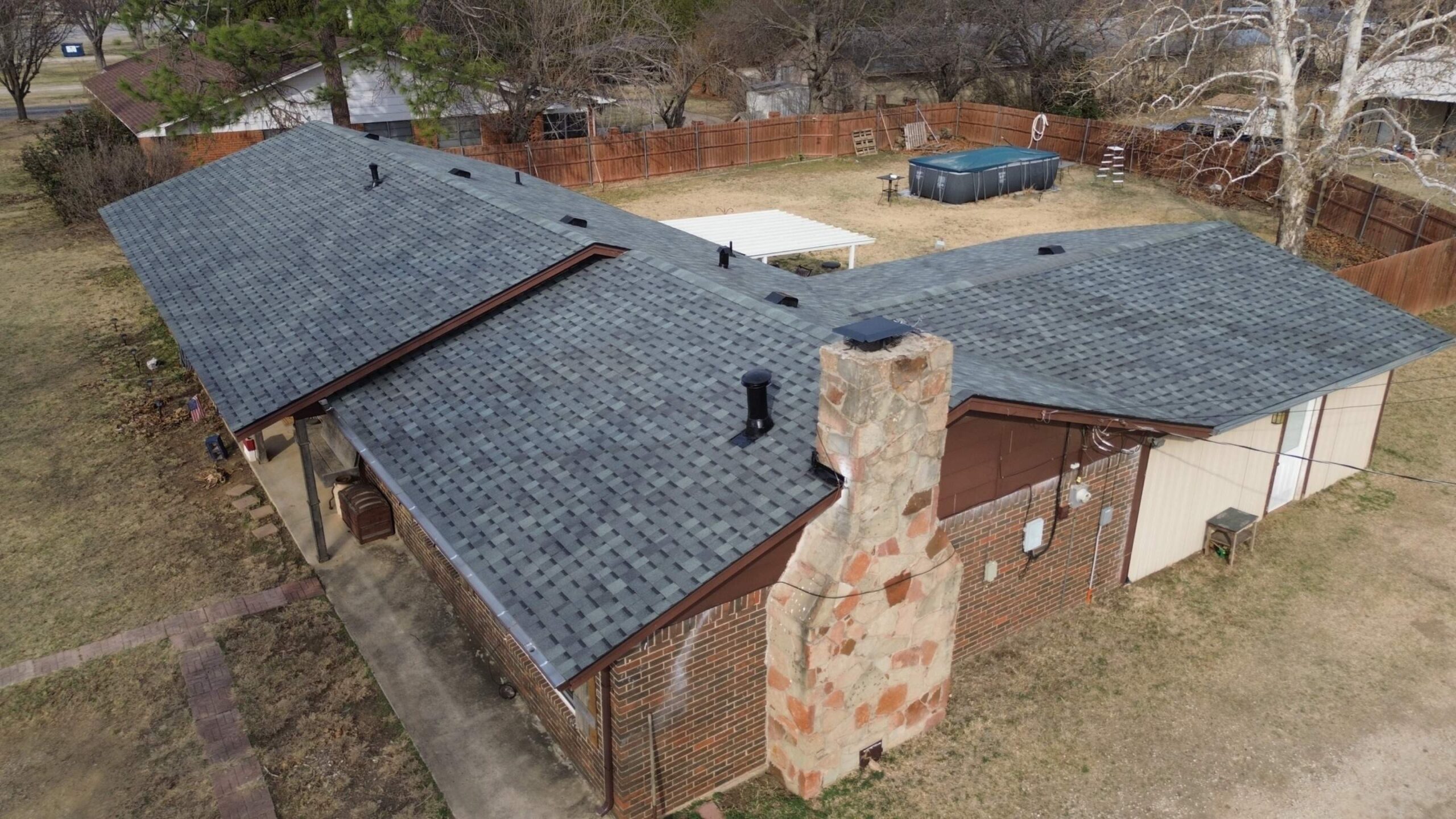
The tear off process usually begins at the highest point of the roof and gradually moves downward. Starting from the ridge allows gravity to assist with debris removal while giving workers better control over falling materials. Roofing crews carefully remove shingles, ridge caps, underlayment, nails, flashing, and other components until the roof deck is fully exposed.
Specialized roofing shovels and tear off tools help lift shingles along with the nails holding them in place. Contractors work in sections rather than removing the entire roof at once because this approach helps manage debris more effectively and reduces unnecessary exposure if weather conditions change unexpectedly.
As materials are removed, they are directed into designated dumpsters or debris trailers instead of being scattered around the property. Professional contractors frequently use debris chutes or controlled disposal methods to keep the worksite organized and improve safety for everyone involved.
Removing old roofing materials also gives contractors an opportunity to identify areas where previous repairs may have concealed more serious problems. Temporary patches, deteriorated flashing, and improperly installed materials often become visible only after the outer roofing layers have been removed.
Inspecting the Roof Deck After Shingle Removal
Once every roofing layer has been stripped away, the roof deck becomes completely visible. This inspection is one of the most valuable advantages of performing a full roof tear off because it allows contractors to evaluate the condition of the structure supporting the new roofing system.
The roof deck is typically constructed from plywood or oriented strand board, commonly referred to as OSB. These materials provide the solid surface on which underlayment and roofing materials are installed, making their condition essential for long term roof performance.
Contractors inspect the deck for signs of moisture damage, wood rot, mold, soft spots, cracks, warping, loose fasteners, and structural weakness. Even small areas of deterioration receive close attention because roofing materials perform best when installed over a flat and stable surface.
The inspection also verifies that the decking meets current building code requirements. In older homes, contractors may recommend additional improvements if portions of the deck no longer meet modern structural standards or fastening requirements.
Homeowners are often surprised to discover hidden issues during this phase because many forms of damage remain invisible while shingles are still in place. Detecting these problems before installing a new roof prevents expensive repairs that could otherwise develop only a few years after replacement.
Repairing or Replacing Damaged Roof Decking
If the roof deck inspection reveals deterioration, repairs are completed before any new roofing materials are installed. Skipping this step would compromise the performance of the entire roofing system because damaged decking cannot provide proper support.
Minor damage may require replacing only a few plywood or OSB panels. Contractors carefully remove weakened sections while preserving the surrounding structure whenever possible. New panels are securely fastened according to current construction standards to create a uniform surface across the roof.
In situations involving extensive water damage, larger sections of the deck may need replacement. Although this increases project costs, replacing compromised decking protects the investment being made in the new roofing system and reduces the likelihood of future structural problems.
Contractors also inspect roof framing components that become visible during repairs. Rafters, trusses, and support members are checked for moisture damage or deterioration before the roof deck is restored.
Once repairs are complete, the entire roof surface is cleaned thoroughly. Remaining nails, wood fragments, dust, and debris are removed so the underlayment can be installed smoothly without imperfections beneath the surface.
Installing Drip Edge and Water Protection Systems
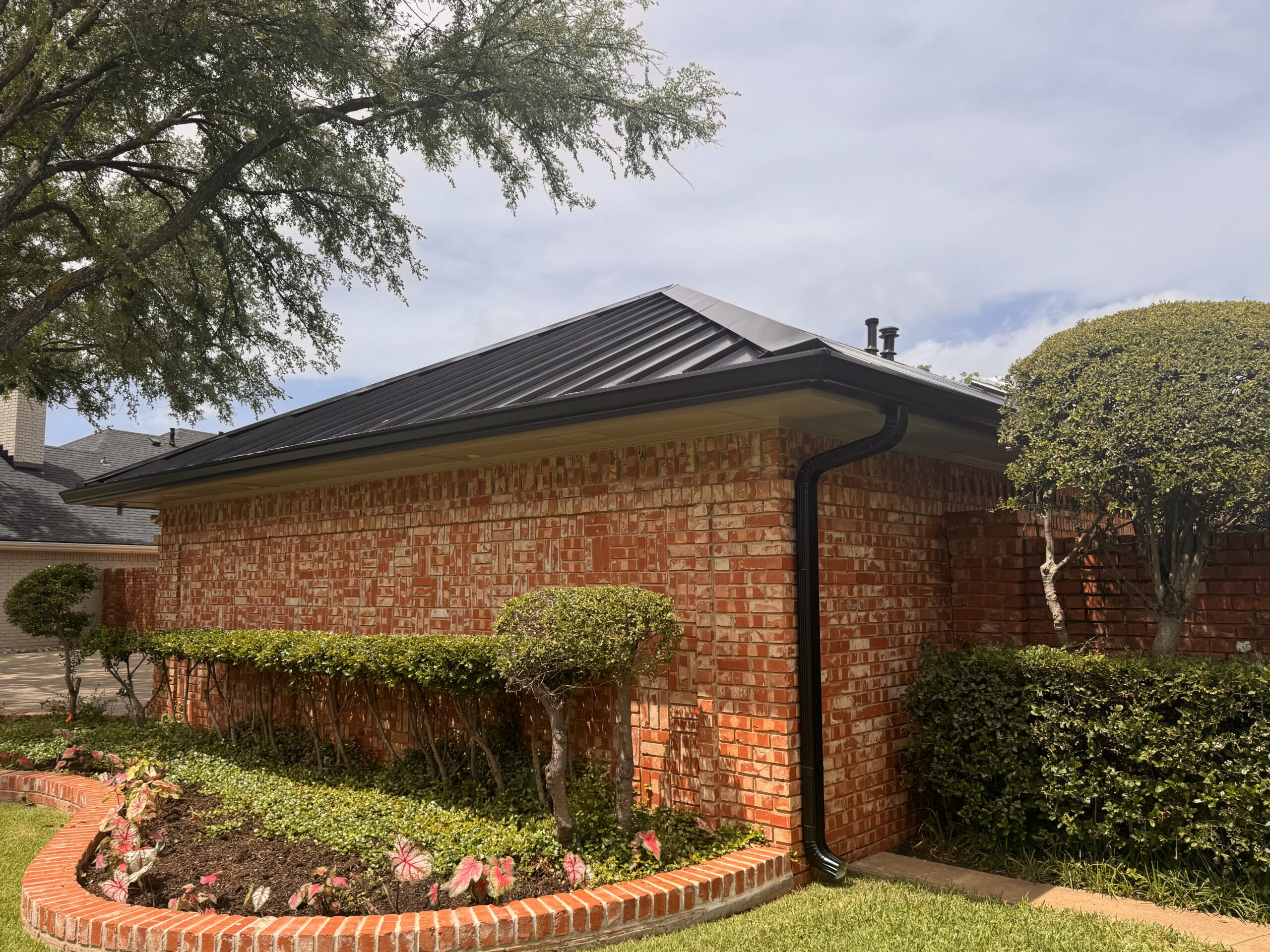
After the roof deck has been repaired and cleaned, contractors begin installing components that help manage water movement across the roof. One of the first materials added is the drip edge, which is installed along roof edges to guide rainwater into the gutters rather than allowing it to flow beneath roofing materials.
The drip edge also protects exposed roof decking from moisture infiltration and helps reduce the risk of wood deterioration around the roof perimeter. Proper installation creates a cleaner roof edge while improving resistance against wind driven rain.
In areas where ice dams or heavy rainfall are common, contractors often install specialized waterproof membranes along roof eaves, valleys, and other vulnerable locations. These self adhering barriers provide an additional layer of defense against water infiltration if shingles become damaged or water backs up beneath the roofing surface.
Even in regions with milder climates, water protection systems improve overall roof durability by creating multiple layers of moisture resistance. Instead of relying solely on shingles, the roofing system uses several protective components working together to keep water outside the home.
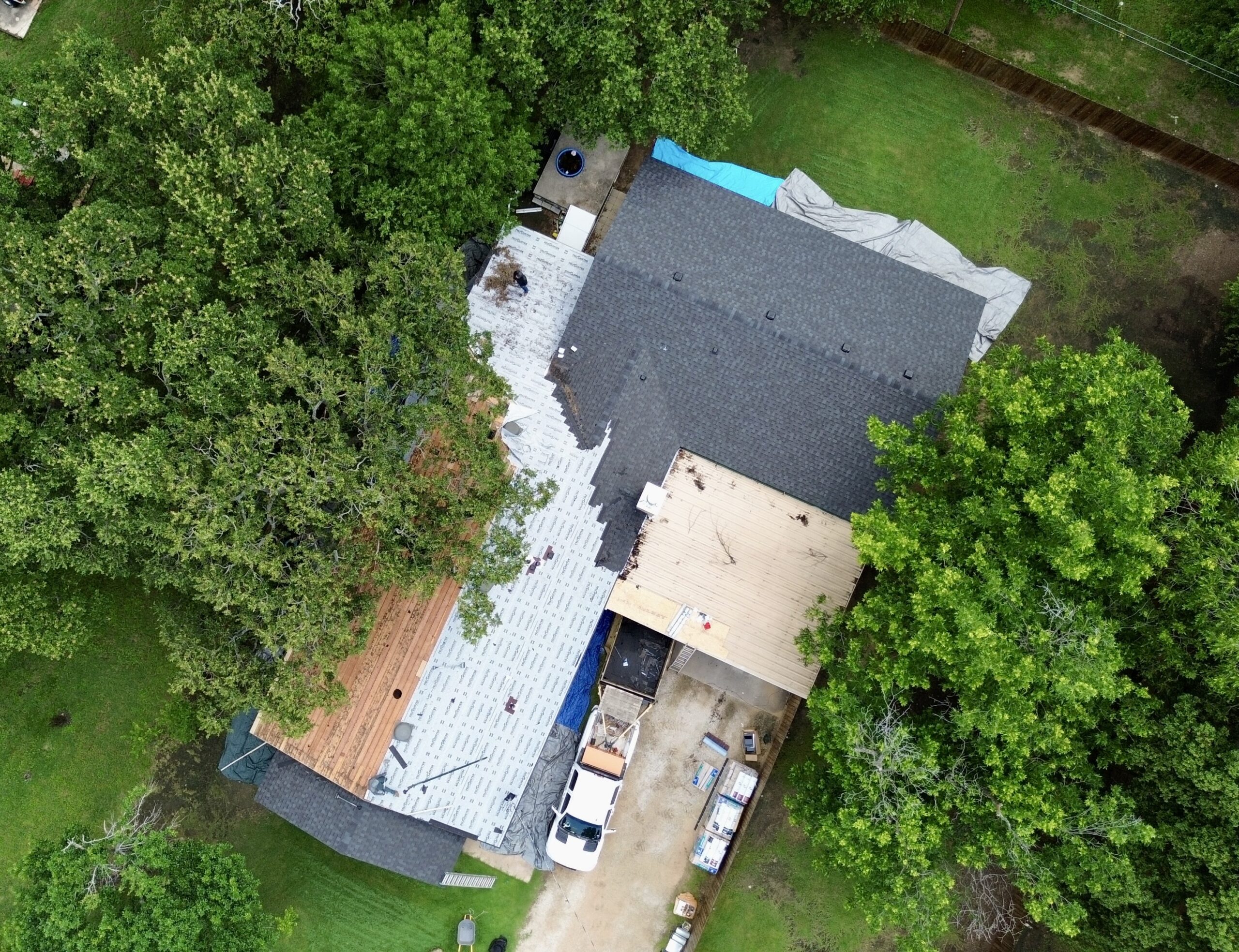
Underlayment Installation for Moisture Protection
Once the roof deck has been prepared, underlayment installation begins. Underlayment serves as a secondary moisture barrier positioned directly between the roof deck and the finished roofing material. Although it remains hidden after installation, it plays a vital role in protecting the structure from water intrusion.
Modern roofing systems commonly use either synthetic underlayment or asphalt saturated felt. Synthetic products have become increasingly popular because they are lighter, stronger, and more resistant to tearing during installation. They also provide better temporary weather protection if installation is interrupted by unexpected rain.
Each section of underlayment is carefully aligned and overlapped according to manufacturer specifications. Proper overlap ensures water flows downward over each layer rather than penetrating between seams.
Fasteners are placed at recommended intervals to prevent movement caused by wind before the finished roofing material is installed. Contractors pay particular attention around roof valleys, edges, and penetrations where moisture exposure tends to be greatest.
Correct underlayment installation offers several important benefits:
- Provides a secondary barrier against moisture infiltration.
- Protects the roof deck during temporary weather exposure.
- Helps reduce wind driven rain penetration.
- Improves the overall durability of the roofing system.
- Creates a smooth foundation for roofing material installation.
Although homeowners rarely see the underlayment after construction is complete, its performance significantly influences the long term reliability of the entire roof.
Flashing Replacement Around Roof Penetrations
Flashing is another critical component that is replaced during a complete roof tear off. Flashing consists of thin metal pieces installed around roof features where water is most likely to enter, including chimneys, skylights, plumbing vents, dormers, valleys, and wall intersections.
Old flashing may appear usable from the outside while containing hidden corrosion, loose fasteners, or failed sealants beneath the roofing materials. Reusing deteriorated flashing increases the likelihood of future leaks even if brand new shingles are installed.
Contractors remove outdated flashing carefully to avoid damaging surrounding structural components. New flashing is then shaped and installed according to the roof design, ensuring water flows away from vulnerable areas rather than collecting around penetrations.
Sealants and fastening methods recommended by roofing manufacturers are used to create durable waterproof connections. Each flashing component overlaps adjacent materials in a way that encourages natural water drainage without relying entirely on sealants.
Proper flashing installation requires precision because even minor mistakes can create pathways for moisture infiltration. Experienced roofing professionals understand how different flashing components work together to protect areas that experience concentrated water flow during storms.
Preparing the Roof Surface for New Roofing Materials
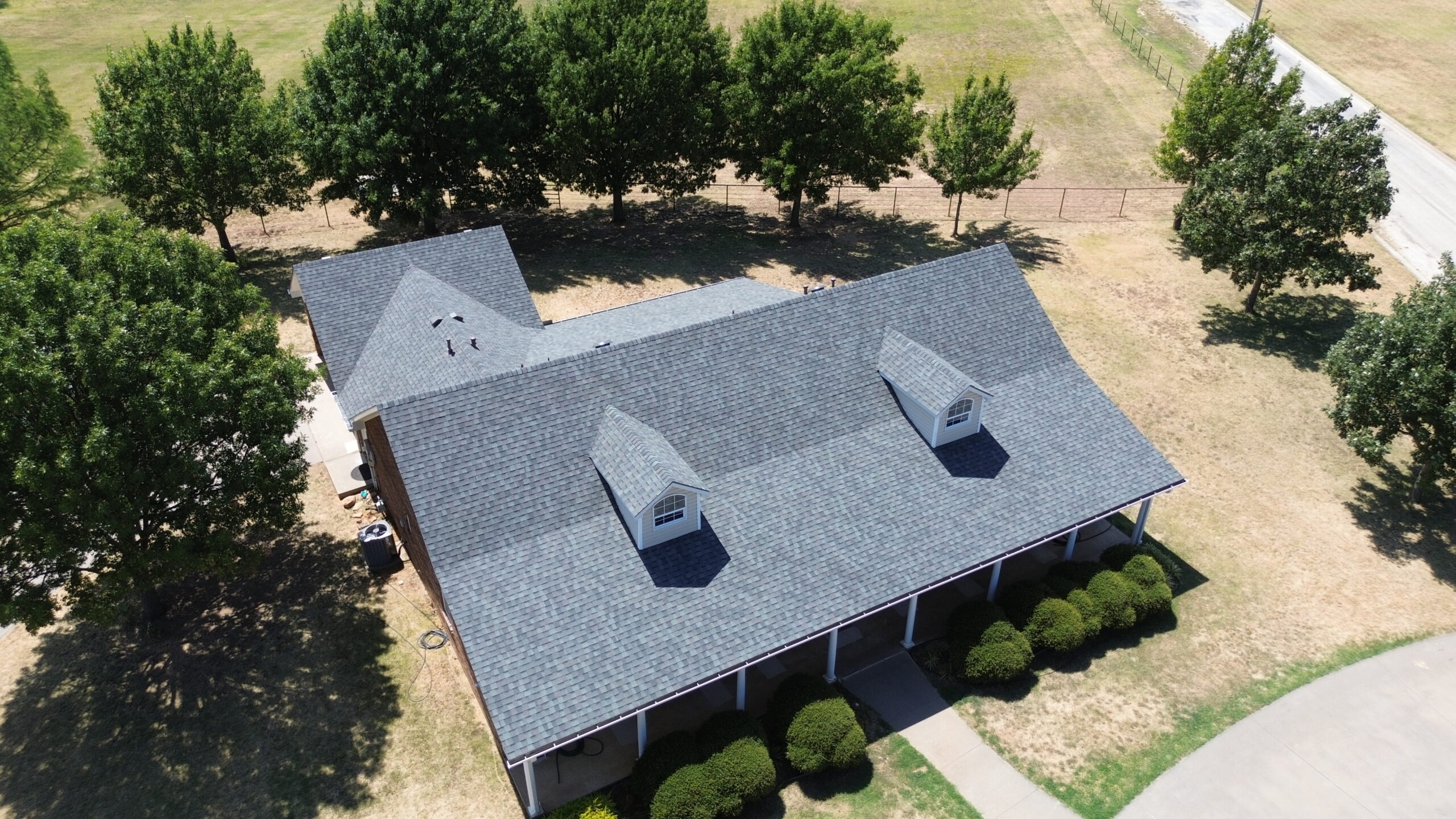
Before shingles or other roofing products are installed, contractors complete a final preparation of the roof surface. This stage confirms that every protective layer has been installed correctly and that the roof is ready to receive its finished exterior covering.
Workers inspect the underlayment for wrinkles, gaps, loose fasteners, or damaged sections that may have occurred during installation. Any imperfections are corrected immediately because they could affect the appearance or performance of the finished roof.
Roof valleys receive additional attention during this stage because they carry large volumes of rainwater. Specialized valley liners or reinforced underlayment may be added depending on the roofing system being installed and local weather conditions.
Contractors also verify that vents, flashing, drip edges, and waterproof membranes are securely installed before moving to the final roofing phase. Addressing these details now reduces the likelihood of delays once shingle installation begins.
Material placement across the roof is organized carefully so workers can install new roofing products efficiently. Bundles of shingles or other roofing materials are distributed strategically to reduce unnecessary lifting while maintaining safe weight distribution across the roof structure.
Common Challenges Contractors Face During a Roof Tear Off
Although roofing contractors follow carefully planned procedures, every roof presents unique challenges that must be managed throughout the tear off process. Experience and preparation allow professional crews to adapt while maintaining quality workmanship and project safety.
Weather is one of the most significant factors affecting roof replacement. Sudden rain, strong winds, or extreme temperatures can temporarily interrupt work because exposed roof decking must be protected from moisture. Contractors monitor weather forecasts closely and adjust schedules whenever necessary to reduce risks.
Hidden structural damage is another common challenge. Problems concealed beneath old roofing materials cannot always be identified during the initial inspection, making it necessary to perform additional repairs once the roof deck is exposed. While these discoveries may extend the project timeline slightly, correcting them ensures the new roof is installed over a solid and dependable structure.
Complex roof designs also require additional planning and skilled workmanship. Features such as steep slopes, multiple valleys, dormers, skylights, chimneys, and intersecting rooflines increase the amount of detailed work required during both removal and preparation.
Contractors frequently encounter challenges such as:
- Unexpected weather changes during construction.
- Hidden water damage beneath old roofing materials.
- Rotten decking requiring immediate replacement.
- Complex roof designs with numerous penetrations.
- Older construction methods that require code upgrades.
- Limited access for material delivery and debris removal.
Professional roofing companies prepare for these situations through careful planning, experienced supervision, and ongoing communication with homeowners. Their ability to solve unexpected problems while maintaining installation quality is one of the reasons a complete roof tear off provides such reliable long term results.
At this stage, the old roofing system has been completely removed, the roof deck has been inspected and repaired, moisture protection systems have been installed, and the surface is fully prepared for the new roofing materials. The final phase focuses on installing the new roof, completing finishing details, performing cleanup, and conducting the final inspections that ensure the replacement project is ready to protect the home for many years to come.
Installing the New Roof and Final Steps
With the roof deck fully repaired and protected by modern underlayment, the project enters its final and most visible stage. This phase transforms the prepared structure into a finished roofing system capable of protecting the home from the elements for decades. Every installation step follows manufacturer specifications and industry best practices to maximize durability, weather resistance, and long term performance.
Installing the New Roofing Material
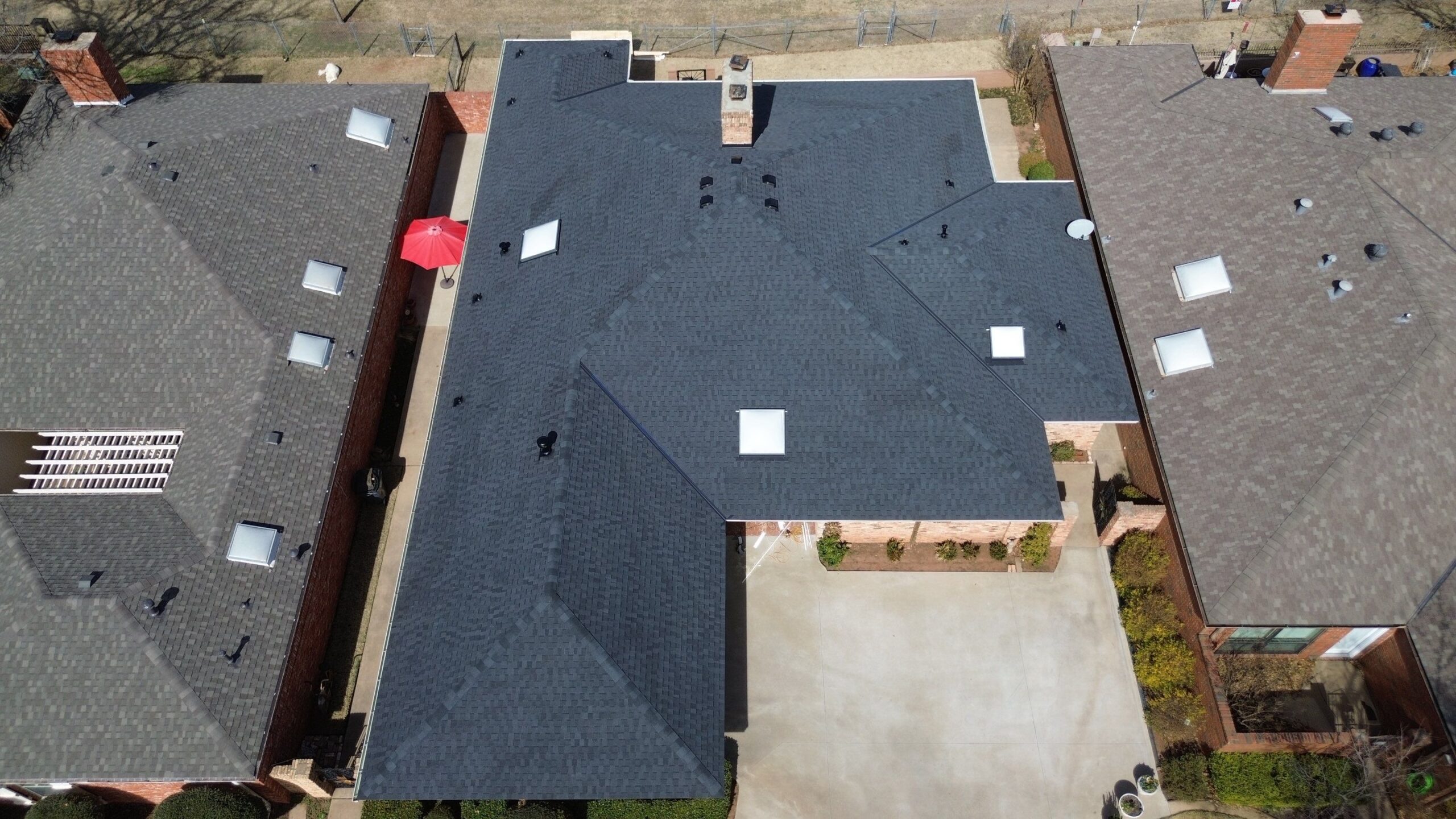
The installation of new roofing materials begins only after contractors confirm that the roof deck, underlayment, flashing, and drip edges have been properly installed. Starting with a well prepared foundation helps ensure that every roofing component performs as intended throughout its lifespan.
For asphalt shingle roofs, installers usually begin at the lower edge of the roof and work upward toward the ridge. Each row overlaps the one beneath it, creating a layered system that naturally directs rainwater downward toward the gutters. This overlapping design is one of the reasons asphalt shingles remain one of the most reliable roofing materials for residential homes.
Each shingle is fastened according to manufacturer recommendations regarding nail placement and the number of fasteners used. Correct fastening helps the roof resist strong winds while preventing shingles from lifting or shifting over time. Contractors also ensure that the shingles remain straight and evenly aligned, giving the finished roof a clean and professional appearance.
Other roofing materials such as metal panels, slate, cedar shakes, or synthetic roofing products follow different installation methods, but the objective remains the same. Every component is installed to create a continuous weather resistant barrier capable of protecting the structure beneath it.
Attention to detail during this stage directly influences both the appearance and performance of the completed roof. Small installation errors can affect drainage, wind resistance, and warranty eligibility, making professional workmanship especially important.
Roof Ventilation Improvements During Replacement
A roof replacement provides an excellent opportunity to improve attic ventilation. Proper ventilation helps regulate attic temperatures, reduce moisture buildup, and improve the overall efficiency of the roofing system.
Without adequate ventilation, heat and humidity can accumulate inside the attic throughout the year. Excessive heat may shorten the lifespan of roofing materials, while trapped moisture can contribute to mold growth, wood deterioration, and reduced insulation performance.
Professional contractors evaluate the existing ventilation system during the replacement process. If improvements are needed, additional intake or exhaust vents may be installed to create balanced airflow throughout the attic space.
Common ventilation components include ridge vents, soffit vents, gable vents, and roof vents. These systems work together by allowing cooler outside air to enter through lower openings while warmer air exits through higher ventilation points.
Improved ventilation provides several long term advantages for homeowners:
- Helps extend the lifespan of roofing materials.
- Reduces excessive attic heat during warmer months.
- Minimizes moisture accumulation inside the attic.
- Improves overall energy efficiency.
- Helps protect insulation and structural components.
Although ventilation receives less attention than shingles or flashing, it remains one of the most important elements of a complete roofing system.
Ridge Caps, Flashing, and Finishing Details
After the primary roofing material has been installed, contractors complete the finishing details that provide both weather protection and visual appeal. These final components seal vulnerable areas while giving the roof a polished appearance.
Ridge caps are installed along the highest points of the roof where two slopes meet. These specially designed shingles cover the ridge while allowing the roof to maintain proper water resistance. When ridge vents are used, ridge caps are installed over the ventilation system without restricting airflow.
Flashing installed earlier in the project is checked again during this phase to ensure it integrates properly with the finished roofing material. Contractors carefully inspect chimneys, skylights, vent pipes, valleys, and wall intersections to verify that every flashing component overlaps correctly and provides effective water protection.
Sealants may be applied in locations recommended by roofing manufacturers, although modern roofing systems rely more on proper material overlap than excessive sealant use. This layered construction creates a stronger and longer lasting defense against moisture infiltration.
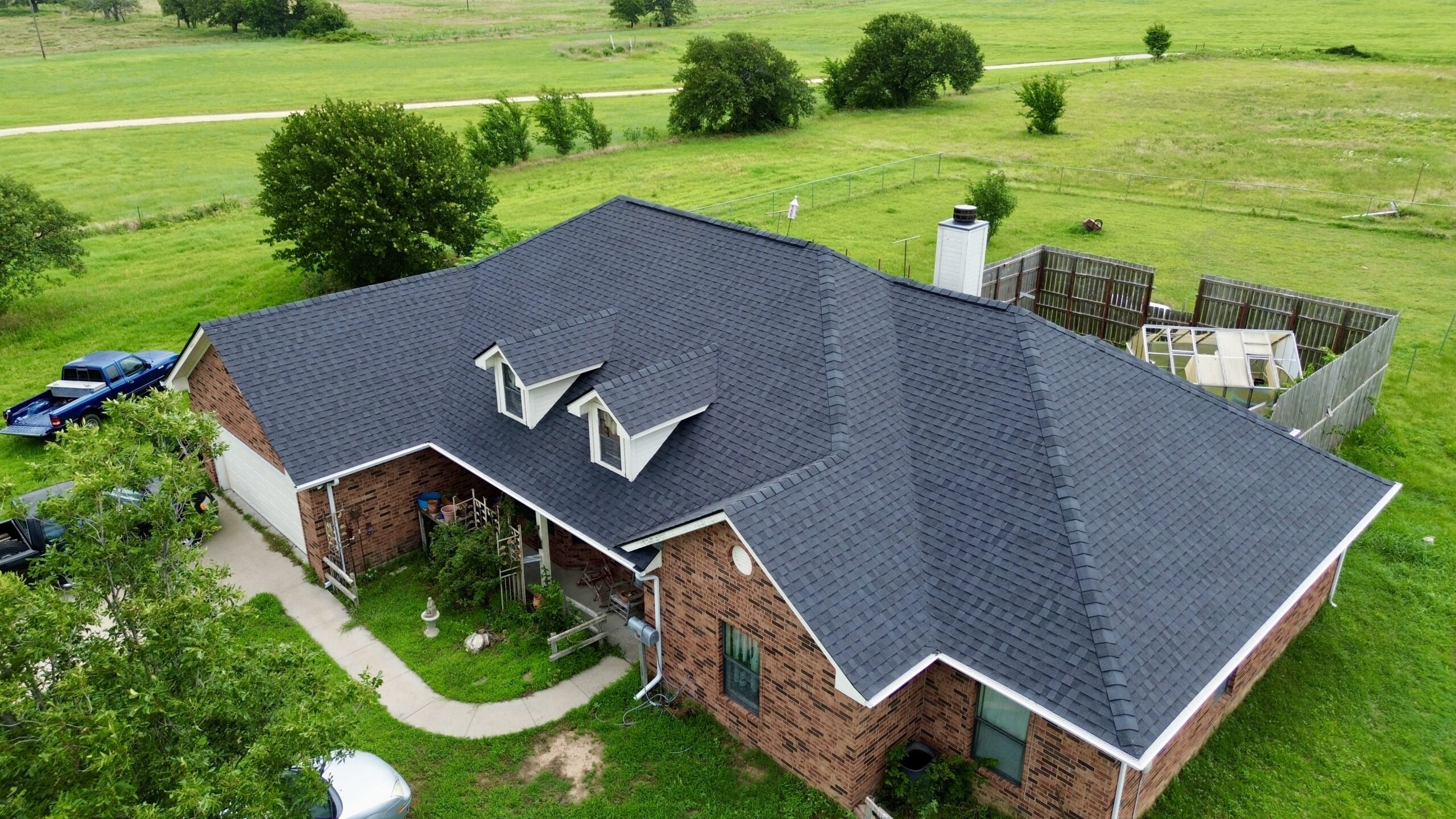
The final appearance of the roof is also reviewed during this stage. Contractors look for consistent shingle alignment, uniform color distribution, and secure fastening throughout the installation before moving on to cleanup.
Site Cleanup and Debris Removal
One of the final responsibilities of a professional roofing contractor is restoring the property to a clean and safe condition. A roof tear off generates a considerable amount of debris, including shingles, underlayment, nails, flashing, packaging materials, and wood fragments. Thorough cleanup ensures these materials do not remain scattered around the property after construction ends.
Roofing crews remove all waste from the roof surface, gutters, landscaping, driveways, patios, and surrounding work areas. Dumpsters or debris trailers used during the project are loaded and removed from the property once cleanup has been completed.
Magnetic sweepers play an important role during this stage because they collect loose nails and small metal fragments that may have fallen into grass, flower beds, or paved surfaces. Multiple magnetic sweeps are often performed to reduce the possibility of nails remaining on the property.
Protective coverings placed over landscaping and outdoor equipment are removed carefully after debris collection is complete. Contractors inspect these areas to confirm that plants, walkways, and outdoor features remain in good condition before considering the project finished.
A clean worksite reflects professional workmanship and provides homeowners with confidence that the roofing company has completed every aspect of the project responsibly.
Final Roof Inspection and Quality Assurance
Before declaring the project complete, contractors perform a comprehensive final inspection. This quality assurance process verifies that every component has been installed correctly and that the roof meets both manufacturer requirements and local building codes.
Inspectors examine shingle alignment, flashing placement, ridge caps, ventilation components, drip edges, valleys, fasteners, and visible roof penetrations. They also verify that all debris has been removed and that the roof surface is free from installation defects.
Depending on local regulations, municipal building inspectors may also review the completed project before permits are officially closed. These inspections help confirm that the replacement complies with applicable construction standards.
Homeowners are often invited to participate in a final walkthrough with the contractor. During this meeting, the roofing company explains completed work, discusses warranty coverage, answers maintenance questions, and addresses any remaining concerns before closing the project.
A quality inspection benefits everyone involved because it provides one final opportunity to correct minor issues before they develop into larger problems.
Typical Timeline for a Full Roof Tear Off Project
Many homeowners wonder how long a complete roof tear off will take. While every project is unique, several factors influence the overall schedule, including roof size, weather conditions, material selection, roof complexity, and the extent of structural repairs required.
The following table provides a general overview of typical project timelines.
| Project Stage | Typical Duration |
|---|---|
| Initial inspection and planning | 1 to 5 days |
| Permit approval if required | Varies by municipality |
| Material delivery and preparation | 1 day |
| Roof tear off | 1 to 2 days |
| Deck repairs if needed | Several hours to 2 days |
| Underlayment and flashing installation | 1 day |
| New roofing installation | 1 to 3 days |
| Cleanup and final inspection | Same day or next day |
Most standard residential roof replacements are completed within a few days when weather conditions remain favorable. Larger homes or roofs requiring extensive structural repairs may take longer, but experienced contractors work efficiently to minimize disruption while maintaining installation quality.
How Homeowners Can Prepare Before Roof Replacement Day
Preparing the property before roofing crews arrive helps the project proceed more smoothly and safely. A few simple steps can reduce inconvenience while protecting valuable belongings throughout construction.
Homeowners should consider the following preparations before work begins:
- Move vehicles away from the driveway and garage entrance.
- Remove fragile wall decorations and valuable items that may shift because of vibrations.
- Trim tree branches that could interfere with roofing work.
- Cover items stored in the attic if dust is a concern.
- Keep children and pets away from active work areas.
- Inform neighbors about the upcoming roofing project if noise may affect them.
These preparations allow contractors to work more efficiently while reducing the risk of accidental damage or unnecessary interruptions during construction.
Maintaining clear communication with the roofing contractor is equally important. Homeowners should know whom to contact if questions arise and understand the expected schedule, weather contingency plans, and cleanup procedures before work begins.
Mistakes to Avoid During a Roof Tear Off Project
Even a professionally managed roof replacement can become more challenging if common mistakes are overlooked. Homeowners who understand these issues are better prepared to make informed decisions throughout the project.
One of the biggest mistakes is selecting a contractor based solely on the lowest price. While affordability is important, extremely low estimates may indicate shortcuts in materials, labor, or safety practices that could affect the long term quality of the roof.
Another common mistake is delaying replacement after severe roof deterioration has already been identified. Waiting too long often allows moisture damage to spread deeper into the structure, increasing repair costs and extending construction time.
Homeowners should also avoid overlooking warranty information. Understanding both manufacturer warranties and workmanship guarantees helps ensure appropriate coverage if problems arise in the future.
Choosing quality materials, verifying contractor credentials, obtaining written agreements, and maintaining open communication all contribute to a successful roof replacement experience.
Frequently Asked Questions About Full Roof Tear Offs
Is a full roof tear off always necessary?
No. If damage is limited to a small area and the existing roof remains structurally sound, repairs may be sufficient. A professional inspection determines whether replacement or repair provides the better long term solution.
Is a roof tear off noisy?
Yes. Removing shingles and fastening new roofing materials produces noticeable noise and vibrations throughout the home. Most homeowners choose to limit indoor activities requiring a quiet environment while work is underway.
Can roofing work continue during rain?
Contractors generally avoid exposing the roof during active rainfall. If weather changes unexpectedly, temporary coverings are installed to protect the exposed roof until work can safely resume.
Will my homeowners insurance cover a roof tear off?
Coverage depends on the cause of the damage and the terms of your insurance policy. Storm damage is often covered, while normal aging and gradual wear typically are not. Reviewing your policy and speaking with your insurance provider can clarify available coverage.
How long does a new roof usually last?
The lifespan depends on the roofing material, installation quality, climate, maintenance, and ventilation. Asphalt shingles commonly last between 20 and 30 years, while premium roofing materials may provide significantly longer service lives when properly maintained.
Conclusion
A full roof tear off is much more than simply removing old shingles and installing new ones. It is a carefully planned process that begins with detailed inspections, continues through the complete removal of worn roofing materials, and includes structural repairs, moisture protection, ventilation improvements, and precise installation techniques. Every stage contributes to building a roofing system that protects the home more effectively and lasts longer.
Although a complete tear off requires more time and investment than an overlay, it provides important advantages that cannot be achieved by covering existing roofing materials. Hidden structural problems can be repaired, modern waterproofing systems can be installed, and every layer of the roof works together as a complete system rather than relying on aging materials beneath the surface.
Understanding what happens during each phase of the process helps homeowners approach roof replacement with realistic expectations and greater confidence. By working with experienced roofing professionals, choosing quality materials, and ensuring every step is completed according to industry standards, homeowners can enjoy a durable, attractive, and weather resistant roof that protects their investment for many years to come.