
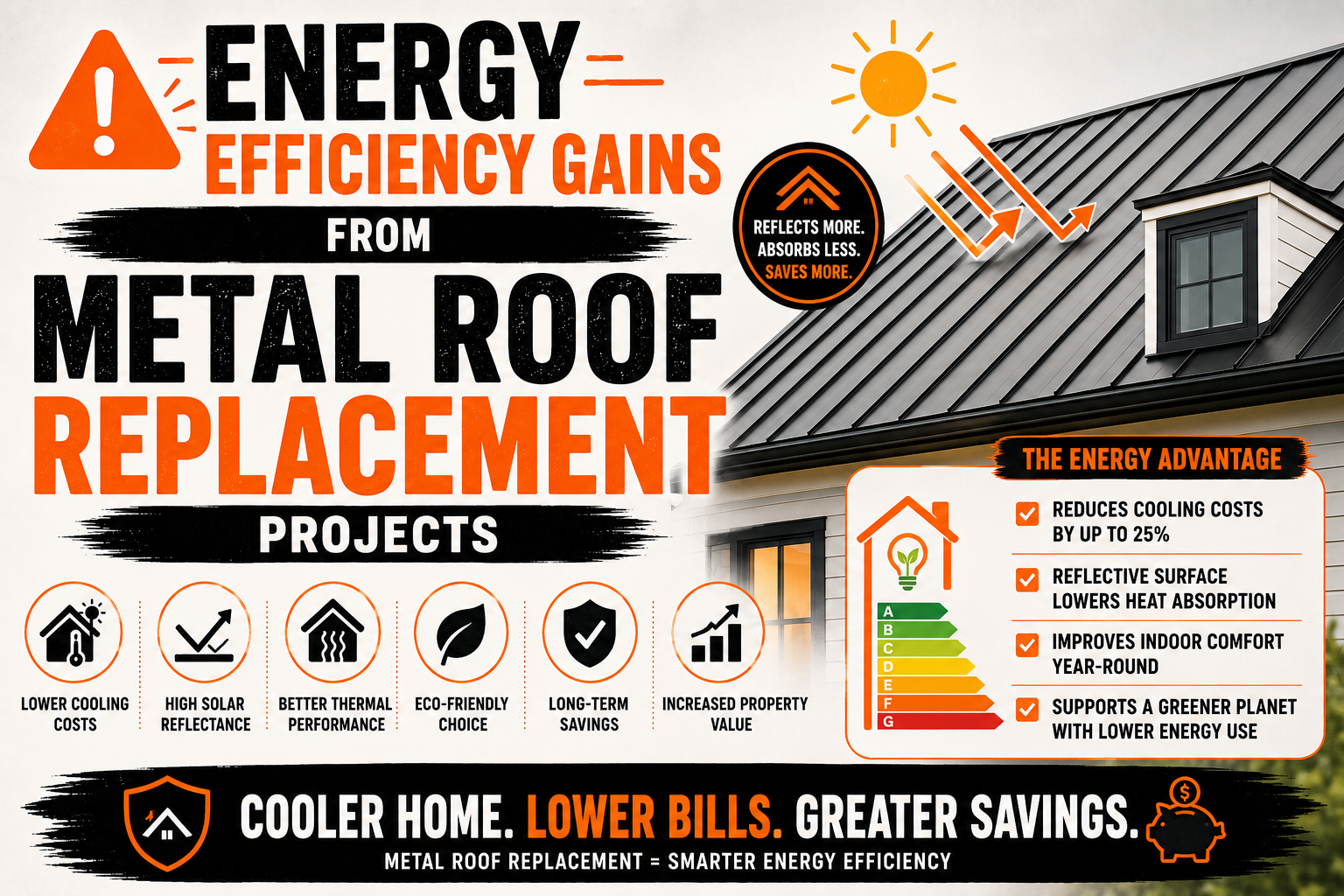
Energy Efficiency Gains From Metal Roof Replacement Projects
Introduction
Energy efficiency has become one of the most important considerations for homeowners planning a roof replacement. Rising energy costs, changing weather patterns, and increased awareness of sustainable home improvements have encouraged many property owners to look beyond traditional roofing materials. While durability and appearance remain important, the ability of a roof to improve energy performance is now a major factor in the decision-making process.
A roof is constantly exposed to sunlight, rain, wind, and changing temperatures throughout the year. Because it covers the largest surface area of most homes, it plays a significant role in regulating indoor temperatures. The type of roofing material installed directly affects how much heat enters the home during summer and how efficiently indoor temperatures are maintained throughout the year.
Metal roofing has gained widespread attention because of its ability to improve energy efficiency without sacrificing durability or visual appeal. Modern metal roof replacement systems are engineered with advanced coatings, reflective finishes, and precision installation methods that help reduce heat absorption while supporting better temperature regulation inside the home.
Many homeowners assume that metal roofs become excessively hot because they are made from metal. In reality, properly designed residential metal roofing systems often perform more efficiently than many traditional roofing materials because they reflect a significant portion of solar radiation rather than absorbing it. This difference can reduce cooling demands and improve overall comfort during warm weather.
Energy-efficient roofing should be viewed as part of a complete building system. Proper insulation, attic ventilation, air sealing, and roofing materials all work together to improve indoor comfort and reduce unnecessary energy consumption. Replacing an aging roof with a modern metal roofing system creates an opportunity to improve several of these components at the same time.
This guide explores how metal roof replacement projects contribute to greater energy efficiency. From reducing heat transfer and lowering cooling costs to improving indoor comfort and supporting long-term sustainability, each section explains why metal roofing has become a preferred choice for homeowners seeking lasting energy performance.
Why Energy Efficiency Matters in Modern Roofing
The roof is one of the home’s primary defenses against outdoor temperatures. Whether the weather is extremely hot or unexpectedly cold, the roof helps regulate how much heat enters or escapes the building. As a result, roofing materials have a direct impact on household energy use throughout the year.
During warm weather, sunlight continuously strikes the roof surface for many hours each day. Roofing materials that absorb large amounts of solar heat gradually transfer that heat into the attic and eventually into the living space below. This forces air conditioning systems to work harder to maintain comfortable indoor temperatures.
Energy-efficient roofing helps reduce this heat transfer by reflecting more sunlight and limiting the amount of heat absorbed by the building. Lower attic temperatures often result in reduced cooling demand, allowing heating and cooling systems to operate more efficiently.
Improved energy efficiency benefits homeowners in several ways. Reduced energy consumption may lower monthly utility bills while decreasing wear on heating and cooling equipment. Less strain on HVAC systems can contribute to longer equipment life and reduced maintenance needs over time.
Energy-efficient homes are also becoming increasingly attractive in the real estate market. Many buyers appreciate features that reduce operating costs while supporting greater indoor comfort throughout the year.
As building standards continue to emphasize sustainability and efficiency, roofing materials capable of improving thermal performance have become valuable components of modern residential construction.
Understanding How Metal Roofing Reduces Heat Transfer
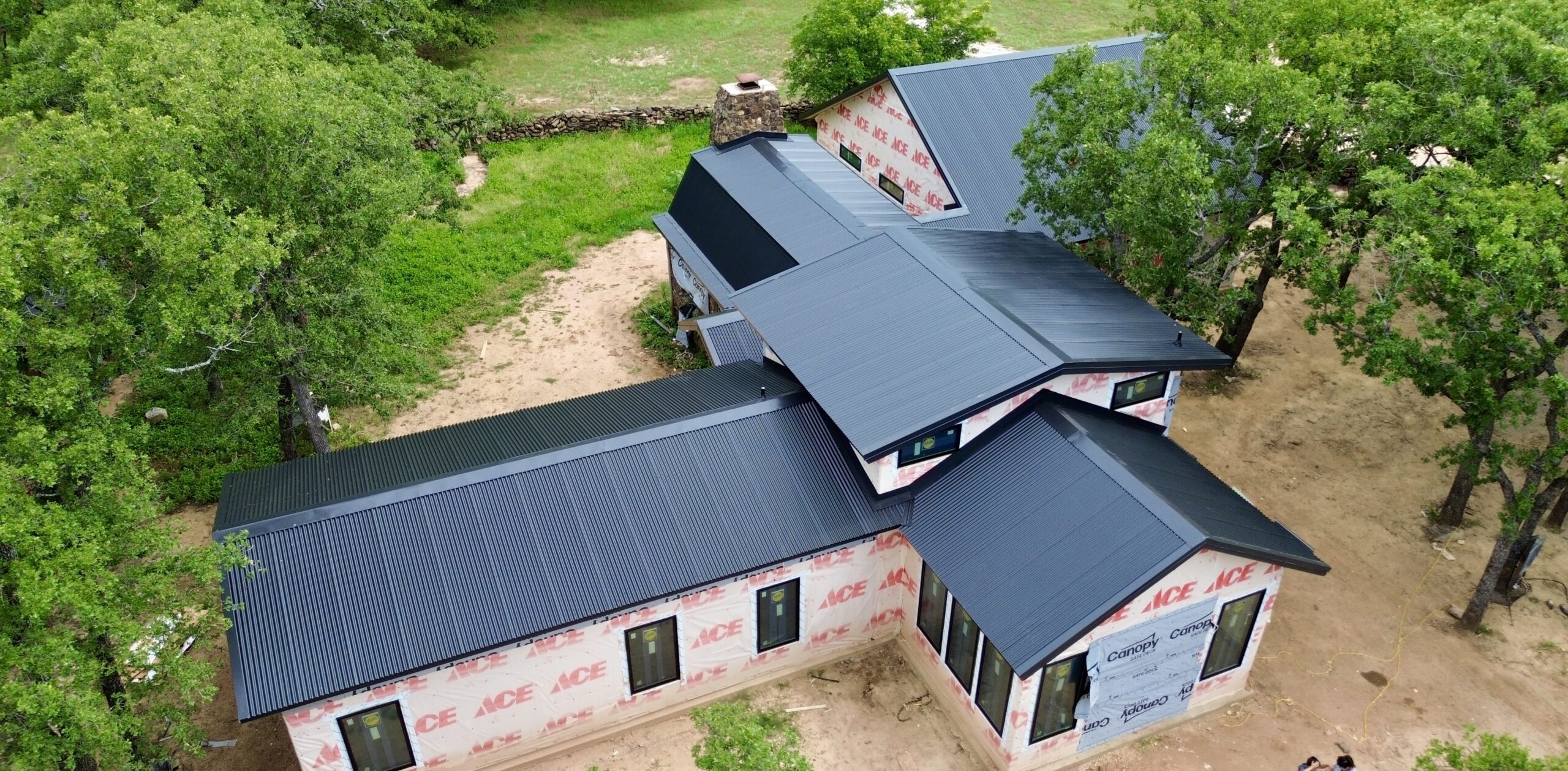
One of the primary reasons metal roofing improves energy efficiency is its ability to reduce heat transfer. Heat naturally moves from warmer areas toward cooler areas, and roofing materials influence how quickly this process occurs.
Traditional roofing materials often absorb significant amounts of solar energy during sunny weather. As the roof surface becomes hotter, heat gradually passes through the roof structure into the attic and eventually reaches the living spaces below. This process increases indoor temperatures and places additional demand on cooling systems.
Metal roofing behaves differently because many modern systems are manufactured with reflective surfaces that limit heat absorption. Instead of retaining large amounts of solar energy, these roofs reflect a substantial portion of incoming sunlight back into the atmosphere.
Lower surface temperatures reduce the amount of heat transferred through the roof assembly. As a result, attic spaces remain cooler during periods of intense sunlight, helping maintain more stable indoor temperatures.
Heat transfer is also influenced by the complete roofing system rather than the roofing panels alone. Underlayment, ventilation, insulation, and air barriers all contribute to overall thermal performance. When these components are properly installed alongside a metal roof, the entire roofing assembly becomes more energy efficient.
Reducing unnecessary heat transfer improves indoor comfort while helping homeowners manage energy consumption more effectively throughout the year.
Reflective Roof Coatings and Solar Heat Reflection
Modern metal roofing systems owe much of their energy performance to advanced reflective coatings. These specialized finishes are designed to reduce solar heat absorption while maintaining long-term durability and appearance.
Sunlight contains both visible light and invisible infrared radiation that generates heat. Traditional dark roofing materials often absorb much of this energy, causing roof surfaces to become extremely hot during sunny afternoons. Reflective coatings minimize this effect by redirecting a larger percentage of incoming solar radiation away from the roof.
These coatings remain effective even after years of weather exposure because manufacturers engineer them to resist fading, ultraviolet damage, and environmental wear. High-quality finishes continue reflecting sunlight while preserving the roof’s appearance over extended periods.
Reflective technology also helps maintain lower attic temperatures. Cooler attic spaces reduce heat buildup above the living area, improving indoor comfort while decreasing the amount of work required from air conditioning systems.
Many reflective roof coatings are available in a variety of colors rather than only bright metallic finishes. Homeowners can therefore select roofing colors that complement their home’s architectural style while still benefiting from improved solar reflectance.
Some advantages commonly associated with reflective roof coatings include:
- Reduced solar heat absorption.
- Cooler roof surface temperatures.
- Improved indoor comfort during hot weather.
- Lower cooling demands in many climates.
- Long-lasting weather-resistant finishes.
These features demonstrate why reflective coatings have become an important component of energy-efficient residential roofing systems.
How Metal Roofs Help Lower Cooling Costs
Cooling expenses represent a significant portion of household energy consumption in many regions, particularly during long summers or periods of intense sunlight. Because roofing materials influence attic temperatures, selecting an energy-efficient roof can contribute to lower cooling demands over time.
Metal roofing reduces heat entering the home by reflecting more sunlight than many conventional roofing materials. As less heat penetrates the roof assembly, attic temperatures remain lower, reducing the amount of warm air affecting the living spaces below.
Air conditioning systems respond directly to indoor temperature changes. When the roof contributes less heat to the home, cooling equipment often operates for shorter periods to maintain comfortable indoor conditions. Reduced operating time may decrease electricity consumption while limiting wear on HVAC components.
Cooling efficiency depends on multiple building characteristics. Roof insulation, ventilation design, window placement, air sealing, and overall home construction all influence energy use. Metal roofing works most effectively when combined with these additional energy-efficient features.
Homeowners may notice improvements beyond utility savings alone. More consistent indoor temperatures often create a more comfortable living environment, especially in upper-floor rooms located directly beneath the roof.
Although actual savings vary depending on climate and building design, reducing unnecessary heat gain remains one of the most valuable energy benefits associated with modern metal roof replacement systems.
The Role of Roof Color in Energy Performance
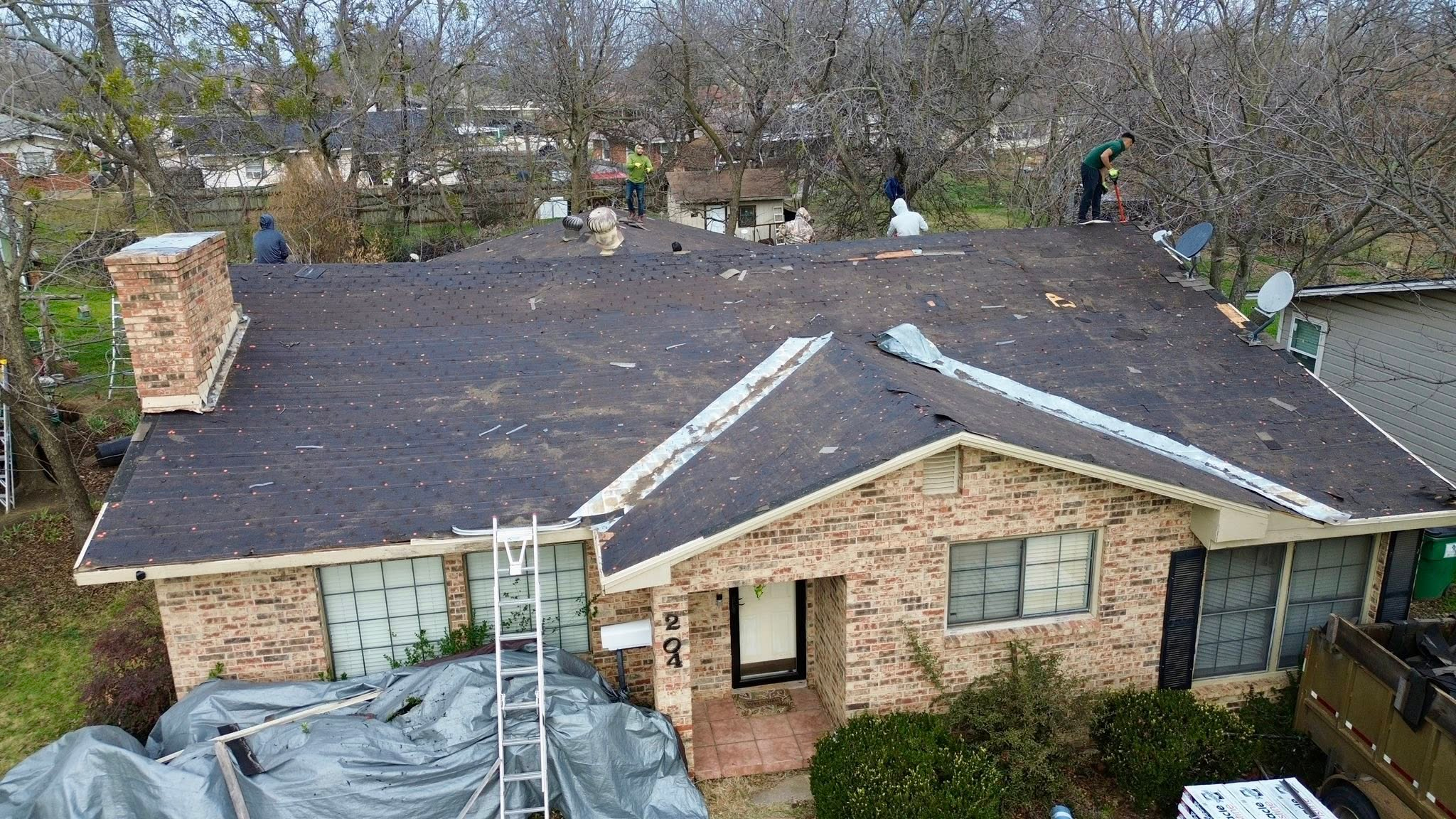
Roof color plays an important role in determining how much solar energy is absorbed by the roofing surface. While material selection is essential, the color of the roof also influences overall energy efficiency.
Light-colored roofing surfaces generally reflect more sunlight than darker colors. Greater reflection means less solar heat is absorbed into the roof, helping maintain lower surface temperatures during sunny weather.
Modern metal roofing provides homeowners with extensive color choices while maintaining strong energy performance. Manufacturers produce coatings specifically designed to maximize solar reflectance across a wide range of attractive colors, allowing homeowners to balance appearance with efficiency.
Darker roofing colors absorb more solar energy because they convert a greater portion of incoming sunlight into heat. However, advanced reflective pigments used in many modern metal roofing products help improve the performance of darker colors compared with traditional roofing materials.
Climate should also be considered when selecting roof color. Homes located in consistently warm regions often benefit from highly reflective lighter colors, while homeowners in mixed climates may choose colors that complement both aesthetic preferences and regional energy goals.
Color selection therefore represents more than a design decision. It contributes directly to the thermal performance of the roof while influencing long-term cooling efficiency.
Importance of Proper Roof Ventilation With Metal Roofing
Even the most energy-efficient roofing material cannot perform at its best without adequate attic ventilation. Proper airflow beneath the roof helps regulate temperature, manage moisture, and improve the overall efficiency of the roofing system.
During hot weather, warm air naturally rises into the attic. Without sufficient ventilation, this heat becomes trapped beneath the roof, increasing attic temperatures and transferring additional warmth into the living areas below.
A properly ventilated attic continuously exchanges warm indoor air with cooler outside air. Intake vents allow fresh air to enter while ridge or exhaust vents release heated air from the attic. This natural airflow reduces heat accumulation and supports more consistent indoor temperatures.
Metal roofing complements effective ventilation because its reflective surface reduces heat absorption while the ventilation system removes excess warmth that does enter the attic. Together, these components improve the roof’s overall thermal performance.
Moisture control is another important benefit of proper ventilation. Everyday household activities generate humidity that naturally moves upward through the home. Ventilation helps remove excess moisture before condensation develops inside the attic, protecting insulation and structural materials.
Homeowners planning a metal roof replacement should discuss attic ventilation with their roofing contractor. Upgrading ventilation during roof replacement often improves both energy efficiency and long-term roof performance.
Insulation and Metal Roofing Working Together
Insulation and roofing materials perform different but complementary roles in improving household energy efficiency. While metal roofing reduces the amount of solar heat entering the building, insulation slows the movement of heat through ceilings and walls.
Effective attic insulation acts as a thermal barrier between the living space and the attic. Even if some heat reaches the attic during hot weather, quality insulation helps prevent that heat from entering occupied rooms below.
Metal roofing enhances this process by reducing the amount of heat reaching the attic in the first place. Together, reflective roofing and adequate insulation create a highly effective system for managing indoor temperatures throughout the year.
Winter performance is also important. Insulation helps retain indoor warmth during colder months, reducing heat loss through the roof structure. Metal roofing protects the home from weather exposure while allowing insulation to perform efficiently regardless of outdoor temperatures.
Homeowners replacing an older roof should consider evaluating attic insulation at the same time. In some homes, improving insulation during roof replacement provides additional energy savings beyond the roofing upgrade alone.
Combining high-quality insulation with modern metal roofing creates a balanced roofing system that supports year-round comfort, lower energy consumption, and improved indoor temperature stability.
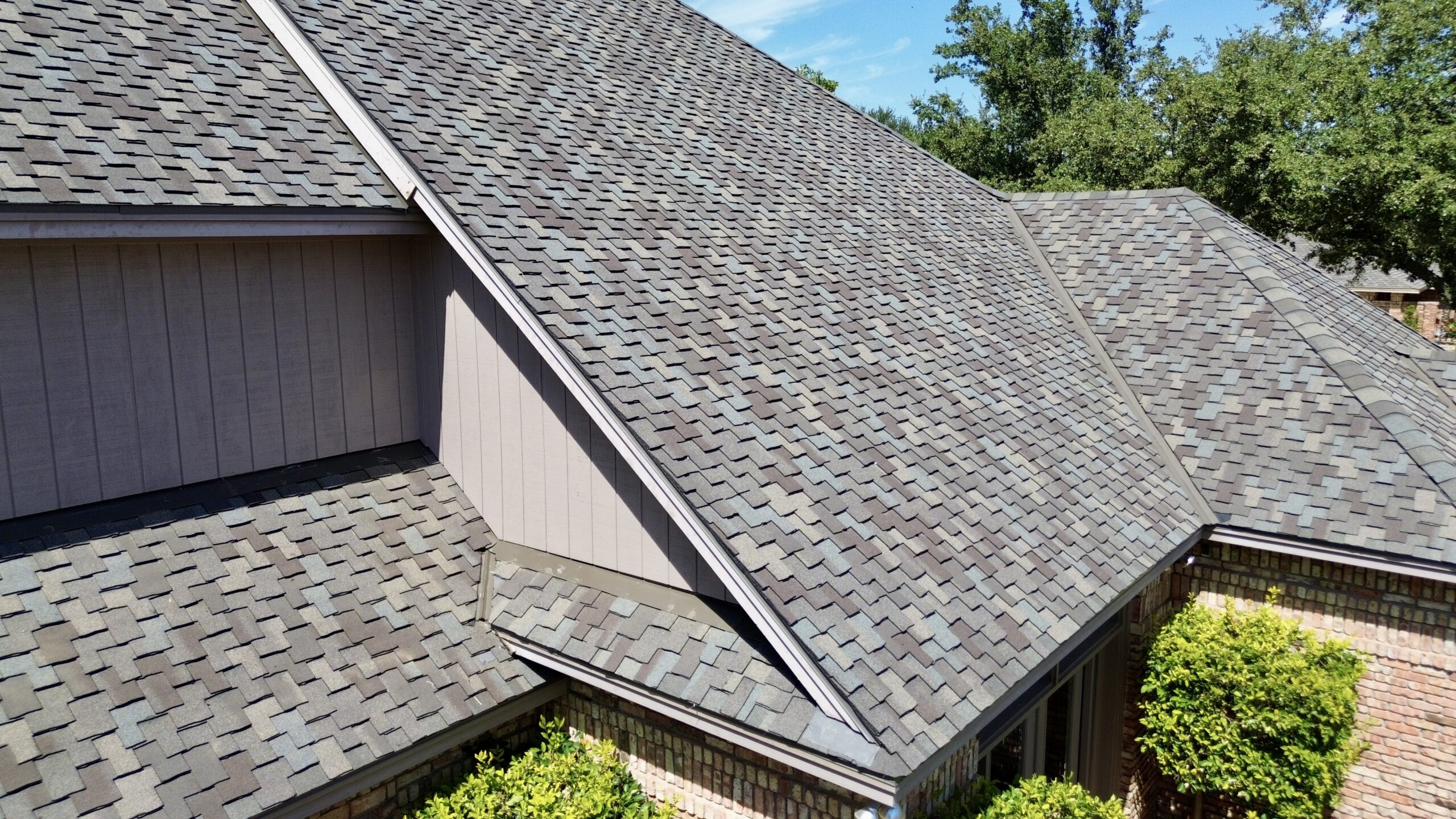
Climate Conditions That Influence Energy Savings
The amount of energy savings achieved after installing a metal roof varies because every home operates under different environmental conditions. Climate is one of the most important factors influencing the overall efficiency of any roofing system.
Homes located in warm regions with long periods of intense sunlight often experience the greatest cooling benefits from reflective metal roofing. Reduced solar heat absorption helps maintain lower attic temperatures during extended summer months, decreasing the workload placed on air conditioning systems.
Properties in mixed climates also benefit from improved energy performance. Although cooling savings may be seasonal, the durability and weather resistance of metal roofing continue providing value throughout the year.
Humid environments present additional challenges related to moisture control. Proper ventilation combined with metal roofing helps manage attic humidity while supporting insulation performance and indoor comfort.
Homes located in colder regions benefit differently. While cooling savings may be less significant, properly installed metal roofing continues protecting the home against snow, ice, wind, and changing weather while supporting effective insulation and ventilation.
Several factors influence the amount of energy improvement homeowners may experience:
- Local climate and seasonal temperatures.
- Roof color and solar reflectance.
- Quality of attic insulation.
- Effectiveness of attic ventilation.
- Overall home construction and air sealing.
Understanding these variables helps homeowners develop realistic expectations while recognizing that energy-efficient roofing performs best as part of a complete, well-designed building system.
Seasonal Energy Savings Throughout the Year
Energy-efficient roofing delivers benefits throughout every season rather than only during the hottest months of the year. Although metal roofing is often associated with reducing cooling costs in summer, its contribution to overall home performance extends across changing weather conditions.
During spring and summer, the roof receives prolonged exposure to direct sunlight. Reflective metal roofing reduces the amount of solar heat absorbed by the roof surface, helping keep attic temperatures lower and minimizing heat transfer into the living space. This allows cooling systems to operate more efficiently while maintaining a comfortable indoor environment.
Autumn brings cooler temperatures but often introduces fluctuating weather conditions. Metal roofing continues providing consistent thermal performance while protecting the home from rainfall, falling leaves, and changing humidity levels. Stable attic temperatures also help reduce unnecessary heating and cooling adjustments during seasonal transitions.
Winter performance depends largely on the complete roofing system rather than the roofing material alone. Proper insulation, attic ventilation, and a professionally installed metal roof help reduce heat loss while maintaining a more consistent indoor temperature. This balanced approach supports efficient heating without allowing unnecessary energy waste.
Seasonal energy savings vary according to climate, insulation quality, roof color, and home construction. However, homeowners often appreciate that metal roofing contributes to year-round efficiency instead of offering benefits during only one season.
Viewing roofing as part of a complete annual energy strategy provides a better understanding of its long-term value.
Reducing HVAC Workload With Metal Roofing
Heating and cooling equipment operates continuously to maintain comfortable indoor temperatures. The harder these systems work, the greater the energy consumption and the more wear they experience over time. Metal roofing helps reduce this workload by improving the home’s thermal performance.
When less heat enters the attic during warm weather, indoor temperatures rise more slowly. Air conditioning systems do not need to cycle as frequently or operate for extended periods to maintain comfortable conditions. Reduced operating time contributes to lower electricity use while decreasing mechanical wear on HVAC equipment.
Heating systems may also benefit during colder months when the roofing system works together with insulation and ventilation to minimize unnecessary heat loss. Although insulation remains the primary barrier against winter heat transfer, the roof assembly as a whole supports more efficient temperature regulation.
Reduced HVAC workload offers advantages beyond lower utility bills. Equipment that operates under less strain may require fewer repairs and often maintains reliable performance over a longer period. Preventing excessive cycling also contributes to more consistent indoor comfort throughout the home.
Proper installation remains essential for achieving these benefits. Metal roofing performs most effectively when combined with quality insulation, balanced ventilation, and well-sealed attic spaces that reduce uncontrolled air movement.
By improving the efficiency of the building envelope, metal roofing allows heating and cooling systems to operate under more favorable conditions throughout the year.
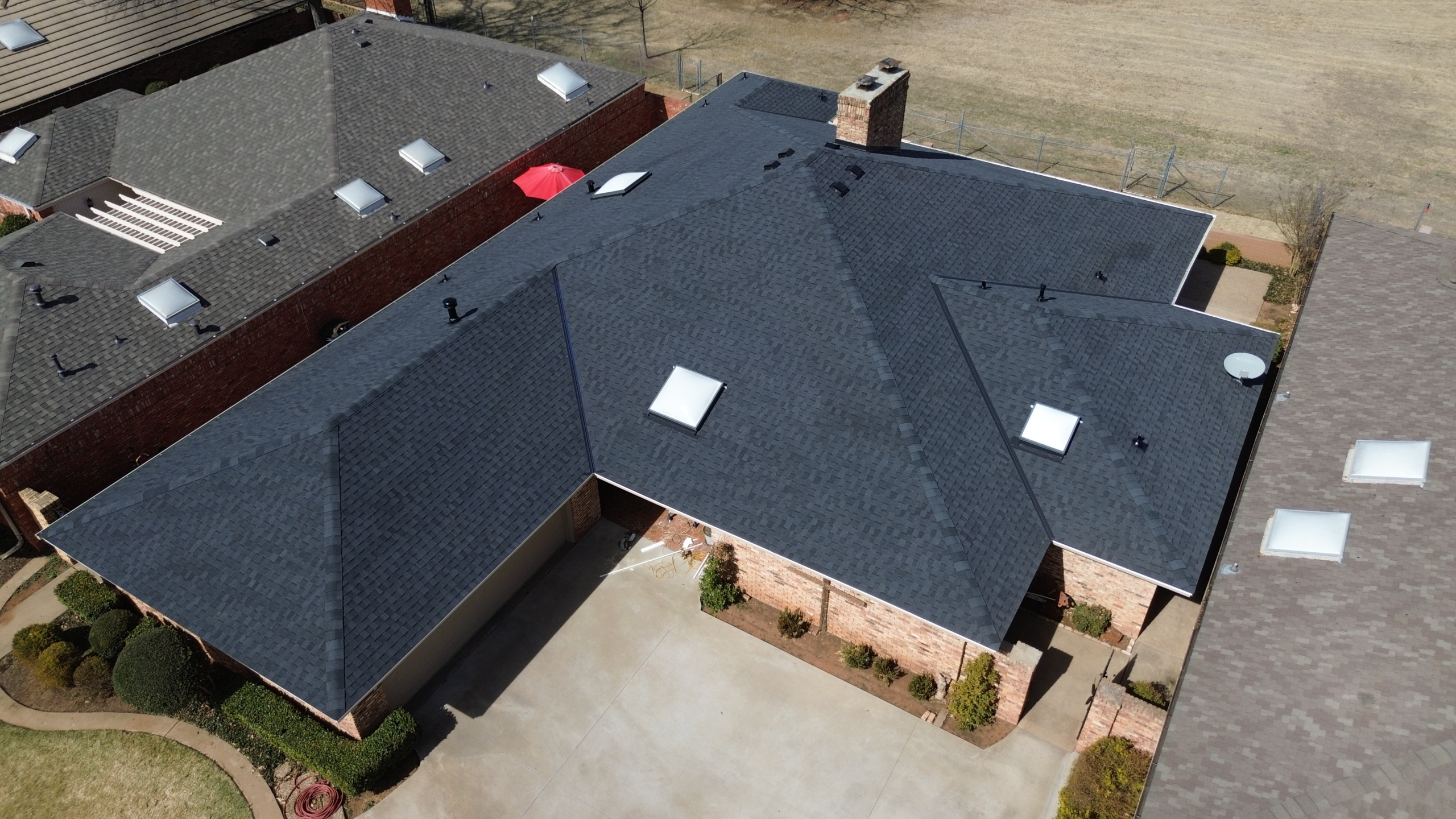
Energy Efficiency Compared With Asphalt Shingle Roofs
Many homeowners compare metal roofing with asphalt shingles when planning a roof replacement because both materials are commonly used in residential construction. While each provides reliable weather protection, their energy performance differs in several important ways.
Traditional asphalt shingles absorb a greater amount of solar heat during sunny weather. As roof temperatures increase, heat gradually transfers into the attic and eventually into the living spaces below. This additional heat often increases cooling demand, particularly during long periods of intense sunlight.
Metal roofing responds differently because many products incorporate highly reflective coatings designed to reduce heat absorption. Rather than storing large amounts of solar energy, these roofs reflect a significant portion of incoming sunlight back into the atmosphere.
Another important distinction involves temperature recovery. After sunset, metal roofing generally cools more quickly than many conventional roofing materials because it retains less heat. This faster cooling helps reduce evening heat buildup inside the attic.
The complete roofing system also influences energy performance. Underlayment, insulation, ventilation, and installation quality all contribute to thermal efficiency regardless of the roofing material selected. Even the most advanced roofing material performs best when supported by a properly designed roof assembly.
Although asphalt shingles continue to serve millions of homes effectively, homeowners prioritizing energy efficiency often find that modern metal roofing offers measurable advantages in managing solar heat and reducing cooling demands.
Cool Roof Technology and Modern Metal Roofing
One of the most significant developments in residential roofing has been the introduction of cool roof technology. This approach focuses on reducing solar heat absorption through advanced materials and specialized surface coatings that improve overall energy performance.
Modern metal roofing is well suited for cool roof applications because its surface can be engineered with highly reflective coatings. These finishes are designed to reflect visible sunlight as well as infrared radiation, the portion of solar energy primarily responsible for generating heat.
Reflective pigments used in today’s roofing products allow manufacturers to produce attractive colors without sacrificing energy performance. Homeowners are no longer limited to bright metallic finishes when selecting an energy-efficient roof. Many darker shades now incorporate advanced reflective technology that improves thermal performance compared with traditional roofing materials.
Cool roof technology also helps reduce roof surface temperatures. Lower temperatures contribute to improved attic conditions, reduced cooling demand, and greater indoor comfort during warm weather. These benefits become especially noticeable in regions experiencing prolonged summer heat.
Another advantage is the long-term durability of modern roof coatings. High-quality finishes are engineered to resist ultraviolet exposure, fading, and weather-related deterioration while maintaining their reflective properties for many years.
As energy-efficient construction continues evolving, cool roof technology remains one of the key reasons homeowners choose modern metal roofing systems.
Moisture Control and Indoor Comfort Improvements
Energy efficiency involves more than controlling heat. Managing moisture within the roofing system is equally important because excessive humidity can reduce insulation performance, affect indoor comfort, and contribute to structural problems over time.
A properly installed metal roofing system works together with underlayment, flashing, and attic ventilation to manage moisture effectively. Rainwater is directed away from the roof surface while ventilation removes humid air that naturally accumulates inside the attic.
Balanced attic ventilation supports both temperature regulation and humidity control. Warm, moisture-laden air rises through the home during everyday activities such as cooking, showering, and laundry. Ventilation allows this moisture to escape before condensation forms on structural components.
Dry insulation performs more efficiently than insulation exposed to prolonged moisture. When insulation remains dry, it retains its ability to slow heat transfer, allowing the roofing system to maintain more stable indoor temperatures throughout the year.
Improved moisture management also contributes to healthier indoor living conditions. Reducing excessive attic humidity helps protect wooden framing, ceiling materials, and stored belongings while supporting better overall air quality inside the home.
These combined benefits demonstrate that metal roofing improves comfort not only by reducing heat gain but also by maintaining healthier environmental conditions within the roof structure.
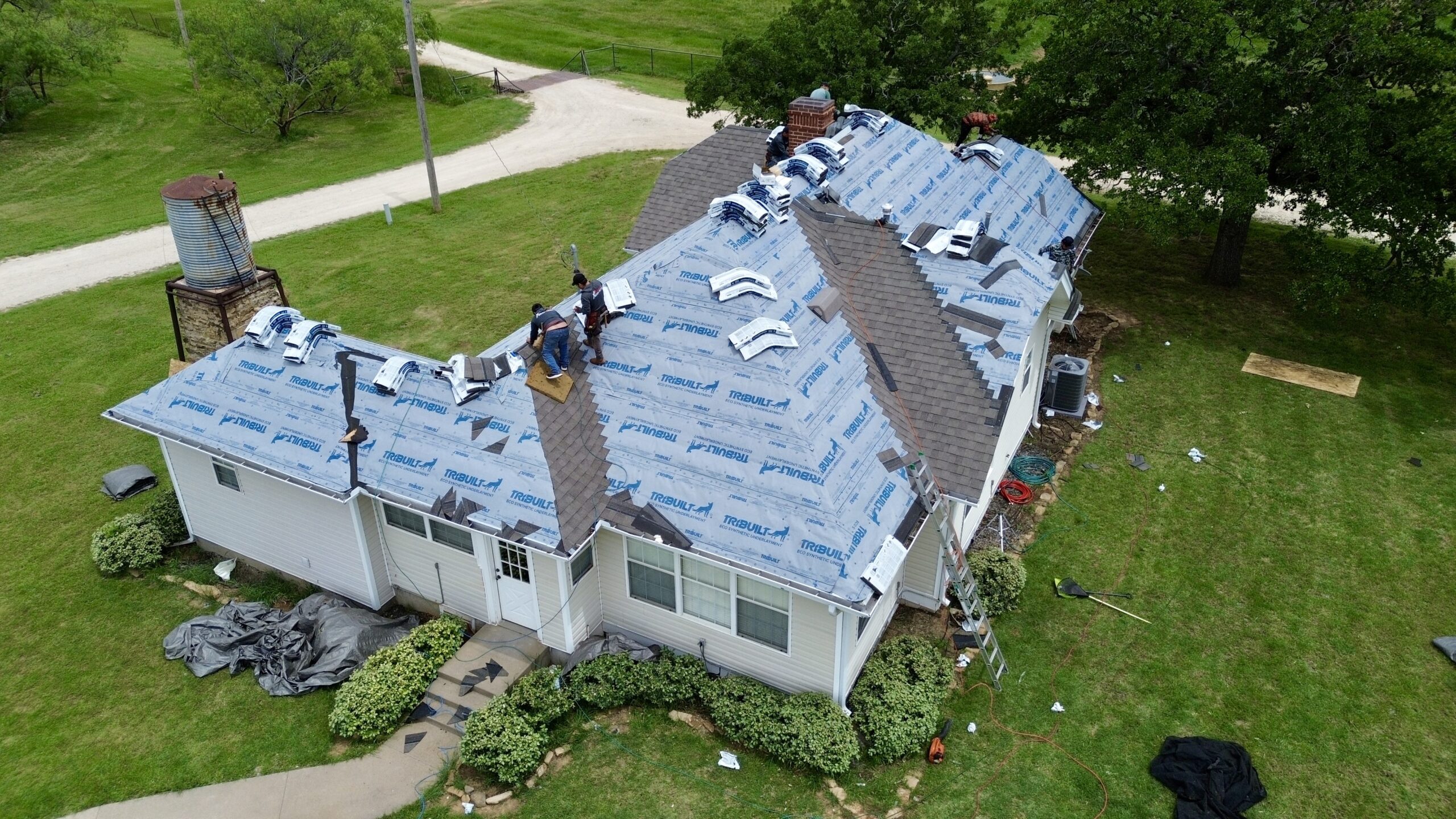
Environmental Benefits of Energy Efficient Roofing
Homeowners increasingly recognize that energy-efficient building improvements provide environmental benefits in addition to financial savings. Roofing materials influence both household energy consumption and the long-term use of natural resources.
Reducing cooling demand decreases the amount of electricity required to maintain comfortable indoor temperatures. Lower energy consumption contributes to reduced greenhouse gas emissions associated with electricity generation, particularly in regions where fossil fuels remain significant energy sources.
Metal roofing also supports sustainability through its long service life. Because replacement occurs less frequently than many traditional roofing materials, fewer manufacturing resources, transportation activities, and installation projects are required over the lifetime of the home.
Many residential metal roofing products contain recycled content and can often be recycled again after decades of service. This continuous reuse of materials helps reduce construction waste while supporting responsible resource management.
Long-lasting roofing also minimizes landfill contributions by reducing the number of replacement cycles required throughout the building’s lifespan. Fewer replacements mean fewer discarded roofing materials entering waste disposal systems.
Environmental responsibility extends beyond material selection alone. Homeowners who combine energy-efficient roofing with improved insulation, ventilation, and efficient heating and cooling systems create homes that consume fewer resources while maintaining excellent comfort.
These sustainability benefits make metal roofing an attractive option for homeowners seeking environmentally responsible home improvements.
Common Myths About Metal Roof Energy Performance
Although metal roofing has become increasingly popular, several misconceptions continue to influence homeowner decisions regarding its energy performance. Understanding the facts behind these myths helps homeowners make informed choices based on reliable information.
One common misconception is that metal roofs become hotter simply because they are made from metal. While metal can feel hot to the touch in direct sunlight, modern residential roofing systems are designed with reflective coatings that reduce heat absorption rather than increase it. Surface temperature alone does not determine how much heat enters the home.
Another myth suggests that metal roofs make homes colder during winter. In reality, insulation and attic ventilation play much larger roles in retaining indoor warmth. A properly installed metal roof works with these components to support efficient year-round temperature control.
Some homeowners believe only light-colored metal roofs provide energy savings. Although lighter colors generally reflect more sunlight, advances in reflective pigment technology allow many darker metal roofing colors to achieve impressive energy performance as well.
Another misunderstanding is that energy-efficient roofing alone will dramatically reduce utility bills regardless of the home’s condition. Roofing improvements work best when combined with proper insulation, ventilation, air sealing, and efficient heating and cooling equipment.
Separating fact from misconception allows homeowners to evaluate metal roofing based on its actual performance characteristics rather than outdated assumptions.
Factors That Affect Actual Household Energy Savings
While metal roofing offers significant energy advantages, the amount of savings achieved differs from one home to another. Several variables influence how effectively a roofing system improves overall energy performance.
Climate is one of the most important factors. Homes located in sunny regions with extended cooling seasons often experience greater reductions in air conditioning demand than homes in cooler climates where heating requirements dominate much of the year.
Attic insulation quality strongly influences results. Even the most reflective roof cannot fully compensate for inadequate insulation. Well-insulated homes are better equipped to retain the energy benefits provided by metal roofing.
Ventilation also affects performance. Balanced airflow helps remove excess heat and moisture from the attic, allowing the roofing system to operate more efficiently throughout changing weather conditions.
Roof color contributes to thermal performance as well. Reflective coatings improve efficiency across many color options, but lighter shades generally provide the greatest solar reflectance in warm climates.
Additional factors that influence household energy savings include:
- Local weather conditions and seasonal temperatures.
- Overall home insulation quality.
- Attic ventilation performance.
- Roof orientation and sun exposure.
- Efficiency of existing HVAC equipment.
Considering all of these variables helps homeowners develop realistic expectations while recognizing that energy-efficient roofing performs best as part of a complete and well-maintained home.
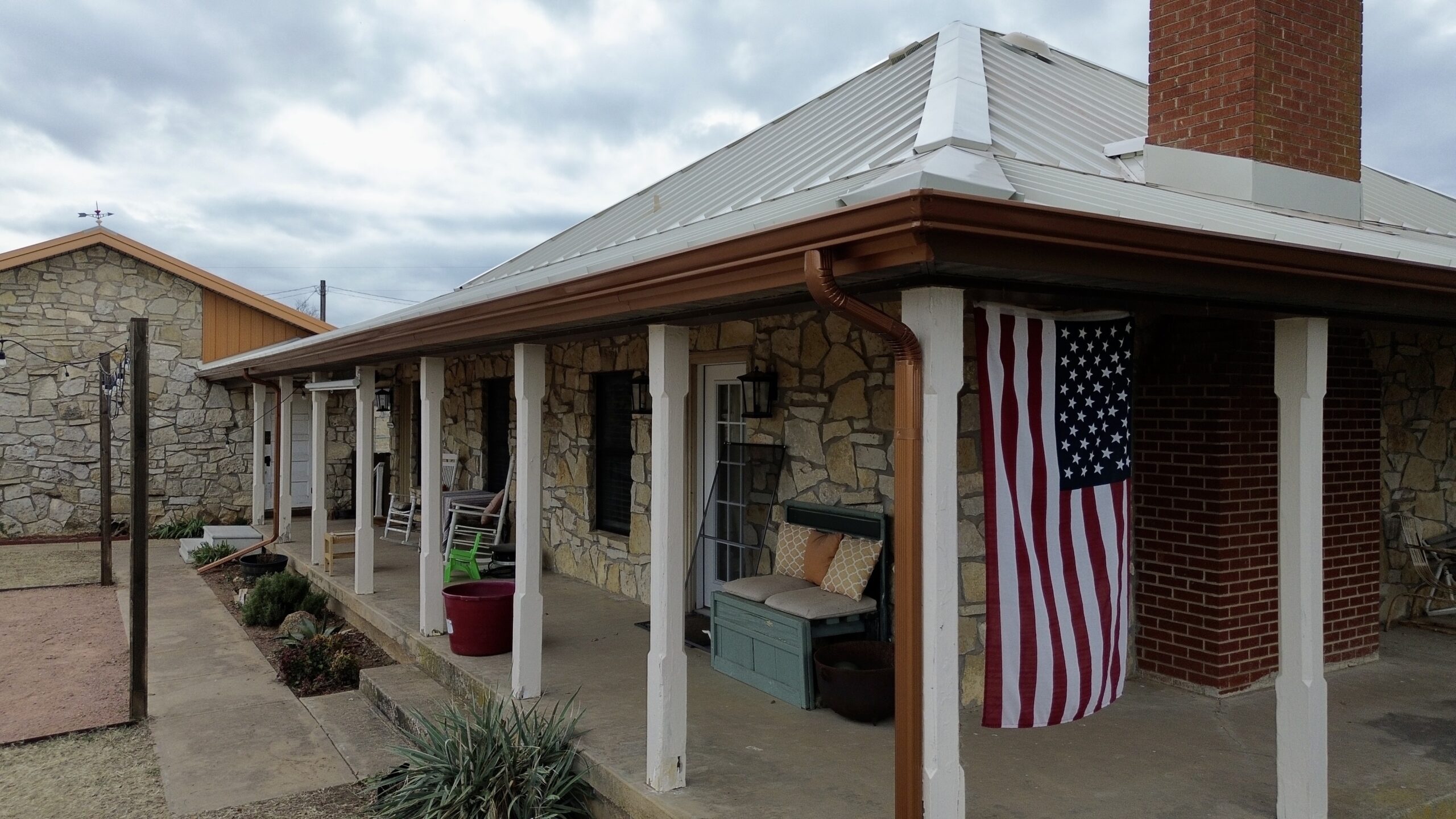
Measuring Long Term Return on Energy Efficient Roofing
Evaluating an energy-efficient roof requires looking beyond the first month’s utility bill. The true financial value develops gradually through years of reduced energy consumption, improved durability, and lower maintenance requirements.
Lower cooling costs often represent the most noticeable financial benefit in warmer climates. Even modest monthly savings can accumulate into meaningful reductions in household energy expenses over several decades.
Reduced HVAC workload provides another long-term advantage. Heating and cooling systems that operate under less strain may require fewer repairs while maintaining dependable performance for longer periods. Lower maintenance costs contribute additional financial value beyond direct energy savings.
The durability of metal roofing also supports long-term return on investment. Because the roof typically requires fewer replacements than many traditional materials, homeowners avoid repeated installation expenses that occur over the same period with shorter-lived roofing systems.
Property value may also benefit from energy-efficient improvements. Many homebuyers appreciate modern roofing systems that combine durability with lower operating costs, making energy performance an attractive selling feature.
When installation quality, maintenance savings, energy efficiency, and roof longevity are considered together, metal roof replacement often represents a valuable long-term investment rather than simply an upgrade in roofing material.
Choosing the Right Metal Roofing Material for Efficiency
Selecting the right metal roofing material is one of the most important decisions in maximizing energy efficiency. Although all residential metal roofs offer advantages over many traditional roofing materials, different metals have unique characteristics that influence thermal performance, durability, and long-term value.
Steel is one of the most commonly used roofing materials because it provides an excellent balance of strength, affordability, and energy efficiency. When combined with high-quality reflective coatings, steel roofing helps reduce solar heat absorption while delivering dependable performance for decades.
Aluminum roofing is another highly efficient option. Its naturally reflective properties and excellent resistance to corrosion make it especially suitable for coastal and humid climates. Because aluminum is lightweight, it also places less structural load on the home while maintaining impressive energy performance.
Copper roofing is often selected for its premium appearance and exceptional lifespan. Although it reflects less solar energy than some specially coated metal roofing systems, it still offers strong overall thermal performance when installed as part of a complete energy-efficient roofing assembly.
Zinc roofing is valued for its durability, low maintenance requirements, and environmentally friendly characteristics. While it is less common in residential construction, it remains an excellent choice for homeowners seeking long-term sustainability and reliable performance.
The local climate should always influence material selection. Roofing systems that perform exceptionally well in one region may not provide the same advantages in another. Working with an experienced roofing contractor helps homeowners select the material that best suits both environmental conditions and long-term energy goals.
Choosing the right roofing material creates a strong foundation for improving household energy efficiency while ensuring dependable protection for many years.
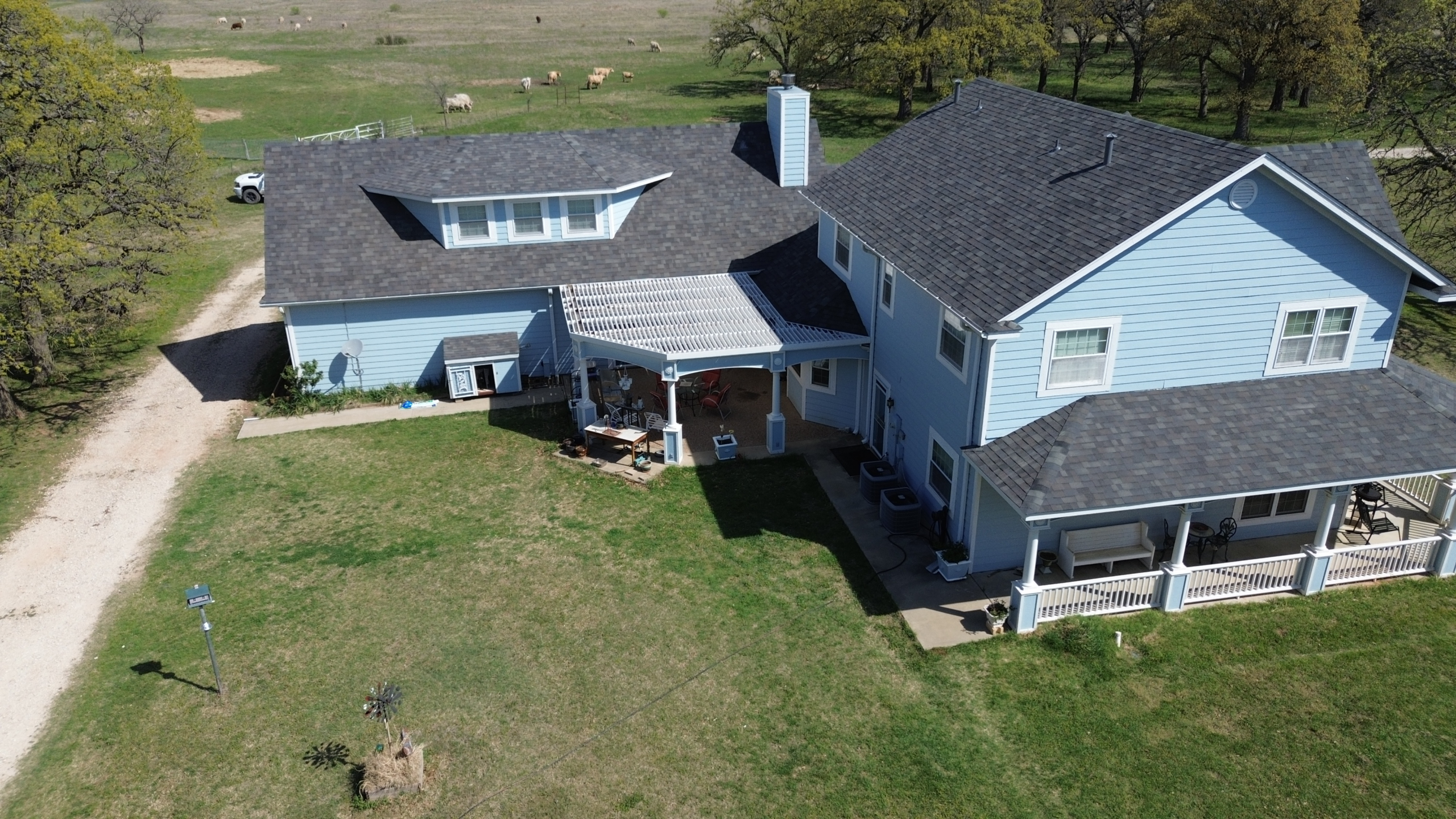
Comparing Energy Performance of Popular Roofing Options
Understanding how different roofing materials compare helps homeowners make informed decisions based on long-term performance rather than appearance alone. While insulation and ventilation remain essential, roofing materials contribute significantly to overall thermal efficiency.
| Roofing Material | Heat Reflection | Cooling Efficiency | Typical Lifespan | Maintenance Needs |
|---|---|---|---|---|
| Steel Metal Roof | High | Excellent | 40 to 70 years | Low |
| Aluminum Metal Roof | Very High | Excellent | 40 to 60 years | Low |
| Copper Roof | Moderate to High | Very Good | 70+ years | Low |
| Asphalt Shingles | Moderate | Average | 20 to 30 years | Moderate |
The table highlights that metal roofing systems generally outperform conventional asphalt shingles in terms of heat reflection and cooling efficiency. Reflective coatings, durable finishes, and lower heat absorption contribute to improved indoor comfort and reduced cooling demands during warm weather.
It is important to remember that energy performance depends on the complete roofing system rather than the roofing material alone. Proper underlayment, ventilation, insulation, and installation quality all influence the final results.
Homeowners should evaluate roofing materials based on both immediate performance and expected long-term benefits. A roofing system that provides consistent energy savings while requiring minimal maintenance often represents greater overall value despite a higher initial investment.
Comparing materials side by side allows homeowners to balance cost, durability, appearance, and energy efficiency according to their individual priorities.
Installation Practices That Improve Energy Performance
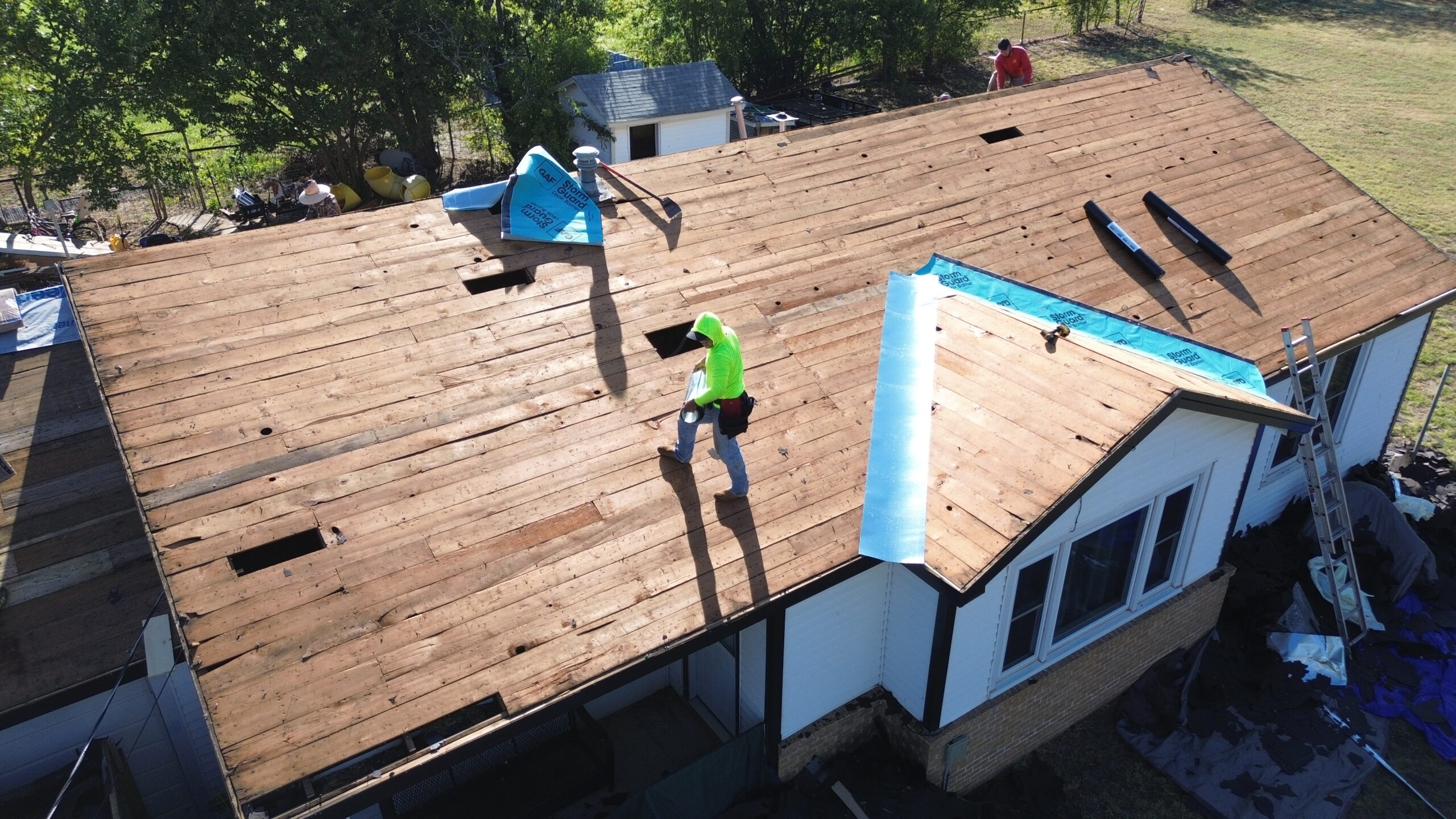
Even the most advanced roofing material cannot deliver maximum efficiency without proper installation. The quality of workmanship directly influences how effectively the roofing system manages heat, moisture, and airflow throughout the year.
Proper installation begins with careful preparation of the roof deck. Any damaged or deteriorated structural components should be repaired before new roofing materials are installed. A stable and properly prepared foundation allows every roofing component to perform as intended.
High-quality underlayment is another important element. It provides an additional protective layer beneath the metal panels while contributing to moisture management and overall thermal performance. Selecting the appropriate underlayment for the local climate improves both durability and energy efficiency.
Attic ventilation deserves special attention during installation. Balanced intake and exhaust ventilation allows warm air to escape while encouraging fresh air to circulate through the attic. Effective airflow reduces heat buildup and helps insulation perform more efficiently throughout the year.
Proper flashing installation around chimneys, skylights, roof valleys, and vents also contributes to long-term performance. Correctly installed flashing prevents moisture intrusion that could otherwise affect insulation and reduce overall energy efficiency.
Accurate panel alignment and secure fastening are equally important. Properly installed metal panels create a weather-resistant roofing system that performs consistently despite changing temperatures, strong winds, and seasonal weather conditions.
Working with an experienced roofing contractor ensures these installation details receive the attention necessary to maximize the energy-saving potential of the roofing system.
Maintenance Tips for Sustaining Energy Efficiency
Although metal roofing requires relatively little maintenance, regular care helps preserve its energy-efficient performance throughout its long lifespan. Preventive maintenance protects reflective surfaces, supports proper drainage, and allows the roofing system to continue operating as designed.
Routine visual inspections help identify minor concerns before they become larger problems. Homeowners should examine the roof after major storms to check for loose flashing, accumulated debris, or visible damage that could affect performance.
Keeping the roof surface clean is equally important. Leaves, branches, and other debris can trap moisture and reduce the effectiveness of reflective coatings if left in place for extended periods. Removing debris regularly helps maintain both appearance and energy efficiency.
Gutters and downspouts should also remain clean. Proper drainage prevents water from collecting near roof edges and protects surrounding roofing components from unnecessary moisture exposure.
Professional inspections every few years provide additional confidence that the roofing system continues functioning correctly. Roofing specialists can evaluate fasteners, sealants, flashing, ventilation, and protective coatings while identifying maintenance needs that may not be visible from the ground.
A practical maintenance routine includes the following steps:
- Keep the roof surface free from leaves and debris.
- Clean gutters and downspouts regularly.
- Inspect reflective roof coatings after severe weather.
- Check attic insulation and ventilation periodically.
- Schedule professional roof inspections every few years.
Following these simple maintenance practices helps homeowners preserve the roof’s energy performance while extending its overall service life.
Conclusion
Energy efficiency has become a defining feature of modern residential roofing, and metal roof replacement projects offer homeowners an excellent opportunity to improve both comfort and long-term operating costs. By reducing solar heat absorption, supporting better attic ventilation, and working effectively with insulation, metal roofing helps create a more energy-efficient home throughout every season.
Unlike many traditional roofing materials, modern metal roofs are engineered with advanced reflective coatings that minimize heat transfer into the building. This improved thermal performance reduces the workload placed on air conditioning systems during warm weather while contributing to more consistent indoor temperatures year-round.
The energy-saving benefits of metal roofing extend beyond lower utility bills. Reduced HVAC strain, improved moisture management, enhanced indoor comfort, and greater environmental sustainability all contribute to the long-term value of the investment. When combined with proper installation and routine maintenance, these advantages continue delivering benefits for decades.
Choosing the appropriate roofing material, selecting energy-efficient coatings, ensuring proper attic ventilation, and maintaining adequate insulation all play important roles in maximizing performance. A well-designed roofing system functions as part of the home’s complete thermal envelope rather than operating independently.
While actual energy savings vary depending on climate, home design, insulation quality, and ventilation, homeowners who invest in professionally installed metal roofing often enjoy improved efficiency alongside exceptional durability and weather protection. Looking beyond the initial installation cost reveals that energy-efficient roofing provides lasting value through reduced operating expenses, enhanced comfort, and dependable long-term performance.
For homeowners planning a roof replacement, upgrading to a modern metal roofing system is more than an aesthetic improvement. It is a practical investment in energy efficiency, home protection, environmental responsibility, and long-term financial savings that continues to deliver value throughout the life of the roof.