


How to Prepare Home for Asphalt Roof Replacement Work
Introduction
Replacing an asphalt roof is one of the most significant home improvement projects a homeowner can undertake. While most people focus on selecting the right roofing material or hiring a reliable contractor, preparing the home before the work begins is equally important. Proper preparation protects your belongings, improves safety, helps contractors work efficiently, and minimizes unexpected disruptions throughout the project.
Roof replacement is not simply about removing old shingles and installing new ones. It involves heavy equipment, construction debris, constant movement around the property, and loud noises that can affect both the inside and outside of your home. Taking time to prepare in advance creates a smoother experience for everyone involved while reducing the chances of accidental damage.
Many homeowners underestimate how much roof replacement activity impacts daily life. Vibrations from hammering can shake walls, debris can fall around the yard, and roofing materials often require space for delivery and storage. Understanding these factors before work starts allows you to make informed decisions and avoid unnecessary stress once the project is underway.
This guide explains every important step homeowners should take before asphalt roof replacement begins. From protecting interior spaces and outdoor landscaping to coordinating with your contractor, each preparation step contributes to a successful roofing project that stays organized, efficient, and safe.
Why Home Preparation Matters Before Roof Replacement
Preparing your home before roof replacement is not just about convenience. It directly affects safety, efficiency, and the overall success of the installation. A well-prepared property allows roofing professionals to complete their work with fewer interruptions while reducing the possibility of damage to personal belongings.
Roof replacement generates constant activity around the home. Workers move materials, remove old shingles, operate equipment, and transport debris throughout the day. When homeowners prepare the property ahead of time, contractors have clear access to work efficiently without constantly navigating obstacles.
Preparation also helps protect your investment beyond the roof itself. Decorative landscaping, outdoor furniture, fragile attic storage, and vehicles can all be exposed to risks during construction. Taking preventive measures before work begins often prevents costly repairs or replacements later.
Another benefit of preparation is improved communication. When homeowners understand what will happen during each stage of the project, they can coordinate schedules, arrange temporary parking, and plan daily routines around construction activities. This reduces misunderstandings and helps the project remain on schedule.
Good preparation creates a safer environment for everyone. Family members, visitors, pets, and contractors all benefit from clearly defined work areas and fewer hazards around the property. Safety becomes a shared responsibility when homeowners actively participate in preparing the site.
Understanding the Asphalt Roof Replacement Process
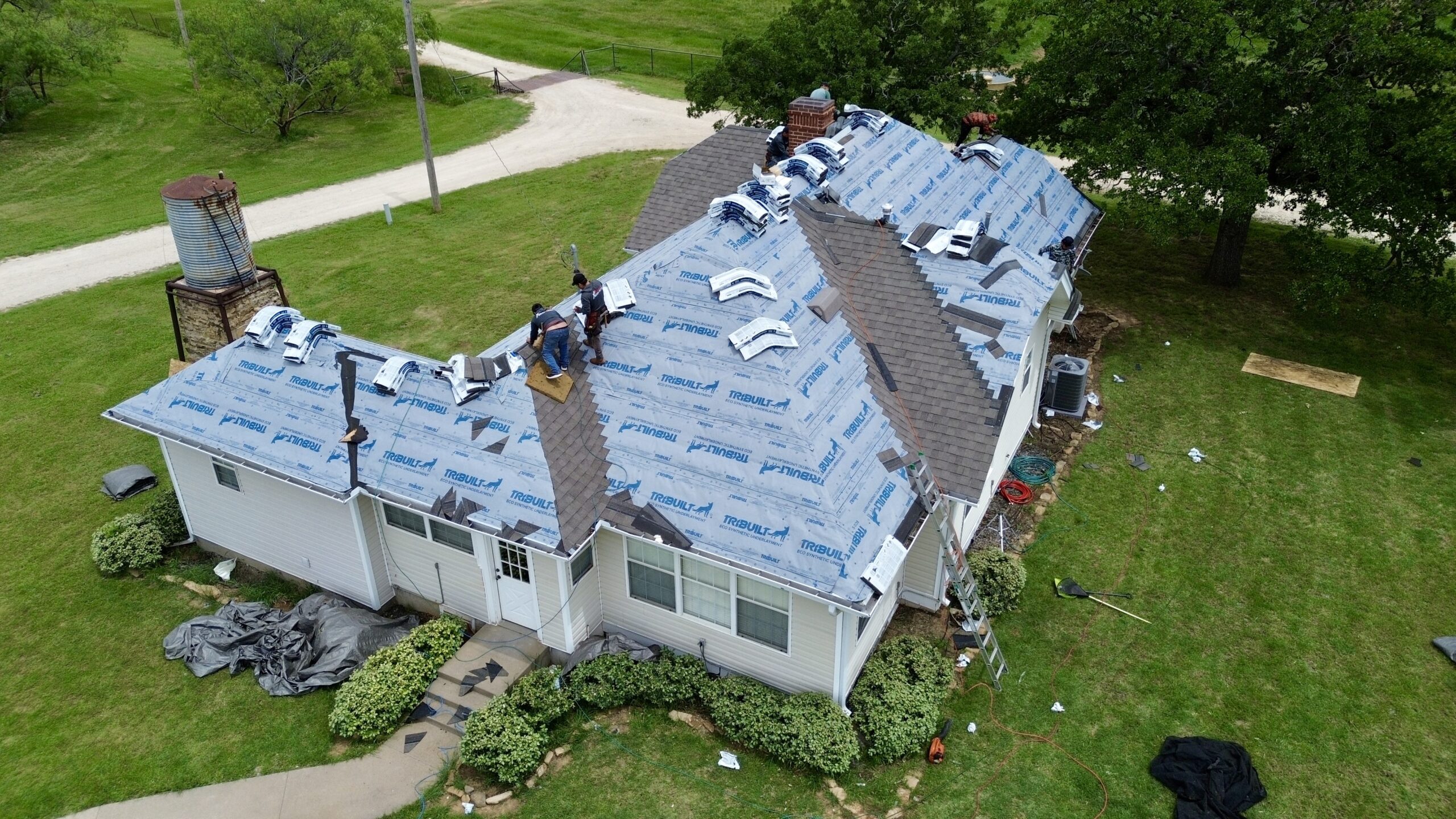
Before making preparations, it helps to understand what typically happens during an asphalt roof replacement. Knowing the sequence of work makes it easier to identify which areas of your home require attention before construction begins.
The project usually starts with material delivery. Roofing shingles, underlayment, flashing, nails, and other supplies arrive before installation day. Contractors often need sufficient driveway or yard space to unload these materials safely and efficiently.
Once work begins, the old roofing materials are removed. Existing shingles, underlayment, nails, and damaged components are stripped away to expose the roof deck. During this stage, debris falls continuously into designated collection areas around the home.
After removal, contractors inspect the roof decking for structural issues. Damaged plywood or wooden boards are repaired or replaced before new materials are installed. This inspection ensures the new asphalt roofing system has a strong foundation.
The next stage involves installing underlayment, drip edges, flashing, ventilation components, and finally the new asphalt shingles. Each layer contributes to weather protection and long-term roof performance. Proper installation at every stage helps prevent leaks and extends the roof’s lifespan.
The final phase includes cleanup and inspection. Contractors remove leftover materials, collect nails using magnetic equipment, clean surrounding areas, and perform a final quality check before considering the project complete.
Understanding this workflow allows homeowners to prepare different parts of their property according to the activities taking place during each phase of construction.
Planning the Project Timeline With Your Contractor
Preparation begins long before roofing materials arrive. One of the most valuable steps homeowners can take is discussing the complete project timeline with the roofing contractor. A detailed schedule helps everyone know what to expect and reduces uncertainty throughout the replacement process.
Ask the contractor when material deliveries are expected, how many working days the installation will require, and whether weather conditions could affect scheduling. Knowing these details allows you to make arrangements for vehicles, outdoor furniture, family routines, and even work-from-home schedules.
Discuss daily working hours as well. Roofing crews often begin early in the morning to maximize daylight and avoid afternoon heat during warmer months. Being aware of these start times helps homeowners prepare before workers arrive each day.
It is also helpful to identify a primary point of contact. Whether it is the project manager, site supervisor, or contractor, having one designated person for communication makes it easier to ask questions and receive updates throughout the project.
Clarify how unexpected situations will be handled. Occasionally, contractors discover hidden wood rot or structural damage after removing old shingles. Understanding how these issues will be communicated helps homeowners make informed decisions quickly without delaying the project.
A well-planned timeline creates realistic expectations and helps homeowners prepare both mentally and physically for the temporary disruption caused by roof replacement.
Checking Weather and Seasonal Considerations
Weather plays a major role in every roofing project. Although experienced contractors monitor forecasts carefully, homeowners should also understand how changing weather conditions may affect preparation and scheduling.
Dry weather provides the safest and most efficient conditions for asphalt roof replacement. Rain can delay installation, expose the roof deck to moisture, and create slippery working conditions for roofing crews. Wind may also increase the risk of falling debris or make handling large roofing materials more difficult.
Seasonal temperatures influence roofing performance as well. Asphalt shingles install most effectively within recommended temperature ranges because proper sealing depends on adequate warmth. Extremely cold weather may reduce flexibility, while excessive heat can make shingles more vulnerable during installation.
Homeowners should remain flexible if weather forecasts change unexpectedly. Rescheduling due to severe weather is often necessary to ensure worker safety and maintain installation quality rather than rushing through unsuitable conditions.
Preparing temporary storage for outdoor belongings becomes especially useful during unpredictable weather. If heavy rain is expected before work begins, having a garage or covered area ready allows furniture, grills, and decorations to remain protected until installation starts.
Understanding seasonal conditions helps homeowners cooperate with contractors while reducing frustration caused by weather-related scheduling adjustments.
Protecting Valuable Items Inside Your Home
Many homeowners focus on outdoor preparation but overlook how roof replacement affects interior spaces. Construction vibrations travel through walls, ceilings, and framing, sometimes causing decorative items to shift or fall unexpectedly.
Walk through each room before installation begins and identify fragile belongings displayed on shelves, mantels, or wall-mounted cabinets. Picture frames, decorative glass items, ceramics, mirrors, collectibles, and small electronic devices should be relocated to secure locations until the project is complete.
Large mirrors and artwork deserve particular attention. Continuous hammering can create vibrations that loosen hanging hardware over time. Removing these items temporarily provides extra peace of mind during construction.
Furniture positioned directly beneath ceiling fixtures may also benefit from protective coverings. Although professional contractors work carefully, vibrations can occasionally dislodge small amounts of dust from ceilings or attic spaces.
Items stored in upper-level closets deserve inspection as well. Loose boxes stacked near shelves may shift during installation activity. Organizing storage areas before roofing begins reduces the chance of belongings falling when vibrations occur throughout the day.
Taking these precautions requires relatively little effort but significantly reduces the likelihood of accidental damage inside your home.
Preparing the Attic Before Roofing Begins
The attic often experiences the greatest impact during asphalt roof replacement. Workers remove and install roofing materials directly above this space, making preparation especially important.
Start by checking stored belongings. Valuable documents, seasonal decorations, family keepsakes, and sensitive electronics should be covered with protective sheets or temporarily moved elsewhere if possible. Even with careful installation, small amounts of dust and debris can enter the attic during construction.
Inspect insulation before work begins. Existing insulation may already contain dust, and roofing activity can disturb particles that settle on stored belongings. Protective coverings help keep items cleaner throughout the project.
If your attic has shelving, ensure boxes are securely stacked. Vibrations from hammering may cause unstable storage containers to shift or fall. Taking a few minutes to reorganize stored items improves safety and prevents unnecessary damage.
Homeowners should also ensure attic access remains available if contractors need to inspect ventilation or structural components. Clearing pathways before installation allows workers to perform inspections efficiently without moving stored belongings.
Adequate attic ventilation is another topic worth discussing with your contractor before work begins. Since roofing replacement often includes ventilation improvements, understanding planned upgrades helps homeowners appreciate how proper airflow contributes to energy efficiency and roof longevity.
Moving Outdoor Furniture and Decorations
Outdoor living spaces often contain valuable furniture, grills, umbrellas, planters, decorative lighting, and seasonal decorations. These items should be relocated before roofing materials arrive to reduce exposure to falling debris and heavy equipment.
Patio furniture positioned close to the home is particularly vulnerable during roof replacement. Old shingles, nails, wood fragments, and roofing materials may accidentally fall despite protective measures taken by professional contractors. Moving furniture to a garage or another protected location reduces this risk considerably.
Decorative items attached to exterior walls should also receive attention. Hanging baskets, wall-mounted decorations, wind chimes, and outdoor artwork may interfere with worker access or become damaged during construction activities.
If moving large furniture is difficult, protective covers provide an additional layer of defense against dust and debris. Waterproof covers also help if unexpected rain delays the project after preparations have already been completed.
Consider outdoor cooking equipment as well. Grills, smokers, portable fire pits, and propane accessories should be positioned safely away from roofing operations to prevent accidental damage and provide contractors with unobstructed access around the home.
Simple preparation of outdoor living areas allows roofing crews to work more efficiently while protecting items that homeowners use and enjoy throughout the year.
Protecting Landscaping, Gardens, and Lawn Features
Landscaping represents a significant investment for many homeowners, making it important to protect plants, gardens, and decorative features before roof replacement begins. Although roofing contractors use tarps and protective barriers, homeowners can take additional steps to minimize potential damage.
Begin by identifying flower beds, shrubs, young trees, decorative stones, and garden ornaments located directly beneath roof edges. Inform your contractor about particularly delicate plants so extra precautions can be taken during debris removal.
Trim back overgrown branches that extend close to the roof if recommended by your contractor. This not only provides safer working conditions but also reduces the likelihood of branches interfering with roofing materials during installation.
Watering plants before construction begins can also be beneficial during warm weather. Healthy, well-hydrated plants often recover more easily from temporary dust exposure than dry vegetation.
If you have portable planters or decorative pots, consider relocating them temporarily. Moving these items away from work areas protects both the containers and the plants they contain.
Common landscaping elements that deserve attention include:
- Flower beds located directly below roof edges
- Decorative garden lighting
- Potted plants and hanging baskets
- Lawn ornaments and statues
- Irrigation components near work zones
Taking a proactive approach helps preserve your landscaping while allowing contractors enough room to complete the roofing project efficiently.
Making Space Around the House for Roofing Equipment
Roof replacement requires much more equipment than many homeowners expect. Trucks, dumpsters, ladders, material lifts, compressors, and waste containers all need sufficient space around the property to operate safely.
Walk around the perimeter of your home before installation day and identify anything that may block contractor access. Portable basketball hoops, bicycles, gardening equipment, trailers, and recreational items should be relocated well in advance.
Driveways often serve as staging areas for roofing materials. If multiple vehicles are normally parked near the house, plan alternative parking arrangements until the project is complete. This not only protects vehicles from falling debris but also allows contractors to unload materials efficiently.
Access to electrical outlets may also be necessary for certain equipment. Ensure exterior outlets remain unobstructed so workers can safely connect approved tools without running extension cords across unnecessary obstacles.
Garbage bins, recycling containers, and delivery boxes should also be moved away from primary work areas. Keeping pathways clear helps reduce trip hazards while improving overall project efficiency.
Preparing adequate working space around your property demonstrates cooperation with the roofing crew and contributes to a smoother installation process that benefits everyone involved.
Preparing Vehicles, Driveways, and Garage Access
Asphalt roof replacement involves the movement of large delivery trucks, dumpsters, trailers, and roofing equipment throughout the project. Preparing your driveway and parking areas before work begins helps contractors operate efficiently while protecting your vehicles from accidental damage.
Move all vehicles away from the house before the roofing crew arrives each morning. Even when contractors use protective coverings and designated debris collection systems, old shingles, nails, and small pieces of wood can occasionally fall outside the immediate work zone. Parking on the street or in a nearby location is usually the safest option until the project is complete.
Garage access should also be considered. If you expect to leave for work or run errands during roofing hours, move your vehicle before the crew begins unloading materials. Contractors may temporarily block garage entrances with equipment or roofing supplies, making it difficult to enter or exit during the day.
Discuss dumpster placement with your contractor before installation starts. Roofing debris containers are often positioned in driveways or close to the home to minimize cleanup time. Understanding where these will be located helps you plan parking arrangements and avoid unnecessary inconvenience.
Delivery services should also be taken into account. If you are expecting furniture, appliances, or important packages during the roofing project, consider delaying deliveries or requesting that they be left in a secure location away from active construction areas.
Preparing vehicle access in advance prevents delays for both homeowners and contractors while reducing the possibility of accidental property damage.
Informing Family Members About Roofing Activities
Roof replacement affects everyone living in the home, so clear communication with family members is essential before construction begins. Knowing what to expect helps reduce confusion and improves safety throughout the project.
Explain that roofing work creates significant noise from hammering, equipment, and material movement. Family members who work remotely, attend online classes, or have important phone meetings may want to arrange alternative workspaces for the duration of the installation.
Discuss which entrances should be used during construction. Certain doors may become temporarily inaccessible because of ladders, equipment, or falling debris. Establishing a designated entrance helps everyone avoid work zones and reduces safety risks.
It is also useful to review the expected project schedule together. Knowing when crews will arrive and approximately when work will end each day allows family members to plan appointments, errands, and household activities more effectively.
Encourage everyone to avoid walking around the perimeter of the house unless absolutely necessary. Roofing crews constantly move materials overhead, making it safer for family members to remain indoors or away from designated construction areas during active work hours.
Good communication creates realistic expectations and helps the household adapt smoothly while roofing work is underway.
Keeping Children Safe Throughout the Project
Children are naturally curious about construction activities, but roofing projects present hazards that require extra attention. Preparing children before work begins helps them understand why certain areas of the property should remain off limits.
Explain in simple terms that roofing equipment, ladders, and falling materials can be dangerous even when professionals are following proper safety procedures. Children should understand that construction zones are not appropriate places to play or explore.
Parents may want to plan indoor activities during the noisiest portions of the project. Reading, crafts, educational games, or visits with relatives can help keep younger children occupied while reducing their interest in watching construction up close.
Outdoor play equipment located near the house should remain unused until contractors complete the installation. Swing sets, trampolines, basketball hoops, and playground equipment positioned beneath roof edges should be avoided throughout the project.
If possible, establish temporary boundaries around the work area. Simple reminders and consistent supervision help reinforce safe habits while construction continues over one or more days.
Preparing children ahead of time helps prevent accidents while making the roofing experience less stressful for both parents and contractors.
Protecting Pets From Noise and Hazards
Roof replacement can be particularly stressful for pets because of unfamiliar noises, increased activity, and strangers moving around the property. Preparing for their comfort and safety before construction begins helps reduce anxiety throughout the project.
Dogs may become frightened by constant hammering or react to workers entering and leaving the property. Keeping pets inside a quiet room with familiar bedding and toys often helps them remain calmer during installation.
Cats can also become stressed by loud sounds and unusual vibrations. Providing access to a comfortable indoor space away from exterior walls may reduce nervous behavior while roofing work is underway.
If your pet normally spends time in the backyard, temporary adjustments will likely be necessary. Falling debris, roofing materials, and contractor equipment make outdoor areas unsuitable until cleanup has been completed.
Some homeowners choose to board pets temporarily or arrange for them to stay with friends or family members during the loudest stages of construction. This option can be especially helpful for animals with anxiety or sensitivity to noise.
Taking steps to protect pets benefits both the animals and the roofing crew by preventing unexpected encounters around active work areas.
Communicating With Neighbors Before Work Starts
Roof replacement inevitably affects nearby homes through construction noise, delivery vehicles, and temporary parking changes. Informing neighbors before work begins is a simple courtesy that often helps maintain positive relationships.
A brief conversation a few days before installation allows neighbors to prepare for increased activity. Let them know the approximate start date, expected duration, and daily working hours provided by your contractor.
Neighbors with young children, elderly family members, or individuals who work from home may especially appreciate advance notice. Although they cannot avoid all construction noise, having realistic expectations reduces frustration and allows them to adjust schedules if needed.
Parking is another topic worth mentioning. Roofing trucks, dumpsters, and contractor vehicles sometimes occupy curb space that neighbors normally use. Informing them ahead of time minimizes confusion and prevents unnecessary misunderstandings.
If tree branches extend over neighboring property lines or if contractors need temporary access near shared boundaries, discuss these situations before work starts. Clear communication encourages cooperation and helps avoid disputes during the project.
Maintaining open communication with neighbors reflects good planning and contributes to a more positive experience for everyone living nearby.
Managing Utilities, Power Access, and Exterior Fixtures
Roof replacement occasionally requires temporary access to utilities or electrical connections. Preparing these areas before installation helps contractors work efficiently while protecting your home’s exterior components.
Exterior electrical outlets should remain accessible because contractors may use power tools or specialized equipment during installation. Remove decorative items, storage containers, or furniture that could block these outlets before work begins.
Outdoor lighting fixtures deserve inspection as well. Decorative lights mounted close to roof edges may need temporary protection or removal depending on their location. Discuss these fixtures with your contractor if you have concerns about accessibility.
Satellite dishes, antennas, solar lighting, security cameras, and holiday lighting systems may also require attention before roofing starts. Contractors should know about any equipment attached near the roofline so they can plan installation accordingly.
Homeowners with irrigation systems should identify sprinkler heads located near work areas. Contractors can avoid unnecessary damage when they know the locations of underground irrigation components before placing ladders or equipment.
Preparing exterior utilities helps prevent interruptions while allowing contractors to complete the installation without avoidable obstacles.
Understanding Safety Zones Around the Property
Every roofing project requires clearly defined safety zones to protect workers, homeowners, and visitors. Understanding these areas before construction begins helps everyone avoid unnecessary risks.
The area directly surrounding the home should generally be considered an active work zone throughout installation. Roofing materials, tools, ladders, and debris constantly move through this space, making unnecessary foot traffic unsafe.
Contractors typically establish designated locations for equipment storage, material delivery, and debris collection. These areas should remain clear throughout the project to allow workers unrestricted access while reducing trip hazards.
If visitors arrive during roofing work, inform them about restricted areas before they enter the property. Delivery personnel, friends, and service providers should also avoid walking close to the house unless directed by the contractor.
Safety barriers or caution tape may be installed around portions of the property when necessary. Respecting these temporary boundaries protects everyone involved and allows contractors to maintain an organized work environment.
Remember that roofing safety extends beyond the workers themselves. Homeowners play an important role by avoiding unnecessary movement through active construction zones and following contractor recommendations throughout the installation.
What Homeowners Should Expect During Installation
Knowing what happens during installation helps homeowners remain calm and prepared throughout the roofing project. Construction activity can appear chaotic at times, but experienced roofing crews follow organized procedures designed to maximize efficiency and safety.
Work usually begins with material preparation and equipment setup early in the morning. Contractors position ladders, organize tools, and establish debris collection systems before removing the first section of the existing roof.
Throughout the day, homeowners should expect continuous noise from hammers, nail guns, material movement, and workers communicating with one another. Vibrations inside the home are also normal, especially in upper-level rooms and attic spaces.
Roofing crews work methodically across different sections of the roof. While one group removes old shingles, another may inspect the roof deck or install underlayment and flashing. This coordinated approach helps maintain productivity while limiting the amount of exposed roof at any given time.
Temporary interruptions may occur if contractors discover hidden structural damage or encounter unexpected weather conditions. In these situations, experienced professionals pause work to ensure repairs are completed correctly before proceeding with the remaining installation.
Homeowners who understand this normal workflow are less likely to become concerned by the sounds, movement, and temporary disruptions associated with roof replacement.
Daily Cleanup Practices and What to Monitor
Professional roofing contractors generally perform cleanup throughout the project rather than waiting until the final day. Daily housekeeping improves safety and helps keep the property organized while installation progresses.
Debris such as old shingles, packaging materials, wood fragments, and underlayment is typically collected continuously and placed into designated dumpsters or trailers. This reduces clutter around the property and limits unnecessary hazards.
Magnetic sweepers are often used to collect loose nails from driveways, sidewalks, lawns, and other surrounding areas. Although these tools are highly effective, homeowners may wish to perform an additional visual inspection after the project is complete for added peace of mind.
At the end of each workday, it is helpful to observe several key areas around your property. While there is no need to interfere with the crew, a simple inspection allows you to stay informed about project progress.
Things worth checking include:
- Walkways remain clear and safe to use.
- Debris is contained within designated collection areas.
- Outdoor furniture and landscaping remain protected.
- Materials are stacked securely for the next workday.
- Temporary barriers and safety zones remain in place.
If you notice anything that concerns you, discuss it with the project supervisor rather than making adjustments yourself. Open communication helps resolve small issues quickly while allowing contractors to continue working efficiently.
By understanding daily cleanup practices and monitoring general site conditions, homeowners remain informed participants throughout the roofing process without interfering with professional installation procedures.
Performing a Walk Through After Roof Replacement
Once the roofing crew has completed the installation, it is important to perform a thorough walk through before considering the project finished. This final inspection allows you to verify that the work meets your expectations while giving the contractor an opportunity to answer any remaining questions.
Begin by walking around the exterior of your home with the project supervisor. Observe the roof from multiple angles and look for a consistent appearance. The shingles should lie flat, colors should appear uniform, and roof lines should look clean and symmetrical without visible irregularities.
Ask the contractor to explain any new roofing components that were installed during the project. Improved ridge vents, flashing, drip edges, or ventilation systems may look different from your previous roof, and understanding their purpose helps you appreciate how they contribute to the roof’s long-term performance.
If possible, request photos taken during installation. Many professional roofing companies document the project as work progresses, especially after the old roof has been removed. These images provide valuable insight into repairs that are no longer visible once the new shingles have been installed.
Do not hesitate to ask questions if something appears unclear. A reputable contractor will gladly explain installation details, warranty coverage, maintenance recommendations, and any repairs that were completed beneath the finished roofing materials.
Taking time for a careful walk through ensures both homeowner and contractor leave the project with confidence that every agreed-upon task has been completed properly.
Inspecting Gutters, Landscaping, and Outdoor Areas
Although the roof is the primary focus of the project, the surrounding property deserves equal attention after construction ends. A careful inspection helps confirm that cleanup has been completed thoroughly and that nearby features remain in good condition.
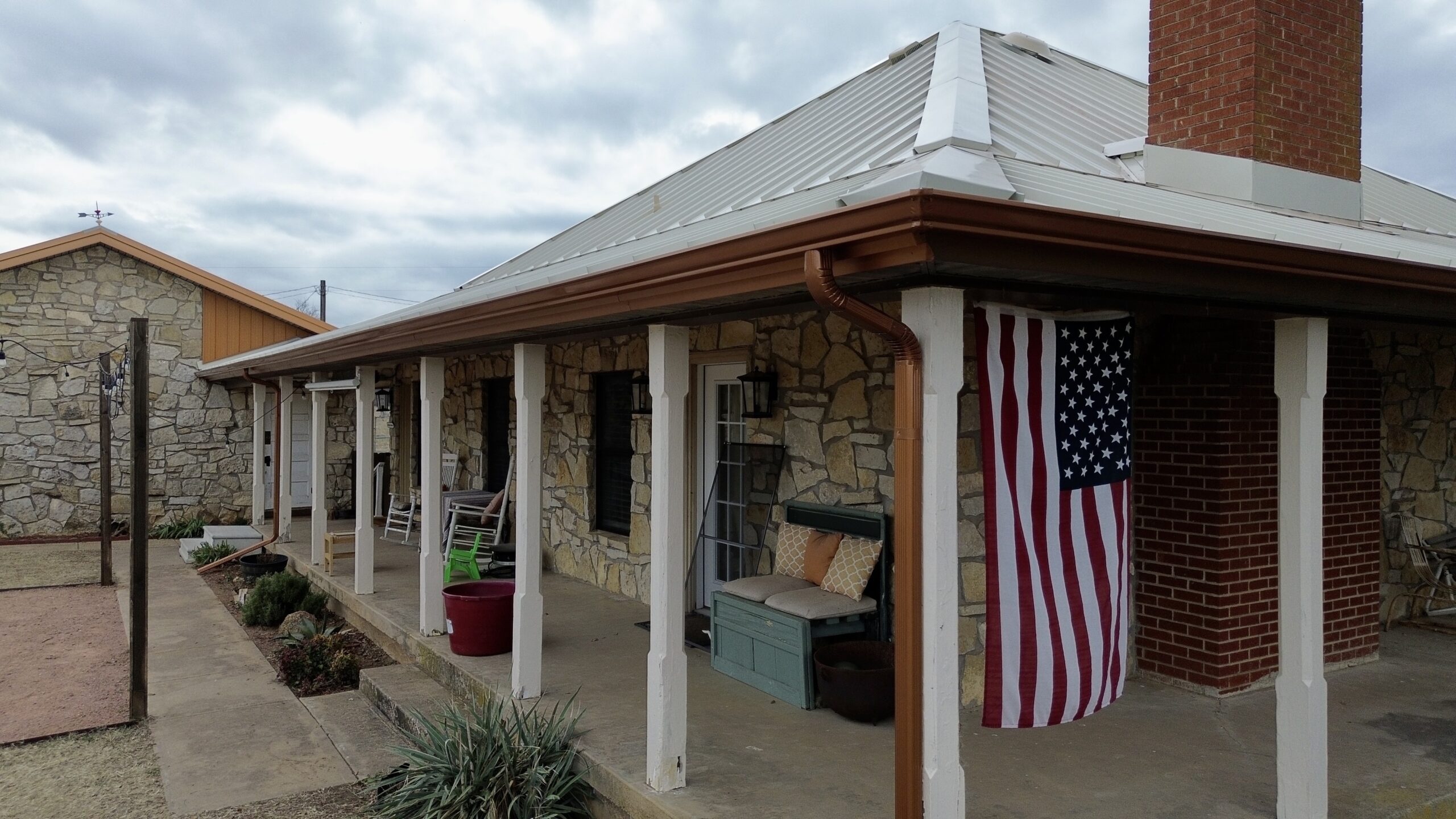
Start by checking the gutters and downspouts. Roofing debris occasionally finds its way into gutter systems during installation, even when contractors take precautions. Gutters should be free of loose shingles, nails, wood fragments, and packaging materials so rainwater can flow properly.
Walk through flower beds, gardens, and landscaped areas surrounding the home. Look for broken branches, displaced mulch, damaged decorative stones, or flattened plants that may require minor attention after equipment has been removed.
Inspect patios, decks, driveways, sidewalks, and outdoor furniture for leftover debris. While professional roofing crews perform extensive cleanup, a final inspection provides additional peace of mind before normal outdoor activities resume.
Pay close attention to lawn areas where roofing materials were removed. Small pieces of shingles or wood can sometimes become hidden in grass despite magnetic sweeping and careful cleanup efforts.
If you discover any concerns during your inspection, notify the contractor promptly. Most reputable roofing companies prefer addressing small issues immediately rather than having homeowners discover them days or weeks later.
Reviewing Workmanship and Contractor Checklist
Before making the final payment, review the completed project carefully with your contractor. A systematic checklist helps ensure nothing important has been overlooked and confirms that the roof replacement meets professional standards.
The following table highlights several important areas homeowners should verify before closing the project.
| Inspection Area | What to Verify | Why It Matters |
|---|---|---|
| Roof Surface | Shingles are evenly aligned with no visible lifting or gaps | Ensures proper appearance and weather protection |
| Flashing | Installed securely around chimneys, skylights, valleys, and vents | Helps prevent water intrusion |
| Ridge Ventilation | Vent system appears complete and unobstructed | Supports attic airflow and moisture control |
| Gutters | Clean, securely attached, and free from debris | Maintains effective drainage |
| Property Cleanup | Nails, shingles, packaging, and debris removed | Improves safety around the home |
| Warranty Documents | Product warranties and workmanship warranties received | Protects your long-term investment |
During this review, ask whether any maintenance recommendations are specific to your roofing system. Some manufacturers provide guidelines regarding inspections, ventilation, or gutter cleaning that help preserve warranty coverage over time.
It is also wise to keep copies of invoices, inspection reports, warranties, and contractor contact information together in a secure location. Having organized records makes future maintenance, insurance claims, or home sales much easier.
Completing this final review gives homeowners confidence that every aspect of the roof replacement has been finished according to the agreed project scope.
Common Mistakes Homeowners Should Avoid
Even after careful planning, homeowners occasionally make mistakes that reduce the efficiency of a roofing project or create unnecessary inconvenience. Being aware of these common issues can help you avoid them during your own roof replacement.
One of the biggest mistakes is waiting until installation day to begin preparations. Moving vehicles, clearing patios, protecting valuables, and communicating with family members all require time. Completing these tasks in advance prevents rushed decisions once the roofing crew arrives.
Another common mistake is leaving fragile items hanging on interior walls. Vibrations created during roof replacement can loosen picture frames, mirrors, decorative shelves, and artwork. Removing these items temporarily is a simple precaution that often prevents accidental damage.
Some homeowners continue using outdoor spaces located directly beneath the roof while work is underway. Even though contractors establish safety procedures, active work zones should always remain clear until installation has been completed and cleanup finished.
Ignoring attic preparation is another oversight. Dust and small debris can enter attic spaces during roof replacement, making protective coverings worthwhile for stored belongings and valuable household items.
Communication problems also create avoidable challenges. Failing to discuss scheduling changes, hidden repairs, or access requirements with the contractor can lead to misunderstandings that delay progress or increase frustration.
Finally, some homeowners neglect the final inspection because the roof appears complete from the ground. Taking time to review workmanship, warranties, and cleanup ensures the project truly meets professional standards before it is officially finished.
Avoiding these mistakes helps homeowners enjoy a smoother roofing experience from beginning to end.
Essential Post Replacement Maintenance Schedule
Preparing your home for roof replacement is only the first step in protecting your investment. Once the new asphalt roof has been installed, regular maintenance helps preserve its appearance, maximize performance, and extend its expected lifespan.
A newly installed roof should still be inspected periodically, especially after severe weather events. Heavy rain, hail, strong winds, or falling tree branches can affect even recently installed roofing materials, making early detection of minor issues valuable.
Gutters should remain clean throughout the year. Clogged gutters allow water to back up beneath roofing materials, increasing the likelihood of moisture damage over time. Cleaning gutters regularly also reduces unnecessary stress on fascia boards and drainage systems.
Tree maintenance is another important responsibility. Overhanging branches can scrape shingles during windy conditions while dropping leaves and debris that trap moisture on the roof surface. Routine trimming helps reduce these risks.
Professional roof inspections every few years provide additional reassurance that the roofing system continues performing as intended. Experienced inspectors can identify developing issues before they become expensive repairs.
A simple maintenance routine includes the following steps:
- Inspect the roof after major storms or unusually strong winds.
- Clean gutters and downspouts at least twice each year.
- Trim tree branches that extend over the roof.
- Check the attic periodically for signs of leaks or moisture.
- Schedule professional roof inspections according to the contractor’s recommendations.
These routine maintenance habits require relatively little effort but significantly contribute to the long-term durability of an asphalt roofing system.
Conclusion
Preparing your home for an asphalt roof replacement is just as important as selecting quality roofing materials or hiring an experienced contractor. Careful planning before installation protects your property, keeps family members safe, allows roofing professionals to work efficiently, and reduces unnecessary stress throughout the project.
Successful preparation begins with understanding how roof replacement affects both the interior and exterior of your home. Protecting valuable belongings, organizing attic storage, relocating outdoor furniture, safeguarding landscaping, and creating adequate workspace all contribute to a smoother installation process.
During construction, maintaining clear communication with your contractor, preparing family members, protecting children and pets, and respecting designated safety zones help create a safer environment for everyone involved. These simple precautions support efficient work while minimizing potential disruptions to daily life.
After the project is complete, taking time to inspect the finished roof, review workmanship, confirm proper cleanup, and understand warranty coverage ensures that your investment has been completed to a high standard. Regular maintenance in the years ahead will further protect the roof and help maximize its lifespan.
An asphalt roof replacement is a major improvement that enhances both the protection and value of your home. By preparing thoroughly before work begins and remaining involved throughout the process, homeowners can enjoy a more organized experience and the confidence that their new roof is built to provide reliable performance for many years to come.