

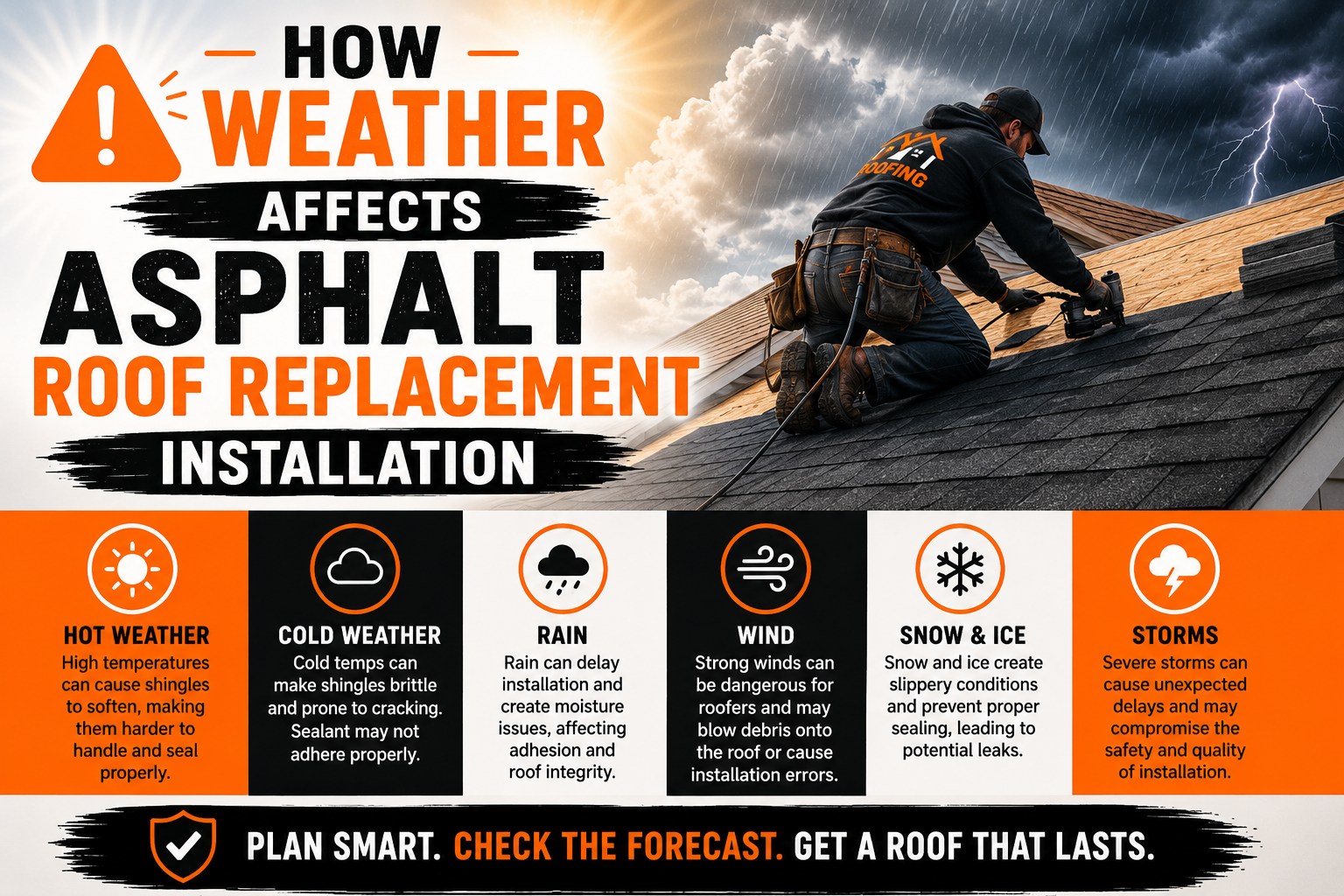
How Weather Affects Asphalt Roof Replacement Installation
Introduction
Replacing an asphalt roof is one of the most valuable investments a homeowner can make to protect a property and improve its long term performance. While the quality of shingles and the experience of the roofing contractor are important, weather conditions often play an equally significant role in determining how successful the installation will be. Many homeowners focus on choosing materials without realizing that the environment during installation can influence durability, appearance, and overall lifespan.
Every stage of an asphalt roof replacement is affected by weather in some way. Temperature, humidity, wind, sunlight, and precipitation all influence how roofing materials behave before, during, and immediately after installation. Understanding these factors helps homeowners make informed decisions and avoid preventable problems that could affect the finished roof.
Professional roofing contractors carefully monitor weather forecasts before scheduling replacement projects. Their goal is not simply to avoid rain but to ensure that conditions support proper installation techniques and allow roofing materials to perform as intended. This careful planning reduces risks and increases the chances of a durable roofing system.
This guide explores how different weather conditions influence asphalt roof replacement installation. By understanding the relationship between weather and roofing performance, homeowners can better prepare for their projects and appreciate why scheduling decisions are often based on more than convenience.
Why Weather Matters During Asphalt Roof Replacement
Weather affects every roofing project because asphalt shingles are designed to perform within certain environmental conditions. Although modern shingles are manufactured to withstand a wide range of climates after installation, they still require favorable conditions during installation to achieve the best results. Even experienced roofing crews cannot overcome every challenge created by unsuitable weather.
One important factor is the flexibility of roofing materials. Asphalt shingles become more pliable in moderate temperatures, allowing installers to position and secure them correctly. When conditions become too hot or too cold, handling these materials becomes more difficult, increasing the possibility of installation errors.
Weather also influences the safety of roofing crews. High winds, wet surfaces, and extreme temperatures create hazards that can slow progress or temporarily stop work. A safe working environment allows installers to maintain precision while reducing the likelihood of accidents.
In addition to safety, weather affects project timelines. Unexpected storms or changing forecasts may delay installation to protect both the home and roofing materials. Although delays can be frustrating, they are often necessary to preserve installation quality and prevent future roofing problems.
Homeowners sometimes assume that replacing a roof quickly is always the best approach. However, waiting for suitable weather conditions often produces better long term results than rushing a project during unfavorable conditions. Proper planning allows every layer of the roofing system to be installed under conditions that support maximum performance.
How Temperature Influences Roofing Materials
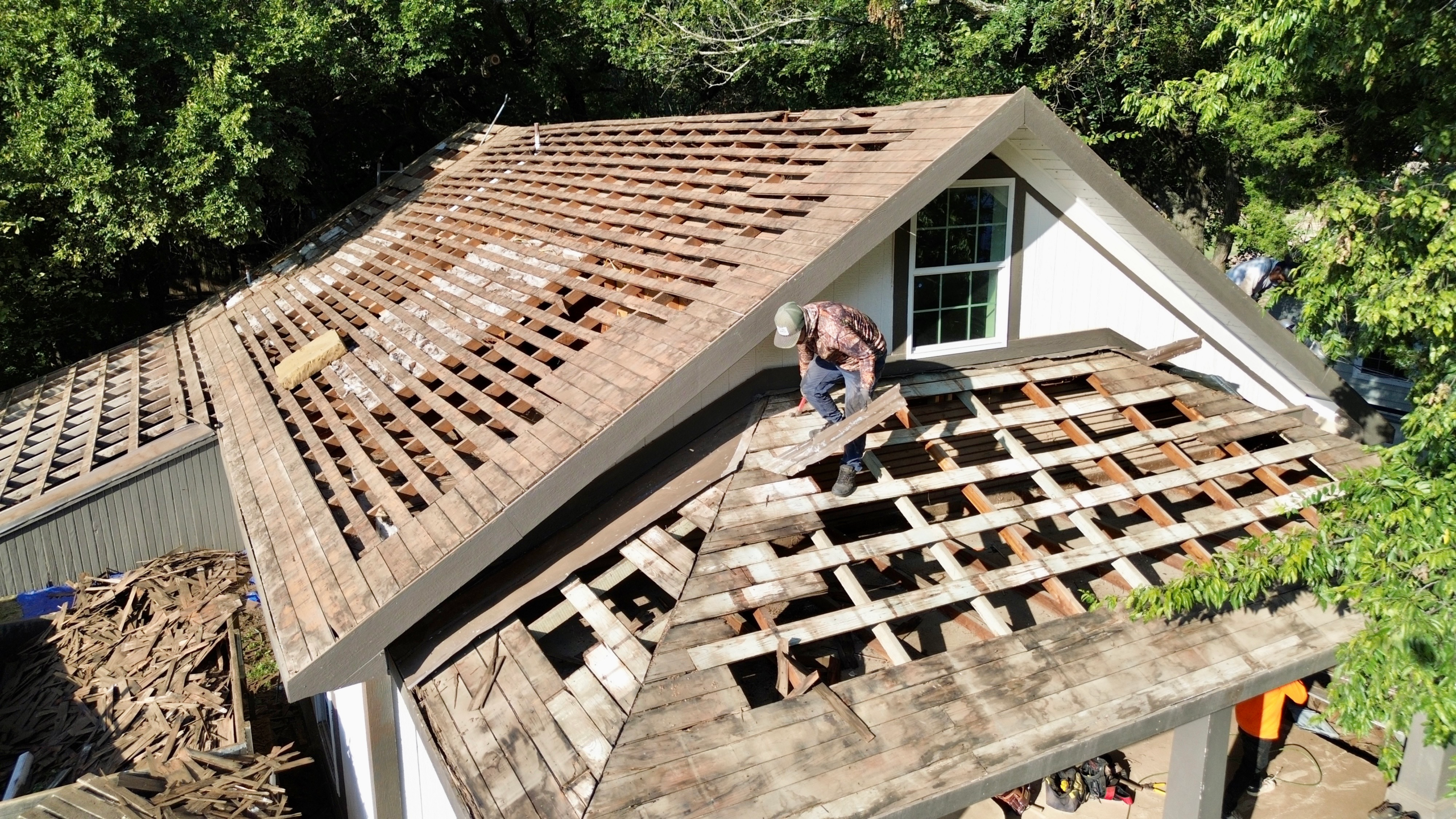
Temperature has one of the greatest impacts on asphalt roof replacement because roofing materials react differently as temperatures rise and fall. Contractors monitor both daytime and nighttime temperatures since these changes influence installation quality throughout the project.
Asphalt shingles contain materials that expand and contract naturally with temperature changes. During installation, the shingles need enough flexibility to fit properly against one another without cracking or becoming misshapen. Moderate temperatures provide the ideal balance for handling and positioning each shingle.
Roofing adhesives also respond to temperature. Many asphalt shingles include adhesive strips that activate with warmth from sunlight after installation. These adhesive strips help seal shingles together, improving wind resistance and reducing the risk of uplift during severe weather.
Temperature also affects roof decking and underlayment materials. Wood expands and contracts slightly with moisture and heat, while synthetic underlayments respond differently depending on environmental conditions. Contractors account for these natural movements to maintain proper alignment throughout the roofing system.
Daily temperature fluctuations can influence installation timing. Roofing crews may begin work earlier in the morning during hot seasons or wait until surfaces warm slightly during colder months. These scheduling adjustments help maintain material performance while improving worker comfort and safety.
Because temperature influences nearly every roofing component, experienced contractors evaluate forecasts rather than relying solely on current weather. This planning ensures materials perform as expected during installation and throughout the early stages of roof settlement.
The Impact of Heat on Asphalt Shingle Installation
Warm weather is generally favorable for asphalt roof replacement, but excessive heat introduces its own challenges. While shingles become easier to handle in moderate warmth, extremely high temperatures can soften materials beyond their ideal working condition.
Soft shingles are more vulnerable to scuffing and surface damage when workers walk across the roof. Freshly installed shingles may temporarily show footprints or slight surface impressions if installation occurs during intense afternoon heat. These marks often disappear over time, but contractors still work carefully to minimize unnecessary pressure.
Roof surfaces become significantly hotter than surrounding air temperatures. Even when outdoor temperatures appear manageable, dark roofing materials can absorb sunlight and create extremely hot working conditions. Roofing crews adjust their schedules to reduce prolonged exposure during the hottest hours of the day.
High temperatures can also accelerate worker fatigue. Roofing requires lifting materials, climbing ladders, and maintaining precise movements on sloped surfaces. Frequent hydration breaks and adjusted work schedules help maintain productivity while protecting crew members from heat related illnesses.
Another consideration is the expansion of roofing materials. Components exposed to prolonged heat may expand slightly before being secured. Professional installers understand these natural movements and position materials carefully to accommodate normal expansion and contraction after installation.
Despite these challenges, warm weather remains one of the preferred seasons for asphalt roof replacement. When temperatures remain within an appropriate range, shingles seal efficiently, adhesives activate properly, and installation progresses with fewer weather related interruptions.
Cold Weather Challenges During Roof Replacement
Cold temperatures create different installation challenges that require careful planning and specialized techniques. Asphalt shingles become less flexible as temperatures decrease, making them more difficult to bend and align properly without causing damage.
When shingles lose flexibility, they become more susceptible to cracking during handling. This risk increases when installers must trim materials around roof valleys, chimneys, skylights, or other roof features. Careful handling becomes essential to preserve material integrity.
Cold weather also slows the activation of adhesive strips located on asphalt shingles. Since these adhesives rely on warmth to create a secure bond, sealing may occur more slowly during winter installations. Contractors sometimes use additional fastening methods or specialized installation practices until warmer temperatures allow the shingles to seal naturally.
Frost presents another challenge even when temperatures rise above freezing later in the day. Thin layers of frost create slippery roof surfaces that increase safety risks while reducing installation efficiency. Roofing crews often wait until frost has completely disappeared before beginning work.
Winter daylight hours are shorter than during other seasons. Limited daylight reduces available working time and may require projects to extend over additional days. Contractors consider these seasonal limitations when scheduling replacement projects during colder months.
Despite these obstacles, asphalt roof replacement remains possible during many cold weather conditions. Experienced contractors adapt installation methods while monitoring forecasts carefully to ensure that weather does not compromise roof quality.
Understanding Moisture and Humidity Before Installation
Moisture affects asphalt roof replacement in ways that are not always immediately visible. While most homeowners recognize that rain can interrupt roofing projects, humidity and hidden moisture can also influence installation quality.
Roof decking must remain dry before new roofing materials are installed. Moisture trapped beneath shingles can contribute to wood deterioration, mold growth, and reduced structural performance over time. Contractors inspect the decking thoroughly to confirm that it is dry and suitable for installation.
Humidity influences how quickly moisture evaporates from roofing materials. High humidity levels may extend drying times after overnight dew or light rainfall. Even when skies appear clear, contractors often verify that surfaces are completely dry before proceeding.
Morning dew is another factor that affects roofing schedules. Roof surfaces may remain damp for several hours after sunrise, creating slippery conditions and reducing adhesion between roofing components. Waiting for complete drying improves both safety and installation quality.
Proper attic ventilation also plays a role in moisture management. During roof replacement, contractors inspect ventilation systems to ensure that moisture generated inside the home can escape effectively after the new roof is installed. Good ventilation helps protect shingles from premature deterioration caused by trapped heat and moisture.
Moisture management begins long before the first shingle is installed. Careful preparation ensures that every roofing component starts in optimal condition, supporting better long term performance throughout the life of the roof.
Weather Conditions Roofing Contractors Evaluate Before Starting
Professional roofing contractors rarely make installation decisions based only on a simple weather forecast. Instead, they evaluate multiple weather factors together to determine whether conditions are suitable for safe and effective roof replacement.
Several conditions are commonly reviewed before work begins:
- Air temperature throughout the day and overnight.
- Wind speed and the possibility of strong gusts.
- Rain probability during the planned work period.
- Humidity levels and morning dew conditions.
- Heat index and expected roof surface temperatures.
- Severe weather alerts that could interrupt installation.
Reviewing these conditions allows contractors to plan labor, material delivery, and installation timing more effectively. Rather than reacting to changing weather, experienced teams prepare for it in advance to minimize disruptions.
Forecast monitoring continues throughout the project rather than ending once installation begins. If weather conditions change unexpectedly, contractors may temporarily secure exposed roof sections until safe conditions return. This flexible approach protects both the home and roofing materials.
Homeowners often appreciate this level of planning once they understand its purpose. Delaying work for a few hours or even a day can prevent installation defects that might otherwise reduce the roof’s long term performance.
Common Myths About Weather and Asphalt Roof Installation
Many misconceptions surround weather and asphalt roof replacement. These myths can create unrealistic expectations and lead homeowners to question necessary scheduling changes. Understanding the facts helps homeowners make informed decisions throughout the replacement process.
One common myth is that roofing should only be completed during summer. While warm weather is often favorable, spring and fall frequently provide ideal installation conditions because temperatures remain moderate and weather patterns are more stable.
Another misconception is that light rain causes no problems during installation. Even small amounts of moisture can affect roof decking, underlayment, and worker safety. Professional contractors typically pause work whenever precipitation threatens installation quality.
Some homeowners believe cold weather automatically prevents roof replacement. Modern installation techniques allow many roofing projects to proceed successfully during colder months, provided contractors follow appropriate procedures and weather conditions remain within acceptable limits.
Another widespread belief is that shingles seal immediately after installation. In reality, adhesive strips often require sufficient warmth and sunlight before creating their strongest bond. This natural sealing process may take longer depending on seasonal conditions.
There is also a misconception that weather delays indicate poor project management. In most cases, delays demonstrate responsible decision making because contractors prioritize installation quality, worker safety, and long term roof performance over maintaining an original schedule.
By separating myths from facts, homeowners gain a clearer understanding of why weather receives so much attention during asphalt roof replacement. This knowledge provides a strong foundation for understanding how specific weather events such as rain, wind, snow, and seasonal changes further influence installation, which will be explored in the next part of this guide.
Rain and Storm Risks During Roof Replacement Projects
Rain is one of the most obvious weather concerns during asphalt roof replacement. Even a brief shower can interrupt installation because roofing materials and exposed decking should remain as dry as possible throughout the process. Professional contractors monitor weather forecasts carefully to reduce the possibility of unexpected rainfall affecting the project.
When an old roof is removed, portions of the roof deck become exposed before the new system is fully installed. If rain reaches these exposed sections, moisture can penetrate the wood and create conditions that may lead to mold, rot, or structural damage if not addressed properly. Preventing moisture intrusion is one of the primary reasons roofing companies avoid working during rainy conditions.
Storms create additional challenges beyond rainfall alone. Thunderstorms often arrive with strong winds, lightning, and rapidly changing weather that make roofing work unsafe. Even if rain has not yet started, contractors may temporarily stop work when severe weather approaches to protect both workers and the property.
Modern roofing crews prepare for changing weather by keeping protective tarps and waterproof coverings readily available. If weather changes unexpectedly, these temporary barriers help shield exposed sections until work can safely continue. Proper planning reduces the risk of damage while maintaining the quality of the installation.
Homeowners sometimes worry that weather delays will extend the project unnecessarily. In reality, waiting for dry conditions often saves time by preventing repairs, material replacement, and installation corrections that could result from working in poor weather.
Wind Conditions That Affect Roofing Safety and Installation Quality
Wind plays a much larger role in roof replacement than many homeowners realize. While a gentle breeze may not interfere with installation, stronger winds can affect worker safety, material handling, and the overall accuracy of the roofing process.
Large bundles of asphalt shingles are heavy, but individual shingles can easily catch strong gusts while being positioned. This movement makes precise alignment more difficult and increases the likelihood of installation errors. Roofing crews must maintain careful control over materials during windy conditions.
Wind also affects underlayment installation. Before shingles are secured, underlayment sheets may lift or shift if exposed to significant gusts. Improper alignment at this stage can influence the performance of the entire roofing system, making careful installation especially important.
Safety becomes an even greater concern as wind speeds increase. Roofing professionals work on elevated surfaces where balance and stable footing are essential. Strong gusts reduce stability and increase the risk of falls, making work conditions unacceptable beyond certain limits.
Wind may also carry dust, leaves, and small debris onto exposed roof sections. These materials can interfere with proper adhesion or create uneven surfaces if they become trapped beneath roofing components. Contractors routinely clean the work area before continuing installation after windy conditions.
Although moderate airflow can improve worker comfort during warm weather, excessive wind requires careful judgment. Experienced roofing contractors prioritize safety while ensuring that every roofing component remains properly positioned throughout the installation process.
Snow and Ice Challenges for Asphalt Roof Replacement
Snow and ice create some of the most demanding conditions for asphalt roof replacement. While winter installations remain possible in many regions, contractors must account for additional challenges that affect both safety and material performance.
Snow accumulation must be completely removed before installation begins. Roofing materials should never be installed over snow or ice because moisture trapped beneath the roofing system may contribute to long term structural problems. Clean and dry roof decking provides the proper foundation for replacement.
Ice creates particularly hazardous working conditions. Slippery surfaces reduce traction and make it difficult for roofing crews to move safely across the roof. Even small patches of ice can significantly increase the risk of accidents, causing contractors to delay work until conditions improve.
Cold temperatures associated with snowy weather also affect asphalt shingles themselves. The materials become firmer and less flexible, requiring additional care during handling and fastening. Installers often adjust their techniques to reduce the possibility of cracking while maintaining proper alignment.
Another consideration is snow accumulation after installation. Newly installed shingles generally perform well during winter weather, but contractors ensure that flashing, ventilation, and drainage systems are functioning correctly before completing the project. Proper installation helps snow melt and drain efficiently once temperatures rise.
Although winter roofing requires additional planning, experienced contractors successfully complete many projects each year by carefully monitoring forecasts and adapting installation methods to seasonal conditions.
Seasonal Comparison for Asphalt Roof Installation
Each season offers its own advantages and challenges for asphalt roof replacement. Understanding these seasonal differences helps homeowners schedule projects more effectively while appreciating why contractors sometimes recommend certain times of the year.
Spring often provides moderate temperatures that support proper shingle flexibility and adhesive activation. However, spring weather can also be unpredictable, with occasional storms requiring adjustments to project schedules.
Summer generally offers long daylight hours and consistent weather patterns. While these conditions support efficient installation, excessive heat can create challenges for both workers and roofing materials during peak afternoon temperatures.
Autumn is widely considered one of the most favorable seasons for asphalt roof replacement. Comfortable temperatures, relatively stable weather, and moderate sunlight create conditions that allow roofing materials to perform well during installation.
Winter installations remain practical in many locations but require greater flexibility. Cold temperatures, shorter days, frost, and occasional snow may extend project timelines while requiring specialized installation techniques.
The ideal season ultimately depends on local climate, contractor availability, roofing urgency, and current weather patterns. Rather than relying solely on the calendar, experienced contractors evaluate actual conditions before beginning work.
Comparing Weather Conditions and Their Effects on Installation
| Weather Condition | Effect on Asphalt Roof Installation | Contractor Response |
|---|---|---|
| Moderate temperatures | Ideal shingle flexibility and sealing | Proceed with standard installation |
| Extreme heat | Softer shingles and increased worker fatigue | Begin work earlier and schedule cooling breaks |
| Cold temperatures | Reduced flexibility and slower adhesive sealing | Handle shingles carefully and adjust installation methods |
| Rain | Wet decking and moisture intrusion risk | Pause work and protect exposed roof areas |
| Strong wind | Difficult material handling and safety concerns | Delay installation until winds decrease |
| Snow or ice | Unsafe surfaces and trapped moisture risk | Remove snow completely and wait for dry conditions |
| High humidity | Slower surface drying after dew or rainfall | Verify dry conditions before installation |
This comparison illustrates why roofing professionals evaluate multiple weather factors rather than focusing on only one condition. Successful installation depends on balancing safety, material performance, and long term durability.
How Professional Roofing Contractors Adapt to Changing Weather
Weather forecasts provide valuable guidance, but experienced roofing contractors know that conditions can change rapidly. Successful projects depend on preparation, flexibility, and the ability to respond quickly without compromising installation quality.
Contractors often schedule material deliveries according to expected weather windows. Delivering shingles shortly before installation reduces unnecessary exposure to prolonged sunlight, moisture, or changing temperatures. Proper storage also helps preserve material quality before use.
Roofing crews frequently organize work so that exposed roof sections remain open for the shortest possible time. This approach reduces the likelihood that unexpected weather will affect vulnerable areas before they are protected with new roofing materials.
Communication also plays a major role in weather planning. Contractors keep homeowners informed about forecast changes, schedule adjustments, and the reasons behind any delays. Clear communication helps set realistic expectations while demonstrating a commitment to quality workmanship.
Modern weather forecasting tools allow roofing companies to monitor changing conditions throughout the day. Instead of relying only on morning forecasts, project managers continue evaluating radar data and severe weather alerts as work progresses. This proactive approach improves both safety and efficiency.
Experienced installers also carry temporary waterproof materials that allow them to secure unfinished roof sections quickly if weather changes unexpectedly. These preparations help prevent water intrusion while allowing work to resume efficiently once conditions improve.
Signs Weather Has Delayed or Affected an Installation
Not every weather related delay creates visible problems, but homeowners should understand the signs that indicate weather may have influenced the roofing process. Recognizing these situations encourages productive conversations with contractors and supports long term roof performance.
One common sign is a temporary pause in installation despite seemingly acceptable weather. Contractors may be waiting for morning dew to evaporate, surface temperatures to improve, or approaching storms to pass before continuing work. These pauses often reflect careful planning rather than unnecessary delays.
Visible protective tarps covering portions of the roof may also indicate that weather interrupted the project. Properly secured tarps protect exposed roof decking until installation resumes under better conditions. Their presence is generally a positive sign that precautions are being taken.
Homeowners may also notice roofing crews starting work earlier or ending earlier than expected during periods of extreme heat. Adjusting work hours helps maintain installation quality while reducing health risks associated with prolonged exposure to hot roof surfaces.
After installation, contractors may perform additional inspections if weather changed during the project. These inspections verify that flashing, shingles, fasteners, and sealants remain correctly positioned despite any temporary interruptions. Careful inspection helps ensure the completed roof meets professional standards.
Best Practices Homeowners Should Follow Before Installation
Although roofing contractors manage the technical aspects of installation, homeowners can also contribute to a smoother replacement process by preparing for weather related challenges. Simple planning reduces delays while protecting the property throughout the project.
Helpful preparation steps include:
- Monitor the project schedule and remain flexible if weather forecasts change.
- Move vehicles away from the work area to provide safe access for roofing crews.
- Secure outdoor furniture, decorations, and lightweight items before windy conditions.
- Trim nearby tree branches that could interfere with roofing work or create additional debris.
- Keep communication open with the contractor regarding expected weather changes and scheduling updates.
These practical steps improve project efficiency while allowing contractors to focus on installation quality. Good preparation also minimizes inconvenience for homeowners throughout the replacement process.
Weather should never be viewed as an obstacle that simply delays construction. Instead, it is an important factor that influences nearly every stage of asphalt roof replacement, from material handling and worker safety to installation precision and long term durability. Understanding how professionals adapt to changing weather provides homeowners with greater confidence as they prepare for one of the most important home improvement investments.
In the final part of this guide, we will explore how different climate regions affect asphalt roof replacement, how homeowners can protect a newly installed roof from extreme weather, the long term benefits of weather aware installation practices, frequently asked questions, practical planning steps, and the conclusion that brings the entire discussion together.
How Different Climate Regions Influence Asphalt Roof Replacement
Weather affects every roofing project, but the specific challenges vary depending on where a home is located. A roof installed in a hot southern climate faces different conditions than one installed in a region with frequent snowfall or coastal storms. Understanding these regional differences helps homeowners choose the right installation timing and maintenance strategy.
Homes in warm climates experience prolonged exposure to intense sunlight and high temperatures. Asphalt shingles installed in these areas should be given adequate time to seal properly while contractors pay close attention to ventilation. Good airflow beneath the roof helps reduce heat buildup that can shorten the lifespan of roofing materials.
In colder regions, freeze and thaw cycles become an important consideration. Water that enters small gaps can freeze, expand, and place stress on roofing components if installation is not completed correctly. Proper flashing, underlayment, and drainage systems become even more critical in these environments.
Coastal areas present another unique challenge because roofing systems must withstand strong winds, salt exposure, and frequent storms. Contractors often recommend installation techniques that improve wind resistance while ensuring fasteners and flashing are secured according to local building requirements.
Areas with heavy rainfall require special attention to water management. Valleys, gutters, drip edges, and flashing must direct water efficiently away from the roof structure. A properly installed asphalt roof can perform exceptionally well in wet climates when every drainage component functions together.
Dry climates also deserve consideration because constant ultraviolet exposure gradually affects roofing materials over time. Choosing quality shingles and ensuring proper attic ventilation helps reduce heat related aging while supporting long term roof performance.
Protecting a Newly Installed Asphalt Roof from Extreme Weather
A new asphalt roof represents a significant investment, and homeowners naturally want it to last as long as possible. Although professional installation provides a strong foundation, proper care during the first weeks and months helps maximize long term durability.
The adhesive strips on asphalt shingles continue strengthening after installation as they receive adequate warmth and sunlight. During this period, homeowners should avoid unnecessary foot traffic whenever possible. Limiting activity on the roof reduces the chance of disturbing newly positioned shingles.
After severe weather, a visual inspection from the ground can help identify obvious concerns such as displaced shingles, damaged flashing, or fallen tree branches. If anything appears unusual, contacting a qualified roofing contractor allows potential issues to be addressed before they become larger problems.
Keeping gutters clean also protects a newly installed roof. Leaves, dirt, and debris restrict water flow, increasing the likelihood of standing water near roof edges. Efficient drainage supports the overall performance of the roofing system during heavy rainfall.
Nearby trees should be trimmed regularly to reduce the risk of falling branches during storms. Overhanging limbs may scrape shingles during windy conditions while also dropping debris that retains moisture on the roof surface.
Proper attic ventilation continues to play an important role after installation. Balanced intake and exhaust ventilation reduce excessive heat and moisture accumulation beneath the roof, helping asphalt shingles maintain their intended performance throughout changing seasons.
Routine maintenance does not require constant attention, but periodic inspections after major weather events help preserve the investment. Small maintenance efforts often prevent costly repairs while extending the life of the roofing system.
Long Term Performance Benefits of Weather Aware Installation
Weather conscious installation practices provide benefits that continue long after the roofing project is complete. Careful scheduling and proper installation conditions contribute to better durability, improved appearance, and reduced maintenance throughout the roof’s service life.
One major advantage is stronger shingle adhesion. When shingles seal under appropriate weather conditions, they develop better resistance against high winds. This secure bond reduces the likelihood of shingles lifting during future storms.
Correct installation also improves waterproof performance. Dry roof decking, properly installed underlayment, and accurately positioned flashing create multiple layers of protection against moisture intrusion. These components work together to safeguard the home’s structural integrity.
A weather aware installation often results in a more consistent roof appearance. Properly aligned shingles maintain uniform spacing and sit evenly across the roof surface, creating an attractive finished look that enhances curb appeal.
Long term maintenance costs may also decrease when installation occurs under suitable conditions. Reducing the risk of early installation defects minimizes the need for corrective repairs during the first several years of ownership.
Homeowners also gain greater confidence knowing their roof was installed according to professional standards rather than rushed to meet a schedule. That confidence becomes especially valuable when severe weather eventually tests the roofing system.
Perhaps the greatest benefit is maximizing the expected lifespan of the asphalt roof. While no roof lasts forever, proper installation under favorable weather conditions gives roofing materials the best opportunity to perform as designed for many years.
Frequently Asked Questions About Weather and Asphalt Roof Replacement
Many homeowners have similar questions when planning a roof replacement. Understanding these common concerns helps remove uncertainty while making the overall process easier to manage.
Can asphalt shingles be installed during winter?
Yes, many winter installations are completed successfully. Contractors simply use additional precautions because shingles become less flexible and adhesive strips may require more time to seal naturally.
Is light rain acceptable during roof replacement?
Professional contractors generally avoid installing roofing materials during rain. Even light moisture can affect roof decking, worker safety, and the quality of the finished installation.
Why do contractors sometimes delay work even when it is sunny?
Conditions such as morning dew, strong winds, excessive heat, or approaching storms may still create unsuitable installation conditions despite clear skies.
Does hot weather always make installation easier?
Moderately warm temperatures are beneficial, but extreme heat can soften shingles too much and increase safety risks for roofing crews working on dark roof surfaces.
Will weather delays increase roofing costs?
Not necessarily. Minor schedule adjustments are often part of normal project planning and help avoid installation problems that could become more expensive later.
How long does it take for shingles to seal after installation?
The sealing process depends on weather conditions. Warm temperatures and regular sunlight usually allow adhesive strips to bond more quickly than cooler conditions.
Key Steps for Planning a Weather Friendly Roof Replacement
Careful planning allows homeowners to reduce weather related disruptions while improving the overall success of their roofing project. Following a practical approach helps create realistic expectations and supports better long term results.
- Schedule a professional roof inspection before selecting installation dates.
- Discuss seasonal weather patterns with your roofing contractor.
- Review local weather forecasts during the weeks leading up to installation.
- Prepare outdoor areas so crews can work efficiently and safely.
- Remain flexible if contractors recommend weather related schedule adjustments.
- Confirm that the roofing company has plans for protecting exposed roof sections if unexpected weather develops.
- Schedule a final inspection after installation to verify that every roofing component has been properly installed.
These steps do not eliminate every weather related challenge, but they significantly improve the likelihood of a smooth installation process. Cooperation between homeowners and contractors creates the best environment for a successful roofing project.
Conclusion
Weather is one of the most influential factors in asphalt roof replacement installation, affecting everything from material handling and worker safety to shingle sealing and long term durability. While homeowners often focus on selecting the right roofing materials, understanding the role of weather is equally important for achieving a dependable and attractive finished roof.
Temperature determines how flexible asphalt shingles remain during installation, while moisture influences the condition of roof decking and the effectiveness of waterproofing components. Wind, rain, snow, and seasonal changes introduce additional challenges that experienced roofing professionals carefully evaluate before beginning work. Their willingness to adjust schedules based on changing forecasts reflects a commitment to quality rather than unnecessary delays.
Professional contractors rely on weather forecasts, specialized installation techniques, and careful planning to ensure roofing materials perform as intended. From protecting exposed roof sections during unexpected storms to adapting work schedules during extreme heat or cold, these practices help create a roofing system capable of withstanding years of changing weather conditions.
Homeowners also play an important role by understanding why weather related decisions matter and remaining flexible when scheduling adjustments become necessary. Preparing the property, communicating with the contractor, and performing routine inspections after installation all contribute to the long term success of the roof.
Ultimately, a successful asphalt roof replacement is not determined solely by the shingles chosen or the speed of installation. It is the combination of quality materials, skilled craftsmanship, thoughtful planning, and favorable weather conditions that produces a roof capable of protecting a home for decades. By appreciating how weather influences every stage of the installation process, homeowners can make informed decisions that support durability, safety, energy efficiency, and lasting value.