
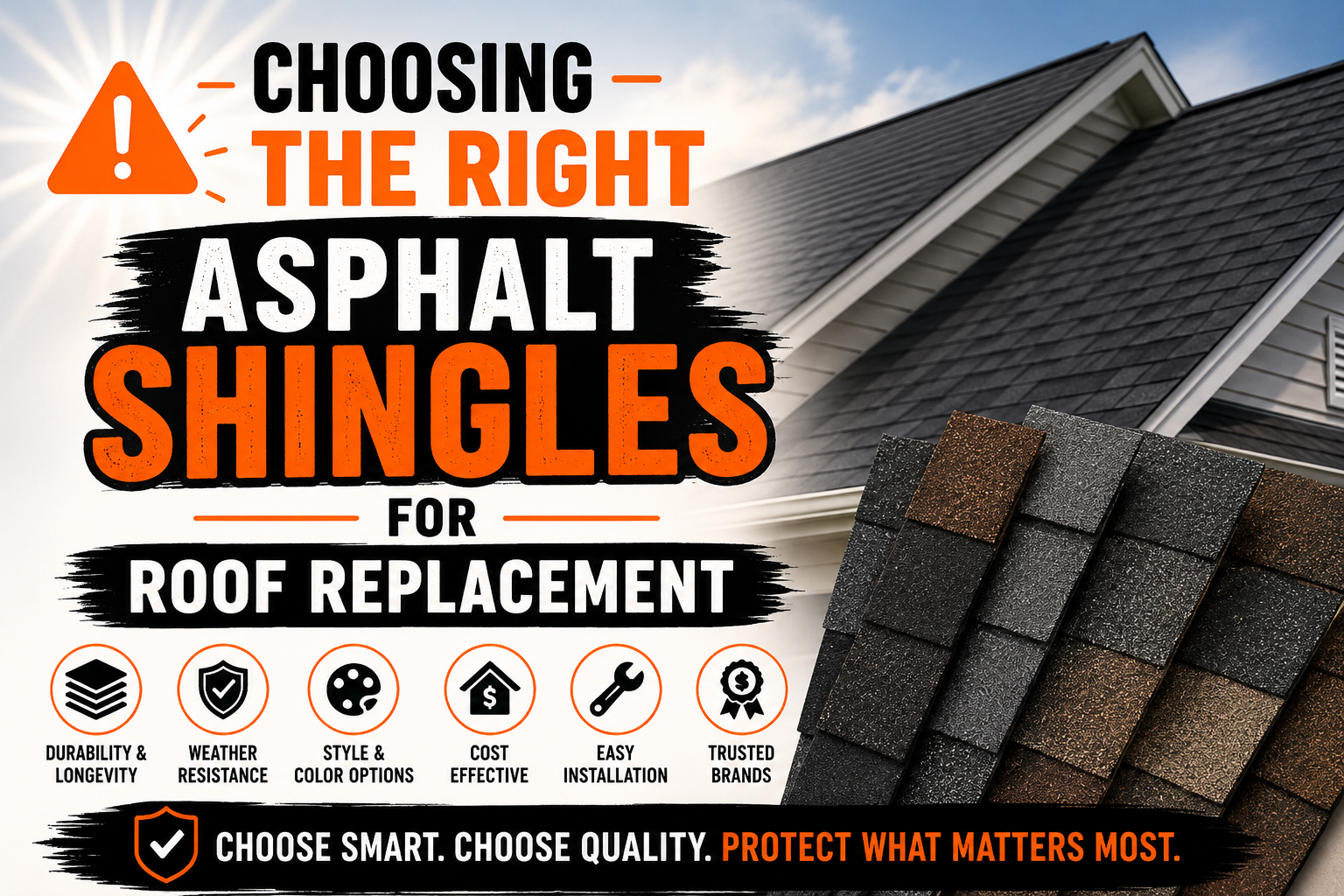
Choosing the Right Asphalt Shingles for Roof Replacement
Introduction
Selecting the right asphalt shingles is one of the most important decisions homeowners make during a roof replacement project. While many people focus on finding an experienced contractor or comparing installation costs, the roofing material itself has a lasting impact on durability, appearance, maintenance requirements, and overall value. The shingles chosen today will protect the home for decades, making this decision far more significant than simply choosing a color or style.
Modern asphalt shingles are available in a wide range of designs, performance ratings, and price points. Manufacturers continue to improve roofing technology by developing shingles that offer greater wind resistance, enhanced weather protection, improved energy efficiency, and more attractive architectural styles. These advancements give homeowners more choices than ever before, but they also make the selection process more complex.
Every home has unique roofing requirements based on its location, climate, architectural style, and budget. A roofing system that performs exceptionally well in one region may not provide the same benefits in another area with different weather conditions. Understanding how these factors influence shingle selection helps homeowners make informed decisions that support long term performance rather than focusing only on initial cost.
The appearance of a roof also contributes significantly to a home’s curb appeal. Asphalt shingles occupy a large portion of the home’s exterior, making their color, texture, and design an important part of the property’s overall appearance. Choosing shingles that complement the home’s architecture creates a balanced look while potentially increasing resale value.
Beyond appearance, the right asphalt shingles improve protection against rain, wind, sunlight, and changing temperatures. High quality products installed correctly help reduce the risk of leaks, premature deterioration, and costly repairs over the life of the roof. Investing time in understanding available options allows homeowners to choose a roofing system that matches both their practical needs and aesthetic preferences.
This guide explores the different types of asphalt shingles, explains how they are constructed, and discusses the key characteristics homeowners should understand before making a final decision. By learning how each option differs, homeowners can approach their roof replacement project with greater confidence and clearer expectations.
Why Choosing the Right Asphalt Shingles Matters
A roof replacement represents one of the largest investments many homeowners make in maintaining their property. Because asphalt shingles form the outer protective layer of the roofing system, their quality directly influences how effectively the home withstands weather throughout the year. Selecting the appropriate shingles is therefore about much more than appearance alone.
High quality asphalt shingles provide dependable protection against rain, snow, hail, ultraviolet radiation, and strong winds. They also contribute to the structural integrity of the roofing system by working together with underlayment, flashing, ventilation, and roof decking to create a complete weather resistant barrier.
The lifespan of a roof depends greatly on the shingles installed. Premium products often last considerably longer than basic alternatives because they contain improved materials, stronger reinforcement, and more advanced manufacturing processes. Although these products generally cost more initially, their longer service life may reduce replacement frequency over time.
Choosing suitable shingles also affects future maintenance needs. Durable roofing materials are less likely to experience premature cracking, curling, granule loss, or wind damage. Fewer repairs translate into lower maintenance expenses and greater peace of mind for homeowners.
Appearance remains another important consideration. Roofing occupies a substantial portion of a home’s exterior, making it one of the first features people notice. Well chosen shingles complement siding, trim, windows, landscaping, and architectural details while contributing to a cohesive overall design.
Home value can also benefit from thoughtful shingle selection. Buyers often appreciate recently installed roofs featuring attractive, durable materials because they reduce the likelihood of immediate maintenance expenses after purchasing the property. A quality roofing system therefore supports both protection and long term property value.
Selecting shingles without understanding available options sometimes leads homeowners to prioritize price alone. While staying within budget is important, balancing cost with durability, warranty coverage, appearance, and expected lifespan usually produces better long term results.
Understanding the Different Types of Asphalt Shingles
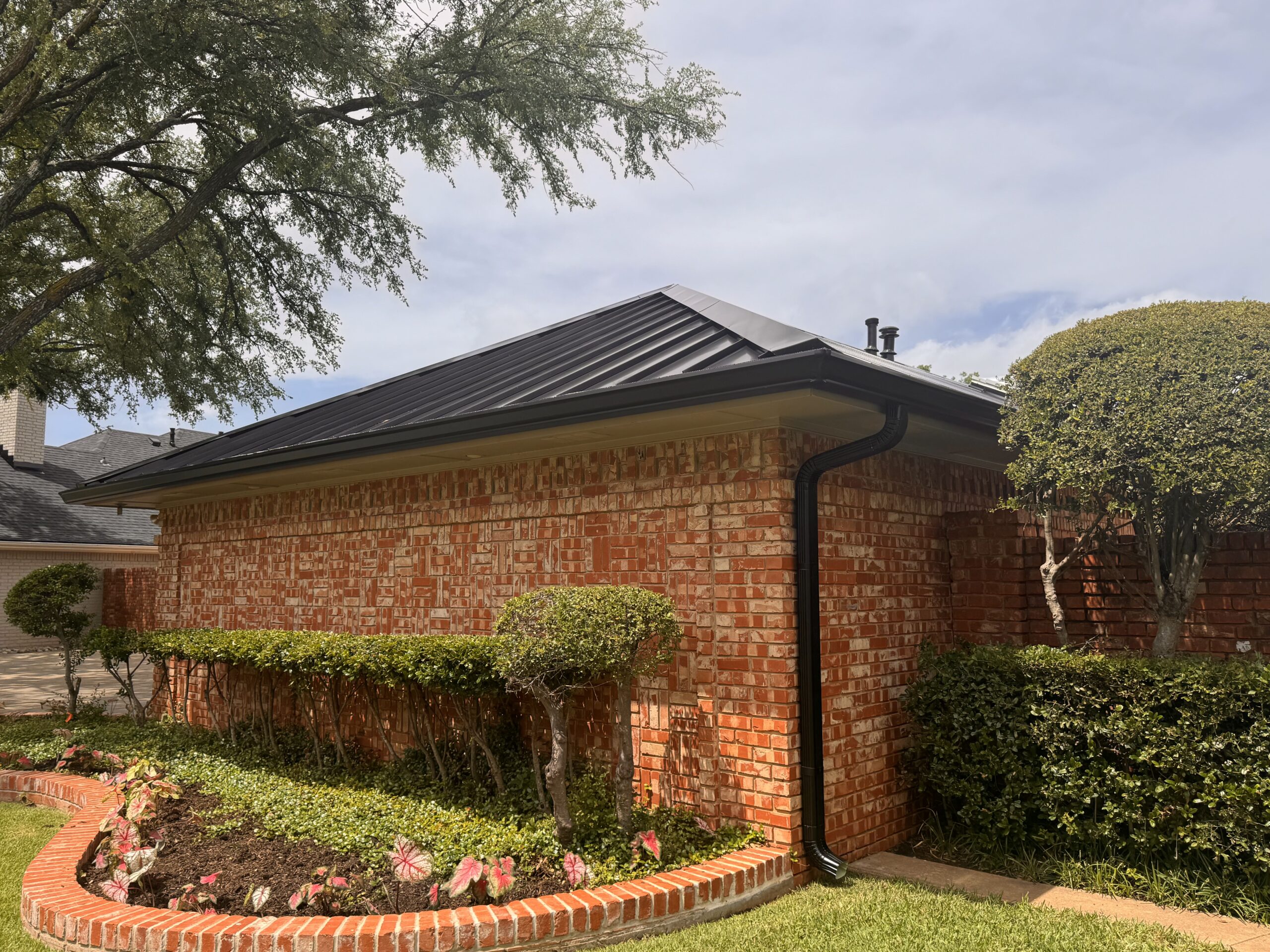
Although asphalt shingles share the same basic purpose, they are not all manufactured in the same way. Different product categories offer varying levels of durability, thickness, appearance, and weather resistance. Understanding these differences helps homeowners match roofing materials to their home’s specific requirements.
The residential roofing market generally includes three primary categories of asphalt shingles. Each category serves different budgets, architectural preferences, and performance expectations. While all provide reliable protection when installed correctly, their construction and long term characteristics differ considerably.
The three most common asphalt shingle categories include:
- Three tab asphalt shingles
- Architectural asphalt shingles
- Luxury asphalt shingles
Each type has evolved to meet changing homeowner expectations as roofing technology has improved. Manufacturers continue introducing innovations that enhance appearance while improving resistance to wind, moisture, algae growth, and ultraviolet exposure.
Understanding these categories allows homeowners to compare products based on performance rather than simply focusing on price. The most affordable option is not always the most economical over the roof’s entire lifespan, especially when durability and maintenance costs are considered.
Professional roofing contractors often recommend shingle types after evaluating the home’s structure, local climate, neighborhood appearance, and homeowner priorities. However, homeowners benefit from understanding these options before discussing recommendations so they can participate confidently in the selection process.
The following sections examine each major asphalt shingle category in greater detail to explain where each performs best and what advantages homeowners can expect.
Three Tab Asphalt Shingles
Three tab shingles represent the traditional style of asphalt roofing that has protected homes for many decades. Their name comes from the three evenly spaced tabs cut into each shingle, creating the appearance of separate individual pieces after installation.
These shingles feature a relatively flat appearance because every course aligns in a consistent pattern across the roof. The uniform design creates a clean, simple look that complements many traditional residential styles.
One of the primary advantages of three tab shingles is affordability. They generally cost less than thicker architectural or luxury products, making them attractive for homeowners working within limited budgets or replacing roofs on rental properties.
Their lighter weight also simplifies transportation and handling during installation. Because each shingle contains less material than heavier alternatives, roofing crews can move products efficiently across the roof during installation.
Despite these advantages, three tab shingles generally provide shorter service lives than newer architectural designs. They may also offer lower wind resistance because their thinner construction provides less overall strength during severe weather.
Modern homeowners increasingly select upgraded roofing materials when replacing older three tab roofs because architectural products now provide significantly improved durability at a relatively modest increase in overall project cost.
Three tab shingles remain suitable for many applications, particularly where affordability is the primary concern. However, homeowners should compare expected lifespan, warranty coverage, and weather performance before making a final decision.
Architectural Asphalt Shingles
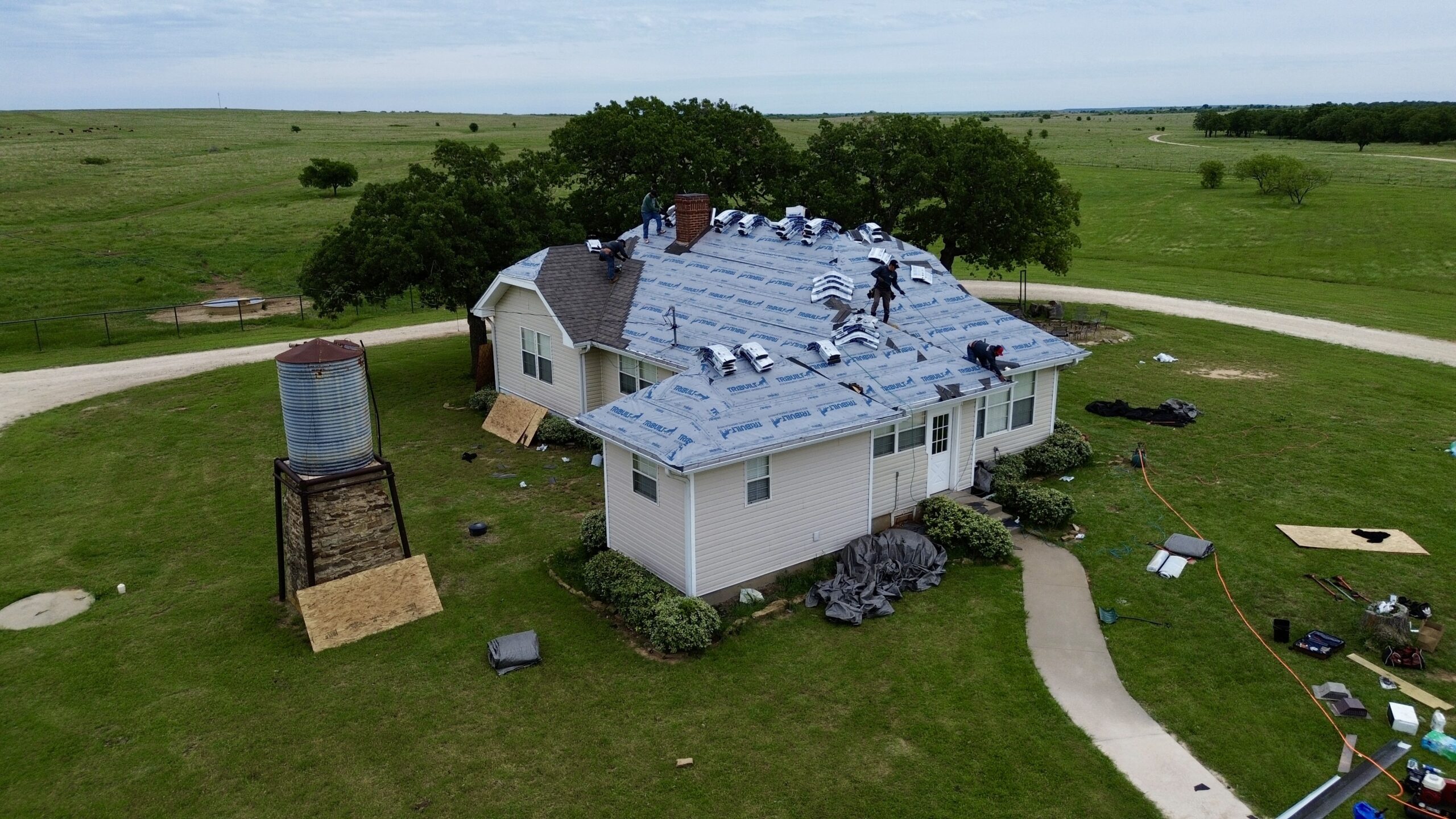
Architectural asphalt shingles have become the most popular roofing choice for residential homes today. Sometimes called dimensional or laminated shingles, these products feature multiple material layers bonded together to create greater thickness and a more textured appearance.
Unlike three tab shingles, architectural shingles do not follow a perfectly uniform pattern. Their layered construction creates natural variations in shadow and depth that resemble more expensive roofing materials such as wood shakes or slate.
The increased thickness improves both appearance and durability. Heavier construction generally allows architectural shingles to withstand stronger winds, resist impact more effectively, and maintain their appearance for longer periods under changing weather conditions.
Manufacturers also offer architectural shingles in a wide variety of colors, textures, and design collections. This broad selection allows homeowners to match roofing materials with many architectural styles ranging from traditional suburban homes to contemporary custom residences.
Many architectural shingles include advanced protective technologies. Improved adhesive strips, reinforced fiberglass mats, specialized granules, and algae resistant coatings contribute to longer service life while reducing maintenance requirements.
Another advantage involves warranty coverage. Manufacturers frequently provide longer warranties for architectural products because their enhanced construction supports extended performance under normal installation and maintenance conditions.
Although architectural shingles typically cost more than basic three tab products, many homeowners consider the additional investment worthwhile because of their improved appearance, durability, and resale value. The balance between cost and performance makes this category the preferred option for many residential roof replacement projects.
Luxury Asphalt Shingles
Luxury asphalt shingles represent the premium category within asphalt roofing products. Designed to replicate the appearance of natural slate, cedar shakes, or other high end roofing materials, they combine sophisticated aesthetics with enhanced structural performance.
These shingles are considerably thicker than standard products and often incorporate advanced manufacturing techniques that produce realistic textures, varied profiles, and rich dimensional shadowing. From ground level, many luxury shingles closely resemble premium natural roofing materials while requiring less maintenance.
The additional material used in luxury shingles contributes to excellent durability. Their heavier construction often provides improved resistance to wind, impact, and weather related wear compared with thinner roofing products.
Luxury shingles are available in numerous designer color blends that complement upscale homes and distinctive architectural styles. The variety of available profiles allows homeowners to achieve a customized appearance without installing significantly more expensive natural roofing materials.
Premium shingles frequently include enhanced warranty protection as well. Manufacturers typically support these products with comprehensive warranties that reflect confidence in their long term durability and manufacturing quality.
The primary consideration for many homeowners is cost. Luxury asphalt shingles generally represent the highest initial investment within the asphalt roofing category. However, they often deliver exceptional appearance, extended service life, and increased property value that may justify the additional expense.
For homeowners seeking premium curb appeal without choosing materials such as slate or wood, luxury asphalt shingles provide an attractive balance between aesthetics, durability, and practical maintenance requirements.
Key Components That Make Up an Asphalt Shingle
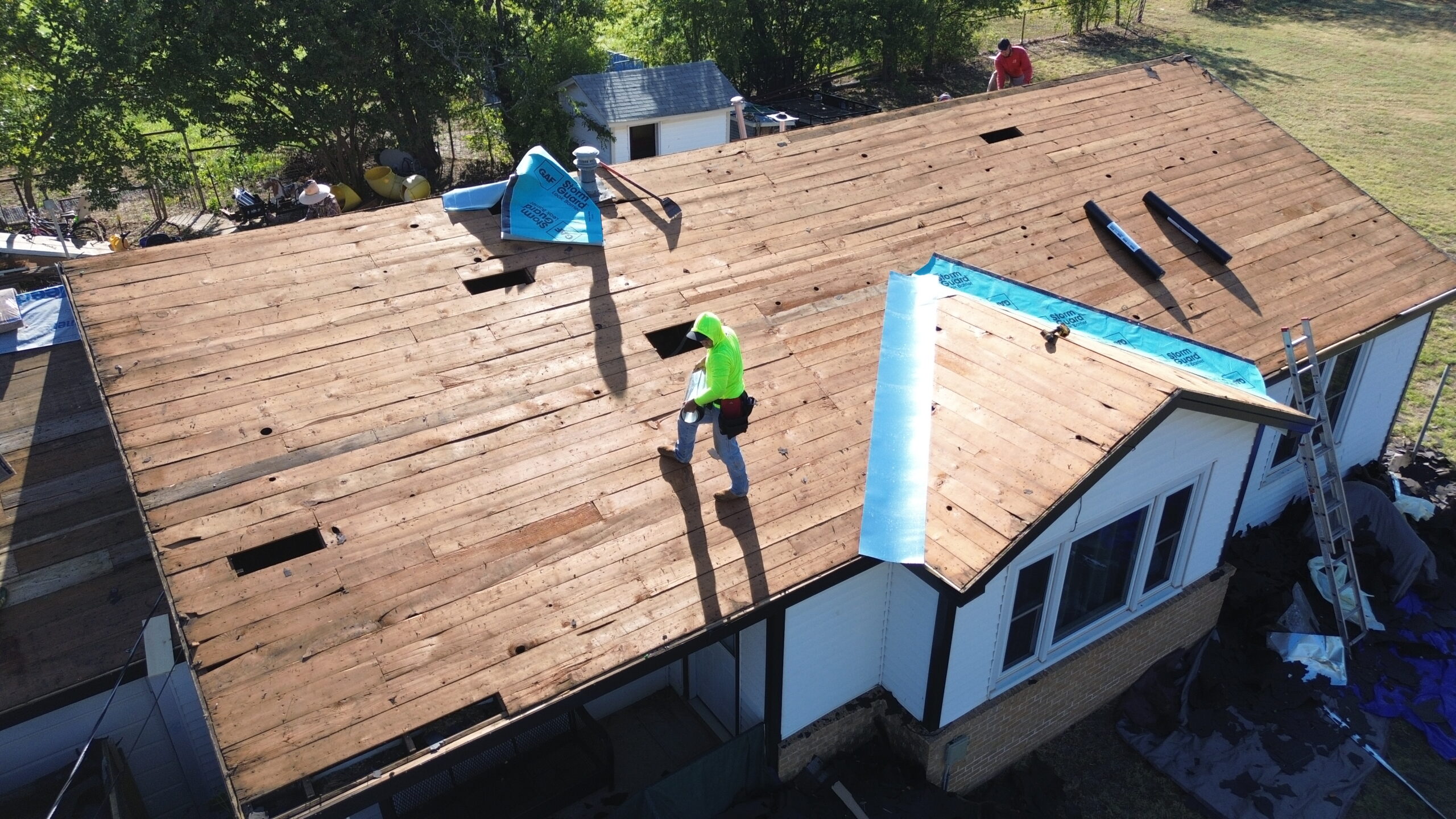
Understanding how asphalt shingles are constructed helps homeowners appreciate why different products perform differently over time. Although manufacturers use proprietary technologies, most asphalt shingles contain several essential components that work together to provide weather protection and structural strength.
The primary structural element is the fiberglass mat. This internal layer provides strength, flexibility, and dimensional stability while supporting the surrounding asphalt coating. Fiberglass reinforcement also improves fire resistance compared with older organic mat designs.
Refined asphalt surrounds the fiberglass core and forms the waterproof portion of the shingle. This layer prevents moisture from penetrating into the roofing system while helping the shingle maintain flexibility under changing weather conditions.
The outer surface contains mineral granules embedded within the asphalt coating. These granules serve several important purposes, including protecting asphalt from ultraviolet radiation, improving fire resistance, adding color, and increasing overall durability against environmental exposure.
The underside of the shingle includes sealant strips that activate after installation. As sunlight warms the roof, these adhesive strips bond adjacent shingles together, improving wind resistance and helping create a secure roofing surface.
Each component contributes to the overall performance of the finished roofing system. Improvements in any one layer can enhance durability, appearance, weather resistance, or expected service life, which explains why premium shingles often outperform lower priced alternatives over many years.
Understanding these construction elements also helps homeowners compare products beyond marketing claims. Rather than focusing solely on brand names, buyers can evaluate the engineering and materials that influence long term roofing performance.
Factors to Consider Before Selecting Asphalt Shingles
After understanding the different types of asphalt shingles, the next step is evaluating which option best suits the home’s specific needs. Every property has unique characteristics that influence roofing performance, making it important to consider more than appearance or price alone. A thoughtful evaluation helps homeowners choose shingles that deliver reliable protection and lasting value.
The local climate is often the first consideration because weather conditions directly affect how roofing materials age over time. Roof design, energy efficiency goals, neighborhood appearance, maintenance expectations, and budget should also be part of the decision making process.
Selecting asphalt shingles becomes easier when homeowners compare products based on performance rather than marketing claims. Looking at warranty coverage, manufacturer reputation, wind ratings, and material quality provides a more complete understanding of how different shingles are likely to perform over the coming decades.
Professional roofing contractors can explain how specific products perform in the local environment, but homeowners benefit from understanding these important considerations before making a final selection. An informed decision reduces uncertainty while increasing confidence in the completed roof replacement.
Climate and Weather Conditions
Climate has one of the greatest influences on asphalt shingle performance. Roofing materials remain exposed to sunlight, rain, wind, snow, and changing temperatures every day of the year. Choosing shingles designed for local weather conditions helps maximize their lifespan and reduce maintenance requirements.
Homes located in areas with intense sunlight should prioritize shingles that provide strong ultraviolet protection. Constant sun exposure gradually breaks down roofing materials, causing fading, granule loss, and reduced flexibility over time. Modern asphalt shingles often include advanced protective granules that help slow this natural aging process.
Regions experiencing frequent heavy rainfall require roofing systems with dependable water shedding capabilities. While all properly installed asphalt shingles protect against rain, premium products often include enhanced sealing technology that improves resistance to wind driven rain and moisture infiltration.
Strong winds present another challenge in many locations. Wind can lift poorly secured shingles or damage thinner roofing materials during severe storms. Homeowners living in hurricane prone or high wind regions should carefully compare wind resistance ratings before selecting a roofing product.
Cold climates introduce different concerns. Repeated freezing and thawing cycles cause roofing materials to expand and contract throughout the year. Asphalt shingles designed for colder environments maintain greater flexibility, reducing the likelihood of cracking during temperature changes.
Areas prone to hailstorms may benefit from impact resistant asphalt shingles. Although no roofing material is completely immune to severe hail damage, products with higher impact ratings generally perform better during moderate storms and may reduce repair costs over time.
Humidity can also affect roofing performance by encouraging algae and moss growth. Many manufacturers now offer algae resistant shingles containing protective technology that helps maintain a cleaner appearance while reducing discoloration caused by biological growth.
Selecting shingles appropriate for local weather conditions often provides greater long term value than simply choosing the least expensive option. Roofing materials designed for the surrounding climate typically require fewer repairs and maintain their appearance longer throughout their service life.
Roof Pitch and Home Design
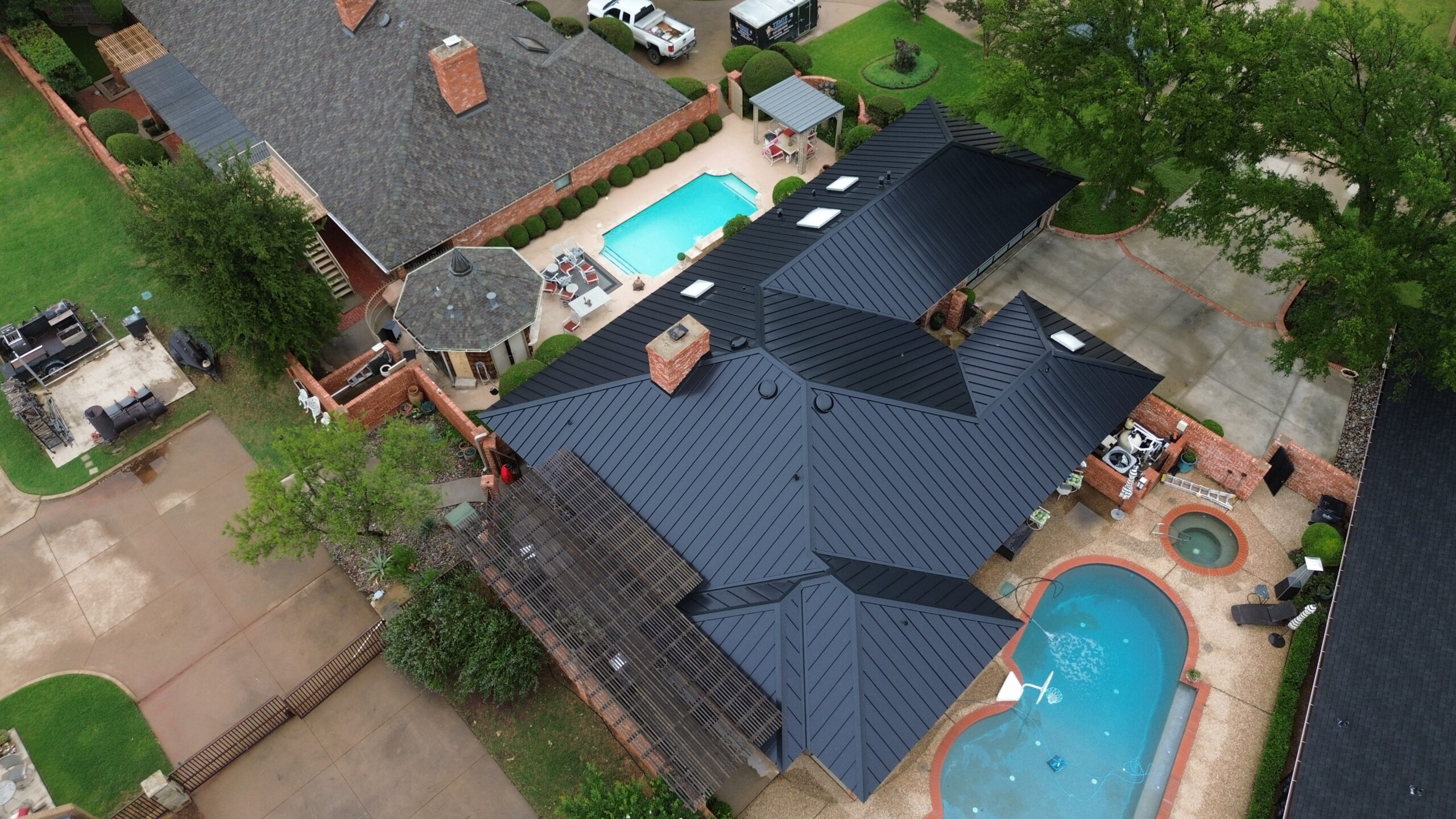
The shape and design of a home’s roof influence both appearance and roofing performance. Asphalt shingles should complement the architectural style while providing effective protection across every roof section.
Roof pitch plays an important role because steeper roofs shed water more quickly than lower pitched designs. Although asphalt shingles perform well on a wide range of roof slopes, installation techniques and underlayment requirements may vary depending on the roof’s angle.
Homes with simple roof layouts generally provide more flexibility when selecting shingles because fewer valleys, dormers, and intersecting sections require specialized detailing. More complex roof designs often benefit from dimensional shingles that enhance architectural features through additional depth and shadow.
Architectural and luxury shingles frequently complement homes featuring modern, craftsman, colonial, farmhouse, or upscale traditional designs. Their textured appearance adds visual interest while emphasizing roof lines that contribute to the home’s overall character.
Three tab shingles continue to suit many straightforward residential designs, particularly where homeowners prefer a clean, uniform appearance. Their consistent pattern works well with modest architectural styles while supporting projects focused on affordability.
Neighborhood appearance may also influence roofing decisions. Choosing shingles that harmonize with surrounding homes while preserving the property’s individual character often contributes positively to curb appeal and long term resale value.
Homeowners planning future exterior renovations should consider how roofing colors and styles will coordinate with upcoming siding, window, trim, or landscaping improvements. A well planned exterior design creates visual balance across every major element of the home.
Color Selection and Curb Appeal
Color selection is one of the most noticeable aspects of a roof replacement because the roof occupies a large portion of the home’s exterior. The right color enhances architectural details, complements surrounding materials, and creates an attractive first impression.
Many homeowners begin by considering the colors already present on the property. Siding, brick, stone, trim, shutters, garage doors, and landscaping all influence which roofing colors create the most balanced appearance. Coordinating these elements produces a more cohesive exterior design.
Neutral shingle colors remain popular because they complement a wide variety of home styles. Shades of gray, black, brown, and weathered wood continue to perform well across both traditional and contemporary architecture while remaining visually appealing for many years.
Lighter colored shingles reflect more sunlight than darker options, which may contribute to lower roof surface temperatures during hot weather. Darker shingles absorb more heat but often create stronger visual contrast that highlights architectural details.
Color blends have become increasingly popular because they combine multiple complementary shades within each shingle. These subtle variations create depth and texture while helping roofs appear more natural than single color products.
Homeowners should also consider how roof color may appear under different lighting conditions. Morning sunlight, afternoon brightness, overcast skies, and evening shadows can all influence the roof’s appearance, making sample boards and manufacturer visualizers valuable tools during the selection process.
Personal preference naturally plays an important role, but long term satisfaction often comes from balancing individual taste with architectural harmony. A roof remains in place for decades, making timeless color choices more practical than following short lived design trends.
Energy Efficiency and Reflective Shingles
Energy efficiency has become an increasingly important consideration during roof replacement projects. Advances in roofing technology allow many modern asphalt shingles to help manage roof temperatures more effectively without sacrificing appearance or durability.
Reflective asphalt shingles are designed to reduce heat absorption by reflecting a greater percentage of solar radiation. Lower roof surface temperatures may reduce heat transfer into the attic, helping cooling systems operate more efficiently during warm weather.
Energy efficient roofing works most effectively when combined with proper attic ventilation and insulation. Even the highest performing shingles cannot deliver maximum benefits if trapped attic heat cannot escape or if insulation levels remain inadequate.
Cool roofing technology is now available in many color options, allowing homeowners to improve energy performance without limiting design flexibility. Manufacturers continue expanding their product lines so homeowners can balance efficiency with aesthetic preferences.
The degree of energy savings varies depending on climate, roof orientation, insulation quality, attic ventilation, and household energy usage. Homes located in warmer regions generally experience greater benefits from reflective roofing materials than those in consistently cool climates.
Some local building codes or energy efficiency programs encourage the use of reflective roofing products in certain regions. Homeowners planning a roof replacement may wish to discuss these opportunities with their contractor before making final material selections.
Although energy efficient shingles sometimes involve a slightly higher initial investment, reduced cooling demands and improved indoor comfort may provide meaningful long term value over the roof’s lifespan.
Wind Resistance and Impact Ratings
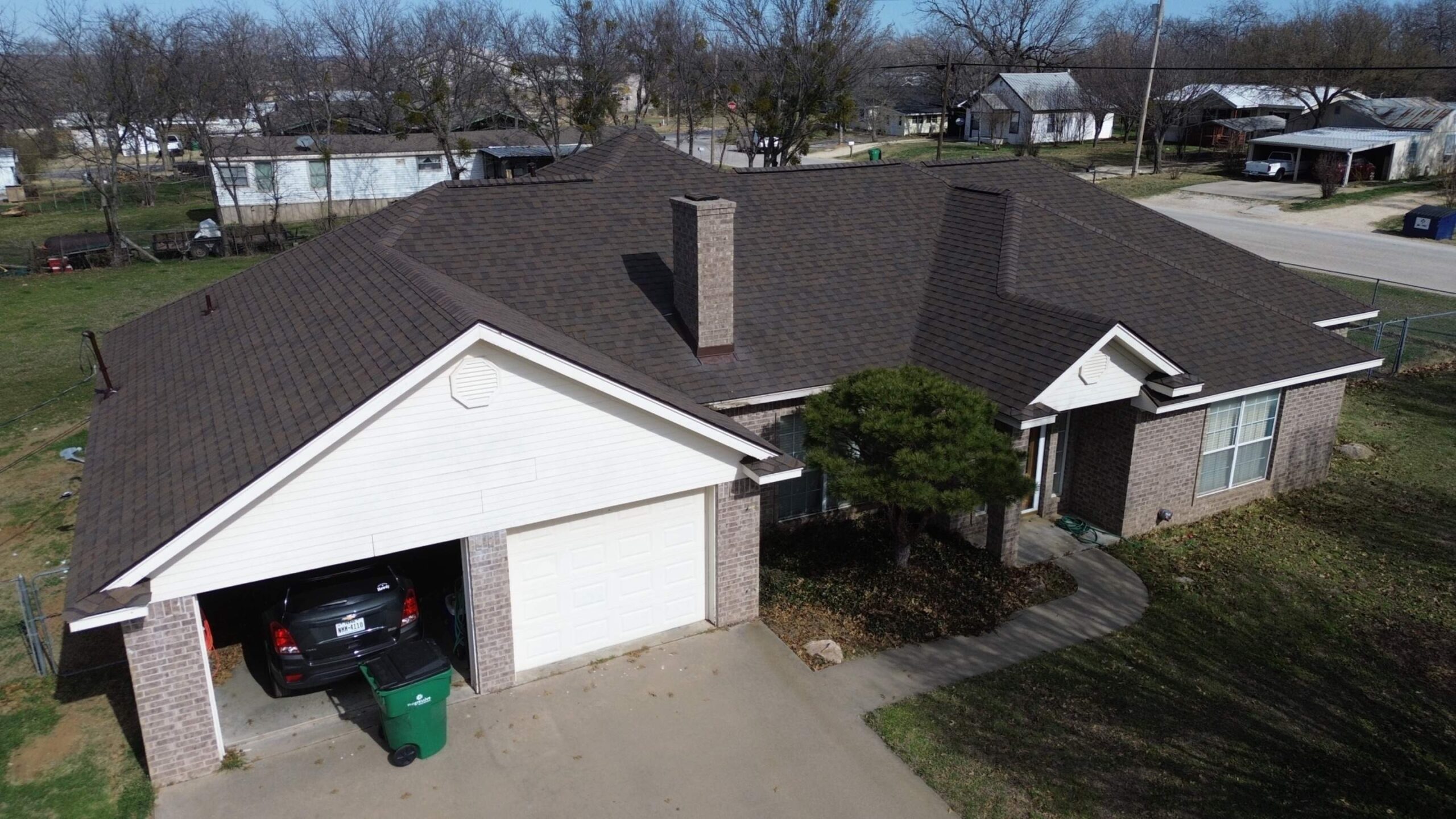
Weather resistance extends beyond basic waterproofing. Modern asphalt shingles are tested for their ability to withstand strong winds and impact from hail or airborne debris. Understanding these ratings helps homeowners select products appropriate for their local environment.
Wind resistance ratings indicate how well shingles remain attached during high wind events when installed according to manufacturer specifications. Improved adhesive strips, reinforced construction, and enhanced fastening systems contribute to higher wind performance.
Homes located in coastal regions, open rural areas, or locations frequently affected by severe storms should prioritize shingles with stronger wind ratings. Selecting products specifically designed for demanding weather conditions helps reduce the likelihood of future repairs after major storms.
Impact ratings measure how well roofing materials resist damage caused by hail or similar impacts. While impact resistant shingles cannot eliminate every possibility of damage, they often reduce cracking and surface deterioration during moderate hail events.
Insurance companies in some regions recognize the benefits of impact resistant roofing materials. Depending on local regulations and individual policies, homeowners may qualify for insurance discounts after installing qualifying roofing products.
Choosing stronger roofing materials should not replace regular roof inspections after severe weather. Even high performance shingles should be evaluated following significant storms to identify any hidden damage before it develops into larger roofing problems.
Comparing wind and impact ratings alongside warranty coverage provides homeowners with a more complete understanding of overall roofing performance rather than evaluating appearance alone.
Comparing Asphalt Shingle Types
The following table summarizes the primary differences between the three major categories of asphalt shingles. While actual product specifications vary among manufacturers, these general comparisons help homeowners understand how each option fits different roofing priorities.
| Feature | Three Tab Shingles | Architectural Shingles | Luxury Shingles |
|---|---|---|---|
| Appearance | Flat and uniform | Dimensional and textured | Premium appearance resembling slate or cedar |
| Initial Cost | Lowest | Moderate | Highest |
| Expected Lifespan | Shorter | Longer | Longest among asphalt options |
| Wind Resistance | Standard | Improved | Excellent |
| Weight | Light | Medium | Heavy |
| Curb Appeal | Good | Very Good | Outstanding |
| Maintenance | Moderate | Lower | Lower |
| Best For | Budget conscious projects | Most residential homes | Premium homes and upscale designs |
This comparison illustrates why architectural shingles have become the most widely selected option for residential roof replacements. They offer a practical balance between affordability, durability, appearance, and long term value that suits many homeowners.
Luxury shingles provide exceptional aesthetics and enhanced performance for homeowners seeking premium curb appeal. Three tab shingles continue serving as a reliable solution where cost remains the primary consideration.
Ultimately, the best choice depends on balancing budget, climate, architectural style, maintenance expectations, and desired service life rather than focusing on any single feature alone.
Understanding Warranties and Manufacturer Support
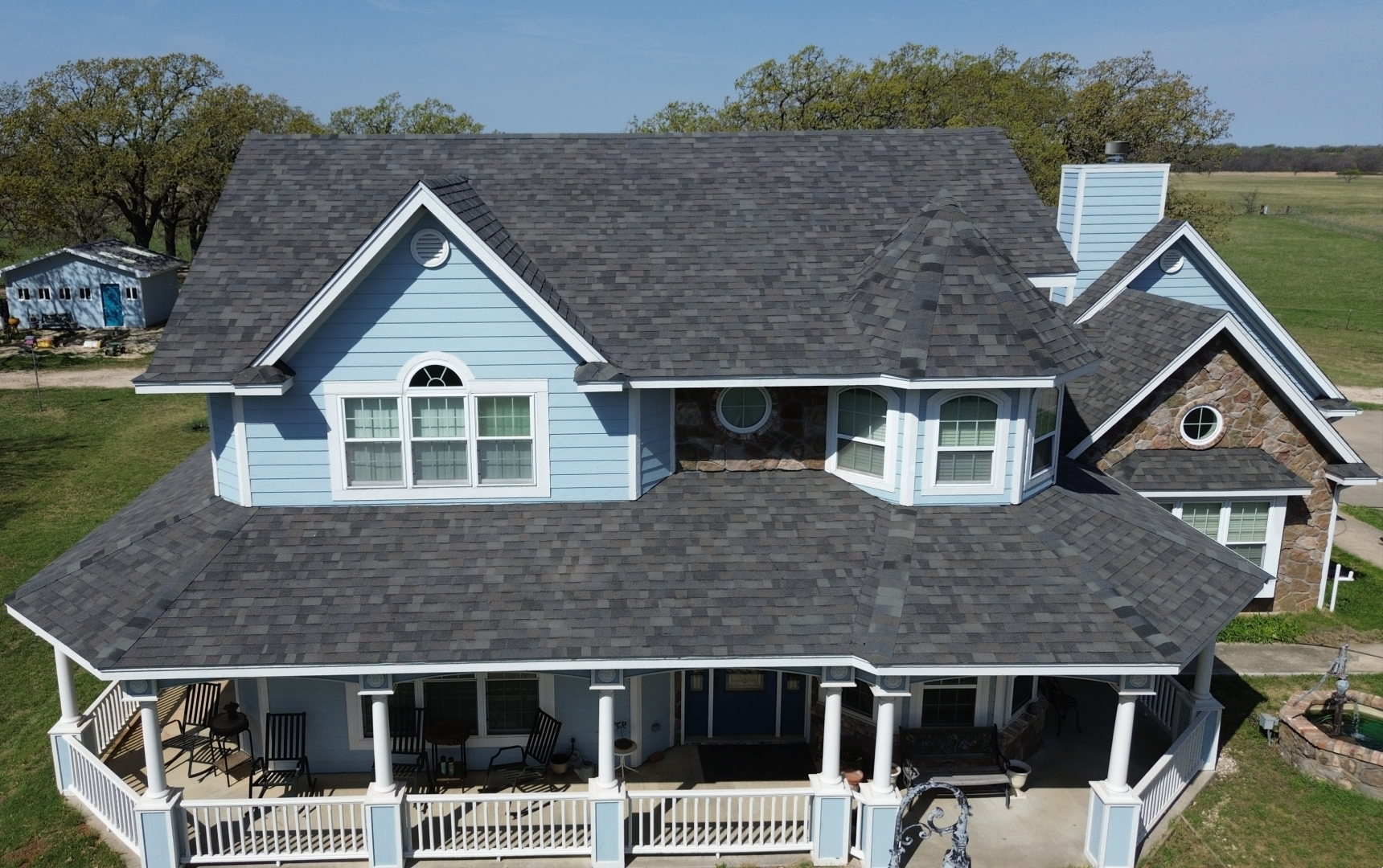
A roof replacement is a long term investment, so understanding warranty coverage is just as important as selecting the right asphalt shingles. While warranties cannot prevent roofing problems, they provide reassurance that manufacturers stand behind their products when defects occur under normal conditions.
Most asphalt shingle manufacturers offer product warranties that cover manufacturing defects for a specified period. The length and terms of coverage vary depending on the product line, with premium shingles generally receiving longer and more comprehensive protection than entry level options.
It is important to understand that a manufacturer’s warranty typically differs from a contractor’s workmanship warranty. The manufacturer covers issues related to the roofing materials themselves, while the roofing contractor is responsible for installation quality. Both types of coverage play an important role in protecting the homeowner’s investment.
Many premium roofing systems include enhanced warranty options when all roofing components come from the same manufacturer. These complete roofing systems often include matching underlayment, starter shingles, ridge caps, ventilation products, and waterproof barriers that are designed to work together.
Homeowners should carefully read warranty documents before making a purchase. Understanding coverage limitations, maintenance requirements, transferability, and claim procedures helps prevent misunderstandings if warranty service is ever needed in the future.
Proper installation is also essential for warranty protection. Even high quality asphalt shingles may lose warranty eligibility if they are installed incorrectly or if manufacturer installation guidelines are not followed. This is one reason experienced roofing contractors are so valuable during a roof replacement project.
Keeping copies of contracts, warranty certificates, invoices, and product information in a safe location makes future warranty claims much easier. Organized records provide proof of purchase and installation dates if questions arise years after the project is completed.
How to Choose a Reliable Roofing Contractor
Selecting quality asphalt shingles is only part of a successful roof replacement. Even the best roofing materials cannot perform properly if they are installed incorrectly. Choosing a reliable roofing contractor is therefore just as important as selecting the shingles themselves.
Homeowners should begin by researching contractors with established experience in asphalt roof replacement. Companies with a consistent history of completed projects often have well trained crews, organized installation processes, and greater familiarity with local building requirements.
Checking licenses, insurance coverage, and certifications provides additional confidence before signing a contract. Proper licensing demonstrates compliance with local regulations, while insurance protects both homeowners and workers if accidents occur during the project.
Reading customer reviews and requesting references also provides valuable insight into a contractor’s reliability. Previous clients can often describe communication, workmanship, scheduling, cleanup, and overall satisfaction based on firsthand experience.
Written estimates should clearly describe the scope of work, roofing materials, estimated timeline, payment schedule, warranty information, and cleanup procedures. Detailed proposals reduce confusion while allowing homeowners to compare contractors more effectively.
Communication remains one of the strongest indicators of professionalism. Contractors who answer questions clearly, explain product options thoroughly, and provide regular project updates often deliver a smoother overall experience from beginning to end.
Rather than selecting a contractor based solely on the lowest price, homeowners should evaluate the complete value offered. Quality workmanship, reliable communication, durable materials, and strong warranty support often justify a slightly higher investment by reducing future repair costs.
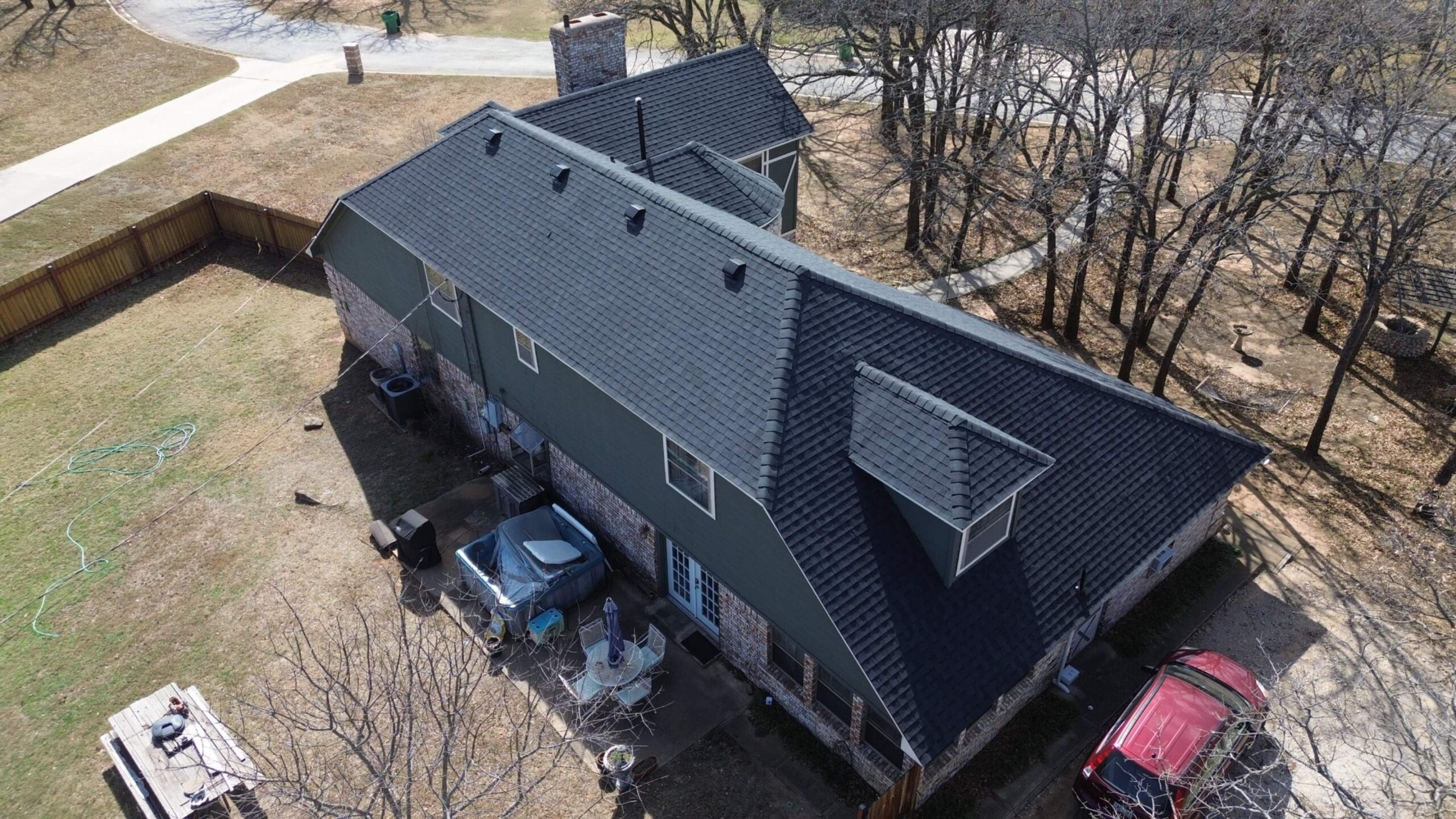
Common Mistakes to Avoid When Choosing Asphalt Shingles
Many roofing problems begin long before installation starts. Homeowners sometimes make decisions based on incomplete information or short term savings without considering how those choices affect long term roof performance.
The following mistakes are among the most common during the shingle selection process:
- Choosing shingles based only on the lowest price.
- Ignoring local climate and weather conditions.
- Selecting colors without considering the home’s exterior design.
- Overlooking warranty details and coverage limitations.
- Hiring inexperienced contractors to reduce installation costs.
- Failing to compare multiple roofing products before making a decision.
Each of these mistakes can affect the roof’s appearance, durability, maintenance requirements, or expected lifespan. Spending additional time researching available options often leads to better long term satisfaction.
Another common mistake is assuming all asphalt shingles provide identical performance. While many products appear similar at first glance, differences in construction, thickness, protective granules, and manufacturing technology significantly influence long term durability.
Some homeowners also delay replacing aging shingles until leaks become visible inside the home. Waiting too long may increase repair costs because moisture can damage roof decking, insulation, ceilings, and structural framing before obvious warning signs appear.
Ignoring attic ventilation during roof replacement is another oversight. Even premium asphalt shingles perform best when supported by balanced ventilation that helps regulate temperature and moisture throughout the roofing system.
Avoiding these common mistakes allows homeowners to maximize the value of their roof replacement while reducing the likelihood of unexpected repairs or premature roof deterioration.
Maintenance Tips to Maximize Shingle Lifespan
Even the highest quality asphalt shingles require routine maintenance to perform at their best throughout their expected service life. Regular inspections and simple preventive care help identify small concerns before they develop into expensive roofing problems.
Professional roof inspections should be scheduled periodically, especially after severe storms. Experienced inspectors can identify loose shingles, damaged flashing, clogged valleys, or early signs of wear that may not be visible from the ground.
Homeowners can also perform basic visual inspections throughout the year. Looking for missing shingles, lifted edges, discoloration, or debris accumulation allows potential issues to be addressed before they become more serious.
Simple maintenance practices help extend roof performance for many years:
- Clean gutters regularly to maintain proper water drainage.
- Remove leaves and branches that collect on the roof.
- Trim tree limbs that hang directly over the roof.
- Schedule inspections after major storms.
- Address minor roofing repairs as soon as they are discovered.
Proper attic ventilation should also be maintained throughout the roof’s lifespan. Balanced airflow reduces heat buildup during summer while limiting moisture accumulation during colder months, helping preserve both roofing materials and structural components.
Homeowners should avoid walking on the roof unnecessarily because repeated foot traffic may damage shingles, especially during extremely hot weather when asphalt becomes more flexible. Whenever roof access is required, appropriate safety precautions and professional assistance are recommended.
Routine maintenance does not require significant time or expense, but it greatly contributes to preserving the roof’s appearance, weather resistance, and overall service life.
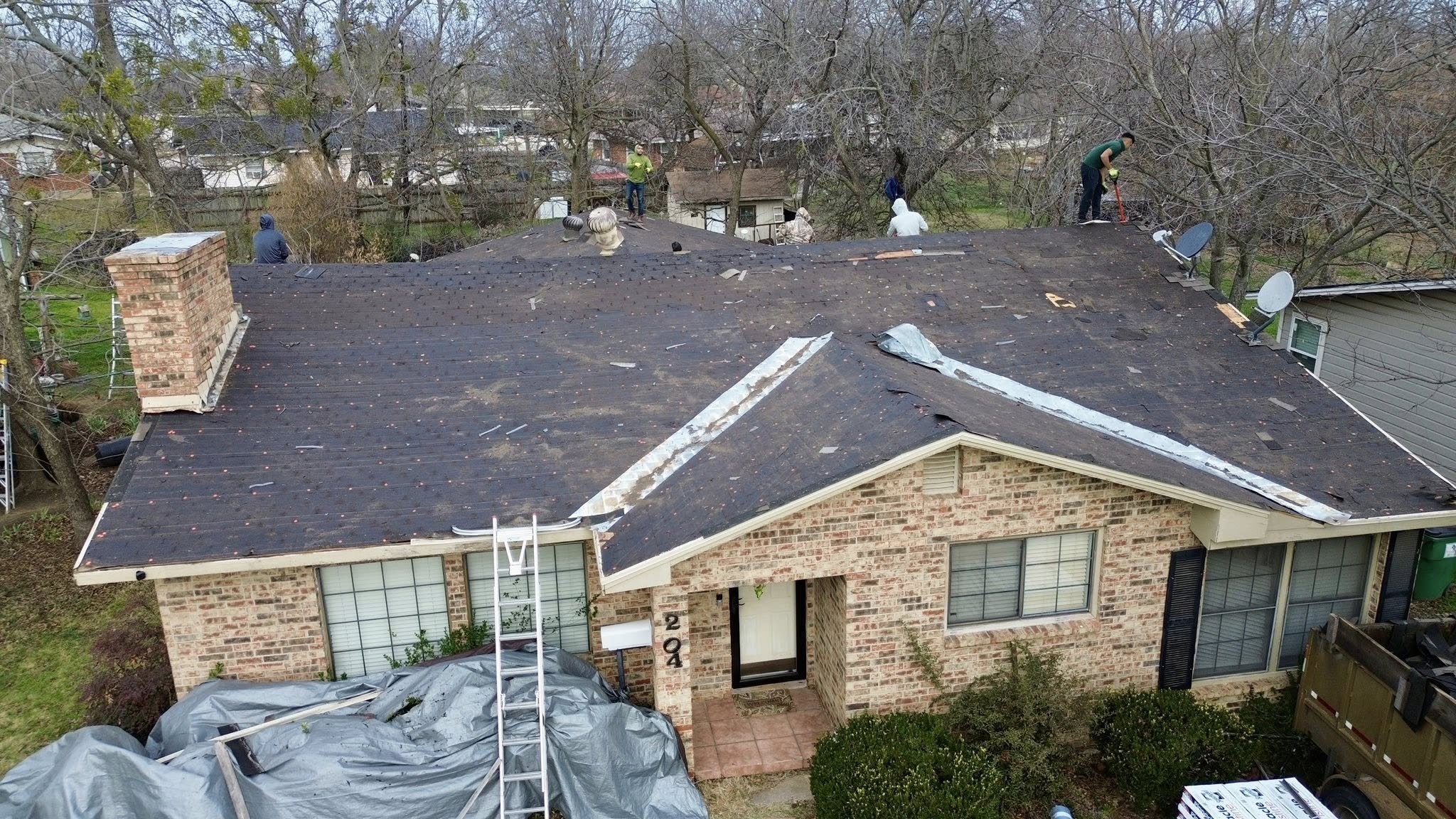
Frequently Asked Questions About Asphalt Shingles
Choosing asphalt shingles often raises many practical questions. The following answers address some of the concerns homeowners commonly have before beginning a roof replacement project.
Which type of asphalt shingle is best for most homes?
Architectural asphalt shingles are generally considered the best overall choice for many residential homes because they balance durability, appearance, cost, and expected lifespan. They provide greater performance than three tab shingles while remaining more affordable than luxury products.
How long do asphalt shingles usually last?
The lifespan depends on product quality, installation, climate, maintenance, and weather exposure. Basic shingles typically have shorter service lives, while architectural and luxury shingles often provide significantly longer performance under normal conditions.
Are more expensive shingles always better?
Higher priced shingles often include improved construction, stronger warranties, and enhanced weather resistance. However, the best choice depends on the home’s location, budget, architectural style, and long term goals rather than price alone.
Can I install new shingles over my existing roof?
Some local building codes allow limited overlay installations, but complete tear offs are generally recommended because they allow contractors to inspect the roof deck and correct hidden structural problems before installing new materials.
Do darker shingles make the house hotter?
Dark colored shingles absorb more sunlight than lighter colors, but attic insulation and ventilation also play major roles in indoor temperature. Properly ventilated roofing systems help reduce heat buildup regardless of shingle color.
How do I know if I need architectural or luxury shingles?
Homeowners seeking the best balance between cost and performance often choose architectural shingles. Luxury shingles are typically selected when premium appearance, maximum durability, and enhanced curb appeal are the highest priorities.
Should all roofing components come from the same manufacturer?
Using compatible roofing components from one manufacturer often simplifies warranty coverage and ensures products are designed to work together as a complete roofing system.
Conclusion
Choosing the right asphalt shingles for a roof replacement involves much more than selecting a color or comparing prices. Every decision influences how well the roof protects the home, complements its architectural style, resists local weather conditions, and performs throughout its expected lifespan. Understanding the differences between three tab, architectural, and luxury shingles provides homeowners with a strong foundation for making informed choices.
Climate, roof design, energy efficiency, wind resistance, warranty coverage, and contractor expertise all contribute to the success of a roofing project. Evaluating these factors together allows homeowners to balance appearance, durability, maintenance requirements, and overall value instead of focusing on a single feature.
Architectural shingles have become the preferred option for many homeowners because they offer an excellent combination of affordability, attractive appearance, and dependable long term performance. Luxury shingles provide premium aesthetics and enhanced durability for homeowners seeking a high end finish, while three tab shingles continue to serve as a practical solution for budget conscious projects.
Equally important is selecting a qualified roofing contractor who follows manufacturer installation guidelines and maintains high standards of workmanship. Even the highest quality shingles depend on proper installation to achieve their full performance potential and maintain warranty protection.
Routine maintenance, periodic inspections, and prompt repairs further extend the life of an asphalt roof by preventing small issues from developing into costly structural problems. A proactive approach helps preserve both the appearance and functionality of the roofing system for many years.
A roof replacement is one of the most valuable investments a homeowner can make. By carefully evaluating roofing materials, understanding available options, and working with experienced professionals, homeowners can select asphalt shingles that provide lasting protection, attractive curb appeal, and dependable performance well into the future.