
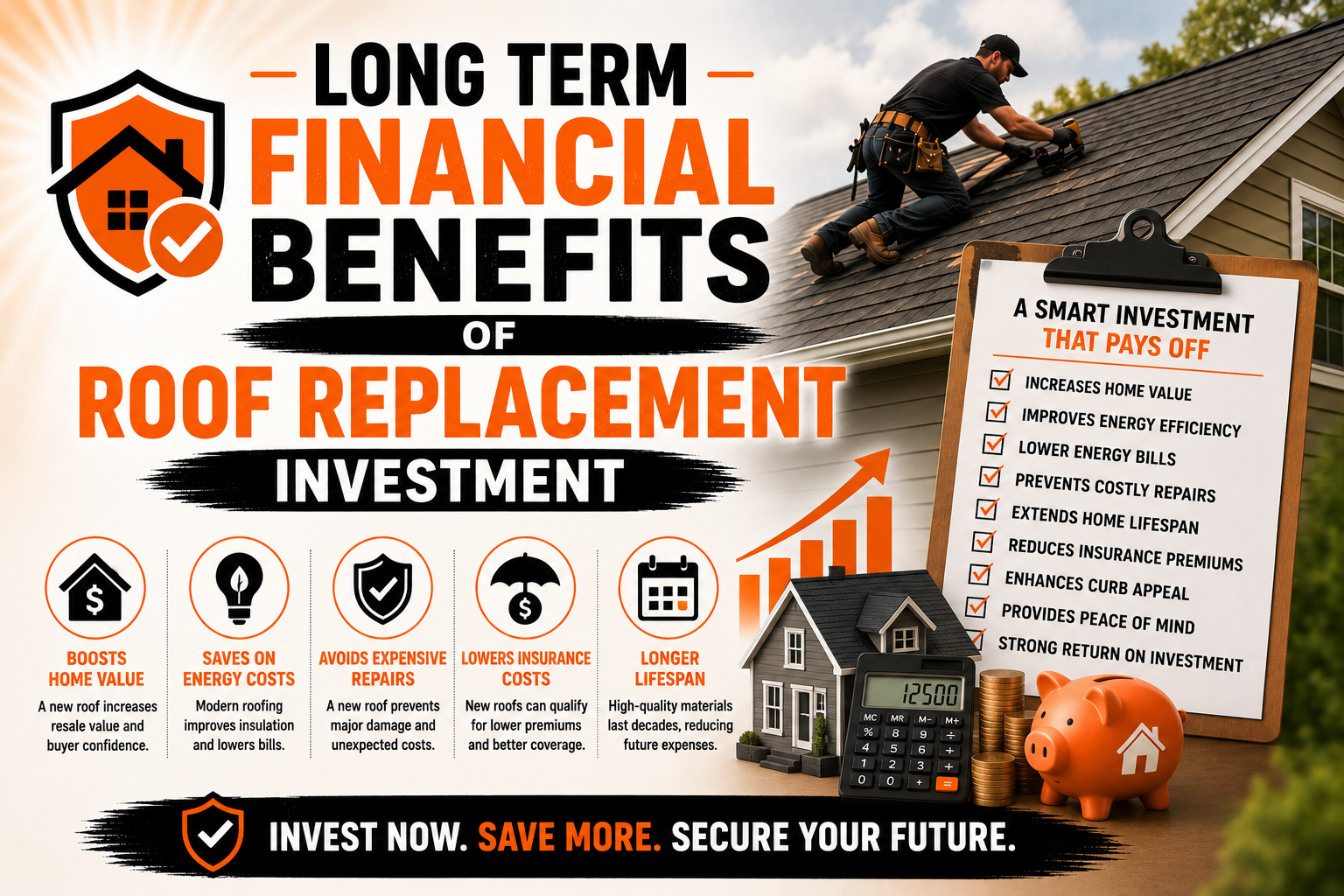
Long Term Financial Benefits of Roof Replacement Investment
Introduction
A roof replacement is often viewed as one of the largest expenses associated with homeownership. Because the project requires a significant financial commitment, many homeowners focus primarily on the immediate cost rather than the long term value it provides. While replacing a roof can seem expensive at first, it is more accurately viewed as an investment that protects the home, reduces future expenses, and supports financial stability for many years.
An aging roof gradually becomes less effective at protecting the structure from weather, moisture, and temperature changes. As roofing materials deteriorate, the likelihood of leaks, structural damage, insulation problems, and interior repairs increases. Replacing the roof before these issues become severe often prevents much larger expenses that could exceed the cost of the replacement itself.
A new roof also contributes to the overall value of the property. Homebuyers frequently consider roof condition when evaluating a home because they understand that replacing a roof is a major future expense. A recently installed roofing system often improves buyer confidence while making the property more attractive in competitive real estate markets.
Financial benefits extend beyond property value alone. Modern roofing materials improve energy efficiency, reduce maintenance costs, enhance weather protection, and often qualify for stronger manufacturer warranties than older roofing systems. These advantages continue generating value long after the installation has been completed.
Roof replacement also supports better long term financial planning. Instead of paying for repeated repairs, emergency leak responses, or hidden structural restoration, homeowners gain predictable maintenance requirements and greater confidence in the condition of one of the home’s most important structural components.
Every roofing investment should be evaluated over its entire lifespan rather than only by its installation cost. Considering maintenance savings, energy efficiency improvements, increased property value, and reduced repair expenses provides a much more complete understanding of the financial return associated with roof replacement.
In this guide, we will explore the long term financial benefits of replacing an aging roof, explain how a new roofing system protects property value, examine the savings created through reduced maintenance and improved energy efficiency, and demonstrate why roof replacement should be viewed as a valuable investment rather than simply a home improvement expense.
Why Roof Replacement Should Be Viewed as an Investment
Many home improvement projects improve appearance or convenience, but roof replacement serves a much broader purpose. A new roof protects nearly every other part of the home while reducing future financial risk. Because of this protective role, roof replacement functions as a long term investment rather than a routine maintenance expense.
One of the primary reasons roof replacement creates financial value is its ability to prevent larger structural problems. Roofing systems shield the home from rain, wind, snow, sunlight, and changing temperatures. When this protection weakens, moisture begins affecting insulation, framing, ceilings, walls, flooring, and electrical systems. Preventing these repairs often saves substantial amounts over time.
Roof replacement also extends the useful life of the home’s structural components. Roof decking, rafters, trusses, insulation, and attic ventilation systems all benefit from the protection provided by a properly functioning roof. Preserving these components reduces the likelihood of expensive structural restoration later.
Unlike many cosmetic renovations, roof replacement delivers measurable financial protection. Homeowners receive value not only from the new roofing materials but also from the problems that never occur because the roof continues performing effectively. Preventing future expenses is an important form of financial return.
Modern roofing systems also incorporate improved technology compared to many older roofs. Better underlayment, advanced ventilation, enhanced moisture barriers, and stronger roofing materials improve long term durability while reducing maintenance requirements. These improvements continue providing value throughout the roof’s lifespan.
Insurance considerations further support viewing roof replacement as an investment. Newer roofs often present lower risk to insurers than aging roofing systems. While insurance terms vary, maintaining a modern roof generally supports stronger overall property protection and reduces the likelihood of claims caused by preventable deterioration.
Homeowners planning to remain in their property for many years often benefit the most from roof replacement because they experience the full value of reduced maintenance, improved efficiency, and long term protection. Even homeowners planning to sell may recover value through stronger buyer interest and improved property presentation.
Evaluating roof replacement from an investment perspective encourages homeowners to prioritize long term performance instead of focusing exclusively on installation costs. The financial benefits continue accumulating long after construction has been completed.
How a New Roof Protects Long Term Property Value
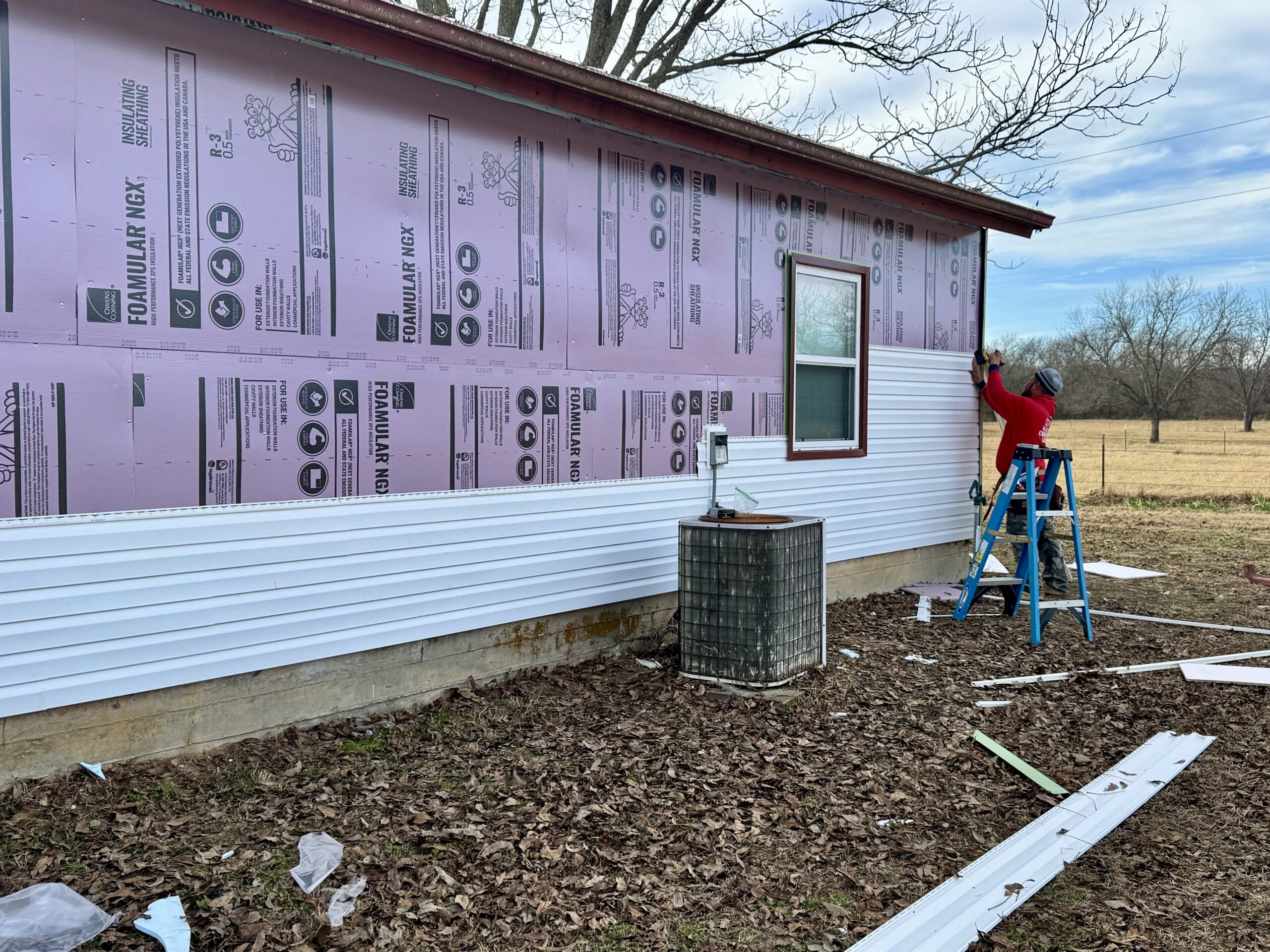
Property value depends on many factors, but roof condition consistently remains one of the most influential. A well maintained roof protects the home’s structural integrity while creating positive first impressions for potential buyers. Replacing an aging roof often strengthens both the marketability and long term value of the property.
Prospective buyers frequently evaluate roof condition early during the purchasing process. A recently installed roof signals that one of the home’s largest maintenance expenses has already been addressed. This reassurance often increases buyer confidence while reducing concerns about future repair costs.
Home inspections also place significant emphasis on roofing systems. Inspectors evaluate shingles, flashing, roof structure, drainage, ventilation, and signs of moisture intrusion. A new roof generally performs well during inspections, helping reduce complications that might otherwise delay negotiations or affect property value.
Property appearance also improves after roof replacement. Clean, modern roofing materials enhance curb appeal while complementing the home’s architectural style. Attractive exterior presentation creates a stronger first impression that may positively influence buyer perception of the entire property.
Protecting structural components represents another important aspect of preserving property value. Water damage affecting framing, ceilings, insulation, drywall, or flooring often reduces market value because buyers anticipate additional repairs. A dependable roof minimizes these risks by maintaining effective weather protection.
Roof replacement also demonstrates responsible homeownership. Buyers often view a recently replaced roof as evidence that the property has been maintained carefully over time. Confidence in overall maintenance may encourage stronger purchase offers while reducing buyer hesitation.
Market conditions also influence the financial impact of roof replacement. In competitive real estate markets, homes requiring fewer immediate repairs frequently attract greater interest. Eliminating concerns about future roof replacement may help distinguish the property from competing listings.
Protecting property value begins with preserving the condition of the home’s most important protective barrier. A quality roofing system continues supporting resale potential throughout its service life while reducing the likelihood of value reducing structural problems.
Reducing Future Repair and Maintenance Expenses
One of the most significant financial advantages of roof replacement is the reduction in ongoing repair and maintenance costs. As roofs age, repairs generally become more frequent because roofing materials gradually lose their ability to resist weather and environmental exposure. Replacing the roof resets this cycle while reducing the likelihood of recurring maintenance expenses.
Older roofs often require repeated repairs for missing shingles, deteriorated flashing, roof leaks, damaged sealants, and moisture related issues. While individual repairs may appear affordable, their cumulative cost over several years can become substantial. A new roofing system largely eliminates many of these recurring repair needs.
Preventive maintenance remains important even after roof replacement, but routine inspections and gutter cleaning generally replace more expensive emergency repairs. Regular maintenance focuses on preserving roof performance rather than correcting widespread deterioration. This shift creates more predictable long term ownership costs.
Water damage prevention contributes additional financial savings. Roof leaks frequently damage insulation, ceilings, drywall, flooring, electrical systems, and stored belongings before becoming obvious. Preventing these secondary repairs often saves significantly more than the cost of isolated roof maintenance.
Modern roofing materials also offer greater durability than many older products. Improved resistance to wind, moisture, ultraviolet radiation, and temperature fluctuations reduces weather related maintenance throughout the roof’s lifespan. Stronger materials help homeowners spend less on repairs while maintaining dependable protection.
Professional installation further contributes to reduced maintenance. Proper flashing, ventilation, underlayment, and fastening methods minimize the likelihood of installation related problems that could otherwise require future service calls. Quality workmanship supports lower ownership costs over time.
Planning maintenance becomes easier after roof replacement because homeowners work from a predictable schedule instead of responding to recurring emergencies. Annual inspections and minor preventive care help preserve roof performance while avoiding the uncertainty associated with aging roofing systems.
Reducing future maintenance expenses allows homeowners to allocate financial resources toward other priorities while continuing to protect one of their most valuable investments.
Energy Efficiency Savings After Roof Replacement
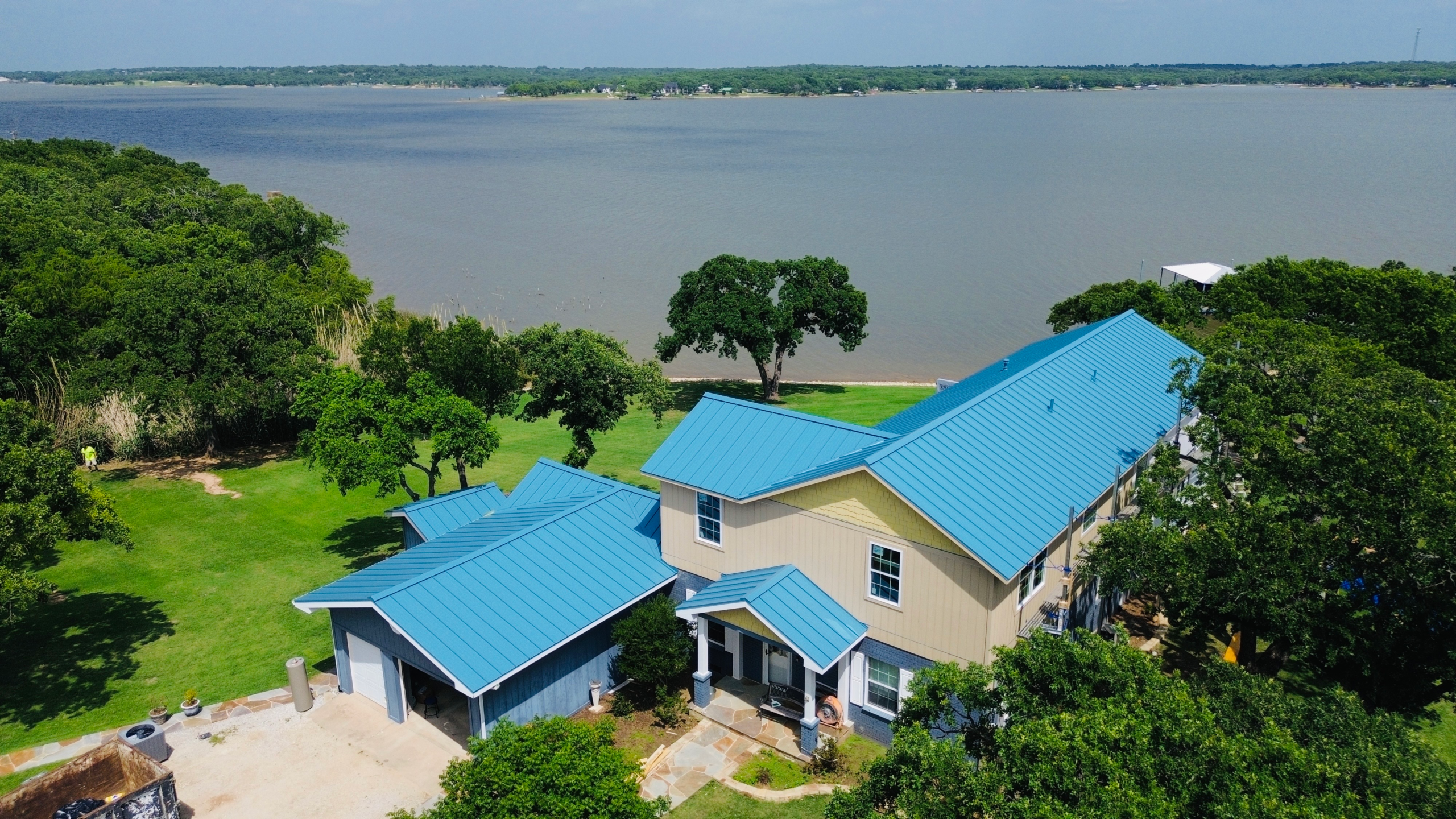
Energy efficiency represents another important financial benefit associated with modern roof replacement. Advances in roofing materials, ventilation systems, insulation support, and underlayment technology allow today’s roofs to regulate indoor temperatures more effectively than many older roofing systems. These improvements may contribute to lower heating and cooling costs throughout the year.
Roofing materials play an important role in managing heat transfer between the home and the outdoor environment. Modern products often reflect more solar radiation during warm weather while helping maintain consistent indoor temperatures. Reduced heat absorption decreases the workload placed on air conditioning systems.
Proper attic ventilation installed during roof replacement also improves energy performance. Balanced intake and exhaust ventilation allow excess heat and moisture to escape efficiently, preventing extreme attic temperatures that increase cooling demands. Better airflow also supports insulation performance throughout the year.
Moisture control contributes additional efficiency benefits. Dry insulation performs much better than insulation affected by water intrusion. By preventing roof leaks and maintaining a dry attic environment, a new roof helps insulation retain its designed thermal resistance.
Sealing roof penetrations during installation further improves efficiency. Flashing around chimneys, skylights, roof vents, and other openings reduces unwanted air leakage while strengthening the home’s overall thermal envelope. Better sealing supports more consistent indoor comfort.
Heating costs may also decrease in colder climates because improved insulation support and moisture protection reduce heat loss through the roof structure. Although savings vary depending on climate and home design, improved thermal performance benefits homeowners throughout every season.
Lower utility bills accumulate gradually over the roof’s lifespan. Even modest monthly savings become significant when viewed across several decades of ownership. These ongoing reductions contribute to the overall financial return associated with roof replacement.
Energy efficiency should therefore be considered an important component of the roof’s total long term value rather than merely an environmental benefit. Improved performance continues generating financial savings year after year.
Preventing Expensive Structural Damage
Perhaps the greatest long term financial benefit of roof replacement is preventing structural damage that can affect nearly every part of a home. A roof serves as the primary barrier against weather, and when that barrier begins to fail, repair costs often extend far beyond the roofing system itself.
Water intrusion represents the most common cause of structural deterioration associated with aging roofs. Even small leaks gradually saturate roof decking, insulation, rafters, and ceiling materials before visible signs appear inside the home. By the time water stains become noticeable, hidden structural damage may already be extensive.
Roof decking is especially vulnerable to prolonged moisture exposure. Once wood begins absorbing water repeatedly, it loses strength and may eventually require replacement. Repairing deteriorated decking during emergency roof work often increases project costs substantially compared to replacing the roof before widespread deterioration occurs.
Moisture also creates favorable conditions for mold growth within attic spaces and wall cavities. Mold remediation frequently involves removing damaged materials, improving ventilation, and restoring affected areas throughout the home. Preventing these conditions through timely roof replacement protects both structural integrity and future repair budgets.
Electrical systems located within ceilings or attic spaces may also become vulnerable when roof leaks develop. Water exposure increases safety concerns while creating additional repair expenses that extend well beyond the roof itself. Preventing moisture intrusion protects multiple building systems simultaneously.
Structural framing deserves equal attention. Rafters, trusses, and supporting beams are designed to remain dry throughout their service life. Persistent moisture weakens these components over time, reducing their ability to support roof loads safely. Replacing the roof before structural deterioration develops preserves the home’s long term stability.
Interior finishes including ceilings, drywall, flooring, paint, and personal belongings also benefit from reliable roof protection. Preventing water damage avoids restoration costs that frequently exceed the price of early roof replacement.
Protecting the home’s structure represents one of the strongest financial arguments for timely roof replacement. Preventive investment often eliminates repair expenses that could otherwise continue growing as roof deterioration progresses.
How Roof Replacement Improves Home Resale Value
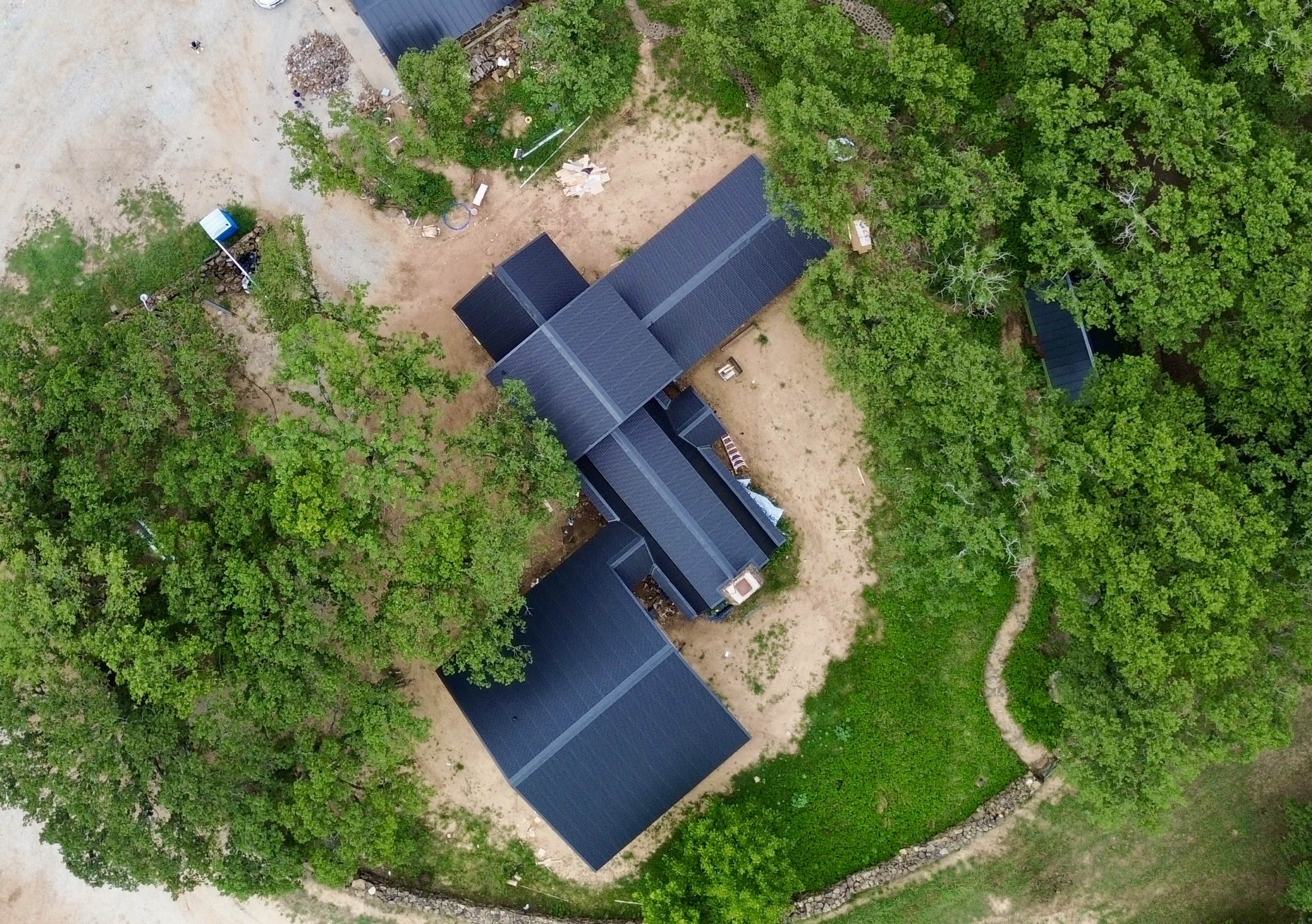
A roof replacement does more than protect a home from the weather. It also strengthens the property’s position in the real estate market by increasing buyer confidence and reducing concerns about future maintenance expenses. While the exact financial return varies according to market conditions and the quality of the installation, a new roof is widely recognized as one of the most valuable structural improvements a homeowner can make.
Many buyers evaluate the roof before considering other home features because they understand that roof replacement is a major expense. A recently installed roof immediately reduces one of the largest financial concerns associated with purchasing a home. This reassurance often makes the property more attractive than similar homes with aging roofing systems.
A new roof also contributes to stronger curb appeal. Modern roofing materials provide a clean, well maintained appearance that improves the home’s exterior presentation. First impressions play an important role during property viewings, and an attractive roof helps create a positive perception before buyers even enter the home.
Home inspections frequently influence real estate negotiations. Roofing problems identified during inspections often result in repair requests, price reductions, or delayed transactions. A new roof minimizes these concerns while allowing negotiations to focus on other aspects of the property.
Property appraisers also consider the condition of major structural components when evaluating overall home value. Although a new roof does not always increase value by the full replacement cost, it supports the property’s overall condition and marketability. Buyers generally place greater value on homes requiring fewer immediate repairs.
For homeowners planning to sell within the next several years, roof replacement may also reduce the time required to attract qualified buyers. Homes with updated roofing systems often appeal to a broader range of purchasers because they represent a lower maintenance investment after closing.
Even homeowners who are not planning an immediate sale benefit from preserving resale value. Maintaining the roof protects the home’s long term financial position while ensuring the property remains competitive whenever it eventually enters the market.
Insurance and Financial Benefits of a New Roof
Replacing an aging roof may provide financial advantages beyond maintenance savings and property value. Insurance considerations, warranty protection, and reduced financial risk all contribute to the long term return associated with installing a modern roofing system.
Insurance companies generally recognize that newer roofs present less risk than older roofing systems. Modern roofing materials often perform better during severe weather while reducing the likelihood of claims resulting from preventable deterioration. Although every insurer uses different underwriting standards, maintaining a newer roof supports stronger overall property protection.
Manufacturer warranties also represent an important financial benefit. New roofing systems frequently include warranties covering roofing materials for many years, while professional contractors often provide separate workmanship warranties. Together, these protections reduce the homeowner’s financial responsibility if covered defects or installation issues arise.
Unexpected repair costs also become less likely after roof replacement. Instead of preparing for repeated service calls related to leaks, damaged flashing, or deteriorating shingles, homeowners generally focus on routine inspections and preventive maintenance. This predictability improves long term household budgeting.
A dependable roofing system also protects other valuable home components from water damage. Preventing moisture intrusion reduces the likelihood of costly repairs involving insulation, drywall, flooring, ceilings, and electrical systems. These avoided expenses contribute significantly to the financial value of roof replacement.
Another important benefit is greater confidence during severe weather. Homeowners with recently installed roofs often experience fewer concerns about leaks, storm damage, or emergency repairs during heavy rain, snow, or high winds. While peace of mind cannot be measured financially, it supports better long term property management.
Financial stability improves because homeowners are less likely to face unexpected structural emergencies requiring immediate funding. Planned roof replacement allows expenses to be budgeted carefully instead of reacting to sudden failures that create greater overall costs.
These combined insurance and financial benefits reinforce the idea that roof replacement provides value extending far beyond the roofing materials themselves.
Comparing Long Term Costs of Repair Versus Replacement
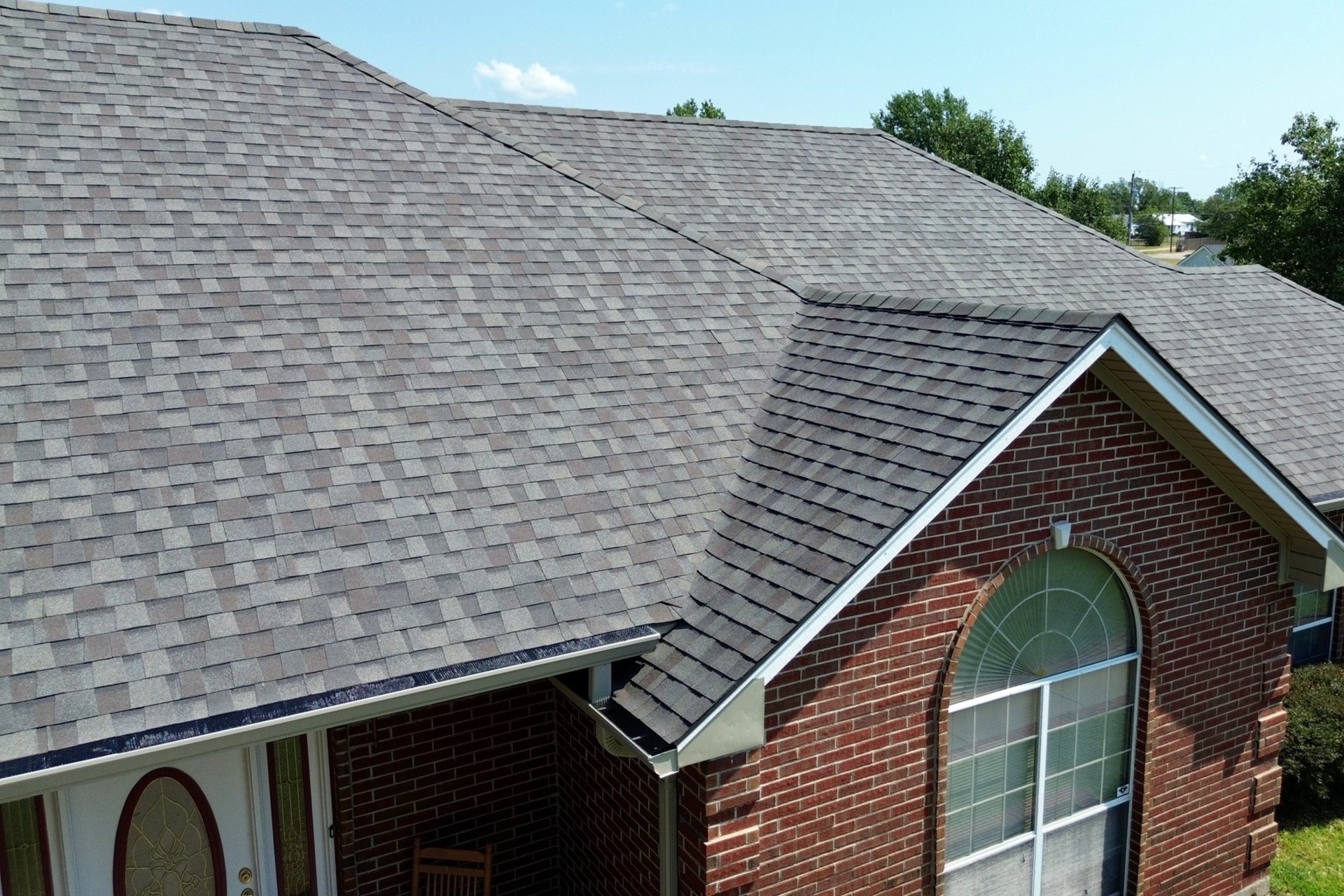
Homeowners often struggle with the decision between continuing roof repairs and investing in a complete replacement. While repairs may appear less expensive initially, repeated maintenance over many years frequently exceeds the cost of installing a new roofing system. Comparing long term ownership costs provides a clearer understanding of which option delivers greater financial value.
The following table highlights key differences between ongoing repairs and complete roof replacement.
| Financial Factor | Continuing Roof Repairs | Full Roof Replacement |
|---|---|---|
| Initial Expense | Lower | Higher |
| Long Term Repair Costs | Often increase over time | Generally much lower during early years |
| Leak Risk | Continues increasing as roof ages | Significantly reduced |
| Energy Efficiency | Limited improvement | Improved with modern roofing systems |
| Property Value | May gradually decline | Often strengthened |
| Maintenance Predictability | Uncertain and recurring | More predictable routine maintenance |
| Structural Protection | Declines as roof ages | Restored with new roofing system |
| Expected Service Life | Limited by existing roof condition | Full lifespan of new roofing materials |
This comparison demonstrates why initial cost alone should not determine roofing decisions. While repairs remain appropriate for isolated damage on otherwise healthy roofs, repeated maintenance often becomes less economical once the roofing system approaches the end of its useful life.
Evaluating costs across the entire lifespan of the roof allows homeowners to recognize replacement as a long term financial investment rather than simply a larger immediate expense.
Return on Investment Beyond Immediate Financial Gains
Financial returns from roof replacement extend well beyond reduced repair bills or increased resale value. Many of the greatest benefits develop gradually over time as the roofing system continues protecting the home and reducing future financial risks. Considering these broader advantages provides a more complete understanding of the investment.
One important benefit is improved household budgeting. A new roof significantly reduces the likelihood of unexpected emergency repairs, allowing homeowners to plan future expenses more confidently. Predictable maintenance schedules create greater financial stability than responding repeatedly to unplanned roof failures.
Comfort also contributes indirectly to financial value. Better insulation support, improved ventilation, and reduced air leakage create more consistent indoor temperatures throughout the year. Comfortable living conditions increase homeowner satisfaction while reducing strain on heating and cooling equipment.
Protecting personal belongings represents another valuable return. Water damage caused by roof leaks can affect furniture, electronics, flooring, clothing, family photographs, and other possessions. Preventing these losses avoids replacement costs that may not always be fully covered by insurance.
Modern roofing systems also support healthier indoor environments. Preventing moisture intrusion reduces the likelihood of mold growth within attic spaces and wall cavities. Avoiding mold remediation protects both the home and future household expenses.
Reduced disruption should also be considered. Frequent roof repairs often require scheduling contractors repeatedly, rearranging household routines, and responding to emergency weather situations. A new roof minimizes these interruptions while allowing homeowners to focus on other priorities.
The emotional value of confidence in the home’s condition also deserves recognition. Knowing the roof is prepared to withstand changing weather provides reassurance that cannot easily be assigned a monetary figure but contributes meaningfully to overall quality of life.
These long term advantages demonstrate that roof replacement delivers value in many different forms. Financial returns include both measurable savings and the avoidance of future risks that could otherwise become much more expensive.
Calculating the Lifetime Value of Roof Replacement
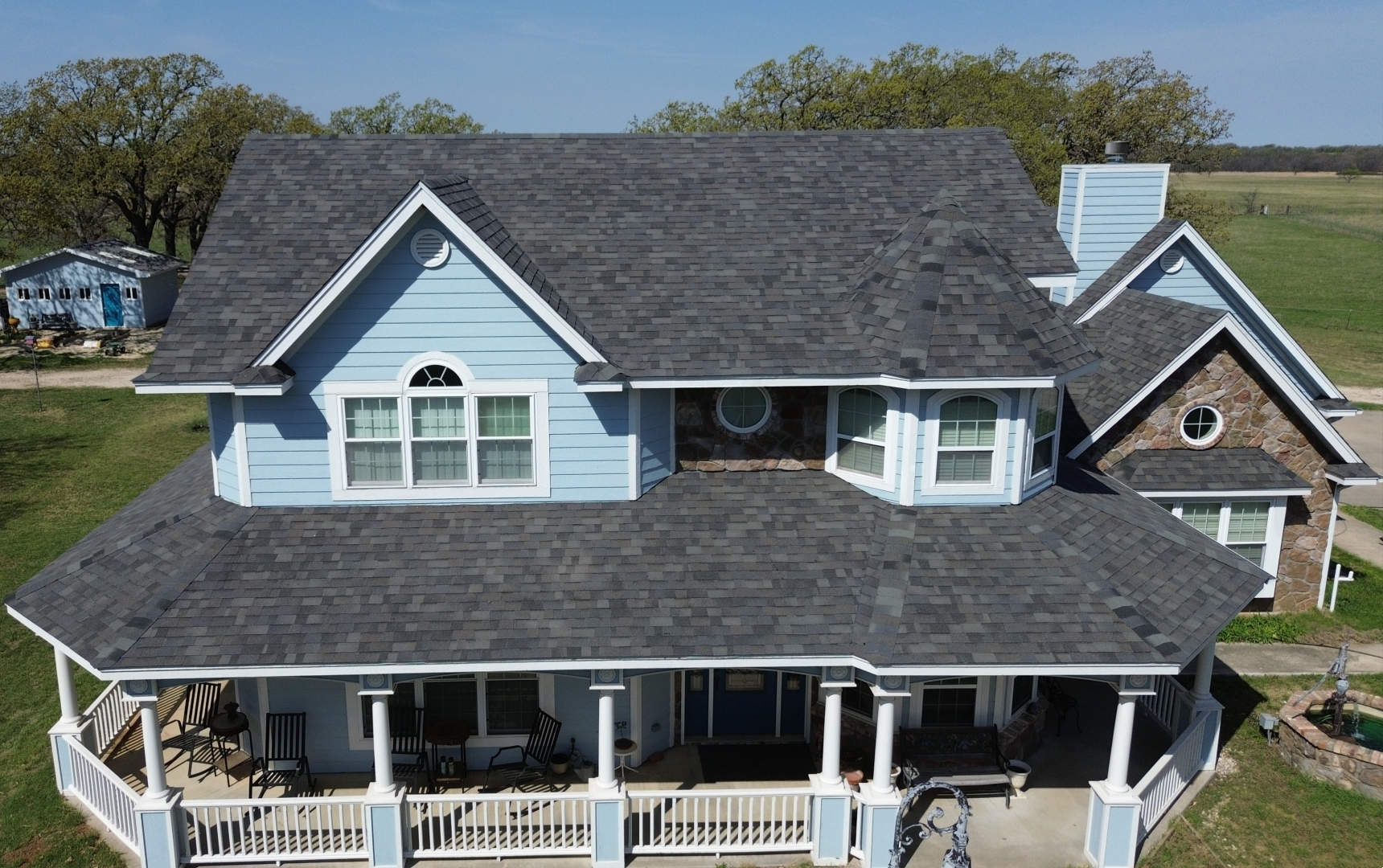
Evaluating roof replacement as an investment requires looking beyond the installation invoice. The lifetime value of a roofing system is determined by balancing its initial cost against the financial benefits it provides throughout many years of service. This broader perspective helps homeowners make better long term decisions.
The first element to consider is the roof’s expected lifespan. Different roofing materials remain effective for different lengths of time, making service life an important factor when comparing value. A roofing system lasting several decades spreads its installation cost across many years of dependable protection.
Maintenance costs should also be included in lifetime calculations. Routine inspections, gutter cleaning, and occasional preventive repairs generally cost far less than repeated emergency service calls associated with aging roofs. Lower maintenance expenses improve the roof’s overall financial performance.
Energy savings contribute additional long term value. Reduced heating and cooling costs accumulate gradually over many years, helping offset part of the original investment. Homes located in climates with significant seasonal temperature changes often experience the greatest efficiency benefits.
Avoided structural repairs represent another important financial consideration. Preventing water damage to insulation, framing, ceilings, flooring, and electrical systems eliminates expenses that could otherwise exceed the cost of early roof replacement. These avoided costs form a major portion of the roof’s financial return.
Property value should also be included when evaluating lifetime benefits. Although market conditions vary, maintaining a modern roof generally supports stronger resale potential while improving buyer confidence. These advantages may influence both selling price and marketability.
Insurance considerations further contribute to long term value. Strong warranties, dependable roofing performance, and reduced likelihood of preventable claims help protect homeowners from unexpected financial obligations throughout the roof’s service life.
When all these factors are considered together, the financial value of roof replacement becomes much clearer. Looking only at installation cost overlooks many of the savings and protections that continue benefiting homeowners year after year.
Questions Homeowners Should Ask Before Investing in a New Roof
Before committing to a roof replacement, homeowners should evaluate both the immediate project and the long term financial benefits. Asking thoughtful questions encourages informed decision making while ensuring the investment aligns with future goals.
Consider asking these questions before proceeding with roof replacement:
- How much am I currently spending on recurring roof repairs and maintenance?
- Which roofing material offers the best balance between cost, durability, and expected lifespan?
- How will a new roof affect my home’s resale value and long term marketability?
- Will improved energy efficiency help reduce my future utility expenses?
- What warranty protection is available for both materials and workmanship?
- Am I replacing the roof before structural damage creates much larger repair costs?
These questions encourage homeowners to evaluate roof replacement from a financial perspective rather than focusing solely on installation expenses. A thoughtful assessment often demonstrates that early replacement provides stronger long term value than continuing short term repairs.
Choosing Roofing Materials for Maximum Long Term Value
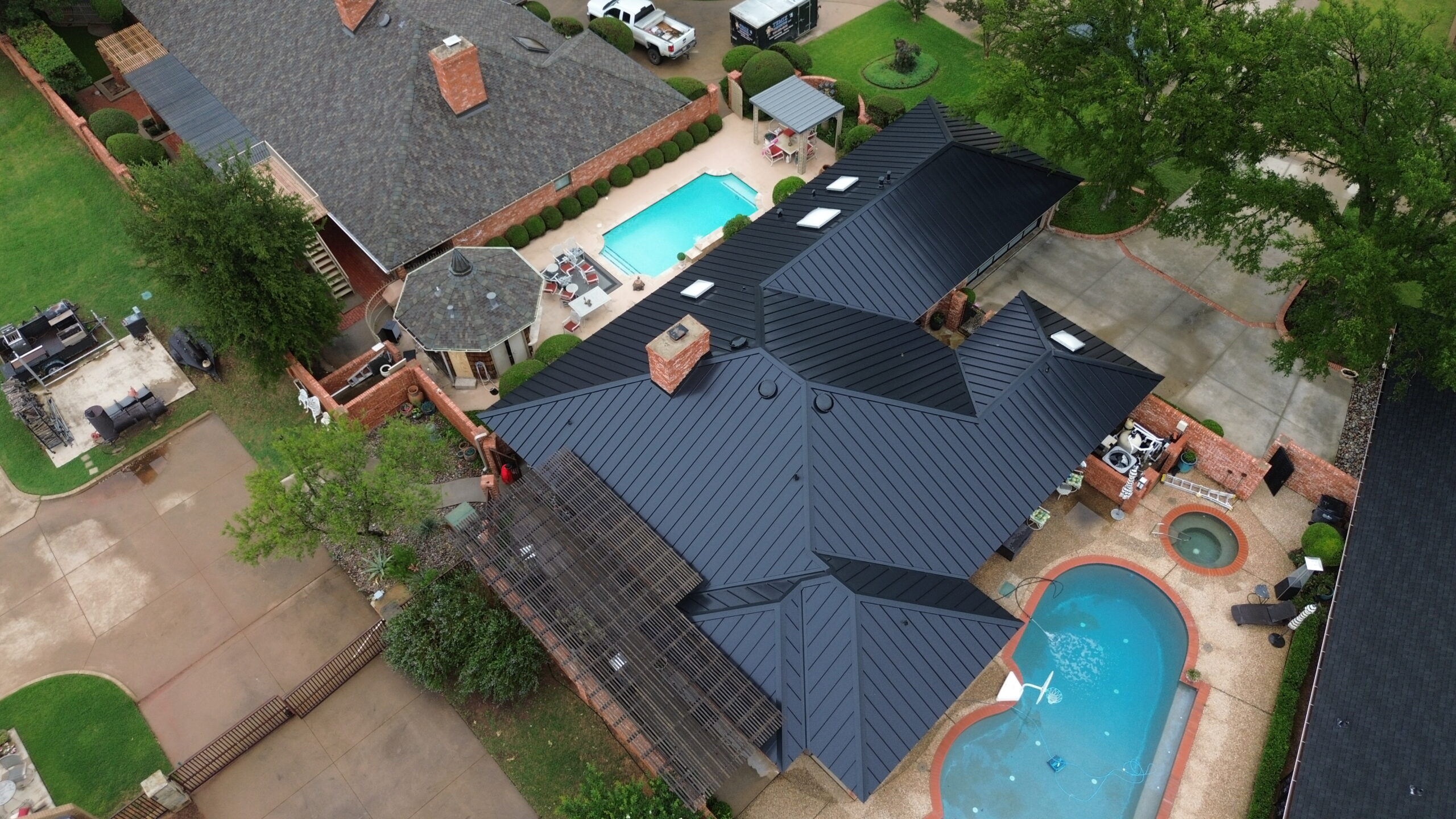
Selecting the right roofing material is one of the most important decisions homeowners make during a roof replacement project. While initial cost often influences the decision, the material’s durability, maintenance requirements, energy efficiency, and expected lifespan determine its true financial value over time. Choosing wisely helps maximize the return on the roofing investment for many years.
Asphalt shingles remain one of the most popular choices because they provide dependable protection at a relatively affordable installation cost. High quality architectural shingles offer improved durability and weather resistance while extending service life compared to basic three tab products. For many homeowners, they provide an excellent balance between cost and long term performance.
Metal roofing requires a larger initial investment but offers exceptional longevity and low maintenance requirements. Many metal roofing systems remain in excellent condition for several decades while resisting wind, moisture, and fire effectively. Homeowners planning long term ownership often find the extended lifespan justifies the higher installation cost.
Clay tile, concrete tile, and slate represent premium roofing materials known for remarkable durability and distinctive appearance. Although installation costs are considerably higher, these materials often remain functional for generations when properly installed and maintained. Their exceptional lifespan spreads the investment across many decades.
Synthetic roofing materials have also become increasingly attractive because they combine the appearance of natural products with reduced weight and lower maintenance needs. Many synthetic systems provide strong weather resistance while avoiding some of the structural requirements associated with heavier materials.
Climate should always influence material selection. Roofing products designed to perform well under local weather conditions generally require fewer repairs and provide longer service life. Matching roofing materials to regional environmental challenges improves long term financial performance.
Rather than choosing the least expensive material available, homeowners should evaluate expected ownership costs over the roof’s entire lifespan. The roofing system providing the greatest overall value is often not the one with the lowest installation price.
Common Financial Mistakes Homeowners Should Avoid
Roof replacement creates lasting financial value when planned carefully, but certain mistakes can reduce the return on investment or increase long term ownership costs. Understanding these common errors helps homeowners make more informed decisions while protecting both their property and their finances.
The following mistakes are among the most common.
- Delaying roof replacement until structural damage significantly increases repair costs.
- Choosing roofing materials based only on initial price rather than long term performance.
- Hiring contractors without verifying experience, licensing, insurance, or workmanship quality.
- Ignoring routine roof maintenance after replacement.
- Comparing roofing estimates only by total price instead of evaluating materials and warranties.
- Overlooking energy efficiency and long term ownership costs during material selection.
Each of these mistakes may reduce the financial benefits that a new roof can provide. Careful planning and informed decision making help homeowners maximize both short term satisfaction and long term value.
A roof replacement should strengthen the home’s financial position rather than create avoidable expenses. Avoiding common mistakes allows the investment to perform as intended throughout its full service life.
Building a Long Term Roof Maintenance Strategy
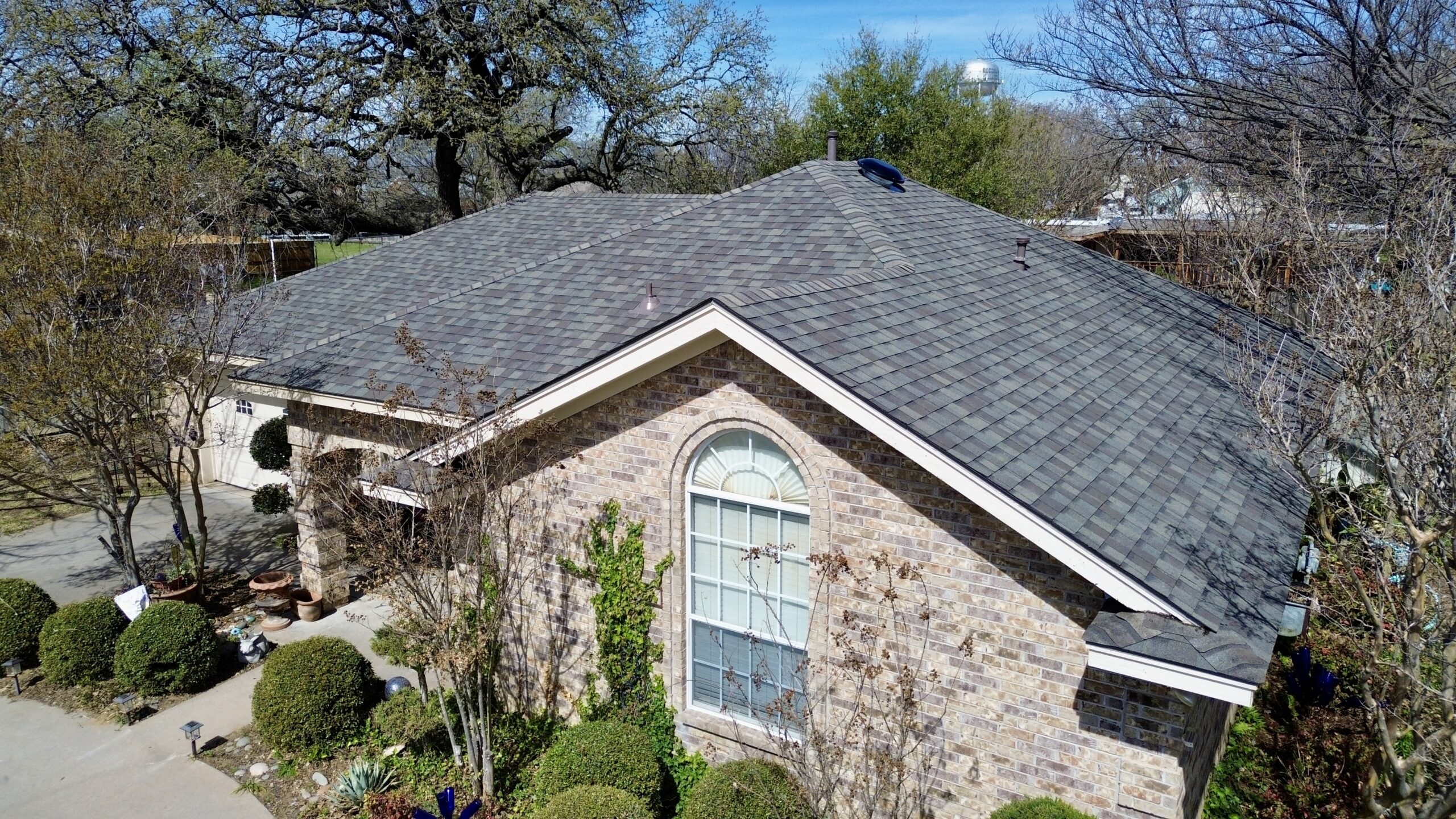
Installing a new roof is only the beginning of protecting the investment. Consistent maintenance throughout the roof’s lifespan preserves its condition, extends its service life, and helps homeowners receive the greatest possible financial return. A structured maintenance plan also reduces the likelihood of expensive repairs developing unexpectedly.
Regular roof inspections should be scheduled at least once each year and after significant storms. Professional evaluations identify damaged shingles, flashing issues, drainage problems, and early signs of wear before they become major structural concerns. Early intervention generally costs far less than extensive repairs.
Gutter maintenance remains equally important. Keeping gutters and downspouts free of leaves, branches, and debris allows rainwater to drain efficiently away from the roof. Proper drainage reduces moisture accumulation that can damage roofing materials, fascia boards, and roof decking over time.
Tree maintenance also protects roofing systems. Trimming branches that extend above the roof reduces the risk of impact damage during storms while limiting debris buildup. Better airflow around the roof also helps roofing materials dry more effectively after rainfall.
Minor repairs should never be postponed. Replacing damaged shingles, resealing flashing, or correcting isolated leaks immediately prevents moisture from reaching structural components beneath the roofing surface. Addressing small issues early helps preserve the roof’s overall condition.
Attic ventilation should also be monitored periodically. Proper airflow reduces excess heat during summer while minimizing moisture accumulation during colder seasons. Balanced ventilation supports both roofing materials and insulation performance throughout the year.
Maintaining organized records completes the maintenance strategy. Inspection reports, repair invoices, warranty information, and photographs create a valuable history of roof care. These records simplify warranty claims, insurance questions, and future property transactions while demonstrating responsible ownership.
A consistent maintenance strategy protects the financial investment made during roof replacement by extending roof life and minimizing avoidable repair expenses.
Planning Roof Replacement as Part of Overall Home Investment
Roof replacement should not be viewed as an isolated home improvement project. Instead, it fits within a broader strategy of protecting and increasing the value of the entire property. Considering the roof alongside other major home systems allows homeowners to make more balanced long term financial decisions.
The roof protects every major structural component beneath it. Walls, ceilings, insulation, flooring, electrical systems, plumbing, and interior finishes all depend on effective weather protection. Investing in a dependable roof safeguards previous investments made throughout the home.
Homeowners planning future renovations should coordinate roof replacement whenever possible. Projects involving solar panels, attic insulation upgrades, skylights, or exterior remodeling often become more efficient when completed alongside a new roof. Coordinating improvements may reduce future labor costs while minimizing disruption.
Long term budgeting also benefits from planned roof replacement. Replacing the roof before emergency conditions develop allows homeowners to save gradually, compare contractor proposals carefully, and schedule installation during favorable weather. Planned investments generally create better financial outcomes than emergency decisions.
Roof replacement also supports broader property maintenance goals. Homes receiving consistent preventive care often maintain stronger market value while avoiding the financial burden associated with deferred maintenance. The roof becomes a central component of this long term preservation strategy.
Financial planning should also include future maintenance after replacement. Setting aside modest annual funds for inspections, gutter cleaning, and preventive repairs protects the roofing investment while reducing the likelihood of unexpected expenses. Predictable maintenance costs are much easier to manage than emergency structural repairs.
Viewing roof replacement within the context of total home ownership encourages better decision making. Every dollar invested in protecting the roof contributes to preserving the value of the entire property for years to come.
Why Quality Installation Increases Financial Returns
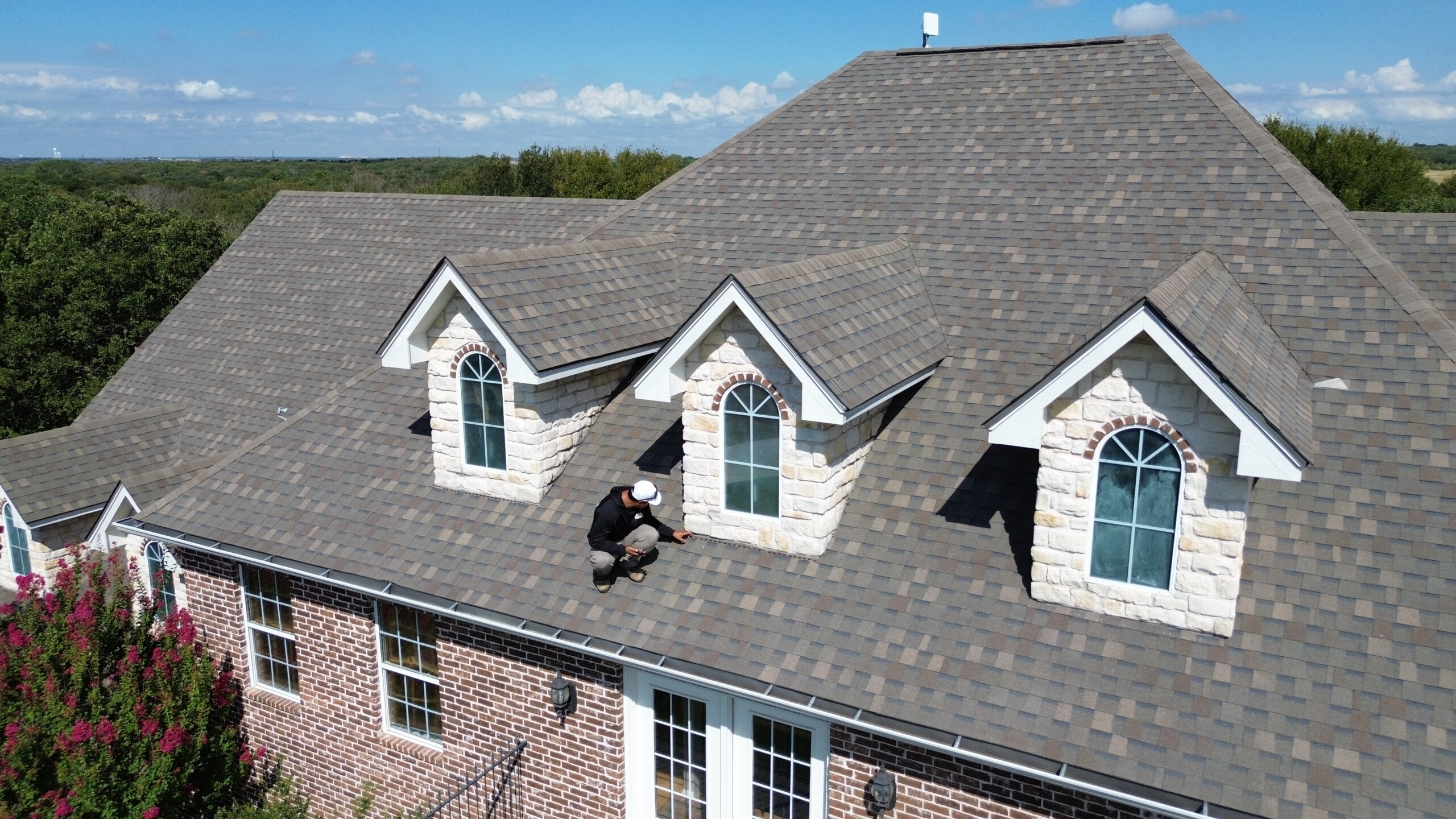
Even the highest quality roofing materials cannot deliver their full lifespan if installation is poor. Professional workmanship plays a critical role in determining how well the roof performs, how much maintenance it requires, and how much financial value homeowners ultimately receive from their investment. Quality installation protects both the roofing materials and the long term return on the project.
Experienced roofing contractors follow manufacturer installation guidelines carefully. Proper placement of underlayment, flashing, fasteners, ventilation systems, and roofing materials ensures the roof functions as an integrated weather resistant system. Correct installation also helps preserve manufacturer warranty protection.
Flashing installation deserves particular attention because roof penetrations represent some of the most vulnerable areas for future leaks. Chimneys, skylights, roof vents, valleys, and wall intersections all require precision workmanship to prevent moisture intrusion. Well installed flashing significantly reduces long term repair costs.
Roof ventilation also influences financial returns. Balanced intake and exhaust ventilation regulate attic temperatures while minimizing moisture buildup that could damage insulation, roof decking, and structural framing. Proper ventilation extends roof life while improving energy efficiency throughout the home.
Quality installation reduces the likelihood of premature repairs. Loose shingles, improperly sealed flashing, inadequate fastening, or poor drainage often lead to recurring service calls that increase ownership costs. Investing in skilled workmanship minimizes these risks while improving long term reliability.
Professional cleanup and final inspection also contribute to overall project quality. Thorough removal of debris, careful inspection of completed work, and verification that every roofing component meets installation standards provide additional confidence in the finished roofing system.
Choosing a qualified roofing contractor should therefore be viewed as part of the investment itself rather than simply another project expense. High quality workmanship allows roofing materials to perform according to their full design potential while maximizing the financial return over the roof’s entire service life.
Conclusion
Roof replacement is far more than a necessary home repair. It is a long term financial investment that protects the structure, preserves property value, reduces maintenance costs, improves energy efficiency, and helps homeowners avoid much larger expenses in the future. Although the initial installation requires a significant financial commitment, the benefits continue accumulating throughout the life of the roofing system.
Throughout this guide, we have explored how roof replacement creates lasting financial value by preventing structural damage, lowering repair expenses, improving resale potential, increasing energy efficiency, and supporting stronger insurance protection. We also compared the long term costs of continued repairs versus complete replacement, examined the importance of selecting suitable roofing materials, and discussed how proper maintenance and professional installation maximize investment returns.
One of the most important lessons is that roof replacement should always be evaluated over its entire lifespan rather than by installation cost alone. Maintenance savings, reduced emergency repairs, lower utility bills, improved property value, and enhanced structural protection all contribute to the roof’s overall financial performance. When these benefits are considered together, a quality roofing system often proves to be one of the most valuable improvements a homeowner can make.
Planning also plays a major role in achieving the greatest return. Choosing durable materials, working with experienced contractors, maintaining the roof consistently, and replacing aging roofing systems before widespread deterioration develops all strengthen the long term financial outcome. Preventive decisions almost always cost less than responding to major structural failures after they occur.
A home is one of the largest financial investments most people will ever make, and the roof is its first line of defense against weather and environmental damage. By viewing roof replacement as a strategic long term investment rather than simply an unavoidable expense, homeowners can protect their property’s value, improve financial stability, reduce future maintenance costs, and enjoy dependable roofing performance for decades to come.