
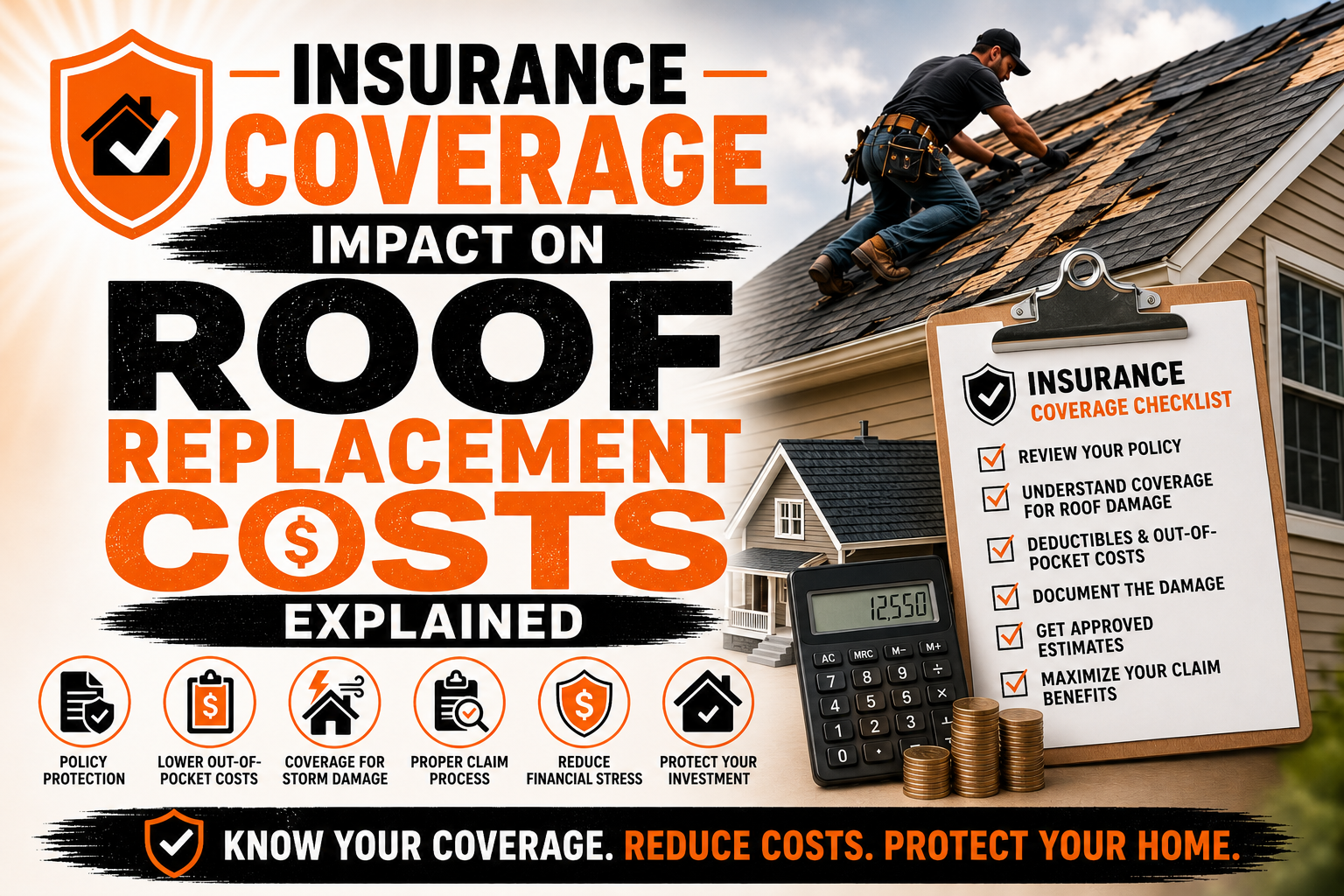
Insurance Coverage Impact on Roof Replacement Costs Explained
Introduction
Replacing a roof is one of the most expensive home improvement projects many homeowners will ever face. When severe weather or unexpected damage occurs, homeowners often look to their insurance policy to help reduce the financial burden. However, many people are surprised to learn that insurance does not automatically pay for every roof replacement. Coverage depends on several factors, including the cause of the damage, the age and condition of the roof, the type of insurance policy, and the terms outlined in the homeowner’s contract.
Understanding how insurance affects roof replacement costs is essential before filing a claim. Some policies cover the full cost of replacing a damaged roof, while others only reimburse a portion of the expense based on depreciation. In certain situations, insurance may deny coverage entirely if the damage resulted from neglect, poor maintenance, or normal aging rather than a covered event.
Insurance also influences how homeowners plan financially for roof replacement. Knowing what is likely to be covered allows homeowners to prepare for deductibles, out of pocket expenses, and any improvements that fall outside policy limits. Careful planning helps reduce unexpected costs while making the claims process less stressful.
Roof replacement claims often involve multiple parties, including homeowners, insurance adjusters, roofing contractors, and sometimes independent inspectors. Each plays an important role in evaluating damage, determining coverage, and estimating repair or replacement costs. Understanding how these professionals work together helps homeowners navigate the process more confidently.
Insurance policies also continue evolving as roofing materials, weather risks, and construction costs change. Some insurers offer enhanced coverage options for newer roofs, while others adjust reimbursement methods based on roof age. Reviewing policy details before damage occurs allows homeowners to make informed decisions about future protection.
In this guide, we will explain how homeowners insurance influences roof replacement costs, explore the different types of roof coverage available, discuss how roof age affects insurance decisions, and examine the common reasons roof replacement claims are approved or denied.
How Homeowners Insurance Affects Roof Replacement Costs
Homeowners insurance is designed to protect against sudden and unexpected damage rather than the natural aging of a roof. When a covered event occurs, insurance may pay part or all of the replacement cost depending on the policy terms and the extent of the damage. Understanding these distinctions helps homeowners develop realistic expectations before filing a claim.
Insurance companies evaluate roof damage by determining what caused the problem. Damage resulting from hail, windstorms, falling trees, fire, or certain other covered events may qualify for reimbursement if the policy includes protection against those specific risks. Damage caused by gradual deterioration or lack of maintenance is generally handled differently.
The type of insurance policy also influences the amount homeowners receive. Some policies reimburse the cost of installing a comparable new roof, while others subtract depreciation before calculating the payment. These differences significantly affect the homeowner’s financial responsibility during replacement.
Insurance coverage also depends on policy limits. Even when roof replacement qualifies under the policy, payment may be limited by maximum coverage amounts or subject to deductibles that remain the homeowner’s responsibility. Reviewing these limits before damage occurs helps homeowners prepare financially.
Roof condition prior to the damage often becomes part of the evaluation process. Insurers may examine maintenance records, previous repairs, inspection reports, and photographs to determine whether the roof was reasonably maintained before the covered event occurred. Proper maintenance strengthens the homeowner’s position during claim evaluations.
Insurance companies also consider whether replacement or repair represents the appropriate solution. If only a small section of the roof has been damaged and matching materials remain available, partial repairs may be approved instead of complete replacement. More extensive damage often results in broader coverage recommendations.
Understanding how insurance evaluates roofing claims helps homeowners appreciate why two similar looking roofs may receive different claim outcomes. Coverage decisions depend on policy language, documented damage, roof condition, and the circumstances surrounding the loss rather than roof appearance alone.
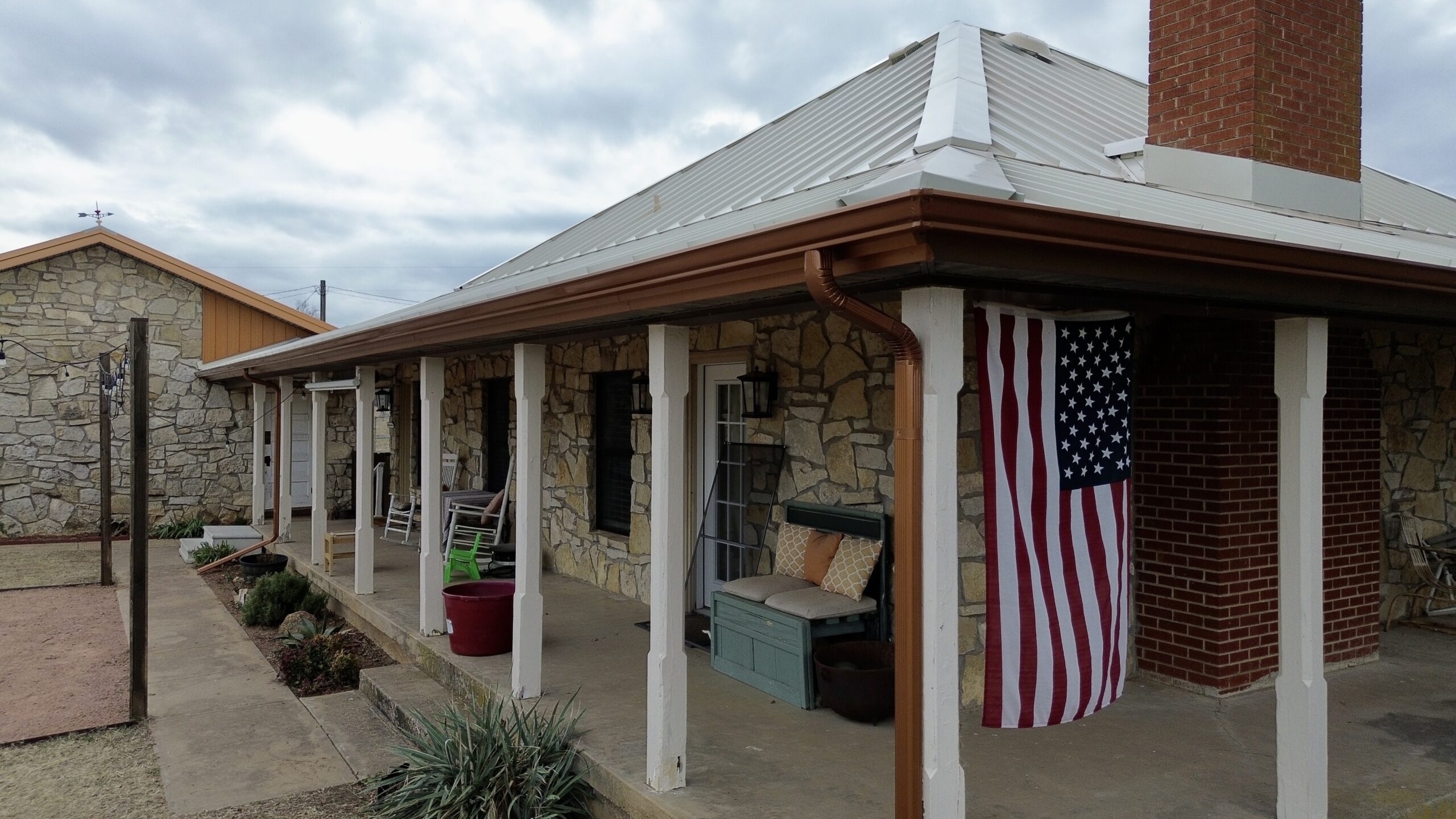
Understanding What Roof Insurance Typically Covers
Most homeowners insurance policies provide coverage for roof damage caused by specific unexpected events identified within the policy. These covered events are often referred to as covered perils because they represent risks the insurer has agreed to insure against. Understanding what is typically covered helps homeowners know when filing a claim may be appropriate.
Wind damage is among the most common reasons homeowners file roof insurance claims. Strong winds may lift shingles, damage flashing, or expose the roof to water intrusion. If the damage results directly from a covered wind event, insurance often contributes toward repair or replacement according to the policy terms.
Hail damage also qualifies under many insurance policies. Even relatively small hailstones can crack shingles, dislodge protective granules, or damage metal roofing components. Because hail damage sometimes remains difficult to identify from the ground, professional inspections often play an important role during claim evaluations.
Fire related roof damage is generally covered as well. Whether the fire originates inside the home or results from an external event, insurance policies commonly provide protection for structural damage caused by fire and the efforts required to extinguish it.
Falling objects may also create covered roof damage. Trees, large branches, or other debris striking the roof during storms frequently qualify under homeowners insurance if the event meets policy requirements. Damage caused by the impact itself and resulting structural problems may both be included.
Some policies provide protection against certain forms of water damage when the roof is damaged by a covered event first. For example, rain entering through storm created openings may qualify differently than water entering because of long term roof deterioration. The sequence of events often influences claim decisions.
Additional structures attached to the roof, such as skylights or vents, may also receive coverage if they are damaged by a covered peril. However, the specific policy language determines exactly how these components are treated during claim settlement.
Reading the policy carefully remains essential because coverage details differ between insurers. While many policies protect against similar categories of sudden damage, exact definitions, exclusions, and reimbursement methods vary considerably.
Replacement Cost Value Versus Actual Cash Value Policies
One of the most important concepts homeowners should understand before filing a roof insurance claim is the difference between Replacement Cost Value and Actual Cash Value coverage. Although these terms sound similar, they determine how insurance companies calculate reimbursement and significantly influence out of pocket expenses.
Replacement Cost Value, commonly called RCV, generally provides payment based on the cost of replacing the damaged roof with comparable new materials, subject to the policy terms and deductible. Depreciation may initially be withheld but is often recoverable after replacement has been completed and documented according to policy requirements.
Actual Cash Value, often abbreviated ACV, calculates reimbursement differently. Instead of paying the cost of a comparable new roof, the insurer subtracts depreciation based on the roof’s age, condition, and expected remaining lifespan. The older the roof, the greater the depreciation may become.
This difference can substantially affect homeowner expenses. Two homeowners experiencing similar storm damage may receive different insurance payments simply because their policies use different reimbursement methods. Understanding the policy before damage occurs allows homeowners to prepare more effectively.
Roof age often becomes especially important under Actual Cash Value policies. Older roofs generally experience greater depreciation, reducing the amount reimbursed by the insurer. Homeowners remain responsible for paying the difference between the insurance payment and the actual replacement cost.
Replacement Cost Value policies often involve additional documentation requirements. Homeowners may need to complete the roof replacement within specified time limits and submit invoices before receiving the remaining depreciation payment. Following these procedures carefully helps ensure maximum policy benefits.
Premium costs may also differ between these policy types. Replacement Cost Value coverage generally involves higher insurance premiums because it offers greater financial protection when significant damage occurs. Homeowners should weigh this additional cost against the potential savings during future claims.
Understanding whether a policy provides Replacement Cost Value or Actual Cash Value coverage represents one of the most important steps in evaluating insurance protection for roof replacement. This distinction influences nearly every financial aspect of the claims process.
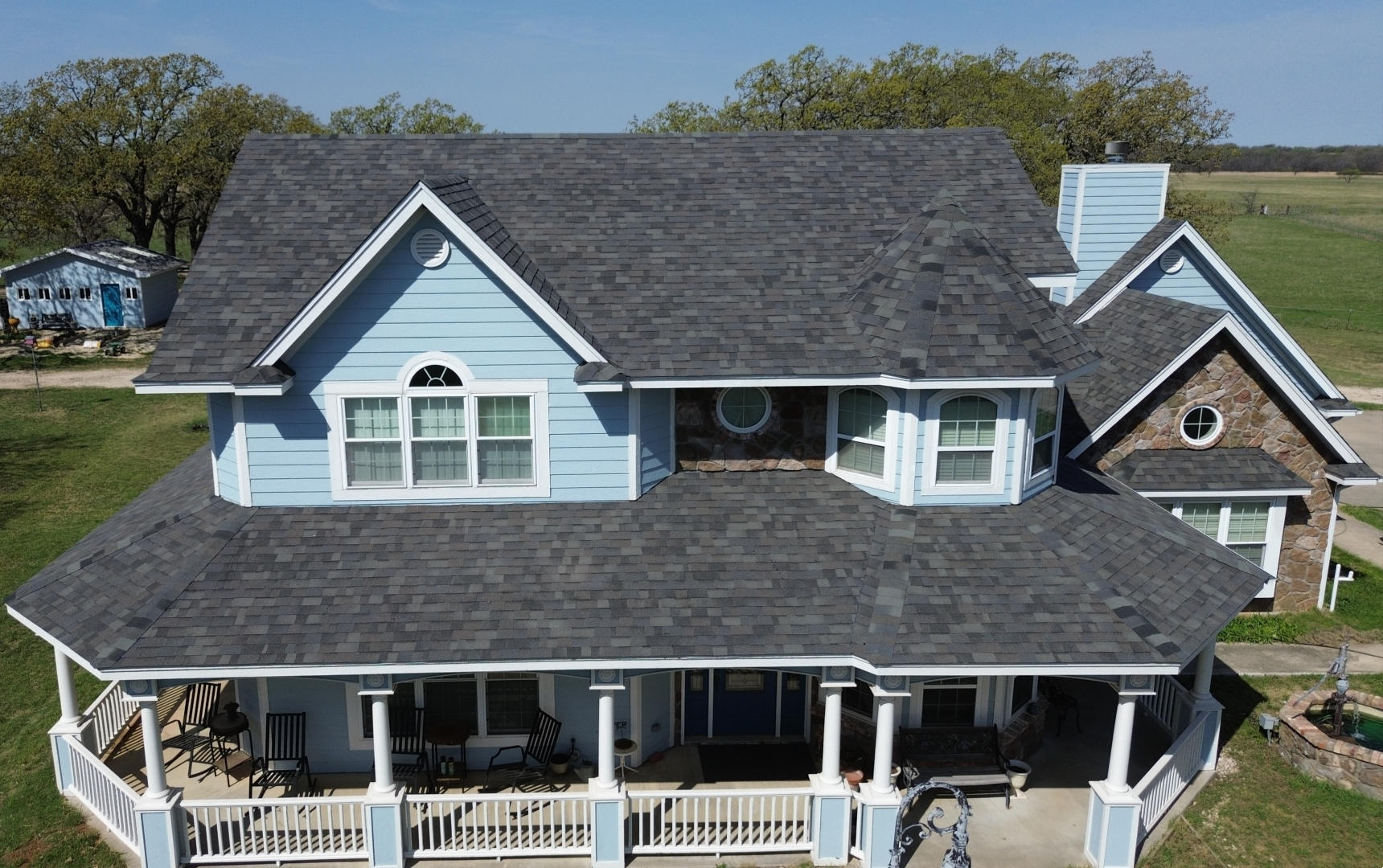
How Roof Age Influences Insurance Coverage
Roof age plays a major role in many insurance decisions because it influences both the likelihood of future claims and the expected remaining lifespan of the roofing system. As roofs grow older, insurance companies often adjust coverage terms, reimbursement methods, or underwriting requirements to reflect increasing risk.
Many insurers view newer roofs more favorably because they generally perform better during severe weather and require fewer repairs. Recently installed roofing systems built with modern materials often receive broader coverage options and more favorable policy terms than significantly older roofs.
As roofs age, insurers may request additional information before renewing or issuing coverage. Professional inspections, maintenance records, or photographs sometimes become necessary to verify the roof’s current condition. Demonstrating consistent maintenance helps reassure insurers that the roof remains reasonably well cared for.
Some insurance companies modify coverage after roofs reach certain age thresholds. Depending on company policies, older roofs may receive Actual Cash Value reimbursement instead of Replacement Cost Value or become subject to additional underwriting requirements. These practices vary between insurers and policy types.
Roof condition often matters as much as chronological age. A well maintained older roof may receive more favorable treatment than a newer roof showing signs of neglect. Routine inspections, prompt repairs, and documented maintenance demonstrate responsible ownership that may support future insurance claims.
Homeowners planning to replace an aging roof should also consider how the new installation may affect future insurance coverage. Installing impact resistant materials or upgraded roofing systems sometimes improves eligibility for certain policy options depending on insurer guidelines. Although benefits differ among insurance companies, roof improvements may positively influence future underwriting decisions.
Understanding how roof age affects insurance helps homeowners plan proactively. Replacing an aging roof before severe deterioration develops may improve future coverage opportunities while reducing the likelihood of claim disputes related to maintenance or depreciation.
Common Reasons Insurance Claims Are Approved or Denied
Insurance companies evaluate roof replacement claims by reviewing the cause of the damage, the condition of the roof, and the specific language contained within the homeowner’s policy. While every claim receives individual consideration, certain factors commonly influence whether coverage is approved or denied.
Claims are frequently approved when sudden covered events clearly damage the roof. Storms producing high winds, hail, fire, falling trees, or similar unexpected incidents often meet policy requirements provided the homeowner maintains appropriate insurance coverage and submits the claim according to policy procedures.
Documentation also strengthens claim approval. Photographs taken immediately after the damage, professional roofing inspections, weather reports, maintenance records, and repair history help establish both the cause of the damage and the condition of the roof before the event occurred. Comprehensive documentation supports more efficient claim evaluations.
Insurance companies may deny claims when roof damage results primarily from normal aging or long term deterioration. Roofing materials naturally wear over time, and policies generally distinguish between sudden accidental damage and gradual decline caused by years of environmental exposure.
Neglected maintenance also contributes to claim denials. Missing shingles left unrepaired, persistent leaks, clogged gutters causing water damage, or long ignored structural problems may suggest that proper maintenance was not performed. Insurance policies typically expect homeowners to take reasonable steps to maintain their property.
Claims may also encounter challenges when damage existed before the reported event. If inspections reveal preexisting deterioration unrelated to the claimed storm or accident, insurers may limit or deny reimbursement depending on the circumstances and policy language.
Policy exclusions represent another important factor. Every insurance policy identifies situations that are not covered regardless of the amount of damage involved. Understanding these exclusions before filing a claim helps homeowners avoid unrealistic expectations while preparing for potential out of pocket expenses.
Storm Damage, Hail, Wind, and Other Covered Events
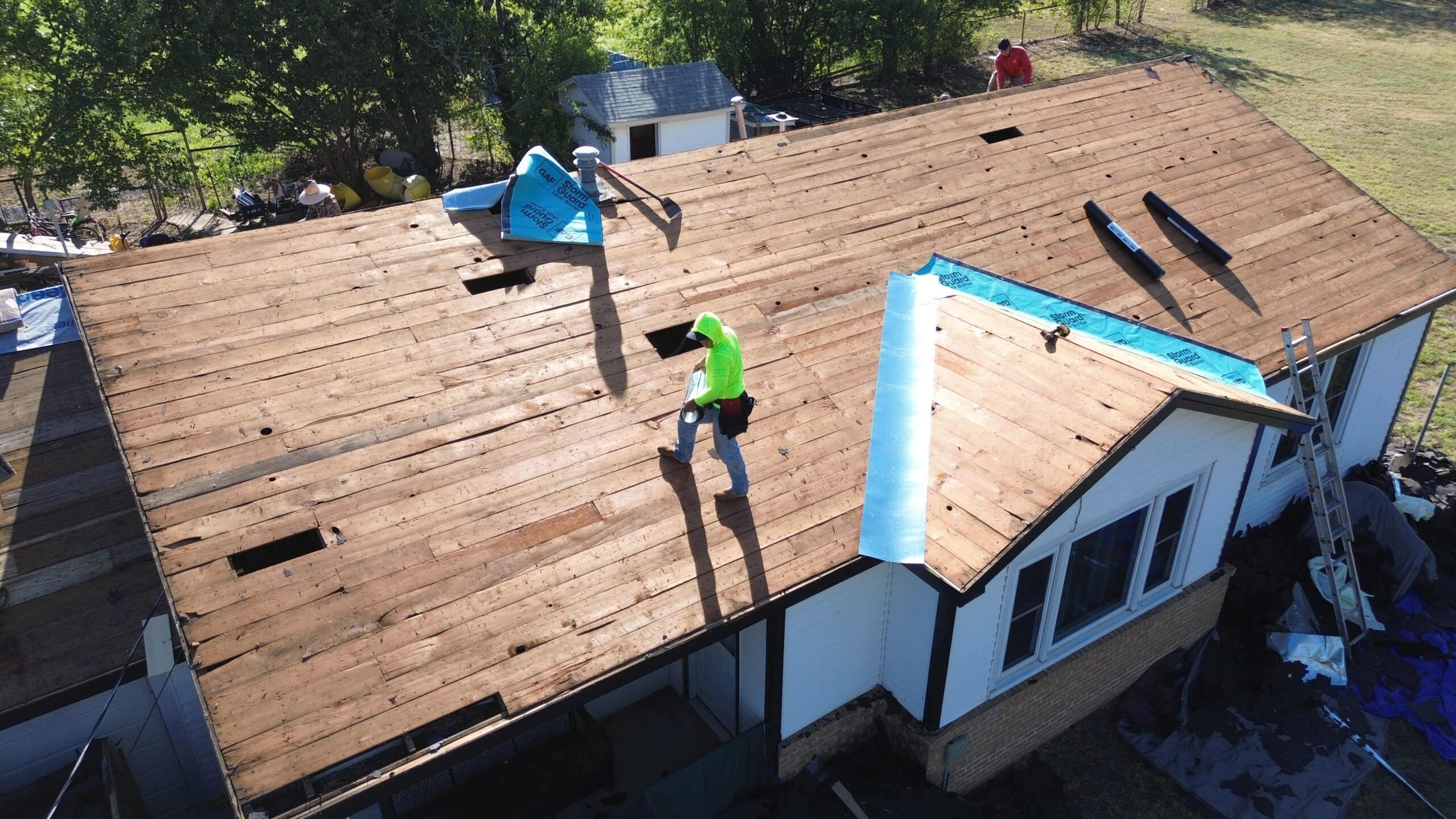
Most roof insurance claims are filed after severe weather damages roofing materials or the roof structure. Homeowners insurance is generally designed to protect against sudden and accidental events rather than gradual deterioration, making storm related damage one of the most common reasons for roof replacement claims. Understanding which weather events are typically covered helps homeowners recognize when filing a claim may be appropriate.
Wind damage is among the leading causes of roof insurance claims. Strong winds can lift shingles, loosen flashing, damage ridge caps, or expose the roof underlayment to moisture. If the damage results directly from a covered windstorm, many insurance policies contribute toward repair or replacement according to the policy terms.
Hail damage is another frequently covered event. Hailstones may crack shingles, dent metal roofing components, remove protective granules, or weaken roofing materials without immediately causing leaks. Because hail damage is not always visible from the ground, professional inspections often become an important part of the claims process.
Falling trees and large branches also create roof damage that commonly qualifies for insurance coverage. Storms, heavy winds, or lightning may cause trees to fall onto a roof, damaging roofing materials and structural components simultaneously. Many policies provide protection for both the impact damage and the resulting repairs if the event is covered.
Fire damage generally receives broad coverage under homeowners insurance. Whether caused by lightning, electrical faults, or another covered source, fire related roof damage usually qualifies for reimbursement according to policy limits. Additional expenses associated with emergency response efforts may also be addressed depending on the policy.
Lightning strikes can damage roofing materials directly or indirectly through resulting fires or structural impacts. Even when visible roof damage appears limited, professional inspections often reveal additional issues requiring repair or replacement. Insurance companies typically evaluate the complete extent of the damage before determining coverage.
Some policies also cover water intrusion when it results directly from a covered event. For example, rain entering through shingles damaged during a windstorm may qualify differently than water entering through an aging roof with long standing maintenance problems. The cause of the opening often determines whether insurance coverage applies.
Although weather related events commonly qualify for insurance protection, every claim depends on the specific policy language and the facts surrounding the damage. Careful documentation following storms strengthens the homeowner’s ability to demonstrate that the damage resulted from a covered event.
Roof Damage That Insurance Usually Does Not Cover
While homeowners insurance provides valuable protection against many sudden events, it does not cover every type of roof damage. Most policies exclude problems resulting from gradual deterioration, neglect, or conditions that homeowners are expected to prevent through regular maintenance. Understanding these limitations helps set realistic expectations before filing a claim.
Normal roof aging represents one of the most common coverage exclusions. Roofing materials naturally wear over time because of exposure to sunlight, temperature changes, rain, wind, and seasonal weather. Insurance generally views this gradual aging as a maintenance issue rather than a covered loss.
Poor maintenance may also result in claim denial. Missing shingles left unrepaired, clogged gutters causing water backup, damaged flashing ignored for extended periods, or recurring leaks that remain unaddressed often indicate preventable deterioration. Insurance companies typically expect homeowners to maintain their roofing systems responsibly.
Improper installation is another potential exclusion. Roofing systems installed incorrectly or using substandard workmanship may fail prematurely even without severe weather. These situations often fall outside standard homeowners insurance because the damage results from installation deficiencies rather than covered events.
Manufacturing defects within roofing materials are also handled differently. If shingles or other roofing products fail because of production defects, responsibility may fall under manufacturer warranties rather than homeowners insurance. Warranty coverage depends on the specific product and warranty terms.
Damage caused by pests or animals frequently receives limited coverage as well. Birds, rodents, insects, and other wildlife can damage roofing materials, but these issues are commonly treated as maintenance responsibilities instead of insured losses.
Flood related roof damage may also require separate insurance depending on the source of the water. Standard homeowners policies generally distinguish between rain entering through storm damage and flooding caused by rising water. Coverage varies according to policy structure and local insurance requirements.
Cosmetic damage sometimes creates additional questions. Certain policies may not cover purely cosmetic dents or surface imperfections if the roof continues performing its intended protective function. Coverage decisions depend on both the policy language and the insurer’s damage assessment.
Understanding what insurance generally excludes helps homeowners focus on preventive maintenance while reducing the likelihood of unexpected claim denials.
The Roof Insurance Claim Process Explained
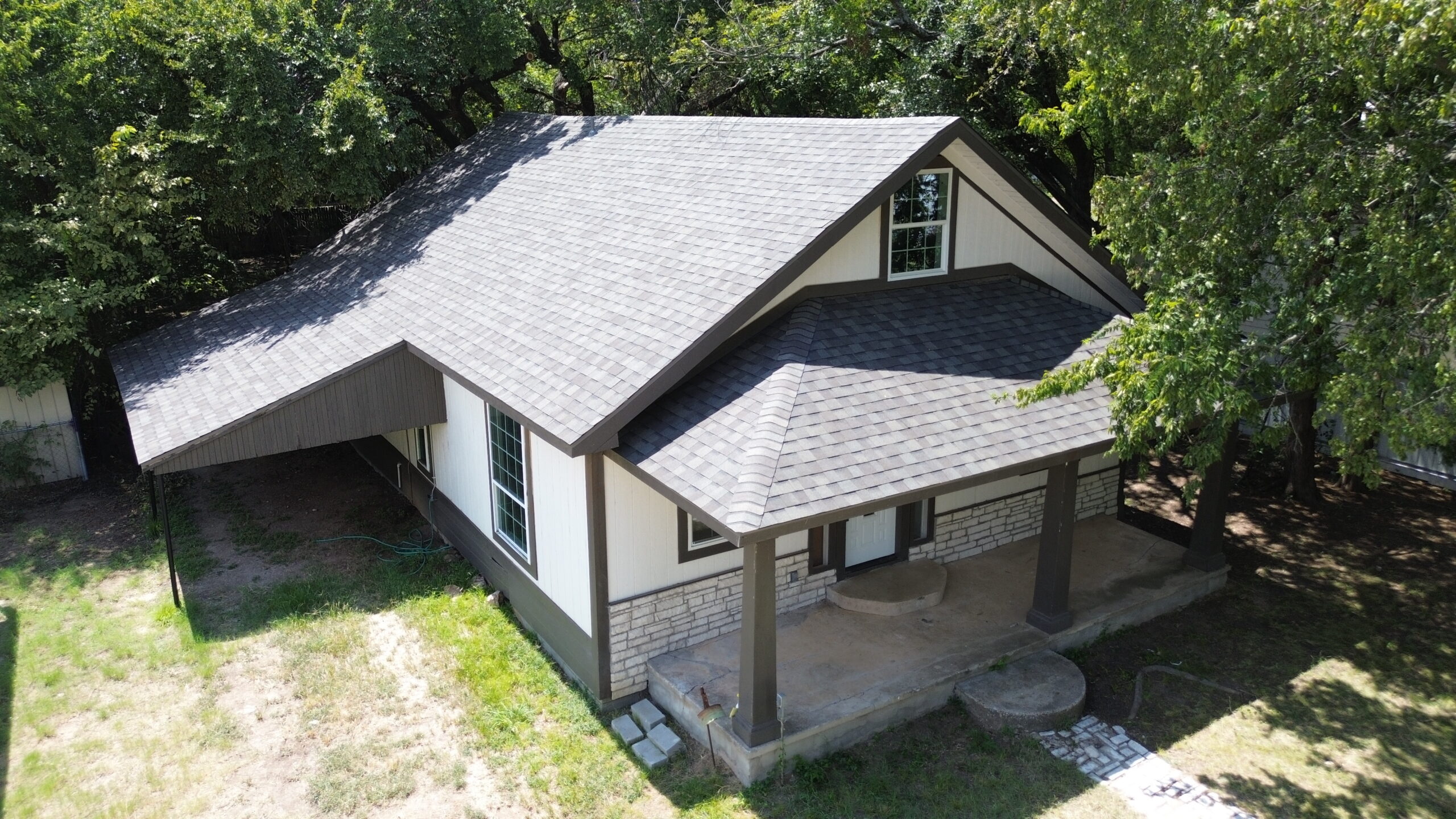
Filing a roof insurance claim involves several important steps that help insurance companies determine whether the damage qualifies for coverage and how much reimbursement should be provided. Understanding this process helps homeowners respond more confidently after roof damage occurs while avoiding unnecessary delays.
The process begins with documenting the damage as soon as it is safe to do so. Photographs of the roof, damaged shingles, fallen trees, interior leaks, and surrounding property provide valuable evidence supporting the claim. Recording the date of the weather event also helps establish the timeline.
Homeowners should then contact their insurance company promptly. Reporting the damage allows the insurer to open a claim file and explain the next steps according to the policy requirements. Waiting too long to report damage may complicate claim evaluation in some situations.
Many homeowners also arrange a professional roof inspection before or shortly after contacting the insurer. Experienced roofing contractors can identify storm related damage that may not be obvious from ground level. Their documentation often helps homeowners understand the extent of the damage before the insurance inspection.
The insurance company typically assigns an adjuster to inspect the property. The adjuster evaluates the roof, reviews photographs, examines the reported cause of damage, and determines whether the loss falls within the policy’s covered events. Additional inspections may be requested if necessary.
Once the evaluation is complete, the insurer prepares a claim determination. If the claim is approved, the insurance company explains the reimbursement amount, applicable deductible, depreciation if relevant, and any additional documentation required before final payment is issued.
Homeowners then work with their chosen roofing contractor to complete the approved repairs or replacement. Contractors may coordinate with the insurer regarding project scope, although claim decisions remain the responsibility of the insurance company rather than the roofing contractor.
After the work is completed, final documentation such as invoices and completion records may be submitted depending on the policy requirements. Following each step carefully helps ensure the claims process proceeds as smoothly as possible.
Comparing Common Insurance Coverage Types
Understanding different insurance coverage methods helps homeowners evaluate how much financial protection they actually have before roof damage occurs. Coverage differences significantly influence reimbursement amounts and overall replacement costs.
The following table summarizes several common approaches to roof insurance coverage.
| Coverage Type | How Payment Is Calculated | Homeowner Cost | Best Suited For |
|---|---|---|---|
| Replacement Cost Value (RCV) | Pays the cost of replacing the roof with comparable new materials, subject to policy terms and deductible | Usually lower out of pocket after claim settlement | Homeowners seeking stronger financial protection |
| Actual Cash Value (ACV) | Pays replacement cost minus depreciation based on roof age and condition | Often higher because depreciation is deducted | Older roofs or policies emphasizing lower premiums |
| Named Peril Coverage | Covers only specifically listed events in the policy | Depends on covered cause and deductible | Homeowners comfortable with defined coverage limits |
| Open Peril Coverage | Covers losses unless specifically excluded by the policy | Depends on exclusions and deductible | Homeowners seeking broader protection |
| Limited Roof Endorsement | Provides restricted roof coverage under specified conditions | Varies according to endorsement limits | Certain older or higher risk roofing systems |
This comparison illustrates that insurance coverage extends beyond whether a roof is simply insured or uninsured. The reimbursement method, covered events, and policy limitations all influence the homeowner’s financial responsibility after damage occurs.
Reviewing policy details before filing a claim allows homeowners to understand how their specific coverage operates rather than relying on general assumptions.
Deductibles and Out of Pocket Costs
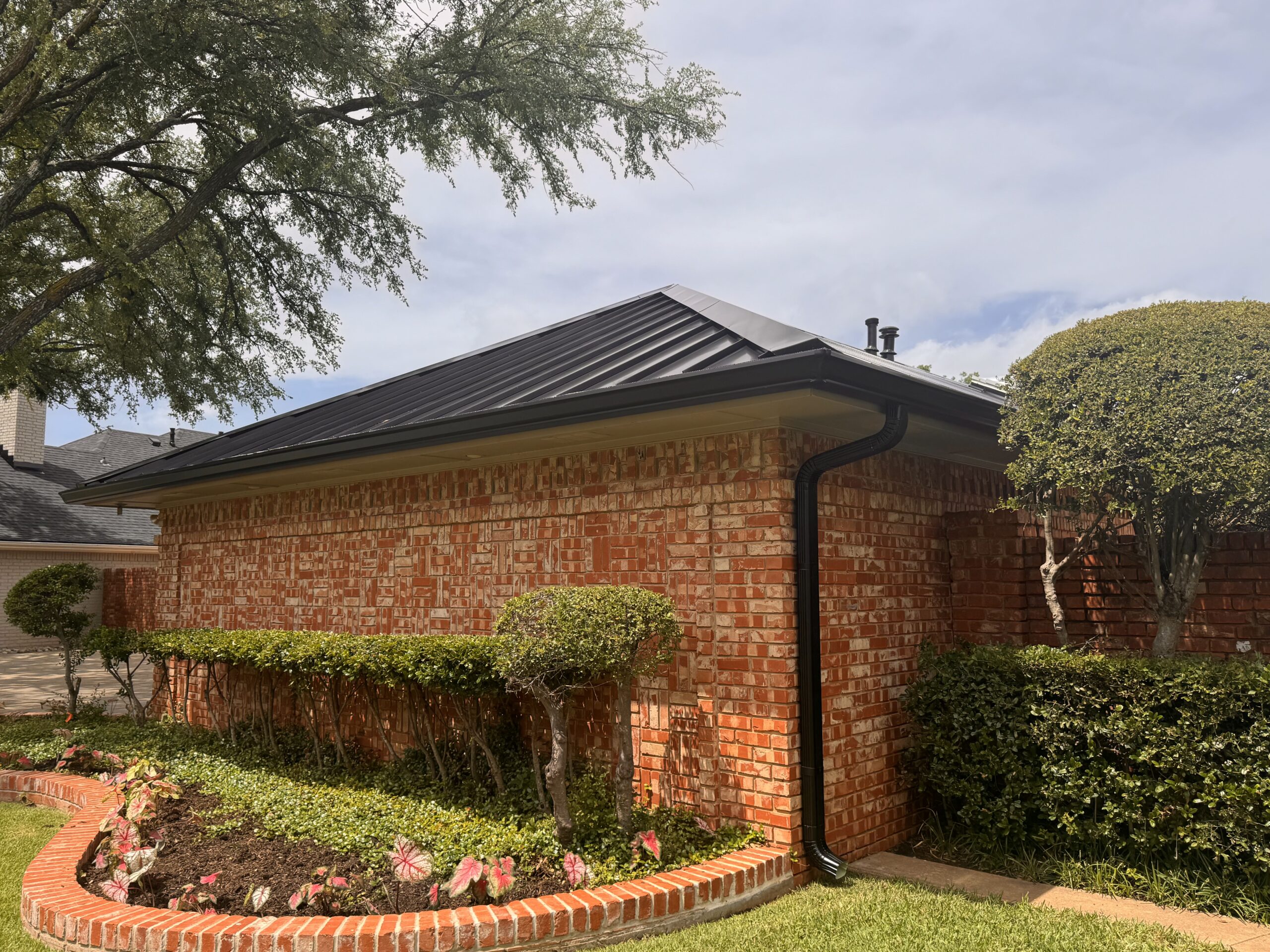
Even when insurance approves a roof replacement claim, homeowners are usually responsible for certain expenses before insurance payments begin. Understanding deductibles and other out of pocket costs helps prevent financial surprises during the replacement process.
A deductible represents the portion of the loss the homeowner agrees to pay before insurance coverage applies. Higher deductibles generally reduce insurance premiums, while lower deductibles increase premium costs but reduce immediate expenses during covered claims. The deductible amount appears within the homeowner’s insurance policy.
Some policies use percentage based deductibles for certain weather events such as hurricanes or windstorms. Instead of paying a fixed dollar amount, homeowners contribute a percentage of the insured property’s value before insurance payments begin. This difference can significantly affect total out of pocket expenses.
Depreciation may also increase homeowner costs under Actual Cash Value policies. Older roofs often receive reduced reimbursement because insurers subtract depreciation before calculating payment. Homeowners must cover the remaining balance if replacement costs exceed the insurance settlement.
Optional upgrades also create additional expenses. If homeowners choose premium roofing materials, enhanced ventilation systems, or architectural improvements beyond the insurer’s approved replacement scope, those upgrades generally remain the homeowner’s responsibility.
Permit fees, code upgrades, and structural improvements occasionally affect project costs as well. Some insurance policies provide limited coverage for required building code changes, while others may not include every upgrade required during replacement. Reviewing policy provisions helps clarify these situations.
Homeowners should also budget for temporary protective measures if necessary. Emergency tarping, temporary repairs, or water mitigation completed immediately after storm damage may involve additional costs before final roof replacement begins. Some of these expenses may qualify for reimbursement if properly documented.
Preparing financially for deductibles and related costs allows homeowners to complete the roof replacement without unnecessary delays once insurance approval has been received.
Questions Homeowners Should Ask Before Filing a Roof Claim
Before filing an insurance claim, homeowners should gather enough information to understand both the condition of the roof and the terms of their policy. Asking the right questions helps determine whether filing a claim is appropriate while reducing confusion throughout the process.
Consider these questions before contacting your insurance company:
- What caused the roof damage, and does my policy cover that specific event?
- Does my policy provide Replacement Cost Value or Actual Cash Value coverage?
- How much is my deductible, and what expenses will I pay myself?
- Should I obtain a professional roof inspection before filing the claim?
- What documentation will the insurance company require during the claims process?
- Will my policy cover a full roof replacement or only localized repairs if approved?
These questions encourage homeowners to approach the claims process with realistic expectations while gathering the information needed for informed decisions. Careful preparation often results in a smoother experience and more complete documentation.
Working with Roofing Contractors During Insurance Claims
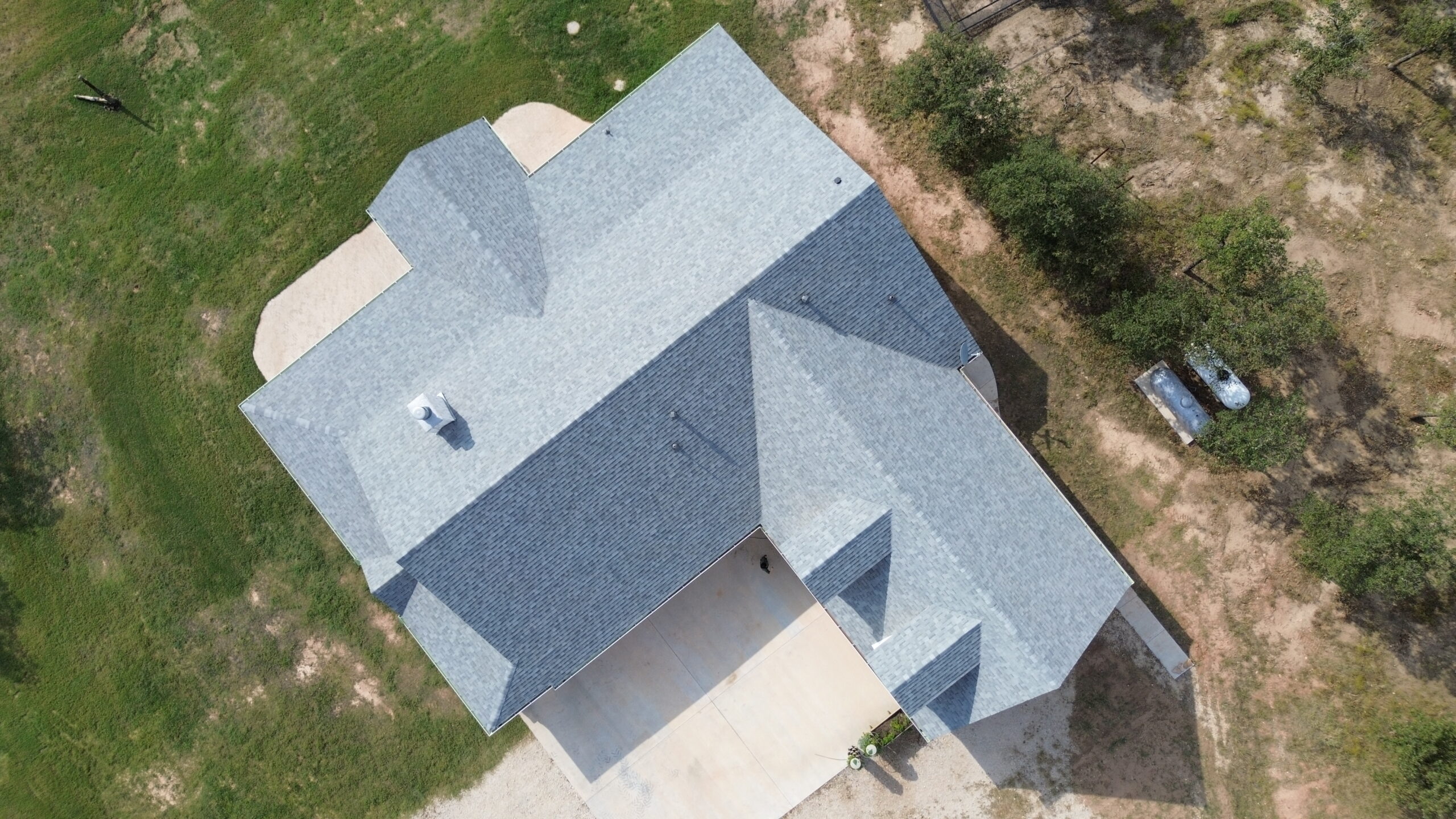
Experienced roofing contractors often play an important role during the insurance claim process. While they cannot approve or deny claims on behalf of the insurance company, they help homeowners understand the condition of the roof, document visible damage, and prepare accurate replacement estimates. Their technical knowledge provides valuable support throughout the project.
The process usually begins with a detailed roof inspection. Contractors examine shingles, flashing, vents, roof valleys, gutters, and structural components for evidence of storm related damage. They also look for hidden problems that may not be visible from the ground but could affect the scope of the replacement.
Photographs and written inspection reports prepared by the contractor often become useful supporting documents during the insurance evaluation. Clear documentation helps demonstrate the extent of the damage while providing homeowners with a better understanding of the roof’s overall condition.
Roofing contractors also prepare detailed estimates outlining materials, labor, structural repairs, and project timelines. Insurance companies frequently compare these estimates with their own assessments to determine reasonable replacement costs. Accurate documentation helps reduce misunderstandings during this stage.
Communication between the homeowner, contractor, and insurance adjuster is equally important. Contractors may answer technical questions regarding roofing materials, installation methods, or the extent of the damage, while adjusters remain responsible for determining policy coverage and claim approval.
Homeowners should remember that insurance decisions are made by the insurer rather than the roofing contractor. Reputable contractors explain this distinction clearly and avoid making guarantees regarding claim approval or reimbursement amounts. Their role is to provide accurate information and quality workmanship rather than influence policy decisions.
Choosing a licensed and experienced roofing contractor benefits the entire claims process. Professional inspections, reliable estimates, proper installation, and thorough documentation help homeowners complete the replacement efficiently once insurance decisions have been finalized.
Common Insurance Claim Mistakes Homeowners Should Avoid
Filing a roof insurance claim requires careful preparation and accurate documentation. Certain mistakes can delay the claims process, reduce reimbursement, or even result in claim denial. Understanding these common errors helps homeowners navigate the process more effectively.
The following mistakes are among the most common.
- Waiting too long to report roof damage after a covered event.
- Failing to document visible damage with photographs and written records.
- Assuming every roof problem is automatically covered by insurance.
- Neglecting routine roof maintenance before damage occurs.
- Hiring contractors who promise guaranteed insurance approval.
- Beginning major repairs before the insurance company has completed its inspection unless emergency protection is necessary.
Avoiding these mistakes helps homeowners present stronger claims while reducing unnecessary complications. Good documentation and clear communication remain valuable throughout every stage of the insurance process.
Taking time to understand both the roof’s condition and the policy’s requirements often leads to a smoother claim experience and more accurate expectations.
Tips for Maximizing Insurance Benefits Legally
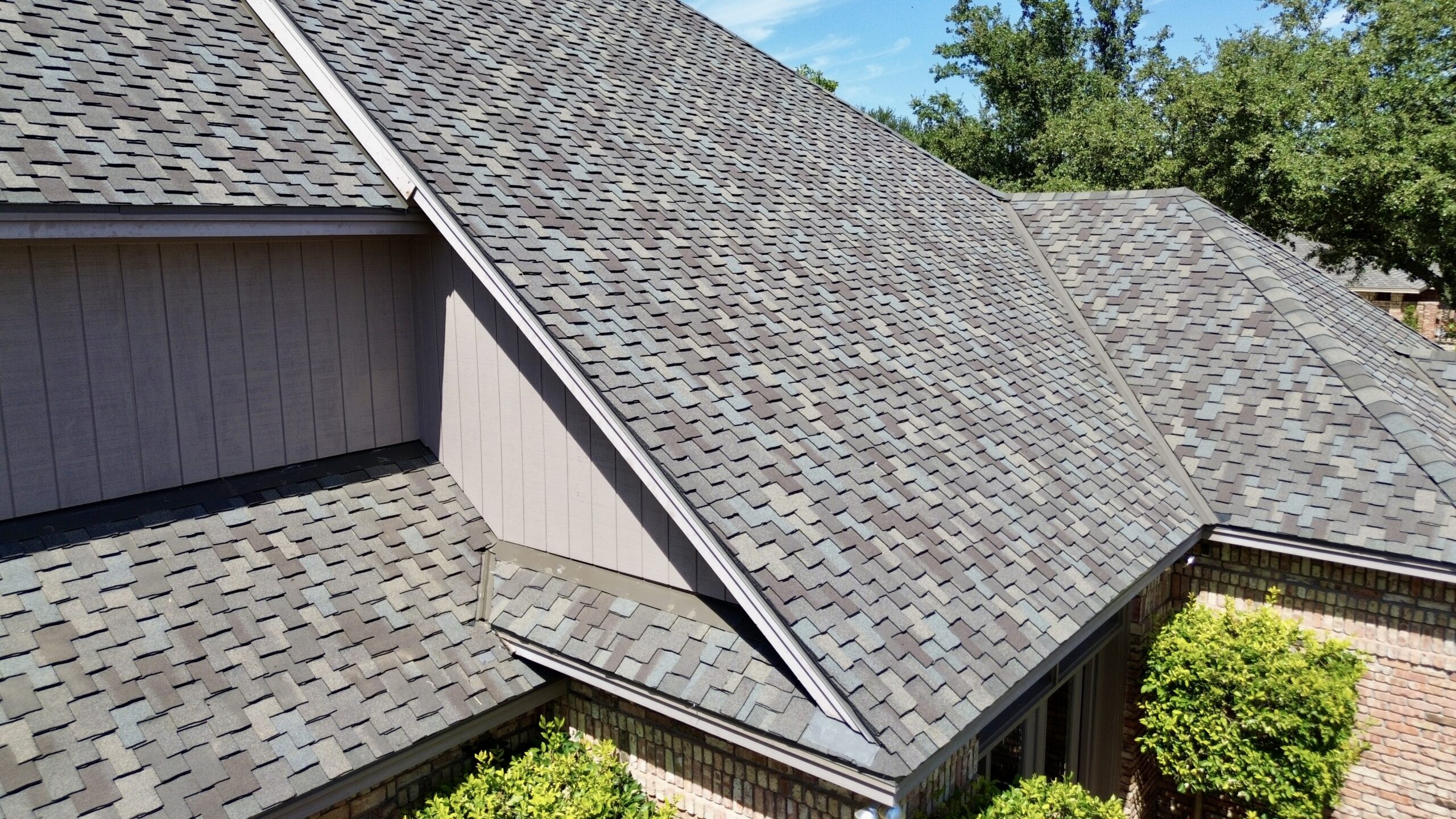
Homeowners naturally want to receive every insurance benefit available under their policy. Maximizing those benefits should always be done through accurate documentation, honest communication, and full compliance with policy requirements. Responsible claim management protects both the homeowner and the integrity of the insurance process.
The first step is understanding the policy before damage occurs. Reviewing coverage details, deductibles, reimbursement methods, exclusions, and reporting requirements allows homeowners to respond quickly when roof damage happens. Knowing the policy reduces uncertainty during stressful situations.
Prompt reporting also supports stronger claims. Contacting the insurance company soon after discovering covered damage demonstrates responsible property ownership while allowing adjusters to evaluate conditions before further deterioration occurs. Delayed reporting may complicate claim investigations in some circumstances.
Professional roof inspections provide another advantage. Qualified roofing contractors can identify damage that may not be obvious during a visual inspection from the ground. Detailed reports and photographs help create a more complete record of the roof’s condition without exaggerating the extent of the damage.
Maintaining accurate records throughout the roof’s lifespan also strengthens future claims. Inspection reports, maintenance receipts, repair invoices, warranty information, and photographs establish a history of responsible roof care. These documents help demonstrate that the roof was properly maintained before the covered event.
Emergency measures should also be documented carefully. If temporary tarping or water mitigation becomes necessary to prevent additional damage, homeowners should keep photographs, receipts, and contractor invoices. Many policies expect homeowners to take reasonable steps to protect the property after covered damage occurs.
Most importantly, homeowners should always provide truthful information during the claims process. Accurate reporting and complete documentation help insurance companies evaluate claims fairly while protecting homeowners from unnecessary legal or financial complications.
Maximizing insurance benefits legally means making full use of the protection purchased through the policy while respecting every requirement established within the insurance agreement.
Planning for Roof Replacement When Insurance Is Limited
Not every roof replacement receives complete insurance coverage. In some situations, insurance pays only part of the replacement cost because of deductibles, depreciation, policy limits, or coverage exclusions. Planning ahead helps homeowners complete necessary roof replacement even when insurance assistance is limited.
The first step is understanding exactly what the insurance company has approved. Reviewing the settlement documents carefully allows homeowners to identify which expenses remain their responsibility. This information provides a clear starting point for financial planning.
Creating a realistic project budget becomes especially important when insurance does not cover every cost. Homeowners should include deductibles, depreciation, optional upgrades, permit fees, and any uncovered structural repairs. Planning for these expenses reduces financial surprises during construction.
Financing may provide a practical solution when immediate replacement remains necessary. Personal loans, home equity financing, contractor financing programs, or other borrowing options allow homeowners to complete the roof replacement while spreading payments over time. Comparing financing offers carefully helps minimize long term borrowing costs.
Material selection also influences affordability. Choosing dependable roofing materials that balance durability with budget considerations helps control project costs without sacrificing long term protection. The least expensive material is not always the best value, but premium products may not always be necessary either.
Homeowners should also discuss phased improvements with their roofing contractor if appropriate. In some situations, essential replacement work can be completed immediately while optional upgrades are postponed until future budgets allow. Every recommendation should maintain the roof’s structural integrity and weather resistance.
Maintaining an emergency home repair fund remains valuable even after the roof replacement is complete. Financial reserves help cover future deductibles, routine maintenance, or unexpected repairs without creating unnecessary financial strain.
Planning proactively allows homeowners to move forward confidently even when insurance does not pay the entire replacement cost. Careful budgeting and informed financial decisions help protect both the home and the household budget.
Long Term Strategies for Protecting Your Roof Investment
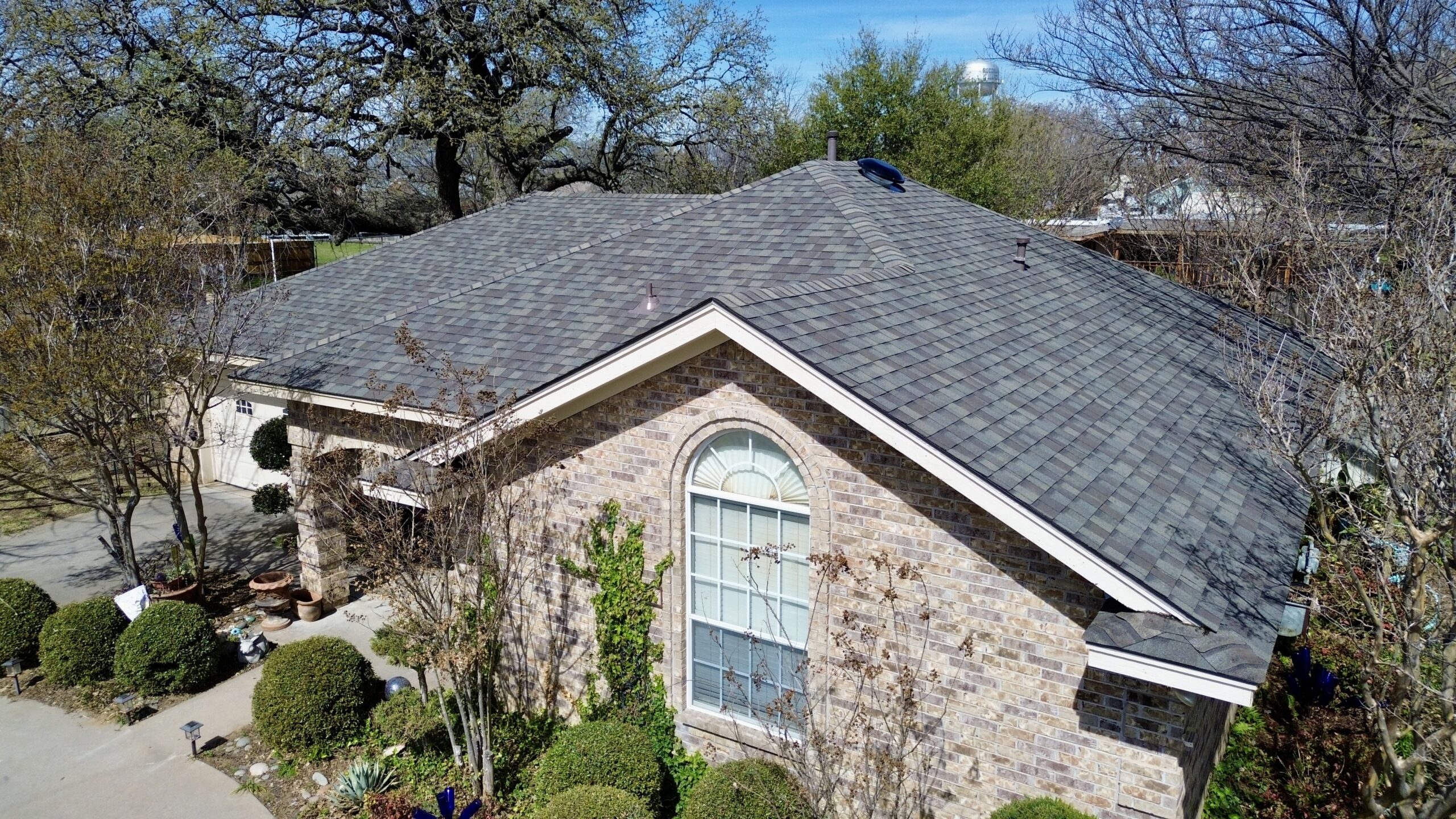
A new roof represents a significant financial investment, making long term maintenance essential for preserving both its performance and its value. Consistent care extends roof lifespan, reduces repair costs, and supports future insurance claims by demonstrating responsible maintenance.
Regular roof inspections should become part of every homeowner’s maintenance routine. Professional evaluations performed annually and after major storms help identify damaged shingles, flashing problems, drainage issues, or early structural concerns before they develop into more expensive repairs. Early detection often prevents widespread deterioration.
Keeping gutters and downspouts clean throughout the year also protects the roofing system. Proper drainage allows rainwater and melting snow to leave the roof efficiently, reducing moisture accumulation that could damage roofing materials, fascia boards, or roof decking over time.
Tree maintenance provides another important layer of protection. Trimming branches that extend over the roof reduces the risk of impact damage during storms while limiting debris accumulation. Better airflow also helps roofing materials dry more efficiently after rainfall.
Prompt attention to small repairs prevents larger structural problems from developing. Replacing damaged shingles, resealing flashing, or correcting minor leaks immediately often eliminates conditions that could otherwise result in extensive water damage. Routine maintenance is typically much less expensive than major structural restoration.
Maintaining organized records also benefits homeowners over the long term. Inspection reports, warranty documents, repair invoices, maintenance receipts, and photographs create a valuable history of roof care. These records simplify warranty claims, insurance questions, and future property sales.
Reviewing insurance coverage periodically is equally important. As roofing materials age or homeowners install upgraded roofing systems, insurance needs may change. Updating the policy when appropriate helps ensure continued protection that reflects the roof’s current condition and replacement value.
Long term roof protection combines preventive maintenance, responsible documentation, and thoughtful financial planning. These strategies maximize roof performance while preserving the value of the investment for many years.
Conclusion
Homeowners insurance can significantly reduce the financial burden of roof replacement, but the amount of protection available depends on several important factors. The cause of the damage, the type of insurance policy, roof age, maintenance history, deductibles, and policy limits all influence how much financial assistance a homeowner ultimately receives. Understanding these factors before damage occurs helps create realistic expectations and better financial preparation.
Throughout this guide, we have explored how homeowners insurance affects roof replacement costs, the differences between Replacement Cost Value and Actual Cash Value policies, the impact of roof age on coverage, and the most common reasons claims are approved or denied. We also examined covered weather events, policy exclusions, deductibles, the insurance claims process, and the important role roofing contractors play during claim evaluations.
Successful insurance claims rely on careful documentation, prompt reporting, honest communication, and consistent roof maintenance. Keeping inspection records, photographs, repair receipts, and warranty information creates valuable evidence that supports future claims while demonstrating responsible property ownership. At the same time, understanding policy limitations helps homeowners prepare financially when insurance does not cover every replacement expense.
Even when insurance coverage is limited, homeowners still have options. Thoughtful budgeting, appropriate financing, careful material selection, and preventive maintenance allow roof replacement projects to move forward while protecting long term financial stability. Viewing roof replacement as an investment rather than simply an expense encourages better planning and stronger decision making.
A well maintained roof protects far more than the home itself. It safeguards the structure, improves energy efficiency, supports property value, and provides peace of mind during every season. By understanding how insurance coverage influences roof replacement costs and preparing accordingly, homeowners can navigate the claims process with greater confidence, make informed financial decisions, and ensure their roofing investment continues protecting their home for decades to come.