

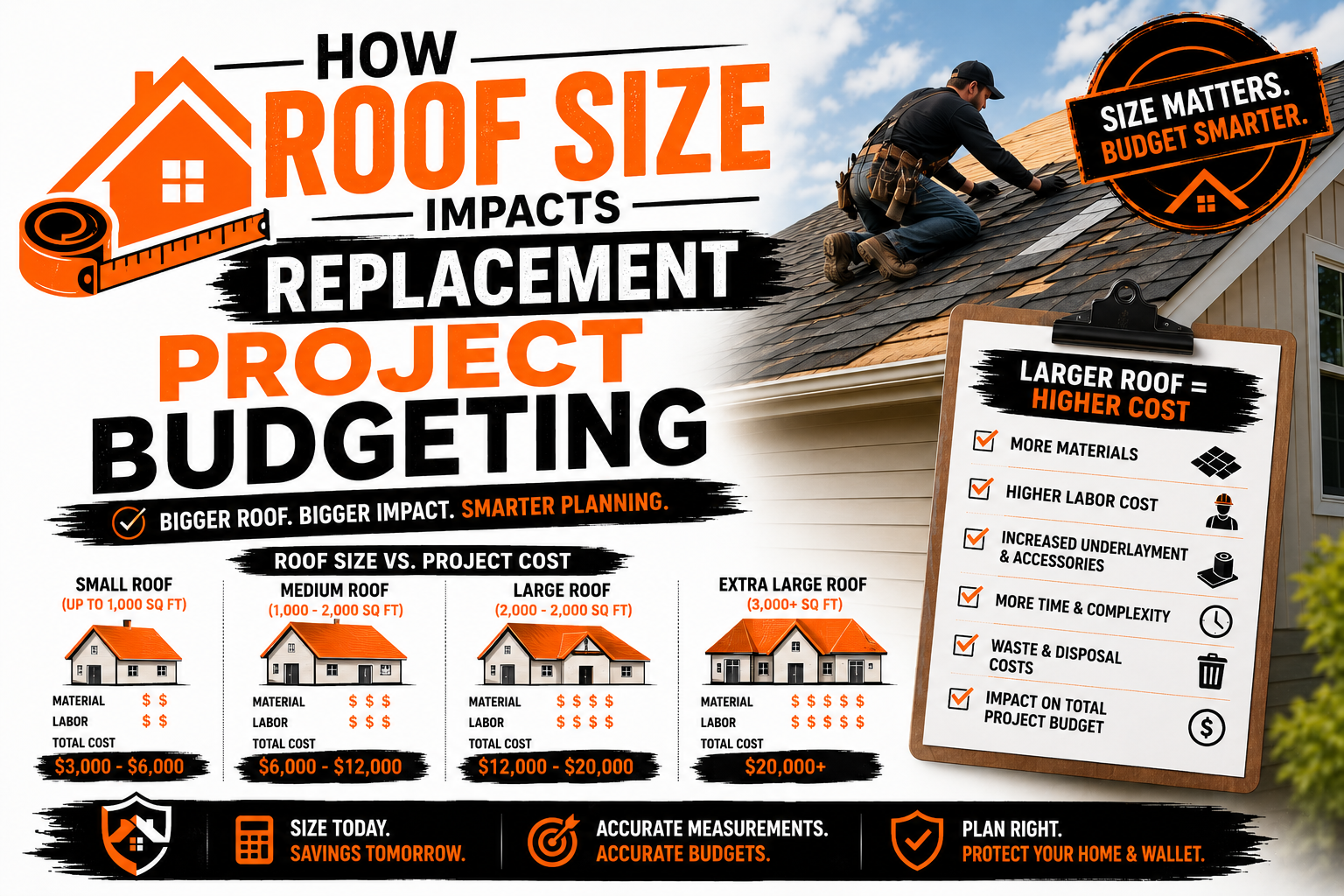
How Roof Size Impacts Replacement Project Budgeting
Introduction
Planning for a roof replacement involves much more than selecting roofing materials and hiring a contractor. One of the biggest factors influencing the overall project budget is the size of the roof itself. While homeowners often focus on the square footage of their house, roofing contractors calculate costs based on the actual size and complexity of the roof, which is frequently much larger than the home’s floor area.
Many homeowners are surprised when two houses with similar living space receive very different roofing estimates. The reason is that roof replacement costs depend on the total roof surface that must be covered rather than the amount of interior space beneath it. Roof pitch, architectural features, and design complexity all increase the actual roofing area, affecting both material requirements and labor costs.
Accurate budgeting begins with understanding how roof size influences every stage of the replacement process. Larger roofs require more shingles, underlayment, flashing, ventilation components, fasteners, and labor hours. They also generate more construction debris, require additional equipment, and often take longer to complete.
Focusing only on the price per square foot without considering the roof’s actual dimensions can result in unrealistic budget expectations. A detailed roof measurement provides a far more accurate estimate because it accounts for the true amount of roofing material and labor required to complete the project properly.
Roof size also affects long-term ownership costs. Larger roofs generally require more maintenance over time and involve higher repair expenses if damage occurs. Planning for these factors allows homeowners to make better financial decisions while selecting roofing materials that offer the best long-term value.
This guide explains how roof size influences replacement budgeting, why accurate measurements matter, and the many ways roof dimensions affect the overall cost of a residential roofing project. Understanding these relationships helps homeowners prepare realistic budgets while avoiding unnecessary surprises during construction.
Understanding How Roof Size Is Measured
Roof replacement estimates begin with measuring the roof rather than the home’s interior floor space. Although homeowners often describe their house using square footage, roofing contractors calculate pricing based on the total surface area that requires roofing materials.
The actual roof area frequently exceeds the home’s floor area because roofs have slopes, overhangs, valleys, and other architectural features. Even a relatively simple roof covers more surface than the flat footprint of the building beneath it.
Roofing professionals commonly measure roofs using roofing squares. One roofing square represents one hundred square feet of roof surface. Estimating projects in roofing squares simplifies material ordering because shingles, underlayment, and many roofing products are packaged according to this measurement system.
Roof pitch plays a major role in determining the final roof area. A steeper roof contains more surface than a flatter roof covering the same home because the sloped surfaces extend farther than the building’s horizontal dimensions. As pitch increases, the amount of roofing material required also increases.
Architectural features further affect measurements. Dormers, hips, valleys, skylights, chimneys, intersecting rooflines, and multiple roof sections all add to the total roofing surface while increasing installation complexity. These features require careful measurement to ensure accurate budgeting.
Professional contractors use several methods to calculate roof size. Traditional field measurements remain common, while modern roofing companies may also use aerial imaging, satellite measurement technology, or specialized software to determine roof dimensions with remarkable accuracy.
Accurate measurements benefit both homeowners and contractors. Ordering too few materials delays construction, while ordering excessive quantities increases project costs unnecessarily. Careful measurement ensures the roofing project proceeds efficiently with minimal material waste.
Understanding how roofs are measured helps homeowners recognize why roofing estimates often differ from simple square footage calculations. The roof itself, rather than the home’s interior size, determines the amount of work required for replacement.
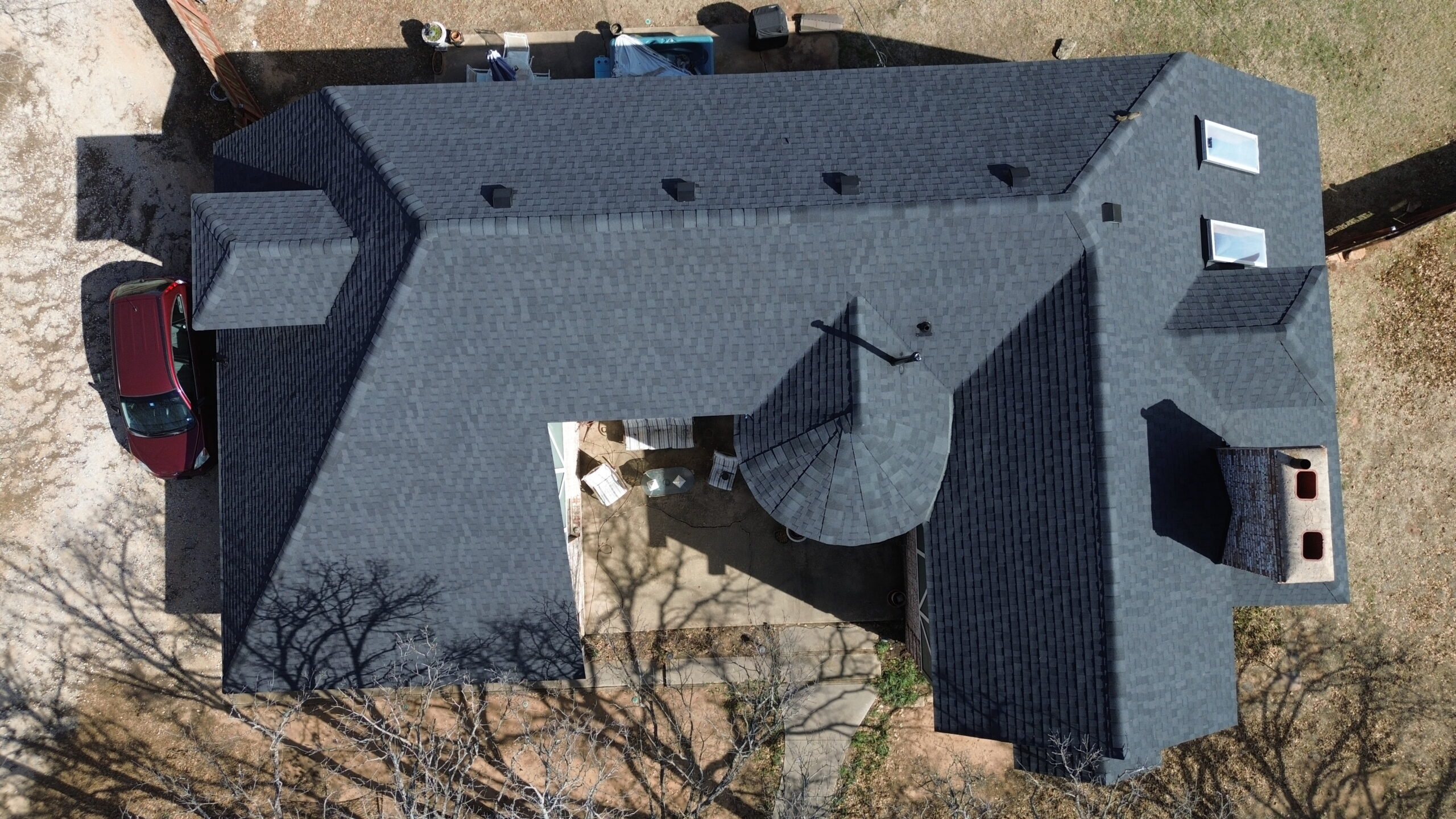
Why Larger Roofs Cost More to Replace
Roof size directly influences nearly every expense associated with a replacement project. As the total roofing area increases, so do the quantities of materials, the number of labor hours, and the overall time required to complete the installation.
Roofing materials represent one of the most obvious cost increases. Larger roofs require additional shingles, underlayment, flashing, drip edges, fasteners, ridge caps, and ventilation components. Even small increases in roof size result in noticeable changes in total material costs.
Labor expenses also rise as roof size increases. Larger roofing areas require more installation time because crews must remove existing materials, inspect the roof structure, install new components, and complete detailed finishing work across a greater surface.
Bigger projects frequently require larger roofing crews to maintain efficient construction schedules. Additional workers improve productivity but also increase total labor costs included in the project estimate.
Equipment usage expands as well. Larger roofs often require additional material deliveries, larger dumpsters, more extensive safety equipment, and longer use of ladders, scaffolding, or lifting devices. These logistical requirements contribute to the overall replacement budget.
Construction timelines naturally become longer on larger roofing projects. While smaller homes may require only a few days for replacement, larger roofs often extend construction schedules because of the greater amount of work involved. Longer project durations also increase overall labor and equipment costs.
Waste disposal grows proportionally with roof size. Removing old shingles, underlayment, flashing, and damaged materials generates additional debris that must be transported and disposed of properly according to local regulations.
Although larger roofs require greater investment initially, accurate budgeting helps homeowners prepare financially while avoiding unexpected expenses. Understanding why larger roofs cost more allows estimates to be evaluated based on actual project requirements rather than simple price comparisons.
Roof Pitch and Surface Area Influence
Many homeowners assume that two homes with identical floor plans should have similar roof replacement costs. In reality, roof pitch often creates substantial differences in the actual amount of roofing material required, even when the houses have the same interior dimensions.
Roof pitch describes the steepness of the roof. A steeper roof contains more surface area because the sloped sections extend farther than a relatively flat roof covering the same building. This additional surface requires more shingles, underlayment, flashing, and installation time.
Steeper roofs also increase labor complexity. Roofing crews must work more carefully on inclined surfaces, often using additional safety equipment such as harnesses, roof brackets, and scaffolding. These precautions improve worker safety but also increase labor costs.
Material handling becomes more challenging as roof pitch increases. Carrying bundles of shingles, rolls of underlayment, and other supplies across steep surfaces requires greater effort while slowing installation progress compared to flatter roofs.
Cutting and fitting roofing materials also becomes more time consuming on steep roofs. Valleys, ridges, hips, and intersecting roof sections require careful installation to ensure proper weather protection and long-term durability.
Weather conditions affect steep roof installations more significantly as well. Contractors may need to pause work during periods of rain or strong winds because steep surfaces become more hazardous under adverse weather conditions.
Homeowners sometimes underestimate how much roof pitch influences replacement costs because the additional surface area is not obvious from ground level. Professional measurements account for these differences, producing estimates that accurately reflect the amount of roofing material and labor required.
Understanding the relationship between roof pitch and actual roof area helps explain why roofing estimates vary between homes that appear similar at first glance. Accurate budgeting depends on measuring the roof’s true surface rather than relying only on the building’s footprint.
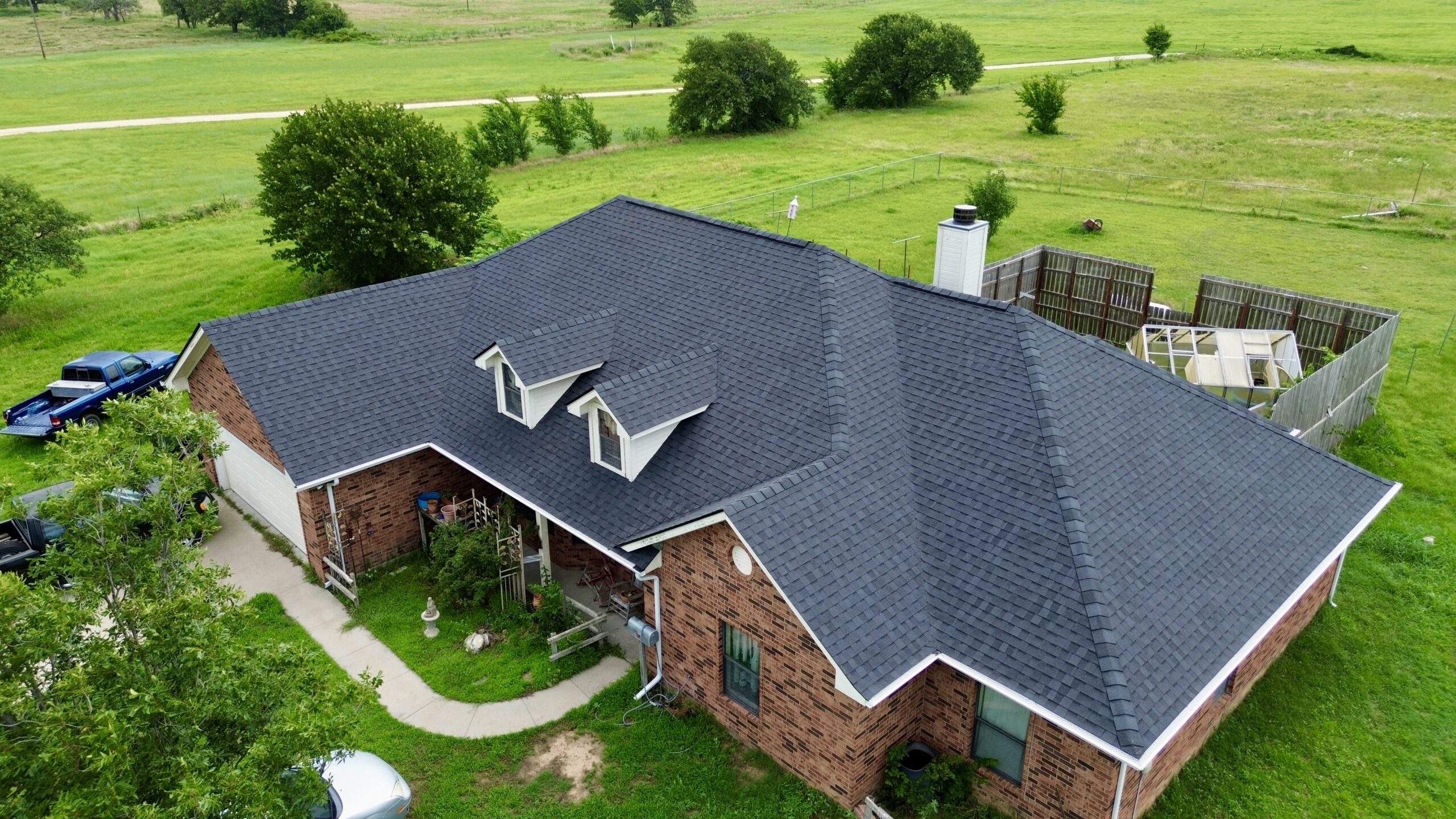
Simple Roof Designs Versus Complex Roof Layouts
Roof size alone does not determine replacement costs. The overall design of the roof also affects budgeting because architectural complexity influences both material usage and installation time.
Simple roof layouts generally consist of large uninterrupted roof planes with relatively few valleys, intersections, or penetrations. These designs allow roofing crews to install materials efficiently while producing less waste during cutting and fitting.
Complex roof layouts contain numerous architectural features that increase the effective roofing area beyond the basic dimensions of the home. Dormers, hips, valleys, skylights, chimneys, multiple roof levels, and intersecting rooflines all require additional installation work.
Each roof valley requires carefully installed flashing and waterproofing materials to direct water safely away from the home. These detailed installations consume additional labor hours while increasing material requirements compared to straight roof sections.
Dormers and skylights introduce more cutting and fitting work because roofing materials must be precisely installed around each feature. These areas also require specialized flashing to prevent moisture intrusion over the life of the roof.
Multiple roof elevations further increase installation complexity. Roofing crews spend additional time moving materials, repositioning equipment, and maintaining safe working conditions while transitioning between different roof sections.
Material waste also increases on complex roofs. Smaller roof sections and numerous intersecting angles require additional cutting, leaving leftover material that cannot always be reused elsewhere on the project. Contractors include these expected waste factors when preparing estimates.
Even if two roofs contain the same total square footage, the more complex design usually requires greater labor investment and slightly higher material quantities. This explains why homes of similar size sometimes receive noticeably different replacement estimates.
Recognizing the influence of roof design helps homeowners understand that roofing costs depend on both total roof area and the complexity of the installation rather than size alone.
Material Quantities Required for Different Roof Sizes
Every increase in roof size affects the quantity of materials required throughout the replacement project. While shingles receive the most attention, many additional components must also increase proportionally as the roofing area expands.
Shingles represent the largest material category because they cover the entire roof surface. Larger roofs require more bundles or roofing squares, directly increasing material costs. Contractors also include additional shingles to account for cutting waste and future repairs.
Underlayment requirements grow alongside roof size. Since underlayment covers the entire roof beneath the shingles, larger roofs require additional rolls to provide complete moisture protection across every roof section.
Flashing quantities increase as well, particularly on roofs containing multiple valleys, dormers, chimneys, skylights, or plumbing vents. Although flashing requirements depend partly on roof design, larger roofs generally contain more features requiring waterproof detailing.
Fasteners such as roofing nails and specialized connectors also increase with roof area. Every additional roofing square requires thousands of nails to secure shingles, underlayment, flashing, and ridge components properly.
Ventilation systems must be sized appropriately for the roof and attic. Larger roofs often require longer ridge vents, additional intake ventilation, or more exhaust vents to maintain proper airflow throughout the attic space.
Sealants, adhesives, drip edges, ridge caps, and starter strips all increase proportionally as roof dimensions expand. These supporting materials may represent a smaller percentage of the overall budget individually, but together they contribute significantly to the total project cost.
Professional contractors calculate every material requirement carefully before ordering supplies. Accurate planning reduces unnecessary waste while ensuring sufficient materials remain available to complete the installation without delays.
Understanding how roof size affects material quantities helps homeowners appreciate why comprehensive roofing estimates include much more than simply counting bundles of shingles. Every component of the roofing system expands as roof size increases, making accurate measurements essential for realistic project budgeting.
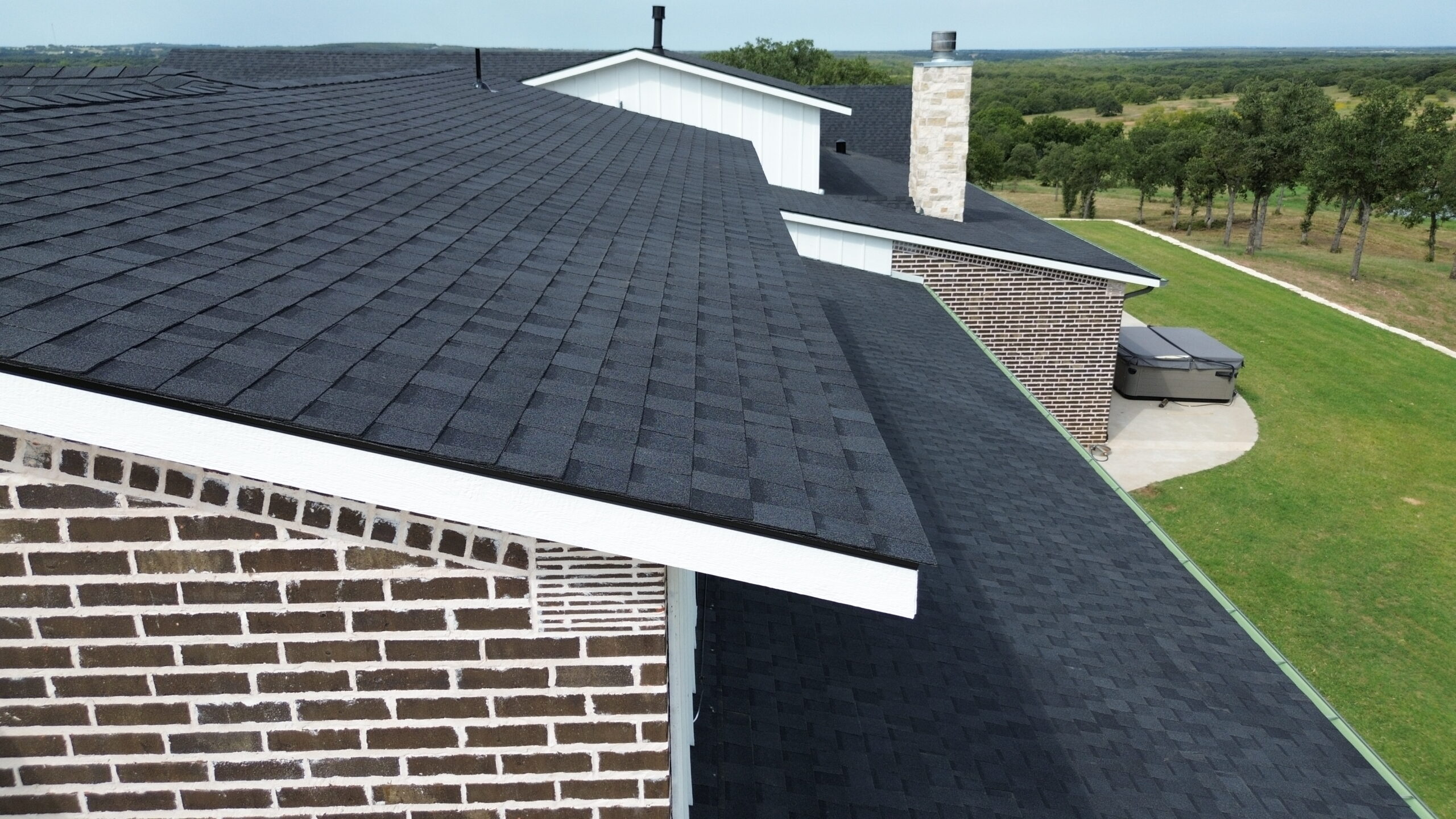
Labor Costs Increase With Roof Size
Labor is one of the largest expenses in any roof replacement project, and roof size has a direct impact on the amount of work required. As the roofing surface becomes larger, installation crews spend more time removing old materials, preparing the roof, installing new components, and completing final inspections. This increase in working hours naturally raises the overall project cost.
Small residential roofs can often be completed by a modest crew within a short period of time. Larger roofs usually require additional workers to maintain a reasonable construction schedule. While a bigger crew improves productivity, it also increases the total labor investment included in the estimate.
Every stage of the project becomes more demanding on larger roofs. Workers must carry more materials, move across greater distances, and install significantly higher quantities of shingles, underlayment, flashing, and ridge components. These repetitive tasks require additional time even when experienced crews perform the work efficiently.
Steeper or more complex roofs add another layer of labor expense. Workers often need to use safety harnesses, roof brackets, scaffolding, or specialized equipment while navigating difficult roof sections. These precautions improve safety but also increase installation time.
Weather also has a greater influence on larger projects. Roofing crews may need to pause work during rain or high winds, extending the project schedule. Longer installation periods increase labor costs because additional workdays are required to complete the replacement.
Material movement represents another labor consideration. Larger roofs require more deliveries, additional loading and unloading, and greater effort to transport roofing supplies safely across the worksite. These activities are essential for maintaining an efficient workflow throughout the project.
Although labor costs increase with roof size, experienced contractors often complete larger projects more efficiently because of careful planning and proper crew management. Well-organized installation schedules help reduce unnecessary delays while maintaining high workmanship standards.
Understanding how labor relates to roof size helps homeowners recognize why larger roofing projects involve much more than simply purchasing additional materials. Skilled installation remains one of the most valuable parts of a successful roof replacement.
Tear-Off and Disposal Costs for Larger Roofs
Removing the existing roof is an important step before installing a new roofing system. Larger roofs generate considerably more construction debris, making tear-off and disposal costs a significant part of the overall replacement budget.
Roof tear-off involves removing shingles, underlayment, flashing, nails, ridge components, and any damaged roofing materials before the roof structure can be inspected. Every additional square foot of roofing increases the amount of material that must be removed and disposed of properly.
Larger roofs often require larger dumpsters or multiple waste containers during construction. Roofing contractors coordinate debris removal throughout the project to maintain a safe and organized worksite while preventing unnecessary delays.
Homes with multiple layers of existing shingles create additional removal work. Every roofing layer must usually be stripped away before installation begins, increasing labor requirements as well as disposal costs. Larger roofs with several layers naturally generate much greater volumes of waste.
Heavy roofing materials such as slate, clay tile, or concrete tile also influence disposal expenses. Because these materials weigh significantly more than asphalt shingles, transportation and landfill costs may increase accordingly.
Construction debris must be handled according to local regulations. Contractors often separate recyclable materials where possible, although recycling options vary depending on regional facilities and accepted roofing products.
The time required to complete tear-off also increases with roof size. Larger projects require additional workers, equipment, and coordination to ensure debris removal progresses safely without interfering with installation activities.
While tear-off and disposal contribute noticeably to project costs, they provide valuable benefits. Removing the old roof allows contractors to inspect the roof decking thoroughly and correct hidden structural problems before installing the new roofing system.
Structural Repairs Become More Expensive on Large Roofs
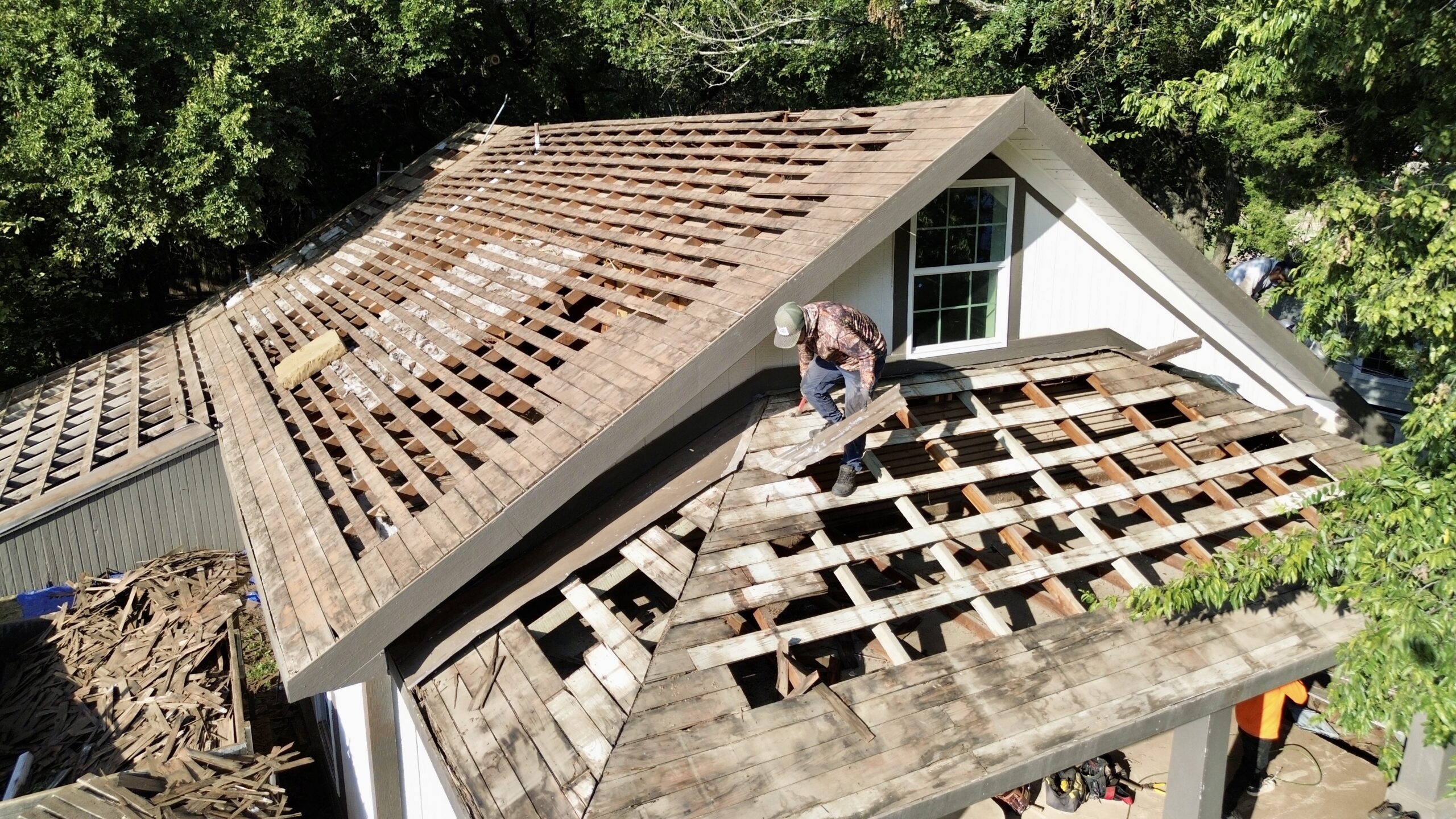
Roof replacement occasionally reveals structural damage that was hidden beneath the existing roofing materials. Although these repairs can occur on roofs of any size, larger roofs often involve greater repair costs because a larger structural area may require attention.
Roof decking is one of the most common components requiring replacement. If moisture has weakened plywood or oriented strand board beneath the old shingles, damaged sections must be replaced before the new roofing system is installed. Larger roofs naturally contain more decking, increasing the potential scope of repairs.
Wood rot may also affect rafters, fascia boards, and structural framing after years of water intrusion. The longer moisture remains trapped beneath damaged roofing materials, the greater the likelihood that repairs will extend beyond the roof surface itself.
Larger roofs provide more opportunities for hidden leaks to develop over time. Valleys, flashing, chimneys, skylights, and roof penetrations all represent areas where moisture can gradually affect structural components if maintenance has been neglected.
Insulation replacement sometimes accompanies structural repairs. Water-damaged insulation loses much of its thermal performance and should generally be replaced before the roofing system is completed. Larger attic spaces often require greater quantities of insulation when repairs become necessary.
Ventilation improvements may also be recommended during replacement. Larger roofs frequently require expanded intake and exhaust ventilation systems to maintain proper airflow beneath the new roofing materials. Upgrading ventilation helps maximize roof lifespan while reducing future moisture problems.
Unexpected structural repairs increase project costs because they involve both additional materials and skilled labor. However, completing these repairs during roof replacement is far more economical than postponing them until structural deterioration becomes more severe.
Professional roofing contractors typically explain that hidden structural conditions cannot always be confirmed until the old roofing materials have been removed. Planning a contingency budget helps homeowners prepare for these possible discoveries.
Equipment and Access Requirements
Roof size affects not only labor and materials but also the equipment required to complete the project safely and efficiently. Larger roofs often require additional tools, transportation equipment, and safety systems that contribute to the overall replacement budget.
Ladders remain essential on nearly every roofing project, but larger homes frequently require multiple access points so workers can move efficiently between different roof sections. Additional equipment helps maintain productivity while reducing unnecessary travel across the roof.
Scaffolding may be necessary for homes with multiple stories or difficult roof designs. Stable work platforms improve both safety and installation quality, especially when crews work around chimneys, dormers, or complex roof intersections.
Material lifts and mechanical hoists are often used on larger projects to transport shingles, underlayment, and other roofing supplies safely to elevated work areas. These devices reduce manual lifting while improving installation efficiency.
Safety equipment also becomes more extensive as roof size increases. Harness systems, roof anchors, guardrails, and fall protection equipment help roofing crews work safely across larger and steeper roof surfaces. Proper safety procedures are an important part of every professional roofing project.
Delivery logistics become more complicated on larger homes. Contractors may schedule multiple material deliveries throughout the project to ensure supplies remain available without overcrowding the worksite. Careful planning reduces delays while improving overall efficiency.
Limited property access may also increase equipment requirements. Homes with narrow driveways, extensive landscaping, or restricted work areas sometimes require additional planning to transport materials and remove debris without damaging surrounding property.
Although equipment expenses represent only one portion of the overall project budget, they play a vital role in completing roof replacement safely and efficiently. Investing in appropriate equipment helps ensure quality workmanship while protecting both workers and the property.
Roof Size and Material Selection Budget
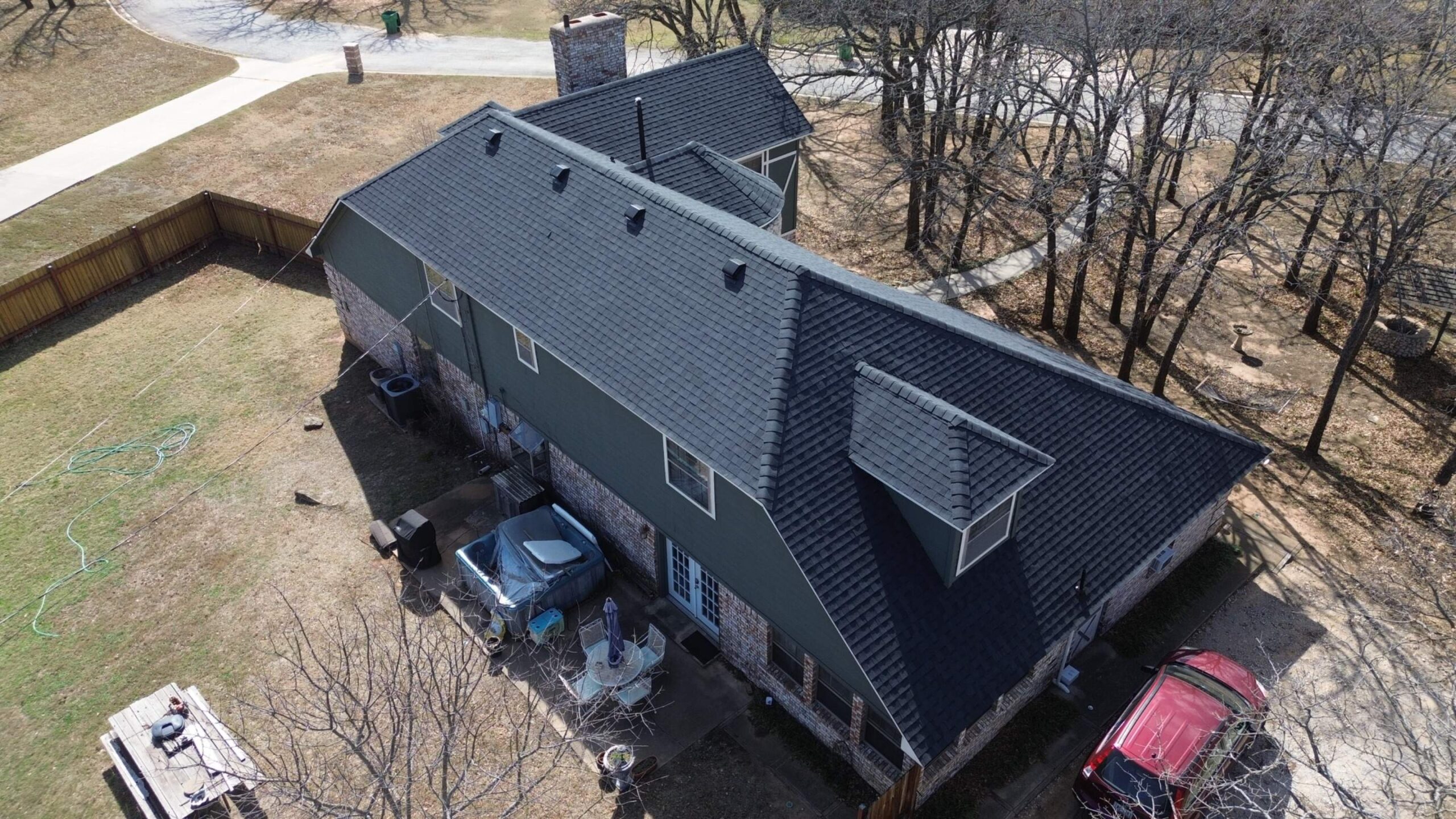
Roof size and roofing material selection work together to determine the total replacement budget. As roof area increases, the cost differences between various roofing materials become more noticeable because every additional roofing square multiplies the material investment.
Asphalt shingles generally remain the most economical option for both small and large roofs. Their relatively affordable purchase price makes them popular among homeowners seeking dependable weather protection while maintaining a manageable replacement budget.
Architectural shingles require a higher initial investment but provide greater durability and enhanced appearance. On larger roofs, the additional cost becomes more significant, although many homeowners believe the improved lifespan justifies the investment.
Metal roofing demonstrates how roof size affects premium materials. While metal roofs require higher upfront costs than asphalt shingles, their long service life and low maintenance requirements often provide excellent long-term value, particularly for homeowners planning to remain in their homes for many years.
Clay tiles, concrete tiles, and slate roofing represent premium options that become substantially more expensive as roof size increases. Besides higher material costs, these products may also require structural evaluation because of their additional weight.
Synthetic roofing materials provide another alternative by combining attractive appearance with moderate weight and good durability. Larger roofs using synthetic products generally cost less than slate or tile while offering many similar visual benefits.
Homeowners should evaluate roofing materials based on expected lifespan, maintenance requirements, warranty coverage, and long-term ownership costs rather than focusing solely on initial installation expenses. A larger roof often amplifies both the benefits and costs associated with each material choice.
Selecting appropriate roofing materials requires balancing budget, performance, appearance, and future maintenance expectations. Professional contractors help homeowners compare these factors based on the specific dimensions and characteristics of their roof.
Roof Size Cost Comparison Table
The relationship between roof size and replacement costs extends beyond simple square footage. Larger roofs require additional materials, labor, equipment, and installation time, all of which contribute to the overall project budget.
The following comparison illustrates how project requirements typically increase as residential roof size grows.
| Roof Size | Roofing Material Quantity | Labor Impact | Typical Project Duration | Relative Budget Impact |
|---|---|---|---|---|
| Small Roof | Lower material requirement | Smaller crew and fewer labor hours | Shorter installation schedule | Lowest overall cost |
| Medium Roof | Moderate material requirement | Average labor requirement | Moderate project timeline | Moderate overall cost |
| Large Roof | High material requirement | Larger crew and more labor hours | Longer installation schedule | Highest overall cost |
While larger roofs require greater financial investment, accurate measurements and detailed planning help ensure realistic budgeting from the beginning of the project. Professional estimates account for roof size, complexity, material selection, labor requirements, and supporting components to provide homeowners with a complete understanding of expected costs.
Comparing estimates based on project scope rather than price alone allows homeowners to evaluate the true value offered by each contractor. A comprehensive proposal that addresses every aspect of the roofing system often provides greater long-term benefits than an estimate focused only on minimizing initial expenses.
Getting Accurate Roof Measurements
Accurate roof measurements form the foundation of every reliable roof replacement estimate. Even small measurement errors can affect material quantities, labor calculations, and the overall project budget. For this reason, professional roofing contractors spend considerable time measuring the roof before preparing a detailed proposal.
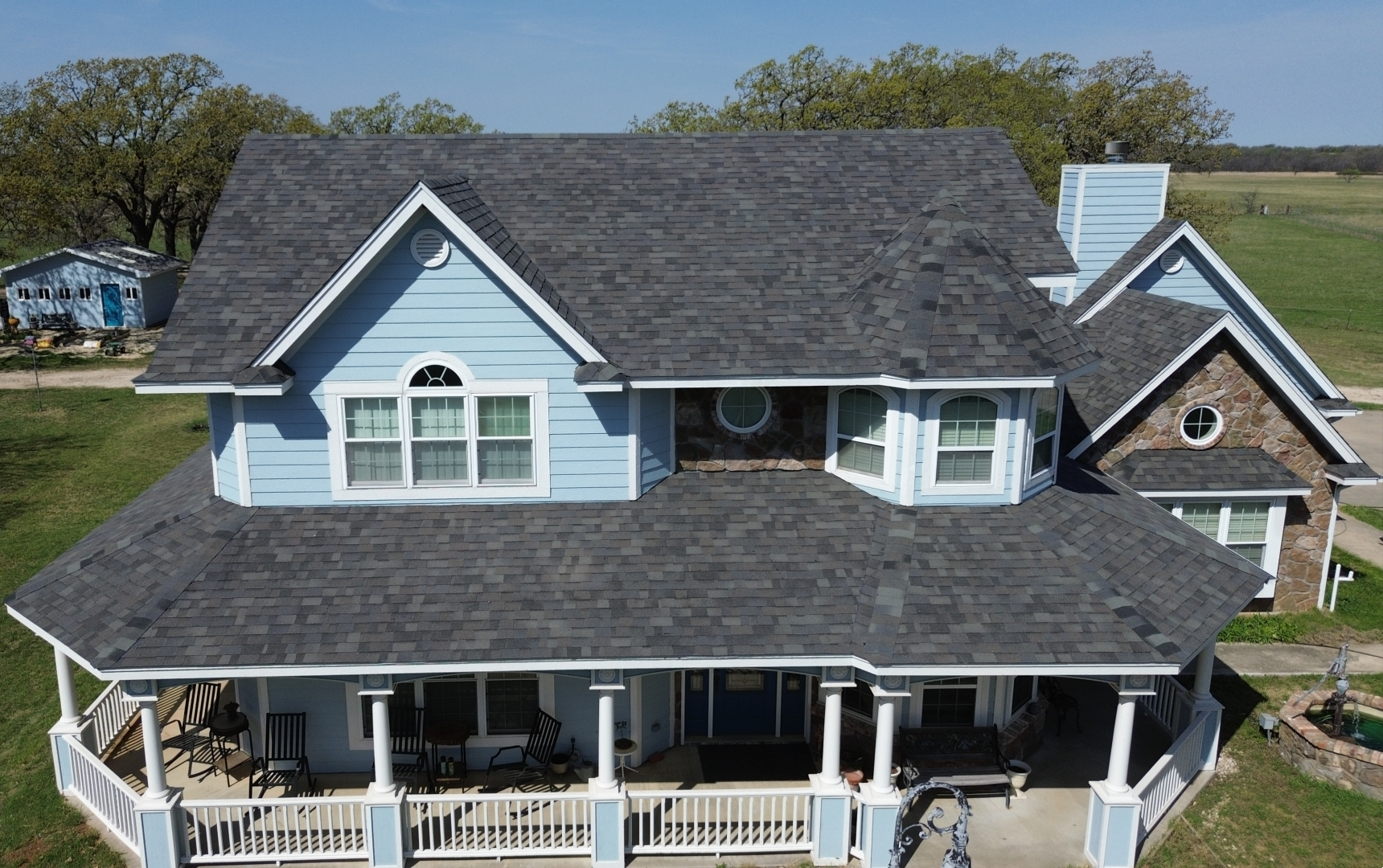
Although homeowners sometimes estimate roof size using the square footage of the house, this approach rarely produces accurate results. Roof pitch, overhangs, dormers, valleys, and multiple roof levels all increase the actual roofing surface beyond the home’s interior dimensions. Measuring the roof itself provides a much more dependable basis for budgeting.
Modern roofing contractors often combine traditional measuring methods with digital technology. Satellite imagery, aerial measurement software, and specialized roof modeling tools help improve accuracy while reducing the possibility of calculation errors. These technologies also assist contractors when preparing material orders and installation plans.
After measurements are completed, contractors calculate roofing squares, estimate material requirements, determine expected labor hours, and evaluate project complexity. This information allows homeowners to receive estimates based on the actual amount of work required rather than rough approximations.
The following checklist outlines the typical process used to measure residential roofs accurately.
- Measure the length and width of every roof section.
- Calculate the roof pitch to determine the actual surface area.
- Measure valleys, hips, ridges, dormers, and roof intersections.
- Record chimneys, skylights, vents, and other roof penetrations.
- Include roof overhangs in the total measurements.
- Calculate material waste allowances based on roof complexity.
- Convert total measurements into roofing squares.
- Prepare a detailed estimate using the completed roof measurements.
Accurate measurements help prevent both material shortages and unnecessary over-ordering. They also reduce the likelihood of project delays caused by incorrect material quantities.
Homeowners should always choose contractors who perform detailed roof measurements before providing estimates. Accurate planning creates a stronger foundation for successful budgeting and a smoother replacement project.
Budgeting Tips for Large Roof Replacement Projects
Large roof replacement projects require careful financial planning because even small changes in material prices or labor requirements can significantly affect the overall budget. Establishing a realistic financial plan before construction begins helps homeowners manage expenses while avoiding unexpected surprises.
The first step is requesting several detailed estimates from experienced roofing contractors. Comparing multiple proposals allows homeowners to evaluate project scope, material quality, warranties, labor costs, and included services rather than focusing only on the total price.
Including a contingency fund within the budget is equally important. Hidden structural damage, deteriorated roof decking, ventilation upgrades, or moisture-related repairs sometimes become apparent only after the existing roof has been removed. Setting aside additional funds helps prevent project interruptions if these repairs become necessary.
Financing options should also be explored before work begins. Depending on personal circumstances, homeowners may choose to use savings, home improvement financing, home equity loans, or contractor financing programs to manage the investment comfortably.
Planning the project before the roof reaches a critical condition often provides greater scheduling flexibility. Emergency replacements performed after major leaks or storm damage may involve higher costs because homeowners have less time to compare contractors and materials.
Warranty protection should also be included when evaluating the overall budget. High-quality roofing materials backed by strong manufacturer warranties and experienced installation supported by workmanship guarantees often provide greater long-term financial value.
Maintaining realistic expectations throughout the planning process helps homeowners make informed decisions based on quality and durability rather than immediate savings alone. Careful budgeting allows the project to proceed with fewer unexpected financial challenges.
Ways to Control Costs on Large Roofs Without Reducing Quality
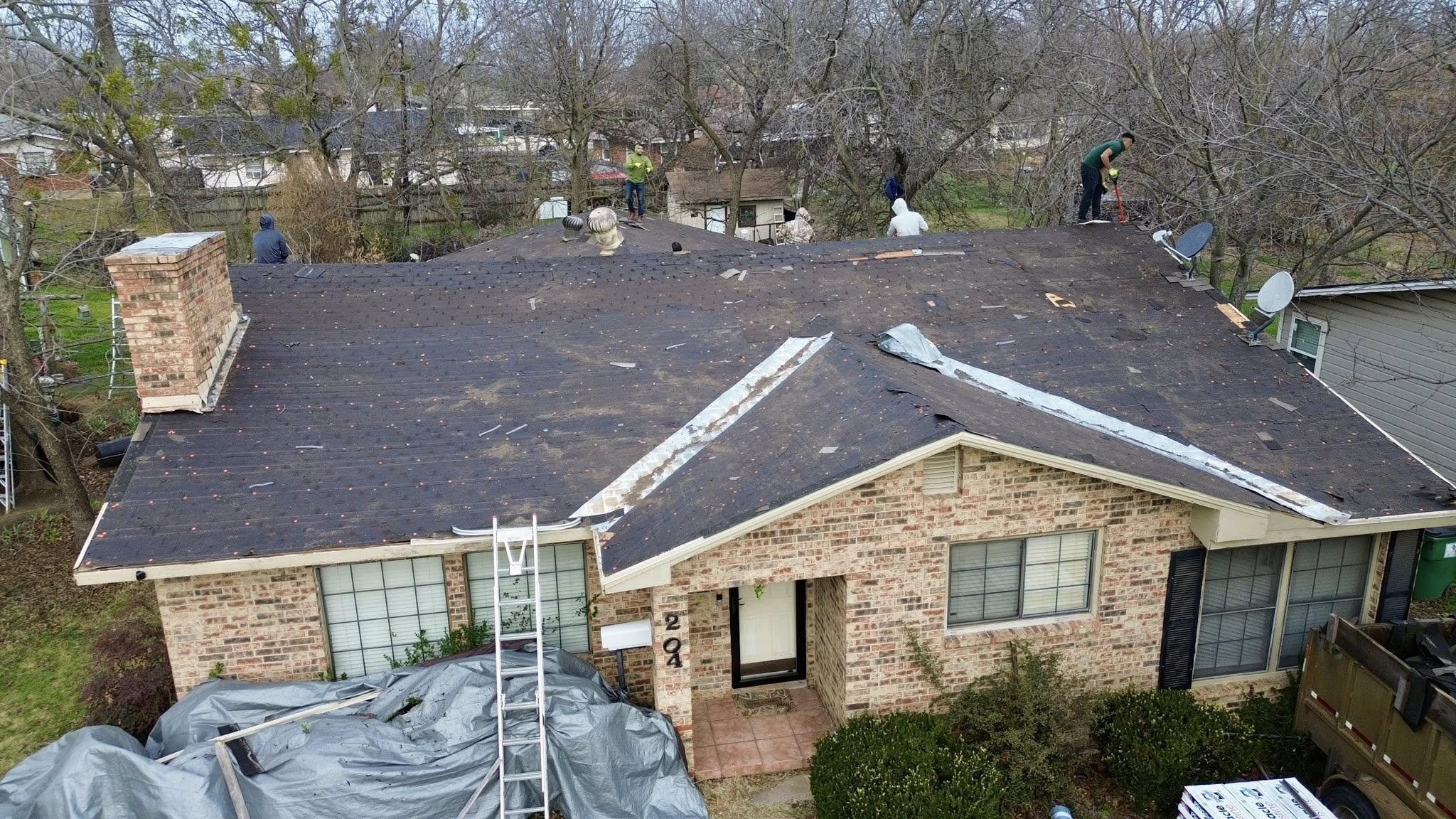
Large roofing projects naturally involve greater expenses, but homeowners can often reduce overall costs without sacrificing workmanship or long-term performance. Careful planning and informed decision-making help maximize the value of every dollar invested.
The following strategies can help control replacement costs while maintaining quality.
- Obtain detailed estimates from multiple reputable roofing contractors.
- Schedule replacement before widespread structural damage develops.
- Choose roofing materials that provide the best balance between durability and long-term value.
- Keep gutters and roof drainage systems properly maintained before replacement.
- Address minor roofing problems early to reduce future structural repairs.
- Compare warranty coverage along with material prices.
- Plan replacement during periods when scheduling is more flexible if possible.
- Select experienced contractors instead of choosing only the lowest bid.
Reducing costs should never involve lowering installation standards or selecting poor-quality materials. Inexpensive shortcuts often result in premature repairs that ultimately cost much more over the life of the roof.
Investing in proper installation, dependable materials, and routine maintenance provides the greatest return while helping homeowners avoid unnecessary future expenses.
Long-Term Value of Proper Roof Size Budgeting
Careful budgeting based on accurate roof size measurements provides benefits that continue long after the replacement project has been completed. Planning the budget properly helps homeowners make informed financial decisions while minimizing the likelihood of unexpected expenses during construction.
One important advantage is improved estimate accuracy. Detailed roof measurements allow contractors to calculate material quantities, labor requirements, equipment needs, and installation timelines with greater precision. This reduces the possibility of significant pricing changes after work has already begun.
Proper budgeting also helps prevent unnecessary change orders. When contractors accurately estimate material quantities and project requirements, homeowners are less likely to encounter unexpected additional costs caused by incomplete planning or inaccurate measurements.
Financial planning allows homeowners to compare roofing materials more effectively as well. Understanding how roof size affects total material costs makes it easier to evaluate whether premium roofing products provide worthwhile long-term value for a particular property.
Accurate budgeting also improves project scheduling. Contractors can coordinate deliveries, labor, equipment, and installation activities more efficiently when material quantities have been calculated correctly from the beginning.
Long-term maintenance planning benefits from accurate roof measurements too. Homeowners gain a better understanding of future inspection, maintenance, and repair requirements based on the size and complexity of the roofing system.
Perhaps most importantly, proper budgeting provides confidence throughout the replacement process. Homeowners who understand how roof size influences project costs can evaluate estimates objectively while avoiding unrealistic expectations based solely on house size or simplified online calculators.
Common Budgeting Mistakes Related to Roof Size
Many homeowners unintentionally underestimate roof replacement costs because they rely on assumptions instead of detailed measurements. Avoiding several common budgeting mistakes helps create more realistic financial plans while reducing the likelihood of unexpected expenses.
One of the most common mistakes is estimating roof size using only the home’s interior square footage. Because roofs include slopes, overhangs, and architectural features, the actual roofing area is often significantly larger than the floor space below it.
Another mistake is overlooking roof complexity. Dormers, valleys, skylights, chimneys, hips, and multiple roof levels increase both material usage and labor requirements. Two homes with identical floor plans may require very different replacement budgets because of these design differences.
Ignoring roof pitch also leads to inaccurate budgeting. Steeper roofs contain more actual roofing surface and require additional safety equipment and labor. Failing to account for pitch often results in underestimated project costs.
Some homeowners compare estimates without reviewing the measurement methods used by different contractors. A lower estimate may simply reflect incomplete measurements or omitted project components rather than genuine savings.
Another budgeting mistake involves overlooking material waste allowances. Roofing materials must be cut and fitted around roof features, creating unavoidable waste that contractors include when ordering supplies. Ignoring this factor may produce unrealistic cost expectations.
Focusing only on material prices while underestimating labor, equipment, disposal, and structural repairs is another common error. A complete roofing budget should include every stage of the replacement project rather than only the visible roofing materials.
Avoiding these mistakes helps homeowners prepare accurate budgets while selecting contractors based on complete project value instead of incomplete or misleading price comparisons.
Conclusion
Roof size is one of the most important factors influencing the cost of a residential roof replacement. Every increase in roofing area affects material quantities, labor hours, equipment requirements, project duration, waste disposal, and overall budgeting. Understanding these relationships allows homeowners to plan more accurately and make informed financial decisions before construction begins.
Throughout this guide, we explored how roof measurements, roof pitch, architectural complexity, material quantities, labor requirements, structural repairs, and supporting project costs all increase as roof size grows. While larger roofs naturally require greater investment, accurate planning helps homeowners understand exactly where those costs originate and how they contribute to the overall value of the completed roofing system.
Careful measurement is the foundation of every dependable roofing estimate. Rather than relying on house size alone, professional contractors evaluate the actual roof surface, including slopes, valleys, dormers, overhangs, and other architectural features that influence both material usage and installation complexity. This comprehensive approach results in more accurate budgets and fewer unexpected expenses during the project.
Planning ahead also provides long-term financial advantages. Homeowners who compare detailed estimates, maintain contingency funds, evaluate roofing materials carefully, and work with experienced contractors are often better positioned to control costs without sacrificing quality. Investing in proper planning reduces the likelihood of costly surprises while helping the replacement project proceed efficiently.
A roof replacement is a significant investment, and roof size plays a central role in determining that investment. By understanding how roof dimensions influence every aspect of the project and obtaining accurate measurements before budgeting begins, homeowners can confidently select the right contractor, choose suitable roofing materials, and complete a replacement project that delivers dependable protection and lasting value for many years.