

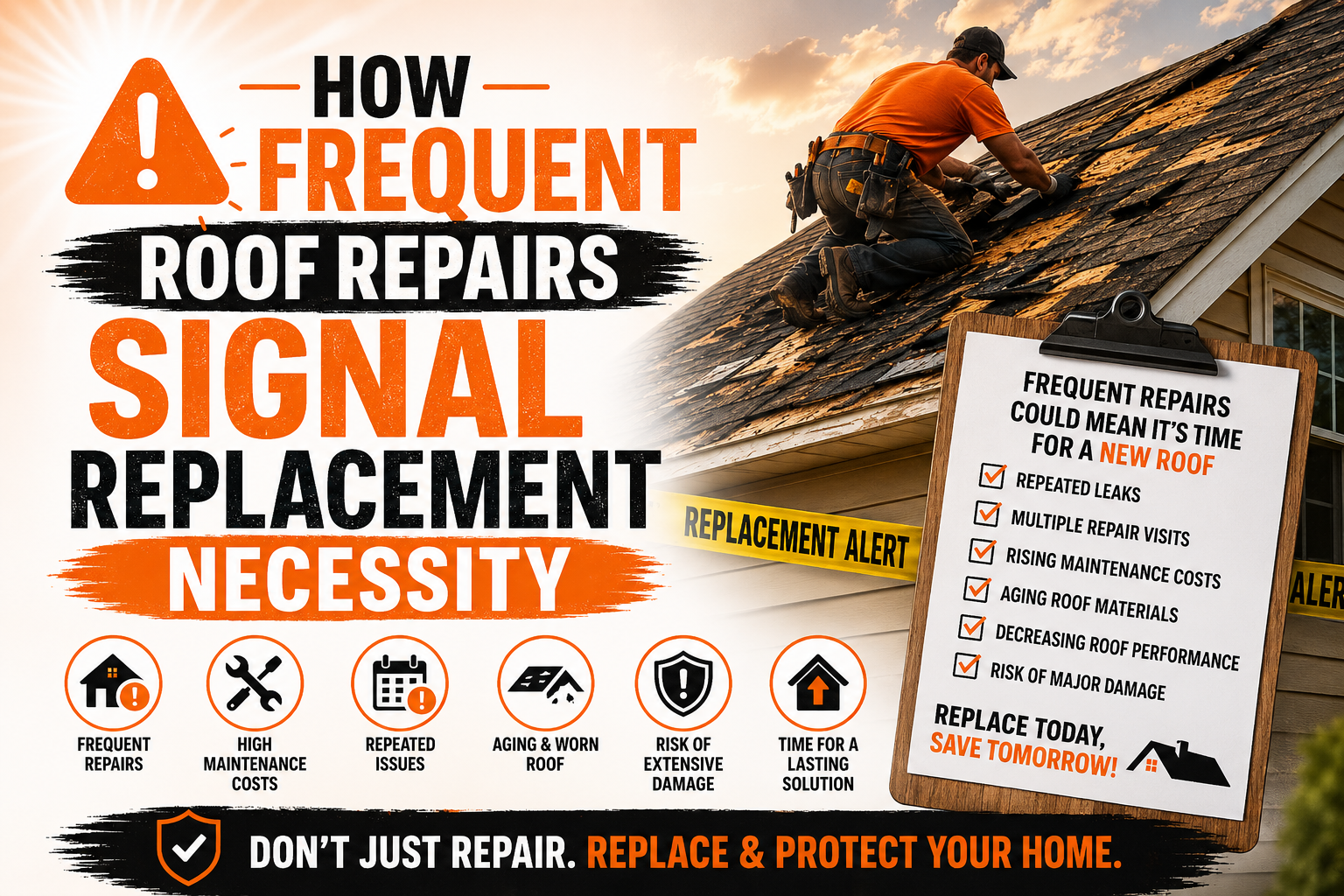
How Frequent Roof Repairs Signal Replacement Necessity
Introduction
A roof is designed to provide years of dependable protection with only occasional maintenance. Small repairs are a normal part of homeownership because weather, aging, and minor damage can affect even well-built roofing systems. However, when repair appointments become increasingly frequent, homeowners should begin asking whether fixing the roof is still the most practical solution.
Many people focus on the cost of each individual repair rather than the overall pattern of recurring problems. Replacing a few shingles or sealing a minor leak may seem affordable in the moment, but repeated repairs over several years can add up to a significant expense. More importantly, recurring issues often indicate that the roof is experiencing widespread deterioration rather than isolated damage.
A roof functions as a complete system where shingles, flashing, underlayment, decking, ventilation, and drainage all work together to keep the home protected. When one component begins failing repeatedly, it often places additional stress on the surrounding materials. Eventually, fixing one section no longer restores the overall reliability of the roofing system.
Frequent repairs can also create a false sense of security. Each repair may temporarily solve the visible problem, but hidden deterioration often continues developing beneath the surface. By the time larger structural issues become noticeable, the cost of restoring the roof may be much higher than if replacement had been planned earlier.
Recognizing when repeated repairs are signaling the need for a full roof replacement allows homeowners to make informed financial decisions before serious damage occurs. Instead of reacting to one emergency after another, they can evaluate the long term value of investing in a new roofing system.
In this guide, we will explore why recurring roof repairs deserve careful attention, how to distinguish routine maintenance from ongoing failure, what causes homeowners to repeatedly repair the same roof, and the warning signs that indicate replacement may be the smarter long term solution.
Why Frequent Roof Repairs Should Never Be Ignored
Every roof requires maintenance throughout its lifespan, but repairs should generally become less frequent after issues have been properly addressed. When new problems continue appearing shortly after previous repairs, it often signals that the roof is experiencing broader deterioration than initially believed.
One isolated repair following a storm is rarely a cause for concern. High winds may remove a few shingles, or falling debris may damage flashing around a chimney. Once repaired correctly, the roof should continue performing normally if the remaining materials are still in good condition.
The situation changes when homeowners begin scheduling repairs several times within a short period. A leak repaired during one season may be followed by another leak in a different location only months later. Missing shingles may become a recurring problem after every moderate windstorm rather than only during unusually severe weather.
Repeated repairs often indicate that roofing materials have reached the limits of their durability. Shingles gradually become brittle, flashing weakens, sealants dry out, and underlayment loses its ability to resist moisture. Addressing one damaged section cannot stop neighboring materials from continuing to age and fail.
Ignoring this pattern may increase both financial and structural risks. Water entering through multiple weak points can spread beneath roofing materials before becoming visible inside the home. Hidden moisture damages insulation, roof decking, and wooden framing long before ceiling stains or interior leaks appear.
Frequent repairs also interrupt normal home maintenance planning. Instead of budgeting for one predictable replacement project, homeowners face repeated service calls, recurring expenses, and uncertainty whenever severe weather approaches. Recognizing these patterns early helps prevent unnecessary stress while allowing more strategic planning.
A roof that repeatedly requires attention deserves a comprehensive evaluation rather than another temporary repair. Understanding the underlying causes of recurring problems is essential for determining whether continued maintenance remains worthwhile or whether replacement has become the better investment.
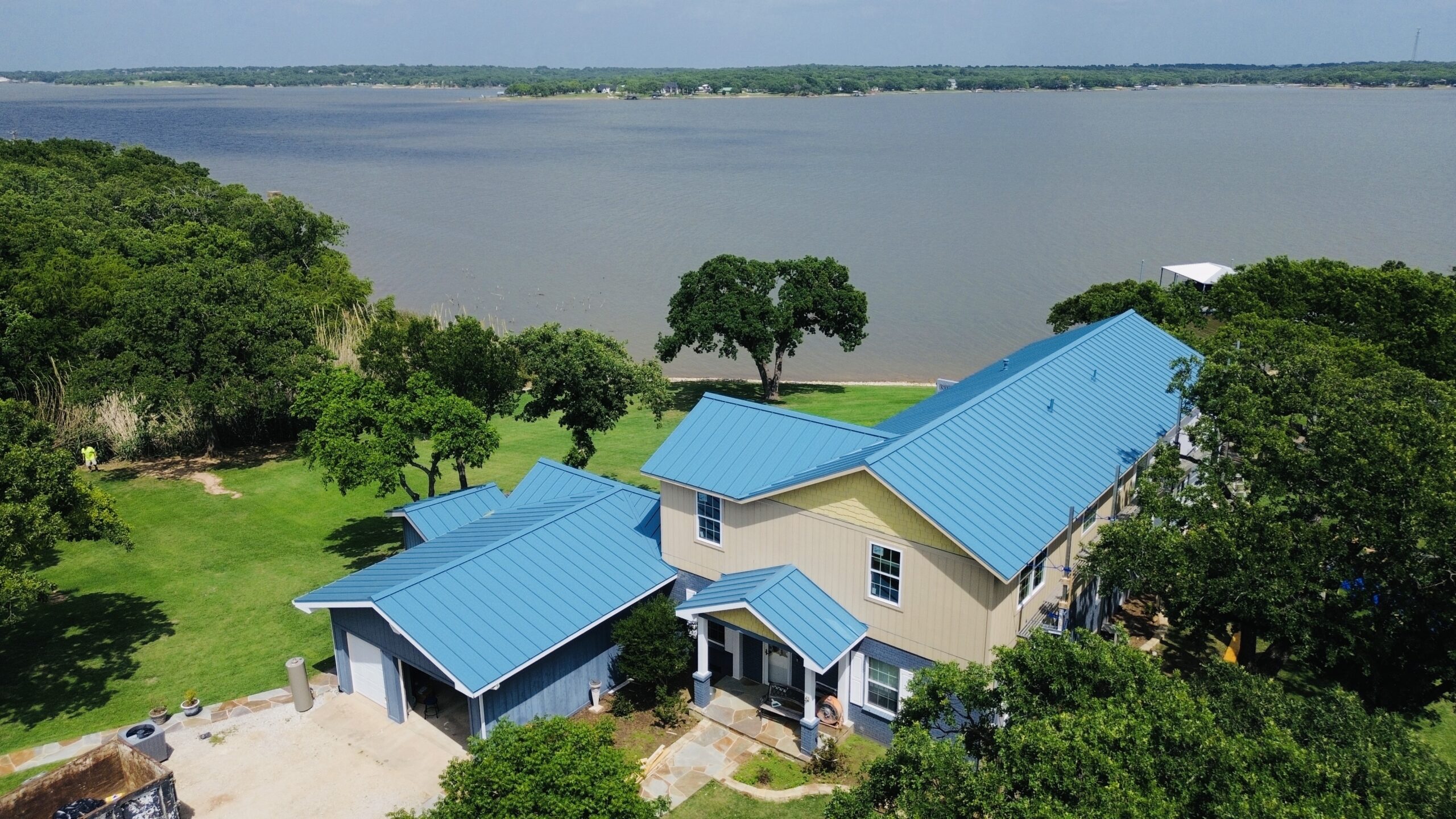
Understanding the Difference Between Normal Maintenance and Constant Repairs
Many homeowners struggle to determine whether their roof is simply receiving routine maintenance or entering a cycle of ongoing failure. Knowing the difference helps avoid unnecessary replacement while preventing excessive spending on repairs that no longer provide lasting value.
Routine maintenance focuses on preserving a healthy roofing system. Cleaning gutters, replacing a few storm damaged shingles, resealing flashing, and inspecting roof vents all help extend the life of a roof that remains structurally sound. These activities are expected throughout the roof’s lifespan and generally occur at manageable intervals.
Constant repairs involve repeated attempts to fix problems that continue returning despite previous work. Instead of isolated maintenance tasks, homeowners begin experiencing recurring leaks, loose shingles, deteriorating flashing, or moisture related damage across multiple areas of the roof.
The timing between repairs often provides valuable insight. A roof requiring attention every several years is generally performing as expected. In contrast, a roof needing multiple repairs within a single year may be indicating that underlying materials have begun failing across the roofing system.
The scope of repairs also changes over time. Early maintenance usually addresses individual components while the surrounding roof remains healthy. As deterioration spreads, each repair covers a slightly larger area, suggesting that damage is no longer confined to one isolated location.
Homeowners should also consider whether repairs solve the problem permanently or only temporarily. If leaks return shortly after being repaired or new issues develop nearby, the roof may have reached a stage where patching isolated areas is no longer sufficient.
Another important distinction involves repair predictability. Routine maintenance can often be planned during scheduled inspections, while constant repairs usually occur unexpectedly after ordinary rainfall or moderate wind conditions. Increasing unpredictability often reflects declining roof reliability.
Understanding these differences helps homeowners evaluate whether repair money continues providing meaningful value. When maintenance evolves into an endless cycle of repairs, replacement deserves serious consideration.
Common Reasons Homeowners Keep Repairing the Same Roof
Despite recurring problems, many homeowners continue repairing aging roofs instead of replacing them. While this decision often appears economical in the short term, several common factors contribute to delaying replacement even after repeated repairs become necessary.
The most obvious reason is cost. Individual repairs usually require a much smaller investment than installing a completely new roof. Faced with immediate financial considerations, many homeowners naturally choose the less expensive option without evaluating long term repair expenses.
Another reason involves emotional attachment to existing improvements. If a roof still appears acceptable from the ground, homeowners may believe replacement is unnecessary even though hidden deterioration continues beneath the surface. Exterior appearance alone rarely reveals the true condition of the roofing system.
Some homeowners assume that every leak represents an isolated issue. After repairing one section, they expect the roof to remain trouble free for years. When another leak appears elsewhere, they often treat it as a completely unrelated event instead of recognizing the broader pattern of aging.
Uncertainty also contributes to delayed replacement decisions. Without a professional inspection, homeowners may not know whether recurring repairs indicate localized problems or widespread deterioration. This uncertainty encourages continued repairs because replacement feels like a larger commitment.
Insurance considerations sometimes influence repair decisions as well. If damage is not covered by an insurance policy or results primarily from normal aging, homeowners may postpone replacement while attempting to extend the roof’s remaining lifespan through repeated maintenance.
Busy schedules also play a role. Organizing a roof replacement requires researching contractors, comparing estimates, selecting materials, and scheduling installation. Repeated repairs often seem more convenient because they require less planning even if they ultimately cost more over time.
Finally, many homeowners simply hope to gain a few more years from the existing roof. While extending roof life through proper maintenance is often worthwhile, this approach becomes less practical once repairs begin occurring regularly across multiple areas.
Recognizing these common motivations helps homeowners step back and evaluate whether continued repairs truly represent the best long term strategy.
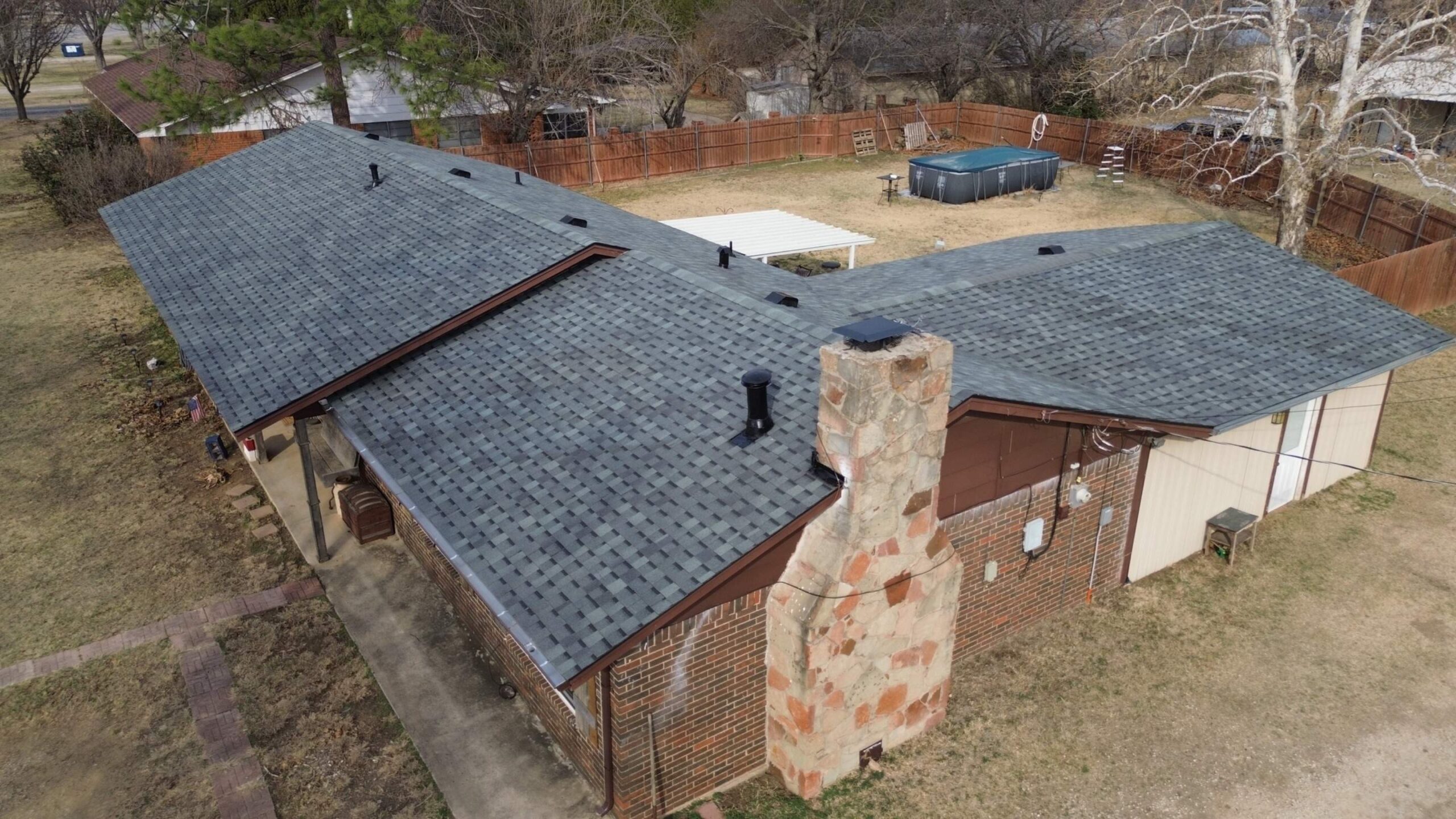
Early Warning Signs That Repairs Are Becoming More Frequent
Recurring roofing problems rarely begin suddenly. Instead, they usually develop gradually as materials age and small issues become more widespread. Recognizing early warning signs helps homeowners address the situation before repair costs continue escalating.
One of the earliest indicators is an increasing number of leaks. Initially, leaks may occur only after unusually heavy storms. Over time, ordinary rainfall begins producing water intrusion because the roof has lost much of its original weather resistance.
Repair invoices also provide valuable evidence. Homeowners who review maintenance records often discover that service calls have become more frequent than they realized. Looking at several years of repair history makes recurring patterns much easier to identify.
Shingle replacement becomes another recurring activity. Instead of replacing a few damaged shingles every several years, homeowners may notice missing or cracked shingles after nearly every significant weather event. This often reflects widespread material aging rather than isolated storm damage.
Roof flashing may also require repeated attention. Sealants dry out naturally over time, but constantly repairing flashing around vents, skylights, or chimneys suggests that surrounding roofing materials may also be deteriorating. Solving one issue does not prevent additional failures from developing nearby.
Interior signs often become more noticeable as repair frequency increases. Water stains appearing in different rooms, damp attic insulation, peeling paint, or recurring mold growth indicate that moisture is entering through multiple pathways rather than a single isolated leak.
Another warning sign involves shortened repair effectiveness. A repair that once lasted several years may now remain effective for only a few months before new problems appear. This reduced longevity suggests that the roof’s overall condition has declined significantly.
Homeowners should also pay attention to seasonal patterns. If concerns arise after every rainy season or each period of strong winds, the roof may no longer possess sufficient durability to withstand normal weather conditions. Frequent weather related repairs often indicate that replacement planning should begin.
Identifying these warning signs early provides valuable time for budgeting, contractor selection, and material research before emergency replacement becomes necessary.
The Hidden Costs of Repeated Roof Repairs
Many homeowners evaluate roof repairs by considering only the immediate repair bill. While individual service visits may appear affordable, repeated repairs create additional expenses that are often overlooked. These hidden costs can eventually exceed the investment required for a complete roof replacement.
Labor charges accumulate with every repair appointment. Each visit involves inspection, transportation, preparation, and installation regardless of how small the repair may be. Multiple service calls throughout the year gradually increase overall maintenance costs even when individual invoices seem reasonable.
Interior water damage often accompanies recurring roof problems. Moisture entering through damaged roofing materials can stain ceilings, weaken drywall, damage flooring, and ruin personal belongings before leaks become obvious. Repairing these interior areas adds expenses beyond the roofing work itself.
Energy efficiency may also decline as the roof continues deteriorating. Damaged insulation, hidden moisture, and compromised ventilation allow conditioned air to escape more easily. Heating and cooling systems work harder to maintain comfortable indoor temperatures, increasing monthly utility bills over time.
Repeated repairs also consume valuable time. Scheduling contractor visits, preparing the property, monitoring weather forecasts, and dealing with recurring maintenance interruptions become increasingly inconvenient. While these costs are difficult to measure financially, they affect everyday life in meaningful ways.
Property value may also be influenced by an aging roof with an extensive repair history. Potential buyers often view repeated repairs as evidence that larger roofing problems remain unresolved. A new roof generally inspires greater confidence than a long list of maintenance invoices.
Perhaps the greatest hidden cost involves delayed replacement itself. As homeowners continue repairing an aging roof, underlying structural damage may continue spreading unnoticed. Roof decking, framing, insulation, and interior finishes all become vulnerable to moisture, increasing the eventual scope and cost of restoration.
Understanding these hidden expenses helps homeowners evaluate roof repairs from a broader perspective. Instead of focusing only on today’s repair bill, they can consider the long term financial impact of maintaining a roof that may already be signaling the need for replacement.
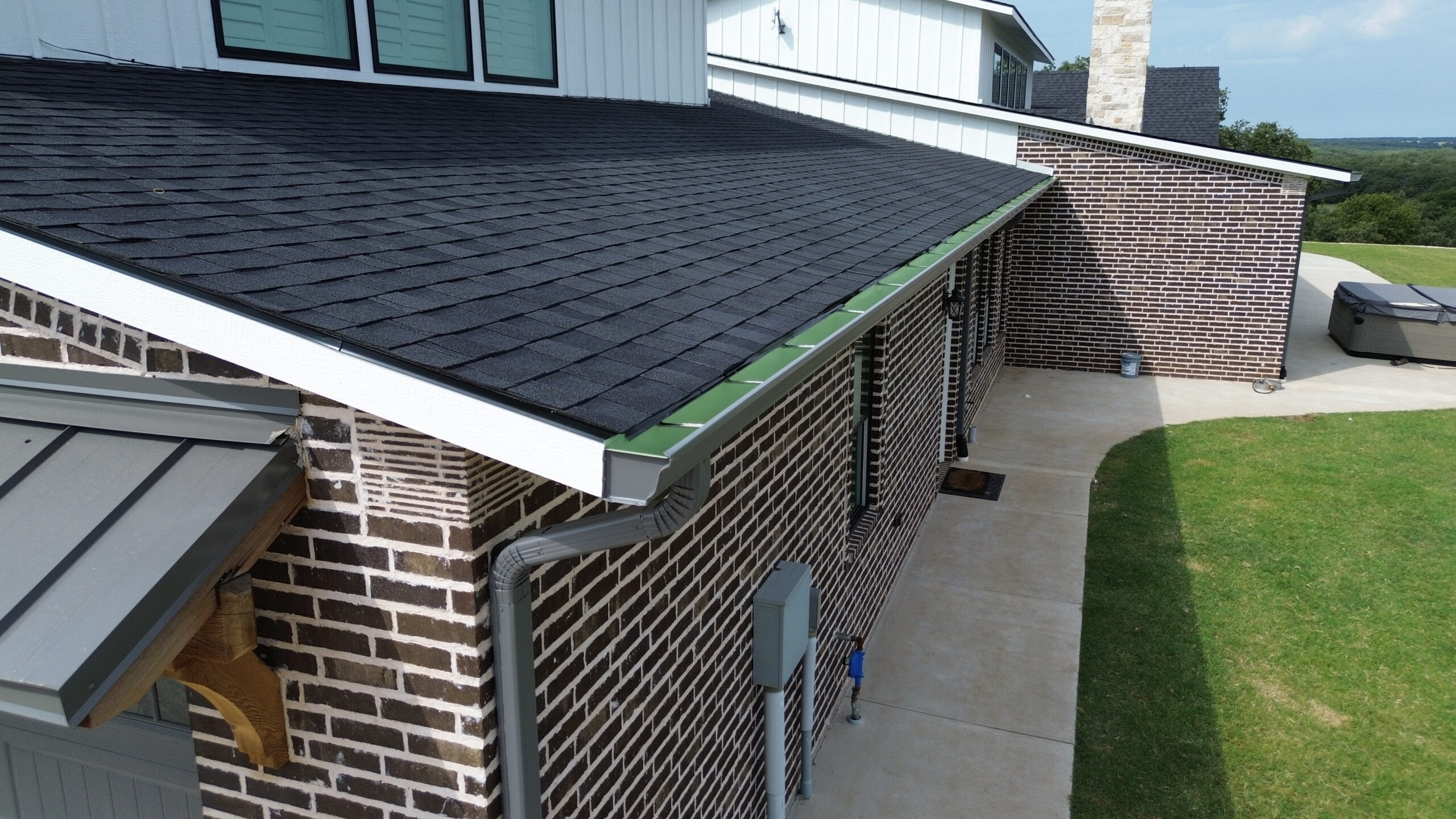
How Recurring Leaks Indicate Deeper Roofing Problems
A roof leak is often viewed as a simple problem that can be solved by replacing a few shingles or sealing a small opening. While this may be true for isolated damage, recurring leaks usually tell a much different story. When water continues finding new entry points, it often indicates that the roofing system is experiencing widespread deterioration rather than a single defect.
One of the biggest challenges with roof leaks is that water rarely travels straight downward. Moisture can move beneath shingles, follow roof decking, or travel along rafters before becoming visible inside the home. As a result, the location of an interior leak may be several feet away from the actual point where water entered the roof.
Repeated leaks also suggest that multiple roofing components are beginning to fail together. Aging shingles may no longer provide complete protection, flashing can separate from roof surfaces, and underlayment may lose its water resistant properties. Repairing one area does not restore the strength of surrounding materials that are reaching the end of their service life.
Moisture trapped beneath the roofing surface creates additional concerns that are not immediately visible. Roof decking absorbs water over time, insulation becomes less effective, and wooden framing may begin developing rot. These hidden issues continue progressing even if the visible leak temporarily disappears after a repair.
Another warning sign appears when leaks occur during ordinary rainfall instead of only during severe storms. A healthy roofing system should protect the home through normal weather conditions without difficulty. If moderate rain repeatedly produces new leaks, the roof’s overall weather resistance has likely declined significantly.
Recurring attic moisture deserves equal attention. Damp insulation, mold growth, or water stains on wooden framing indicate that moisture has been entering the roof over an extended period. These conditions often develop long before water reaches finished living spaces, making attic inspections an important part of roof evaluations.
Repeated leak repairs may provide temporary relief, but they rarely address widespread aging across the roofing system. Once leaks begin appearing in different areas over time, homeowners should consider whether continued repairs remain financially worthwhile or whether replacement has become the more dependable long term solution.
When Repair Costs Begin to Outweigh Replacement Costs
Repairing an aging roof often feels like the less expensive choice because each individual repair usually costs far less than a complete replacement. However, evaluating roofing expenses requires looking beyond immediate invoices. The combined cost of repeated repairs, interior damage, and ongoing maintenance can eventually exceed the value of installing a new roof.
One of the first signs that repairs are becoming uneconomical is increasing repair frequency. A roof that once required attention every several years may suddenly need multiple service visits within a single year. Each repair solves one issue while additional aging materials continue deteriorating elsewhere.
Repair costs also tend to increase over time because roofing problems rarely remain isolated. A small leak may initially require only minor repairs, but prolonged moisture exposure gradually affects underlayment, decking, insulation, and structural framing. Addressing these additional problems significantly increases overall maintenance expenses.
Material availability may also become an issue for older roofs. Manufacturers occasionally discontinue specific shingle styles or colors, making it difficult to match replacement materials. Contractors sometimes spend additional time locating compatible products or installing alternative solutions that may not blend perfectly with the existing roof.
Repeated labor expenses represent another hidden cost. Every repair requires inspection, setup, transportation, safety equipment, and cleanup regardless of the size of the project. Paying these labor costs repeatedly often becomes less economical than completing one comprehensive replacement.
Homeowners should also consider the value of predictability. A new roof generally provides decades of dependable performance with routine maintenance, while an aging roof requiring frequent repairs creates ongoing uncertainty. Planning for one scheduled replacement often proves easier than responding to repeated emergency service calls.
Long term financial planning becomes clearer when total ownership costs are considered rather than individual repair bills. Investing in replacement may involve a larger upfront expense, but it often reduces maintenance costs, improves energy efficiency, and protects the home from future structural damage.
Instead of asking whether the next repair is affordable, homeowners should ask whether that repair meaningfully extends the roof’s remaining lifespan. If repairs simply postpone replacement by a short period while additional problems continue developing, replacement often represents the wiser investment.
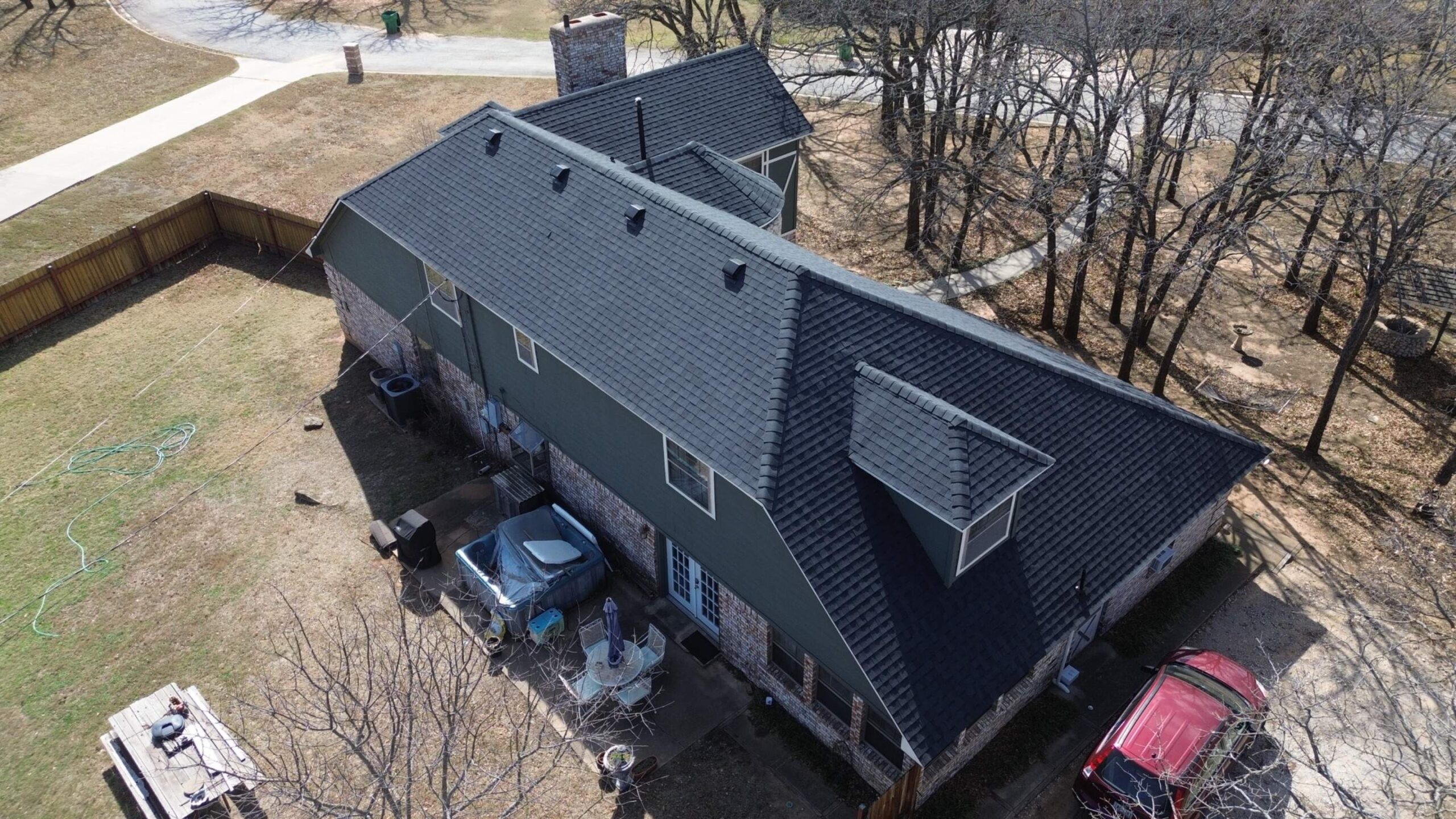
Comparing Continued Repairs with Full Roof Replacement
Deciding between continued repairs and full roof replacement requires balancing current expenses with future reliability. Neither option is automatically correct in every situation, but understanding the advantages and limitations of each helps homeowners make informed decisions.
The following comparison highlights situations where repairs remain practical and where replacement generally provides greater long term value.
| Factor | Continued Roof Repairs | Full Roof Replacement |
|---|---|---|
| Roof Age | Relatively young roof with isolated issues | Roof approaching or exceeding expected lifespan |
| Damage Extent | Localized damage affecting limited areas | Widespread deterioration across multiple sections |
| Leak History | Occasional isolated leaks | Recurring leaks in different locations |
| Structural Condition | Decking and framing remain sound | Structural components show moisture damage or weakening |
| Maintenance Costs | Low and infrequent | Eliminates recurring repair expenses for many years |
| Energy Performance | Limited improvement | Modern materials often improve energy efficiency |
| Long Term Value | Extends service life temporarily | Restores complete roofing system with long term reliability |
| Warranty Coverage | Usually limited to repair work | Often includes comprehensive manufacturer warranties |
Repairs remain an excellent choice when the roof is relatively new and the damage is limited to one area. Correcting isolated storm damage or replacing a small number of shingles often restores the roof without unnecessary expense.
Replacement becomes increasingly attractive when several warning signs occur simultaneously. Older roofing materials, recurring leaks, rising repair bills, and structural deterioration indicate that the roof is no longer functioning as a dependable system. At this stage, replacing isolated sections rarely addresses the overall condition of the roof.
Viewing repairs and replacement as long term investments rather than immediate expenses helps homeowners make balanced decisions that protect both their property and their finances.
Structural Damage That Makes Repairs Less Effective
Surface repairs can only succeed when the underlying roof structure remains healthy. Once moisture begins affecting structural components beneath the shingles, replacing visible roofing materials alone no longer solves the real problem. Structural deterioration often signals that complete roof replacement has become necessary.
Roof decking provides the foundation that supports every roofing material above it. Continuous water exposure weakens wooden decking, causing soft spots, swelling, and eventual decay. New shingles installed over damaged decking cannot provide reliable long term performance because the supporting structure has already been compromised.
Water also affects rafters and roof trusses over time. These structural members distribute the roof’s weight throughout the home and maintain the roof’s overall shape. Rot, mold, or prolonged moisture exposure gradually reduce their strength, increasing the risk of sagging or structural movement.
Sagging roof sections deserve immediate attention regardless of how minor they appear. Even slight depressions may indicate hidden structural damage beneath the roofing surface. Surface repairs cannot restore structural strength without addressing the weakened framing below.
Repeated moisture intrusion also affects fasteners and connectors. Nails, screws, and metal brackets exposed to long term moisture may corrode, reducing their ability to secure roofing materials during high winds. These hidden weaknesses often remain unnoticed until severe weather causes additional damage.
Insulation frequently suffers alongside structural components. Wet insulation loses much of its thermal performance while creating favorable conditions for mold growth. Even after visible leaks are repaired, saturated insulation continues affecting indoor comfort until it is replaced.
Structural deterioration rarely develops overnight. Instead, it results from months or years of recurring moisture entering the roofing system. Once structural problems are identified, replacement usually provides a safer and more reliable solution than attempting repeated surface repairs.
Professional Inspection Findings That Point Toward Replacement
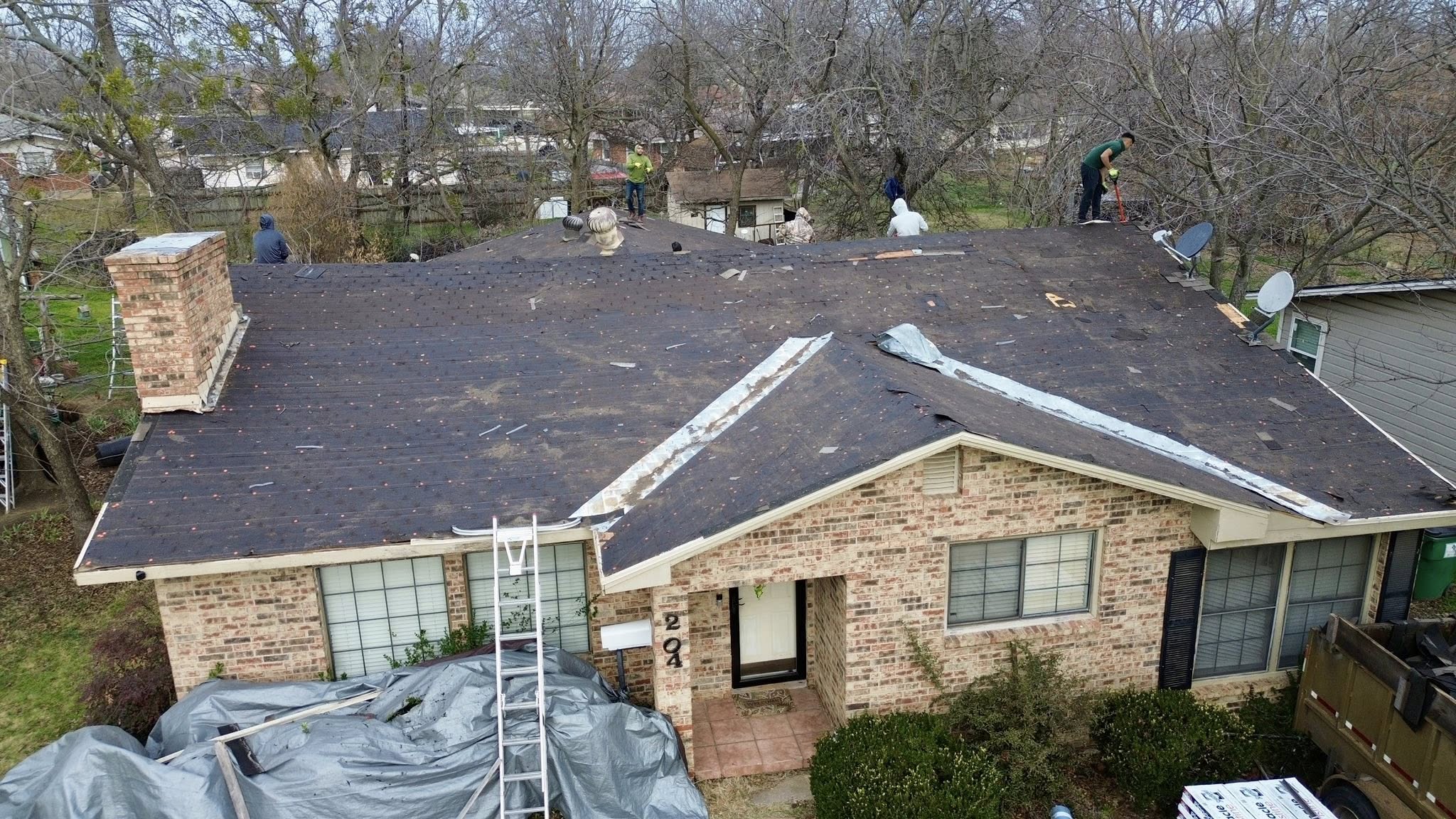
Professional roof inspections provide valuable information that homeowners cannot easily gather through visual observation alone. Experienced roofing contractors examine every component of the roofing system, helping determine whether repairs remain practical or whether replacement has become the more appropriate solution.
Inspectors begin by evaluating visible roofing materials such as shingles, flashing, vents, and roof valleys. They assess the overall pattern of wear rather than focusing only on isolated damage. Widespread granule loss, brittle shingles, cracked flashing, and deteriorated sealants often indicate that the roof is nearing the end of its service life.
Hidden moisture receives particular attention during professional evaluations. Specialized equipment helps detect water trapped beneath roofing materials before significant interior damage becomes visible. Discovering widespread hidden moisture often changes the recommended solution from repair to replacement.
Roof decking and structural framing are also carefully examined. Soft decking, sagging sections, mold growth, or signs of wood rot suggest that deterioration extends well beyond the roof surface. These findings frequently justify replacing the entire roofing system rather than repairing isolated sections.
Ventilation problems commonly appear during inspections as well. Inadequate attic airflow traps excessive heat and moisture, accelerating deterioration from beneath the roof. Correcting ventilation deficiencies often becomes part of a comprehensive roof replacement project.
Contractors also evaluate previous repair work. Numerous patched areas, inconsistent roofing materials, or repeated repairs across different sections may indicate that the roof has reached the point where further patching no longer provides meaningful long term value.
Inspection reports offer homeowners objective information for making informed decisions. Rather than relying on assumptions or appearance alone, homeowners receive a comprehensive evaluation that considers roof age, structural condition, repair history, and remaining service life.
Questions Homeowners Should Ask Before Paying for Another Repair
Before authorizing another roof repair, homeowners should take time to evaluate whether the investment will genuinely extend the roof’s useful life. Asking the right questions helps avoid spending money on repairs that provide only temporary benefits.
Consider these questions before scheduling another repair:
- How many roof repairs have been completed during the past few years?
- Are leaks occurring in new locations instead of returning to one isolated area?
- Is the roof approaching the expected lifespan of its roofing material?
- Has a professional inspection identified structural damage or widespread deterioration?
- Will another repair significantly extend the roof’s remaining service life?
- Would investing this repair cost toward replacement provide greater long term value?
These questions encourage homeowners to evaluate overall roof performance rather than focusing only on the immediate problem. Looking at the complete repair history often reveals patterns that are easy to overlook when each repair is considered separately.
Making replacement decisions before complete roof failure provides important advantages. Homeowners gain time to compare contractors, evaluate roofing materials, schedule installation during favorable weather, and budget appropriately without the pressure of an active emergency.
Financial Benefits of Replacing Instead of Repeatedly Repairing
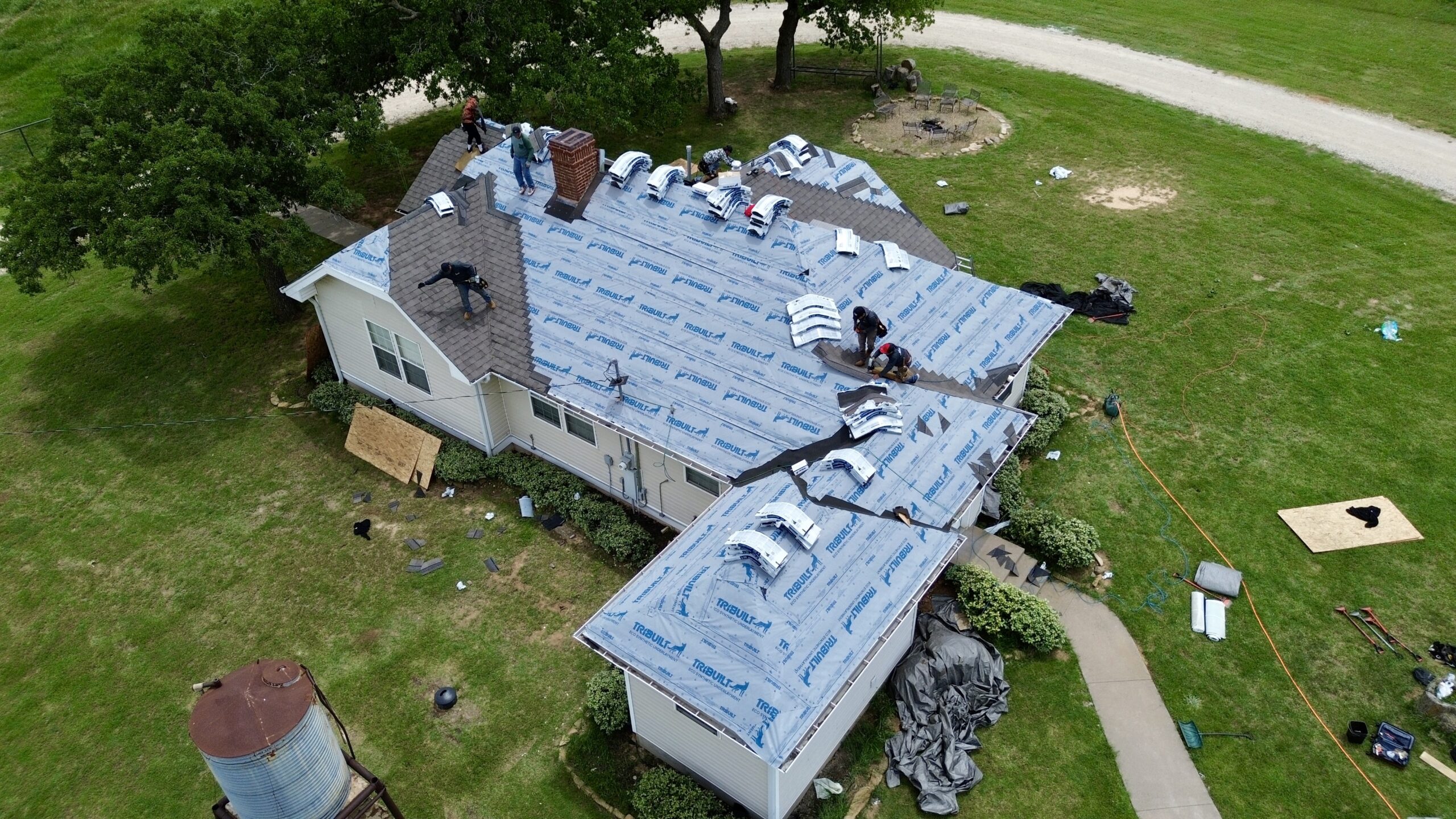
Replacing a roof requires a significant investment, but the long term financial benefits often make it a more economical choice than paying for repeated repairs. While individual repairs may seem affordable, their cumulative cost can become substantial over several years. Looking beyond immediate expenses helps homeowners understand the true value of installing a new roofing system.
One of the biggest financial advantages is eliminating recurring repair bills. Instead of paying for multiple service visits each year, homeowners typically only need routine inspections and preventive maintenance after installing a new roof. This predictable maintenance schedule makes long term budgeting much easier.
A new roof also reduces the risk of expensive interior damage. Water that enters through an aging roof can affect ceilings, drywall, insulation, flooring, electrical systems, and personal belongings. Preventing these secondary repairs often saves thousands of dollars over the lifespan of the new roofing system.
Energy efficiency is another important financial consideration. Modern roofing materials, improved ventilation, and updated underlayment help regulate indoor temperatures more effectively than aging roofing systems. Reduced heating and cooling demands may lower monthly utility expenses while improving overall comfort.
Insurance considerations may also influence long term costs. A well maintained new roof is generally viewed as a lower risk than an aging roof with an extensive repair history. While insurance policies vary, maintaining a newer roofing system may simplify future claims and reduce concerns about repeated weather related damage.
Property value often improves after roof replacement as well. Buyers appreciate knowing that one of the home’s largest maintenance projects has already been completed. A recently installed roof can make a property more attractive in competitive real estate markets while reducing concerns during home inspections.
The financial benefits extend beyond direct savings. Homeowners also gain confidence knowing they are less likely to face unexpected roofing emergencies that require immediate contractor availability and premium repair pricing. Planned replacement is almost always more manageable than emergency restoration after significant roof failure.
Viewing roof replacement as a long term investment rather than a short term expense helps homeowners appreciate its overall value. Instead of repeatedly paying to extend the life of deteriorating materials, they invest in decades of dependable protection.
Common Mistakes Homeowners Make When Delaying Replacement
Many homeowners postpone roof replacement with the hope of gaining another year or two from their existing roof. While delaying replacement may seem reasonable in certain situations, several common mistakes often increase overall costs and create additional problems.
The following mistakes are among the most frequent.
- Continuing repairs without reviewing the total amount spent over several years.
- Assuming every new leak is unrelated to previous roofing problems.
- Ignoring professional recommendations because the roof still looks acceptable from the ground.
- Waiting until interior water damage becomes severe before considering replacement.
- Choosing the lowest repair cost without evaluating the roof’s overall condition.
- Neglecting routine inspections after completing previous repairs.
Each of these decisions may appear practical at the time, but together they often lead to higher expenses and greater structural damage. Delaying replacement allows deterioration to continue spreading beneath the roofing surface, increasing the amount of work eventually required.
Recognizing these mistakes early allows homeowners to shift from reactive maintenance toward proactive planning. Replacing the roof before major structural damage develops usually provides better financial and practical outcomes.
Creating a Long Term Roof Maintenance and Replacement Plan
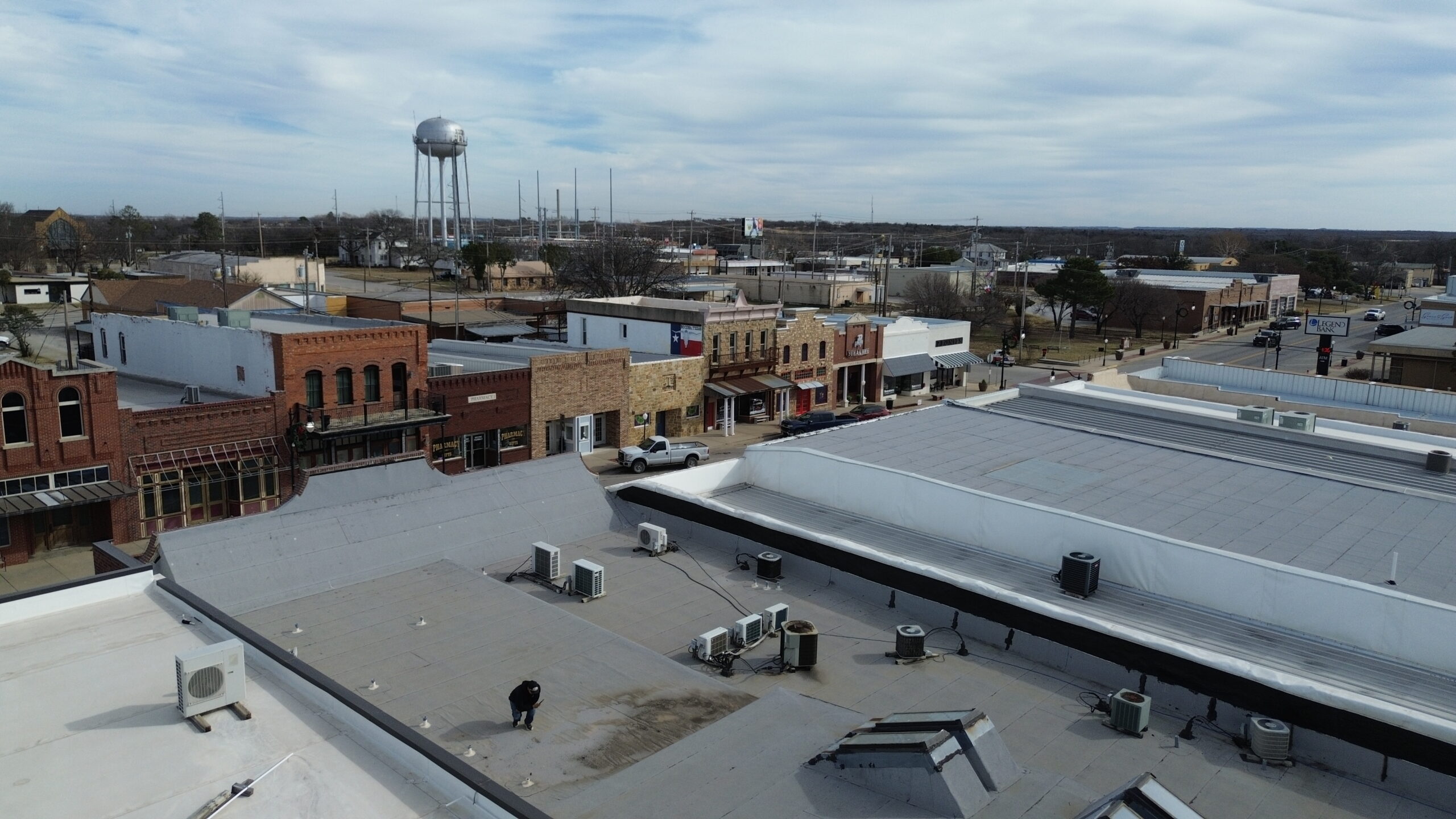
A successful roofing strategy involves more than responding to problems as they appear. Developing a long term maintenance and replacement plan helps homeowners protect their investment while avoiding unnecessary surprises. Planning ahead also makes future replacement projects less stressful and more financially manageable.
The first step is maintaining accurate records of all roofing work. Inspection reports, repair invoices, warranty information, and installation dates provide valuable history when evaluating the roof’s overall condition. These records also help contractors identify recurring issues more efficiently.
Scheduling regular professional inspections is another essential part of long term planning. Annual inspections and evaluations after major storms help detect small problems before they develop into expensive structural damage. Early detection often extends roof lifespan while reducing repair costs.
Routine homeowner maintenance should also remain consistent throughout the roof’s life. Cleaning gutters, removing roof debris, trimming overhanging tree branches, and visually inspecting the roof after severe weather all contribute to better long term performance. These simple tasks reduce unnecessary wear while supporting proper drainage.
Financial preparation deserves equal attention. Setting aside funds gradually each year helps homeowners prepare for eventual replacement without relying on emergency financing. Since every roof will eventually reach the end of its service life, budgeting in advance creates greater flexibility when replacement becomes necessary.
Material research should begin before replacement becomes urgent. Understanding available roofing options, expected lifespans, warranties, and maintenance requirements allows homeowners to make thoughtful decisions instead of rushing through the selection process during an emergency.
A long term plan transforms roof ownership from reactive problem solving into proactive asset management. This approach reduces uncertainty while maximizing the value and performance of the roofing system throughout its lifespan.
Choosing the Right Roofing Contractor for Replacement
Selecting the right roofing contractor is one of the most important decisions in the replacement process. Even the highest quality roofing materials cannot perform as intended if they are installed improperly. Careful contractor selection helps ensure the new roof provides reliable protection for decades.
Homeowners should begin by researching contractors with established experience in residential roofing. Companies that have completed similar projects over many years often have stronger installation procedures and greater familiarity with local building requirements. Reviewing previous work also provides insight into workmanship quality.
Licensing and insurance should always be verified before signing a contract. Proper licensing demonstrates compliance with local regulations, while insurance protects both the homeowner and the contractor if accidents occur during the project. Requesting documentation before work begins helps avoid unnecessary complications.
Detailed written estimates make comparing contractors much easier. A comprehensive proposal should clearly explain the scope of work, materials being used, labor costs, project timeline, cleanup procedures, and warranty coverage. Transparent estimates reduce misunderstandings while helping homeowners evaluate overall value rather than focusing only on price.
Communication also plays a significant role in a successful roofing project. Contractors who answer questions clearly, explain recommendations, and provide regular updates throughout the installation process often create a smoother experience from beginning to end. Good communication builds confidence while reducing uncertainty during construction.
Warranty coverage should be reviewed carefully as well. Manufacturer warranties protect roofing materials, while workmanship warranties address installation quality. Understanding the differences between these protections helps homeowners know what support will be available after the project is complete.
Choosing a qualified contractor requires careful research, but the effort pays significant dividends. Professional installation supports the full lifespan of the new roofing system while reducing the likelihood of premature repairs and future roofing problems.
Long Term Advantages of Installing a New Roof
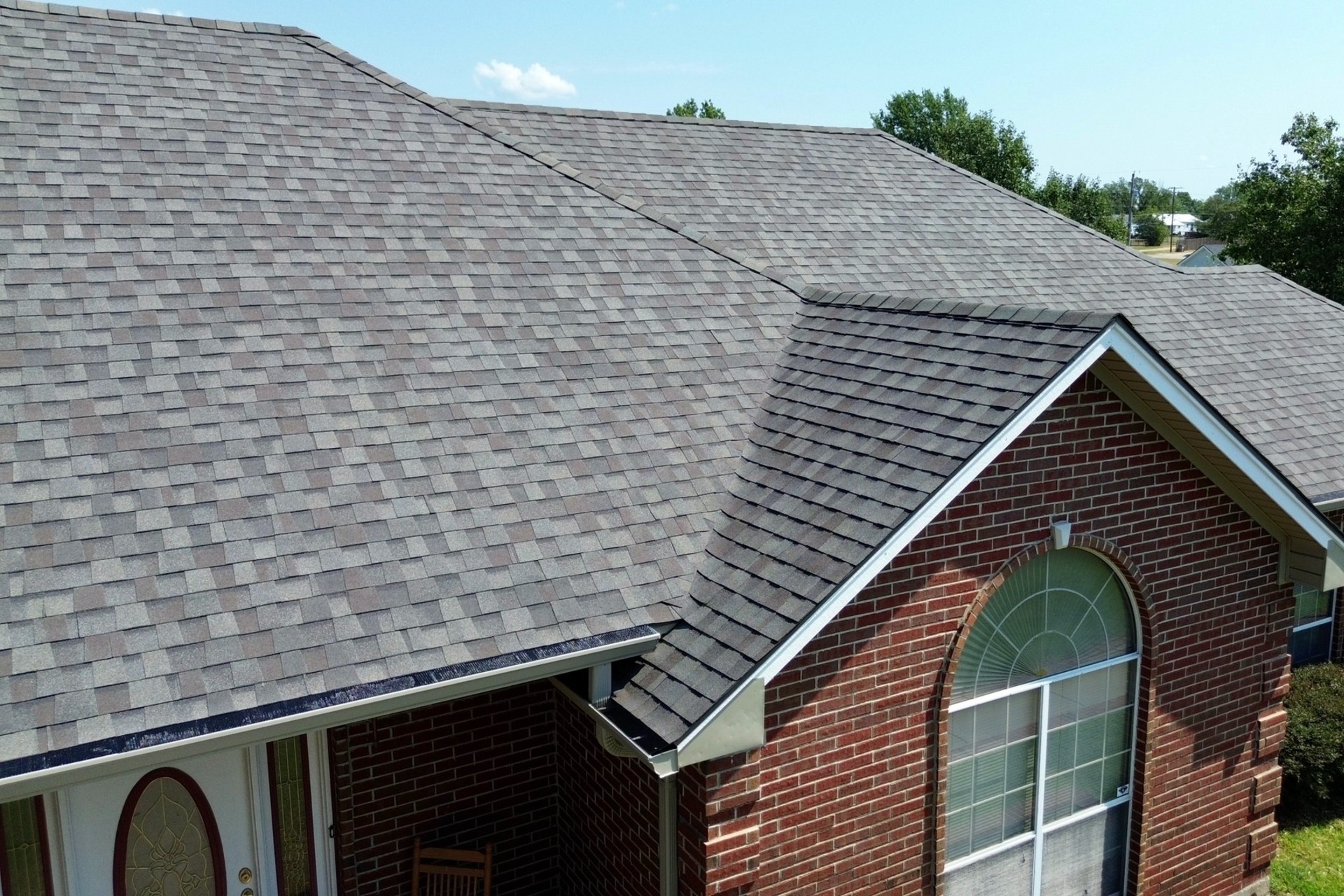
Installing a new roof provides benefits that continue long after the construction crew leaves the property. Beyond solving current roofing problems, replacement improves the home’s overall performance, durability, and long term value. These advantages become increasingly apparent over the years that follow.
One of the greatest benefits is dependable weather protection. Modern roofing systems are engineered to resist stronger winds, heavier rainfall, and more demanding environmental conditions than many older roofing materials. Homeowners gain confidence knowing their home is better prepared for changing weather.
Energy efficiency often improves because newer roofing systems incorporate better ventilation, moisture barriers, and advanced roofing materials. More consistent indoor temperatures reduce the workload placed on heating and cooling equipment while improving comfort throughout the year.
Maintenance demands also become much lower after replacement. Instead of arranging frequent repairs, homeowners generally focus on preventive inspections and routine upkeep. This simpler maintenance schedule saves both time and money while reducing the stress associated with recurring roofing issues.
A new roof enhances curb appeal by giving the home a cleaner and more modern appearance. This improvement benefits homeowners who plan to sell as well as those who simply want to maintain the overall appearance of their property. A well installed roof often becomes one of the home’s most noticeable exterior improvements.
Modern roofing systems also provide better compatibility with other home upgrades. Projects such as improved attic insulation, solar panel installation, or upgraded ventilation systems become more effective when supported by a new roofing structure. Completing these improvements together often creates better long term performance.
Perhaps the most valuable advantage is peace of mind. Instead of wondering whether the next rainstorm will reveal another leak, homeowners can focus on routine maintenance while trusting that their roof is performing as intended. That confidence is difficult to measure financially, yet it remains one of the greatest benefits of timely roof replacement.
Conclusion
Frequent roof repairs are more than an inconvenience because they often reveal that a roofing system is reaching the end of its reliable service life. While occasional maintenance is a normal part of homeownership, repeated leaks, recurring shingle damage, rising repair costs, and ongoing structural concerns usually indicate that isolated repairs are no longer solving the underlying problem. Recognizing these patterns early helps homeowners make informed decisions before more serious damage develops.
Throughout this guide, we have examined how recurring repairs differ from routine maintenance, why repeated leaks often point to deeper roofing issues, and how repair expenses can gradually exceed the value of a complete replacement. We also explored the importance of professional inspections, structural evaluations, and long term financial planning when deciding between another repair and installing a new roof.
Replacing an aging roof at the right time provides lasting advantages that extend well beyond eliminating current problems. A new roofing system improves weather protection, energy efficiency, property value, and overall reliability while reducing future maintenance demands. Instead of repeatedly investing in temporary solutions, homeowners gain the confidence that comes with a strong and dependable roof designed to perform for decades.
The key to making the right decision is evaluating the entire roofing system rather than focusing on one repair at a time. Roof age, repair history, structural condition, environmental exposure, and professional inspection findings all provide valuable information about the roof’s remaining lifespan. Looking at these factors together creates a much clearer picture of whether continued repairs remain worthwhile.
Every roof eventually reaches a point where replacement becomes the most practical and cost effective solution. By recognizing the warning signs early and planning ahead, homeowners can avoid unnecessary expenses, protect their property’s structural integrity, and ensure their home remains safe, comfortable, and well protected for many years to come.