

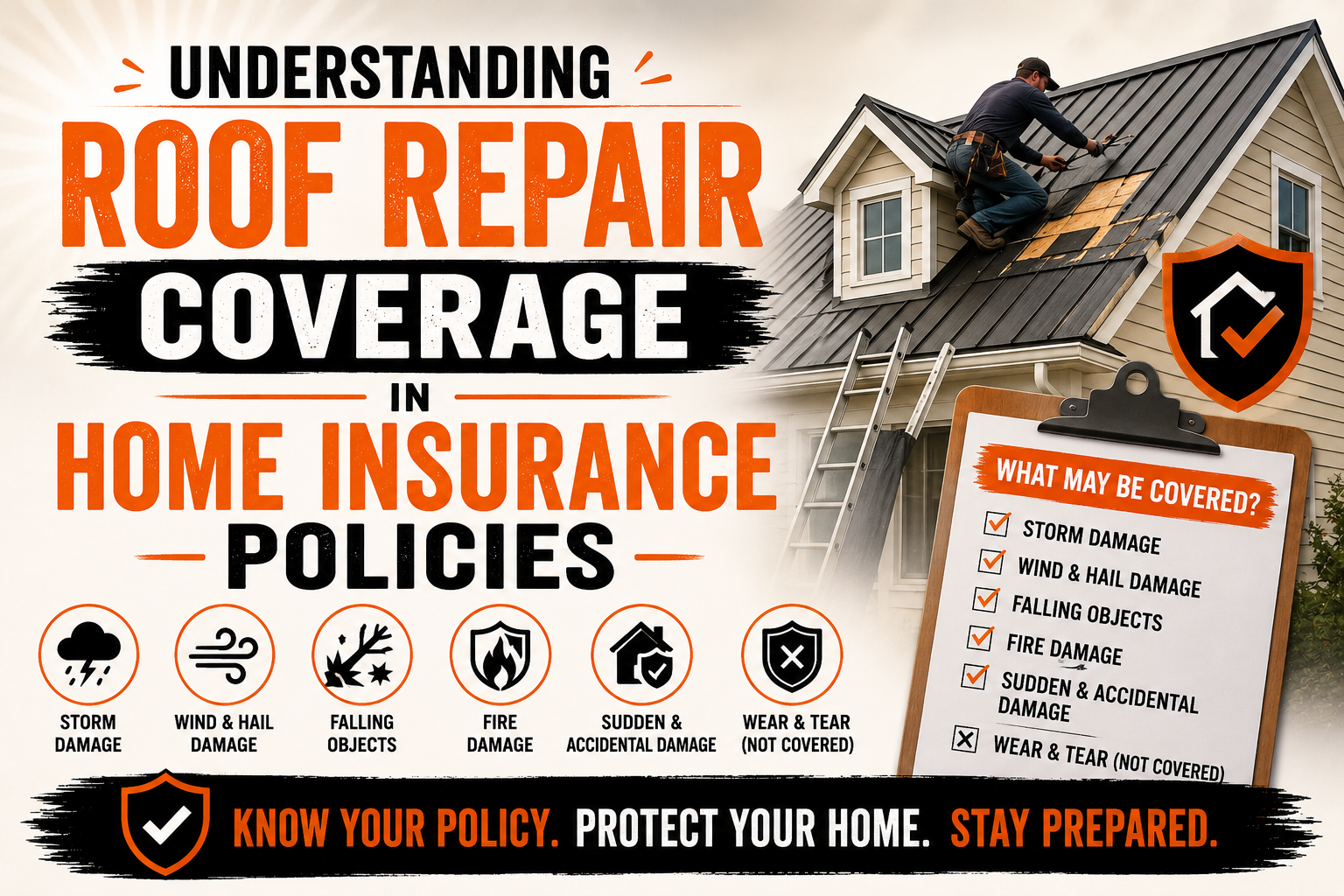
Understanding Roof Repair Coverage in Home Insurance Policies
Introduction
A roof is one of the most important components of any home because it protects the structure, belongings, and occupants from the elements. When severe weather, falling trees, or unexpected accidents damage a roof, repair costs can quickly become overwhelming. This is where homeowners insurance plays an important role by helping reduce the financial burden of covered roof repairs.
Many homeowners assume that every type of roof damage is automatically covered by their insurance policy. In reality, coverage depends on several factors, including the cause of the damage, the condition of the roof before the incident, the age of the roof, and the specific terms of the insurance policy. Understanding these details before filing a claim can help homeowners avoid confusion and make informed decisions during the claims process.
Roof repairs often represent one of the most expensive home maintenance expenses. Depending on the extent of the damage, repair costs may range from a few hundred dollars for minor issues to tens of thousands of dollars for significant structural damage or complete roof replacement. Knowing what insurance covers can help homeowners prepare financially and respond quickly after a damaging event.
Insurance policies are designed to protect against sudden and unexpected losses rather than damage that develops gradually over time. This distinction is one of the most important concepts to understand because it determines whether a claim is likely to be approved or denied. Homeowners who regularly inspect and maintain their roofs generally have stronger claims when unexpected damage occurs.
Understanding roof repair coverage also helps homeowners communicate more effectively with insurance companies, roofing contractors, and adjusters. Being familiar with common insurance terms, coverage limitations, and documentation requirements can make the claims process smoother while reducing unnecessary delays.
This guide explains how roof repair coverage works under most home insurance policies. It explores the types of roof damage that are typically covered, situations where claims may be denied, and the factors that influence insurance decisions so homeowners can better protect both their property and their financial investment.
How Home Insurance Covers Roof Damage
Homeowners insurance is intended to provide financial protection when a home experiences sudden and accidental damage caused by covered events. While policies differ between insurance providers, most standard homeowners insurance policies include some level of protection for roof damage resulting from specific covered perils.
A roof serves as the home’s first line of defense against weather and environmental conditions. Because of its importance, insurance companies evaluate roof damage carefully to determine whether the cause falls within the policy’s coverage. The company investigates both the event that caused the damage and the roof’s condition before the incident occurred.
Coverage is generally available when damage results from unexpected events such as windstorms, hail, fire, falling trees, or other covered hazards. If the damage occurs gradually because of aging, poor maintenance, or neglect, the insurance company may determine that the repairs are the homeowner’s responsibility.
The goal of insurance is to restore the property to its condition before the covered loss occurred. Depending on the policy, this may involve paying for repairs, replacing damaged roofing materials, or in severe situations, funding a complete roof replacement if repairs alone cannot restore the roof’s integrity.
Every insurance policy contains detailed language explaining what is covered, what is excluded, and the conditions that apply. Reading these provisions before a problem occurs allows homeowners to better understand their responsibilities and coverage limitations.
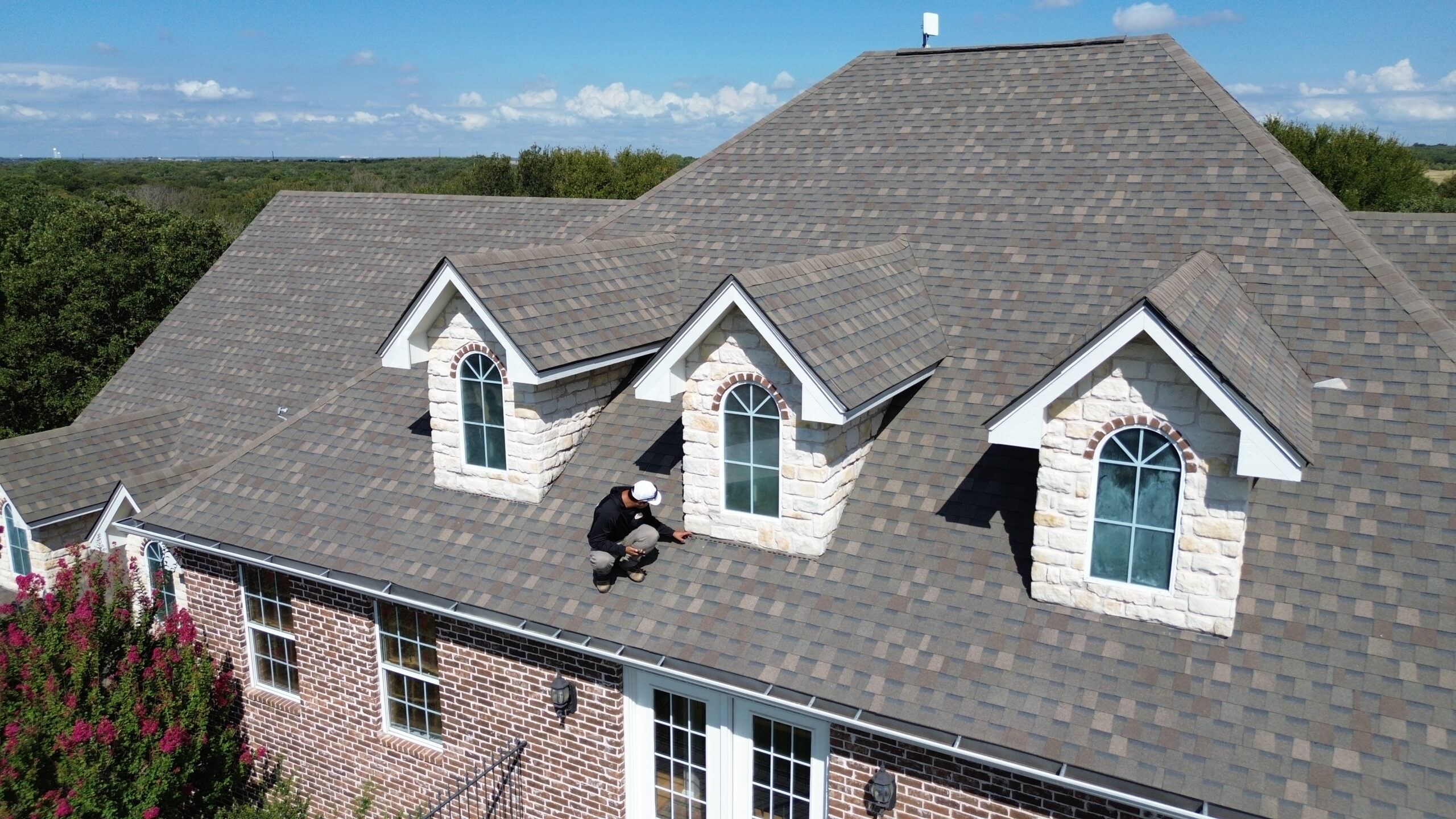
Covered Perils Versus Excluded Causes
One of the most important concepts in homeowners insurance is the difference between covered perils and excluded causes. Insurance companies evaluate claims based primarily on what caused the damage rather than simply the existence of roof damage itself.
Covered perils are sudden events specifically listed in the policy or included under broader coverage provisions. When roof damage results directly from one of these events, insurance generally contributes toward eligible repair costs after deductibles are applied.
Excluded causes refer to situations that the policy specifically does not insure. These exclusions commonly include gradual deterioration, poor workmanship, manufacturing defects, lack of maintenance, pest damage, and normal aging of roofing materials.
Understanding this distinction helps homeowners recognize why two roofs with similar damage may receive different claim decisions. If one roof was damaged by a severe windstorm and another deteriorated over many years because of neglected maintenance, insurance companies typically treat those situations very differently.
Insurance adjusters gather evidence to determine whether the damage occurred suddenly or gradually. Inspection reports, weather records, maintenance history, and photographs often contribute to this evaluation.
Repair Coverage Versus Replacement Coverage
Insurance policies may provide either repair coverage or replacement coverage depending on the severity of the damage and the policy’s terms. Understanding this difference helps homeowners set realistic expectations during the claims process.
Repair coverage applies when only part of the roof has been damaged and restoring the affected area is sufficient to return the roof to proper working condition. Localized wind damage, isolated hail impacts, or damage from a fallen branch often fall into this category.
Replacement coverage becomes necessary when repairs cannot restore the roof’s structural integrity or when widespread damage affects a significant portion of the roofing system. In these situations, replacing the entire roof may be more practical and cost-effective than attempting multiple repairs.
Insurance companies evaluate several factors before approving a full roof replacement. These include the extent of damage, local building codes, material availability, repair feasibility, and whether partial repairs would create ongoing performance problems.
The policy wording ultimately determines how much financial assistance is available. Some policies reimburse replacement costs, while others compensate based on the roof’s depreciated value.
Understanding Policy Limits and Deductibles
Every homeowners insurance policy includes financial limits that define the maximum amount the insurer will pay for covered losses. These limits vary depending on the policy selected and the insured value of the home.
Deductibles represent the portion of the repair cost that homeowners must pay before insurance coverage begins. Choosing a higher deductible often reduces annual insurance premiums, while lower deductibles generally result in higher premium costs.
For example, if a roof repair costs $12,000 and the homeowner has a $2,000 deductible, the insurance company may pay the remaining eligible amount after applying policy terms and coverage limits.
Some insurance providers apply separate deductibles for windstorms, hurricanes, or hail events. These deductibles may be calculated as a percentage of the home’s insured value rather than a fixed dollar amount.
Understanding deductibles before damage occurs helps homeowners prepare financially and avoid unexpected expenses during the claims process.
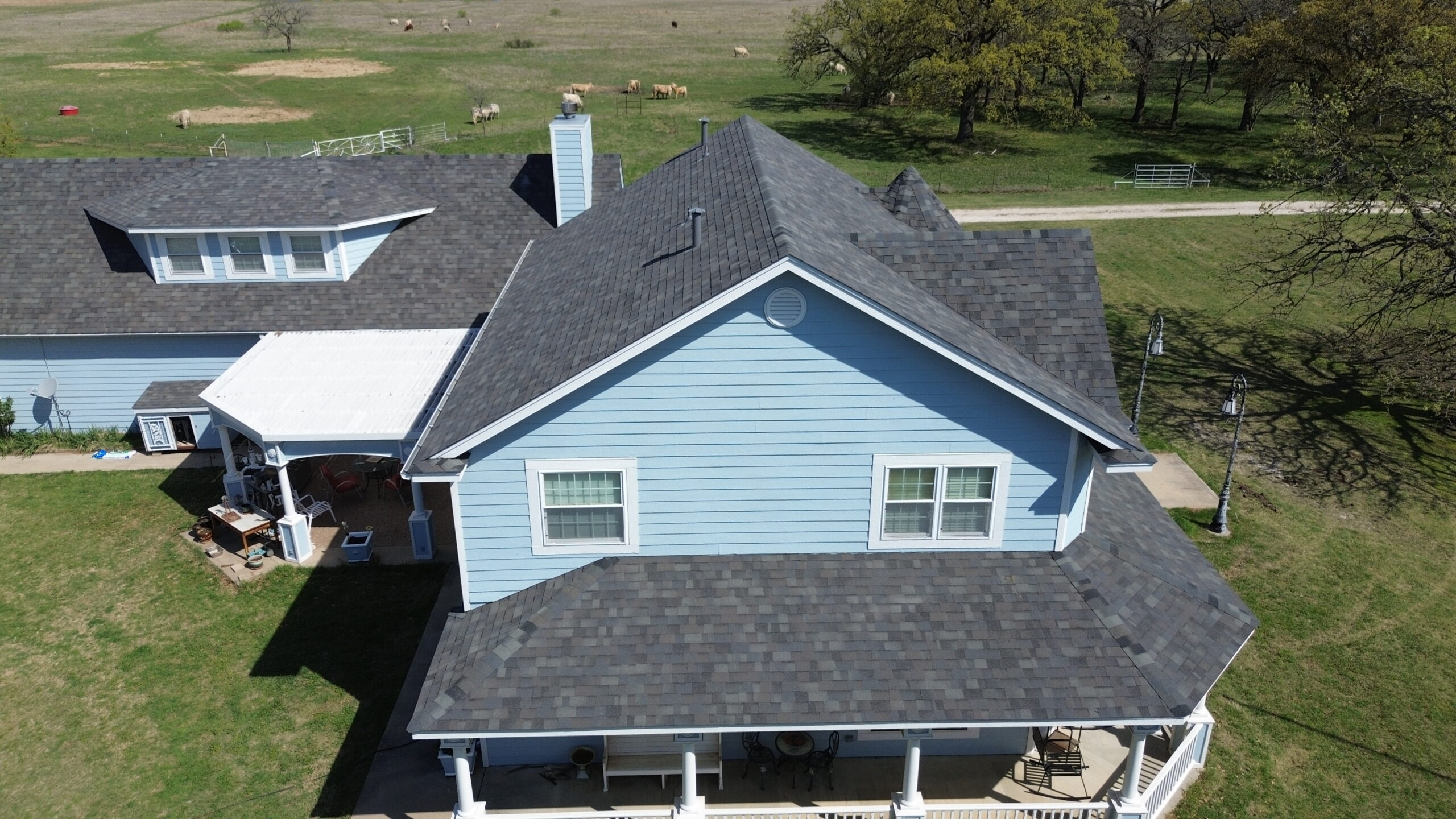
Types of Roof Damage Typically Covered
While every insurance policy differs, several categories of roof damage are commonly covered because they result from sudden and accidental events rather than gradual deterioration.
Coverage generally applies when external forces unexpectedly damage an otherwise properly maintained roof. Insurance companies often verify both the cause of the damage and the roof’s maintenance history before approving repairs.
The following types of damage are among the most frequently covered under standard homeowners insurance policies.
Wind Damage
Strong winds can loosen shingles, lift metal roofing panels, damage flashing, and expose underlying roofing components to moisture. Severe storms may also carry debris that impacts the roof, creating additional damage.
Insurance companies commonly cover wind-related roof damage when it results from documented weather events. However, they may investigate whether aging or poor maintenance contributed to the roof’s failure before approving the claim.
High winds can also damage ridge caps, vents, gutters, and roof accessories. These related repairs may be included when they result directly from the covered event.
Hail Damage
Hailstorms can cause significant roof damage within only a few minutes. Depending on hail size and wind speed, roofing materials may develop dents, fractures, granule loss, punctures, or cracked protective coatings.
Some forms of hail damage are immediately visible, while others require professional inspection because the damage may not become obvious until leaks develop later. Insurance companies often rely on roofing specialists and adjusters to identify hidden hail-related damage.
Documenting hail damage quickly after the storm improves the likelihood of an accurate claim evaluation. Waiting too long may make it more difficult to distinguish storm damage from normal weathering.
Fire and Smoke Damage
Fire represents one of the most serious risks covered under homeowners insurance. Flames can destroy roofing materials, weaken structural components, and require complete roof replacement depending on the severity of the incident.
Even when flames do not directly consume the roof, intense heat may damage roofing materials or compromise their structural integrity. Smoke residue can also affect certain roofing systems and require specialized cleaning or replacement.
Because fire damage often affects multiple parts of the home simultaneously, roof repairs are typically coordinated with broader property restoration efforts.
Falling Trees and Debris
Storms frequently cause trees or large branches to fall onto homes, creating substantial roof damage. The impact may puncture roofing materials, damage structural framing, or create openings that allow water to enter the building.
Most homeowners insurance policies cover roof damage caused by falling trees when the event results from a covered peril such as wind or lightning. Emergency tree removal associated with accessing the damaged roof may also be covered under certain policy provisions.
Prompt action after tree impact helps reduce secondary water damage and demonstrates that the homeowner took reasonable steps to protect the property after the incident.
Vandalism and Other Sudden Accidental Events
Although less common than weather-related damage, vandalism can also affect residential roofs. Intentional acts that damage roofing materials may qualify for insurance coverage when they meet the policy’s requirements.
Unexpected accidents involving falling objects, vehicle impacts, or similar incidents may also result in covered roof damage. Insurance companies evaluate each situation individually to determine whether the event falls within the policy’s covered perils.
Reporting these incidents promptly and preserving evidence helps support the claim investigation. Photographs, witness statements, and police reports may strengthen documentation when vandalism or accidental damage occurs.
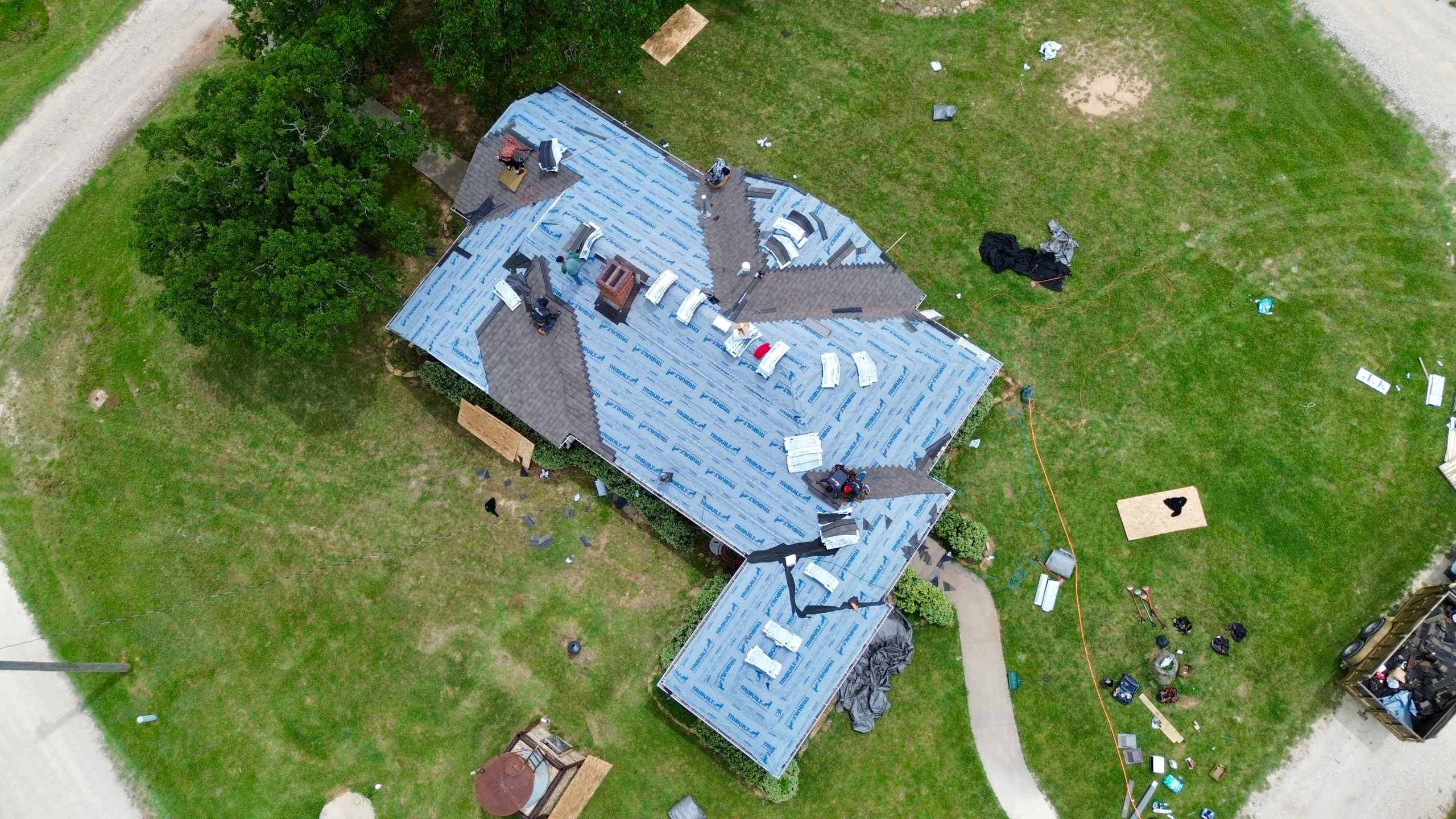
Roof Damage That Insurance Commonly Does Not Cover
Understanding what insurance excludes is just as important as knowing what it covers. Many denied roof claims result from homeowners assuming that every repair automatically qualifies for reimbursement.
Most insurance policies exclude damage that develops gradually rather than suddenly. These exclusions encourage homeowners to maintain their roofs and prevent avoidable deterioration through regular inspections and timely repairs.
Insurance companies expect roofs to receive routine maintenance throughout their service life. When preventable problems are ignored, resulting damage often becomes the homeowner’s financial responsibility.
Normal Wear and Tear
Every roof experiences gradual aging as it is exposed to sunlight, rain, temperature changes, and environmental conditions. Roofing materials naturally lose strength over time, making eventual repairs or replacement part of normal home ownership.
Insurance is not intended to pay for expected aging. Instead, it protects against unexpected events that cause sudden damage beyond normal deterioration.
Older roofs may also experience reduced coverage depending on policy terms. Some insurers adjust reimbursement methods as roofing materials approach the end of their expected lifespan.
Poor Maintenance
Routine maintenance plays an important role in preserving insurance coverage. Homeowners who ignore damaged shingles, clogged gutters, deteriorated flashing, or minor leaks may face claim denials if those neglected issues eventually lead to more significant roof damage.
Regular inspections help identify maintenance needs before they become costly problems. Keeping maintenance records also demonstrates responsible ownership if a future insurance claim becomes necessary.
Simple preventive measures often extend roof life while reducing the likelihood of disputes during claim investigations.
Aging Roofs
Roof age is one of the factors insurance companies consider when evaluating claims. Older roofs generally present a greater risk because roofing materials naturally become more vulnerable to weather damage over time.
Some insurers limit coverage for roofs beyond a certain age or reimburse claims based on depreciated value rather than full replacement cost. Understanding how roof age affects coverage helps homeowners plan for future repair and replacement expenses.
Maintaining an older roof in excellent condition can still improve claim outcomes when unexpected covered damage occurs.
Factors That Affect Roof Insurance Coverage
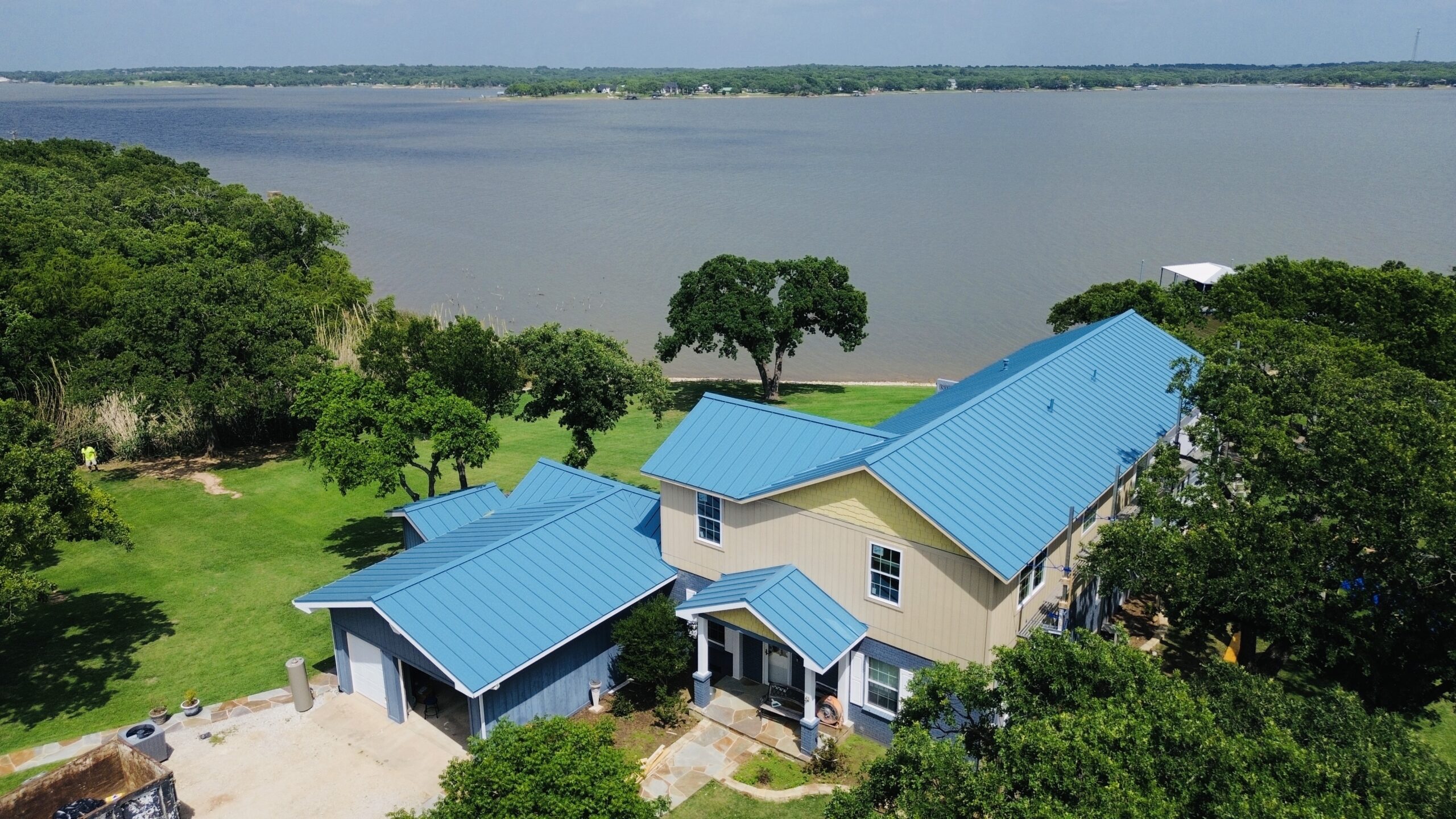
Insurance companies evaluate much more than the visible roof damage when reviewing a claim. Several factors influence whether repairs are approved, how much compensation is available, and whether the insurer recommends repairs or full replacement. Understanding these factors helps homeowners prepare for the claims process and avoid unexpected surprises.
Every roof has its own history, construction materials, maintenance record, and environmental exposure. Insurers consider all of these details when determining the level of coverage provided under the policy.
Roof Age
The age of a roof is one of the first details an insurance company reviews after a claim is filed. Older roofs generally present a higher level of risk because roofing materials naturally deteriorate over time, even when they receive proper maintenance.
A newer roof that experiences sudden storm damage is more likely to qualify for comprehensive coverage because the insurer can clearly distinguish the event from normal aging. In contrast, older roofs may already show signs of wear that make it more difficult to separate storm damage from gradual deterioration.
Some insurance companies reduce coverage for roofs that exceed a certain age. Others may continue offering protection but calculate payments differently by considering depreciation rather than the cost of brand-new materials.
Roofing Material
Different roofing materials have different life expectancies and resistance to weather damage. Insurance providers consider these characteristics because they influence both repair costs and future risk.
Metal roofs, slate roofs, clay tiles, and high-quality architectural shingles often demonstrate better durability than lower-cost materials. As a result, insurers may view them as lower-risk roofing systems, although repair costs can sometimes be higher due to specialized materials and installation methods.
Material availability also affects claim decisions. If discontinued roofing products cannot be matched during repairs, insurers may evaluate whether broader replacement is necessary to restore the roof properly.
Roof Condition Before the Loss
The condition of the roof before the damaging event has a significant impact on claim approval. A roof that was well maintained before a storm generally provides stronger evidence that the reported damage resulted from the covered event.
Insurance adjusters frequently review maintenance records, inspection reports, previous repair invoices, and photographs taken before the incident. These records help establish the roof’s condition before the damage occurred.
If significant deterioration existed before the reported event, the insurance company may conclude that part of the damage developed gradually rather than suddenly. This can reduce the amount paid or lead to a partial claim denial.
Geographic Location
Climate and regional weather patterns also influence insurance coverage. Homes located in areas with frequent hurricanes, hailstorms, tornadoes, or heavy snowfall generally face greater roofing risks than properties in milder climates.
Because of these risks, some insurance companies include specialized deductibles or additional policy conditions for weather-related claims. Homeowners in high-risk regions should review these provisions carefully before severe weather occurs.
Local building codes may also affect repair decisions. Updated construction requirements can influence whether damaged sections are repaired individually or whether larger portions of the roof require replacement to comply with current regulations.
Previous Insurance Claims
Insurance companies often review a property’s claim history when evaluating new claims. Multiple roof claims within a relatively short period may prompt additional investigation into the roof’s condition and maintenance history.
A history of frequent claims does not automatically result in denial. However, insurers may examine whether recurring problems indicate unresolved maintenance issues or repeated exposure to high-risk conditions.
Maintaining thorough records of previous repairs helps demonstrate that earlier claims were resolved appropriately and that the homeowner has continued caring for the roof responsibly.
Understanding Insurance Policy Terms
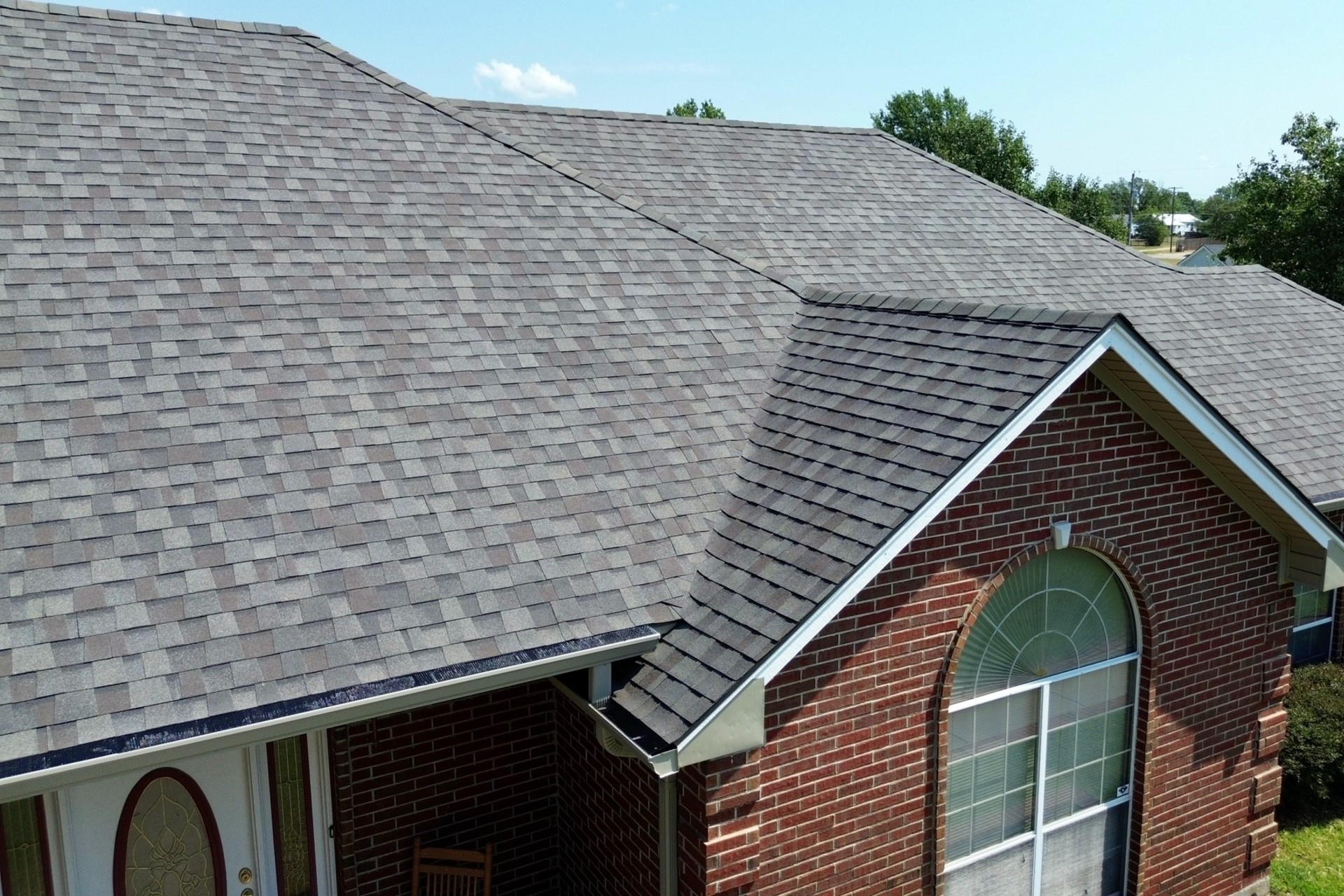
Insurance documents contain terminology that can seem confusing to homeowners unfamiliar with property insurance. Learning these common terms makes it easier to understand policy benefits and communicate effectively during the claims process.
Many disagreements arise simply because homeowners misunderstand how coverage is calculated. Familiarity with key insurance concepts helps set realistic expectations before filing a claim.
Actual Cash Value (ACV)
Actual Cash Value, often abbreviated as ACV, represents the value of the damaged roof after accounting for depreciation. Instead of paying the full cost of new materials, the insurance company subtracts the estimated reduction in value caused by age and normal wear.
For example, if an older roof has lost a significant portion of its expected lifespan, the insurance payment may be considerably lower than the cost of installing a completely new roof. The homeowner becomes responsible for covering the remaining difference.
Policies based on Actual Cash Value often have lower insurance premiums. However, they may require homeowners to contribute more toward major roof repairs or replacement.
Replacement Cost Value (RCV)
Replacement Cost Value, commonly called RCV, provides broader protection by covering the cost of replacing damaged roofing materials with comparable new materials, subject to policy terms and deductibles.
This type of coverage generally results in higher claim payments than Actual Cash Value because depreciation is not deducted from the final reimbursement. As a result, many homeowners prefer Replacement Cost Value policies despite their higher premiums.
Some policies initially pay the depreciated value and reimburse the remaining amount after repairs have been completed and documented. Understanding how the payment process works helps homeowners avoid unexpected cash flow issues during restoration.
Deductibles
A deductible is the amount the homeowner pays before insurance begins contributing toward a covered loss. Deductibles encourage shared financial responsibility while helping insurers manage claim costs.
Policies may include fixed deductibles or percentage-based deductibles depending on the type of damage. Windstorm and hurricane claims, for example, often involve percentage deductibles calculated using the insured value of the home.
Choosing an appropriate deductible requires balancing monthly premium costs with the homeowner’s ability to pay out-of-pocket expenses after unexpected damage occurs.
Coverage Limits
Coverage limits establish the maximum amount the insurance company will pay for covered losses. These limits vary depending on the policy selected and the insured value of the property.
If repair costs exceed the policy limit, the homeowner becomes responsible for the remaining balance. Reviewing these limits regularly helps ensure they continue reflecting current construction costs and property values.
Building material prices can change significantly over time. Updating coverage limits periodically helps reduce the risk of inadequate insurance following major storms or widespread natural disasters.
Endorsements and Riders
Insurance policies may include optional endorsements or riders that expand standard coverage. These additions allow homeowners to customize protection based on their property’s specific needs.
Examples include enhanced roof replacement coverage, protection for upgraded roofing materials, ordinance or law coverage, and increased reimbursement for code-related repairs.
Reviewing available endorsements with an insurance professional can help homeowners strengthen coverage before unexpected damage occurs.
Policy Exclusions
Every homeowners insurance policy contains exclusions that identify situations where coverage does not apply. Reading these exclusions carefully is just as important as understanding the covered benefits.
Common exclusions include wear and tear, poor maintenance, manufacturer defects, intentional damage, pest infestation, mold caused by neglected leaks, and gradual deterioration.
Knowing these limitations allows homeowners to address maintenance concerns proactively rather than assuming insurance will pay for every roof repair.
What to Do Immediately After Roof Damage
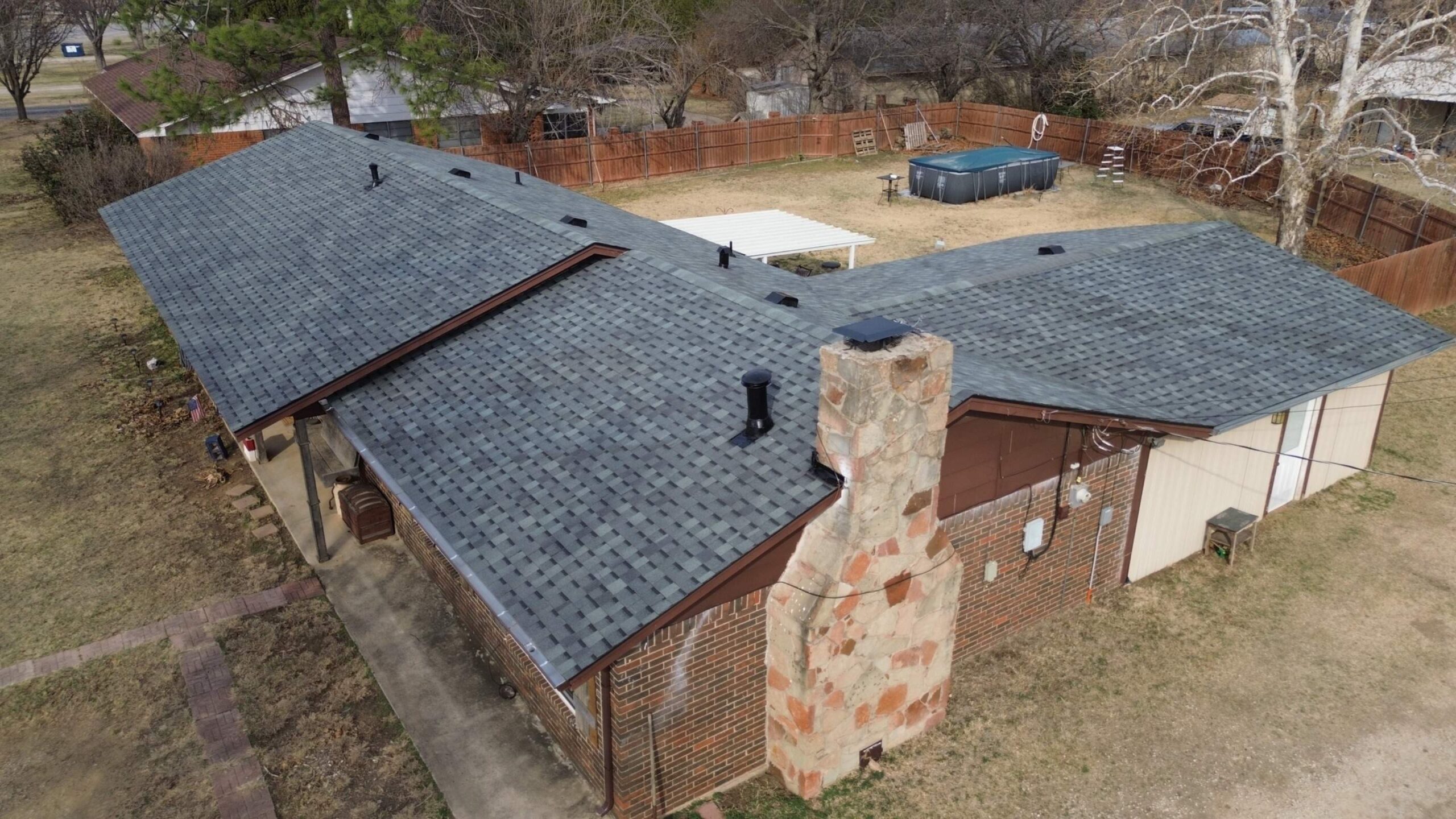
The actions taken during the first few hours after roof damage can significantly influence both the claims process and the extent of additional property damage. Responding quickly while prioritizing safety helps protect the home and supports a successful insurance claim.
Remaining organized throughout this process also improves communication with both contractors and insurance representatives. Careful documentation provides valuable evidence if questions arise later during claim evaluation.
Prioritize Safety
Safety should always come before property protection. Damaged roofs may contain unstable sections, exposed electrical hazards, broken glass, or structural weaknesses that create dangerous conditions.
Homeowners should avoid climbing onto the roof immediately after severe storms unless conditions are completely safe. Instead, visible damage should be evaluated from the ground whenever possible until qualified professionals can perform a full inspection.
If significant structural damage is suspected, occupants should leave the affected area and follow emergency guidance from local authorities.
Document the Damage
Photographs and videos provide valuable evidence during the insurance claims process. Homeowners should document roof damage as soon as it is safe to do so, capturing wide views as well as detailed close-up images of damaged areas.
Interior water stains, ceiling damage, damaged insulation, and affected personal belongings should also be photographed. These images help establish the relationship between the roof damage and resulting interior losses.
Time-stamped documentation strengthens the claim by showing the condition of the property immediately after the incident.
Prevent Additional Damage
Most insurance policies require homeowners to take reasonable steps to prevent additional damage after a covered event. Temporary protective measures help satisfy this responsibility while reducing repair costs.
Examples include placing tarps over exposed roof sections, removing standing water, covering damaged belongings, and preventing rain from entering the home through damaged areas.
Homeowners should keep receipts for emergency materials and temporary repairs because these expenses may qualify for reimbursement under the policy.
Contact the Insurance Company
Reporting damage promptly allows the claims process to begin without unnecessary delays. Insurance companies typically assign a claim number and explain the next steps after receiving the initial report.
Providing accurate information about the date, time, cause of damage, and visible roof conditions helps establish the foundation for the investigation. Homeowners should avoid estimating repair costs before professional inspections have been completed.
Maintaining records of every conversation with insurance representatives helps keep the claim organized throughout the process.
Schedule a Professional Roof Inspection
An experienced roofing contractor can identify both visible and hidden damage that may not be immediately apparent to homeowners. Professional inspection reports often provide valuable technical information supporting the insurance claim.
Contractors document damaged roofing materials, identify moisture intrusion, evaluate structural concerns, and estimate repair requirements. These findings may help homeowners better understand whether repairs or replacement are appropriate.
Choosing a reputable contractor with experience in insurance-related roof inspections improves the quality of documentation submitted with the claim.
The Roof Insurance Claims Process
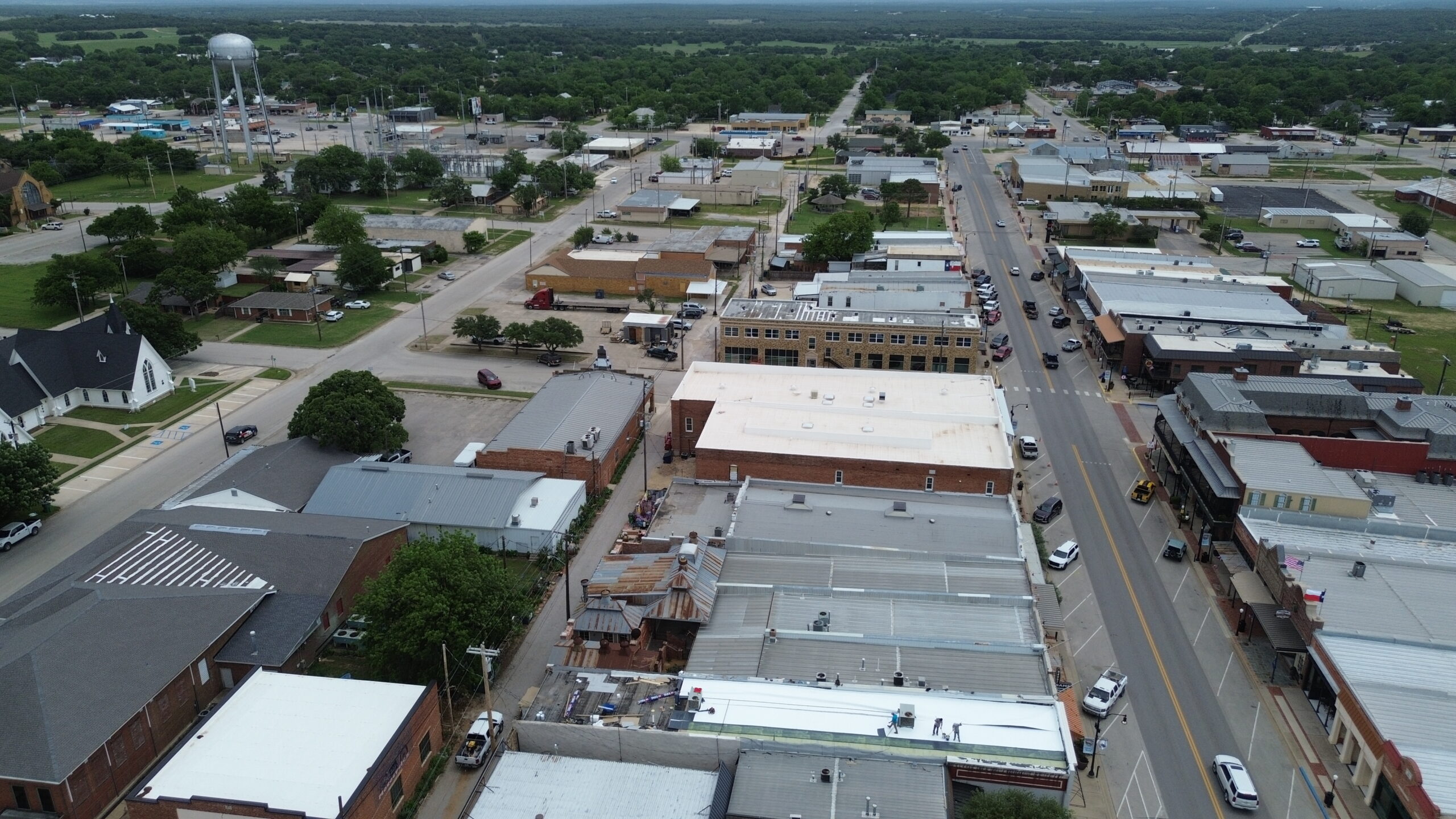
Although every insurance company follows its own procedures, most roof insurance claims progress through a series of similar steps. Understanding this process helps homeowners know what to expect after filing a claim.
The process generally begins with claim reporting and concludes once repairs or replacement have been completed according to the approved settlement.
Filing the Claim
The first step involves notifying the insurance company that roof damage has occurred. Homeowners provide basic information describing the event, the date of loss, and the visible damage observed after the incident.
The insurer assigns a claim representative who becomes the primary point of contact throughout the investigation.
Insurance Adjuster Inspection
An insurance adjuster visits the property to evaluate the reported damage. During this inspection, the adjuster determines the probable cause of the damage and assesses whether it falls within the policy’s covered perils.
The adjuster also estimates repair costs and documents the condition of the roof using photographs, measurements, and written observations.
Contractor Inspection
Many homeowners choose to have their roofing contractor present during the adjuster’s inspection. Contractors can point out damage that may otherwise be overlooked while providing technical explanations regarding necessary repairs.
Independent contractor assessments also provide an additional estimate that homeowners can compare with the insurance company’s evaluation.
Reviewing the Estimate
Once inspections are complete, the insurance company prepares an estimate describing approved repairs and expected reimbursement. Homeowners should review this estimate carefully to ensure all documented damage has been included.
If differences exist between contractor estimates and insurance calculations, additional discussions or supplemental inspections may be necessary before repairs begin.
Approval and Payment
After the claim is approved, the insurance company issues payment according to the policy terms. Some payments are made in stages, particularly for Replacement Cost Value policies where final reimbursement depends on completed repairs.
Homeowners should retain copies of invoices, inspection reports, photographs, and payment records throughout the restoration project.
Common Reasons Roof Insurance Claims Are Denied
Understanding why claims are denied helps homeowners avoid common mistakes that weaken otherwise valid insurance claims.
One of the most frequent reasons for denial is delayed reporting. Waiting weeks or months before notifying the insurance company may make it difficult to establish the true cause of the damage.
Insufficient documentation can also create challenges. Without clear photographs, inspection reports, or maintenance records, insurers may struggle to verify when and how the damage occurred.
Claims may also be denied if inspectors determine that poor maintenance, neglected repairs, or long-term deterioration contributed significantly to the roof’s condition. Insurance policies generally cover sudden accidents rather than problems resulting from preventable neglect.
Finally, policy exclusions remain a common reason for denial. Even when damage is genuine, coverage may not apply if the cause falls outside the policy’s covered perils or exceeds specific policy limitations.
Tips for Maximizing a Successful Roof Insurance Claim
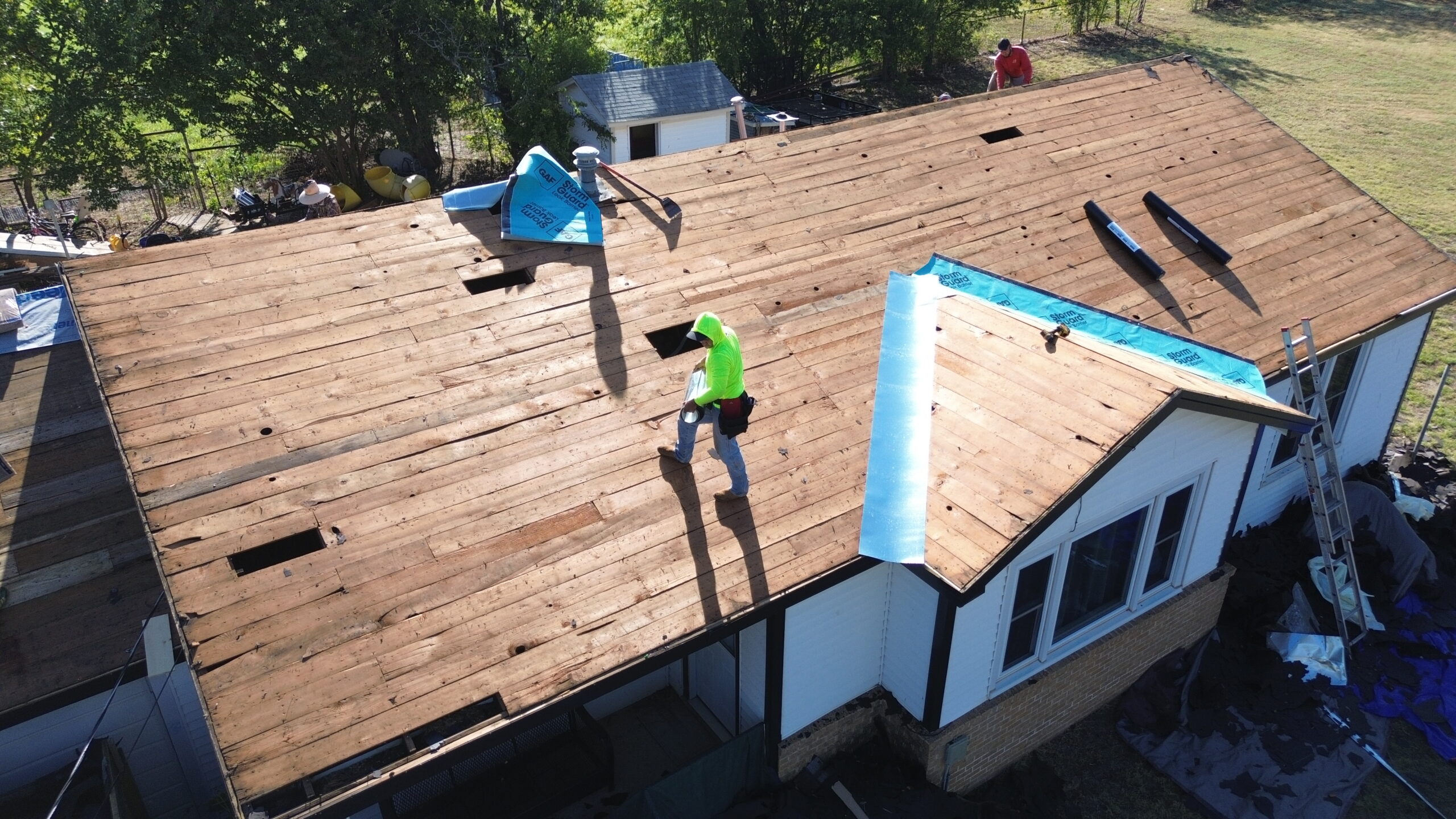
Filing a roof insurance claim involves more than reporting damage and waiting for a decision. Homeowners who prepare thoroughly, maintain accurate records, and communicate effectively throughout the process often experience smoother claim handling and fewer disputes. While every claim is different, several practical strategies can improve the likelihood of a successful outcome.
Preparation should begin long before roof damage occurs. Maintaining the roof properly and understanding the insurance policy in advance places homeowners in a stronger position if severe weather or another covered event causes unexpected damage.
Keep Maintenance Records
Routine maintenance demonstrates that the roof has been cared for responsibly. Insurance companies are more likely to approve claims when there is clear evidence that the homeowner addressed normal maintenance needs and did not allow preventable damage to worsen over time.
Inspection reports, repair invoices, cleaning records, and contractor receipts should be stored in a safe location. These documents establish the roof’s condition before the loss and help distinguish sudden damage from long-term deterioration.
Digital copies provide additional protection if paper records are damaged during a storm or other emergency. Organizing maintenance records also makes them easier to provide during the claims process.
Take Regular Roof Photographs
Photographs create a visual history of the roof’s condition. Taking pictures once or twice each year allows homeowners to demonstrate that the roof was in good condition before the reported damage occurred.
Images should include wide views of the roof along with closer photographs of important areas such as flashing, vents, skylights, chimneys, and gutters. Keeping these photographs organized by date helps establish an accurate timeline.
After a damaging event, new photographs can be compared with previous images to clearly show the extent of the changes caused by the covered peril.
Understand the Policy Before Damage Occurs
Many homeowners read their insurance policy only after filing a claim. Unfortunately, this often leads to confusion regarding deductibles, exclusions, policy limits, and reimbursement methods.
Reviewing the policy in advance allows homeowners to understand what events are covered and what responsibilities they have after damage occurs. Questions can be discussed with the insurance provider before an emergency arises.
Knowing whether the policy provides Actual Cash Value or Replacement Cost Value coverage also helps homeowners prepare financially for possible out-of-pocket expenses.
Work With Reputable Roofing Contractors
Selecting an experienced roofing contractor benefits both the repair process and the insurance claim. Contractors familiar with insurance inspections understand how to identify storm-related damage and prepare detailed documentation that supports claim evaluation.
A qualified contractor also helps ensure repairs comply with current building standards and manufacturer recommendations. High-quality workmanship reduces the likelihood of future problems and protects the value of the insurance investment.
Homeowners should avoid contractors who promise guaranteed claim approval or encourage filing claims for damage that does not exist. Ethical professionals focus on accurate inspections and honest recommendations.
Maintain Clear Communication
Good communication helps prevent misunderstandings throughout the claims process. Homeowners should respond promptly to requests for information and keep written records of important conversations with insurance representatives.
Emails, inspection reports, repair estimates, claim numbers, and payment documents should all be organized in one location. Having complete records available makes it easier to resolve questions if disagreements arise later.
Remaining professional and cooperative throughout the process often contributes to faster claim resolution while reducing unnecessary delays.
Roof Repair Versus Roof Replacement
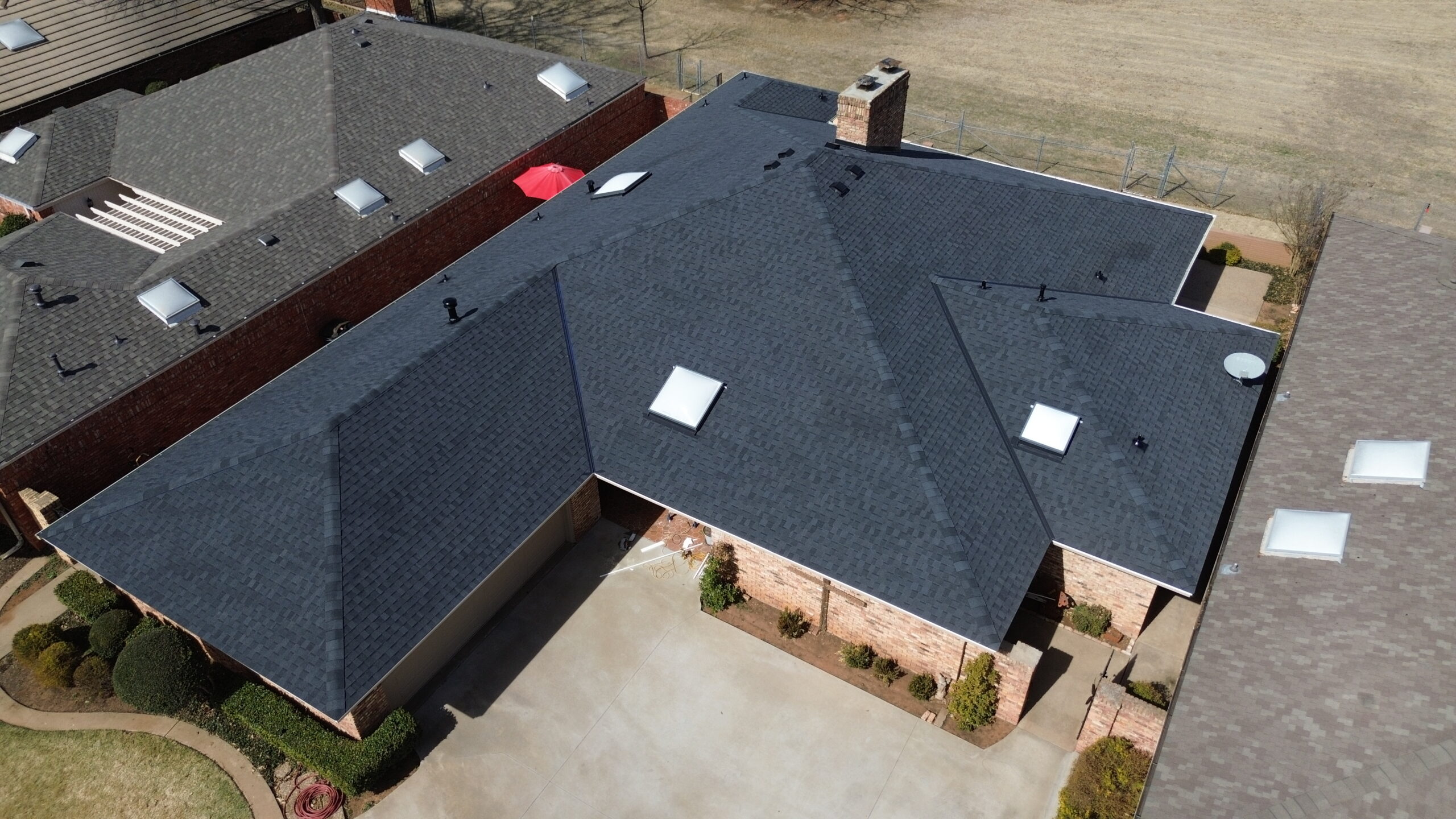
One of the most important decisions following roof damage is determining whether repairs are sufficient or whether complete replacement is the better long-term solution. Insurance companies evaluate this question carefully because it directly affects claim costs and future roof performance.
The decision depends on the extent of the damage, the age of the roof, repair feasibility, local building requirements, and the policy’s coverage provisions.
When Roof Repairs Are Sufficient
Repairs are often appropriate when damage is limited to a relatively small area and the remainder of the roof remains in good condition. Replacing a few damaged shingles, repairing flashing, resealing penetrations, or correcting localized storm damage can often restore the roof successfully.
Repairing isolated damage generally costs less than replacing the entire roof. It also reduces disruption to the household while preserving roofing materials that remain in good condition.
Matching replacement materials closely with the existing roof helps maintain both appearance and weather resistance. Professional installation ensures repaired sections integrate properly with the surrounding roofing system.
When Replacement Becomes the Better Option
Some situations require complete roof replacement because repairs alone cannot restore reliable performance. Widespread storm damage, severe structural deterioration, repeated leaks, or extensive hail damage may affect enough of the roof that replacement provides the safest long-term solution.
Older roofs approaching the end of their expected lifespan may also benefit from replacement rather than repeated repairs. Investing in a new roofing system can improve durability, energy efficiency, and property value while reducing future maintenance costs.
Insurance companies consider whether repairing isolated sections would leave the homeowner with an unreliable roof. If repairs cannot reasonably restore the roof’s original function, replacement may be approved depending on policy terms.
Insurance Considerations
Insurance policies do not automatically pay for complete roof replacement simply because homeowners prefer a new roof. Coverage decisions are based on documented damage, repair feasibility, policy language, and applicable building regulations.
Some jurisdictions require roofing systems to meet updated building codes during major repairs. If local codes make partial repairs impractical, insurance coverage may include additional work when supported by policy provisions.
Understanding these factors helps homeowners communicate more effectively with both contractors and insurance adjusters during claim evaluation.
Choosing a Roofing Contractor for Insurance Repairs
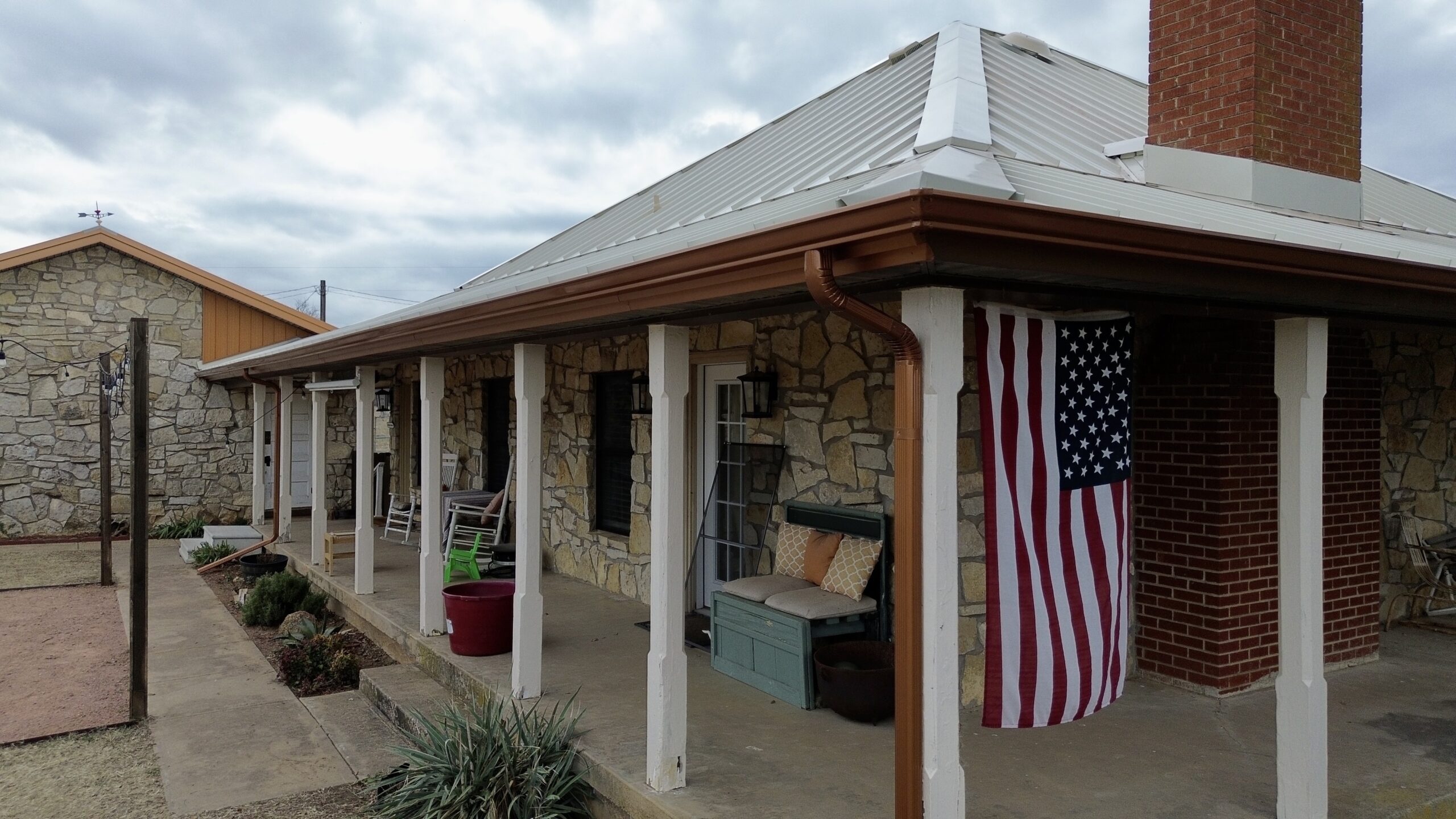
Selecting the right contractor is one of the most important decisions after roof damage. The quality of workmanship directly affects the roof’s long-term performance, while accurate documentation supports the insurance claim throughout the restoration process.
Homeowners should take time to evaluate contractors carefully rather than making a decision based solely on the lowest price. Experience, reputation, licensing, and communication are all important considerations.
Professional roofing contractors demonstrate experience with insurance-related projects and understand the documentation required during claim evaluations. They provide detailed written estimates, explain repair recommendations clearly, and answer questions honestly.
Proper licensing, insurance coverage, and manufacturer certifications also indicate a commitment to professional standards. Contractors should willingly provide references from previous customers when requested.
A reliable contractor also communicates realistic timelines and keeps homeowners informed throughout the repair process. Transparency helps build confidence while reducing misunderstandings.
Before selecting a roofing contractor, homeowners should gather enough information to compare qualifications and services.
Some useful questions include:
- How much experience do you have with insurance roof repairs?
- Are you licensed and insured?
- Can you provide a detailed written estimate?
- Do you offer workmanship warranties?
- Will you assist during the insurance inspection if needed?
- What is the estimated project timeline?
The answers help homeowners evaluate professionalism while comparing multiple contractors fairly.
Unfortunately, severe storms sometimes attract dishonest contractors who target homeowners immediately after widespread damage. Recognizing common warning signs helps prevent costly mistakes.
Be cautious of contractors who demand full payment before work begins, pressure homeowners into signing contracts immediately, or promise guaranteed insurance approval. These practices often indicate unprofessional business conduct.
Homeowners should also avoid companies that refuse to provide written estimates, licensing information, or proof of insurance. Reputable contractors operate transparently and encourage informed decision-making.
Frequently Asked Questions
Does homeowners insurance cover roof leaks?
It depends on what caused the leak. If the leak resulted from a covered event such as a windstorm, hailstorm, or falling tree, insurance may cover eligible repairs. Leaks caused by poor maintenance or gradual deterioration are generally excluded.
Will insurance replace an old roof?
Age alone does not qualify a roof for replacement. Insurance focuses on whether a covered peril caused the damage and whether repairs can reasonably restore the roof. Older roofs may also be subject to depreciation depending on the policy.
Should I call a roofer or the insurance company first?
Many homeowners notify the insurance company promptly while also arranging a professional roof inspection. Having an independent contractor evaluate the damage provides useful documentation that can support the claim.
Can my claim be reopened if additional damage is discovered?
In some situations, additional storm-related damage becomes apparent after repairs begin. Homeowners should notify the insurance company immediately if new covered damage is identified, as supplemental claims may be possible under certain policy conditions.
Does filing a roof claim increase insurance premiums?
Premium changes depend on several factors, including the insurance company, local claim history, regional weather risks, and the nature of the claim. A single weather-related claim does not always result in higher premiums, but repeated claims may influence future policy costs.
How long do I have to file a roof insurance claim?
The deadline varies depending on the insurance policy and local regulations. Reporting damage as soon as possible after the incident helps preserve evidence and reduces the likelihood of claim complications.
Conclusion
Understanding roof repair coverage in home insurance policies allows homeowners to make informed decisions before and after unexpected roof damage occurs. Insurance can provide valuable financial protection, but coverage depends on the cause of the damage, the condition of the roof, policy terms, deductibles, and proper documentation throughout the claims process.
Knowing the difference between covered perils and excluded causes is essential for setting realistic expectations. Sudden events such as windstorms, hail, fire, and falling trees are commonly covered, while gradual deterioration, poor maintenance, and normal aging typically remain the homeowner’s responsibility.
Preparation plays a significant role in successful claims. Maintaining inspection records, documenting roof conditions with photographs, understanding policy provisions, and working with qualified roofing professionals all contribute to a smoother claims experience and stronger supporting evidence.
Ultimately, homeowners who combine responsible roof maintenance with a clear understanding of their insurance coverage are better prepared to protect both their property and their financial investment. When unexpected roof damage occurs, informed decisions, timely action, and organized documentation can make the repair process more efficient while helping restore the home with confidence.