

Complete Residential Roof Inspection Checklist for Homeowners
Introduction
Your roof is one of the most important parts of your home because it protects everything beneath it from weather, moisture, temperature changes, and outside debris. Despite its importance, many homeowners only think about their roof after a leak appears or visible damage becomes impossible to ignore. By that point, what could have been a simple repair may have developed into a much larger and more expensive problem.
A complete residential roof inspection helps identify issues before they become serious. Regular inspections can reveal damaged roofing materials, deteriorating flashing, drainage problems, ventilation issues, and structural concerns that may otherwise remain hidden for months or even years. Addressing these problems early extends the life of your roof while protecting your home’s interior from water damage.
Homeowners do not need to wait for severe weather before inspecting their roofs. Seasonal inspections and routine maintenance help maintain the roof’s condition throughout the year. Even newer roofs benefit from regular evaluations because manufacturing defects, installation issues, and unexpected weather events can affect their performance.
This complete residential roof inspection checklist explains what homeowners should look for during a thorough evaluation. It covers the major roofing components, exterior inspection procedures, drainage systems, roof edges, and common problem areas that deserve special attention before damage spreads throughout the property.
Understanding the Main Components of a Roofing System
Before beginning any inspection, it helps to understand how different parts of the roofing system work together. A roof is much more than the shingles that are visible from the ground. Multiple layers and components combine to provide structural strength, weather resistance, and proper ventilation.
Knowing the purpose of each component makes it easier to recognize warning signs during an inspection. It also helps homeowners communicate more effectively with roofing professionals if repairs become necessary.
Roof Covering Materials
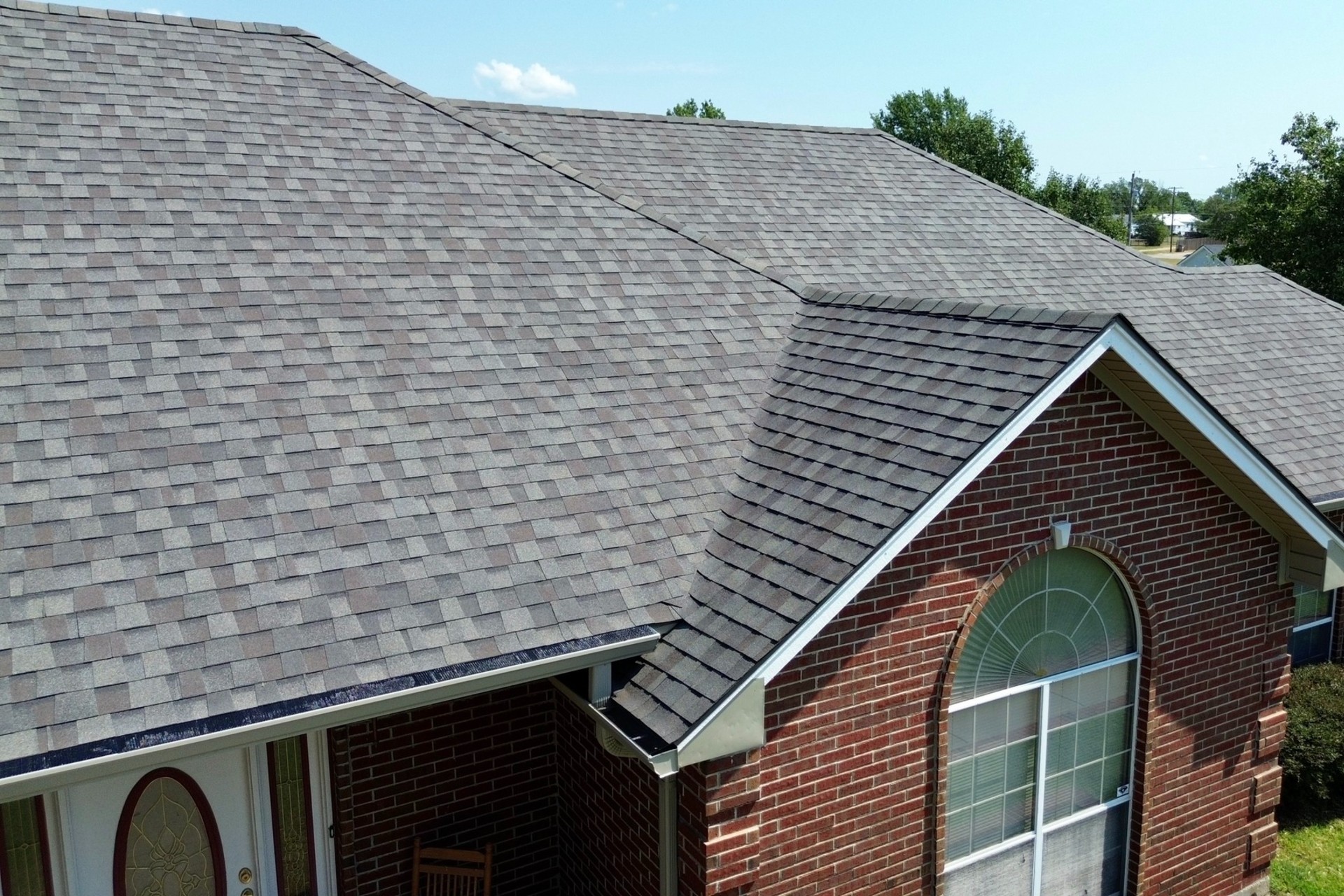
The roof covering forms the first layer of protection against rain, wind, sunlight, and changing temperatures. Depending on the home, this may include asphalt shingles, metal panels, clay tiles, concrete tiles, slate, wood shakes, or synthetic roofing materials.
During an inspection, homeowners should pay attention to the overall appearance of the roofing surface. Uneven coloring, lifted edges, cracked materials, loose sections, or missing pieces may indicate that the roof covering is beginning to deteriorate or has been damaged by recent weather.
Roof Decking and Structural Support
Beneath the visible roofing materials lies the roof decking, which provides a stable foundation for the roofing system. The decking is attached to structural framing such as rafters or trusses that support the entire roof.
Damage to the decking is not always visible from the outside. However, sagging roof sections, uneven roof lines, or soft spots can indicate underlying structural issues that require immediate attention before they worsen.
Flashing Systems
Flashing consists of thin pieces of metal installed around roof openings and intersections to prevent water from entering vulnerable areas. Flashing is commonly found around chimneys, skylights, plumbing vents, dormers, and roof valleys.
Because flashing constantly expands and contracts with changing temperatures, it may loosen over time. Rust, cracked sealant, separated joints, or bent flashing pieces are common signs that water protection may be compromised.
Gutters and Drainage Components
Rainwater should move efficiently from the roof into gutters and downspouts before being directed away from the home’s foundation. A properly functioning drainage system prevents standing water from damaging roofing materials and structural components.
When gutters become clogged or damaged, water may overflow onto fascia boards, siding, and landscaping. Continuous overflow can eventually lead to wood rot, foundation problems, and moisture intrusion inside the home.
Roof Ventilation Elements
Roof ventilation helps regulate attic temperatures while reducing moisture buildup throughout the year. Intake vents allow fresh air into the attic, while exhaust vents remove warm, humid air that accumulates beneath the roof.
Poor ventilation often shortens the life of roofing materials by trapping excessive heat and moisture. It can also contribute to mold growth, insulation damage, and higher energy costs if airflow remains restricted for extended periods.
Safety Considerations Before Any Roof Inspection
Roof inspections should always begin with safety. While homeowners can perform basic visual inspections, climbing onto the roof is not always necessary or recommended. Understanding personal limitations reduces the risk of accidents while still allowing valuable observations to be made.
Many roofing issues can be identified from the ground using simple tools. If there is any uncertainty about safety or roof stability, professional assistance is always the better option.
Know When Ground Level Inspection Is Enough
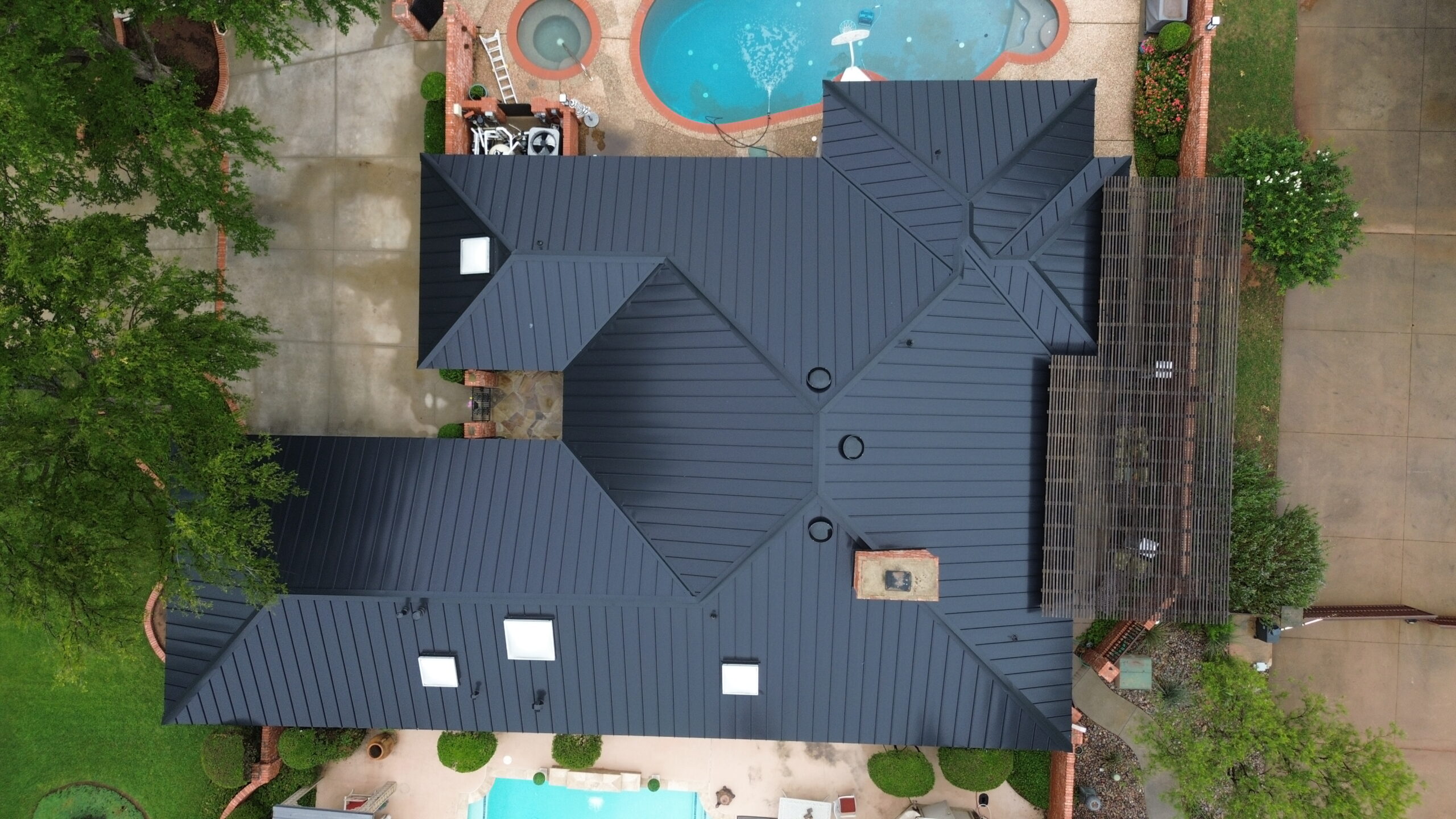
Many signs of roof damage are visible without climbing onto the roof. Using binoculars allows homeowners to inspect shingles, flashing, roof edges, gutters, and other components from a safe distance while reducing unnecessary risk.
Steep roofs, wet surfaces, aging roofing materials, and multi story homes create additional hazards. In these situations, visual inspections from the ground are much safer than attempting to walk across the roof.
Choose the Right Weather Conditions
Dry weather provides the safest conditions for roof inspections. Wet roofing materials become slippery, while strong winds increase the risk of losing balance when using ladders or working near roof edges.
Inspecting shortly after a storm is often useful because damage is easier to identify. However, waiting until the roof has completely dried improves safety while still allowing homeowners to locate visible problems.
Basic Tools That Improve Inspection Accuracy
A few simple tools can make inspections more effective without requiring expensive equipment. These items help document findings and allow homeowners to compare roof conditions over time.
- Binoculars for viewing roof surfaces safely
- Flashlight for attic inspections
- Camera or smartphone for documenting damage
- Notebook for recording observations
- Ladder used only when necessary and under safe conditions
Keeping photographs from each inspection creates a valuable record. Comparing images from previous inspections makes it easier to recognize gradual deterioration that might otherwise go unnoticed.
Know When Professional Help Is Necessary
Some roofing conditions require immediate professional evaluation rather than homeowner inspection. Attempting to investigate these situations without proper training may increase both personal risk and property damage.
Professional assistance should be considered if any of the following conditions are present:
- Large areas of missing roofing materials.
- Significant roof sagging.
- Active water entering the home.
- Storm damage involving fallen trees or heavy debris.
- Signs of structural movement or roof collapse.
Exterior Roof Inspection Checklist
The exterior inspection is often where the first signs of roofing problems become visible. Even minor surface damage can allow moisture to enter the roofing system over time. Performing a careful visual evaluation helps identify repairs before they become major restoration projects.
Rather than focusing on only one area, homeowners should examine the entire roof surface methodically. Moving from one section to another reduces the chance of overlooking subtle warning signs.
Checking Shingles, Tiles, or Metal Roofing
The roof covering should appear consistent across the entire surface. Any noticeable changes in color, alignment, or texture deserve closer attention because they often indicate damage or aging.
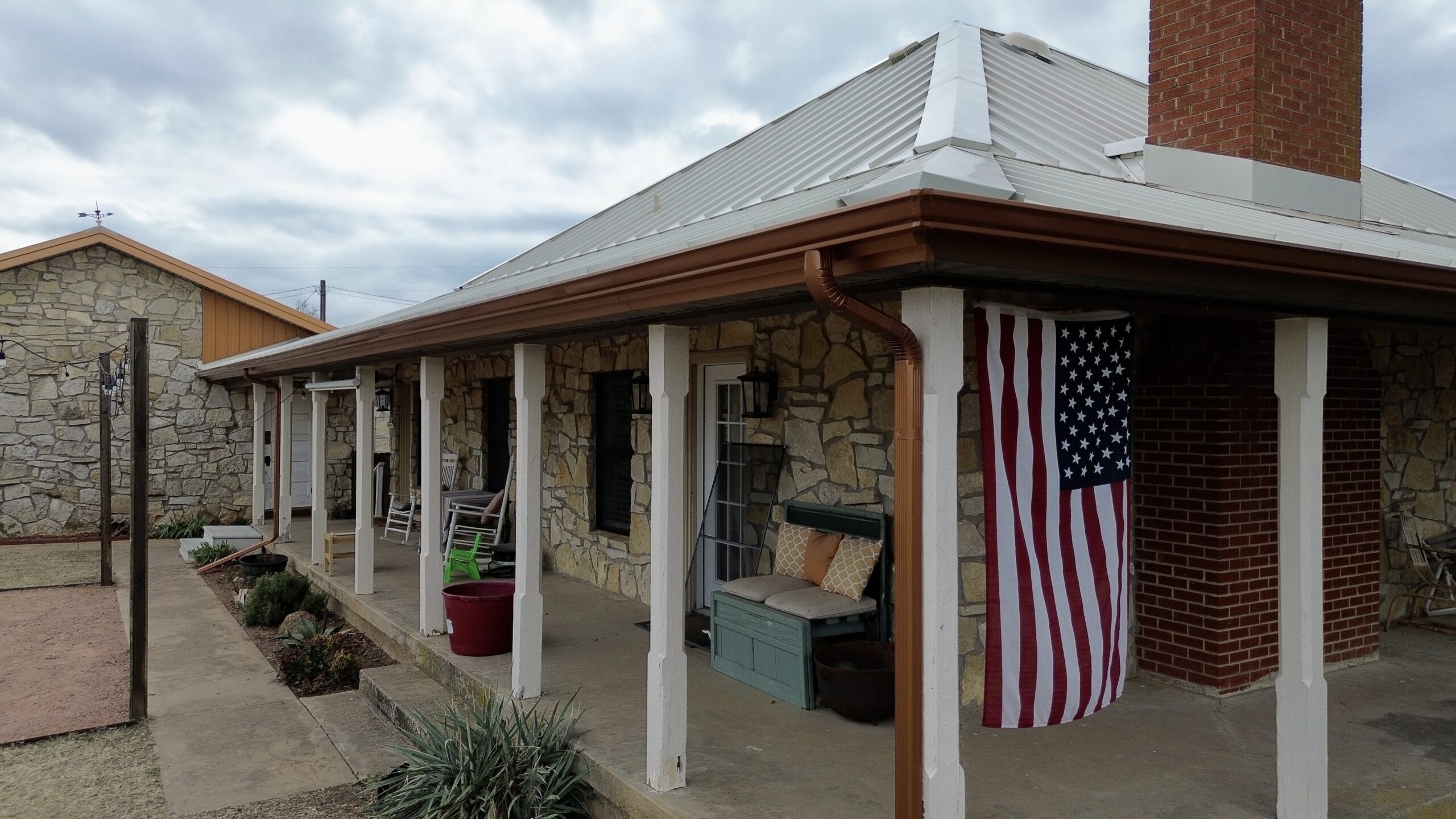
Asphalt shingles may curl, crack, blister, or lose granules with age. Metal roofing should remain securely fastened without dents, corrosion, or separated seams, while tile roofs should be checked for cracked or displaced pieces.
Looking for Missing or Damaged Roofing Materials
Missing roofing materials leave the underlying roof vulnerable to water infiltration. Even a single missing shingle can expose underlayment and decking to repeated moisture, increasing the likelihood of leaks.
Storms with strong winds frequently loosen roofing materials that were already nearing the end of their lifespan. Homeowners should inspect roof surfaces after severe weather to identify any newly exposed sections.
Identifying Granule Loss
Granules protect asphalt shingles from ultraviolet radiation while improving weather resistance. As shingles age, these protective granules gradually wear away through normal weather exposure.
Excessive granules collecting inside gutters often indicate that shingles are deteriorating. Bare patches on shingles also suggest that protective surfaces have worn away, leaving roofing materials more susceptible to cracking.
Examining Roof Ridges and Hips
The highest points of the roof often experience stronger wind exposure than lower sections. Ridge caps should remain firmly attached without cracks, lifting, or missing sections.
Damage along ridges may allow wind driven rain to penetrate beneath roofing materials. Because these areas experience continuous weather exposure, they should receive careful attention during every inspection.
Inspecting Flashing Around Roof Openings
Roof penetrations are among the most common locations for leaks because water naturally collects around these areas. Flashing should fit tightly against roofing materials without visible gaps or deteriorated sealant.
Homeowners should inspect flashing around several important locations.
| Roof Feature | What to Check | Possible Warning Signs |
|---|---|---|
| Chimneys | Flashing joints and sealant | Rust, gaps, loose flashing |
| Skylights | Perimeter flashing | Water stains, cracked sealant |
| Plumbing vents | Rubber boots and flashing | Splits, deterioration, loose fittings |
| Roof valleys | Metal flashing and debris | Standing water, corrosion, blocked drainage |
Small flashing defects may appear insignificant initially. However, they often become the starting point for interior water damage if repairs are delayed.
Checking Roof Valleys
Roof valleys collect large amounts of rainwater because multiple roof slopes direct water toward these channels. Leaves, branches, and debris frequently accumulate here, slowing drainage and increasing moisture retention.
Blocked valleys can eventually force water beneath roofing materials. Keeping these areas clean helps maintain efficient drainage while reducing the likelihood of leaks.
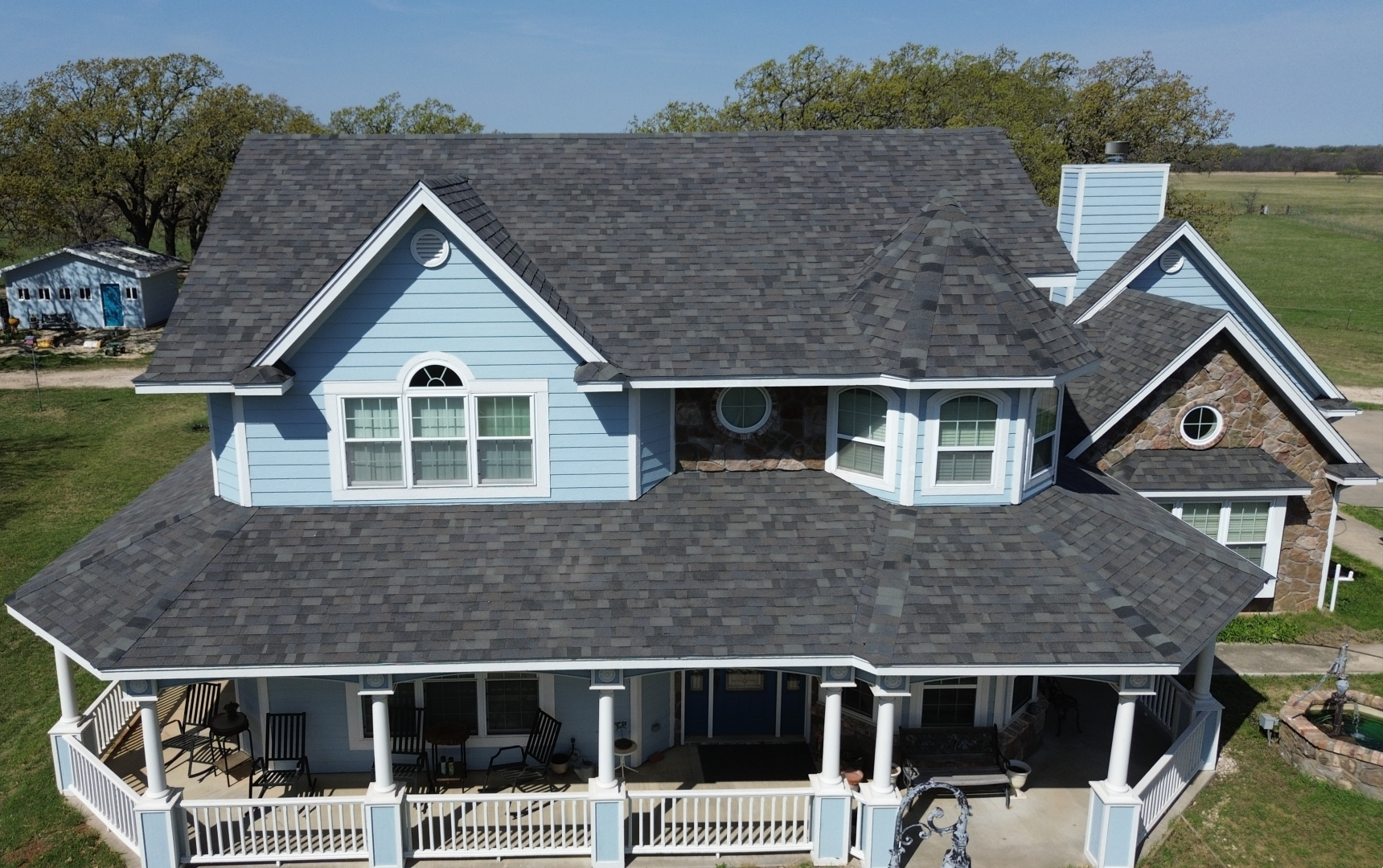
Evaluating Roof Drainage Systems
A roofing system performs best when rainwater flows away quickly and efficiently. Gutters, downspouts, and drainage components play a major role in preventing water damage throughout the property.
Drainage problems often develop gradually, making routine inspections especially valuable. Catching these issues early helps prevent expensive repairs to both the roof and the home’s foundation.
Inspecting Gutters
Gutters should remain securely attached while maintaining a slight slope toward downspouts. Loose fasteners, bent sections, rust, or separated joints reduce their ability to carry water effectively.
Leaves, dirt, and roofing granules commonly accumulate inside gutters throughout the year. Cleaning these materials improves drainage while reducing unnecessary weight that may damage gutter supports.
Downspout Condition
Downspouts should direct water several feet away from the home’s foundation. Loose connections, crushed sections, or blockages reduce water flow and increase the likelihood of overflow during heavy rainfall.
Water pooling near the foundation often indicates drainage problems that extend beyond the roof itself. Correcting these issues helps protect both structural stability and landscaping.
Signs of Water Overflow
Overflowing gutters usually leave visible evidence on nearby building materials. Water stains, peeling paint, wood deterioration, and soil erosion all suggest that rainwater is not draining properly.
Repeated overflow also increases the risk of moisture entering attic spaces through roof edges. Early repairs reduce long term maintenance costs while preserving the surrounding structure.
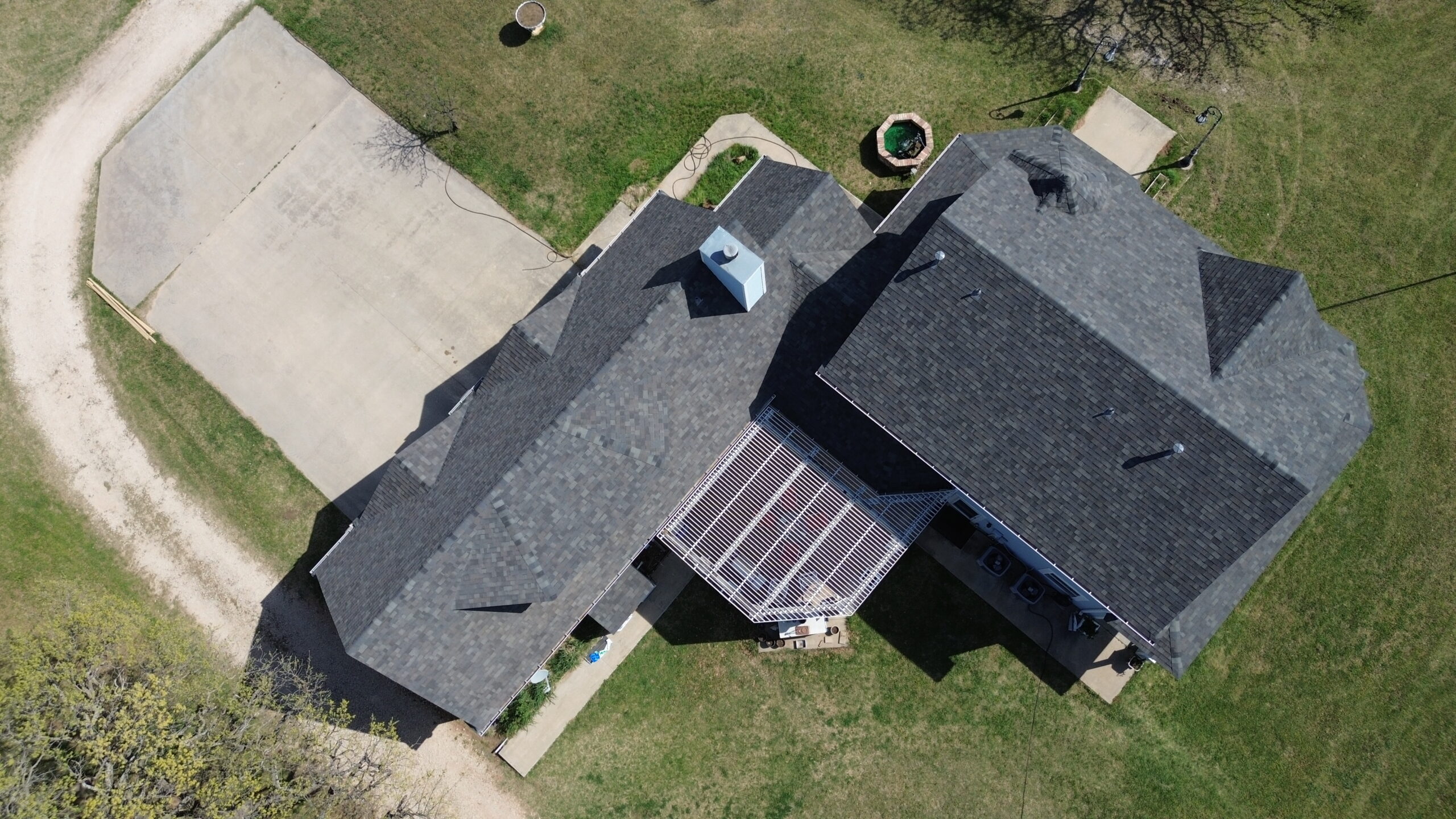
Roof Edge and Soffit Inspection
Roof edges experience constant exposure to wind, rain, sunlight, and temperature changes. Because these areas protect the transition between the roof and exterior walls, they deserve careful attention during every inspection.
Damage around roof edges often spreads into nearby structural components if moisture is allowed to enter repeatedly. Routine evaluations help identify deterioration before repairs become extensive.
Fascia Boards
Fascia boards support the gutter system while covering exposed roof framing. Soft wood, peeling paint, discoloration, or visible rot may indicate prolonged moisture exposure from leaking gutters or damaged roofing materials.
Replacing deteriorated fascia promptly helps prevent additional structural damage. Healthy fascia also provides secure support for gutters during heavy rainfall.
Soffits
Soffits cover the underside of roof overhangs while allowing ventilation into the attic. Cracks, loose panels, staining, or signs of pest activity should all be investigated because they may indicate hidden moisture problems.
Properly maintained soffits improve attic airflow while helping prevent insects, birds, and rodents from entering the roofing system.
Drip Edges
Drip edges guide water into gutters instead of allowing it to flow beneath roofing materials. Bent metal, corrosion, or separated sections reduce their effectiveness and increase the likelihood of water intrusion.
A properly installed drip edge also protects roof decking from repeated exposure to moisture. Inspecting this component during routine maintenance helps preserve the roof’s overall lifespan.
Assessing Roof Penetrations
Every object that passes through the roof creates another potential entry point for water. Vent pipes, exhaust systems, antennas, satellite mounts, and solar panel attachments should all remain securely sealed and properly flashed.
Rubber boots around plumbing vents naturally deteriorate with age and prolonged sun exposure. Checking these components regularly helps identify cracks or separation before water begins entering the roof assembly.
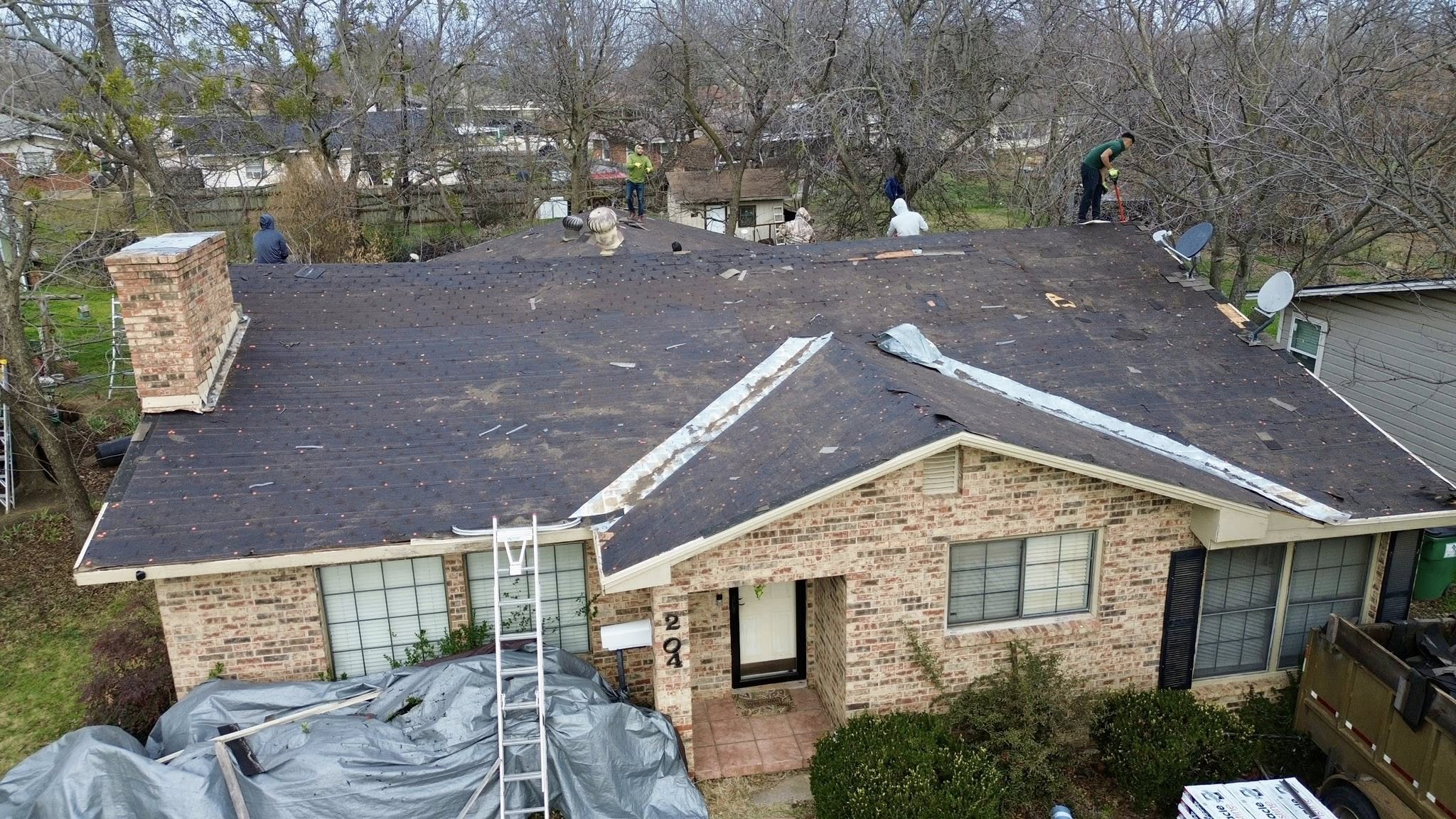
Inspecting the Attic for Hidden Roofing Problems
While the roof’s exterior reveals many visible issues, the attic often provides the earliest warning signs of hidden damage. Water intrusion, poor ventilation, and structural movement frequently become noticeable inside the attic before leaks appear in living spaces. For this reason, every complete residential roof inspection should include a careful evaluation of the attic.
Homeowners should inspect the attic during daylight whenever possible. Natural light entering through unexpected openings can quickly reveal areas where the roofing system may have been compromised.
Looking for Water Stains
Water stains are among the most common indicators of roof leaks. Brown, yellow, or dark discoloration on roof decking, rafters, insulation, or ceiling surfaces often suggests that moisture has entered the roofing system at some point.
Not every stain indicates an active leak, as some may be left behind after previous repairs. However, fresh stains that continue to spread or appear darker after rainfall deserve immediate attention to prevent additional structural damage.
Checking for Mold and Mildew
Excess moisture inside the attic creates an environment where mold and mildew can develop. These growths often appear as black, green, or gray patches on wood surfaces and insulation, especially in areas with limited airflow.
Besides damaging building materials, mold can reduce indoor air quality throughout the home. Addressing both the moisture source and the mold growth is essential for maintaining a healthy living environment.
Inspecting Insulation for Dampness
Attic insulation should remain dry and evenly distributed across the attic floor. Wet insulation loses much of its thermal performance and may trap moisture against surrounding structural components for extended periods.
Compressed or unusually heavy insulation often indicates previous water intrusion. Replacing damaged insulation after correcting the source of the leak helps restore energy efficiency while reducing the risk of mold growth.
Looking for Daylight Through the Roof
One of the simplest ways to identify roof openings is by looking for sunlight entering the attic. Small beams of light around vents, flashing, roof joints, or damaged decking often indicate openings where water can also enter during rainfall.
Although tiny openings may appear harmless, they often grow larger over time due to repeated weather exposure. Early repairs help prevent these minor gaps from becoming significant leak sources.
Examining Wood for Moisture Damage
Roof framing should appear solid, dry, and free from significant discoloration. Wood that appears dark, soft, swollen, or warped may have experienced prolonged moisture exposure.
Structural wood rarely deteriorates overnight. Recognizing early warning signs allows homeowners to arrange repairs before expensive structural restoration becomes necessary.
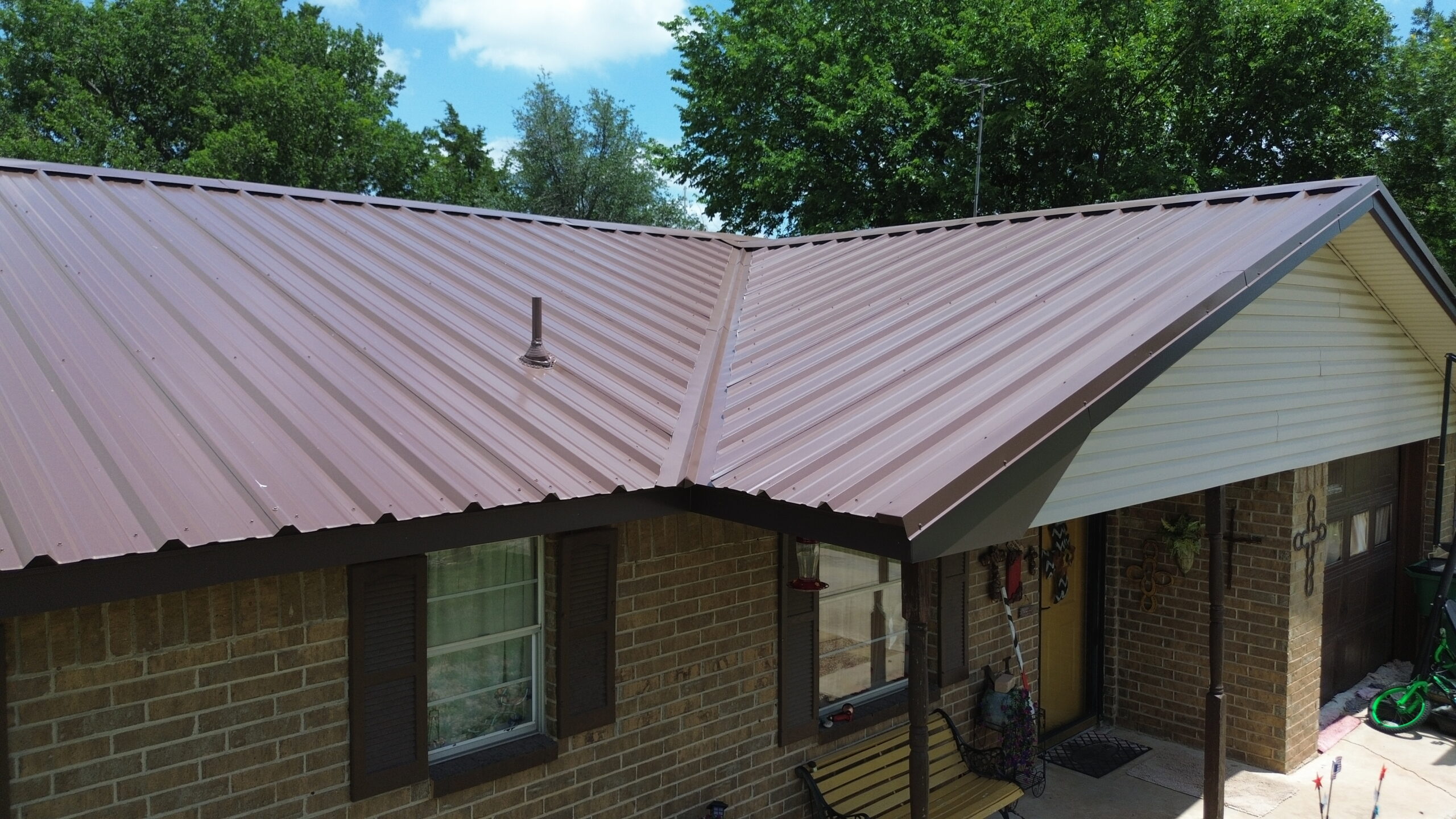
Roof Ventilation and Insulation Evaluation
A healthy roof depends on more than weatherproof materials alone. Proper ventilation and insulation work together to regulate attic temperatures, control moisture, and improve the overall performance of the roofing system.
Poor attic airflow can shorten the lifespan of roofing materials while increasing heating and cooling costs. Evaluating ventilation should therefore be an important part of every roof inspection.
Understanding Balanced Ventilation
An effective roofing system relies on balanced airflow between intake and exhaust vents. Fresh air enters through lower vents near the roof edges, while warmer air exits through vents located near the roof ridge.
Without balanced airflow, warm moist air remains trapped inside the attic. This trapped moisture gradually affects insulation, wooden framing, and roofing materials.
Signs of Poor Ventilation
Several warning signs may indicate inadequate roof ventilation. Some of these symptoms appear gradually, making routine inspections especially valuable.
Common indicators include unusually hot attic temperatures during summer, condensation on roof decking, persistent musty odors, mold growth, and excessive ice accumulation during winter in colder climates. Even if leaks are not present, these conditions suggest that airflow should be evaluated more closely.
Evaluating Roof Vents
Roof vents should remain free of debris, bird nests, leaves, and other obstructions that restrict airflow. Damaged vent covers or missing protective screens can also allow pests to enter the attic.
Homeowners should inspect vent openings from both inside and outside the home whenever possible. Maintaining clear ventilation pathways supports consistent airflow throughout the year.
Insulation Performance
Proper insulation reduces heat transfer between the attic and living spaces below. During an inspection, insulation should appear evenly distributed without large gaps or compressed sections.
Areas where insulation has shifted, become wet, or deteriorated should be corrected promptly. Consistent insulation coverage improves comfort while reducing unnecessary strain on heating and cooling systems.
Structural Roof Inspection
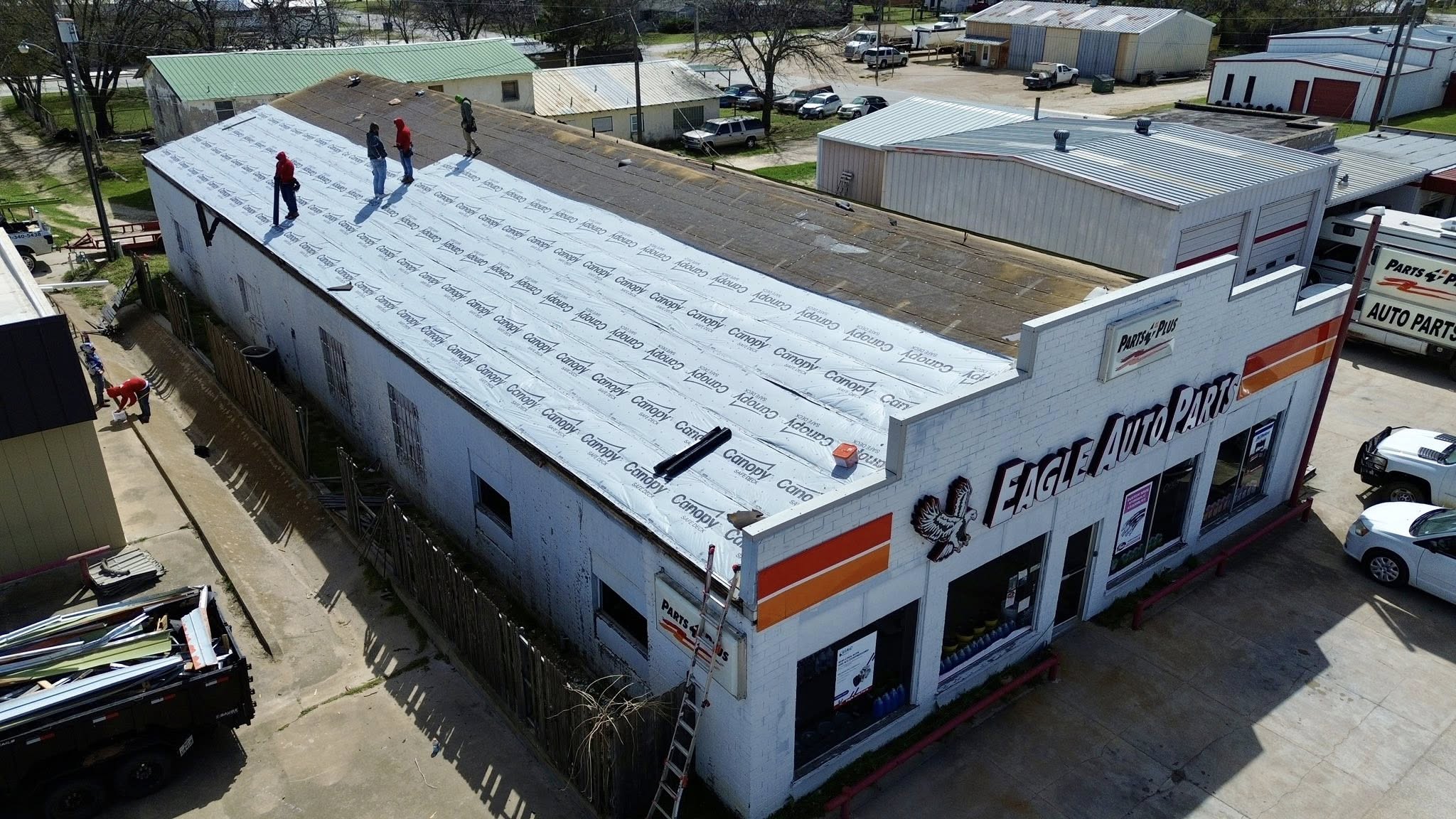
The structural framework supports every component of the roofing system. Although structural damage is less common than surface deterioration, identifying it early can prevent major repairs and improve the overall safety of the home.
Structural inspections focus on the condition of the roof decking, framing members, and the overall shape of the roof. Any noticeable movement or deformation deserves careful evaluation.
Roof Decking Condition
Roof decking should remain flat, solid, and securely attached to the structural framing. Moisture exposure over time may weaken sections of the decking, allowing them to sag or soften beneath the roofing materials.
Homeowners may notice uneven roof surfaces from the ground if the decking has begun to deteriorate. Any visible depressions should be inspected by a qualified roofing professional.
Inspecting Rafters and Trusses
Rafters and trusses provide the primary structural support for the roof. During attic inspections, these members should appear straight and free from large cracks, splitting, insect damage, or excessive moisture.
Minor surface imperfections are often normal in older homes. However, significant bending or movement may indicate that additional structural evaluation is needed.
Identifying Roof Sagging
A roof should maintain consistent lines along its ridges and slopes. Sections that appear lower than surrounding areas may indicate weakened framing, deteriorated decking, or excessive weight from long term moisture exposure.
Roof sagging rarely improves without repairs. Delaying corrective work often allows structural damage to spread into larger portions of the roofing system.
Moisture Related Structural Damage
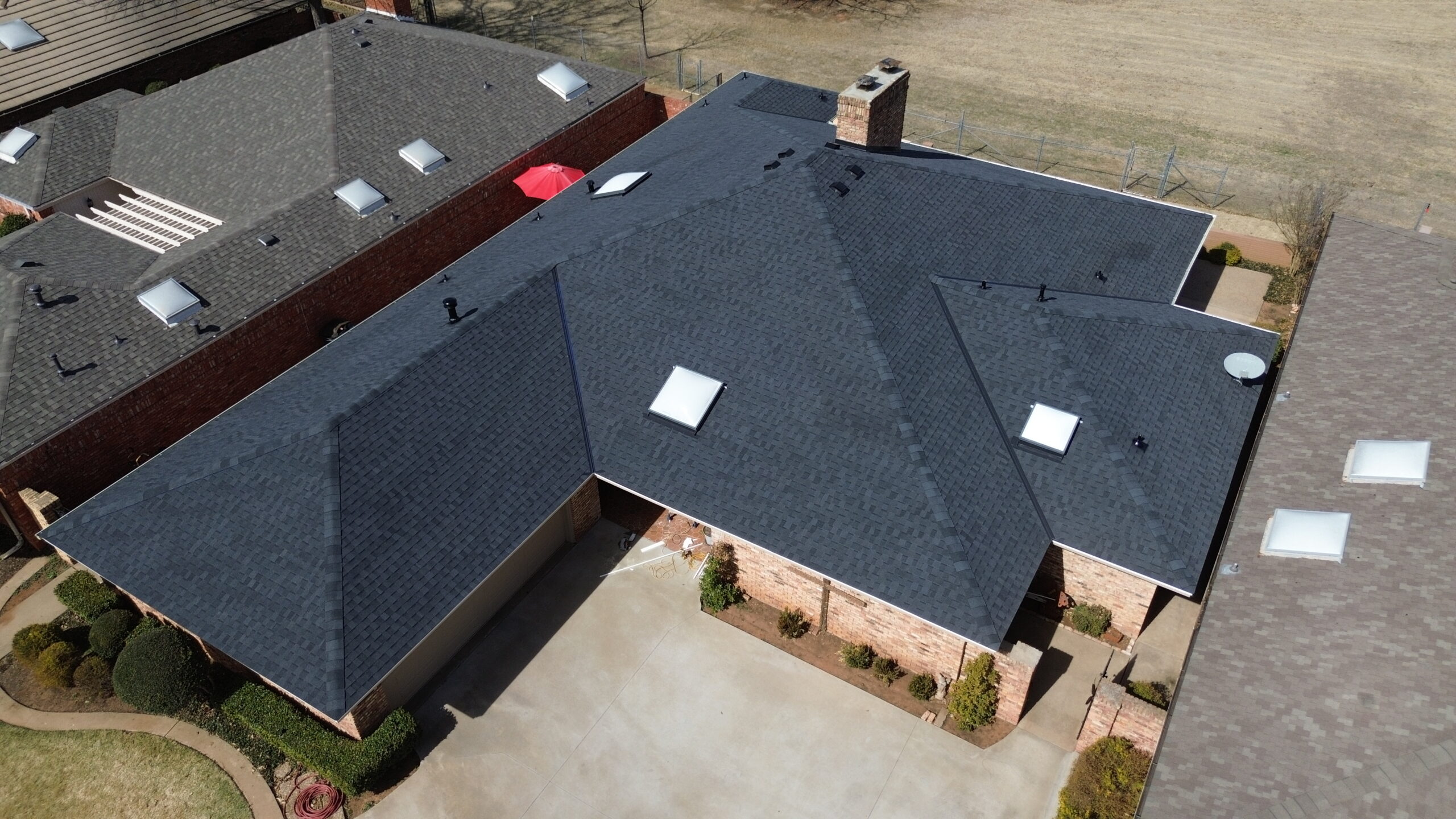
Repeated water exposure gradually weakens wood framing and fasteners. Even when leaks seem minor, years of moisture intrusion can compromise structural stability beneath otherwise intact roofing materials.
Routine inspections help identify moisture damage before structural repairs become significantly more expensive. Combining attic observations with exterior inspections provides a more complete understanding of the roof’s condition.
Moisture Detection During Roof Inspections
Water follows the path of least resistance, making roof leaks difficult to trace. The location where water appears inside the home is not always directly beneath the point where it entered the roof.
Moisture detection involves examining multiple areas to determine whether water intrusion is active, historical, or caused by condensation rather than an exterior leak.
Common Leak Locations
Certain sections of the roof naturally experience greater exposure to water. These areas should receive extra attention during every inspection.
Common leak locations include flashing around chimneys, plumbing vents, skylights, roof valleys, dormers, roof edges, and damaged shingles. Any visible deterioration in these areas increases the likelihood of moisture entering the roofing system.
Condensation Versus Roof Leaks
Not every moisture problem originates outside the home. Poor attic ventilation often causes condensation to form on cold roof decking during periods of high humidity.
Condensation typically appears across larger areas and affects multiple surfaces. Roof leaks, on the other hand, usually create more concentrated patterns of staining or dripping that follow a specific entry point.
Moisture Detection Tools
Professional roof inspectors often use specialized equipment to locate hidden moisture that cannot be seen during a visual inspection. These tools improve accuracy while reducing unnecessary removal of roofing materials.
Common equipment includes moisture meters, infrared thermal imaging cameras, and electronic leak detection systems. Although homeowners may not own these tools, understanding their purpose helps explain why professional inspections often identify problems that remain hidden during basic visual evaluations.
Inspecting Interior Ceilings and Walls
Ceilings and upper walls frequently reveal evidence of roof leaks before homeowners notice active dripping. Bubbling paint, peeling wallpaper, sagging drywall, and discolored ceiling surfaces all deserve further investigation.
Ignoring these interior warning signs allows moisture to continue spreading behind finished surfaces. Prompt inspections help reduce repair costs while preventing additional structural deterioration.
Weather Damage Inspection Checklist
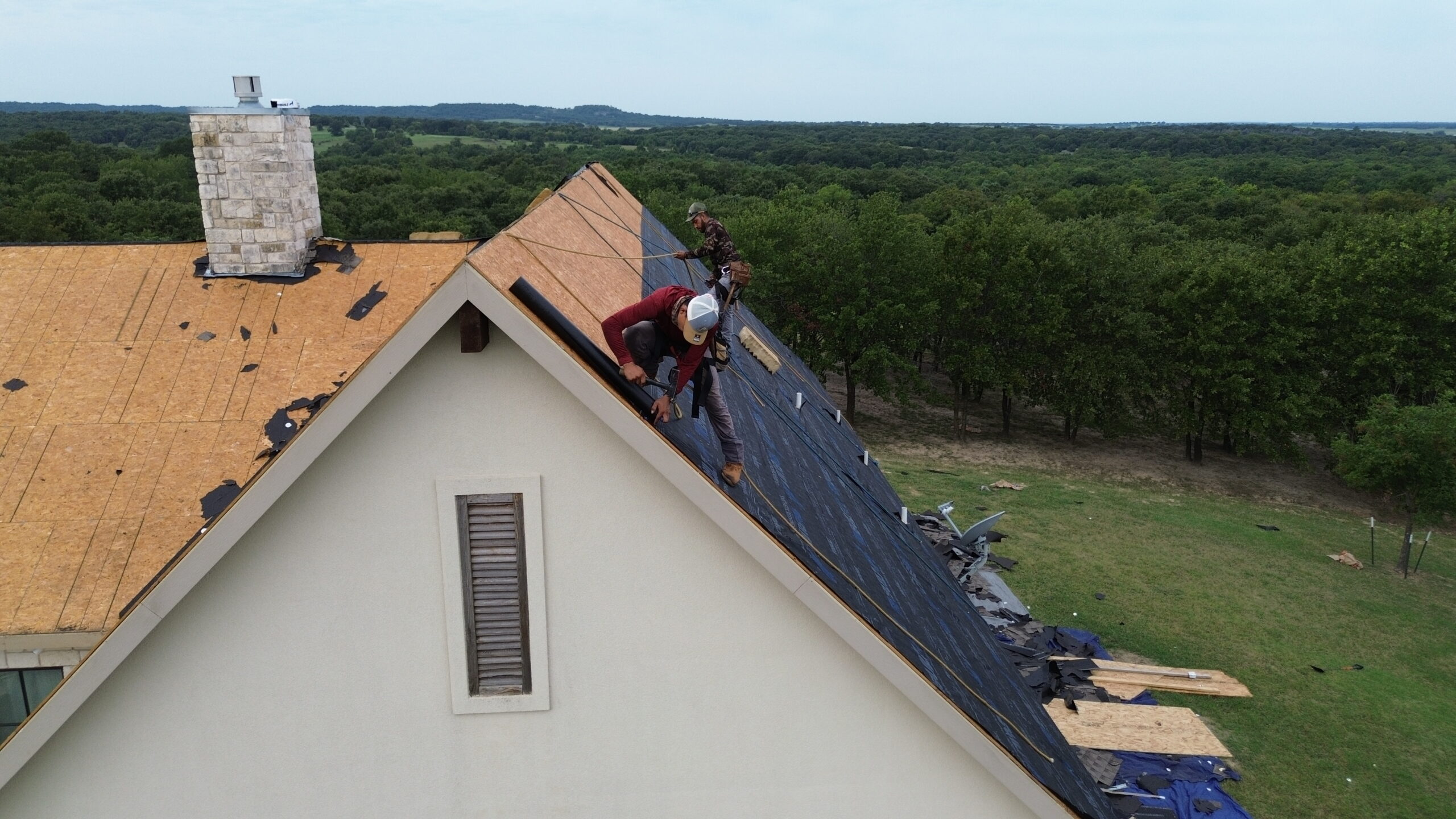
Weather remains the leading cause of roof deterioration throughout its lifespan. Wind, hail, heavy rain, sunlight, and changing temperatures gradually affect roofing materials even when no major storm occurs.
After severe weather, homeowners should perform a careful visual inspection from the ground and inside the attic. Documenting any damage with photographs also helps support insurance claims if repairs become necessary.
Wind Damage
Strong winds may loosen shingles, lift flashing, damage ridge caps, or blow debris across the roof surface. Even moderate winds can worsen roofing materials that have already weakened with age.
After windy conditions, homeowners should inspect both the roof and the surrounding yard. Roofing materials found on the ground often indicate damage that requires closer evaluation.
Hail Damage
Hail can create impact marks that shorten the lifespan of roofing materials even when leaks are not immediately visible. Asphalt shingles may lose protective granules, while metal roofing can develop dents and cosmetic damage.
The severity of hail damage depends on both hail size and wind speed. A professional inspection is often recommended after significant hailstorms because some impacts are difficult to recognize from the ground.
Heavy Rain Impacts
Heavy rainfall tests every part of the roofing system, especially flashing, valleys, gutters, and drainage components. Water should flow smoothly toward downspouts without pooling or overflowing.
Persistent ponding or overflowing gutters indicate drainage problems that should be corrected before future storms increase the risk of water intrusion.
Snow and Ice Concerns
Although snowfall is uncommon in many regions, homes located in colder climates face additional roofing challenges during winter. Ice dams can prevent melting snow from draining properly, forcing water beneath roofing materials.
Heavy snow accumulation also increases structural loading on the roof. Removing excessive snow safely helps reduce unnecessary stress on the roofing system.
Heat and Ultraviolet Exposure
Constant sunlight gradually ages roofing materials through thermal expansion and ultraviolet radiation. Asphalt shingles may become brittle, while sealants around flashing and roof penetrations slowly deteriorate over time.
Regular inspections during warmer months help identify these gradual changes before they contribute to water intrusion. Preventive maintenance extends the service life of the entire roofing system.
Roof Inspection Checklist by Roofing Material
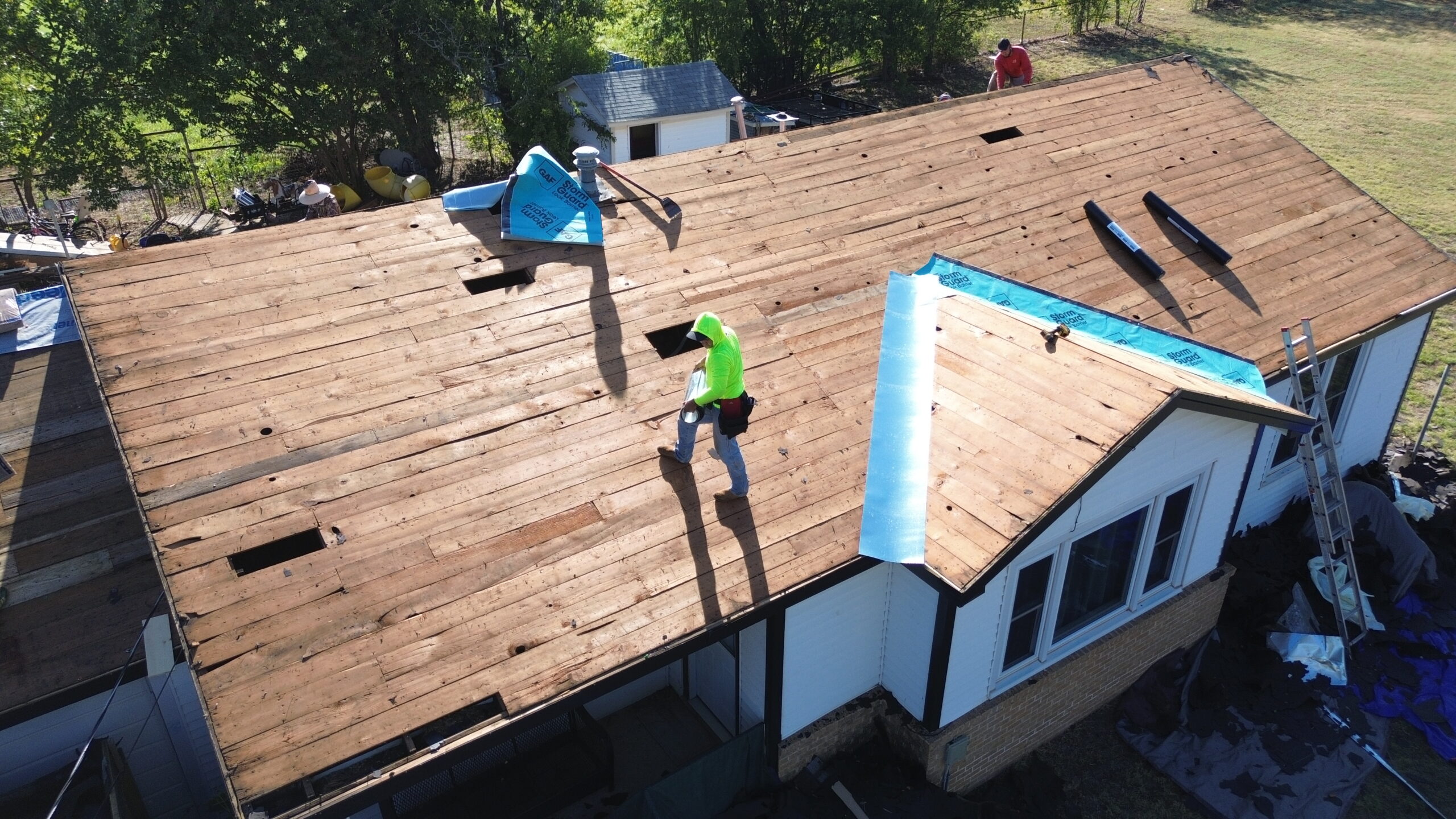
Different roofing materials age differently and require attention to different types of damage. Understanding these differences allows homeowners to perform more focused inspections throughout the year.
| Roofing Material | Common Inspection Focus | Typical Warning Signs | Maintenance Priority |
|---|---|---|---|
| Asphalt Shingles | Granules, curling, cracks | Missing shingles, bald spots, lifting edges | High |
| Metal Roofing | Seams, fasteners, corrosion | Rust, loose panels, dents | Medium |
| Clay Tiles | Cracks, displacement | Broken tiles, slipping sections | High |
| Concrete Tiles | Surface wear, alignment | Chipping, cracked edges | High |
| Slate Roofing | Fasteners, broken slate | Missing or fractured pieces | Medium |
| Wood Shakes | Moisture damage, splitting | Rot, moss growth, warping | High |
Understanding the characteristics of each roofing material helps homeowners recognize whether visible changes are part of normal aging or signs of developing damage. Following manufacturer maintenance recommendations also helps preserve roofing warranties while extending overall roof life.
Seasonal Roof Inspection Recommendations
Seasonal inspections allow homeowners to identify weather related damage before it progresses into larger repairs. Performing smaller inspections throughout the year is generally more effective than waiting for problems to become obvious.
The exact timing may vary depending on local climate, but seasonal evaluations help create a consistent maintenance routine.
Spring Inspections
Spring is an ideal time to assess any damage caused by winter weather. Homeowners should inspect shingles, flashing, gutters, attic spaces, and drainage systems after seasonal storms have passed.
Cleaning debris from gutters and roof valleys also prepares the roofing system for heavier rainfall later in the year.
Summer Inspections
High temperatures can accelerate the aging of roofing materials. Summer inspections should focus on cracked sealants, ventilation performance, and signs of heat related deterioration.
This season also provides good weather for completing routine maintenance before autumn arrives.
Fall Inspections
Falling leaves often collect inside gutters and roof valleys, restricting water flow during seasonal rainstorms. Cleaning drainage systems and inspecting roof edges before winter helps reduce moisture related problems.
Fall is also a suitable time to verify that flashing, vents, and roofing materials remain securely attached before stronger seasonal weather develops.
Winter Monitoring
Although walking on roofs during winter is generally unsafe, homeowners should continue monitoring the roof from the ground. Ice accumulation, hanging gutters, unusual snow loads, or visible storm damage should be evaluated promptly.
Regular observation throughout the season allows developing problems to be identified before they become serious. If conditions appear unsafe, professional inspection remains the safest approach.
Signs You Should Schedule a Professional Roof Inspection
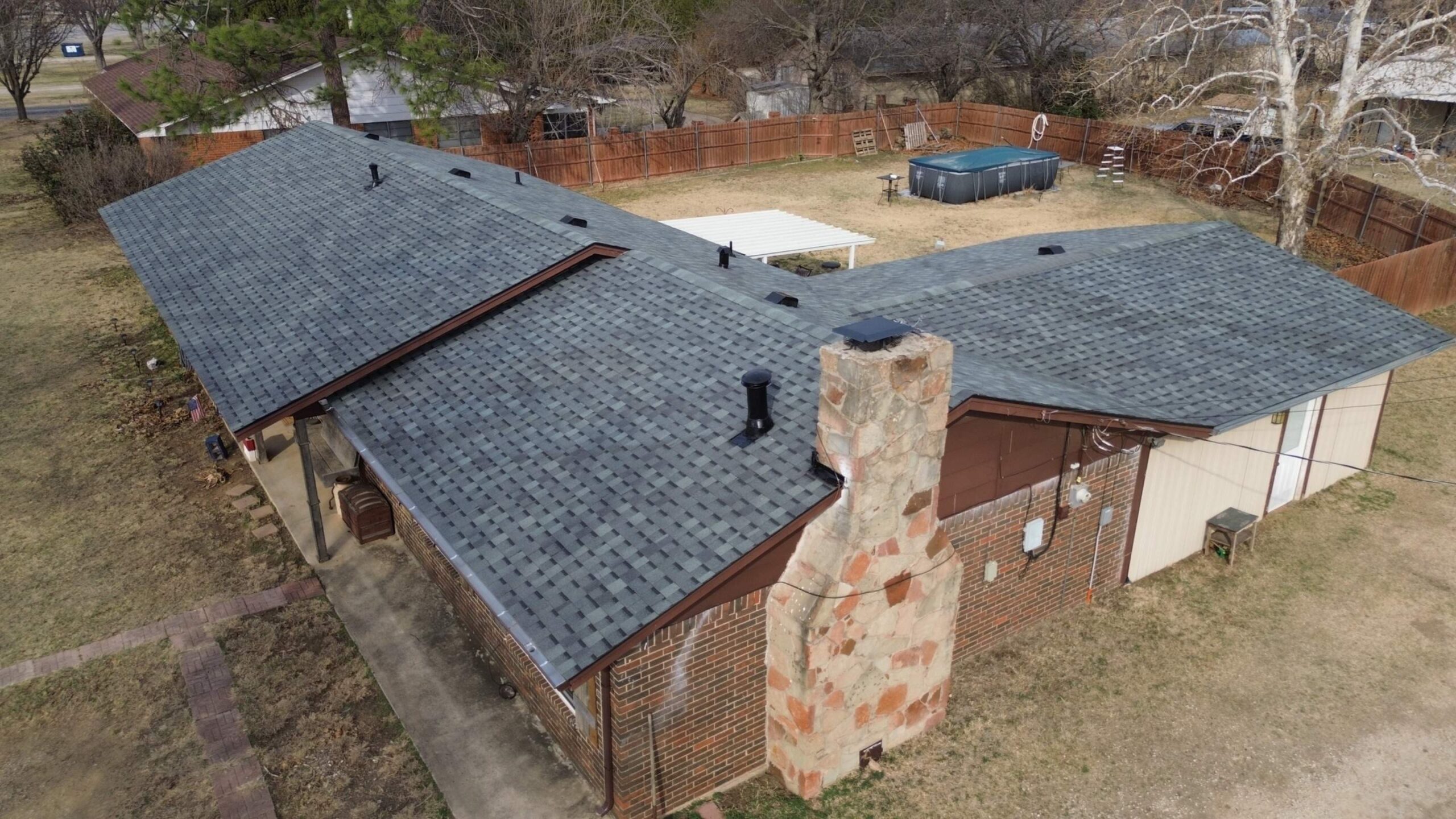
Homeowners can identify many roofing concerns through routine visual inspections, but some situations require the expertise of a professional. Roofing specialists have the experience, safety equipment, and diagnostic tools needed to evaluate areas that may not be accessible or visible during a standard homeowner inspection.
Scheduling a professional inspection at the right time often prevents small issues from developing into major structural repairs. It also provides a detailed assessment that can help with maintenance planning, insurance claims, and property value.
Your Roof Is Getting Older
Every roofing material has an expected service life. Even if an aging roof appears to be in good condition, natural wear from years of exposure to sunlight, rain, temperature changes, and wind gradually reduces its ability to protect the home.
Older roofs benefit from more frequent inspections because deterioration often occurs gradually. Identifying worn materials before they fail allows homeowners to plan repairs instead of facing unexpected emergencies.
Severe Weather Has Recently Occurred
Strong storms can damage roofs even when problems are not immediately visible. High winds may loosen shingles, hail can weaken protective surfaces, and falling branches may create structural damage beneath the roofing materials.
A professional inspection after severe weather helps determine whether hidden damage exists. This documentation may also be useful when filing insurance claims for storm related repairs.
You Notice Persistent Leaks
Water stains that continue to grow or recurring leaks during rainfall usually indicate an underlying roofing problem. Simply repairing the interior damage without identifying the source of the leak rarely solves the issue permanently.
Professional inspectors can trace moisture back to its entry point and recommend repairs that address the root cause rather than only the visible symptoms.
Buying or Selling a Home
A roof inspection provides valuable information during real estate transactions. Buyers gain confidence by understanding the roof’s condition, while sellers can address issues before listing the property.
An inspection report also helps reduce uncertainty during negotiations. Clear documentation often prevents unexpected roofing concerns from delaying the closing process.
Insurance or Warranty Requirements
Some insurance providers request roof inspections after major storms or before renewing certain policies. Roofing warranties may also require documentation showing that regular maintenance has been performed.
Keeping inspection reports organized makes it easier to demonstrate that the roof has been properly maintained throughout its lifespan.
What Professional Roof Inspectors Typically Evaluate
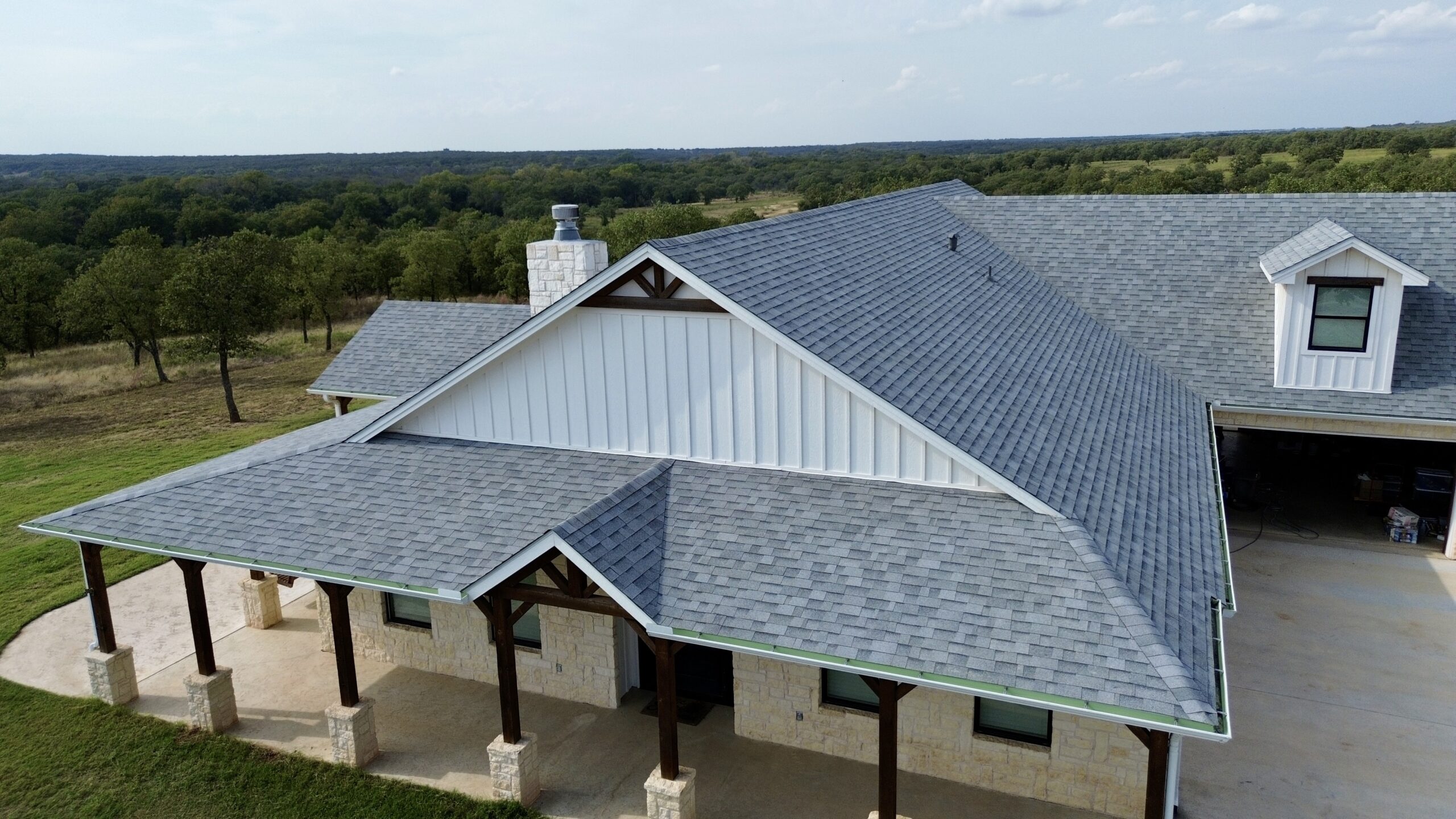
Professional roof inspections involve much more than checking for missing shingles. Inspectors examine every major component of the roofing system to determine its current condition, identify developing problems, and estimate the remaining service life of the roof.
Their findings are usually summarized in a detailed report that includes photographs, recommendations, and maintenance priorities.
Structural Assessment
Inspectors evaluate the roof’s overall structural stability by examining decking, rafters, trusses, and roof alignment. They look for sagging sections, weakened framing, excessive movement, and other signs that may indicate structural deterioration.
This evaluation helps identify problems that cannot always be seen during a basic visual inspection from the ground.
Moisture Detection
Professional inspectors often use moisture detection equipment to locate hidden water intrusion. These tools can identify damp areas beneath roofing materials before visible leaks appear inside the home.
Finding moisture early reduces repair costs because damaged materials can often be replaced before widespread deterioration occurs.
Flashing Evaluation
Every flashing component is examined for corrosion, loose fasteners, damaged sealant, and improper installation. Since flashing protects some of the roof’s most vulnerable areas, even minor defects receive careful attention.
Inspectors also verify that flashing remains securely integrated with surrounding roofing materials. Proper installation is essential for maintaining long term weather resistance.
Roof Ventilation
Ventilation systems are inspected to confirm balanced airflow throughout the attic. Intake vents, ridge vents, exhaust vents, and other ventilation components should all function together to regulate temperature and moisture levels.
Poor ventilation affects more than comfort inside the home. It can also shorten the lifespan of roofing materials and reduce energy efficiency.
Roofing Material Condition
Inspectors evaluate the condition of shingles, tiles, metal panels, fasteners, sealants, and roof coatings. They determine whether visible wear reflects normal aging or indicates a need for repairs or replacement.
This assessment helps homeowners prioritize maintenance based on the overall condition of the roofing system rather than isolated areas of damage.
Inspection Documentation
A professional inspection usually concludes with a written report that summarizes findings and recommended actions. The report often includes photographs, maintenance suggestions, estimated urgency, and observations about the roof’s remaining condition.
These records become valuable references during future inspections. Comparing reports over several years helps identify gradual changes that may otherwise go unnoticed.
Creating a Residential Roof Maintenance Schedule
Routine maintenance is one of the most effective ways to maximize the lifespan of a residential roof. Instead of waiting for visible leaks or storm damage, homeowners should establish a maintenance schedule that includes regular inspections and preventive care.
Consistent maintenance also makes it easier to identify gradual deterioration before repairs become significantly more expensive.
A practical annual maintenance routine may include the following:
- Inspect the roof during spring and fall.
- Clean gutters and downspouts regularly.
- Remove leaves and debris from roof valleys.
- Check attic spaces for moisture after heavy rainfall.
- Trim tree branches that hang over the roof.
- Schedule professional inspections when necessary.
Following a simple maintenance routine requires far less time and money than repairing extensive water damage. Preventive care also helps preserve roofing warranties and improves long term property value.
Essential Homeowner Roof Inspection Checklist
A structured checklist helps ensure that no major roofing component is overlooked during routine inspections. Homeowners can use the following guide several times each year to evaluate the overall condition of their roofing system.
| Inspection Area | What to Examine | Recommended Action |
|---|---|---|
| Roofing materials | Missing, cracked, curled, or loose sections | Replace damaged materials promptly |
| Flashing | Rust, gaps, damaged sealant | Repair or reseal as needed |
| Gutters | Debris, loose brackets, overflow | Clean and secure gutters |
| Downspouts | Blockages or poor drainage | Remove obstructions and redirect water |
| Roof valleys | Leaves, standing water | Clear debris regularly |
| Roof edges | Fascia, soffits, drip edges | Repair damaged components |
| Roof vents | Blockages and damaged covers | Clean or replace vent components |
| Attic | Moisture, mold, daylight | Investigate leaks immediately |
| Ceilings | Water stains or peeling paint | Identify and repair leak source |
| Structural areas | Sagging or uneven roof lines | Arrange professional evaluation |
Using the same checklist during every inspection creates consistency. It also helps homeowners notice gradual changes by comparing observations over time.
Common Roof Problems Found During Inspections
Roof inspections frequently reveal issues that develop slowly through normal aging and weather exposure. Many of these problems begin as minor maintenance concerns but eventually require major repairs if left unaddressed.
Recognizing these common issues allows homeowners to respond before damage spreads throughout the roofing system.
Small Roof Leaks
Tiny leaks often begin around flashing, roof penetrations, or damaged shingles. Although the amount of water entering the home may seem insignificant, repeated moisture exposure gradually damages insulation, framing, and interior finishes.
Prompt repairs help prevent mold growth while reducing the likelihood of structural deterioration.
Damaged Flashing
Flashing naturally expands and contracts as temperatures change throughout the year. Over time, fasteners may loosen and sealants may crack, creating openings where water can enter.
Replacing damaged flashing is often far less expensive than repairing water damaged roof decking and interior ceilings.
Clogged Gutters
Leaves, twigs, roofing granules, and dirt frequently accumulate inside gutters. When water cannot flow freely, it overflows onto fascia boards and exterior walls instead of draining safely away from the home.
Routine gutter cleaning significantly reduces the risk of moisture related roof damage. It also helps protect siding, landscaping, and foundations.
Loose Roofing Materials
Wind and aging gradually loosen shingles, tiles, metal panels, and ridge caps. These materials may continue protecting the roof for some time, but they become increasingly vulnerable during future storms.
Replacing loose components promptly prevents larger sections of the roof from becoming exposed.
Ventilation Problems
Poor attic ventilation contributes to excessive heat buildup during summer and moisture accumulation throughout the year. These conditions shorten the lifespan of roofing materials while reducing indoor energy efficiency.
Improving ventilation often benefits both the roof and the home’s overall comfort.
Structural Movement
Minor structural movement may occur naturally as buildings settle over time. However, sudden changes in roof alignment, visible sagging, or significant movement should always be evaluated by qualified professionals.
Early structural repairs are generally less extensive than repairs delayed until visible damage becomes severe.
Roof Inspection Mistakes Homeowners Should Avoid
Even well intentioned inspections can overlook important warning signs if homeowners are unfamiliar with common roofing issues. Avoiding these mistakes improves inspection accuracy while reducing unnecessary safety risks.
The following errors are among the most common during residential roof inspections.
- Ignoring small signs of damage because they appear minor.
- Walking on steep or slippery roofs without proper safety equipment.
- Delaying repairs after storms while waiting for visible leaks.
- Forgetting to inspect the attic along with the exterior roof.
- Neglecting routine gutter cleaning and drainage maintenance.
- Assuming a roof is problem free simply because no interior leaks are visible.
Correcting these habits allows homeowners to detect problems much earlier. Routine attention usually results in lower repair costs and a longer lasting roofing system.
Keeping Roof Inspection Records
Maintaining organized inspection records provides valuable information throughout the life of the roof. These records help homeowners monitor changes, plan maintenance, and demonstrate responsible ownership if questions arise during insurance claims or property sales.
Documentation also simplifies communication with roofing contractors because previous repairs and recurring issues are already recorded.
Useful records to maintain include inspection reports, dated photographs, maintenance receipts, repair invoices, warranty documents, and notes from seasonal inspections. Storing everything together creates a complete history that supports future maintenance decisions.
Comparing records from year to year makes gradual deterioration much easier to identify. This historical information often helps roofing professionals recommend repairs before significant failures occur.
Conclusion
A residential roof does far more than cover a home because it protects the structure, preserves indoor comfort, and helps prevent costly water damage throughout the property. Regular inspections allow homeowners to identify developing issues before they become major repairs, extending the lifespan of roofing materials while protecting the investment they have made in their home.
A complete roof inspection should include both exterior and interior evaluations. Roofing materials, flashing, gutters, ventilation, attic conditions, structural components, and drainage systems all contribute to the overall performance of the roof and deserve routine attention throughout the year.
While homeowners can safely perform many visual inspections from the ground and inside the attic, professional inspections remain essential when roofs begin to age, storm damage occurs, or structural concerns become apparent. Experienced roofing professionals have the knowledge and equipment needed to identify hidden problems that may not be visible during routine homeowner evaluations.
Following a consistent inspection schedule, documenting findings, and addressing small issues promptly are the keys to long term roof performance. With a thorough maintenance routine and timely professional assistance when needed, homeowners can significantly reduce unexpected repair costs while ensuring their roof continues protecting the home for many years to come.