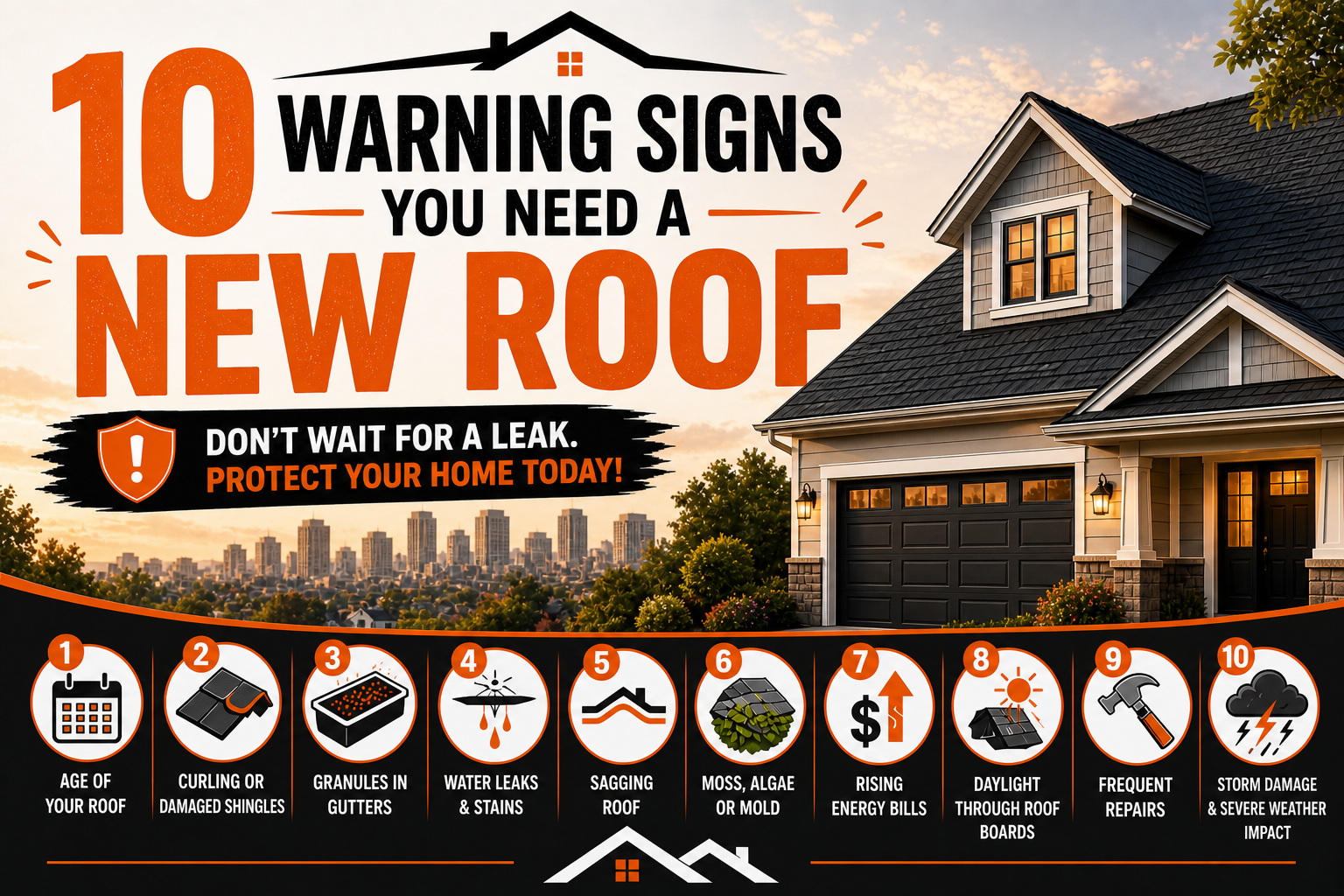
10 Warning Signs You Need a New Roof
Your roof is one of the most important parts of your home, yet it is often overlooked until something goes wrong. In regions that experience intense heat, heavy rain, hailstorms, and strong winds, roofs take a beating year after year. Waiting too long to address roofing issues can lead to costly repairs, interior damage, and even structural problems. Understanding the warning signs of a failing roof can help you take action early and avoid bigger expenses down the line.
This guide explains the ten most common signs that indicate it may be time for a roof replacement. Whether you are dealing with visible damage or subtle issues that are easy to miss, knowing what to look for can save you time, money, and stress.
1. Your Roof Is Reaching the End of Its Lifespan
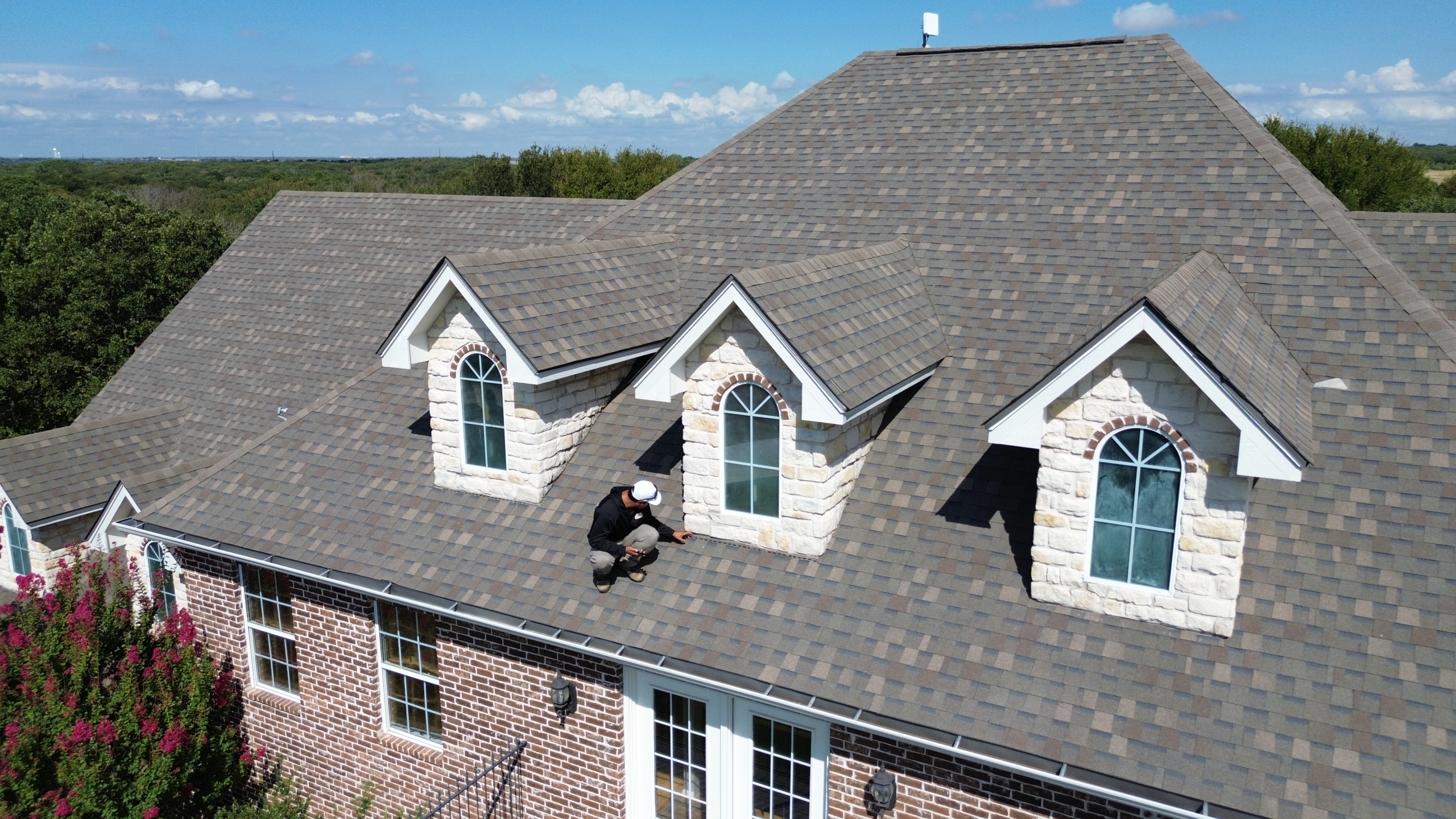
Every roofing system has a limited lifespan. Asphalt shingles typically last between 15 and 30 years depending on quality and weather conditions. Metal roofs can last much longer, while tile and slate roofs can last several decades with proper care.
If your roof is approaching or has exceeded its expected lifespan, it is a strong indicator that replacement should be considered. Even if it looks fine from the ground, underlying materials may be deteriorating. Aging roofs become less effective at protecting your home and are more vulnerable to leaks and storm damage.
Homeowners often make the mistake of waiting until visible damage appears. However, by the time you see problems, the roof may already be compromised. Scheduling a professional inspection once your roof reaches the later stage of its life is a smart step.
2. Curling, Cracked, or Missing Shingles
Shingles are your roof’s first line of defense. When they begin to curl, crack, or go missing, your roof is no longer fully protected.
Curling shingles often occur due to prolonged exposure to heat and sunlight. Cracked shingles can result from aging or impact from debris. Missing shingles are usually caused by strong winds or storms.
If you notice a few damaged shingles, repairs might be enough. However, widespread shingle damage is a sign that the roof system is failing. When large sections are affected, replacement is often the more cost effective solution.
3. Granules in Gutters or Downspouts
Asphalt shingles are coated with granules that protect them from UV rays and weather damage. Over time, these granules begin to wear off.
If you find excessive granules collecting in your gutters or around your downspouts, it is a sign that your shingles are deteriorating. This often happens toward the end of a roof’s lifespan.
Granule loss reduces the effectiveness of your roof and exposes the underlying material to the elements. Once this process accelerates, roof performance declines quickly.
4. Water Leaks and Interior Damage
One of the most obvious signs that your roof may need replacement is water intrusion. Leaks can appear as water stains on ceilings or walls, peeling paint, or damp spots in your attic.
Sometimes leaks are small and go unnoticed for a long time. However, even minor leaks can lead to mold growth, insulation damage, and structural issues if left untreated.
If leaks are frequent or occur in multiple areas, patching may not be enough. In such cases, a full roof replacement is often necessary to restore proper protection.
5. Sagging Roof Structure
A sagging roof is a serious issue that should never be ignored. It often indicates structural damage beneath the surface.
Sagging can be caused by prolonged moisture exposure, weakened decking, or compromised supports. You may notice dips or uneven lines along the roof.
This is not just a cosmetic problem. A sagging roof can collapse if the underlying structure continues to weaken. Immediate inspection and likely replacement are essential to ensure safety.
6. Moss, Algae, or Mold Growth
While moss and algae may seem harmless, they can cause long term damage to your roof.
Moss retains moisture, which can seep into shingles and accelerate decay. Algae can stain and weaken roofing materials over time. Mold growth can also indicate trapped moisture and poor ventilation.
In some cases, cleaning can resolve the issue. However, if growth is widespread or has caused damage to the shingles, replacement may be required.
7. Increasing Energy Bills
Your roof plays a key role in regulating indoor temperature. A failing roof can allow heat to escape during winter and enter during summer.
If you notice a sudden increase in your energy bills, your roof may no longer be providing proper insulation and ventilation. Damaged or aging roofing materials can reduce energy efficiency significantly.
Replacing your roof with modern materials can improve insulation and lower your monthly utility costs.
8. Daylight Visible Through the Roof Boards
If you can see sunlight coming through your attic ceiling, it is a clear sign that your roof has gaps or holes.
These openings allow water, air, and pests to enter your home. Even small gaps can lead to significant problems over time.
Checking your attic during daylight hours is a simple way to identify this issue. If multiple light points are visible, a roof replacement is often the best solution.
9. Frequent Repairs
If you find yourself repeatedly calling for roof repairs, it may be time to consider a replacement instead.
Constant repairs can add up quickly and may not fully resolve underlying issues. At a certain point, investing in a new roof becomes more cost effective than continuing to fix an old one.
A new roof provides long term reliability and reduces the need for ongoing maintenance.
10. Storm Damage and Severe Weather Impact
In areas prone to storms, roofs are frequently exposed to hail, wind, and heavy rain. Even if damage is not immediately visible, storms can weaken roofing materials.
Hail can bruise shingles, while strong winds can lift or remove them. Over time, repeated storm exposure can compromise the entire roof system.
After a major storm, it is important to schedule an inspection. If damage is extensive, replacement may be necessary to restore full protection.
Why Acting Early Matters
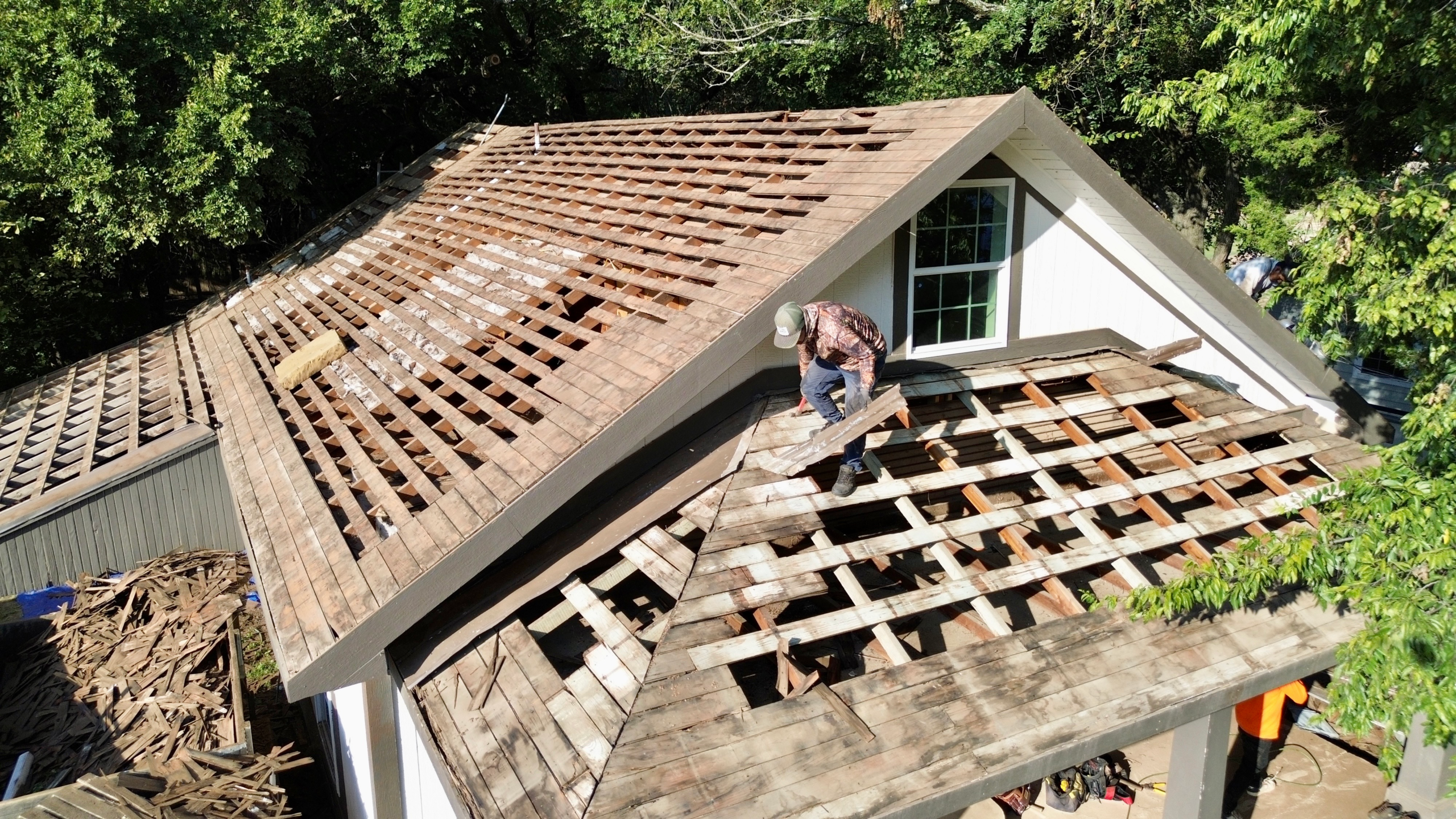
Ignoring roofing problems can lead to serious consequences. Water damage can spread to ceilings, walls, and floors. Mold growth can affect indoor air quality. Structural damage can compromise the safety of your home.
By identifying warning signs early, you can take action before problems escalate. This not only protects your property but also helps you avoid higher repair costs.
Repair vs Replacement: How to Decide
Not every roofing issue requires a full replacement. Minor damage in a relatively new roof can often be repaired.
However, replacement is usually the better option when:
- The roof is near the end of its lifespan
- Damage is widespread
- Repairs are becoming frequent
- Structural issues are present
A professional inspection can help you determine the best course of action based on your specific situation.
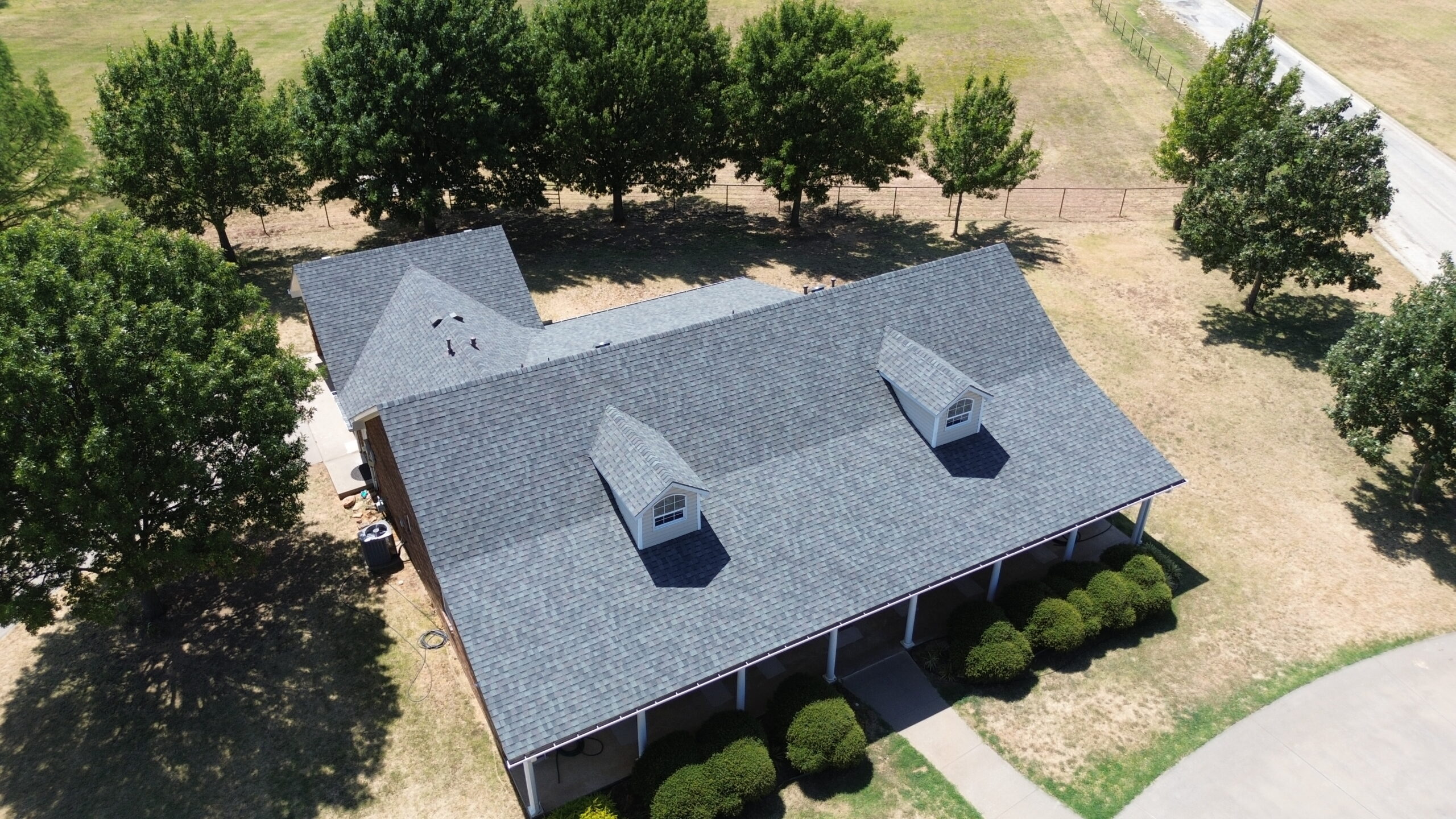
Benefits of a New Roof
Investing in a new roof offers several advantages:
- Improved protection against weather
- Increased energy efficiency
- Enhanced curb appeal
- Higher property value
- Peace of mind knowing your home is secure
Modern roofing materials are designed to last longer and perform better, making replacement a worthwhile investment.
Final Thoughts
Your roof works hard to protect your home every day. Over time, wear and tear are inevitable, especially in regions with harsh weather conditions.
By paying attention to these ten warning signs, you can make informed decisions about your roof’s condition. Whether it is aging materials, visible damage, or recurring leaks, addressing issues early can save you from costly problems later.
If you suspect your roof may need replacement, scheduling a professional inspection is the best next step. A trusted roofing contractor can assess the condition of your roof and recommend the right solution to keep your home safe and protected for years to come.